Туруктуу төмөнкү маанайды дарылоого боло турган физикалык себептерди текшерүү менен катар, психикалык саламаттыкты туура баалоо керек. Кан анализдери себептерди ачыктай алат; алар депрессияны аныктабайт.


- Биринчи кезекте коопсуздук: Суициддик ойлор, психоз, катуу толкундануу же коопсуз боло албагандык шашылыш психикалык саламаттыкты сактоо жардамды талап кылат; лабораториялык натыйжалар эч качан кечиктирбеши керек.
- CBC жана ферритин: Ферритин 30 нг/мл төмөн болгондо, гемоглобин төмөндөгөнгө чейин темирдин жетишсиздигине колдоо көрсөтөт.
- Калкан безинин скрининги: Төмөн эркин T4 менен жогорулаган TSH ачык гипотиреозду көрсөтөт жана чарчоого, ойлордун жайлашына жана төмөнкү маанайга алып келиши мүмкүн.
- Витамин B12: 180 нг/мл же 133 пмоль/л төмөн B12, адатта, жетишсиз; чек арадагы натыйжалар көбүнчө метилмалоникалык кислотаны текшерүүнү талап кылат.
- Глюкоза: Диабетти диагностикалоо чегине жеткенде ырасталган 6.5% же андан жогору HbA1c, ал эми глюкозанын өзгөрүшү энергияны жана концентрацияны начарлатышы мүмкүн.
- Бөйрөк жана боор тесттери: Төмөн eGFR, төмөн натрий, жогорку кальций же боордун иштешинин бузулушу уйкуну, таанып-билүүсүн, дары-дармектерди иштетүүнү жана маанайды өзгөртүшү мүмкүн.
- Ашыкча анализ тапшырбаңыз: Кортизол, жыныстык гормондор, кеңейтилген аутоиммундук панелдер жана генетикалык тесттер, эгерде симптомдор ошол жакка багытталбаса, депрессияга кан анализинин кадимки бөлүгү болуп саналбайт.
- Практикалык кийинки кадам: Симптомдорду, дары-дармектерди, этек кир тарыхын, диетаны, алкоголду колдонууну жана мурунку натыйжаларды клиницистке алып барыңыз; баалуулуктардын бир белгисинен баалуулуктардын үлгүсү маанилүү.
Төмөнкү маанай үчүн кан анализи чындыгында эмнени ачыктай алат
A төмөн маанай үчүн кан анализи депрессияга окшош же аны күчөтүүчү медициналык шарттарды аныктай алат, айрыкча аз кандуулук, калкан безинин иштешинин бузулушу, витамин жетишсиздиги, глюкоза оорулары, бөйрөк же боор оорулары жана электролиттик бузулуулар. Ал депрессияны тастыктай же жокко чыгара албайт, ал симптомдорго, узактыгына, функциясына жана коопсуздукту баалоого негизделген клиникалык диагноз бойдон калууда.
12-сентябрга карата, 2026-жыл, пайдалуу суроо “Менин маанайым медициналыкбы?” эмес, “кайсы калыбына келүүчү шарттар менин симптомдорума жана тобокелдик факторлорума туура келет?” NICE депрессия боюнча жетекчилик психикалык ден соолуктун симптомдору менен катар физикалык ден соолукка, дары-дармектерге, алкоголго жана заттарды колдонууга, ошондой эле суицид тобокелдигине баа берүүнү сунуштайт (NICE, 2022). Кадимки панель кайгыны азыраак реалдуу кылбайт; ал жөн гана медициналык айырманы чектейт.
Клиникалык практикада 15 жыл ичинде, мен бейтаптар темир жетишсиздиги, гипотиреоз же начар көзөмөлдөнгөн диабет болуп чыккан чарчагандык үчүн айлап өздөрүн күнөөлөп жатканын көрдүм. Мен ошондой эле оор депрессия менен ооруган адамдарда толугу менен нормалдуу натыйжаларды көрдүм. Экөө тең камкордукту талап кылат жана экөөнү тең азайтууга болбойт.
Кантести - бул AI кан анализи анализатору клиницист менен талкуулоо үчүн лабораториялык үлгүлөрдү уюштуруу максатында иштелип чыккан, натыйжага психиатриялык белгини тиркөө эмес. Баштоо кан тест биомаркерлер колдонмосу отчеттогу кыскартуулар тааныш эмес болсо.
Төмөн маанай шашылыш болгондо
Өзүн-өзү өлтүрүү жөнүндө ойлор, өзүнө зыян келтирүү планы, үн угуу, жаңы паранойя, оор баш аламандык же бир нече күн уйкусуздук жана күчөп бараткан энергия шашылыш түрдө ошол эле күнү психикалык ден соолукту баалоону талап кылат. Тез жардам кызматына же жергиликтүү кризистик линияга чалыңыз, тез жардам бөлүмүнө барыңыз же ишенимдүү адамдан жаныңызда болууну сураныңыз; төмөн маанай үчүн кан анализин күтүү коопсуз эмес.
1. CBC жана темирди изилдөө: анемия пайда боло электе чарчоо
Темирдин жетишсиздиги аз кандуулук пайда болгонго чейин чарчоого, концентрациянын начарлашына, көнүгүүгө чыдамсыздыкка жана төмөн маанайга салым кошо алат. Толук кан анализи, ферритин, трансферриндин каныккандыгы жана CRP - чарчоо төмөн маанай менен коштолгондо эң маалыматтык баштапкы тесттер.
Ферритин төмөн 15 нг/мл темир сактагычтын жоктугу үчүн жогорку спецификалык болуп саналат, ал эми наркы төмөн 30 ng/mL симптомдуу чоңдордо темирдин жетишсиздигин колдоо үчүн колдонулат. Ферритин ошондой эле курч фаза протеини болуп саналат, андыктан 60 нг/мл маани инфекция, семирүү, сезгенүү оорулары же жакында катуу көнүгүү учурунда жетишсиздикти ишенимдүү түрдө жокко чыгарбайт.
Гемоглобин төмөн 12.0 г/дл кош бойлуу эмес чоңдордо же эркектерде 13.0 г/длден төмөн аз кандуулуктун жалпы чектерине туура келет, бирок гемоглобин гана кеч маркер болуп саналат. Төмөн MCV, өсүп жаткан RDW, трансферриндин каныккандыгы төмөн 20%, жана төмөн ферритин жалгыз кан темирге караганда алда канча ишенимдүү үлгү түзөт.
Камачелланын NEJM карап чыгуусунда чарчоо жана функциялык кубаттуулуктун төмөндөшү темир жетишсиздигинин жалпы өзгөчөлүктөрү катары сүрөттөлөт, жетишсиздиктин себеби автоматтык кошумчалоону эмес, иликтөөнү талап кылат (Camaschella, 2015). Оор мезгилдер, кан берүү, чектөөчү диеталар, целиакия оорусу жана ичеги-карын жолунан жоготуулар көп жолдор болуп саналат; биздин колдонмо анемияга чейинки төмөнкү ферритин “нормалдуу CBC” эмне үчүн адаштырышы мүмкүн экенин түшүндүрөт.
2. Калкан безинин анализи: стрессти күнөөлөгөнгө чейин TSH текшериңиз
Ачык гипотиреоз - бул төмөнкү маанай, когнитивдик жайлоо, ич катуу, суукка чыдамсыздык жана чарчоо сыяктуу белгилери бар таанылган медициналык себеп. Биринчи кезектеги калкан безинин анализи - бул TSH, ал эми TSH анормалдуу же гипофиз оорусу мүмкүн болгон учурда эркин T4 менен бирге текшерилет.
Төмөн эркин T4 менен жогорку TSH ачык башталгыч гипотиреозду билдирет жана адатта дарылоо талкуусун талап кылат. Илтиңиз чектери анализге жараша айырмаланат, бирок TSH көбүнчө болжол менен 0,4-4,0 мИУ/л; TSH жогорулаганда 10 mIU/L 4.5 mIU/L чек арадагы өсүшкө караганда клиникалык жактан маанилүүрөөк, айрыкча кайталанса.
Субклиникалык гипотиреоз - бул нормалдуу эркин T4 менен жогорулаган TSH. Орточо TSH деңгээлинде маанайды жакшыртуучу дарылоонун далилдери чындыгында эле аралаш, айрыкча улгайган адамдарда, ошондуктан симптомдор, калкан безинин антителолору, кош бойлуулук пландары жана кайталап текшерүү маанилүү. Биотин кошумчалары кээ бир иммуноанализдерде TSHды жалган төмөндөтүп, эркин T4ти жогорулатышы мүмкүн; лаборатория сунуштаса, жогорку дозадагы биотинди жок дегенде 48 саатка токтотуңуз.
Чейкер жана башкалар гипотиреозду борбордук нерв системасынын көрүнүштөрү менен системалык оору катары сүрөттөшөт, бирок калкан безинин анализи чыныгы депрессияны баалоонун кыска жолу болбошу керек (Chaker et al., 2017). Дары-дармектерди өзгөрткөндөн кийинки убакыт үчүн, караңыз калкан безин кайра текшерүү мөөнөттөрү.
Башка жолду талап кылган натыйжа
Нормалдуу же төмөн TSH менен төмөн эркин T4 борбордук гипотиреозду, катуу иштебей калган ооруну же анализдин бузулушун көрсөтүшү мүмкүн; аны “нормалдуу калкан бези” катары четке кагууга болбойт. Бул көрүнүш баш оору, көрүү өзгөрүүлөрү, либидонун төмөндөшү же гипофиздин башка симптомдору болгон учурда клиницисттин кароосун талап кылат.
3. Витамин B12 жана фолат: нерв симптомдору шашылыш абалды өзгөртөт
B12 витамининин жетишсиздиги анемиясыз да төмөнкү маанайды, эс тутумдун көйгөйлөрүн, сезимсиздикти, басуунун тең салмаксыздыгын жана чарчоону пайда кылышы мүмкүн. CBC менен B12 текшерип, B12 мааниси чек арада же симптомдор неврологиялык болгон учурда метилмалоник кислотасын же гомоцистеинди карап көрүңүз.
Кан сарысуусундагы B12 төмөн болсо 180 пг/мл же 133 пмоль/л адатта жетишсиздикти колдойт, бирок жергиликтүү чектер ар кандай. Натыйжалар болжол менен 180-350 пг/мл аныкталбаган болушу мүмкүн, жана B12-көз каранды метаболизм бузулганда метилмалоник кислотасы жогорулайт; бөйрөк иштешинин төмөндөшү да метилмалоник кислотасын жогорулатышы мүмкүн.
Макроцитоз, адатта, MCV жогору 100 fLден жогору көтөрүлүп жатса, B12 же фолий жетишсиздигин көрсөтүшү мүмкүн, бирок ал сөзсүз да, специфик да эмес. Алкоголду колдонуу, боор оорусу, гипотиреоз, ретикулоцитоз жана дары-дармектер да MCVди жогорулатышы мүмкүн. Анемиянын жоктугу B12ге байланыштуу нерв жаракатын коопсуз түрдө жокко чыгарбайт.
Эгерде адамда уйкусуроо, титирөөнү сезүү, баланстын өзгөрүшү, метформин колдонуу, кислотанын бөгөт коюусун узак мөөнөткө колдонуу, вегетариандык тамактануу, ашказан операциясы же азот оксидинин таасири болгондо мен өзгөчө этият болом. suspected B12 жетишсиздиги үчүн бир гана фолий кислотасын ичпеңиз: ал анемияны оңдоп, неврологиялык зыян улана бериши мүмкүн; караңыз B12 менен фолатты текшерүү дарыгер менен.
4. Витамин D: себепкер, бирок өз алдынча чечим эмес
Төмөн 25-гидроксивитамин D чарчоо, булчуң ооруулары, сыртта активдүүлүктүн азайышы жана маанайдын төмөндөшү менен бирге пайда болушу мүмкүн, бирок ал сейрек гана катуу депрессияны өзү эле түшүндүрөт. Кадимки жетишсиздикти баалоо үчүн активдүү 1,25-дигидроксивитамин D тестине караганда 25-OH витамин D өлчөңүз.
Төмөнкү 25-OH витамин D концентрациясы 20 нг/мл (50 нмоль/л) көпчүлүк органдар тарабынан жетишсиз деп эсептелет, ал эми 20–29 нг/мл көбүнчө жетишсиз деп сүрөттөлөт. Практика талаштуу: сөөккө багытталган топтор 20 же 30 нг/мл болсо, максат катары эсептөө боюнча айырмаланышат, ал эми маанайга байланыштуу дарылоо чектери аныктала элек.
D витамининин жетишсиздиги күн нуру аз тийгенде, бийик кеңдиктеги кара терилүү адамдарда, кийимдерди жапкан учурда, семирүүдө, сиңирүүнүн бузулушунда, бөйрөк ооруларында жана кээ бир эпилепсияга каршы дары-дармектерде көбүрөөк болот. Клиникалык тузак - бул төмөн натыйжа бардыгын түшүндүрөт деп ойлоо; уйкунун жетишсиздиги, кайгы, тынчсыздануу, аз кандуулук жана депрессия көп учурда алар менен бирге пайда болот.
Көпчүлүк бейтаптар коррекция булчуң симптомдорун же жалпы энергияны жумалар бою акырындык менен жакшыртат, бир күндө эмес. Ашыкча кошумчалар кальцийди көбөйтүшү мүмкүн; D витамининин жогорку натыйжасы жүрөк айлануу, суусатуу, ич катуу же баш аламандык пайда болгондо көңүл бурууга татыктуу.
Акылга сыярлык алмаштыруу көзөмөлдү талап кылат
Татаал эмес жетишсиздик үчүн, дарыгерлер көбүнчө күнүнө 800-2000 IU дозаларды колдонушат, бирок жүктүн режимдери оордугуна, кош бойлуулугуна, бөйрөк функциясына, кальцийдин деңгээлине жана жергиликтүү жетекчиликке жараша болот. 150 нг/мл же 375 нг/мл жогору болгон 25-OH витамин D натыйжасы уулануу коркунучун жаратат жана медициналык кароону талап кылат.
5. Глюкоза жана HbA1c: энергиянын түшүшүнүн үлгүлөрү бар
Диабет жана кайталануучу гипогликемия чарчоону, концентрацияны, уйкуну жана кыжырданууну күчөтүшү мүмкүн, бул маанайдын төмөндөшү катары кабыл алынышы мүмкүн. Суусатуу, тез-тез заара кылуу, салмактын өзгөрүшү, көрүүнүн бүдөмүктөлүшү, титирөө же метаболизмдин тобокелдиги бар болгондо, орозо учурундагы глюкоза жана HbA1c ылайыктуу.
HbA1c 6.5% же андан жогору кайталап текшерүү же башка диагностикалык тест менен тастыкталганда диабетти колдойт, ал эми 5.7-6.4% АКШнын критерийлери боюнча кант диабетинин жогорку тобокелдигин көрсөтөт. HbA1c болжол менен 8-12 жумалык глюкозанын таасирин чагылдырат, бирок аз кандуулук, гемоглобин варианттары, бөйрөк оорусу жана кан куюу аны жалган көрсөтүшү мүмкүн.
Плазмадагы глюкозанын төмөндөгүсү 70 мг/дл (3.9 ммоль/л) гипогликемия болуп саналат, бирок симптомдору маанилүү: тердөө, титирөө, жүрөктүн кагышы, баш аламандык жана документтештирилген төмөн деңгээлдеги жүрүм-турумдун өзгөрүшү текшерүүнү талап кылат. Диабети жок адамдарда, узакка созулган ачкачылыктан кийин бир жолу төмөн көрсөткүч тастыкталган спонтандык гипогликемиялык бузулуу сыяктуу эмес.
Депрессиянын кан анализин карап жатканда, мен эртең мененки 11, көнүгүүдөн кийин жана тамактан эки саат өткөндөн кийин эмне болоорун сурайм. Кайталап углевод көп тамактар, тамак-ашсыз алкоголь, диабет дары-дармектери жана жетишсиз энергия алуу таанымал үлгүсүн жаратышы мүмкүн; караңыз төмөнкү глюкозанын себептери.
Эмне үчүн кадимки ачка глюкозасы окуяны өткөрүп жибериши мүмкүн
Инсулинге туруктуулуктун алгачкы этаптарында ачка глюкозасы кадимки бойдон калышы мүмкүн, ал эми HbA1c, триглицериддер, белдин айланасы, уйку апноэ жана үй-бүлөлүк тарыхы тобокелдикти көрсөтөт. Тескерисинче, эритроциттердин жашоо цикли кыска болгондо, HbA1c глюкозанын таасирин төмөндөтүшү мүмкүн, андыктан клиницисттер кээде фруктозаминди же глюкозаны мониторингди колдонушат.
6. Бөйрөк, боор жана электролиттердин анализи: көңүл бурулбаган химия
Бөйрөк оорусу, боордун иштебей калышы, натрийдин бузулушу жана кальцийдин тең салмаксыздыгы чарчоо, уйкунун бузулушу, ой жүгүртүүнүн жайлашы же баш аламандык пайда кылып, депрессия менен дал келиши мүмкүн. Негизги метаболизм панели, боор панели, eGFR жана дары-дармектерди карап чыгуу жалгыз “ден соолук” тесттерине караганда пайдалуураак.
eGFR 60 мл/мин/1.73 м² кеминде 3 ай бою өнөкөт бөйрөк оорусунун бир критерийин канааттандырат, бирок бир жолу төмөндөө суюктуктун жетип турганда же катуу ооруганда убактылуу төмөндөшү мүмкүн. Уремия симптомдору, адатта, алда канча төмөнкү чыпкалоо деңгээлинде пайда болот, бирок дары-дармектердин топтолушу жана аз кандуулук эрте эле ден соолукка таасир этиши мүмкүн.
Натрий 130 ммоль/л баш оору, жүрөк айлануу, туруксуздук, баш аламандык жана олуттуу чарчоо алып келиши мүмкүн; натрийдин төмөндөгүсү 120 ммоль/л көбүнчө шашылыш. Кальцийдин жогорулаганы 11.0 мг/дл (2.75 ммоль/л) ич катуу, суусабоо, когнитивдик өзгөрүү жана депрессияга алып келиши мүмкүн, айрыкча ал тез көбөйсө.
Кантести - бул AI лабораториялык тест чечмелөө кызматы аркылуу жарыяланат бөйрөк, боор, электролит жана CBC натыйжаларын үлгү катары карап, дары-дармектерге байланыштуу тобокелдиктерди камтыйт. eGFRдин күтүлбөгөн өзгөрүшү гидраттациядан жана мурунку көрсөткүчтөрдөн контекстти талап кылат, биздин бөйрөк тест боюнча колдонмо жабат.
Дары-дармектердин таасири жоголгон ачкыч болушу мүмкүн
Тиазиддик диуретиктер кальцийди көбөйтүп, натрийди төмөндөтүшү мүмкүн, SSRIлер гипонатриемияга салым кошушу мүмкүн, метформин B12ди убакыттын өтүшү менен азайтышы мүмкүн, ал эми кээ бир эпилепсияга каршы дары-дармектер витамин Dге таасир этет. Лабораториялык натыйжадан гана дарыгер жазган дарыны эч качан токтотпоңуз; рецепт жазган дарыгерге убакытты, дозасын жана коопсуз альтернативаларды салмактап көрүүнү сураныңыз.
7. Сезгениши, инфекциясы жана аутоиммундук белгилери: тандап текшерүү
CRP, ESR, инфекция тесттери жана аутоиммундук антителолор депрессия үчүн кадимки скрининг тесттери эмес, бирок алар системалык ооруга физикалык белгилер багыттаганда пайдалуу. Дене табынын көтөрүлүшү, салмактын жоголушу, муун шишиги, исиркектер, туруктуу диарея, түнкү терлер же локализацияланган симптомдор тестирлөөнүн ушул бутагына багытташы керек.
CRP төмөн 3 мг/л көбүнчө төмөнкү жүрөк-кан тамыр системасынын сезгенүүсү катары каралат, бирок лабораториялар ар кандай ыкмаларды жана диапазондорду колдонушат. 30 мг/л CRP инфекцияны, аутоиммундук активдүүлүктү, ткандардын жабыркашын, семирүүнү же башка көптөгөн шарттарды чагылдырышы мүмкүн; ал депрессиянын себебин аныктабайт жана “мээнин сезгенүүсүн” диагноздой албайт.”
ESR жай көбөйөт жана жай төмөндөйт, бул симптомдордун күтүлбөгөн өзгөрүүсү үчүн аз пайдалуу. Кадимки CRP жана ESR ар кандай сезгенүү абалын четке какпайт, ал эми инфекциялардан, тиш ооруларынан, интенсивдүү көнүгүүлөрдөн жана жогорку дене салмагынан кийин жеңил жалгыз көтөрүлүүлөр көп кездешет.
Мен indiscriminate антитело панелинен алынган зыяндарды максаттуу тестирлөөгө караганда көбүрөөк көрөм: төмөнкү деңгээлдеги позитивдүү ANA натыйжалары көп кездешет жана айлар бою тынчсызданууну жаратышы мүмкүн. Эгерде CRP көтөрүлүшү менен ферритин күтүүсүз жогору болсо, ферритинди жана CRPны бирге караган колдонмобуз экөө тең бир гана маркерден артыкча маалымат берет.
Инфекцияны текшерүү максатка ылайыктуу болгондо
ВИЧ, гепатит, целиакия серологиясы жана башка инфекция же сиңирүү ооруларынын анализи экспозициядан, ичеги-карын симптомдорунан, аз кандуулуктун үлгүсүнөн, боордун натыйжаларынан же клиникалык тарыхынан кийин жүргүзүлүшү керек. Кадимки эле маанайдын төмөндөшүнөн кийин “баардыгын” текшерүү, жооп бергенден көрө, көбүнчө жалган позитивдерди берет.
Туруктуу чарчоо жана төмөнкү маанай үчүн акылга сыярлык биринчи панел
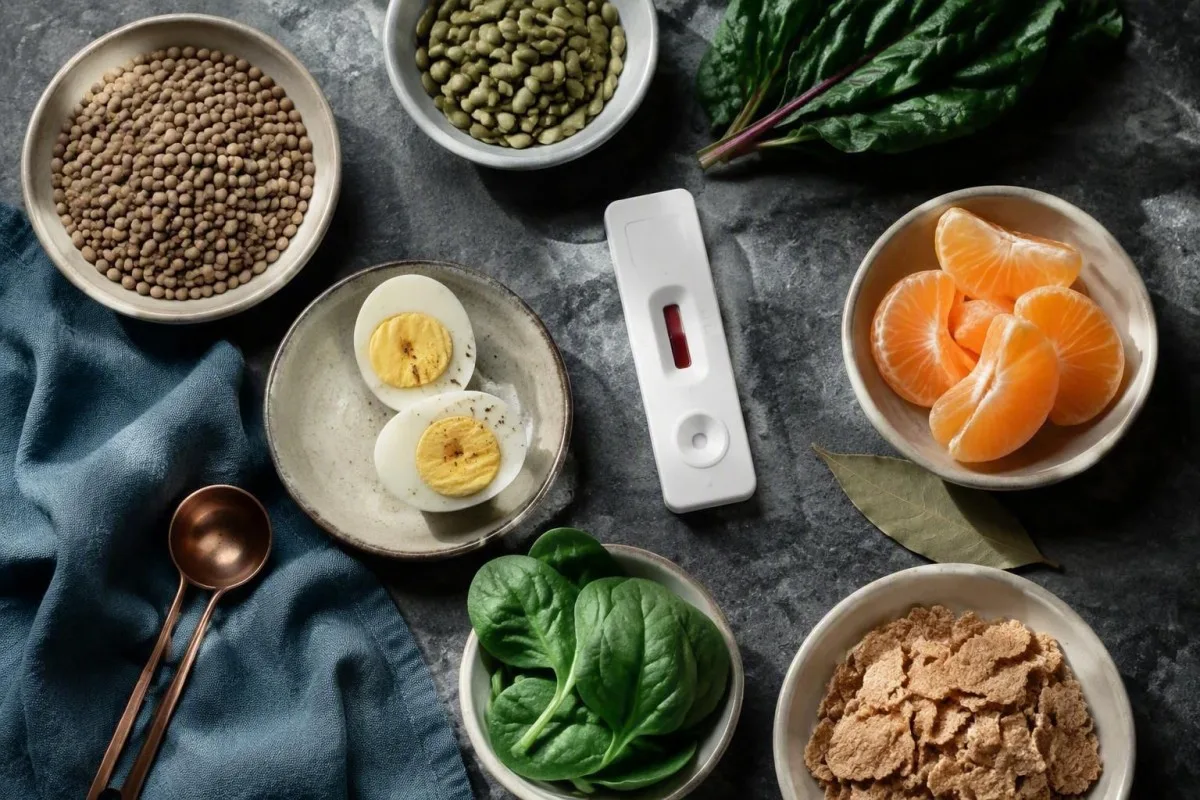
Өнөкөт чарчоо менен маанайдын төмөндөшү үчүн, биринчи кезектеги панелге, адатта, CBC, трансферрин каныккандыгы менен ферритин, TSH, көрсөтүлгөндө эркин T4, B12, тобокелчилик болгондо фолат, HbA1c же глюкоза, бөйрөк функциясы, электролиттер, боордун анализи жана витамин D, эгерде жетишсиздик тобокелчилиги жогору болсо, кирет. Көпчүлүк адамдар үчүн туура топтому кичинекей, ал эми кээ бирлери үчүн кеңири.
Кош бойлуулук мүмкүнчүлүгү дароо эле тартипти өзгөртөт: кош бойлуулукту аныктоо, ферритин, калкан безинин анализи, глюкозаны баалоо жана дары-дармектерди тез арада карап чыгуу артыкчылыкка ээ болушу мүмкүн. Улгайган адамдарда салмактын жоголушу, ичеги-карындын өзгөрүшү, жаңы аз кандуулук, eGFRдин төмөндөшү жана дары-дармектердин таасири жыныстык гормондорду текшерүүгө караганда көбүрөөк салмакка ээ.
Kantesti AI — бул AI кан анализинин жыйынтыгы платформасы 127+ өлкөлөрүндө натыйжаларды клиницист үчүн суроолорго бөлүү үчүн колдонулат, тарыхты алуу же кароону алмаштыруу үчүн эмес. Биздин система биздин система билбеген контекстти, мисалы, орозо кармоо абалы, этек кир кан кетүү, кошумчалар, көнүгүү же жакында болгон оору сыяктуу нерселерди аныктоого жардам берет, караңыз: технология иштөө жолу.
Доктор Томас Клейндин практикалык эрежеси жөнөкөй: натыйжа кийинки кадамды өзгөртө алса гана тестке буйрутма бериңиз. Кеңири панель көп системалуу симптомдор менен акталышы мүмкүн, бирок күнүмдүк кортизол, жыныстык гормондор, тамак-ашка чыдамсыздык тесттери, оор металлдар жана шишик маркерлери, адатта, маанайдын төмөндүгү боюнча кан анализинде ызы-чуу жаратат.
Жыйынтык суроого жооп бергидей кылып даярданыңыз
Кошумчаларды, айрыкча биотин, B12, темир, D витамини жана креатинди жазып алыңыз; акыркы дозасын жана орозо кармаганыңызды белгилеңиз. Мүмкүн болсо, шашылыш эмес тестирлөө алдында 24-48 саат бою адаттан тыш интенсивдүү көнүгүүлөрдөн жана ашыкча алкоголдук ичимдиктерден алыс болуңуз, анткени экөө тең AST, CK, глюкоза, ферритин жана гидратацияга сезгич натыйжаларды өзгөртүшү мүмкүн.
Эмне үчүн кортизол жана жыныстык гормондордун панелдери сейрек биринчи орунда турат
Кокустук кортизол жана кеңири жыныстык гормон панелдери, адатта, өнөкөт маанайдын төмөндүгүн түшүндүрбөйт жана “стресске каршы жалпы тесттер” катары колдонулбашы керек.” Алар бөйрөк бездеринин оорулары, этек кирдин бузулушу, менопаузага өтүү, гипогонадизм, гипофиз оорусу же дары-дармектердин таасири бар болгондо пайдалуу болот.
Кортизол күчтүү күнүмдүк ритмге ээ: эртең мененки үлгү, адатта, кечиндеги үлгүгө караганда бир топ жогору, ошондуктан убактысы белгиленбеген маанинин диагностикалык мааниси чектелүү. Бөйрөк үстүндөгү бездин жетишсиздиги шектүү учурда туура убакыттагы кортизол жана көбүнчө стимулдаштыруучу тест менен бааланат, онлайн “бөйрөк үстүндөгү бездин чарчоосун” эсептөө менен эмес.
Тестостерон күндүн убактысы, катуу оору, уйку жана байланыштыруучу белоктор менен өзгөрөт; эркектерде, дефицитти аныктоодон мурун эртең мененки жалпы тестостерон жок дегенде эки жолу кайталануусу керек. Эстрадиол жана прогестерон этек кир цикли боюнча өзгөрөт, ошондуктан бир гана маани циклдин убактысын билбестен, маанайдын өзгөрүшүн түшүндүрө албайт.
Максаттуу эндокриндик тестирлөөнү талап кылган симптомдорго дененин чачынын жаңы жоголушу, эректилдик дисфункция, аменорея, галакторея, катуу ысык басуу, кызгылт түстөгү стриялар, түшүнүксүз көгөргөн тактар же туруктуу төмөн кан басымы кирет. Биздин кортизол шилтеме колдонмобузда чогултуу убактысы эмне үчүн натыйжанын бир бөлүгү экенин түшүндүрөт.
Менопауза биохимиялык болгонго чейин клиникалык болуп саналат
45 жаштан ашкан адамдарда типтүү ысык басуу жана циклдик өзгөрүүлөр менен, менопауза көбүнчө бир FSH тестинен эмес, клиникалык жактан аныкталат. Калкан безинин оорулары, аз кандуулук, дары-дармектердин таасири жана депрессия бир эле учурда пайда болушу мүмкүн, ошондуктан бир этикетканы дарылоо баалоону токтотпошу керек.
Тесттерди кошуудан мурун дары-дармектерди, алкоголду, заттарды жана уйкуну карап чыгуу
Дары-дармектердин таасири, алкоголь, каннабис, стимуляторлор, седативдиктер жана уйкунун бузулушу маанайдын төмөндүгүнө жалпы, кайтарылуучу салым кошкон факторлор болуп саналат, аларды эч кандай стандарттык кан панели толук аныктай албайт. Дары-дармектердин графиги көбүнчө кошумча лабораториялык үлгүгө караганда көбүрөөк маалымат берет.
Бета-блокаторлор, изотретиноин, кортикостероиддер, кээ бир антиконвульсанттар, интерферонго негизделген терапиялар, седативдиктер жана гормоналдык дарылоо сезимтал адамдарда маанайга таасир этиши мүмкүн. SSRI, диуретиктер жана карбамазепин натрийди төмөндөтүшү мүмкүн; протон насосунун ингибиторлору жана метформин убакыттын өтүшү менен B12 жетишсиздигине салым кошо алышат.
Спирт ичүү тынчсызданууну убактылуу азайтышы мүмкүн, бирок уйкуну бузуп, GGT, MCV, триглицериддерди жана боор ферменттерин көбөйтүшү мүмкүн. Лабораториянын жогорку чегинен ашкан GGT спецификалык эмес: ал спирт ичимдиктерин, майлуу боорду, дары-дармектерди же холестазды чагылдырышы мүмкүн, андыктан аны спирт ичимдиктерин колдонуунун далили катары эч качан колдонууга болбойт.
Обструктивдүү уйку апноэ депрессияга окшош болушу мүмкүн — калыбына келтирбеген уйку, концентрациянын начарлашы, либидонун өзгөрүшү жана күндүзгү чарчоо — ал эми CBC жана калкан безинин анализи нормалдуу бойдон калат. Эгерде кимдир бирөө уйку учурунда дем алуусун токтотуп калса, эртең мененки баш оору же туруктуу гипертония болсо, кошумчаларды издөөнүн ордуна уйкуну баалоо жөнүндө сураңыз; уйкунун начардыгы жана лабораториялык жыйынтыктар пайдалуу контекстти берет.
Клиницисттер кызыл желектерге караганда үлгүлөрдү кантип окушат
Бир бузулган жыйынтык сейрек учурда маанайдын төмөндөшүн түшүндүрөт; симптомдордогу шайкештик, кайталап текшерүү жыйынтыктары жана тиешелүү биомаркерлер ишенимдүүрөөк. Лабораториялык нормалдуу чектери шилтеме популяциясынын 95% кайда жайгашкандыгын сүрөттөйт, жеке ден соолук кепилдигин эмес.

Темирдин жетишсиздигинин күчтүү далили болуп, 18 нг/мл ферритин жана төмөн трансферрин каныккандыгы, этек киндин оордугу, буттун тынчсыздыгы жана чарчоо, ал эми жалгыз 18 ферритин эмес. Тескерисинче, жакында болгон вирустук оорудан кийинки 18 ферритин дагы эле изилдөөгө жетиштүү деңгээлде төмөн, бирок CRP, диета, кан жоготуу жана кайталап текшерүү убактысы чечимди калыптандырат.
Ушул эле принцип калкан безинин анализине да тиешелүү: уйкусуз бир жумадан кийинки TSH 5,2 мМЕ/л кайталап текшерүүнү талап кылышы мүмкүн, ал эми төмөнкү эркин T4 жана ич катуу менен TSH 12 мМЕ/л алда канча так белги болуп саналат. Лабораториялар анализдөө боюнча айырмаланат, андыктан бир эле лабораторияны жана бирдиктерди көзөмөлдөө жалган өзгөрүүлөрдү азайтат.
Kantesti AI бул талкууларды азыраак үзгүлтүккө учуратуу үчүн тенденцияларды жана тиешелүү маркерлерди салыштырат, бирок биздин клиникалык стандартыбыз ишенимдүүлүктү ойлоп табуудан көрө, белгисиздикти белгилөө болуп саналат. Эмне үчүн кан анализинин ортосундагы өзгөрүү биологиялык вариация, чогултуу вариациясы же чыныгы өзгөрүү болушу мүмкүн экенин билип алыңыз.
Кадимки диапазон - бул дарылоонун максаты эмес
Ар бир биомаркерди нормалдуу интервалдын ортосуна түртүүгө аракет кылбаңыз. Мисалы, темирдин жогорку дозасы ичеги-карынга зыян келтирип, кан жоготууну баалоону бурмалашы мүмкүн, ал эми ашыкча витамин D гиперкальциемияга алып келиши мүмкүн; дарылоо диагноз, симптомдор жана кийинки текшерүүдөн кийин жүргүзүлүшү керек.
Качан тесттерди кайталоо, үй-бүлөлүк дарыгердин кароосун издөө же шашылыш жардам алуу
Жумшак аномалия убактылуу болушу мүмкүн болгондо, кайталап текшерүү ылайыктуу, бирок шашылыш симптомдор "күтүп туруп көрүү" планын жокко чыгарат. Суициддин жаңы ниети, делирий, катуу алсыздык, көкүрөк ооруу, эс-учун жоготуу, сарык, кара ичеги же глюкозага байланыштуу чаташуу шашылыш медициналык жардамды талап кылат.
Бир аз жогорулаган TSH нормалдуу эркин T4 менен кээде кайталанат 6–12 жумада, кош бойлуулукта же белгиленген симптомдордо эрте. Темир, B12 жана витамин D кийинки текшерүү убактысы дарылоого жана баштапкы оордугуна жараша болот; клиницисттер көбүнчө кызыл кан клеткаларынын калыбына келиши үчүн бир нече жумага караганда бир нече жумадан кийин CBC жана темир маркерлерин кайрадан баалашат, анткени кызыл кан клеткаларынын калыбына келиши убакытты талап кылат.
Гемоглобин төмөндөгүдөй болгон учурда ошол эле жумада текшерүүнү талап кылыңыз 10 г/дЛ, натрий 130 ммоль/л, кальций жогору болсо 11.0 мг/длден жогору болсо, eGFR тез төмөндөп, сарык менен билирубин же диабеттик диапазондагы ачкарын глюкоза плюс симптомдор. Булар диагноз эмес, сорттоо боюнча сунуштар, жана жергиликтүү кызматтар ар кандай чектөөлөрдү колдонушу мүмкүн.
Татаал отчеттор үчүн, Kantesti'тин клиникалық валидация тәсілі бир баскычтуу ишенимдүүлүктөн көрө, булакты текшерүүнү, кайталап коюуну жана күчөтүүнү баса белгилейт. Доктор Томас Клейн жолугушууга чыныгы PDF, дары-дармектердин тизмеси жана бир жумалык симптомдор күндөлүгүн алып келүү сунуштайт.
Жолугушуу алдында эмнени жазуу керек
Төмөнкү маанай качан башталганын, уйкунун узактыгын, табиттин же салмактын өзгөрүшүн, этек киндин кан кетишин, спирт ичимдиктерин жана заттарды колдонууну, үй-бүлөдөгү калкан безинин же диабеттин тарыхын, жакында болгон инфекцияларды, диетикалык чектөөлөрдү жана ар бир дары-дармектин же кошумчанын дозасын камтыңыз. Бул маалымат “бузулган” жыйынтыктын клиникалык жактан актуалдуу болушун тез-тез өзгөртөт.
Медициналык себептер текшерилип жатканда төмөнкү маанайды дарылоо
Төмөнкү маанай туруктуу же тоскоолдук жаратса, кан анализдери күтүлүп жатканда да, психикалык саламаттыкты колдоо башталышы керек. Психологиялык терапия, социалдык колдоо, уйкуну дарылоо, ылайыктуу учурда дары-дармектер жана коопсуздук пландаштыруу “нормалдуу лабораториялардан” кийинки резервдик варианттар эмес; алар далилдүү кам көрүү болуп саналат.

Депрессия, адатта, жок дегенде 2 жума төмөнкү маанай же кызыгуунун жоголушу, уйку, табит, энергия, концентрация, күнөөлүү, психомотордук же суицидалдык өзгөрүүлөр сыяктуу башка симптомдор менен коштолот. Оордугу лабораториялык отчетто кызыл желектер бар-жокпуна эмес, функционалдык таасирине жана коопсуздугуна жараша болот.
Физикалык себеп бар болгон учурда, ал жалгыз себеп болбошу мүмкүн. B12 жетишсиздигин жоюу, алсыздыкка жана концентрацияга жардам берет, ал эми терапия жоготуу, травма, обочолонуу же калыптанган депрессиялык симптомдорду дарылайт; көпчүлүк бейтаптар бул биргелешкен кароону алда канча аз айыптайт.
Kantesti дарыгердин көзөмөлү астында биздин медициналык консультациялык кеңеш, аркылуу иштейт, жана биз окурмандарды AI интерпретациясын клиникалык жана психикалык саламаттыкты сактоо үчүн даярдык катары колдонууга чакырабыз, алмаштыруучу катары эмес. Эгер бүгүн коопсуз боло албасаңыз, өлкөңүздөгү тез жардам кызматын же кризистик ресурсту колдонуңуз.
Төмөнкү маанай үчүн кан анализинин негизги жыйынтыгы
Максаттуу кан анализи жети пайдалуу категорияны ача алат: темирге байланыштуу аз кандуулук, калкан безинин дисфункциясы, B12 же фолаттын жетишсиздиги, D витамининин жетишсиздиги, глюкоза бузулуулары, бөйрөк-боор-электролит аномалиялары жана симптомдорго негизделген сезгенүү же инфекциялык оору. Бул боорукер баалоонун бир бөлүгү, эч качан азап-тозогуңуздун мыйзамдуулугуна карата сот эмес.
Көп берилүүчү суроолор
Маанайым чөгүңкү жана чарчап-чаалыксам, кандай кан анализин тапшырууну суранышым керек?
Төмөнкү маанай жана чарчоо үчүн багытталган кан анализи көбүнчө CBC, трансферрин каныккандыгы менен ферритин, TSH, B12, HbA1c же глюкоза, бөйрөк функциясы, электролиттер жана боор тесттерин камтыйт. Күн нурунун таасири чектелүү болгондо, сиңирүү бузулуу коркунучу болгондо же булчуңдар ооруганда D витамини акылга сыярлык. Ферритин 30 нг/млден төмөн, B12 180 пг/млден төмөн жана TSH лабораториялык интервалдан жогору болгондо клиникалык контекстти талап кылган натыйжалар болот. Бул тесттер медициналык себептерди аныктайт; алар депрессияны диагноз койбойт.
Депрессияны кан анализи аркылуу аныктоого болобу?
Жок, кадимки клиникалык практикада эч бир кан анализи депрессияны диагноздой албайт. Депрессия 2 жумадан кем эмес симптомдордон, алардын күнүмдүк функцияга тийгизген таасиринен, психиатриялык тарыхынан, текшерүүдөн жана коопсуздук баалоосунан диагноз коюлат. TSH, ферритин, B12, глюкоза, натрий жана кальций сыяктуу тесттер депрессиянын симптомдоруна окшош же начарлатышы мүмкүн болгон шарттарды аныктоого жардам берет. Кадимки кан анализдери депрессияны жокко чыгарбайт же дарылоо зарыл эмес дегенди билдирбейт.
Темирдин жетишсиздиги аз кандуулуксуз тынчсызданууну жана маанайдын төмөндөшүн шарттай алабы?
Ооба, темирдин жетишсиздиги гемоглобин аз кандуулук критерийлерине жеткенге чейин эле чарчоо, концентрациянын начарлашы, тынчсыз буттар, көнүгүү толеранттуулугунун төмөндөшү жана төмөнкү маанайды шартташы мүмкүн. 30 нг/млден төмөнкү ферритин көбүнчө темирдин запастарынын сарпталышын колдойт, ал эми 20% дан төмөнкү трансферрин каныккандыгы жетиштүү темирдин жоктугуна далил кошот. Себеби маанилүү: этеккирдин көп кан кетиши, ичеги-карындын жоготуусу, аз тамактануу, кан берүү жана сиңирүү бузулушу ар кандай жоопторду талап кылат. Натыйжаны жана себебин клиницист менен талкуулабай туруп, узак темир менен дарылоону баштабаңыз.
Акыл-эстин абалына таасир этүүчү калкан безинин кайсы анализи бар?
Ачык гипотиреоз, жогорку TSH жана төмөнкү эркин T4 менен аныкталган, чарчоо, ойлордун жайлашы, суукка чыдамсыздык, ич катуу жана депрессиялык симптомдорго салым кошо алат. Көптөгөн лабораториялар TSH шилтеме интервалын 0,4-4,0 мкU/л тегерегинде колдонушат, бирок 10 мкU/лден жогору болгон натыйжа, адатта, чек арадагы көтөрүлүшкө караганда көбүрөөк салмакка ээ. Кадимки эркин T4 менен бир аз жогорулаган TSH көбүнчө дароо тыянак чыгаруудан көрө 6-12 жумада кайра текшерүүнү талап кылат. Калкан безинин оорусу жана депрессия бирге жашай алышат, андыктан калкан безинин функциясын дарылоо психикалык саламаттыкты баалоону алмаштырбайт.
Маанайдын төмөндөшү же чарчоо үчүн кортизолду текшерсем болобу?
Кадимки төмөнкү маанай же чарчоо үчүн кокус кортизол тести, адатта, пайдасыз, анткени кортизол күндүз жана катуу стресс, оору жана уйку менен олуттуу өзгөрөт. Адреналдык оорунун белгилери байкалса, мисалы, туруктуу төмөн кан басымы, түшүнүксүз салмак жоготуу, теринин пигментациясынын өзгөрүшү, катуу алсыздык же Кушингке окшош белгилер болгондо, багытталган тест талап кылынат. Эртең мененки кортизол клиникалык жактан көрсөтүлгөн учурда ырастоочу стимулдоо тестирлөөгө алып келиши мүмкүн. Коммерциялык “адреналдык чарчоо” тестирлөө негизги эндокриндик практикада таанылган диагноз эмес.
Качан төмөнкү маанайды шашылыш деп эсептөө керек?
Суицидалдык ойлор, ниети же планы бар болсо, коопсуз боло албаса, психоз, катуу тынчсыздануу, жаңы баш аламандык, же өтө аз уйку менен бир нече күн бою адаттан тыш жогорку энергия же тобокелдүү жүрүм-турум болгондо, төмөнкү маанайга шашылыш баалоо керек. Оор лабораториялык симптомдор да шашылыш жардамга татыктуу, анын ичинде натрий 120 ммоль/лден төмөн, глюкозага байланыштуу баш аламандык, эс-учун жоготуу, көкүрөк оорусу же тез начарлап бараткан алсыздык. Кадимки тесттин жыйынтыгын күтпөстөн, тез жардам кызматына, кризистик кызматка же тез жардам бөлүмүнө кайрылыңыз. Ишенимдүү адамдан жаныңызда болуп турууну сурануу - бул акылга сыярлык коопсуздук чарасы.
Бүгүн AI менен күчөтүлгөн кан анализин талдоону алыңыз
Дүйнө жүзү боюнча 2 миллиондон ашык колдонуучу Kantestiти заматта, так лабораториялык анализ талдоосу үчүн ишенет. Кан анализиңизди жүктөп, бир нече секунд ичинде 15,000+ биомаркерлеринин комплекстүү чечмелөөсүн алыңыз.
📚 Шилтемеленген изилдөө басылмалары
Кляйн, Т., Митчелл, С., & Вебер, Х. (2026). Нипа вирусун кандан текшерүү: Эрте аныктоо жана диагноз коюу боюнча колдонмо 2026. Kantesti AI медициналык изилдөө.
Кляйн, Т., Митчелл, С., & Вебер, Х. (2026). B терс кан тобу, LDH кан анализи жана ретикулоциттердин саны боюнча колдонмо. Kantesti AI медициналык изилдөө.
📖 Тышкы медициналык шилтемелер
Улуттук саламаттыкты сактоо жана кам көрүү боюнча институт (2022). Чоңдордогу депрессия: дарылоо жана башкаруу. NICE Guideline NG222.
⚕️ Медициналык эскертүү
Бул макала билим берүү максатында гана жана медициналык кеңеш болуп саналбайт. Диагноз коюу жана дарылоо чечимдери үчүн дайыма квалификациялуу саламаттыкты сактоо адисине кайрылыңыз.
E-E-A-T ишеним сигналдары
Тажрыйба
Дарыгер жетектеген лабораториялык чечмелөө иш процесстерин клиникалык кароо.
Экспертиза
Биомаркерлер клиникалык контекстте кандай жүрөрүнө лабораториялык медицина багыты.
Авторитеттүүлүк
Доктор Томас Клейн жазган, доктор Сара Митчелл жана профессор доктор Ханс Вебер тарабынан каралган.
Ишенимдүүлүк
Тынчсызданууну азайтуу үчүн так кийинки кадамдар менен далилге негизделген чечмелөө.