ອາລົມດີທີ່ຍັງຄົງຢູ່ຄົງທີ່ສົມຄວນໄດ້ຮັບການປະເມີນສຸຂະພາບຈິດທີ່ເໝາະສົມ, ພ້ອມກັບການກວດສອບສິ່ງທີ່ກໍ່ໃຫ້ເກີດທາງຮ່າງກາຍທີ່ສາມາດປິ່ນປົວໄດ້. ການກວດເລືອດສາມາດເປີດເຜີຍສິ່ງທີ່ກໍ່ໃຫ້ເກີດ; ມັນບໍ່ໄດ້ວິນິດໄສອາການຊຶມເສົ້າ.

- ຄວາມປອດໄພກ່ອນ: ຄວາມຄິດຢາກຂ້າຕົວຕາຍ, ອາການຈິດ, ຄວາມກະຕືລືລົ້ນຢ່າງຮຸນແຮງ, ຫລື ບໍ່ສາມາດຮັກສາຄວາມປອດໄພໄດ້ຕ້ອງໄດ້ຮັບການດູແລສຸຂະພາບຈິດຢ່າງຮີບດ່ວນ; ຜົນການກວດຫ້ອງທົດລອງຈະຕ້ອງບໍ່ຊັກຊ້າ.
- CBC ແລະ ferritin: Ferritin ຕ່ໍາກວ່າ 30 ng/mL ມັກສະຫນັບສະຫນູນການຂາດທາດເຫຼັກ, ເຖິງແມ່ນກ່ອນທີ່ hemoglobin ຈະຫຼຸດລົງ.
- ການຄັດເລືອດໄທລອຍ: TSH ສູງຂື້ນດ້ວຍ free T4 ຕ່ໍາຊີ້ໃຫ້ເຫັນເຖິງ hypothyroidism overt ແລະສາມາດປະກອບສ່ວນໃນຄວາມເມື່ອຍລ້າ, ການຄິດຊ້າ, ແລະອາລົມຕ່ໍາ.
- Vitamin B12: B12 ຕ່ໍາກວ່າ 180 pg/mL ຫລື 133 pmol/L ມັກຈະຂາດ; ຜົນການກວດທີ່ບໍ່ແນ່ນອນມັກຈະຕ້ອງໄດ້ຮັບການກວດ methylmalonic acid.
- กลูโคส: HbA1c 6.5% ຫລື ສູງກວ່າ ບັນລຸເຖິງການວິນິດໄສພະຍາດເບົາຫວານເມື່ອຢືນຢັນແລ້ວ, ໃນຂະນະທີ່ການປ່ຽນແປງຂອງ glucose ສາມາດເຮັດໃຫ້ພະລັງງານແລະການສຸມໃສ່ຊຸດໂຊມລົງໄດ້.
- ການກວດເລືອດແລະຕັບ: eGFR ຕ່ำ, sodium ຕ່ำ, calcium ສູງ, ຫรือການເຮັດວຽກຂອງຕັບຜິດປົກກະຕິສາມາດປ່ຽນແປງການນອນ, ການຮັບຮູ້, ການຈັດການຢາ, ແລະອາລົມ.
- ຢ່າກວດຫຼາຍເກີນໄປ: Cortisol, ຮໍໂມນເພດ, ແຜນພູມພູມຕ້ານທານທີ່ກວ້າງຂວາງ, ແລະການກວດຫາພັນທຸກໍາບໍ່ແມ່ນການກວດເລືອດປົກກະຕິສໍາລັບອາລົມຕ່ำເວັ້ນແຕ່ອາການບົ່ງຊີ້ໄປທາງນັ້ນ.
- ຂັ້ນຕອນຕໍ່ໄປທີ່ປະຕິບັດໄດ້: ນຳອາການຕ່າງໆ, ຢາ, ປະຫວັດປະຈໍາເດືອນ, ອາຫານ, ການດື່ມເຫຼົ້າ, ແລະຜົນການກວດກ່ອນໜ້ານີ້ໄປໃຫ້ແພດ; ຮູບແບບມີຄວາມສໍາຄັນຫຼາຍກ່ວາຄ່າທີ່ຖືກໝາຍໜຶ່ງຄ່າ.
ສິ່ງທີ່ການກວດເລືອດສໍາລັບອາລົມຕ່ໍາສາມາດເປີດເຜີຍໄດ້ແທ້
A ການກວດເລືອດສໍາລັບອາລົມຕ່ำ ສາມາດລະບຸເງື່ອນໄຂທາງການແພດທີ່ຄ້າຍຄືກັນຫຼືເພີ່ມຄວາມຊຶມເສົ້າ, ໂດຍສະເພາະແມ່ນເລືອດຈາງ, ຕ່ອມໄທລອຍເຮັດວຽກຜິດປົກກະຕິ, ການຂາດວິຕາມິນ, ຄວາມຜິດປົກກະຕິຂອງນ້ຳຕານ, ພະຍາດไตຫຼືຕັບ, ແລະຄວາມຜິດປົກກະຕິຂອງນ້ຳໄຟຟ້າ. ມັນບໍ່ສາມາດຢືນຢັນຫຼືຍົກເວັ້ນຄວາມຊຶມເສົ້າ, ເຊິ່ງຍັງຄົງເປັນການບົ່ງມະຕິທາງຄລີນິກໂດຍອີງໃສ່ອາການ, ໄລຍະເວລາ, ການເຮັດວຽກ, ແລະການປະເມີນຄວາມປອດໄພ.
ມາຮອດວັນທີ 12 ກັນຍາ 2026, ຄຳຖາມທີ່ເປັນປະໂຫຍດບໍ່ແມ່ນ “ການກວດໃດພິສູດວ່າອາລົມຂອງຂ້ອຍເປັນທາງການແພດ?” ແຕ່ແມ່ນ “ເງື່ອນໄຂທີ່ສາມາດແກ້ໄຂໄດ້ໃດທີ່ເໝາະສົມກັບອາການແລະປັດໄຈຄວາມສ່ຽງຂອງຂ້ອຍ?” NICE depression guidance ແນະນຳໃຫ້ປະເມີນສຸຂະພາບຮ່າງກາຍ, ຢາ, ການດື່ມເຫຼົ້າແລະການໃຊ້ສານເສບຕິດ, ແລະຄວາມສ່ຽງຕໍ່ການເປັນອັນຕະລາຍພ້ອມກັບອາການທາງຈິດໃຈ (NICE, 2022). ແຜນພູມປົກກະຕິບໍ່ໄດ້ເຮັດໃຫ້ຄວາມທຸກໃຈເປັນຈິງໜ້ອຍລົງ; ມັນພຽງແຕ່ຈຳກັດຄວາມແຕກຕ່າງທາງການແພດ.
ໃນການປະຕິບັດທາງຄລີນິກຂອງຂ້ອຍເປັນເວລາ 15 ປີ, ຂ້ອຍໄດ້ເຫັນຄົນເຈັບໃຊ້ເວລາຫຼາຍເດືອນຕຳໜິຕົນເອງສຳລັບຄວາມອິດເມື່ອຍທີ່ພິສູດວ່າເປັນການຂາດທາດເຫຼັກ, ຕ່ອມໄທລອຍເຮັດວຽກໜ້ອຍເກີນໄປ, ຫລືພະຍາດເບົາຫວານທີ່ຄວບຄຸມໄດ້ບໍ່ດີ. ຂ້ອຍຍັງໄດ້ເຫັນຜົນທີ່ເປັນປົກກະຕິຢ່າງສົມບູນໃນຜູ້ທີ່ມີອາການຊຶມເສົ້າຮ້າຍແຮງ. ທັງສອງສະຖານະການຕ້ອງການການດູແລ, ແລະບໍ່ຄວນຈະມີໃຜໜ້ອຍລົງ.
ແຄນເທສຕີ ເປັນ AI ເຄື່ອງວິເຄາະເລືອດ ອອກແບບມາເພື່ອຈັດລະບຽບຮູບແບບຫ້ອງທົດລອງສຳລັບການປຶກສາຫາລືກັບແພດ, ແທນທີ່ຈະຕິດປ້າຍຈິດເວດກັບຜົນການກວດ. ເລີ່ມຕົ້ນດ້ວຍ ຄູ່ມືການກວດເລືອດ biomarkers ຖ້າຕົວຫຍໍ້ໃນລາຍງານບໍ່ຄຸ້ນເຄີຍ.
ເມື່ອອາລົມຕ່ำເປັນເຫດສຸກເສີນ
ຄວາມຄິດຢາກຂ້າຕົວຕາຍ, ແຜນການເຮັດຮ້າຍຕົນເອງ, ໄດ້ຍິນສຽງລົມ, ຄວາມຫຼົງໄຫຼໃໝ່, ຄວາມສັບສົນຢ່າງຮ້າຍແຮງ, ຫລືນອນບໍ່ຫຼັບຫລາຍມື້ແລະມີພລັງງານເພີ່ມຂຶ້ນຮຽກຮ້ອງໃຫ້ມີການປະເມີນສຸຂະພາບຈິດຢ່າງຮັ່ງມີໃນມື້ດຽວກັນ. ໂທຫາການບໍລິການສຸກເສີນຫຼືສາຍຊ່ວຍເຫຼືອວິກິດການທ້ອງຖິ່ນ, ໄປຫ້ອງສຸກເສີນ, ຫລືຂໍໃຫ້ຄົນທີ່ທ່ານໄວ້ວາງໃຈຢູ່ນຳທ່ານ; ການລໍຖ້າຜົນການກວດເລືອດສຳລັບອາລົມຕ່ำບໍ່ປອດໄພ.
1. CBC ແລະການສຶກສາທາດເຫຼັກ: ຄວາມເມື່ອຍລ້າກ່ອນທີ່ຈະເປັນພະຍາດເລືອດຈາງ
ການຂາດທາດເຫຼັກສາມາດປະກອບສ່ວນເຮັດໃຫ້ເມື່ອຍລ້າ, ສະມາທິການຂາດແຄນ, ຄວາມບໍ່ທົນທານຕໍ່ການອອກກຳລັງກາຍ, ແລະອາລົມຕ່ำກ່ອນທີ່ເລືອດຈາງຈະພັດທະນາ. ການກວດເລືອດຄົບຖ້ວນ, ferritin, transferrin saturation, ແລະ CRP ເປັນການກວດເລີ່ມຕົ້ນທີ່ມີຂໍ້ມູນຫຼາຍທີ່ສຸດເມື່ອຄວາມເມື່ອຍລ້າມາພ້ອມກັບອາລົມຕ່ำ.
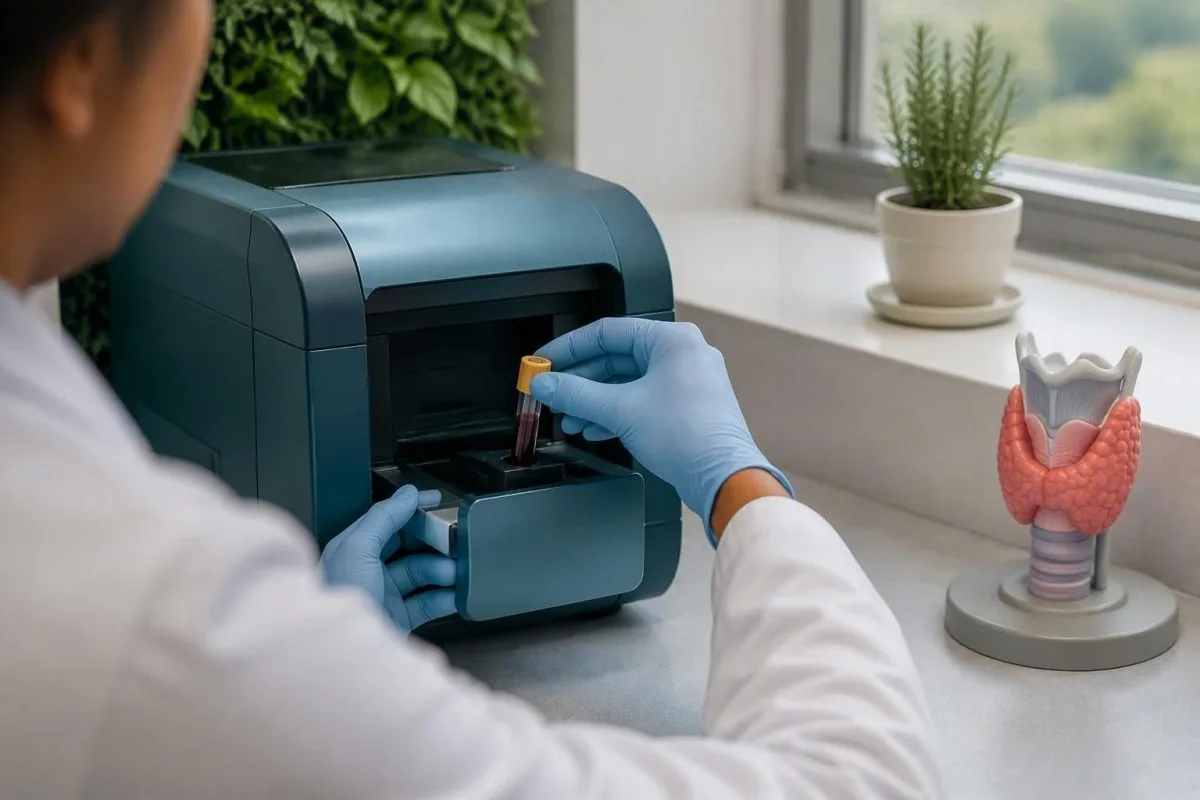
ເຫຼັກຟີຣິຕິນຕໍ່າກວ່າ 15 ng/mL ມີຄວາມຈຳເພາະສູງສຳລັບການຂາດທາດເຫຼັກ, ໃນຂະນະທີ່ຄ່າຕ່ຳກວ່າ 30 ng/mL ຖືກນຳໃຊ້ທົ່ວໄປໃນຜູ້ໃຫຍ່ທີ່ມີອາການເພື່ອສະໜັບສະໜູນການຂາດທາດເຫຼັກ. Ferritin ຍັງເປັນໂປຣຕີນໄລຍະສ້ວຍແຫຼມ, ດັ່ງນັ້ນຜົນການກວດ 60 ng/mL ບໍ່ສາມາດຍົກເວັ້ນການຂາດໄດ້ຢ່າງເຊື່ອຖືໃນລະຫວ່າງການຕິດເຊື້ອ, ໂລກອ້ວນ, ພະຍາດອັກເສບ, ຫລືການອອກກຳລັງກາຍໜັກເມື່ອບໍ່ດົນມານີ້.
ຮີໂມໂກບິນຕ່ຳກວ່າ 12.0 g/dL ໃນຜູ້ຍິງບໍ່ຖືພາທີ່ເປັນຜູ້ໃຫຍ່ ຫຼື 13.0 g/dL ໃນຜູ້ຊາຍຜູ້ໃຫຍ່ ບັນລຸເງື່ອນໄຂເລືອດຈາງທົ່ວໄປ, ແຕ່ hemoglobin ພຽງຢ່າງດຽວເປັນຕົວຊີ້ວັດຊ້າ. MCV ຕ່ำ, RDW ເພີ່ມຂຶ້ນ, transferrin saturation ຕ່ຳກວ່າ 20%, ແລະ ferritin ຕ່ำເປັນຮູບແບບທີ່ໜ້າເຊື່ອຖືຫຼາຍກ່ວາ serum iron ທີ່ກິນເອງ.
ການທົບທວນ NEJM ຂອງ Camaschella ອະທິບາຍຄວາມເມື່ອຍລ້າແລະການຫຼຸດລົງຂອງຄວາມສາມາດໃນການເຮັດວຽກວ່າເປັນອາການທົ່ວໄປຂອງການຂາດທາດເຫຼັກ, ໂດຍມີສາເຫດຂອງການຂາດທີ່ຕ້ອງການການສືບສວນແທນທີ່ຈະເປັນການເສີມທາດອັດຕະໂນມັດ (Camaschella, 2015). ການມີເລືອດອອກຫຼາຍ, ການບໍລິຈາກເລືອດ, ອາຫານທີ່ຈຳກັດ, ພະຍາດເບົາຫວານ, ແລະການສູນເສຍລະບົບທາງເດີນອາຫານເປັນເສັ້ນທາງທີ່ພົບເລື້ອຍ; ຄູ່ມືຂອງພວກເຮົາສຳລັບ ferritin ຕ່ໍາກ່ອນເປັນໂລກເລືອດຈາງ ອະທິບາຍວ່າເປັນຫຍັງ “CBC ປົກກະຕິ” ຈຶ່ງສາມາດເຮັດໃຫ້ເຂົ້າໃຈຜິດໄດ້.
2. ກວດໄທລອຍ: ກວດ TSH ກ່ອນທີ່ຈະຕໍານິຄວາມເຄັ່ງຄຽດ
ภาวะพร่องไทรอยด์เป็นพิษอย่างเห็นได้ชัดเป็นสาเหตุทางการแพทย์ที่รู้จักกันดีของภาวะซึมเศร้า, การชะลอตัวของการรับรู้, ท้องผูก, การทนความหนาวเย็นไม่ได้, และความเหนื่อยล้า. การตรวจคัดกรองไทรอยด์เบื้องต้นคือ TSH พร้อมด้วย free T4 เมื่อ TSH ผิดปกติหรือสงสัยว่ามีโรคต่อมใต้สมอง.
TSH สูงพร้อมด้วย free T4 ต่ำบ่งชี้ว่าภาวะพร่องไทรอยด์ปฐมภูมิอย่างชัดเจนและโดยปกติแล้วจะได้รับการรักษา. ช่วงอ้างอิงแตกต่างกันไปตามการทดสอบ, แต่ TSH มักจะประมาณ 0.4-4.0 mIU/L; TSH สูงกว่า 10 mIU/L มีความสำคัญทางคลินิกมากกว่าการเพิ่มขึ้นเล็กน้อยที่ 4.5 mIU/L, โดยเฉพาะอย่างยิ่งเมื่อทำซ้ำ.
ภาวะพร่องไทรอยด์แบบซับซ้อนหมายถึง TSH สูงพร้อมด้วย free T4 ปกติ. หลักฐานที่ว่าการรักษาสามารถปรับปรุงอารมณ์ได้ที่ TSH เพิ่มขึ้นเล็กน้อยนั้นผสมปนเปกันอย่างตรงไปตรงมา, โดยเฉพาะอย่างยิ่งในผู้สูงอายุ, ดังนั้นอาการ, แอนติบอดีไทรอยด์, แผนการตั้งครรภ์, และการทดสอบซ้ำจึงมีความสำคัญ. อาหารเสริมไบโอตินสามารถลด TSH และเพิ่ม free T4 ได้อย่างผิดพลาดในบางการทดสอบภูมิคุ้มกัน; หยุดไบโอตินปริมาณสูงอย่างน้อย 48 ชั่วโมงหากห้องปฏิบัติการแนะนำ.
Chaker et al. อธิบายภาวะพร่องไทรอยด์ว่าเป็นภาวะทั่วร่างกายที่มีอาการทางประสาทและจิตเวช, แม้ว่าการตรวจไทรอยด์ไม่ควรเป็นทางลัดในการประเมินภาวะซึมเศร้าที่แท้จริง (Chaker et al., 2017). สำหรับช่วงเวลาหลังจากการเปลี่ยนแปลงยา, โปรดดู ช่วงเวลาการตรวจไทรอยด์ซ้ำ.
ผลลัพธ์ที่ต้องใช้เส้นทางอื่น
Free T4 ต่ำพร้อมด้วย TSH ปกติหรือต่ำอาจบ่งชี้ว่าภาวะพร่องไทรอยด์ส่วนกลาง, โรคที่ไม่ใช่ไทรอยด์รุนแรง, หรือการแทรกแซงการทดสอบ; ไม่ควรมองข้ามว่าเป็น “ไทรอยด์ปกติ”. รูปแบบนี้สมควรได้รับการทบทวนจากแพทย์, โดยเฉพาะอย่างยิ่งเมื่อมีอาการปวดศีรษะ, การเปลี่ยนแปลงการมองเห็น, ความต้องการทางเพศต่ำ, หรืออาการต่อมใต้สมองอื่นๆ.
3. Vitamin B12 ແລະ folate: ອາການທາງເສັ້ນประสาทປ່ຽນແປງຄວາມຮີບດ່ວນ
การขาดวิตามิน B12 อาจทำให้เกิดภาวะซึมเศร้า, ปัญหาความจำ, อาการชา, ความไม่สมดุลของการเดิน, และความเหนื่อยล้าแม้ว่าจะไม่มีภาวะโลหิตจาง. ตรวจ B12 ด้วย CBC และพิจารณา methylmalonic acid หรือ homocysteine เมื่อค่า B12 อยู่ในเกณฑ์ปกติหรือมีอาการทางระบบประสาท.
B12 ໃນເລືອດຕ່ຳກວ່າ 180 pg/mL ຫຼື 133 pmol/L โดยทั่วไปบ่งชี้ว่าขาด, แม้ว่าค่าตัดที่ท้องถิ่นจะแตกต่างกัน. ผลลัพธ์จากประมาณ 180-350 pg/mL อาจไม่แน่นอน, และ methylmalonic acid จะเพิ่มขึ้นเมื่อการเผาผลาญที่ขึ้นอยู่กับ B12 ถูกรบกวน; การทำงานของไตที่ลดลงก็สามารถเพิ่ม methylmalonic acid ได้เช่นกัน.
Macrocytosis, โดยปกติแล้ว MCV สูงกว่า 100 fL, อาจบ่งชี้ว่าขาด B12 หรือโฟเลต แต่ไม่จำเป็นและไม่เฉพาะเจาะจง. การดื่มแอลกอฮอล์, โรคตับ, ภาวะพร่องไทรอยด์, reticulocytosis, และยาบางชนิดก็สามารถเพิ่ม MCV ได้เช่นกัน. การไม่มีภาวะโลหิตจางไม่ได้ช่วยตัดการบาดเจ็บของเส้นประสาทที่เกี่ยวข้องกับ B12 ได้อย่างปลอดภัย.
ข้าพเจ้ามีความระมัดระวังเป็นพิเศษเมื่อมีอาการชา, การรับรู้การสั่นสะเทือนลดลง, การเปลี่ยนแปลงการทรงตัว, การใช้เมทฟอร์มิน, การกดกรดในระยะยาว, การรับประทานอาหารมังสวิรัติ, การผ่าตัดกระเพาะอาหาร, หรือการสัมผัสกับไนตรัสออกไซด์. อย่ารับประทานกรดโฟลิกเพียงอย่างเดียวสำหรับการขาด B12 ที่สงสัย: อาจแก้ไขภาวะโลหิตจางในขณะที่ความเสียหายทางระบบประสาทดำเนินต่อไป; โปรดตรวจสอบ ການກວດ B12 ທຽບກັບ folate ກັບແພດ.
4. Vitamin D: ສິ່ງປະກອບສ່ວນ, ບໍ່ແມ່ນຄໍາອະທິບາຍທີ່ເປັນເອກະລາດ
25-hydroxyvitamin D ຕ່ຳສາມາດເກີດຂື້ນຮ່ວມກັບຄວາມເມື່ອຍລ້າ, ປວດເມື່ອຍກ້າມເນື້ອ, ກິດຈະກຳກາງແຈ້ງຫຼຸດລົງ, ແລະອາລົມບໍ່ດີ, ແຕ່ມັນຫາຍາກທີ່ຈະອະທິາຍອາການຊຶມເສົ້າຮ້າຍແຮງດ້ວຍຕົວມັນເອງ. ວັດແທກ 25-OH vitamin D ແທນການທົດສອບ active 1,25-dihydroxyvitamin D ສໍາລັບການປະເມີນການຂາດແຄນຕາມປົກກະຕິ.
ຄວາມເຂັ້ມຂຸ້ນຂອງ 25-OH vitamin D ຕ່ຳກວ່າ 20 ng/mL (50 nmol/L) ຖືວ່າຂາດໂດຍຫຼາຍອົງການ, ໃນຂະນະທີ່ 20-29 ng/mL ມັກຈະຖືກອະທິບາຍວ່າບໍ່ພຽງພໍ. ເນື້ອໃນແມ່ນເປັນທີ່ຖົກຖຽງ: ກຸ່ມທີ່ເນັ້ນກະດູກແມ່ນແຕກຕ່າງກັນກ່ຽວກັບວ່າ 20 ຫລື 30 ng/mL ຄວນເປັນເປົ້າໝາຍ, ແລະເນື້ອໃນການປິ່ນປົວທີ່ສະເພາະອາລົມຍັງບໍ່ໄດ້ຖືກສ້າງຕັ້ງຂຶ້ນ.
ການຂາດວິຕາມິນດີແມ່ນມີແນວໂນ້ມຫຼາຍຂຶ້ນດ້ວຍການໄດ້ຮັບແສງແດດໜ້ອຍ, ຜິວໜັງເຂັ້ມຢູ່ລະດັບສູງ, ເຄື່ອງນຸ່ງປົກປິດ, ໂລກອ້ວນ, ການດູດຊຶມ, ພະຍາດไต, ແລະຢາຕ້ານການຊັກບາງຊະນິດ. ກົນໄກທາງຄລີນິກຄືການຖືເອົາຜົນທີ່ຕໍ່າອະທິບາຍທຸກຢ່າງ; ການນອນຫລັບບໍ່ພຽງພໍ, ຄວາມໂສກເສົ້າ, ຄວາມວິຕົກກັງວົນ, ໂລກເລືອດຈາງ, ແລະອາການຊຶມເສົ້າຮ່ວມກັບມັນ.
ຄົນເຈັບສ່ວນຫຼາຍພົບວ່າການແກ້ໄຂຊ່ວຍປັບປຸງອາການກ່ຽວກັບກ້າມຊີ້ນ ຫຼື ພະລັງງານໂດຍລວມຄ່ອຍໆໃນຫຼາຍອາທິດ, ບໍ່ແມ່ນໃນຄືນດຽວ. ການເສີມອາຫານຫຼາຍເກີນໄປສາມາດເພີ່ມແຄລຊຽມ; a ຜົນຂອງ vitamin D ສູງ ຄວນໄດ້ຮັບຄວາມສົນໃຈເມື່ອມີອາການຄລື້ນໄສ້, ຫິວນ້ຳ, ທ້ອງຜູກ, ຫລື ອາລົມສັບສົນ.
ການທົດແທນທີ່ສົມເຫດສົມຜົນຕ້ອງການການເບິ່ງແຍງ
ສໍາລັບການຂາດແຄນທີ່ບໍ່ຊັບຊ້ອນ, ທ່ານໝໍມັກໃຊ້ປະລິມານປະຈໍາວັນປະມານ 800-2,000 IU, ແຕ່ລະບອບການໃຫ້ຢາຈະຂຶ້ນກັບຄວາມຮຸນແຮງ, ການຖືພາ, ການເຮັດວຽກຂອງไต, ລະດັບແຄລຊຽມ, ແລະຄໍາແນະນໍາທ້ອງຖິ່ນ. ຜົນ 25-OH vitamin D ທີ່ສູງກວ່າ 150 ng/mL ຫລື 375 nmol/L ຈະເພີ່ມຄວາມກັງວົນກ່ຽວກັບການເປັນພິດ ແລະ ຕ້ອງການການກວດສຸຂະພາບ.
5. Glucose ແລະ HbA1c: ການຕົກຂອງພະລັງງານມີຮູບແບບ
ໂລກເບົາຫວານ ແລະ ภาวะน้ำตาลในเลือดต่ำซ้ำๆ ສາມາດເຮັດໃຫ້ເມື່ອຍລ້າ, ສະມາທິ, ນອນບໍ່ຫລັບ, ແລະອາລົມບໍ່ດີ, ເຊິ່ງອາດຈະປະສົບກັບອາການຊຶມເສົ້າ. ນ້ຳຕານໃນເລືອດຫລັງອົດອາຫານ ແລະ HbA1c ແມ່ນເໝາະສົມເມື່ອມີອາການຫິວນ້ຳ, ຍ່ຽວເລື້ອຍໆ, ການປ່ຽນແປງນ້ຳໜັກ, ຕາມົວ, ມືສັ່ນ, ຫລືມີຄວາມສ່ຽງທາງເດີນອາຫານ.
HbA1c ຂອງ 6.5% ຫຼືສູງກວ່າ ສະໜັບສະໜູນໂລກເບົາຫວານເມື່ອໄດ້ຮັບການຢືນຢັນໂດຍການທົດສອບຊ້ຳຫລືການທົດສອບການວິນິດໄສອື່ນ, ໃນຂະນະທີ່ 5.7-6.4% บ่งชี้ถึงความเสี่ยงโรคเบาหวานที่เพิ่มขึ้นตามเกณฑ์ของสหรัฐอเมริกา HbA1c สะท้อนการสัมผัสกับกลูโคสประมาณ 8-12 สัปดาห์ แต่ภาวะโลหิตจาง, รูปแบบฮีโมโกลบินที่ผิดปกติ, โรคไต และการถ่ายเลือด อาจทำให้ผลคลาดเคลื่อนได้.
กลูโคสในพลาสมาต่ำกว่า 70 mg/dL (3.9 mmol/L) คือภาวะน้ำตาลในเลือดต่ำ แต่อาการสำคัญคือ: เหงื่อออก, ตัวสั่น, ใจสั่น, สับสน และการเปลี่ยนแปลงพฤติกรรมระหว่างระดับต่ำที่ได้รับการยืนยัน ควรได้รับการทบทวน ในคนที่ไม่เป็นเบาหวาน ผลเดี่ยวที่ต่ำหลังจากการอดอาหารเป็นเวลานาน ไม่เหมือนกับความผิดปกติของน้ำตาลในเลือดต่ำอย่างไม่ทราบสาเหตุที่ได้รับการยืนยัน.
เมื่อฉันทบทวนผลเลือดที่เกี่ยวกับอารมณ์เศร้า ฉันจะถามว่าเกิดอะไรขึ้นตอน 11 โมงเช้า หลังออกกำลังกาย และสองชั่วโมงหลังอาหาร การทานอาหารที่มีคาร์โบไฮเดรตสูงซ้ำๆ, การดื่มแอลกอฮอล์โดยไม่มีอาหาร, ยารักษาเบาหวาน และการได้รับพลังงานไม่เพียงพอ อาจสร้างรูปแบบที่รู้จักได้; ดู สาเหตุของกลูโคสต่ำ.
ทำไมกลูโคสขณะอดอาหารปกติถึงมองข้ามเรื่องสำคัญ
กลูโคสขณะอดอาหารอาจยังคงปกติในช่วงแรกของภาวะดื้ออินซูลิน ในขณะที่ HbA1c, ไตรกลีเซอไรด์, รอบเอว, ภาวะหยุดหายใจขณะนอนหลับ และประวัติครอบครัว บ่งชี้ถึงความเสี่ยง ในทางตรงกันข้าม HbA1c อาจประเมินค่าการสัมผัสกลูโคสต่ำเกินไปเมื่อเซลล์เม็ดเลือดแดงมีอายุสั้นลง ดังนั้นบางครั้งแพทย์จึงใช้ฟรุกโตซามีน หรือการตรวจระดับกลูโคสแทน.
6. ການກວດไต, ຕັບ ແລະ electrolyte: ເຄມີທີ່ຖືກລືມ
โรคไต, ความผิดปกติของตับ, ความไม่สมดุลของโซเดียม และแคลเซียม อาจทำให้เกิดอาการอ่อนเพลีย, การนอนหลับผิดปกติ, การคิดช้า หรือสับสน ซึ่งทับซ้อนกับอารมณ์เศร้า. แผงตรวจเมแทบอลิซึมพื้นฐาน, แผงตรวจตับ, eGFR และการทบทวนยา มีประโยชน์มากกว่าการตรวจ “สุขภาพดี” แบบแยกส่วน.
eGFR ຕໍ່າກວ່າ ສະແດງວ່າເປັນ CKD, ຕ່ຳກວ່າ เป็นเวลาอย่างน้อย 3 เดือน ถือเป็นเกณฑ์หนึ่งสำหรับโรคไตเรื้อรัง แม้ว่าผลเดี่ยวอาจลดลงชั่วคราวหลังจากการขาดน้ำ หรืออาการป่วยเฉียบพลัน อาการยูรีเมีย มักเกิดขึ้นที่ระดับการกรองต่ำกว่ามาก แต่การสะสมของยาและภาวะโลหิตจาง อาจส่งผลต่อความเป็นอยู่ที่ดีเร็วกว่า.
ໂຊດຽມຕໍ່າກວ່າ 130 mmol/L อาจทำให้ปวดศีรษะ, คลื่นไส้, ทรงตัวไม่อยู่, สับสน และอ่อนเพลียอย่างมาก; โซเดียมต่ำกว่า 120 mmol/L มักเป็นเหตุฉุกเฉิน แคลเซียมสูงกว่า 11.0 mg/dL (2.75 mmol/L) อาจทำให้ท้องผูก, กระหายน้ำ, การเปลี่ยนแปลงของการรับรู้ และอารมณ์เศร้า โดยเฉพาะอย่างยิ่งหากเพิ่มขึ้นอย่างรวดเร็ว.
ແຄນເທສຕີ ເປັນ ບໍລິການຕີຄວາມຜົນການກວດຂອງ AI ที่แสดงผลไต, ตับ, อิเล็กโทรไลต์ และ CBC เป็นรูปแบบ รวมถึงความเสี่ยงที่เกี่ยวข้องกับยา การเปลี่ยนแปลง eGFR อย่างกะทันหัน จำเป็นต้องมีบริบทจากการให้น้ำ และค่าก่อนหน้า ซึ่ง ຄູ່ມືການກວດไต ກວມເອົາ.
ผลของยาอาจเป็นเบาะแสที่ขาดหายไป
ยาขับปัสสาวะกลุ่มไทอะไซด์ อาจทำให้แคลเซียมสูงขึ้นและโซเดียมลดลง, SSRIs อาจทำให้ระดับโซเดียมในเลือดต่ำ, เมตฟอร์มิน อาจลด B12 เมื่อเวลาผ่านไป และยาบางชนิดที่รักษาอาการชัก อาจส่งผลต่อวิตามินดี ห้ามหยุดยาที่สั่งโดยแพทย์เพียงจากผลแล็บเท่านั้น; ให้แพทย์ผู้สั่งเป็นผู้ประเมินเวลา, ปริมาณ และทางเลือกที่ปลอดภัยกว่า.
7. ການອັກເສບ, ການຕິດເຊື້ອ ແລະອາການຂອງພູມຕ້ານທານ: ກວດເລືອກ
CRP, ESR, การตรวจการติดเชื้อ และแอนติบอดีต่อตนเอง ไม่ใช่การตรวจคัดกรองทั่วไปสำหรับอารมณ์เศร้า แต่มีประโยชน์เมื่อมีเบาะแสทางกายภาพที่ชี้ไปสู่โรคทั่วไป. อาการไข้, น้ำหนักลด, ข้อบวม, ผื่น, ท้องเสียเรื้อรัง, เหงื่อออกตอนกลางคืน หรืออาการเฉพาะจุด ควรนำทางการตรวจในส่วนนี้.
CRP ຕ່ຳ 3 mg/L มักถือว่าเป็นภาวะการอักเสบในระดับต่ำที่ส่งผลต่อหัวใจและหลอดเลือด แต่ห้องปฏิบัติการใช้วิธีการและช่วงที่แตกต่างกัน CRP 30 mg/L อาจสะท้อนการติดเชื้อ, กิจกรรมของระบบภูมิคุ้มกันตนเอง, การบาดเจ็บของเนื้อเยื่อ, โรคอ้วน หรือสภาวะอื่นๆ อีกมากมาย; ไม่สามารถระบุสาเหตุของอารมณ์เศร้า และไม่สามารถวินิจฉัย “การอักเสบในสมอง” ได้”
ESR เพิ่มขึ้นช้าๆ และลดลงช้าๆ ทำให้มีประโยชน์น้อยสำหรับการเปลี่ยนแปลงอาการอย่างกะทันหัน CRP และ ESR ปกติ ไม่ได้หมายความว่าจะไม่มีภาวะอักเสบทุกชนิด ในขณะที่การเพิ่มขึ้นเล็กน้อยแบบแยกส่วนนั้นพบได้ทั่วไปหลังจากการติดเชื้อ, โรคฟัน, การออกกำลังกายอย่างหนัก และน้ำหนักตัวที่มากขึ้น.
ฉันเห็นอันตรายจากการตรวจแอนติบอดีแบบไม่จำเพาะเจาะจงมากกว่าการตรวจแบบเจาะจง: ผลบวก ANA ระดับต่ำนั้นพบได้ทั่วไปและอาจทำให้เกิดความวิตกกังวลเป็นเวลาหลายเดือน หากระดับเฟอร์ริตินสูงอย่างไม่คาดคิดร่วมกับการเพิ่มขึ้นของ CRP, ferritin ແລະ CRP ຮ່ວມກັນ more informative than either marker alone.
When an infection screen is sensible
HIV, ພະຍາດຕັບອັກເສບ, serology coeliac, ແລະການທົດສອບການຕິດເຊື້ອອື່ນໆຫຼືການດູດຊຶມທີ່ບໍ່ດີຄວນຕິດຕາມການสัมผัส, ອາການລະບົບທາງເດີນອາຫານ, ຮູບແບບເລືອດຈາງ, ຜົນການເຮັດວຽກຂອງຕັບ, ຫຼືປະຫວັດທາງຄລີນິກ. ການທົດສອບ “ທຸກສິ່ງທຸກຢ່າງ” ຫຼັງຈາກອາລົມຕ່ໍາທົ່ວໄປມັກຈະເຮັດໃຫ້ເກີດຜົນບວກປອມແທນທີ່ຈະເປັນຄໍາຕອບ.
ແຜງທໍາອິດທີ່ສົມເຫດສົມຜົນສໍາລັບຄວາມເມື່ອຍລ້າຄົງທີ່ແລະອາລົມຕ່ໍາ
ສໍາລັບອາລົມຕ່ໍາທີ່ persistent ດ້ວຍຄວາມເມື່ອຍລ້າ, ກຸ່ມທໍາອິດທີ່ສຸມໃສ່ປົກກະຕິປະກອບມີ CBC, ferritin ດ້ວຍ transferrin saturation, TSH, free T4 ເມື່ອຊີ້ບອກ, B12, folate ເມື່ອມີຄວາມສ່ຽງ, HbA1c ຫລື glucose, ຫນ້າທີ່ຂອງຫມາກໄຂ່ຫຼັງ, electrolytes, ການທົດສອບຕັບ, ແລະ vitamin D ເມື່ອມີຄວາມສ່ຽງຕໍ່ການຂາດສູງ. The right set is smaller in many people and broader in others.
ຄວາມເປັນໄປໄດ້ຂອງການຖືພາປ່ຽນການຈັດລໍາດັບທັນທີ: ການທົດສອບການຖືພາ, ferritin, ກວດໄທລອຍ, ການປະເມີນ glucose, ແລະການກວດສຸຂະພາບຢາທີ່ຮີບດ່ວນອາດຈະມີຄວາມສໍາຄັນ. ໃນຜູ້ສູງອາຍຸ, ນ້ໍາຫນັກຫຼຸດ, ການປ່ຽນແປງຂອງລໍາໄສ້, ໂລກເລືອດຈາງໃຫມ່, eGFR ຫຼຸດລົງ, ແລະຜົນກະທົບຂອງຢາສົມຄວນໄດ້ຮັບນ້ໍາຫນັກຫຼາຍກ່ວາການທົດສອບຮໍໂມນເພດ.
Kantesti AI គឺជាអ្វីមួយដែល ແພລດຟອມການອ່ານຜົນກວດເລືອດຂອງ AI ໃຊ້ໃນທົ່ວ 127+ ປະເທດເພື່ອຈັດລຽງຜົນໄດ້ຮັບເປັນຄໍາຖາມສໍາລັບທ່ານຫມໍ, ບໍ່ແມ່ນເພື່ອທົດແທນການຊອກຫາປະຫວັດສາດຫຼືການກວດກາ. ລະບົບຂອງພວກເຮົາສາມາດຊ່ວຍກໍານົດສະພາບແວດລ້ອມທີ່ຂາດໄປເຊັ່ນ: ສະຖານະການອົດອາຫານ, ການມີປະຈໍາເດືອນ, ອາຫານເສີມ, ການອອກກໍາລັງກາຍ, ຫລື ອາການເຈັບປ່ວຍບໍ່ດົນມານີ້; ອ່ານກ່ຽວກັບ how the technology works.
ກົດລະບຽບທີ່ເປັນປະໂຫຍດຂອງ Dr. Thomas Klein ແມ່ນງ່າຍດາຍ: ສັ່ງການທົດສອບພຽງແຕ່ເມື່ອຜົນໄດ້ຮັບສາມາດປ່ຽນຂັ້ນຕອນຕໍ່ໄປໄດ້. ກຸ່ມທີ່ກວ້າງຂວາງອາດຈະມີຄວາມສົມເຫດສົມຜົນກັບອາການຫຼາຍລະບົບ, ແຕ່ cortisol ຕາມປົກກະຕິ, ຮໍໂມນເພດ, ການທົດສອບການບໍ່ທົນທານຕໍ່ອາຫານ, ໂລຫະຫນັກ, ແລະເຄື່ອງຫມາຍເນື້ອງອກປົກກະຕິສ້າງສຽງລົບກວນໃນການເຮັດວຽກຂອງເລືອດອາລົມຕ່ໍາ.
Prepare so the result answers the question
ບັນທຶກອາຫານເສີມ, ໂດຍສະເພາະ biotin, B12, iron, vitamin D, ແລະ creatine; ໃຫ້ສັງເກດຄັ້ງສຸດທ້າຍແລະບໍ່ວ່າທ່ານໄດ້ອົດອາຫານ. ຫລີກລ້ຽງການອອກກໍາລັງກາຍທີ່ແຂງແຮງຜິດປົກກະຕິແລະເຫຼົ້າຫຼາຍເກີນໄປເປັນເວລາ 24-48 ຊົ່ວໂມງກ່ອນການທົດສອບທີ່ບໍ່ຮີບດ່ວນຖ້າເປັນໄປໄດ້, ເພາະທັງສອງຢ່າງສາມາດປ່ຽນ AST, CK, glucose, ferritin, ແລະຜົນໄດ້ຮັບທີ່ລະອຽດອ່ອນຕໍ່ນ້ໍາ.
ເປັນຫຍັງ cortisol ແລະ panels ຮໍໂມນເພດຈຶ່ງບໍ່ຄ່ອຍໄດ້ຮັບການຈັດອັນດັບທໍາອິດ
Cortisol ສຸ່ມແລະກຸ່ມຮໍໂມນເພດທີ່ກວ້າງຂວາງປົກກະຕິແລ້ວບໍ່ອະທິບາຍອາລົມຕ່ໍາທີ່ persistent ແລະບໍ່ຄວນໃຊ້ເປັນ “ການທົດສອບ burnout” ທົ່ວໄປ.” ພວກມັນມີປະໂຫຍດເມື່ອອາການຊີ້ບອກເຖິງພະຍາດ adrenal, ຄວາມຜິດປົກກະຕິຂອງປະຈໍາເດືອນ, ການປ່ຽນແປງຂອງ menopause, hypogonadism, ພະຍາດ pituitary, ຫລື ຜົນກະທົບຂອງຢາ.
Cortisol ມີຈັງຫວະປະຈໍາວັນທີ່ແຂງແຮງ: ຕົວຢ່າງໃນຕອນເຊົ້າປົກກະຕິແລ້ວສູງກວ່າຕົວຢ່າງໃນຕອນແລງ, ດັ່ງນັ້ນຄ່າທີ່ບໍ່ໄດ້ກໍານົດເວລາຈຶ່ງມີຄວາມຫມາຍການວິນິດໄສຈໍາກັດ. ຄວາມບໍ່ພຽງພໍຂອງ adrenal suspected ຖືກປະເມີນດ້ວຍ cortisol ທີ່ກໍານົດເວລາຢ່າງຖືກຕ້ອງແລະມັກຈະມີການທົດສອບການກະຕຸ້ນ, ບໍ່ແມ່ນໂດຍຄະແນນ “adrenal fatigue” ອອນໄລນ໌.
Testosterone ແຕກຕ່າງກັນໄປຕາມເວລາຂອງມື້, ອາການເຈັບປ່ວຍສ້ວຍແຫຼມ, ການນອນ, ແລະໂປຼຕີນທີ່ຜູກມັດ; ໃນຜູ້ຊາຍ, testosterone ທັງຫມົດໃນຕອນເຊົ້າຄວນໄດ້ຮັບການຊ້ໍາອີກຢ່າງຫນ້ອຍສອງຄັ້ງກ່ອນທີ່ຈະວິນິດໄສການຂາດ. Estradiol ແລະ progesterone ແຕກຕ່າງກັນຕະຫຼອດຮອບວຽນປະຈໍາເດືອນ, ນັ້ນຄືເຫດຜົນທີ່ຄ່າດຽວບໍ່ສາມາດອະທິບາຍການປ່ຽນແປງອາລົມໂດຍບໍ່ມີການກໍານົດເວລາຮອບວຽນ.
ອາການທີ່ສົມເຫດສົມຜົນສໍາລັບການທົດສອບ endocrine ທີ່ສຸມໃສ່ປະກອບມີການສູນເສຍຂົນໃນຮ່າງກາຍໃຫມ່, dysfunction erectile, amenorrhea, galactorrhea, hot flashes ທີ່ຮຸນແຮງ, streaks ສີມ່ວງ, bruising ທີ່ບໍ່ສາມາດອະທິບາຍໄດ້, ຫລື ຄວາມດັນເລືອດຕ່ໍາ persistent. ຂອງພວກເຮົາ ຄູ່ມືອ້າງອີງ Cortisol ຂອງພວກເຮົາ ອະທິບາຍວ່າເປັນຫຍັງເວລາເກັບກໍາຂໍ້ມູນຈຶ່ງເປັນສ່ວນຫນຶ່ງຂອງຜົນໄດ້ຮັບ.
Menopause is clinical before it is biochemical
ສໍາລັບຄົນອາຍຸ 45 ປີຂຶ້ນໄປທີ່ມີ hot flashes ແລະການປ່ຽນແປງຂອງຮອບວຽນ, menopause ມັກຈະຖືກວິນິດໄສທາງຄລີນິກແທນທີ່ຈະມາຈາກການທົດສອບ FSH ຫນຶ່ງຄັ້ງ. ພະຍາດ thyroid, ໂລກເລືອດຈາງ, ຜົນກະທົບຂອງຢາ, ແລະການຊຶມເສົ້າສາມາດເກີດຂື້ນຮ່ວມກັນ, ດັ່ງນັ້ນການປິ່ນປົວຫນຶ່ງປ້າຍຊື່ບໍ່ຄວນສິ້ນສຸດການປະເມີນ.
ກວດຄືນຢາ, ເຫຼົ້າ, ສານເສບຕິດ ແລະການນອນກ່ອນທີ່ຈະເພີ່ມການກວດ
ຜົນກະທົບຂອງຢາ, ເຫຼົ້າ, cannabis, stimulants, sedatives, ແລະຄວາມຜິດປົກກະຕິການນອນແມ່ນຜູ້ປະກອບສ່ວນທີ່ສາມາດປ່ຽນແປງໄດ້ທົ່ວໄປຕໍ່ກັບອາລົມຕ່ໍາທີ່ບໍ່ມີການທົດສອບເລືອດມາດຕະຖານໃດໆສາມາດຈັບໄດ້ຢ່າງເຕັມສ່ວນ. ຕາຕະລາງເວລາຂອງຢາ ມັກຈະໃຫ້ຜົນຫຼາຍກ່ວາຂວດຕົວຢ່າງຫ້ອງທົດລອງເພີ່ມເຕີມ.
Beta-blockers, isotretinoin, corticosteroids, ຢາປ້ອງກັນການຊັກບາງຊະນິດ, ການປິ່ນປົວດ້ວຍ interferon, sedatives, ແລະການປິ່ນປົວດ້ວຍຮໍໂມນສາມາດສົ່ງຜົນກະທົບຕໍ່ອາລົມໃນຄົນທີ່ອ່ອນໄຫວ. SSRIs, diuretics, ແລະ carbamazepine ສາມາດຫຼຸດລະດັບ sodium; proton-pump inhibitors ແລະ metformin ສາມາດປະກອບສ່ວນເຂົ້າໃນການຂາດ B12 ໄດ້ເມື່ອເວລາຜ່ານໄປ.
ເຫຼົ້າອາດຈະຫຼຸດຜ່ອນຄວາມກັງວົນໃນໄລຍະສັ້ນແຕ່ແຕກການນອນແລະສາມາດເພີ່ມ GGT, MCV, triglycerides, ແລະ enzymes ຂອງຕັບ. GGT ທີ່ສູງກວ່າຂີດຈໍາກັດເທິງຂອງຫ້ອງທົດລອງແມ່ນ nonspecific: ມັນອາດຈະສະທ້ອນເຖິງເຫຼົ້າ, ຕັບໄຂມັນ, ຢາ, ຫລື cholestasis, ດັ່ງນັ້ນມັນບໍ່ຄວນໃຊ້ເປັນຫຼັກຖານຂອງການໃຊ້ເຫຼົ້າ.
Obstructive sleep apnea ສາມາດເບິ່ງຄືກັບການຊຶມເສົ້າ - ການນອນທີ່ບໍ່ໄດ້ພັກຜ່ອນ, ການສຸມໃສ່ທີ່ບໍ່ດີ, ການປ່ຽນແປງຂອງ libido, ແລະຄວາມເມື່ອຍລ້າໃນຕອນບ່າຍ - ໃນຂະນະທີ່ CBC ແລະການທົດສອບ thyroid ຍັງຄົງເປັນປົກກະຕິ. ຖ້າມີການສູບຢາ, ການຢຸດຊົ່ວຄາວທີ່ເຫັນໄດ້, ເຈັບຫົວໃນຕອນເຊົ້າ, ຫລື ຄວາມດັນເລືອດສູງທີ່ທົນທານ, ໃຫ້ຖາມກ່ຽວກັບການປະເມີນການນອນແທນທີ່ຈະ chase ອາຫານເສີມ; ການນອນທີ່ບໍ່ດີແລະຜົນການທົດລອງ ໃຫ້ບໍລິການສະພາບແວດລ້ອມທີ່ເປັນປະໂຫຍດ.
ນັກວິຊາຊີບອ່ານຮູບແບບແນວໃດແທນທີ່ຈະເປັນທຸງສີແດງ
ຜົນໄດ້ຮັບຫນຶ່ງຄັ້ງທີ່ອອກຈາກຂອບເຂດ ບໍ່ຄ່ອຍຈະອະທິບາຍອາລົມຕ່ໍາ; ຮູບແບບທີ່ສອດຄ່ອງກັນໃນອາການ, ຜົນໄດ້ຮັບຊ້ໍາ, ແລະ biomarkers ທີ່ກ່ຽວຂ້ອງແມ່ນເຊື່ອຖືໄດ້ຫຼາຍກວ່າ. ລະດັບການອ້າງອິງຂອງຫ້ອງທົດລອງ ອະທິບາຍວ່າ 95% ຂອງປະຊາກອນອ້າງອิงຕົກຢູ່ໃສ, ບໍ່ແມ່ນການຮັບປະກັນສຸຂະພາບສ່ວນບຸກຄົນ.

Ferritin 18 ng/mL ດ້ວຍ transferrin saturation ຕ່ໍາ, ປະຈໍາເດືອນຫນັກ, ຂາຍ່າງ, ແລະຄວາມເມື່ອຍລ້າ ແມ່ນກໍລະນີຂາດທາດເຫຼັກທີ່ແຂງແຮງກວ່າ ferritin 18 ຢ່າງດຽວ. ໃນທາງກົງກັນຂ້າມ, ferritin 18 ຫຼັງຈາກການເຈັບປ່ວຍດ້ວຍໄວຣັສບໍ່ດົນມານີ້ຍັງຕ່ໍາພຽງພໍທີ່ຈະສືບສວນ, ແຕ່ CRP, ອາຫານ, ການສູນເສຍເລືອດ, ແລະເວລາຊ້ໍາ ປະກອບເປັນການຕັດສິນໃຈ.
ຫຼັກການດຽວກັນນີ້ແມ່ນໃຊ້ໄດ້ກັບການກວດໄທລອຍ: TSH 5.2 mIU/L ຫຼັງຈາກອາທິດທີ່ນອນບໍ່ຫຼັບອາດຈະສົມຄວນເຮັດຊ້ຳ, ໃນຂະນະທີ່ TSH 12 mIU/L ທີ່ມີ free T4 ຕ່ຳ ແລະທ້ອງຜູກແມ່ນສັນຍານທີ່ຊັດເຈນກວ່າ. ຫ້ອງທົດລອງແຕກຕ່າງກັນໃນການວິເຄາະ, ດັ່ງນັ້ນການຕິດຕາມຫ້ອງທົດລອງດຽວກັນແລະຫນ່ວຍຫຼຸດຜ່ອນການປ່ຽນແປງທີ່ປາກົດຂື້ນ.
Kantesti AI ປຽບທຽບແນວໂນ້ມແລະຕົວຊີ້ວັດທີ່ກ່ຽວຂ້ອງເພື່ອເຮັດໃຫ້ການປຶກສາຫາລືເຫຼົ່ານີ້ບໍ່ແຕກແຍກ, ແຕ່ມາດຕະຖານທາງດ້ານຄລີນິກຂອງພວກເຮົາແມ່ນການຕິດສະຕິກເກີ້ຄວາມບໍ່ແນ່ນອນແທນທີ່ຈະປະດິດຄວາມແນ່ນອນ. ຮຽນຮູ້ວ່າເປັນຫຍັງ ການປ່ຽນແປງລະຫວ່າງການກວດເລືອດ ອາດຈະເປັນການປ່ຽນແປງທາງຊີວະພາບ, ການປ່ຽນແປງການເກັບຕົວຢ່າງ, ຫລືການປ່ຽນແປງທີ່ແທ້ຈິງ.
ລະດັບປົກກະຕິບໍ່ແມ່ນເປົ້າ ໝາຍ ການປິ່ນປົວ
ຢ່າພະຍາຍາມຍູ້ທຸກ biomarkers ໄປສູ່ກາງຂອງຊ່ວງອ້າງອີງ. ຍົກຕົວຢ່າງ, ອາຫານເສີມທາດເຫຼັກໃນປະລິມານສູງສາມາດເຮັດໃຫ້ເກີດຄວາມເສຍຫາຍຕໍ່ລະບົບຍ່ອຍອາຫານແລະປິດບັງການປະເມີນການສູນເສຍເລືອດ, ໃນຂະນະທີ່ວິຕາມິນ D ຫຼາຍເກີນໄປສາມາດເຮັດໃຫ້ເກີດ hypercalcemia; ການປິ່ນປົວຄວນຕິດຕາມການວິນິດໄສ, ອາການ, ແລະການກວດຕາມຜົນ.
ເມື່ອໃດຄວນເຮັດການກວດຄືນ, ຊອກຫາການທົບທວນ GP, ຫຼືໄດ້ຮັບຄວາມຊ່ວຍເຫຼືອຢ່າງຮີບດ່ວນ
ການກວດຊ້ຳແມ່ນ ເໝາະ ສົມເມື່ອຄວາມຜິດປົກກະຕິເລັກນ້ອຍອາດຈະເປັນການຊົ່ວຄາວ, ແຕ່ອາການຮີບດ່ວນຈະລື່ນກາຍແຜນການລໍຖ້າແລະເບິ່ງ. ຄວາມຄິດຢາກຂ້າໂຕຕາຍ, ອາການສັບສົນ, ຄວາມອ່ອນເພຍຮ້າຍແຮງ, ເຈັບຫນ້າอก, ເປັນລົມ, ຕົວເຫຼືອງ, ອາຈົມສີດໍາ, ຫລືຄວາມສັບສົນທີ່ກ່ຽວຂ້ອງກັບນໍ້າຕານໃນເລືອດຮຽກຮ້ອງການຊ່ວຍເຫຼືອທາງການແພດຢ່າງຮີບດ່ວນ.
TSH ທີ່ເພີ່ມຂື້ນເລັກນ້ອຍດ້ວຍ free T4 ປົກກະຕິແມ່ນມັກຈະເຮັດຊ້ຳໃນ 6-12 ອາທິດ, ໄວຂຶ້ນໃນການຖືພາຫຼືອາການທີ່ຮຸນແຮງ. ໄລຍະເວລາຕິດຕາມທາດເຫຼັກ, B12, ແລະວິຕາມິນ D ແມ່ນຂື້ນກັບການປິ່ນປົວແລະຄວາມຮຸນແຮງຂອງ baseline; ຜູ້ຊ່ຽວຊານດ້ານຄລີນິກມັກຈະປະເມີນ CBC ແລະຕົວຊີ້ວັດທາດເຫຼັກຄືນ ໃໝ່ ຫລັງຈາກຫລາຍອາທິດແທນທີ່ຈະເປັນມື້ເພາະວ່າການຟື້ນຕົວຂອງເມັດເລືອດແດງໃຊ້ເວລາ.
ຊອກຫາການກວດຄືນໃນອາທິດດຽວກັນສໍາລັບ hemoglobin ຕ່ໍາກວ່າ 10 g/dL, ນ້ຳຕານເກືອດ (sodium) ຕ່ຳກວ່າ 130 mmol/L, ແຄວຊຽມສູງກວ່າ 11.0 mg/dL, eGFR ຫຼຸດລົງຢ່າງໄວວາ, bilirubin ດ້ວຍຕົວເຫຼືອງ, ຫລືນໍ້າຕານໃນເລືອດໃນລະຫວ່າງການເປັນໂລກເບົາຫວານພ້ອມກັບອາການ. ເຫຼົ່ານີ້ແມ່ນຄຳ ແນະ ນຳ ກ່ຽວກັບການຄັດແຍກ, ບໍ່ແມ່ນການວິນິດໄສ, ແລະການບໍລິການທ້ອງຖິ່ນອາດໃຊ້ເກນທີ່ແຕກຕ່າງກັນ.
ສໍາລັບລາຍງານທີ່ສັບສົນ, Kantesti's វិធីសាស្ត្រធ្វើឲ្យមានសុពលភាពផ្នែកព្យាបាល (clinical validation) ໃຫ້ຄວາມ ສຳ ຄັນກັບການກວດສອບແຫລ່ງ, ຄວາມສາມາດໃນການເຮັດຊ້ ຳ, ແລະການເພີ່ມຂື້ນແທນທີ່ຈະເປັນການຮັບປະກັນດ້ວຍການຄລິກດຽວ. ທ່ານ ໝໍ Thomas Klein ແນະ ນຳ ໃຫ້ນຳ ເອົາເອກະສານ PDF, ລາຍການຢາ, ແລະບັນທຶກອາການປະ ຈຳ ອາທິດໄປ ນຳ ການນັດ ໝາຍ.
ສິ່ງທີ່ຄວນບັນທຶກກ່ອນການນັດ ໝາຍ
ລວມມີເມື່ອອາລົມຕ່ ຳເລີ່ມຕົ້ນ, ໄລຍະເວລາການນອນ, ການປ່ຽນແປງຄວາມຢາກອາຫານຫຼືນ້ ຳ ໜັກ, ການມີປະ ຈຳ ເດືອນ, ການໃຊ້ເຫຼົ້າແລະສານເສບຕິດ, ປະຫວັດຄອບຄົວຂອງ thyroid ຫລືພະຍາດເບົາຫວານ, ການຕິດເຊື້ອເມື່ອບໍ່ດົນມານີ້, ຂໍ້ ຈຳ ກັດດ້ານອາຫານ, ແລະປະລິມານຢາຫລືອາຫານເສີມທຸກຊະນິດ. ຂໍ້ມູນນີ້ປ່ຽນແປງເລື້ອຍໆວ່າຜົນ “ຜິດປົກກະຕິ” ໃດທີ່ກ່ຽວຂ້ອງທາງຄລີນິກ.
ຮັກສາອາລົມຕ່ໍາໃນຂະນະທີ່ສາເຫດທາງການແພດກໍາລັງຖືກກວດສອບ
ການສະ ໜັບ ສະ ໜູນ ສຸຂະພາບຈິດຄວນເລີ່ມຕົ້ນເມື່ອອາລົມຕ່ ຳ ຍັງຄົງຢູ່ຫຼືເປັນອຸປະສັກ, ເຖິງແມ່ນວ່າການກວດເລືອດຍັງບໍ່ໄດ້ຮັບຜົນ. ການ ບຳ ບັດທາງຈິດໃຈ, ການສະ ໜັບ ສະ ໜູນ ທາງສັງຄົມ, ການ ບຳ ບັດການນອນ, ການໃຊ້ຢາເມື່ອ ເໝາະ ສົມ, ແລະການວາງແຜນຄວາມປອດໄພບໍ່ແມ່ນທາງເລືອກ ສຳ ຮອງຫລັງຈາກ “ຫ້ອງທົດລອງປົກກະຕິ”; ພວກເຂົາເປັນການດູແລທີ່ອີງໃສ່ຫຼັກຖານ.

ໂລກຊຶມເສົ້າ ມັກຈະ ຖືກ ໝາຍ ໂດຍຢ່າງ ໜ້ອຍ 2 ອາທິດ ຂອງອາລົມຕ່ ຳ ຫລືການສູນເສຍຄວາມສົນໃຈພ້ອມກັບອາການອື່ນໆເຊັ່ນການນອນ, ຄວາມຢາກອາຫານ, ພະລັງງານ, ການສຸມ, ຄວາມຮູ້ສຶກຜິດ, psychomotor, ຫລືການປ່ຽນແປງທີ່ຢາກຂ້າໂຕຕາຍ. ຄວາມຮຸນແຮງແມ່ນຂື້ນກັບຜົນກະທົບການເຮັດວຽກແລະຄວາມປອດໄພ, ບໍ່ແມ່ນກ່ຽວກັບວ່າລາຍງານຫ້ອງທົດລອງມີທຸງສີແດງ.
ຜູ້ປະກອບສ່ວນທາງຮ່າງກາຍສາມາດເປັນຈິງໄດ້ໂດຍບໍ່ໄດ້ເປັນຜູ້ປະກອບສ່ວນພຽງຜູ້ດຽວ. ການແກ້ໄຂການຂາດ B12 ອາດຈະປັບປຸງຄວາມເມື່ອຍລ້າແລະການສຸມໃສ່ໃນຂະນະທີ່ການ ບຳ ບັດຈັດການກັບການສູນເສຍ, ບາດເຈັບ, ໂດດດ່ຽວ, ຫລືອາການຊຶມເສົ້າທີ່ຝັງເລິກ; ຄົນເຈັບສ່ວນຫຼາຍພົບວ່າກອບລວມນີ້ມີຄວາມ ຕຳ ນິ ຕຳ ໜ້ອຍ.
Kantesti ດຳ ເນີນການພາຍໃຕ້ການຊີ້ນຳຂອງແພດຜ່ານ ຄະນະທີ່ປຶກສາດ້ານການແພດ, ຂອງພວກເຮົາ, ແລະພວກເຮົາຊຸກຍູ້ໃຫ້ຜູ້ອ່ານໃຊ້ການຕີຄວາມ AI ເປັນການກະກຽມ - ແທນທີ່ຈະເປັນການທົດແທນ - ການດູແລທາງຄລີນິກແລະສຸຂະພາບຈິດ. ຖ້າທ່ານບໍ່ສາມາດຢູ່ຢ່າງປອດໄພໃນມື້ນີ້, ໃຫ້ໃຊ້ບໍລິການສຸກເສີນຫລືຊັບພະຍາກອນວິກິດໃນປະເທດຂອງທ່ານດຽວນີ້.
ບັນຫາສຳຄັນສຳລັບຜົນເລືອດທີ່ສະແດງອາລົມຕ່ຳ
ການກວດເລືອດແບບຈຸດສຸມສາມາດເປີດເຜີຍເຈັດປະເພດທີ່ຄຸ້ມຄ່າ: ໂລກເລືອດຈາງທີ່ກ່ຽວຂ້ອງກັບທາດເຫຼັກ, ຄວາມຜິດປົກກະຕິຂອງຕ່ອມໄທລໍ, ການຂາດວິຕາມິນ B12 ຫຼື ໂຟລິກ, ຂາດວິຕາມິນດີ, ຄວາມຜິດປົກກະຕິຂອງນ້ຳຕານ, ຄວາມຜິດປົກກະຕິຂອງໝາກໄຂ່ຫຼັງ-ຕັບ-ອີເລັກໂຕຣໄລ, ແລະການອັກເສບ ຫຼື ການຕິດເຊື້ອທີ່ນຳໂດຍອາການ. ມັນເປັນສ່ວນໜຶ່ງຂອງການປະເມີນຜົນທີ່ໃຫ້ຄວາມເຫັນອົກເຫັນໃຈ, ບໍ່ແມ່ນການຕັດສິນວ່າຄວາມທຸກທໍລະມານຂອງທ່ານມີຄວາມຖືກຕ້ອງຕາມກົດໝາຍຫຼືບໍ່.
ຄໍາຖາມທີ່ຖາມເລື້ອຍໆ
ຂ້ອຍຄວນຂໍກວດເລືອດຫຍັງແດ່ ຖ້າຂ້ອຍມີອາການຊຶມເສົ້າ ແລະເມື່ອຍລ້າ?
ການກວດເລືອດແບບຈຸດສຸມສຳລັບອາລົມຕ່ຳ ແລະ ຄວາມອິດເມື່ອຍມັກຈະລວມມີ CBC, ferritin ພ້ອມ transferrin saturation, TSH, B12, HbA1c ຫຼື glucose, ການເຮັດວຽກຂອງໝາກໄຂ່ຫຼັງ, electrolytes, ແລະການກວດຕັບ. ວິຕາມິນ D ມີຄວາມສົມເຫດສົມຜົນເມື່ອການຖືກແສງແດດຈຳກັດ, ມີຄວາມສ່ຽງຕໍ່ການດູດຊຶມ, ຫຼືມີອາການເຈັບກ້າມເນື້ອຮ່ວມ. Ferritin ຕ່ຳກວ່າ 30 ng/mL, B12 ຕ່ຳກວ່າ 180 pg/mL, ແລະ TSH ສູງກວ່າລະດັບຂອງຫ້ອງທົດລອງເປັນຕົວຢ່າງຂອງຜົນທີ່ຕ້ອງການສະພາບທາງຄລີນິກ. ການກວດເຫຼົ່ານີ້ລະບຸສາເຫດທາງການແພດທີ່ເປັນໄປໄດ້; ພວກມັນບໍ່ໄດ້ວິນິດໄສອາການຊຶມເສົ້າ.
ການກວດເລືອດສາມາດ تشخيص ภาวะซึมเศร้าໄດ້ບໍ?
ບໍ່, ບໍ່ມີການກວດເລືອດໃດສາມາດວິນິດໄສອາການຊຶມເສົ້າໃນການດູແລທາງຄລີນິກແບບປົກກະຕິໄດ້. ອາການຊຶມເສົ້າຖືກວິນິດໄສຈາກອາການທີ່ຍືດເຍື້ອຢ່າງໜ້ອຍ 2 ອາທິດ, ຜົນກະທົບຂອງມັນຕໍ່ການເຮັດວຽກປະຈໍາວັນ, ປະຫວັດທາງຈິດແພດ, ການກວດ, ແລະການປະເມີນຄວາມປອດໄພ. ການກວດເຊັ່ນ TSH, ferritin, B12, glucose, sodium, ແລະ calcium ຊ່ວຍລະບຸສະພາບທີ່ສາມາດເຮັດໃຫ້ອາການຊຶມເສົ້າຄ້າຍຄືກັນຫຼືຮ້າຍແຮງຂຶ້ນ. ຜົນເລືອດທີ່ປົກກະຕິບໍ່ໄດ້ຕັດອາການຊຶມເສົ້າອອກຫຼືໝາຍຄວາມວ່າການປິ່ນປົວບໍ່ຈໍາເປັນ.
ภาวะขาดธาตุเหล็กต่ำสามารถทำให้เกิดความวิตกกังวลและอารมณ์เศร้าได้โดยไม่มีภาวะโลหิตจางหรือไม่?
ແມ່ນແລ້ວ, ການຂາດທາດເຫຼັກສາມາດເຮັດໃຫ້ເກີດຄວາມອິດເມື່ອຍ, ສະມາທິບໍ່ດີ, ອາການຂາຢູ່ບໍ່ສຸກ, ຄວາມທົນທານຕໍ່ການອອກກໍາລັງກາຍຫຼຸດລົງ, ແລະອາລົມຕ່ຳກ່ອນທີ່ hemoglobin ຈະຕໍ່າພໍທີ່ຈະບັນລຸມາດຕະຖານໂລກເລືອດຈາງ. Ferritin ຕ່ຳກວ່າ 30 ng/mL ມັກຈະສະໜັບສະໜູນການສະສົມທາດເຫຼັກທີ່ໝົດໄປ, ໃນຂະນະທີ່ transferrin saturation ຕ່ຳກວ່າ 20% ເພີ່ມຫຼັກຖານຂອງທາດເຫຼັກທີ່ພ້ອມໃຊ້ບໍ່ພຽງພໍ. ສາເຫດມີຄວາມສຳຄັນ: ເລືອດອອກປະຈໍາເດືອນຫຼາຍ, ການສູນເສຍໃນລະບົບທາງເດີນອາຫານ, ການບໍລິໂພກຕ່ຳ, ການບໍລິຈາກເລືອດ, ແລະການດູດຊຶມຕ້ອງການການຕອບສະໜອງທີ່ແຕກຕ່າງກັນ. ຢ່າເລີ່ມການປິ່ນປົວທາດເຫຼັກເປັນເວລາດົນໂດຍບໍ່ໄດ້ປຶກສາຜົນ ແລະ ສາເຫດກັບຜູ້ຊ່ຽວຊານ.
ຜົນການກວດໄทรອອຍອັນໃດທີ່ສົ່ງຜົນຕໍ່ອາລົມ?
ภาวะຕ່ອມໄທລອຍໜ້ອຍເກີນໄປ, ຖືກກໍານົດໂດຍ TSH ສູງດ້ວຍ free T4 ຕໍ່າ, ສາມາດປະກອບສ່ວນເຮັດໃຫ້ເກີດຄວາມອິດເມື່ອຍ, ການຄິດຊ້າລົງ, ຄວາມທົນທານຕໍ່ຄວາມເຢັນ, ທ້ອງຜູກ, ແລະອາການຊຶມເສົ້າ. ຫ້ອງທົດລອງຈໍານວນຫຼາຍໃຊ້ຊ່ວງອ້າງອີງ TSH ປະມານ 0.4-4.0 mIU/L, ແຕ່ຜົນເກີນ 10 mIU/L ໂດຍທົ່ວໄປແລ້ວມີນໍ້າໜັກຫຼາຍກວ່າການເພີ່ມຂຶ້ນປານກາງ. TSH ທີ່ເພີ່ມຂຶ້ນເລັກນ້ອຍດ້ວຍ free T4 ປົກກະຕິມັກຈະຕ້ອງການການກວດຄືນໃນ 6-12 ອາທິດແທນທີ່ຈະສົມມຸດຕິຖານທັນທີ. ພະຍາດຕ່ອມໄທລອຍແລະອາການຊຶມເສົ້າສາມາດຢູ່ຮ່ວມກັນໄດ້, ສະນັ້ນການປິ່ນປົວການເຮັດວຽກຂອງຕ່ອມໄທລອຍບໍ່ໄດ້ແທນການປະເມີນສຸຂະພາບຈິດ.
ຂ້ອຍຄວນກວດ cortisol ເພື່ອປະເມີນອາລົມດີ້ນລົນຕ່ ຳ ຫລື ໝົດແຮງບໍ?
ການກວດ cortisol ແບບສຸ່ມໂດຍທົ່ວໄປແລ້ວບໍ່ມີປະໂຫຍດຕໍ່ອາລົມຕ່ຳ ຫຼື ອາການໝົດແຮງທົ່ວໄປ ເພາະ cortisol ປ່ຽນແປງຢ່າງຫຼວງຫຼາຍໃນແຕ່ລະມື້ ແລະ ດ້ວຍຄວາມເຄັ່ງຕຶງຢ່າງຮຸນແຮງ, ພະຍາດ, ແລະການນອນ. ການກວດແບບຈຸດສຸມແມ່ນເໝາະສົມເມື່ອອາການຊີ້ບອກເຖິງພະຍາດຕ່ອມ adrenal, ເຊັ່ນ ຄວາມດັນເລືອດຕໍ່າຄົງທີ່, ນໍ້າໜັກຫຼຸດລົງໂດຍບໍ່ມີສາເຫດ, ການປ່ຽນແປງສີຜິວ, ຄວາມອ່ອນເພຍຮຸນແຮງ, ຫຼືລັກສະນະຄ້າຍ Cushing. Cortisol ຕອນເຊົ້າອາດນໍາໄປສູ່ການກວດຢືນຢັນດ້ວຍການກະຕຸ້ນເມື່ອມີການຊີ້ບອກທາງຄລີນິກ. ການກວດ “adrenal fatigue” ໃນການຄ້າບໍ່ແມ່ນການວິນິດໄສທີ່ໄດ້ຮັບການຍອມຮັບໃນການປະຕິບັດ endocrine ທົ່ວໄປ.
ຄວ是應將情緒低落視為緊急情況?
ອາລົມຕ່ຳຕ້ອງການການປະເມີນຢ່າງຮີບດ່ວນເມື່ອມີຄວາມຄິດຢາກຂ້າຕົວຕາຍດ້ວຍຄວາມຕັ້ງໃຈຫຼືແຜນ, ບໍ່ສາມາດຮັກສາຄວາມປອດໄພໄດ້, ພະຍາດຈິດ, ຄວາມກະຕືລືລົ້ນຮຸນແຮງ, ຄວາມສັບສົນໃໝ່, ຫຼືການນອນໜ້ອຍຫຼາຍວັນດ້ວຍພະລັງງານທີ່ສູງຜິດປົກກະຕິຫຼືພຶດຕິກໍາທີ່ມີຄວາມສ່ຽງ. ອາການໃນຫ້ອງທົດລອງທີ່ຮຸນແຮງຍັງຕ້ອງການການດູແລຢ່າງຮີບດ່ວນ, ລວມທັງ sodium ຕ່ຳກວ່າ 120 mmol/L, ຄວາມສັບສົນກ່ຽວຂ້ອງກັບ glucose, ການເປັນລົມ, ເຈັບໜ້າເອິກ, ຫຼືຄວາມອ່ອນເພຍຮ້າຍແຮງຂຶ້ນຢ່າງໄວວາ. ຕິດຕໍ່ສາຍດ່ວນ, ບໍລິການວິເດີ, ຫຼືຫ້ອງການສຸກເສີນແທນທີ່ຈະລໍຖ້າຜົນການກວດປົກກະຕິ. ການຂໍໃຫ້ຄົນໄວ້ໃຈຢູ່ກັບເຈົ້າແມ່ນມາດຕະການຄວາມປອດໄພໃນທັນທີທີ່ສະຫຼາດ.
ຮັບການວິເຄາະຜົນກວດເລືອດດ້ວຍ AI ທັນທີ
ເຂົ້າຮ່ວມຜູ້ໃຊ້ຫຼາຍກວ່າ 2 ລ້ານຄົນທົ່ວໂລກ ທີ່ໄວ້ໃຈ Kantesti ສຳລັບການວິເຄາະການກວດເລືອດທີ່ທັນທີ ແລະຖືກຕ້ອງ. ອັບໂຫຼດຜົນກວດເລືອດຂອງທ່ານ ແລະຮັບການຕີຄວາມໝາຍຢ່າງຄົບຖ້ວນຂອງ biomarker 15,000+ ໃນວິນາທີ.
📚 ບົດຄວາມວິຈັຍທີ່ອ້າງອີງ
Klein, T., Mitchell, S., & Weber, H. (2026). ການກວດເລືອດໄວຣັດ Nipah: ຄູ່ມືການກວດຫາ ແລະ ການວິນິດໄສແຕ່ຫົວທີ 2026. ການຄົ້ນຄວ້າທາງການແພດຂອງ AI Kantesti.
Klein, T., Mitchell, S., & Weber, H. (2026). ຄູ່ມືປະເພດເລືອດ B ລົບ, ການກວດເລືອດ LDH ແລະຈຳນວນເມັດເລືອດແດງອ່ອນ (Reticulocyte Count). ການຄົ້ນຄວ້າທາງການແພດຂອງ AI Kantesti.
📖 ເອກະສານອ້າງອີງທາງການແພດພາຍນອກ
ສະຖາບັນແຫ່ງຊາດດ້ານສຸຂະພາບ ແລະ ການແຄຣດແນະນຳເພື່ອການດູແລ (National Institute for Health and Care Excellence) (2022). ອາການຊຶມເສົ້າໃນຜູ້ໃຫຍ່: ການປິ່ນປົວ ແລະ ການຈັດການ. NICE Guideline NG222.
⚕️ ຂໍ້ສັງເກດທາງການແພດ
ບົດຄວາມນີ້ມີຈຸດປະສົງເພື່ອການສຶກສາເທົ່ານັ້ນ ແລະບໍ່ແມ່ນຄຳແນະນຳທາງການແພດ. ຄວນປຶກສາຜູ້ໃຫ້ບໍລິການດ້ານສຸຂະພາບທີ່ມີຄຸນວຸດທິສະເໝີ ສຳລັບການວິນິດໄຊ ແລະ ການຕັດສິນໃຈດ້ານການຮັກສາ.
ສັນຍານຄວາມໄວ້ໃຈ E-E-A-T
ປະສົບການ
ການທົບທວນຄລີນິກຂອງແພດຜູ້ນຳພາ ກ່ຽວກັບຂັ້ນຕອນການຕີຄວາມໝາຍຜົນການກວດໃນຫ້ອງທົດລອງ.
ຄວາມຊ່ຽວຊານ
ວິຊາການແພດທົດລອງ (ການແພດທາງຫ້ອງທົດລອງ) ເນັ້ນໃສ່ວ່າຕົວຊີ້ວັດ (biomarkers) ມີພຶດຕິກຳແນວໃດໃນບັນບົດທາງຄລີນິກ.
ຄວາມເປັນອຳນາດ
ຂຽນໂດຍທ່ານດຣ. Thomas Klein ໂດຍມີການກວດທານໂດຍທ່ານດຣ. Sarah Mitchell ແລະ ສາດສະດາຈານດຣ. Hans Weber.
ຄວາມໜ້າເຊື່ອຖື
ການຕີຄວາມໝາຍອີງຕາມຫຼັກຖານດ້ວຍເສັ້ນທາງຕິດຕາມທີ່ຊັດເຈນ ເພື່ອຫຼຸດການຕົກໃຈ.