دوامداره خپګان د مناسبې ذهني روغتیا ارزونې مستحق دی، د بیا رغیدونکي فزیکي مرسته کونکو لپاره د نښه شوي તપાસونو سره. د وینې ازموینې کولی شي مرسته کونکي څرګند کړي؛ دوی خپګان تشخیص نه کوي.

- لومړی خوندیتوب: ځان وژونکي افکار، رواني ناروغي، شدید اضطراب، یا د خوندي پاتې کیدو نشتوالی د ذهني روغتیا عاجل پاملرنې ته اړتیا لري؛ د لابراتوار پایلې هیڅکله باید دا ونه ځنډوي.
- CBC او فриеټین: د 30 ng/mL څخه ښکته فриеټین اکثرا د اوسپنې کمښت ملاتړ کوي، حتی د هیموګلوبین له راټیټیدو دمخه.
- د تایرایډ سکرین: ټیټ وړیا T4 سره لوړ TSH د خلاص هایپوتایرایډیزم په ګوته کوي او کولی شي ستړیا، ورو فکر، او خپګان ته وده ورکړي.
- ویټامین B12: د 180 pg/mL یا 133 pmol/L څخه ښکته B12 معمولا کمښت لري؛ محدود پایلې اکثرا د میتیلمالونیک اسید ازموینې ته اړتیا لري.
- ګلوکوز: د 6.5% یا پورته HbA1c د تصدیق شوي په صورت کې د شکر ناروغۍ تشخیصي حد پوره کوي، پداسې حال کې چې د ګلوکوز بدلونونه انرژي او تمرکز خرابولی شي.
- د پښتورګو او ځيګر معاینات: ټیټ eGFR، ټیټ سوډیم، لوړ کلسیم، یا د ځيګر اختلال کولی شي خوب، ادراک، د درملو اداره، او مزاج بدل کړي.
- ډیر معاینه مه کوئ: کورټیسول، جنسي هورمونونه، پراخه اتومیمون پینلونه، او جنیټیک ازموینې د رواني اختلال لپاره منظم وینې معاینات ندي پرته لدې چې نښې یې په ګوته کړي.
- عملي راتلونکی ګام: نښې، درمل، د میاشتني تاریخ، رژیم، د الکول کارول، او پخوانۍ پایلې له یوه معالج سره شریک کړئ؛ ب patternه له یوه نښه شوي ارزښت څخه ډیر مهمه ده.
د خپګان لپاره د وینې ازموینه واقعیا څه ښکاره کولی شي
A د مزاج اختلال لپاره د وینې ازموینه کولی شي طبي شرایط وپیژني چې د خپګان تقلید کوي یا یې ډیروي، په ځانګړي توګه انیمیا، د تایرایډ اختلال، د ویټامین کمښت، د ګلوکوز اختلالات، د پښتورګو یا ځيګر ناروغي، او د الکترولیت اختلال. دا نشي کولی خپګان تایید یا رد کړي، کوم چې لاهم د نښو، مودې، فعالیت، او د خوندیتوب ارزونې پراساس یو کلینیکي تشخیص پاتې کیږي.
د سپتمبر 12، 2026 پورې، ګټور پوښتنه دا نه ده چې “کوم ازموینه زما مزاج طبي ثابتوي؟” بلکه “کوم د بدلیدونکو شرایطو سره زما نښې او د خطر عوامل مطابقت لري؟” د NICE خپګان لارښود د رواني روغتیا نښو سره په ګډه د فزیکي روغتیا، درملو، الکول او موادو کارولو، او د ځان وژنې خطر ارزونې وړاندیز کوي (NICE، 2022). یوه عادي پینل خپګان کم نه کوي؛ دا په ساده ډول د طبي توپیرونو ساحه محدوده کوي.
زما د 15 کلونو کلینیکي تمرین کې، ما لیدلي چې ناروغان میاشتې د ستړیا لپاره ځانونه ملامتوي چې د اوسپنې کمښت، هایپوتایرویډیزم، یا ضعیف کنټرول شوي شوگر ثابت شول. ما په خپګان اخته خلکو کې په بشپړ ډول عادي پایلې هم لیدلي دي. دواړه شرایطو ته پاملرنې ته اړتیا لري، او هیڅ یو باید لږ ونه ګڼل شي.
کانټیسټي یو دی د AI د وینې معاینې شنونکی د لابراتوار نمونو د یو معالج سره د بحث لپاره تنظیم شوي، نه د یوې پایلې سره د رواني لیبل ضمیمه کولو لپاره. د د وینې معاینې بایومارکر لارښود سره پیل کړئ که چیرې په راپور کې لنډیزونه نا آشنا وي.
کله چې مزاج اختلال یوه بیړنۍ حالت وي
د ځان وژنې فکرونه، د ځان د زیان رسولو پلان، صلا اوریدل، نوې پارونیا، شدید ګډوډي، یا څو ورځې خوب نه کول او زیاته شوې انرژي سمدستي ورته ورځنۍ رواني روغتیا ارزونې ته اړتیا لري. د بیړني خدماتو یا د بحران کرښې ته زنګ ووهئ، د بیړني څانګې ته لاړشئ، یا د چا باور لرونکی شخص غوښتنه وکړئ چې ستاسو سره پاتې شي؛ د مزاج اختلال وینې معایناتو ته انتظار کول خوندي ندي.
1. CBC او د اوسپنې مطالعات: د انیمیا له څرګندیدو دمخه ستړیا
د اوسپنې کمښت کولی شي د انیمیا له پراختیا دمخه ستړیا، د تمرکز اختلال، د تمرین زغم نه کول، او د مزاج اختلال کې مرسته وکړي. د بشپړ وینې شمیرنه، فیرټین، د لیږدونکي سنتر، او CRP خورا معلوماتي پیل شوي ازموینې دي کله چې ستړیا د مزاج اختلال سره وي.
فیرټین له دې څخه ټیټ ۱۵ ng/mL د اوسپنې د نشتوالي لپاره خورا ځانګړی دی، پداسې حال کې چې یو ارزښت لاندې د هدف په لور تمایل درلود. په علامتي لویانو کې د اوسپنې کمښت مالتړ لپاره په عامه توګه کارول کیږي. فیرټین یو تیز-مرحله پروټین هم دی، نو د 60 ng/mL پایله د انفیکشن، چاقۍ، التهابي ناروغۍ، یا وروستي سخت تمرین په جریان کې په معتبره توګه د کمښت څخه انکار نه کوي.
هیموګلوبین له دې څخه ټیټ 12.0 g/dL په غیر امیندواره لویانو میرمنو کې یا 13.0 g/dL څخه په بالغو نارینهوو کې د انیمیا عام حدونه پوره کوي، مګر هیموګلوبین یوازې یو ناوخته نښه ده. یو ټیټ MCV، لوړیدونکی RDW، د لیږدونکي سنتر لاندې 20%, ، او ټیټ فیرټین د سرمي اوسپنې په پرتله خورا قناعت بخښونکی نمونې جوړوي.
د کیمچلا د NEJM بیاکتنه د ستړیا او کم شوي فعال ظرفیت د اوسپنې د نشتوالي عام ځانګړتیاوې تشریح کوي، د نشتوالي لامل د اتوماتیک بشپړولو پرځای د تحقیق غوښتنه کوي (کیمچلا، 2015). درانه حیض، د وینې بسپنه، محدود رژیم، سیلیک ناروغي، او د معدې له لاسه ورکول عامې لارې دي؛ زموږ لارښود د انیمیا دمخه ټیټ فриеټین تشریح کوي چې ولې “عادي CBC” کیدی شي غلط فهم شي.
2. د تایرایډ ازموینې: د فشار ملامتولو دمخه TSH چیک کړئ
څرګنده تایرایډ کمښت د مزاج کمښت، د مفکورې سستۍ، قبضیت، د یخ زغم، او ستړیا یوه پیژندل شوې طبي لامل دی. د لومړي کرښې تایرایډ ازموینه TSH د وړیا T4 سره ده کله چې TSH غیر معمولي وي یا د پټويتري ناروغۍ احتمال شتون ولري.
د لوړ TSH سره ټیټ وړیا T4 د څرګند لومړني تایرایډ کمښت په ګوته کوي او معمولا د درملنې بحث ته اړتیا لري. د حوالې وقفو د ازموینې له مخې توپیر لري، مګر TSH معمولا شاوخوا دی ۰.۴-۴.۰ ملی یو/لیتر; له څخه لوړ TSH 10 mIU/L د 4.5 mIU/L لهграни د لوړیدو په پرتله له کلینیکي پلوه ډیر معنی لري، په ځانګړي توګه کله چې تکرار شي.
سب کلینیک تایرایډ کمښت د لوړ TSH معنی لري د عادي وړیا T4 سره. شواهد چې درملنه د معتدل TSH لوړیدو کې مزاج ښه کوي په حقیقت کې ګډ دی، په ځانګړي توګه په زړو خلکو کې، نو نښې، د تایرایډ انټي باډیز، د امیندوارۍ پلانونه، او د تکرار ازموینې مهم دي. بایوټین سپلیمنټونه کولی شي په ځینو امون assays کې په غلطۍ سره TSH ټیټ او وړیا T4 لوړ کړي؛ که لابراتوار یې مشوره درکړي نو له 48 ساعتونو څخه کم وخت لپاره لوړ خوراک بایوټین ودروئ.
چاکر او نور د تایرایډ کمښت د عصبي رواني څرګندونو سره یوه سیسټمیک حالت په توګه تشریح کوي، که څه هم د تایرایډ ازموینه باید د واقعي خپګان د ارزونې لپاره لنډ لاره نه وي (چاکر او نور، 2017). د درملو بدلونونو وروسته د وخت لپاره، وګورئ د تایرایډ بیا ازموینې وقفو.
یوه پایله چې یو مختلف لاره غواړي
د ټیټ وړیا T4 سره عادي یا ټیټ TSH مرکزي تایرایډ کمښت، جدي غیر تایرایډ ناروغۍ، یا د ازموینې مداخله په ګوته کولی شي؛ دا باید “عادي تایرایډ” ونه ګڼل شي. دا نمونې د کلینیکي بیاکتنې مستحق دي، په ځانګړي توګه د سر درد، د لید بدلون، د جنسي لیوالتیا کمښت، یا د پټويتري نورې نښې سره.
3. ویټامین B12 او فولټ: د عصبي نښو له امله اضطرار بدل کیږي
د ویټامین B12 کمښت کولی شي د مزاج کمښت، د حافظې ستونزه، بې حسي، د تګ توازن، او ستړیا لامل شي حتی د وینې کمښت پرته. د CBC سره B12 ازموینه وکړئ او د میتیل مالونیک اسید یا هوموسیسټین په پام کې ونیسئ کله چې د B12 ارزښتграни وي یا عصبي نښې وي.
د سیرم B12 کچه له 180 pg/mL یا 133 pmol/L عموما د کمښت ملاتړ کوي، که څه هم محلي کټ آفونه توپیر لري. پایلې له شاوخوا 180-350 pg/mL ناڅرګنده کیدی شي، او میتیل مالونیک اسید لوړیږي کله چې د B12 پورې تړلی میتابولیزم خراب شي؛ د پښتورګو ضعیف فعالیت هم میتیل مالونیک اسید لوړ کولی شي.
ماکروسایټوسس، معمولا له څخه لوړ MCV 100 fL څخه پورته خېژي, ، د B12 یا فولټ کمښت ته اشاره کولی شي مګر نه ضروري او نه ځانګړی دی. د الکول کارول، د ځیګر ناروغۍ، تایرایډ کمښت، ریټیکولوسایټوسس، او درمل کولی شي MCV هم لوړ کړي. د وینې کمښت نشتوالی د B12 سره تړلي عصبي زیان ته په خوندي توګه رد نه شي.
زه په ځانګړي توګه محتاط یم کله چې څوک خارښ، د کمپن حس کم شوی، د توازن بدلونونه، میټفارمین کارول، د اسید د اوږدې مودې فشار، ویګن خواړه، د معدې جراحي، یا د نایټروس اکساید افشا کول لري. د شکمن B12 کمښت لپاره یوازې فولیک اسید مه اخلئ: دا کولی شي د وینې کمښت سم کړي پداسې حال کې چې عصبي زیان دوام لري؛ بیاکتنه د B12 او فولیت ازموینه له یوه ډاکټر سره.
4. ویټامین D: یوه مرسته کوونکی، نه یوه جلا تشریح
د 25-hydroxyvitamin D کمښت د ستړیا، د عضلاتو درد، د بهرنیو فعالیتونو کمیدو، او د مزاج خرابیدو سره سره واقع کیدی شي، مګر دا په ندرت سره یوازې شدید خپګان تشریح کوي. د عادي کمښت ارزونې لپاره د فعال 1,25-dihydroxyvitamin D ازموینې په پرتله د 25-OH vitamin D اندازه کړئ.
د 25-OH vitamin D غلظت له 20 ng/mL (50 nmol/L) لاندې ډیری چارواکي یې کمښت ګڼي، پداسې حال کې چې ۲۰-۲۹ ng/mL ډیری وختونه ناکافي تشریح کیږي. حد یې تر بحث لاندې دی: د هډوکو تمرکز لرونکي ډلې په دې اړه توپیر لري چې ایا 20 یا 30 ng/mL باید هدف وي، او د مزاج ځانګړي درملنې حدود نه دي ټاکل شوي.
د وټامین ډي کمښت د لږ لمر سره، په لوړه عرض البلد کې تور پوستکی، پوښاک، چاقۍ، د جذب خرابیدل، د پښتورګو ناروغي، او د بې هوښۍ ځینې درملو سره ډیر احتمال لري. کلینیکي جال د دې فرض کول دي چې ټیټه پایله هرڅه تشریح کوي؛ د خوب نشتوالی، غم، اضطراب، انیمیا، او خپګان معمولا ورسره یوځای کیږي.
ډیری ناروغان موندلي چې سمون یې په تدریجي ډول په اونیو کې د عضلاتو نښو یا عمومي انرژي ته وده ورکوي، نه په شپه کې. د اضافي بشپړتیا سره کلسیم لوړیدلی شي؛ یو د وټامین D لوړه پایله د کانګې، تندې، قبضیت، یا ګډوډۍ په صورت کې د پام وړ ده.
مناسب بدیل لپاره نظارت ته اړتیا ده
د غیر پیچلي کمښت لپاره، ډاکټران معمولا هره ورځ 800-2,000 IU خوراکونه کاروي، مګر د بارولو رژیمونه د شدت، امیندوارۍ، د پښتورګو فعالیت، د کلسیم کچه، او محلي لارښوونو پورې اړه لري. د 25-OH vitamin D پایله له 150 ng/mL یا 375 nmol/L څخه لوړه د زهرجن کیدو اندیښنه راپورته کوي او طبي بیاکتنې ته اړتیا لري.
5. ګلوکوز او HbA1c: د انرژي کریشونه نمونې لري
د شکرې او تکراري هایپوګلیسیمیا کولی شي د ستړیا، تمرکز، خوب، او بې صبرۍ خراب کړي، کوم چې د مزاج خرابیدو په توګه تجربه کیدی شي. د ګلوکوز روژه او HbA1c مناسب دي کله چې تنده، مکرر ادرار، د وزن بدلون، د لید خرابي، لړزیدل، یا د میټابولیک خطر شتون ولري.
د HbA1c کچه 6.5% یا تر دې لوړه د شکرې ناروغۍ ملاتړ کوي کله چې د تکراري ازموینې یا بل تشخیصي ازموینې لخوا تایید شي، پداسې حال کې چې 5.7-6.4% د امریکا د معیارونو له مخې د شکرې د زیاتوالي خطر ښیې. HbA1c د شاوخوا 8-12 اونیو د ګلوکوز افشا کیدو منعکس کوي، خو انیمیا، د هیموګلوبین مختلف ډولونه، د پښتورګو ناروغي، او د وینې لېږد یې ګمراه کونکی کیدای شي.
د پلاسما ګلوکوز لاندې 70 mg/dL (3.9 mmol/L) د هایپوګلیسیمیا نښه ده، خو نښې يې مهمې دي: خولې، لړزه، زړه ټکان، ګډوډي، او د ثبت شوي ټیټې کچې په وخت کې د چلند بدلون بیاکتني ته اړتیا لري. په هغو خلکو کې چې شکرې نلري، د اوږدې روژې وروسته یو ټیټ پایله د تایید شوي ناڅاپي هایپوګلیسیمیک اختلال سره مساوي نده.
کله چې زه د خپګان د وینې کار بیاکتنه کوم، زه پوښتنه کوم چې د سهار په 11 بجو، د تمرین وروسته، او د خواړو له دوه ساعته وروسته څه پیښیږي. په تکراري ډول د کاربوهایډریټ لرونکي خواړه، له خواړو پرته الکول، د شکرې درمل، او لږ سون ګډون کولی شي یو پیژندل شوی نمونې رامینځته کړي؛ وګورئ د ټیټ ګلوکوز لاملونه.
ولې د عادي روژې ګلوکوز کیسه له لاسه ورکړي
د روژې ګلوکوز د انسولین مقاومت په لومړیو مرحلو کې عادي پاتې کیدی شي، پداسې حال کې چې HbA1c، ټرای ګلیسریډز، د کمر شاوخوا اندازه، د خوب اپنیا، او د کورنۍ تاریخ خطر په ګوته کوي. برعکس، HbA1c د ګلوکوز افشا کیدو ټیټ ارزښت ورکولای شي کله چې د سره حجرو د ژوند موده لنډه وي، نو له همدې امله کلینیکي ډاکټران کله ناکله د فرکټوسامین یا ګلوکوز نظارت کاروي.
6. پښتورګي، ځيګر او د الکترولیت ازموینې: له پامه غورځول شوی کیمیا
د پښتورګو ناروغي، د جگر اختلال، د سوډیم ګډوډي، او د کلسیم عدم توازن کولی شي ستړیا، د خوب ګډوډي، ورو فکر کول، یا ګډوډي رامینځته کړي چې د خپګان سره سمون لري. د اساسي میټابولیک پینل، جگر پینل، eGFR، او د درملو بیاکتنه د یوازې “هوساینې” ازموینو څخه ډیر ګټور دي.
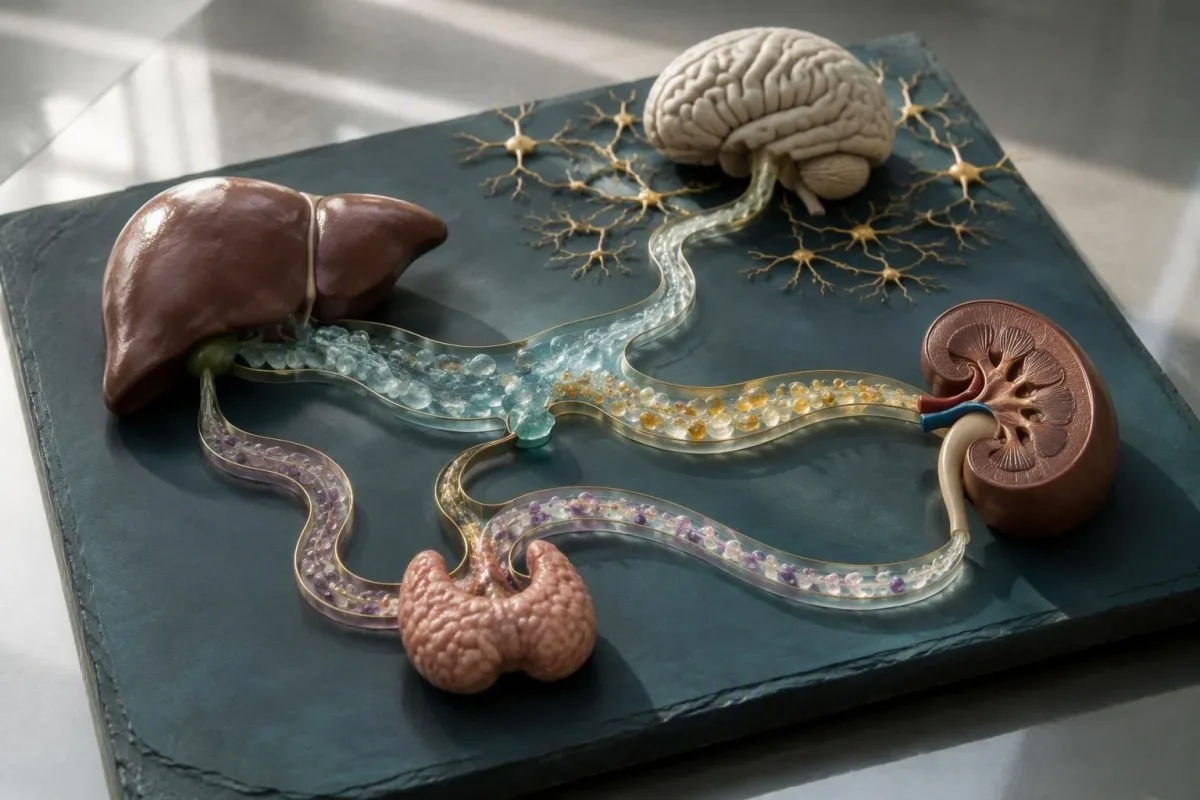
د eGFR کچه له ۶۰ ملی لیتر/دقیقه/۱.۷۳ متر مربع لږترلږه د 3 میاشتو لپاره د مزمن پښتورګو ناروغۍ یو معیار پوره کوي، که څه هم یو پایله کولی شي د ډیهایډریشن یا شدیدې ناروغۍ وروسته په لنډمهاله توګه راټیټ شي. د یوریمیک نښې معمولا په ډیر ټیټ فلټریشن کچه کې پیښیږي، خو د درملو راټولیدنه او انیمیا کولی شي په لومړیو مرحلو کې په هوساینې اغیزه وکړي.
سوډیم له 130 mmol/L کولی شي د سر درد، زړه بدوالی، نا ثباتي، ګډوډي، او شدید ستړیا لامل شي؛ سوډیم لاندې 120 mmol/L اکثرا یوه اضطراري حالت وي. کلسیم پورته 11.0 mg/dL (2.75 mmol/L) کولی شي د قبض، تنده، ادراکي بدلون، او خپګان لامل شي، په ځانګړې توګه که چیرې دا په چټکۍ سره لوړه شي.
کانټیسټي یو دی د AI لاب ټېسټ د تفسیر خدمت چې د پښتورګو، جگر، الکترولیت، او CBC پایلې د یو نمونې په توګه لوستل کیږي، په شمول د درملو پورې اړوند خطرونو. د eGFR ناڅاپي بدلون د هایډریشن او پخوانیو ارزښتونو څخه د شرایطو په پرتله ډیر اهمیت لري، کوم چې زموږ د پښتورګو د ازموینې لارښود پوښيږي.
د درملو اغیزې کولی شي ورک شوی نښه وي
د تیازید diuretics کولی شي کلسیم لوړ کړي او سوډیم ټیټ کړي، SSRIs کولی شي هایپوناتریمیا کې ونډه واخلي، میټفورمین کولی شي په وخت سره B12 کم کړي، او ځینې انټي سیزر درمل په ویټامین D اغیزه کوي. د لابراتواري پایلې په اساس هیڅکله د نسخې درمل مه پریږدئ؛ له لیکونکي څخه د وخت، دوز، او خوندي بدیلونو وزن کولو غوښتنه وکړئ.
7. التهاب، انتان او د اتومیمون نښې: په انتخابي توګه ازموینه وکړئ
CRP, ESR, د انفیکشن ازموینې، او د اتومیمون ضد انټي باډیز د خپګان لپاره منظم سکرینینګ ازموینې ندي، خو دا ګټور دي کله چې فزیکي نښې د سیسټمیک ناروغۍ په لور اشاره کوي. تبه، د وزن ضایع، د ګډوډي پړسوب، خارش، دوامداره اسهال، د شپې خولې، یا فوکل نښې باید د ازموینې دې څانګې ته لارښوونه وکړي.
CRP له دې څخه ټیټ ۳ ملی ګرامه/لیتر اکثرا د زړه ټیټ انفلاسیون په توګه ګڼل کیږي، خو لابراتوارونه مختلف میتودونه او حدود کاروي. د 30 mg/L CRP کیدای شي د انفیکشن، د اتومیمون فعالیت، د نسج زیان، چاغښت، یا ډیری نورو شرایطو منعکس کړي؛ دا د خپګان لامل نه پیژني او “د دماغ انفلاسیون” نشي تشخیص کولی.”
ESR په ورو ورو لوړیږي او ورو ورو راټیټیږي، چې دا د نښو په ناڅاپي بدلون کې لږ ګټور کوي. عادي CRP او ESR ټول انفلاسیوني حالتونه رد نه کوي، پداسې حال کې چې لږ خفيف لوړتیاوې د انفیکشن، د غاښونو ناروغۍ، شدید تمرین، او لوړ بدن وزن وروسته عام دي.
زه د بې توپیره انټي باډي پینلونو څخه ډیر زیان وینم د هدفمندې ازموینې په پرتله: د لږې کچې مثبت ANA پایلې عام دي او کولی شي د میاشتو اضطراب رامینځته کړي. که چیرې د CRP لوړیدو سره فриеټین غیر متوقع ډول لوړ وي،, فیرټین او CRP یوځای د یوه مارکر په پرتله ډیر معلوماتي دي.
کله چې د انتان سکرینینګ منطقي وي
HIV، هیپاټیټس، سیلیک serology، او د انتان یا malabsorption نور ازموینې باید د تماس، معدې نښو، د وینې کمښت نمونې، د ځیګر پایلو، یا کلینیکي تاریخ وروسته تعقیب شي. د معمول ټیټ مزاج وروسته “هرڅه” معاینه کول اکثرا ځوابونو په پرتله غلط مثبت تولیدوي.
د دوامداره ستړیا او خپګان لپاره یوه هوښیاره لومړۍ پینل
د ستړیا سره د دوامداره ټیټ مزاج لپاره، یو متمرکز لومړی پینل معمولا CBC، فیرټین د ټرانسفرین سنترشن سره، TSH، وړیا T4 کله چې اشاره کیږي، B12، فولټ کله چې خطر شتون ولري، HbA1c یا ګلوکوز، د پښتورګو فعالیت، الکترولیتونه، د ځیګر ازموینې، او ویټامین D کله چې د کمښت خطر لوړ وي. سم سیټ په ډیری خلکو کې کوچنی او په نورو کې پراخه دی.
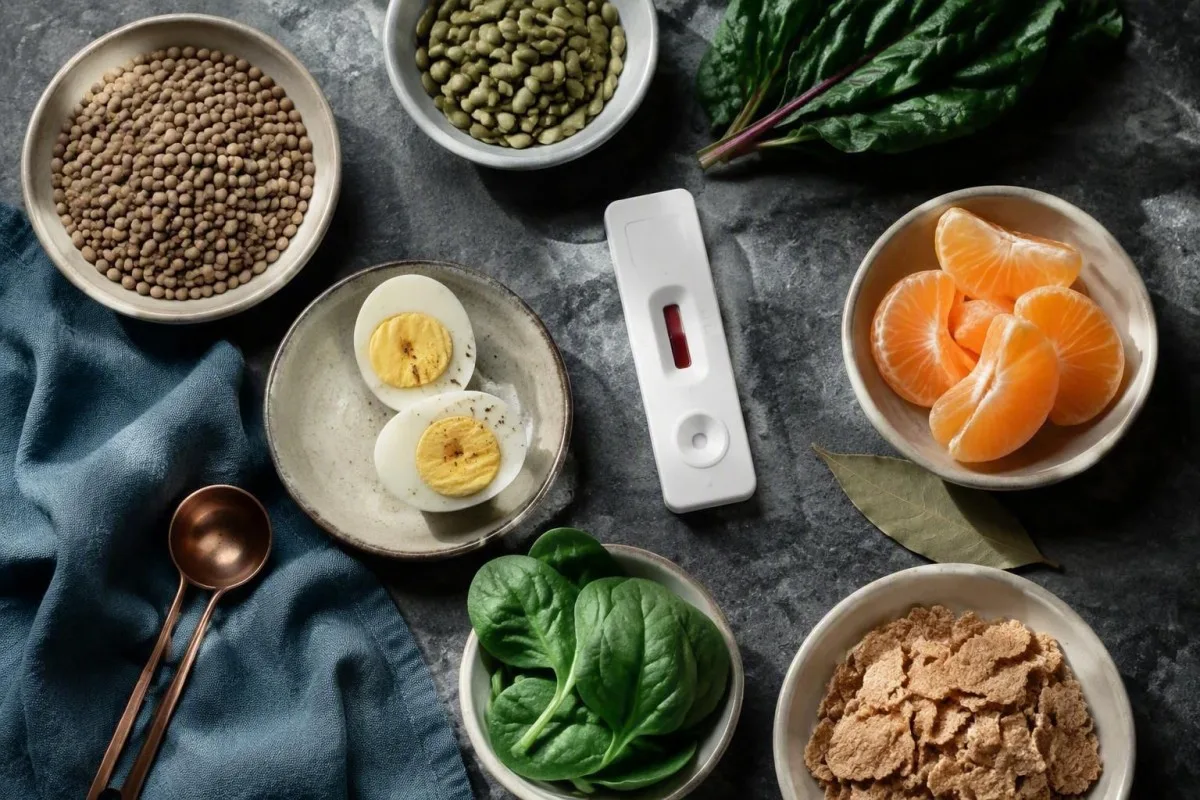
د امیندوارۍ احتمال سمدلاسه تریج بدلوي: د امیندوارۍ ازموینه، فیرټین، د تایرایډ ازموینه، د ګلوکوز ارزونه، او د درملو عاجل بیاکتنه ممکن لومړیتوب ولري. په زړو خلکو کې، د وزن کمښت، د کولمو بدلونونه، نوی انیمیا، کم شوی eGFR، او د درملو اغیزې د جنس هورمون ازموینې په پرتله ډیر وزن لري.
Kantesti AI یو AI د وینې ازموینې تشریح پلیټفارم په 127+ هیوادونو کې د پایلو د کلینیکي پوښتنو په توګه د ترتیب کولو لپاره کارول کیږي، نه د تاریخ اخیستلو یا معاینې بدلولو لپاره. زموږ سیسټم کولی شي د ورک شوي شرایطو په پیژندلو کې مرسته وکړي لکه د روژې حالت، د میاشتني حیض، اضافي، تمرین، یا وروستي ناروغي؛ په اړه ولولئ ټکنالوژي څنګه کار کوي.
ډاکټر توماس کلین regras عملی قاعده ساده ده: یوازې هغه وخت ازموینه امر کړئ کله چې یوه پایله راتلونکی ګام بدلولی شي. یو پراخ پینل د څو سیسټم نښو سره توجیه کیدی شي، مګر معمول cortisol، جنسي هورمونونه، د خواړو عدم برداشت ازموینې، درانه فلزات، او د تومور مارکرونه معمولا د ټیټ مزاج د وینې کار کې شور جوړوي.
چمتو اوسئ ترڅو پایله پوښتنه ځواب کړي
د ضمیمو ریکارډ، په ځانګړې توګه بایوټین، B12، اوسپنه، ویټامین D، او کریټینین؛ وروستی خوراک او ایا تاسو روژه لرئ یادونه وکړئ. د غیر اضطراري ازموینې دمخه د 24-48 ساعتونو لپاره غیر معمولي شدید تمرین او ډیر الکول څخه ډډه وکړئ چیرې چې امکان ولري، ځکه چې دواړه AST، CK، ګلوکوز، فیرټین، او د هایډریشن حساس پایلو بدلولی شي.
ولې کورټیسول او د جنسي هورمون پینلونه په ندرت سره لومړۍ کرښه دي
تصادفي cortisol او پراخ جنسي هورمون پینل معمولا دوامداره ټیټ مزاج نه توضیح کوي او باید د عمومي “برنټ” ازموینې په توګه ونه کارول شي.” دوی ګټور کیږي کله چې نښې د adrenal ناروغي، د میاشتني اختلال، د مینوپاز لیږد، هایپوګونادیزم، د پیټیوټري ناروغي، یا د درملو اغیزې وړاندیز کوي.
cortisol یو قوي ورځنی تال لري: د سهار لومړني نمونه معمولا د ماښام نمونې څخه ډیره لوړه وي، نو یو غیر وخت ارزښت محدود تشخیصی معنی لري. د اډرینال ناکافي شک د په سمه توګه وخت لرونکي cortisol او اکثرا د محرک ازموینې سره ارزول کیږي، نه د آنلاین “اډرینال ستړیا” سکور لخوا.
ټیسټوسټیرون د ورځې وخت، شدید ناروغي، خوب، او د بانډینګ پروټینونو سره توپیر لري؛ په نارینه وو کې، د سهار بشپړ ټیسټوسټیرون باید د کمښت تشخیص دمخه په لږترلږه دوه ځله تکرار شي. ایسټراډیول او پروګیسټرون د میاشتني دورې په اوږدو کې توپیر لري، له همدې امله یوه یوه ارزښت نشي کولی د دورې وخت پرته د مزاج بدلونونه تشریح کړي.
هغه نښې چې د هدف لرونکي endocrine ازموینې توجیه کوي په بدن د ویښتو نوي له لاسه ورکول، د انزال اختلال، amenorrhea، galactorrhea، شدید ګرم چمکونه، ارغواني داغونه، د نه توضیح شوي زخم، یا دوامداره ټیټ فشار شامل دي. زموږ د کورټیسول حوالې لارښود تشریح کوي چې د راټولولو وخت ولې د پایلې برخه ده.
مینوپاز د بایو کیمیاوي کیدو دمخه کلینیکي دی
د 45 کلونو څخه ډیر عمر لرونکي خلکو لپاره د معمول ګرم چمکونو او دورې بدلونونو سره، مینوپاز اکثرا په کلینیکي توګه د یو FSH ازموینې په پرتله تشخیص کیږي. د تایرایډ ناروغي، انیمیا، د درملو اغیزې، او خپګان کولی شي یوځای شتون ولري، نو د یو لیبل درملنه باید ارزونه پای ته ونه رسوي.
د ازموینې اضافه کولو دمخه د درملو، الکول، موادو او خوب بیاکتنه وکړئ
د درملو اغیزې، الکول، کانابیس، محرک، ارامونکي، او د خوب اختلالات د ټیټ مزاج عام د بدلیدونکي مرسته کونکي دي چې هیڅ معیاري وینې پینل نشي کولی په بشپړه توګه ونیسي. د درملو وخت اکثرا د لابراتواري نمونې اضافي بوتل څخه ډیر څه ترلاسه کوي.
بیټا بلاکرز، ایوټریټینین، کارټیکوسټرایډز، ځینې ضد انتان درمل، انټرفیرون پر بنسټ درملنه، ارامونکي، او د هورمون درملنه کولی شي په حساس خلکو کې په مزاج اغیزه وکړي. SSRIs، ډیوریتیکس، او کاربامازپین کولی شي سوډیم ټیټ کړي؛ پروټون-پمپ انفحيبيټر او میټفارمین کولی شي په وخت سره د B12 کمښت کې مرسته وکړي.
الکول ممکن لنډمهاله اضطراب کم کړي ، مګر خوب ټوټه ټوټه کوي او GGT ، MCV ، triglycerides ، او د جگر انزایمونه لوړوي. د لابراتوار پورتنۍ حد څخه پورته GGT غیر مشخص دی: دا ممکن الکول ، غوړ جگر ، درمل ، یا کولیسټاسیس منعکس کړي ، نو دا باید هیڅکله د الکول کارولو ثبوت په توګه ونه کارول شي.
د خوب د بندیدو اپنیا د خپګان په څیر خورا ښکاري - غیر آرام خوب ، ضعیف تمرکز ، د لیبیډو بدلونونه ، او د ماسپښین ستړیا - پداسې حال کې چې CBC او د تایرایډ ازموینې نورمال پاتې کیږي. که د خټو ، لیدل شوي وقفې ، د سهار سر درد ، یا مقاوم لوړ فشار شتون ولري ، د ضمیمو تعقیب کولو پرځای د خوب د ارزونې په اړه پوښتنه وکړئ؛; خراب خوب او د لابراتوار پایلې ګټور پس منظر وړاندې کوي.
څنګه کلینیکونه د سور بیرغونو پرځای نمونې لولي
یو له حد څخه بهر پایله په ندرت سره ټیټ مزاج تشریح کوي؛ په نښو ، تکراري پایلو ، او اړوند بایو مارکرونو کې همغږي نمونې خورا معتبر دي. د لابراتوار د حوالې سلسلې تشریح کوي چې چیرته 95% د حوالې نفوس څخه دی ، نه د شخصي روغتیا تضمین.

د 18 ng/mL څخه فرتین د ټیټ ټرانسفرین سنترشن ، درنو دورو ، بې آرامه پښو ، او ستړیا سره د فرتین 18 څخه قوي د اوسپنې کمښت قضیه ده. په مقابل کې ، وروسته د 18 فرتین د ویروسي ناروغۍ وروسته لاهم د تحقیق لپاره ټیټ دی ، مګر CRP ، رژیم ، د وینې ضایع ، او د تکرار وخت پریکړه شکل کوي.
ورته اصولو په تایرایډ ازموینه کې هم تطبیق کیږي: د TSH 5.2 mIU/L د بې خوبۍ وروسته اونۍ تکرار مستحق کیدی شي ، پداسې حال کې چې TSH 12 mIU/L د ټیټ وړیا T4 او قبض سره خورا روښانه نښه ده. لابراتوارونه په معاینه کې توپیر لري ، نو د ورته لابراتوار او واحدونو تعقیبول د جعلي ښکاري بدلون کموي.
Kantesti AI د دې بحثونو لږ ټوټه ټوټه کولو لپاره رجحانات او اړوند نښې پرتله کوي ، مګر زموږ کلینیکي معیار د یقیني اختراع کولو پرځای د અનिश्चितता پرچم کول دي. زده کړئ ولې د وینې ازموینې ترمنځ بدلون ممکن بیولوژیکی بدلون ، د راټولولو بدلون ، یا ریښتینی بدلون وي.
نورمال حد د درملنې هدف ندی
هڅه مه کوئ چې هر بایو مارکر د حوالې وقفې په مینځ کې فشار راوړئ. د مثال په توګه ، د لوړې دوز اوسپنه کولی شي د معدې زیان لامل شي او د وینې ضایع کیدو ارزونه پټه کړي ، پداسې حال کې چې ډیر ویټامین D کولی شي د هایپرکلسیمیا لامل شي؛ درملنه باید د تشخیص ، نښو ، او تعقیب ازموینې تعقیب کړي.
کله چې ازموینې تکرار کړئ، د GP بیاکتنې په لټه کې شئ، یا عاجل مرسته ترلاسه کړئ
کله چې یو لږ غیر معمولي عارضي وي ، تکرار ازموینه مناسبه ده ، مګر عاجل نښې د انتظار او لیدو پلان له مینځه وړي. د خودکشی نوی اراده ، ډیلیریم ، شدید ضعف ، د سینې درد ، بې هوښه کیدل ، یرقان ، تور ملا ، یا د ګلوکوز سره تړاو لرونکی ګډوډي عاجل طبي مرستې ته اړتیا لري.
یو لږ لوړ TSH د نورمال وړیا T4 سره اکثرا په 6-12 اونیو کې, کې تکرار کیږي ، په امیندوارۍ یا نښو کې ژر. د اوسپنې ، B12 ، او ویټامین D تعقیب وخت د درملنې او اساس شدت پورې اړه لري؛ کلینیکونه اکثرا له څو اونیو وروسته د ورځو پرځای د CBC او اوسپنې نښو بیا ارزونه کوي ځکه چې د سره وینې د حجرو رغونه وخت نیسي.
د هیموګلوبین لاندې د ورته اونۍ بیاکتنې غوښتنه وکړئ 10 g/dL, څخه پورته وي، سوډیم له 130 mmol/L, ، کلسیم له 11.0 mg/dL, ، eGFR په چټکۍ سره راټیټیدل ، بیلی روبین د یرقان سره ، یا د ډایبېتیک حد کې د ګلوکوز روژه نیول د نښو سره. دا د ټریاژ پرامپټونه دي ، نه تشخیص ، او محلي خدمات ممکن مختلف حدونه وکاروي.
د پیچلو راپورونو لپاره ، Kantesti's د کلینیکي تایید (validation) تګلاره د سرچینې چک کولو ، تکرار ، او ترفیع باندې تمرکز کوي نه د یو کلیک اطمینان. ډاکټر توماس کلین وايي چې د غونډې ته د اصلي PDF ، د درملو لیست ، او د یوې اونۍ د نښو ورځنۍ راوړل وړاندیز کوي.
د غونډې دمخه څه باید ولیکئ
پدې کې شامل دي کله چې ټیټ مزاج پیل شو ، د خوب موده ، اشتها یا د وزن بدلون ، د حیض خونریزي ، الکول او د مخدره توکو کارول ، د کورنۍ تایرایډ یا د شکر ناروغۍ تاریخ ، وروستي انفیکشن ، رژیم محدودیت ، او د هر درمل یا ضمیمه خوراک. دا معلومات اکثرا “غیر معمولي” پایله اغیزه کوي چې کلینیکي پلوه اړونده ده.
پداسې حال کې چې طبي لاملونه معاینه کیږي د خپګان درملنه وکړئ
د رواني روغتیا ملاتړ باید هغه وخت پیل شي کله چې خپګان دوامداره وي یا زیان رسونکی وي، حتی پداسې حال کې چې د وینې ازموینې په تمه وي. رواني درملنه، ټولنیز ملاتړ، د خوب درملنه، مناسبه درمل، او د خوندیتوب پلان کول د “نارمل لابراتوارونو” وروسته بیرته نه راګرځیدونکي اختیارونه ندي؛ دا د شواهدو پر بنسټ پاملرنه ده.

خپګان عموما د لږترلږه 2 اونیو د خپګان یا د ګټو له لاسه ورکولو په واسطه تعریف کیږي چې د نورو نښو سره یوځای کیږي لکه خوب، اشتها، انرژي، تمرکز، ګناه، رواني، یا د ځان وژنې بدلونونه. شدت د فعال اغیزو او خوندیتوب پورې اړه لري، نه په دې پورې چې ایا د لابراتوار راپور کې د خطر نښې شتون لري.
یوه فزیکي مرسته کوونکی ریښتینی کیدی شي پرته له دې چې یوازینی مرسته کوونکی وي. د B12 کمښت سمول ممکن ستړیا او تمرکز ښه کړي پداسې حال کې چې درملنه د غم، ټراما، انزوا، یا ژورو خپګان لرونکي علایمو ته اشاره کوي؛ ډیری ناروغان دا ګډ چوکاټ لږ تورنونکي ګڼي.
Kantesti زموږ د طبي مشورتي بورډ, له لارې د طبيب تر څارنې لاندې فعالیت کوي، او موږ لوستونکو ته هڅوو چې د کلینیکي او رواني روغتیا پاملرنې د چمتووالي لپاره - نه د ځای په توګه - د AI تفسیر څخه ګټه پورته کړي. که تاسو نن ورځ خوندي نه شئ، اوس په خپل هیواد کې د بیړني خدماتو یا بحراني سرچینې څخه کار واخلئ.
د خپګان د وینې کار پایله
په نښه شوي د وینې ازموینه کولی شي اوه ګټورې کټګورۍ څرګندې کړي: د اوسپنې پورې اړوند انیمیا، د تایرایډ اختلال، د B12 یا فولټ کمښت، د وټامین ډي کمښت، د ګلوکوز اختلالات، د پښتورګو-جگر-الیکټرولایټ غیر معمولي حالتونه، او د نښو پر بنسټ التهابي یا انتاني ناروغي. دا د مهربانې ارزونې یوه برخه ده، هیڅکله د دې په اړه پریکړه نه ده چې ایا ستاسو رنځ مشروع دی.
پوښتل شوې پوښتنې
که زما مزاج خراب وي او ستړی وم، کوم وینې ازموینې باید ورته ووایم؟
د خپګان او ستړیا لپاره متمرکزه د وینې ازموینه اکثرا د CBC، د فریتین سره د ټرانسفرین سنترشن، TSH، B12، HbA1c یا ګلوکوز، د پښتورګو فعالیت، الکترولایټونه، او د جگر ازموینې شاملې دي. د وټامین D یوه مناسبه ده کله چې د لمر افشا محدود وي، د جذب خطر شتون لري، یا د عضلاتو درد شتون ولري. د 30 ng/mL څخه کم فریتین، د 180 pg/mL څخه کم B12، او د لابراتوار وقفې څخه لوړ TSH هغه پایلې دي چې کلینیکي شرایطو ته اړتیا لري. دا ازموینې ممکن طبي مرسته کونکي پیژني؛ دا خپګان تشخیص نه کوي.
ایا د وینې معاینه کولی شي د خپګان تشخیص کړي؟
نه، په عادي کلینیکي پاملرنې کې هیڅ د وینې ازموینه نشي کولی خپګان تشخیص کړي. خپګان د لږترلږه 2 اونیو پورې د نښو، په ورځني فعالیت باندې د دوی اغیز، د رواني تاریخ، معاینې، او د خوندیتوب ارزونې څخه تشخیص کیږي. ازموینې لکه TSH، فریتین، B12، ګلوکوز، سوډیم، او کلسیم د شرایطو په پیژندلو کې مرسته کوي چې د خپګان نښې تقلید یا خرابولی شي. نورمال د وینې پایلې د خپګان رد نه کوي یا پدې معنی ندي چې درملنه غیر ضروري ده.
ایا کمبود اوسپنه کولی شي د وینې کمښت پرته اضطراب او خپګان رامینځته کړي؟
هو، د اوسپنې کمښت کولی شي ستړیا، ضعیف تمرکز، د پښو بې آرامه، د تمرین کم زغم، او د خپګان لامل شي مخکې له دې چې هیموګلوبین د انیمیا معیارونو پوره کولو لپاره کافي ټیټ شي. د 30 ng/mL څخه کم فریتین اکثرا د اوسپنې زیرمه کمیدل تاییدوي، پداسې حال کې چې د 20% څخه کم ټرانسفرین سنترشن د کافي اوسپنې نشتوالي شواهد اضافه کوي. لامل مهم دی: درانه حیض، د معدې ضایع، کم مصرف، د وینې ورکول، او د جذب نشتوالی مختلف غبرګونونو ته اړتیا لري. پرته له دې چې یو کلینیک پوه سره پایله او لامل بحث کړئ، د اوږدې اوسپنې درملنه پیل نه کړئ.
کوم د تایرایډ پایله کولی شي په مزاج اغیزه وکړي؟
څرګند هایپوتایرایډیزم، چې د لوړ TSH سره د ټیټ وړیا T4 لخوا تعریف کیږي، کولی شي ستړیا، ورو فکر، د یخ زغم، قبض، او خپګان لرونکي علایمو ته مرسته وکړي. ډیری لابراتوارونه د 0.4-4.0 mIU/L شاوخوا د TSH حوالې وقفې کاروي، مګر د 10 mIU/L څخه لوړه پایله عموما د پام وړ لوړوالي څخه ډیر وزن لري. یو لږ لوړ شوی TSH د نورمال وړیا T4 سره اکثرا د فوري فرض کولو پرځای په 6-12 اونیو کې د تکرار ازموینې ته اړتیا لري. د تایرایډ ناروغۍ او خپګان سره یوځای کیدی شي، نو د تایرایډ فعالیت درملنه د رواني روغتیا ارزونې ځای نه نیسي.
ایا باید د ټیټ مزاج یا ستړیا لپاره کورټیسول معاینه کړم؟
د cortisol تصادفي ازموینه معمولا د عادي خپګان یا سوځیدنې لپاره ګټوره نه ده ځکه چې cortisol د ورځې په اوږدو کې او د شدید فشار، ناروغۍ، او خوب سره په پراخه کچه بدلیږي. په نښه شوي ازموینې هغه وخت مناسبه ده کله چې نښې د اډرینال ناروغۍ وړاندیز کوي، لکه دوامداره ټیټ د وینې فشار، د وزن بې دلیل کمښت، د پوستکي رنګ بدلون، شدید ضعف، یا د کوشینګ په څیر ځانګړتیاوې. سهار لومړی cortisol کیدی شي د تایید محرک ازموینې لامل شي کله چې کلینیکي پلوه په ګوته شي. سوداګریز “اډرینال ستړیا” ازموینه په اصلي پایوکرینی غوښتنه کې پیژندل شوې تشخیص ندی.
کله باید خفګان عاجل ګڼل شي؟
خپګان بیړنۍ ارزونې ته اړتیا لري کله چې د ارادې یا پلان سره د ځان وژنې فکرونه شتون ولري، د خوندي پاتې کیدو توان نه وي، رواني ناروغي، شدید اضطراب، نوې ګډوډي، یا د خوب څو ورځې د غیر معمولي لوړې انرژي یا خطرناک چلند سره. د لابراتوار شدیدې نښې هم بیړنۍ پاملرنې مستحق دي، په شمول د 120 mmol/L څخه کم سوډیم، د ګلوکوز پورې اړوند ګډوډي، بې هوښه کیدل، د سينې درد، یا په چټکۍ سره د خرابیدونکي ضعف. د معمول ازموینې پایلو ته د انتظار کولو پرځای د بیړني خدماتو، بحراني خدمت، یا د بیړني څانګې سره اړیکه ونیسئ. د یو باوري کس څخه وغواړئ چې ستاسو سره پاتې شي یو هوښیار سمدستي خوندیتوب اقدام دی.
همدا نن د AI په مرسته د وینې ازموینې تحلیل ترلاسه کړئ
له 2M+ څخه زیات کاروونکي په ټوله نړۍ کې زموږ په Kantesti باور لري چې د لابراتوار ازموینو تحلیل په فوري او دقیق ډول کوي. خپل د وینې ازموینې پایلې اپلوډ کړئ او په ثانیو کې د 15,000+ بایومارکرونو بشپړه تشریح ترلاسه کړئ.
📚 د څېړنې خپرونې چې حواله شوې دي
کلین، ټي، مېچېل، ایس، او وېبر، ایچ. (2026). د نیپا ویروس د وینې معاینه: د ۲۰۲۶ کال د لومړني کشف او تشخیص لارښود. Kantesti د AI طبي څېړنه.
کلین، ټي، مېچېل، ایس، او وېبر، ایچ. (2026). د وینې ډول B منفي، د LDH د وینې ازموینې او د Reticulocyte شمېرنې لارښود. Kantesti د AI طبي څېړنه.
📖 بهرني طبي مراجع
د روغتیا او پاملرنې ملي انستیتیوت (NICE) (۲۰۲۲). په لویانو کې خپګان: درملنه او مدیریت. د NICE لارښود NG222.
چاکر L et al. (2017). هایپوتایرایډیزم. لانسیټ.
کاماشيلا C (2015). د اوسپنې کمښت انیمیا. د نیو انګلنډ د طب ژورنال.
⚕️ طبي ردونه
دا مقاله یوازې د زده کړې لپاره ده او طبي مشوره نه جوړوي. د تشخیص او درملنې د پرېکړو لپاره تل د وړ روغتیايي خدمت وړاندې کوونکي سره سلا وکړئ.
د E-E-A-T باور نښې
تجربه
د ډاکټر تر مشرۍ لاندې کلینیکي بیاکتنه د لابراتواري تفسیر د کاري بهیرونو لپاره.
تخصص
د لابراتواري طب تمرکز پر دې چې بایومارکرونه په کلینیکي شرایطو کې څنګه چلند کوي.
واک ورکول
د ډاکټر توماس کلاین له خوا لیکل شوی، د ډاکټر سارا میچل او پروف. ډاکټر هانس ویبر له خوا بیاکتنه.
اعتبار
د شواهدو پر بنسټ تفسیر د روښانه تعقیبي لارو چارو سره، تر څو اندیښنه کمه شي.