Persista malalta humoro meritas properan mens-sanan taksadon, kune kun celitaj kontroloj por reverteblaj fizikaj kontribuoj. Sangotestoj povas malkovri kontribuojn; ili ne diagnozas depresion.


- Sekureco unue: Suicidaj pensoj, psikozo, severa agitacio, aŭ malkapablo resti sekura bezonas urĝan mens-sanan zorgon; laboratorio-rezultoj neniam devas prokrasti tion.
- CBC kaj feritino: Feritino sub 30 ng/mL ofte subtenas feran mankon, eĉ antaŭ ol hemoglobino malfaliĝas.
- Tiroida ekrano: Leva TSH kun malalta libera T4 indikas plenan hipotiroidismon kaj povas kontribui al laceco, malrapidigita pensado, kaj malalta humoro.
- Vitamino B12: B12 sub 180 pg/mL aŭ 133 pmol/L estas kutime manka; limaj rezultoj ofte bezonas metilmalonan acidan testadon.
- Glukozo: HbA1c de 6.5% aŭ pli alta plenumas diabetan diagnozan sojlon kiam konfirmite, dum glukozaj svingoj povas plimalbonigi energion kaj koncentriĝon.
- Renaj kaj hepataj testoj: Malalta eGFR, malalta natrio, alta kalcio, aŭ hepata misfunkcio povas ŝanĝi dormon, kognadon, kuracilokomprenon, kaj humoron.
- Ne trotestu: Kortizolo, seksaj hormonoj, larĝaj aŭtoimunaj paneloj, kaj genetikaj testoj ne estas rutinaj sangokontroloj por malalta humoro, krom se simptomoj indikas tion.
- Praktika sekva paŝo: Portu simptomojn, medikamentojn, menstruan historion, dieton, alkoholuzon, kaj antaŭajn rezultojn al kuracisto; la ŝablono gravas pli ol unu markita valoro.
Kion sangotesto por malalta humoro efektive povas malkovri
A sangokontrolo por malalta humoro povas identigi medicinajn kondiĉojn, kiuj similas aŭ pligravigas depresion, precipe anemion, tiroidan misfunkcion, vitaminan mankon, glukozajn malordojn, renajn aŭ hepaticajn malsanojn, kaj elektrolitan malekvilibron. Ĝi ne povas konfirmi aŭ ekskludi depresion, kiu restas klinika diagnozo bazita sur simptomoj, daŭro, funkcio, kaj sekureca takso.
Ekde la 12-a de septembro 2026, la utila demando ne estas “kiu testo pruvas, ke mia humoro estas medicina?” sed “kiuj regeblaj kondiĉoj kongruas kun miaj simptomoj kaj riskaj faktoroj?” NICE-direktivo pri depresio rekomendas takson de fizika sano, medikamentoj, alkoholo kaj substancuzo, kaj memmortiga risko kune kun mensaj-sanaj simptomoj (NICE, 2022). Normala panelo ne faras distreson malpli reala; ĝi simple mallarĝigas la medicinan diferencialon.
Dum miaj 15 jaroj da klinika praktiko, mi vidis pacientojn pasigi monatojn kulpigante sin pri elĉerpiĝo, kiu rezultis esti fera manko, hipotiroidismo, aŭ malbone kontrolita diabeto. Mi ankaŭ vidis tute normalajn rezultojn ĉe homoj kun severa granda depresio. Ambaŭ situacioj bezonas zorgon, kaj neniu devus esti minimumigita.
Kantesti estas AI-sangotesta analizilo desegnita por organizi laboratoriajn ŝablonojn por diskuto kun kuracisto, prefere ol alkroĉi psikiatrian etikedon al rezulto. Komencu per la gvidilo pri sangotestaj biosignoj se la mallongigoj en raporto estas nekonataj.
Kiam malalta humoro estas urĝaĵo
Memmortigaj pensoj, plano vundi vin mem, aŭdi voĉojn, nova paranojo, severa konfuzo, aŭ pluraj tagoj sen dormo kaj kreskanta energio postulas urĝan samtagan mens-sanan takson. Voku krizajn servojn aŭ lokan krizan linion, iru al kriz-sekcio, aŭ petu iun, kiun vi fidas, resti kun vi; atendi malalt-humorajn sangokontrolojn ne estas sekura.
1. CBC kaj feraj studoj: laceco antaŭ ol anemio aperas
Fera manko povas kontribui al laceco, difektita koncentriĝo, ekzerc-intoleremo, kaj malalta humoro antaŭ ol anemio evoluas. Kompleta sangokalkulado, feritino, transferino-saturiĝo, kaj CRP estas la plej informaj komencaj testoj kiam laceco akompanas malaltan humoron.
Ferritino sub 15 ng/mL estas tre specifa por forestantaj feraj stokoj, dum valoro sub 30 ng/mL estas ofte uzata ĉe simptomaj plenkreskuloj por subteni feran mankon. Feritino ankaŭ estas akutfaza proteino, do rezulto de 60 ng/mL ne fidinde ekskludas mankon dum infekto, obezeco, inflama malsano, aŭ lastatempa forta ekzercado.
Hemoglobino sub 12,0 g/dL ĉe ne-gravedaj plenkreskaj virinoj aŭ 13.0 g/dL ĉe plenkreskaj viroj plenumas oftajn anemi-sojlojn, sed hemoglobino sole estas malfrua markilo. Malalta MCV, kreskanta RDW, transferino-saturiĝo sub 20%, kaj malalta feritino formas multe pli konvinkan ŝablonon ol serum-fero sole.
La recenzo de Camaschella en NEJM priskribas lacecon kaj reduktitan funkcian kapablon kiel oftajn trajtojn de fera manko, kun la kaŭzo de manko postulantaj esploron prefere ol aŭtomata suplementado (Camaschella, 2015). Pezaj periodoj, sangodonaĵoj, restriktaj dietoj, celiaka malsano, kaj gastro-intesta perdo estas oftaj vojoj; nia gvidilo pri malalta feritino antaŭ anemio klarigas kial “normala CBC” povas misgvidi.
2. Tiroidaj testoj: kontrolu TSH antaŭ ol kulpigi streson
Evidenta hipotiroidismo estas agnoskita medicina kaŭzo de malbona humoro, kognitiva malrapidiĝo, estreñimiento, malvarma netoleremo kaj laceco. La unua linio de tiroida ekzameno estas TSH kun libera T4 kiam TSH estas nenormala aŭ hipofiza malsano estas kredinda.
Alta TSH kun malalta libera T4 indikas evidentan primaran hipotiroidismon kaj kutime postulas traktan diskuton. Referencaj intervaloj diferencas laŭ analizo, sed TSH estas komune ĉirkaŭ 0,4-4,0 mIU/L; TSH super 10 mIU/L estas pli klinike signifa ol lima kresko de 4.5 mIU/L, precipe kiam ripetita.
Subklinika hipotiroidismo signifas altigitan TSH kun normala libera T4. La pruvoj, ke kuracado plibonigas humoron ĉe modestaj TSH-altigoj, estas honeste miksitaj, precipe ĉe pli maljunaj plenkreskuloj, do simptomoj, tiroidaj antikorpoj, gravedecaj planoj kaj ripetaj testoj gravas. Biotinaj suplementoj povas false malaltigi TSH kaj altigi liberan T4 sur kelkaj imunoanalizoj; ĉesu alt-dozajn biotinon dum almenaŭ 48 horoj, se la laboratorio konsilas tion.
Chaker et al. priskribas hipotiroidismon kiel sisteman kondiĉon kun neŭropsikiatriaj manifestiĝoj, kvankam tiroida testado ne devus fariĝi ŝparvojo ĉirkaŭ reala depresia takso (Chaker et al., 2017). Por tempigo post medikamentaj ŝanĝoj, vidu tiroidajn retestajn intervalojn.
Rezulto kiu bezonas alian vojon
Malalta libera T4 kun normala aŭ malalta TSH povas indiki centran hipotiroidismon, severan ne-tiroidan malsanon, aŭ analizan interferon; ĝi ne devus esti flankenmetita kiel “normala tiroido.” Tiu ŝablono meritas klinikan revizion, precipe kun kapdoloro, vida ŝanĝo, malalta libido, aŭ aliaj hipofizaj simptomoj.
3. Vitamino B12 kaj folato: nervaj simptomoj ŝanĝas la urĝecon
Vitamino B12-manko povas kaŭzi malbonan humoron, memorproblemojn, entumeco, irankrizojn kaj lacecon eĉ sen anemio. Testu B12 kun CBC kaj pripensu metilmalonan acidon aŭ homocisteinon kiam la B12-valoro estaslima aŭ la simptomoj estas neŭrologiaj.
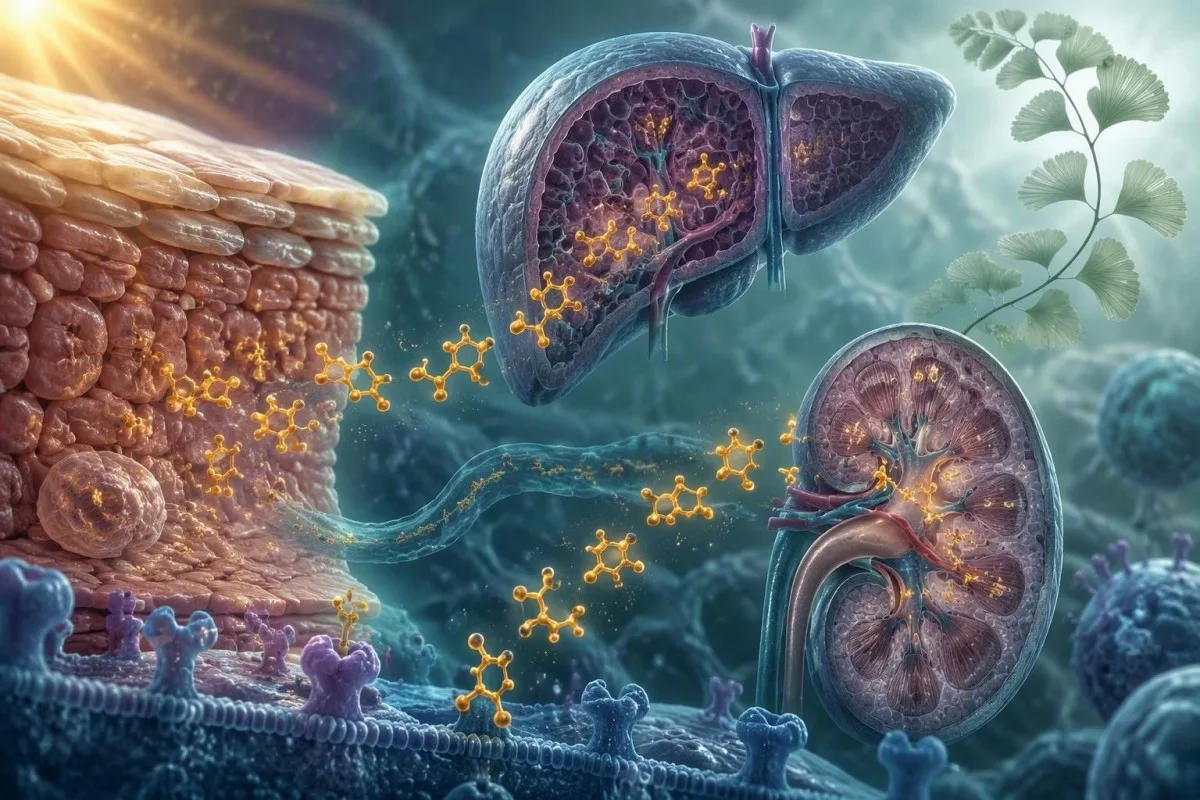
Seruma B12 sub 180 pg/mL aŭ 133 pmol/L ĝenerale subtenas mankon, kvankam lokaj limoj varias. Rezultoj de ĉirkaŭ 180-350 pg/mL povas esti nedeterminitaj, kaj metilmalona acido kreskas kiam B12-dependa metabolo estas difektita; reduktita rena funkcio ankaŭ povas altigi metilmalonan acidon.
Makrocitozo, kutime MCV super 100 fL, povas indiki B12 aŭ folatan mankon sed nek necesas nek specifas. Alkohola konsumo, hepata malsano, hipotiroidismo, retikulocitozo kaj medikamentoj ankaŭ povas altigi MCV. La foresto de anemio ne sekure ekskludas B12-rilatan nervan vundon.
Mi estas precipe singarda kiam iu havas pikadon, reduktitan vibran senton, ekvilibrajn ŝanĝojn, metforminan uzon, longdaŭran acidan suprimadon, veganan manĝaĵon, gastran kirurgion, aŭ nitrozan oksigenan ekspozicion. Ne prenu folian acidon sole por suspektata B12-manko: ĝi povas korekti anemion dum neŭrologia damaĝo daŭras; revizio testado de B12 kontraŭ folato kun kuracisto.
4. Vitamino D: kontribuanto, ne memstara klarigo
Malalta 25-hidroksivitamino D povas kunekzisti kun laceco, muskolaj doloroj, reduktita subĉiela aktiveco, kaj malalta humoro, sed ĝi apenaŭ klarigas severan depresion memstare. Mezuru 25-OH vitaminon D prefere ol la aktivan 1,25-dihidroksivitamino D-teston por rutina mankotaksado.
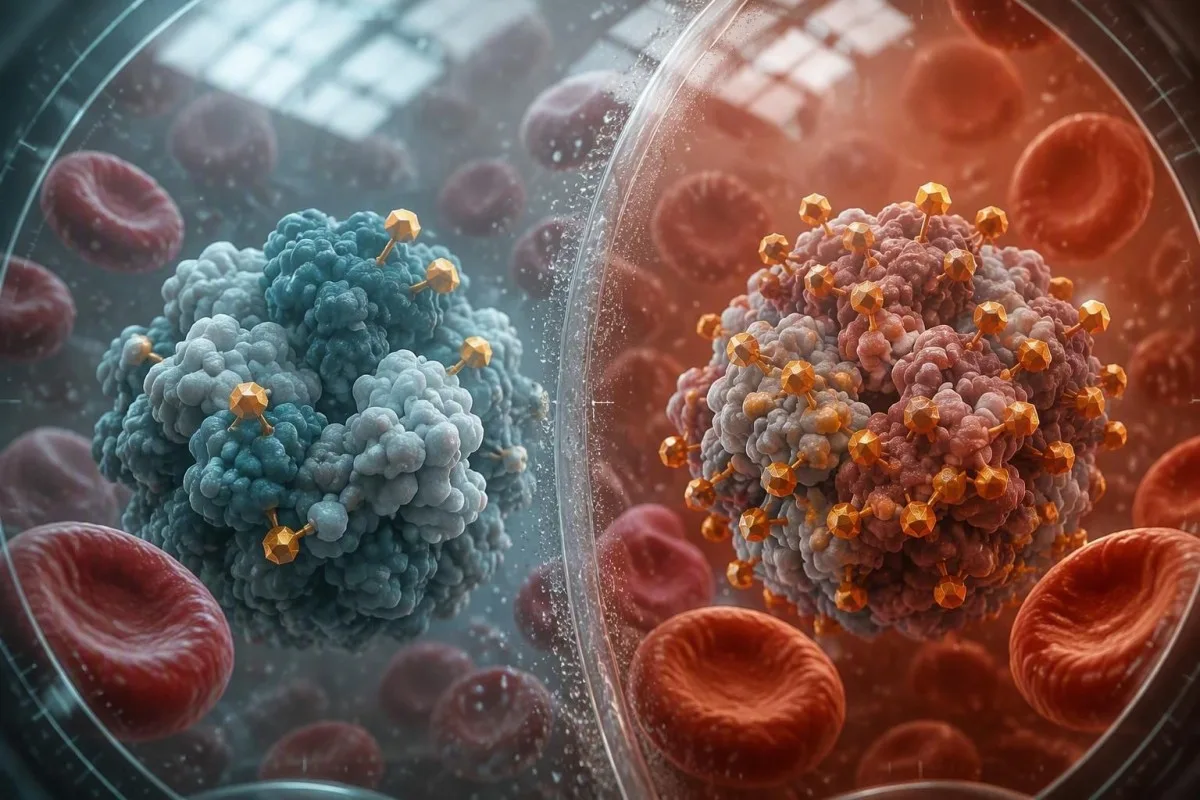
25-OH-vitamina D-koncentriĝo sub 20 ng/mL (50 nmol/L) estas konsiderata manka de multaj aŭtoritatoj, dum 20–29 ng/mL ofte estas priskribita kiel nesufiĉa. La sojlo estas diskutata: ost-fokusitaj grupoj malsamas pri ĉu 20 aŭ 30 ng/mL devus esti la celo, kaj humor-specifaj traktaj sojloj ne estas establitaj.
Mankeco de vitamino D pli verŝajna kun malmulte da sunekspozicio, pli malhela haŭto ĉe alta latitudo, kovranta vesto, obezeco, malabsorbado, rena malsano, kaj certaj kontraŭepilepsiaj medikamentoj. La klinika kaptilo estas supozi ke malalta rezulto klarigas ĉion; dormomanko, malĝojo, angoro, anemio, kaj depresio ofte kunekzistas kun ĝi.
Plej multaj pacientoj trovas, ke korekto plibonigas muskolajn simptomojn aŭ ĝeneralan energion iom post iom dum semajnoj, ne subite. Troa suplementado povas altigi kalcion; alta vitamino D-rezulto alta vitamino D-rezulto meritas atenton kiam naŭzo, soifo, mallakso, aŭ konfuzo evoluas.
Akceptebla anstataŭigo bezonas superrigardon
Por nekunigita manko, kuracistoj ofte uzas ĉiutagajn dozojn ĉirkaŭ 800-2,000 IU, sed ŝarĝaj reĝimoj dependas de severeco, gravedeco, rena funkcio, kalcionivelo, kaj loka gvidado. 25-OH-vitamina D-rezulto super 150 ng/mL aŭ 375 nmol/L vekas zorgon pri tokseco kaj postulas medicinan revizion.
5. Glukozo kaj HbA1c: energikolapsoj havas ŝablonojn
Diabeto kaj recida hipoglikemio povas plimalbonigi lacecon, koncentriĝon, dormon, kaj iritiĝemon, kiuj povas esti spertitaj kiel malalta humoro. Rapida glukozo kaj HbA1c estas taŭgaj kiam soifo, ofta urinado, pezŝanĝo, nebula vizio, tremado, aŭ metabola risko ĉeestas.
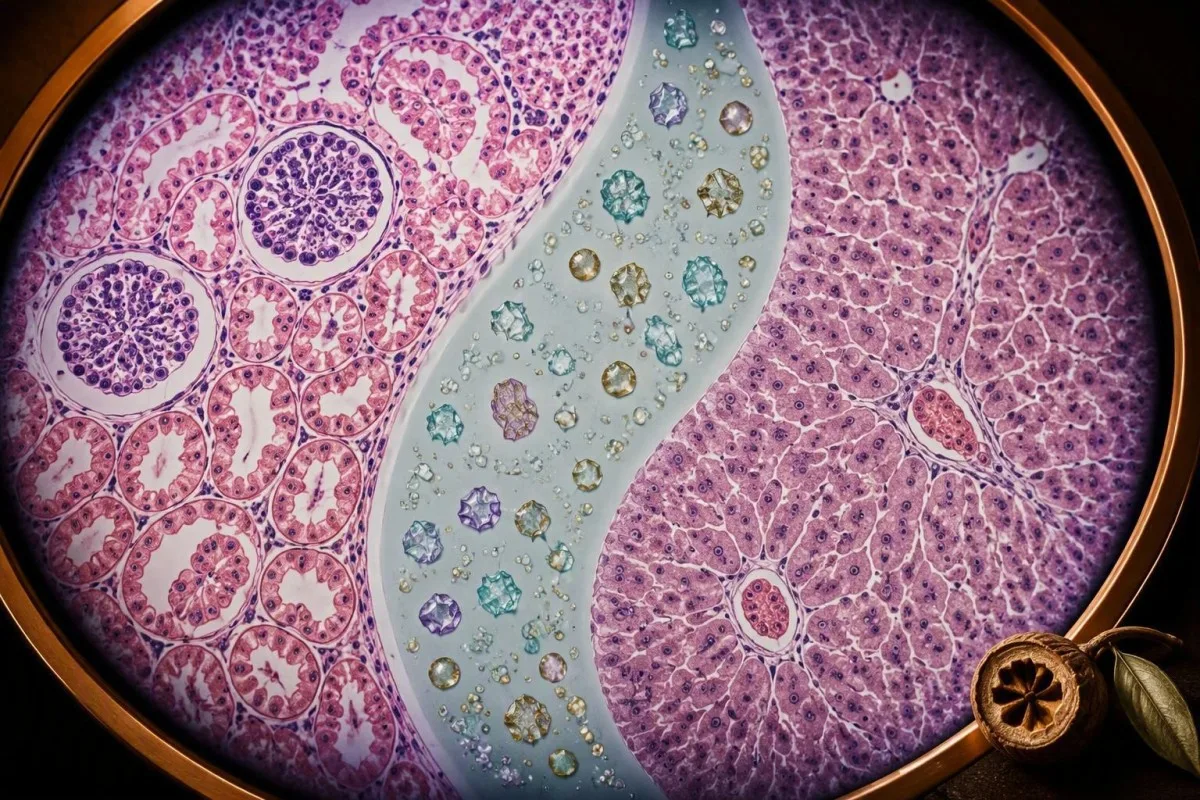
HbA1c de 6.5% aŭ pli alta subtenas diabeton kiam konfirmita per ripeto-testado aŭ alia diagnoza testo, dum 5.7-6.4% indikas pliigintan diabetan riskon laŭ usonaj kriterioj. HbA1c reflektas proksimume 8-12 semajnojn da glukoza ekspozicio, sed anemio, hemoglobaj variantoj, rena malsano kaj transfuzo povas fari ĝin misgvida.
Plasma glukozo sub 70 mg/dL (3.9 mmol/L) estas hipoglikemio, tamen simptomoj gravas: ŝvitado, tremoro, palopiloj, konfuzo kaj kondutŝanĝo dum dokumentita malalta nivelo pravigas revizion. Ĉe homoj sen diabeto, unuopa malalta rezulto post longa fasto ne samas kiel konfirmita spontanea hipoglikemia malordo.
Kiam mi revizias laboratoriajn analizojn pri malalta humoro, mi demandas, kio okazas je la 11-a matene, post ekzercado, kaj du horojn post manĝoj. Ripetaj karbonhidrato-riĉaj manĝoj, alkoholo sen manĝaĵo, diabetaj medikamentoj kaj nesufiĉa fuelado povas krei rekoneblan ŝablonon; vidu malaltaj glukozaj kaŭzoj.
Kial normala fasta glukozo povas maltrafi la rakonton
Fasta glukozo povas resti normala frue en insulino-rezisto, dum HbA1c, trigliceridoj, talia cirkonferenco, dormapneo kaj familia historio indikas riskon. Inverse, HbA1c povas subtaksi glukozan ekspozicion kiam ruĝaj ĉeloj havas mallongigitan vivdaŭron, do klinikistoj foje uzas fruktozaminon aŭ glukozan monitoradon anstataŭe.
6. Renaj, hepataj kaj elektrolitaj testoj: la preteratentita kemio
Rena malsano, hepata misfunkcio, natria malordo kaj kalcia malekvilibro povas produkti lacecon, dorman interrompon, malrapidan pensadon aŭ konfuzon, kiuj koincidas kun malalta humoro. Baza metabola panelo, hepata panelo, eGFR kaj medikamenta revizio estas pli utilaj ol izolitaj “bonfartaj” testoj.
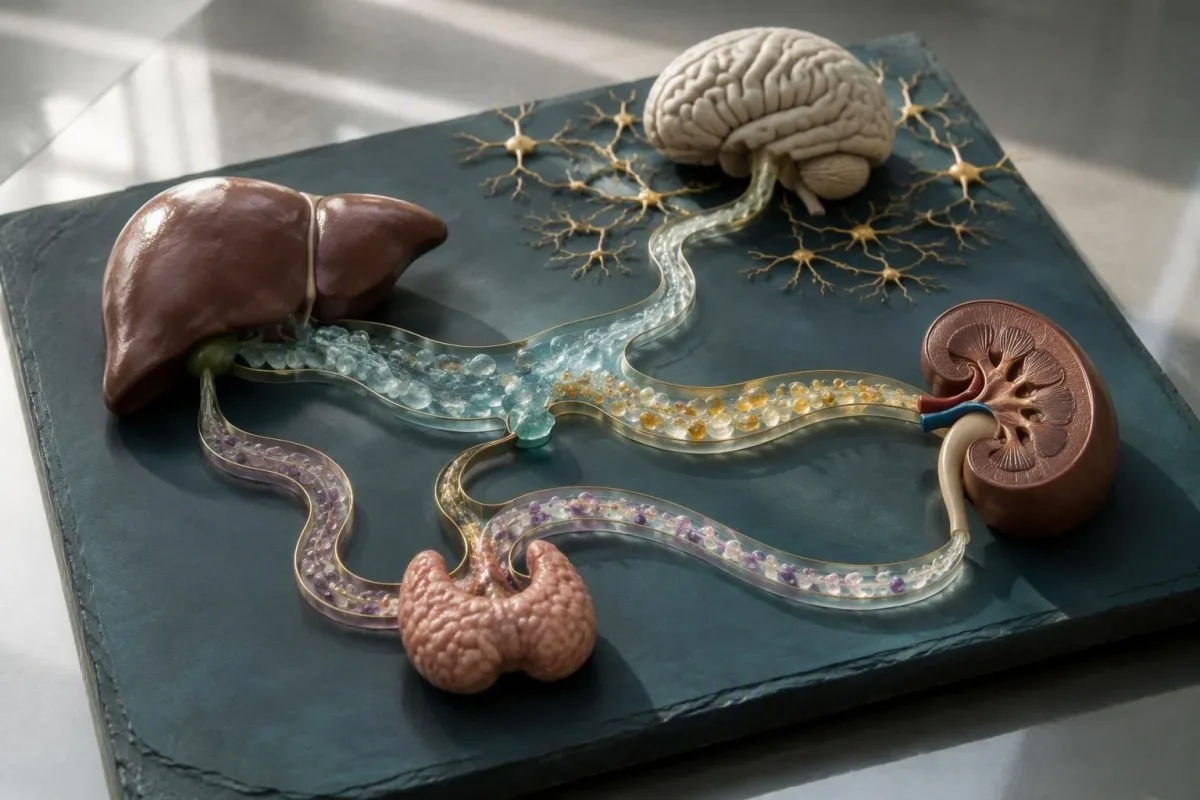
eGFR sub 60 ml/min/1.73 m² dum almenaŭ 3 monatoj plenumas unu kriterion por kronika rena malsano, kvankam unuopa rezulto povas fali provizore post dehidratiĝo aŭ akuta malsano. Uremiaj simptomoj kutime okazas je multe pli malaltaj filtradaj niveloj, sed medikamenta akumuliĝo kaj anemio povas influi bonfarton pli frue.
Natrio sub 130 mmol/L povas kaŭzi kapdoloron, naŭzon, malekvilibrigon, konfuzon kaj markitan lacecon; natrio sub 120 mmol/L estas ofte urĝa. Kalcio super 11.0 mg/dL (2.75 mmol/L) povas kaŭzi estreñimiento, soifon, kogntivan ŝanĝon kaj malaltan humoron, precipe se ĝi rapide altiĝas.
Kantesti estas AI-labora testa interpretservo kiu legas renajn, hepaticajn, elektrolitajn kaj CBC-rezultojn kiel ŝablonon, inkluzive de medikament-rilataj riskoj. Subita eGFR-ŝanĝo bezonas kuntekston de hidratiĝo kaj antaŭaj valoroj, kiujn nia gvidilo pri rena testo kovras.
Medikamentaj efikoj povas esti la mankanta indico
Tiazidaj diuretikoj povas altigi kalcion kaj malaltigi natrion, SSRIoj povas kontribui al hiponatremio, metformino povas redukti B12 laŭlonge de la tempo, kaj kelkaj kontraŭepilepsiaj medikamentoj influas vitaminon D. Neniam ĉesu preskribitan medikamenton nur pro laboratoria rezulto; petu la preskribanton pesi la tempon, dozon kaj pli sekurajn alternativojn.
7. Inflamo, infekto kaj aŭtoimunaj sugestoj: testu selekteme
CRP, ESR, infektaj testoj kaj aŭtoimunaj antikorpoj ne estas rutinaj ekzamenaj testoj por malalta humoro, sed ili estas utilaj kiam fizikaj indicoj montras al sistema malsano. Febrero, malplipeziĝo, artika ŝvelado, erupcio, persista lakso, noktaj ŝvitoj aŭ fokusaj simptomoj devus gvidi tiun branĉon de testado.
CRP sub 3 mg/L estas ofte konsiderata malalta kardiovaskula-grada inflamo, sed laboratorioj uzas malsamajn metodojn kaj gamojn. CRP de 30 mg/L povas reflekti infekton, aŭtoimunan agadon, histan damaĝon, obezecon aŭ multajn aliajn kondiĉojn; ĝi ne identigas kaŭzon de malalta humoro kaj ne povas diagnozi “cerban inflamon.”
ESR malrapide altiĝas kaj malrapide malaltiĝas, igante ĝin malpli utila por subita ŝanĝo en simptomoj. Normala CRP kaj ESR ne ekskludas ĉiun inflamajn kondiĉojn, dum mildaj izolitaj altigoj estas oftaj post infektoj, dentala malsano, intensa ekzercado kaj pli alta korpa pezo.
Mi vidas pli da damaĝo de senkriteraj antikorpo-paneloj ol de celita testado: malaltnivelaj pozitivaj ANA-rezultoj estas oftaj kaj povas krei monatojn da angoro. Se feritino estas neatendite alta kun CRP-altigo, ferritino kaj CRP kune estas pli informaj ol ĉiu markilo sole.
Kiam infekta ekrano estas prudenta
HIV, hepatito, celiaka serologio, kaj aliaj infekto- aŭ malabsorbaj testoj devus sekvi eksponiĝon, gastrointestinalajn simptomojn, anemian ŝablonon, hepaticajn rezultojn, aŭ klinikan historion. Testi “ĉion” post ordinara malalta humoro ofte produktas falsajn pozitivojn prefere ol respondojn.
Sensa unua panelo por persista laceco kaj malalta humoro
Por persista malalta humoro kun laceco, fokusita unua panelo kutime inkluzivas CBC, feritinon kun transfernasa saturo, TSH, liberan T4 kiam indikite, B12, folaton kiam risko ĉeestas, HbA1c aŭ glukozon, renan funkcion, elektrolitojn, hepaticajn testojn, kaj vitaminon D kiam manka risko estas alta. La ĝusta aro estas pli malgranda en multaj homoj kaj pli larĝa en aliaj.
Gravedeca ebleco ŝanĝas la triagadon tuj: gravedeca testo, feritino, tiroida testo, glukoz-takso, kaj urĝa revizio de medikamentoj povas havi prioritaton. Ĉe pli maljunaj plenkreskuloj, malplipeziĝo, intestaj ŝanĝoj, nova anemio, reduktita eGFR, kaj medikamentaj efikoj meritas pli da pezo ol seks-hormona testado.
Kantesti AI estas AI sangotesta interpretada platformo uzata tra 127+ landoj por ordigi rezultojn en demandojn por kuracisto, ne por anstataŭigi anamnezon aŭ ekzamenon. Nia sistemo povas helpi identigi mankantan kuntekston kiel fastan staton, menstruan sangadon, suplementojn, ekzercon, aŭ lastatempan malsanon; legu pri kiel la teknologio funkcias.
La praktika regulo de Dr. Thomas Klein estas simpla: ordonu teston nur kiam rezulto povus ŝanĝi la sekvan paŝon. Larĝa panelo povas esti pravigita kun multisistemaj simptomoj, sed rutina kortizolo, seksaj hormonoj, manĝ-intolerancaj testoj, pezaj metaloj, kaj tumoraj markiloj kutime kreas bruon en malalta humora sangokontrolo.
Preparu, por ke la rezulto respondas la demandon
Registru suplementojn, precipe biotinon, B12, feron, vitaminon D, kaj kreatinon; notu la lastan dozon kaj ĉu vi fastis. Evitu nekutime intensan ekzercon kaj troan alkoholon dum 24-48 horoj antaŭ ne-urgenta testado kie eble, ĉar ambaŭ povas ŝanĝi AST, CK, glukozon, feritinon, kaj hidratiĝ-sentemajn rezultojn.
Kial kortizolo kaj seks-hormonaj paneloj estas rare unua-liniaj
Hazarda kortizolo kaj larĝaj seks-hormonaj paneloj ne kutime klarigas persistan malaltan humoron kaj ne devus esti uzataj kiel ĝeneralaj “brul-testoj.” Ili fariĝas utilaj kiam simptomoj sugestas adrenalajn malsanojn, menstruajn misfunkciojn, menopaŭzan transiron, hipogonadismon, hipofizan malsanon, aŭ medikamentajn efikojn.
Kortizolo havas fortan ĉiutagan ritmon: frua matena specimeno estas normale multe pli alta ol vespera specimeno, do netempigita valoro havas limigitan diagnozan signifon. Suspektata adrenalinsuficienco estas taksata per konvene tempigita kortizolo kaj ofte stimula testado, ne per interreta “adrenal fatiguedo” poentaro.
Testosterono varias kun tempo de tago, akra malsano, dormo, kaj ligaj proteinoj; ĉe viroj, matena totala testosterono devas esti ripetita okaze almenaŭ dufoje antaŭ diagnozado de manko. Estradiolo kaj progesterono varias tra la menstrua ciklo, tial ununura valoro ne povas klarigi humorŝanĝojn sen ciklo-tempigo.
Simptomoj kiuj pravigas celitan endokrinan testadon inkluzivas novan perdon de korpa hararo, erektilan misfunkcion, amenoreon, galaktoreon, severajn varmajn ekbrilojn, purpurajn streĉmarkojn, neklarigeblan senbruecon, aŭ persistan malaltan sangopremion. Nia kortizola referenca gvidilo klarigas kial kolekta tempo estas parto de la rezulto.
Menopaŭzo estas klinika antaŭ ol ĝi estas biokemia
Por homoj pli ol 45-jaraj kun tipaj varmaj ekbriloj kaj ciklaj ŝanĝoj, menopaŭzo ofte estas diagnozita klinike prefere ol per unu FSH-testo. Tiroida malsano, anemio, medikamentaj efikoj, kaj depresio povas kunekzisti, tiel ke traktado de unu etikedo ne devus fini la taksadon.
Reviziu medikamentojn, alkoholon, substancojn kaj dormon antaŭ aldoni testojn
Medikamentaj efikoj, alkoholo, kanabo, stimuliloj, sedativoj, kaj dormaj malordoj estas oftaj reverteblaj kontribuoj al malalta humoro, kiujn neniu norma sangopanelo povas plene kapti. Medikamenta templinio ofte donas pli ol kroma fiolo da laboratorio-specimeno.
Beta-blokiloj, izotretinoino, kortikosteroidoj, kelkaj kontraŭkonvulsiloj, interferon-bazitaj terapioj, sedativoj, kaj hormonaj traktadoj povas influi humoron ĉe sentemaj homoj. SSRI-oj, diuretikoj, kaj karbamazepino povas malaltigi natrion; protonpumpaj inhibidores kaj metformino povas kontribui al B12-manko laŭlonge de tempo.
Alkoholo povas mallonge redukti angoron tamen fragmentas dormon kaj povas pliigi GGT, MCV, trigliceridojn, kaj hepatajn enzimojn. GGT super la supra limigo de la laboratorio estas nespecifa: ĝi povas reflekti alkoholon, grashepato, medikamentojn, aŭ kolestazon, do ĝi neniam devus esti uzata kiel pruvo de alkohola uzo.
Obstrukcia dormapneo povas aspekti rimarkinde kiel depresio—ne-refreŝiga dormo, malbona koncentriĝo, libidinaj ŝanĝoj, kaj posttagmeza lacego—dum CBC kaj tiroidaj testoj restas normalaj. Se ronko, atestitaj paŭzoj, matena kapdoloro, aŭ rezistema hipertensiono ĉeestas, demandu pri dormokalkulo prefere ol postkuri suplementojn; malbona dormo kaj laboraj rezultoj ofertas utilan kuntekston.
Kiel klinikistoj legas ŝablonojn prefere ol ruĝajn flagojn
Unu ekster-intervala rezulto apenaŭ klarigas malaltan humoron; koheraj padronoj trans simptomoj, ripetaj rezultoj, kaj rilataj biomarkiloj estas pli fidindaj. Laboratoriaj referencaj intervaloj priskribas kie 95% de referenca loĝantaro falas, ne personan sanan garantion.

Ferritino de 18 ng/mL kun malalta transgrin-saturigo, pezaj periodoj, sendormaj kruroj, kaj lacego estas pli forta fera-deficita kazo ol ferritino 18 sole. Kontraste, ferritino 18 post lastatempa virusa malsano ankoraŭ estas sufiĉe malalta por esplori, sed CRP, dieto, sangoperdo, kaj ripetotempo formas la decidon.
La sama principo validas por tiroida testado: TSH 5.2 mIU/L post sendorma semajno povas meriti ripeton, dum TSH 12 mIU/L kun malalta libera T4 kaj estreñimiento estas multe pli klara signalo. Laboratorioj diferencas laŭ analizoj, do spuri la saman laboratorion kaj unuojn reduktas falsan ŝajnan ŝanĝon.
Kantesti AI komparas tendencojn kaj rilatajn markilojn por fari tiujn diskutojn malpli fragmentitajn, sed nia klinika normo estas flami necertecon prefere ol inventi certecon. Lernu kial ŝanĝo inter sangokontroloj povas esti biologia vario, kolekta vario, aŭ reala ŝanĝo.
Normala intervalo ne estas kuracocelo
Ne provu puŝi ĉiun biomarkilon al la mezo de referenca intervalo. Ekzemple, alt-doza fero povas kaŭzi gastrointestinalan damaĝon kaj obskuri taksadon de sangoperdo, dum troa vitamino D povas kaŭzi hiperkalcemion; kuracado devas sekvi diagnozon, simptomojn, kaj postkontrolajn testojn.
Kiam ripeti testojn, serĉi GP-revizion, aŭ akiri urĝan helpon
Ripeta testado estas konvena kiam milda anomalio povas esti provizora, sed urĝaj simptomoj superregas atendu-kaj-vidu planon. Nova memmortiga intenco, deliro, severa malforteco, brustodoloro, sinkopo, iktero, nigraj fekaĵoj, aŭ glukoz-rilata konfuzo postulas rapidan medicinan helpon.
Milde altigita TSH kun normala libera T4 ofte estas ripetita en 6-12 semajnoj, pli frue en gravedeco aŭ markitaj simptomoj. Fero, B12, kaj vitamino D postkontrolaj tempigoj dependas de kuracado kaj baza severecon; klinikistoj ofte reekzamenas CBC kaj ferajn markilojn post pluraj semajnoj prefere ol tagoj ĉar ruĝ-cela reakiro bezonas tempon.
Serĉu samsemajnan revizion por hemoglobino sub 10 g/dL, natrium sub 130 mmol/L, kalcio super 11.0 mg/dL, eGFR rapide falanta, bilirubino kun iktero, aŭ fasta glukozo en la diabeta gamo plus simptomoj. Tio estas triage-prompoj, ne diagnozoj, kaj lokaj servoj povas uzi malsamajn sojlojn.
Por kompleksaj raportoj, Kantesti’s aliro por klinika validigo emfazas fontokontrolon, ripeteblon, kaj eskaladon prefere ol unu-klakan trankviligon. D-ro Thomas Klein rekomendas alporti la aktualan PDF-on, medicinan liston, kaj semajnan simptomtaglibron al la rendevuo.
Kion noti antaŭ la rendevuo
Inkluzivu kiam malalta humoro komenciĝis, dormdaŭro, apetito aŭ peza ŝanĝo, menstrua sangado, alkohola kaj substanca uzo, familia tiroida aŭ diabeto-historio, lastatempaj infektoj, dieta limigo, kaj ĉiu medikamento aŭ suplementa dozo. Tiu informo ofte ŝanĝas kiu “nenormala” rezulto estas klinike signifa.
Traktu malaltan humoron dum medicinaj kaŭzoj estas kontrolataj
Psika subteno devus komenci kiam malaltemo estas persistanta aŭ malhelpanta, eĉ dum sangaj testoj estas atendaj. Psikologia terapio, socia subteno, dormoterapio, medikamento kiam konvene, kaj sekurecplano ne estas rezervaj opcioj post “normalaj laboratorioj”; ili estas sciencbazita prizorgo.

Depresio estas ofte difinita per almenaŭ 2 semajnoj de malaltemo aŭ perdo de intereso akompanata de aliaj simptomoj kiel dormo, apetito, energio, koncentriĝo, kulpo, psikomotoraj aŭ suicidaj ŝanĝoj. Severeco dependas de funkcia efiko kaj sekureco, ne de ĉu la laboratorio-raporto havas ruĝajn flagojn.
Fizika kontribuanto povas esti reala sen esti la sola kontribuanto. Korekti mankon de B12 povas plibonigi lacecon kaj koncentriĝon dum terapio traktas ĉagrenon, traŭmaton, izolecon, aŭ enradikiĝintajn deprimajn simptomojn; la plej multaj pacientoj trovas tiun kombinitan kadron multe malpli riproĉan.
Kantesti funkcias kun kuracista superrigardo per nia medicina konsila komitato, kaj ni kuraĝigas legantojn uzi AI-interpretadon kiel preparo por—ne anstataŭigo de—klina kaj mens-helpa prizorgo. Se vi ne povas resti sekura hodiaŭ, uzu krizajn servojn aŭ krizan rimedon en via lando nun.
La esenco por sanglaboro pri malaltemo
Celo-orientita sangtestado povas malkovri sep valorajn kategoriojn: fer-rilata anemio, tiroida misfunkcio, manko de B12 aŭ folato, manko de vitamino D, glukozaj malordoj, reno-hepataj-elektrolitaj anomalioj, kaj simptom-movita inflama aŭ infektoma malsano. Ĝi estas unu parto de kompatema takso, neniam verdikto pri ĉu via sufero estas legitima.
Oftaj Demandoj
Kiajn sangajn testojn mi devus peti se mi havas malaltan humoron kaj lacecon?
Fokusa sangtesto por malaltemo kaj laceco ofte inkluzivas CBC, feritino kun transarin-saturiĝo, TSH, B12, HbA1c aŭ glukozo, rena funkcio, elektrolitoj, kaj hepataj testoj. Vitamino D estas racia kiam suna ekspozicio estas limigita, risko de malabsorbado ĉeestas, aŭ muskolaj doloroj koekzistas. Feritino sub 30 ng/mL, B12 sub 180 pg/mL, kaj TSH super la laboratorio-intervalo estas ekzemploj de rezultoj kiuj bezonas klinikan kuntekston. Tiuj testoj identigas eblajn medicinajn kontribuojn; ili ne diagnozas depresion.
Ĉu sangokontrolo povas diagnozi depresion?
Ne, neniu sangtesto povas diagnozi depresion en kutima klinika prizorgo. Depresio estas diagnozita el simptomoj daŭrantaj almenaŭ 2 semajnojn, ilia efiko sur ĉiutaga funkcio, psikiatria historio, ekzameno, kaj sekureca takso. Testoj kiel TSH, feritino, B12, glukozo, natrio, kaj kalcio helpas identigi kondiĉojn kiuj povas simili aŭ plimalbonigi deprimajn simptomojn. Normalaj sangaj rezultoj ne ekskludas depresion nek signifas, ke kuracado ne necesas.
Ĉu malalta fero povas kaŭzi angoron kaj malaltan humoron sen anemio?
Jes, feromanko povas kaŭzi lacecon, malbonan koncentriĝon, ripozejajn krurojn, reduktitan ekzercan toleremon, kaj malaltan humoron antaŭ ol hemoglobino malaltiĝas sufiĉe por renkonti kriteriojn de anemio. Feritino sub 30 ng/mL ofte subtenas elĉerpitajn ferostokojn, dum transarin-saturiĝo sub 20% aldonas pruvon de nesufiĉa havebla fero. La kaŭzo gravas: peza menstrua sangado, gastro-intesta perdo, malalta konsumo, sangodono, kaj malabsorbado bezonas malsamajn respondojn. Ne komencu longdaŭran ferkuracadon sen diskuti la rezulton kaj kaŭzon kun kuracisto.
Kiu tiroida rezulto povas influi la humoron?
Klara hipertiroidismo, difinita per alta TSH kun malalta libera T4, povas kontribui al laceco, malrapida pensado, malvarma maltoleremo, estreñimiento, kaj deprimaj simptomoj. Multaj laboratorioj uzas TSH-referencan intervalon ĉirkaŭ 0.4-4.0 mIU/L, sed rezulto super 10 mIU/L ĝenerale portas pli da pezo ol lima altigo. Iomete levita TSH kun normala libera T4 ofte bezonas ripetan testadon post 6-12 semajnoj prefere ol tujaj supozoj. Tiroida malsano kaj depresio povas koekzisti, do kuracado de tiroida funkcio ne anstataŭas mens-helpan takson.
Ĉu mi devus fari teston por kortizolo pro malaltan humoron aŭ elĉerpiĝon?
Hazarda kortizola testo kutime ne estas utila por ordinara malaltemo aŭ elbrulo ĉar kortizolo signife ŝanĝiĝas tra la tago kaj kun akra streso, malsano, kaj dormo. Celo-orientita testado estas konvena kiam simptomoj sugestas adrenal-malsanon, kiel persistanta malalta sangopremo, neklarigita pezoperdo, haŭtopigmenta ŝanĝo, severa malforto, aŭ Cushing-similaj trajtoj. Frua matena kortizolo povas konduki al konfirmantaj stimulaj testoj kiam klinike indikite. Komerca “adrenal laceca” testado ne estas agnoskita diagnozo en ĉefa endokrina praktiko.
Kiam malaltan humoron devus esti traktita kiel urĝa?
Malaltemo bezonas urĝan takson kiam ekzistas suicidaj pensoj kun intenco aŭ plano, malkapablo resti sekura, psikozo, severa agitacio, nova konfuzo, aŭ pluraj tagoj da malmulte da dormo kun nekutime alta energio aŭ riska konduto. Severaj laboratoriaj simptomoj ankaŭ postulas urĝan prizorgon, inkluzive de natrio sub 120 mmol/L, glukozo-rilata konfuzo, senkonsciiĝo, brustodoloro, aŭ rapide plimalboniĝanta malforto. Kontaktu krizajn servojn, krizan servon, aŭ krizan sekcion prefere ol atendi rutinajn testrezultojn. Peti fidindan personon resti kun vi estas prudenta tuja sekureca mezuro.
Akiru hodiaŭ AI-movitan analizon de sangoanalizo
Aliĝu al pli ol 2 milionoj da uzantoj tutmonde, kiuj fidas je Kantesti por tuja, preciza analizo de laboratoriaj testoj. Alŝutu viajn rezultojn de sangoanalizo kaj ricevu ampleksan interpretadon de 15,000+-biomarkiloj en sekundoj.
📚 Referencitaj esplorpublikaĵoj
Klein, T., Mitchell, S., & Weber, H. (2026). Sangotesto por la Nipah-Viruso: Gvidilo pri Frua Detekto kaj Diagnozo 2026. Kantesti AI Medicina Esploro.
Klein, T., Mitchell, S., & Weber, H. (2026). G Negativa sangotipo, gvidilo pri LDH-sangotesto kaj retikulocita kalkulo. Kantesti AI Medicina Esploro.
📖 Eksteraj medicinaj referencoj
Nacia Instituto por Sano kaj Prizorga Plejboneco (2022). Depresio ĉe plenkreskuloj: kuracado kaj administrado. NICE Guideline NG222.
⚕️ Medicina Deklaro
Ĉi tiu artikolo estas nur por edukaj celoj kaj ne konsistigas medicinan konsilon. Ĉiam konsultu kvalifikitan sanprovizanton por diagnozaj kaj traktadaj decidoj.
Signaloj de fido E-E-A-T
Sperto
Kuracista gvidata klinika revizio de laboratoriaj interpretaj laborfluoj.
Kompetenteco
Laboratoria medicino fokusiĝas pri kiel biomarkiloj kondutas en klinika kunteksto.
Aŭtoritateco
Skribita de d-ro Thomas Klein kun revizio de d-ro Sarah Mitchell kaj prof. d-ro Hans Weber.
Fidindeco
Evident-bazita interpretado kun klaraj sekvaj vojoj por redukti alarmon.