ئۇزۇنغا داۋاملاشقان تۆۋەن كەيپىيات ئۆزگىچە روھىي ساغلاملىقنى باھالاشقا، شۇنداقلا ئەسلىگە كېلىدىغان جىسمانىي تۆھپەتكارلارنى نىشانلىق تەكشۈرۈشكە ئەرزىيدۇ. قان تەكشۈرۈش تۆھپەتكارلارنى ئاشكارىلىسا بولىدۇ؛ ئۇلار چۈشكۈنلۈكنى دىئاگنوز قويمايدۇ.

- بىخەتەرلىك ئالدى بىلەن: ئۆز-ئۆزىنى ئۆلتۈرۈش خىيالى، پىسخىكا، قاتتىق ھاياجانلىنىش ياكى ئۆزىنى بىخەتەر ساقلىيالماسلىق جىددىي روھىي ساغلاملىقنى تەلەپ قىلىدۇ؛ دوختۇرخانىنىڭ نەتىجىلىرى ھەرگىزمۇ ئۇنى كېچىكتۈرمەسلىكى كېرەك.
- CBC ۋە فېررېتىن: 30 ng/mL دىن تۆۋەن فېررېتىن كۆپىنچە تۆمۈر كەمچىللىكىنى قوللايدۇ، ھەتتا ھېم Ciòglòbîn چۈشۈشتىن بۇرۇنمۇ.
- تىروئىدنى تەكشۈرۈش: تۆۋەن free T4 بىلەن يۇقىرى TSH ئاشكارا باش ئاغرىقىنى كۆرسىتىدۇ ۋە چارچاش، روھىي ئاغرىش ۋە تۆۋەن كەيپىياتقا تۆھپە قوشسا بولىدۇ.
- ۋىتامىن B12: 180 pg/mL ياكى 133 pmol/L دىن تۆۋەن B12 ئادەتتە كەمچىل بولىدۇ؛ چەكلىك نەتىجىلەر كۆپىنچە مېتىل مالونىك كىسلاتاسىنى تەكشۈرۈشنى تەلەپ قىلىدۇ.
- گلوكوز: 6.5% ياكى ئۇنىڭدىن يۇقىرى HbA1c دىئابىت دىئاگنوز قويۇش مىقدارىغا يەتكەندە، گلوكوزا تەۋرىنىش ئېنېرگىيە ۋە زىھنىي ئىقتىدارنى ئەڭگۈلۈككە ئايلاندۇرسا بولىدۇ.
- بۆرەك ۋە جىگەر تەكشۈرۈشى: تۆۋەن eGFR، تۆۋەن تۇز، يۇقىرى كالتسىي ياكى جىگەر ئىقتىدارىنىڭ نورمالسىزلىقى ئۇخلاشقا، ئىدراك قىلىشقا، دورا ئىستېمالىغا ۋە ھالەتكە تەسىر قىلىشى مۇمكىن.
- بەك كۆپ تەكشۈرمەڭ: كورتىسول، جىنسىي ھورمونلار، كەڭ ئاپتوماتىك زەھەرلىنىش جەدۋەللىرى ۋە گېن تەكشۈرۈشلىرى ئەگەر يۇقۇملۇق ئالامەتلەر ئاشكارىلانمىسا، دائىملىق ھالسىزلىق قان تەكشۈرۈش ئۈچۈن ئىشلىتىلمەيدۇ.
- ئەمەلىي كېيىنكى قەدەم: ئالامەتلەرنى، دورىلارنى، ھەيز تارىخىنى، يېمەك-ئىچمەك، ئىسپىرت ئىستېمالىنى ۋە ئىلگىرىكى نەتىجىلەرنى دوختۇرغا ئېلىپ بېرىڭ؛ بىر بەلگە قويۇلغان قىممەتتىن كۆپ ئەندىزە مۇھىم.
تۆۋەن كەيپىيات ئۈچۈن قان تەكشۈرۈش ئەسلىدە نېمىلەرنى ئاشكارىلىسا بولىدۇ
A ھالسىزلىق ئۈچۈن قان تەكشۈرۈش شىزىيا، ئانەمىيە، ئېغىز بېزىنىڭ نورمالسىزلىقى، ۋىتامىن كەملىكى، قان شېكىرى قالايمىقانچىلىقى، بۆرەك ياكى جىگەر كېسەللىكلىرى ۋە ئېلېكترولىت قالايمىقانچىلىقىغا ئوخشايدىغان ياكى كۈچەيتىدىغان تېببىي ئەھۋاللارنى ئىسپاتلىيالايدۇ. ئۇ شىزىيانى جەزملەشتۈرەلمەيدۇ ياكى رەت قىلالمايدۇ، بۇ ئالامەتلەر، داۋاملاشقان ۋاقتى، ئىقتىدارى ۋە بىخەتەرلىك باھاسىغا ئاساسەن كلىنىكىلىق دىياگنوز بولۇپ قالىدۇ.
2026-يىلى 12-سېنتەبىردىن باشلاپ، پايدىلىق سوئال “مېنىڭ ھالىتىمنىڭ تېببىي ئىكەنلىكىنى قايسى تەكشۈرۈش ئىسپاتلايدۇ؟” ئەمما “قايسى ئەسلىگە كەلتۈرگىلى بولىدىغان ئەھۋاللار مېنىڭ ئالامەتلىرىم ۋە خەۋپ-خەتەرلىرىمگە ماس كېلىدۇ؟” NICE شىزىيە يىتەكچىسى تېببىي ساغلاملىق، دورىلار، ئىسپىرت ۋە زەھەرلىك چېكىملىك ئىستېمالىنى، شۇنداقلا ئۆزىنى ئۆلتۈرىۋېلىش خەۋپىنى روھىي ساغلاملىق ئالامەتلىرى بىلەن بىرگە باھالاشنى تەۋسىيە قىلىدۇ (NICE، 2022). نورمال گۇرۇپپا سىقىلىشنى ھەقىقىي قىلمايدۇ؛ ئۇ پەقەت تېببىي پەرقلەندۈرۈشنى تارايتىدۇ.
مېنىڭ 15 يىللىق كلىنىكىلىق ئەمەلىيىتىمدە، مەن كېسەللەرنىڭ بىر نەچچە ئاي ھالسىزلىقنى ئۆزىنى ئەيىبلىشىنى كۆرگەن، بۇ ئاشقازان يېتىشمەسلىكى، قemaking بېزىنىڭ ئىقتىدارى ياكى ناچار كونترول قىلىنغان دىياۋىتىتى ئىكەنلىكىنى ئىسپاتلىغان. مەن يەنە ئېغىر شىزىيەدىكى كىشىلەردە تولۇق نورمال نەتىجىلەرنى كۆرگەن. ھەر ئىككى ئەھۋالغا كۆڭۈل بۆلۈش كېرەك، ۋە ھېچقايسىسىنى كىچىك كۆرۈشكە بولمايدۇ.
كانتېستى بىر AI قان تەكشۈرۈش ئانالىزچىسى بىر دوختۇر بىلەن مۇزاكىرە قىلىش ئۈچۈن بىيولوگىيىلىك رادىئولىژىيە ئەندىزىلىرىنى تەشكىللەش ئۈچۈن لايىھەلەنگەن، نەتىجىگە بىر روھىي خاتىرىلاش بەلگىسى چاپلاش ئورنىغا. بىلەن باشلاڭ قان تەكشۈرۈش بىئولوگىيىلىك ماركا يېتەكچىسى ئەگەر دوكلاتتىكى قىسقا ئىزاھatlar بىلمىگەن بولسا.
قاچان ھالسىزلىق جىددىي بولىدۇ
ئۆزىنى ئۆلتۈرىۋېلىش خىيالى، ئۆزىگە زىيان يەتكۈزۈش پىلانى، ھەرىكەتلەرنى ئاڭلاش، يېڭى گۇمان، ئېغىر چۈشەنمەسلىك، ياكى بىر نەچچە كۈن ئۇخلىماي ھوردىغا چىققان ھالەت جىددىي شۇ كۈنى روھىي ساغلاملىقنى تەكشۈرۈشنى تەلەپ قىلىدۇ. جىددىي مۇلازىمەت ياكى يەرلىك جىددىي تېلېفوننى چاقىرىڭ، جىددىي قۇتقۇزۇش بۆلۈمىگە بېرىڭ، ياكى سىز ئىشىنىدىغان بىرىدىن سىز بىلەن بىللە تۇرۇشنى تەلەپ قىلىڭ؛ ھالسىزلىق قان تەكشۈرۈشىنى ساقلاش بىخەتەر ئەمەس.
1. CBC ۋە تۆمۈرنى تەكشۈرۈش: قان كېمەيشتىن بۇرۇن چارچاش
تۆمۈر يېتىشمەسلىكى ئانېمىيە پەيدا بولۇشتىن بۇرۇن ھالسىزلىققا، زىھنىيى چۈشەنچىگە، چېنىقىشقا بەرداشلىق بېرەلمەسلىككە ۋە ھالسىزلىققا تۆھپە قوشالايدۇ. تولۇق قان تەكشۈرۈش، فېررېتىن، تىرانسفېررېن تويۇنۇش، ۋە CRP فېرتىلاگ ھالسىزلىققا ھەمراھ بولغاندا ئەڭ پايدىلىق باشلىنىش تەكشۈرۈشلىرى.
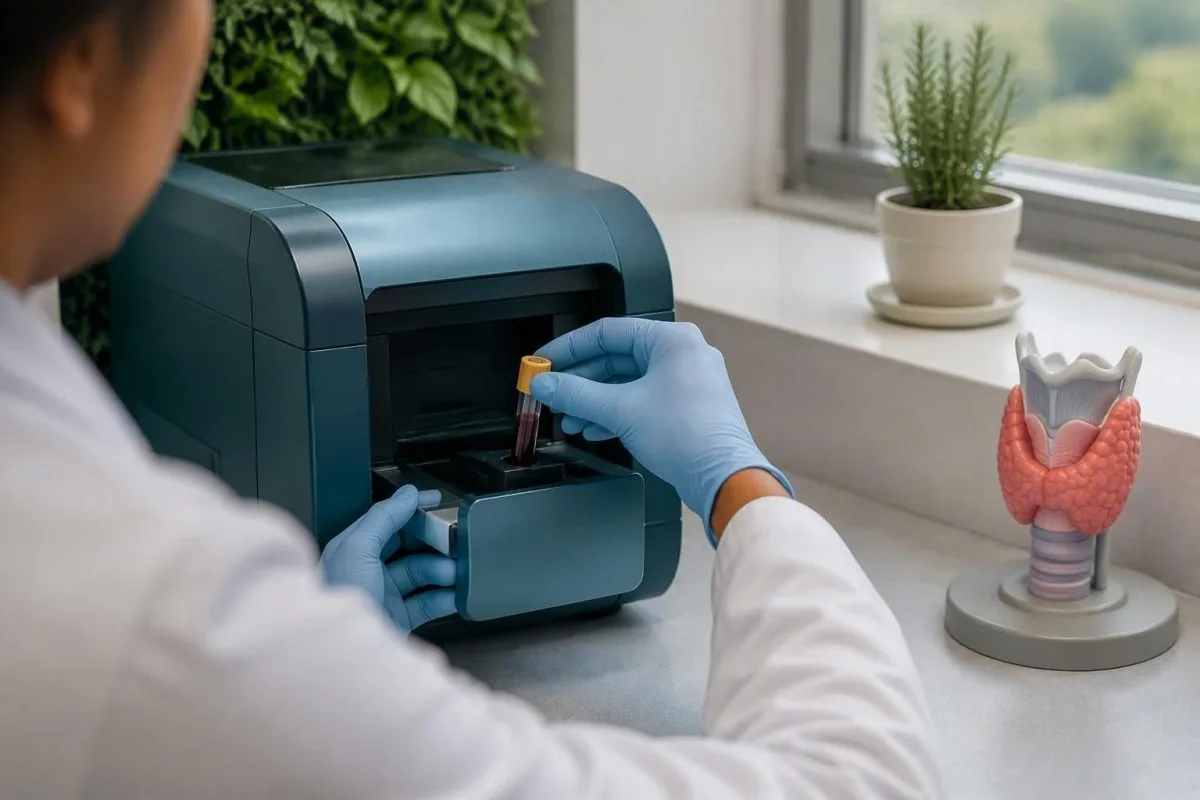
فېررىتىن تۆۋەن بولسا 15 ng/mL تۆمۈر ساقلىنىش ئەمدى يوق بولسا ناھايىتى ئالاھىدە، قىممىتى تۆۋەندىكىچە 30 ng/mL يۇقۇملۇق، سېمىزلىك، ياللۇغ كېسەللىكى ياكى يېقىنقى قاتتىق چېنىقىش جەريانىدا كەمچىلىكنى ئىسپاتلاش ئۈچۈن ئىشلىتىلىدۇ. فېررېتىن يەنە ئۆتكۈر باسقۇچتىكى ئاقسىل، شۇڭا 60 ng/mL بولغان نەتىجە ياللۇغ، سېمىزلىك، ياللۇغ كېسەللىكى ياكى يېقىنقى قاتتىق چېنىقىش جەريانىدا كەمچىلىكنى ئىسپاتلاش ئۈچۈن ئىشەنچلىك ئەمەس.
ھەموگلوبىن تۆۋەن 12.0 g/dL (ھامىلدار بولمىغان چوڭلاردا) ياكى قۇرامىغا يەتكەن ئەرلەردە 13.0 g/dL ئانېمىيەنىڭ ئۆلچىمىگە توشىدۇ، لېكىن ھېمىگلوبىن يالغۇز كېيىنكى بەلگە. تۆۋەن MCV، ئېشىپ بارىدىغان RDW، تىرانسفېررېن تويۇنۇش تۆۋەندىكىچە 20%, ، ۋە تۆۋەن فېررېتىن يالغۇز قان سېرىمىدىن كۆرە تېخىمۇ ئىسپاتلىغۇچى ئەندىزىنى ھاسىل قىلىدۇ.
كاماسچېللانىڭ NEJM ماقالىسىدە ھالسىزلىق ۋە ئىقتىدارنىڭ تۆۋەنلىشىنى تۆمۈر كەمچىلىكىنىڭ ئورتاق ئالاھىدىلىكلىرى دەپ تەسۋىرلەنگەن، كەمچىلىكنىڭ سەۋەبىنى ئاپتوماتىك تولۇقلاش ئورنىغا تەكشۈرۈشنى تەلەپ قىلىدۇ (Camaschella, 2015). ئېغىر ھەيز، قان بېرىش، چەكلىمىگە تاقىلىش، چولپان كېسىلى ۋە ئاشقازان-ئېچىش يولىدىن كېتىشى كۆپ ئۇچرايدىغان يوللار؛ بىزنىڭ «نورمال CBC» نىڭ نېمىشقا يالغان بولىدىغانلىقىنى چۈشەندۈرىدىغان رەھبەرلىك. قان كەمچىللىكىدىن بۇرۇن تۆۋەن فېررىتىن “نورمال CBC” نىڭ نېمىشقا يالغان بولىدىغانلىقىنى چۈشەندۈرىدۇ.
2. تىروئىد تەكشۈرۈش: بېسىمنى ئەيىبلىمەي TSH نى تەكشۈرۈڭ
ئېنىق بولمىغان thyroid ئىقتىدارى تۆۋەن ھالەت، مېڭە يavaşلىشىش، ئىچ كېتىش، سوغۇققا چىدامسىزلىق ۋە ھارغىنلىقنىڭ تونۇلغان كلىنىكىلىق سەۋەبىدۇر. تۇنجى قەۋەت thyroid تەكشۈرۈشى TSH بولۇپ، TSH نورمالسىز بولغاندا ياكى pituitary كېسىلى مۇمكىن بولسا، T4 بىلەن بىرگە.
يۇقىرى TSH ۋە تۆۋەن T4 ئېنىق بولمىغان thyroid ئىقتىدارىنى كۆرسىتىدۇ ۋە ئادەتتە داۋالاشنى مۇھاكىمە قىلىشنى تەلەپ قىلىدۇ. پايدىلىنىش ئارىلىقى assay غا ئوخشىمايدۇ، ئەمما TSH دائىم تەخمىنەن 0.4-4.0 mIU / L.; TSH 10 mIU/L دىن يۇقىرى بولسا، 4.5 mIU/L نىڭ چېگرادىكى ئۆسۈشىگە قارىغاندا كلىنىكىلىق جەھەتتىن تېخىمۇ ئەھمىيەتلىك، بولۇپمۇ تەكرارلاندى.
Subclinical hypothyroidism TSH نىڭ يۇقىرى بولۇشىنى، ئەمما T4 نىڭ نورمال بولۇشىنى كۆرسىتىدۇ. مودا TSH ئۆسۈشىدە داۋالاشنىڭ ھالىتىنى ياخشىلايدىغانلىقى توغرىسىدىكى پاكىتلار، بولۇپمۇ قېرىلاردا، سىptom، thyroid antibody ، ھامىلدارلىق پىلانى ۋە تەكرار تەكشۈرۈش قاتارلىقلار ئەھمىيەتلىك. Biotin قوشۇمچىلىرى بەزى immunassay لىق تەكشۈرۈشلەردە TSH نى يالتىتىپ، T4 نى يۇقىرى كۆرسىتىشى مۇمكىن؛ ئەگەر laboratory تەۋسىيە قىلسا، يۇقىرى مىقداردىكى biotin نى 48 سائەتتىن كەم بولمىغان ۋاقىتتا توختىتىڭ.
Chaker قاتارلىقلار hypothyroidism نى مېڭە-ئارقىسىدىكى كېسەللىك بىلەن بىر گەۋدىلىك كېسەللىك دەپ تەسۋىرلەيدۇ، گەرچە thyroid تەكشۈرۈشى ھەقىقىي depression باھالىشىغا قىسقا يول بولماسلىقى كېرەك (Chaker قاتارلىقلار، 2017). دورا ئۆزگەرتكەندىن كېيىنكى ۋاقتىنى بىلىش ئۈچۈن، thyroidنى تەكرار تەكشۈرۈش ۋاقتى.
باشقا يولنى تەلەپ قىلىدىغان نەتىجە
نورمال ياكى تۆۋەن TSH بىلەن تۆۋەن T4 گە ئازلىق thyroid ئىقتىدارى، ئېغىر بولمىغان thyroid كېسىلى ياكى assay Interference نى كۆرسىتىشى مۇمكىن؛ ئۇنى “نورمال thyroid” دەپ قاراشقا بولمايدۇ. بۇ خىل ئەھۋالنى كلىنىكىلىق تەكشۈرۈش، بولۇپمۇ باش ئاغرىقى، كۆرۈش قۇسۇپ كېتىش، جىنسىي ئىستەك تۆۋەنلەش ياكى باشقا pituitary سىptom بىلەن بىرگە ئۆلچەش كېرەك.
3. ۋىتامىن B12 ۋە فولatas: نېرۋا كېسەللىكلىرىنىڭ ئالامەتلىرى جىددىيلىكنى ئۆزگەرتىدۇ
B12 ۋىتامىن كەملىكى ئانېمىيە بولمىسىمۇ، تۆۋەن ھالەت، ئەستە ساقلاش قىيىنلىقى، قول-پۇتتا تىت-تىت بولۇش، يۈرۈش ئىڭگىلىشىش ۋە ھارغىنلىقنى كەلتۈرۈپ چىقىرىشى مۇمكىن. CBC بىلەن B12 نى تەكشۈرۈڭ ۋە B12 قىممىتى چېگرادىكى ياكى سىptom نېرۋاغا چېتىشلىق بولسا methylmalonic acid ياكى homocysteine نى ئويلىشىڭ.
زەردابتىكى B12 180 pg/mL ياكى 133 pmol/L ئادەتتە كەملىكنى قوللايدۇ، گەرچە يەرلىك چەكلىمىلەر ئوخشىمايدۇ. تەخمىنەن 180-350 pg/mL دىن كەلگەن نەتىجىلەر ئېنىق بولماسلىقى مۇمكىن، methylmalonic acid B12 غا باغلىق مېتابولىزم بۇزۇلغاندا ئۆسىدۇ؛ بۆرەك ئىقتىدارىنىڭ تۆۋەنلىشى methylmalonic acid نى ياكى ئۆستۈرەلەيدۇ.
Macrocytosis، ئادەتتە MCV ، MCV 100 fL دىن, دىن يۇقىرى، B12 ياكى folate كەملىكىنى كۆرسىتىشى مۇمكىن، ئەمما ئۇ زۆرۈر ياكى ئالاھىدە ئەمەس. ئىسپىرت ئىستىمالى، جىگەر كېسىلى، hypothyroidism، reticulocytosis ۋە دورىلار MCV نى ياكى ئۆستۈرەلەيدۇ. ئانېمىيەنىڭ يوقلۇقى B12 غا باغلىق نېرۋا زەخملىنىشىنى بىخەتەر سۈپۈرۈپ تاشلىمايدۇ.
مەن بولۇپمۇ قول-پۇتتا تىت-تىت بولۇش، تىۋىت سېزگىسىنىڭ تۆۋەنلىشى، تەڭپۇڭلۇق ئۆزگىرىش، مېتفورمىن ئىستىمالى، ئۇزۇن مۇددەت كىسلاتا تېخنىكىسى، ۋېگان يېمەكلىكى، گاسترىك ئوپېراتسىيەسى ياكى نىتروز گازىغا چېتىلىش قاتارلىق ئەھۋاللاردا ئالاھىدە دىققەت قىلىمەن. B12 كەملىكىنى گۇمان قىلغاندا يالغۇز فوركېمىك يېمەكلىكىنى تاپشۇرۇۋالماڭ: ئۇ نېرۋا زەخملىنىشى داۋاملاشقاندا ئانېمىيەنى تۈزىتىشى مۇمكىن؛ B12 بىلەن فولاتنى تەكشۈرۈش بىر كىلىنىك بىلەن.
4. ۋىتامىن D: بىر تۆھپەتكار، مۇستەقىل چۈشەندۈرۈش ئەمەس
تۆۋەن 25-hydroksivitamin D ھورۇنلۇق، مۇسكۇل ئاغرىقى، سىرتتا ئاز پائالىيەت، ۋە روھىي ھالىتى تۆۋەنلەش بىلەن بىرگە بولىدۇ، ئەمما ئېغىر غەم-ئەندىشەنى ئۆزىلا سۆزلەپ بېرەلمەيدۇ. دائىملىق يېتىشمەسلىكنى تەكشۈرۈش ئۈچۈن، ئاكتىپ 1,25-dihydroxyvitamin D سىنىقىدىن كۆرە 25-OH vitamin D نى ئۆلچەڭ.
تۆۋەندىكى 25-OH vitamin D مىقدارى 20 ng/mL (50 nmol/L) نۇرغۇن دائىرىلەر تەرىپىدىن يېتىشمەسلىك دەپ قارىلىدۇ، گەرچە 20-29 ng/mL كۆپىنچە ۋاقىتتا كەمچىل دەپ تەسۋىرلىنىدۇ. چەكتىن ئېشىش مۇنازىرلىك: سۆڭەككە فوكۇس قىلغان گۇرۇپپىلار 20 ياكى 30 ng/mL نى نىشان قىلىش كېرەكلىكىدە پەرقلىنىدۇ، ۋە روھىي داۋالاش چەكتىن ئېشىش كۆرسەتكۈچلىرى تېخى بېكىتىلمىدى.
ۋىتامىن D يېتىشمەسلىكى كەم قۇياش نۇرىغا تېگىش، يۇقىرى كەڭلىكتە قارا تېرىلىك بولۇش، كىيىم-كېچەك، سېمىزلىك، سۈمۈرۈلۈش قۇسۇرى، بۆرەك كېسەللىكى ۋە مەلۇم تۇتقاق كېسەللىكى دورىلىرى بىلەن كۆپرەك بولىدۇ. كىلىنىك سىناق بولسا تۆۋەن نەتىجىنى ھەممىنى سۆزلەپ بېرىدۇ، دەپ پەرەز قىلىش؛ ئۇخلاش كەمچىللىكى، قايغۇ، ئەندىشە، قان كەمچىللىكى، ۋە روھىي كېسەللىك ھەمىشە ئۇ بىلەن بىرگە بولىدۇ.
كۆپلىگەن بىمارلار ساقىيىشنىڭ ھەپتە ئىچىدە مۇسكۇل simptomلىرى ياكى ئومۇمىي كۈچ-قۇۋۋىتىنى تەدرىجىي ياخشىلىنىدىغانلىقىنى، ھەر كۈنى ئەمەسلىكىنى ھېس قىلىدۇ. زىيادە كۆپ ئىستېمال كالتىي مىقدارىنى ئاشۇرالايدۇ؛ A يۇقىرى ۋىتامىن D نەتىجىسى كۆڭلى ئاينىش، تەر، ئىچ كېتىش، ياكى باش ئاغرىش كۆرۈلسە دىققەت قىلىشقا ئەرزىيدۇ.
مۇۋاپىق ئەسلىگە كەلتۈرۈش نازارەتنى تەلەپ قىلىدۇ
ئاددىي يېتىشمەسلىك ئۈچۈن، كىلىنىكلار دائىم كۈندىلىك 800-2,000 IU ئەتراپىدا ئىشلىتىدۇ، لېكىن يۈك زەنجىرى توقۇلمىسى ئېغىرلىقى، ھامىلدارلىق، بۆرەك فۇنكسىيەسى، كالتىي مىقدارى ۋە يەرلىك يېتەكچىگە باغلىق. 150 ng/mL ياكى 375 nmol/L دىن يۇقىرى 25-OH vitamin D نەتىجىسى زەھەرلىنىش خەۋپىنى ئاشۇرىدۇ ۋە تېببىي كۆزدىن كۆچۈرۈشنى تەلەپ قىلىدۇ.
5. گلوكوزا ۋە HbA1c: ئېنېرگىيەنىڭ چۈشۈشىنىڭ ئۆلچىمى بار
دىئابېت ۋە قايتا-قايتا ھىپوگلىكېمىيە ھورۇنلۇق، جۈملىدىن، ئۇخلاش، ۋە روھىي قىزىقارلىقلىقنى ئېغىرلاشتۇرۇۋېتىدۇ، بۇ روھىي ھالىتى تۆۋەنلەش سۈپىتىدە ھېس قىلىنغۇدەك. تەر، دائىملىق سۈيدۈك چىقىش، ئورۇن ئۆزگىرىش، كۆرۈشۈش، تىترەش، ياكى مېتابولىزم خەۋىپى بولسا، قاندىكى شېكەر ۋە HbA1c نى تەكشۈرۈش مۇۋاپىق.
HbA1c نىڭ 6.5% ياكى ئۇنىڭدىن يۇقىرى قايتا تەكشۈرۈش ياكى باشقا دىئاگنوز قويۇش سىنىقى بىلەن جەزملەنگەندە دىئابېتنى قوللايدۇ، گەرچە 5.7-6.4% ئاب _ئېرىش_ خەۋىپىنىڭ ئامېرىكا كراتېرىيەسى بويىچە ئېشىشىنى كۆرسىتىدۇ. HbA1c تەخمىنەن 8-12 ھەپتىلىك گلوكوزاغا تۇتۇلۇشنى ئەكىس ئەتتۈرىدۇ، ئەمما قان ئازلىق، ھېمໄປىن ۋېرانتلىرى، بۆرەك كېسەللىكى ۋە قان قۇيۇش ئۇنى ئوڭشاشنى قىيىنلاشتۇرالايدۇ.
يۇقىرىدىكىدىن تۆۋەن پلازما گلوكىوزىسى 70 mg/dL (3.9 mmol/L) گىپوگلىكېمىيە، ئەمما سىملۇملار مۇھىم: كۆپ تەرلەش، تىترەش، يۈرەك سوقۇشى، كالالاش كېتىش، ۋە ئېنىق تۆۋەن سەۋىيەدىكىدىن كېيىنكى خاراكتېرىنىڭ ئۆزگىرىشى تەكشۈرۈشنى تەلەپ قىلىدۇ. شېكەر كېسىلى بار كىشىلەردە، ئۇزۇن ۋاقىت تاماق يېمىگەندىن كېيىنكى بىر قېتىملىق تۆۋەن نەتىجە، ئېنىقلانغان ئۆزلۈكىدىن گىپوگلىكېمىيەلىك كېسەل بىلەن ئوخشاش ئەمەس.
مەن تۆۋەن ھالەتتىكى قان تەكشۈرۈشنى تەكشۈرگەندە، سائەت 11 ئەتراپىدا، چېنىقىشتىن كېيىن، ۋە تاماقتىن ئىككى سائەت كېيىن نېمە بولىدىغانلىقىنى سورايمەن. قايتا-قايتا كاربون سۇ مىقدارى يۇقىرى تاماقلار، يېمەكلىكسىز ئىسپىرت، دىيافابىتتىن ساقلاش دورىلىرى، ۋە يېتەرلىك يېمەكلىك يېمەسلىك ئېنىق بىر ئالاھىدىلىككە ئىگە بولىدۇ؛ تۆۋەن گلوكىوزا سەۋەبلىرىنى كۆرۈڭ.
نېمىشقا نورمال تاماق يېمىگەن ھالەتتىكى گلوكىوزا ھېكايىنى قولدىن بېرىدۇ
ئىنسۇلىنغا قارشى تۇرۇشتا دەسلەپكى مەزگىللەردە تاماق يېمىگەن ھالەتتىكى گلوكىوزا نورمال بولىدۇ، ھالبۇكى HbA1c، ئۈچەي مايلىرى، بەل ئەتراپى، ئۇخلاش كېسىلى، ۋە جىگەر ئائىلە ئەھۋالى خەتەرنى كۆرسىتىدۇ. تەتۈر يۆنىلىشتە، قىزىل قان ھۈجەيرىلىرىنىڭ ھاياتلىق مۇددىتى قىسقىراپ كەتسە، HbA1c گلوكىوزىغا تۇتۇلۇشنى تۆۋەن باھالايدۇ، شۇڭا ساقچىلار بەزىدە فۇروكتوسامىن ياكى گلوكىوزا نازارەت قىلىش ئورنىغا ئىشلىتىدۇ.
6. بۆرەك، جىگەر ۋە ئېلېكترولىت تەكشۈرۈشى: تاشلىۋېتىلگەن خىمىيە
بۆرەك كېسەللىكى، جىگەر يېتىشمەسلىكى، تۇز مىقدارىنىڭ قالايمىقانلىشىشى، ۋە كالتسىي تەڭپۇڭسىزلىقى چارچاش، ئۇخلاشقا توسالغۇ، كالالاش كېتىش، ياكى كالالاش كېتىش قاتارلىقلارنى كەلتۈرۈپ چىقىرىدۇ، بۇلار تۆۋەن ھالەت بىلەن ئۆتىدۇ. تۇز، جىگەر، eGFR، ۋە دورا تەكشۈرۈشنىڭ ئاساسىي توپلىمى “ساغلاملىق” تەكشۈرۈشتىن كۆپ پايدىلىق.
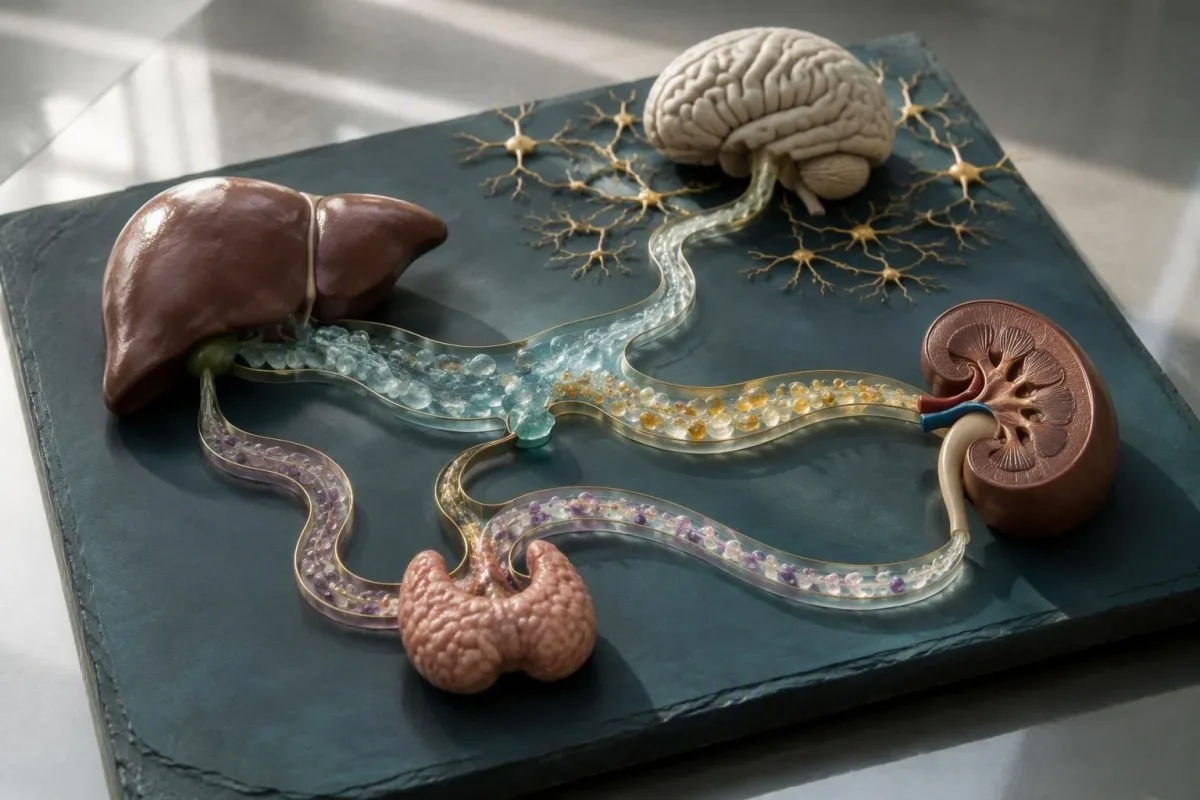
eGFR دىن تۆۋەن بولسا CKD نى كۆرسىتىدۇ؛ ئەڭ ئاز 3 ئاي داۋامىدا ئۆتكۈر بۆرەك كېسەللىكىنىڭ بىر كراتېرىيىسىنى تولۇقلايدۇ، گەرچە بىر قېتىملىق نەتىجە سۇسىزلىنىش ياكى ئۆتكۈر كېسەللىكتىن كېيىن ۋاقىتلىق چۈشۈپ كېتىشى مۇمكىن. سۈيدۈك كېسەللىكى سىملۇملىرى ئادەتتە تۆۋەن سۈزۈش سەۋىيىسىدە كۆرۈلىدۇ، ئەمما دورا يىغىلىش ۋە قان ئازلىق ئەھۋالنى بالدۇرراق تەسىر قىلالايدۇ.
ناترىي 130 mmol/L باش ئاغرىش، كۆڭۈل ئېلىش، تۇراقسىزلىق، كالالاش كېتىش، ۋە ئېنىق چارچاشنى كەلتۈرۈپ چىقىرىدۇ؛ تۆۋەندىكى تۇز 120 mmol/L دائىم ئېمېرگېنتىيە. 11.0 mg/dL (2.75 mmol/L) دىن يۇقىرى كالتسىي 11.0 mg/dL (2.75 mmol/L) ئىچ كېتىش، ھورۇنلۇق، كالتىشىش، ۋە تۆۋەن ھالەتنى كەلتۈرۈپ چىقىرىدۇ، بولۇپمۇ ئۇ تېز ئۆسسە.
كانتېستى بىر AI لابراتورىيە سىنىقىنى چۈشەندۈرۈش مۇلازىمىتىدە ئېلان قىلىنىدۇ كالتسىي، جىگەر، ئېلېكترولىت، ۋە CBC نەتىجىلىرىنى بىر گەۋدە قىلىپ، دورا بىلەن مۇناسىۋەتلىك خەتەرلەرنىمۇ ئۆز ئىچىگە ئالىدۇ. ئېنىق eGFR ئۆزگىرىشى سۇسىزلىنىش ۋە ئىلگىرىكى قىممەتلەردىن تەكشۈرۈشنى تەلەپ قىلىدۇ، بۇنى بىزنىڭ بۆرەك سىنىقى يوليور قاپلىنىدۇ.
دورا تەسىرى يوقاپ كەتكەن ئۇچۇر بولۇشى مۇمكىن
تىيازىد دىيۇرىتىكىلىرى كالتسىينى ئاشۇرۇپ، تۇزنى تۆۋەنلىتىدۇ، SSRIs ھىپوناترېمىيەگە تۆھپىدە بولىدۇ، مېتفورمىن ۋاقىتنىڭ ئۆتۈشىگە ئەگىشىپ B12 نى ئاشۇرالايدۇ، ۋە بەزى ئۆسمە دورىلىرى D ۋىتامىنىغا تەسىر قىلىدۇ. ھەرگىز ئۆزىڭىزنىڭ زۇمرەت تەكشۈرۈشىدىن دورا توختىماڭ؛ دورا يازغۇچىدىن ۋاقىت، مىقدارى، ۋە بىخەتەر تاللاشلارنى سېلىشتۇرۇپ بېقىشنى تەلەپ قىلىڭ.
7. ياللۇغ، يۇقۇملىنىش ۋە ئۆزلۈكىدىن يۇقۇملىنىش پاكىتلىرى: تاللاش بويىچە تەكشۈرۈڭ
CRP، ESR، يۇقۇم تەكشۈرۈشى، ۋە ئۆزلۈكىدىن ھۇجۇم قىلىدىغان ئانتىتېللار تۆۋەن ھالەت ئۈچۈن دائىملىق تەكشۈرۈش تەكشۈرۈشى ئەمەس، لېكىن ئۇلار جىسمانىي ئىشارەتلەر ئومۇمىي كېسەلنى كۆرسەتكەندە پايدىلىق. پالتا، ئورۇقلاش، بوغۇم ئىششىقى، تېرى پۈتۈش، ئۇدا دىئارىيە، كېچىدىكى تەر، ياكى مەلۇم جايلاردىكى سىملۇملار تەكشۈرۈشنىڭ بۇ تارمىقىنى باشقۇرۇشى كېرەك.
CRP تۆۋەن 3 mg / L. دائىم تۆۋەن كاردىئاگېن ياللۇغى دەپ قارىلىدۇ، ئەمما كۈتۈپخانىلار ھەر خىل ئۇسۇل ۋە دائىملىق قىممەتلەرنى ئىشلىتىدۇ. 30 mg/L CRP يۇقۇم، ئۆزلۈكىدىن ياللۇغلىنىش پائالىيىتى، توقۇلما زەخىملىنىشى، سېمىزلىك، ياكى باشقا نۇرغۇن ئىشلارنى ئەكىس ئەتتۈرەلەيدۇ؛ ئۇ تۆۋەن ھالەتنىڭ سەۋەبىنى ئېنىقمايدۇ ۋە “مېڭە ياللۇغى”نى دىئاگنوز قىلالمايدۇ.”
ESR ئاستا-ئاستا ئۆسسۇپ، ئاستا-ئاستا تۆۋەنلەيدۇ، شۇڭا سىملۇملاردىكى تۇيۇقسىز ئۆزگىرىشكە پايدىسى كەم. نورمال CRP ۋە ESR ھەر قانداق ياللۇغلىنىش كېسەللىكىنى تېرىمەيدۇ، ھالبۇكى ئاددىي يۇقۇملار، چىش كېسەللىكى، قىشقى چېنىقىش، ۋە يۇقىرى بەدەن ئېغىرلىقىدىن كېيىن ئاددىي يۇقۇملار كۆپ ئۇچرايدۇ.
مەن نىشانسىز ئانتىتېلا توپلىمىدىن كەلگەن زىياننى نىشانلىق تەكشۈرۈشتىن كۆپرەك كۆرىمەن: تۆۋەن سەۋىيىلىك ئانتىتېلا (ANA) نەتىجىلىرى كۆپ ئۇچرايدۇ ۋە ئايلارچە ئەندىشىگە سەۋەب بولىدۇ. ئەگەر CRP ئاشقان بولسا، فېررېتىن كۈتۈلمىگەن ھالدا يۇقىرى بولسا،, فېررىتېن ۋە CRP نى بىرگە بىرلا يەككە بەلگىدىن (marker) кўپ ئۇچۇر بېرىدۇ.
يۇقۇملىنىش تەكشۈرۈشى ئەقىللىق بولغاندا
يامانتىل (HIV)، جىگەر ياللۇغى (hepatitis)، چولياق (coeliac) ياللۇغىغا قارشى تۇرغاق ئىلمەكنى (serology) ۋە باشقا يۇقۇملىنىش ياكى سۈمۈرۈلۈش (malabsorption) كېسەللىكىنى تەكشۈرۈش، يۇقۇملىنىشتىن كېيىن، ئاشقازان-ئارقىلىق ئەزالىرىدا ئەھۋال، قان ئازارلىق ئەندىزىسى، جىگەر نەتىجىسى ياكى كلىنىكىلىق تارىخىدا كۆرۈلۈشى كېرەك. دائىملىق كىچىك چۈشكۈنلۈك (low mood) تەكشۈرۈش كۆپىنچە جاۋابلاردىن кўپ يالغان ئاگاھلاندۇرۇش (false positives) ھاسىل قىلىدۇ.
ئۇزۇنغا داۋاملاشقان چارچاش ۋە تۆۋەن كەيپىيات ئۈچۈن ئەقىللىق تۇنجى تەكشۈرۈش
ئىزدىنىدىغان كىچىك چۈشكۈنلۈك (persistent low mood) ۋە ھارغىنلىق ئۈچۈن، مەركەزلىك تۇنجى تاختا (panel) ئادەتتە قاندىكى ئاق قان ھۈجەيرىسى (CBC)، ترانسفېرىن تويۇنۇشى بىلەن بىرگە بولغان فېرىتىن (ferritin)، تىروئىدنى تەكشۈرۈش (TSH)، زۆرۈر بولغاندا ئەركىن T4، B12، خەتەر بار چاغدا فولات (folate)، HbA1c ياكى گلوكوزا، بۆرەك فۇنكىسيىسى، ئېلېكترولىتلار، جىگەرنى تەكشۈرۈش (liver tests)، ۋە قورۇقلىق (deficiency) خەۋىپى يۇقىرى بولغاندا ۋىتامىن D نى ئۆز ئىچىگە ئالىدۇ. توغرا تاللاش كۆپ كىشىلەرگە كىچىك، باشقىلارغا كەڭ بولىدۇ.

ھامىلدارلىق پۇرسىتى (Pregnancy possibility) دەرھال تەكشۈرۈشنى ئۆزگەرتىدۇ: ھامىلدارلىقنى تەكشۈرۈش، فېرىتىن، تىروئىد تەكشۈرۈش، گلوكوزا باھالاش، ۋە دورىلارنى تېزدىن قايتا كۆزدىن كەچۈرۈش ئەستىتى (priority) بولۇشى مۇمكىن. ياشانغانلاردا، ئورۇقلاش، ئۈچەي ئۆزگىرىشى، يېڭى قان ئازلىق، تۆۋەنلەنگەن eGFR، ۋە دورا تەسىرى جىنسىي ھورمون (sex-hormone) تەكشۈرۈشتىن كۆپرەك ئەھمىيەتكە ئىگە.
Kantesti AI بىر AI قان تەكشۈرۈش نەتىجىسىنى چۈشەندۈرۈش سۇپىسى 127+ دۆلەتلىرىدە قوللىنىلىدۇ، نەتىجىلەرنى كىلىنىست (clinician) ئۈچۈن سوئاللارغا تۈرلەشكە ئىشلىتىلىدۇ، تارىخىنى ئېلىش ياكى تەكشۈرۈشنى ئالماشتۇرمايدۇ. بىزنىڭ سىستېمىمىز چېكىش (fasting) ھالىتى، ھەيز كېلىشى، قوشۇمچە يەم-خەشەك، چېنىقىش، ياكى يېقىنقى كېسەللىك قاتارلىق كەم تۇرىدىغان قۇرۇلما (missing context) نى تىيىپ بېرىشكە ياردەم بېرىدۇ؛ ئۇنىڭ ھەققىدە ئوقۇڭ بۇ تېخنىكا قانداق ئىشلەيدۇ.
دوكتور توماس كلېين (Dr. Thomas Klein) نىڭ ئەمەلىي قائىدىسى ئاددىي: نەتىجىنىڭ كېيىنكى قەدەمنى ئۆزگەرتىدىغان بولسا، پەقەت تەكشۈرۈش (test) تاپىلا. كۆپ سىستېمىلىق (multisystem) ئەزىزمىت (symptoms) بىلەن كەڭ تاختا (broad panel) توغرا بولىشى مۇمكىن، لېكىن دائىملىق كورتىسول (cortisol)، جىنسىي ھورمونلار (sex hormones)، يېمەكلىك چىداملىق (food intolerance) تەكشۈرۈش، ئېغىر مېتاللار (heavy metals) ۋە تۈمۈر بەلگىسى (tumor markers) ئادەتتە كىچىك چۈشكۈنلۈك (low mood) قان خىزمىتىدە (blood work) غاۋا (noise) ھاسىل قىلىدۇ.
نەتىجىنىڭ سوئالغا جاۋاب بېرىشى ئۈچۈن تەييارلىنىڭ
قوشۇمچە يەم-خەشەك (supplements)، بولۇپمۇ بىيوئىتىن (biotin)، B12، تۆمۈر (iron)، ۋىتامىن D، ۋە كرىئاتىنى (creatine) خاتىرىلەڭ؛ ئاخىرقى دورا ۋە چېكىش (fasted) ھالىتىڭىزنى بىلدۈرۈڭ. مۈمكىن بولغاندا، جىددىي بولمىغان تەكشۈرۈشتىن 24-48 سائەت ئاۋۋال ئادەتتىن تاشقىرى كۈچلۈك چېنىقىش (exercise) ۋە ھاراق ئىچىشتىن ساقلىنىڭ، چۈنكى ھەر ئىككىسى AST، CK، گلوكوزا، فېرىتىن، ۋە سۇيۇقلۇققا سەزگۈر (hydration-sensitive) نەتىجىلەرنى ئۆزگەرتەلەيدۇ.
نېمىشقا كورتىزول ۋە جىنسىي ھورمونلارنى تەكشۈرۈش ھەرگىزمۇ بىرىنچى قەۋەت ئەمەس
ئورۇنلاشتۇرۇلغان كورتىسول (Random cortisol) ۋە كەڭ جىنسىي ھورمون (sex-hormone) تاختىلىرى (panels) ئادەتتە ئىزدىنىدىغان كىچىك چۈشكۈنلۈكنى (persistent low mood) چۈشەندۈرۈپ بەرمەيدۇ ۋە ئادەتتىكى “كۆيۈش (burnout) تەكشۈرۈش” (burnout tests) سۈپىتىدە ئىشلىتىلمەسلىكى كېرەك.” ئۇلار ئۆزلۈكىدىن غۇدىيىش (adrenal disease)، ھەيز قالايمىقانچىلىقى (menstrual dysfunction)، مېنوتىكا (menopause) ئۆزگىرىشى، گىپوگونادىزم (hypogonadism)، ئېغىز بېزى (pituitary disease)، ياكى دورا تەسىرىنى چۈشەندۈرگەن ئەزىزمىت (symptoms) غا تىگىشلىك بولغاندا پايدىلىق بولىدۇ.
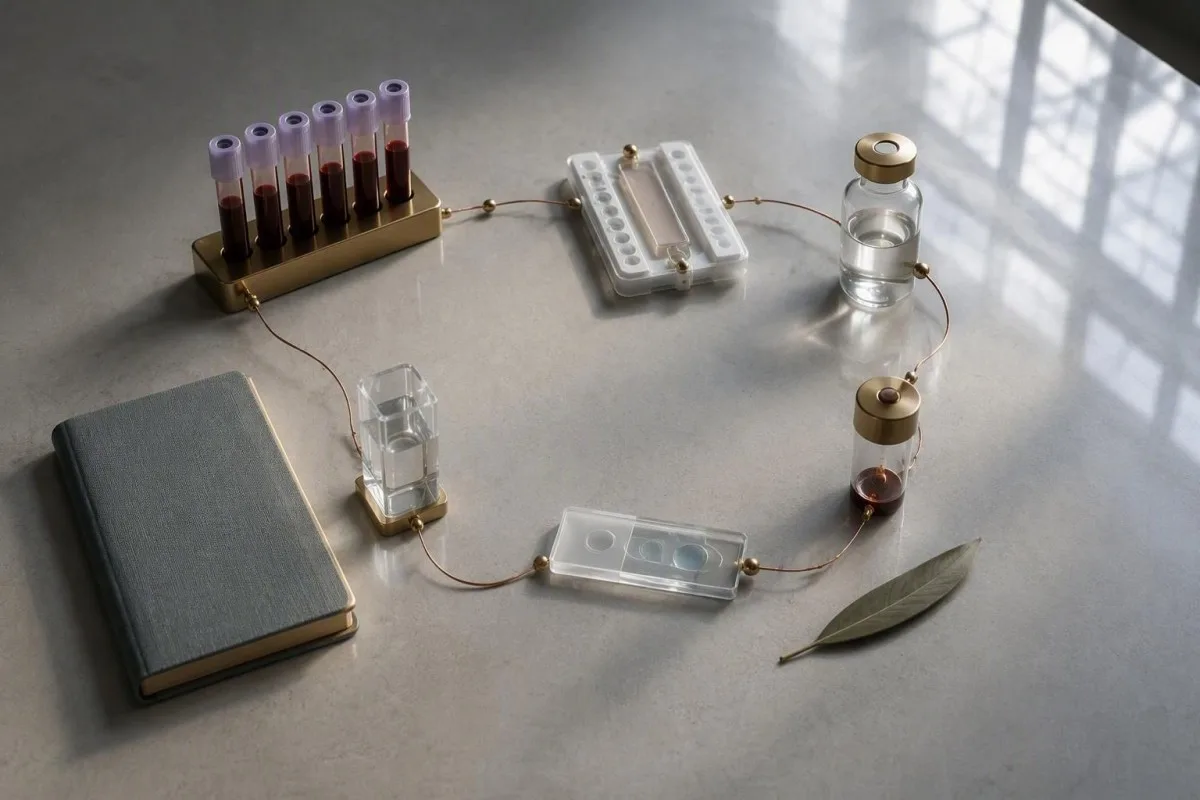
كورتىسولنىڭ كۈچلۈك كۈندۈزلۈك رىتىمى (daily rhythm) بار: ئەتىگەن سائەتتىكى (early-morning) ئەۋلەك (sample) ئادەتتە كەچ سائەتتىكى (evening) ئەۋلەكتىن كۆپ يۇقىرى، شۇڭا ۋاقتى ئېنىق بولمىغان (untimed) قىممەتنىڭ (value) دىئاگنوز قويۇش (diagnostic) مەنىسى چەكلىك. گۇمانلىق ئۆزلۈكىدىن غۇدىيىش (adrenal insufficiency) توغرا ۋاقتىدا تۇتۇلغان كورتىسول (properly timed cortisol) ۋە كۆپىنچە تىكلىنىش تەكشۈرۈشى (stimulation testing) بىلەن باھالىنىدۇ، ئۈن-تىن (online) “ئۆزلۈكىدىن غۇدىيىش يېتىشمەسلىكى” (adrenal fatigue) نەتىجىسى بىلەن ئەمەس.
تېستوستېرون (Testosterone) كۈننىڭ ۋاقتى، ئۆتكۈر كېسەللىك، ئۇخلاش، ۋە باغلاش (binding) ئېلەمېنتلىرى (proteins) بىلەن ئۆزگىرىدۇ؛ ئەرلەردە، ئەتىگەن سائەتتىكى ئومۇمىي تېستوستېرون (morning total testosterone) يېتىشمەسلىكنى دىئاگنوز قويۇشتىن بۇرۇن كەم دېگەندە ئىككى قېتىم تەكرارلىنىشى كېرەك. ئېستىروگېن (Estradiol) ۋە پروگېستېرون (progesterone) ھەيز دەۋرى (menstrual cycle) بويىچە ئۆزگىرىدۇ، شۇڭا دەۋرنىڭ ۋاقتىنى بىلمەي تۇرۇپ بىر قىممەت كىچىك چۈشكۈنلۈك (mood changes) نى چۈشەندۈرەلمەيدۇ.
ئالاھىدە ئېندوكryn (endocrine) تەكشۈرۈشنى توغرا دەپ چۈشەندۈرىدىغان ئەزىزمىت (Symptoms)لارغا بەدەن تۈكلىرىنىڭ (body hair) يېڭىدىن يوقىلىشى، ئەرلەرنىڭ جىنسىي ئىقتىدارىنىڭ ئاجىزلىشىشى (erectile dysfunction)، ھەيز توختاپ قېلىش (amenorrhea)، سۈت بېزىدىن سۈت چىقىش (galactorrhea)، قاتتىق قىزىش (severe hot flashes)، قوڭۇر يىرىڭلىق تومۇر (purple stretch marks)، چۈشەندۈرگىلى بولمايدىغان كاپسۇل (bruising)، ياكى داۋاملاشقان تۆۋەن قان بېسىم (persistent low blood pressure) قاتارلىقلار كىرگۈزۈلىدۇ. بىزنىڭ ماڭقۇرتىي پايدىلىنىش قوللانمىسىدا ئەۋلەك (collection) ۋاقتىنىڭ نەتىجىنىڭ بىر قىسمىنى ئىسپاتلايدىغانلىقىنى چۈشەندۈرىدۇ.
مېنوتىكا (Menopause) بەدەنىي (clinical)، ئۇنى تەكشۈرگىلى (biochemical) بولۇشتىن بۇرۇن
45 ياشتىن ئاشقان، دائىملىق قىزىش (hot flashes) ۋە دەۋرىي ئۆزگىرىشلەر (cycle changes) بار كىشىلەر ئۈچۈن، مېنوتىكا كۆپىنچە FSH نى بىر قېتىم تەكشۈرۈشتىن كۆرە بەدەنىي (clinically) دىئاگنوز قويۇلىدۇ. تىروئىد كېسەللىكى، قان ئازلىق، دورا تەسىرى، ۋە چۈشكۈنلۈك (depression) بىرگە ياشىيالايدۇ، شۇڭا بىر بەلگىنى (label) داۋالاش (treating) باھالاشنى (assessment) تاماملىماسلىقى كېرەك.
تەكشۈرۈشنى قوشۇشتىن بۇرۇن دورىلار، ئىسپىرت، ماددىلار ۋە ئۇخلاشنى تەكشۈرۈپ بېقىڭ
دورا تەسىرى، ھاراق، قانなبیس (cannabis)، ھەيۋىتى (stimulants)، راھەت ئېلىش دورىسى (sedatives)، ۋە ئۇخلاش قالايمىقانچىلىقى (sleep disorders) دائىملىق كىچىك چۈشكۈنلۈكنىڭ (low mood) كۆپ ئۇچرايدىغان، ئەسلىگە كەلتۈرگىلى بولىدىغان (reversible) سەۋەبلىرى بولۇپ، ئادەتتىكى قان تاختىسى (standard blood panel) ئۇنى تولۇق ئەكىس ئەتتۈرەلمەيدۇ. دورا ۋاقىت جەدۋىلى (Medication timeline) كۆپىنچە قوشۇمچە بىر قۇتىداق (vial) تىببىي ئەۋلەك (laboratory sample) تىن كۆپرەك نەتىجە بېرىدۇ.
بەت-قورغۇچىلار (Beta-blockers)، ئىزوتىنوئىن (isotretinoin)، كورتىكوستېروئىدلار (corticosteroids)، بەزى قۇتۇپتىن قېچىش (antiseizure) دورىلىرى، ئىنترېرېفېرون (interferon)-تىك (based) داۋالاش (therapies)، راھەت ئېلىش دورىسى (sedatives)، ۋە ھورمونلۇق داۋالاش (hormonal treatments) سەزگۈر (susceptible) كىشىلەردە ھورۇنلۇققا (mood) تەسىر قىلالايدۇ. SSRIs، دىيورېتىكلار (diuretics)، ۋە كاربامازېپىن (carbamazepine) ناترىينى (sodium) تۆۋەنلەتسە (lower) بولىدۇ؛ پىروتون پومپا (proton-pump) بىخ (inhibitors) ۋە مېتفورمىن (metformin) ۋاقىتنىڭ ئۆتۈشى بىلەن B12 يېتىشمەسلىكىگە تۆھپە قوشىدۇ.
ئىچىملىك ئىسپىرتى قىسقا ۋاقىتتا ئەندىشىنى پەسەيتەلەيدۇ ، ئەمما ئۇيقۇنى پارچىلىۋېتىدۇ ھەمدە GGT ، MCV ، ئۈچەيلىك ماي ۋە جىگەر ئىلمىنى ئۆستۈرەلەيدۇ. لაბوراتورىيەدىكى يۇقىرى چېكىتىدىن ئاشقان GGT بىر خىل ئەمەس: ئۇ ئىسپىرت ، ماي جىگەر ، دورا ياكى خولېستازنى ئەكس ئەتتۈرەلەيدۇ ، شۇڭا ئۇنى ئىسپىرت ئىشلىتىشنىڭ ئىسپاتى سۈپىتىدە ئىشلەتكىلى بولمايدۇ.
توسالغۇلىق ئۇيقۇ ئاپنېسى كېسىلى ئېغىرلىقى بىلەن ئوخشاش كۆرۈنەلەيدۇ - ئەسلىگە كەلمەيدىغان ئۇخلاش ، دىققەتنى جەم’ئەلمەسلىك ، جىنسىي ئىقتىدارنى ئۆزگەرتىش ۋە چۈشتىن كېيىن چارچاش - CBC ۋە تىروئىد تەكشۈرۈش نورمال بولسىمۇ. ئەگەر خۇرۇش ، كۆرۈنگەن توختاپ قېلىش ، ئەتىگەنلىك باش ئاغرىقى ياكى چىداملىق قان بېسىمى بار بولسا ، تولۇقلىما بېرىشنى تاشلاپ ، ئۇخلاش ئەھۋالىنى سۈرۈشتۈرۈڭ.; ئۇخلاش سۈپىتىنىڭ ناچارلىشىشى ۋە تەكشۈرۈش نەتىجىلىرى پايدىلىق شارائىت بىلەن تەمىنلەيدۇ.
كىلىنىستلار قىزىل بايراقنى ئەمەس، بەلكى ئۆلچەملەرنى قانداق ئوقۇيدۇ
بىر قېتىم چېگرادىن چىققان نەتىجە بىر قېتىم كەمخۇجلۇقنى چۈشەندۈرۈش تەس: كېسەللىك ئالامەتلىرى ، تەكرارلانغان نەتىجىلەر ۋە مۇناسىۋەتلىك بىئولوگىيىلىك ئۆلچەش شەكلى تېخىمۇ ئىشەنچلىك. لაბوراتورىيەدىكى پايدىلىنىش دائىرىسى بىر قىسىم نوپۇسنىڭ قەيەردە تۇرىدىغانلىقىنى تەسۋىرلەيدۇ ، شەخسىي ساغلاملىق كاپالىتى ئەمەس.

تۆۋەن تىرانسفېررىن بىلەن 18 ng / mL فېررېتىن ، ئېغىر ھەيز ، تىنچسىز پۇت ۋە چارچاش تۆۋەن فېررېتىندىن 18 يەككە ئوبرازىدىن تېخىمۇ كۈچلۈك تۆمۈر كەمچىللىكى بولىدۇ. گەرچە ، يېقىنقى ۋىرۇسلۇق كېسەللىكتىن كېيىن 18 فېررېتىن تېخى تەكشۈرۈشكە ئەرزىيەتلىك ، ئەمما CRP ، يېمەك-ئىچمەك ، قان تېپىش ۋە تەكرارلاش ۋاقتى قارارنى شەكىللەندۈرىدۇ.
مۇشۇ پرىنسىپ تىروئىد تەكشۈرۈشىگە تەدبىقلىنىدۇ: ئۇيقۇسىز بىر ھەپتىدىن كېيىن TSH 5.2 mIU / L بىر قېتىم تەكرارلاشقا ئەرزىيەتلىك بولسا ، TSH 12 mIU / L تۆۋەن ھەقسىز T4 ۋە ئىچكىچىش بىلەن تېخىمۇ ئېنىق ئىشارەت. لაბوراتورىيەلەر ئوخشىمايدۇ ، شۇڭا بىر خىل لაბوراتورىيە ۋە ئۆلچەشنى ئىشلىتىش خاتالىقنى ئازايتىدۇ.
Kantesti AI بۇ سۆھبەتلەرنى تېخىمۇ پارچىلىنىدىغان قىلىش ئۈچۈن يۈزلىنىش ۋە مۇناسىۋەتلىك بەلگىلەرنى سېلىشتۇرىدۇ ، ئەمما بىزنىڭ كلىنىكىلىق ئۆلچىمىمىز ئىشەنچسىزلىكنى بايانات بىلەن ئۆزگەرتىش بىلەن تەمىنلەيدۇ. نېمىشقا بىرنى ئۆگىنىڭ قان تەكشۈرۈش ئارىلىقىدىكى ئۆزگىرىش بىئولوگىيىلىك خۇسۇسىيەت ، توپلاش خۇسۇسىيىتى ياكى ھەقىقىي ئۆزگىرىش بولۇشى مۇمكىن.
نورمال دائىرە داۋالاش نىشانى ئەمەس
ھەر بىر بىئولوگىيىلىك ئۆلچەش ئەسلىھەلىرىنى بىر قىسىم دائىرىنىڭ ئوتتۇرىسىغا تاشلاشقا تىرىشماڭ. مەسىلەن ، يۇقىرى مىقداردىكى تۆمۈر ئاشقازان-ئېچىش يولىغا زىيان يەتكۈزەلەيدۇ ۋە قان تېپىشنى قىيىنلاشتۇرىدۇ ، ھەمدە تولۇق سىتamin D تۇز مىقدارىنى كۆپەيتەلەيدۇ. داۋالاش دىئاگنوز ، كېسەللىك ئالامەتلىرى ۋە كېيىنكى تەكشۈرۈشدىن كېيىن بولۇشى كېرەك.
تەكشۈرۈشنى قاچان تەكرارلاش، GP تەكشۈرۈشىنى تەلەپ قىلىش ياكى جىددىي ياردەم ئېلىش
كىچىككىنە نورمالسىزلىق ۋاقىتلىق بولسا ، كېيىنكى تەكشۈرۈش ئورۇنلۇق ، ئەمما جىددىي كېسەللىك ئالامەتلىرى ساقلاش ۋە كۆرۈش پىلانىنى ئۆزگەرتىدۇ. يېڭى ئۆلتۈرۈش نىشانى ، بىلىك ، كۈچلۈك ئاجىزلىق ، كۆكرەك ئاغرىقى ، ھوشىدىن كېتىش ، سېرىق تەرەت ، قارا تەرەت ياكى گلۇكوزاغا مۇناسىۋەتلىك چۈشەنچە جىددىي داۋالاشنى تەلەپ قىلىدۇ.
نورمالسىز ھەقسىز T4 بىلەن ئازراق يۇقىرى TSH دائىم تەكرارلىنىدۇ 6-12 ھەپتە, ، ھامىلدارلىق ياكى بەلگىلەنگەن كېسەللىك ئالامەتلىرىدە تېخىمۇ بالدۇر. تۆمۈر ، B12 ۋە سىتamin D كېيىنكى تەكشۈرۈش ۋاقتى داۋالاش ۋە نۇقتىلىق جىددىيلىكنى تەلەپ قىلىدۇ. كلىنىك خادىملىرى قېزىل قان ھۈجەيرىسىنىڭ ئەسلىگە كېلىشى ۋاقىت تەلەپ قىلىدىغانلىقتىن ، بىر نەچچە ھەپتىدىن كېيىن ئەمەس ، بىر نەچچە ھەپتىدىن كېيىن CBC ۋە تۆمۈر بەلگىسىنى قايتا باھالايدۇ.
ھېمىگلوگوبىن تۆۋەنلەپ كەتسە ، ھېمىيەتلىك ئىنتايىن ئۆزگىرىش 10 g/dL, ، ناترىي 130 mmol/L, ، كالتسىي يۇقىرى بولسا 11.0 mg/dL دىن يۇقىرى بولسا, ، eGFR تېز چۈشۈپ كەتسە ، سېرىق تەرەت بىلەن بىلورۇبىن ياكى قەنت تولۇقسىزلىقى قان بېسىمىدىكى گلۇكوزا يۇقىرى بولسا يۇقىرى بولسا بىر ھەپتىدە كۆزىتىش. بۇلار دىئاگنوز ئەمەس ، بەلكى كېسەللىك ئەھۋالىنى تاشلاش ، ھەمدە يەرلىك مۇلازىمەتلەر ئوخشىمىغان چەكتىن پايدىلىنىشى مۇمكىن.
مۇرەككەپ دوكلاتلار ئۈچۈن ، Kantesti نىڭ كلىنىكىلىق دەلىللەش ئۇسۇلىمىز بىر قېتىم بېسىش بىلەنلا تەسىرلىنىش بىلەن تەمىنلەش ئورنىغا ، مەنبەنى تەكشۈرۈش ، تەكرارلاش ۋە چەكلىنىش ۋەزىپىسىنى تاپشۇرىدۇ. دوكتور توماس كلىيىن ھەقىقىي PDF ، دورا تىزىملىكى ۋە بىر ھەپتىلىك كېسەللىك ئالامەتلىرىنى دوكلات قىلىشنى ئاپپاراتقا ئېلىپ كېلىشنى تەۋسىيە قىلىدۇ.
يىغىندىن بۇرۇن نېمىلەرنى يېزىش كېرەك
كېچىكىپ قالغان كەيپىياتتىن باشلاپ ، ئۇخلاش ۋاقتى ، ئىشتىھا ياكى تۇرمۇشىنى ئۆزگەرتىش ، ھەيز قاناش ، ئىسپىرت ۋە ماددىلارنى ئىشلىتىش ، ئائىلىدە تىروئىد ياكى دىئابىت تارىخى ، يېقىنقى يۇقۇملىنىش ، يېمەك-ئىچمەك چەكلەش ۋە ھەر بىر دورا ياكى تولۇقلىما مىقدارىنى ئۆز ئىچىگە ئالىدۇ. بۇ ئۇچۇرلار كلىنىكىلىق جەھەتتىن مۇھىم بولغان “نورمالسىز” نەتىجىنى دائىم ئۆزگەرتىدۇ.
تېببىي سەۋەبلەر تەكشۈرۈلىۋاتقاندا تۆۋەن كەيپىياتنى داۋالاش
روھىي ساغلاملىقنى قوللاش، قان تەكشۈرۈش نatiجىسىنى ساقلاۋاتقان بولسىمۇ، ھالسىزلىق داۋاملاشقان ياكى ئىقتىدارغا تەسىر قىلغاندا باشلىنىشى كېرەك. جىسمانىي ئىلمىي داۋالاش، ئىجتىمائىي قوللاش، ئۇخلاش داۋاسى، زۆرۈر بولغاندا دورا بېرىش، ۋە بىخەتەرلىك پىلانلاش قاتارلىقلار “نورمال قان تەكشۈرۈش” تىن كېيىنكى ئىختىيارىي پىلانلار ئەمەس؛ ئۇلار پاكىت-ئىسپاتقا ئاساسلانغان مۇلازىمەتلەردۇر.

غۇۋالىق كۆپىنچە ھاللاردا كەم دېگەندە 2 ھەپتە ھالسىزلىق ياكى قىزىقىشنى يوقىتىش بىلەن بىرگە ئۇخلاش، ئىشتىھا، ئېنېرگىيە، دىققەت، گۇناھ، پسىخوموتور ياكى ئۆلۈش پىكرىدىكى ئۆزگىرىشلەر قاتارلىق باشقا ئالامەتلەرنى ئۆز ئىچىگە ئالىدۇ. ئېغىرلىقى ئىقتىدارغا تەسىر قىلىش ۋە بىخەتەرلىككە باغلىق، قان تەكشۈرۈش نەتىجىسىدە «قىزىل بايراق» بار-يوقلۇقىغا ئەمەس.
جىسمانىي سەۋەب بولۇشقا بولىدۇ، ئەمما بىردىنبىر سەۋەب بولۇشى ناتايىن. B12 يېتىشمەسلىكىنى تۈزەش، ئائىلىسىدىكىلەرنى يوقىتىش، زەخىملىنىش، بىئاراملىق ياكى چوڭقۇر غۇۋالىق كېسەللىك ئەھۋالىنى داۋالاش جەريانىدا، چارچاش ۋە دىققەتنى ياخشىلاشقا ياردەم بېرىدۇ؛ كۆپىنچە بىمارلار بۇ بىرىكتۈرۈلگەن چۈشەندۈرۈشنى گۇناھنى ئازايتىدىغان دەپ قارايدۇ.
Kantesti دوختۇرنىڭ نازارىتى ئاستىدا باشقۇرۇلىدۇ داۋالاش مەسلىھەتچىلەر ھەيئىتى, ، بىز كىتابخانىلارنى سىستېمىلىق ۋە روھىي ساغلاملىقنى داۋالاشقا تەييارلىق قىلىش ئۈچۈن - ئورنىغا قويۇش ئۈچۈن ئەمەس - سۈنئىي ئىدراكنى چۈشەندۈرۈشنى ئىشلىتىشكە ئىلھاملاندۇرىمىز. ئەگەر بۈگۈن ئۆزىڭىزنى بىخەتەر ھېس قىلمىسىڭىز، ھازىر دۆلىتىڭىزدە جىددىي مۇلازىمەتلەرنى ياكى جىددىي ھوقۇققا ئىگە تەشكىلاتنى ئىشلىتىڭ.
تۆۋەن كەيپىياتنى قان تەكشۈرۈش ئۈچۈن ئەڭ مۇھىمى
تاشقى كېسەللىكلىرىنى تەكشۈرۈش يەتتە مۇھىم كاتېگورىيەنى ئاشكارىلىشى مۇمكىن: تۆمۈر بىلەن مۇناسىۋەتلىك قان ئازلىق، قარისىمان بەز ئىقتىدارىنىڭ نورمالسىزلىقى، B12 ياكى فولات يېتىشمەسلىكى، D ۋىتامىن يېتىشمەسلىكى، قان شېكەر نورمالسىزلىقى، بۆرەك-جىگەر-ئېلېكترولىت نورمالسىزلىقى، ۋە ئالامەت بويىچە ياللۇغ ياكى يۇقۇملۇق كېسەللىك. بۇ ھەققىيىتىنى سىنايدىغان، ئەمما سىنىڭ ئازابىڭنىڭ قانۇنىي ئىكەنلىكىنى جازالمايدىغان بىر قىسمى.
دائىم سورايدىغان سوئاللار
مەننىڭ روھىي ئەھۋالىمنىڭ ناچارلىشىشى ۋە ھاردىق چىقىشىغا ئەگىشىپ قانداق قان سىنىقى ئۆتكۈزۈشىم كېرەك؟
تۆۋەن كەيپىيات ۋە چارچاش ئۈچۈن فوكۇسلانغان قان تەكشۈرۈش دائىم CBC، تاتلىقلىق بىلەن تاتلىقلىقنى ئۆز ئىچىگە ئالىدۇ، TSH، B12، HbA1c ياكى گلوگوزا، بۆرەك ئىقتىدارى، ئېلېكترولىت ۋە جىگەر تەكشۈرۈش. D ۋىتامىن كۈن نۇرى چەكلىك بولغاندا، يېمەكلىك ئېلىشىش خەۋپى باردا، ياكى مۇسكۇل ئاغرىقى باردا ئەقىللىق بولىدۇ. 30 ng/mL دىن تۆۋەن فېررىتىن، 180 pg/mL دىن تۆۋەن B12، ۋە تەجرىبىخانا دائىرىسىدىن يۇقىرى TSH نۇمۇرىغا مىسال بولسا، كىلىنىكىلىق مەزمۇننى تەلەپ قىلىدۇ. بۇ تەكشۈرۈشلەر مۇمكىن بولغان جىسمانىي سەۋەبلەرنى ئېنىقلايدۇ؛ ئۇلار غۇۋالىقنى دىياگنوز قويمايدۇ.
قان تەكشۈرۈش بىلەن تاۋۇز قىلىش كېسەللىكىنى دىئاگنوز قويغىلى بولامدۇ؟
ياق، ئادەتتىكى كلىنىكىلىق داۋالاشتا ھېچقانداق قان تەكشۈرۈش غۇۋالىقنى دىياگنوز قويالمايدۇ. غۇۋالىق كەم دېگەندە 2 ھەپتە داۋاملاشقان ئالامەتلەر، ئۇنىڭ ھاياتىغا تەسىرى، پسىخىئاترىيە تارىخى، تەكشۈرۈش، ۋە بىخەتەرلىك باھالاشتىن دىياگنوز قويۇلىدۇ. TSH، فېررىتىن، B12، گلوگوزا، ناترىي ۋە كالتسىي قاتارلىق تەكشۈرۈشلەر غۇۋالىققا ئوخشاش ياكى ئۇنى ناچارلاشتۇرالايدىغان ئەھۋاللارنى ئېنىقلاشقا ياردەم بېرىدۇ. نورمال قان تەكشۈرۈش نەتىجىلىرى غۇۋالىقنى رەت قىلمايدۇ ياكى داۋالاشنىڭ زۆرۈر ئەمەسلىكىنى بىلدۈرمەيدۇ.
تۆۋەن تۆمۇر قان ئازارسىز ئەندىشە ۋە غەمگىنلىككە سەۋەب بولالامدۇ؟
شۇنداق، تۆمۈر يېتىشمەسلىكى ھىموگلوبىن تۆمۈر ئازلىقايتىش ئۆلچىمىگە يېتەلمەي تۇرۇپلا چارچاش، دىققەت قىلمىش، بىئارام پۇت، پىداكارلىق تۆۋەنلەش، ۋە تۆۋەن كەيپىياتنى كەلتۈرۈپ چىقىرىشى مۇمكىن. 30 ng/mL دىن تۆۋەن فېررىتىن كۆپىنچە تۆمۈر زاپىسىنى تولۇقلاشقا ياردەم بېرىدۇ، 20% دىن تۆۋەن تىراسىفېرىن تارقىلىشى بولسا تۆمۈرنىڭ قىسلىقىنى كۆرسىتىدۇ. سەۋەبى مۇھىم: كۈچلۈك ھەيز قېنى، ئاشقازان-ئېچىش يولىدىن يوقىلىش، ئېلىش ئاز، قان بېرىش، ۋە يېمەكلىك ئېلىش نورمالسىزلىقى ھەر خىل جاۋابلارنى تەلەپ قىلىدۇ. نەتىجە ۋە سەۋەبنى كىلىنىكىست بىلەن مۇزاكىرە قىلماي تۇرۇپ ئۇزۇن مۇددەتلىك تۆمۈر داۋاسىنى باشلىماڭ.
قەلبەي ئەڭزەك تاشقىنلىقى كەيپىياتقا تەسىر قىلالايدۇ؟
ئوچۇق-ئاشكارا قარისىمان بەز ھورمۇنى كەمچىللىكى، يۇقىرى TSH ۋە تۆۋەن ئەركىن T4 بىلەن تەسۋىرلەنگەن، چارچاش، پىكىرنى ئاستىلىتىش، سوغۇققا چىدىماسلىق، ئىچ كېتىش، ۋە غۇۋالىق ئەلامەتلىرىگە تۆھپىدە بولىدۇ. نۇرغۇن تەجرىبىخانىلار TSH پايدىلىنىش دائىرىسىنى تەخمىنەن 0.4-4.0 mIU/L غا ئىشلىتىدۇ، ئەمما 10 mIU/L دىن يۇقىرى نەتىجە دائىم چەكلىك ئاشۇرۇشتاك كۆپ ئەھمىيەتكە ئىگە. نورمال ئەركىن T4 بىلەن ئازراق ئاشقان TSH دائىم دەرھال پەرەز قىلىشتىن 6-12 ھەپتە ئىچىدە قايتا تەكشۈرۈشنى تەلەپ قىلىدۇ. قარისىمان بەز كېسەللىكى ۋە غۇۋالىق بىرگە يۈز بېرىشى مۇمكىن، شۇڭا قარისىمان بەز ئىقتىدارىنى داۋالاش روھىي ساغلاملىق باھالاشنى ئورنىغا قويمايدۇ.
تۆۋەن كەيپىيات ياكى ياكى يېنىش ئۈچۈن كورىزولنى سىنايمۇ؟
ئادەتتىكى تۆۋەن كەيپىيات ياكى يېنىش ئۈچۈن ئاددىي كورتىسول تەكشۈرۈشى ئادەتتە پايدىلىق ئەمەس، چۈنكى كورتىسول كۈن بويى ۋە ئۆتكۈر بېسىم، كېسەللىك، ۋە ئۇخلاش بىلەن زور دەرىجىدە ئۆزگىرىدۇ. داۋاملىشىۋاتقان تۆۋەن قان بېسىم، چۈشەندۈرگىلى بولمايدىغان ئورۇقلاش، تېرە رەڭگى ئۆزگىرىش، ئېغىر ھالىسىزلىق، ياكى كۇشىن-ئىچكى ئورگانلارغا ئوخشاش ئالامەتلەرنى تەلەپ قىلىدىغان چەكلەنگەن تەكشۈرۈش ئېنىق كۆرسىتىلگەن. ئەتىگەنلىك كورتىسولنى كلىنىكىلىق جەھەتتە كۆرسىتىلگەن بولسا، تەستىقلاش قوزغىتىش تەكشۈرۈشىگە ئېلىپ بارغىلى بولىدۇ. سودا “ھورمون كەمچىللىكى” تەكشۈرۈشى ئاساسلىق ئىچكى ئورگانلارنىڭ ئەمەلىيىتىدە ئېتىراپ قىلىنغان دىياگنوز ئەمەس.
روھىي كېسەللەرنى قاچان ئېغىر ھېسابلاش كېرەك؟
ئۆلۈش پىكرى ۋە قەستى ياكى پىلانى، بىخەتەر بولۇش ئىقتىدارسىزلىقى، روھىي توسالغۇ، ئېغىر ھەيۋەت، يېڭى چۈشىنىكسىزلىك، ياكى بىر نەچچە كۈن ئۇخلىماسلىق، ئادەتتىن تاشقىرى يۇقىرى ئېنېرگىيە ياكى خەتەرلىك ھەرىكەت بار بولسا، تۆۋەن كەيپىيات جىددىي باھالاشنى تەلەپ قىلىدۇ. ئېغىر قان تەكشۈرۈش ئالامەتلىرىمۇ جىددىي داۋالاشنى تەلەپ قىلىدۇ، بۇنىڭ ئىچىدە 120 mmol/L دىن تۆۋەن ناترىي، گلوگوزا بىلەن مۇناسىۋەتلىك چۈشىنىكسىزلىك، ھوشىدىن كېتىش، كۆكەي سىقىلىش، ياكى تېز يامانلىشىش ھالىسىزلىق. دائىملىق تەكشۈرۈش نەتىجىسىنى ساقلاش ئورنىغا جىددىي مۇلازىمەتلەرنى، جىددىي مۇلازىمەتنى ياكى جىددىي بۆلۈمنى ئالاقىلىشىڭ. سىز بىلەن بىللە تۇرۇش ئۈچۈن ئىشەنچلىك كىشىدىن سوراش ئەقىللىق بىخەتەرلىك تەدبىرى.
بۈگۈنلا AI بىلەن قان تەكشۈرۈش تەھلىلى ئېلىڭ
دۇنيادىكى 2 مىليوندىن ئارتۇق ئىشلەتكۈچى Kantesti نى دەرھال، توغرا تەجرىبىخانا تەھلىلى ئۈچۈن ئىشەنچ قىلىدۇ. قان تەكشۈرۈش نەتىجىڭىزنى يوللاپ، 15,000+ بىئوماركىرلىرىنىڭ تولۇق چۈشەندۈرۈشىنى بىر نەچچە سېكۇنتتا ئېلىڭ.
📚 پايدىلىنىلغان تەتقىقات ئېلانلىرى
Klein, T., Mitchell, S., & Weber, H. (2026). نىپاھ ۋىرۇسى قان تەكشۈرۈشى: 2026-يىللىق بالدۇر بايقاش ۋە دىئاگنوز قويۇش قوللانمىسى. Kantesti AI Medical Research.
Klein, T., Mitchell, S., & Weber, H. (2026). B مەنپىي قان تىپى، LDH قان تەكشۈرۈشى ۋە رېتىكۇلوئىت ھېسابى يېتەكچىسى. Kantesti AI Medical Research.
📖 تاشقى داۋالاش پايدىلىنىش ماتېرىياللىرى
ساغلاملىق ۋە پەرۋىشتىكى دۆلەتلىك تەتقىقات ئىنستىتۇتى (2022). قۇرامىغا يەتكەنلەرنىڭ غۇۋالىقى: داۋالاش ۋە باشقۇرۇش. NICE قوللانمىسى NG222.
⚕️ تېببىي ئەسكەرتىش
بۇ ماقالە پەقەت تەربىيە-ئوقۇتۇش مەقسىتى ئۈچۈن بولۇپ، داۋالاش مەسلىھەتىنى تەشكىل قىلمايدۇ. دىئاگنوز قويۇش ۋە داۋالاش قارارلىرى ئۈچۈن ھەمىشە لاياقەتلىك ساغلاملىق مۇلازىمىتى تەمىنلىگۈچى بىلەن مەسلىھەتلىشىڭ.
E-E-A-T ئىشەنچ سىگناللىرى
تەجرىبە
دوختۇر رەھبەرلىكىدىكى لابوراتورىيە تەبىرىنى چۈشەندۈرۈش خىزمەت ئېقىملىرىنى بالىياتقۇچلۇق تەكشۈرۈش.
مۇتەخەسسىسلىك
بىئوماركىرلارنىڭ كىلىنىكىلىق مۇھىتتا قانداق ھەرىكەت قىلىدىغانلىقىغا مەركەزلەشكەن لابوراتورىيە تېبابىتى.
ھوقۇقدارلىق
دوكتور توماس كلېين تەرىپىدىن يېزىلغان، دوكتور سارا ميتچېل ۋە پروف. دوكتور ھانس ۋېبېر تەرىپىدىن تەكشۈرۈلگەن.
ئىشەنچلىكلىك
ئاگاھلاندۇرۇشنى ئازايتىش ئۈچۈن ئېنىق كېيىنكى قەدەملەر بىلەن ئىسپات-ئاساسلىق تەبىر.