Einkennalausir geðrænir kvillar eiga skilið rétt mat á geðheilsu, ásamt markvissri athugun á læknisfræðilegum þáttum sem hægt er að snúa við. Blóðrannsóknir geta leitt í ljós þætti; þær greina ekki þunglyndi.

- Öryggi fyrst: Sjálfsvígshugsanir, geðrof, alvarleg hræðsla eða vanhæfni til að vera öruggur þarfnast tafarlausrar geðheilbrigðisþjónustu; rannsóknafræðilegar niðurstöður mega aldrei tefja það.
- CBC og ferritín: Ferritín undir 30 ng/mL styður oft járnskort, jafnvel áður en hemóglóbín lækkar.
- Skjaldkirtilsskimun: Hækkað TSH með lágu frjálsu T4 bendir til skjaldkirtilsskerðingar og getur stuðlað að þreytu, hægum hugsun og lágu skapi.
- Vítamín B12: B12 undir 180 pg/mL eða 133 pmol/L er venjulega skert; kommatölur niðurstöður þurfa oft metýlmalónsýrupróf.
- Glúkósi: HbA1c 6.5% eða hærra uppfyllir greiningarmörk sykursýki þegar staðfest er, en sveiflur í glúkósa geta versnað orku og einbeitingu.
- Nýrna- og lifrarpróf: Lág eGFR, lágt natríum, hátt kalsíum eða lifrarbilun getur breytt svefni, vitrænum starfsemi, meðhöndlun lyfja og skapi.
- Ekki ofgreina: Kortisól, kynhormón, víðtæk sjálfsofnæmispróf og erfðapróf eru ekki venjubundin blóðpróf vegna þunglyndis nema einkenni bendi til þess.
- Hagnýt næsta skref: Farðu með einkenni, lyf, tíðasögu, mataræði, áfengisneyslu og fyrri niðurstöður til læknis; mynstrið skiptir meira máli en eitt merkt gildi.
Það sem blóðrannsókn vegna lágs skaps getur í raun leitt í ljós
A blóðprufa vegna þunglyndis getur greint sjúkdóma sem líkja eftir eða magna þunglyndi, sérstaklega blóðleysi, skjaldvakabresti, vítamínskort, glúkósaóreglu, nýrna- eða lifrarsjúkdóma og efnajafnvægisröskun. Hún getur ekki staðfest eða útilokað þunglyndi, sem er áfram klínísk greining byggð á einkennum, tímalengd, starfsemi og mati á öryggi.
Þann 12. september 2026 er gagnleg spurning ekki “hvaða próf sýnir að skap mitt sé læknisfræðilegt?” heldur “hvaða hverfandi sjúkdómar passa við einkenni mín og áhættuþætti?” Leiðbeiningar NICE um þunglyndi mæla með mati á líkamlegri heilsu, lyfjum, áfengis- og vímuefnaneyslu og sjálfsvígshættu ásamt geðheilbrigðiseinkennum (NICE, 2022). Eðlilegt próf gerir kvöl ekki minna raunverulega; það þrengir einfaldlega læknisfræðilega munngreiningu.
Á 15 ára klínískri starfstíma minni hef ég séð sjúklinga eyða mánuðum í að kenna sjálfum sér um úthaldsleysi sem reyndist vera járnskortur, skjaldvakabrestur eða illa stjórnað sykursýki. Ég hef líka séð algjörlega eðlilegar niðurstöður hjá fólki með alvarlegt þunglyndi. Báðar aðstæður þarfnast umönnunar, og hvorugri ætti að minnka.
Kantesti er AI blóðprufugreiningartæki hannað til að skipuleggja rannsóknarmynstur til umræðu við lækni, frekar en að tengja geðræna merkimiða við niðurstöðu. Byrjaðu á blóðrannsóknarvísar ef skammstafir á skýrslu eru ókunnugir.
Þegar þunglyndi er neyðarástand
Sjálfsvígs hugsanir, áætlun um að skaða sjálfan sig, raddir, nýr ofskynjun, alvarlegur ruglingur, eða nokkrir dagar án svefns og sífellt meiri orka krefjast bráðrar mats á geðheilbrigði sama dag. Hringdu í neyðarþjónustu eða staðbundna kreppulínu, farðu á bráðamóttöku eða biðjið einhvern sem þú treystir að vera hjá þér; að bíða eftir blóðprufum vegna þunglyndis er ekki öruggt.
1. CBC og járnrannsóknir: þreyta áður en blóðleysi kemur fram
Járnskortur getur stuðlað að þreytu, skertri einbeitingu, óþoli fyrir áreynslu og þunglyndi áður en blóðleysi þróast. Heildarblóðtala, ferritín, transferrín mettun, og CRP eru mest upplýsandi byrjunarpróf þegar þreyta fylgir þunglyndi.
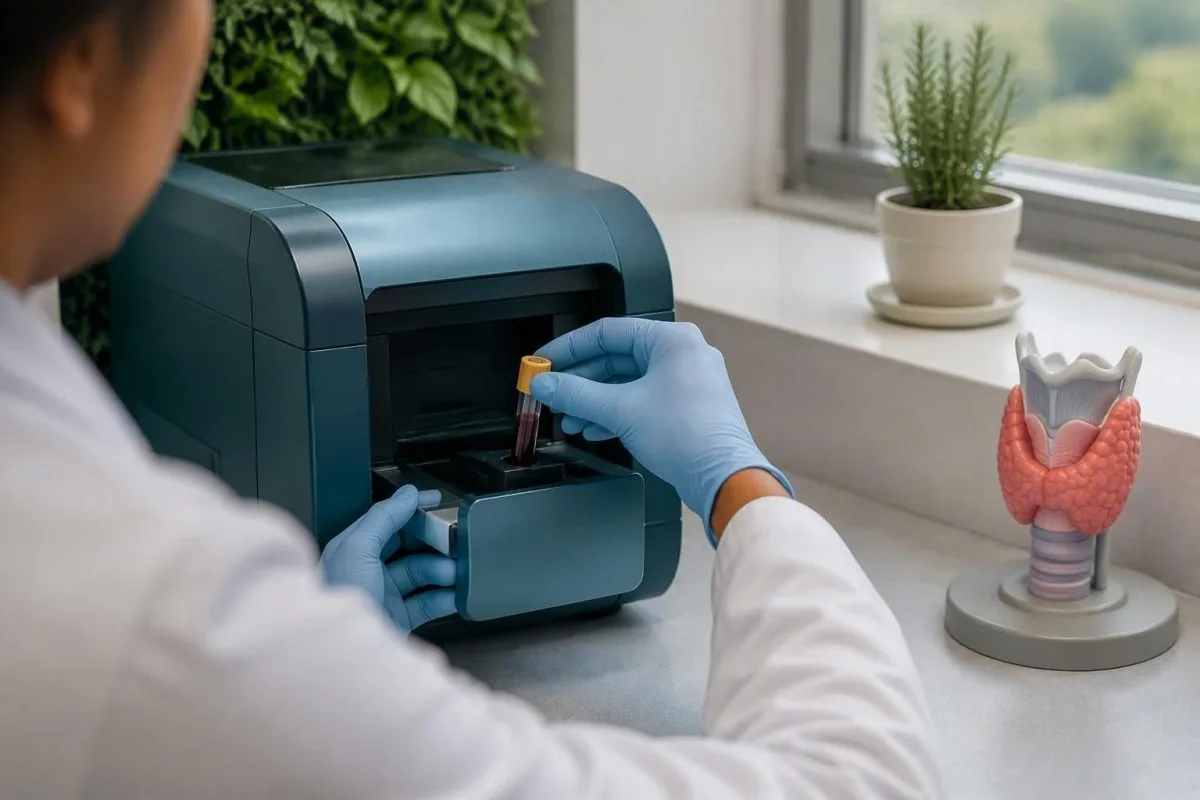
Ferritín undir 15 ng/mL er mjög sérstakt fyrir fjarverandi járnverslanir, en gildi undir 30 ng/mL er algengt notað hjá einkennandi fullorðnum til að styðja við járnskort. Ferritín er einnig bráðfasa prótein, svo niðurstaða um 60 ng/mL útilokar ekki áreiðanlega skort við sýkingu, offitu, bólgusjúkdóm eða nýlega erfiða hreyfingu.
Blóðrauði undir 12,0 g/dL hjá fullorðnum konum sem ekki eru þungaðar eða 13,0 g/dL hjá fullorðnum körlum uppfyllir algeng blóðleysismörk, en eingöngu hemóglóbín er seinn vísir. Lág MCV, hækkandi RDW, transferrín mettun undir 20%, og lágt ferritín mynda miklu sannfærandi mynstur en sermisjárn eitt og sér.
NEJM endurskoðun Camaschella lýsir þreytu og minni virkni sem algengum járnskortsþáttum, þar sem orsök skorts krefst rannsóknar frekar en sjálfkrafa viðbótar (Camaschella, 2015). Miklar blæðingar, blóðgjafir, takmarkandi mataræði, glútenóþol og meltingarvegi eru tíðar leiðir; leiðarvísir okkar að lágu ferritíni fyrir blóðleysi útskýrir hvers vegna “eðlileg heildarblóðtala” getur blekkt.
2. Skjaldkirtilspróf: athugaðu TSH áður en þú kennir streitu um
Opinber vanvirkni skjaldkirtils er viðurkennd læknisfræðileg orsök fyrir þunglyndi, vitrænni hægðum, hægðatregðu, kuldaóþoli og þreytu. Fyrsta skjaldkirtilsskoðun er TSH með frjálsu T4 þegar TSH er óeðlilegt eða skjaldkirtilssjúkdómur er líklegur.
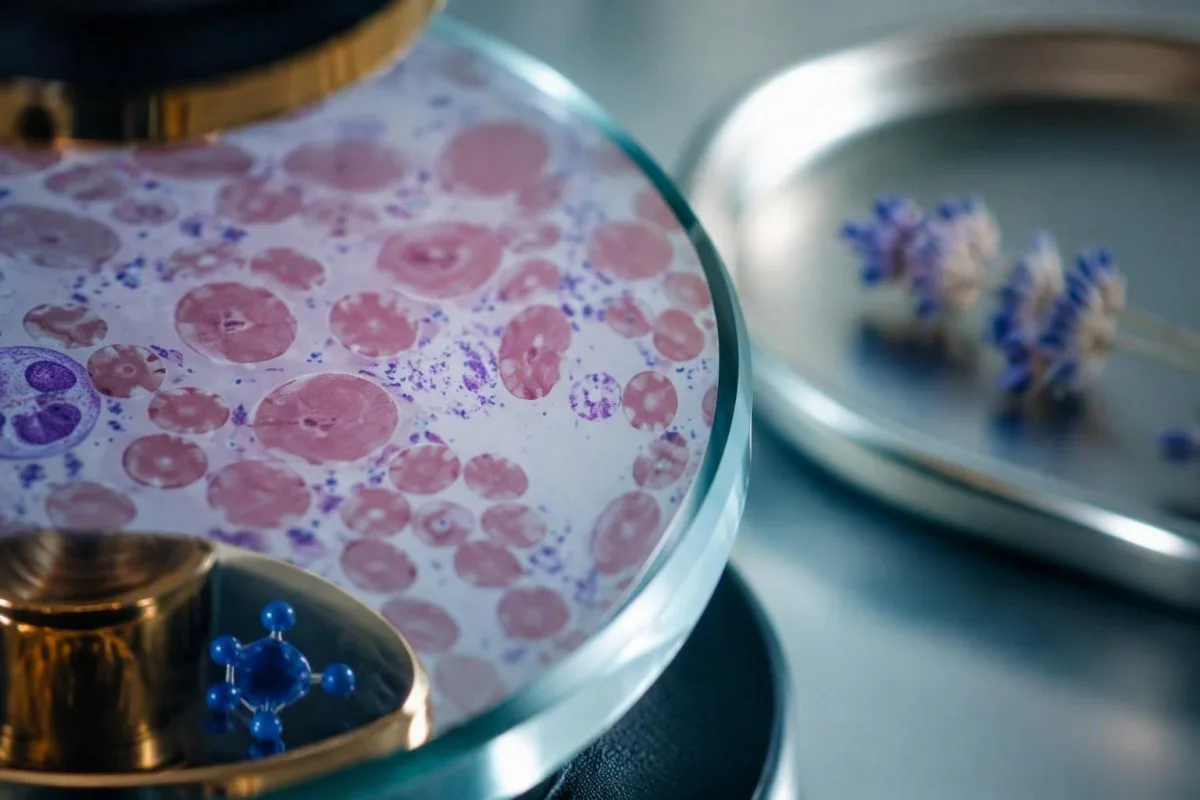
Hár TSH með lágu frjálsu T4 bendir til opinberrar aðal vanvirkni skjaldkirtils og þarf venjulega að ræða meðferð. Viðmiðunarmörk eru mismunandi eftir prófunaraðferðum, en TSH er oft um 0,4-4,0 míkrógrömm ae/l; TSH yfir 10 mIU/L er klínískt marktækara en takmarkað hækkun sem nemur 4,5 mIU/L, sérstaklega þegar það er endurtekið.
Lægri vanvirkni skjaldkirtils þýðir aukið TSH með eðlilegu frjálsu T4. Vísbendingar um að meðferð bæti skap við hóflega TSH hækkun eru sannarlega blandaðar, sérstaklega hjá eldri fullorðnum, svo einkenni, skjaldkirtilssvörun, þungunaráætlanir og endurteknar prófanir skipta máli. B12 vítamín fæðubótarefni geta ranglega lækkað TSH og hækkað frjálst T4 í sumum ónæmisprófum; hættið háum skömmtum af B12 vítamíni í að minnsta kosti 48 klukkustundir ef rannsóknastofa ráðleggur það.
Chaker o.fl. lýsa vanvirkni skjaldkirtils sem kerfisbundnu ástandi með taugaeinkennum, þó að skjaldkirtilsviðmiðun ætti ekki að verða flýtivísir í stað raunverulegrar þunglunda mats (Chaker o.fl., 2017). Fyrir tímamót eftir lyfjabreytingar, sjá skjaldkirtils endurteknar prófunartímabil.
Niðurstaða sem þarfnast annarrar leiðar
Lágur frjálst T4 með eðlilegum eða lágum TSH getur bent til miðlægrar vanvirkni skjaldkirtils, alvarlegs sjúkdóms utan skjaldkirtils, eða truflunar á prófun; það ætti ekki að líta framhjá sem “eðlilegt skjaldkirtilinn.” Þetta mynstur þarfnast mats læknis, sérstaklega ef einstaklingur finnur fyrir höfuðverk, sjóntruflunum, litlum kynlíf, eða öðrum skjaldkirtileinkennum.
3. Vítamín B12 og fólat: taugasjúkdómar breyta brýntileika
B12 vítamín skortur getur valdið þunglyndi, minnisvandamálum, dofa, gangtruflunum og þreytu jafnvel án blóðleysis. Prófaðu B12 vítamín með blóðtalningu og íhugaðu metýlmalónsýru eða homocysteine þegar B12 vítamíngildið er óljóst eða einkennin eru taugavandamál.
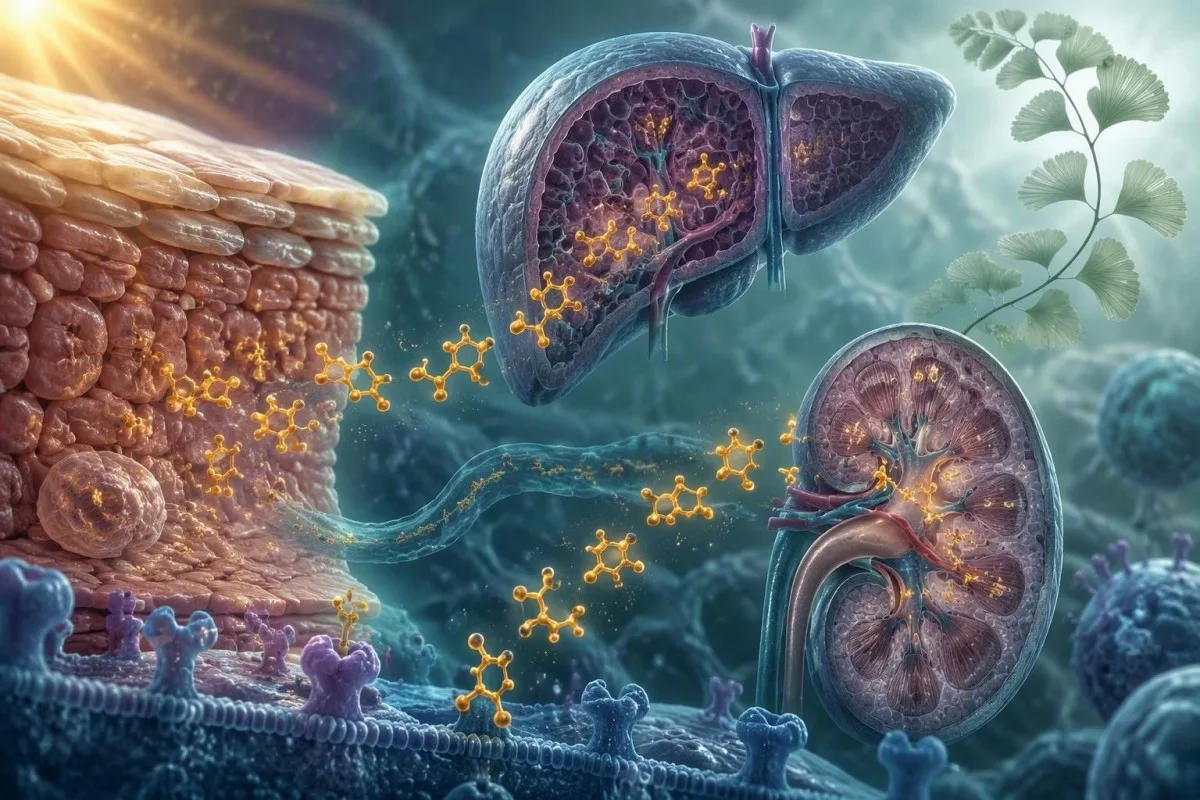
Sermis-B12 undir 180 pg/mL eða 133 pmol/L styður almennt skort, þó að staðbundin viðmiðunarmörk séu mismunandi. Niðurstöður frá um það bil 180-350 pg/mL geta verið óákveðnar og metýlmalónsýra hækkar þegar B12 vítamín-háð efnaskipti eru skert; skert nýrnastarfsemi getur einnig hækkað metýlmalónsýru.
Stórarörvun, venjulega MCV yfir 100 fL, getur bent til B12 eða fólats skorts en er hvorki nauðsynlegt né sértækt. Alkóhólneysla, lifrarsjúkdómur, vanvirkni skjaldkirtils, reticulocytosis og lyf geta einnig hækkað MCV. Fjarvera blóðleysis útilokar ekki á öruggan hátt B12 tengda taugaskaða.
Ég er sérstaklega varkár þegar einhver hefur náladofa, minni titrings skynjun, jafnvægisbreytingar, notkun metformins, langtíma sýrubælingu, vegan mataræði, magaaðgerð, eða útsetning fyrir köfnunarefnisoxíði. Takið ekki fólínsýru eingöngu við grun um B12 skort: það getur leiðrétt blóðleysi á meðan taugaskemmdir halda áfram; endurskoða prófun á B12 á móti fólati með klínískum sérfræðingi.
4. Vítamín D: þáttur, ekki sjálfstæð skýring
Lágt 25-hýdroxývítamín D getur samhliða orðið þreyta, vövaverkir, minni útivist og lágmarki, en það útskýrir sjaldan alvarlega þunglyndi í sjálfu sér. Mæla 25-OH vítamín D frekar en virkt 1,25-díhýdroxývítamín D próf til reglulegrar skortsmats.
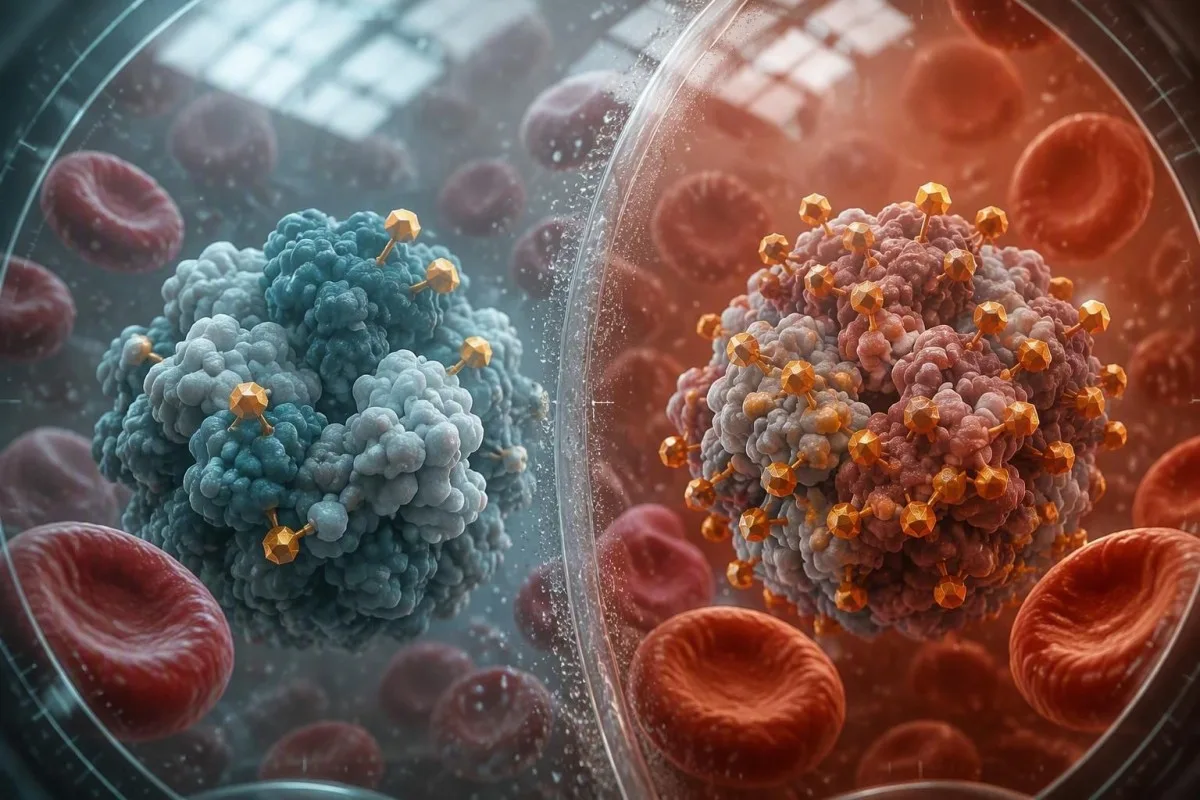
25-OH vítamín D styrkur undir 20 ng/mL (50 nmol/L) er talinn skortur af mörgum yfirvöldum, á meðan 20–29 ng/mL er oft lýst sem ófullnægjandi. Þröskuldurinn er umdeildur: beinþungamiðaðir hópar eru ósammála um hvort 20 eða 30 ng/mL ætti að vera markmið, og þunglyndissértækir meðferðarþröskuldar eru ekki staðfestir.
D-vítamínskortur er líklegri með litla sólarútsetningu, dekkri húð í mikilli breidd, klæðnað sem þekur, offitu, vanfrásog, nýrnasjúkdóma og ákveðin flogaveikilyf. Klíníska gildran er að gera ráð fyrir að lágt gildi útskýri allt; svefnleysi, sorg, kvíði, blóðleysi og þunglyndi samhliða.
Flestir sjúklingar finna að leiðrétting bætir vöðvaeinkenni eða almenna orku smám saman á vikum, ekki yfir nótt. Of mikil bætiefni geta hækkað kalsíum; a hátt D-vítamín gildi verðskuldar athygli þegar ógleði, þorsti, hægðatregða eða ruglingur þróast.
Sanngjörn bótþörf þarf eftirlit
Fyrir óþungaðan skort nota læknar oft dagskammta í kringum 800-2.000 IU, en hleðslureglur fer eftir alvarleika, meðgöngu, nýrnastarfsemi, kalsíumgildi og staðbundinni leiðsögn. 25-OH vítamín D gildi yfir 150 ng/mL eða 375 nmol/L vekur áhyggjur af eiturhrifum og krefst læknisfræðilegrar skoðunar.
5. Glúkósa og HbA1c: orkufall hefur mynstur
Sykursýki og endurtekin blóðsykurslækkun getur versnað þreytu, einbeitingu, svefn og pirring, sem getur upplifast sem lágt skap. Fastandi glúkósa og HbA1c eru viðeigandi þegar þorsti, tíð þvaglát, þyngdarbreyting, slæmsjón, skjálfti eða efnaskiptaáhætta er til staðar.
HbA1c-gildi upp á 6.5% eða hærra styður sykursýki þegar staðfest er með endurtekinni prófun eða annarri greiningarprófi, á meðan 5.7-6.4% vísar til aukinnar áhættu á sykursýki samkvæmt bandarískum viðmiðum. HbA1c endurspeglar gróflega 8-12 vikna glúkósaþéttni, en blóðleysi, afbrigði af blóðrauða, nýrnasjúkdómur og blóðgjafir geta gert það villandi.
Plasma glúkósa undir 70 mg/dL (3.9 mmol/L) er blóðsykurslækkun, samt skipta einkenni máli: sviti, skjálfti, hjartsláttarónot, rugl og hegðunarbreytingar á meðan staðfest lágt gildi réttlæta athugun. Hjá fólki án sykursýki er eitt lágt gildi eftir langvarandi föstu ekki það sama og sannreyndur sjálfsprottinn blóðsykurslækkunarsjúkdómur.
Þegar ég athuga blóðpróf vegna þunglyndis spyr ég hvað gerist kl. 11, eftir hreyfingu og tveimur tímum eftir máltíðir. Endurteknar kolvetnaríkar máltíðir, áfengi án matar, sykursýkislyf og ófullnægjandi orkugjafi geta skapað þekkjanlegt mynstur; sjá orsakir blóðsykurslækkunar.
Af hverju eðlilegur fastandi blóðsykur getur misst af söguni
Fastandi blóðsykur getur verið eðlilegur snemma í insúlínviðnámi, á meðan HbA1c, þríglýseríð, mitti, kæfisvefn og fjölskyldusaga benda til áhættu. Aftur á móti getur HbA1c vanmetið glúkósaþéttni þegar rauð blóðkorn hafa stuttan líftíma, svo læknar nota stundum frúktósamín eða glúkósaeftirlit í staðinn.
6. Nýrna-, lifrar- og blóðsaltrannsóknir: vanrækt efnajafnvægi
Nýrnasjúkdómur, lifrarbilun, natríumtruflun og kalsíumjafnvægisleysi geta valdið þreytu, svefnraskunum, hægari hugsun eða rugli sem skarast við þunglyndi. Grunnefnaefnaskiptaefni, lifrarpróf, eGFR og lyfjaúttekt eru gagnlegri en einangruð “velferðarpróf”.
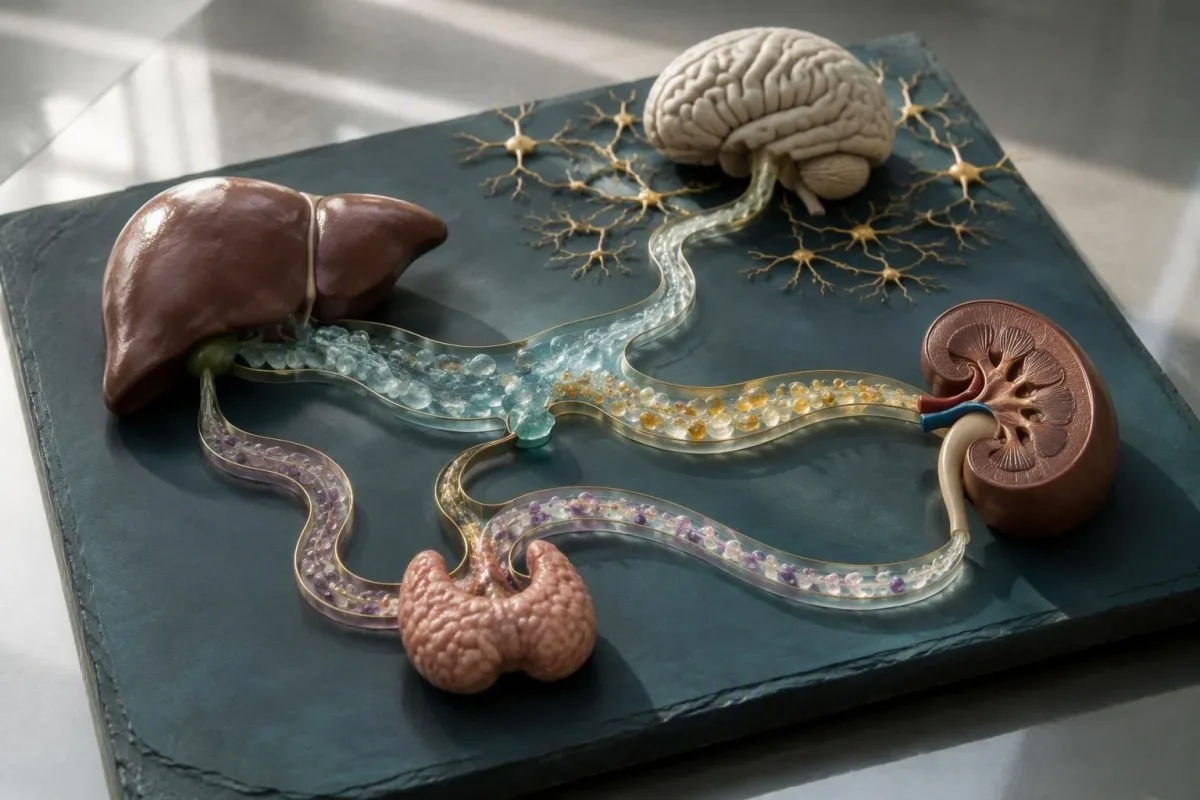
eGFR undir 60 mL/mín/1,73 m² í að minnsta kosti 3 mánuði uppfyllir eitt viðmið fyrir langvinna nýrnasjúkdóm, þótt eitt gildi geti fallið tímabundið eftir ofþornun eða bráða sjúkdóm. Uremísk einkenni koma yfirleitt fram við mun lægri síunarstig, en uppsöfnun lyfja og blóðleysi geta haft áhrif á vellíðan fyrr.
Natríum undir 130 mmól/L getur valdið höfuðverk, ógleði, óstöðugleika, rugli og mikilli þreytu; natríum undir 120 mmól/L er oft neyðartilvik. Kalsíum yfir 11.0 mg/dL (2.75 mmol/L) getur valdið hægðatregðu, þorsta, vitrænni breytingu og þunglyndi, sérstaklega ef það hækkar hratt.
Kantesti er þjónustu fyrir túlkun á rannsóknarprófum með gervigreind sem les nýrna-, lifrar-, elektrolyt- og CBC-niðurstöður sem mynstur, þar með talið lyfjaskyldar áhættur. Skyndileg eGFR breyting þarf samhengi frá vökvainntöku og fyrri gildum, sem okkar leiðarvísir um nýrnapróf nær yfir.
Lyfjaáhrif geta verið hin týnda vísbending
Þíazíð þvagræsingalyf geta hækkað kalsíum og lækkað natríum, SSRI geta stuðlað að blóðnatríumlækkun, metformín getur minnkað B12 með tímanum og sum krampastillandi lyf hafa áhrif á D-vítamín. Hættu aldrei lyfjum sem ávísað er eingöngu út frá rannsóknarniðurstöðum; biðdu lækninn sem ávísaði að vega tímasetningu, skammtastærð og öruggari valkosti.
7. Bólgur, sýkingar og sjálfsofnæmisvísbendingar: prófa sértækt
CRP, ESR, sýkingarpróf og sjálfsofnæmis mótefni eru ekki venjubundin skimunarpróf fyrir þunglyndi, en þau eru gagnleg þegar líkamlegar vísbendingar benda til almenns sjúkdóms. Hiti, þyngdartap, liðagigt, útbrot, viðvarandi niðurgangur, nætursviti eða staðbundin einkenni ættu að leiða þessa greiningarhluta.
CRP undir 3 mg/L er oft talið lágbólguáhrif sem tengjast hjarta- og æðasjúkdómum, en rannsóknastofur nota mismunandi aðferðir og gildissvið. CRP upp á 30 mg/L getur endurspeglað sýkingar, sjálfsofnæmisvirkni, vefjaskemmdir, offitu eða margar aðrar aðstæður; það greinir ekki orsök þunglyndis og getur ekki greint “bólgu í heila”.”
ESR hækkar hægt og lækkar hægt, sem gerir það minna gagnlegt fyrir skyndilega breytingu í einkennum. Eðlilegt CRP og ESR útiloka ekki allar bólgusjúkdóma, en væg einangruð hækkun er algeng eftir sýkingar, tannsjúkdóma, mikla hreyfingu og meiri líkamsþyngd.
Ég sé meiri skaða af stjórnlausum mótefnaspjöldum en af markvissu prófun: lággildi jákvæðir ANA niðurstöður eru algengar og geta skapað mánuða kvíða. Ef ferritín er óvænt hátt með CRP hækkun, ferritín og CRP saman eru upplýsendari en annaðhvort merki eitt sér.
Þegar sýkingarskimun er skynsamleg
HIV, lifrarbólga, glúteinofnæmissjúkdómamerkja og önnur sýkingar- eða vanfrásogpróf ættu að fylgja eftir útsetningu, meltingarfæraeinkenni, blóðleysismynstur, lifrarupplýsingar eða klíníska sögu. Prófun á “öllu” eftir venjulegt lágt skap leiðir oft til falskra jákvæðra niðurstaða frekar en svara.
Skynsamleg fyrsta spjaldið fyrir langvarandi þreytu og lágt skap
Fyrir þrálátt lágt skap með þreytu, bein fyrsta spjaldið venjulega inniheldur CBC, ferritín með transferrín mettun, skjaldkirtilspróf, frítt T4 þegar þörf krefur, B12, fólat þegar áhætta er til staðar, HbA1c eða glúkósa, nýrnastarfsemi, blóðsalta, lifrarpróf og D-vítamín þegar skortur áhætta er mikil. Rétta settið er minna hjá mörgum og víðara hjá öðrum.
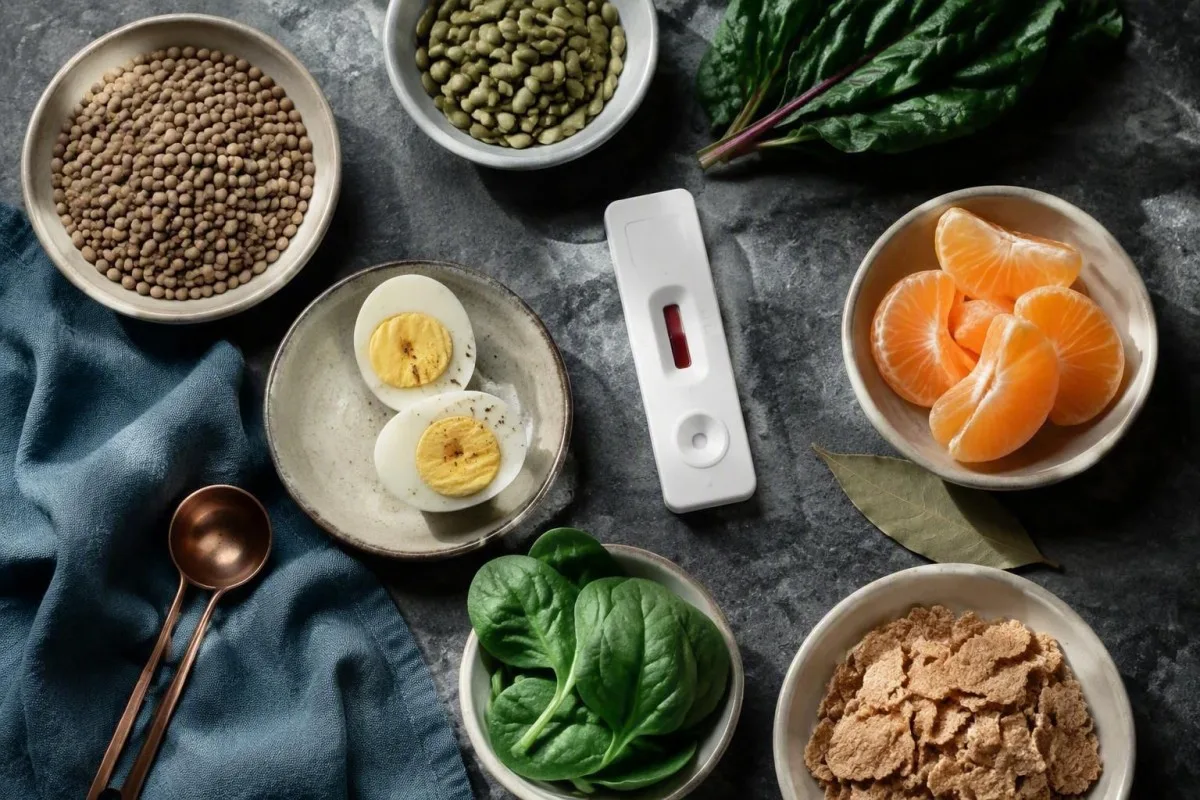
Meðgöngumöguleiki breytir flokkun strax: meðgöngupróf, ferritín, skjaldkirtilspróf, glúkósaathugun og brýn skoðun á lyfjum getur haft forgang. Hjá eldra fólki verða þyngdartap, breytingar á görnum, nýtt blóðleysi, minnkað eGFR og lyfjaáhrif meira vægi en hormónapróf fyrir kyn.
Kantesti AI er AI blóðrannsóknartúlkunarvettvangur notað í löndum til að flokka niðurstöður í spurningar fyrir lækni, ekki til að koma í stað sögutöku eða rannsóknar. Kerfið okkar getur hjálpað til við að bera kennsl á vantar samhengi eins og fasting stöðu, tíðablæðingar, fæðubótarefni, hreyfingu eða nýleg veikindi; lestu um hvernig tæknin virkar.
Hagnýta regla Dr. Thomas Klein er einföld: panta próf aðeins þegar niðurstaða gæti breytt næsta skrefi. Víðtæk spjaldið getur verið réttlætanleg með fjölkerfaeinkennum, en reglulegt kortisól, kynhormón, fæðuóþolpróf, þungmálmar og æxlisskjár skapa venjulega hávaða í blóðvinnu vegna þunglyndis.
Undirbúðu þig svo að niðurstaðan svari spurningunni
Skráðu fæðubótarefni, sérstaklega bíótín, B12, járn, D-vítamín og kreatín; athugaðu síðasta skammt og hvort þú hafir fastað. Forðastu óvenju mikla hreyfingu og áfengi í 24-48 klukkustundir fyrir ekki brýn próf þar sem mögulegt er, því báðir geta breytt AST, CK, glúkósa, ferritíni og vökvajafnvægisnæmum niðurstöðum.
Af hverju kortisól- og kynhormónaspjöld eru sjaldan fyrsta lína
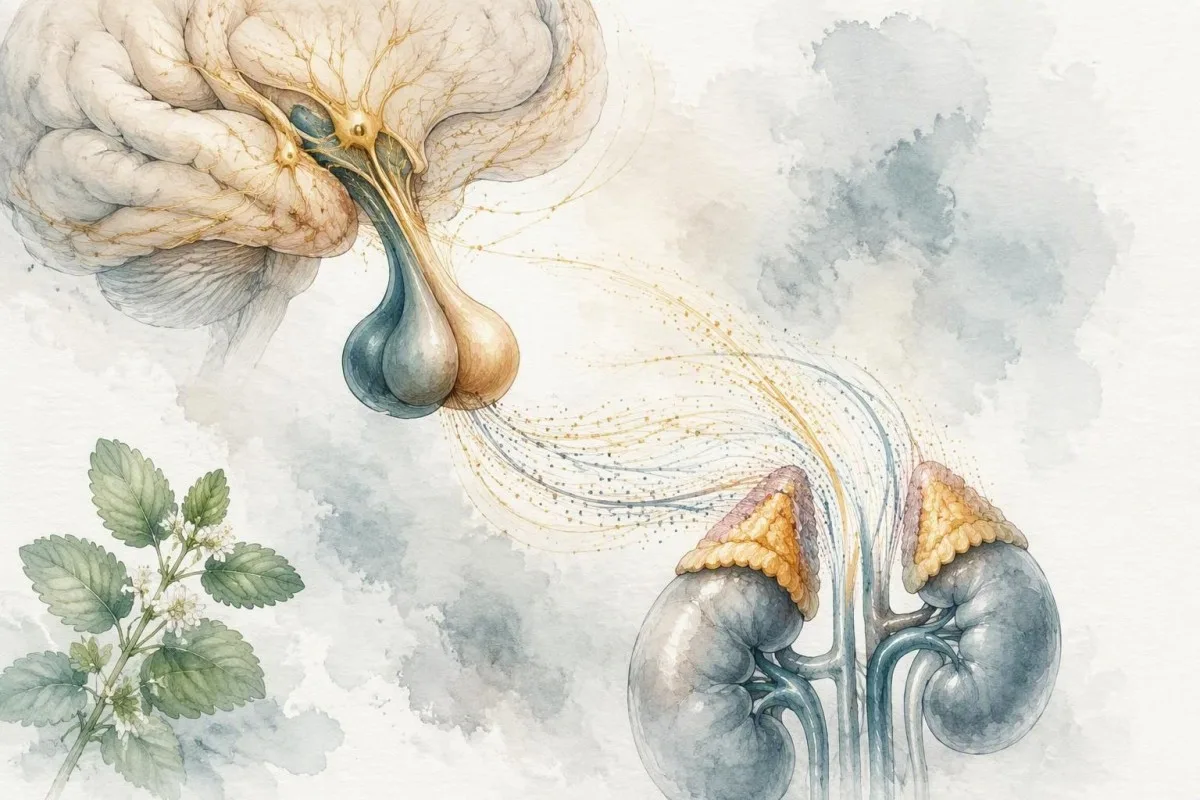
Handahófskennt kortisól og víðtæk kynhormónaspjöld útskýra venjulega ekki þrálátt lágt skap og ætti ekki að nota sem almenn “útbrennsuspróf.” Þau verða gagnleg þegar einkenni benda til nýrnahettusjúkdóma, tíðasjúkdóma, tíðahvörf, hypogonadism, heiladingulssjúkdóma eða lyfjaáhrifa.
Kortisól hefur sterkan daglegur taktur: sýni snemma morguns er venjulega miklu hærra en sýni að kvöldi, svo ótimed gildi hefur takmarkað greiningarmerkingar. Grunað nýrnahettuskortur er metinn með rétt tímasettu kortisóli og oft örvunarrannsóknum, ekki með “nýrnahettuþreytu” einkunn á netinu.
Testósterón breytist með tíma dagsins, bráðum sjúkdómum, svefn og bindandi próteinum; hjá körlum ætti morgunn heildar testósterón að endurtaka við að minnsta kosti tvær aðstæður áður en skortur er greindur. Estradíól og prógesterón breytast yfir tíðahringinn, sem er ástæðan fyrir því að eitt gildi getur ekki útskýrt skapsveiflur án tímasetningar á hringrás.
Einkenni sem réttlæta markvissa innkirtlarannsóknir eru nýtt tap á líkamshári, ristruflanir, amenorrhea, galactorrhea, alvarlegar hitakóf, fjólubláir strik, óútskýrðir marblettir eða þrálátt lágt blóðþrýstingur. Okkar leiðbeiningar okkar um kortisólviðmið útskýrir hvers vegna söfnunartími er hluti af niðurstöðunni.
Tíðahvörf eru klínísk áður en þau eru lífefnafræðileg
Hjá fólki yfir 45 með dæmigerð hitakóf og tíðahringbreytingar er tíðahvörf oft greind klínískt frekar en úr einu FSH prófi. Skjaldkirtilssjúkdómar, blóðleysi, lyfjaáhrif og þunglyndi geta verið til staðar, svo meðferð við einu merki ætti ekki að binda enda á matið.
Endurskoða lyf, áfengi, efni og svefn áður en próf eru bætt við
Lyfjaáhrif, áfengi, kannabis, örvandi efni, róandi efni og svefnraskanir eru algengir afturkræfir þættir í lágu skapi sem enginn staðall blóðpróf getur að fullu fangað. Lyfjatímalína gefur oft meira en auka hettuglas af rannsóknarstofusýni.
Beta-blokkar, isotretinoin, barksterar, sumir flogaveikilyf, interferón-undirstaða meðferðir, róandi efni og hormónameðferðir geta haft áhrif á skap hjá móttækilegu fólki. SSRIs, þvagræsilyf og karbamazepín geta lækkað natríum; prótónpumpuhemlar og metformin geta stuðlað að B12 skorti með tímanum.
Áfengi getur í stuttri stund dregið úr kvíða en raskar svefni og getur hækkað GGT, MCV, þríglýseríð og lifrarensím. GGT yfir efri mörkum rannsóknastofunnar er ósértækt: það getur endurspeglað áfengi, fitulifur, lyf eða gallteppu, svo það ætti aldrei að nota sem sönnun fyrir áfengisneyslu.
Ofstækkun á kæfisvefni getur líkt ótrúlega eftir þunglyndi – óendurnærandi svefn, léleg einbeiting, breytt kynhvöt og þreyta síðdegis – á meðan blóðpróf og skjaldkirtilspróf eru eðlileg. Ef hrjóta, staðfestar hlé, höfuðverkur að morgni eða þráhyggju háþrýstingur er til staðar, spyrðu um svefnumat frekar en að elta fæðubótarefni; lélegur svefn og rannsóknarniðurstöður gefur gagnlegt samhengi.
Hvernig læknar lesa mynstur frekar en rauða fána
Ein rannsóknarniðurstaða utan marka útskýrir sjaldan lélegt skap; samhljóða mynstur yfir einkenni, endurteknar niðurstöður og tengdir lífmerkjafletir eru áreiðanlegri. Viðmiðunarviðmið rannsóknastofunnar lýsa því hvar 95% í tilvísunarpóplúinu er staðsett, ekki persónuleg heilsuábyrgð.

Ferrítín 18 ng/mL með lágu transferrínmettunarstig, miklar blæðingar, órólegar fætur og þreytu er sterkara járnskortsmál en ferrítín 18 eitt og sér. Að öfugum kosti er ferrítín 18 eftir nýlega veiru sýkingu enn nógu lágt til að rannsaka, en CRP, mataræði, blóðmissi og tímasetning endurtekningar móta ákvörðunina.
Sama meginregla gildir um skjaldkirtilspróf: TSH 5,2 mIU/L eftir svefnlausa viku gæti þurft að endurtaka, en TSH 12 mIU/L með lágt frjálst T4 og hægðatregða er mun skýrara merki. Rannsóknastofur eru mismunandi í greiningum, svo að fylgja eftir sömu rannsóknastofu og einingum dregur úr fölskum sýndarbreytingum.
Kantesti AI ber saman þróun og tengda merkisfletir til að gera þessa umræðu minna brotakennda, en klíníski staðall okkar er að flagga óvissu frekar en að finna upp vissu. Lærðu af hverju a breyting milli blóðprufa getur verið líffræðileg breytileiki, söfnunarbbreyting eða raunveruleg breyting.
Eðlilegt viðmiðunarmark er ekki meðferðarmarkmið
Ekki reyna að ýta hverjum lífmerkjafleti að miðju viðmiðunarbils. Til dæmis getur hátt járnskammtur valdið meltingarvegi skaða og hulið mat á blóðmissi, en of mikið D-vítamín getur valdið ofkalkemíu; meðferð ætti að fylgja greiningu, einkennum og eftirfylgni.
Hvenær á að endurtaka próf, leita til heimilislæknis eða fá tafarlausa aðstoð
Endurtekin próf eru viðeigandi þegar væg frávik getur verið tímabundið, en bráð einkenni eru meira en bið- og-sjá áætlun. Ný sjálfsvígshugsana, delirium, alvarlegur máttleysi, brjóstverkur, yfirlið, gulu, svartur hægðir eða sykursýkitengd rugl krefjast tafarlausrar læknishjálpar.
Vægt hækkað TSH með eðlilegu frjálsu T4 er oft endurtekið í 6-12 vikur, fyrr á meðgöngu eða við áberandi einkenni. Eftirfylgni járns, B12 og D-vítamíns fer eftir meðferð og grunn alvarleika; læknar meta oft aftur CBC og járnvísitölur eftir nokkrar vikur frekar en daga þar sem rauðkornauppbygging tekur tíma.
Leitaðu eftir endurskoðun samdægurs fyrir blóðrauða undir 10 g/dL, 6,0 mmól/L 130 mmól/L, kalsíum yfir 11,0 mg/dL, hratt lækkandi eGFR, bilirúbín með gulu, eða fastandi blóðsykur á sykursýkissviði ásamt einkennum. Þetta eru ábendingar um flokkun, ekki greiningar, og staðbundin þjónusta getur notað mismunandi viðmiðunarmörk.
Fyrir flókna skýrslur, Kantesti’s klíníska staðfestingarleið leggur áherslu á heimildarathugun, endurtekningarhæfni og eskaleringu frekar en ein-smell endurvottun. Dr. Thomas Klein mælir með að koma með PDF skjalið, lyfjalista og viku einkennadagbók á stefnumótið.
Hvað á að skrifa niður fyrir stefnumótið
Inniheldur hvenær lélegt skap byrjaði, svefnlengd, breyting á matarlyst eða þyngd, tíðablæðingar, áfengis- og vímuefnavanotkun, fjölskyldusaga um skjaldkirtil eða sykursýki, nýlegar sýkingar, takmarkanir á fæði og öll lyf eða skammtar af fæðubótarefnum. Þessar upplýsingar breyta oft því hvaða “óeðlilega” niðurstaða er klínískt viðeigandi.
Meðhöndla lágt skap á meðan læknisfræðilegar ástæður eru athugaðar
Stuðningur við geðheilsu ætti að hefjast þegar slæm skap er viðvarandi eða hamlandi, jafnvel á meðan blóðrannsóknir bíða. Sálfræðileg meðferð, félagslegur stuðningur, svefnmeðferð, lyf þegar við á, og öryggisskipulag eru ekki varamöguleikar eftir “eðlilegar rannsóknir”; þau eru sönnunarstudd umönnun.

Þunglyndi er almennt skilgreint með að minnsta kosti 2 vikur af slæmu skapi eða áhugaleysi ásamt öðrum einkennum eins og svefn, matarlyst, orku, einbeitingu, sektarkennd, sál-hreyfingarlegum eða sjálfsvígshugleiðingum. Alvarleiki fer eftir áhrifum á starfsemi og öryggi, ekki hvort rannsóknarniðurstaða hafi rauða fána.
Líkamslegur þáttur getur verið raunverulegur án þess að vera sá eini. Bætur á B12 skorti geta bætt þreytu og einbeitingu á meðan meðferð tekur á sorg, áföllum, einangrun eða djúpstæðum þunglyndiseinkennum; flestir sjúklingar finna þessa sameiginlegu nálgun mun minna gagnrýna.
Kantesti starfar undir eftirliti lækna í gegnum okkar læknisráðgjafaráð, og við hvetjum lesendur til að nota gervigreindarútskýringar sem undirbúning fyrir – ekki í staðinn fyrir – klíníska umönnun og geðheilsuumönnun. Ef þú getur ekki verið öruggur í dag, notaðu neyðarþjónustu eða kreppuhjálp í þínu landi núna.
Niðurstaðan fyrir blóðrannsóknir vegna slæms skaps
Markvissar blóðrannsóknir geta afhjúpað sjö verðmæta flokka: blóðleysi tengt járni, vanvirkni skjaldkirtils, B12 eða fólatskorti, D-vítamínskortur, glúkosaraskanir, nýrna-lifrar-saltjafnvægisraskanir, og einkennamiðaðar bólgu- eða sýkingarsjúkdómar. Það er einn hluti af samúðarfullri mati, aldrei dómur um hvort þjáning þín sé lögmæt.
Algengar spurningar
Hvaða blóðrannsóknir ætti ég að biðja um ef ég er með lágt skap og þreytu?
Markviss blóðrannsókn fyrir slæmt skap og þreytu inniheldur oft CBC, ferritín með transferrín mettun, TSH, B12, HbA1c eða glúkósa, nýrnastarfsemi, sölt og lifrarpróf. D-vítamín er rökrétt þegar sólarljós er takmarkað, hætta á vanfrásogi er til staðar, eða vöðvaverkir fylgja. Ferritín undir 30 ng/mL, B12 undir 180 pg/mL, og TSH yfir rannsóknarbilinu eru dæmi um niðurstöður sem þarfnast klínískrar samhengis. Þessar rannsóknir greina mögulega líkamlega þætti; þær greina ekki þunglyndi.
Getur blóðprufa greint þunglyndi?
Nei, engin blóðrannsókn getur greint þunglyndi í venjulegri klínískri umönnun. Þunglyndi er greint út frá einkennum sem vara að minnsta kosti 2 vikur, áhrifum þeirra á daglegt starf, geðheilsuferil, rannsókn og öryggismat. Próf eins og TSH, ferritín, B12, glúkósi, natríum og kalsíum hjálpa til við að greina sjúkdóma sem geta líkt eftir eða versnað þunglyndiseinkenni. Venjulegar blóðrannsóknir útiloka ekki þunglyndi eða þýða að meðferð sé ekki nauðsynleg.
Getur lágt járn valdið kvíða og þunglyndi án blóðleysis?
Já, járnskortur getur valdið þreytu, lélegri einbeitingu, eirðarlausum fótum, minni þoli í hreyfingu og slæmu skapi áður en blóðrauði er orðinn svo lágur að hann uppfylli skilyrði fyrir blóðleysi. Ferritín undir 30 ng/mL styður oft tæmdar járnbirgðir, en transferrín mettun undir 20% bætir við sönnunargögnum um ófullnægjandi tiltækt járn. Orsökin skiptir máli: miklar tíðablæðingar, blæðingar frá meltingarvegi, lítið inntak, blóðgjöf og vanfrásog þurfa mismunandi viðbrögð. Byrjaðu ekki langvarandi járnmeðferð án þess að ræða niðurstöðuna og orsökina við lækni.
Hvaða skjaldkirtilsviðmið getur haft áhrif á skapgerð?
Heilskjálftastýringarleysi, skilgreint með háu TSH með lágu frjálsu T4, getur stuðlað að þreytu, hægum hugsun, kuldaóþoli, hægðatregðu og þunglyndiseinkennum. Margar rannsóknarstofur nota TSH viðmiðunarbilið um 0,4-4,0 mIU/L, en niðurstaða yfir 10 mIU/L ber almennt meira vægi en jaðartöluhækkun. Lítillega hækkað TSH með eðlilegu frjálsu T4 þarf oft að endurtaka próf eftir 6-12 vikur frekar en að gera tafarlausa ráðgefandi. Skjaldkirtilssjúkdómar og þunglyndi geta komið fyrir samtímis, svo meðferð á skjaldkirtilsstarfsemi kemur ekki í stað geðheilsumats.
Ætti ég að prófa kortisól vegna lágs skaps eða kulnunar?
Tilviljanakennt kortisólpróf er venjulega ekki gagnlegt við venjulegt slæmt skap eða kulnun vegna þess að kortisól breytist verulega yfir daginn og með bráðum streitu, veikindum og svefni. Markviss próf eru viðeigandi þegar einkenni benda til nýrnahettusjúkdóms, svo sem viðvarandi lágs blóðþrýstings, óútskýrðs þyngdartaps, breytinga á húðlit, alvarlegs máttleysis, eða Cushing-líkra eiginleika. Morgun kortisól getur leitt til staðfestandi örvunarprófa þegar klínískt tilgreint. Kaup “örorkuþreytu” próf eru ekki viðurkennd greining í almennri innkirtlaæxlunaræfingu.
Hvenær á að líta á þunglyndi sem bráðaástand?
Slæmt skap þarf bráða mats þegar það er sjálfsvígshugleiðingar með ásetningi eða áætlun, vanhæfni til að vera öruggur, geðrof, alvarleg hræðsla, ný rugl, eða nokkra daga lítill svefn með óvenju mikilli orku eða áhættusamri hegðun. Alvarleg rannsóknarsjúkdóms einkenni kalla einnig á bráða umönnun, þar með talið natríum undir 120 mmol/L, glúkósatengt rugl, yfirlið, brjóstverkur, eða hratt versnandi máttleysi. Hafðu samband við neyðarþjónustu, kreppuhjálp eða bráðamóttöku frekar en að bíða eftir venjulegum rannsóknarniðurstöðum. Að biðja traustan aðila að vera hjá þér er skynsamlegt tafarlaust öryggisráðstöfun.
Fáðu AI-knúna greiningu á blóðprufum í dag
Vertu með yfir 2 milljónir notenda um allan heim sem treysta Kantesti fyrir tafarlausa og nákvæma greiningu á blóðprufum. Hladdu upp niðurstöðum blóðrannsókna þinna og fáðu yfirgripsmikla túlkun á 15,000+ lífmerkjum á sekúndum.
📚 Tilvísuð rannsóknarútgáfa
Klein, T., Mitchell, S., & Weber, H. (2026). Blóðprufa fyrir Nipah-veiruna: Leiðbeiningar um snemmbúna greiningu og greiningu 2026. Kantesti AI Medical Research.
Klein, T., Mitchell, S., & Weber, H. (2026). Leiðarvísir fyrir blóðflokk B neikvætt, LDH blóðpróf og fjölda retíkúlócýta. Kantesti AI Medical Research.
📖 Ytri læknisfræðilegar heimildir
National Institute for Health and Care Excellence (2022). Þunglyndi hjá fullorðnum: meðferð og stjórnun. NICE Leiðbeining NG222.
⚕️ Fyrirvari vegna læknisfræðilegra mála
Þessi grein er eingöngu til fræðslu og felur ekki í sér læknisráðgjöf. Leitaðu alltaf til hæfs heilbrigðisstarfsmanns vegna ákvarðana um greiningu og meðferð.
E-E-A-T traustmerki
Reynsla
Læknastýrð klínísk yfirferð á vinnuferlum við túlkun rannsóknarniðurstaðna.
Sérþekking
Áhersla á rannsóknarstofulækningar: hvernig lífmarkarar hegða sér í klínísku samhengi.
Yfirvald
Skrifað af Dr. Thomas Klein með yfirferð Dr. Sarah Mitchell og próf. Dr. Hans Weber.
Traustleiki
Rökstudd túlkun byggð á gögnum með skýrum eftirfylgnileiðum til að draga úr ávörun.