Стійкий пригнічений настрій заслуговує на належну оцінку психічного здоров'я, поряд із цільовими перевірками оборотних фізичних чинників. Аналізи крові можуть виявити чинники; вони не діагностують депресію.



- Спочатку безпека: Суїцидальні думки, психоз, сильне збудження або нездатність забезпечити власну безпеку потребують невідкладної допомоги з психічного здоров'я; результати лабораторних досліджень ніколи не повинні її затримувати.
- Загальний аналіз крові та феритин: Рівень феритину нижче 30 нг/мл часто вказує на дефіцит заліза, навіть до зниження гемоглобіну.
- Скринінг щитоподібної залози: Підвищений TSH з низьким вільним T4 вказує на явний гіпотиреоз і може сприяти втомі, сповільненому мисленню та пригніченому настрою.
- Вітамін B12: Рівень B12 нижче 180 нг/мл або 133 пмоль/л зазвичай є дефіцитним; граничні результати часто потребують тестування на метилмалонову кислоту.
- Глюкоза: Рівень HbA1c 6.5% або вище відповідає діагностичному порогу для діабету при підтвердженні, тоді як коливання рівня глюкози можуть погіршувати енергію та концентрацію.
- Тести нирок і печінки: Низький eGFR, низький рівень натрію, високий рівень кальцію або печінкова дисфункція можуть впливати на сон, когнітивні функції, обробку ліків та настрій.
- Не переобстежуйтеся: Кортизол, статеві гормони, широкі аутоімунні панелі та генетичні тести не є стандартними аналізами крові для пригніченого настрою, якщо симптоми не вказують на це.
- Практичний наступний крок: Принесіть симптоми, ліки, менструальну історію, дієту, вживання алкоголю та попередні результати до лікаря; закономірність важливіша за одне позначене значення.
Що насправді може виявити аналіз крові на пригнічений настрій
A аналіз крові на пригнічений настрій може виявити медичні стани, які імітують або посилюють депресію, зокрема анемію, гіпотиреоз, дефіцит вітамінів, порушення рівня глюкози, захворювання нирок або печінки та електролітний дисбаланс. Він не може підтвердити або виключити депресію, яка залишається клінічним діагнозом, заснованим на симптомах, тривалості, функціонуванні та оцінці безпеки.
Станом на 12 вересня 2026 року корисним питанням є не “який тест доводить, що мій настрій є медичною проблемою?”, а “які оборотні стани відповідають моїм симптомам та факторам ризику?”. Керівництво NICE щодо депресії рекомендує оцінювати фізичне здоров'я, ліки, вживання алкоголю та наркотиків, а також ризик самогубства поряд із симптомами психічного здоров'я (NICE, 2022). Нормальна панель не робить страждання менш реальними; вона просто звужує медичну диференціацію.
За 15 років клінічної практики я бачив пацієнтів, які місяцями звинувачували себе у виснаженні, яке виявилося дефіцитом заліза, гіпотиреозом або погано контрольованим діабетом. Я також бачив абсолютно нормальні результати у людей з важкою депресією. Обидві ситуації потребують уваги, і жодна з них не повинна бути недооцінена.
Кантесті – це Аналізатор крові зі штучним інтелектом призначений для організації лабораторних показників для обговорення з лікарем, а не для присвоєння психіатричного ярлика результату. Почніть з посібник з біомаркерів аналізу крові якщо абревіатури в звіті незнайомі.
Коли пригнічений настрій є невідкладним станом
Думки про самогубство, план заподіяти собі шкоди, слухові галюцинації, нова параноя, сильне замішання або кілька днів без сну та наростання енергії вимагають термінової оцінки психічного здоров'я в той же день. Викликайте екстрену службу або місцеву кризову лінію, зверніться до відділення невідкладної допомоги або попросіть когось, кому ви довіряєте, побути з вами; чекати на аналізи крові при пригніченому настрої небезпечно.
1. Загальний аналіз крові та дослідження заліза: втома до появи анемії
Дефіцит заліза може сприяти втомі, погіршенню концентрації, непереносимості фізичних навантажень та пригніченому настрою до розвитку анемії. Загальний аналіз крові, феритин, трансферинова насиченість та CRP є найбільш інформативними початковими тестами, коли втома супроводжує пригнічений настрій.
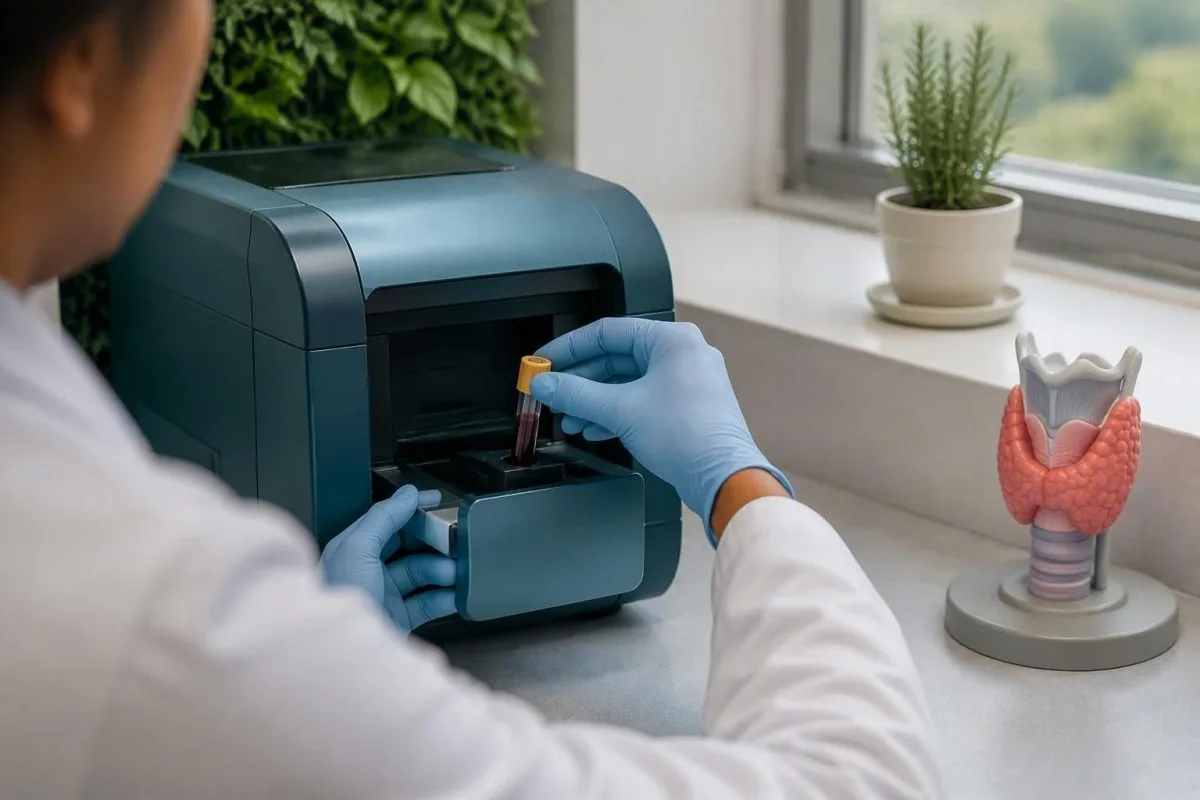
Феритин нижче 15 нг/мл є високоспецифічним для відсутності запасів заліза, тоді як значення нижче 30 нг/мл зазвичай використовується у симптоматичних дорослих для підтвердження дефіциту заліза. Феритин також є білком гострої фази, тому результат 60 нг/мл не виключає дефіцит під час інфекції, ожиріння, запального захворювання або недавнього інтенсивного фізичного навантаження.
Гемоглобін нижче 12,0 г/дл у невагітних дорослих жінок або 13,0 г/дл у дорослих чоловіків відповідає поширеним пороговим значенням анемії, але сам по собі гемоглобін є пізнім маркером. Низький MCV, зростаючий RDW, трансферинова насиченість нижче 20%, та низький феритин утворюють набагато більш переконливу картину, ніж сироваткове залізо саме по собі.
Огляд Камащелли в NEJM описує втому та знижену функціональну здатність як поширені ознаки дефіциту заліза, при цьому причина дефіциту потребує розслідування, а не автоматичного додавання (Camaschella, 2015). Рясні місячні, донорство крові, обмежувальні дієти, целіакія та втрата крові з шлунково-кишкового тракту є частими шляхами; наш посібник щодо низький феритин перед анемією пояснює, чому “нормальний CBC” може вводити в оману.
2. Аналізи щитоподібної залози: перевірте TSH, перш ніж звинувачувати стрес
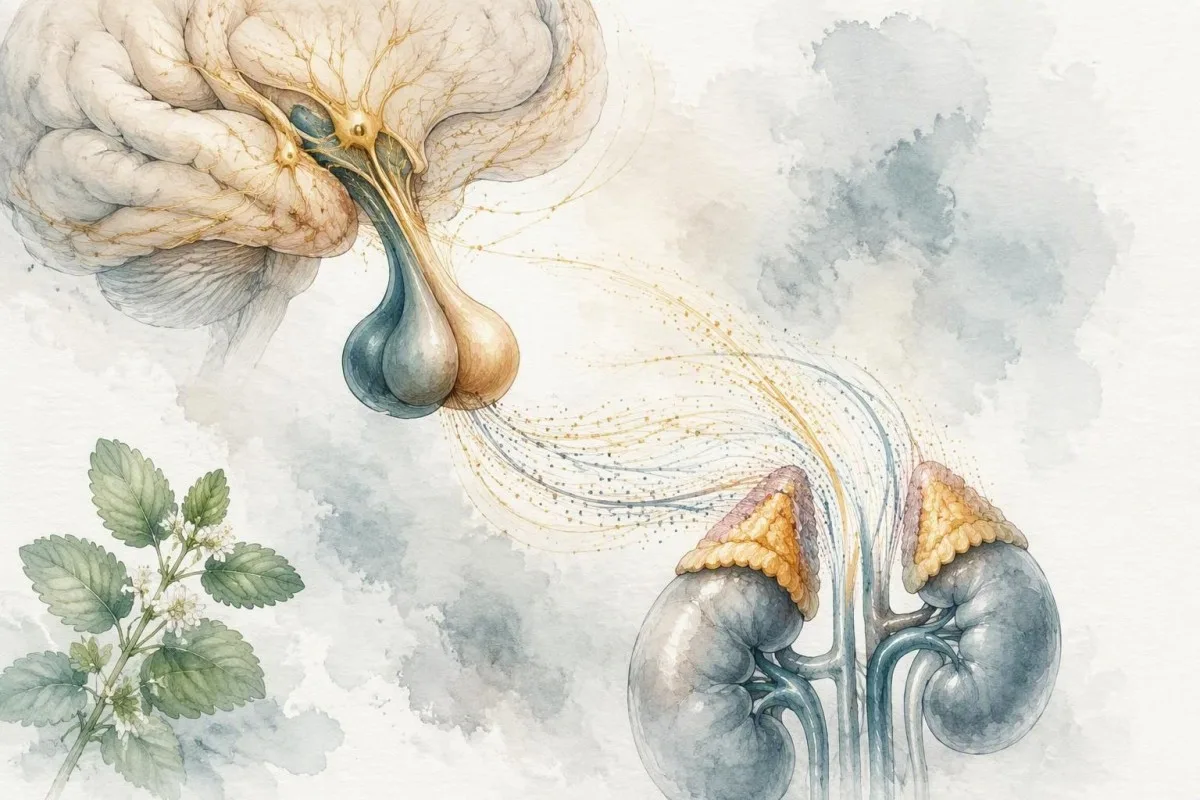
Явний гіпотиреоз є визнаною медичною причиною зниженого настрою, сповільнення когнітивних функцій, запорів, непереносимості холоду та втоми. Першою лінією скринінгу щитоподібної залози є ТТГ з вільним Т4, коли ТТГ є аномальним або підозрюється захворювання гіпофіза.

Високий ТТГ з низьким вільним Т4 вказує на явний первинний гіпотиреоз і зазвичай вимагає обговорення лікування. Референтні інтервали відрізняються залежно від аналізу, але ТТГ зазвичай становить близько 0,4-4,0 мМО/л; ТТГ вище 10 мМО/л є більш клінічно значущим, ніж граничне підвищення 4,5 мМО/л, особливо при повторному визначенні.
Субклінічний гіпотиреоз означає підвищений ТТГ при нормальному вільному Т4. Докази того, що лікування покращує настрій при помірному підвищенні ТТГ, чесно кажучи, змішані, особливо у літніх людей, тому симптоми, антитіла до щитоподібної залози, плани щодо вагітності та повторне тестування мають значення. Біологічні добавки можуть хибно знижувати ТТГ і підвищувати вільний Т4 на деяких імуноаналізах; припиніть прийом біологічних добавок у високих дозах щонайменше за 48 годин, якщо лабораторія це рекомендує.
Chaker et al. описують гіпотиреоз як системний стан з нейропсихіатричними проявами, хоча тестування щитоподібної залози не повинно ставати скороченим шляхом навколо справжньої оцінки депресії (Chaker et al., 2017). Щодо термінів після зміни медикаментозного лікування, див. інтервали повторного тестування щитоподібної залози.
Результат, який потребує іншого шляху
Низький рівень вільного Т4 при нормальному або низькому ТТГ може вказувати на центральний гіпотиреоз, тяжке нещитоподібне захворювання або інтерференцію з аналізом; його не слід відкидати як “нормальну щитоподібну залозу”. Ця картина заслуговує на огляд лікаря, особливо при головному болю, порушенні зору, зниженні лібідо або інших симптомах гіпофіза.
3. Вітамін B12 та фолієва кислота: зміни нервових симптомів підвищують терміновість
Дефіцит вітаміну B12 може викликати знижений настрій, проблеми з пам'яттю, оніміння, порушення ходи та втому навіть без анемії. Тестуйте B12 з CBC та розгляньте метилмалонову кислоту або гомоцистеїн, коли рівень B12 є граничним або симптоми є неврологічними.
B12 у сироватці нижче 180 пг/мл або 133 пмоль/л зазвичай підтверджує дефіцит, хоча місцеві граничні значення варіюються. Результати приблизно від 180-350 пг/мл можуть бути невизначеними, а метилмалонова кислота підвищується при порушенні метаболізму, залежного від B12; знижена функція нирок також може підвищити метилмалонову кислоту.
Макроцитоз, зазвичай MCV вище MCV вище, може вказувати на дефіцит B12 або фолієвої кислоти, але не є необхідним чи специфічним. Вживання алкоголю, захворювання печінки, гіпотиреоз, ретикулоцитоз та прийом ліків також можуть підвищити MCV. Відсутність анемії не виключає безпечно пошкодження нервів, пов'язане з B12.
Я особливо обережний, коли хтось має поколювання, знижену вібраційну чутливість, зміни рівноваги, приймає метформін, тривале пригнічення кислотності, веганську дієту, переніс операцію на шлунку або піддавався дії оксиду азоту. Не приймайте фолієву кислоту окремо при підозрі на дефіцит B12: це може виправити анемію, тоді як неврологічне пошкодження триває; перегляньте аналіз B12 проти фолату з лікарем.
4. Вітамін D: чинник, а не самостійне пояснення
Низький рівень 25-гідроксивітаміну D може співіснувати з втомою, болем у м'язах, зменшенням активності на свіжому повітрі та поганим настроєм, але він рідко пояснює важку депресію сам по собі. Виміряйте 25-OH вітамін D, а не активний тест на 1,25-дигідроксивітамін D для рутинної оцінки дефіциту.
Концентрація 25-OH вітаміну D нижче 20 нг/мл (50 нмоль/л) вважається дефіцитом багатьма органами, тоді як 20–29 нг/мл часто описується як недостатній. Поріг є предметом дискусій: групи, зосереджені на кістках, розходяться в думках щодо того, чи 20 чи 30 нг/мл слід вважати цільовим показником, а пороги лікування, специфічні для настрою, не встановлені.
Дефіцит вітаміну D більш імовірний при низькому рівні сонячного світла, темнішій шкірі на високих широтах, одязі, що покриває тіло, ожирінні, синдромі мальабсорбції, захворюваннях нирок та прийомі певних протиепілептичних препаратів. Клінічна пастка полягає в припущенні, що низький результат пояснює все; недосипання, горе, тривога, анемія та депресія часто співіснують з ним.
Більшість пацієнтів вважають, що корекція покращує м'язові симптоми або загальну енергію поступово протягом тижнів, а не раптово. Надмірне дозування може підвищити рівень кальцію; високий результат вітаміну D заслуговує на увагу, коли з'являються нудота, спрага, запор або сплутаність свідомості.
Обґрунтоване заміщення потребує нагляду
При неускладненому дефіциті лікарі зазвичай використовують щоденні дози близько 800-2000 МО, але схеми завантажувальних доз залежать від тяжкості, вагітності, функції нирок, рівня кальцію та місцевих рекомендацій. Результат 25-OH вітаміну D вище 150 нг/мл або 375 нмоль/л викликає занепокоєння щодо токсичності та потребує медичного огляду.
5. Глюкоза та HbA1c: падіння енергії має закономірності
Діабет та рецидивуюча гіпоглікемія можуть посилювати втому, проблеми з концентрацією, сонливість та дратівливість, що може проявлятися як поганий настрій. Холестерин натщесерце та HbA1c є доцільними, коли присутні спрага, часте сечовипускання, зміна ваги, розмитий зір, тремтіння або метаболічний ризик.
HbA1c 6.5% або вище підтримує діагноз діабету, коли він підтверджується повторним тестуванням або іншим діагностичним тестом, тоді як 5.7-6.4% вказує на підвищений ризик діабету за американськими критеріями. HbA1c відображає приблизно 8-12 тижнів впливу глюкози, але анемія, варіанти гемоглобіну, хвороби нирок і переливання крові можуть зробити його оманливим.
Плазмова глюкоза нижче 70 мг/дл (3,9 ммоль/л) є гіпоглікемією, проте симптоми мають значення: пітливість, тремтіння, серцебиття, сплутаність свідомості та зміна поведінки під час документально низького рівня вимагають перегляду. У людей без діабету один низький результат після тривалого голодування не є тим самим, що й підтверджений спонтанний гіпоглікемічний розлад.
Коли я переглядаю аналізи при поганому настрої, я запитую, що відбувається об 11 ранку, після фізичних навантажень та через дві години після їжі. Повторні прийоми їжі з високим вмістом вуглеводів, алкоголь без їжі, ліки від діабету та недостатнє харчування можуть створювати впізнаваний патерн; див. причини низької глюкози.
Чому нормальна глюкоза натщесерце може пропустити історію
Рівень глюкози натщесерце може залишатися нормальним на ранніх стадіях інсулінорезистентності, тоді як HbA1c, тригліцериди, окружність талії, апное уві сні та сімейна історія вказують на ризик. І навпаки, HbA1c може недооцінювати вплив глюкози, коли еритроцити мають скорочений термін життя, тому клініцисти іноді використовують фрутозамін або моніторинг глюкози замість цього.
6. Тести на нирки, печінку та електроліти: недооцінена хімія
Хвороби нирок, печінкова дисфункція, порушення рівня натрію та кальцієвий дисбаланс можуть спричинити втому, порушення сну, уповільнене мислення або сплутаність свідомості, які перекриваються з поганим настроєм. Базова метаболічна панель, печінкова панель, eGFR та огляд ліків корисніші, ніж окремі тести “на добробут”.
eGFR нижче 60 мл/хв/1,73 м² протягом щонайменше 3 місяців відповідає одному критерію хронічної хвороби нирок, хоча один результат може тимчасово знизитися після зневоднення або гострого захворювання. Уремічні симптоми зазвичай виникають при набагато нижчих рівнях фільтрації, але накопичення ліків та анемія можуть вплинути на самопочуття раніше.
Натрій нижче 130 ммоль/л може викликати головний біль, нудоту, нестійкість, сплутаність свідомості та помітну втому; натрій нижче 120 ммоль/л часто є надзвичайною ситуацією. Кальцій вище 11,0 мг/дл (2,75 ммоль/л) може викликати запор, спрагу, когнітивні зміни та поганий настрій, особливо якщо він швидко підвищується.
Кантесті – це сервісі інтерпретації тестів AI що читає ниркові, печінкові, електролітні результати та CBC як патерн, включаючи ризики, пов'язані з ліками. Раптова зміна eGFR потребує контексту від гідратації та попередніх значень, які наші довідник з аналізів нирок покриває.
Вплив ліків може бути відсутньою підказкою
Тіазидні діуретики можуть підвищувати кальцій і знижувати натрій, СІЗЗС можуть сприяти гіпонатріємії, метформін може знижувати B12 з часом, а деякі протисудомні препарати впливають на вітамін D. Ніколи не припиняйте призначені ліки лише на основі результатів лабораторних досліджень; попросіть лікаря оцінити час, дозу та безпечніші альтернативи.
7. Ознаки запалення, інфекції та автоімунних захворювань: вибіркове тестування
CRP, ESR, тести на інфекцію та аутоімунні антитіла не є рутинними скринінговими тестами на поганий настрій, але вони корисні, коли фізичні ознаки вказують на системне захворювання. Лихоманка, втрата ваги, набряк суглобів, висип, стійка діарея, нічна пітливість або фокальні симптоми повинні керувати цією гілкою тестування.
CRP нижче 3 мг/л часто вважається низьким рівнем запалення серцево-судинної системи, але лабораторії використовують різні методи та діапазони. CRP 30 мг/л може відображати інфекцію, аутоімунну активність, пошкодження тканин, ожиріння або багато інших станів; він не визначає причину поганого настрою і не може діагностувати “запалення мозку”.”
ESR повільно підвищується і повільно знижується, що робить його менш корисним при раптовій зміні симптомів. Нормальні CRP та ESR не виключають усіх запальних станів, тоді як помірні ізольовані підвищення часто зустрічаються після інфекцій, стоматологічних захворювань, інтенсивних фізичних навантажень та вищої маси тіла.
Я бачу більше шкоди від нерозбірливих панелей антитіл, ніж від цільового тестування: низькі позитивні результати ANA є поширеними і можуть викликати місяці тривоги. Якщо феритин несподівано високий при підвищенні CRP, феритину та CRP разом є більш інформативними, ніж будь-який маркер окремо.
Коли скринінг на інфекцію доцільний
Тести на ВІЛ, гепатит, целіакію та інші інфекції або тести на мальабсорбцію повинні проводитися після контакту, шлунково-кишкових симптомів, за типом анемії, результатів печінкових проб або анамнезу. Тестування “всього” після звичайного поганого настрою часто призводить до хибних позитивних результатів, а не до відповідей.
Розумна перша панель для стійкої втоми та пригніченого настрою
При стійкому поганому настрої з втомою, сфокусована первинна панель зазвичай включає CBC, феритин з насиченням трансферину, TSH, вільний T4 при показаннях, B12, фолієву кислоту при наявності ризику, HbA1c або глюкозу, функцію нирок, електроліти, печінкові проби та вітамін D при високому ризику дефіциту. Правильний набір у багатьох людей менший, а в інших - ширший.

Можливість вагітності негайно змінює сортування: тестування на вагітність, феритин, аналіз щитоподібної залози, оцінка глюкози та терміновий перегляд ліків можуть мати пріоритет. У літніх людей втрата ваги, зміни в роботі кишечника, нова анемія, знижений eGFR та вплив ліків заслуговують більшої уваги, ніж тестування статевих гормонів.
Kantesti AI — це Платформа для розшифровки аналізу крові AI використовується в 127+ країнах для сортування результатів у запитання для лікаря, а не для заміни збору анамнезу або огляду. Наша система може допомогти виявити відсутній контекст, такий як статус голодування, менструальна кровотеча, прийом добавок, фізичні вправи або нещодавня хвороба; читайте про як працює технологія.
Практичне правило доктора Томаса Кляйна просте: призначайте тест тільки тоді, коли результат може змінити наступний крок. Широка панель може бути виправдана при мультисистемних симптомах, але рутинний аналіз кортизолу, статевих гормонів, тестів на харчову непереносимість, важких металів та пухлинних маркерів зазвичай створює шум в аналізах крові при поганому настрої.
Підготуйтеся так, щоб результат відповідав на запитання
Записуйте добавки, особливо біотин, B12, залізо, вітамін D та креатин; зазначте останню дозу та чи голодували ви. Уникайте незвично інтенсивних фізичних навантажень та надмірного вживання алкоголю за 24-48 годин до нетермінових тестів, де це можливо, оскільки обидва можуть змінити AST, CK, глюкозу, феритин та показники, чутливі до гідратації.
Чому панелі на кортизол та статеві гормони рідко є першою лінією
Випадковий аналіз кортизолу та широкі панелі статевих гормонів зазвичай не пояснюють стійкий поганий настрій і не повинні використовуватися як загальні “тести на вигорання”.” Вони стають корисними, коли симптоми вказують на захворювання надниркових залоз, порушення менструального циклу, менопаузу, гіпогонадизм, захворювання гіпофіза або побічні ефекти ліків.
Кортизол має сильний добовий ритм: зразок, взятий рано вранці, зазвичай набагато вищий, ніж зразок, взятий ввечері, тому невчасно отримане значення має обмежене діагностичне значення. Підозрювана недостатність надниркових залоз оцінюється за допомогою правильно визначеного за часом аналізу кортизолу та часто за допомогою стимуляційного тестування, а не за допомогою онлайн-оцінки “втоми надниркових залоз”.
Тестостерон змінюється залежно від часу доби, гострого захворювання, сну та зв'язуючих білків; у чоловіків загальний тестостерон, взятий вранці, слід повторити щонайменше двічі перед діагностикою дефіциту. Естрадіол та прогестерон змінюються протягом менструального циклу, тому одне значення не може пояснити зміни настрою без визначення часу циклу.
Симптоми, що виправдовують цільове ендокринне тестування, включають нову втрату волосся на тілі, еректильну дисфункцію, аменорею, галакторею, сильні припливи, пурпурні розтяжки, незрозумілі синці або стійкий низький артеріальний тиск. Наші посібнику з референсних показників кортизолу пояснює, чому час забору є частиною результату.
Менопауза настає клінічно, перш ніж вона стане біохімічною
У людей старше 45 років з типовими припливами та змінами циклу менопауза часто діагностується клінічно, а не за одним аналізом ФСГ. Захворювання щитоподібної залози, анемія, побічні ефекти ліків та депресія можуть співіснувати, тому лікування одного діагнозу не повинно припиняти обстеження.
Перегляньте ліки, алкоголь, речовини та сон перед додаванням тестів
Побічні ефекти ліків, алкоголь, канабіс, стимулятори, седативні засоби та розлади сну є поширеними оборотними причинами поганого настрою, які жодна стандартна панель крові не може повністю охопити. Хронологія прийому ліків часто дає більше інформації, ніж додаткова пробірка з лабораторним зразком.
Бета-блокатори, ізотретиноїн, кортикостероїди, деякі протиепілептичні препарати, інтерферонотерапія, седативні засоби та гормональні препарати можуть впливати на настрій у сприйнятливих людей. СІЗЗС, діуретики та карбамазепін можуть знижувати рівень натрію; інгібітори протонної помпи та метформін з часом можуть сприяти дефіциту B12.
Алкоголь може ненадовго зменшити тривогу, але фрагментує сон і може підвищити GGT, MCV, тригліцериди та печінкові ферменти. GGT вище верхньої межі лабораторії є неспецифічним: він може відображати алкоголь, жирову дистрофію печінки, ліки або холестаз, тому його ніколи не слід використовувати як доказ вживання алкоголю.
Обструктивне апное уві сні може надзвичайно нагадувати депресію — невідновлюваний сон, погана концентрація, зміни лібідо та денна втома — тоді як аналізи крові (CBC) та аналіз щитоподібної залози залишаються нормальними. Якщо присутні хропіння, помічені зупинки дихання, ранковий головний біль або резистентна гіпертензія, запитайте про оцінку сну, а не про пошук добавок; поганий сон та результати аналізів надає корисний контекст.
Як клініцисти читають закономірності, а не тривожні сигнали
Один результат поза нормою рідко пояснює поганий настрій; узгоджені закономірності між симптомами, повторні результати та пов'язані біомаркери є більш надійними. Лабораторні референтні діапазони описують, де знаходиться 95% референтної популяції, а не особисту гарантію здоров'я.

Феритин 18 нг/мл з низькою насиченістю трансферину, рясними менструаціями, синдромом неспокійних ніг та втомою є сильнішою ознакою дефіциту заліза, ніж просто феритин 18. На противагу цьому, феритин 18 після нещодавньої вірусної інфекції все ще достатньо низький, щоб його дослідити, але CRP, дієта, крововтрата та час повторного аналізу формують рішення.
Той самий принцип застосовується до аналізів щитоподібної залози: TSH 5,2 мМО/л після безсонного тижня може вимагати повторного аналізу, тоді як TSH 12 мМО/л з низьким вільним T4 та запорами є набагато чіткішим сигналом. Лабораторії відрізняються за методами аналізу, тому відстеження однієї й тієї ж лабораторії та одиниць вимірювання зменшує фальшиві видимі зміни.
Kantesti AI порівнює тенденції та пов'язані маркери, щоб зробити ці обговорення менш фрагментованими, але нашим клінічним стандартом є позначення невизначеності, а не вигадування певності. Дізнайтеся, чому зміна між аналізами крові може бути біологічною варіацією, варіацією збору зразка або реальною зміною.
Нормальний діапазон не є цільовим показником для лікування
Не намагайтеся довести кожен біомаркер до середини референтного інтервалу. Наприклад, високі дози заліза можуть викликати шлунково-кишкові розлади та ускладнити оцінку крововтрати, тоді як надлишок вітаміну D може спричинити гіперкальціємію; лікування повинно слідувати за діагнозом, симптомами та подальшими тестами.
Коли повторювати тести, звернутися до лікаря загальної практики або отримати термінову допомогу
Повторне тестування доцільне, коли незначна аномалія може бути тимчасовою, але невідкладні симптоми переважають план "спостерігати і чекати". Новий суїцидальний настрій, делірій, сильна слабкість, біль у грудях, непритомність, жовтяниця, чорний кал або сплутаність свідомості, пов'язана з глюкозою, вимагають негайної медичної допомоги.
Злегка підвищений TSH при нормальному вільному T4 часто повторюється в 6–12 тижнів, раніше під час вагітності або при виражених симптомах. Час подальшого спостереження щодо заліза, B12 та вітаміну D залежить від лікування та початкової тяжкості; клініцисти зазвичай повторно оцінюють CBC та маркери заліза через кілька тижнів, а не днів, оскільки відновлення еритроцитів потребує часу.
Зверніться за оглядом протягом того ж тижня при гемоглобіні нижче 10 г/дл, натрій нижче 130 ммоль/л, кальцій вище 11,0 мг/дл, швидкому зниженні eGFR, білірубіні з жовтяницею або рівні глюкози натщесерце в діабетичному діапазоні плюс симптоми. Це підказки для сортування, а не діагнози, і місцеві служби можуть використовувати різні порогові значення.
Для складних звітів, Kantesti підхід до клінічної валідації наголошує на перевірці джерел, повторюваності та ескалації, а не на заспокоєнні одним кліком. Доктор Томас Кляйн рекомендує принести фактичний PDF-файл, список ліків та щоденник симптомів за тиждень на прийом.
Що записати перед візитом
Включіть інформацію про те, коли почався поганий настрій, тривалість сну, зміни апетиту або ваги, менструальні кровотечі, вживання алкоголю та наркотиків, сімейну історію щитоподібної залози або діабету, нещодавні інфекції, дієтичні обмеження та дозу кожного ліків або добавки. Ця інформація часто змінює те, який “аномальний” результат є клінічно значущим.
Лікуйте пригнічений настрій під час перевірки медичних причин
Підтримка психічного здоров’я повинна починатися, коли поганий настрій є стійким або виснажливим, навіть під час очікування результатів аналізів крові. Психологічна терапія, соціальна підтримка, лікування сну, медикаментозне лікування за необхідності та планування безпеки — це не запасні варіанти після “нормальних лабораторних показників”; це доказовий догляд.

Депресію часто визначають за наявністю щонайменше 2 тижні зниженого настрою або втрати інтересу, що супроводжується іншими симптомами, такими як порушення сну, апетиту, енергії, концентрації, почуття провини, психомоторні зміни або суїцидальні думки. Тяжкість залежить від функціонального впливу та безпеки, а не від того, чи є «червоні прапорці» у лабораторному звіті.
Фізичний чинник може бути реальним, не будучи єдиним. Усунення дефіциту B12 може покращити втому та концентрацію, тоді як терапія спрямована на переживання втрати, травми, ізоляції або стійких депресивних симптомів; більшість пацієнтів вважають таке комплексне пояснення набагато менш звинувачувальним.
Kantesti працює під наглядом лікаря через нашу медична консультативна рада, і ми заохочуємо читачів використовувати інтерпретацію ШІ як підготовку до, а не заміну, клінічної допомоги та допомоги з психічного здоров’я. Якщо ви не можете залишатися в безпеці сьогодні, скористайтеся екстреними службами або ресурсом для подолання кризи у вашій країні.
Ключове питання щодо аналізів крові при поганому настрої
Цілеспрямовані аналізи крові можуть виявити сім корисних категорій: анемія, пов'язана із залізом, дисфункція щитоподібної залози, дефіцит B12 або фолієвої кислоти, дефіцит вітаміну D, розлади рівня глюкози, нирково-печінкові та електролітні порушення, а також запальні або інфекційні захворювання, що викликані симптомами. Це частина співчутливої оцінки, а не вердикт щодо того, чи є страждання законними.
Часті запитання
Які аналізи крові варто здати, якщо у мене поганий настрій і втома?
Цілеспрямований аналіз крові на поганий настрій і втому часто включає CBC, феритин із насиченням трансферину, TSH, B12, HbA1c або глюкозу, функцію нирок, електроліти та печінкові проби. Вітамін D є доцільним при обмеженому перебуванні на сонці, ризику мальабсорбції або супутніх болях у м'язах. Результати, такі як рівень феритину нижче 30 нг/мл, B12 нижче 180 пкг/мл та TSH вище лабораторного інтервалу, потребують клінічного контексту. Ці аналізи виявляють можливі медичні причини; вони не діагностують депресію.
Чи може аналіз крові діагностувати депресію?
Ні, жоден аналіз крові не може діагностувати депресію в умовах рутинної клінічної практики. Депресія діагностується на основі симптомів, що тривають щонайменше 2 тижні, їхнього впливу на щоденне функціонування, анамнезу психічних захворювань, обстеження та оцінки безпеки. Такі аналізи, як TSH, феритин, B12, глюкоза, натрій і кальцій, допомагають виявити стани, які можуть імітувати або погіршувати депресивні симптоми. Нормальні результати аналізів крові не виключають депресію і не означають, що лікування не потрібне.
Чи може низький рівень заліза викликати тривогу та поганий настрій без анемії?
Так, залізодефіцит може спричиняти втому, погану концентрацію, синдром неспокійних ніг, знижену витривалість до фізичних навантажень та поганий настрій ще до того, як гемоглобін знизиться настільки, щоб відповідати критеріям анемії. Рівень феритину нижче 30 нг/мл часто свідчить про виснажені запаси заліза, тоді як насичення трансферину нижче 20% додає доказів недостатньої кількості доступного заліза. Причина має значення: рясні менструації, втрата крові з шлунково-кишкового тракту, низьке споживання, донорство крові та мальабсорбція потребують різних заходів. Не починайте тривале лікування залізом, не обговоривши результат та причину з лікарем.
Який результат аналізу щитоподібної залози може вплинути на настрій?
Явний гіпотиреоз, що визначається високим TSH з низьким рівнем вільного Т4, може сприяти втомі, сповільненню мислення, непереносимості холоду, запорам та депресивним симптомам. Багато лабораторій використовують референтний інтервал TSH близько 0,4-4,0 мМО/л, але результат вище 10 мМО/л зазвичай має більшу вагу, ніж граничне підвищення. Злегка підвищений TSH з нормальним вільним Т4 часто потребує повторного тестування через 6-12 тижнів, а не негайних припущень. Захворювання щитоподібної залози та депресія можуть співіснувати, тому лікування функції щитоподібної залози не замінює оцінку психічного здоров’я.
Чи варто робити тест на кортизол при поганому настрої чи вигоранні?
Випадковий аналіз на кортизол зазвичай не корисний при звичайному поганому настрої або вигоранні, оскільки рівень кортизолу значно змінюється протягом дня, а також при гострому стресі, хворобах та недосипанні. Цілеспрямоване тестування доцільне, коли симптоми вказують на захворювання наднирників, такі як стійке низьке артеріальний тиск, незрозуміла втрата ваги, зміна пігментації шкіри, сильна слабкість або ознаки, схожі на синдром Кушинга. Ранковий аналіз на кортизол може призвести до підтверджувального стимуляційного тестування, коли це клінічно показано. Комерційні тести на “втому наднирників” не є визнаною діагностикою в основній ендокринологічній практиці.
Коли низький настрій слід розглядати як невідкладний?
Поганий настрій потребує термінової оцінки при наявності суїцидальних думок із наміром або планом, нездатності забезпечити власну безпеку, психозі, сильній ажитації, новій сплутаності свідомості або кількох днях недосипання з незвично високою енергією чи ризикованою поведінкою. Тяжкі лабораторні симптоми також вимагають невідкладної допомоги, включаючи рівень натрію нижче 120 ммоль/л, сплутаність свідомості, пов’язану з рівнем глюкози, втрату свідомості, біль у грудях або швидко наростаючу слабкість. Зверніться до екстрених служб, служби подолання кризи або відділення невідкладної допомоги, а не чекайте результатів планових аналізів. Попросити довірену особу залишатися з вами – це розумний негайний захід безпеки.
Отримайте аналіз крові з підтримкою ШІ вже сьогодні
Приєднуйтесь до понад 2 мільйонів користувачів у всьому світі, які довіряють Kantesti для миттєвого та точного аналізу лабораторних тестів. Завантажте результати аналізу крові та отримайте комплексну інтерпретацію біомаркерів 15,000+ за секунди.
📚 Дослідження з посиланнями на публікації
Klein, T., Mitchell, S., & Weber, H. (2026). Аналіз крові на вірус Ніпах: посібник з раннього виявлення та діагностики 2026. Медичні дослідження ШІ Kantesti.
Klein, T., Mitchell, S., & Weber, H. (2026). Керівництво: група крові B Rh-, аналіз крові на LDH і підрахунок ретикулоцитів. Медичні дослідження ШІ Kantesti.
📖 Зовнішні медичні посилання
Національний інститут здоров’я та передового медичного догляду (2022). Депресія у дорослих: лікування та ведення. NICE Guideline NG222.


⚕️ Медична відмова від відповідальності
Ця стаття призначена лише для освітніх цілей і не становить медичної поради. Завжди консультуйтеся з кваліфікованим медичним працівником щодо рішень про діагностику та лікування.
Сигнали довіри E-E-A-T
Досвід
Лікарський клінічний огляд робочих процесів інтерпретації лабораторних показників.
Експертиза
Лабораторна медицина з акцентом на те, як біомаркери поводяться в клінічному контексті.
Авторитетність
Написано доктором Томасом Кляйном за редакційного перегляду докторки Сари Мітчелл і професора доктора Ганса Вебера.
Довірливість
Інтерпретація на основі доказів із чіткими шляхами подальших дій, щоб зменшити тривогу.