Vztrajna slaba volja si zasluži ustrezno oceno duševnega zdravja, skupaj s ciljno preverbo reverzibilnih telesnih dejavnikov. Krvne preiskave lahko razkrijejo dejavnike; ne diagnosticirajo depresije.



- Varnost na prvem mestu: Samomorilne misli, psihoza, huda razdražljivost ali nezmožnost zagotavljanja varnosti potrebujejo nujno oskrbo duševnega zdravja; laboratorijski rezultati je nikoli ne smejo zavlačevati.
- CBC in feritin: Feritin pod 30 ng/mL pogosto podpira pomanjkanje železa, še preden se hemoglobin zniža.
- Pregled ščitnice: Zvišan TSH z nizkim prostim T4 kaže na očitno hipotiroidizem in lahko prispeva k utrujenosti, počasnemu mišljenju in slabi volji.
- Vitamin B12: B12 pod 180 pg/mL ali 133 pmol/L je običajno pomanjkljiv; mejni rezultati pogosto potrebujejo testiranje metilmalonske kisline.
- Glukoza: HbA1c 6,5 % ali več ustreza diagnostični meji za sladkorno bolezen, ko je potrjena, medtem ko lahko nihanja glukoze poslabšajo energijo in koncentracijo.
- Preiskave ledvic in jeter: Nizka vrednost eGFR, nizek natrij, visok kalcij ali jetrna disfunkcija lahko vplivajo na spanje, kognicijo, obravnavo zdravil in razpoloženje.
- Ne preiskujte preveč: Kortizol, spolni hormoni, široki avtoimunski paneli in genetski testi niso rutinske preiskave krvi za slabo razpoloženje, razen če simptomi kažejo v to smer.
- Praktični naslednji korak: Prinesite simptome, zdravila, menstrualno zgodovino, prehrano, uživanje alkohola in predhodne rezultate zdravniku; vzorec je pomembnejši od ene označene vrednosti.
Kaj lahko krvna preiskava za slabo voljo dejansko razkrije
A krvni test za slabo razpoloženje lahko identificira zdravstvena stanja, ki posnemajo ali poslabšajo depresijo, zlasti anemijo, moteno delovanje ščitnice, pomanjkanje vitaminov, motnje glukoze, ledvične ali jetrne bolezni ter motnje elektrolitov. Ne more potrditi ali izključiti depresije, ki ostaja klinična diagnoza, ki temelji na simptomih, trajanju, delovanju in oceni varnosti.
Od 12. septembra 2026 je uporabno vprašanje ne “kateri test dokazuje, da je moje razpoloženje medicinsko?”, temveč “katera obnovljiva stanja ustrezajo mojim simptomom in dejavnikom tveganja?”. Smernice NICE za depresijo priporočajo oceno telesnega zdravja, zdravil, uživanja alkohola in snovi ter tveganja samomora poleg simptomov duševnega zdravja (NICE, 2022). Normalen panel ne naredi stiske manj resnične; preprosto zoži medicinsko diferencialno diagnozo.
V svojih 15 letih klinične prakse sem videl bolnike, ki so mesece krivili sebe za izčrpanost, ki se je izkazala za pomanjkanje železa, hipotiroidizem ali slabo obvladovan diabetes. Prav tako sem videl povsem normalne rezultate pri ljudeh s hudo večjo depresijo. Obe situaciji potrebujeta oskrbo in nobene ne gre zmanjševati.
Kantesti je AI analizator krvi zasnovan za organizacijo laboratorijskih vzorcev za pogovor z zdravnikom, namesto da bi rezultatu pripisali psihiatrično oznako. Začnite z biomarkerji krvnih preiskav vodijo če so kratice na poročilu neznane.
Ko je slabo razpoloženje nujno
Samomorilne misli, načrt samopoškodovanja, slišanje glasov, nova paranoja, huda zmedenost ali več dni brez spanja in naraščajoča energija zahtevajo nujno oceno duševnega zdravja isti dan. Pokličite reševalce ali lokalno krizno linijo, pojdite na urgenco ali prosite nekoga, ki mu zaupate, da bo ostal z vami; čakati na krvne preiskave za slabo razpoloženje ni varno.
1. CBC in preiskave železa: utrujenost pred pojavom anemije
Pomanjkanje železa lahko prispeva k utrujenosti, oslabljeni koncentraciji, netoleranci na vadbo in slabi volji, še preden se razvije anemija. Kompletna krvna slika, feritin, transferinska nasičenost in CRP so najbolj informativni začetni testi, kadar se utrujenost pojavi ob slabi volji.
Feritin pod 15 ng/mL je zelo specifičen za odsotnost zalog železa, medtem ko vrednost pod 30 ng/mL se pogosto uporablja pri simptomatskih odraslih za podporo pomanjkanja železa. Feritin je tudi beljakovina akutne faze, zato rezultat 60 ng/mL med okužbo, debelostjo, vnetno boleznijo ali nedavnim intenzivnim telesnim naporom zanesljivo ne izključuje pomanjkanja.
Hemoglobin pod 12,0 g/dl pri odraslih ženskah, ki niso noseče ali 13,0 g/dL pri odraslih moških ustreza običajnim pragom anemije, vendar je hemoglobin sam pozni marker. Nizka vrednost MCV, naraščajoča vrednost RDW, transferinska nasičenost pod 20%, in nizek feritin tvorijo veliko bolj prepričljiv vzorec kot sam serumsko železo.
Camaschella's NEJM review opisuje utrujenost in zmanjšano funkcionalno zmogljivost kot pogoste značilnosti pomanjkanja železa, pri čemer je treba vzrok pomanjkanja raziskati, namesto avtomatskega dodajanja (Camaschella, 2015). Močne menstruacije, darovanje krvi, restriktivne diete, celiakija in gastrointestinalne izgube so pogoste poti; naš vodnik po nizkem ferritinu pred anemijo pojasnjuje, zakaj lahko “normalna CBC” zavede.
2. Preiskave ščitnice: preverite TSH, preden krivite stres
Izrazita hipotiroza je priznan medicinski vzrok slabega razpoloženja, kognitivnega upočasnjevanja, zaprtja, intolerance na mraz in utrujenosti. Prvi korak pri preiskavi ščitnice je TSH z brezplačnim T4, kadar je TSH nenormalen ali je bolezen hipofize verjetna.
Visok TSH z nizkim brezplačnim T4 kaže na izrazito primarno hipotirozo in običajno upravičuje razpravo o zdravljenju. Referenčne intervale se razlikujejo glede na test, vendar je TSH običajno približno 0,4–4,0 mIU/L; TSH nad 10 mIU/L je klinično pomembnejši kot mejno zvišanje 4,5 mIU/L, zlasti ko je ponovljen.
Subklinična hipotiroza pomeni povišan TSH z normalnim brezplačnim T4. Dokazi, da zdravljenje izboljša razpoloženje pri zmernih zvišanjih TSH, so iskreno mešani, zlasti pri starejših odraslih, zato so pomembni simptomi, protitelesa ščitnice, načrti za nosečnost in ponovno testiranje. Dodatki biotina lahko lažno znižajo TSH in zvišajo brezplačni T4 na nekaterih imunoloških testih; prenehajte z jemanjem biotina v visokih odmerkih vsaj 48 ur, če vam to svetuje laboratorij.
Chaker et al. opisujejo hipotirozo kot sistemsko stanje z nevropsihitričnimi manifestacijami, čeprav testiranje ščitnice ne sme postati bližnjica za pravo oceno depresije (Chaker et al., 2017). Za čas po spremembah zdravil glejte intervali ponovnega testiranja ščitnice.
Rezultat, ki potrebuje drugačno pot
Nizek brezplačni T4 z normalnim ali nizkim TSH lahko kaže na centralno hipotirozo, hudo neščitnično bolezen ali motnjo testa; ne smemo ga prezreti kot “normalno ščitnico”. Ta vzorec si zasluži klinični pregled, zlasti pri glavobolu, spremembah vida, nizkem libidu ali drugih simptomih hipofize.
3. Vitamin B12 in folat: simptomi živcev spremenijo nujnost
Pomanjkanje vitamina B12 lahko povzroči slabo razpoloženje, težave s spominom, otrplost, neravnovesje hoje in utrujenost, tudi brez anemije. Testirajte B12 s CBC in razmislite o metilmalonski kislini ali homocisteinu, kadar je vrednost B12 mejna ali so simptomi nevrološki.
Serumski B12 pod 180 pg/mL ali 133 pmol/L na splošno podpira pomanjkanje, čeprav se lokalne mejne vrednosti razlikujejo. Rezultati od približno 180-350 pg/mL so lahko nedoločeni, metilmalonska kislina pa se zviša, ko je presnova, odvisna od B12, motena; zmanjšana ledvična funkcija lahko tudi zviša metilmalonsko kislino.
Makrocitoza, običajno MCV nad 100 fL, lahko kaže na pomanjkanje B12 ali folata, vendar ni niti nujna niti specifična. Uživanje alkohola, jetrna bolezen, hipotiroza, retikulocitoza in zdravila lahko prav tako zvišajo MCV. Odsotnost anemije ne izključuje varno poškodbe živcev, povezane z B12.
Še posebej previden sem, kadar nekdo čuti mravljinčenje, zmanjšan občutek vibracij, spremembe ravnotežja, jemlje metformin, dolgotrajno zdravljenje s sredstvi za zmanjšanje želodčne kisline, uživa veganske jedi, je imel želodčno operacijo ali je bil izpostavljen dušikovemu monoksidu. Ne jemljite sami folne kisline za sum na pomanjkanje B12: lahko popravi anemijo, medtem ko se nevrološka škoda nadaljuje; preglejte testiranje B12 v primerjavi s folatom s kliničnim strokovnjakom.
4. Vitamin D: dejavnik, ne samostojna razlaga
Nizka raven 25-hidroksivitamina D se lahko pojavlja sočasno z utrujenostjo, bolečinami v mišicah, zmanjšano aktivnostjo na prostem in slabim razpoloženjem, vendar redko sama po sebi pojasnjuje hudo depresijo. Za rutinsko oceno pomanjkanja izmerite 25-OH vitamin D namesto testa za aktivni 1,25-dihidroksivitamin D.
Koncentracija 25-OH vitamina D pod 20 ng/mL (50 nmol/L) številnimi avtoritetami velja za pomanjkljivo, medtem ko 20–29 ng/mL pogosto opisujejo kot nezadostno. Prag je sporen: skupine, osredotočene na kosti, se ne strinjajo o tem, ali naj bo cilj 20 ali 30 ng/mL, pragovi za zdravljenje, specifični za razpoloženje, pa niso določeni.
Pomanjkanje vitamina D je bolj verjetno pri malo izpostavljenosti soncu, temnejši koži na visoki zemljepisni širini, pokrivajoči obleki, debelosti, malabsorpciji, ledvičnih boleznih in nekaterih antiepileptikih. Klinična past je domnevanje, da nizek rezultat vse pojasnjuje; s tem pogosto sobivata pomanjkanje spanca, žalost, tesnoba, anemija in depresija.
Večina bolnikov ugotovi, da izboljšanje mišičnih simptomov ali splošne energije poteka postopoma v tednih, ne čez noč. Prekomerno dodajanje lahko zviša kalcij; visok rezultat vitamina D si zasluži pozornost, kadar se pojavijo slabost, žeja, zaprtje ali zmedenost.
Razumno nadomeščanje potrebuje nadzor
Za ne zapleteno pomanjkanje klinični strokovnjaki običajno uporabljajo dnevne odmerke okoli 800–2000 IU, vendar se režimi nalaganja razlikujejo glede na resnost, nosečnost, ledvično funkcijo, raven kalcija in lokalne smernice. Rezultat 25-OH vitamina D nad 150 ng/mL ali 375 nmol/L povzroča skrb glede toksičnosti in zahteva zdravniški pregled.
5. Glukoza in HbA1c: energijski zlomi imajo vzorce
Diabetes in ponavljajoča se hipoglikemija lahko poslabšata utrujenost, koncentracijo, spanje in razdražljivost, kar se lahko doživlja kot slabo razpoloženje. Postni glukoza in HbA1c sta primerna, kadar so prisotni žeja, pogosto uriniranje, sprememba telesne teže, zamegljen vid, tresenje ali metabolično tveganje.
HbA1c 6.5% ali več podpira diabetes, kadar ga potrdi ponovno testiranje ali drug diagnostični test, medtem ko 5.7-6.4% kaže美国标准中患糖尿病的风险增加。HbA1c 大约反映了 8-12 周的葡萄糖暴露情况,但贫血、血红蛋白变异、肾脏疾病和输血可能会使其产生误导。.
血浆葡萄糖低于 70 mg/dL (3.9 mmol/L) 是低血糖,但症状很重要:出汗、颤抖、心悸、意识模糊和行为改变,在已记录的低水平期间需要进行审查。在未患糖尿病的人群中,长时间禁食后的单个低结果与经证实的自发性低血糖障碍不同。.
当我审查情绪低落的血液检查结果时,我会询问在上午 11 点、运动后和餐后两小时会发生什么。重复高碳水化合物饮食、不带食物饮酒、糖尿病药物和能量不足会造成可识别的模式;请参阅 低血糖原因.
为什么正常的空腹血糖可能无法全面反映情况
在胰岛素抵抗早期,空腹血糖可能保持正常,而 HbA1c、甘油三酯、腰围、睡眠呼吸暂停和家族史则表明存在风险。反之,当红细胞寿命缩短时,HbA1c 可能低估葡萄糖暴露,因此临床医生有时会使用果糖胺或葡萄糖监测替代。.
6. Preiskave ledvic, jeter in elektrolitov: spregledana kemija
肾脏疾病、肝功能障碍、钠失衡和钙失衡可能导致疲劳、睡眠障碍、思维迟钝或意识模糊,这些症状与情绪低落相似。. 基本代谢检查、肝功能检查、eGFR 和药物审查比孤立的“健康”检查更有用。.
eGFR pod 60 mL/min/1,73 m² 至少 3 个月符合慢性肾脏病的一项标准,尽管单次结果在脱水或急性疾病后可能暂时下降。尿毒症症状通常在过滤水平低得多时出现,但药物累积和贫血会更早地影响健康。.
Natrij, nižji od 130 mmol/L 可能导致头痛、恶心、站立不稳、意识模糊和明显疲劳;钠低于 120 mmol/L 通常是紧急情况。钙高于 11.0 mg/dL (2.75 mmol/L) 可能导致便秘、口渴、认知改变和情绪低落,尤其是在快速升高时。.
Kantesti je storitvi za interpretacijo laboratorijskih testov AI 读取肾脏、肝脏、电解质和 CBC 结果的模式,包括药物相关风险。eGFR 的突然变化需要结合水分补充和先前的值来判断,而我们的 vodnik za preiskave ledvic pokriva.
药物效果可能是缺失的线索
噻嗪类利尿剂可升高钙和降低钠,SSRI 可导致低钠血症,二甲双胍长期可降低 B12,某些抗癫痫药物会影响维生素 D。切勿仅凭实验室结果停止处方药物;请让处方医生权衡时机、剂量和更安全的替代方案。.
7. Vnetja, okužbe in avtoimunske sledi: selektivno testiranje
CRP、ESR、感染检查和自身免疫抗体不是情绪低落的常规筛查试验,但当身体线索指向全身性疾病时,它们很有用。. 发烧、体重减轻、关节肿胀、皮疹、持续腹泻、盗汗或局部症状应指导此测试分支。.
CRP pod 3 mg/L 通常被认为是低水平的心血管炎症,但实验室使用不同的方法和范围。30 mg/L 的 CRP 可能反映感染、自身免疫活动、组织损伤、肥胖或许多其他情况;它不能确定情绪低落的原因,也不能诊断“脑部炎症”。”
ESR 上升缓慢且下降缓慢,因此对于症状的突然变化不太有用。正常的 CRP 和 ESR 并不能排除所有炎症性疾病,而感染后、牙科疾病、剧烈运动和体重较高后,轻微的孤立性升高很常见。.
我认为随意进行的抗体组合检测比有针对性的检测造成的危害更大:低水平的 ANA 阳性结果很常见,可能导致数月的焦虑。如果铁蛋白与 CRP 升高同时异常高,, feritinu in CRP skupaj so sta bolj informativna kot kateri koli marker sam.
Ko je presejalni test za okužbe smiseln
HIV, hepatitis, serologija za celijakijo in drugi testi za okužbe ali malabsorpcijo naj bi sledili po izpostavljenosti, gastrointestinalnih simptomih, vzorcu anemije, jetrnih rezultatih ali klinični anamnezi. Testiranje “vsega” po običajni nizki razpoloženosti pogosto povzroči lažne pozitivne rezultate, ne pa odgovore.
Razumna prva seja za vztrajno utrujenost in slabo voljo
Za vztrajno nizko razpoloženost s utrujenostjo, osredotočen prvi panel običajno vključuje CBC, ferritin z nasičenostjo transferina, TSH, prosti T4, če je indicirano, B12, folat, če je prisotno tveganje, HbA1c ali glukozo, ledvično funkcijo, elektrolite, jetrne teste in vitamin D, če je tveganje za pomanjkanje visoko. Pravi nabor je pri mnogih ljudeh manjši, pri drugih pa širši.

Možnost nosečnosti takoj spremeni triažo: testiranje nosečnosti, ferritin, preiskava ščitnice, ocena glukoze in nujni pregled zdravil imajo lahko prednost. Pri starejših odraslih, izguba teže, spremembe v črevesju, nova anemija, zmanjšan eGFR in učinki zdravil si zaslužijo večjo težo kot testiranje spolnih hormonov.
Kantesti AI je platforma za razlaga krvne slike z AI uporabljajo po vseh državah za razvrščanje rezultatov v vprašanja za zdravnika, ne za nadomeščanje anamneze ali pregleda. Naš sistem lahko pomaga prepoznati manjkajoči kontekst, kot so status posta, menstrualna krvavitev, dodatki, vadba ali nedavna bolezen; preberite o kako deluje tehnologija.
Praktično pravilo dr. Thomasa Kleina je preprosto: naročite test samo, če lahko rezultat spremeni naslednji korak. Širok panel je lahko upravičen pri multisistemskih simptomih, vendar rutinski kortizol, spolni hormoni, testi intolerance na hrano, težke kovine in tumorski označevalci običajno ustvarjajo šum v krvnih preiskavah za nizko razpoloženost.
Pripravite se, da bo rezultat odgovoril na vprašanje
Zabeležite dodatke, zlasti biotin, B12, železo, vitamin D in kreatin; zabeležite zadnji odmerek in ali ste postili. Izogibajte se nenavadno intenzivni vadbi in prekomernemu alkoholu 24-48 ur pred ne-nujnim testiranjem, kjer je to mogoče, saj lahko oboje spremeni AST, CK, glukozo, ferritin in rezultate, občutljive na hidracijo.
Zakaj sta kortizol in paneli spolnih hormonov redko prva izbira
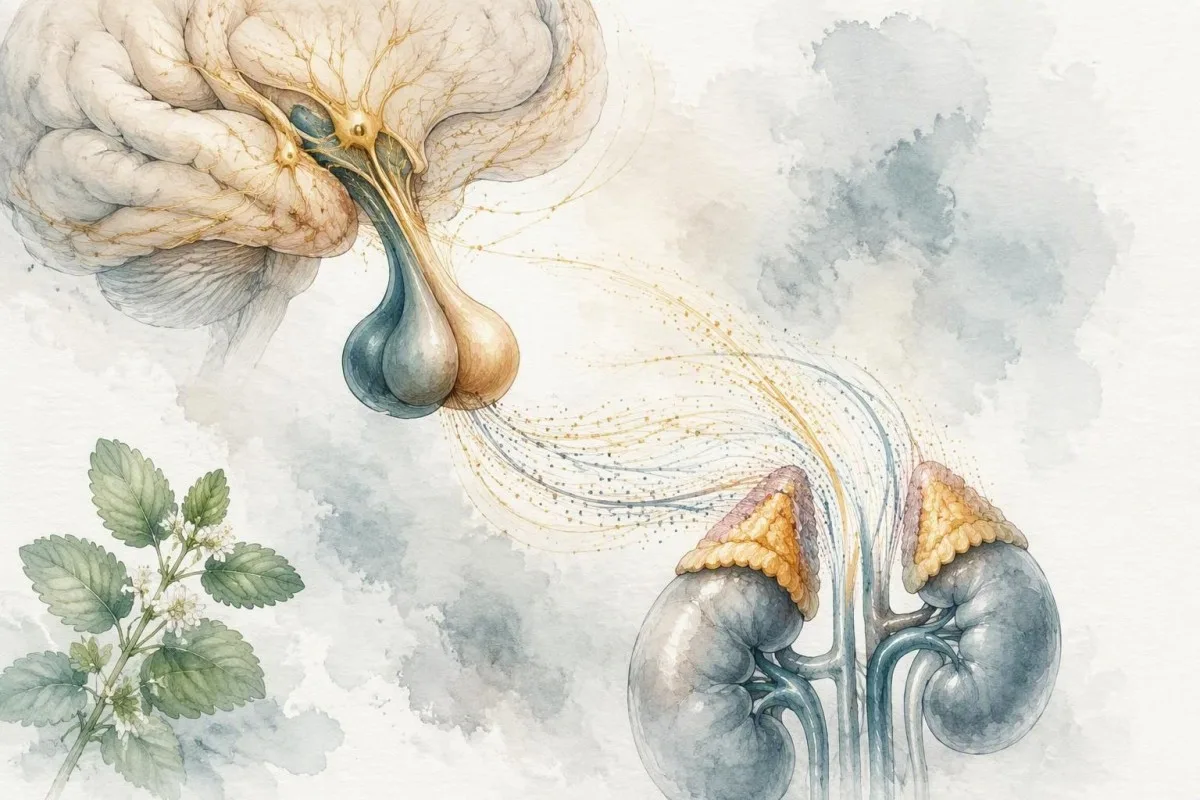
Naključni kortizol in široki paneli spolnih hormonov običajno ne pojasnjujejo vztrajne nizke razpoloženosti in se ne smejo uporabljati kot splošni “testi izgorelost”.” Postanejo uporabni, ko simptomi kažejo na bolezen nadledvične žleze, menstrualne disfunkcije, menopavzalni prehod, hipogonadizem, bolezen hipofize ali učinke zdravil.
Kortizol ima močan dnevni ritem: vzorec zgodaj zjutraj je običajno veliko višji kot večerni vzorec, zato ima nečasna vrednost omejen diagnostični pomen. Sum na adrenalno insuficienco se oceni z ustrezno časovno določenim kortizolom in pogosto s stimulacijskim testiranjem, ne z spletno oceno “adrenalne utrujenosti”.
Testosteron se spreminja glede na čas dneva, akutno bolezen, spanje in vezavne beljakovine; pri moških je treba jutranji celotni testosteron ponoviti vsaj dvakrat pred diagnosticiranjem pomanjkanja. Estrogen in progesteron se spreminjata skozi menstrualni cikel, zato ena sama vrednost ne more pojasniti sprememb razpoloženja brez časovne določitve cikla.
Simptomi, ki upravičujejo ciljno endokrino testiranje, vključujejo nov gubitel telesnih dlak, erektilno disfunkcijo, amenorejo, galaktorejo, hude vročinske valove, vijolične strije, nepojasnjene modrice ali vztrajno nizek krvni tlak. Naše vodniku po referenčnih vrednostih kortizola pojasnjuje, zakaj je čas zbiranja del rezultata.
Menopavza je klinična, preden je biokemična
Pri ljudeh, starejših od 45 let, s tipičnimi vročinskimi valovi in spremembami cikla, se menopavza pogosto diagnosticira klinično, ne na podlagi enega testa FSH. Bolezni ščitnice, anemija, učinki zdravil in depresija se lahko pojavijo hkrati, zato zdravljenje ene diagnoze ne sme končati ocene.
Pred dodajanjem testov pregledajte zdravila, alkohol, snovi in spanje
Učinki zdravil, alkohol, kanabis, stimulansti, pomirjevala in motnje spanja so pogosti reverzibilni dejavniki nizke razpoloženosti, ki jih nobena standardna krvna preiskava ne more v celoti zajeti. Časovnica zdravil pogosto prinese več kot dodaten epruvetka laboratorijskega vzorca.
Betablokatorji, izotretinoin, kortikosteroidi, nekatera protikonvulzivna zdravila, terapije na osnovi interferona, pomirjevala in hormonska zdravljenja lahko vplivajo na razpoloženje pri dovzetnih ljudeh. SSRI, diuretiki in karbamazepin lahko znižajo natrij; zaviralci protonske črpalke in metformin lahko sčasoma prispevajo k pomanjkanju B12.
Alkohol lahko kratkotrajno zmanjša tesnobo, vendar moti spanje in lahko zviša GGT, MCV, trigliceride in jetrne encime. GGT nad laboratorijsko zgornjo mejo je nespecifičen: lahko odraža alkohol, maščobna jetra, zdravila ali holestazo, zato ga nikoli ne smemo uporabiti kot dokaz uživanja alkohola.
Obstruktivna apneja v spanju je lahko presenetljivo podobna depresiji – neobnavljajoče spanje, slaba koncentracija, spremembe libida in popoldanska utrujenost – medtem ko preiskava krvne slike in preiskava ščitnice ostajata normalni. Če so prisotni smrčanje, opažene pavze v dihanju, jutranje glavobole ali odporni visok krvni tlak, se namesto iskanja nadomestkov pozanimajte o oceni spanja; slabo spanje in laboratorijski rezultati nudijo koristen kontekst.
Kako klinični zdravniki berejo vzorce namesto rdečih zastav
En sam odstopajoč rezultat redko pojasni slabo razpoloženje; bolj zanesljivi so koherentni vzorci med simptomi, ponovljeni rezultati in povezani biomarkerji. Laboratorijske referenčne meje opisujejo, kje se nahaja 95 % referenčne populacije, ne osebna garancija zdravja.

Feritin 18 ng/mL z nizko nasičenostjo transferina, močnimi menstruacijami, nemirnimi nogami in utrujenostjo je močnejši primer pomanjkanja železa kot sam feritin 18. V nasprotju s tem je feritin 18 po nedavni virusni okužbi še vedno dovolj nizek za nadaljnjo obravnavo, vendar CRP, prehrana, krvavitev in čas ponovitve vplivajo na odločitev.
Isto načelo velja za preiskave ščitnice: TSH 5,2 mIU/L po neprespani noči si morda zasluži ponovitev, medtem ko je TSH 12 mIU/L z nizkim prostim T4 in zaprtostjo veliko jasnejši signal. Laboratoriji se razlikujejo v testih, zato sledenje istemu laboratoriju in enotam zmanjša lažne vidne spremembe.
Kantesti AI primerja trende in povezane označevalce, da bi bili ti pogovori manj razdrobljeni, vendar je naš klinični standard označiti negotovost, namesto da bi izumljali gotovost. Naučite se, zakaj sprememba med krvnimi preiskavami je lahko biološka variacija, variacija pri odvzemu ali resnična sprememba.
Normalna meja ni terapevtski cilj
Ne poskušajte potiskati vsakega biomarkerja proti sredini referenčnega intervala. Na primer, visoki odmerki železa lahko povzročijo gastrointestinalne poškodbe in otežijo oceno krvavitve, medtem ko lahko prekomerni vitamin D povzroči hiperkalciemijo; zdravljenje naj sledi diagnozi, simptomom in kontrolnim preiskavam.
Kdaj ponoviti teste, poiskati pregled pri osebnem zdravniku ali poiskati nujno pomoč
Ponovitev preiskave je primerna, ko je blaga nenormalnost lahko začasna, vendar nujni simptomi preglasijo načrt čakanja in opazovanja. Nov suicidalni namen, delirij, huda oslabelost, bolečine v prsih, omotica, zlatenica, črno blato ali zmedenost, povezana z glukozo, zahtevajo takojšnjo zdravniško pomoč.
Blago zvišan TSH z normalnim prostim T4 se pogosto ponovi v 6–12 tednih, prej v nosečnosti ali ob močnih simptomih. Časovni razpored kontrolnih pregledov za železo, B12 in vitamin D je odvisen od zdravljenja in začetne resnosti; klinični zdravniki pogosto ponovno ocenijo krvno sliko in označevalce železa po nekaj tednih namesto dneh, ker okrevanje rdečih krvničk traja.
Poiščite pregled isti teden za hemoglobin pod 10 g/dL, 6,0 mmol/L 130 mmol/L, kalcij nad 11,0 mg/dL, hitro padajoč eGFR, bilirubin z zlatenico ali glukozo na tešče v diabetičnem območju plus simptomi. To so nujni pozivi, ne diagnoze, in lokalne službe lahko uporabljajo drugačne pragove.
Za kompleksna poročila, pristop klinične validacije poudarja preverjanje virov, ponovljivost in stopnjevanje namesto enokliknega pomirjanja. Dr. Thomas Klein priporoča, da na pregled prinesete dejansko PDF datoteko, seznam zdravil in dnevnik simptomov za en teden.
Kaj zapisati pred pregledom
Vključite, kdaj se je slabo počutje začelo, trajanje spanja, spremembe apetita ali teže, menstrualne krvavitve, uživanje alkohola in snovi, družinsko anamnezo ščitnice ali sladkorne bolezni, nedavne okužbe, prehranske omejitve ter odmerke vseh zdravil ali dodatkov. Te informacije pogosto spremenijo, kateri “nenormalni” rezultat je klinično pomemben.
Zdravite slabo voljo, medtem ko preverjate zdravstvene vzroke
Podpora duševnemu zdravju naj se začne, ko je slabo razpoloženje vztrajno ali poslabšuje, tudi medtem ko se čakajo laboratorijski izvidi. Psihoterapija, socialna podpora, zdravljenje nespečnosti, ustrezna zdravila in načrtovanje varnosti niso rezervne možnosti po “normalnih laboratorijskih izvidih”; to je oskrba, ki temelji na dokazih.

Depresijo običajno opredelimo z vsaj 2 tedna slabega razpoloženja ali izgube zanimanja, ki ga spremljajo drugi simptomi, kot so spremembe v spanju, apetitu, energiji, koncentraciji, občutek krivde, psihomotorike ali samomorilnosti. Resnost je odvisna od vpliva na delovanje in varnosti, ne od tega, ali ima laboratorijski izvid opozorilne znake.
Telesni dejavnik je lahko resničen, ne da bi bil edini dejavnik. Popravljanje pomanjkanja B12 lahko izboljša utrujenost in koncentracijo, medtem ko terapija obravnava žalovanje, travmo, osamljenost ali trdovratne depresivne simptome; večina bolnikov se s to kombinirano razlago počuti manj obremenjena.
Kantesti deluje pod zdravniškim nadzorom preko našega medicinski svetovalni odbor, in bralce spodbujamo, da uporabljajo interpretacijo umetne inteligence kot pripravo na klinično obravnavo in obravnavo duševnega zdravja, ne kot njeno nadomestilo. Če se danes ne morete počutiti varno, takoj uporabite nujne službe ali krizni vir v vaši državi.
Ključna sporočila za laboratorijske preiskave pri slabem razpoloženju
Ciljno usmerjene laboratorijske preiskave lahko odkrijejo sedem koristnih kategorij: anemija zaradi pomanjkanja železa, motnje ščitnice, pomanjkanje B12 ali folata, pomanjkanje vitamina D, motnje glukoze, nenormalnosti ledvic-jeter-elektrolitov ter vnetne ali nalezljive bolezni, ki temeljijo na simptomih. To je del sočutne ocene, nikoli sodba o tem, ali je vaše trpljenje upravičeno.
Pogosto zastavljena vprašanja
Katere krvne preiskave naj zahtevam, če imam slabo razpoloženje in utrujenost?
Osrednji krvni test za slabo razpoloženje in utrujenost pogosto vključuje CBC, feritin s transferinsko saturacijo, TSH, B12, HbA1c ali glukozo, ledvične funkcije, elektrolite in jetrne teste. Vitamin D je smiseln, ko je izpostavljenost soncu omejena, obstaja tveganje za malabsorpcijo ali so prisotne bolečine v mišicah. Feritin pod 30 ng/mL, B12 pod 180 pg/mL in TSH nad referenčnim intervalom laboratorija so primeri rezultatov, ki potrebujejo klinični kontekst. Ti testi identificirajo možne telesne prispevke; ne diagnosticirajo depresije.
Ali lahko krvni test diagnosticira depresijo?
Ne, noben krvni test ne more diagnosticirati depresije v rutinski klinični oskrbi. Depresija se diagnosticira na podlagi simptomov, ki trajajo vsaj 2 tedna, njihovega vpliva na vsakodnevno delovanje, psihiatrične anamneze, pregleda in ocene varnosti. Preiskave, kot so TSH, feritin, B12, glukoza, natrij in kalcij, pomagajo prepoznati stanja, ki lahko posnemajo ali poslabšajo depresivne simptome. Normalni krvni izvidi ne izključujejo depresije ali ne pomenijo, da zdravljenje ni potrebno.
Ali lahko nizek železov nivo povzroči anksioznost in slabo razpoloženje brez anemije?
Da, pomanjkanje železa lahko povzroči utrujenost, slabo koncentracijo, nemirne noge, zmanjšano telesno zmogljivost in slabo razpoloženje, preden hemoglobin postane dovolj nizek, da bi izpolnjeval merila za anemijo. Feritin pod 30 ng/mL pogosto podpira izčrpane zaloge železa, medtem ko transferinska saturacija pod 20% dodaja dokaze o nezadostnem razpoložljivem železu. Vzrok je pomemben: močna menstrualna krvavitev, izguba iz prebavil, nizko uživanje, darovanje krvi in malabsorpcija zahtevajo različne odzive. Ne začnite dolgotrajnega zdravljenja z železom, ne da bi z zdravnikom razpravljali o rezultatu in vzroku.
Kateri izvid ščitnice lahko vpliva na razpoloženje?
Klinično hipotiroidizem, opredeljen z visokim TSH ob nizkem prostem T4, lahko prispeva k utrujenosti, počasnemu mišljenju, intoleranci na mraz, zaprtju in depresivnim simptomom. Številni laboratoriji uporabljajo referenčni interval TSH okoli 0,4-4,0 mIU/L, vendar rezultat nad 10 mIU/L običajno nosi večjo težo kot mejna elevacija. Blago zvišan TSH z normalnim prostim T4 pogosto zahteva ponovno testiranje čez 6-12 tednov, namesto takojšnjih predpostavk. Bolezen ščitnice in depresija lahko sobivata, zato zdravljenje ščitnične funkcije ne nadomesti ocene duševnega zdravja.
Ali naj testiram kortizol za slabo razpoloženje ali izgorelost?
Naključni test kortizola običajno ni uporaben pri navadnem slabem razpoloženju ali izgorelostni sindromu, ker se kortizol bistveno spreminja skozi dan in ob akutnem stresu, bolezni ter spanju. Ciljno usmerjeno testiranje je primerno, ko simptomi kažejo na bolezen nadledvične žleze, kot so stalno nizek krvni tlak, nepojasnjena izguba teže, sprememba pigmentacije kože, huda šibkost ali značilnosti, podobne Cushingovi bolezni. Zgodnje jutranji kortizol lahko privede do potrditvenega testiranja s stimulacijo, ko je klinično indicirano. Komercialno testiranje za “adrenalno utrujenost” ni priznana diagnoza v splošni endokrini praksi.
Kdaj je nizko razpoloženje treba obravnavati kot nujno?
Slaba razpoloženost zahteva nujno oceno, kadar obstajajo samomorilne misli z namenom ali načrtom, nezmožnost ostati varen, psihoza, huda vznemirjenost, nova zmedenost ali več dni malo spanja z nenavadno visoko energijo ali tveganim vedenjem. Hudi laboratorijski simptomi prav tako upravičujejo nujno oskrbo, vključno z natrijem pod 120 mmol/L, zmedo zaradi glukoze, omedlevico, bolečino v prsih ali hitro poslabšujočo se šibkostjo. Obrnite se na nujne službe, krizno službo ali urgentni oddelek, namesto da čakate na rutinske laboratorijske rezultate. Prositi zaupanja vredno osebo, da ostane z vami, je razumna takojšnja varnostna mera.
Danes pridobite analizo krvnih preiskav z umetno inteligenco
Pridružite se več kot 2 milijonoma uporabnikov po vsem svetu, ki zaupajo Kantesti za takojšnjo, natančno analizo laboratorijskih preiskav. Naložite svoje rezultate krvnih preiskav in v nekaj sekundah prejmite celovito razlago biomarkerjev 15,000+.
📚 Citirane raziskovalne publikacije
Klein, T., Mitchell, S., & Weber, H. (2026). Krvni test za virus Nipah: Vodnik za zgodnje odkrivanje in diagnozo 2026. Kantesti AI Medical Research.
Klein, T., Mitchell, S., & Weber, H. (2026). Vodnik za krvno skupino B negativno, LDH krvni test in število retikulocitov. Kantesti AI Medical Research.
📖 Zunanje medicinske reference
Nacionalni inštitut za zdravje in odličnost v zdravstvu (2022). Depresija pri odraslih: zdravljenje in obravnava. NICE Guideline NG222.
⚕️ Medicinska izjava o omejitvi odgovornosti
Ta članek je namenjen izobraževalnim namenom in ne predstavlja medicinskega nasveta. Za odločitve o diagnozi in zdravljenju se vedno posvetujte z usposobljenim izvajalcem zdravstvenih storitev.
E-E-A-T zaupanja vredni signali
Izkušnje
Zdravniški klinični pregled delovnih postopkov za interpretacijo laboratorijskih izvidov.
Strokovno znanje
Laboratorijska medicina s poudarkom na tem, kako se biomarkerji obnašajo v kliničnem kontekstu.
Avtoritativnost
Napisal dr. Thomas Klein, pregledala dr. Sarah Mitchell in prof. dr. Hans Weber.
Zanesljivost
Interpretacija na podlagi dokazov z jasnimi nadaljnjimi potmi za zmanjšanje alarmiranja.