مسلسل گهٽ مزاج کي مناسب ذهني صحت جي تشخيص سان گڏ، بحال ٿيندڙ جسماني سببن جي ٽارگيٽ چڪاس سان گڏ، مستحق آهي. رت جا ٽيسٽ سببن کي ظاهر ڪري سگهن ٿا؛ اهي ڊپريشن جو تشخيص نه ڪندا آهن.



- حفاظت پهرين: خودڪشي جا خيال، نفسيات، سخت تڪليف، يا پاڻ کي محفوظ رکڻ جي ناڪامي کي جلدي ذهني صحت جي سنڀال جي ضرورت آهي؛ ليبارٽري جا نتيجا ڪڏهن به ان ۾ دير نه ڪن.
- CBC ۽ فيريٽين: 30 ng/mL کان هيٺ فيريٽين اڪثر لوھ جي گھٽتائي جي حمايت ڪري ٿو، هيموگلوبن گهٽ ٿيڻ کان اڳ.
- ٿائيرائيڊ اسڪرين: گهٽ فري T4 سان گڏ وڌيل TSH اوورٽ هاپوتايرايڊيزم کي ظاهر ڪري ٿو ۽ ٿڪاوٽ، سست سوچ، ۽ گهٽ مزاج ۾ مدد ڪري سگهي ٿو.
- وٽامن B12: 180 pg/mL يا 133 pmol/L کان هيٺ B12 عام طور تي گهٽتائي آهي؛ بارڊر لائن نتيجن کي اڪثر ميٿيل مálníڪ ايسڊ ٽيسٽنگ جي ضرورت هوندي آهي.
- گلوڪوز: 6.5TP54T يا ان کان مٿي جو HbA1c تصديق ٿيڻ تي ذیابيطس جي تشخيصي حد تائين پهچي ٿو، جڏهن ته گلوڪوز جي ڦير گهير توانائي ۽ توجه کي خراب ڪري سگهي ٿي.
- گردن ۽ جگر جا امتحان: گهٽ eGFR، گهٽ سوڊيم، وڌيڪ ڪلسيم، يا جگر جي خرابي ننڊ، سمجھ، دوا جي سنڀال، ۽ مزاج کي تبديل ڪري سگهي ٿي.
- وڌيڪ امتحان نه ڪريو: ڪورٽيسول، جنسي هارمونز، وسيع آٽيimmune پينل، ۽ جенеٽڪ ٽيسٽون معمولي گهٽ مزاج جي رت جي ڪم نه آهن جيستائين علامتون اتي نه ڏسجن.
- عملي اڳيون قدم: علامتون، دوائون، حيض جي تاريخ، غذا، شراب جو استعمال، ۽ اڳوڻي نتيجن کي هڪ ڪلينڪٽر سان گڏ آڻيو؛ نمونو هڪ نشان لڳل قدر کان وڌيڪ اهميت رکي ٿو.
گهٽ مزاج لاءِ رت جو ٽيسٽ اصل ۾ ڇا ظاهر ڪري سگهي ٿو
A گهٽ مزاج لاء رت جو امتحان اهي طبي حالتون سڃاڻي سگهن ٿيون جيڪي ڊپريشن جي نقل يا گهڻي ڪري، خاص طور تي انيميا، ٿائيرائڊ جي خرابي، وٽامن جي کوٽ، گلوڪوز جي خرابي، گردي يا جگر جي بيماري، ۽ اليڪٽرولائٽ جي خلل. اهو ڊپريشن جي تصديق يا خارج نٿو ڪري سگهي، جيڪا علامتن، مدت، ڪارڪردگي، ۽ حفاظت جي تشخيص جي بنياد تي هڪ ڪلينڪل تشخيص رهي ٿي.
سيپٽمبر 12، 2026 تائين، مفيد سوال اهو ناهي ته “ڪهڙو امتحان ثابت ڪري ٿو ته منهنجو مزاج طبي آهي؟” پر “ڪهڙيون تبديل ٿيندڙ حالتون منهنجي علامتن ۽ خطري جي عنصرن سان ملن ٿيون؟” NICE ڊپريشن جي رهنمائي ذهني صحت جي علامن سان گڏ جسماني صحت، دوائن، شراب ۽ مادي جي استعمال، ۽ خودڪشي جي خطري جي تشخيص جي سفارش ڪري ٿي (NICE، 2022). هڪ عام پينل دٻاء کي گهٽتائي نٿو ڏئي؛ اهو صرف طبي فرق کي تنگ ڪري ٿو.
منهنجي 15 سالن جي ڪلينڪل عمل ۾، مون مريضن کي مهينن تائين پنهنجي ٿڪاوٽ کي الزام ڏيندي ڏٺو آهي جيڪي لوھ جي کوٽ، هائيپوٿائرايډيزم، يا خراب ڪنٽرول ٿيل ذیابيطس ثابت ٿيا. مون سنگين وڏي ڊپريشن وارن ماڻهن ۾ مڪمل طور تي عام نتيجا پڻ ڏٺا آهن. ٻنهي صورتحالن کي سنڀال جي ضرورت آهي، ۽ ڪنهن کي به گهٽ نه سمجهيو وڃي.
ڪينٽيسٽي هڪ آهي اي آءِ بلڊ ٽيسٽ اينالائيزر ٺهيل ليبارٽري نمونن کي منظم ڪرڻ لاء هڪ ڪلينڪٽر سان بحث لاء، نه ته هڪ نتيجي ۾ نفسياتي ليبل شامل ڪرڻ. سان شروع ڪريو رت جي چڪاس جي بايو مارڪرز جي رهنمائي جيڪڏهن رپورٽ تي اختصار نا واقف آهن.
جڏهن گهٽ مزاج هڪ ايمرجنسي آهي
خودڪشي جا خيال، پاڻ کي نقصان پهچائڻ جو منصوبو، آواز ٻڌڻ، نئون شڪ، سخت پريشاني، يا ڪيترن ئي ڏينهن ننڊ کان سواء ۽ وڌندڙ توانائي کي فوري ساڳئي ڏينهن ذهني صحت جي تشخيص جي ضرورت آهي. فوري خدمتن يا مقامي بحران لائن کي ڪال ڪريو، ايمرجنسي ڊپارٽمينٽ ڏانهن وڃو، يا ڪنهن تي اعتماد ڪريو جيڪو توهان سان گڏ رهي؛ گهٽ مزاج جي رت جي ڪم جو انتظار ڪرڻ محفوظ ناهي.
1. CBC ۽ آئرن جو مطالعو: ٿڪاوٽ انيميا ظاهر ٿيڻ کان اڳ
لوھ جي کوٽ ٿڪاوٽ، خراب ڌيان، مشق جي برداشت، ۽ انيميا ترقي کان اڳ گهٽ مزاج ۾ مدد ڪري سگهي ٿي. مڪمل خون جو شمارو، فيراٽين، ٽرانسفيرين جي تشخيص، ۽ CRP سڀ کان وڌيڪ معلوماتي شروعاتي امتحان آهن جڏهن ٿڪاوٽ گهٽ مزاج سان گڏ هجي.
فيريٽن هيٺ 15 ng/mL غير حاضر لوھ جي ذخيرن لاء انتهائي مخصوص آهي، جڏهن ته هيٺ هڪ قدر 30 ng/mL عام طور تي علامتي بالغن ۾ لوھ جي کوٽ جي حمايت لاء استعمال ڪيو ويندو آهي. فيراٽين پڻ هڪ تيز-مرحلي پروٽين آهي، تائين هڪ نتيجو 60 ng/mL انفيڪشن، موٽاپا، سوزش جي بيماري، يا تازي سخت مشق دوران کوٽ کي قابل اعتماد طور تي خارج نٿو ڪري.
هيموگلوبن هيٺ 12.0 g/dL غير حامله بالغن ۾ يا بالغ مردن ۾ 13.0 g/dL کان گهٽ عام انيميا حدن کي پورو ڪري ٿو، پر هيموگلوبل اڪيلو هڪ دير واري مارڪر آهي. گھٽ MCV، وڌندڙ RDW، ٽرانسفيرين جي تشخيص هيٺ 20%, ، ۽ گهٽ فيراٽين کان وڌيڪ قائل نمونو ٺاهي ٿو ان کان وڌيڪ بلڊ آئرن پاڻ وٺي.
Camaschella جي NEJM جائزي ۾ ٿڪاوٽ ۽ گهٽتائي واري صلاحيت کي عام لوھ جي کوٽ جي خاصيتن جي طور تي بيان ڪيو ويو آهي، جنهن جو سبب کوٽ جي تحقيق جي ضرورت آهي نه ته خودڪار سپليمينٽيشن (Camaschella، 2015). ڳري دور، رت جو عطيو، پابندي واريون غذا، سلياڪ بيماري، ۽ گيسٽروئسٽيسٽائنل نقصان بار بار رستا آهن؛ اسان جي رهنمائي انميا کان اڳ گهٽ فيريٽين توضيح ڪري ٿو ته ڇو “عام CBC” گمراهه ڪري سگهي ٿو.
2. ٿائيرائيڊ ٽيسٽ: دٻاءُ کي الزام ڏيڻ کان اڳ TSH چيڪ ڪريو
اوورٽ هائيپوٿائرايڊيزم گهٽ مزاج، ذهني سست رويي، قبض، ٿڌي جي عدم برداشت، ۽ ٿڪاوٽ جو هڪ تسليم ٿيل طبي سبب آهي. پهرين-لائن ٿائيرائيڊ اسڪرين TSH آهي مفت T4 سان جڏهن TSH غير معمولي آهي يا پيٽيوٽري بيماري ممڪن آهي.

گهٽ مفت T4 سان گڏ اعلي TSH اوورٽ پرائمري هائيپوٿائرايڊيزم کي ظاهر ڪري ٿو ۽ عام طور تي علاج جي بحث جي لائق آهي. ريفريشن انٽروال اسسٽيٽ جي لحاظ کان مختلف آهن، پر TSH عام طور تي لڳ ڀڳ آهي 0.4-4.0 ايم آءِ يو/ليٽر; 4.5 mIU/L جي سرحد واري واڌ کان وڌيڪ 180 هوائي مائڪرو ليٽر/ليٽر کان مٿي TSH وڌيڪ ڪلينڪل طور معنيٰ رکي ٿو، خاص طور تي جڏهن ورجائي. 10 mIU/L ; 4.5 mIU/L جي سرحد واري واڌ کان وڌيڪ 180 هوائي مائڪرو ليٽر/ليٽر کان مٿي TSH وڌيڪ ڪلينڪل طور معنيٰ رکي ٿو، خاص طور تي جڏهن ورجائي.
سب ڪلينڪل هائيپوٿائرايڊيزم جو مطلب آهي اعلي TSH عام مفت T4 سان. معتدل TSH جي واڌ ۾ مزاج کي بهتر بنائڻ جي علاج جي ثبوتن جو سچائي سان ملايو ويو آهي، خاص طور تي پراڻن بالغن ۾، تنهنڪري علامتون، ٿائيرائيڊ اينٽي باڊيز، حمل جي منصوبا، ۽ ورجائي ٽيسٽنگ اهم آهن. بائيوٽين سپليمينٽس ڪجهه اموناسيس تي TSH کي ڪوڙي طور تي گهٽ ڪري سگهن ٿا ۽ مفت T4 کي وڌائي سگهن ٿا؛ جيڪڏهن ليبارٽري ان جي صلاح ڏئي ته گهٽ ۾ گهٽ 48 ڪلاڪن تائين اعلي-دوز بائيوٽين بند ڪريو.
Chaker et al. هائيپوٿائرايڊيزم کي نيوروسائيڪياٽرڪ مظاهري سان هڪ سسٽمڪ حالت طور بيان ڪن ٿا، جيتوڻيڪ ٿائيرائيڊ ٽيسٽنگ حقيقي ڊپريشن جي تشخيص جي بدران شارٽ ڪٽ نه بڻجي وڃي (Chaker et al., 2017). دوا جي تبديلين کان پوءِ وقت جي لحاظ کان، ڏسو ٿائيرائيڊ ري ٽيسٽ انٽروال.
هڪ نتيجو جنهن کي مختلف رستو گهرجي
گهٽ مفت T4 عام يا گهٽ TSH سان مرڪزي هائيپوٿائرايڊيزم، سخت غير-ٿائيرائيڊ بيماري، يا اسس انٽرفيئرس کي ظاهر ڪري سگھي ٿو؛ ان کي “عام ٿائيرائيڊ” نه سمجهيو وڃي. هن نموني کي ڪلينيشين جائزي جي لائق آهي، خاص طور تي سر درد، بصري تبديلي، گهٽ لبيڊو، يا ٻين پيٽيوٽري علامن سان.
3. وٽامن B12 ۽ فولٽ: اعصاب جون علامتون جلدي کي تبديل ڪن ٿيون
وٽامن B12 جي گھٽتائيءَ سبب انيميا جي بغير به گهٽ مزاج، ياداشت جي تڪليف، بي حسي، هلڻ ۾ عدم توازن، ۽ ٿڪاوٽ ٿي سگهي ٿي. CBC سان B12 جو ٽيسٽ ڪريو ۽ methylmalonic acid يا homocysteine کي سمجهو جڏهن B12 قدر سرحد تي هجي يا علامتون نيورولوجيڪل هجن.
سيرم B12 هيٺ 180 pg/mL يا 133 pmol/L عام طور تي گھٽتائيءَ جي حمايت ڪري ٿو، جيتوڻيڪ مقامي ڪٽ آف مختلف هوندا آهن. لڳ ڀڳ کان نتيجا 180-350 pg/mL اڻڄاتل ٿي سگهن ٿا، ۽ جڏهن B12-مدد واري ميٽابولزم ۾ خرابي اچي ٿي ته methylmalonic acid وڌي ٿو؛ گردي جي ڪم ۾ گھٽتائيءَ سان پڻ methylmalonic acid وڌي سگھي ٿو.
Macrocytosis، عام طور تي MCV مٿي 100 fL کان مٿي, ، B12 يا فولڪ گھٽتائيءَ جي طرف اشارو ڪري سگھي ٿو پر نه ضروري آھي ۽ نه ئي مخصوص. شراب جو استعمال، جگر جي بيماري، هائيپوٿائرايڊيزم، reticulocytosis، ۽ دوائون پڻ MCV وڌائي سگھن ٿا. انيميا جي غير موجودگي محفوظ طور تي B12-سان لاڳاپيل اعصاب جي زخم کي رد نٿو ڪري.
مان خاص طور تي محتاط آهيان جڏهن ڪنهن کي ٽنگنگ، گهٽتائي وائبريشن جي حس، توازن ۾ تبديليون، ميٽفارمين جو استعمال، ڊگهي مدت تائين ائسڊ سپريشن، ويگن کائڻ، گيسٽرڪ سرجري، يا نائٽرس آڪسائيڊ جي نمائش هجي. مشڪوڪ B12 جي گھٽتائيءَ لاءِ اڪيلو فولڪ ايسڊ نه وٺو: اهو انيميا کي درست ڪري سگهي ٿو جڏهن ته نيورولوجيڪل نقصان جاري رهي؛ جائزي B12 بمقابلہ فولٽ ٽيسٽ هڪ ڊاڪٽر سان.
4. وٽامن ڊي: هڪ سبب، نه هڪ اڪيلو وضاحت
گهٽ 25-hydroxyvitamin D ٿڪاوٽ، عضلاتي درد، ٻاهران سرگرمي ۾ گهٽتائي، ۽ گهٽ موڊ سان گڏ ٿي سگهي ٿو، پر اهو نادر ئي شديد ڊپريشن کي پاڻ ئي بيان ڪري ٿو. معمول جي گهٽتائي جي تشخيص لاءِ 1,25-dihydroxyvitamin D جي فعال ٽيسٽ جي بدران 25-OH vitamin D ماپ ڪريو.
هيٺ 25-OH وٽامن ڊي ڪنسنٽريشن 20 ng/mL (50 nmol/L) ڪيترن ئي اختيارين طرفان گهٽتائي سمجهيو ويندو آهي، جڏهن ته 20-29 ng/mL اڪثر ڪافي نه سمجهيو ويندو آهي. حد بحث هيٺ آهي: هڏن تي ڌيان ڏيڻ وارا گروپ ان ڳالهه تي متفق نه آهن ته 20 يا 30 ng/mL کي هدف بڻايو وڃي، ۽ موڊ جي مخصوص علاج جي حدون قائم نه ڪيون ويون آهن.
وٽامن ڊي جي گهٽتائي گهٽ سج جي نمائش، وڌيڪ ڊگهي، زمين جي بيھڪ، جسم جي ٿلهي، جذب جي ناڪامي، گردي جي بيماري، ۽ ڪجهه ضد-م convencs بيماريءَ سان وڌيڪ ممڪن آهي. ڪلينڪل ڦاسائڻ اهو فرض ڪرڻ آهي ته گهٽ نتيجو سڀ ڪجهه بيان ڪري ٿو؛ ننڊ جي کوٽ، غم، پريشاني، انيميا، ۽ ڊپريشن عام طور تي ان سان گڏ ٿين ٿا.
گهڻا مريض ڳولين ٿا ته سڌارڻ عضلاتي علامات يا عام توانائي کي آهستي آهستي هفتن ۾ بهتر ڪري ٿو، نه ته رات جو. اضافي سپليمينٽيشن ڪلسيم وڌائي سگهي ٿو؛ هڪ اعلي وٽامن ڊي نتيجو بدحضي، اڃ، قبض، يا پريشاني ترقي ڪري جڏهن ڌيان جي لائق آهي.
مناسب متبادل کي نگراني جي ضرورت آهي
بي گهڻا مريض ڳولين ٿا ته سڌارڻ عضلاتي علامات يا عام توانائي کي آهستي آهستي هفتن ۾ بهتر ڪري ٿو، نه ته رات جو. اضافي سپليمينٽيشن ڪلسيم وڌائي سگهي ٿو؛ هڪ.
5. گلوڪوز ۽ HbA1c: توانائي جي خرابين جا نمونا هوندا آهن
اعلي وٽامن ڊي نتيجو. پريشاني، اڃ، قبض، يا پريشاني ترقي ڪري جڏهن ڌيان جي لائق آهي.
HbA1c جو 6.5% يا ان کان وڌيڪ ذیابيطس جي حمايت ڪري ٿو جڏهن ورجائي ٽيسٽنگ يا ٻي تشخيصي ٽيسٽ سان تصديق ٿيل هجي، جڏهن ته 5.7-6.4% آمريڪي معيارن ۾ ذیابيطس جو وڌيل خطرو ظاهر ڪري ٿو. HbA1c لڳ ڀڳ 8-12 هفتا گلوڪوز جي نمائش کي ظاهر ڪري ٿو، پر انيميا، هيموگلوبن جا مختلف قسم، گردي جي بيماري، ۽ رت جي منتقلي ان کي گمراهه ڪري سگهي ٿي.
پلازما گلوڪوز هيٺ 70 mg/dL (3.9 mmol/L) هائيپوگليسيميا آهي، پر علامتون اهم آهن: پسینہ اچڻ، لرزش، ڌڙڪن، پريشاني، ۽ رويي ۾ تبديلي هڪ دستاويزي گهٽ سطح دوران نظرثاني جي ضرورت آهي. جن ماڻهن کي ذیابيطس ناهي، انهن ۾ ڊگهي روزي کان پوءِ هڪ گهٽ نتيجو تصديق ٿيل بغير ڪنهن سبب جي هائيپوگليسيميا جي خرابي سان برابر ناهي.
جڏهن مان گهٽ موڊ جي رت جي ورڪ جو جائزو وٺان ٿو، مان پڇندو آهيان ته 11 ايم تي ڇا ٿئي ٿو، ورزش کان پوءِ، ۽ کاڌي کان ٻه ڪلاڪ پوءِ. بار بار ڪاربوهائيڊريٽ سان ڀرپور کاڌو، کاڌي کان سواءِ شراب، ذیابيطس جون دوائون، ۽ گهٽ خوراڪ کائڻ هڪ سڃاتل نمونو ٺاهي سگهي ٿي؛ ڏسو گهٽ گلوڪوز جا سبب.
ڇو ته عام روزي گلوڪوز ڪهاڻي ياد ڪري سگهي ٿو
انسولين مزاحمت جي شروعات ۾ روزي گلوڪوز عام رهي سگهي ٿو، جڏهن ته HbA1c، triglycerides، کمر جو دائرو، ننڊ جي تڪليف، ۽ خانداني تاريخ خطري جي نشاندهي ڪن ٿا. ان جي برعڪس، HbA1c گلوڪوز جي نمائش کي گهٽ سمجهي سگهي ٿو جڏهن ڳاڙهي خلين جي زندگي گهٽجي وڃي ٿي، تنهنڪري ڊاڪٽر ڪڏهن ڪڏهن fructosamine يا گلوڪوز مانيٽرنگ استعمال ڪندا آهن.
6. گردي، جگر ۽ اليڪٽرولائيٽ ٽيسٽ: نظر انداز ڪيمسٽري
گردي جي بيماري، جگر جي خرابي، سوڊيم جي خرابي، ۽ ڪلسيم جي عدم توازن ٿڪ، ننڊ جي تڪليف، سست سوچ، يا پريشاني پيدا ڪري سگهي ٿي جيڪا گهٽ موڊ سان اوورليپ ٿئي ٿي. هڪ بنيادي ميٽابولڪ پينل، جگر پينل، eGFR، ۽ دوا جو جائزو صرف “صحت” جي ٽيسٽن کان وڌيڪ ڪارآمد آهن.
eGFR هيٺ 60 mL/min/1.73 m² گهٽ ۾ گهٽ 3 مهينن تائين دائمي گردي جي بيماري جو هڪ معيار پورو ڪري ٿو، جيتوڻيڪ هڪ ئي نتيجو عارضي طور تي خشڪي يا تيز بيماري کان پوءِ گهٽجي سگهي ٿو. يوريمڪ علامتون معمولا گهڻو گهٽ فلٽريشن جي سطحن تي ٿينديون آهن، پر دوا جي گڏجڻ ۽ انيميا جلد ئي صحت کي متاثر ڪري سگهي ٿي.
سوڊيم جيڪڏهن 130 mmol/L سر درد، متلي، بي ڍنگي، پريشاني، ۽ وڏي ٿڪاوٽ جو سبب بڻجي سگهي ٿو؛ سوڊيم هيٺ 120 mmol/L اڪثر هڪ ايمرجنسي آهي. ڪلسيم مٿان 11.0 mg/dL (2.75 mmol/L) قبض، اڃ، ذهني تبديلي، ۽ گهٽ موڊ جو سبب بڻجي سگهي ٿو، خاص طور تي جيڪڏهن اهو جلدي وڌي.
ڪينٽيسٽي هڪ آهي AI ليب ٽيسٽ جي تشريح واري سروس جيڪا گردي، جگر، اليڪٽرولائيٽ، ۽ CBC نتيجن کي نموني طور پڙهي ٿي، دوا سان لاڳاپيل خطرن سميت. eGFR ۾ اوچتو تبديلي کي خشڪي ۽ اڳئين قدرن جي حوالي سان سياق جي ضرورت آهي، جيڪي اسان جي گردن جي جاچ جو رهنما (kidney test guide) ڍڪين ٿا.
دوا جا اثر غائب اشارو ٿي سگهن ٿا
ٿيازيد ڊائيوريٽڪس ڪلسيم وڌائي سگهن ٿا ۽ سوڊيم گهٽائي سگهن ٿا، SSRIs هائيپونٽريميا ۾ حصو وٺي سگهن ٿا، ميٽفورمين وقت سان گڏ B12 گهٽائي سگهي ٿو، ۽ ڪجهه انٽي سيزر جون دوائون وٽامن ڊي کي متاثر ڪن ٿيون. ڪڏهن به مقرر ڪيل دوا کي صرف ليب جي نتيجي مان بند نه ڪريو؛ مقرر ڪندڙ کان وقت، دوز، ۽ محفوظ متبادلن جو وزن ڪرڻ لاء چئو.
7. سوزش، انفيڪشن ۽ autoimmune اشارا: چونڊيل طور تي ٽيسٽ ڪريو
CRP، ESR، انفيڪشن جا ٽيسٽ، ۽ autoimmune antibodies گهٽ موڊ لاء معمول جي اسڪريننگ ٽيسٽ نه آهن، پر اهي ڪارآمد آهن جڏهن جسماني اشارن سسٽمڪ بيماري ڏانهن اشارو ڪن ٿا. بخار، وزن گھٽائڻ، جوڑوں جي سوجن، خارش، مسلسل اسهال، رات جي پسڻ، يا مقامي علامتون هن ٽيسٽنگ واري شاخ جي رهنمائي ڪرڻ گهرجن.
CRP هيٺ 3 ملي گرام/ليٽر اڪثر گهٽ ڪارڊيووااسڪولر-گريڊ سوزش سمجهي ويندي آهي، پر ليبارٽريون مختلف طريقا ۽ حدون استعمال ڪن ٿيون. 30 mg/L جو CRP انفيڪشن، autoimmune سرگرمي، ٽشو جي زخم، موٽاپا، يا ٻيون ڪيتريون ئي حالتون ظاهر ڪري سگهي ٿو؛ اهو گهٽ موڊ جو سبب نه ٿو سڃاڻي ۽ “دماغي سوزش” جو نتيجو نٿو ڪري سگهي.”
ESR سست ٿي وڌي ٿو ۽ سست ٿي گهٽجي ٿو، ان کي علامتن ۾ اوچتو تبديلي لاء گهٽ ڪارآمد بڻائي ٿو. هڪ عام CRP ۽ ESR هر سوزش واري حالت کي خارج نٿو ڪري، جڏهن ته انفيڪشن، ڏندن جي بيماري، تيز ورزش، ۽ وڌيڪ جسماني وزن کان پوءِ هلڪي الڳ ٿيل واڌ عام آهي.
مان بي ترتيب اينٽي باڊي پينل کان وڌيڪ نشانو ٺاهيل ٽيسٽنگ کان وڌيڪ نقصان ڏسان ٿو: گهٽ-سطح مثبت ANA نتيجا عام آهن ۽ مهينن جي پريشاني پيدا ڪري سگهن ٿا. جيڪڏهن فيريٽين غير متوقع طور تي CRP واڌ سان گڏ اعليٰ هجي،, ferritin ۽ CRP گڏجي انفرادي مارڪر کان وڌيڪ مفيد آهن.
جڏهن انفيڪشن اسڪريننگ منطقي هجي
HIV، هيپاٽائيٽس، سيلياڪ سيرولوجي، ۽ ٻين انفيڪشن يا مالابسورپشن ٽيسٽ، نمائش، گيسٽرو انٽيسٽائنل علامتون، انيميا جو نمونو، جگر جا نتيجا، يا ڪلينڪل تاريخ کان پوءِ ڪرڻ گهرجن. عام گهٽ مزاج کان پوءِ “هر شي” جي جانچ ڪرڻ اڪثر جوابن بدران غلط مثبت نتيجا ڏئي ٿو.
مسلسل ٿڪاوٽ ۽ گهٽ مزاج لاءِ هڪ سمجهه وارو پهريون پينل
مسلسل گهٽ مزاج ۽ ٿڪاوٽ لاءِ، هڪ مرڪوز پهريون پينل عام طور تي CBC، ٽرانسفيرين سيچوريشن سان فيراٽين، TSH، مفت T4 جڏهن اشارو ڪيو وڃي، B12، فولٽ جڏهن خطرو موجود هجي، HbA1c يا گلوڪوز، گردڪ جي فعل، اليڪٽرولائٽس، جگر جي ٽيسٽ، ۽ وٽامن ڊي جڏهن گهٽتائي جو خطرو وڌيڪ هجي. صحيح سيٽ گهڻن ماڻهن ۾ ننڍو ۽ ٻين ۾ وسيع هوندو آهي.
حمل جي امڪان کي ترجيح کي فوري طور تي تبديل ڪري ٿو: حمل جي جانچ، فيراٽين، ٿائيرائيڊ ٽيسٽ، گلوڪوز جي تشخيص، ۽ دوائن جو تڪڙو جائزو ترجيح حاصل ڪري سگهي ٿو. وڏي عمر وارن ۾، وزن گهٽائڻ، آنڊن ۾ تبديليون، نئون انيميا، گهٽيل eGFR، ۽ دوائن جا اثر جنسي-هارمون جي جانچ کان وڌيڪ وزن رکن ٿا.
Kantesti AI هڪ AI blood test interpretation پليٽ فارم 127+ ملڪن ۾ استعمال ٿيندڙ نتيجن کي ڪلينيشين لاءِ سوالن ۾ ترتيب ڏيڻ لاءِ، تاريخ وٺڻ يا امتحان کي تبديل ڪرڻ لاءِ نه. اسان جو سسٽم غائب ڪنٽيڪسٽ جهڙوڪ فيسٽنگ اسٽيٽس، حيض جو رت وهڻ، سپليمنٽس، ورزش، يا تازي بيماري سڃاڻڻ ۾ مدد ڪري سگهي ٿو؛ بابت پڙهو ٽيڪنالاجي ڪيئن ڪم ڪري ٿي.
ڊاڪٽر ٿامس ڪلائن جو عملي قاعدو سادو آهي: صرف تڏهن ئي ٽيسٽ جو حڪم ڏيو جڏهن نتيجو ايندڙ قدم تبديل ڪري سگهي. ملٽي سسٽم علامن سان هڪ وسيع پينل صحيح قرار ڏنو وڃي ٿو، پر معمول جي ڪورٽيسول، جنسي هارمونز، کاڌي جي عدم برداشت واري ٽيسٽ، ڳري ڌاتو، ۽ ٽيومر مارڪر معمول طور تي گهٽ مزاج جي بلڊ ورڪ ۾ شور پيدا ڪن ٿا.
تيار ڪريو ته جيئن نتيجو سوال جو جواب ڏئي
سپليمنٽس رڪارڊ ڪريو، خاص ڪري بايوٽين، B12، لوهه، وٽامن ڊي، ۽ ڪريٽين؛ آخري دوز ۽ ڇا توهان فيسٽ ڪيو هو نوٽ ڪريو. غير ضروري طور تي تيز ورزش ۽ تمام گهڻو شراب 24-48 ڪلاڪن تائين غير ضروري ٽيسٽ کان اڳ کان پاسو ڪريو، ڇاڪاڻ ته ٻئي AST، CK، گلوڪوز، فيراٽين، ۽ هائيڊريشن-حساس نتيجن کي تبديل ڪري سگهن ٿا.
ڇو ڪورٽيسول ۽ جنسي هارمون پينل گهٽ ئي پهرين قطار ۾ هوندا آهن
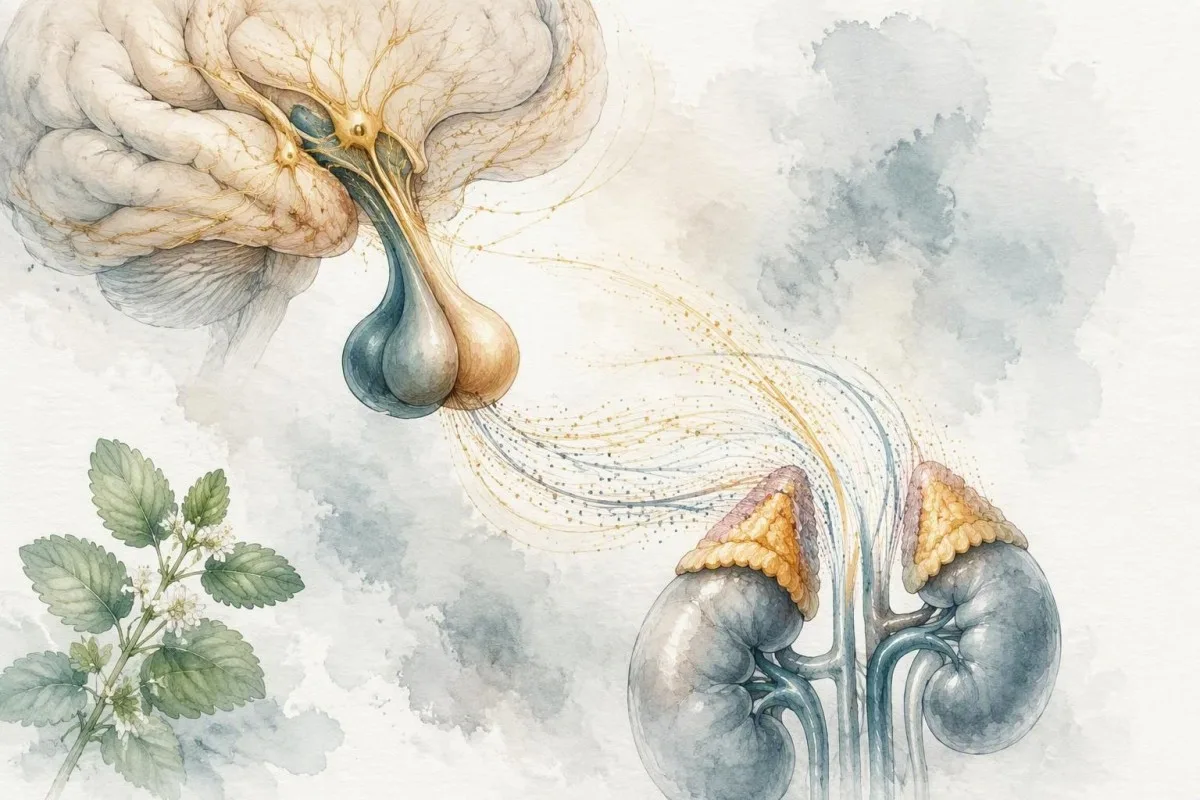
ريڊم ڪورٽيسول ۽ وسيع جنسي-هارمون پينل معمول طور تي مسلسل گهٽ مزاج جي وضاحت نه ڪندا آهن ۽ انهن کي عام “برن آئوٽ ٽيسٽ” جي طور تي استعمال نه ڪيو وڃي.” اهي تڏهن مفيد ٿيندا آهن جڏهن علامتون ايڊينل بيماري، حيض جي خرابي، مينوپاز جي منتقلي، هائپوگوناديزم، پيٽيوٽري بيماري، يا دوائن جي اثرن جو شڪي هجن.
ڪورٽيسول جو روزانو مضبوط تال هوندو آهي: صبح جو نمونو معمول کان شام جي نموني کان تمام گهڻو هوندو آهي، تنهنڪري بي وقتي قدر محدود تشخيصي معنيٰ رکي ٿو. شڪي ايڊينل جي گھٽتائي جو اندازو صحيح وقت تي ڪورٽيسول ۽ اڪثر اسٽيموليشن ٽيسٽ سان ڪيو ويندو آهي، آن لائن “ايڊينل ٿڪاوٽ” اسڪور سان نه.
ٽيسٽسٽرون ڏينهن جي وقت، تيز بيماري، ننڊ، ۽ بانڊنگ پروٽين سان گڏ تبديل ٿيندو آهي؛ مردن ۾، صبح جو مجموعي ٽيسٽسٽرون گهٽتائي جو تشخيص ڪرڻ کان اڳ گهٽ ۾ گهٽ ٻه موقعن تي ورجايو وڃي. ايسٽراڊيول ۽ پروجيسٽرون حيض جي چڪر ۾ تبديل ٿيندا آهن، جنهن ڪري هڪ واحد قدر چڪر جي وقت کان سواءِ مزاج ۾ تبديلي جي وضاحت نٿو ڪري سگهي.
علامتون جن ۾ ٽارگيٽڊ اينڊوڪرائن ٽيسٽنگ صحيح ٿي سگهي ٿي ان ۾ جسم جي وارن جو نئون نقصان، erectile dysfunction، amenorrhea، galactorrhea، سخت گرم لهرون، جامني اسٽريچ مارڪ، اڻ ڄاتل زخم، يا مسلسل گهٽ بلڊ پريشر شامل آهن. اسان جو ڪورٽيسول ريفرنس گائيڊ وضاحت ڪري ٿو ته نموني گڏ ڪرڻ جو وقت نتيجي جو حصو ڇو آهي.
مينوپاز بائيو ڪيميڪل کان اڳ ڪلينڪل آهي
45 کان مٿي ماڻهن لاءِ جن کي معمولي گرم لهرون ۽ چڪر ۾ تبديليون اينديون آهن، مينوپاز اڪثر ڪلينڪل طور تشخيص ڪيو ويندو آهي، نه ته هڪ FSH ٽيسٽ مان. ٿائيرائيڊ بيماري، انيميا، دوائن جا اثر، ۽ ڊپريشن گڏجي موجود ٿي سگهن ٿا، تنهنڪري هڪ ليبل جو علاج تشخيص جو خاتمو نه هجڻ گهرجي.
ٽيسٽ شامل ڪرڻ کان اڳ دوائن، شراب، مادو ۽ ننڊ جو جائزو وٺو
دوائن جا اثر، شراب، ڪينابس، محرڪ، سيڊيٽيوز، ۽ ننڊ جا مرض گهٽ مزاج جا عام ريورسيبل مددگار آهن جن کي ڪوبه معياري بلڊ پينل مڪمل طور تي پڪڙي نٿو سگهي. هڪ دوا جي ٽائم لائن اڪثر اضافي ليبرٽري نموني جي هڪ وائل کان وڌيڪ حاصل ڪري ٿي.
بيٽا بلاڪرز، آئسوٽريٽينوئن، ڪورٽيڪوسٽرائڊز، ڪجهه ضد seizures دوائون، انٽرفيرون تي ٻڌل علاج، سيڊيٽيوز، ۽ هارمونل علاج متاثر ماڻهن ۾ مزاج تي اثر ڪري سگهن ٿا. SSRIs، diuretics، ۽ carbamazepine سوڊيم گهٽائي سگهن ٿا؛ پروٽون-پمپ انbinitors ۽ metformin وقت سان گڏ B12 جي گهٽتائي ۾ مدد ڪري سگهن ٿا.
الڪوحل ٿوري دير لاءِ بي چيني گهٽائي سگهي ٿو پر ننڊ کي ٽوڙي ٿو ۽ GGT، MCV، ٽرگليسرائيڊس، ۽ جگر جي انزايمز کي وڌائي سگهي ٿو. ليبارٽري مٿين حد کان مٿي GGT غير مخصوص آهي: اهو الڪوحل، ڀاڄي جگر، دوائون، يا ڪوليسٽاسس کي ظاهر ڪري سگهي ٿو، تنهنڪري ان کي ڪڏهن به الڪوحل جي استعمال جي ثبوت طور استعمال نه ڪيو وڃي.
رڪاوٽ واري ننڊ اپنيا ڊپريشن وانگر ڏسي سگهي ٿي - غير بحال ٿيندڙ ننڊ، خراب توجه، جنسي خواهش ۾ تبديليون، ۽پوءِپهر جي ٿڪاوٽ - جڏهن ته CBC ۽ ٿائيرائيڊ ٽيسٽون معمول مطابق رهيون. جيڪڏهن گهٽتائي، ڏٺل وقفو، صبح جي سرڪردگي، يا مزاحمتي هائيپر ٽينشن موجود آهي، سپليمنٽس کي ڳولڻ جي بدران ننڊ جي تشخيص بابت پڇو؛; خراب ننڊ ۽ ليب نتيجا مفيد سياق فراهم ڪري ٿو.
ڪلينيڪل ڊاڪٽر ڳاڙهي جھنڊن بدران نمونن کي ڪيئن پڙهندا آهن
هڪ غير رينج جو نتيجو نادر طور تي گهٽ مزاج جي وضاحت ڪري ٿو؛ علامتن ۾ هم آهنگ نمونن، ورجائي نتيجن، ۽ لاڳاپيل بائيو مارڪرز وڌيڪ قابل اعتماد آهن. ليبارٽري ريفرنس رينجز بيان ڪن ٿيون ته ڪٿي 95% هڪ ريفرنس آبادي جو پوي ٿو، نه ته ذاتي صحت جي ضمانت.

18 ng/mL جي فيرينٽين گهٽ ٽرانسفيرين سنترپتي، ڳري دورن، بي آرام پيرن، ۽ ٿڪاوٽ سان گڏ لوھ جي کوٽ جو مضبوط ڪيس آھي ان کان وڌيڪ صرف 18 فيرينٽين. برعکس، تازي وائرل بيماري کان پوءِ 18 فيرينٽين اڃا به تحقيق ڪرڻ لاءِ ڪافي گهٽ آهي، پر CRP، غذا، رت جو نقصان، ۽ ورجائي جو وقت فيصلي کي شڪل ڏئي ٿو.
ساڳيو اصول ٿائيرائيڊ ٽيسٽنگ تي لاڳو ٿئي ٿو: TSH 5.2 mIU/L هڪ بي خوابي هفتي کان پوءِ ورجائي جي لائق ٿي سگهي ٿي، جڏهن ته TSH 12 mIU/L گهٽ فري T4 ۽ قبض سان هڪ تمام واضح سگنل آهي. ليبارٽريز اسايز ۾ مختلف آهن، تنهنڪري ساڳئي ليبارٽري ۽ يونٽن کي ٽريڪ ڪرڻ ڪوڙي ظاهر تبديلي کي گهٽائي ٿو.
Kantesti AI رجحانن ۽ لاڳاپيل مارڪرن جو مقابلو ڪري ٿو انهن بحثن کي گهٽ ڀاڱو ڀاڱو ڪرڻ لاءِ، پر اسان جو ڪلينڪل معيار اعتماد جي گهٽتائي کي ظاهر ڪرڻ آهي نه ته اعتماد جو ايجاد ڪرڻ. سکيو ڇو هڪ بلڊ ٽيسٽن جي وچ ۾ تبديلي حياتياتي تغيري، مجموعي تغيري، يا حقيقي شفٽ ٿي سگهي ٿو.
هڪ عام رينج علاج جو هدف ناهي
هر بائيو مارڪر کي ريفرنس انٽرويل جي وچ ۾ ڌڪڻ جي ڪوشش نه ڪريو. مثال طور، اعليٰ دوز آئرن معدي جي نقصان جو سبب بڻجي سگهي ٿو ۽ رت جي نقصان جي تشخيص کي ڍڪي سگهي ٿو، جڏهن ته اضافي وٽامن ڊي هائيپرڪلسيميا جو سبب بڻجي سگهي ٿو؛ علاج تشخيص، علامتن، ۽ فالو اپ ٽيسٽنگ جي پيروي ڪرڻ گهرجي.
ڪڏهن ٽيسٽ ورجائڻ، GP جو جائزو وٺڻ، يا جلدي مدد حاصل ڪرڻ
جڏهن هڪ معمولي غير معمولي عارضي ٿي سگهي ٿي ته ورجائي ٽيسٽ مناسب آهي، پر فوري علامتون انتظار ۽ ڏسڻ جي منصوبي تي غالب اچن ٿيون. نئين خودڪشي ارادو، ڊيليريئم، سخت ڪمزوري، سيني ۾ درد، بي هوشي، جذام، ڪارا اسٽول، يا گلوڪوز سان لاڳاپيل پريشاني کي فوري طبي مدد جي ضرورت آهي.
هڪ معمولي وڌندڙ TSH معمول مطابق فري T4 سان اڪثر ورجائي ويندي آهي 6-12 هفتا, ، حمل يا نمايان علامتن ۾ جلد. آئرن، B12، ۽ وٽامن ڊي فالو اپ جو وقت علاج ۽ بيس لائن جي شدت تي منحصر آهي؛ ڪلينڪل اڪثر ڪجهه هفتن کان پوءِ CBC ۽ آئرن مارڪرن جو ٻيهر جائزو وٺندا آهن ڇو ته ڳاڙهي رت جي بحالي ۾ وقت لڳندو آهي.
هيموگلوبن کان هيٺ ڏنل ساڳئي هفتي جي نظرثاني لاءِ ڳوليو 10 g/dL, ، سوڊيم 130 mmol/L, ، ڪلسيم مٿي 11.0 mg/dL کان مٿي هجي, ، eGFR تيزي سان گهٽجي رهيو آهي، بلي روبين جذام سان، يا ذیابيطس رينج ۾ گهٽ شگر جي علامتن سان گڏ. اهي ٽريج پراسپيٽس آهن، تشخيص نه، ۽ مقامي خدمتون مختلف حدون استعمال ڪري سگهن ٿيون.
پيچيده رپورٽن لاءِ، Kantesti جو ڪلينڪل تصديق جو طريقو ذريعو چيڪ ڪرڻ، ورجائي، ۽ وڌائڻ تي زور ڏئي ٿو نه ته هڪ ڪلڪ جي اطمينان تي. ڊاڪٽر ٿامس ڪلين اپائنٽمينٽ ۾ اصل PDF، دوا جي لسٽ، ۽ هڪ هفتي جي علامتن واري ڊائري آڻڻ جي سفارش ڪري ٿو.
اپائنٽمينٽ کان اڳ ڇا لکڻو
شامل ڪريو جڏهن گهٽ مزاج شروع ٿئي، ننڊ جو مدو، بک يا وزن جي تبديلي، حيض جو رت وهڻ، الڪوحل ۽ مادي جو استعمال، خانداني ٿائيرائيڊ يا ذیابيطس جي تاريخ، تازيون انفيڪشن، غذا جي پابندي، ۽ هر دوا يا سپليمنٽ جي دوز. اها معلومات اڪثر ڪري ڪهڙي “غير معمولي” نتيجي کي ڪلينڪل طور تي لاڳاپيل بڻائي ٿو.
جڏهن طبي سببن جي جاچ ڪئي پئي وڃي ته گهٽ مزاج جو علاج ڪريو
گھٽ موڊ جڏهن مستقل هجي يا ڪم ۾ رنڊڪ وجهي، بلڊ ٽيسٽن جي انتظار ۾ هجڻ دوران به، ذهني صحت جي سپورٽ شروع ٿيڻ گهرجي. نفسياتي علاج، سماجي سپورٽ، ننڊ جو علاج، مناسب هجڻ تي دوا، ۽ حفاظت جي پلاننگ “نارمل لئب” کانپوءِ پوئتي ڇڏيل اختيار نه آهن؛ اهي ثابتي تي ٻڌل سنڀال آهن.

ڊپريشن عام طور تي گهٽ ۾ گهٽ 2 هفتن گھٽ موڊ يا دلچسپي جي گهٽتائي سان گڏ ٻين علامتن جهڙوڪ ننڊ، بک، توانائي، توجه، جرم، نفسياتي، يا خودڪشي جي تبديلين سان بيان ڪيو ويندو آهي. شدت ڪم ڪندڙ اثر ۽ حفاظت تي دارومدار رکي ٿي، نه ان تي ته ليبارٽري رپورٽ ۾ خراب نشانيون آهن يا نه.
جسماني سبب حقيقي ٿي سگهي ٿو بغير ان جي ته اهو واحد سبب هجي. B12 جي ڪمي کي درست ڪرڻ سان ٿڪاوٽ ۽ توجه ۾ بهتري اچي سگهي ٿي جڏهن ته علاج غم، صدمي، اڪيلائي، يا ڊپريشن جي مستقل علامتن کي منهن ڏئي رهيو آهي؛ اڪثر مريضن کي هي گڏيل فريم ورڪ گهٽ الزام ڏيندڙ لڳندو آهي.
Kantesti اسان جي طبي صلاحڪار بورڊ, جي ڊاڪٽر جي نگراني هيٺ ڪم ڪري ٿو، ۽ اسان پڙهندڙن کي مشوري جي ۽ ذهني صحت جي سنڀال جي تياريءَ لاءِ AI جي استعمال جي حوصلا افزائي ڪريون ٿا، ان جي بدلي طور نه. جيڪڏهن توهان اڄ پاڻ کي محفوظ نه ٿا رکي سگهو، ته پنهنجي ملڪ ۾ فوري طور تي ايمرجنسي خدمتون يا ڪرائسس وسيلو استعمال ڪريو.
گھٽ موڊ جي بلڊ ورڪ لاءِ اهم ڳالهه
مقصد تي ٻڌل بلڊ ٽيسٽ ست ڪارائتيون درجيون ظاهر ڪري سگهن ٿيون: آئرن سان لاڳاپيل انيميا، تائرائڊ جي خرابي، B12 يا فولٽ جي ڪمي، وٽامن ڊي جي کمي، گلوڪوز جي خرابي، گردي-جگر-اليڪٽرولائيٽ جي غيرمعمولي حالت، ۽ علامتن جي ڪري ٿيندڙ سوزش يا انفڪشني بيماري. اهو همدردي واري تشخيص جو هڪ حصو آهي، ڪڏهن به ان ڳالهه جو فيصلو نه آهي ته توهان جي تڪليف جائز آهي يا نه.
وچان وچان سوال ڪرڻ
جيڪڏھن مون کي گھٽ مزاج ۽ ٿڪاوٽ ھجي ته ڪھڙا خون جا امتحان ڪرڻ گھرجن؟
گھٽ موڊ ۽ ٿڪاوٽ لاءِ هڪ مرکوز بلڊ ٽيسٽ ۾ اڪثر CBC، فرينٽين سان ٽرانسفرين سنترپشن، TSH، B12، HbA1c يا گلوڪوز، گردي جي ڪم، اليڪٽرولائٽس، ۽ جگر جا ٽيسٽ شامل هوندا آهن. وٽامن ڊي تڏهن مناسب آهي جڏهن سج جي روشني گهٽ هجي، جذب ۾ خرابي جو خطرو هجي، يا عضلاتي درد گڏ هجي. فرينٽين 30 ng/mL کان گهٽ، B12 180 pg/mL کان گهٽ، ۽ TSH ليبارٽري انٽروَل کان مٿي نتيجن جا مثال آهن جن کي ڪلينڪل تناظر جي ضرورت آهي. اهي ٽيسٽ ممڪن طبي سببن جي نشاندهي ڪن ٿا؛ اهي ڊپريشن جو تشخيص نه ڪندا آهن.
ڇا رت جو امتحان ڊپريشن جو تشخيص ڪري سگهي ٿو؟
نه، ڪو به بلڊ ٽيسٽ عام ڪلينڪل ڪيئر ۾ ڊپريشن جو تشخيص نه ڪري سگهندو آهي. ڊپريشن جو تشخيص گهٽ ۾ گهٽ 2 هفتا رهندڙ علامتن، روزاني ڪم تي انهن جي اثر، نفسياتي تاريخ، امتحان، ۽ حفاظت جي تشخيص مان ڪيو ويندو آهي. TSH، فرينٽين، B12، گلوڪوز، سوڊيم، ۽ ڪيلشيم جهڙا ٽيسٽ اهڙين حالتن جي سڃاڻپ ۾ مدد ڪن ٿا جيڪي ڊپريشن جي علامتن جي نقل يا خراب ٿيڻ جو سبب بڻجي سگهن ٿيون. نارمل بلڊ جا نتيجا ڊپريشن کي رد نه ڪندا آهن يا ان جو مطلب ناهي ته علاج ضروري ناهي.
ڇا لوھ جي گھٽتائي انيميا کان سواء پريشاني ۽ اداسي جو سبب بڻجي سگهي ٿي؟
ها، آئرن جي ڪمي ٿڪاوٽ، خراب توجه، بي چين پير، ورزش جي گهٽتائي، ۽ گهٽ موڊ جو سبب بڻجي سگهي ٿي ان کان اڳ جو هيموگلوبن انيميا جي معيار کي پورو ڪرڻ لاءِ ڪافي گهٽ ٿئي. 30 ng/mL کان گهٽ فرينٽين اڪثر آئرن جي ذخيرن جي گهٽتائي جي حمايت ڪندو آهي، جڏهن ته 20% کان گهٽ ٽرانسفرين سنترپشن ڪافي آئرن جي دستيابي جي ناڪافي جو ثبوت وڌائي ٿو. سبب اهم آهي: بار بار حيض جو خون وهڻ، معدي جي رستي مان ضايع ٿيڻ، گهٽ انٽيڪ، رت جو عطيو، ۽ جذب ۾ خرابي کي مختلف رد عملن جي ضرورت آهي. نتيجي ۽ سبب کي ڪلينڪ سان ڳالهائڻ کان سواءِ ڊگهي عرصي تائين آئرن جو علاج شروع نه ڪريو.
ڪهڙو ٿائيرائڊ نتيجو مزاج کي متاثر ڪري سگهي ٿو؟
اوورٽ هاپوٿائرايڊزم، جيڪو اعليٰ TSH ۽ گهٽ فري T4 سان بيان ڪيو ويندو آهي، ٿڪاوٽ، سست سوچ، ٿڌي برداشت نه ڪرڻ، قبض، ۽ ڊپريشن جي علامتن ۾ حصو وٺي سگهي ٿو. ڪيترائي ليبارٽري TSH ريفرنس انٽروَل 0.4-4.0 mIU/L جي لڳ ڀڳ استعمال ڪندا آهن، پر 10 mIU/L کان مٿي جو نتيجو عام طور تي معمولي واڌ کان وڌيڪ وزن کڻندو آهي. عام فري T4 سان معمولي طور تي وڌيل TSH کي فوري طور تي فرض ڪرڻ بدران 6-12 هفتن ۾ ٻيهر ٽيسٽ ڪرڻ جي ضرورت هوندي آهي. تائرائڊ جي بيماري ۽ ڊپريشن گڏجي ٿي سگهن ٿا، تنهنڪري تائرائڊ فنڪشن جو علاج ذهني صحت جي تشخيص جي جڳهه نٿو وٺي.
ڇا مون کي گهٽ مزاج يا ٿڪاوٽ لاءِ ڪورٽيسول جو امتحان ڏيڻ گهرجي؟
عام گھٽ موڊ يا برن آئوٽ لاءِ رينڊم ڪورٽيسول ٽيسٽ عام طور تي ڪارائتو نه آهي ڇو ته ڪورٽيسول ڏينهن جي دوران ۽ تيز دٻاء، بيماري، ۽ ننڊ سان گهڻو تبديل ٿئي ٿو. مقصد تي ٻڌل ٽيسٽ تڏهن مناسب آهي جڏهن علامتون ايڊرينل بيماري جو اشارو ڏين ٿيون، جهڙوڪ مستقل گهٽ بلڊ پريشر، اڻ ڄاتل وزن گھٽجڻ، جلد جي رنگت ۾ تبديلي، سخت ڪمزوري، يا ڪشنگ جهڙيون خاصيتون. هڪ صبح جو ڪورٽيسول ڪلينڪ طور اشارو ڏيڻ تي تصديقي اسٽيموليشن ٽيسٽ ڪري سگهي ٿو. ڪمرشل “ايڊرينل ٿڪاوٽ” ٽيسٽ مکيه اسٽريم جي انڊوڪرين پريڪٽس ۾ تسليم ٿيل تشخيص ناهي.
جڏهن گهٽ مزاج کي ايمرجنسي سمجهيو وڃي؟
گھٽ موڊ کي فوري طور تي تشخيص جي ضرورت آهي جڏهن خودڪشي جا خيال ارادي يا منصوبي سان هجن، محفوظ رهڻ جي ناڪامي، ذهني بيماري، شديد بيچيني، نئين حيرت، يا ڪيترن ئي ڏينهن ننڊ نه ڪرڻ سان غير معمولي طور تي گهڻي توانائي يا خطري واري رويي سان. ليبارٽري جون شديد علامتون به فوري سنڀال جي لائق آهن، جن ۾ سوڊيم 120 mmol/L کان گهٽ، گلوڪوز سان لاڳاپيل حيرت، بي هوشي، سيني ۾ درد، يا تيزيءَ سان ڪمزور ٿيڻ شامل آهن. فوري طور تي معمول جي ٽيسٽ جي نتيجن جو انتظار ڪرڻ بدران فوري خدمتون، ڪرائسس سروس، يا ايمرجنسي ڊپارٽمينٽ سان رابطو ڪريو. توهان سان گڏ رهڻ لاءِ هڪ ڀروسي واري شخص کي پڇڻ هڪ sensible فوري حفاظت جو اقدام آهي.
اڄ ئي AI-طاقتور خون جي جاچ جو تجزيو حاصل ڪريو
دنيا ڀر ۾ 2 ملين کان وڌيڪ استعمال ڪندڙن ۾ شامل ٿيو جيڪي فوري ۽ درست ليب ٽيسٽ تجزيو لاءِ Kantesti تي ڀروسو ڪن ٿا. پنهنجا خون جي جاچ جا نتيجا اپلوڊ ڪريو ۽ سيڪنڊن ۾ 15,000+ بائيو مارڪرز جي جامع تشريح حاصل ڪريو.
📚 حوالا ڏنل تحقيقي اشاعتون
ڪلين، ٽي.، مچل، ايس.، ۽ ويبر، ايڇ. (2026). نيپا وائرس بلڊ ٽيسٽ: ابتدائي سڃاڻپ ۽ تشخيص گائيڊ 2026. Kantesti AI Medical Research.
ڪلين، ٽي.، مچل، ايس.، ۽ ويبر، ايڇ. (2026). B منفي رت جو قسم، LDH بلڊ ٽيسٽ ۽ ريٽيڪولوسائيٽ ڳڻپ گائيڊ. Kantesti AI Medical Research.
📖 ٻاهرين طبي حوالا
نيشنل انسٽيٽيوٽ فار هيلٿ اينڊ ڪيئر ايڪسيلنس (2022). بالغ ۾ ڊپريشن: علاج ۽ انتظام. NICE Guideline NG222.

⚕️ طبي دستبرداري
هي آرٽيڪل صرف تعليمي مقصدن لاءِ آهي ۽ طبي مشورو نٿو بڻجي. تشخيص ۽ علاج جي فيصلن لاءِ هميشه ڪنهن قابل صحت فراهم ڪندڙ سان صلاح ڪريو.
E-E-A-T اعتماد جا سگنل
تجربو
ڊاڪٽر جي نگرانيءَ هيٺ ليبارٽري نتيجن جي تشريح واري عمل جو جائزو.
ماهر
ليبارٽري دوائن جو ڌيان ان ڳالهه تي ته بايو مارڪرز ڪلينڪل حوالي سان ڪيئن رويو ڏيکارين ٿا.
اختيار
ڊاڪٽر ٿامس ڪلين لکيو، ۽ ڊاڪٽر ساره مچل ۽ پروف. ڊاڪٽر هانس ويبر طرفان جائزو ورتل.
اعتبار
ثبوتن تي ٻڌل تشريح، جنهن سان خبرداري گهٽائڻ لاءِ واضح پيرويءَ جا رستا موجود هجن.