Gul augu eru ekki áreiðanlegt skimunarpróf fyrir lifrarbólgu B. Sýkingin er oft einkennalaus og réttu mótefni og veiruprófin – ekki eingöngu einkenni – staðfesta hvað er að gerast.



- Einkennalaus sýking er algeng: margir með lifrarbólgu B hafa enga gulu og engin greinanleg einkenni lifrarbólgu B.
- Sótmarkstími fyrir bráða lifrarbólgu B er venjulega 60–150 dagar, með meðaltali um 90 daga.
- HBsAg jákvætt í 6 mánuði skilgreinir langvinna lifrarbólgu B sýkingu og krefst klínískrar eftirfylgni.
- IgM mótefni gegn HBc styður venjulega nýlega bráða sýkingu, en það getur einnig hækkað við blossa af langvinnri lifrarbólgu B.
- Mótefni gegn HBs, að minnsta kosti 10 mIU/mL eftir staðfesta bólusetningu er almennt talin verndandi ónæmissvar.
- ALT yfir 1.000 IU/L getur komið fram í bráðri lifrarbólgu af völdum veira, en lyf, blóðþurrð og aðrar veirur geta gefið sömu mynd.
- HBV DNA mælir fjölgun veirunnar; það er prófið sem breytir jákvæðri skimunarniðurstöðu í meðferðaráætlun.
- bráðamóttaka er viðeigandi vegna fyrirvirðingar, alvarlegs uppkasts, óvenjulegs marblettar, versnandi syfju eða gulu með föla hægð.
Getur lifrarbólga B komið fram án gulu? Já – oft einkennalaust
Já, lifrarbólga B án gulu er algeng. Margir eru einkennalausir, og jafnvel einkennalaus bráð sýking getur líkt fremur óljósri veirusýkingu en lifrarvandamáli. Gula kemur aðeins fram þegar bilirúbín safnast upp nægilega til að mislitast augu og húð; hún er ekki nauðsynleg fyrir skemmdum á lifrarfrumum eða smiti lifrarbólgu B.
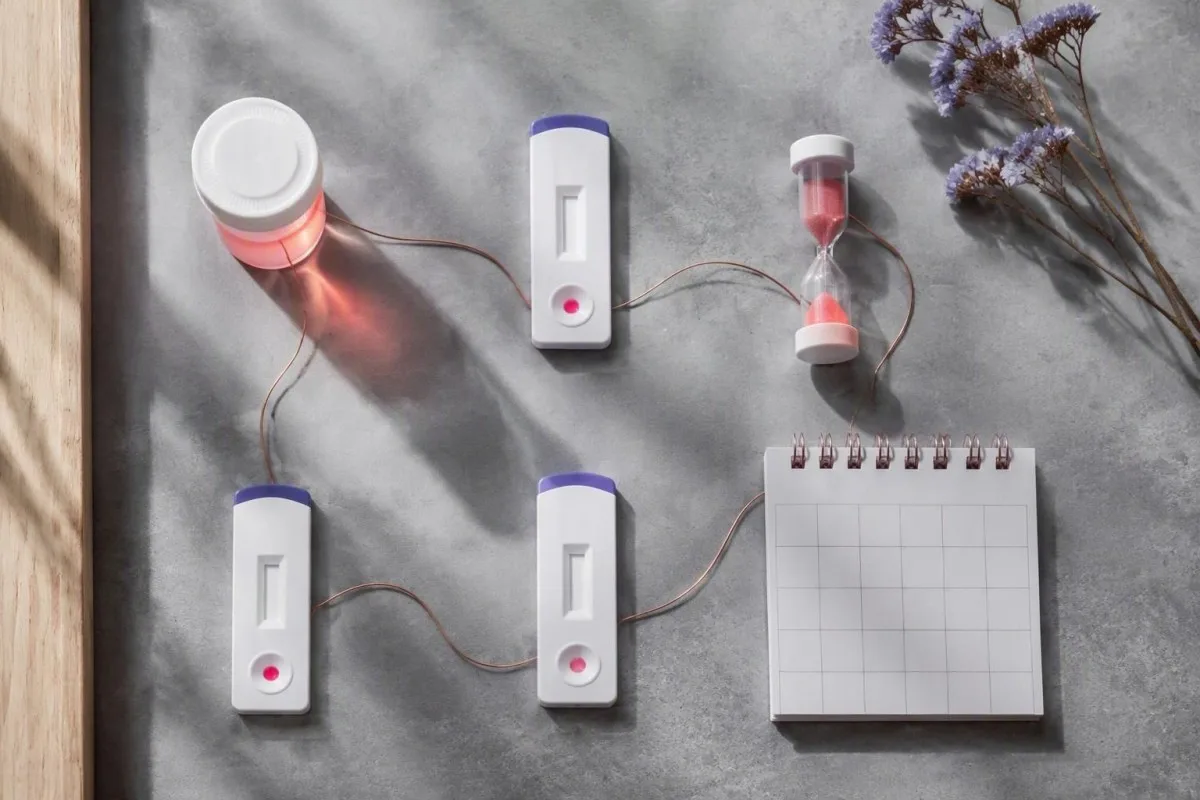
Að minni klínínskri reynslu er líklegastur til að gleymast sá sem er ekki endilega lasinn: það er heilbrigð manneskja sem fékk skimunarpróf vegna meðgöngu, innflytjendamála, nýs sambands eða óskyldrar óeðlilegrar lifrarensím. Einkenni bráðrar lifrarbólgu B koma aðeins fram hjá um 30–50%% sýktra fullorðinna, en ung börn eru mun sjaldnar með einkenni; fjarvera hita, gulleit augna eða kviðverkja útilokar ekki.
Gula endurspeglar aukið bilirúbín í blóðrásinni, sem verður almennt sýnilegt þegar heildarbilirúbín fer yfir um það bil 2–3 mg/dL (34–51 µmol/L). Lifrarbólga getur verið umtalsverð áður en það gerist, svo eðlilegur þvaglitur og hvít augu eru aðeins róandi í mjög takmörkuðum skilningi; sjá leiðbeiningar okkar um viðvörunar mynstrum bilirúbíns.
Kantesti er AI blóðprufugreiningartæki sem setur lifrarensím, bilirúbín, albúmín og blóðflögur niðurstöður við hlið veiru serology sem læknir hefur pantað. Hún getur ekki greint lifrarbólgu B frá venjulegri efnafræði einni saman, en hún getur hjálpað einhverjum að taka eftir því að “lifrarpróf” niðurstaða er ófullkomin án lifrarbólgu-sérprófa.
Hvers vegna einkenni eru lélegt skimunartæki
HBV getur smitast á einkennalausu tímabili því fjölgun veirunnar er á undan, samhliða eða varir lengur en sjáanlegur sjúkdómur. Frá og með 11. september 2026 eru áhættumiðaðar og einu sinni gerðar skimun fullorðinna enn áreiðanlegri en að bíða eftir einkennum, sérstaklega fyrir fólk sem fætt er á svæðum með meiri HBV útbreiðslu eða þá sem hafa verið í samskiptum við fjölskyldu, kynlíf eða sprautunotkun.
Hver eru snemmeinkenni lifrarbólgu B?
Snemma einkenni lifrarbólgu B eru yfirleitt þreyta, minni matarlyst, ógleði, lágur hiti, vöðvaverkir og óþægindi undir hægri rifbeinum. Enginn er nægilega sértækur til að staðfesta lifrarbólgu B, og einkennalaust tímabil eftir útsetningu er oft 60–150 dagar.
Gagnlegt klínískt vísbending er röð atburða. Slappleiki og minni matarlyst koma oft fram áður en dökkt þvag eða gulnun, og einstaklingur getur verið mjög þreyttur á meðan bilirúbín er enn eðlilegt. Meðaltal inkubasjónar er nálægt 90 dögum, sem er ástæða þess að prófa daginn eftir mögulega útsetningu getur verið of snemmt til að svara spurningunni.
Liðverkir og tímabundin útbrot geta komið fram í framþróun þar sem ónæmisfléttur dreifast áður en greinileg lifrarbólga þróast. Ég hef séð þetta ruglað við inflúensu eða ný viðbrögð við fæðu; mismunandi smáatriði var ALT á 642 IU/L ásamt jákvæðu lifrarbólgu B yfirborðs mótefnavaka, ekki útbrotin sjálf.
Notkun asetaminófen, fæðubótarefna, áfengis, Epstein–Barr veiru og vöðvaskaða getur allt hækkað aminotransferasa. Vöruleg ALT niðurstaða endurskoðun kemur í veg fyrir algeng mistök að kalla hverja hækkaða ALT “lifrarbólgu” áður en orsök er staðfest.
Einkenni sem eru ólíklegri
Klátur, fölska hægð og þrálát dökkt þvag benda til skertrar gallmeðhöndlunar og verðskulda hraðari mat, en þau eru ekki venjuleg snemmtíma kynning. Einstaklingur með einangraða uppþembu, bakflæði eða hlé á verkjum vinstra megin er tölfræðilega líklegri til að hafa aðra skýringu, þó útsetningaráhætta ætti samt að leiða til HBV prófunar.
Hvenær ættir þú að láta prófa þig fyrir lifrarbólgu B?
Láttu gera lifrarbólgu B próf tafarlaust eftir útsetningu fyrir blóði, kynferðislegri, fjölskyldu eða fæðingu, jafnvel þó þú líði vel. Grunnprófun skjalfestir stöðu þína, en endurtekin prófun er tímasett í gluggatímabilið og leiðist af bólusetningarsögu.
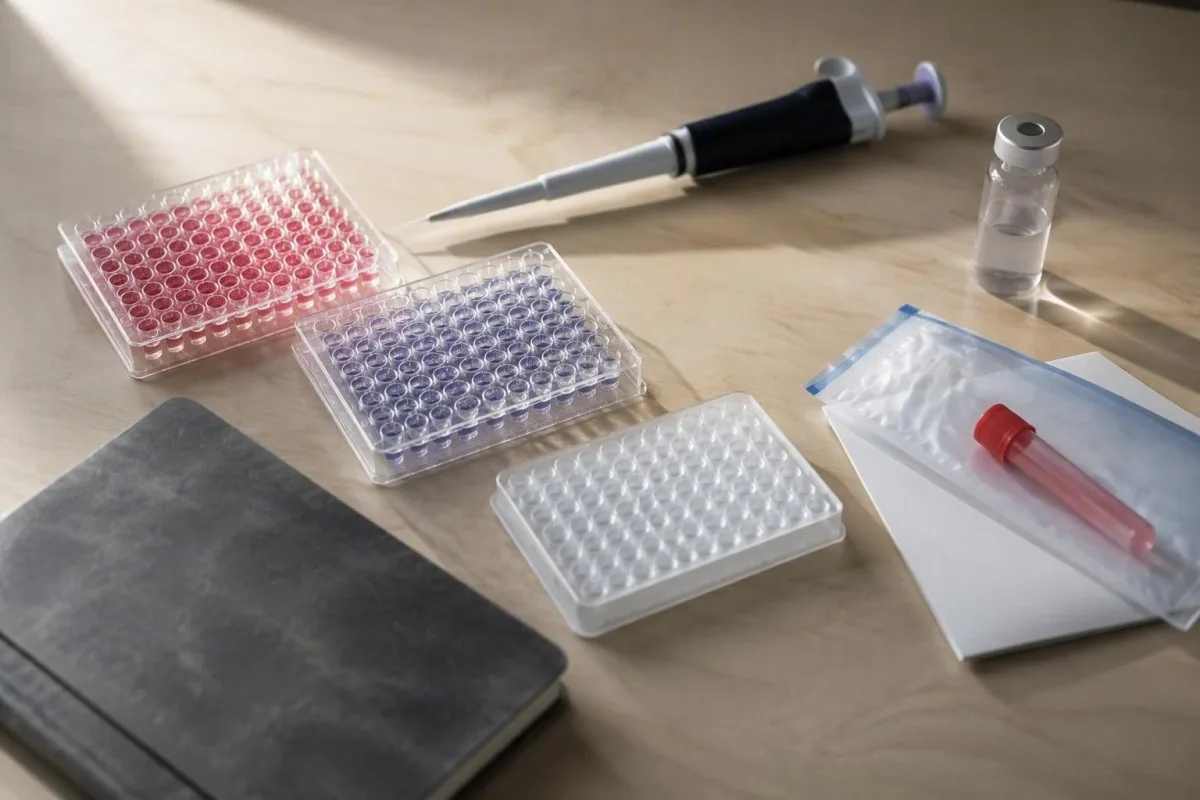
CDC mælir með einu sinni skiman fullorðinna með þremur prófa spjaldi: HBsAg, and-HBs og heildar and-HBc (Conners o.fl., 2023). Þessi samsetning aðskilur núverandi sýkingu, fyrri læknaða sýkingu, bóluefnisónæmi og næmni á skilvirkari hátt en að panta eingöngu HBsAg.
Eftir verulega nýlega útsetningu getur læknir prófað núna og endurtekið próf um það bil 6 mánuðum ef upphaflegt spjaldið staðfestir ekki sýkingu eða ónæmi. Bóluefni eftir útsetningu er tímanæmt – lifrarbólgu B bóluefni ætti að byrja eins fljótt og auðið er, og lifrarbólgu B ónæmisglóbúlin getur verið ávísað fyrir valdar útsetningar sem ekki eru ónæmar – svo bíðið ekki eftir einkennum.
Kantesti er AI blóðrannsóknartúlkunarvettvangur sem geta skipulagt ljósmyndað eða hlaðið upp sermisfræðilegri skýrslu í þriggja merkja mynstur, en meðhöndlun útsetningar tilheyrir bráðaþjónustu, kynheilbrigðisþjónustu, vinnuheilbrigðisþjónustu eða heilsugæslulækni. Okkar lifrarbólga C einkenna leiðarvísir útskýrir hvers vegna próf fyrir veiru lifrarbólgu verða að vera túlkuð veiru fyrir veiru.
Prófanir á meðgöngu
Hver meðganga skal innihalda HBsAg skimun á hverri meðgöngu, óháð skynjaðri áhættu. Jákvætt niðurstaða breytir áætlun um forvarnir fyrir nýbura: barnið þarf lifrarbólgu B bóluefni og, þegar það er ávísað, ónæmisglóbúlin innan 12 klukkustunda frá fæðingu.
Þrjú blóðpróf sem skýra stöðu vegna lifrarbólgu B
HBsAg, and-HBs og heildar and-HBc eru kjarna lifrarbólgu B skimunarpróf. Saman svara þau hvort veira sé nú greinanleg, hvort ónæmi sé til staðar og hvort ónæmiskerfið hafi áður haft kynni af lifrarbólgu B.
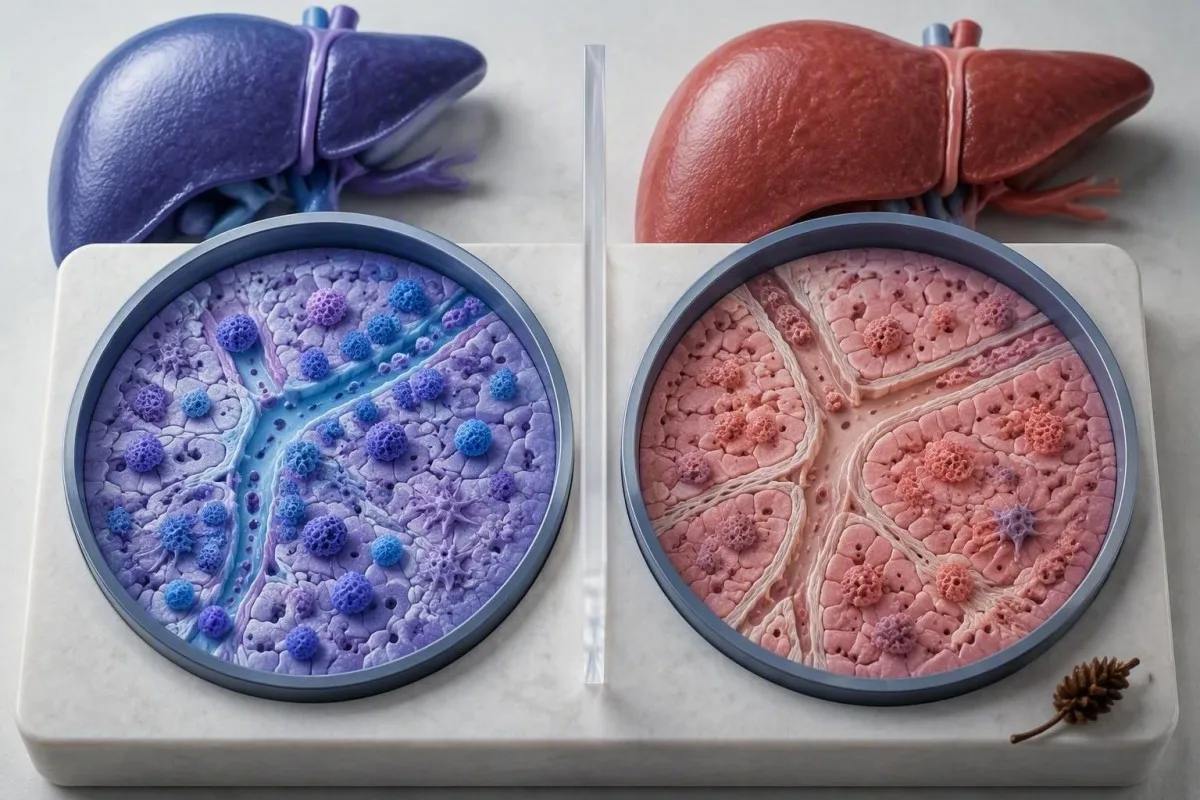
HBsAg er lifrarbólgu B yfirborðs and-gen; jákvæð niðurstaða þýðir að núverandi sýking er möguleg og þarf staðfestingu og klíníska eftirfylgni. Anti-HBs er yfirborðs mótefni; magn að minnsta kosti 10 mIU/mL eftir fullkomið skjalfest bólusetningarkerfi er almennt talið vera verndandi viðbrögð hjá ónæmisfræðilega heilbrigðu fólki.
Heildar anti-HBc greinir mótefni frá kjarna vegna fyrri eða núverandi náttúrulegrar sýkingar og er ekki framleitt með bólusetningu. Myndin HBsAg neikvætt, and-HBs jákvætt og heildar and-HBc neikvætt passar við bóluefni-afleitt ónæmi; HBsAg neikvætt, and-HBs jákvætt og heildar and-HBc jákvætt passar venjulega við læknaða náttúrulega sýkingu.
Einangruð jákvæð heildar and-HBc er eitt af erfiðari mynstrum. Það getur endurspeglað fjarlæga læknaða sýkingu með minnkandi and-HBs, falskt jákvæða próf, dulin sýkingu eða sjaldnar snemma bráða sýkingu; læknar geta endurtekið sermisfræði og pantað HBV DNA, sérstaklega fyrir ónæmisbælandi meðferð. Útskýring okkar á jákvæðum mótefni niðurstöðum fjallar um hvers vegna eitt mótefni sjaldan segir alla söguna.
Hvernig próf greina bráða frá langvinnri lifrarbólgu B
Bráð og langvinn lifrarbólga B greinist aðallega eftir tíma og serólogíu, ekki eftir því hversu veikt einhverjum líður. HBsAg sem varir í að minnsta kosti 6 mánuði staðfestir langvarandi sýkingu; eitt jákvætt HBsAg niðurstaða getur ekki sjálf gefið upp sýkingartíma.
IgM mótefni gegn HBc styður sterklega nýlega bráða sýkingu þegar hún er ásamt nýrri HBsAg jákvæðni og samhæfðum sjúkdómi. Hún er ekki fullkomin: IgM and-HBc getur einnig greinst við blossa af langvinnri lifrarbólgu B, svo læknar bera saman fyrri niðurstöður, tímasetningu einkenna, ALT feril og HBV DNA.
HBV DNA er tilkynnt í IU/mL og mælir magn veiru erfðaefnis í umferð. Það merkir ekki sjálft sjúkdóminn sem bráðan eða langvinnan, en greinanleg niðurstaða staðfestir æxlun og verður miðlæg við ákvörðun um eftirlit og meðferð; lágt eða ógreinanlegt DNA útilokar ekki þörfina á að túlka HBsAg og lifrarástand saman.
Leiðbeiningar AASLD leggja áherslu á röð ALT, HBV DNA, HBeAg stöðu og bandvefsmats frekar en eitt rannsóknarstofuupptöku (Terrault et al., 2018). Þetta er ein ástæða þess að eðlileg ALT við eina rannsókn sönar ekki að langvinn HBV sé skaðlaus.
Sex mánaða reglunni er tilgangur
Sex mánaða viðmiðunarskilnaðurinn aðskilur sýkingar sem líklegar eru til að hreinsast sjálfkrafa frá þeim sem hafa varað við og bera lengri áhættu á bandvefsmyndun og lifrarfrumukrabbameini. Hjá fullorðnum greinast meira en 90% af ónæmiskömmnum bráðum sýkingum, en sýking sem berst við fæðingu verður langvinn miklu oftar.
Hvað geta lifrarpróf sýnt – og hvað ekki
ALT og AST sýna lifrarfrumuskaða, en bilirúbín, albúmín, INR og blóðflagna fjöldi hjálpa til við að sýna alvarleika og lifrarstarfsemi. Venjulegt lifrarpróf getur ekki borið kennsl á lifrarbólgu B sem orsök án veiru serólogíu.
ALT er lífveru-sértækari en AST, þó hvorugt sé eingöngu lifur. Í bráðri veiru lifrarbólgu getur ALT farið yfir 1.000 IU/L; sama svið getur komið fram við acetamínófen eiturverkun eða minnkaðan blóðflæði í lifur, svo fjöldinn krefst bráðrar samhengis fremur en sjálfsgreiningar.
Bilirúbín endurspeglar samsetningu og gallútskilnað, en INR og albúmín endurspegla nýmyndunargetu. Hækkandi INR, sérstaklega við 1,5 eða meira hjá einstaklingi með bráða lifrarbólgu og brenglaðan geðrænan stöðu, vekur áhyggjur af bráðu lifrarbilun og þarf að meta það strax; okkar INR-leiðarvísirinn okkar útskýrir mælinguna.
Kantesti's taugakerfi les transamínasa ásamt bilirúbín, alkalíska fosfatasa, albúmín og blóðflagna til að flagga mynstur fyrir læknisfræðilega úttekt. Okkar lifrarprófs sundurliðun er gagnleg áður en þú gerir ráð fyrir að venjulegt “lifrarstarfspróf” hafi innihaldið skimun fyrir HBV.
AST:ALT hlutfallið er ekki lifrarbólgu B próf
AST:ALT hlutfall undir 1 er algengt í veiru lifrarbólgu en er hvorki næmt né sértækt. Nýleg mikil hreyfing getur hækkað AST frá vöðvum, á meðan gamma-glútamýl transferasi og bilirúbín geta verið eðlileg; endurtekin próf eftir bata geta komið í veg fyrir villandi veiru rannsókn.
Hvaða einkenni lifrarbólgu B krefjast aðhlynningar samdægurs?
Ringulreið, óvenjulegur syfja, endurtekin uppköst, hratt djúpna gulu, nýir marblettir eða mikil uppþemba kviðar krefjast tafarlausrar aðgerðar sama dag. Þessi einkenni geta bent til skertrar lifrarstarfsemi frekar en einfaldlega venjulegs bráðrar lifrarbólgu.
Ringulreið eða breytt svefn-vöknunar mynstri getur bent til lifrarheilkennis (hepatic encephalopathy), sérstaklega ásamt gulu og langvarandi INR. Það er óalgengt en það er ekki einkenni sem hægt er að bíða með til mánudags – brátt lifrarbilun getur þróast yfir klukkustundir til daga.
Dökk þvag eitt og sér er ekki sjálfkrafa neyðarástand; ofþornun, lyf og þétt þvag eru algengar skýringar. Dökk þvag ásamt ljósum hægðum, gulum augum, kláða, hita eða eymslum í efra hægra hluta kviðar bendir sterkara til galllitarefnis eða gallflæðisvandamála, eins og nánar er útskýrt í okkar leiðarvísir um dökkt þvag.
Forðastu áfengi og byrjaðu ekki á jurtahreinsun fyrir lifrina á meðan verið er að meta ástandið. Margir fjölþættir fæðubótarefni hafa óvíst innihald, og vara sem markaðssett er fyrir afoxun getur flækt lyfjameðhöndlaða lifraráverka einmitt þegar læknar þurfa hreina greiningarmynd.
Hver á að fá mat fyrr, jafnvel án einkenna?
Konur sem eru barnshafandi, hafa skorpulifur, taka krabbameinslyf eða líffræðileg ónæmisbælandi meðferð, hafa HIV, eða hafa vitað um langvarandi lifrarbólgu B þurfa einstaklingsbundið mat eftir nýja óeðlilega niðurstöðu. Reactivation getur verið klínískt hljóðlát þar til ALT hækkar, svo fyrirbyggjandi veirulyfjameðferð skipulagning getur verið öruggari en viðbragðspróf.
Af hverju langvinn lifrarbólga B getur verið alveg eðlileg
Langvinn lifrarbólga B veldur oft engum daglegum einkennum í mörg ár, jafnvel þegar veiru-fjölföldun eða lágmarks lifraráverki heldur áfram. Að líða vel, hreyfa sig reglulega og hafa eðlilegt galllitarefni útilokar ekki hættu á bandvefsmyndun.

Þetta er þar sem sjúklingar skiljanlega eiga í erfiðleikum: einstaklingur getur haft eðlilega eða lítillega hækkaða ALT og þarfnast samt skipulagðrar eftirfylgni vegna þess að HBV DNA, aldur, HBeAg staða, fjölskyldusaga og bandvefsmyndun hafa öll áhrif á áhættu. Blóðflagnafjöldi sem fer undir um 150 × 10⁹/L er ekki greining á skorpulifur, en ásamt óeðlilegum lifrarprófum þarf að fylgjast með honum.
A FIB-4 einkunn notar aldur, AST, ALT og blóðflagnafjölda sem matstæki til að meta bandvefsmyndun; það getur ekki greint skorpulifur eða komið í stað elastography. Okkar Leiðbeiningar um FIB-4 reiknivél útskýrir af hverju aldur getur gert landamæri skorinn meira áhyggjuvalda eftir 65.
Kantesti er AI-knúið blóðprófunargreiningartól hönnuð til að bera saman gamaldags lifrarpróf, svo smá ALT eða blóðflagna breyting er ekki falin af einni “innan viðmiðunar” vísbendingu. Að bera kennsl á þróun hjálpar til við að undirbúa betri samræður við lækni; það kemur ekki í stað HBV DNA prófa, ómskoðunar eða sérfræðilæknis.
Krabbameinsleit er áhættumiðuð
Ómskoðun til að leita að lifrarfrumuæxlum er ekki ákvörðuð eingöngu af einkennum. Læknar nota langvarandi lifrarbólgu B stöðu, skorpulifur, fjölskyldusögu, aldur, kyn og áhættu byggða á upprunasvæði til að ákveða hvort sex mánaða leit sé viðeigandi; AFP er stundum bætt við en er ekki áreiðanlegt sem einangrað skimunarpróf.
Þreyta sönar ekki lifrarbólgu B – hvernig læknar greina það
Þreyta er algeng í lifrarbólgu B en er mun oftar af völdum svefnraskana, blóðleysis, skjaldkirtlasjúkdóma, þunglyndis, lyfjaáhrifa eða annarra sýkinga. Gagnlega spurningin er hvort þreyta komi fram ásamt áhættuþáttum, lifrarprófabreytingum, eða jákvæðum HBV merkjum.
52 ára hlaupari með AST 89 IU/L eftir keppni er ekki sjálfkrafa með lifrarsjúkdóm; vöðvaskemmdir geta aukið AST, og kreatín kínasa ásamt endurteknu prófi eftir hvíld skýrir oft upprunann. Aftur á móti krefst ALT 289 IU/L með jákvæðu HBsAg og dökkum þvagi mjög annarrar leiðar.
Þreyta ásamt lágu blóðrauða, lágu ferritíni, eða óeðlilegum skjaldkirtilsprófum þarf samhliða mat frekar en eins orsaka sögu. Okkar grein um einkenni lágs ferritíns útskýrir af hverju járnskortur getur valdið þreytu áður en blóðleysi kemur fram.
Hagnýt regla Dr. Thomas Klein er einföld: einkenni hefja rannsóknina, en mynstur ákvarða hana. CBC, lifrarskoðun, lyfjaskoðun, útsetningarsaga og markviss veirupróf svara yfirleitt meira en endurtekin athugun á einu ensími.
Ekki gefa blóð til að “koma að því”
Blóðgjafa-skimun verndar móttakendur en er ekki persónuleg greiningaraðferð og veitir kannski ekki tímanlega ráðgjöf. Ef útsetning er möguleg, skipuleggðu trúnaðarprófanir á klínískum vettvangi eða almenningi þar sem hægt er að ræða alla þrjá merkjasniðina og eftirfylgni.
Hvað gerist eftir jákvæða HBsAg niðurstöðu?
Jákvæð HBsAg niðurstaða ætti að leiða til staðfestingar, HBV DNA prófunar, lifrarensímprófa og yfirferðar á tímalengd og smitvörnum. Það er nógu alvarlegt til að fylgja eftir tafarlaust, en það þýðir ekki sjálfkrafa skorpulifur eða þörf á tafarlausri veirueyðandi meðferð.
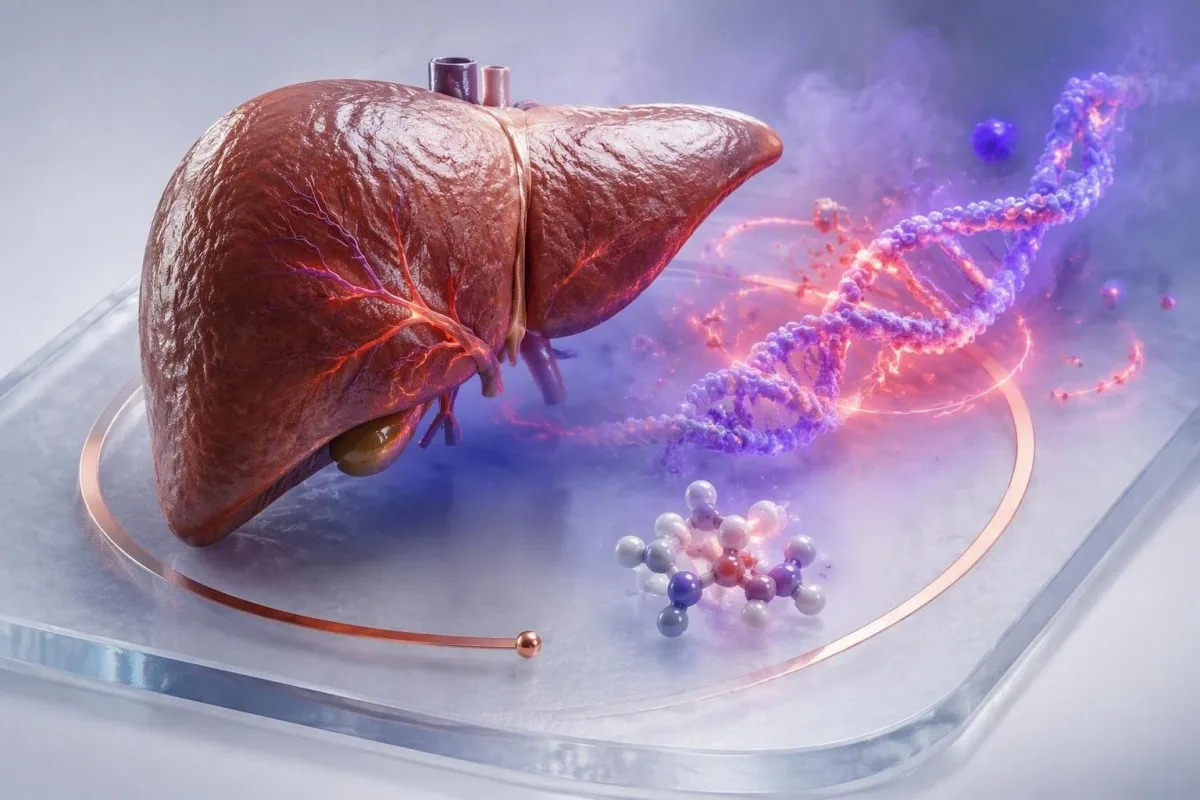
Læknar panta oft endurteknar eða staðfestingar HBsAg, heildar- og IgM anti-HBc, anti-HBs, HBeAg og anti-HBe, magnbundinn HBV DNA, ALT, AST, bilirúbín, albúmín, INR, CBC, og próf fyrir lifrarbólgu C, lifrarbólgu D, og HIV þegar við á. Viðbótarprófin svara ólíkum spurningum - eftirmyndun, fasa, lifraráverka, samfaraldra og meðferðaröryggi.
Fjölskyldumeðlimir og kynmökum ætti að prófa og bólusetja ef móttækilegir. Deilið ekki rakvélar, tannbursta eða stungubúnaði; HBV smitast með blóði og ákveðnum líkamsvökva, en það smitast ekki við faðmlög, sameiginlegar máltíðir, hósta eða venjuleg snerting á vinnustað.
Jákvæð HBsAg ætti einnig að leiða til yfirferðar á há AST mynstur frekar en að sjálfkrafa kenna alkóhóli eða fitulifur um. Samhliða efnaskiptatengd lifrarsjúkdómur er nógu algengur til þess að meira en eitt ferli geti verið til staðar.
Getur niðurstaða verið fölsk jákvæð?
Fölsk jákvæð HBsAg niðurstaða er sjaldgæf en möguleg, sérstaklega nálægt skurðpunkti prófs eða skömmu eftir bólusetningu í óvenjulegum aðstæðum. Staðfesting með hlutleysingar- eða endurteknaraðferð sem rannsóknarstofan mælir með er viðeigandi, en einstaklingur ætti að haga sér sem hugsanlega smitandi þar til niðurstaða er afgreidd.
Krefst langvinn lifrarbólga B alltaf meðferðar?
Nei, langvinn lifrarbólga B krefst ekki alltaf tafarlausrar veirueyðandi meðferðar, en sérhver staðfest tilfelli þarf áhættumiðaða eftirlit. Meðferðarákvarðanir vega HBV DNA, ALT, trefjamyndun eða skorpulifur, HBeAg stöðu, aldur, fjölskyldusögu og samhliða sjúkdóma.

Fyrstu langtíma lyf innihalda oft tenófóvír eða entekavír vegna þess að þau bæla HBV eftirmyndun á skilvirkan hátt og hafa hátt viðnám gegn mótstöðu. Þau stjórna veirunni frekar en að útrýma henni áreiðanlega, svo hætta á meðferð án ráðlegginga sérfræðings getur valdið blossa.
HBV DNA þröskuldar eru mismunandi eftir HBeAg stöðu og leiðbeiningarreglum; algengur ákvörðunarpunktur er 2.000 IU/mL, en meðferð byggist aldrei eingöngu á því númeri. Skorpulifur breytir útreikningnum verulega, vegna þess að hvaða greinanlegt HBV DNA sem er getur réttlætt meðferð í bættri skorpulifur.
The læknisfræðilegt staðfestingar- og matsrammi á bak við Kantesti leggur áherslu á að túlkunartæki ætti að sýna eftirfylgni spurningar, ekki ávísa veirueyðandi lyfjum. Lyfjaval krefst nýrnastarfsemi, barneignaáætlana, beinaheilsu, mótstöðusögu og álits sérfræðings.
Eftirlits millibil eru mismunandi
Fólk sem ekki er nú í meðferð gæti þurft ALT og HBV DNA athuganir á 3-6 mánaða fresti á virkum stigum og sjaldnar á stöðugum stigum, með millibilum sem klíníkus ákveður. Eðlileg niðurstaða í dag festir ekki varanlega óvirkt ástand þar sem HBV virkni getur sveiflast.
Hvernig á að vernda maka og fjölskyldumeðlimi
Bólusetning og prófanir vernda fjölskyldumeðlimi og kynmök frá lifrarbólgu B áreiðanlegri en eftirlit með einkennum. Fólk sem er móttækilegt ætti að hefja bólusetningu tafarlaust, en tengiliðir með jákvæða HBsAg þurfa klíníska mat frekar en bara ró.
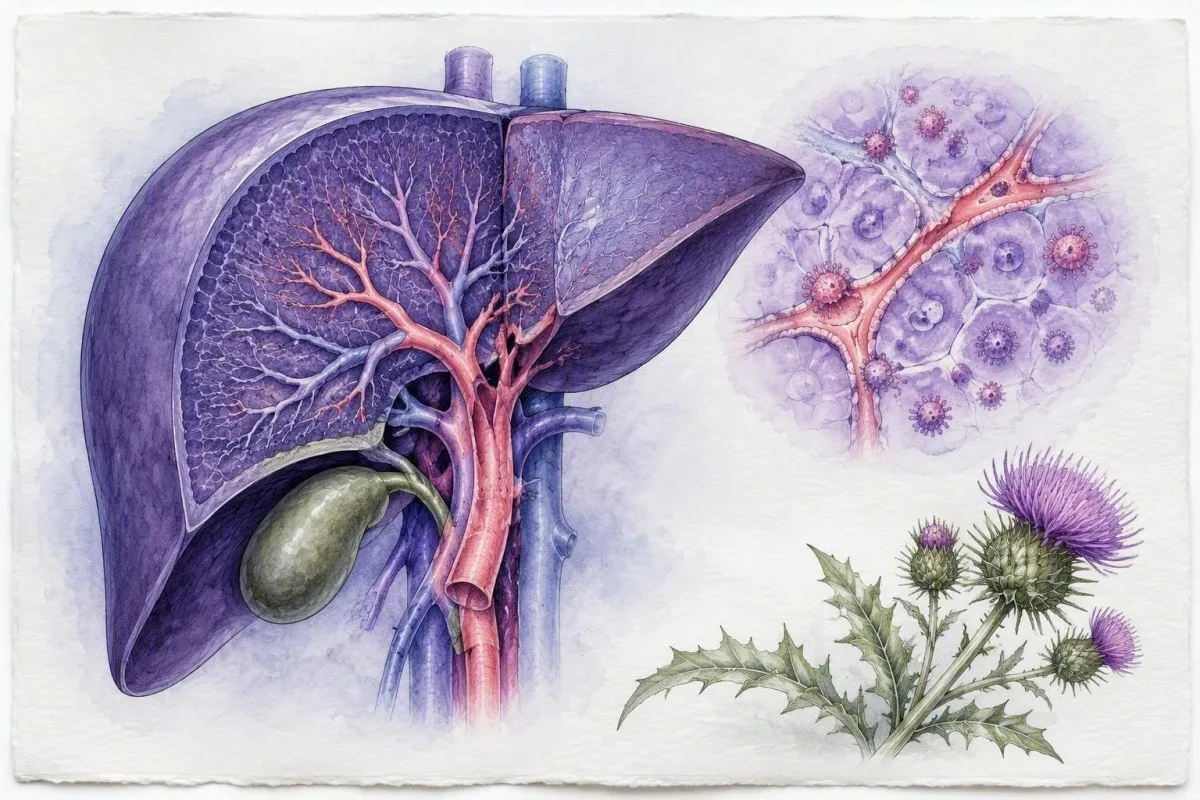
Lifrarbólgu B bóluefnið er mjög áhrifaríkt þegar raðar er lokið. Fyrir fullorðna sem þurfa sönnun á svörun eftir bólusetningu vegna atvinnu- eða ónæmisáhættu, er anti-HBs mælt 1-2 mánuðum eftir síðasta skammt; 10 mIU/mL eða hærra er hefðbundinn verndandi þröskuldur.
Notið smokka þar til ónæmi maka hefur verið staðfest, hyljið sár og haldið persónulegum snyrtivörum persónulegum. Venjuleg félagsleg samskipti eru örugg og ætti ekki að einangra börn frá foreldri með lifrarbólgu B – þessi misskilningur veldur ennþá óþarfa kvíða í fjölskyldum.
Kantesti’s auðlindir til að rekja heilsu fjölskyldunnar geta hjálpað heimilum að skipuleggja aðskildar niðurstöður með samþykki, en hver einstaklingur þarf sitt eigið próf og bólusetningarskrá. Eitt jákvætt mótefni hjá einum ættingja getur ekki staðfest ónæmi annarra.
Hvað með brjóstagjöf?
Brjóstagjöf er almennt leyfileg þegar nýburinn fær ráðlagða lifrarbólgu B ónæmisvörn. Einstaklingsráð er samt þörf ef geirvörtur eru sprungnar eða blæðandi, sam-sýking með HIV, eða spurningar um veirulyfjameðferð móður.
Hvað ættir þú að forðast á meðan beðið er eftir niðurstöðum lifrarbólgu B?
Forðist áfengi, óþarfa parasetamól og nýj skilaboð eða líkamsræktaruppbót á meðan bráð lifrarbólga B er í mati. Þessar útsetningar geta versnað álag á lifur eða gert það erfiðara að greina uppruna óeðlilegra niðurstaðna.
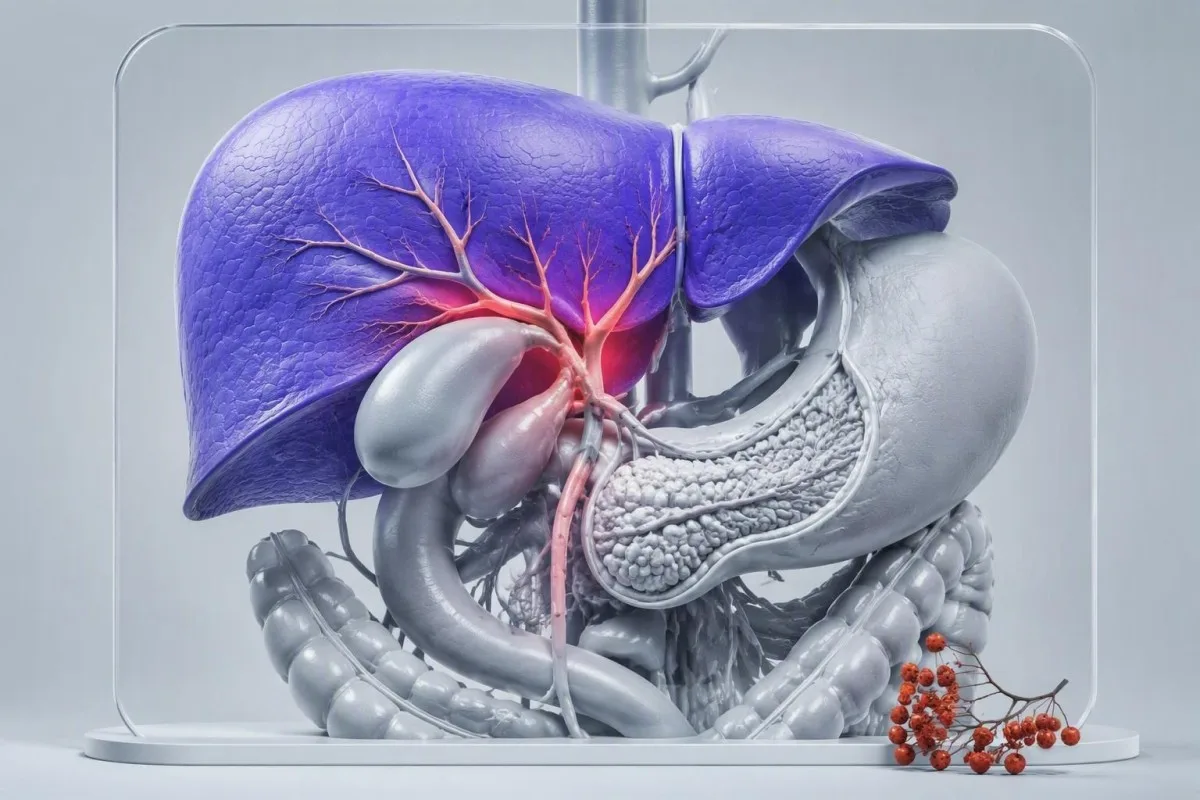
Það er engin sönnun þess að djús-hreinsun, föstuáætlanir, eða lausasölulyf hreinsi lifrarbólgu B. Sumar vörur innihalda þétt útdrætti eða upplýsingalaus innihaldsefni, og lifrin getur verið sérstaklega viðkvæm á meðan á bráðri bólgu stendur; greining okkar á áhættusamar lifraruppbætur útskýrir áhyggjurnar.
Hættið ekki lyfjum sem ávísað er án samráðs nema læknirinn ráðleggi það. Fyrir parasetamól, læknar oft einstaklingsbundna örugga mörk þegar lifraráverki er til staðar; annars staðar venjulegt hámark 4.000 mg á dag er ekki sjálfkrafa viðeigandi fyrir þá sem eru með bráða lifrarbólgu, áfengisneyslu, lágt líkamsþyngd, eða langvarandi lifrar sjúkdóm.
Vökvun, reglulegar einfaldar máltíðir, forðast áfengi og halda dagsbundna lista yfir lyf og fæðubótarefni eru skynsamleg á meðan beðið er eftir endurskoðun. Ef uppköst hindra vökva, eða andleg skýrleiki breytist, leitaðu bráðrar umönnunar frekar en að reyna að stjórna því heima.
Matur smitast ekki af lifrarbólgu B
Lifrarbólga B smitast ekki frá venjulegri matreiðslu, sameiginlegum diskum eða drykkjarglǫsum. Þetta skiptir máli því að forðast fjölskyldumáltíðir dregur ekki úr smiti, en bólusetning og forðast blóð-menguð persónuleg atriði gera það.
Hvernig á að undirbúa sig fyrir eftirfylgni vegna lifrarbólgu B
Komið með allar lifrarbólgu B niðurstöður með söfnunardögum, bólusetningarskrá þína, lyfjaskrá og stuttri útsetningartímalínu. Þessar upplýsingar greina oft nýlega sýkingu, fjarlæga sýkingu, rangt-jákvætt mynstur, eða staðfest langvarandi lifrarbólgu B hraðar en að endurtaka eitt próf.
Skrifið niður dagsetningar mögulegrar útsetningar, ferðalaga, nýrra kynferðisfélaga, stungulyfs eða húðflúrsmeðferða, heimilisáhrifa, meðgöngu og fyrri bólusetninga. Einnig skal innihalda ónæmisbælandi lyf eins og rituximab, stera í háum skömmtum, krabbameinslyf eða líffræðileg lyf, þar sem jákvæðni anti-HBc getur skipt máli jafnvel þegar HBsAg er neikvætt.
Spyrjið fjórar beinar spurningar: Hvaða þrír skimunarmerki voru jákvæðir? Er IgM anti-HBc til staðar? Hvað er HBV DNA í IU/mL? Þarf ég gallrásamat eða lifrarbólgu D próf? Þessar spurningar færa samtalið frá óljósri áhyggju yfir í áætlun.
Dr. Thomas Klein mælir með því að vista upprunalegu PDF frekar en aðeins skjáupptöku úr gátt, þar sem viðmiðunarsvið, prófunarnöfn, dagsetningar og athugasemdir rannsóknarstofu geta haft áhrif á túlkun. Kantesti’s tæknileiðarvísirinn útskýrir hvernig gervigreind okkar dregur út samhengi skýrslna, en læknirinn þinn ber ábyrgð á greiningu og meðferð.
Lokaðu hagnýtu sjónarhorni
Neikvæð tilfinning er ekki neikvætt próf, og gulusótt er seinlegt og misvísandi merki. Ef útsetning eða skimunarhætta á við, raðið þriggja merkja spjaldið jafnvel þegar þér líður alveg eðlilega; snemmbær þekking verndar bæði lifur þína og þá sem eru nálægt þér.
Algengar spurningar
Er hægt að fá lifrarbólgu B án gulu?
Já. Lifrarbólga B getur komið fram án gulu og margir smitaðir hafa engin einkenni yfirleitt. Gula verður almennt áberandi þegar heildarbilirúbín hækkar í um það bil 2–3 mg/dL (34–51 µmol/L), en lifrarbólga B getur valdið lifrarbólgu áður en bilirúbín nær því marki. Viðeigandi skimun er HBsAg, anti-HBs og heildar anti-HBc, ekki listi yfir einkenni.
Hver eru fyrstu einkenni lifrarbólgu B?
Einkenni lifrarbólgu B geta verið þreyta, léleg matarlyst, ógleði, vægur hiti, vöðvaverkir, liðverkir og óþægindi undir hægri rifbeinum. Bráð einkenni koma venjulega fram eftir útungunartíma sem er 60–150 dagar, að meðaltali um 90 dagar. Þessi einkenni skarast við marga sjúkdóma, svo próf á HBsAg, heildar-anti-HBc og anti-HBs eru nauðsynleg til að staðfesta lifrarbólgu B. Dökk þvag eða gul augu geta komið síðar, en hvort tveggja er ekki nauðsynlegt.
Hvaða próf sýnir hvort lifrarbólga B er bráð eða langvinn?
Engin ein próf dregur heilahimnubólgu B fullkomlega, en HBsAg-þráður í 6 mánuði eða lengur staðfestir langvarandi sýkingu. IgM mótefni gegn HBc styður nýlega bráða sýkingu þegar það er parað við nýja HBsAg jákvæðni, þó það geti einnig hækkað við blossa af langvarandi heilahimnubólgu B. HBV DNA í IU/mL mælir veirureplikaion og hjálpar til við stjórnun, en fyrri próf veita oft skýrasta svarið. Læknir túlkar venjulega þessar prófanir með ALT, bilirúbini og útsetningarsögu.
Getur lifrarensím verið eðlileg við langvarandi lifrarbólgu B?
Já. ALT og AST geta verið eðlileg á tilteknum tíma í langvinnri lifrarbólgu B, jafnvel þótt smit viðhelst og HBV DNA sé enn greinanlegt. Eðlileg ALT útilokar ekki þurri, svo læknar meta HBV DNA, HBeAg stöðu, blóðflögur, þurríkjuáhættu, aldur og fjölskyldusögu ásamt lifrarensímum. ALT yfir 1.000 IU/L getur komið fram í bráðri veiru lifrarbólgu, en væg eða eðlileg ALT gildi útiloka ekki langvarandi sjúkdóm. Raðniðar niðurstöður eru upplýsandi en eitt blóðsýni.
Hvað þýðir jákvætt hvítt blóðkornamark á yfirborði lifrarbólgu B?
Hækkun á yfirborðsandígeni lifrarbólgu B, eða HBsAg, bendir til mögulegrar lifrarbólgu B sýkingar sem krefst skjótrar staðfestingar. Læknar bæta venjulega við HBV DNA, heildar- og IgM mótefni gegn HBc, mótefni gegn HBs, HBeAg, lifrarensím próf, CBC, og oft lifrarbólgu C, lifrarbólgu D og HIV próf miðað við áhættu. Ef HBsAg er áfram jákvætt í að minnsta kosti 6 mánuði er sýkingin flokkuð sem langvinn. Jákvætt niðurstaða ein og sér sönar ekki skorpulifur eða ákvarðar hvort meðferðarúrræði sé þörf.
Hvenær ætti ég að leita bráðrar læknisaðstoðar vegna grun um lifrarbólgu B?
Leitaðu strax á bráðamóttöku vegna ringlunar, mikillar syfju, ítrekaðrar uppkastar, hratt versnandi gulu, óvenjulegs marblettunar, marktækrar bjúgmyndunar í kvið eða vanhæfis til að halda vökva niðri. Við bráða lifrarbólgu vekur INR sem er 1,5 eða hærra ásamt breyttu andlegu ástandi áhyggjur af bráðu lifrarbilun og krefst neyðarmats. Dökk þvag eitt getur haft góðkynja ástæður, en dökk þvag með fölum hægðum, hita, gulum augum eða miklum kláða þarf skjótan læknisathugun. Notið ekki áfengi eða nýjar hreinsunarbætiefni meðan beðið er eftir umönnun.
Fáðu AI-knúna greiningu á blóðprufum í dag
Vertu með yfir 2 milljónir notenda um allan heim sem treysta Kantesti fyrir tafarlausa og nákvæma greiningu á blóðprufum. Hladdu upp niðurstöðum blóðrannsókna þinna og fáðu yfirgripsmikla túlkun á 15,000+ lífmerkjum á sekúndum.
📚 Tilvísuð rannsóknarútgáfa
Klein, T., Mitchell, S., & Weber, H. (2026). Kantesti EHF. (2026). Greinir fyrir gervigreind blóðprufa: 2,5 milljónir prófa greindar | Alþjóðleg heilsufrétt 2026. Zenodo.. Kantesti AI Medical Research.
Klein, T., Mitchell, S., & Weber, H. (2026). Kantesti LTD. (2026). RDW blóðpróf: Heildarhandbók um RDW-CV, MCV og MCHC. Zenodo.. Kantesti AI Medical Research.
📖 Ytri læknisfræðilegar heimildir
Alþjóðaheilbrigðismálastofnunin (2024). Leiðbeiningar um forvarnir, greiningu, umönnun og meðferð fyrir fólk með langvarandi lifrarbólgu B. Alþjóðaheilbrigðismálastofnunin.

⚕️ Fyrirvari vegna læknisfræðilegra mála
Þessi grein er eingöngu til fræðslu og felur ekki í sér læknisráðgjöf. Leitaðu alltaf til hæfs heilbrigðisstarfsmanns vegna ákvarðana um greiningu og meðferð.
E-E-A-T traustmerki
Reynsla
Læknastýrð klínísk yfirferð á vinnuferlum við túlkun rannsóknarniðurstaðna.
Sérþekking
Áhersla á rannsóknarstofulækningar: hvernig lífmarkarar hegða sér í klínísku samhengi.
Yfirvald
Skrifað af Dr. Thomas Klein með yfirferð Dr. Sarah Mitchell og próf. Dr. Hans Weber.
Traustleiki
Rökstudd túlkun byggð á gögnum með skýrum eftirfylgnileiðum til að draga úr ávörun.