Los uèlhs jaunes son pas un tèst de depistatge fisable per l'epatita B. L'infeccion es frequentament silenciossa, e los anticòrs e tèstes virals adeqüats – pas sonque los simptòmas – establisson çò que se passa.



- Infeccion silenciossa es frequenta: fòrça personas amb epatita B an pas d'icterícia e de simptòmas reconeissables d'epatita B.
- Periòde d'incubacion per l'epatita B aguda es generalament de 60–150 jorns, amb una mejana d'aperaquí 90 jorns.
- HBsAg positiu pendent 6 meses definís l'infeccion cronica per epatita B e a besonh de seguiment clinic.
- IgM anti-HBc sosten generalament una infeccion aguda recenta, mas pòt tanben aumentar pendent una exarcerbacion d'epatita B cronica.
- Anti-HBs almens 10 mIU/mL aprés una seria de vaccin documentada es generalament considerat coma una responsa immuna protectritz.
- ALT de 1 000 UI/L pòt aparéisser dens l'epatita virala aguda, mes los medicaments, l'ischèmia, e autes virus pòdon donar lo meteis esquèma.
- HBV DNA mesura la replicacion virala; es lo tèst que bota un resultat de depistatge positiu en un plan de gestion.
- Urgéncia es apropiat per la confusion, vòmits seriós, ematòmas inabituals, somnoléncia agravada, o icterícia amb cadires palas.
L'epatita B pòt-é s'averar sens icterícia? O fòrça sovent silenciossament
O, l'epatita B sens icterícia es frequenta. Mantuna persona a pas cap de sintoma, e quitament l'infeccion aguda sintomatica pòt semblar una malautia virala non especifica plan que un problèma de fetge. L'icterícia apareis sonque quand la bilirubina s'acumula pro per colorar los uèlhs e la pèl; es pas necessària per la damatja de las cellulas hepaticas o la transmission de l'epatita B.
dens mon experiéncia clinica, la persona que s'escamparà mai non es pas necessàriament malauta: es lo pacient que sembla san que lo panel de depistatge foguèt demandat per la gràvida, l'immigracion, una relacion novèla, o un enzim hepatic anormal non relacionat. Los simptòmas de l'epatita B aguda se desvolopan sonque dens aperaquí 30%–50% deus adults infectats, mentre que los mainats son mens sovent sintomatics; l'abséncia de fèbra, d'uèlhs jaunencs, o de dolor abdominal non l'exclutz pas.
L'icterícia refleta una aumentacion de la bilirubina circulatòria, que devien visible quand la bilirubina totala despassa gaireben 2–3 mg/dL (34–51 µmol/L). L'inflamacion del fetge pòt èsser considerabla abans aquest moment, doncas una color d'urina normala e d'uèlhs blancs son rassicurants sonque d'un biais limitat; vejatz nòstra guida de esquèmas d'alerta de bilirubina.
Kantesti es un Analizador de tèst de sang d'IA que plaça los enziims de fetge, la bilirubina, l'albumina, e los resultats de plaquetas de costat de la serologia virala que lo clinic a demandat. Ne pòt pas diagnosticar l'epatita B sonque a partir de la quimia de rutina, mes pòt ajudar quauqu'un a notar que un resultat de “ tèst de fetge ” es incomplet sens tèsts especifics d'epatita.
Perqué los simptòmas son un mau esplech de depistatge
HBV pòt èsser transmesa pendent una fasa sens sintoma que la replicacion virala precedís, acompagna, o espassa la malautia visibla. A la data del 11 de setembre de 2026, lo depistatge basat sul risc e lo depistatge unic deus adults demòra mai fiable que d'esperar los simptòmas, particularament per las personas nasquudas dens regions dab una prevaléncia d'HBV pus auta o aqueras dab una exposicion familiala, sexuala, o per injeccion.
Cuus son los primièrs simptòmas de l'epatita B?
Los simptòmas precoces de l'epatita B son generalament la fatiga, la reduccion de l'apèl, la nausèa, una fèbra bassa, los dolors musculars, e un incomodament devath de las costèlas dreitas. Nen es pas pro especific per confirmar l'epatita B, e lo interval sens sintoma après l'exposicion es comunament de 60–150 jorns.
Un indici clinic util es l'òrdre deus eveniments. Lo malestar e la pèrda d'apèl arriban sovent abans l'urina escura o lo jauniment, e una persona pòt se sentir marcadament fatiga mentre que la bilirubina es encara normala. La mejana de l'incubacion es pròcha de 90 jorns, çò que explica que testar lo jorn après una exposicion possibla pòt èsser tròp lèu per establir la question.
Los dolors articulars e una erupcion transitoria pòdon aparéisser dens lo prodrom que los complexes immunitaris circulan abans que l'epatita manifesta se desvolopa. Ai vist aquò mesclat per l'influenza o una reaction alimentària novèla; lo detalh discriminant foguèt un ALT de 642 UI/L amassa dab un antigen de superfícia de l'epatita B positiu, non pas l'erupcion ela medisha.
L'usatge d'acetaminofèn, de suplementes, d'alcohol, lo virus d'Epstein–Barr, e la lesion musculara pòdon totes emetir los aminotransferasas. Un revisament del resultat ALT empacha la mesa comuna a tot ALT elevat “ epatita ” abans de confirmar la causa.
Simptòmas que son mens tipics
La picason, las cadires palas, e l'urina escura persistenta suggerisson una gestion biliara empachada e meritan una avaloracion pus rapida, mes son pas la presentacion precòça abituala. Una persona dab inflamacions isoladas, reflux, o dolor intermitent a l'esquèrra es statisticament mai probable que siá autra causa, quitament se l'exposicion de risc devèrta totjorn incitar a un tèst d'HBV.
Quand fau-me depistar per l'epatita B?
Fatz-vos tèstar per l'epatita B promptament après una exposicion sanguina, sexuala, familiala, o perinatala, quitament se vos sentitz totaument san. Lo tèst de basa documenta vòste estat, mentre que lo tèst repetat es temporizat a la periòda de fenèstra e guidat per l'istòria de la vaccinacion.
Lo CDC recomanda un depistatge adult unic amb un panèl de tres tests: HBsAg, anti-HBs, e anti-HBc total (Conners et al., 2023). Aquela combinason destria l'infeccion correnta, l'infeccion resolguda passada, l'immunitat per vaccinacion, e la susceptibilitat mai eficaçament que de comandar l'HBsAg sol.
Après una exposicion recenta significativa, un clinician pòt testar ara e repetir lo test vèrs 6 meses se lo panèl inicial establisas pas l'infeccion o l'immunitat. La profilaxia postexposicion es sensibla al temps — lo vaccin contra l'epatitis B deuriá èsser començat tan lèu que possible, e l'imunoglobulina contra l'epatitis B pòt èsser indicada per expausicions seleccionadas non immunas — doncas esperatz pas los simptòmas.
Kantesti es un plataforma d’interpretacion d’analisi de sang d’AI que pòdon organizar un rapòrt de serologia fotografiat o telecargat dins lo patron de tres marcators, mas la gestion de l'exposicion aparten a un clinician de cures urgentas, de santat sexuala, de santat professionala, o de primièrs sòus. Nòstre guida dels simptòmas de l'epatita C explican perque los tests d'epatita virala devon èsser interpretats virus per virus.
Testar pendent la prenhèsa
Cada prenhèsa deuriá inclurre lo depistatge d'HBsAg pendent cada prenhèsa, sens consideracion del risc percebut. Un resultat positiu càmbia la planificacion de la prevencion neonatala: lo mainat a besonh de vaccin contra l'epatitis B e, quand es indicat, d'imunoglobulina en mens de 12 oras aprèp la naissença.
Los tres tèstes sanguins que clarifican lo estat de l'epatita B
HBsAg, anti-HBs, e anti-HBc total son los tests de depistatge del còr de l'epatitis B. Ensemble, respondon se lo virus es actualament detectablle, se l'immunitat existís, e se lo sistèma immunitari a rencontrat l'epatitis B abans.
HBsAg es l'antigèn de superfícia de l'epatitis B; un resultat positiu significa qu'una infeccion correnta es possibla e necessita una confirmacion e un seguiment clinic. Anti-HBs es l'anticòs de superfícia; un nivèl d'al mens 10 mIU/mL après una seria de vaccin documentada completa es generalament considerat coma una responsa protectritz pels individús immunocompetents.
Anti-HBc total detecta l'anticòs del còr d'una infeccion naturala passada o correnta e es pas produit pel vaccin. Lo patron HBsAg negatiu, anti-HBs positiu, e anti-HBc total negatiu correspond a l'immunitat derivada del vaccin; HBsAg negatiu, anti-HBs positiu, e anti-HBc total positiu correspond generalament a una infeccion naturala resolguda.
Un anti-HBc total isoladament positiu es un dels patrons mai complicats. Pòt reflectir una infeccion remota resolguda amb un anti-HBs qu'a perdut de poténcia, un fals positiu de l'assag, una infeccion occulta, o mens sovent una infeccion aguda precòça; los clinicians pòdon repetir la serologia e comandar HBV DNA, especialament abans un tractament imunosupressor. Nòstra explicacion dels resultats d'anticòs positius cobrís perque un sol anticòs rarament conta tota l'istòria.
Coma los tèstes destrian l'epatita B aguda de la cronica
L'epatitis B aguda e cronica se destria principalament pel temps e la serologia, pas per l'estat de santat de la persona. HBsAg que persistís almens 6 mes establishes una infection cronica; un sol resultat HBsAg positiu pòt pas datar l'infection per el meteis.

IgM anti-HBc sosten fòrtament una infection aguda recent quand s'associa amb una nòva positivitat de HBsAg e una malautiá compatibla. Es pas perfect: l'IgM anti-HBc pòt tanben èsser detectabla pendent una poussada d'epatitis B cronica, doncas los clinicians comparan los resultats precedents, lo moment dels simptòmas, la trajectòria de l'ALT, e l'HBV DNA.
L'HBV DNA es raportat en UI/mL e mesura la quantitat de material genetic viral en circulacion. Ne'n pòt pas etichetar de per se la malautiá coma aguda o cronica, mas un resultat detectabla confirma la replicacion e ven centrala per lo seguiment e las decisions de tractament; un ADN bas o indetectable non suprimeish pas la necessitat d'interpretar HBsAg e l'estat del fetge ensems.
La guida de l'AASLD met l'accent sus l'ALT seriada, l'HBV DNA, l'estat HBeAg, e l'avaluacion de la fibrosi puslèu qu'un simplic laboratòri instantanèu (Terrault et al., 2018). Es una de las rasos per que un ALT normal a una presa non pròva que l'HBV cronic es inofensiu.
La regola de sièis mes a un propaus
Lo sèilh de 6 mes sepàra las infections que se dispostan a desaparéisser espontaneament de las que son persistidas e portan un risc a long tèrme de fibrosi e de carcinòma hepatocellular. En adults, mai de 90% de las infections agudas immunocompetentas se resolvon, mentre que l'infection aquerida a l'entorn de la naissença ven cronica plan mai sovent.
Que pòdon – e que pòdon pas – mostrar los tèstes del fetge
ALT e AST revelan los damatges dels epatocits, mentre que la bilirubina, l'albumina, INR, e las plaquetas aïdan a mostrar la gravetat e la foncion del fetge. Un panèl de fetge de rutina ne'n pòt pas identificar l'epatitis B coma causa sens serologia virala.

L'ALT es mai specifica del fetge que l'AST, totun ges l'un ni l'autre es exclusiu del fetge. Dins l'epatitis virala aguda, l'ALT pòt depassar 1 000 UI/L; lo meteis interval pòt arribar amb una toxicitat d'acetaminofèn o un flux sanguin hepatic reduit, doncas lo nombre demanda un contèxte urgent puslèu qu'un autodiagnostic.
La bilirubina es un miralhon de la conjugason e de l'excrecion biliara, mentre que l'INR e l'albumina son miralhons de la capacitat de sintèsi. Un INR en auça, en particular a 1.5 o mai pr'amor de qualqu'un amb epatitis aguda e estat mental alterat, amassa l'inquietud per una insufiséncia hepatica aguda e demanda unaizacion d'emergéncia; nòstra guia INR explica la mesura.
La ret neuronal de Kantesti legís las transaminasas a costat de la bilirubina, la fosfatasa alcalina, l'albumina, e las plaquetas per senhalar de patterns per revision medicala. Nòstra desglisament del panèl hepatic es utila abans que vos assuimiatz qu'un “examen foncion epatica” normal includissiá un criblatge HBV.
Lo ratio AST:ALT non es un test d'epatitis B
Un ratio AST:ALT de mens de 1 es comun en epatitis virala mas es ni sensibla ni specifica. Un exercici intens recent pòt auçar l'AST del muscle, mentre que la gamma-glutamil transferasa e la bilirubina pòdon demorar normalas; tornatz a testar après recuperacion pòt empedir un analisis viral engenhós.
Queus simptòmas de l'epatita B an besonh de sonh lo meteis jorn?
Confusions, sonoléncia inusuala, vòmits repetits, icterícia que s'aprofondís rapidament, hematòmas nòus, o inflor abdominala severa demanda unaizacion urgenta lo meteis jorn. Aquestes excepcions pòdon senhalar una fonciontatge del fetge empachada puslèu que simplament una malautiá acuta rutinària.
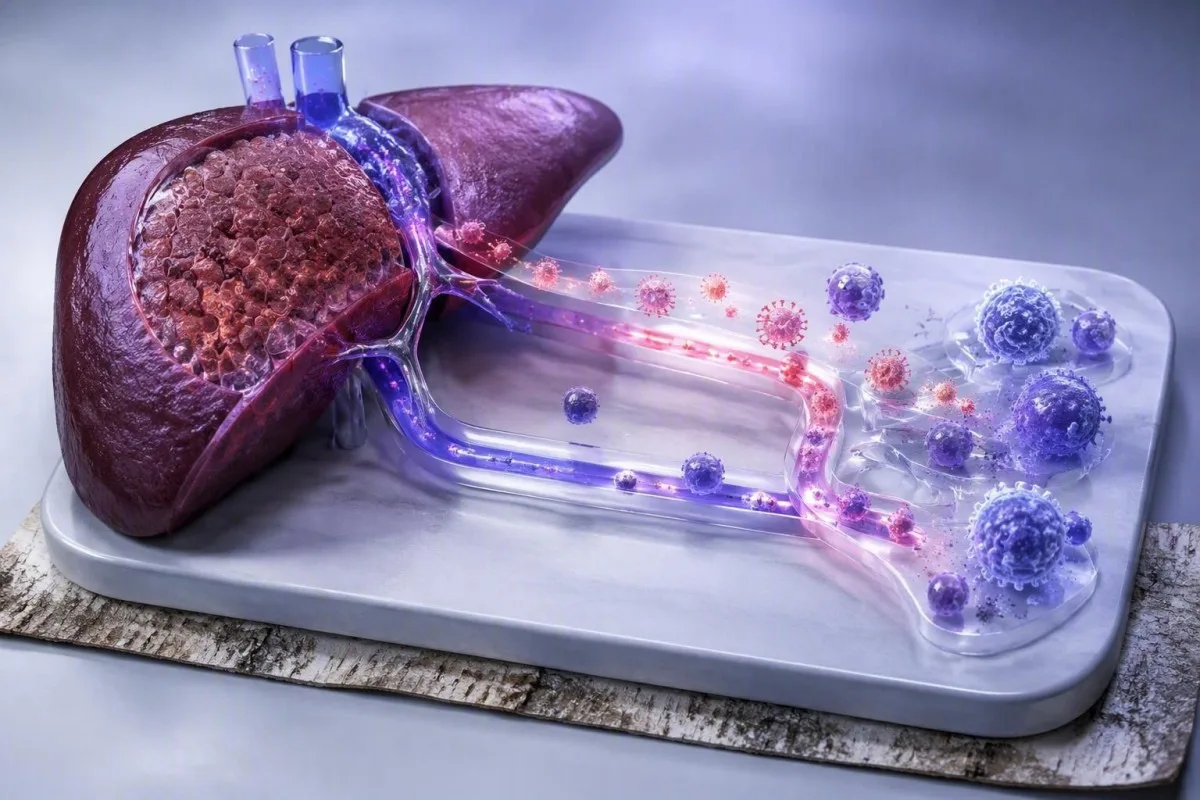
La confusion o un ritme sonh-vièlh cambiat pòdon indicar una encefalopatia epatica, particularament quand s'associa amb ictericia e un INR prolongat. Es inabitual, mas es pas un sintoma de “esperar fins diluns”: l'insufisança hepatica acuta pòt progressar en quauques oras o jorns.
L'urina escura sola es pas automaticament una urgéncia; la desidratacion, los medicaments e l'urina concentrada son d'alternativas comunas. L'urina escura amb de fècas palas, d'uèlhs jaunes, de picor, de fèbra, o una sensibilitat a la part superiora drecha de l'abdomèn, indica mai fòrtament una perturbacion de la bilirubina o de la bilha, coma es detallat dins nòstra guia d’orina fosca.
Evitar l'alcòl e de començar pas de “netejatges de fetge” a base de plantas pendent l'avaloracion. Mantun suplement multi-ingredient a de contenguts incèrts, e un produch comercializat per la detoxificacion pòt complicar una lesion hepatica inducha per de medicaments just quan los clinicians an besonh d'un quadre diagnostic net.
Qui devon èsser avalorats mai lèu quitament sens sintomes?
Las personas que son emprenhadas, que an de cirose, que prenon de quimioterapia o de tractament inmunosupressor biologic, que an lo VIH, o que an lo VHB cronic conegut devon recebre una revision individualizada aprés un resultat anormal novèl. La reactivacion pòt èsser clinicament calma tant que l'ALT aumenta, donc una planificacion antivirala preventiva pòt èsser mai segura qu'un test reactiu.
Perqué l'epatita B cronica pòt semblar totjorn normala
L'epatita B cronica causa sovent pas de sintomes quotidiens pendent d'ans, quitament quand la replicacion virala o una lesion hepatica de bas nivèl contunha. Se sentir energic, far de cors regularament, e aver una bilirubina normala non exclutz pas lo risc de fibrosi.

Es aquí ont los pacients patisson de manièra comprensibla: una persona pòt aver una ALT normala o leugièrament elevàda e totjorn aver besonh d'un seguit estructurat que lo VHB ADN, l'edat, lo estat HBeAg, l'istòria familiala, e la fibrosi modifican lo risc. Un compte de plaquetas que davala jos los 150 × 10⁹/L es pas diagnostic de cirose, mas amb de tests hepatics anormals merita una atencion.
A Resultat FIB-4 utiliza l'edat, l'AST, l'ALT, e lo compte de plaquetas coma una estimacion de triatge per la fibrosi; pòt pas diagnosticar de cirose ni remplaçar l'elastografia. Nòstra guida del calculador FIB-4 explica perqué l'edat pòt far que un resultat borderline paréga mai preocupant aprés 65 ans.
Kantesti es un Outil d’analisi de sang amb IA concebuda per comparar de panels hepatics datats, donc un cambiament gradual de l'ALT o de las plaquetas es pas amagat per un sol bandièra “dins la norma”. La reconeissença de tendéncias ajuda a preparar una melhor discussion amb lo clinician; es pas un substitut del test VHB ADN, de l'ecografia, o dels conselhs d'un especialista.
La susvelhança del càncer es basada sul risc
La susvelhança ecografica del carcinòma hepatocellulari es pas determinada sonque per los sintomes. Los clinicians utilizon lo estat de VHB cronic, la cirose, l'istòria familiala, l'edat, lo sèxe, e lo risc regional per decidir se una susvelhança semestriala es apropiada; l'AFP es de còps aponduda mas es pas fiable coma test de depistatge autònom.
La fatigue prova pas l'epatita B – coma los clinicians lo destrian
La fatiga es comuna dins l'epatita B mas es pro sovent causada per la perturbacion del son, l'anemia, la malautiá tiroidiana, la depression, los efèits dels medicaments, o d'autras infeccions. La question utila es de saber se la fatiga apareis a costat d'una exposicion a un risc, de cambiaments dels tests hepatics, o de marcaires VHB positives.
Un corredor d'endurança de 52 ans amb una AST de 89 UI/L aprés una corsa a pas automaticament de malautiá del fetge; lo relargament muscular pòt elevar l'AST, e la creatina quinasa amb un panel de repeticion aprés repaus clarifica sovent la font. A l'invers, una ALT de 289 UI/L amb HBsAg positiva e urina escura demanda una via fòrça diferenta.
La fatiga amb una emoglobina bassa, una ferritina bassa, o de marcaires tiroidians anormals merita una avaloracion parallela puslèu qu'una istòria de causa unica. Nòstra article sus la ferritina bassa explica perqué la deplecion de fèrre pòt causar fatiga abans que l'anemia aparega.
La règla practica del Dr. Thomas Klein es simpla: los sintomes comengan l'enquista, mas los patrons la decidisson. Un CBC, la quimia del fetge, una revision dels medicaments, una istòria d'exposicion, e un test viral mirat responsan sovent mai que de verificar repetidament un enzim.
Ne donatz pas de sang per “descobrir”
La depistatge dels donaires de sang protegís los recipients, mas es pas una estrategia diagnostica personala e pòt pas fornir un conselh tempestiu. Se una exposicion es possible, organizatz un test clinic o de santat publica confidenciau ont lo triple marcador complèt e lo seguiment pòdon èsser discutits.
Que se passa aprés un resultat HBsAg positiu?
Un resultat HBsAg positiu deuriá provocar una evaluacion de confirmacion, un test d'ADN de VHB, una chimia hepatica, e un examen de la durada e de la prevencion de la transmission. Es pro seriós per seguir prompte, mas aquò significa pas automaticament una cirose o un besonh de tractament antiviral immediat.
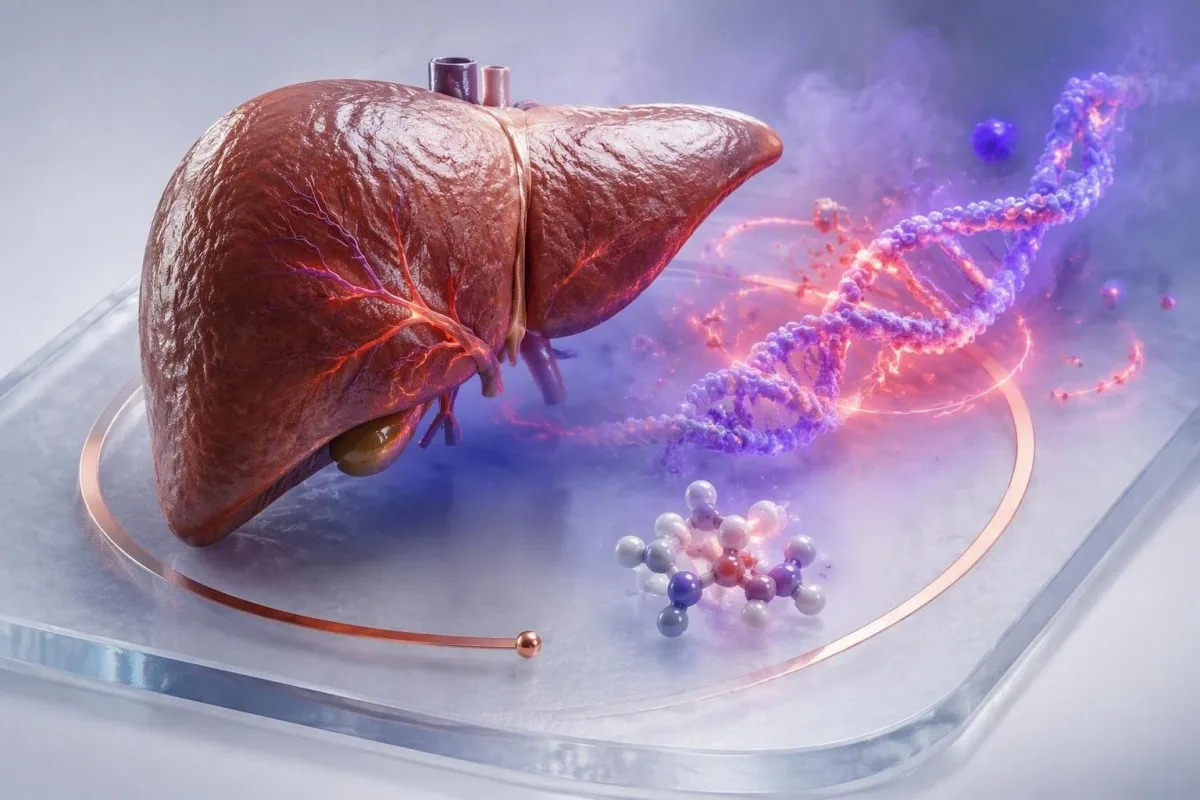
Los clinicians prescrívon comunament la repeticion o la confirmacion de HBsAg, anti-HBc total e IgM, anti-HBs, HBeAg e anti-HBe, ADN de VHB quantitatiu, ALT, AST, bilirubina, albumina, INR, CBC, e tests per l'epatita C, l'epatita D, e lo VIH quand son pertinents. Los tests suplementaris respòndon a de questions distintas: replicacion, fasa, damatge hepatic, co-infeccions, e seguretat del tractament.
Los contactes domestics e sexuals deurián èsser testats e vaccinats se son susceptibles. Ne partajatz pas los rasors, las brosas de dents, o lo material d'infeccion; lo VHB se transmet per lo sang e certans fluids corporels, mas se transmet pas per las esbrassadas, lo partimentge de mangjars, los tusses, o lo contacte ordinari al trabalh.
Un HBsAg positiu deuriá tanben provocar una revision de patrons d'AST elevats puslèu que de blamar reflexivament l'alcòl o l'epatita gràsia. La malautiá hepatica metabolica coexistenta es pro comuna que mai d'un proces pòsca èsser present.
Los resultats pòdon èsser falsament positius?
Los resultats HBsAg falsament positius son rares mas possibles, especialament prèp d'un limit d'un assag o pauc après la vaccinacion dins de circonstàncias inabitualas. La confirmacion per la metòda de neutralizacion o de repeticion prepausada pel laboratòri es apropiada, mas una persona deuriá se comportar coma potentcialament infecciosa tant que lo resultat es pas resolgut.
L'epatita B cronica a-t-é totjorn besonh de tractament?
Non, l'epatita B cronica requèira pas totjorn un tractament antiviral immediat, mas cada cas confirmat a besonh de seguiment basat sul risc. Las decisions de tractament ponderan l'ADN de VHB, l'ALT, la fibrosi o la cirose, l'estat HBeAg, l'edat, l'istorial familiar, e las condicions coexistentas.

Los medicaments de longa durada de primièra linha inclúson sovent lo tenofovir o l'entecavir perque suprisson eficaçament la replicacion del VHB e an una nauta barriera a la resisténcia. Contròlan lo virus puslèu que de l'eliminar de biais fisable, doncas arrestar lo tractament sens avís d'un especialista pòt precipitar una acampada.
Los limits d'ADN de VHB diferisson segon l'estat HBeAg e lo contèxte de las directivas; un punt de decision comunament utilizat es 2,000 IU/mL, mas lo tractament es jamai basat sonque sus aquel chifra. La cirose càmbia substancialament lo calcul, perque tot ADN de VHB detectabla pòt justificar un tractament en cirose compensada.
Lo encastre de validacion medica darrièr de Kantesti met en evidéncia qu'un instrument d'interpretacion deuriá far aparéisser de questions de seguiment, non prescríure d'antivirals. La causida del medicament requèire la foncion renala, los plans de gravidesa, la santat ossosa, l'istorial de resisténcia, e lo jutjament d'un especialista.
Los intervals de seguiment varian
Las personas non tractadas presentament pòdon aver besonh de tests d'ALT e d'ADN de VHB cada 3–6 meses pendent las fasas activas e mens sovent pendent las fasas establas, amb d'intervals fixats per lor clinician. Un resultat normal uèi establis pas permanentament un estat inactiu perque l'activitat del VHB pòt fluctuar.
Coma protegir los companhs e los membres de familha
La vaccinacion e los tests protegiscan los contactes domestics e sexuals de l'epatita B mai fisablament que lo seguiment dels simptòmas. Las personas que son susceptibles deurián començar la vaccinacion prompte, mentre que los contactes amb HBsAg positiu an besonh d'una avaloracion clinica puslèu que d'una rason d'esperar.
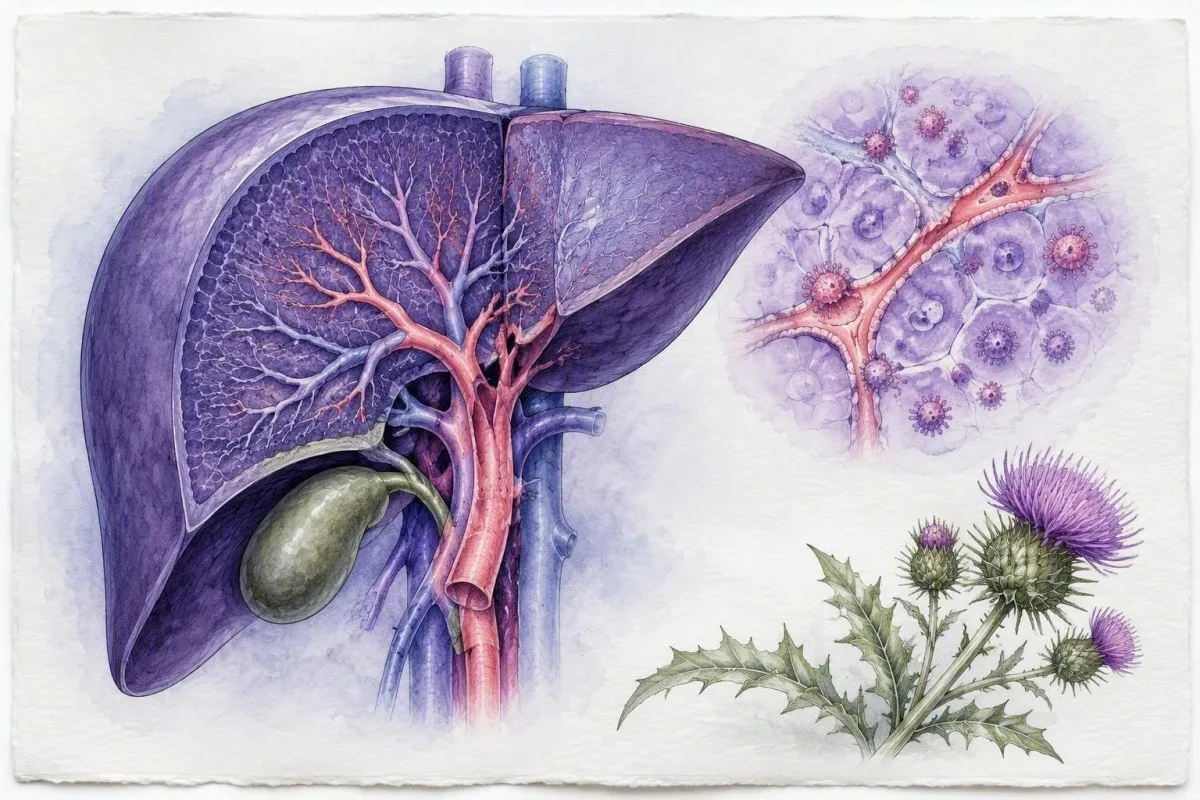
Lo vaccin contra l'epatita B es fòrça eficaç quand la seria es complètada. Per los adults que an besonh de pròva de responsa post-vaccinacion a causa d'un risc professional o immunitari, l'anti-HBs es mesurat 1–2 meses aprèp la dòsa finala; 10 mIU/mL o mai es lo lindal protector convencional.
Utilizatz preservatius tant que l'immunitat d'un partenaire siá documentada, cubritz las copaduras, e siá exclusiu amb vòstres objèctes de persona. Lo contact social de rotina es segur, e los mainats devon pas èsser isolats d'un parent portaire de VHB — aquela idèa faussa causa encara d'anfansion familiala innecessària.
Kantesti’s ressorsas de seguiment de la santat familiala pòdon ajudar los menatges a organizar los resultats separats amb consentiment, mas cada persona a besonh de son pròpri enregistrament de test e de vaccinacion. Un resultat positiu d'anticòrs d'un relatís ne pòt establir l'immunitat de degun d'autre.
E l'alletament?
L'alletament es generalament permes quand lo novèl nascut recep la profilaxia recomanda contra l'epatita B. Un conselh individual es totjorn necessari s'i a de tetinas fendudas o sagnantas, coinfeccion per VIH, o de questions sus la terapia antiviral de la maire.
Que devèm evitar mentre s'espèra los resultats de l'epatita B?
Evitatz l'alcòl, l'acetaminofèn innecessari, e los nòus supliments a basa d'èrbas o de desvolopament muscular pendent l'evaluacion de l'epatita B aguda. Aquelas exposicions pòdon empitjorar lo stress del fetge o rendre mai dificil de identificar la font de resultats anormals.
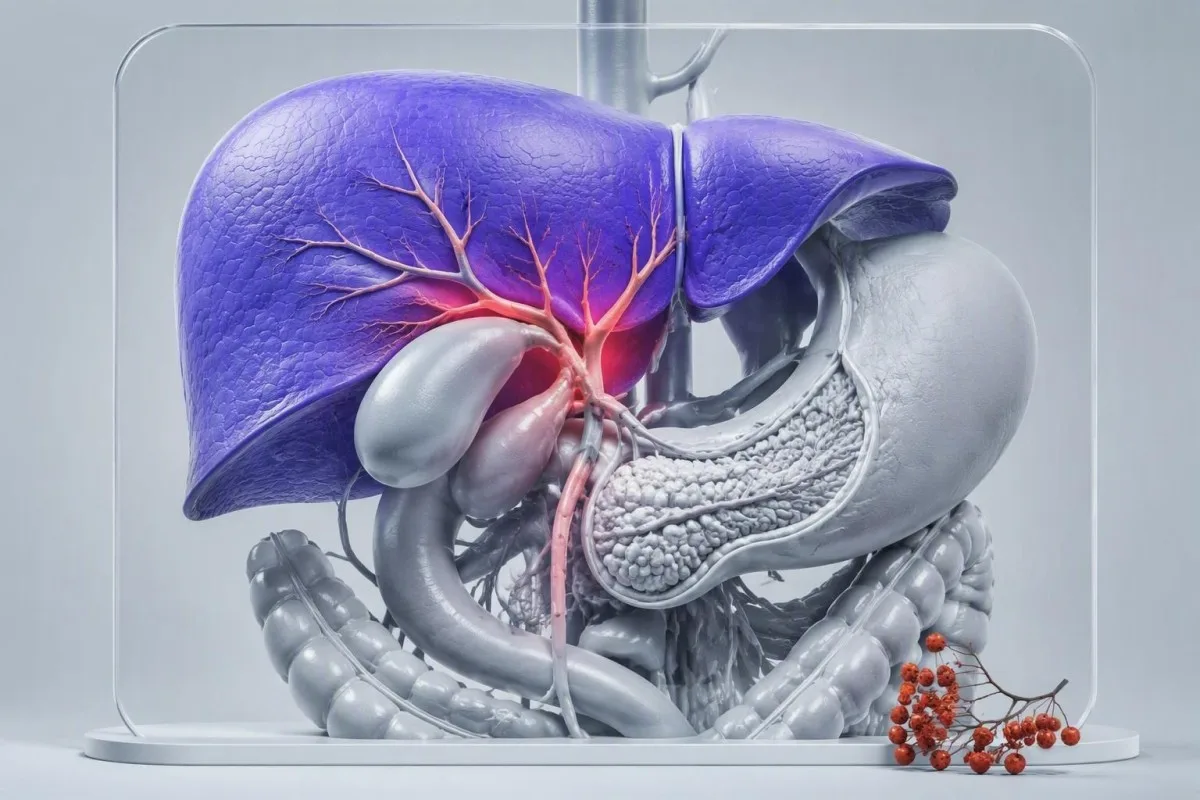
I a pas cap de pròva que los regimes de desintoxicacion amb jus, los jovenaments, o los produches de desintoxicacion sens prescription declaren l'epatita B. Certans produches contenon d'extraches concentrats o d'ingredients non revelats, e lo fetge pòt èsser particularament vulnerable pendent un episòdi inflammatòri agut; nòstra revision de suplements de lòbra ricsques explica la preocupacion.
Ne fasetz pas parar un medicament prescrit bruscament levat se lo prescriveire vos lo conselha. Per l'acetaminofèn, los clinician individolizan sovent las limitas seguras quand i a damatge del fetge; una maxim de 4.000 mg per jorn, d'alhors que de costuma, es pas automatica apropriada per qualqu'un que patís d'epatita aguda, consumís d'alcòl, a un pes corporal bas, o a una malautiá cronica del fetge.
L'idratacion, los repaisses simples e regulars, l'evitacion de l'alcòl, e lo mantenement d'una lista datada dels medicaments e suplementas son racionals pendent qu'esperatz l'avaluacion. Se lo vòmits empacha de beure de liquids, o se la clartat mentala cambia, cercatz una atencion urgenta puslèu que d'assajar de la gerir a la maison.
La noiridura ne transmet pas lo VHB
L'epatita B se contagiï pas per la preparacion de noiriduras de tota mena, los plats partejats, o los verres de bevenda. Aquò es important perque evitar los repaisses de familha ne redusís pas la transmission, mentre que la vaccinacion e l'evitacion dels objèctes personals contaminats per sang o si.
Coma se preparar per un rendetz-vos de seguiment de l'epatita B
Portatz tot resultat d'epatita B amb las datas de recòlta, vòstre enregistrament de vaccinacion, una lista de medicaments, e un cronologia concisa de las exposicions. Aqueles detalhs destrian sovent una infeccion recenta, una infeccion remota, un patron fals positiu, o una epatita B cronica establida mai rapidament que de repedir un sol test.
Notatz las datas d'exposicion possibla, viatges, nòus partners sexuals, proceduras d'infeccion o de tatuatge, contactes de familha, grossessa, e vaccinacion prealabla. Inclusetz tanben los medicaments imunosupressors coma lo rituximab, los corticoides a dòsi elevada, la quimioterapia, o los biologics, perque la positividad anti-HBc pòt aver de l'importància quitament quand l'HBsAg es negatiu.
Posatz quatre questions dirèctas: Quin tres marcators de depistatge foguèron positives? L'IgM anti-HBc es present? Qual es l'ADN de VHB en IU/mL? Ai besonh d'una assessment de fibrosi o d'un test d'epatita D? Aquelas questions desplaçan la conversation d'una preocupacion vaga a un plan.
Dr. Thomas Klein conselha de sauvar lo PDF original puslèu que sonque una captura d'ecran de portal, perque los intervals de referéncia, los noms dels analisis, las datas, e los comentaris del laboratòri pòdon influir sus l'interpretacion. Lo nòstre guia de tecnologia explica cossí nòstra IA extracha lo contèxte del rapòrt, mentre que vòstre clinician demòra responsable del diagnostic e del tractament.
Una perspectiva practica finala
Un sentiment negatiu es pas un test negatiu, e la ictericia es un signe tardiu e inconsistent. S'i a un risc d'exposicion o de depistatge, organizatz lo panel de tres marcators quitament se vos sentissiatz totament normal; la coneissença precòça protegis tant vòstre fetge coma las personas pròchas de vos.
Questions frequentas
Se pòt aver l'epatita B sens icterícia?
O, si. L'epatita B pòt aparéisser sens icterícia, e gaireben totas las personas infectadas son asymptomaticas. L'icterícia ven generalament notabla quand la bilirubina totala puja a aperaquí 2–3 mg/dL (34–51 µmol/L), mas l'epatita B pòt provocar una inflamacions del fetge abans que la bilirubina atenga aquel nivèl. Lo panel de depistatge adequat es HBsAg, anti-HBs, e anti-HBc total, pas un taulièr de sintomas.
Quels son los primièrs simptòmas de l'epatita B?
Los primièrs simptòmas de l'epatita B pòdon inclure la fatiga, la pèrda de caprich, las nàuseas, una fèbre leugièra, de dolors muscularas, de dolors articulàrias e un desconfort jos las còstas drechas. Los simptòmas aguts se manifèstan generalament aprés una periòda d'incubacion de 60-150 jorns, amb una mejana d'aperaquí 90 jorns. Aqueles simptòmas se superpausan amb fòrça malautiás, doncas que lo tèst HBsAg, anti-HBc total e anti-HBs es necessari per establir lo estat d'epatita B. L'urina escura o los uèlhs jaunasses pòdon aparéisser mai tard, mas cap dels dos es obligatòri.
Quin tèst mòstra se l'epatita B es aguda o cronica?
Pas cap test es perfèct per datar l'epatita B, mas la persistença de HBsAg pendent 6 meses o mai establisca una infeccion cronica. IgM anti-HBc s'associa a una infeccion aguda recenta quand es combinat amb una nòva positivitat de HBsAg, encara que pòsca tanben pujar pendent una exarcerbacion de l'epatita B cronica. L'ADN de VHB en IU/mL mesura la replicacion virala e ajuda a guidar la gestion, mentre que las datas de tests precedentas donan sovent la responsa la mai clara. Un clinician interprèta generalament aquestes tests amb ALT, bilirubina, e l'istorial d'exposicion.
Los enzi(m)as del fetge pòdon èsser normaus en cas d'epatita B cronica?
O. ALT e AST pòdon èsser normaus a un cert moment en la tiroidita B cronica, quitament se l'infeccion demòra e l'ADN d'ebola demòra detectablas. Una ALT normala empacha pas la fibrosi, doncas los clinicicians evaluan l'ADN d'ebola, l'estat d'HBeAg, las plaquetas, lo risc de fibrosi, l'edat, e l'istòria familiala a costat de las enzimas del fetge. Una ALT superiora a 1 000 UI/L pòt arribar en una tiroidita virala aguda, mas de valors de ALT leugièras o normalas empachan pas una malautiá cronica. Los resultats serials son mai informatius qu'una sola presada de sang.
Que significa una antigenemia de superfícia de l'epatita B positiva?
Un antigen de superfícia de l'epatita B, o HBsAg, positiu indica que una infeccion actuala d'epatita B es possibla e necessita un seguiment de confirmacion rapid. Los clinics ajustan de costuma l'ADN d'HBV, lo anti-HBc total e IgM, lo anti-HBs, l'HBeAg, la quimia del fetge, la CBC, e sovent de tests per l'epatita C, l'epatita D, e lo VIH segon lo risc. Se l'HBsAg demòra positiu pendent almens 6 meses, l'infeccion es classificada coma cronica. Un resultat positiu non provan pas per se sol la cirrosi ni determinan se un tractament antiviral es necessari.
Quand deuriái demandar una consulta d'urgéncia per una suspicion d'epatita B?
Cercatz d'urgéncia lo meteis jorn per confusion, somnoléncia severa, vòmits repetits, icterícia que s'agravan rapidament, ematomes inabituals, tumefaccion abdominala importanta, o impossibilitat de gardar los liquids. En cas d'epatita aguda, un INR de 1,5 o mai combinat amb un estat mental alterat suscita l'inquietud d'una insufiséncia hepatica aguda e demanda una evaluacion d'urgéncia. L'urina escura sola pòt aver de causas benignas, mas l'urina escura amb escobilhas claras, fièbra, uèlhs jaunes, o prussic intensa necessitan una revision medicala rapida. Betz pas d'alcòl ni de nòus suplement de detoxificacion mentre esperatz los soins.
Obtén uèi una analisi de sang amb IA
Joinhètz mai de 2 milions d’utilizaires al mond que confian en Kantesti per una analisi instantanèa e precisa dels analisis de laboratòri. Mandatz vòstres resultats analisi de sang e recebetz una interpretacion complèta de 15,000+ biomarcadors en segondas.
📚 Publicacions de recerca citadas
Klein, T., Mitchell, S., & Weber, H. (2026). Kantesti LTD. (2026). Analizator d’AI d’analisi de sang: 2.5M tests analizats | Rapòrt global de salut 2026. Zenodo.. Kantesti IA Recèrca Medicala.
Klein, T., Mitchell, S., & Weber, H. (2026). Kantesti LTD. (2026). Analisi de sang RDW: Guia completa per RDW-CV, MCV e MCHC. Zenodo.. Kantesti IA Recèrca Medicala.
📖 Referéncias mèdicas externes
Organizacion Mondiala de la Santat (2024). Guidas per la prevencion, laizacion, lo seguiment e lo tractament de las personas presentant una infeccion cronica per lo virus de l'epatita B. Organizacion Mondiala de la Salut.

⚕️ Avertiment medical
Aqueste article es solament per tòcas educatius e constituís pas de conselh medical. Consultatz totjorn un professional de la sant qualificat per las decisions de diagnostica e de tractament.
Senhals de confiança E-E-A-T
Experiéncia
Revisión clinica menada pel metge de las practicas d’interpretacion de las analisis.
Expertisa
Fòcus sus la medicina de laboratòri sus cossí los biomarcadors se comportan dins un contèxte clinic.
Autoritat
Escrich pel Dr. Thomas Klein amb revisión pel Dr. Sarah Mitchell e Prof. Dr. Hans Weber.
Fisança
Interpretacion basada sus d’evidéncias amb de camins de seguiment clars per reduzir l’alarmisme.