ភ្នែកលឿងមិនមែនជាការធ្វើតេស្តស្creening ដ៏គួរឱ្យទុកចិត្តសម្រាប់ជំងឺរលាកថ្លើមប្រភេទ B ទេ។ ការឆ្លងមេរោគនេះជាញឹកញាប់គឺមិនមានរោគសញ្ញាទេ ហើយអង្គបដិប្រាណត្រឹមត្រូវ និងការធ្វើតេស្តមេរោគ — មិនមែនតែរោគសញ្ញាប៉ុណ្ណោះទេ — គឺជាអ្នកកំណត់ថាតើមានអ្វីកំពុងកើតឡើង។.



- ការឆ្លងមេរោគដោយស្ងៀបស្ងាត់ គឺជារឿងធម្មតា: មនុស្សជាច្រើនដែលមានជំងឺរលាកថ្លើមប្រភេទ B មិនមានជំងឺខាន់លឿង និងមិនមានរោគសញ្ញាជំងឺរលាកថ្លើមប្រភេទ B ដែលអាចសម្គាល់បានទេ។.
- រយៈពេល incubation សម្រាប់ជំងឺរលាកថ្លើមប្រភេទ B ស្រួចស្រាវ ជាធម្មតាគឺ 60–150 ថ្ងៃ ដោយមានរយៈពេលជាមធ្យមប្រហែល 90 ថ្ងៃ។.
- HBsAg វិជ្ជមានរយៈពេល 6 ខែ កំណត់ការឆ្លងមេរោគរលាកថ្លើមប្រភេទ B រ៉ាំរ៉ៃ និងត្រូវការការតាមដានផ្នែកវេជ្ជសាស្ត្រ។.
- IgM anti-HBc ជាធម្មតាគាំទ្រដល់ការឆ្លងមេរោគស្រួចស្រាវថ្មីៗ ប៉ុន្តែវាក៏អាចកើនឡើងក្នុងអំឡុងពេលមានការផ្ទុះឡើងនៃជំងឺរលាកថ្លើមប្រភេទ B រ៉ាំរ៉ៃផងដែរ។.
- Anti-HBs យ៉ាងហោចណាស់ 10 mIU/mL បន្ទាប់ពីវគ្គចាក់វ៉ាក់សាំងដែលបានកត់ត្រាទុកជាទូទៅត្រូវបានគេចាត់ទុកថាជាការឆ្លើយតបនៃប្រព័ន្ធភាពស៊ាំដែលការពារបាន។.
- ALT លើសពី 1,000 IU/L អាចកើតមានក្នុងជំងឺរលាកថ្លើមដោយវីរុសស្រួចស្រាវ ប៉ុន្តែថ្នាំ ការខ្វះឈាម និងវីរុសដទៃទៀតអាចបង្កឱ្យមានលំនាំដូចគ្នា។.
- HBV DNA វាស់ការចម្លងរោគនៃវីរុស; វាជាការធ្វើតេស្តដែលប្រែក្លាយលទ្ធផលនៃការពិនិត្យវិជ្ជមានទៅជាផែនការគ្រប់គ្រង។.
- ការថែទាំបន្ទាន់ សមស្របសម្រាប់ភាពច្របូ\}$,\$ការក្អួតធ្ងន់ធ្ងរ&\$,\$ស្នាមជាំមិនធម្មតា&\$,\$ងងុយដេកកាន់តែអាក្រក់&\$,\$ឬ \]aundice ជាមួយនឹងលាមកស្លេក។.
តើជំងឺរលាកថ្លើមប្រភេទ B អាចកើតឡើងដោយគ្មានជំងឺខាន់លឿងដែរឬទេ? បាទ — ជាញឹកញាប់គឺមិនមានរោគសញ្ញាទេ
បាទ/ចាស៎ ជំងឺរលាកថ្លើមប្រភេទ B ដោយគ្មាន \]aundice គឺជារឿងធម្មតា។. មនុស្សជាច្រើនមិនមានរោគសញ្ញាទាល់តែសោះ ហើយការឆ្លងស្រួចស្រាវដែលមានរោគសញ្ញាអាចមានអារម្មណ៍ដូចជាជំងឺវីរុសដែលមិនជាក់លាក់ ជាជាងបញ្ហាថ្លើម។ \]aundice លេចឡើងនៅពេលដែលប៊ីលីរុយប៊ីនកើនឡើងគ្រប់គ្រាន់ដើម្បីផ្លាស់ប្តូរពណ៌ភ្នែក និងស្បែកប៉ុណ្ណោះ។វាមិនតម្រូវឱ្យមានការខូចខាតកោសិកាថ្លើម ឬការចម្លងរោគជំងឺរលាកថ្លើមប្រភេទ B ទេ។.
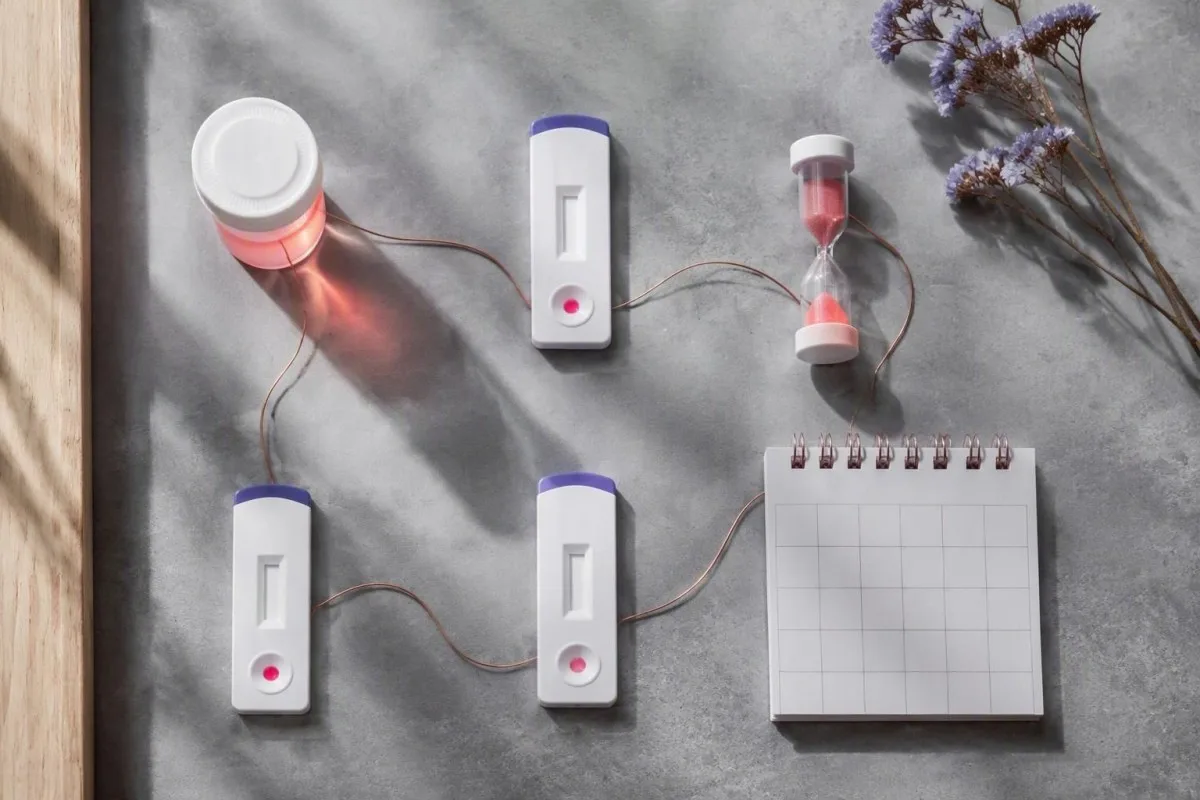
តាមបទពិសោធន៍គ្លីនិករបស់ខ្ញុំ អ្នកដែលទំនងជាត្រូវបានខកខានបំផុត មិនចាំបាច់ឈឺទេ៖ វាគឺជាអ្នកជំងឺដែលមើលទៅមានសុខភាពល្អ ដែលការពិនិត្យអេក្រង់ត្រូវបានបញ្ជាឱ្យមានផ្ទៃពោះ ការធ្វើអន្តោប្រវេសន៍ ទំនាក់ទំនងថ្មី ឬអង់ស៊ីមថ្លើមមិនប្រក្រតីដែលមិនទាក់ទងគ្នា។ រោគសញ្ញានៃជំងឺរលាកថ្លើមប្រភេទ B ស្រួចស្រាវកើតឡើងក្នុងប្រហែល 30%–50% នៃមនុស្សពេញវ័យដែលឆ្លងមេរោគ ខណៈពេលដែលកុមារតូចៗមានរោគសញ្ញាតិចជាងច្រើន។ អវត្តមាននៃគ្រុនក្តៅ ភ្នែកលឿង ឬការឈឺពោះ មិនបានបដិសេធវាទេ។.
\]aundice បង្ហាញពីប៊ីលីរុយប៊ីនក្នុងឈាមកើនឡើង ដែលជាទូទៅអាចមើលឃើញនៅពេលដែលប៊ីលីរុយប៊ីនសរុបលើសពីប្រហែល 2–3 mg/dL (34–51 µmol/L)។ ការរលាកថ្លើមអាចមានសារៈសំខាន់មុនចំណុចនោះ ដូច្នេះពណ៌ទឹកនោមដែលមើលទៅធម្មតា និងភ្នែកស គឺមានការធានាត្រឹមតែក្នុងន័យមានកំណត់ប៉ុណ្ណោះ។ សូមមើលសៀវភៅណែនាំរបស់យើងសម្រាប់ លំនាំព្រមានប៊ីលីរុយប៊ីន.
កាន់តេស្ទី គឺជា ឧបករណ៍វិភាគឈាម AI ដែលដាក់អង់ស៊ីមថ្លើម ប៊ីលីរុយប៊ីន អាល់ប៊ុយមីន និងលទ្ធផលប្លាកែត រួមជាមួយសេរ៉ូមវីរុស ដែលគ្រូពេទ្យបានបញ្ជា។ វាមិនអាចធ្វើរោគវិនិច្ឆ័យជំងឺរលាកថ្លើមប្រភេទ B ពីគីមីវិទ្យារ៉ាទីនតែមួយមុខបានទេ ប៉ុន្តែវាអាចជួយនរណាម្នាក់កត់សម្គាល់ថាលទ្ធផល “តេស្តថ្លើម” មិនពេញលេញដោយគ្មានការធ្វើតេស្តជាក់លាក់សម្រាប់វីរុស។.
ហេតុអ្វីបានជារោគសញ្ញាជាឧបករណ៍ពិនិត្យមិនល្អ
HBV អាចត្រូវបានចម្លងក្នុងអំឡុងពេលដែលមិនមានរោគសញ្ញាដោយសារតែការចម្លងរោគវីរុសកើតឡើងមុន រួមជាមួយ ឬលើសពីជំងឺដែលមើលឃើញ។ គិតត្រឹមថ្ងៃទី 11 ខែកញ្ញា ឆ្នាំ 2026 ការពិនិត្យមនុស្សពេញវ័យតាមហានិភ័យ និងម្តង មានភាពជឿជាក់ជាងការរង់ចាំរោគសញ្ញា ជាពិសេសសម្រាប់អ្នកដែលកើតក្នុងតំបន់ដែលមានអត្រាប្រេវ៉ាឡង់ HBV ខ្ពស់ជាង ឬអ្នកដែលមានការប៉ះពាល់ក្នុងផ្ទះ ការរួមភេទ ឬការចាក់ថ្នាំ។.
តើរោគសញ្ញាដំបូងនៃជំងឺរលាកថ្លើមប្រភេទ B មានអ្វីខ្លះ?
រោគសញ្ញាដំបូងនៃជំងឺរលាកថ្លើមប្រភេទ B ជាទូទៅគឺអស់កម្លាំង ថយចំណង់អាហារ ចង្អោរ គ្រុនក្តៅទាប ឈឺសាច់ដុំ និងមិនស្រួលនៅក្រោមឆ្អឹងជំនីខាងស្តាំ។. គ្មានអ្វីជាក់លាក់គ្រប់គ្រាន់ដើម្បីបញ្ជាក់ពីជំងឺរលាកថ្លើមប្រភេទ B ហើយចន្លោះពេលដែលមិនមានរោគសញ្ញាបន្ទាប់ពីការប៉ះពាល់ជាធម្មតាគឺ 60–150 ថ្ងៃ។.
គន្លឹះគ្លីនិកដែលមានប្រយោជន៍គឺលំដាប់នៃព្រឹត្តិការណ៍។ ភាពមិនស្រួល និងការថយចំណង់អាហារច្រើនតែកើតឡើងមុនទឹកនោមងងឹត ឬភ្នែកលឿង ហើយមនុស្សម្នាក់អាចមានអារម្មណ៍អស់កម្លាំងយ៉ាងខ្លាំង ខណៈពេលដែលប៊ីលីរុយប៊ីននៅតែធម្មតា។ មធ្យមនៃការបង្កកំណើតគឺប្រហែល 90 ថ្ងៃ ដែលជាមូលហេតុដែលការធ្វើតេស្តមួយថ្ងៃបន្ទាប់ពីការប៉ះពាល់ដែលអាចកើតមាន អាចលឿនពេកក្នុងការដោះស្រាយសំណួរ។.
ការឈឺសន្លាក់ និងកន្ទួលដែលបាត់ទៅវិញអាចកើតឡើងក្នុងអំឡុងពេល prodrome ដោយសារតែស្មុគស្មាញអង់ទីគ្លូពីន circulate មុនពេលជំងឺរលាកថ្លើម overt មានការវិវត្ត។ ខ្ញុំបានឃើញរឿងនេះច្រឡំជាមួយជំងឺផ្តាសាយ ឬប្រតិកម្មអាហារថ្មី។ ព័ត៌មានលម្អិតដែលបែងចែកគឺ ALT 642 IU/L រួមជាមួយផ្ទៃខាងលើវិជ្ជមាននៃជំងឺរលាកថ្លើមប្រភេទ B antigen មិនមែនជារោគរលាកដោយខ្លួនវាទេ។.
ការប្រើប្រាស់ Acetaminophen អាហារបំប៉ន ជាតិអាល់កុល វីរុស Epstein–Barr និងរបួសសាច់ដុំ សុទ្ធតែអាចបង្កើន aminotransferases បាន។ ការប្រុងប្រយ័ត្ន ការពិនិត្យលទ្ធផល ALT ឡើងវិញ ជៀសវាងកំហុសទូទៅនៃការហៅ ALT ដែលកើនឡើងទាំងអស់ថា “ជំងឺរលាកថ្លើម” មុនពេលបញ្ជាក់ពីមូលហេតុ។.
រោគសញ្ញាដែលមិនសូវធម្មតា
ការរមាស់ លាមកស្លេក និងទឹកនោមងងឹតជាប់លាប់ បង្ហាញពីការខូចមុខងារនៃការគ្រប់គ្រងទឹកប្រមាត់ និងសមនឹងទទួលបានការវាយតម្លៃកាន់តែលឿន ប៉ុន្តែវាមិនមែនជារោគសញ្ញាដំបូងធម្មតាទេ។ មនុស្សដែលមានការហើមពោះ ដំបៅក្រពះ ឬការឈឺចាប់នៅខាងឆ្វេងជាញឹកញាប់ មានលទ្ធភាពខ្ពស់ក្នុងការមានការពន្យល់ផ្សេងទៀត ទោះបីជាការប៉ះពាល់ហានិភ័យនៅតែគួរតែជំរុញការធ្វើតេស្ត HBV ក៏ដោយ។.
តើអ្នកគួរតែធ្វើតេស្តជំងឺរលាកថ្លើមប្រភេទ B នៅពេលណា?
ធ្វើតេស្តជំងឺរលាកថ្លើមប្រភេទ B ភ្លាមៗ បន្ទាប់ពីការប៉ះពាល់ឈាម ការរួមភេទ ក្នុងផ្ទះ ឬតាមមាត់ស្បូន ទោះបីជាអ្នកមានអារម្មណ៍សុខសប្បាយទាំងស្រុងក៏ដោយ។. ការធ្វើតេស្តមូលដ្ឋានបញ្ជាក់ពីស្ថានភាពរបស់អ្នក ខណៈពេលដែលការធ្វើតេស្តឡើងវិញត្រូវបានកំណត់ពេលតាមរយៈពេលបង្អួច និងណែនាំដោយប្រវត្តិវ៉ាក់សាំង។.
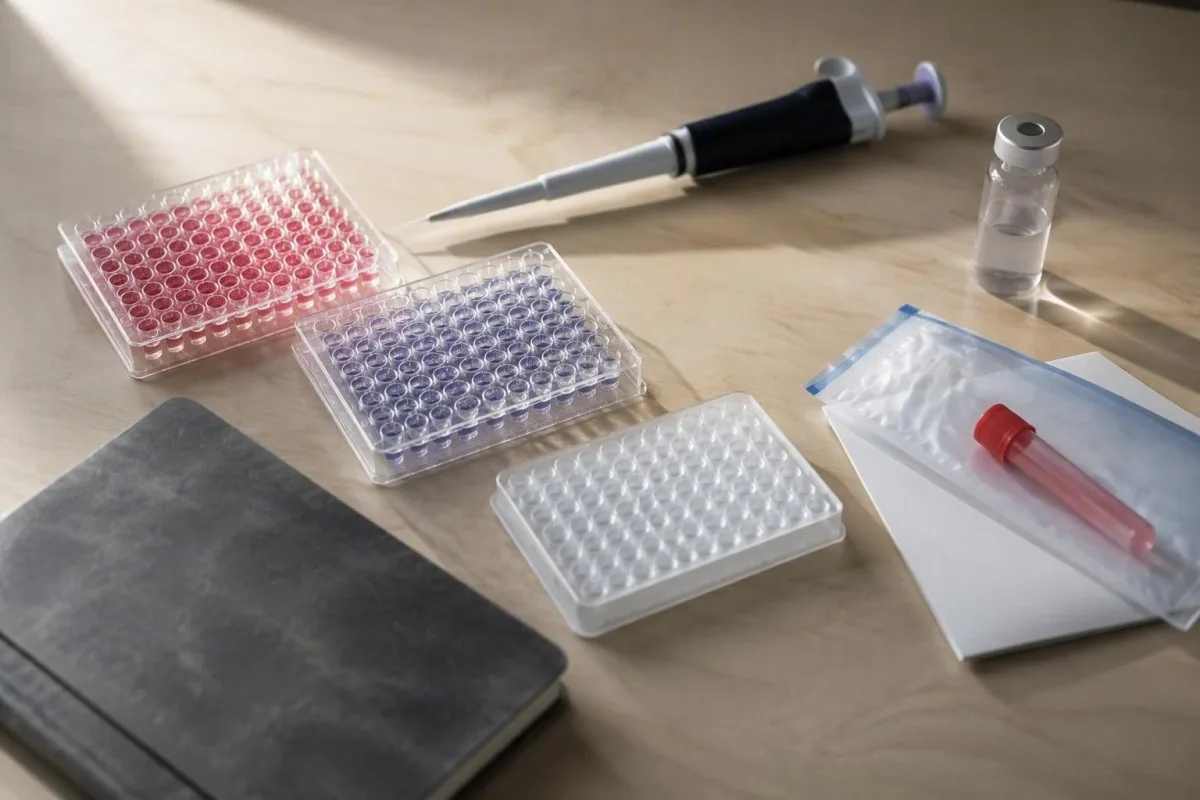
CDC ណែនាំឲ្យមនុស្សពេញវ័យពិនិត្យរកជំងឺម្តងដោយប្រើបន្ទះសាកល្បងចំនួនបីប្រភេទ៖ HBsAg, anti-HBs, និង total anti-HBc (Conners et al., 2023)។ ការរួមបញ្ចូលគ្នានេះបែងចែកការឆ្លងបច្ចុប្បន្ន ការឆ្លងដែលបានព្យាបាលកន្លងមក អភ័យការពារពីវ៉ាក់សាំង និងភាពងាយរងគ្រោះបានយ៉ាងមានប្រសិទ្ធភាពជាងការបញ្ជាទិញតែ HBsAg មួយមុខប៉ុណ្ណោះ។.
បន្ទាប់ពីមានការប៉ះពាល់ថ្មីៗសំខាន់មួយរយៈពេលខ្លី អ្នកព្យាបាលអាចធ្វើតេស្តឥឡូវនេះ និងធ្វើតេស្តម្តងទៀតប្រហែល ៦ ខែក្រោយមក ប្រសិនបើបន្ទះសាកល្បងដំបូងមិនបានបញ្ជាក់ពីការឆ្លងឬអភ័យភាពទេ។ ការបង្ការក្រោយការប៉ះពាល់មានលក្ខណៈទាន់ពេលវេលា—វ៉ាក់សាំងជំងឺរលាកថ្លើមប្រភេទ B គួរតែចាប់ផ្តើមឱ្យបានឆាប់តាមដែលអាចធ្វើទៅបាន ហើយអង់ទីគ្លូប៊ូលីនជំងឺរលាកថ្លើមប្រភេទ B អាចត្រូវបានចង្អុលបង្ហាញសម្រាប់ការប៉ះពាល់ដែលមិនមានអភ័យភាពដែលបានជ្រើសរើស—ដូច្នេះកុំរង់ចាំរោគសញ្ញា។.
កាន់តេស្ទី គឺជា វេទិកាបកស្រាយការធ្វើតេស្តឈាម AI ដែលអាចរៀបចំរបាយការណ៍សេរ៉ូមដែលបានថតរូបឬបានបញ្ចូលទៅក្នុងលំនាំសាកល្បងបីប្រភេទប៉ុន្តែការគ្រប់គ្រងការប៉ះពាល់ត្រូវបានទុកជាមួយនឹងអ្នកព្យាបាលផ្នែកថែទាំបន្ទាន់ផ្នែកសុខភាពផ្លូវភេទផ្នែកសុខភាពការងារឬផ្នែកថែទាំបឋម។ មគ្គុទ្ទេសក៍រោគសញ្ញាជំងឺរលាកថ្លើមប្រភេទ C ពន្យល់ថាហេតុអ្វីបានជាការធ្វើតេស្តវីរុសរលាកថ្លើមត្រូវតែបកស្រាយតាមប្រភេទវីរុស។.
ការធ្វើតេស្តអំឡុងពេលមានផ្ទៃពោះ
ស្ត្រីមានផ្ទៃពោះគ្រប់រូបគួរតែត្រូវបានពិនិត្យរក HBsAg អំឡុងពេលមានផ្ទៃពោះម្តងៗ ដោយមិនគិតពីហានិភ័យដែលបានដឹងទេ។ លទ្ធផលវិជ្ជមានផ្លាស់ប្តូរផែនការបង្ការទារកទើបកើត៖ ទារកត្រូវការវ៉ាក់សាំងជំងឺរលាកថ្លើមប្រភេទ B និងនៅពេលដែលចង្អុលបង្ហាញនោះ អង់ទីគ្លូប៊ូលីនក្នុងរយៈពេល ១២ ម៉ោងក្រោយពេលកើត។.
ការធ្វើតេស្តឈាមចំនួនបីដែលបញ្ជាក់ពីស្ថានភាពជំងឺរលាកថ្លើមប្រភេទ B
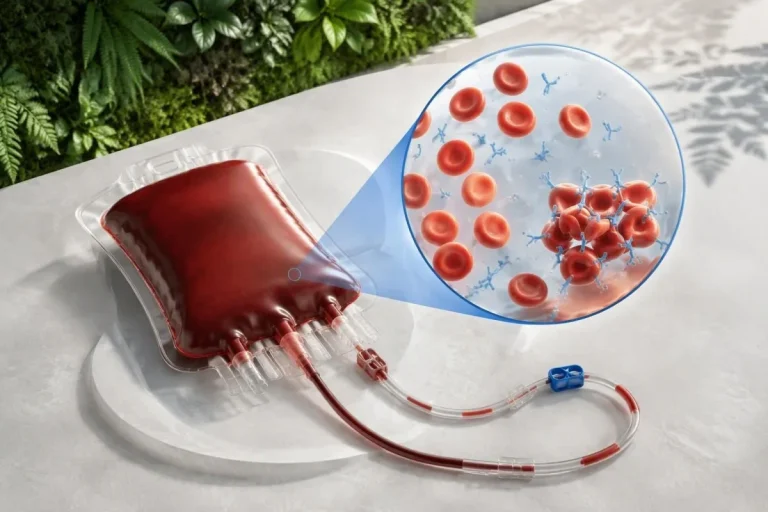
HBsAg, anti-HBs, និង total anti-HBc គឺជាការធ្វើតេស្តពិនិត្យរកជំងឺរលាកថ្លើមប្រភេទ B មូលដ្ឋាន។. រួមគ្នាពួកវាឆ្លើយតបថាតើវីរុសអាចរកឃើញបានទេនៅពេលបច្ចុប្បន្ន តើមានអភ័យភាពទេ និងតើប្រព័ន្ធភាពស៊ាំបានជួបប្រទះជំងឺរលាកថ្លើមប្រភេទ B ពីមុនមកទេ។.
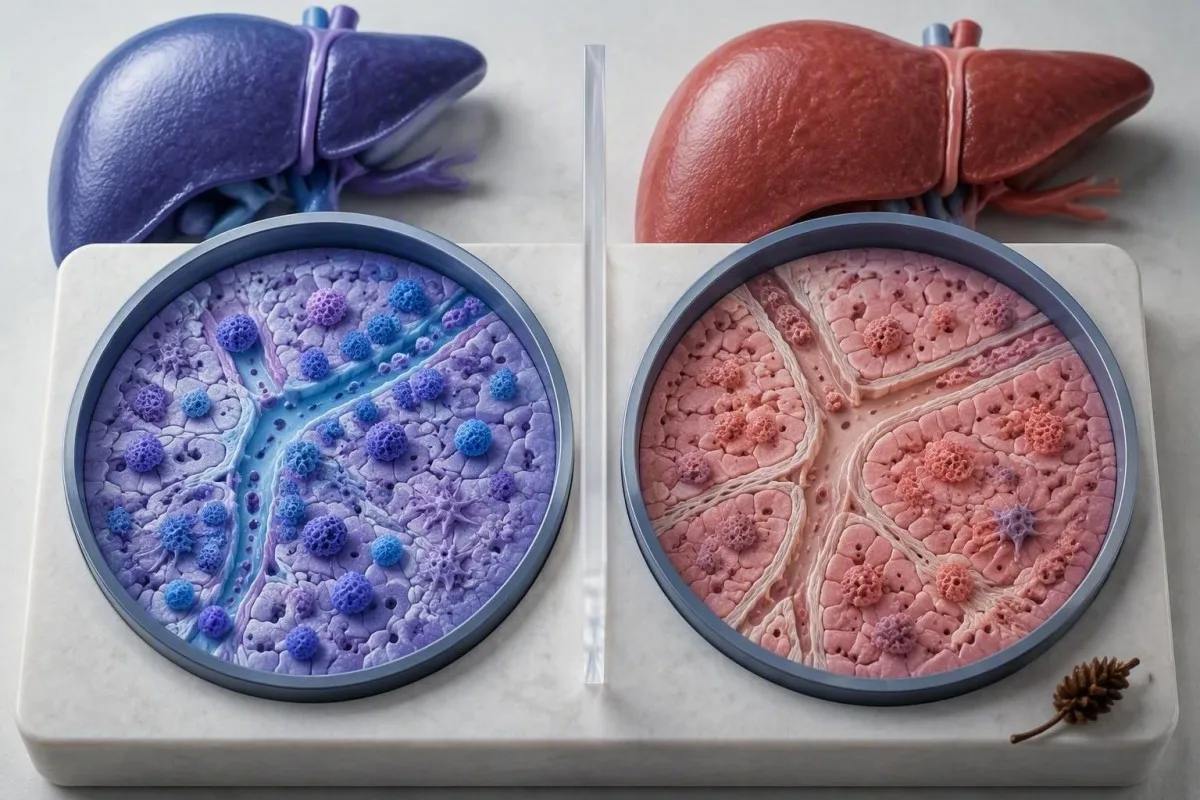
HBsAg គឺជាអង់ទីเจนផ្ទៃខាងក្រៅនៃជំងឺរលាកថ្លើមប្រភេទ B; លទ្ធផលវិជ្ជមានមានន័យថាការឆ្លងបច្ចុប្បន្នអាចកើតឡើងបាន ហើយត្រូវការការបញ្ជាក់ និងការតាមដានព្យាបាលព្យាបាល។. Anti-HBs គឺជាអង់ទីករផ្ទៃខាងក្រៅ; កម្រិតយ៉ាងតិច ១០ mIU/mL បន្ទាប់ពីវគ្គចាក់វ៉ាក់សាំងដែលបានកត់ត្រាពេញលេញត្រូវបានចាត់ទុកជាទូទៅថាជាការឆ្លើយតបការពារក្នុងចំណោមប្រជាជនដែលមានភាពស៊ាំនឹងជំងឺ។.
Total anti-HBc រកឃើញអង់ទីករស្នូលពីការឆ្លងធម្មជាតិពីមុនឬបច្ចុប្បន្ន ហើយមិនត្រូវបានបង្កើតឡើងដោយការចាក់វ៉ាក់សាំងទេ។ លំនាំ HBsAg អវិជ្ជមាន, anti-HBs វិជ្ជមាន, និង total anti-HBc អវិជ្ជមានសមនឹងអភ័យភាពដែលបានបង្កើតដោយវ៉ាក់សាំង; HBsAg អវិជ្ជមាន, anti-HBs វិជ្ជមាន, និង total anti-HBc វិជ្ជមានជាទូទៅសមនឹងការឆ្លងធម្មជាតិដែលបានព្យាបាល។.
Total anti-HBc វិជ្ជមានដាច់ដោយឡែកគឺជាលំនាំដែលពិបាកមួយ។ វាអាចឆ្លុះបញ្ចាំងពីការឆ្លងដែលបានព្យាបាលពីចម្ងាយជាមួយនឹងការថយចុះនៃ anti-HBs ការធ្វើតេស្តវិជ្ជមានក្លែងក្លាយ ការឆ្លងលាក់កំបាំង ឬមិនសូវញឹកញាប់ការឆ្លងស្រួចស្រាវដំបូង។ អ្នកព្យាបាលអាចធ្វើតេស្តសេរ៉ូមម្តងទៀត និងបញ្ជាទិញ HBV DNA ជាពិសេសមុនពេលព្យាបាលដោយការបង្ក្រាបប្រព័ន្ធភាពស៊ាំ។ ការពន្យល់របស់យើងអំពី លទ្ធផលអង់ទីករវិជ្ជមាន គ្របដណ្តប់ហេតុអ្វីបានជាអង់ទីករមួយកម្រប្រាប់រឿងទាំងមូល។.
តើការធ្វើតេស្តបែងចែកជំងឺរលាកថ្លើមប្រភេទ B ស្រួចស្រាវពីជំងឺរលាកថ្លើមប្រភេទ B រ៉ាំរ៉ៃដោយរបៀបណា
ជំងឺរលាកថ្លើមប្រភេទ B ស្រួចស្រាវ និងរ៉ាំរ៉ៃ ត្រូវបានបែងចែកជាចម្បងដោយពេលវេលា និងសេរ៉ូល។ មិនមែនដោយសារតែនរណាម្នាក់មានអារម្មណ៍ឈឺប៉ុណ្ណានោះទេ។. HBsAg ដែលបន្តមានរយៈពេលយ៉ាងហោចណាស់ 6 ខែ បង្កើតការឆ្លងរ៉ាំរ៉ៃ។ លទ្ធផល HBsAg តែមួយដែលវិជ្ជមានមិនអាចកំណត់កាលបរិច្ឆេទនៃការឆ្លងដោយខ្លួនឯងបានទេ។.
IgM anti-HBc គាំទ្រយ៉ាងខ្លាំងដល់ការឆ្លងស្រួចស្រាវថ្មីៗ នៅពេលដែលផ្គូផ្គងជាមួយលទ្ធផល HBsAg ថ្មី និងជំងឺដែលត្រូវគ្នា។ វាមិនល្អឥតខ្ចោះទេ៖ IgM anti-HBc ក៏អាចរកឃើញក្នុងអំឡុងពេលមានការផ្ទុះឡើងនៃជំងឺរលាកថ្លើមប្រភេទ B រ៉ាំរ៉ៃ ដូច្នេះគ្រូពេទ្យប្រៀបធៀបលទ្ធផលពីមុន ពេលវេលានៃរោគសញ្ញា និន្នាការ ALT និង HBV DNA។.
HBV DNA ត្រូវបានរាយការណ៍ជា IU/mL និងវាស់បរិមាណសម្ភារៈហ្សែនមេរោគក្នុងឈាម។ វាមិនមែនជាការចង្អុលបង្ហាញពីជំងឺស្រួចស្រាវ ឬរ៉ាំរ៉ៃដោយខ្លួនឯងនោះទេ ប៉ុន្តែលទ្ធផលដែលរកឃើញបញ្ជាក់ពីការចម្លងរោគ និងក្លាយជាមជ្ឈមណ្ឌលសម្រាប់ការត្រួតពិនិត្យ និងការសម្រេចចិត្តព្យាបាល។ DNA ទាប ឬមិនអាចរកឃើញមិនបានលុបបំបាត់តម្រូវការដើម្បីបកស្រាយ HBsAg និងស្ថានភាពថ្លើមរួមគ្នា។.
ការណែនាំរបស់ AASLD គូសបញ្ជាក់ពី ALT ជាបន្តបន្ទាប់ HBV DNA ស្ថានភាព HBeAg និងការវាយតម្លៃហ្វាប្រុស។ ជំនួសឱ្យរូបថតមន្ទីរពិសោធន៍តែមួយ (Terrault et al., 2018) ។ នេះជាហេតុផលមួយដែល ALT ធម្មតាលើការចាប់មួយដងមិនបានបញ្ជាក់ថា HBV រ៉ាំរ៉ៃមិនបង្កគ្រោះថ្នាក់។.
ច្បាប់រយៈពេលប្រាំមួយខែមានគោលបំណង
ការកំណត់កម្រិត 6 ខែ បែងចែកការឆ្លងមេរោគដែលទំនងជាកម្ចាត់ចេញដោយខ្លួនឯង ពីការឆ្លងដែលបានបន្ត និងមានហានិភ័យរយៈពេលវែងនៃហ្វាប្រុស និងមហារីកកោសិកាថ្លើម។ ក្នុងចំណោមមនុស្សពេញវ័យ មនុស្សជាង 90% នៃការឆ្លងស្រួចស្រាវដែលមានប្រព័ន្ធភាពស៊ាំអាចជាសះស្បើយ ខណៈពេលដែលការឆ្លងដែលទទួលបាននៅជុំវិញកំណើតក្លាយទៅជារ៉ាំរ៉ៃញឹកញាប់ជាង។.
តើការធ្វើតេស្តថ្លើមអាច — និងមិនអាច — បង្ហាញអ្វីខ្លះ?
ALT និង AST បង្ហាញពីការរងរបួសកោសិកាថ្លើម ខណៈពេលដែលប៊ីលីរុយប៊ីន អាល់ប៊ុយមីន INR និងប្លាកែតជួយបង្ហាញពីភាពធ្ងន់ធ្ងរ និងមុខងារថ្លើម។. ការពិនិត្យថ្លើមតាមទម្លាប់មិនអាចកំណត់ជំងឺរលាកថ្លើម B ថាជាមូលហេតុបានទេ បើគ្មានសេរ៉ូលមេរោគ។.

ALT គឺជាសញ្ញាថ្លើមច្រើនជាង AST ទោះបីជាគ្មានមួយណាផ្តាច់មុខសម្រាប់ថ្លើមក៏ដោយ។ ក្នុងករណីមានជំងឺរលាកថ្លើមដោយមេរោគស្រួចស្រាវ ALT អាចលើសពី 1,000 IU/L។ ជួរដូចគ្នានេះក៏អាចកើតមានឡើងដោយសារជាតិប៉ារ៉ាសេតាមុលពុល ឬលំហូរឈាមថ្លើមថយចុះ ដូច្នេះលេខនេះតម្រូវឱ្យមានបរិបទបន្ទាន់ជំនួសឱ្យការធ្វើរោគវិនិច្ឆ័យដោយខ្លួនឯង។.
ប៊ីលីរុយប៊ីនឆ្លុះបញ្ចាំងពីការបន្សំនិងការបញ្ចេញទឹកប្រមាត់ ខណៈដែល INR និងអាល់ប៊ុយមីនឆ្លុះបញ្ចាំងពីសមត្ថភាពសំយោគ។ INR កើនឡើងជាពិសេសនៅ 1.5 ឬខ្ពស់ជាងនេះ ចំពោះអ្នកដែលមានជំងឺរលាកថ្លើមស្រួចស្រាវ និងស្ថានភាពផ្លូវចិត្តផ្លាស់ប្តូរនោះ កើតមានការព្រួយបារម្ភពីការខ្សោយថ្លើមស្រួចស្រាវ និងតម្រូវឱ្យមានការវាយតម្លៃជាបន្ទាន់។ មគ្គុទេសក៍ INR ពន្យល់ពីការវាស់វែង។.
បណ្តាញសរសៃប្រសាទរបស់អ្នកអានអង់ស៊ីមប្លែងអាមីណូរួមជាមួយនឹងប៊ីលីរុយប៊ីន អាល់កាឡាំងផូស្្វាតase អាល់ប៊ុយមីន និងប្លាកែត ដើម្បីសម្គាល់លំនាំសម្រាប់ការពិនិត្យវេជ្ជសាស្ត្រ។ ការបំបែកបន្ទះថ្លើម មានប្រយោជន៍មុនពេលអ្នកសន្មតថា “ការពិនិត្យមុខងារថ្លើម” ធម្មតារួមបញ្ចូលការពិនិត្យ HBV ។.
សមាមាត្រ AST:ALT មិនមែនជាតេស្តជំងឺរលាកថ្លើម B ទេ។
សមាមាត្រ AST:ALT ក្រោម 1 ជារឿងធម្មតាក្នុងជំងឺរលាកថ្លើមដោយមេរោគ ប៉ុន្តែមិនមានភាពរសើប ឬជាក់លាក់ទេ។ ការហាត់ប្រាណខ្លាំងថ្មីៗអាចធ្វើឱ្យ AST កើនឡើងពីសាច់ដុំ ខណៈពេលដែល gamma-glutamyl transferase និង bilirubin អាចនៅធម្មតា។ ការធ្វើតេស្ដឡើងវិញបន្ទាប់ពីជាសះស្បើយអាចការពារការពិនិត្យមេរោគដែលធ្វើឱ្យមានការភាន់ច្រឡំ។.
តើរោគសញ្ញាជំងឺរលាកថ្លើមប្រភេទ B អ្វីខ្លះដែលត្រូវការការព្យាបាលនៅថ្ងៃតែមួយ?
ការភ័ន្តច្រឡំ ការងងុយដេកមិនប្រក្រតី ការក្អួតញឹកញាប់ ការលឿងកាន់តែជ្រៅមិនប្រក្រតី ការជាំថ្មីៗ ឬការហើមពោះធ្ងន់ធ្ងរតម្រូវឱ្យមានការវាយតម្លៃជាបន្ទាន់ក្នុងថ្ងៃតែមួយ។. រោគសញ្ញាទាំងនេះអាចជាសញ្ញានៃមុខងារថ្លើមចុះខ្សោយ ជាជាងគ្រាន់តែជាជំងឺរលាកថ្លើមស្រួចស្រាវធម្មតា។.
ការភាន់ច្រឡំ ឬការផ្លាស់ប្ដូរលំនាំនៃការគេង-ភ្ញាក់អាចបង្ហាញពីជំងឺខួរក្បាលដោយសារបញ្ហាថ្លើម ជាពិសេសនៅពេលដែលមានជំងឺខាន់លឿង និងរយៈពេល INR យូរ។ វាមិនមែនជារឿងធម្មតាទេ ប៉ុន្តែវាមិនមែនជារោគសញ្ញាដែលថា “ចាំដល់ថ្ងៃចន្ទ” នោះទេ — ការខ្សោយថ្លើមស្រួចស្រាវអាចវិវឌ្ឍក្នុងរយៈពេលជាច្រើនម៉ោងដល់ច្រើនថ្ងៃ។.
ទឹកនោមពណ៌ខ្មៅតែឯងមិនមែនជាអាសន្នជាបន្ទាន់ទេ។ ការខះជាតិទឹក ការប្រើថ្នាំ និងទឹកនោមដែលកកសុទ្ធជាជម្រើសទូទៅ។ ទឹកនោមខ្មៅរួមជាមួយលាមកស្លេក ភ្នែកលឿង រមាស់ ក្តៅខ្លួន ឬឈឺពោះផ្នែកខាងស្តាំផ្នែកខាងលើ បង្ហាញកាន់តែខ្លាំងទៅរកការរំខាននៃសារធាតុប៊ីលីរុយប៊ីន ឬទឹកប្រមាត់ ដូចដែលបានរៀបរាប់លម្អិតនៅក្នុង ទឹកនោមខ្មៅ.
ចូរបញ្ឈប់ការផឹកគ្រឿងស្រវឹង ហើយកុំចាប់ផ្តើម“លាងថ្លើម”ដោយឱសថបុរាណពេលកំពុងត្រូវបានវាយតម្លៃ។ អាហារបំប៉នដែលមានច្រើនមុខមានសារធាតុមិនច្បាស់លាស់ ហើយផលិតផលដែលផ្សព្វផ្សាយសម្រាប់ការបន្សាបជាតិពុលអាចធ្វើឱ្យរបួសថ្លើមដោយសារថ្នាំកាន់តែស្មុគស្មាញ នៅពេលដែលគ្រូពេទ្យត្រូវការរូបភាពធ្វើរោគវិនិច្ឆ័យដែលច្បាស់លាស់។.
តើអ្នកណាគួរត្រូវបានវាយតម្លៃក្នុងពេលឆាប់ៗនេះដែរឬទេ បើទោះជាមិនមានរោគសញ្ញាក៏ដោយ?
អ្នកដែលមានផ្ទៃពោះ មានជំងឺក្រិនថ្លើម ប្រើគីមីบำบัด ឬការព្យាបាលដែលទប់ស្កាត់ប្រព័ន្ធភាពស៊ាំដោយជីវសាស្ត្រ មានជំងឺអេដស៍ ឬមានជំងឺរលាកថ្លើមប្រភេទ B រ៉ាំរ៉ៃដែលគេដឹងថាមានលទ្ធផលមិនប្រក្រតីថ្មីទាមទារឱ្យមានការពិនិត្យជាលក្ខណៈបុគ្គល។ ការរលាកឡើងវិញអាចស្ងប់ស្ងាត់ខាងវេជ្ជសាស្ត្ររហូតដល់ ALT កើនឡើង ដូច្នេះការរៀបចំផែនការការពារដោយថ្នាំប្រឆាំងវីរុសអាចមានសុវត្ថិភាពជាងការធ្វើតេស្តតាមប្រតិកម្ម។.
ហេតុអ្វីបានជាជំងឺរលាកថ្លើមប្រភេទ B រ៉ាំរ៉ៃអាចមានអារម្មណ៍ធម្មតាទាំងស្រុង
ជំងឺរលាកថ្លើមប្រភេទ B រ៉ាំរ៉ៃជាញឹកញាប់មិនបង្កឱ្យមានរោគសញ្ញាប្រចាំថ្ងៃអស់ជាច្រើនឆ្នាំទេ សូម្បីតែពេលវីរុសបន្តពូជ ឬមានការខូចខាតថ្លើមកម្រិតទាបក៏ដោយ។. ការមានអារម្មណ៍ថាមានថាមពល ការហាត់ប្រាណជាប្រចាំ និងការមានសារធាតុប៊ីលីរុយប៊ីនធម្មតាមិនបានលុបបំបាត់ហានិភ័យនៃការកើតរោគសញ្ញាសរសៃក្នុងថ្លើមទេ។.

នេះជាកន្លែងដែលអ្នកជំងឺជួបការលំបាកដោយហេតុផលដែលអាចយល់បាន៖ មនុស្សម្នាក់អាចមាន ALT ធម្មតា ឬកើនឡើងតិចតួច ហើយនៅតែត្រូវការការតាមដានជាប្រព័ន្ធ ដោយសារតែ HBV DNA អាយុ ស្ថានភាព HBeAg ប្រវត្តិគ្រួសារ និងរោគសញ្ញាសរសៃក្នុងថ្លើមទាំងអស់កែប្រែហានិភ័យ។ ចំនួនប្លាកែតដែលថយចុះក្រោមប្រហែល 150 × 10⁹/L មិនមែនជារោគវិនិច្ឆ័យនៃជំងឺក្រិនថ្លើមទេ ប៉ុន្តែដោយមានលទ្ធផលតេស្តថ្លើមមិនប្រក្រតី វាទាមទារឱ្យមានការយកចិត្តទុកដាក់។.
A ពិន្ទុ FIB-4 ប្រើអាយុ AST ALT និងចំនួនប្លាកែតជាការប៉ាន់ប្រមាណការតម្រៀបសម្រាប់រោគសញ្ញាសរសៃក្នុងថ្លើម វាមិនអាចធ្វើរោគវិនិច្ឆ័យជំងឺក្រិនថ្លើម ឬជំនួស elastography បានទេ។ មគ្គុទ្ទេសក៍ម៉ាស៊ីនគណនា FIB-4 ពន្យល់ថាហេតុអ្វីបានជាអាយុអាចធ្វើឱ្យពិន្ទុព្រំដែនមើលទៅគួរឲ្យព្រួយបារម្ភបន្ថែមទៀតបន្ទាប់ពីអាយុ 65 ឆ្នាំ។.
កាន់តេស្ទី គឺជា ឧបករណ៍វិភាគតេស្តឈាមដោយ AI ត្រូវបានរចនាឡើងដើម្បីប្រៀបធៀបផ្ទាំងថ្លើមចាស់ ដូច្នេះការផ្លាស់ប្តូរ ALT ឬប្លាកែតដែលកើតឡើងជាបណ្តើរៗ មិនត្រូវបានលាក់ដោយទង់“ក្នុងដែន”តែមួយទេ។ ការទទួលស្គាល់និន្នាការជួយរៀបចំការសន្ទនាជាមួយគ្រូពេទ្យកាន់តែប្រសើរឡើង វាមិនមែនជាការជំនួសការធ្វើតេស្ត HBV DNA ការថតអ៊ុលត្រាសោន ឬការថែទាំដោយអ្នកឯកទេសទេ។.
ការត្រួតពិនិត្យជំងឺមហារីកផ្អែកលើហានិភ័យ
ការត្រួតពិនិត្យអ៊ុលត្រាសោនសម្រាប់ជំងឺមហារីកកោសិកាថ្លើមមិនត្រូវបានកំណត់ដោយរោគសញ្ញាតែឯងទេ។ គ្រូពេទ្យប្រើស្ថានភាពជំងឺរលាកថ្លើម B រ៉ាំរ៉ៃ ជំងឺក្រិនថ្លើម ប្រវត្តិគ្រួសារ អាយុ ភេទ និងហានិភ័យនៃតំបន់កំណើតដើម្បីសម្រេចចិត្តថាតើការត្រួតពិនិត្យរៀងរាល់ប្រាំមួយខែសមស្របឬទេ។ AFP ត្រូវបានបន្ថែមម្តងម្កាល ប៉ុន្តែមិនអាចទុកចិត្តបានជាការធ្វើតេស្តស្កេនតែមួយទេ។.
ភាពអស់កម្លាំងមិនបានបញ្ជាក់ពីជំងឺរលាកថ្លើមប្រភេទ B — គ្រូពេទ្យបែងចែកវាដោយរបៀបណា
ការអស់កម្លាំងគឺជារឿងធម្មតានៅក្នុងជំងឺរលាកថ្លើមប្រភេទ B ប៉ុន្តែវាច្រើនតែបណ្តាលមកពីការរំខានដល់ការគេង ភាពស្លេកស្លាំង ជំងឺក្រពេញទីរ៉ូអ៊ីត ជំងឺធ្លាក់ទឹកចិត្ត ផលនៃការប្រើថ្នាំ ឬការឆ្លងមេរោគផ្សេងៗ។. សំណួរដែលមានប្រយោជន៍គឺថាតើការអស់កម្លាំងកើតឡើងរួមជាមួយនឹងការប៉ះពាល់នឹងហានិភ័យ ការផ្លាស់ប្តូរលទ្ធផលតេស្តថ្លើម ឬសញ្ញាវិជ្ជមានរបស់ HBV។.
អ្នករត់ប្រណាំងលោតពីចម្ងាយអាយុ 52 ឆ្នាំម្នាក់ដែលមាន AST 89 IU/L បន្ទាប់ពីការប្រណាំងមិនមានជំងឺថ្លើមដោយស្វ័យប្រវត្តិទេ។ ការបញ្ចេញសាច់ដុំអាចធ្វើឱ្យ AST កើនឡើង ហើយcreatine kinase រួមជាមួយនឹងផ្ទាំងម្តងទៀតបន្ទាប់ពីសម្រាកជាញឹកញាប់អាចបញ្ជាក់ពីប្រភព។ ផ្ទុយទៅវិញ ALT 289 IU/L ដោយមាន HBsAg វិជ្ជមាន និងទឹកនោមខ្មៅទាមទារផ្លូវខុសគ្នាខ្លាំង។.
ការអស់កម្លាំងរួមជាមួយនឹងអេម៉ូក្លូប៊ីនទាប ហ្វឺរីទីនទាប ឬសញ្ញាក្រពេញទីរ៉ូអ៊ីតមិនប្រក្រតីទាមទារឱ្យមានការវាយតម្លៃស្របគ្នា ជាជាងរឿងតែមួយមូលហេតុ។ អត្ថបទរោគសញ្ញាហ្វឺរីទីនទាប ពន្យល់ថាហេតុអ្វីបានជាការខ្វះជាតិដែកអាចបណ្ដាលឱ្យអស់កម្លាំងមុនពេលមានភាពស្លេកស្លាំងលេចឡើង។.
ច្បាប់ជាក់ស្តែងរបស់លោកវេជ្ជបណ្ឌិត Thomas Klein គឺសាមញ្ញ៖ រោគសញ្ញាចាប់ផ្ដើមការស៊ើបអង្កេត ប៉ុន្តែលំនាំជាអ្នកសម្រេចចិត្តវា។ CBC ការពិនិត្យគីមីថ្លើម ការពិនិត្យឡើងវិញនូវការប្រើថ្នាំ ប្រវត្តិនៃការប៉ះពាល់ និងការធ្វើតេស្តវីរុសដែលមានគោលដៅជាធម្មតាឆ្លើយតបបានច្រើនជាងការពិនិត្យអង់ស៊ីមតែមួយដដែលៗ។.
កុំបរិច្ចាគឈាមដើម្បី “ស្វែងយល់”
ការត្រួតពិនិត្យអ្នកបរិច្ចាគឈាមការពារអ្នកទទួលប៉ុន្តែមិនមែនជាយុទ្ធសាស្ត្រវិនិច្ឆ័យផ្ទាល់ខ្លួនទេហើយអាចមិនផ្តល់ការប្រឹក្សាទាន់ពេលវេលាទេ។ ប្រសិនបើមានការប៉ះពាល់អាចកើតឡើងសូមរៀបចំការធ្វើតេស្តសម្ងាត់គ្លីនិកឬសុខភាពសាធារណៈដែលអាចពិភាក្សាអំពីបន្ទះសញ្ញាបីពេញលេញនិងការតាមដាន។.
តើមានអ្វីកើតឡើងបន្ទាប់ពីលទ្ធផល HBsAg វិជ្ជមាន?
លទ្ធផល HBsAg វិជ្ជមានគួរតែធ្វើការវាយតម្លៃបញ្ជាក់ការធ្វើតេស្ត HBV DNA ការធ្វើតេស្តមុខងារថ្លើមនិងការពិនិត្យរយៈពេលនិងការបង្ការការចម្លងរោគ។. វាមានភាពធ្ងន់ធ្ងរគ្រប់គ្រាន់ដើម្បីតាមដានជាបន្ទាន់ប៉ុន្តែវាមិនមានន័យថាក្រិនថ្លើមឬតម្រូវឱ្យព្យាបាលដោយថ្នាំប្រឆាំងវីរុសជាបន្ទាន់ដោយស្វ័យប្រវត្តិទេ។.
គ្រូពេទ្យតែងតែបញ្ជាឱ្យធ្វើតេស្ត HBsAg ដដែលឬបញ្ជាក់anti-HBc ទាំងអស់និងIgM, anti-HBs, HBeAg និងanti-HBe, HBV DNA ចំនួន, ALT, AST, bilirubin, albumin, INR, CBC, និងការធ្វើតេស្តរកជំងឺរលាកថ្លើមC, រលាកថ្លើមD, និងHIVនៅពេលដែលពាក់ព័ន្ធ។ ការធ្វើតេស្តបន្ថែមឆ្លើយសំណួរដាច់ដោយឡែក - ការបង្កាត់ពូជដំណាក់កាលរបួសថ្លើមការឆ្លងមេរោគរួមនិងសុវត្ថិភាពនៃការព្យាបាល។.
អ្នកដែលរស់នៅក្នុងផ្ទះតែមួយនិងដៃគូផ្លូវភេទគួរត្រូវបានធ្វើតេស្តនិងចាក់ថ្នាំបង្ការប្រសិនបើមានភាពងាយរងគ្រោះ។ កុំចែករំលែកកោរសក់ច្រាសដុសធ្មេញឬឧបករណ៍ចាក់ថ្នាំ។ HBV ត្រូវបានចម្លងតាមឈាមនិងសារធាតុរាវក្នុងរាងកាយមួយចំនួនប៉ុន្តែវាមិនត្រូវបានរីករាលដាលដោយការឱបការចែករំលែកអាហារក្អកឬការទាក់ទងធម្មតានៅកន្លែងធ្វើការ។.
HBsAg វិជ្ជមានក៏គួរតែជំរុញឱ្យមានការពិនិត្យឡើងវិញ រូបភាព AST ខ្ពស់ ជំនួសឱ្យការបន្ទោសគ្រឿងស្រវឹងឬខ្លាញ់ថ្លើម។ ជំងឺថ្លើមមេតាប៉ូលីសដែលកើតមានជាទូទៅដែលដំណើរការច្រើនជាងមួយអាចមាន។.
តើលទ្ធផលអាចវិជ្ជមានក្លែងក្លាយបានទេ?
លទ្ធផល HBsAg វិជ្ជមានក្លែងក្លាយមិនកើតមានជាទូទៅទេប៉ុន្តែអាចកើតមានជាពិសេសនៅជិតកម្រិតនៃការវិភាគឬភ្លាមៗបន្ទាប់ពីការចាក់វ៉ាក់សាំងក្នុងស្ថានភាពមិនប្រក្រតី។ ការបញ្ជាក់តាមរយៈការបន្សាបដែលបានណែនាំរបស់មន្ទីរពិសោធន៍ឬវិធីសាស្ត្រធ្វើឡើងវិញគឺសមរម្យប៉ុន្តែមនុស្សម្នាក់គួរតែប្រព្រឹត្តដូចជាមានការឆ្លងមេរោគរហូតដល់លទ្ធផលត្រូវបានដោះស្រាយ។.
តើជំងឺរលាកថ្លើមប្រភេទ B រ៉ាំរ៉ៃតែងតែត្រូវការការព្យាបាលដែរឬទេ?
ទេជំងឺរលាកថ្លើមប្រភេទ B រ៉ាំរ៉ៃមិនតែងតែតម្រូវឱ្យព្យាបាលដោយថ្នាំប្រឆាំងវីរុសជាបន្ទាន់ទេប៉ុន្តែករណីដែលបានបញ្ជាក់នីមួយៗតម្រូវឱ្យមានការត្រួតពិនិត្យតាមកម្រិតហានិភ័យ។. ការសម្រេចចិត្តព្យាបាលថ្លឹងថ្លែង HBV DNA, ALT, ជំងឺក្រិនថ្លើមឬក្រិនថ្លើម, ស្ថានភាព HBeAg, អាយុ, ប្រវត្តិគ្រួសារ, និងលក្ខខណ្ឌដែលកើតមានរួមគ្នា។.

ថ្នាំរយៈពេលវែងដំបូងជាញឹកញាប់រួមមាន tenofovir ឬ entecavir ដោយសារតែវាទប់ស្កាត់ការបង្កាត់ពូជវីរុស HBV ប្រកបដោយប្រសិទ្ធភាពហើយមានរបាំងខ្ពស់ចំពោះការតស៊ូ។ វាគ្រប់គ្រងវីរុសជំនួសឱ្យការលុបបំបាត់វាដោយជឿជាក់ដូច្នេះការបញ្ឈប់ការព្យាបាលដោយគ្មានការណែនាំពីអ្នកជំនាញអាចបង្កឱ្យមានការផ្ទុះឡើង។.
កម្រិត HBV DNA គឺខុសគ្នាដោយស្ថានភាព HBeAg និងបរិបទនៃការណែនាំ។ ចំណុចសម្រេចចិត្តដែលត្រូវបានប្រើជាទូទៅគឺ 2,000 IU/mL, ប៉ុន្តែការព្យាបាលមិនដែលផ្អែកលើលេខនោះតែមួយទេ។ ជំងឺក្រិនថ្លើមផ្លាស់ប្តូរការគណនាយ៉ាងខ្លាំងដោយសារតែ HBV DNA ដែលអាចរកឃើញណាមួយអាចបង្ហាញពីតម្រូវការក្នុងការព្យាបាលជំងឺក្រិនថ្លើមដែលមានសំណង។.
នេះ។ ក្របខ័ណ្ឌសុពលកម្មផ្នែកវេជ្ជសាស្ត្រ ខាងក្រោយ Kantesti เน้นថាឧបករណ៍ตีความควรแสดงคำถามติดตามผลไม่ใช่สั่งยาต้านไวรัสการเลือกยาต้องการการทำงานของไตแผนการตั้งครรภ์สุขภาพกระดูกประวัติการดื้อยาและการตัดสินของผู้เชี่ยวชาญ.
ចន្លោះពេលត្រួតពិនិត្យប្រែប្រួល
មនុស្សដែលមិនត្រូវបានព្យាបាលនៅពេលបច្ចុប្បន្នអាចតម្រូវឱ្យមានការត្រួតពិនិត្យ ALT និង HBV DNA រៀងរាល់ 3–6 ខែក្នុងអំឡុងពេលសកម្មនិងតិចជាងនេះក្នុងអំឡុងពេលមានស្ថេរภาพដោយមានចន្លោះពេលកំណត់ដោយគ្រូពេទ្យរបស់ពួកគេ។ លទ្ធផលធម្មតានៅថ្ងៃនេះមិនបានបង្កើតស្ថានភាពមិនសកម្មជាអចិន្ត្រៃយ៍ទេដោយសារសកម្មភាព HBV អាចប្រែប្រួល។.
របៀបការពារដៃគូ និងសមាជិកគ្រួសារ
ការចាក់វ៉ាក់សាំងនិងការធ្វើតេស្តការពារអ្នករស់នៅក្នុងផ្ទះតែមួយនិងដៃគូផ្លូវភេទពីជំងឺរលាកថ្លើមប្រភេទ B យ៉ាងน่าទុកចិត្តជាងការត្រួតពិនិត្យរោគសញ្ញា។. អ្នកដែលមានភាពងាយរងគ្រោះគួរតែចាប់ផ្ដើមការចាក់វ៉ាក់សាំងជាបន្ទាន់ចំណែកអ្នកដែលមាន HBsAg វិជ្ជមានត្រូវការការវាយតម្លៃគ្លីនិកជំនួសឱ្យការធានាតែមួយ។.
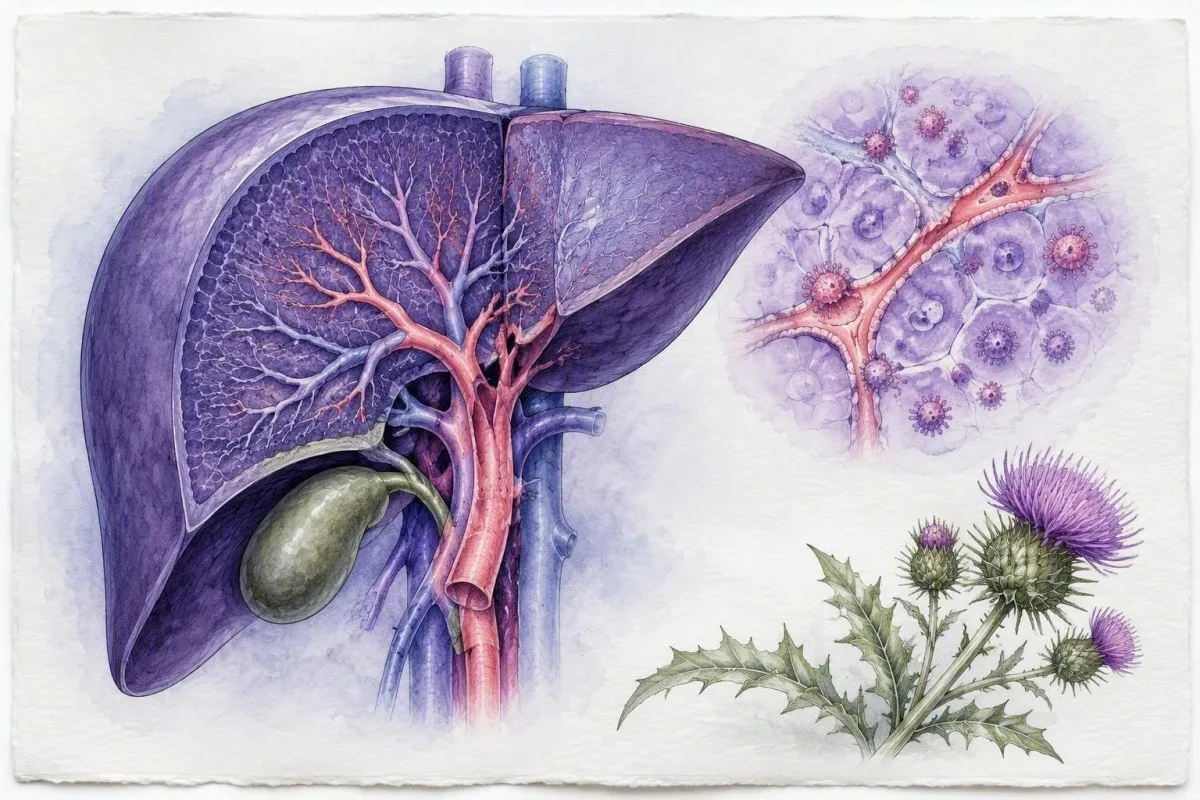
វ៉ាក់សាំងបង្ការជំងឺរលាកថ្លើមប្រភេទ B មានប្រសិទ្ធភាពខ្ពស់នៅពេលដែលស៊េរីត្រូវបានបញ្ចប់។ សម្រាប់មនុស្សពេញវ័យដែលត្រូវការភស្តុតាងក្រោយការចាក់វ៉ាក់សាំងពីការឆ្លើយតបដោយសារហានិភ័យការងារឬប្រព័ន្ធភាពស៊ាំanti-HBs ត្រូវបានវាស់1–2 ខែបន្ទាប់ពីកម្រិតចុងក្រោយ។; 10 mIU/mL ឬខ្ពស់ជាង គឺជាកម្រិតការពារតាមប្រពៃណី។.
ប្រើស្រោមអនាម័យរហូតដល់អង់ទីកររបស់ដៃគូត្រូវបានបញ្ជាក់ គ្របដណ្តប់មុខរបួស និងរក្សារបស់របរប្រើប្រាស់ផ្ទាល់ខ្លួនឲ្យនៅដាច់ដោយឡែក។ ការប្រាស្រ័យទាក់ទងសង្គមជាប្រចាំគឺមានសុវត្ថិភាព ហើយកុមារមិនគួរត្រូវបានបំបែកចេញពីឪពុកម្តាយដែលមានមេរោគរលាកថ្លើមប្រភេទ B ទេ — ការយល់ខុសនេះនៅតែបង្កឲ្យមានការថប់បារម្ភក្នុងគ្រួសារដោយមិនចាំបាច់។.
Kantesti’s ធនធានតាមដានសុខភាពគ្រួសារ អាចជួយគ្រួសាររៀបចំលទ្ធផលដោយឡែកដោយមានការយល់ព្រម ប៉ុន្តែមនុស្សម្នាក់ៗត្រូវការការធ្វើតេស្ត និងកំណត់ត្រាចាក់វ៉ាក់សាំងផ្ទាល់ខ្លួន។ លទ្ធផលតេស្តអង្គបដិប្រាណវិជ្ជមានរបស់សាច់ញាតិម្នាក់មិនអាចបញ្ជាក់ពីភាពស៊ាំរបស់អ្នកដទៃបានទេ។.
ចុះការបំបៅដោះកូនវិញ?
ជាទូទៅ ការបំបៅដោះកូនត្រូវបានអនុញ្ញាត នៅពេលទារកទើបកើតទទួលបានការបង្ការជំងឺរលាកថ្លើមប្រភេទ B តាមការណែនាំ។ នៅតែត្រូវការដំបូន្មានផ្ទាល់ខ្លួន ប្រសិនបើមានក្បាលដោះប្រេះ ឬហូរឈាម ការឆ្លងមេរោគអេដស៍រួមគ្នា ឬមានសំណួរអំពីការព្យាបាលដោយថ្នាំប្រឆាំងវីរុសរបស់ម្តាយ។.
តើអ្នកគួរជៀសវាងអ្វីខ្លះពេលរង់ចាំលទ្ធផលជំងឺរលាកថ្លើមប្រភេទ B?
ចៀវ ស្រា អាសេតាមីណូហ្វេនដែលមិនចាំបាច់ និងអាហារបំប៉នរុក្ខជាតិ ឬអាហារបំប៉នសម្រាប់កសាងសាច់ដុំថ្មី ខណៈពេលដែលជំងឺរលាកថ្លើមប្រភេទ B កំពុងត្រូវបានវាយតម្លៃ។. ការប៉ះពាល់ទាំងនេះអាចធ្វើឲ្យថ្លើមកាន់តែតានតឹង ឬធ្វើឲ្យពិបាកក្នុងការកំណត់ប្រភពនៃលទ្ធផលមិនប្រក្រតី។.
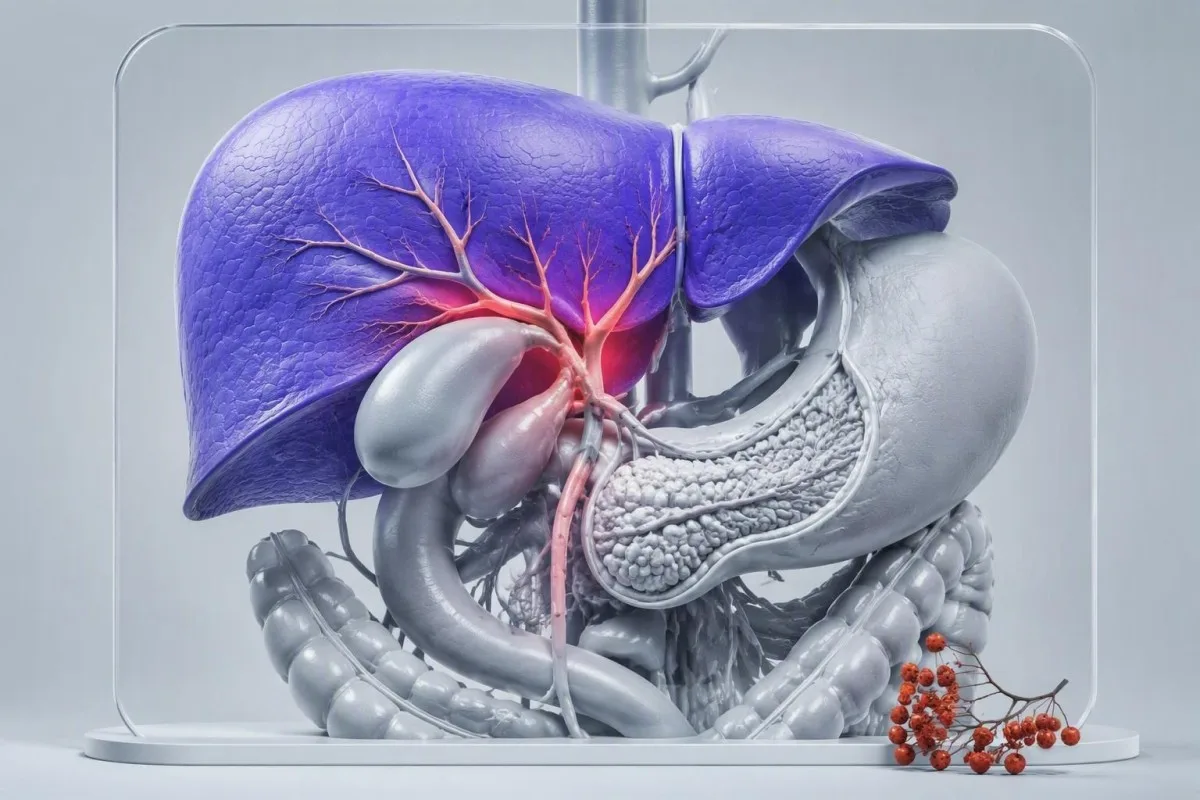
គ្មានភ័ស្តុតាងណាមួយដែលថា ការលាងសម្អាតដោយទឹកផ្លែឈើ ការតមអាហារ ឬផលិតផលបន្សាបជាតិពុលដែលគ្មានវេជ្ជបញ្ជាអាចបំបាត់ជំងឺរលាកថ្លើមប្រភេទ B បានទេ។ ផលិតផលខ្លះមានសារធាតុចំរាញ់ពីរុក្ខជាតិក្នុងកម្រិតខ្ពស់ ឬមានសារធាតុដែលមិនបានបញ្ជាក់ ហើយថ្លើមអាចងាយរងគ្រោះជាពិសេសក្នុងអំឡុងពេលរលាកស្រួចស្រាវ។ ការពិនិត្យឡើងវិញរបស់យើង អាហារបំប៉នថ្លើមដែលមានហានិភ័យ ពន្យល់ពីការព្រួយបារម្ភ។.
កុំបញ្ឈប់ថ្នាំដែលវេជ្ជបញ្ជាភ្លាមៗ លុះត្រាតែអ្នកចេញវេជ្ជបញ្ជាណែនាំ។ សម្រាប់អាសេតាមីណូហ្វេន គ្រូពេទ្យតែងតែកំណត់ដែនសុវត្ថិភាពជាលក្ខណៈបុគ្គលនៅពេលមានរបួសថ្លើម។ កម្រិតអតិបរមាស្តង់ដារ 4,000 mg ក្នុងមួយថ្ងៃមិនបានសមស្របដោយស្វ័យប្រវត្តិសម្រាប់អ្នកដែលមានជំងឺរលាកថ្លើមស្រួចស្រាវ ការប្រើប្រាស់គ្រឿងស្រវឹង ទម្ងន់ខ្លួនទាប ឬជំងឺថ្លើមរ៉ាំរ៉ៃ។.
ការផ្តល់ជាតិទឹក ការញ៉ាំអាហារសាមញ្ញជាប្រចាំ ការចៀវគ្រឿងស្រវឹង និងការរក្សាបញ្ជីថ្នាំ និងអាហារបំប៉នតាមកាលបរិច្ឆេទ គឺជាការប្រុងប្រយ័ត្ន ខណៈពេលរង់ចាំការពិនិត្យ។ ប្រសិនបើការក្អួតរារាំងការទទួលទានជាតិទឹក ឬការផ្លាស់ប្ដូរភាពច្បាស់លាស់ផ្លូវចិត្ត សូមស្វែងរកការព្យាបាលបន្ទាន់ជាជាងព្យាយាមគ្រប់គ្រងវានៅផ្ទះ។.
អាហារមិនចម្លងមេរោគ HBV ទេ
ជំងឺរលាកថ្លើមប្រភេទ B មិនត្រូវបានឆ្លងពីការរៀបចំអាហារធម្មតា ចានដែលចែករំលែក ឬកែវផឹកឡើយ។ រឿងនេះសំខាន់ព្រោះការចៀវអាហារគ្រួសារមិនបានកាត់បន្ថយការចម្លងទេ ខណៈការចាក់វ៉ាក់សាំង និងការចៀវរបស់របរផ្ទាល់ខ្លួនដែលមានឈាមចម្លងឆ្លងធ្វើបាន។.
របៀបត្រៀមខ្លួនសម្រាប់ការណាត់ជួបតាមដានជំងឺរលាកថ្លើមប្រភេទ B
យកលទ្ធផលជំងឺរលាកថ្លើមប្រភេទ B ទាំងអស់រួមជាមួយកាលបរិច្ឆេទប្រមូលកំណត់ត្រាវ៉ាក់សាំងរបស់អ្នក បញ្ជីថ្នាំ និងរយៈពេលខ្លីនៃការប៉ះពាល់។. ព័ត៌មានលម្អិតទាំងនេះ តែងតែបែងចែកការឆ្លងថ្មី ការឆ្លងពីមុន លំនាំវិជ្ជមានក្លែងក្លាយ ឬជំងឺរលាកថ្លើមប្រភេទ B រ៉ាំរ៉ៃដែលបានបង្កើតឡើងលឿនជាងការធ្វើតេស្តតែមួយឡើងវិញ។.
កត់ត្រាកាលបរិច្ឆេទនៃការប៉ះពាល់ ការធ្វើដំណើរ ដៃគូផ្លូវភេទថ្មី ការចាក់ថ្នាំ ឬការឆ្លាក់រូប ការទាក់ទងក្នុងគ្រួសារ ការមានផ្ទៃពោះ និងការចាក់វ៉ាក់សាំងពីមុន។ រួមបញ្ចូលផងដែរនូវថ្នាំដែលមានឥទ្ធិពលលើប្រព័ន្ធភាពស៊ាំដូចជា rituximab ស្តេរ៉ូអ៊ីតកម្រិតខ្ពស់ ការព្យាបាលដោយគីមី ឬជីវសាស្ត្រ ដោយសារលទ្ធផល anti-HBc វិជ្ជមានអាចមានសារៈសំខាន់ទោះបីជា HBsAg អវិជ្ជមានក៏ដោយ។.
សួរសំណួរត្រង់ៗចំនួនបួន៖ តើសញ្ញាScreening បីណាដែលវិជ្ជមាន? តើ IgM anti-HBc មានវត្តមានទេ? តើ HBV DNA ក្នុង IU/mL គឺប៉ុន្មាន? តើខ្ញុំត្រូវការការវាយតម្លៃជំងឺក្រិនថ្លើម ឬការធ្វើតេស្តជំងឺរលាកថ្លើមប្រភេទ D ទេ? សំណួរទាំងនេះផ្លាស់ទីការសន្ទនាពីការព្រួយបារម្ភមិនច្បាស់លាស់ទៅជាផែនការ។.
លោកវេជ្ជបណ្ឌិត Thomas Klein ណែនាំឲ្យរក្សាទុកឯកសារ PDF ដើម ជាជាងគ្រាន់តែរូបថតអេក្រង់ពីផតថលប៉ុណ្ណោះ ដោយសារដែនយោង ឈ្មោះ Assay កាលបរិច្ឆេទ និងមតិយោបល់របស់មន្ទីរពិសោធន៍អាចប៉ះពាល់ដល់ការបកស្រាយ។ Kantesti’s មគ្គុទេសក៍បច្ចេកវិទ្យា ពន្យល់ពីរបៀបដែល AI របស់យើងទាញយកបរិបទរបាយការណ៍ ខណៈដែលគ្រូពេទ្យរបស់អ្នកនៅតែទទួលខុសត្រូវលើការវិនិច្ឆ័យ និងការព្យាបាល។.
ទស្សនៈជាក់ស្តែងចុងក្រោយ
អារម្មណ៍អវិជ្ជមានមិនមែនជាលទ្ធផលតេស្តអវិជ្ជមានទេ ហើយជំងឺខាន់លឿងគឺជាសញ្ញាយឺត និងមិនสอดคล้อง។ ប្រសិនបើការប៉ះពាល់ ឬហានិភ័យScreening អាចអនុវត្តបាន សូមរៀបចំបន្ទះសញ្ញាបី ទោះបីជាអ្នកមានអារម្មណ៍ធម្មតាទាំងស្រុងក៏ដោយ។ ការដឹងមុនការពារទាំងថ្លើមរបស់អ្នក និងមនុស្សជិតស្និទ្ធនឹងអ្នក។.
សំណួរដែលសួរញឹកញាប់
តើអ្នកអាចកើតជំងឺរលាកថ្លើមប្រភេទ B ដោយគ្មានជំងឺខាន់លឿងបានទេ?
បាទ/ចាស។ ជំងឺ អាច កើតឡើង ដោយ មិន មាន រោគ ក្រិន ទេ ហើយ មនុស្ស ជាច្រើន ដែល ឆ្លង ជំងឺ នេះ មិន មាន រោគ សញ្ញា អ្វី ទាំងអស់។ រោគ ក្រិន ជាទូទៅ ក្លាយ ទៅជា កត់សម្គាល់ បាន នៅ ពេល ដែល ប៊ីលីរុយប៊ីន សរុប កើនឡើង ដល់ ប្រហែល ២–៣ មីលីក្រាម/ឌីល (៣៤–៥១ µmol/L) ប៉ុន្តែ ជំងឺ អាច បង្ក ឱ្យ មាន ការរលាក ថ្លើម មុន ពេល ដែល ប៊ីលីរុយប៊ីន ឈាន ដល់ កម្រិត នោះ។ ផ្ទាំង ត្រួតពិនិត្យ ដែល សមស្រប គឺ HBsAg, anti-HBs, និង anti-HBc សរុប, មិន មែន ជា បញ្ជី រោគ សញ្ញា ទេ។.
រោគសញ្ញាដំបូងនៃជំងឺរលាកថ្លើមប្រភេទ B មានអ្វីខ្លះ?
រោគសញ្ញាដំបូងនៃជំងឺរលាកថ្លើមប្រភេទ B អាចរួមមាន ភាពអស់កម្លាំង ចង់ក្អួត ចង់ក្អួត ក្តៅខ្លួនបន្តិច ឈឺសាច់ដុំ ឈឺសន្លាក់ និងភាពមិនស្រួលនៅក្រោមឆ្អឹងជំនីខាងស្តាំ។ រោគសញ្ញាស្រួចស្រាវជាធម្មតាកើតឡើងបន្ទាប់ពីរយៈពេលភ្ញាស់ពី 60–150 ថ្ងៃ ជាមធ្យមប្រហែល 90 ថ្ងៃ។ រោគសញ្ញាទាំងនេះមានលក្ខណៈស្រដៀងគ្នាទៅនឹងជំងឺជាច្រើន ដូច្នេះតេស្ត HBsAg, total anti-HBc, និង anti-HBs គឺចាំបាច់ដើម្បីបញ្ជាក់ពីស្ថានភាពជំងឺរលាកថ្លើមប្រភេទ B។ ទឹកនោមមានពណ៌ងងឹត ឬភ្នែកលឿងអាចកើតមានឡើងនៅពេលក្រោយ ប៉ុន្តែមិនចាំបាច់មានទេ។.
តេស្តមួយណាបង្ហាញថាជំងឺរលាកថ្លើមប្រភេទ B គឺជាប្រភេទស្រួចស្រាវ ឬរ៉ាំរ៉ៃ?
គ្មានការធ្វើតេស្ដតែមួយអាចធ្វើរោគវិនិច្ឆ័យជំងឺរលាកថ្លើមប្រភេទ B ត្រឹមត្រូវបានឡើយ ប៉ុន្តែការបន្តមានមេរោគ HBsAg រយៈពេល 6 ខែ ឬយូរជាងនេះបញ្ជាក់ពីការឆ្លងរ៉ាំរ៉ៃ។ IgM anti-HBc គាំទ្រការឆ្លងស្រួចស្រាវថ្មីៗនៅពេលផ្គូផ្គងជាមួយនឹងលទ្ធផលវិជ្ជមានថ្មីនៃមេរោគ HBsAg ទោះបីជាវាអាចកើនឡើងក្នុងអំឡុងពេលជំងឺរលាកថ្លើមប្រភេទ B រ៉ាំរ៉ៃផ្ទុះឡើងក៏ដោយ។ HBV DNA ក្នុងឯកតា IU/mL ជួយវាស់ការចម្លងមេរោគ និងជួយណែនាំការព្យាបាល រីឯកាលបរិច្ឆេទធ្វើតេស្ដពីមុនជាញឹកញាប់ផ្ដល់ចម្លើយដែលច្បាស់បំផុត។ គ្រូពេទ្យជាទូទៅបកស្រាយការធ្វើតេស្ដទាំងនេះដោយរួមបញ្ចូល ALT, ប៊ីលីរុយប៊ីន និងប្រវត្តិនៃការប៉ះពាល់។.
អាចមានកម្រិតអង់ស៊ីមថ្លើមធម្មតាក្នុងជំងឺរលាកថ្លើមប្រភេទ B រ៉ាំរ៉ៃបានទេ?
បាទ/ចាស។ ALT និង AST អាចប្រក្រតីនៅពេលណាមួយក្នុងជំងឺរលាកថ្លើមប្រភេទ B រ៉ាំរ៉ៃ ទោះបីជាការឆ្លងមេរោគនៅតែមាន និងរកឃើញ HBV DNA ក៏ដោយ។ ALT ប្រក្រតីមិនរាប់បញ្ចូលជំងឺក្រិនថ្លើមទេ ដូច្នេះគ្រូពេទ្យវាយតម្លៃ HBV DNA ស្ថានភាព HBeAg ប្លាកែត ហានិភ័យក្រិនថ្លើម អាយុ និងប្រវត្តិគ្រួសារ រួមជាមួយអង់ស៊ីមថ្លើម។ ALT លើសពី 1,000 IU/L អាចកើតឡើងក្នុងជំងឺរលាកថ្លើមដោយវីរុសស្រួចស្រាវ ប៉ុន្តែតម្លៃ ALT ទាប ឬប្រក្រតីមិនរាប់បញ្ចូលជំងឺរ៉ាំរ៉ៃទេ។ លទ្ធផលជាច្រើនលើកមានអត្ថប្រយោជន៍ជាងការយកឈាមម្តង។.
តើលទ្ធផលវិជ្ជមាននៃមេរោគរលាកថ្លើមប្រភេទ B ប្រូតេអ៊ីនផ្ទៃមានន័យដូចម្តេច?
អង់ទីហ្សែនផ្ទៃជំងឺរលាកថ្លើមប្រភេទ B ដែលមានលទ្ធផលវិជ្ជមាន ឬ HBsAg បង្ហាញពីលទ្ធភាពនៃការឆ្លងមេរោគរលាកថ្លើមប្រភេទ B បច្ចុប្បន្ន ហើយតម្រូវឱ្យមានការតាមដានបញ្ជាក់ជាបន្ទាន់។ គ្រូពេទ្យជាធម្មតាបន្ថែម HBV DNA, total and IgM anti-HBc, anti-HBs, HBeAg, liver chemistry, CBC, and often hepatitis C, hepatitis D, and HIV testing based on risk។ ប្រសិនបើ HBsAg នៅតែមានលទ្ធផលវិជ្ជមានរយៈពេលយ៉ាងហោចណាស់ ៦ ខែ ការឆ្លងមេរោគត្រូវបានចាត់ថ្នាក់ថារ៉ាំរ៉ៃ។ លទ្ធផលវិជ្ជមានតែមួយមុខមិនអាចបញ្ជាក់ពីជំងឺក្រិនថ្លើម ឬកំណត់ថាតើត្រូវព្យាបាលដោយថ្នាំប្រឆាំងវីរុសដែរឬយ៉ាងណាឡើយ។.
ពេលណាដែលខ្ញុំគួរទៅជួបពេទ្យជាបន្ទាន់សម្រាប់ការសង្ស័យថាមានជំងឺរលាកថ្លើមប្រភេទ B?
ស្វែងរកការព្យាបាលបន្ទាន់នៅថ្ងៃតែមួយសម្រាប់ភាពច្របូច្របល់, ការងងុយគេងខ្លាំង, ក្អួតซ้ำ, ជំងឺហួតលឿន, រោគជាំមិនធម្មតា, ហើមពោះខ្លាំង, ឬមិនអាចទ្រាំទ្រសារធាតុរាវបាន។ ក្នុងជំងឺរលាកថ្លើមស្រួចស្រាវ, INR 1.5 ឬខ្ពស់ជាងនេះរួមជាមួយនឹងស្ថានភាពផ្លូវចិត្តដែលផ្លាស់ប្តូរ បង្កឱ្យមានការព្រួយបារម្ភអំពីខ្សោយថ្លើមស្រួចស្រាវ ហើយតម្រូវឱ្យមានការវាយតម្លៃបន្ទាន់។ ទឹកនោមពណ៌ខ្មៅតែឯងអាចមានមូលហេតុល្អ, ប៉ុន្តែទឹកនោមពណ៌ខ្មៅជាមួយនឹងលាមកស្លេក, គ្រុនក្តៅ, ភ្នែកលឿង, ឬរមាស់ខ្លាំង ត្រូវការការពិនិត្យផ្នែកវេជ្ជសាស្រ្តភ្លាមៗ។ កុំប្រើប្រាស់គ្រឿងស្រវឹង ឬអាហារបំប៉នបន្សាបជាតិពុលថ្មី ខណៈពេលរង់ចាំការព្យាបាល។.
ទទួលការវិភាគឈាមដោយ AI ដែលមានថាមពលថ្ងៃនេះ
ចូលរួមជាមួយអ្នកប្រើប្រាស់ជាង 2 លាននាក់នៅទូទាំងពិភពលោក ដែលទុកចិត្ត Kantesti សម្រាប់ការវិភាគលទ្ធផលតេស្តមន្ទីរពិសោធន៍ភ្លាមៗ និងត្រឹមត្រូវ។ ផ្ទុកឡើងលទ្ធផលពិនិត្យឈាមរបស់អ្នក ហើយទទួលការបកស្រាយយ៉ាងទូលំទូលាយនៃសញ្ញាសម្គាល់ (biomarkers) 15,000+ ក្នុងរយៈពេលប៉ុន្មានវិនាទី។.
📚 ឯកសារស្រាវជ្រាវដែលបានយោង
Klein, T., Mitchell, S., & Weber, H. (2026). Kantesti LTD. (2026) ។ ម៉ាស៊ីនវិភាគឈាមដោយ AI: 2.5M Tests Analyzed | Global Health Report 2026. Zenodo..។ ការស្រាវជ្រាវវេជ្ជសាស្ត្រដោយ AI របស់ Kantesti។.
Klein, T., Mitchell, S., & Weber, H. (2026). Kantesti LTD. (2026)។ ការធ្វើតេស្តឈាម RDW៖ មគ្គុទេសក៍ពេញលេញសម្រាប់ RDW-CV, MCV និង MCHC។ Zenodo។..។ ការស្រាវជ្រាវវេជ្ជសាស្ត្រដោយ AI របស់ Kantesti។.
📖 ឯកសារយោងវេជ្ជសាស្ត្រខាងក្រៅ
Conners EE et al. (2023). ការពិនិត្យ និងការធ្វើតេស្តសម្រាប់ការឆ្លងមេរោគជំងឺរលាកថ្លើមប្រភេទ B: អនុសាសន៍របស់ CDC — សហរដ្ឋអាមេរិក ឆ្នាំ 2023.។ MMWR Recommendations and Reports។.
Terrault NA et al. (2018). ការអាប់ដេតអំពីការការពារ ការធ្វើរោគវិនិច្ឆ័យ និងការព្យាបាលជំងឺរលាកថ្លើមប្រភេទ B រ៉ាំរ៉ៃ: ការណែនាំរបស់ AASLD ឆ្នាំ 2018 សម្រាប់ជំងឺរលាកថ្លើមប្រភេទ B.។ Hepatology។.
អង្គការសុខភាពពិភពលោក (2024)។. គោលការណ៍ណែនាំសម្រាប់ការបង្ការ ការធ្វើរោគវិនិច្ឆ័យ ការថែទាំ និងការព្យាបាលសម្រាប់អ្នកដែលមានការឆ្លងមេរោគរលាកថ្លើមប្រភេទ B រ៉ាំរ៉ៃ.។ អង្គការសុខភាពពិភពលោក។.

⚕️ ការបដិសេធផ្នែកវេជ្ជសាស្ត្រ
អត្ថបទនេះមានគោលបំណងសម្រាប់ការអប់រំប៉ុណ្ណោះ ហើយមិនមែនជាការផ្តល់ដំបូន្មានផ្នែកវេជ្ជសាស្ត្រទេ។ សូមពិគ្រោះជាមួយអ្នកផ្តល់សេវាសុខភាពដែលមានសមត្ថភាពជានិច្ច សម្រាប់ការសម្រេចចិត្តអំពីការធ្វើរោគវិនិច្ឆ័យ និងការព្យាបាល។.
សញ្ញាទុកចិត្ត E-E-A-T
បទពិសោធន៍
ការពិនិត្យព្យាបាលដោយវេជ្ជបណ្ឌិតលើដំណើរការការបកស្រាយលទ្ធផលមន្ទីរពិសោធន៍។.
ជំនាញ
ផ្តោតលើវិទ្យាសាស្ត្រមន្ទីរពិសោធន៍ថា សញ្ញាសម្គាល់ (biomarkers) មានឥរិយាបថយ៉ាងដូចម្តេចក្នុងបរិបទព្យាបាល។.
ភាពមានសិទ្ធិអំណាច
សរសេរដោយវេជ្ជបណ្ឌិត Thomas Klein ជាមួយការពិនិត្យឡើងវិញដោយវេជ្ជបណ្ឌិត Sarah Mitchell និងសាស្ត្រាចារ្យវេជ្ជបណ្ឌិត Hans Weber។.
ភាពគួរឱ្យទុកចិត្ត
ការបកស្រាយដោយផ្អែកលើភស្តុតាង ជាមួយផ្លូវបន្តតាមដានច្បាស់លាស់ ដើម្បីកាត់បន្ថយការភ័យខ្លាច។.