Ang dilaw na mga mata ay hindi maaasahang pagsusuri para sa hepatitis B. Ang impeksyon ay madalas na tahimik, at ang tamang mga pagsusuri sa antibody at viral—hindi lamang mga sintomas—ang nagpapatunay kung ano ang nangyayari.



- Tahimik na impeksyon ay karaniwan: maraming tao na may hepatitis B ay walang paninilaw at walang nakikilalang sintomas ng hepatitis B.
- Incubation period para sa acute hepatitis B ay karaniwang 60–150 araw, na may average na humigit-kumulang 90 araw.
- HBsAg positive sa loob ng 6 na buwan ang naglalarawan ng chronic hepatitis B infection at nangangailangan ng clinical follow-up.
- IgM anti-HBc karaniwang sumusuporta sa kamakailang acute infection, ngunit maaari rin itong tumaas sa panahon ng paglala ng chronic hepatitis B.
- Anti-HBs kahit 10 mIU/mL pagkatapos ng dokumentadong serye ng bakuna ay karaniwang itinuturing na isang proteksiyon na tugon sa immune system.
- ALT na mahigit 1,000 IU/L ay maaaring mangyari sa acute viral hepatitis, ngunit ang mga gamot, ischemia, at iba pang mga virus ay maaaring magdulot ng parehong pattern.
- HBV DNA sumusukat sa viral replication; ito ang test na ginagawang management plan ang positibong resulta ng screening.
- Agarang pangangalaga ay angkop para sa pagkalito, matinding pagsusuka, hindi karaniwang pagbubugo, lumalalang pagkaantok, o paninilaw na may maputlang dumi.
Maaari bang magkaroon ng hepatitis B nang walang paninilaw? Oo—madalas tahimik
Oo, karaniwan ang hepatitis B na walang paninilaw. Maraming tao ang walang sintomas, at kahit ang symptomatic acute infection ay maaaring maramdaman na parang hindi tiyak na viral illness kaysa sa problema sa atay. Lumalabas lang ang paninilaw kapag tumaas na nang sapat ang bilirubin para magkulay ang mga mata at balat; hindi ito kinakailangan para sa pinsala sa mga selula ng atay o paglipat ng hepatitis B.
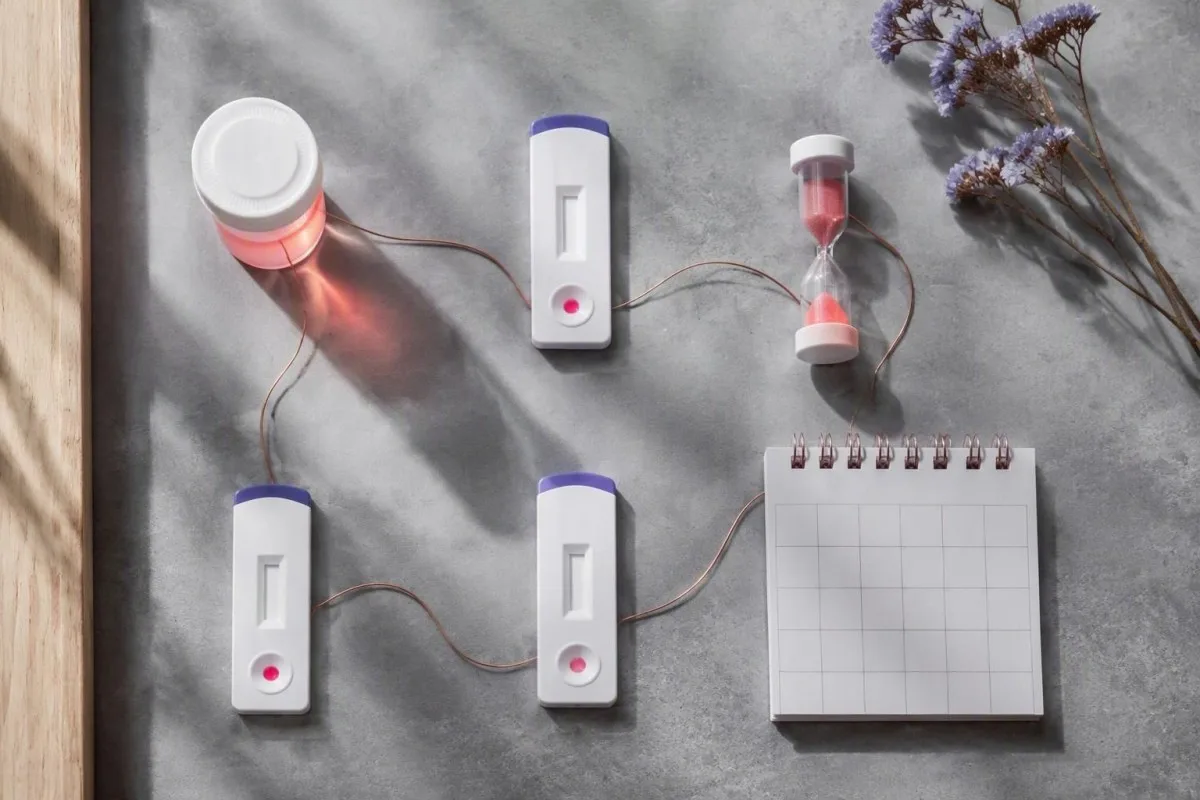
Sa aking klinikal na karanasan, ang taong pinakamalamang na hindi mapansin ay hindi kinakailangang may sakit: ito ay ang taong mukhang malusog na ang screening panel ay in-order para sa pagbubuntis, imigrasyon, bagong relasyon, o hindi kaugnay na abnormal na liver enzyme. Ang mga sintomas ng acute hepatitis B ay lumalabas lamang sa humigit-kumulang 30%–50% ng mga nahawaang matatanda, habang ang maliliit na bata ay hindi gaanong sintomas; ang kawalan ng lagnat, dilaw na mga mata, o sakit sa tiyan ay hindi nagbubukod dito.
Ang paninilaw ay nagpapakita ng pagtaas ng circulating bilirubin, na karaniwang nakikita kapag ang kabuuang bilirubin ay lumalagpas sa humigit-kumulang 2–3 mg/dL (34–51 µmol/L). Ang pamamaga ng atay ay maaaring malaki bago ang puntong iyon, kaya ang normal na kulay ng ihi at puting mga mata ay nakakapanatag lamang sa napakalimitadong paraan; tingnan ang aming gabay sa mga pattern ng babala sa bilirubin.
Si Kantesti ay isang AI blood test analyzer na naglalagay ng mga liver enzyme, bilirubin, albumin, at platelet na resulta sa tabi ng viral serology na in-order ng isang clinician. Hindi nito maaaring ma-diagnose ang hepatitis B mula sa routine chemistry lamang, ngunit maaari nitong matulungan ang isang tao na mapansin na ang isang resulta ng “liver test” ay hindi kumpleto kung walang mga pagsubok na tiyak sa hepatitis.
Bakit mahinang screening tool ang mga sintomas
Ang HBV ay maaaring maipasa sa panahon ng walang sintomas dahil ang viral replication ay nauuna, kasabay, o nahuhuli ang nakikitang sakit. Simula Setyembre 11, 2026, ang risk-based at one-time adult screening ay mas maaasahan kaysa sa paghihintay ng mga sintomas, lalo na para sa mga ipinanganak sa mga rehiyon na may mas mataas na prevalence ng HBV o sa mga may exposure sa bahay, sekswal, o sa pamamagitan ng iniksyon.
Ano ang pinakaunang mga sintomas ng hepatitis B?
Ang mga maagang sintomas ng hepatitis B ay karaniwang pagkapagod, nabawasan ang gana sa pagkain, pagduduwal, mababang antas ng lagnat, pananakit ng kalamnan, at discomfort sa ilalim ng kanang tadyang. Wala namang sapat na tiyak upang makumpirma ang hepatitis B, at ang walang sintomas na pagitan pagkatapos ng exposure ay karaniwang 60–150 araw.
Isang kapaki-pakinabang na klinikal na pahiwatig ay ang pagkakasunud-sunod ng mga pangyayari. Ang malaise at kawalan ng gana sa pagkain ay madalas na dumarating bago ang madilim na ihi o paninilaw, at ang isang tao ay maaaring makaramdam ng matinding pagod habang ang bilirubin ay normal pa. Ang average incubation ay malapit sa 90 araw, kaya ang pagsubok sa araw pagkatapos ng posibleng exposure ay maaaring masyadong maaga upang masagot ang tanong.
Ang pananakit ng kasukasuan at pansamantalang pantal ay maaaring mangyari sa prodrome dahil ang immune complexes ay umiikot bago magkaroon ng malinaw na hepatitis. Nakita ko itong napagkamalang influenza o bagong reaksyon sa pagkain; ang nagpapahiwatig na detalye ay isang ALT na 642 IU/L kasabay ng positibong hepatitis B surface antigen, hindi ang pantal mismo.
Ang paggamit ng acetaminophen, mga supplement, alkohol, Epstein–Barr virus, at pinsala sa kalamnan ay maaaring magpataas ng mga aminotransferase. Isang maingat na pagrerepaso ng resulta ng ALT ay pumipigil sa karaniwang pagkakamali ng pagtawag sa bawat mataas na ALT na “hepatitis” bago makumpirma ang sanhi.
Mga sintomas na hindi gaanong karaniwan
Ang pangangati, maputlang dumi, at patuloy na madilim na ihi ay nagpapahiwatig ng kapansanan sa paghawak ng apdo at nangangailangan ng mas mabilis na pagtatasa, ngunit hindi sila ang karaniwang maagang presentasyon. Ang isang tao na may isolated bloating, reflux, o paminsan-minsang sakit sa kaliwang bahagi ay mas malamang na may ibang paliwanag, bagaman ang risk exposure ay dapat pa ring magbunsod sa HBV testing.
Kailan ka dapat magpasuri para sa hepatitis B?
Magpatingin para sa hepatitis B testing kaagad pagkatapos ng exposure sa dugo, sekswal, sa bahay, o perinatal, kahit na sa tingin mo ay ganap kang malusog. Ang baseline testing ay nagdodokumento ng iyong status, habang ang repeat testing ay naka-time sa window period at ginagabayan ng kasaysayan ng pagbabakuna.
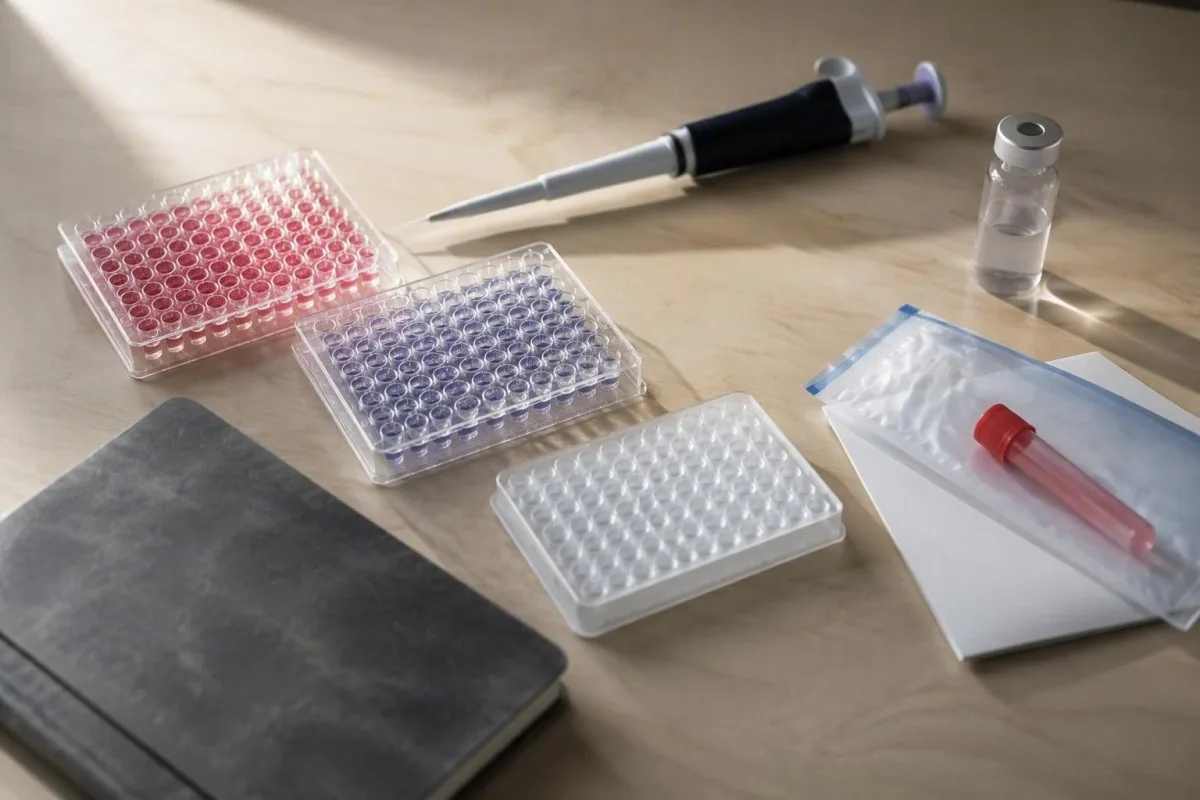
Inirerekomenda ng CDC ang isang beses na pagsusuri sa mga matatanda gamit ang tatlong-test panel: HBsAg, anti-HBs, at total anti-HBc (Conners et al., 2023). Pinaghihiwalay ng kombinasyong ito ang kasalukuyang impeksyon, nakaraang nalutas na impeksyon, kaligtasan sa bakuna, at kahinaan nang mas epektibo kaysa sa pag-order lamang ng HBsAg.
Pagkatapos ng makabuluhang kamakailang pagkakalantad, maaaring magpasuri ang isang manggagamot ngayon at ulitin ang pagsusuri pagkatapos ng mga 6 na buwan kung ang paunang panel ay hindi nagtatag ng impeksyon o kaligtasan. Ang post-exposure prophylaxis ay sensitibo sa oras—ang bakuna sa hepatitis B ay dapat simulan sa lalong madaling panahon, at ang immune globulin sa hepatitis B ay maaaring ipahiwatig para sa mga napiling hindi immune na pagkakalantad—kaya huwag hintayin ang mga sintomas.
Si Kantesti ay isang AI blood test interpretation platform na maaaring mag-organisa ng isang nakuhanan ng litrato o na-upload na ulat ng serology sa three-marker pattern, ngunit ang pamamahala ng pagkakalantad ay nauukol sa isang clinician ng agarang pangangalaga, kalusugang sekswal, kalusugang pang-okupasyonal, o pangunahing pangangalaga. Ang aming gabay sa sintomas ng hepatitis C ay nagpapaliwanag kung bakit ang mga pagsusuri sa viral hepatitis ay dapat bigyang-kahulugan bawat virus.
Pagsusuri habang nagbubuntis
Ang bawat pagbubuntis ay dapat magsama ng HBsAg screening sa bawat pagbubuntis, anuman ang nakikitang panganib. Ang positibong resulta ay nagbabago ng pagpaplano ng pag-iwas sa bagong panganak: ang sanggol ay nangangailangan ng bakuna sa hepatitis B at, kung ipinahiwatig, immune globulin sa loob ng 12 oras pagkatapos ipanganak.
Ang tatlong pagsusuri sa dugo na naglilinaw ng katayuan sa hepatitis B
HBsAg, anti-HBs, at total anti-HBc ang mga pangunahing pagsusuri sa hepatitis B. Sama-sama, sinasagot nila kung kasalukuyang nakikita ang virus, kung mayroon bang kaligtasan, at kung nakatagpo na ang immune system ng hepatitis B noon.
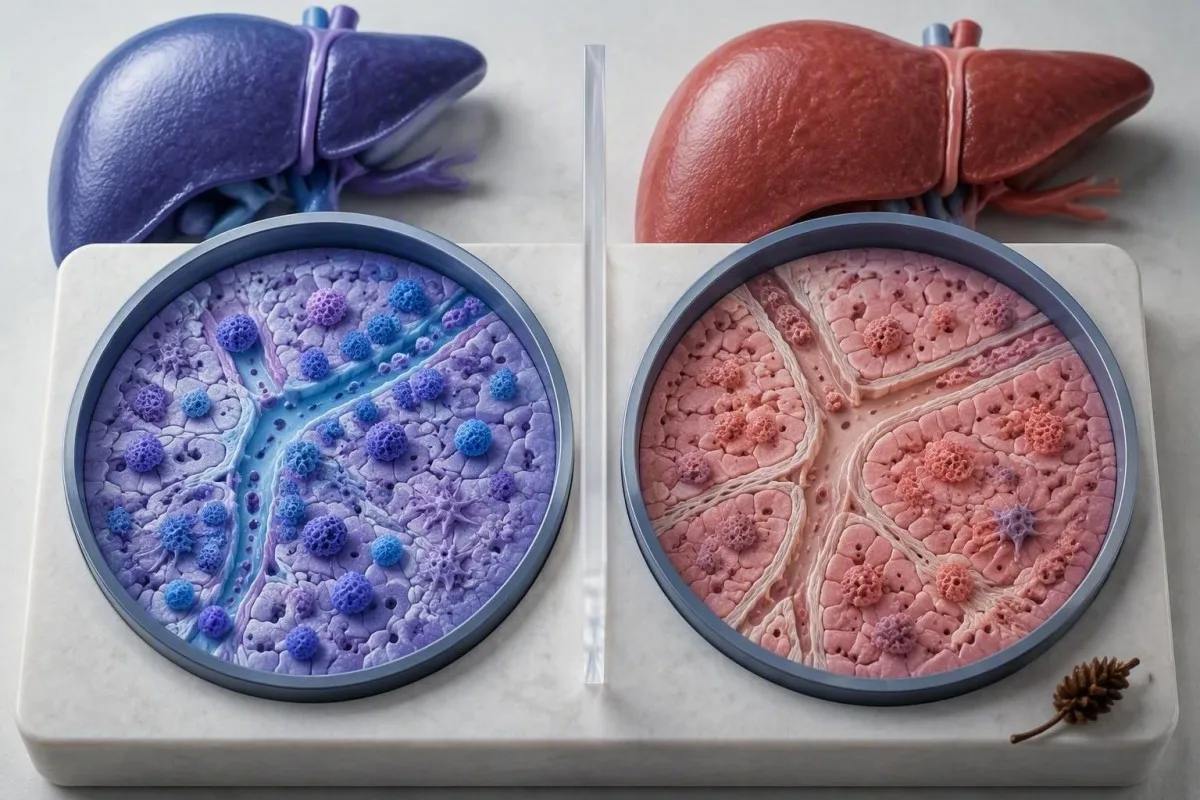
HBsAg ay hepatitis B surface antigen; ang positibong resulta ay nangangahulugan ng posibleng kasalukuyang impeksyon at nangangailangan ng kumpirmasyon at klinikal na follow-up. Anti-HBs ay surface antibody; ang antas na hindi bababa sa 10 mIU/mL pagkatapos ng kumpletong dokumentadong serye ng bakuna ay karaniwang itinuturing bilang isang proteksiyon na tugon sa mga taong immunocompetent.
Total anti-HBc nakakadetect ng core antibody mula sa nakaraan o kasalukuyang natural na impeksyon at hindi nalilikha ng pagbabakuna. Ang pattern na HBsAg negative, anti-HBs positive, at total anti-HBc negative ay umaangkop sa kaligtasan na dulot ng bakuna; ang HBsAg negative, anti-HBs positive, at total anti-HBc positive ay karaniwang umaangkop sa nalutas na natural na impeksyon.
Ang isolated positive total anti-HBc ay isa sa mga mas mahirap na pattern. Maaari itong sumalamin sa malayo nang nalutas na impeksyon na may humihinang anti-HBs, isang maling positibong assay, lihim na impeksyon, o mas madalang ang maagang talamak na impeksyon; maaaring ulitin ng mga clinician ang serology at mag-order ng HBV DNA, lalo na bago ang immunosuppressive treatment. Ang aming paliwanag ng positibong resulta ng antibody ay sumasaklaw kung bakit bihira na nagsasabi ng buong kuwento ang isang antibody.
Paano nakikilala ng mga pagsusuri ang acute at chronic hepatitis B
Ang acute at chronic hepatitis B ay pangunahing pinaghihiwalay sa pamamagitan ng oras at serolohiya, hindi sa kung gaano kasama ang pakiramdam ng isang tao. Ang HBsAg na nagpapatuloy sa loob ng hindi bababa sa 6 na buwan ay nagtatag ng chronic infection; ang isang solong positibong resulta ng HBsAg ay hindi maaaring magtakda ng petsa ng impeksyon nang mag-isa.

IgM anti-HBc lubos na sumusuporta sa kamakailang acute infection kapag ipinares sa bagong HBsAg positivity at isang tugmang karamdaman. Hindi ito perpekto: ang IgM anti-HBc ay maaari ding matuklasan sa panahon ng isang paglala ng chronic hepatitis B, kaya inihahambing ng mga clinician ang mga nakaraang resulta, ang timing ng sintomas, ang ALT trajectory, at ang HBV DNA.
Ang HBV DNA ay iniuulat sa IU/mL at sinusukat ang dami ng viral genetic material sa sirkulasyon. Hindi nito sa sarili nito tinatatakan ang sakit bilang acute o chronic, ngunit ang isang matutuklasang resulta ay nagpapatibay ng replication at nagiging sentro sa mga desisyon sa pagsubaybay at paggamot; ang mababa o hindi matuklasang DNA ay hindi nag-aalis ng pangangailangan na bigyang-kahulugan ang HBsAg at ang katayuan ng atay nang magkasama.
Ang AASLD guidance ay nagbibigay-diin sa serial ALT, HBV DNA, HBeAg status, at fibrosis assessment sa halip na isang solong laboratory snapshot (Terrault et al., 2018). Ito ang isang dahilan kung bakit ang isang normal na ALT sa isang pagkuha ay hindi nagpapatunay na ang chronic HBV ay hindi nakakapinsala.
Ang anim na buwang tuntunin ay may layunin
Ang 6-buwang threshold ay naghihiwalay sa mga impeksyong malamang na malinis nang kusa mula sa mga nagpatuloy at nagdadala ng mas matagalang panganib ng fibrosis at hepatocellular carcinoma. Sa mga matatanda, higit sa 90% ng immunocompetent acute infections ay nagpapagaling, samantalang ang impeksyon na nakuha sa paligid ng kapanganakan ay nagiging chronic nang mas madalas.
Ano ang maipapakita—at hindi maipapakita—ng mga pagsusuri sa atay
Ang ALT at AST ay nagpapakita ng pinsala sa hepatocyte, habang ang bilirubin, albumin, INR, at platelets ay nakakatulong na ipakita ang kalubhaan at paggana ng atay. Ang isang routine liver panel ay hindi matukoy ang hepatitis B bilang sanhi nang walang viral serology.

Ang ALT ay mas liver-specific kaysa sa AST, bagaman wala sa kanila ang eksklusibo sa atay. Sa acute viral hepatitis, ang ALT ay maaaring lumampas sa 1,000 IU/L; ang parehong saklaw na ito ay maaaring mangyari sa acetaminophen toxicity o nabawasan ang daloy ng dugo sa atay, kaya ang bilang ay nangangailangan ng agarang konteksto sa halip na isang sariling diagnosis.
Ang Bilirubin ay nagpapakita ng conjugation at bile excretion, habang ang INR at albumin ay nagpapakita ng synthetic capacity. Ang tumataas na INR, lalo na sa 1.5 o higit pa sa isang taong may acute hepatitis at nabagong mental status, ay nagpapataas ng pag-aalala para sa acute liver failure at nangangailangan ng emergency evaluation; ang aming gabay sa INR ipinapaliwanag ang pagsukat.
Ang neural network ng Kantesti ay nagbabasa ng transaminases kasama ang bilirubin, alkaline phosphatase, albumin, at platelets upang markahan ang mga pattern para sa medikal na pagsusuri. Ang aming liver panel breakdown ay kapaki-pakinabang bago ka mag-akala na ang isang normal na “liver function test” ay kasama ang HBV screening.
Ang AST:ALT ratio ay hindi isang hepatitis B test
Ang AST:ALT ratio na mas mababa sa 1 ay karaniwan sa viral hepatitis ngunit hindi ito sensitibo o tiyak. Ang kamakailang matinding ehersisyo ay maaaring magpataas ng AST mula sa kalamnan, habang ang gamma-glutamyl transferase at bilirubin ay maaaring manatiling normal; ang pag-uulit ng mga pagsusuri pagkatapos ng paggaling ay maaaring maiwasan ang isang nakaliligaw na viral work-up.
Aling mga sintomas ng hepatitis B ang nangangailangan ng agarang pangangalaga?
Pagkalito, hindi pangkaraniwang pagkaantok, paulit-ulit na pagsusuka, mabilis na lumalalang paninilaw ng balat, bagong pagbubugbog, o malubhang pamamaga ng tiyan ay nangangailangan ng agarang pagtatasa sa parehong araw. Ang mga sintomas na ito ay maaaring magpahiwatig ng kapansanan sa paggana ng atay sa halip na isang karaniwang kaso lamang ng acute hepatitis.
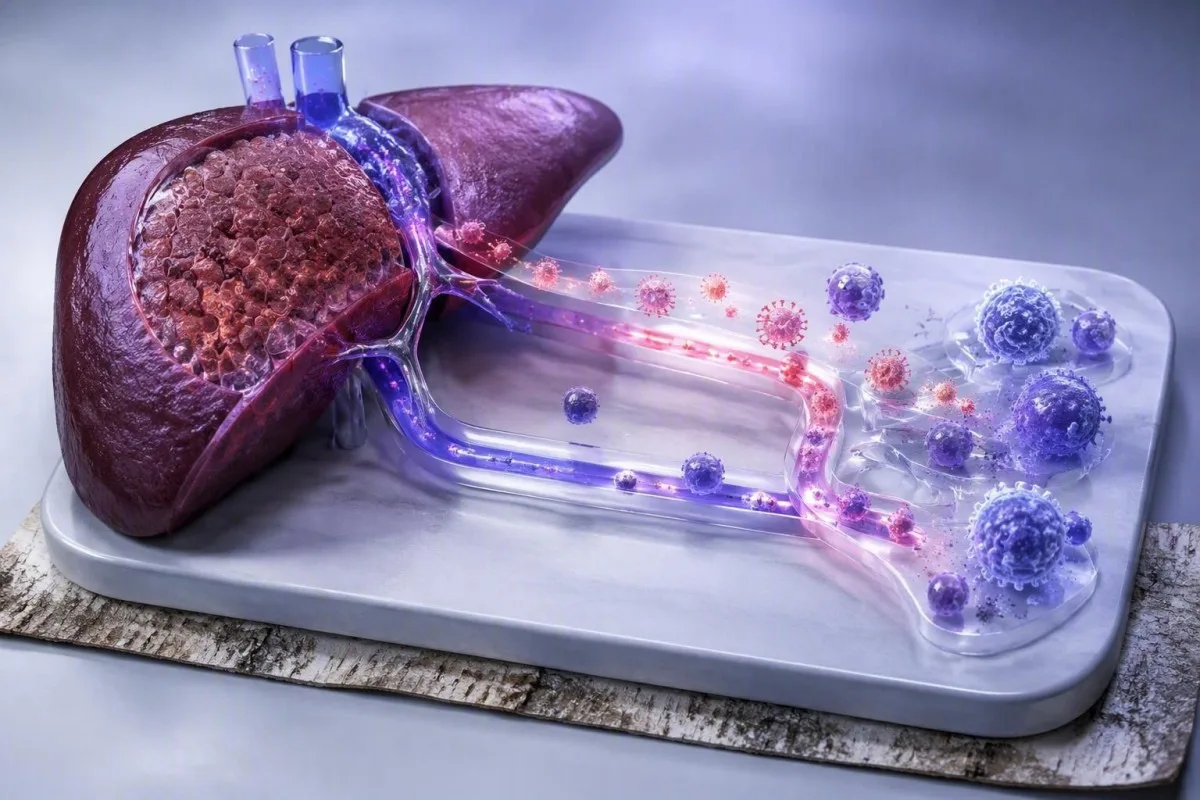
Ang pagkalito o pagbabago sa pattern ng pagtulog-gising ay maaaring magpahiwatig ng hepatic encephalopathy, lalo na kapag kasama ng paninilaw at matagal na INR. Ito ay hindi karaniwan, ngunit hindi ito sintomas na “hintayin hanggang Lunes”—ang acute liver failure ay maaaring lumala sa loob ng ilang oras hanggang araw.
Ang madilim na ihi lamang ay hindi awtomatikong emergency; ang dehydration, gamot, at siksik na ihi ay mga karaniwang alternatibo. Ang madilim na ihi kasama ang maputlang dumi, naninilaw na mga mata, pangangati, lagnat, o pananakit sa kanang bahagi sa itaas ng tiyan ay mas malakas na nagtuturo patungo sa pagkagambala ng bilirubin o daloy ng apdo, tulad ng nakadetalye sa aming gabay sa maitim na ihi.
Iwasan ang alak at huwag magsimula ng herbal na “liver cleanses” habang sinusuri. Maraming multi-ingredient supplement ang may hindi tiyak na nilalaman, at ang isang produkto na ibinebenta para sa detoxification ay maaaring magpalala ng drug-induced liver injury sa mismong oras na kailangan ng mga kliniko ng malinaw na larawan ng diagnosis.
Sino ang dapat masuri nang mas maaga kahit walang sintomas?
Ang mga taong buntis, may cirrhosis, umiinom ng chemotherapy o biologic immune-suppressing therapy, may HIV, o may kilalang chronic HBV ay nangangailangan ng indibidwal na pagsusuri pagkatapos ng isang bagong abnormal na resulta. Ang reactivation ay maaaring tahimik sa klinikal hanggang sa tumaas ang ALT, kaya ang preventive antiviral planning ay maaaring mas ligtas kaysa sa reactive testing.
Bakit maaaring normal ang pakiramdam ng chronic hepatitis B
Ang chronic hepatitis B ay madalas na walang pang-araw-araw na sintomas sa loob ng maraming taon, kahit na nagpapatuloy ang viral replication o mababang antas ng pinsala sa atay. Ang pagiging masigla, regular na pag-eehersisyo, at normal na bilirubin ay hindi nagbubukod sa panganib ng fibrosis.

Dito nahihirapan ang mga pasyente na nauunawaan: ang isang tao ay maaaring magkaroon ng normal o bahagyang mataas na ALT at kailangan pa rin ng structured follow-up dahil ang HBV DNA, edad, HBeAg status, family history, at fibrosis ay lahat nagbabago ng panganib. Ang platelet count na bumababa sa humigit-kumulang 150 × 10⁹/L ay hindi diagnostic ng cirrhosis, ngunit may abnormal na liver tests ito ay nangangailangan ng atensyon.
A FIB-4 score gumagamit ng edad, AST, ALT, at platelet count bilang isang triage estimate para sa fibrosis; hindi nito kayang mag-diagnose ng cirrhosis o palitan ang elastography. Ang aming gabay sa FIB-4 calculator ay nagpapaliwanag kung bakit ang edad ay maaaring magmukhang mas nakababahala ang isang borderline score pagkatapos ng 65.
Si Kantesti ay isang AI-powered tool para sa pagsusuri ng dugo idinisenyo upang ihambing ang mga lumang liver panel, kaya ang unti-unting pagbabago ng ALT o platelet ay hindi nakatago ng isang solong “nasa loob ng saklaw” na flag. Nakakatulong ang pagkilala sa trend sa paghahanda ng mas mahusay na pag-uusap sa kliniko; hindi ito kapalit ng HBV DNA testing, ultrasound, o specialist care.
Ang surveillance para sa cancer ay batay sa panganib
Ang surveillance gamit ang ultrasound para sa hepatocellular carcinoma ay hindi natutukoy lamang ng mga sintomas. Ginagamit ng mga kliniko ang chronic HBV status, cirrhosis, family history, edad, kasarian, at rehiyonal na pinagmulan ng panganib upang magpasya kung ang anim na buwanang surveillance ay angkop; minsan ay idinadagdag ang AFP ngunit hindi ito maaasahan bilang isang standalone screening test.
Ang pagkapagod ay hindi patunay ng hepatitis B—paano ito sinusuri ng mga doktor
Ang pagkapagod ay karaniwan sa hepatitis B ngunit mas madalas na sanhi ng pagkaantala sa pagtulog, anemia, sakit sa thyroid, depresyon, epekto ng gamot, o iba pang impeksyon. Ang kapaki-pakinabang na tanong ay kung ang pagkapagod ay nangyayari kasabay ng exposure sa panganib, pagbabago sa liver-test, o positibong HBV markers.
Ang isang 52-taong-gulang na endurance runner na may AST na 89 IU/L pagkatapos ng karera ay hindi awtomatikong may sakit sa atay; ang paglabas ng kalamnan ay maaaring magpataas ng AST, at ang creatine kinase kasama ang isang repeat panel pagkatapos ng pahinga ay madalas na naglilinaw ng pinagmulan. Sa kabaligtaran, ang ALT na 289 IU/L na may positibong HBsAg at madilim na ihi ay nangangailangan ng ibang-iba na landas.
Ang pagkapagod kasama ang mababang hemoglobin, mababang ferritin, o abnormal na thyroid markers ay nangangailangan ng parallel assessment sa halip na isang kuwento ng iisang sanhi. Ang aming artikulo tungkol sa sintomas ng mababang ferritin ay nagpapaliwanag kung bakit ang iron depletion ay maaaring magdulot ng pagkapagod bago lumitaw ang anemia.
Ang praktikal na tuntunin ni Dr. Thomas Klein ay simple: nagsisimula ang pagsisiyasat ng mga sintomas, ngunit ang mga pattern ang nagpapasya nito. Ang CBC, liver chemistry, pagsusuri ng gamot, kasaysayan ng exposure, at naka-target na viral testing ay karaniwang sumasagot nang higit pa kaysa sa paulit-ulit na pagsusuri ng isang enzyme.
Huwag magbigay ng dugo para “malaman lang”
Pinoprotektahan ng screening ng blood donor ang mga tatanggap pero hindi ito personal na pamamaraan ng diagnosis at maaaring hindi magbigay ng napapanahong payo. Kung posibleng may exposure, ayusin ang kumpidensyal na clinical o public-health testing kung saan maaaring pag-usapan ang buong three-marker panel at follow-up.
Ano ang mangyayari pagkatapos ng positibong resulta ng HBsAg?
Ang positibong resulta ng HBsAg ay dapat mag-udyok ng kumpirmasyong pagsusuri, HBV DNA testing, liver chemistry, at pagrepaso sa tagal at pag-iwas sa transmission. Sapat itong seryoso para agad na masundan, pero hindi ito awtomatikong nangangahulugan ng cirrhosis o pangangailangan para sa agarang antiviral treatment.
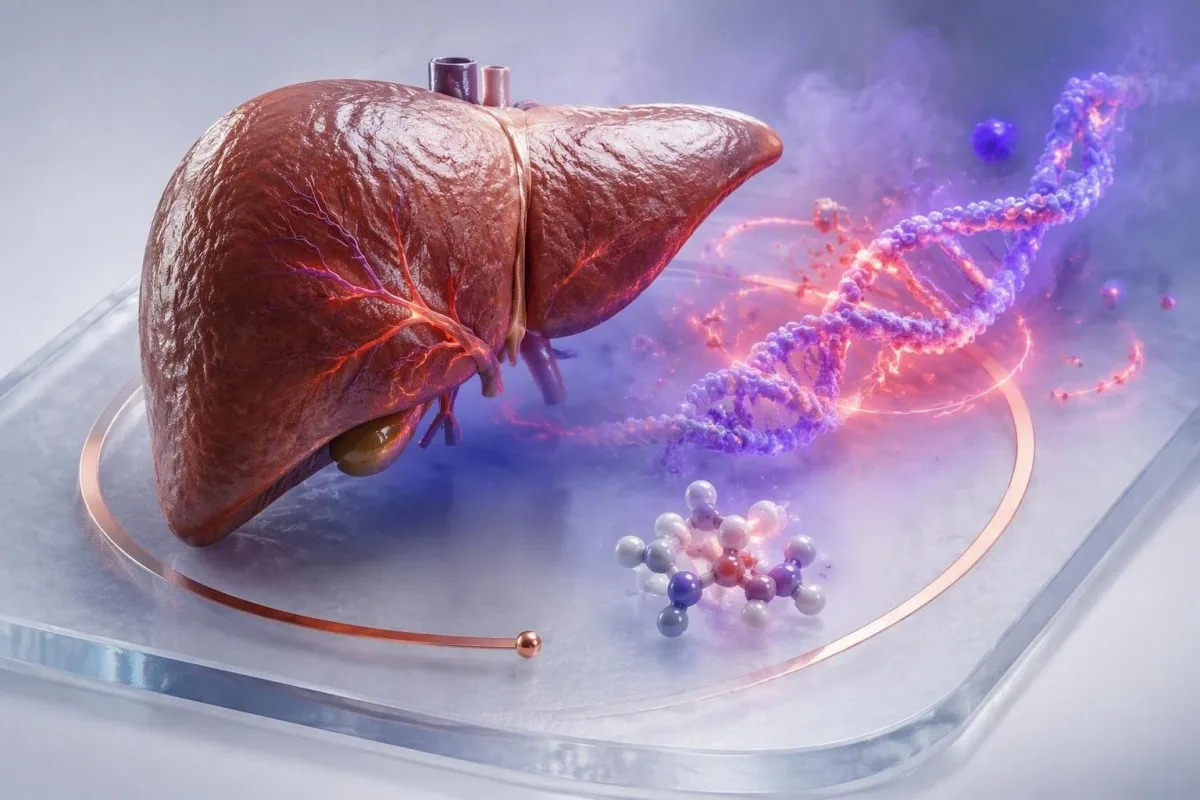
Karaniwang iniuutos ng mga clinician ang ulitin o kumpirmahin ang HBsAg, total at IgM anti-HBc, anti-HBs, HBeAg at anti-HBe, quantitative HBV DNA, ALT, AST, bilirubin, albumin, INR, CBC, at mga pagsusuri para sa hepatitis C, hepatitis D, at HIV kapag may kaugnayan. Ang mga dagdag na pagsusuri ay sumasagot sa iba't ibang tanong—replication, phase, liver injury, co-infections, at kaligtasan ng treatment.
Ang mga kasama sa bahay at sexual contacts ay dapat masuri at mabakunahan kung susceptible. Huwag magbahagi ng labaha, sipilyo, o injection equipment; ang HBV ay naililipat sa pamamagitan ng dugo at ilang body fluids, pero hindi ito kumakalat sa pamamagitan ng pagyakap, pagbabahagi ng pagkain, pag-ubo, o ordinaryong pakikipag-ugnayan sa trabaho.
Ang positibong HBsAg ay dapat ding mag-udyok ng pagrepaso sa mataas na AST pattern sa halip na awtomatikong sisihin ang alkohol o fatty liver. Ang magkasabay na metabolic liver disease ay sapat na karaniwan na higit sa isang proseso ang maaaring naroroon.
Maaari bang maging false positive ang mga resulta?
Hindi karaniwan pero posible ang false-positive HBsAg results, lalo na malapit sa assay cutoff o ilang sandali pagkatapos ng vaccination sa mga hindi pangkaraniwang sitwasyon. Ang kumpirmasyon sa pamamagitan ng inirerekomendang neutralization o repeat method ng laboratoryo ay angkop, pero ang isang tao ay dapat kumilos na parang potensyal na nakakahawa hanggang sa malutas ang resulta.
Palaging kailangan ba ng paggamot ang chronic hepatitis B?
Hindi, ang chronic hepatitis B ay hindi palaging nangangailangan ng agarang antiviral therapy, pero ang bawat kumpirmadong kaso ay nangangailangan ng risk-based monitoring. Ang mga desisyon sa paggamot ay isinasaalang-alang ang HBV DNA, ALT, fibrosis o cirrhosis, HBeAg status, edad, family history, at mga kasabay na kondisyon.

Ang mga first-line long-term na gamot ay madalas kasama ang tenofovir o entecavir dahil epektibo nilang pinipigilan ang HBV replication at may mataas na barrier sa resistance. Kinokontrol nila ang virus sa halip na mapagkakatiwalaang maalis ito, kaya ang pagtigil sa paggamot nang walang payo ng espesyalista ay maaaring magdulot ng flare.
Ang mga threshold ng HBV DNA ay naiiba depende sa HBeAg status at guideline context; ang karaniwang ginagamit na decision point ay 2,000 IU/mL, pero ang paggamot ay hindi kailanman batay lamang sa numerong iyon. Malaki ang pagbabago ng cirrhosis sa kalkulasyon, dahil ang anumang nakaka-detect na HBV DNA ay maaaring magbigay-katwiran sa paggamot sa compensated cirrhosis.
Ang balangkas ng medikal na beripikasyon ang pagbibigay-diin sa Kantesti ay nangangahulugan na ang isang interpretation tool ay dapat magbigay ng mga follow-up na tanong, hindi magreseta ng antivirals. Ang pagpili ng gamot ay nangangailangan ng kidney function, mga plano sa pagbubuntis, kalusugan ng buto, kasaysayan ng resistance, at paghuhusga ng espesyalista.
Ang mga interval ng pagsubaybay ay nag-iiba
Ang mga taong hindi kasalukuyang ginagamot ay maaaring mangailangan ng ALT at HBV DNA checks bawat 3–6 na buwan sa panahon ng aktibong mga phase at mas madalang sa mga stable na phase, na may mga interval na itinakda ng kanilang clinician. Ang normal na resulta ngayon ay hindi permanenteng nagtatatag ng inactive state dahil ang aktibidad ng HBV ay maaaring magbago-bago.
Paano protektahan ang mga partner at miyembro ng pamilya
Ang pagbabakuna at pagsubok ay mas mapagkakatiwalaang nagpoprotekta sa mga kasama sa bahay at sexual contacts mula sa hepatitis B kaysa sa pagsubaybay sa sintomas. Ang mga taong susceptible ay dapat simulan agad ang pagbabakuna, habang ang mga contacts na may positibong HBsAg ay nangangailangan ng clinical assessment sa halip na pagpapakalma lamang.
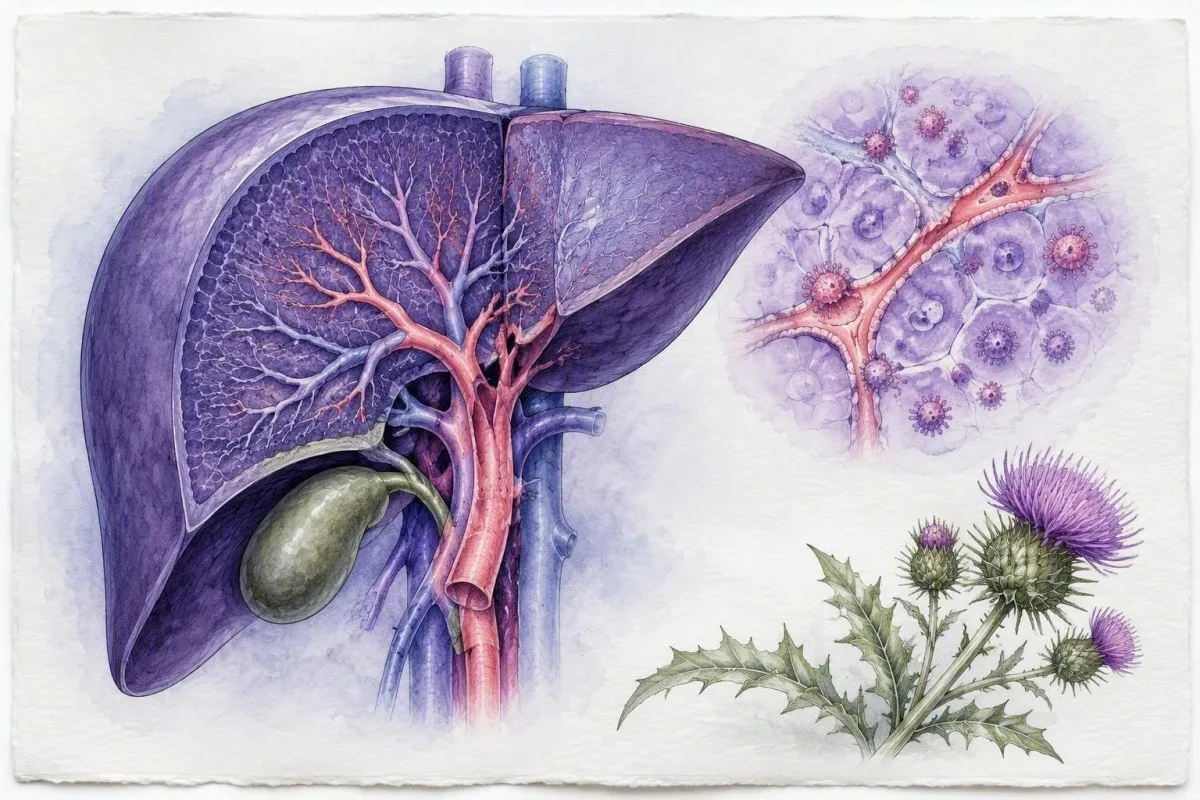
Ang bakuna sa hepatitis B ay napakaepektibo kapag nakumpleto ang serye. Para sa mga nasa hustong gulang na nangangailangan ng patunay ng response pagkatapos ng bakuna dahil sa occupational o immune risk, sinusukat ang anti-HBs 1–2 buwan pagkatapos ng huling dosis; 10 mIU/mL o mas mataas ay ang kumbensyonal na protektibong threshold.
Gumamit ng condom hanggang sa ma-dokumento ang immunity ng partner, takpan ang mga sugat, at panatilihing personal ang mga gamit sa pag-aayos ng sarili. Ligtas ang karaniwang pakikisalamuha, at hindi dapat ihiwalay ang mga bata sa magulang na may HBV—ang maling akalang ito ay nagdudulot pa rin ng hindi kinakailangang pagkabalisa sa pamilya.
Kantesti’s mga mapagkukunan ng pagsubaybay sa kalusugan ng pamilya ay makakatulong sa mga sambahayan na ayusin ang magkakahiwalay na resulta nang may pahintulot, ngunit kailangan ng bawat tao ang kanilang sariling pagsubok at rekord ng bakuna. Ang positibong antibody test ng isang kamag-anak ay hindi maaaring magtatag ng immunity ng sinuman.
Paano ang pagpapasuso?
Ang pagpapasuso ay karaniwang pinahihintulutan kapag ang bagong silang ay tumatanggap ng inirerekomendang hepatitis B immunoprophylaxis. Kailangan pa rin ng indibidwal na payo kung may bitak o dumudugong utong, HIV co-infection, o mga tanong tungkol sa maternal antiviral therapy.
Ano ang dapat mong iwasan habang naghihintay ng mga resulta ng hepatitis B?
Iwasan ang alkohol, hindi kinakailangang acetaminophen, at mga bagong herbal o bodybuilding supplement habang sinusuri ang acute hepatitis B. Ang mga exposure na ito ay maaaring magpalala sa stress ng atay o magpahirap sa pagtukoy ng pinagmulan ng mga abnormal na resulta.
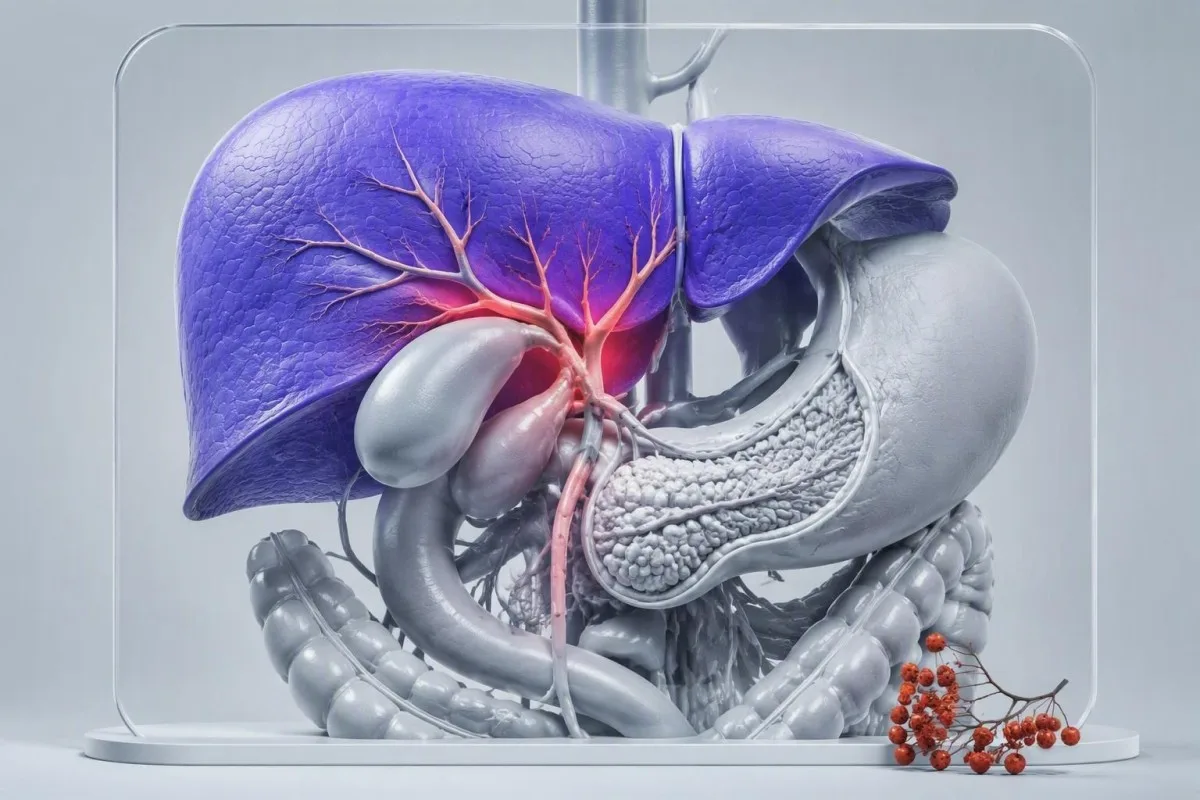
Walang ebidensya na ang juice cleanses, fasting regimens, o over-the-counter detox products ay nakakapaglinis ng hepatitis B. Ang ilang produkto ay naglalaman ng concentrated extracts o hindi idineklarang sangkap, at ang atay ay maaaring partikular na mahina sa panahon ng acute inflammatory episode; ang aming pagsusuri ng mga suplementong delikado para sa atay ay nagpapaliwanag ng alalahanin.
Huwag ihinto agad ang iniresetang gamot maliban kung ipinayo ng nagreseta nito. Para sa acetaminophen, ang mga clinician ay madalas na nagpapasadya ng mga ligtas na limitasyon kapag may pinsala sa atay; ang dating karaniwang maximum na 4,000 mg araw-araw ay hindi awtomatikong angkop para sa isang taong may acute hepatitis, paggamit ng alkohol, mababang timbang ng katawan, o malalang sakit sa atay.
Ang hydration, regular na simpleng pagkain, pag-iwas sa alkohol, at pagpapanatili ng may petsang listahan ng mga gamot at supplement ay makatuwiran habang naghihintay ng pagsusuri. Kung pinipigilan ng pagsusuka ang mga likido, o nagbabago ang kalinawan ng isip, humingi ng agarang pangangalaga sa halip na subukang pamahalaan ito sa bahay.
Hindi naisasalin sa pamamagitan ng pagkain ang HBV
Ang Hepatitis B ay hindi nakukuha mula sa karaniwang paghahanda ng pagkain, pagbabahagi ng plato, o baso. Mahalaga ito dahil ang pag-iwas sa mga kainan ng pamilya ay hindi nakakabawas sa transmission, habang ang pagbabakuna at pag-iwas sa mga personal na gamit na nahawahan ng dugo ay nakakabawas.
Paano maghanda para sa follow-up na appointment para sa hepatitis B
Dalhin ang bawat resulta ng hepatitis B na may mga petsa ng koleksyon, iyong rekord ng bakuna, listahan ng gamot, at isang maikling timeline ng exposure. Ang mga detalyeng ito ay madalas na nagpapakilala ng kamakailang impeksyon, malayong impeksyon, maling-positibong pattern, o naitatag na chronic hepatitis B nang mas mabilis kaysa sa pag-uulit ng isang test.
Isulat ang mga petsa ng posibleng exposure, paglalakbay, mga bagong kasama sa pakikipagtalik, mga pamamaraan ng iniksyon o tattoo, pakikipag-ugnayan sa bahay, pagbubuntis, at dating pagbabakuna. Isama rin ang mga immune-suppressing na gamot tulad ng rituximab, high-dose steroids, chemotherapy, o biologics, dahil ang anti-HBc positivity ay maaaring mahalaga kahit na negatibo ang HBsAg.
Magtanong ng apat na direktang tanong: Alin ang tatlong screening marker na positibo? Mayroon bang IgM anti-HBc? Ano ang HBV DNA sa IU/mL? Kailangan ko ba ng fibrosis assessment o hepatitis D testing? Ang mga tanong na iyon ay naglilipat ng usapan mula sa malabong pag-aalala patungo sa isang plano.
Inirerekomenda ni Dr. Thomas Klein na i-save ang orihinal na PDF sa halip na isang screenshot lamang ng portal, dahil ang mga reference range, pangalan ng assay, mga petsa, at mga komento sa laboratoryo ay maaaring makaapekto sa interpretasyon. Ang gabay sa teknolohiya ay nagpapaliwanag kung paano kinukuha ng aming AI ang konteksto ng ulat, habang ang iyong clinician ay nananatiling responsable para sa diagnosis at paggamot.
Isang panghuling praktikal na pananaw
Ang negatibong pakiramdam ay hindi isang negatibong test, at ang paninilaw ay huli at hindi pare-parehong palatandaan. Kung ang exposure o risk sa screening ay naaangkop, ayusin ang three-marker panel kahit na ganap kang normal ang pakiramdam; ang maagang kaalaman ay nagpoprotekta sa iyong atay at sa mga malalapit sa iyo.
Mga Madalas Itanong
Maaari ka bang magkaroon ng hepatitis B nang walang paninilaw?
Oo. Ang Hepatitis B ay maaaring mangyari nang walang paninilaw, at maraming nahawaan ay walang anumang sintomas. Karaniwang nagiging kapansin-pansin ang paninilaw kapag ang kabuuang bilirubin ay tumataas sa humigit-kumulang 2–3 mg/dL (34–51 µmol/L), ngunit ang hepatitis B ay maaaring magdulot ng pamamaga ng atay bago maabot ng bilirubin ang saklaw na iyon. Ang naaangkop na screening panel ay HBsAg, anti-HBs, at total anti-HBc, hindi isang checklist ng mga sintomas.
Ano ang mga unang sintomas ng hepatitis B?
Ang pinakaunang mga sintomas ng hepatitis B ay maaaring kabilangan ng pagkapagod, kawalan ng ganang kumain, pagduduwal, banayad na lagnat, pananakit ng kalamnan, pananakit ng kasukasuan, at pagkabalisa sa ilalim ng mga tadyang sa kanan. Karaniwan ang mga matinding sintomas pagkatapos ng incubation period na 60–150 araw, na karaniwang 90 araw. Nag-o-overlap ang mga sintomas na ito sa maraming karamdaman, kaya kailangan ang pagsubok sa HBsAg, total anti-HBc, at anti-HBs upang maitatag ang hepatitis B status. Maaaring mangyari ang madilim na ihi o paninilaw ng mata sa bandang huli, ngunit hindi kinakailangan ang alinman sa mga ito.
Aling pagsusuri ang nagpapakita kung ang hepatitis B ay acute o chronic?
Walang iisang pagsusuri ang perpektong nagtatakda ng hepatitis B, ngunit ang pagpapatuloy ng HBsAg sa loob ng 6 na buwan o mas matagal pa ay nagtatatag ng talamak na impeksyon. Ang IgM anti-HBc ay sumusuporta sa kamakailang talamak na impeksyon kapag ipinares sa bagong HBsAg positivity, bagaman maaari rin itong tumaas sa panahon ng isang talamak na hepatitis B flare. Ang HBV DNA sa IU/mL ay sumusukat sa viral replication at tumutulong sa pamamahala, habang ang mga nakaraang petsa ng pagsusuri ay madalas na nagbibigay ng pinakamalinaw na sagot. Karaniwang binibigyang-kahulugan ng isang doktor ang mga pagsusuring ito kasama ang ALT, bilirubin, at kasaysayan ng pagkakalantad.
Maaari bang maging normal ang mga liver enzyme sa chronic hepatitis B?
Oo. Ang ALT at AST ay maaaring normal sa isang partikular na oras sa talamak na hepatitis B, kahit na nagpapatuloy ang impeksyon at nananatiling nakikita ang HBV DNA. Ang normal na ALT ay hindi nangangahulugang walang fibrosis, kaya sinusuri ng mga clinician ang HBV DNA, HBeAg status, platelets, panganib sa fibrosis, edad, at kasaysayan ng pamilya kasama ang mga liver enzyme. Ang ALT na higit sa 1,000 IU/L ay maaaring mangyari sa talamak na viral hepatitis, ngunit ang banayad o normal na halaga ng ALT ay hindi nagbubukod sa talamak na sakit. Ang mga sunud-sunod na resulta ay mas nagbibigay-kaalaman kaysa sa isang pagkuha ng dugo.
Ano ang ibig sabihin ng positibong hepatitis B surface antigen?
Ang positibong hepatitis B surface antigen, o HBsAg, ay nagpapahiwatig na posibleng may kasalukuyang impeksyon sa hepatitis B at nangangailangan ng agarang kumpirmasyong follow-up. Karaniwang idinadagdag ng mga clinician ang HBV DNA, kabuuang at IgM anti-HBc, anti-HBs, HBeAg, liver chemistry, CBC, at madalas na hepatitis C, hepatitis D, at HIV testing batay sa panganib. Kung ang HBsAg ay nananatiling positibo sa loob ng hindi bababa sa 6 na buwan, ang impeksyon ay inuri bilang chronic. Ang positibong resulta ay hindi sa kanyang sarili nagpapatunay ng cirrhosis o nagpapasya kung kinakailangan ang antiviral treatment.
Kailan ako dapat humingi ng agarang tulong para sa pinaghihinalaang hepatitis B?
Magpakonsulta kaagad sa loob ng isang araw para sa pagkalito, matinding pagkaantok, paulit-ulit na pagsusuka, mabilis na paglala ng paninilaw, hindi pangkaraniwang pagbubuntis, malaking pamamaga ng tiyan, o kawalan ng kakayahang humawak ng likido. Sa acute hepatitis, ang INR na 1.5 o mas mataas kasama ang pagbabago ng mental status ay nagpapataas ng pag-aalala para sa acute liver failure at nangangailangan ng agarang pagtatasa. Ang madilim na ihi lamang ay maaaring magkaroon ng benign na mga sanhi, ngunit ang madilim na ihi na may maputlang dumi, lagnat, dilaw na mata, o matinding pangangati ay nangangailangan ng agarang pagsusuri ng doktor. Huwag uminom ng alak o mga bagong detox supplement habang naghihintay ng pangangalaga.
Kumuha ng AI-Powered Blood Test Analysis Ngayon
Sumali sa mahigit 2 milyong user sa buong mundo na nagtitiwala sa Kantesti para sa agarang at tumpak na pagsusuri ng lab test. I-upload ang iyong resulta ng blood test at makakuha ng komprehensibong interpretasyon ng mga biomarker ng 15,000+ sa loob ng ilang segundo.
📚 Mga Sanggunian na Publikasyon sa Pananaliksik
Klein, T., Mitchell, S., & Weber, H. (2026). Kantesti LTD. (2026). AI Blood Test Analyzer: 2.5M Pagsusuri ng Pagsusuri ng Dugo | Ulat sa Pandaigdigang Kalusugan 2026. Zenodo.. Kantesti AI Medical Research.
Klein, T., Mitchell, S., & Weber, H. (2026). Kantesti LTD. (2026). RDW Blood Test: Kumpletong Gabay sa RDW-CV, MCV at MCHC. Zenodo.. Kantesti AI Medical Research.
📖 Mga Panlabas na Sanggunian sa Medikal
World Health Organization (2024). Mga Alituntunin para sa pag-iwas, pagtuklas, pag-aalaga at paggamot para sa mga taong may malalang impeksyon ng hepatitis B. World Health Organization.



⚕️ Pagtatanggi sa Medikal
Ang artikulong ito ay para sa mga layuning pang-edukasyon lamang at hindi ito bumubuo ng medikal na payo. Palaging kumonsulta sa isang kwalipikadong tagapagbigay ng pangangalagang pangkalusugan para sa mga desisyon sa diagnosis at paggamot.
Mga Signal ng Tiwala ng E-E-A-T
Karanasan
Pinamumunuan ng manggagamot na klinikal na pagsusuri ng mga daloy ng interpretasyon ng mga pagsusuri sa laboratoryo.
Kadalubhasaan
Pokus sa laboratoryong medisina kung paano kumikilos ang mga biomarker sa kontekstong klinikal.
Pagka-awtoridad
Isinulat ni Dr. Thomas Klein na may pagsusuri ni Dr. Sarah Mitchell at Prof. Dr. Hans Weber.
Pagiging Mapagkakatiwalaan
Interpretasyong nakabatay sa ebidensya na may malinaw na mga susunod na hakbang upang mabawasan ang pag-aalarma.