Устойлівы дрэнны настрой заслугоўвае належнай ацэнкі псіхічнага здароўя, разам з мэтанакіраванымі праверкамі зварачальных фізічных фактараў. Аналізы крыві могуць выявіць фактары; яны не дыягнастуюць дэпрэсію.



- Спачатку бяспека: Суіцыдальныя думкі, псіхоз, моцнае ўзбуджэнне або немагчымасць заставацца ў бяспецы патрабуюць неадкладнай псіхіятрычнай дапамогі; вынікі лабараторных даследаванняў ніколі не павінны гэтага затрымліваць.
- Агульны аналіз крыві і феритин: Феритин ніжэй за 30 нг/мл часта сведчыць пра дэфіцыт жалеза, нават да падзення гемаглабіну.
- Скрынінг шчытападобнай залозы: Павышэнне ТТГ пры нізкім узроўні вольнага Т4 сведчыць аб відавочным гіпатэрыёзе і можа спрыяць стомленасці, запаволенню мыслення і дрэннаму настрою.
- Вітамін B12: B12 ніжэй за 180 пг/мл або 133 пмоль/л звычайна з'яўляецца дэфіцытам; мяжовыя вынікі часта патрабуюць аналізу метылмалонавай кіслаты.
- Глюкоза: HbA1c 6,5% або вышэй адпавядае дыягнастычным крытэрыям дыябету пры пацверджанні, у той час як ваганні ўзроўню глюкозы могуць пагоршыць энергію і канцэнтрацыю.
- Лабараторныя даследаванні нырак і печані: Нізкі eGFR, нізкі ўзровень натрыю, высокі ўзровень кальцыю або парушэнне функцыі печані могуць змяняць сон, кагнітыўныя функцыі, метабалізм лекаў і настрой.
- Не рабіце залішніх аналізаў: Кортызол, палавыя гармоны, шырокія аутоіммунныя панэлі і генетычныя тэсты не з'яўляюцца стандартнымі аналізамі крыві пры нізкім настроі, калі толькі сімптомы не паказваюць на іх.
- Практычны наступны крок: Абмяркуйце сімптомы, лекі, гісторыю менструацый, дыету, ужыванне алкаголю і папярэднія вынікі з клініцыстам; сукупнасць фактараў мае большае значэнне, чым адно вылучанае значэнне.
Што сапраўды можа выявіць аналіз крыві на дрэнны настрой
A аналіз крыві на нізкі настрой можа выявіць медыцынскія станы, якія імітуюць або ўскладняюць дэпрэсію, асабліва анемію, дысфункцыю шчытападобнай залозы, дэфіцыт вітамінаў, парушэнні ўзроўню глюкозы, захворванні нырак або печані і парушэнні электралітнага балансу. Ён не можа пацвердзіць або выключыць дэпрэсію, якая застаецца клінічным дыягназам, заснаваным на сімптомах, працягласці, функцыянальнасці і ацэнцы бяспекі.
Па стане на 12 верасня 2026 года актуальным пытаннем з'яўляецца не “які аналіз даказвае, што мой настрой медыцынскі?”, а “якія адваротныя станы адпавядаюць маім сімптомам і фактарам рызыкі?”. Рэкамендацыі NICE па дэпрэсіі прадугледжваюць ацэнку фізічнага здароўя, лекаў, ужывання алкаголю і наркотыкаў, а таксама рызыкі суіцыду разам з сімптомамі псіхічнага здароўя (NICE, 2022). Нармальная панэль не робіць пакуты менш рэальнымі; яна проста звужае медыцынскі спіс магчымых прычын.
За свае 15 гадоў клінічнай практыкі я бачыў, як пацыенты месяцамі абвінавачвалі сябе ў стомленасці, якая аказалася дэфіцытам жалеза, гіпатэрыёзам або дрэнна кантраляваным дыябетам. Я таксама бачыў цалкам нармальныя вынікі ў людзей з цяжкай формай асноўнай дэпрэсіі. Абедзве сітуацыі патрабуюць увагі, і ні адну з іх нельга прымяншаць.
Кантэсці — гэта Аналізатар крыві са штучным інтэлектам прызначаны для арганізацыі лабараторных дадзеных для абмеркавання з клініцыстам, а не для прысвойвання псіхіятрычнага ярлыка выніку. Пачніце з кіраўніцтва па біямаркерах аналізу крыві калі скарачэнні ў справаздачы незразумелыя.
Калі нізкі настрой з'яўляецца надзвычайнай сітуацыяй
Думкі пра суіцыд, план нашкодзіць сабе, галюцынацыі, новую параною, моцнае блытанне або некалькі дзён без сну і павышэнне актыўнасці патрабуюць тэрміновай ацэнкі псіхічнага здароўя ў той жа дзень. Выклікайце экстранныя службы або мясцовую крызісную лінію, звярніцеся ў аддзяленне хуткай дапамогі або папрасіце каго-небудзь, каму вы давяраеце, застацца з вамі; чакаць вынікаў аналізу крыві на нізкі настрой небяспечна.
1. Агульны аналіз крыві і даследаванні жалеза: стомленасць да з'яўлення анеміі
Дэфіцыт жалеза можа спрыяць стомленасці, зніжэнню канцэнтрацыі ўвагі, непераноснасці фізічных нагрузак і нізкаму настрою да развіцця анеміі. Агульны аналіз крыві, феритин, трансферын, насычанасць трансферыну і CRP - найбольш інфарматыўныя пачатковыя аналізы, калі стомленасць суправаджаецца нізкім настроем.
Ферытын ніжэй за 15 нг/мл вельмі спецыфічны для адсутнасці запасаў жалеза, у той час як значэнне ніжэй 30 нг/мл звычайна выкарыстоўваецца ў сімптаматычных дарослых для пацверджання дэфіцыту жалеза. Феритин таксама з'яўляецца бялком вострай фазы, таму вынік 60 нг/мл не надзейна выключае дэфіцыт падчас інфекцыі, атлусцення, запаленчых захворванняў або нядаўніх інтэнсіўных фізічных нагрузак.
Гемаглабін ніжэй за 12,0 г/дл у нецяжарных дарослых жанчын або 13,0 г/дл у дарослых мужчын адпавядае распаўсюджаным парогам анеміі, але гемаглабін сам па сабе з'яўляецца познім маркерам. Нізкі MCV, павышаны RDW, насычанасць трансферыну ніжэй 20%, і нізкі феритин складаюць значна больш пераканаўчую карціну, чым адзін толькі аналіз сыроватачнага жалеза.
Агляд Камаскелы ў NEJM апісвае стомленасць і зніжэнне функцыянальнай здольнасці як распаўсюджаныя прыкметы дэфіцыту жалеза, прычына дэфіцыту патрабуе даследавання, а не аўтаматычнага дадання (Camaschella, 2015). Густыя менструацыі, пераліванне крыві, абмежавальныя дыеты, целиакия і страўнікава-кішачныя страты з'яўляюцца частымі шляхамі; наш даведнік па нізкі фе C перад анеміяй тлумачыць, чаму “нармальны агульны аналіз крыві” можа ўвесці ў зман.
2. Аналізы шчытападобнай залозы: праверце ТТГ, перш чым вінаваціць стрэс
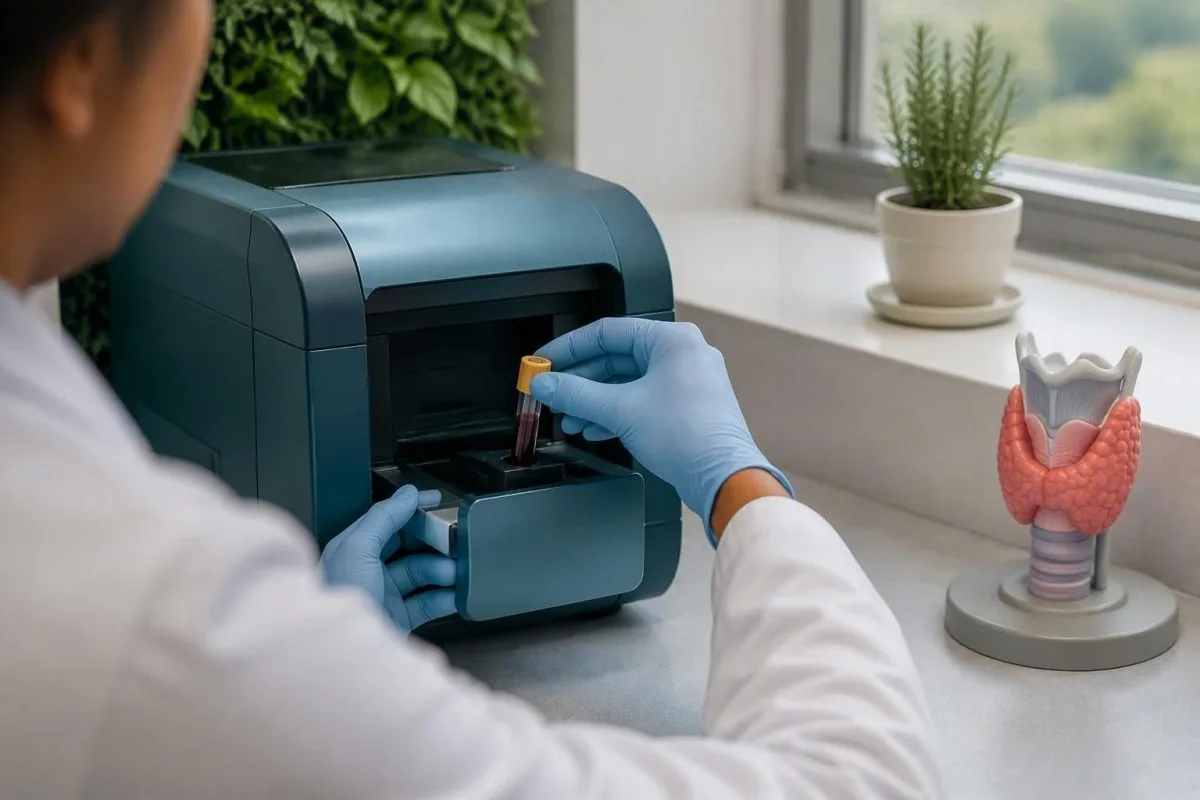
Яўны гіпатэрыёз - прызнаная медыцынская прычына зніжэння настрою, зніжэння кагнітыўных функцый, завал, непераноснасці холаду і стомленасці. Першая лінія скрынінга шчытападобнай залозы - TSH з вольным T4, калі TSH анамальны або ёсць верагоднасць захворвання гіпофіза.

Высокі TSH з нізкім вольным T4 паказвае на яўны першасны гіпатэрыёз і звычайна патрабуе абмеркавання лячэння. Рэферэнтныя інтэрвалы адрозніваюцца ў залежнасці ад аналізатара, але TSH звычайна складае прыблізна 0,4-4,0 мМЕ/л; TSH вышэй за 10 мМЕ/л больш клінічна значны, чым мяжа павышэння 4,5 мМЕ/л, асабліва калі паўтараецца.
Субклінічны гіпатэрыёз азначае павышаны TSH пры нармальным вольным T4. Даказацельствы таго, што лячэнне паляпшае настрой пры ўмераным павышэнні TSH, сумленна кажучы, змешаныя, асабліва ў пажылых людзей, таму сімптомы, антыцелы да шчытападобнай залозы, планы цяжарнасці і паўторнае тэсціраванне маюць значэнне. Біяцінавыя дабаўкі могуць фальшыва зніжаць TSH і павышаць вольны T4 на некаторых імунааналізах; прыпыніце прыём біяціна ў высокіх дозах як мінімум на 48 гадзін, калі лабараторыя рэкамендуе гэта.
Chaker et al. апісваюць гіпатэрыёз як сістэмнае захворванне з нейрапсіхічнымі праявамі, хоць аналіз шчытападобнай залозы не павінен станавіцца кароткім шляхам для сапраўднай ацэнкі дэпрэсіі (Chaker et al., 2017). Для вызначэння часу пасля змены медыкаментаў, глядзіце інтэрвалы паўторнага аналізу шчытападобнай залозы.
Вынік, які патрабуе іншага падыходу
Нізкі вольны T4 пры нармальным або нізкім TSH можа паказваць на цэнтральны гіпатэрыёз, цяжкае нешчытападобнае захворванне або перашкоды аналізатара; яго нельга адхіляць як “нармальны шчытападобны”. Гэтая карціна заслугоўвае агляду клініцыстам, асабліва пры галаўным болі, парушэнні зроку, нізкім лібіда або іншых сімптомах гіпофіза.
3. Вітамін B12 і фалійная кіслата: сімптомы нерваў змяняюць тэрміновасць
Дэфіцыт вітаміна B12 можа выклікаць зніжэнне настрою, праблемы з памяццю, здранцвенне, парушэнне хады і стомленасць нават без анеміі. Тэставанне B12 з CBC і разгледзьце метилмалоновую кіслату або гомацыстэін, калі значэнне B12 памежнае або сімптомы неўралагічныя.
Сыроватачны B12 ніжэй за 180 пг/мл або 133 пмоль/л звычайна падтрымлівае дэфіцыт, хоць мясцовыя паказчыкі адрозніваюцца. Вынікі прыблізна 180-350 пг/мл могуць быць нявызначанымі, а метилмалоновая кіслата павышаецца пры парушэнні метабалізму, залежнага ад B12; зніжэнне функцыі нырак таксама можа павышаць метилмалоновую кіслату.
Макроцитоз, звычайна MCV вышэй за 100 fL, можа паказваць на дэфіцыт B12 або фоліевай кіслаты, але не з'яўляецца неабходным або спецыфічным. Ужыванне алкаголю, захворванні печані, гіпатэрыёз, рэтыкулацытоз і лекі таксама могуць павышаць MCV. Адсутнасць анеміі не выключае бяспечна пашкоджанне нерваў, звязанае з B12.
Я асабліва асцярожны, калі ў кагосьці ёсць паколванне, зніжэнне адчувальнасці да вібрацыі, змены раўнавагі, прыём метфарміну, працяглы прыём кіслотных блокатораў, веганская дыета, хірургічныя аперацыі на страўніку або ўздзеянне закісу азоту. Не прымайце фаліевую кіслату асобна пры падазрэнні на дэфіцыт B12: гэта можа выправіць анемію, у той час як неўралагічнае пашкоджанне працягваецца; агляд аналіз B12 супраць фолату з клініцыстам.
4. Вітамін D: фактар, а не самастойнае тлумачэнне
Нізкі ўзровень 25-гідраксівітаміну D можа спалучацца з стомленасцю, болямі ў цягліцах, зніжанай актыўнасцю на свежым паветры і дрэнным настроем, але ён рэдка тлумачыць цяжкую дэпрэсію сам па сабе. Вымярайце 25-OH вітамін D, а не актыўны тэст 1,25-дыгідраксівітаміну D для звычайнай ацэнкі дэфіцыту.
Канцэнтрацыя 25-OH вітаміну D ніжэй 20 нг/мл (50 нмоль/л) лічыцца дэфіцытнай паводле многіх органаў, у той час як 20–29 нг/мл часта апісваецца як недастатковая. Парог абмяркоўваецца: групы, арыентаваныя на косці, адрозніваюцца ў тым, ці варта мэтавым паказчыкам 20 ці 30 нг/мл, а парогі лячэння, звязаныя з настроем, не ўстаноўлены.
Дэфіцыт вітаміну D больш верагодны пры невялікім уздзеянні сонца, цёмнай скуры на высокай шыраце, закрытай вопратцы, атлусценні, парушэнні ўсмоктвання, захворваннях нырак і некаторых протівоэпілептычных прэпаратах. Клінічная пастка заключаецца ў тым, што нізкі вынік тлумачыць усё; страта сну, гора, трывога, анемія і дэпрэсія часта спалучаюцца з ім.
Большасць пацыентаў лічаць, што карэкцыя паляпшае сімптомы цягліц або агульную энергію паступова на працягу тыдняў, а не за адну ноч. Празмернае дадатак можа павысіць кальцый; высокі вынік вітаміну D высокі вынік вітаміну D заслугоўвае ўвагі, калі з'яўляюцца млоснасць, смага, завала або спутанность свядомасці.
Абгрунтаванае замяшчэнне патрабуе нагляду
Пры неўскладненым дэфіцыце клініцысты звычайна выкарыстоўваюць штодзённыя дозы каля 800-2000 МЕ, але рэжымы загрузкі залежаць ад цяжару, цяжарнасці, функцыі нырак, узроўню кальцыя і мясцовых рэкамендацый. Вынік 25-OH вітаміну D вышэй за 150 нг/мл або 375 нмоль/л выклікае занепакоенасць таксічнасцю і патрабуе медыцынскага агляду.
5. Глюкоза і HbA1c: зрывы энергіі маюць заканамернасці
Дыябет і паўторная гіпаглікемія могуць пагоршыць стомленасць, канцэнтрацыю, сон і раздражняльнасць, якія могуць успрымацца як дрэнны настрой. Глюкоза натщесерце і HbA1c з'яўляюцца прыдатнымі, калі прысутнічае смага, частае мачавыпусканне, змяненне вагі, затуманенае зрок, тремор або метабалічны рызыка.
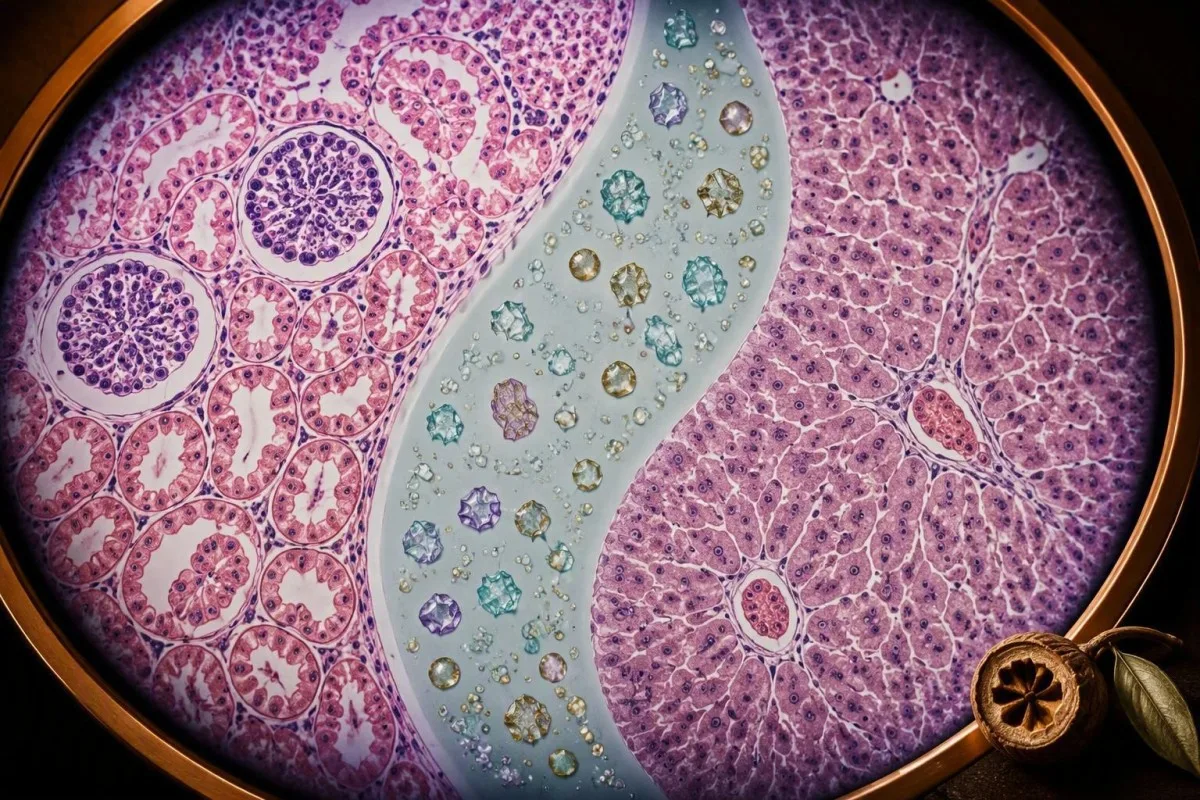
HbA1c на 6.5% або вышэй падтрымлівае дыябет пры пацверджанні паўторным тэставаннем або іншым дыягнастычным тэстам, у той час як 5.7-6.4% паказвае павышаны рызыку дыябету паводле амерыканскіх крытэрыяў. HbA1c адлюстроўвае прыблізна 8-12 тыдняў уздзеяння глюкозы, але анемія, гемаглабінавыя варыянты, захворванні нырак і пераліванне крыві могуць зрабіць яго няправільным.
плазменны глюкозны ўзровень ніжэй 70 мг/дл (3,9 ммоль/л) з'яўляецца гіпаглікеміяй, аднак важныя сімптомы: потлівасць, тремор, пачашчанае сэрцабіцце, разгубленасць і змена паводзін падчас зарэгістраванага нізкага ўзроўню патрабуюць аналізу. У людзей без дыябету адзінкавы нізкі вынік пасля працяглага галадання не адпавядае праверанаму спантаннаму гіпаглікемічнаму засмучэнню.
Калі я аналізую аналізы крыві пры нізкім настроі, я пытаюся, што адбываецца ў 11 гадзін раніцы, пасля фізічных нагрузак і праз дзве гадзіны пасля ежы. Паўторныя багатыя вугляводамі прыёмы ежы, алкаголь без ежы, лекі ад дыябету і недастатковае харчаванне могуць стварыць пазнавальны ўзор; гл. прычыны нізкага ўзроўню глюкозы.
Чаму нармальны ўзровень глюкозы нашча можа не адлюстроўваць поўнай карціны
Узровень глюкозы нашча можа заставацца нармальным на ранніх статках інсулінарэзістэнтнасці, у той час як HbA1c, трыгліцэрыды, акружнасць таліі, апноэ сну і сямейны анамнез паказваюць на рызыку. Наадварот, HbA1c можа недаацэньваць уздзеянне глюкозы, калі эрытрацыты маюць скарочаны тэрмін жыцця, таму клініцысты часам выкарыстоўваюць фруктозамін або маніторынг глюкозы замест гэтага.
6. Аналізы нырак, печані і электралітаў: недаацэненая хімія
Хваробы нырак, парушэнні функцыі печані, парушэнні электралітнага балансу і кальцыя могуць выклікаць стомленасць, парушэнні сну, запаволенне мыслення або разгубленасць, якія накладаюцца на нізкі настрой. Базавая метабалічная панэль, панэль печані, eGFR і агляд лекаў больш карысныя, чым асобныя “аздараўленчыя” тэсты.
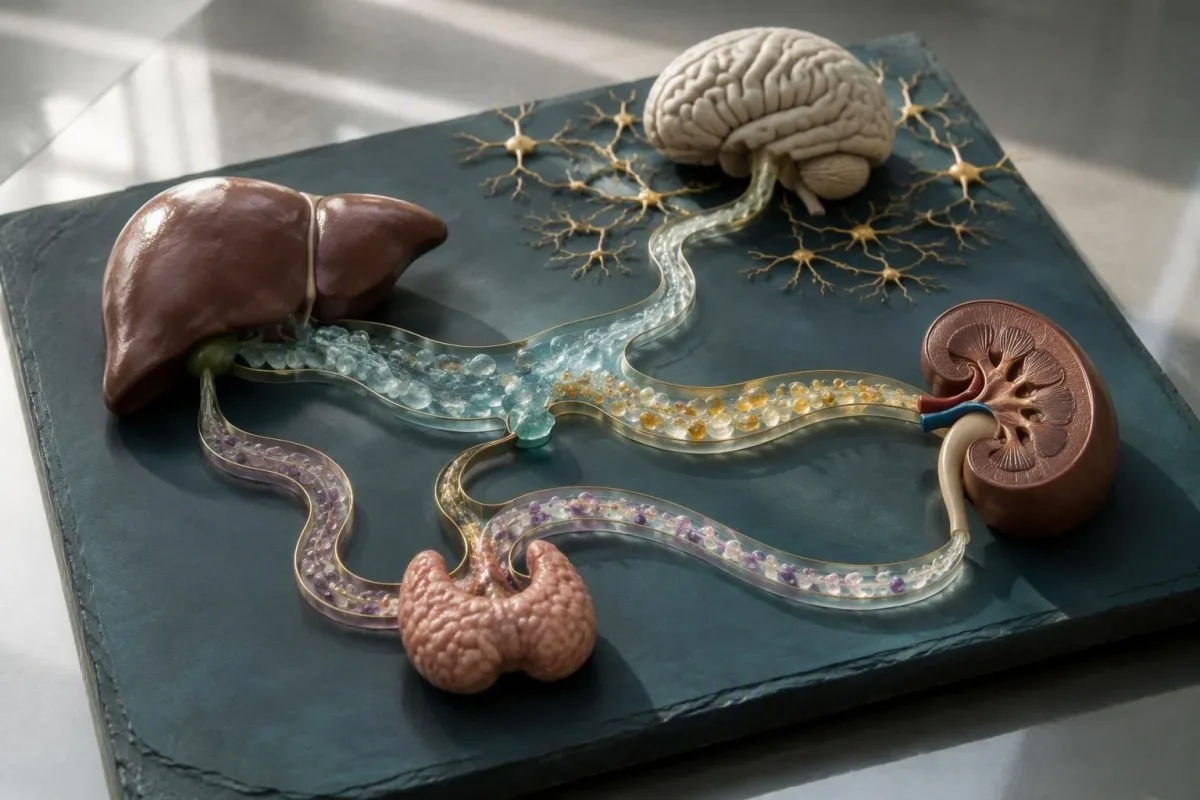
eGFR ніжэй за 60 мл/мін/1.73 м² на працягу прынамсі 3 месяцаў адпавядае аднаму крытэрыю хранічнага захворвання нырак, хоць адзінкавы вынік можа быць часова ніжэйшым пасля абязводжвання або вострага захворвання. Урэмічныя сімптомы звычайна ўзнікаюць пры значна ніжэйшых узроўнях фільтрацыі, але назапашванне лекаў і анемія могуць раней уплываць на самаадчуванне.
Натрый ніжэй за 130 ммоль/л можа выклікаць галаўны боль, млоснасць, нетрываласць, разгубленасць і выяўленую стомленасць; натрый ніжэй 120 ммоль/л часта з'яўляецца надзвычайнай сітуацыяй. Кальцый вышэй 11,0 мг/дл (2,75 ммоль/л) можа выклікаць завала, смагу, кагнітыўныя змены і нізкі настрой, асабліва калі ён хутка павышаецца.
Кантэсці — гэта сервісі інтерпретації тестів ШІ які разглядае вынікі аналізаў нырак, печані, электралітаў і CBC як адзінае цэлае, уключаючы рызыкі, звязаныя з лекамі. Раптоўнае змяненне eGFR патрабуе кантэксту з гігіены і папярэдніх значэнняў, якія наш даведнік па аналізе нырак пакрыцці.
Дзеянне лекаў можа быць адсутнай падказкай
Тыязідавыя дыўрэтыкі могуць павышаць кальцый і зніжаць натрый, SSRI могуць спрыяць гіпанатрыеміі, метфармін можа зніжаць B12 з цягам часу, а некаторыя супрацьсутаргавыя прэпараты ўплываюць на вітамін D. Ніколі не спыняйце прызначаны лекамі самастойна па выніках лабараторных даследаванняў; папрасіце лекара ацаніць час, дозу і больш бяспечныя альтэрнатывы.
7. Запаленне, інфекцыі і аутоіммунные падказкі: выбірайце аналізы селектыўна
CRP, ESR, тэсты на інфекцыі і аутоантыцела - гэта не руцінныя скрынінгавыя тэсты на нізкі настрой, але яны карысныя, калі фізічныя прыкметы паказваюць на сістэмнае захворванне. Ліхаманка, страта вагі, ацёк суставаў, сып, працяглая дыярэя, начныя пацясценні або лакалізаваныя сімптомы павінны накіроўваць гэту галіну тэсціравання.
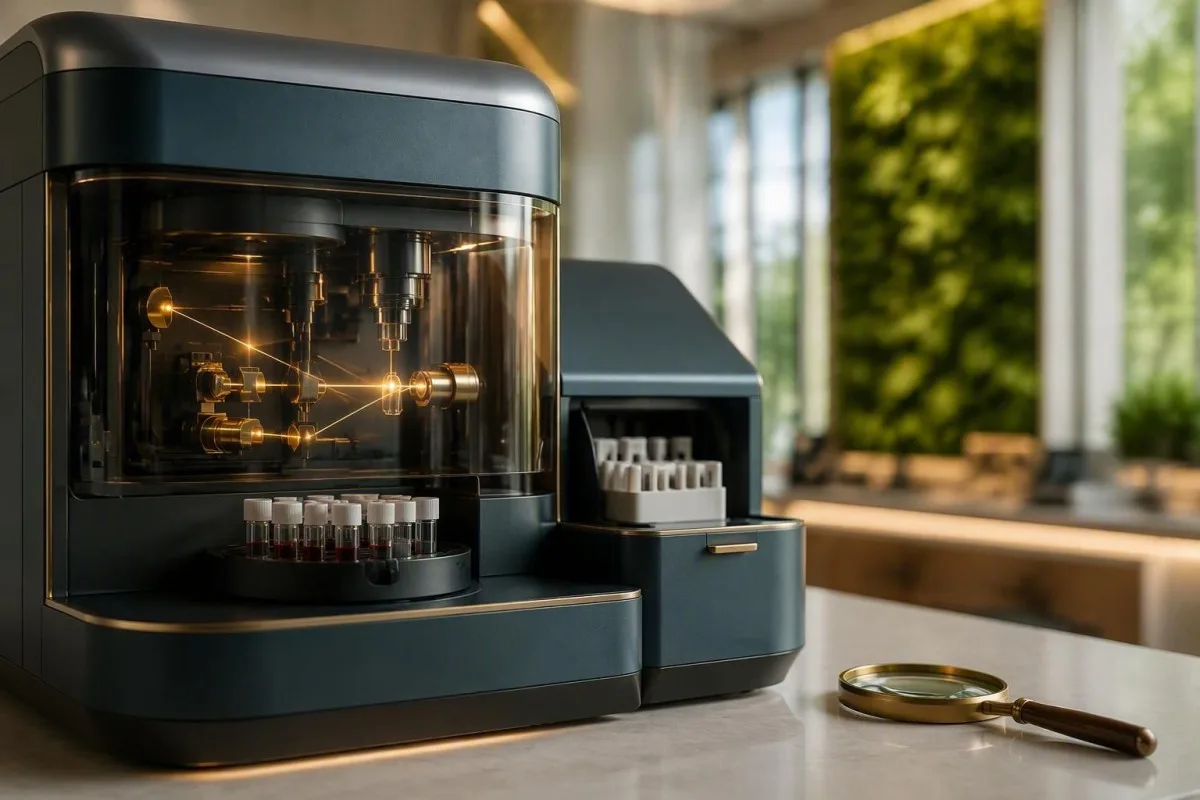
CRP ніжэй за 3 мг/л часта лічыцца нізкім узроўнем запалення сардэчна-сасудзістай сістэмы, але лабараторыі выкарыстоўваюць розныя метады і дыяпазоны. CRP 30 мг/л можа адлюстроўваць інфекцыю, аутоіммунную актыўнасць, пашкоджанне тканін, атлусценне або мноства іншых станаў; ён не вызначае прычыну нізкага настрою і не можа дыягнаставаць “запаленне мозгу”.”
ESR павышаецца павольна і зніжаецца павольна, што робіць яго менш карысным пры раптоўным змяненні сімптомаў. Нармальны CRP і ESR не выключаюць кожнага запаленчага стану, у той час як лёгкія адзінкавыя павышэнні часта сустракаюцца пасля інфекцый, стаматалагічных захворванняў, інтэнсіўных фізічных нагрузак і большай масы цела.
Я бачу больш шкоды ад неабгрунтаваных панэляў антыцелаў, чым ад мэтавых тэстаў: станоўчыя вынікі ANA нізкага ўзроўню з'яўляюцца распаўсюджанымі і могуць выклікаць месяцы трывогі. Калі феритин нечакана высокі разам з павышэннем CRP, ферытыну і CRP разам больш інфарматыўныя, чым кожны маркер асобна.
Калі аналіз на інфекцыю мае сэнс
ВІЧ, гепатыт, сералогія целиакии і іншыя аналізы на інфекцыі або парушэнні ўсмоктвання павінны быць зроблены пасля ўздзеяння, страўнікава-кішачных сімптомаў, характару анеміі, вынікаў аналізу печані або анамнезу. Тэставанне “усяго” пасля звычайнага дрэннага настрою часта дае ілжывыя станоўчыя вынікі, а не адказы.
Разумная першая панэль для ўстойлівай стомленасці і дрэннага настрою
Для ўстойлівага дрэннага настрою з стомленасцю, прыцэльная першая панэль звычайна ўключае АСГ, феритин з насычэннем трансферынам, TSH, свабодны T4 пры наяўнасці паказанняў, B12, фолат пры наяўнасці рызыкі, HbA1c або глюкозу, функцыю нырак, электраліты, аналізы печані і вітамін D пры высокай рызыцы дэфіцыту. Правільны набор меншы для многіх людзей і шырэйшы для іншых.

Магчымасць цяжарнасці адразу мяняе прыярытэты: тэставанне на цяжарнасць, феритин, аналіз шчытападобнай залозы, ацэнка глюкозы і тэрміновы агляд лекаў могуць мець прыярытэт. У пажылых людзей страта вагі, змены ў працы кішачніка, новая анемія, зніжэнне eGFR і ўздзеянне лекаў заслугоўваюць большай вагі, чым тэставанне палавых гармонаў.
Kantesti AI — гэта Платформа AI для расшыфроўкі аналізу крыві выкарыстоўваюцца ў краінах 127+ для сартавання вынікаў у пытанні для клініцыста, а не для замены збору анамнезу або агляду. Наша сістэма можа дапамагчы вызначыць адсутнічаючы кантэкст, такі як статус галадання, менструальныя крывацёкі, дабаўкі, фізічныя практыкаванні або нядаўняе захворванне; чытайце пра як працуе тэхналогія.
Практычнае правіла доктара Томаса Кляйна простае: прызначайце аналіз толькі тады, калі вынік можа змяніць наступны крок. Шырокая панэль можа быць апраўдана пры сімптомах множных сістэм, але руцінны кортізол, палавыя гармоны, аналізы на харчовую непераноснасць, цяжкія металы і пухлінныя маркеры звычайна ствараюць шум у аналізах крыві на дрэнны настрой.
Падрыхтуйцеся, каб вынік адказаў на пытанне
Запішыце дабаўкі, асабліва біятын, B12, жалеза, вітамін D і креатин; адзначце апошнюю дозу і ці галадалі вы. Пазбягайце незвычайна інтэнсіўных фізічных практыкаванняў і празмернага алкаголю за 24-48 гадзін да неадкладных аналізаў, дзе гэта магчыма, паколькі абодва могуць змяніць AST, CK, глюкозу, феритин і вынікі, адчувальныя да гідратацыі.
Чаму панэлі кортізола і палавых гармонаў рэдка бываюць першачарговымі
Выпадковы кортізол і шырокія панэлі палавых гармонаў звычайна не тлумачаць пастаянны дрэнны настрой і не павінны выкарыстоўвацца ў якасці агульных “тэстаў на выгаранне”.” Яны становяцца карыснымі, калі сімптомы паказваюць на захворванні наднырачнікаў, парушэнне менструальнага цыклу, менапаўзу, гіпаганадызм, захворванні гіпофіза або ўздзеянне лекаў.
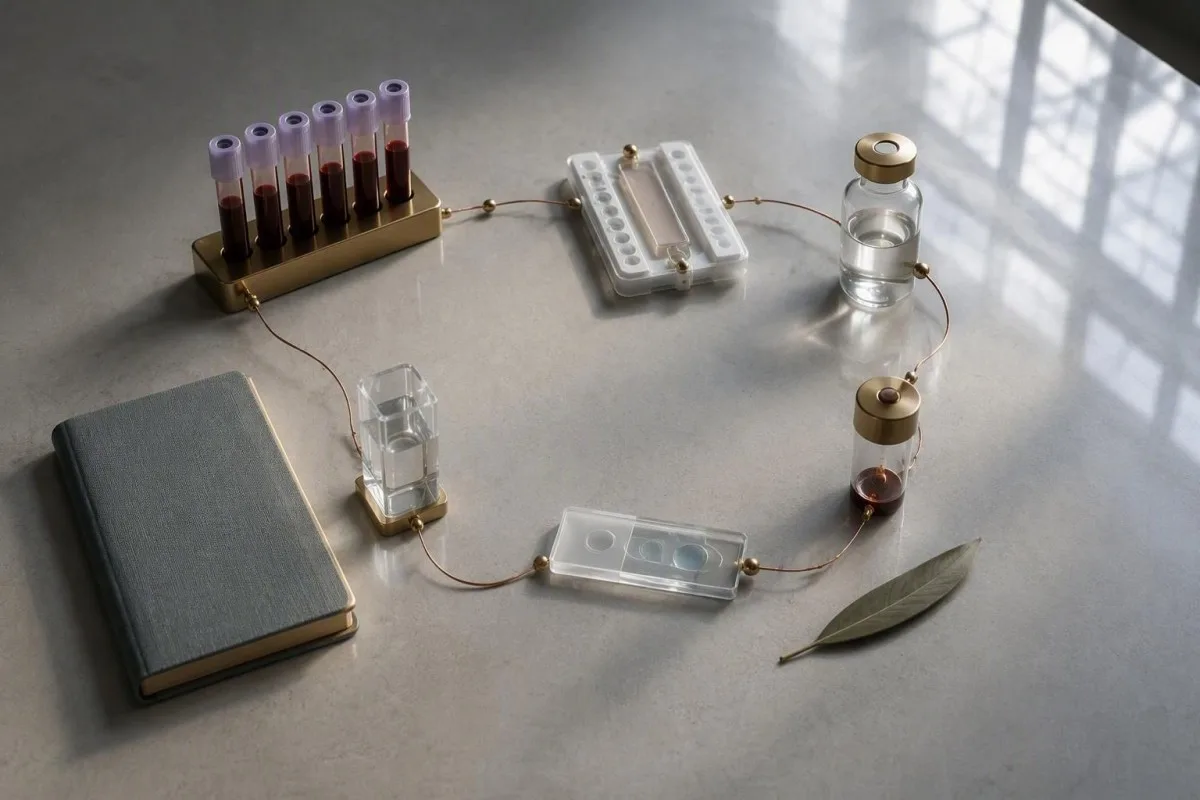
Кортізол мае моцны сутачны рытм: ранішняя проба звычайна значна вышэй, чым вячэрняя, таму неўрэгуляванае значэнне мае абмежаванае дыягнастычнае значэнне. Падазрэнне на наднырачнікавую недастатковасць ацэньваецца з дапамогай правільна прызначанага кортізола і часта тэсціравання стымуляцыі, а не па онлайн-ацэнцы “наднырачнікавай стомленасці”.
Тестостерон вагаецца ў залежнасці ад часу сутак, вострага захворвання, сну і звязваючых бялкоў; у мужчын агульны тэстастэрон раніцай павінен быць паўтораны як мінімум два разы перад дыягностыкай дэфіцыту. Эстрадиол і прогестерон вагаюцца на працягу менструальнага цыклу, таму адзінае значэнне не можа растлумачыць змены настрою без уліку часу цыклу.
Сімптомы, якія апраўдваюць прыцэльныя эндакрынныя тэсты, уключаюць новую страту валасоў на целе, эректільную дысфункцыю, аменарэю, галактарэю, моцныя прылівы, фіялетавыя расцяжкі, невытлумачальныя сінякі або пастаянна нізкі артэрыяльны ціск. Наш даведніку па кортізоле тлумачыць, чаму час збору ўваходзіць у вынік.
Менапаўза клінічная, перш чым яна стане біяхімічнай
У людзей старэйшыя за 45 гадоў з тыповымі прылівамі і зменамі цыклу менапаўза часта дыягнастуецца клінічна, а не па адным тэсце FSH. Целыя захворванні, анемія, уздзеянне лекаў і дэпрэсія могуць суіснаваць, таму лячэнне аднаго дыягназу не павінна спыняць ацэнку.
Перагледзьце лекі, алкаголь, рэчывы і сон, перш чым дадаваць аналізы
Уздзеянне лекаў, алкаголь, канабіс, стымулятары, заспакаяльныя сродкі і парушэнні сну з'яўляюцца распаўсюджанымі зваротнымі фактарамі дрэннага настрою, якія ні адна стандартная панэль аналізу крыві не можа цалкам ахапіць. Часовая шкала прыёму лекаў часта дае больш, чым дадатковы флакон лабараторнага матэрыялу.
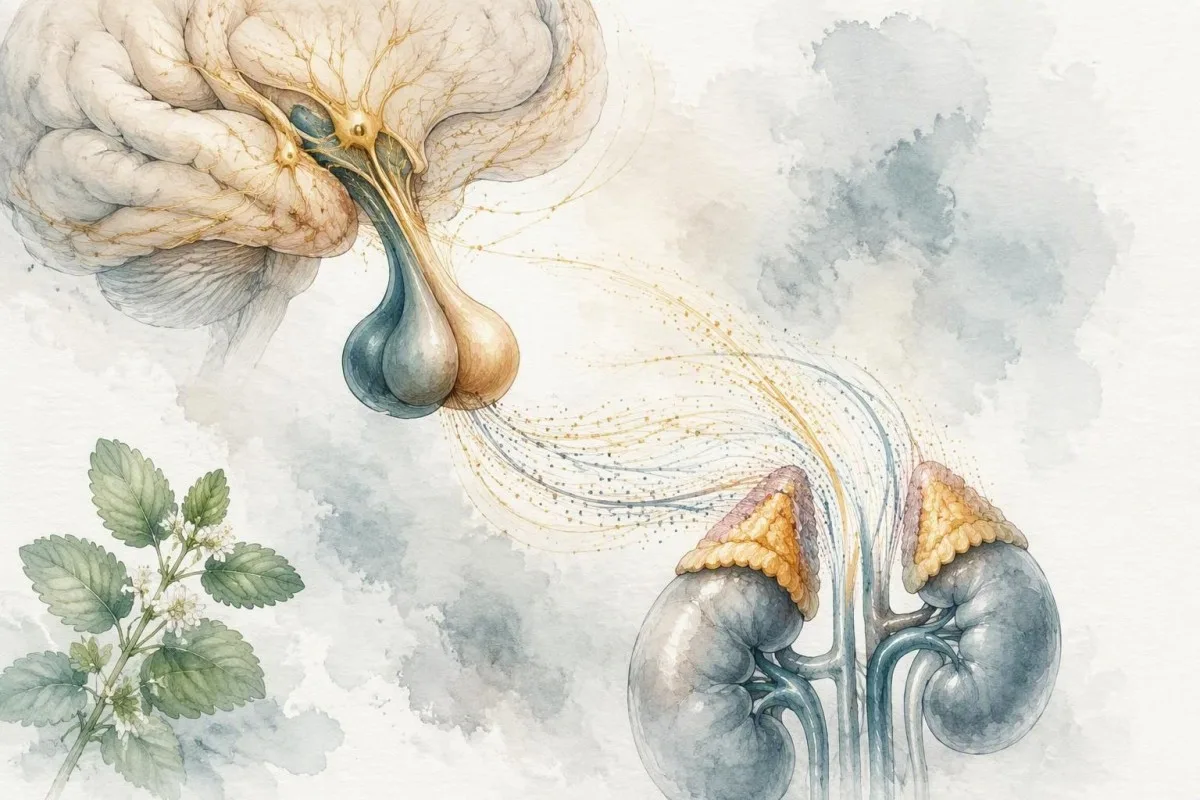
Бэта-адреноблокаторы, изотретиноин, кортікастэроіды, некаторыя супрацьэпілептычныя прэпараты, тэрапеўтычныя сродкі на аснове інтэрферону, заспакаяльныя сродкі і гарманальныя лячэнні могуць уплываць на настрой у адчувальных людзей. СИОЗС, діуретікі і карбамазепін могуць зніжаць натрый; інгібітары протоннай помпы і метфармін з часам могуць спрыяць дэфіцыту B12.
Алкоголь можа ненадоўга знізіць трывожнасць, але парушае сон і можа павысіць GGT, MCV, трыгліцерыды і печанечныя ферменты. GGT вышэй за верхнюю лабараторную мяжу неспецыфічны: ён можа адлюстроўваць алкаголь, тлушчавую дыстрафію печані, лекі або халестаз, таму яго ніколі нельга выкарыстоўваць як доказ ужывання алкаголю.
Абструктыўнае апноэ сну можа быць вельмі падобным на дэпрэсію — неаднаўляльны сон, дрэнная канцэнтрацыя, змены лібіда і стомленасць днём — пры гэтым аналізы CBC і аналізы шчытападобнай залозы застаюцца нармальнымі. Калі прысутнічае храп, заўважаныя паўзы, ранішняя галаўны боль або рэзістэнтная гіпертэнзія, запытайцеся пра ацэнку сну, а не шукайце дабаўкі; дрэнны сон і вынікі лабараторных даследаванняў дае карысны кантэкст.
Як клініцысты чытаюць заканамернасці, а не чырвоныя сцягі
Адзін вынік па-за межамі нормы рэдка тлумачыць дрэнны настрой; зладжаныя заканамернасці па ўсіх сімптомах, паўторныя вынікі і звязаныя біямаркеры больш надзейныя. Лабараторныя рэферэнтныя дыяпазоны апісваюць, дзе знаходзіцца 95% рэферэнтнай папуляцыі, а не гарантыю асабістага здароўя.

Феритин 18 нг/мл з нізкай насычанасцю трансферыну, моцнымі менструацыямі, сіндромам неспакойных ног і стомленасцю — гэта больш моцны выпадак жалезадэфіцыту, чым феритин 18 сам па сабе. Наадварот, феритин 18 пасля нядаўняй віруснай інфекцыі ўсё яшчэ дастаткова нізкі, каб правесці даследаванне, але CRP, дыета, страта крыві і час паўтору ўплываюць на рашэнне.
Той жа прынцып прымяняецца да аналізаў шчытападобнай залозы: TSH 5.2 мМЕ/л пасля бессаромнай тыдні можа заслужыць паўтор, тады як TSH 12 мМЕ/л з нізкім узроўнем вольнага T4 і заваламі — значна больш ясны сігнал. Лабараторыі адрозніваюцца ў аналізах, таму адсочванне адной і той жа лабараторыі і адзінак памяншае фальшывыя відавочныя змены.
Kantesti AI параўноўвае трэнды і звязаныя маркеры, каб зрабіць гэтыя абмеркаванні менш фрагментаванымі, але наш клінічны стандарт — пазначаць нявызначанасць, а не выдумляць пэўнасць. Даведайцеся, чаму змена паміж аналізамі крыві можа быць біялагічнай варыяцыяй, варыяцыяй збору, або сапраўдным зрухам.
Нармальны дыяпазон не з'яўляецца мэтай лячэння
Не спрабуйце падштурхнуць кожны біямаркер да сярэдзіны рэферэнтнага інтэрвалу. Напрыклад, высокія дозы жалеза могуць выклікаць пашкоджанне страўнікава-кішачнага тракта і замаскіраваць ацэнку страты крыві, у той час як празмерны вітамін D можа выклікаць гіперкальцыемію; лячэнне павінна адпавядаць дыягностыцы, сімптомам і дадатковым даследаванням.
Калі паўтараць аналізы, звярнуцца да ўрача агульнай практыкі або атрымаць неадкладную дапамогу
Паўторнае тэставанне мэтазгодна, калі лёгкая анамалія можа быць часовай, але неадкладныя сімптомы пераважаюць план "пачакаць і паглядзець". Новая суіцыдальная накіраванасць, дэлірый, моцная слабасць, боль у грудзях, непрытомнасць, жаўтуха, чорны крэсла або блытаніна, звязаная з глюкозай, патрабуюць неадкладнай медыцынскай дапамогі.
Злёгку павышаны TSH з нармальным узроўнем вольнага T4 часта паўтараецца 6–12 тыдняў, хутчэй у выпадку цяжарнасці або выяўленых сімптомаў. Час дадатковага абследавання жалеза, B12 і вітаміна D залежыць ад лячэння і зыходнай цяжары; клініцысты часта пераацэньваюць CBC і маркеры жалеза праз некалькі тыдняў, а не дзён, таму што аднаўленне эрытрацытаў займае час.
Звярніцеся за аглядам на працягу тыдня пры гемаглабіне ніжэй 10 г/дл, натрый ніжэй за 130 ммоль/л, кальцый вышэй за 11.0 мг/дл, хуткаму зніжэнню eGFR, білірубіну з жаўтухай або глюкозе нашча ў дыябетычным дыяпазоне плюс сімптомы. Гэта падказкі для тэрміновасці, а не дыягназы, і мясцовыя службы могуць выкарыстоўваць розныя парогі.
Для складаных справаздач падыход да клінічнай валідацыі падкрэслівае праверку крыніц, паўторнасць і эскалацыю, а не аднабаковую упэўненасць. Доктар Томас Кляйн рэкамендуе прынесці сапраўдны PDF-файл, спіс лекаў і аднадзённы дзённік сімптомаў на прыём.
Што запісаць перад прыёмам
Уключыце, калі пачаўся дрэнны настрой, працягласць сну, змены апетыту або вагі, менструальныя крывацёкі, ужыванне алкаголю і наркатычных рэчываў, сямейную гісторыю захворванняў шчытападобнай залозы або дыябету, нядаўнія інфекцыі, дыетычныя абмежаванні і дозу кожнага лекі або дадатку. Гэтая інфармацыя часта змяняе, які “анармальны” вынік з'яўляецца клінічна значным.
Лячэнне дрэннага настрою падчас праверкі медыцынскіх прычын
Падтрымка псіхічнага здароўя павінна пачынацца, калі дрэнны настрой з'яўляецца ўстойлівым або абцяжарвае жыццё, нават калі аналізы крыві чакаюцца. Псіхалагічная тэрапія, сацыяльная падтрымка, лячэнне сну, медыкаментознае лячэнне пры неабходнасці і планаванне бяспекі - гэта не запасныя варыянты пасля “нармальных лабараторных даследаванняў”; гэта доказная медыцынская дапамога.

Дэпрэсія звычайна вызначаецца прынамсі 2 тыдні дрэннага настрою або страты цікавасці ў суправаджэнні іншых сімптомаў, такіх як парушэнні сну, апетыту, стомленасць, канцэнтрацыі ўвагі, пачуццё віны, псіхаматорныя або суіцыдальныя змены. Цяжкасць залежыць ад функцыянальнага ўплыву і бяспекі, а не ад таго, ці ёсць у лабараторным заключэнні "чырвоныя сцяжкі".
Фізічны фактар можа быць рэальным, не будучы адзіным фактарам. Выпраўленне дэфіцыту B12 можа палепшыць стомленасць і канцэнтрацыю, у той час як тэрапія накіравана на гора, траўму, ізаляцыю або ўкаранёныя дэпрэсіўныя сімптомы; большасць пацыентаў лічаць гэтую камбінаваную падыход менш абвінавачвальным.
Kantesti працуе пад наглядам лекара праз нашу медыцынская кансультатыўная рада, і мы заклікаем чытачоў выкарыстоўваць інтэрпрэтацыю AI як падрыхтоўку да - а не замену - клінічнай дапамогі і дапамогі ў галіне псіхічнага здароўя. Калі вы не можаце заставацца ў бяспецы сёння, неадкладна скарыстайцеся экстранымі службамі або крызісным рэсурсам у вашай краіне.
Галоўнае для аналізу крыві пры дрэнным настроі
Мэтавае тэсціраванне крыві можа выявіць сем карысных катэгорый: анемія, звязаная з жалезам, дысфункцыя шчытападобнай залозы, дэфіцыт B12 або фалійнай кіслаты, дэфіцыт вітаміну D, парушэнні ўзроўню глюкозы, нырачна-печанечна-электралітныя парушэнні і запаленчыя або інфекцыйныя захворванні, абумоўленыя сімптомамі. Гэта адзін з кампанентаў спагадлівай ацэнкі, ніколі не вердыкт аб тым, ці законныя вашы пакуты.
Часта задаваныя пытанні
Які аналізы крыві варта запытаць пры нізкім настроі і стомленасці?
Факусіраваны аналіз крыві на дрэнны настрой і стомленасць часта ўключае CBC, феритин з насычэннем трансферрына, TSH, B12, HbA1c або глюкозу, функцыю нырак, электраліты і аналізы печані. Вітамін D разумны, калі абмежаванае знаходжанне на сонцы, ёсць рызыка парушэння ўсмоктвання або сустракаюцца болі ў цягліцах. Феритин ніжэй за 30 нг/мл, B12 ніжэй за 180 пг/мл і TSH вышэй за лабараторны інтэрвал - гэта прыклады вынікаў, якія патрабуюць клінічнага кантэксту. Гэтыя аналізы вызначаюць магчымыя медыцынскія фактары; яны не дыягнастуюць дэпрэсію.
Ці можа аналіз крыві выявіць дэпрэсію?
Не, ніякі аналіз крыві не можа дыягнаставаць дэпрэсію ў звычайнай клінічнай практыцы. Дэпрэсія дыягнастуецца па сімптомах, якія доўжацца не менш за 2 тыдні, іх уплыве на штодзённую функцыянальнасць, анамнезе псіхічных захворванняў, аглядзе і ацэнцы бяспекі. Такія аналізы, як TSH, феритин, B12, глюкоза, натрый і кальцый, дапамагаюць вызначыць станы, якія могуць імітаваць або пагаршаць дэпрэсіўныя сімптомы. Нармальныя вынікі аналізаў крыві не выключаюць дэпрэсію і не азначаюць, што лячэнне непатрэбна.
Ці можа нізкі ўзровень жалеза выклікаць трывожнасць і дрэнны настрой без анеміі?
Так, дэфіцыт жалеза можа выклікаць стомленасць, дрэнную канцэнтрацыю, сіндром неспакойных ног, зніжэнне талерантнасці да фізічных нагрузак і дрэнны настрой, перш чым гемаглабін стане дастаткова нізкім, каб адпавядаць крытэрыям анеміі. Феритин ніжэй за 30 нг/мл часта сведчыць аб апусценых запасах жалеза, у той час як насычэнне трансферрына ніжэй за 20% дадае сведчанні недастатковай колькасці даступнага жалеза. Прычына мае значэнне: моцныя менструальныя крывацёкі, страта крыві з страўнікава-кішачнага тракту, нізкае спажыванне, пераліванне крыві і парушэнне ўсмоктвання патрабуюць розных рэакцый. Не пачынайце працяглае лячэнне жалезам, не абмяркоўваючы вынік і прычыну з клініцыстам.
Які паказчык шчытападобнай залозы можа паўплываць на настрой?
Яўны гіпатэрыёз, вызначаны па высокім TSH з нізкім узроўнем вольнага T4, можа спрыяць стомленасці, запаволенаму мысленню, непераноснасці холаду, завалам і дэпрэсіўным сімптомам. Многія лабараторыі выкарыстоўваюць інтэрвал адліку TSH каля 0,4-4,0 мМЕ/л, але вынік вышэй за 10 мМЕ/л звычайна мае большы вагу, чым мяжа павышэння. Нязначна павышаны TSH з нармальным узроўнем вольнага T4 часта патрабуе паўторнага тэсціравання праз 6-12 тыдняў, а не неадкладных высноў. Захворванні шчытападобнай залозы і дэпрэсія могуць суіснаваць, таму лячэнне функцыі шчытападобнай залозы не замяняе ацэнку псіхічнага здароўя.
Ці варта правяраць кортізол пры дрэнным настроі ці выгаранні?
Выпадковы тэст на кортізол звычайна не карысны пры звычайным дрэнным настроі або выгаранні, паколькі кортізол значна змяняецца на працягу дня і пры вострым стрэсе, хваробах і сне. Мэтавае тэсціраванне мэтазгодна, калі сімптомы мяркуюць захворванне наднырачнікаў, такое як пастаяннае нізкае крывяны ціск, невытлумачальная страта вагі, змяненне пігментацыі скуры, моцная слабасць або прыкметы, падобныя на Сіндром Кушынга. Ранішні кортізол можа прывесці да пацвярджаючага тэсціравання стымуляцыі, калі гэта клінічна паказана. Камерцыйнае тэсціраванне на “наднырачнікавую стомленасць” не з'яўляецца прызнаным дыягназам у асноўнай эндакрыннай практыцы.
Калі паніжаны настрой трэба разглядаць як неадкладны?
Дрэнны настрой патрабуе неадкладнай ацэнкі пры наяўнасці суіцыдальных думак з намерам або планамі, немагчымасці заставацца ў бяспецы, псіхозе, моцным узбуджанні, новым блытанні або некалькіх днях невялікага сну з незвычайна высокай энергіяй або рызыкоўным паводзінамі. Цяжкія лабараторныя сімптомы таксама патрабуюць неадкладнай дапамогі, у тым ліку натрый ніжэй за 120 ммоль/л, блытанне, звязанае з глюкозай, страта прытомнасці, боль у грудзях або хуткае пагаршэнне слабасці. Звярніцеся ў службы хуткай дапамогі, крызісную службу або аддзяленне хуткай дапамогі, а не чакайце вынікаў руцінных аналізаў. Папрасіць даверанага чалавека заставацца з вамі - разумная неадкладная мера бяспекі.
Атрымаць аналіз крыві з AI сёння
Далучайцеся больш чым да 2 мільёнаў карыстальнікаў па ўсім свеце, якія давяраюць Kantesti для імгненнага, дакладнага аналізу лабараторных тэстаў. Загрузіце вынікі аналізу крыві і атрымайце поўную інтэрпрэтацыю біямаркераў 15,000+ за лічаныя секунды.
📚 Публікацыі даследаванняў са спасылкамі
Кляйн, Т., Мітчэл, С., і Вебер, Г. (2026). Аналіз крыві на вірус Ніпах: кіраўніцтва па раннім выяўленні і дыягностыцы 2026. Kantesti AI Medical Research.
Кляйн, Т., Мітчэл, С., і Вебер, Г. (2026). Кроў тыпу B (Rh-), даведнік па аналізе LDH і падліку ретыкулоцитов. Kantesti AI Medical Research.
📖 Знешнія медыцынскія спасылкі
Нацыянальны інстытут здароўя і дасканаласці ў медыцыне (2022). Дэпрэсія ў дарослых: лячэнне і кіраванне. NICE Guideline NG222.

⚕️ Медыцынская адмова ад адказнасці
Гэты артыкул прызначаны толькі для адукацыйных мэт і не з’яўляецца медычнай парадай. Заўсёды кансультуйцеся з кваліфікаваным спецыялістам аховы здароўя для прыняцця рашэнняў па дыягностыцы і лячэнні.
Сігналы даверу E-E-A-T
Вопыт
Клінічны агляд, які вядзе лекар, працэсаў інтэрпрэтацыі лабараторных паказчыкаў.
Экспертыза
Фокус лабараторнай медыцыны на тым, як біямаркеры паводзяць сябе ў клінічным кантэксце.
Аўтарытэтнасць
Напісана доктарам Томасам Кляйнам, з аглядам доктара Сара Мітчэл і праф. доктара Ганса Вебера.
Надзейнасць
Інтэрпрэтацыя на аснове доказаў з выразнымі шляхамі далейшых дзеянняў, каб паменшыць трывогу.