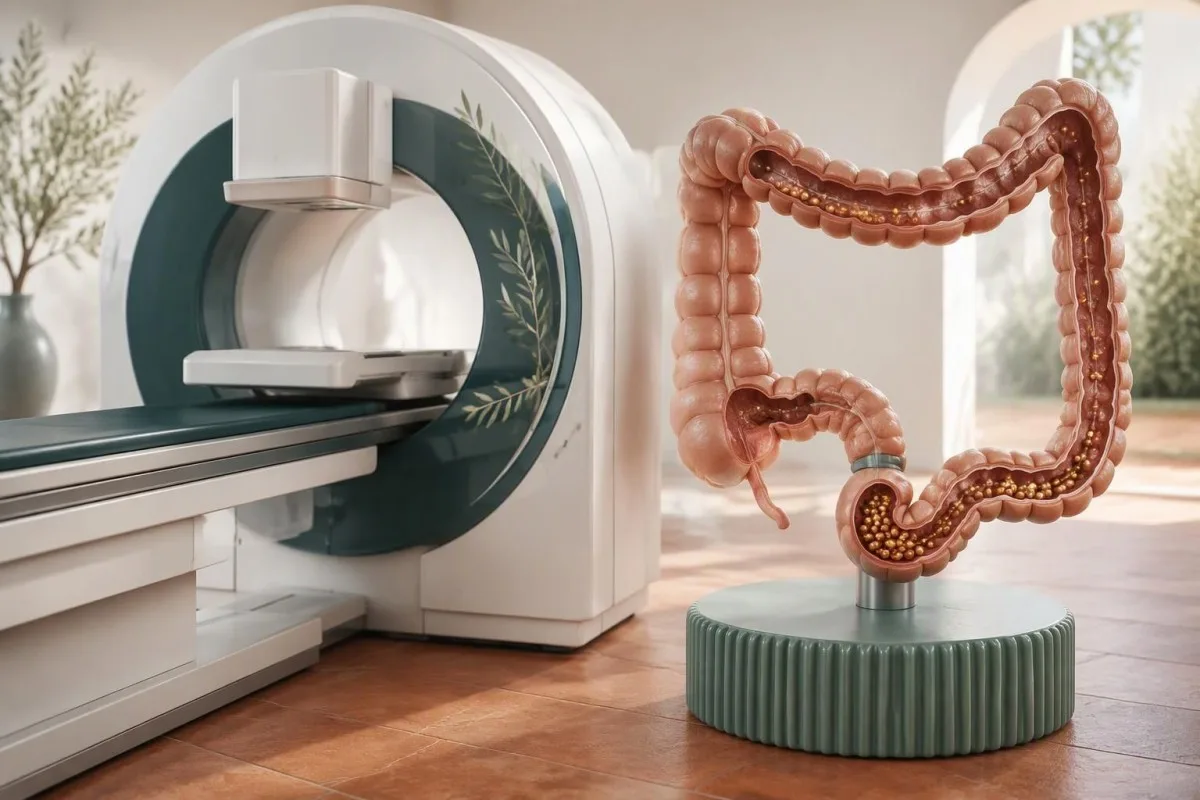
Жети күндүк SeHCAT кармалышынын төмөн болушу өт кислотасынан болгон ич өткөктү колдойт: кеңири колдонулган чектер — 5%дан төмөнү оор, 5–10%дан төмөнү орточо жана 10–15%дан төмөнү жеңил. Бул пайыздар дарылоону талкуулоого багыт берет, бирок симптомдордун оордугун өлчөбөйт жана негизги себебин өз алдынча аныктабайт.

Негизги жыйынтыктар
- Кармалышы төмөн жети күндө 15%дан төмөн болушу, тиешелүү симптомдору бар адамда, адатта, өт кислотасынан болгон ич өткөктү колдойт; анализ жүргүзгөн борбор көрсөткөн чек артыкчылыктуу.
- Катуулук тилкелери адатта 5%дан төмөн көрсөткүчтү оор, 5–10%дан төмөндү орточо, ал эми 10–15%дан төмөндү жеңил өт кислотасынын жоголушу деп классификациялайт — бул симптомдор сөзсүз жеңил же оор дегенди билдирбейт.
- Кармалышы нормалдуу 15% же андан жогору көрсөткүч адатта өт кислотасынын олуттуу жоголушу ыктымалдыгын азайтат, бирок микроскопиялык колитти, целиакияны, уйку безинин көйгөйлөрүн же ич өткөктүн башка себептерин жокко чыгарбайт.
- Дарылоо адатта дарыгердин көзөмөлүндөгү өт кислотасын байланыштыруучу дарыларды камтыйт; холестираминди күнүнө 2–4 г дозадан баштап, ар бир адамга ылайыктап өзгөртүү керек.
- Сывороткадагы C4 ич өткөктү изилдөөдө 7α-hydroxy-4-cholesten-3-one дегенди билдирет; ал иммундук системанын белогу болгон комплемент C4 эмес.
- Альтернативдүү текшерүү ачкарындагы сарысуудагы C4 деңгээлин жана адистештирилген заңдагы өт кислоталарын өлчөөнү камтыйт; SeHCAT жеткиликсиз болгон жерлерде үлгү көбүнчө 48 саат ичинде чогултулат.
- Холестазды текшерүү башка ыкманы колдонот: ALP, GGT, билирубин жана кээде сарысуудагы жалпы өт кислоталары ичегиден өт кислоталарынын жоголушун эмес, өт агымынын бузулушун аныктоого жардам берет.
- Коопсуздук дары-дармектерди кабыл алуунун аралыгына, триглицериддерди текшерүүгө жана ичегинин акыркы бөлүгүнө жасалган операциянын көлөмүнө жараша болот; өтө төмөн пайыздын өзү эле шашылыш абал эмес.
SeHCAT кармалышынын төмөн болушу симптомдоруңуз үчүн эмнени билдирет
SeHCAT кармалышынын төмөн болушу организм жети күндөн кийин радиобелгиленген өт кислотасынын трассеринин азыраагын кармап калганын билдирет. 15%ден төмөн жыйынтык, клиникалык көрүнүшкө туура келген суудай заң узакка созулса, өт кислоталарына байланыштуу диареяны көп учурда ырастайт; пайыз канчалык төмөн болсо, трассердин жоголушу ошончолук көп болот, бирок бул оорунун автоматтык түрдө кооптуураак экенин билдирбейт.
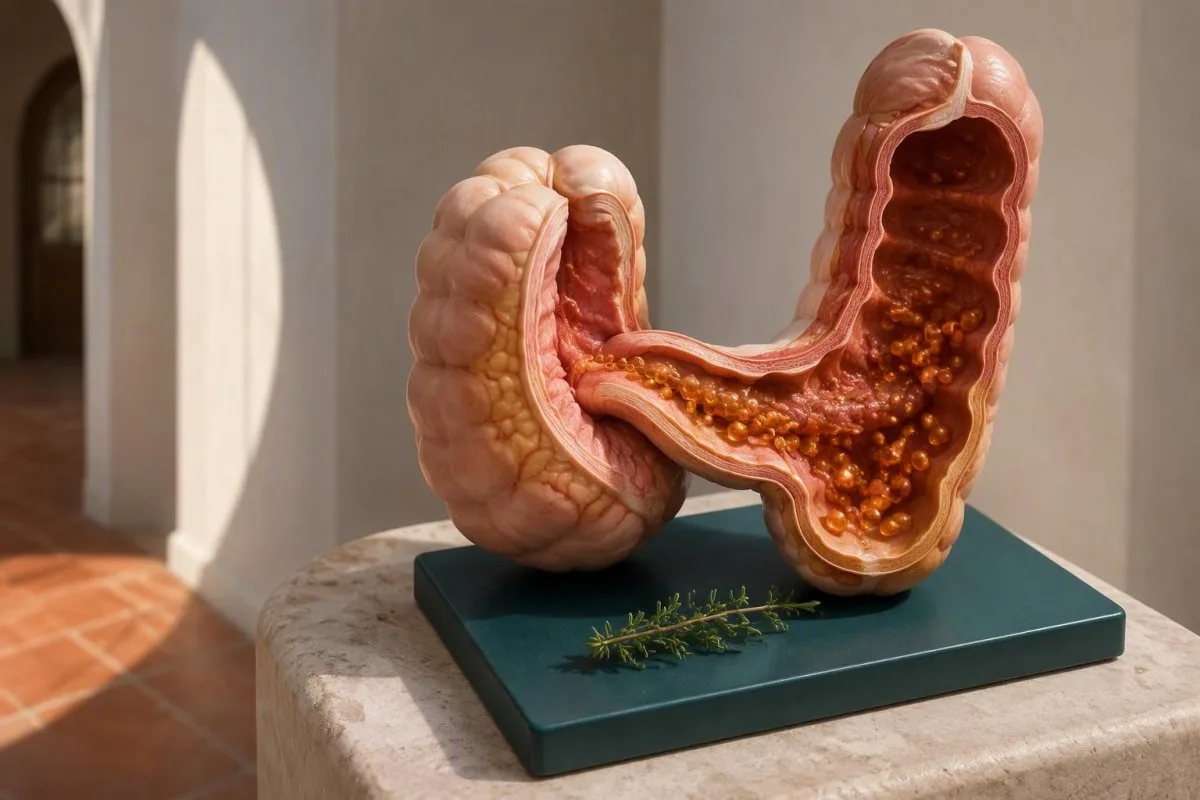
Өт кислоталарына байланыштуу диарея ашыкча өт кислоталары жоон ичегиге жетип, суюктуктун бөлүнүп чыгышын жана ичеги аркылуу жылышын күчөткөндө өнүгөт. Мисалы, жети күндүк кармалыш көрсөткүчүнүн 4% болушу өт кислоталарынын олуттуу жоголушун көрсөтөт, бирок клиникалык тарыхсыз ичегинин акыркы бөлүгүндө сиңирүүнүн бузулушун өт кислоталарынын ашыкча өндүрүлүшүнөн айырмалай албайт.
Күнүнө алты жолу суудай заңдаган жана SeHCAT кармалышы 8% болгон шарттуу чоң кишиде бул жыйынтык дарыгерге жөн гана дагы бир анормалдуу көрсөткүч эмес, дарылоонун ыктымалдуу максатын берет. Заңдын консистенциясын Bristol заң диаграммасы менен каттоо ичегиге баруулардын азайышын чындап катуураак заңдан, шашылыштыктын азайышынан жана үйдөн чыгуунун жеңилдешинен айырмалоого жардам берет.
Кантести - бул AI кан анализи анализатору кошумча лабораториялык жыйынтыктарды түшүндүрүүгө жардам берет, ал эми жети күндүк SeHCAT сканын ядролук медицина жана гастроэнтерология топтору чечмелеши керек. Биздин уюм жана максат бул диагностикалык кызматтан өзүнчө: биз SeHCAT скандарын жүргүзбөйбүз, негизги себебин аныктабайбыз жана дарылоону жазып бербейбиз.
Жети күндүк SeHCAT пайызы кантип өлчөнөт
SeHCAT кармалышы жутулган селен-75 менен белгиленген өт кислотасынын трассеринин баштапкы өлчөөсүн болжол менен жети күндөн кийинки кайра өлчөө менен салыштырат. Ядролук медицина кызматкерлери көрсөткүчтөрдү фондук активдүүлүккө жана радиоактивдүү ажыроого жараша оңдошот, ошондуктан билдирилген пайыз жөн гана сканердин көрсөткүчтөрүн эмес, биологиялык кармалышты баалайт.
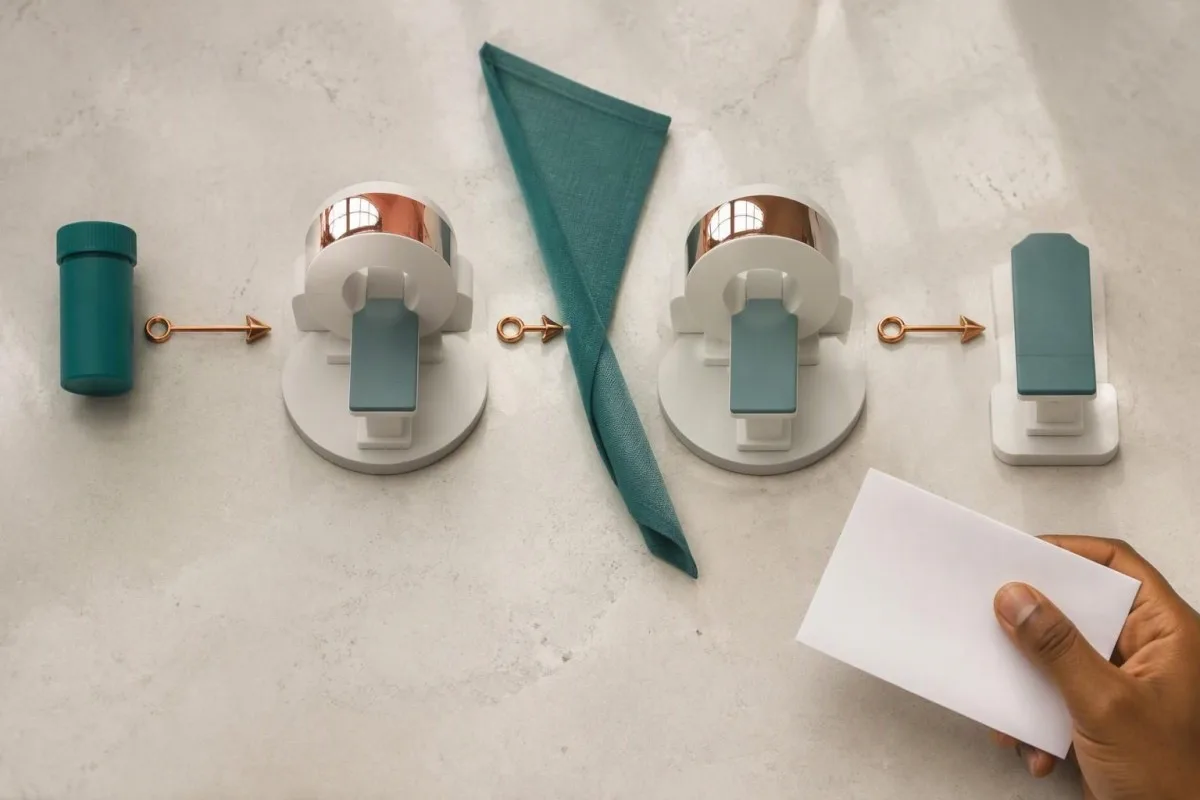
SeHCAT кан анализи эмес. Көпчүлүк протоколдор боюнча капсуланы жутуп, жергиликтүү белгиленген убакыт өткөндөн кийин алгачкы өлчөө жүргүзүлөт жана жети күндөн кийин кайра келүү керек; камера ичегинин кадимки сүрөтүн тартпастан, бөлүнүп чыккан радиацияны аныктайт, ал эми колоноскопия же заң чогултуу бул тесттин адаттагы бөлүгү эмес.
Оңдолгон баштапкы көрсөткүч 10 000 импульс, ал эми оңдолгон жетинчи күндөгү көрсөткүч 800 импульс болгон шарттуу мисалда кармалыш 8% болот: 800дү 10 000ге бөлүп, 100гө көбөйтүү керек. «Оңдолгон» деген сөз маанилүү — фондогу активдүүлүк, өлчөө убактысы, жайгашуу же радиоактивдүү ажыроого карата оңдоолор айырмаланса, билдирүүдөгү оңдолбогон эки санды бөлүү туура эмес жыйынтык бериши мүмкүн.
Өт кислоталарын байланыштыруучу препараттар трассердин кайра айланышына тоскоол болушу мүмкүн, ошондуктан текшерүү борбору капсуланы жутардан мурун жана жети күндүк аралыкта аларды убактылуу токтотууну суранышы мүмкүн. Өз алдынча дары ичүүнү токтотпой, борбордун так көрсөтмөлөрүн аткарыңыз; өзүңүздүн тамак сиңирүү белгилеринин үлгүлөрү, мурда жасалган ичеги операциялары, кош бойлуу болуу мүмкүнчүлүгү жана эмчек эмизүү тууралуу текшерүүгө чейин айтыңыз.
SeHCAT кармалышынын пайыздары: оордуктун кеңири колдонулган чектери
SeHCATтын жети күндүк кармалышы үчүн кеңири колдонулган чектер: оор жоготууда 5%ден төмөн, орточо жоготууда 5тен 10%ге чейинки, жеңил жоготууда 10дон 15%ге чейинки көрсөткүчтөр. 15% же андан жогору кармалыш, адатта, өт кислоталарынын олуттуу жоголушун колдобойт, бирок диагностикалык чек аралар жана жыйынтыктардагы терминдер борборлорго жараша айырмаланышы мүмкүн.
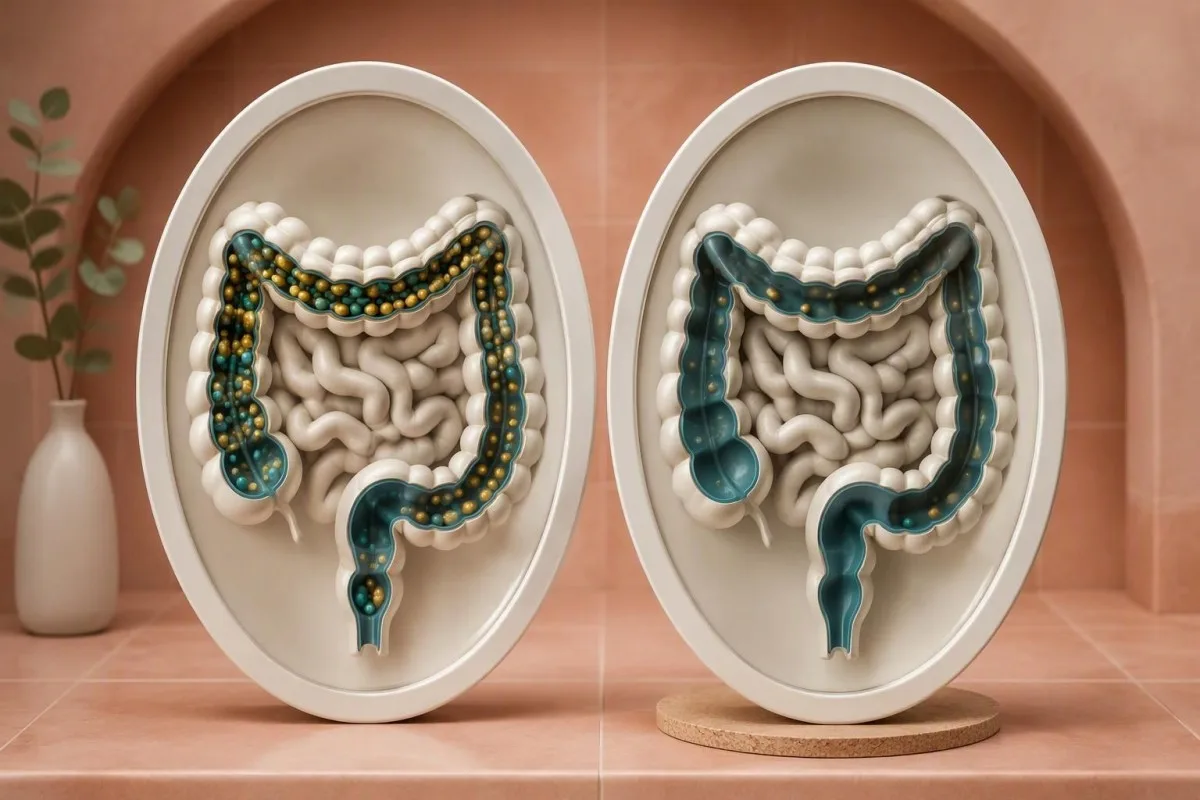
The British Society of Gastroenterology guideline describes the familiar 5%, 10%, and 15% boundaries and their relationship to treatment response (Arasaradnam et al., 2018). These thresholds are practical categories drawn from clinical evidence, not biological cliffs; there is no abrupt switch in bowel function between an otherwise comparable result of 9.9% and 10.1%.
A hypothetical 12% result commonly falls in the mild-loss band, while 3% falls in the severe-loss band. Someone at 12% may still experience disabling urgency or incontinence, whereas another person at 3% may report fewer stools because diet, bowel anatomy, medication, and other conditions modify how tracer loss translates into symptoms.
Exactly 5%, 10%, or 15% may be handled differently if a center uses inclusive boundaries or reports rounded percentages. Ask which cutoff your service applies and whether the displayed number was rounded; our explanation of нормадан четтеген жыйынтыктар shows why a laboratory flag and a clinical diagnosis are not interchangeable.
| Деңгээл | Диапазон | Мааниси |
|---|---|---|
| Generally not supportive | ≥15% retained at seven days | Significant bile acid loss is less likely under commonly used criteria; other diarrhea causes may still need investigation. |
| Mild bile acid loss | 10% to <15% retained | Supports mild loss in a compatible clinical setting; symptoms can still be substantial. |
| Moderate bile acid loss | 5% to <10% retained | Supports a bile acid contribution and a clinician-supervised treatment discussion. |
| Severe bile acid loss—not an emergency category | <5% retained | Indicates marked tracer loss; assess the cause, nutritional context, and suitability of bile acid-binding treatment. |
SeHCAT көрсөткүчүнүн төмөн же нормалдуу болушу эмнени далилдей албайт
A low SeHCAT result supports abnormal bile acid handling, but does not prove that bile acids explain every symptom. A result of 15% or above usually argues against substantial bile acid loss under common criteria, yet it cannot rule out other causes of persistent diarrhea.
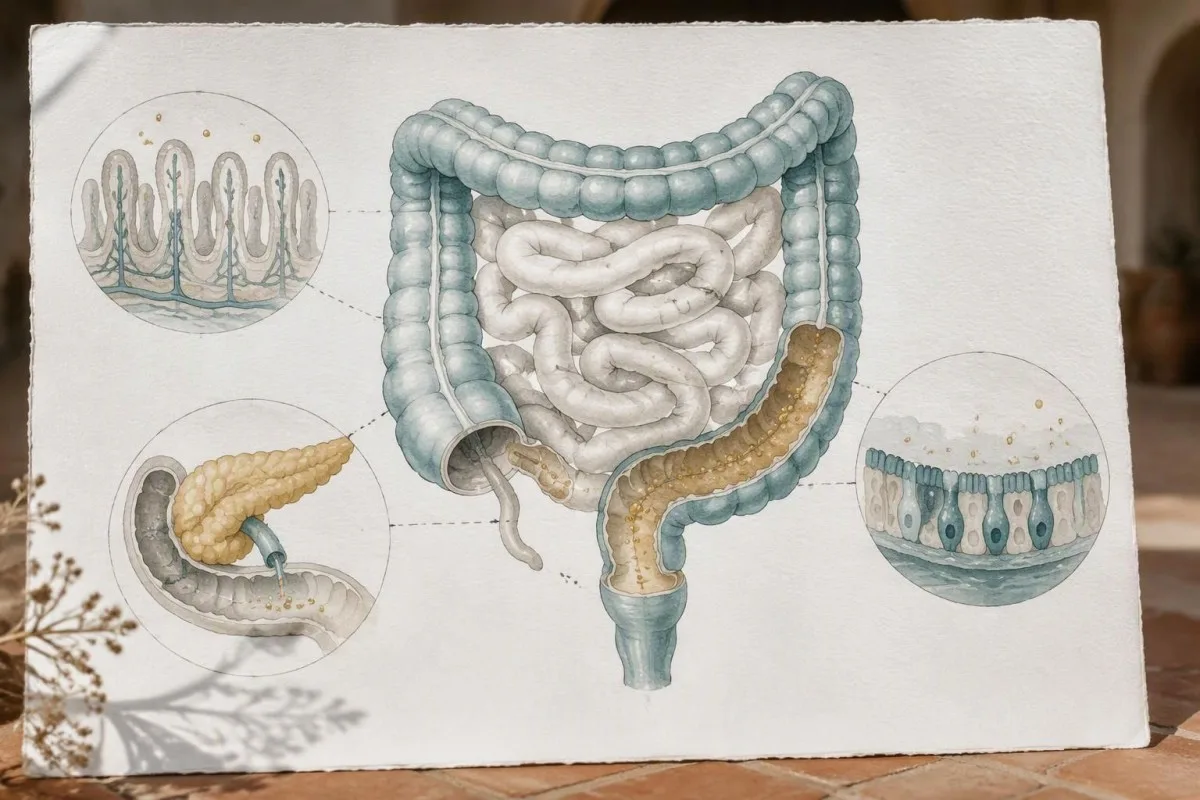
Two conditions can coexist: an adult might have 7% retention and microscopic colitis, celiac disease, or a medication-related problem. Improvement with a sequestrant can identify a treatable bile acid component without resolving the second condition; persistent symptoms therefore deserve reassessment rather than an assumption that the original scan must have been wrong.
A normal 22% result does not explain greasy, bulky stools, especially when weight loss or pancreatic risk factors accompany them. A fecal fat assessment addresses fat malabsorption rather than bile acid retention, and clinicians may add fecal elastase or imaging when the history suggests pancreatic insufficiency.
Rapid transit can alter stool appearance without proving a bile acid disorder; visible food fragments and yellow stool are not substitutes for a seven-day retention measurement. Our guide to заңдагы сиңбеген тамак explains when appearance is nonspecific and when associated weight loss, nutritional abnormalities, or persistent changes make further investigation more useful.
Өт кислотасынын кармалышы эмне үчүн төмөн болушу мүмкүн
Low SeHCAT retention can result from terminal ileal disease or surgery, disturbed feedback that increases bile acid production, or secondary changes after other gastrointestinal conditions. A result below 5% does not identify which mechanism applies; the operative history and associated symptoms often provide the most useful clues.
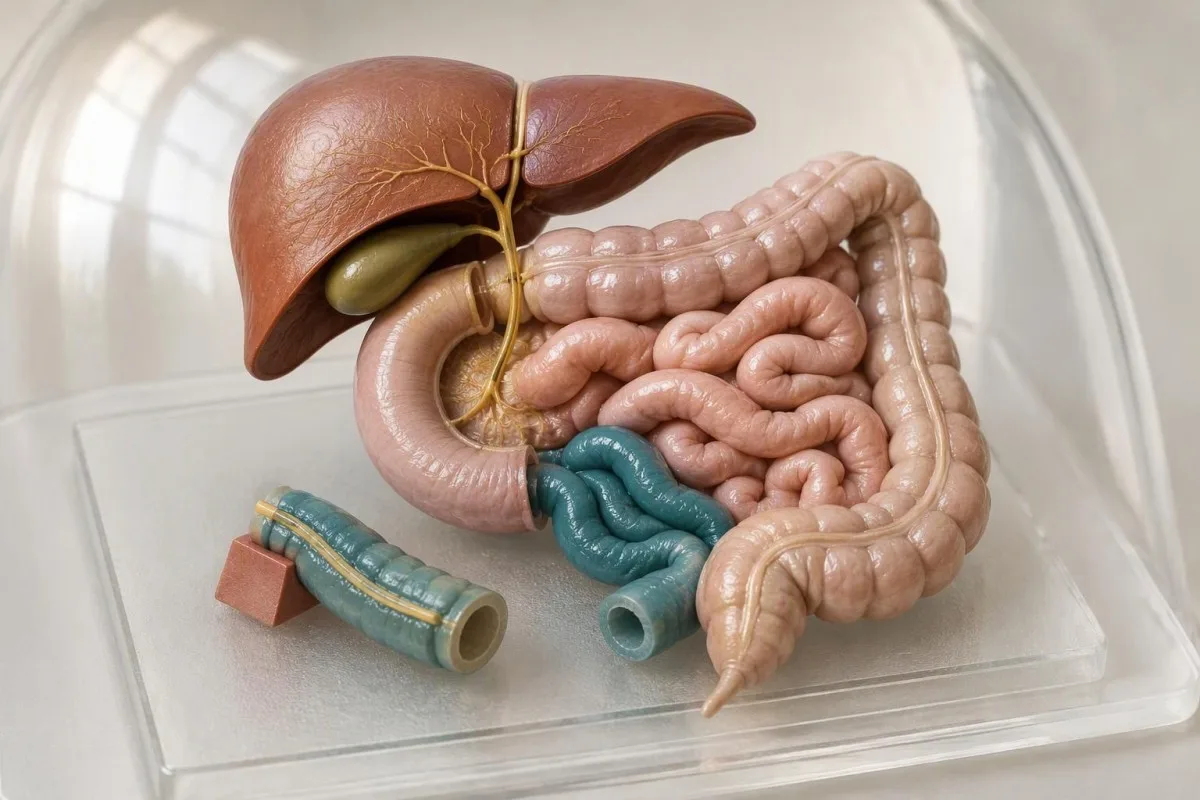
Primary bile acid diarrhea can occur without visible ileal damage because feedback signals fail to restrain liver bile acid synthesis adequately. Wedlake et al. (2009) found abnormal SeHCAT retention below 10% in about 32% of selected diarrhea-predominant IBS study participants; that pooled estimate describes investigated populations, not a screening probability for every person with loose stools.
Terminal ileal Crohn's disease or removal of that segment can reduce recycling directly, whereas diarrhea after gallbladder removal may reflect altered bile delivery and handling rather than intestinal damage. For a hypothetical person with 6% retention after surgery, the clinician should establish whether the operation removed the gallbladder, the terminal ileum, or both before selecting treatment.
Extensive ileal resection—often discussed around lengths exceeding 100 cm—can deplete the bile acid pool and cause fat malabsorption, making sequestrants counterproductive in some patients. The operative details matter more than a rigid length rule; В12 витамининин чек арасы deserves attention because the terminal ileum also has a distinct role in B12 absorption.
Өт кислотасынан болгон ич өткөктү текшерүү үчүн дагы кандай анализдер керек?
A bile acid diarrhea diagnosis usually requires a symptom history, medication review, and targeted checks for other causes—not SeHCAT alone. Persistent watery diarrhea lasting more than four weeks commonly prompts consideration of celiac testing, stool inflammation markers, and selected infection tests, with endoscopy determined by the clinical picture.
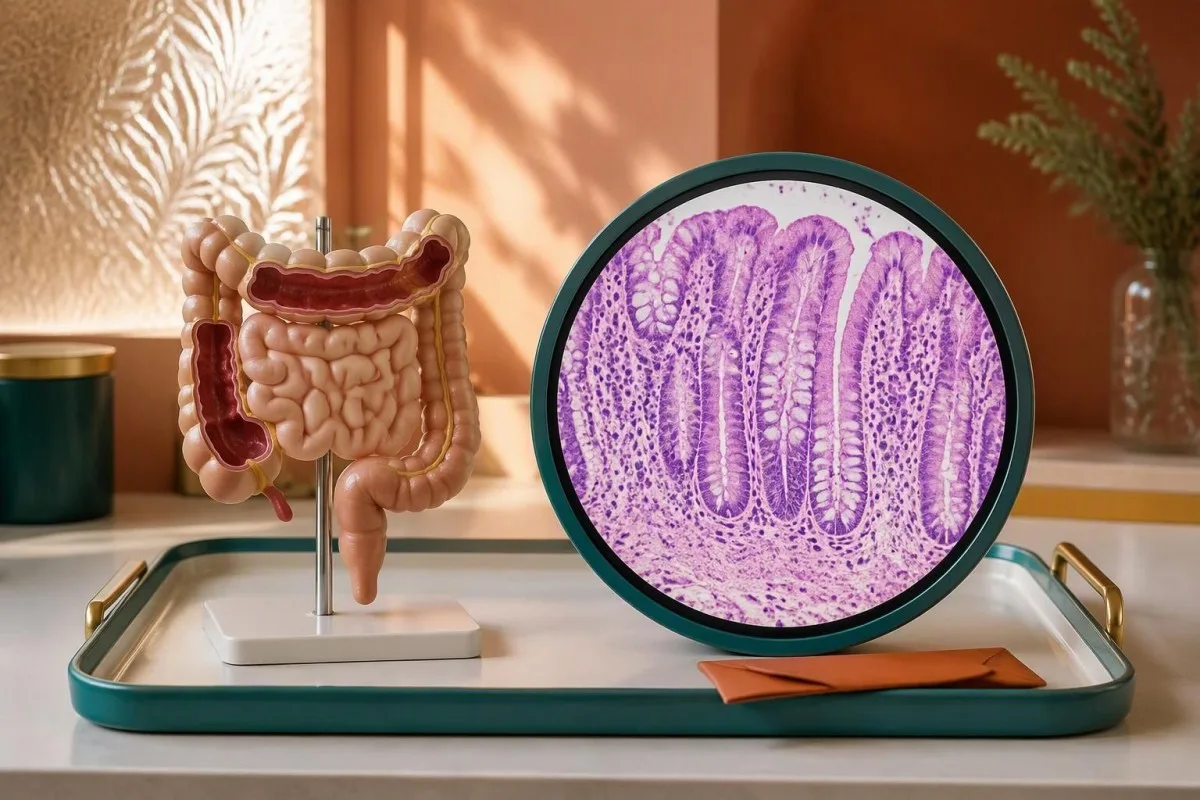
Fecal calprotectin and lactoferrin assess intestinal inflammatory activity; neither measures bile acid loss. A hypothetical adult with 8% retention and elevated stool inflammation markers may need assessment for an accompanying inflammatory condition, while normal markers do not reliably exclude microscopic colitis; our stool inflammation test comparison ошол айырманы түшүндүрөт.
Celiac screening commonly combines tissue transglutaminase IgA with total IgA while the person is eating gluten, because a restricted diet or IgA deficiency can undermine interpretation. The BSG guideline also recommends right- and left-sided colon samples when excluding microscopic colitis in chronic diarrhea, even if the colon looks normal during examination (Arasaradnam et al., 2018).
Travel, untreated water exposure, or a relevant outbreak may justify targeted infection testing rather than an indiscriminate panel. In a hypothetical person with four weeks of diarrhea after camping, a Giardia antigen result could change the treatment plan; a low SeHCAT percentage should not distract from a second, independently treatable explanation.
Ич өткөккө карата сывороткадагы C4 комплемент C4 эмес
Serum C4 for bile acid diarrhea means 7α-hydroxy-4-cholesten-3-one, a marker of liver bile acid synthesis. Complement C4 is a different immune-system protein, usually reported in g/L or mg/dL; a complement C4 result cannot substitute for the specialized diarrhea investigation.
Көтөрүлгөн 7α-hydroxy-4-cholesten-3-one result supports increased bile acid synthesis, which can accompany excessive intestinal bile acid loss. The BSG guideline discusses a threshold above 47.1 ng/mL, while some laboratories use approximately 52.5 ng/mL or their own validated boundaries; these are assay-specific decision limits, not a universal normal range (Arasaradnam et al., 2018).
Sampling usually requires a morning fasting specimen because C4 varies with meals and time of day; liver disease and medicines affecting bile acid metabolism can also complicate interpretation. A report saying only C4 0.22 g/L is more consistent with complement testing, so verify the full analyte name with the laboratory and consult our complement C4 explanation.
Кантести - бул AI кан анализинин жыйынтыгы платформасы that explains reported analyte names, units, and reference intervals, rather than treating two tests called C4 as interchangeable. When reviewing a value such as 55 ng/mL, match it to the laboratory's method and fasting instructions; our кан биомаркерлеринин маалымдама колдонмосунда provides context but does not establish bile acid diarrhea.
SeHCAT тести жеткиликсиз болгондогу альтернативалар
Where SeHCAT is unavailable, fasting serum C4 and specialist fecal bile acid measurement are the main objective alternatives. SeHCAT is not routinely available in the United States; selected laboratories instead offer stool collections over 48 hours, while access to all these investigations varies internationally.
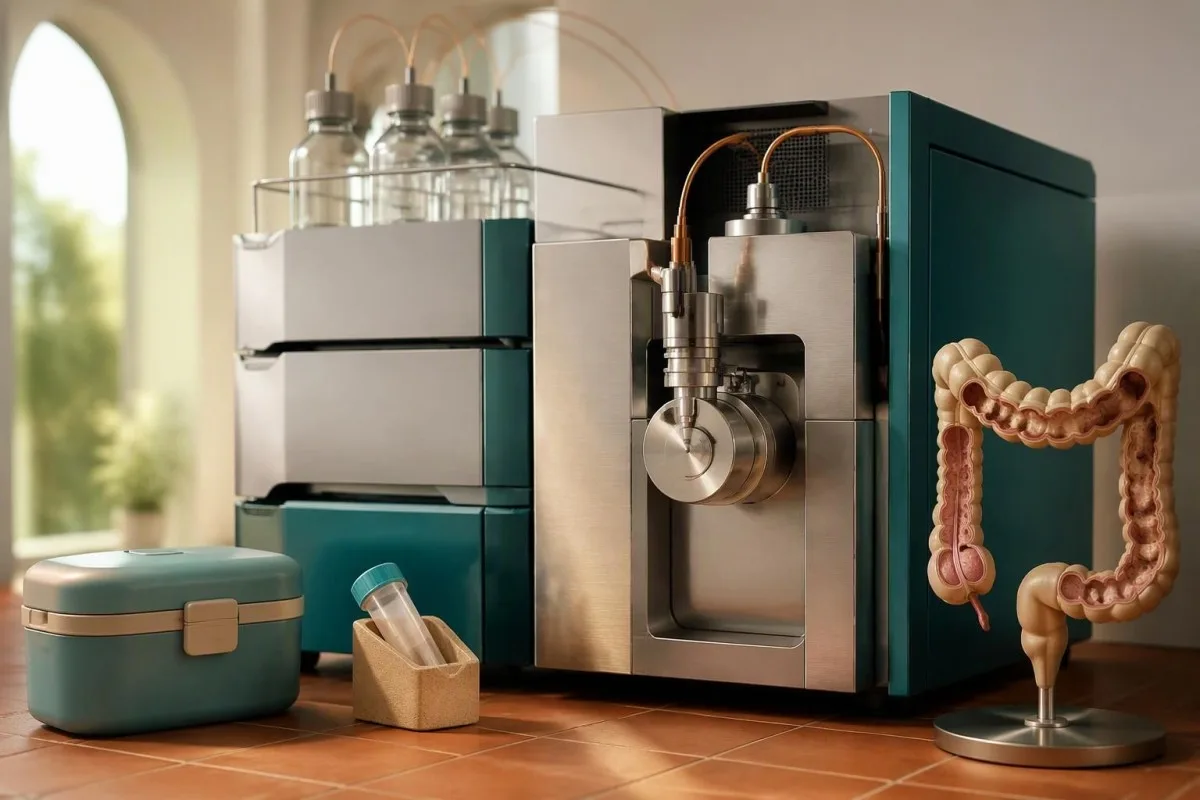
Fecal bile acid testing measures bile acids excreted in stool, not the percentage of a swallowed tracer remaining in the body. One established laboratory approach considers total bile acids above 2,337 µmol/48 hours supportive, with additional criteria based on primary bile acid proportions; use the receiving laboratory's current criteria rather than importing a cutoff from another assay.
Some protocols require approximately 100 g of dietary fat daily for four days, with stool collected during the final 48 hours; this standardized intake can be difficult for someone whose symptoms worsen after fatty meals. Discuss suitability before beginning, because an incomplete collection or a substantially different diet can weaken interpretation and the protocol is not a treatment recommendation.
The Canadian guideline favors objective testing over an empirical sequestrant trial when suitable testing is available, but acknowledges access limitations (Sadowski et al., 2020). FGF19 testing is less standardized for routine care, and a commercial gut microbiome report does not replace SeHCAT, serum C4, or fecal bile acid measurement—even if it lists bile-related organisms.
Өт кислотасынан болгон ич өткөктү текшерүү холестазды текшерүүдөн айырмаланат
SeHCAT and specialist serum C4 investigate intestinal bile acid handling; cholestasis testing investigates impaired bile formation or flow. ALP, GGT, bilirubin, and sometimes serum total bile acids address the liver-and-bile-duct pathway, so a normal liver panel does not rule out bile acid diarrhea.
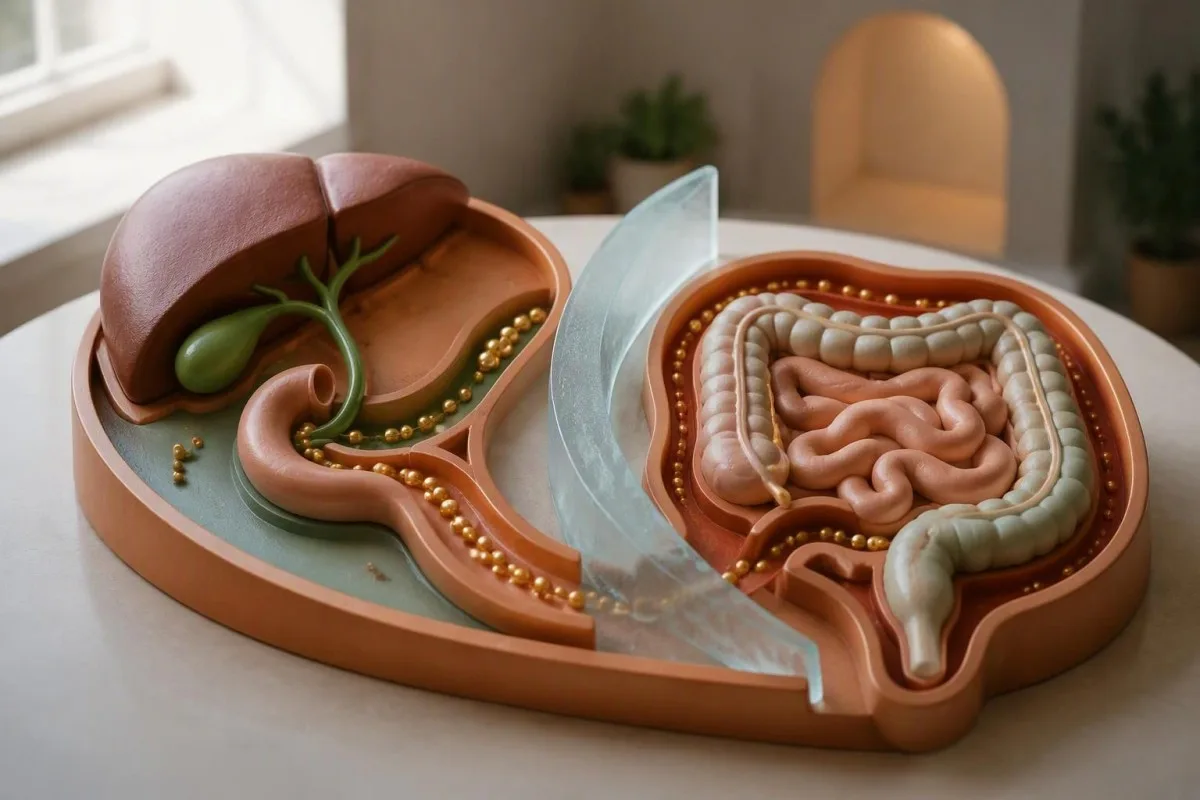
A hypothetical adult with 4% SeHCAT retention and normal ALP, GGT, and bilirubin can still have clinically significant bile acid diarrhea. Conversely, an elevated total bile acids result in someone with generalized itching raises different questions; concentration in serum does not tell a clinician how much tracer remains after seven days.
Serum total bile acids are usually reported in µmol/L, whereas specialist serum C4 is commonly reported in ng/mL. These units help reveal that the investigations measure different substances, not different versions of the same result; substituting total bile acids for C4 can send a diarrhea workup down the wrong diagnostic pathway.
A raised ALP accompanied by raised GGT makes a hepatobiliary source more likely than an isolated bone-related ALP rise, but blood tests alone do not locate an obstruction. Our cholestasis laboratory pattern guide explains the next steps; jaundice with fever or severe abdominal pain needs urgent assessment regardless of a previous 8% SeHCAT result.
SeHCAT жыйынтыктары дарыгер көзөмөлдөгөн дарылоого кандай багыт берет
Low SeHCAT retention often leads to a supervised trial of a bile acid sequestrant, adjusted to symptom response and tolerability. Cholestyramine is commonly started at 2–4 g daily in guideline-described practice; colesevelam or colestipol may be considered when the first option is unsuitable, unavailable, or poorly tolerated.

Bile acid sequestrants bind bile acids in the intestine rather than repairing the ileum. A hypothetical person with 7% retention might begin a clinician-selected low dose and adjust it over subsequent weeks, using stool consistency and urgency as outcomes; immediately escalating because the percentage is low can produce constipation without improving the person's overall function.
The BSG guideline cites historical pooled cholestyramine responses of approximately 96% at retention below 5% and 70% below 15% (Arasaradnam et al., 2018). Those groups overlap and the underlying studies differ, so these figures are not modern head-to-head comparisons or personal success probabilities; the Canadian guideline also emphasizes the generally limited certainty of treatment evidence (Sadowski et al., 2020).
Kantesti AI does not choose a sequestrant or recommend changing a prescribed dose based on a result such as 3% retention. Keeping a dated medicine and symptom record supports a safer follow-up discussion, while our medication monitoring workflow explains how accompanying laboratory trends can inform questions for the prescribing clinician.
Дарыларды кабыл алуу аралыгы, терс таасирлер жана дарылоонун коопсуздугу
Bile acid sequestrants can cause constipation, bloating, and reduced absorption of other medicines. Cholestyramine labeling commonly advises taking other oral medicines at least one hour before or four to six hours afterward; the correct spacing depends on the specific product and the medicine being protected.
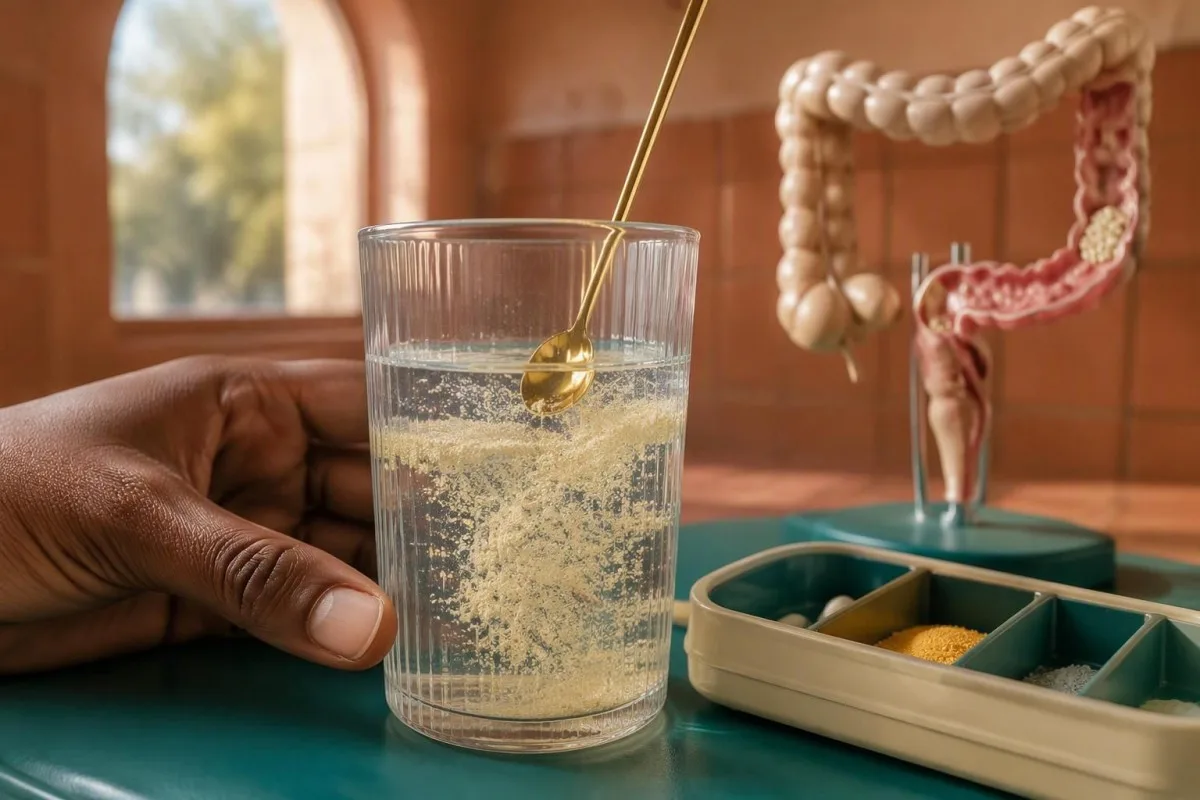
Colesevelam does not eliminate interaction risk. Certain interacting medicines and vitamin supplements should be taken at least four hours before it according to product labeling; a pharmacist should review the complete list, especially levothyroxine, warfarin, oral contraceptives, and medicines where modest absorption changes could matter, rather than applying one timing rule to everything.
Sequestrants can raise triglycerides, which is why a lipid review can be relevant even though treatment targets diarrhea rather than cholesterol. Colesevelam is contraindicated by US labeling when triglycerides exceed 500 mg/dL or there is a history of hypertriglyceridemia-induced pancreatitis; our триглицериддерди кайра текшерүү боюнча колдонмо explains how fasting and context affect interpretation.
A typical cholestyramine sachet contains 4 g of active resin, but products and prescribed amounts differ; dry powder should be mixed exactly as instructed rather than swallowed directly. Long-term treatment may justify selective assessment of fat-soluble vitamins, particularly with malabsorption, while persistent constipation, swallowing difficulty, or severe abdominal symptoms should prompt a medication review instead of further dose escalation.
SeHCAT кармалышы төмөн болгондо тамактануу жардам бере алабы?
Reducing large fat loads can lessen bile acid diarrhea symptoms in some people, but diet does not replace investigation or supervised treatment. A hypothetical 14-day food-and-symptom record can show whether meal size or fat distribution affects urgency; no single fat target is appropriate for every person with low retention.
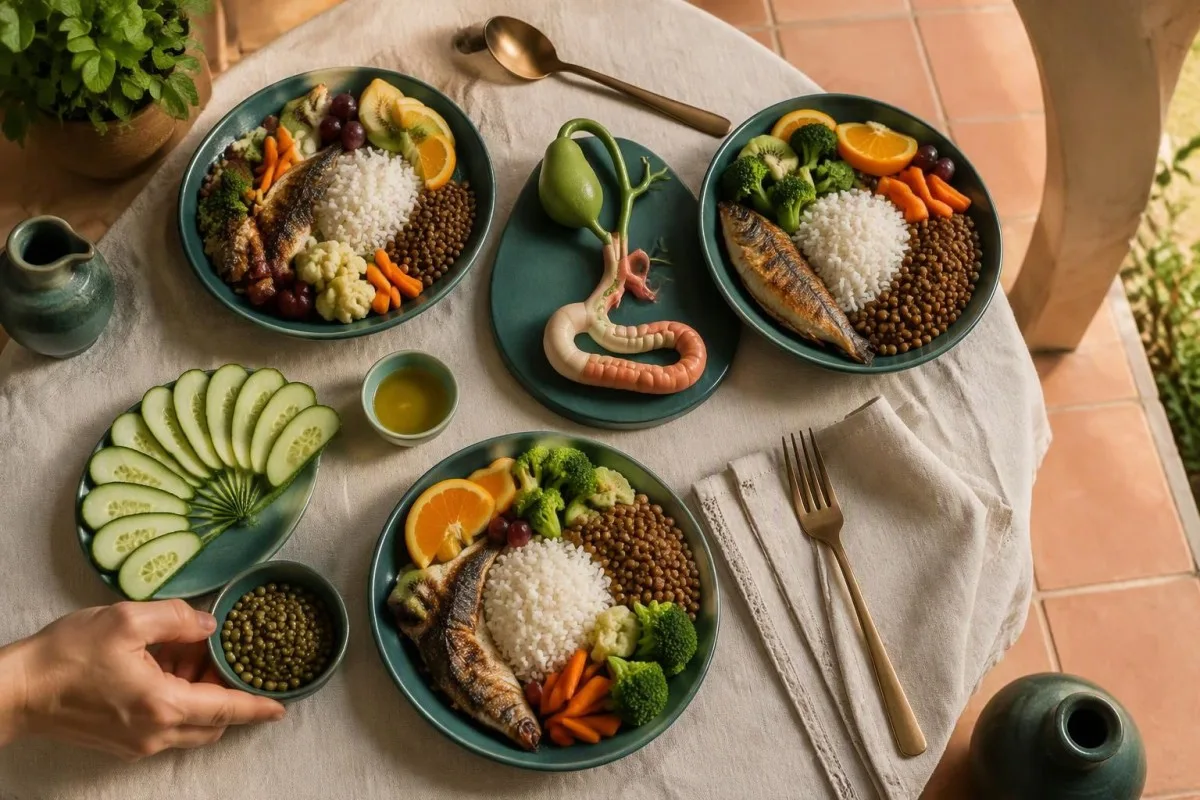
Dietary fat stimulates bile delivery, so a large high-fat meal can expose the colon to a greater bile acid load in susceptible people. Small clinical studies suggest that lower-fat approaches can improve symptoms, but evidence for a universal prescription is limited; spreading intake across three meals may be more practical than eliminating every source of fat.
A hypothetical adult with 11% retention might compare two weeks of usual meals with two weeks of smaller, less fatty meals while keeping prescribed treatment stable. That comparison can help identify a personal pattern, but it does not prove the diagnosis, and the high-fat preparation used for some 48-hour fecal tests should not be confused with dietary symptom management.
Extensive ileal disease, restricted intake, and prolonged sequestrant use can increase nutritional concerns, although a low result such as 4% does not automatically mean vitamin deficiency. A dietitian can protect energy and essential fat intake; when vitamin D is actually low, our vitamin D recheck guidance explains why repeat testing follows the deficiency and treatment plan, not the SeHCAT percentage.
Дарылоодон кийинки көзөмөл жана шашылыш жардамды талап кылган белгилер
Follow-up should assess stool consistency, urgency, hydration, side effects, and whether another diagnosis remains untreated. A very low SeHCAT result alone is not an emergency; fainting, confusion, severe dehydration, bloody or black tarry stools, or severe abdominal pain require prompt assessment independently of the retention percentage.
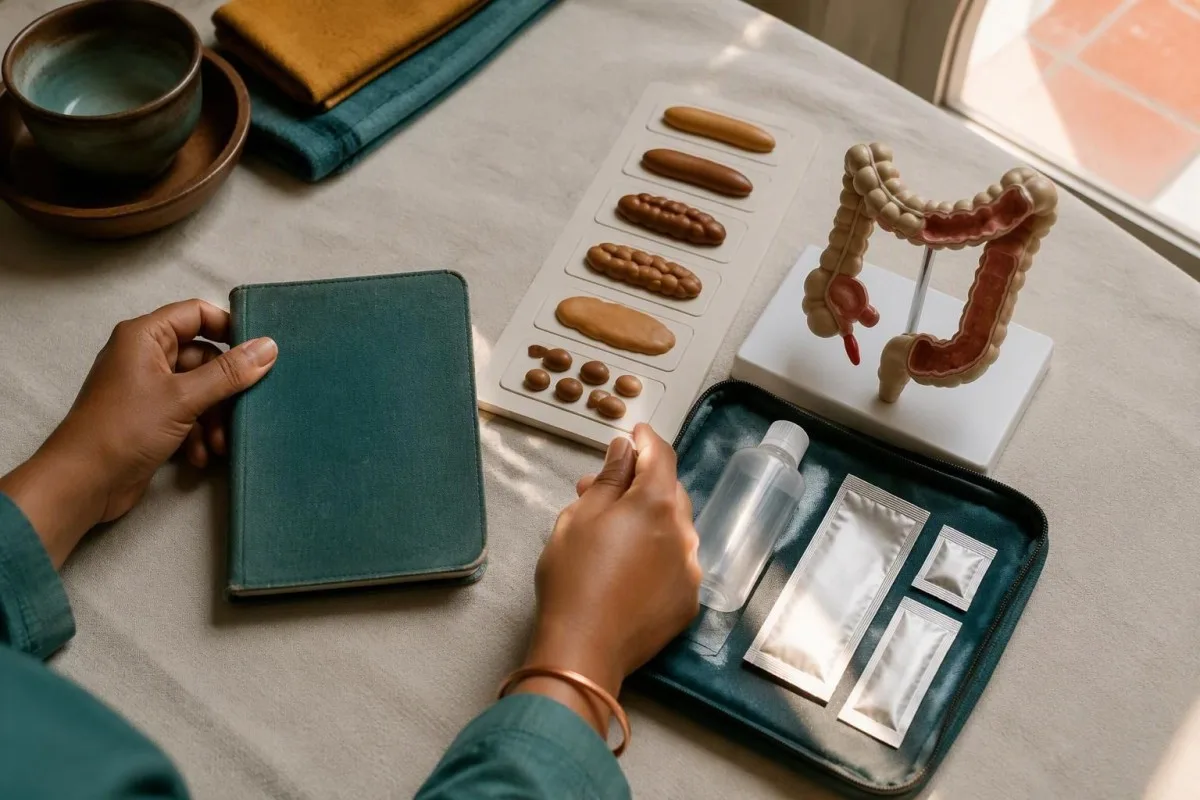
A hypothetical change from six watery stools daily to three formed stools is a useful treatment response, even if SeHCAT retention is never remeasured. Routine repeat scanning is usually unnecessary once the diagnosis and treatment direction are established; persistent urgency or nighttime diarrhea matters because a lower stool count can conceal ongoing impairment or a second gastrointestinal condition.
Continued watery losses can disturb sodium, potassium, magnesium, and kidney function, particularly in older adults or people taking diuretics. A hypothetical creatinine rise after three days of poor intake deserves assessment for dehydration rather than automatic labeling as chronic kidney disease; our суусуздануу жана eGFR боюнча колдонмо explains why reassessment after recovery may change interpretation.
Kantesti AI can help explain accompanying electrolyte or kidney results, but a previous 6% scan cannot make new warning symptoms safe to ignore. Use our stool color warning guide to understand why visible blood, black tarry stool, or bleeding with dizziness needs clinical attention; oral rehydration solution can help replace losses while appropriate care is arranged.
Илимий жарыяланымдар жана ЖИ чечмелөөсүнүн чектери
Clinical SeHCAT thresholds and treatment decisions should come from relevant gastroenterology evidence, not from AI performance reports. The 2018 BSG and 2020 Canadian guidelines underpin this article's diagnostic discussion; the two organizational publications listed below describe separate aspects of our blood-test interpretation work.
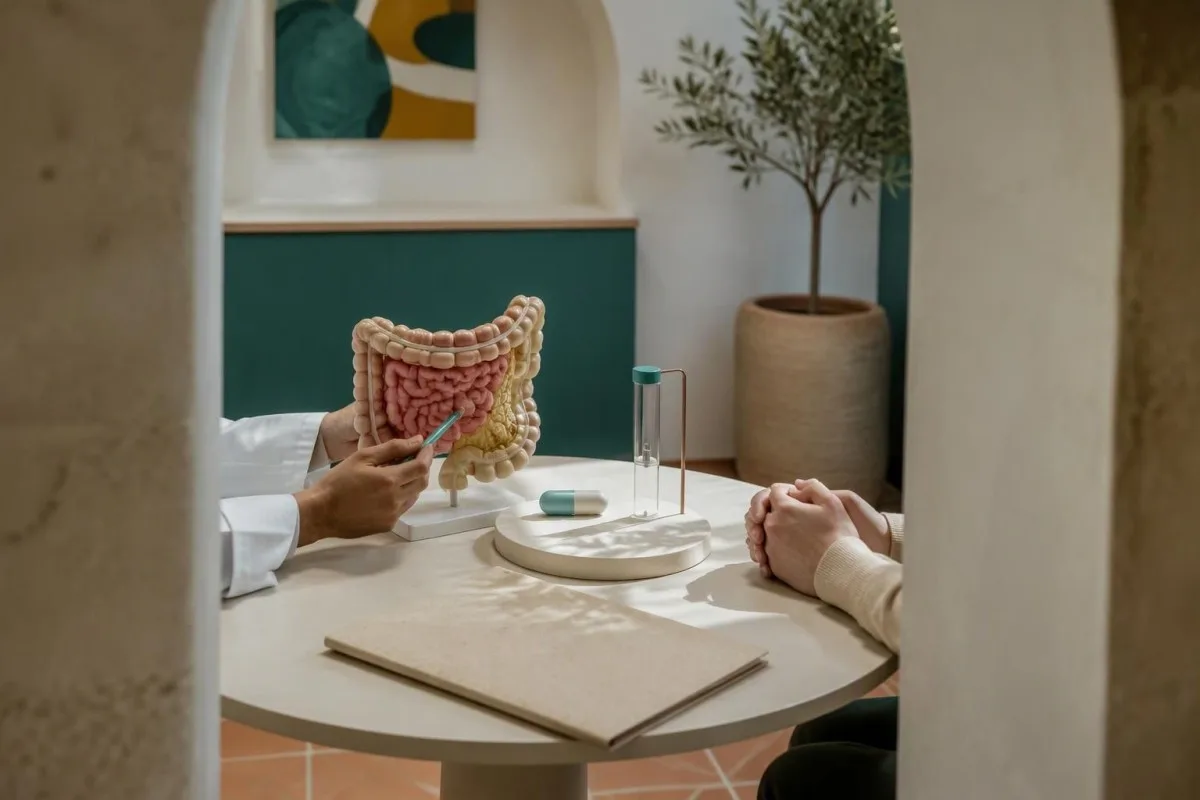
The two Zenodo references are organizational publications, not independent demonstrations that an AI system can diagnose bile acid diarrhea or interpret nuclear medicine scans accurately. Our валидация жана клиникалык көзөмөл information should be read with that distinction in mind: a technical framework cannot replace the seven-day measurement, the reporting center's method, or a clinician's assessment of competing diagnoses.
Кантести - бул AI менен иштеген кан анализин талдоо куралы intended to support understanding of laboratory reports, not to replace specialist interpretation of a 5%, 10%, or 15% retention boundary. Our медициналык мазмундун стандарттары describe the editorial approach behind explanations such as this one, including clear separation of established guidance, hypothetical examples, and areas where evidence remains uncertain.
For a useful appointment, bring five items: the complete SeHCAT report, a current medicine list, details of ileal or gallbladder surgery, a stool-and-urgency record, and any relevant laboratory results. Ask which retention cutoff the service uses, whether testing suggests an underlying condition, how medicines should be spaced, and what response would justify continuing or changing treatment; those questions are more actionable than interpreting the percentage in isolation.
Көп берилүүчү суроолор
SeHCAT тестинин нормалдуу жыйынтыгы кандай?
Жетинчи күндөгү SeHCAT кармалышы 15% же андан жогору болсо, кеңири колдонулган критерийлерге ылайык, өт кислотасынын олуттуу жоголушун колдобойт деп эсептелет. Айрым борборлор башка диагностикалык чектерди колдонушат, андыктан ядролук медицина боюнча отчетто көрсөтүлгөн чечмелөө артыкчылыктуу. Кадимки жыйынтык микроскопиялык колитти, целиакияны, уйку безинин жетишсиздигин же туруктуу ич өтүүнүн башка себептерин жокко чыгарбайт. Белгилер улана берсе, тиешелүү клиникалык текшерүү талап кылынат.
SeHCAT көрсөткүчү 3% эмнени билдирет?
0 Жети күндүк SeHCAT кармалып калуу көрсөткүчү 3% кеңири колдонулган, 5%тен төмөн болгон өт кислоталарынын катуу жоголушу категориясына кирет. Симптомдор дал келгенде, бул өт кислотасынан болгон диареяны колдойт, бирок себеби мықын ичегинин оорусу, операция же өт кислотасынын өндүрүлүшүнүн өзгөрүшү экенин аныктабайт. Бул көрсөткүчтүн өзү шашылыш абалды билдирбейт жана симптомдордун оордугун сөзсүз алдын ала көрсөтпөйт. Дарылоодо дары-дармектерди, тамактануу абалын жана мықын ичегинин резекциясынын көлөмүн эске алуу керек.
Өт кислоталарынын жеңил сиңирилбей калышы катуу ич өткөктү пайда кылышы мүмкүнбү?
Ооба — 10%тен 15%ке чейинки кеңири колдонулган жеңил деңгээлдеги жоготуу диапазонунда кармалып калуу олуттуу суудай ич өткөк, шашылыш дааратка баруу зарылдыгы же заңы кармалбай калуу менен коштолушу мүмкүн. SeHCAT диапазондору симптомдордун оордугунун тастыкталган шкаласын эмес, трассердин кармалып калуусун сүрөттөйт. Тамактануу тартиби, ичегинин транзити, дары-дармектер жана кошо жүргөн оорулар адамга канчалык таасир этерине таасир берет. Дарыгерлер күнүмдүк иштөө жөндөмүн жана дарылоого жоопту баалашы керек, ал эми отчетто «жеңил» деп жазылганы үчүн симптомдорду четке какпашы керек.
Кан сары суусундагы C4 комплемент C4 менен бир эле нерсеби?
Жок—өт кислотасынан болгон ич өткөктү аныктоодо колдонулуучу кандагы C4 — 7α-гидрокси-4-холестен-3-он, ал эми комплемент C4 — иммундук системанын белогу. Ич өткөктү аныктоочу маркер адатта нг/мл менен берилет; айрым кызматтарда анализге жараша 47.1 же болжол менен 52.5 нг/мл сыяктуу чектер колдонулат. Комплемент C4 адатта г/л же мг/дл менен берилет жана ичегиден өт кислотасынын жоголушун аныктай албайт. Аналиттин толук аталышын, ачка келүү боюнча көрсөтмөлөрдү жана лабораториянын референстик интервалын текшериңиз.
Эгер SeHCAT жеткиликсиз болсо, анын ордуна кайсы тестти колдонсо болот?
SeHCAT жеткиликсиз болгондо, ачкарын алынган кан сары суусундагы C4 жана заңдагы өт кислоталарын адистештирилген өлчөө негизги объективдүү альтернативалар болуп саналат. Айрым заңды текшерүү протоколдорунда 48 саат бою чогултуу жана лабораторияга жараша белгиленген критерийлер колдонулат, анын ичинде өт кислоталарынын жалпы көлөмү 2,337 µmol/48 hours ашуусу. Даярдануу жана жыйынтыктарды чечмелөө кабыл алуучу лабораториядан көз каранды, ал эми альтернативалардын бири да SeHCAT тестине толук дал келбейт. Ылайыктуу текшерүүдөн өтүү мүмкүн болбогондо, дарыгердин көзөмөлү астында дарылоону сынап көрүү каралышы мүмкүн, бирок ага жооп болбошу өт кислоталарынан улам пайда болгон диареяны ишенимдүү түрдө жокко чыгарбайт.
Холестирамин таасир бербей жатканы менде өт кислотасынан болгон диарея жок дегенди билдиреби?
Холестирамин менен дарылоодо жакшыруу болбошу өт кислоталарынан болгон ич өткөктү, ал тургай SeHCAT көрсөткүчү 7% сыяктуу төмөн болсо да, ишенимдүү түрдө жокко чыгарбайт. Дарыны начар көтөрүү, ылайыксыз доза же кабыл алуу тартиби, өз ара аракеттенүүлөр, үзгүлтүксүз кабыл албоо жана ич өткөктүн кошо кездешкен башка себеби дарылоого жоопко таасир этиши мүмкүн. Холестираминди кабыл алууда, препараттын өзүнө тиешелүү нускамаларды эске алуу менен, башка ооз аркылуу кабыл алынуучу дарыларды көбүнчө андан кеминде бир саат мурда же төрт-алты сааттан кийин ичүү талап кылынат. Диагноздон баш тартуудан же дарылоону өзгөртүүдөн мурун дарыгер ушул мүмкүнчүлүктөрдү карап чыгышы керек.
Боордун кан анализдеринин нормалдуу болушу өт кислоталарынан келип чыккан диареяны жокко чыгара алабы?
ALP, GGT жана билирубиндин нормалдуу болушу өт кислоталарынан болгон диареяны жокко чыгарбайт, анткени боордун анализдери менен SeHCAT ар башка процесстерди баалайт. Адамдын боор анализдери нормалдуу болуп, SeHCATтын жети күндүк кармалышы 4% гана болушу мүмкүн. Көбүнчө µmol/L менен билдирилүүчү кандагы жалпы өт кислоталары ng/mL менен өлчөнүүчү атайын сывороткалык C4 көрсөткүчүнө да алмаштырылбайт. Кычышуу, сарык, зааранын карарышы же заңдын агарышы диареяга багытталган чечмелөөдөн көрө холестазды өзүнчө баалоону талап кылышы мүмкүн.
Кан анализинин жыйынтыгын түшүндүрүп алыңыз
Лабораториялык отчетуңузду жүктөңүз, ошондо Kantestiтин AI функциясы ар бир биомаркерди жөнөкөй тил менен бир нече секундда түшүндүрөт. Дүйнө жүзү боюнча 2 миллиондон ашык адам колдонгон.
Шилтемелер
- Klein, T., Mitchell, S., & Weber, H. (2026). Клиникалык тастыктоо алкагы v2.0 (Медициналык тастыктоо барагы). Kantesti AI медициналык изилдөөлөр. DOI
- Klein, T., Mitchell, S., & Weber, H. (2026). AI кан анализи боюнча анализатор: 2.5M тест талданды | Global Health Report 2026. Kantesti AI медициналык изилдөөлөр. DOI
- Arasaradnam RP et al. (2018). Guidelines for the investigation of chronic diarrhoea in adults: British Society of Gastroenterology, 3rd edition. Gut. DOI PubMed
- Sadowski DC et al. (2020). Canadian Association of Gastroenterology Clinical Practice Guideline on the Management of Bile Acid Diarrhea. Clinical Gastroenterology and Hepatology.
- Wedlake L et al. (2009). Systematic review: the prevalence of idiopathic bile acid malabsorption as diagnosed by SeHCAT scanning in patients with diarrhoea-predominant irritable bowel syndrome. Alimentary Pharmacology & Therapeutics.
- 2M+Талданган тесттер
- 127+Өлкөлөр
- 100+Тилдер
Медициналык топ жөнүндө


E-E-A-T ишеним сигналдары
Тажрыйба
Дарыгер жетектеген лабораториялык чечмелөө иш процесстерин клиникалык кароо.
Экспертиза
Биомаркерлер клиникалык контекстте кандай жүрөрүнө лабораториялык медицина багыты.
Авторитеттүүлүк
Доктор Томас Кляйн медициналык жактан карап чыккан, доктор Сара Митчелл жана профессор доктор Ханс Вебердин салымдары менен.
Ишенимдүүлүк
Тынчсызданууну азайтуу үчүн так кийинки кадамдар менен далилге негизделген чечмелөө.

Медициналык эскертүү
Бул макала билим берүү максатында гана жана медициналык кеңеш болуп саналбайт. Диагноз коюу жана дарылоо чечимдери үчүн дайыма квалификациялуу саламаттыкты сактоо адисине кайрылыңыз.
Жарыяланды · Редакциялык топко кайрылыңыз
Kantesti Ltd тарабынан жарыяланган, Англия жана Уэльсте катталган, компаниянын №. 17090423, Лондон, Улуу Британия.
