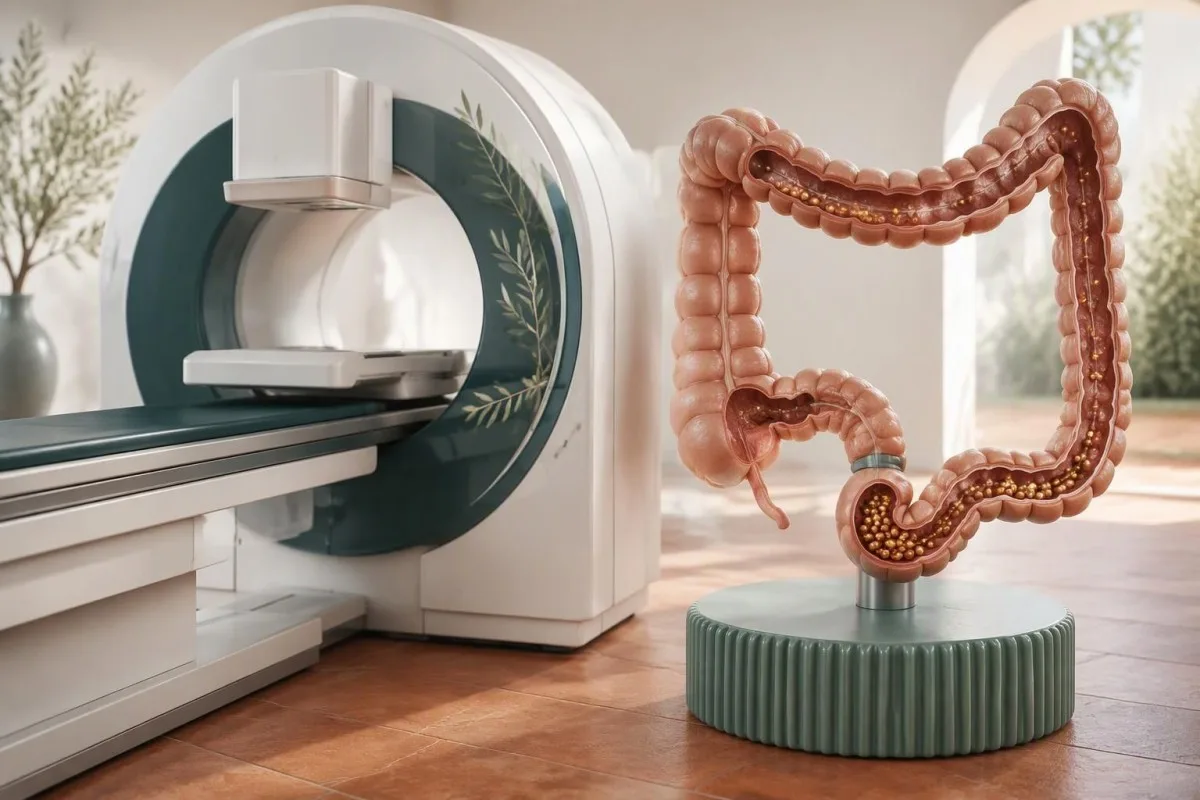
7日後のSeHCAT保持率の低値は胆汁酸性下痢症を示唆します。一般的に用いられる区分は、5%未満が重度、5~10%未満が中等度、10~15%未満が軽度です。これらの割合は治療について話し合う際の目安ですが、症状の重症度を測定したり、根本原因を特定したりするものではありません。.

要点
- 保持率低値 7日後に15%未満であれば、適合する症状がある人では通常、胆汁酸性下痢症が示唆されます。報告を行う施設の基準値が優先されます。.
- 重症度バンド 一般的に、5%未満を重度、5~10%未満を中等度、10~15%未満を軽度の胆汁酸喪失に分類します。症状が軽度または重度であることを必ずしも意味するわけではありません。.
- 保持率正常 15%以上であれば、通常、著しい胆汁酸喪失の可能性は低くなりますが、顕微鏡的大腸炎、セリアック病、膵臓の問題、その他の下痢の原因は除外できません。.
- 治療 通常、医療従事者の監督下で胆汁酸吸着薬を使用します。コレスチラミンは1日2~4 gから開始することがあり、個々の状態に応じた調整が必要です。.
- 血清C4 下痢の検査においては7α-ヒドロキシ-4-コレステン-3-オンを指し、免疫系のタンパク質である補体C4ではありません。.
- 代替検査 空腹時血清C4検査や専門的な便中胆汁酸測定があり、SeHCATを利用できない場合は、通常48時間にわたって採取します。.
- 胆汁うっ滞の検査 は異なる検査経路を用います。ALP、GGT、ビリルビン、場合によっては血清総胆汁酸を調べ、腸管での胆汁酸喪失ではなく、胆汁流の障害を評価します。.
- 安全性 は薬剤の服用間隔、中性脂肪の確認、回腸手術の範囲によって異なります。割合が非常に低いだけで緊急事態となるわけではありません。.
SeHCAT保持率の低値が症状にとって意味すること
SeHCAT保持率が低いとは、放射性標識胆汁酸トレーサーのうち、体内に7日後まで保持された量が少なかったことを意味します。. 15%未満の結果は、水様便が続き、臨床像とも一致する場合、一般に胆汁酸性下痢を支持します。割合が低いほどトレーサーの喪失が多いことを示しますが、必ずしも病気がより危険であることを意味するわけではありません。.
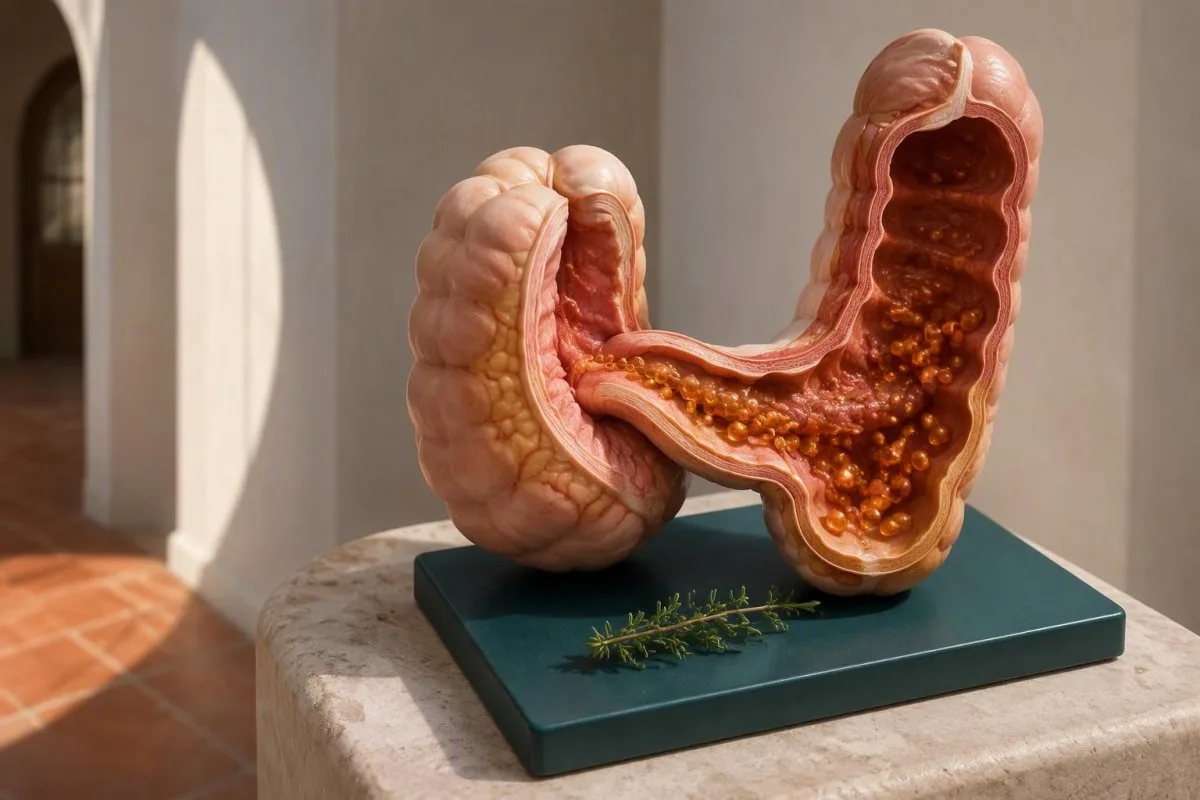
胆汁酸性下痢 は、過剰な胆汁酸が結腸に達し、腸管での水分分泌と通過を増加させることで生じます。たとえば、7日後の保持率が4%であれば、相当量の胆汁酸喪失を示唆しますが、臨床歴がなければ、回腸での吸収障害と胆汁酸の過剰産生を区別することはできません。.
1日に水様便が6回あり、保持率が8%の成人を仮定すると、この結果は単なる別の異常値ではなく、医師が治療の標的として妥当と考えられるものを示します。便の形状を ブリストル便性状スケール で記録すると、排便回数が減っただけなのか、実際に便が硬くなり、切迫感が軽減し、外出しやすくなったのかを区別するのに役立ちます。.
カンテスティは AI血液検査分析装置 は、併せて得られた検査結果の説明に役立つ場合があります。一方、7日間のSeHCATスキャンは核医学チームと消化器科チームによる解釈が必要です。当院の 組織と目的 はこの診断サービスとは別です。当院ではSeHCATスキャンの実施、根本原因の特定、治療の処方は行っていません。.
7日後のSeHCAT保持率の測定方法
SeHCAT保持率は、摂取したセレン75標識胆汁酸トレーサーの初回測定値と、約7日後の再測定値を比較します。. 核医学スタッフは、バックグラウンド放射能と放射性崩壊について測定値を補正します。そのため、報告される割合は単純なスキャナーの計数値ではなく、生物学的な保持率を推定したものです。.
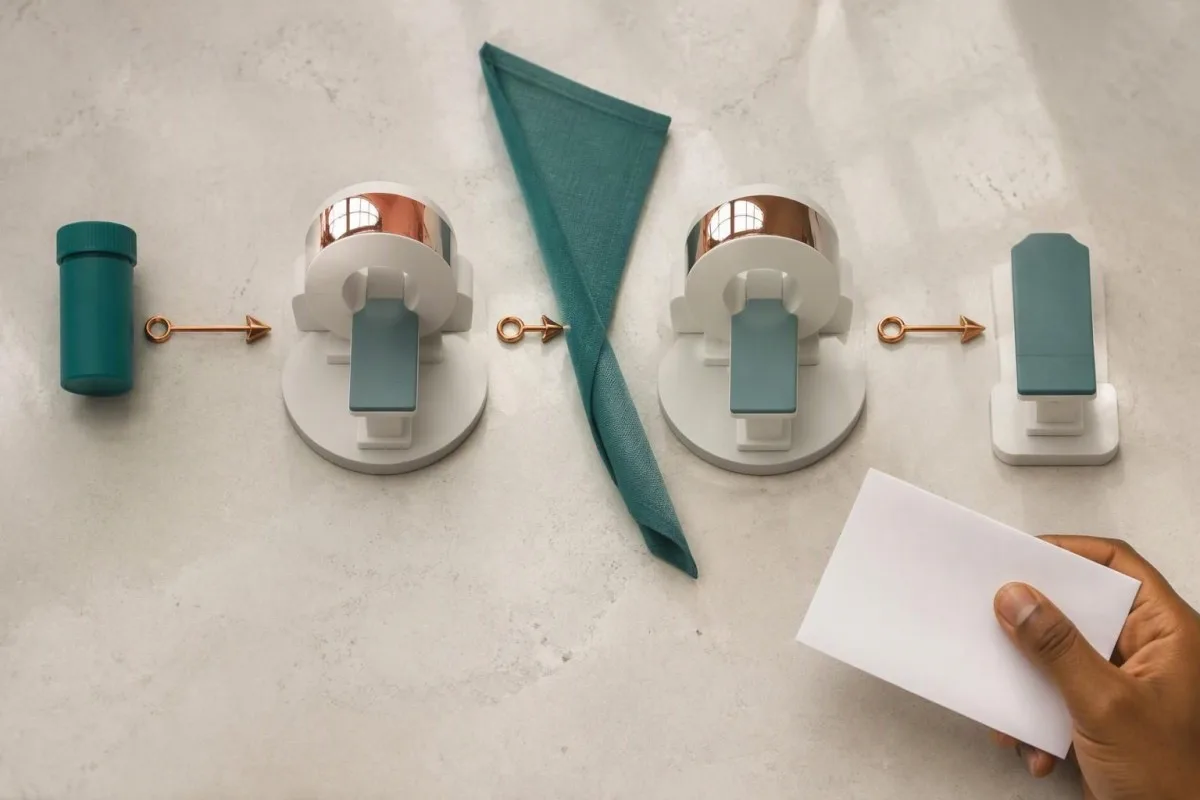
SeHCATは血液検査ではありません。. 多くの検査手順では、カプセルを飲み、施設が定める間隔を置いて初回測定を受け、7日後に再来院します。カメラは腸管を通常の写真撮影のように撮影するのではなく、放出される放射線を検出します。また、この特定の検査では通常、大腸内視鏡検査や便の採取は行いません。.
仮に補正後のベースラインが10,000カウントで、7日目の補正後測定値が800カウントなら、保持率は8%となります。800を10,000で割り、100を掛けて算出します。「補正後」であることが重要です。バックグラウンド、測定時間、位置合わせ、放射性崩壊の補正が異なる場合、報告書にある未補正の数値を2つ割っても、誤った答えになることがあります。.
胆汁酸吸着薬はトレーサーの再循環を妨げる可能性があるため、検査施設から、カプセル服用前および7日間の検査期間中に一時的に休薬するよう求められる場合があります。自己判断で薬を中止せず、正確な指示に従ってください。ご自身の 消化器症状パターンに関する研究論文, 、過去の腸管手術、妊娠の可能性、授乳状況を検査前に伝えてください。.
SeHCAT保持率:一般的な重症度の基準値
SeHCATの一般的な7日後の保持率の基準値は、重度の喪失が5%未満、中等度の喪失が5~10%未満、軽度の喪失が10~15%未満です。. 保持率が15%以上の場合、通常、顕著な胆汁酸喪失を支持しません。ただし、診断上の境界値や報告用語は施設によって異なります。.
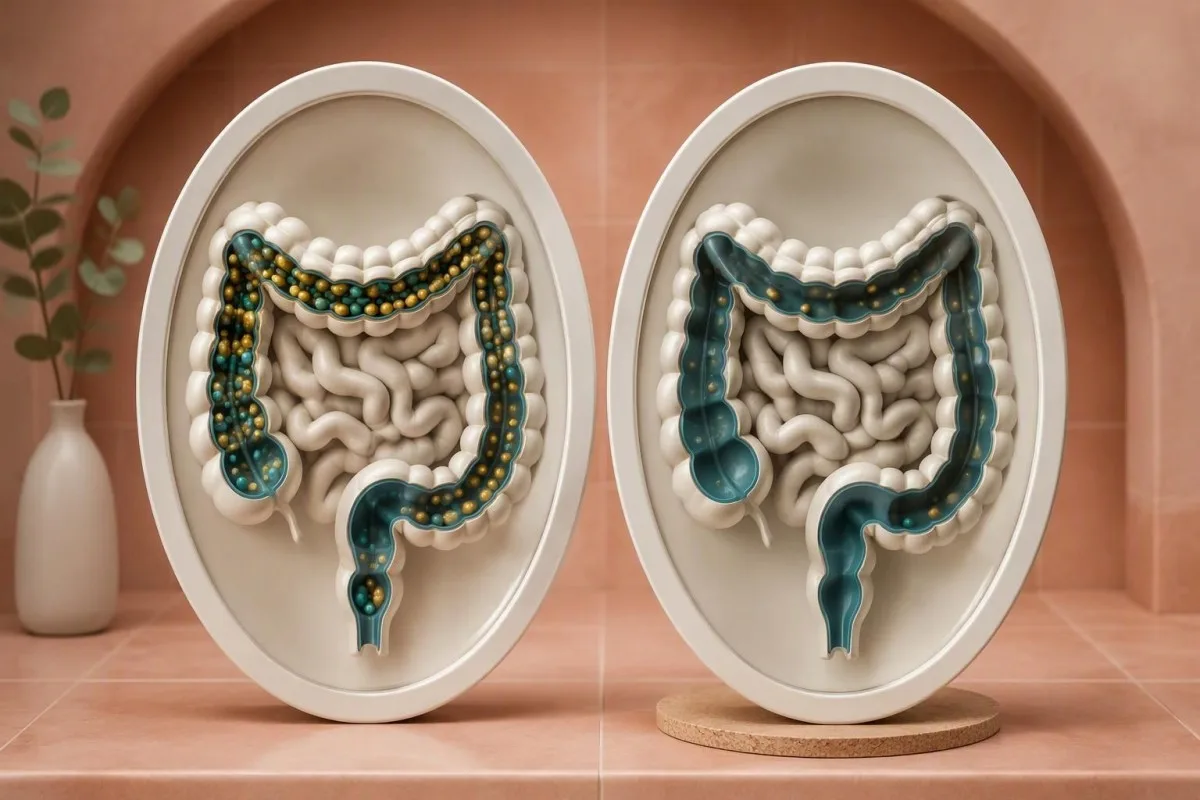
の British Society of Gastroenterology guideline describes the familiar 5%, 10%, and 15% boundaries and their relationship to treatment response (Arasaradnam et al., 2018). These thresholds are practical categories drawn from clinical evidence, not biological cliffs; there is no abrupt switch in bowel function between an otherwise comparable result of 9.9% and 10.1%.
A hypothetical 12% result commonly falls in the mild-loss band, while 3% falls in the severe-loss band. Someone at 12% may still experience disabling urgency or incontinence, whereas another person at 3% may report fewer stools because diet, bowel anatomy, medication, and other conditions modify how tracer loss translates into symptoms.
Exactly 5%, 10%, or 15% may be handled differently if a center uses inclusive boundaries or reports rounded percentages. Ask which cutoff your service applies and whether the displayed number was rounded; our explanation of 基準範囲外の結果 shows why a laboratory flag and a clinical diagnosis are not interchangeable.
| レベル | 範囲 | 意味 |
|---|---|---|
| Generally not supportive | ≥15% retained at seven days | Significant bile acid loss is less likely under commonly used criteria; other diarrhea causes may still need investigation. |
| Mild bile acid loss | 10% to <15% retained | Supports mild loss in a compatible clinical setting; symptoms can still be substantial. |
| Moderate bile acid loss | 5% to <10% retained | Supports a bile acid contribution and a clinician-supervised treatment discussion. |
| Severe bile acid loss—not an emergency category | <5% retained | Indicates marked tracer loss; assess the cause, nutritional context, and suitability of bile acid-binding treatment. |
SeHCATの低値または正常値からは証明できないこと
A low SeHCAT result supports abnormal bile acid handling, but does not prove that bile acids explain every symptom. A result of 15% or above usually argues against substantial bile acid loss under common criteria, yet it cannot rule out other causes of persistent diarrhea.
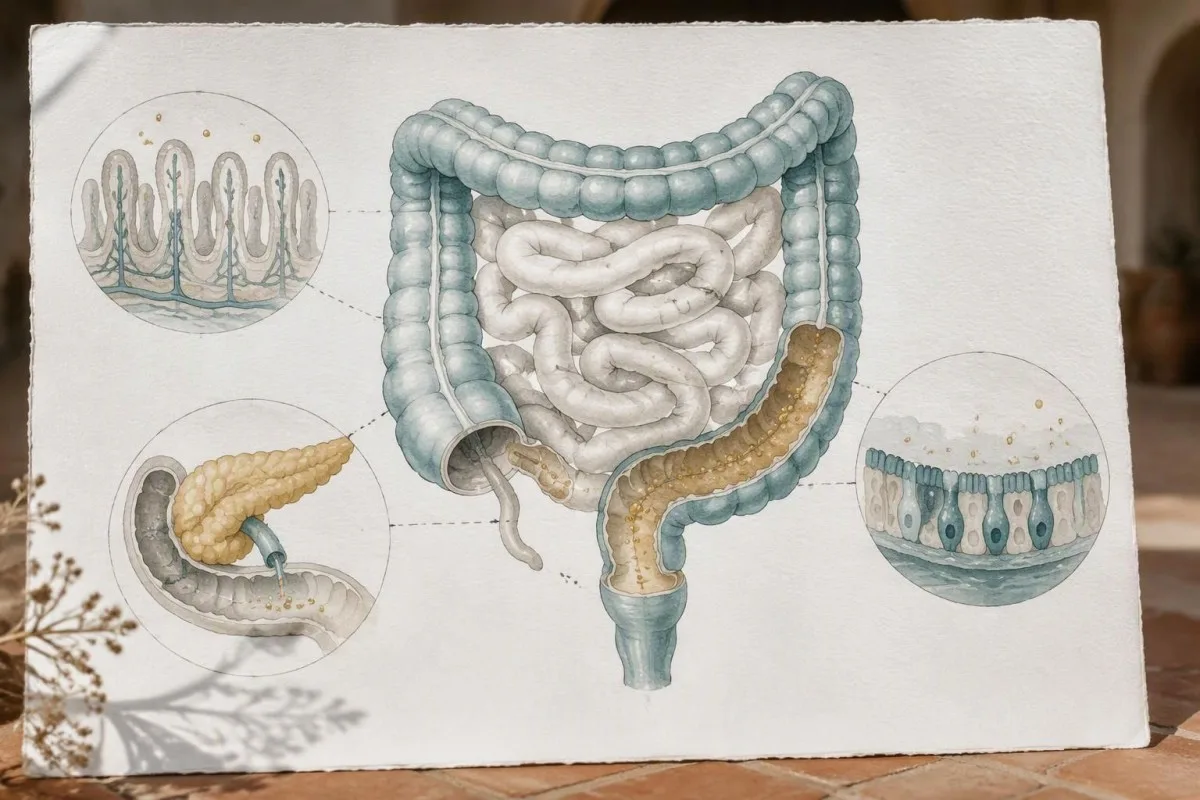
Two conditions can coexist: an adult might have 7% retention and microscopic colitis, celiac disease, or a medication-related problem. Improvement with a sequestrant can identify a treatable bile acid component without resolving the second condition; persistent symptoms therefore deserve reassessment rather than an assumption that the original scan must have been wrong.
A normal 22% result does not explain greasy, bulky stools, especially when weight loss or pancreatic risk factors accompany them. A fecal fat assessment addresses fat malabsorption rather than bile acid retention, and clinicians may add fecal elastase or imaging when the history suggests pancreatic insufficiency.
Rapid transit can alter stool appearance without proving a bile acid disorder; visible food fragments and yellow stool are not substitutes for a seven-day retention measurement. Our guide to 便中の未消化物 explains when appearance is nonspecific and when associated weight loss, nutritional abnormalities, or persistent changes make further investigation more useful.
胆汁酸保持率が低くなる理由
Low SeHCAT retention can result from terminal ileal disease or surgery, disturbed feedback that increases bile acid production, or secondary changes after other gastrointestinal conditions. A result below 5% does not identify which mechanism applies; the operative history and associated symptoms often provide the most useful clues.
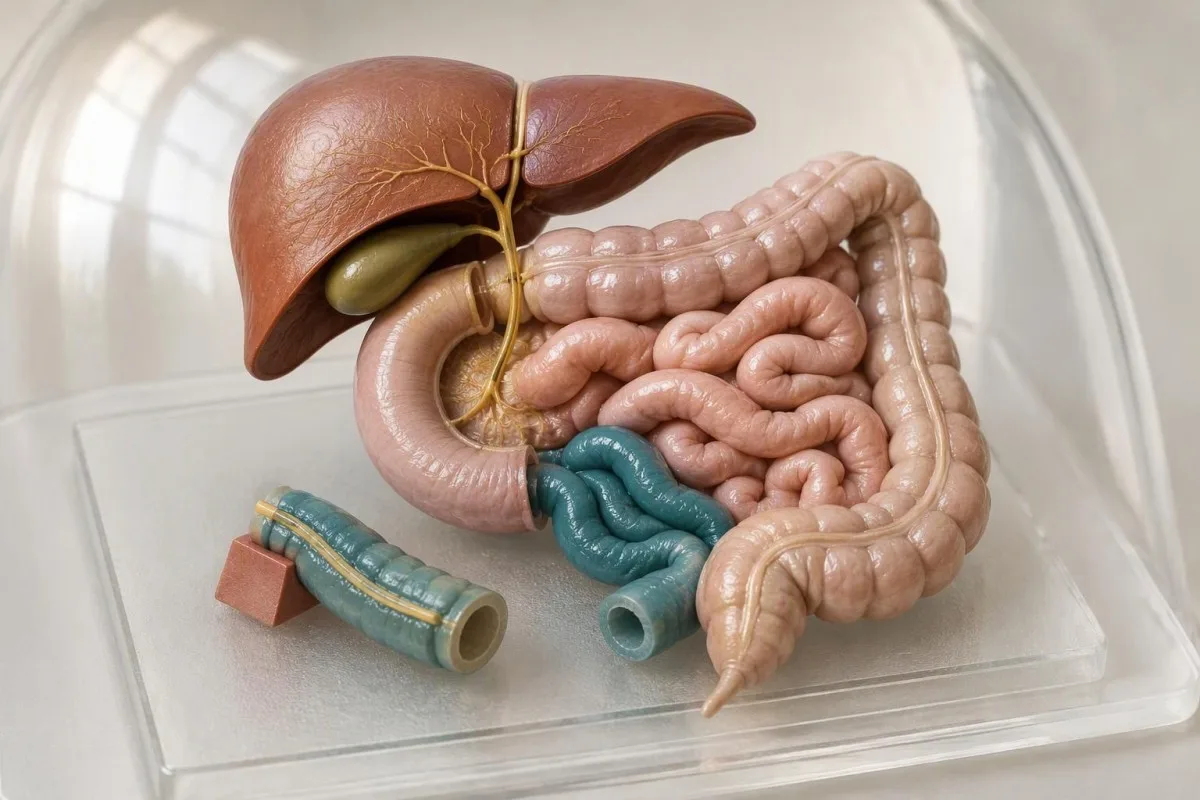
Primary bile acid diarrhea can occur without visible ileal damage because feedback signals fail to restrain liver bile acid synthesis adequately. Wedlake et al. (2009) found abnormal SeHCAT retention below 10% in about 32% of selected diarrhea-predominant IBS study participants; that pooled estimate describes investigated populations, not a screening probability for every person with loose stools.
Terminal ileal Crohn's disease or removal of that segment can reduce recycling directly, whereas diarrhea after gallbladder removal may reflect altered bile delivery and handling rather than intestinal damage. For a hypothetical person with 6% retention after surgery, the clinician should establish whether the operation removed the gallbladder, the terminal ileum, or both before selecting treatment.
Extensive ileal resection—often discussed around lengths exceeding 100 cm—can deplete the bile acid pool and cause fat malabsorption, making sequestrants counterproductive in some patients. The operative details matter more than a rigid length rule; ボーダーラインのビタミンB12 deserves attention because the terminal ileum also has a distinct role in B12 absorption.
胆汁酸性下痢症の精査に含まれるその他の検査
A bile acid diarrhea diagnosis usually requires a symptom history, medication review, and targeted checks for other causes—not SeHCAT alone. Persistent watery diarrhea lasting more than four weeks commonly prompts consideration of celiac testing, stool inflammation markers, and selected infection tests, with endoscopy determined by the clinical picture.
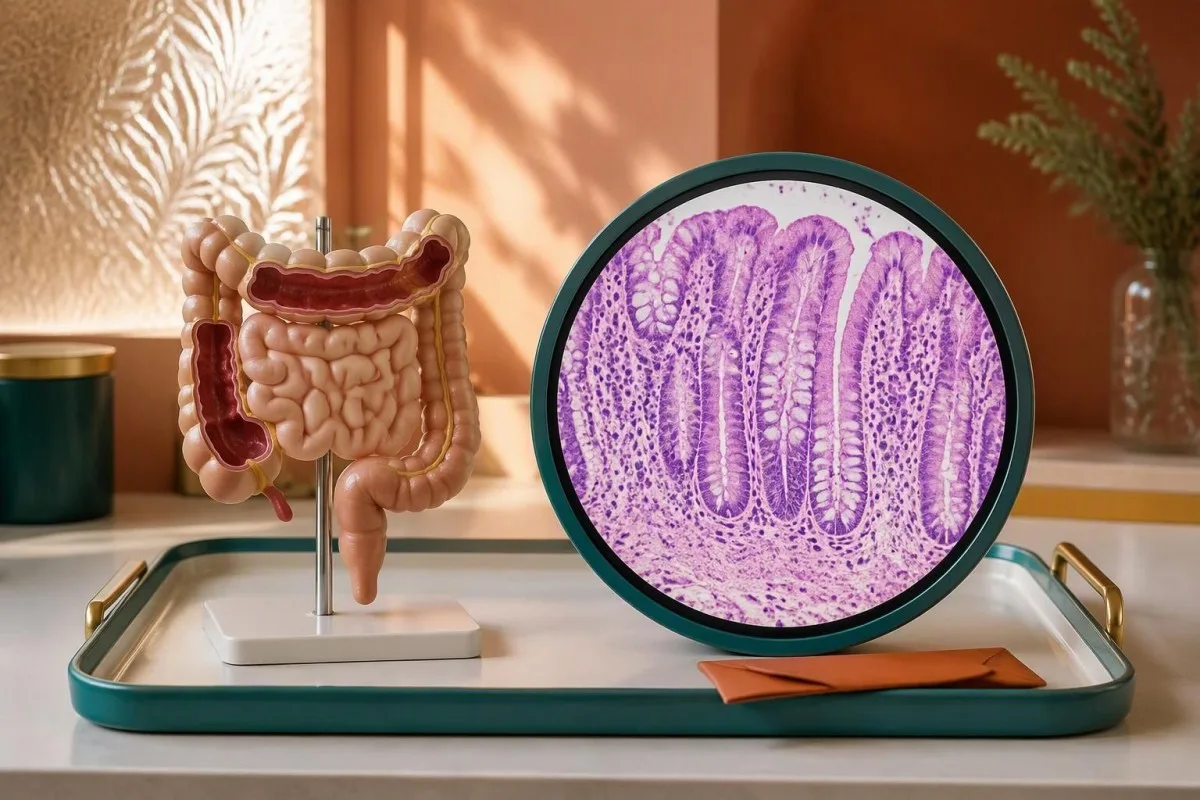
Fecal calprotectin and lactoferrin assess intestinal inflammatory activity; neither measures bile acid loss. A hypothetical adult with 8% retention and elevated stool inflammation markers may need assessment for an accompanying inflammatory condition, while normal markers do not reliably exclude microscopic colitis; our stool inflammation test comparison が、その違いを説明しています。.
Celiac screening commonly combines tissue transglutaminase IgA with total IgA while the person is eating gluten, because a restricted diet or IgA deficiency can undermine interpretation. The BSG guideline also recommends right- and left-sided colon samples when excluding microscopic colitis in chronic diarrhea, even if the colon looks normal during examination (Arasaradnam et al., 2018).
Travel, untreated water exposure, or a relevant outbreak may justify targeted infection testing rather than an indiscriminate panel. In a hypothetical person with four weeks of diarrhea after camping, a Giardia antigen result could change the treatment plan; a low SeHCAT percentage should not distract from a second, independently treatable explanation.
下痢の検査における血清C4は、補体C4とは異なります
Serum C4 for bile acid diarrhea means 7α-hydroxy-4-cholesten-3-one, a marker of liver bile acid synthesis. Complement C4 is a different immune-system protein, usually reported in g/L or mg/dL; a complement C4 result cannot substitute for the specialized diarrhea investigation.
高架の 7α-hydroxy-4-cholesten-3-one result supports increased bile acid synthesis, which can accompany excessive intestinal bile acid loss. The BSG guideline discusses a threshold above 47.1 ng/mL, while some laboratories use approximately 52.5 ng/mL or their own validated boundaries; these are assay-specific decision limits, not a universal normal range (Arasaradnam et al., 2018).
Sampling usually requires a morning fasting specimen because C4 varies with meals and time of day; liver disease and medicines affecting bile acid metabolism can also complicate interpretation. A report saying only C4 0.22 g/L is more consistent with complement testing, so verify the full analyte name with the laboratory and consult our complement C4 explanation.
カンテスティは AI血液検査の読み方プラットフォーム that explains reported analyte names, units, and reference intervals, rather than treating two tests called C4 as interchangeable. When reviewing a value such as 55 ng/mL, match it to the laboratory's method and fasting instructions; our 血液バイオマーカーの参照ガイド provides context but does not establish bile acid diarrhea.
SeHCAT検査を受けられない場合の代替手段
Where SeHCAT is unavailable, fasting serum C4 and specialist fecal bile acid measurement are the main objective alternatives. SeHCAT is not routinely available in the United States; selected laboratories instead offer stool collections over 48 hours, while access to all these investigations varies internationally.
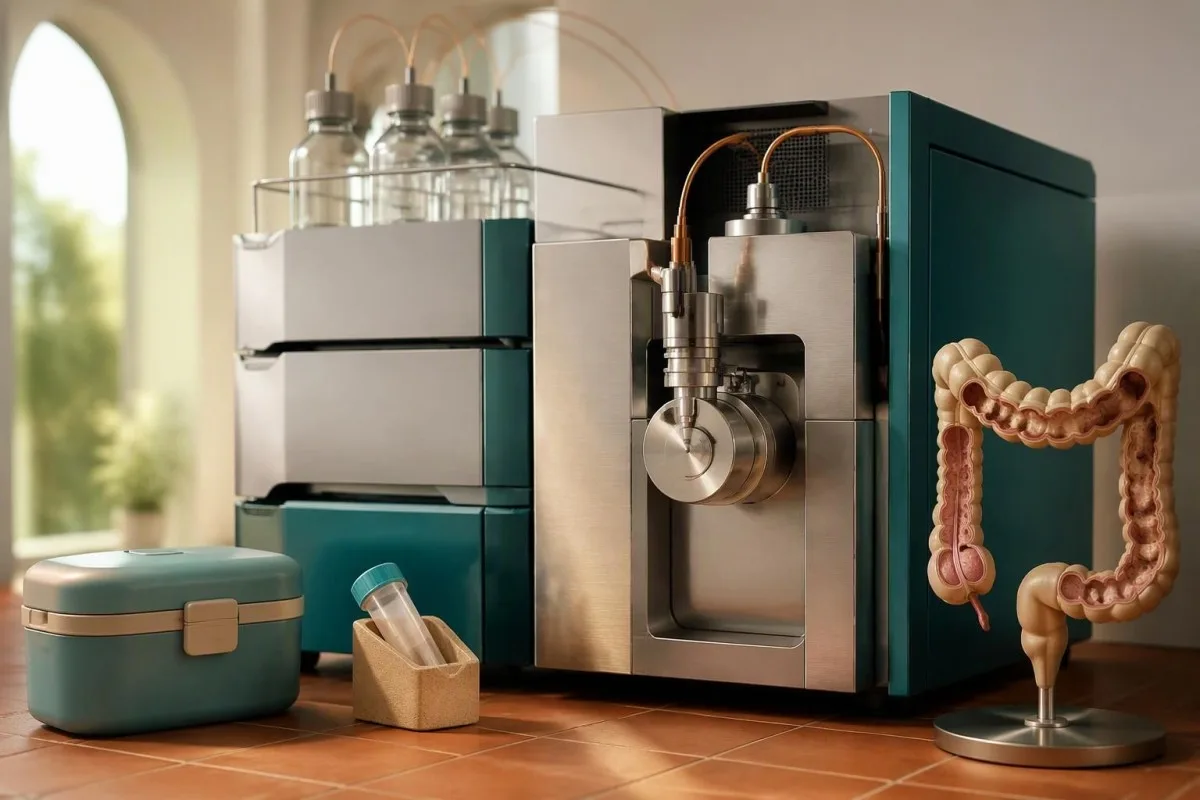
Fecal bile acid testing measures bile acids excreted in stool, not the percentage of a swallowed tracer remaining in the body. One established laboratory approach considers total bile acids above 2,337 µmol/48 hours supportive, with additional criteria based on primary bile acid proportions; use the receiving laboratory's current criteria rather than importing a cutoff from another assay.
Some protocols require approximately 100 g of dietary fat daily for four days, with stool collected during the final 48 hours; this standardized intake can be difficult for someone whose symptoms worsen after fatty meals. Discuss suitability before beginning, because an incomplete collection or a substantially different diet can weaken interpretation and the protocol is not a treatment recommendation.
The Canadian guideline favors objective testing over an empirical sequestrant trial when suitable testing is available, but acknowledges access limitations (Sadowski et al., 2020). FGF19 testing is less standardized for routine care, and a commercial gut microbiome report does not replace SeHCAT, serum C4, or fecal bile acid measurement—even if it lists bile-related organisms.
胆汁酸性下痢症の検査と胆汁うっ滞の検査の違い
SeHCAT and specialist serum C4 investigate intestinal bile acid handling; cholestasis testing investigates impaired bile formation or flow. ALP, GGT, bilirubin, and sometimes serum total bile acids address the liver-and-bile-duct pathway, so a normal liver panel does not rule out bile acid diarrhea.
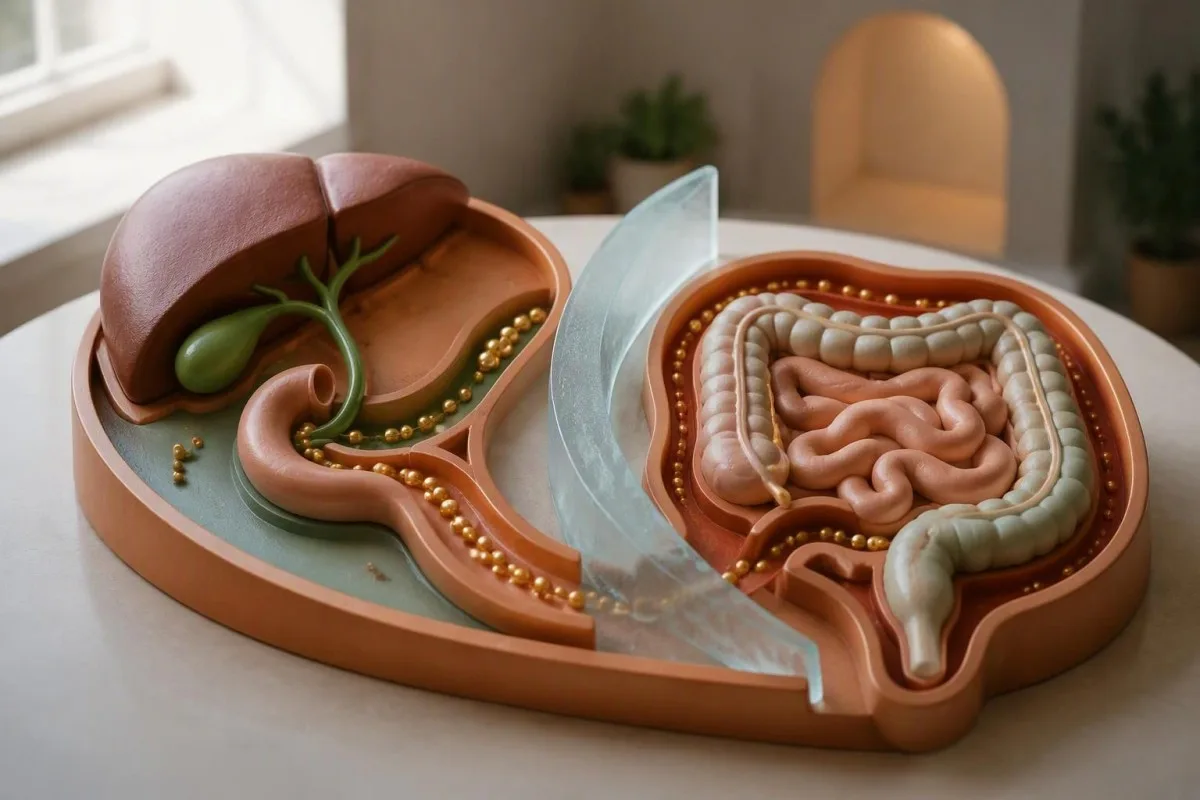
A hypothetical adult with 4% SeHCAT retention and normal ALP, GGT, and bilirubin can still have clinically significant bile acid diarrhea. Conversely, an elevated total bile acids result in someone with generalized itching raises different questions; concentration in serum does not tell a clinician how much tracer remains after seven days.
Serum total bile acids are usually reported in µmol/L, whereas specialist serum C4 is commonly reported in ng/mL. These units help reveal that the investigations measure different substances, not different versions of the same result; substituting total bile acids for C4 can send a diarrhea workup down the wrong diagnostic pathway.
A raised ALP accompanied by raised GGT makes a hepatobiliary source more likely than an isolated bone-related ALP rise, but blood tests alone do not locate an obstruction. Our cholestasis laboratory pattern guide explains the next steps; jaundice with fever or severe abdominal pain needs urgent assessment regardless of a previous 8% SeHCAT result.
SeHCATの結果に基づく、医療従事者の監督下での治療
Low SeHCAT retention often leads to a supervised trial of a bile acid sequestrant, adjusted to symptom response and tolerability. Cholestyramine is commonly started at 2–4 g daily in guideline-described practice; colesevelam or colestipol may be considered when the first option is unsuitable, unavailable, or poorly tolerated.
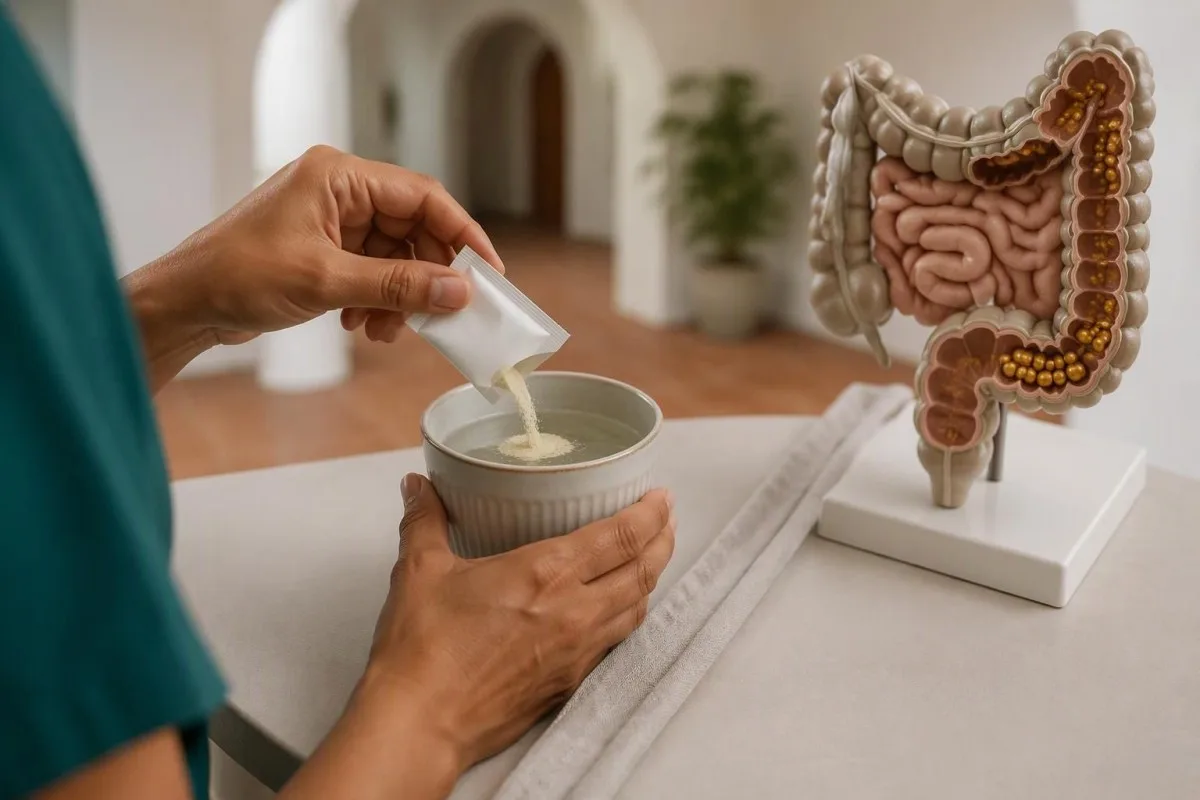
Bile acid sequestrants bind bile acids in the intestine rather than repairing the ileum. A hypothetical person with 7% retention might begin a clinician-selected low dose and adjust it over subsequent weeks, using stool consistency and urgency as outcomes; immediately escalating because the percentage is low can produce constipation without improving the person's overall function.
The BSG guideline cites historical pooled cholestyramine responses of approximately 96% at retention below 5% and 70% below 15% (Arasaradnam et al., 2018). Those groups overlap and the underlying studies differ, so these figures are not modern head-to-head comparisons or personal success probabilities; the Canadian guideline also emphasizes the generally limited certainty of treatment evidence (Sadowski et al., 2020).
Kantesti AI does not choose a sequestrant or recommend changing a prescribed dose based on a result such as 3% retention. Keeping a dated medicine and symptom record supports a safer follow-up discussion, while our medication monitoring workflow explains how accompanying laboratory trends can inform questions for the prescribing clinician.
服薬間隔、副作用、治療の安全性
Bile acid sequestrants can cause constipation, bloating, and reduced absorption of other medicines. Cholestyramine labeling commonly advises taking other oral medicines at least one hour before or four to six hours afterward; the correct spacing depends on the specific product and the medicine being protected.
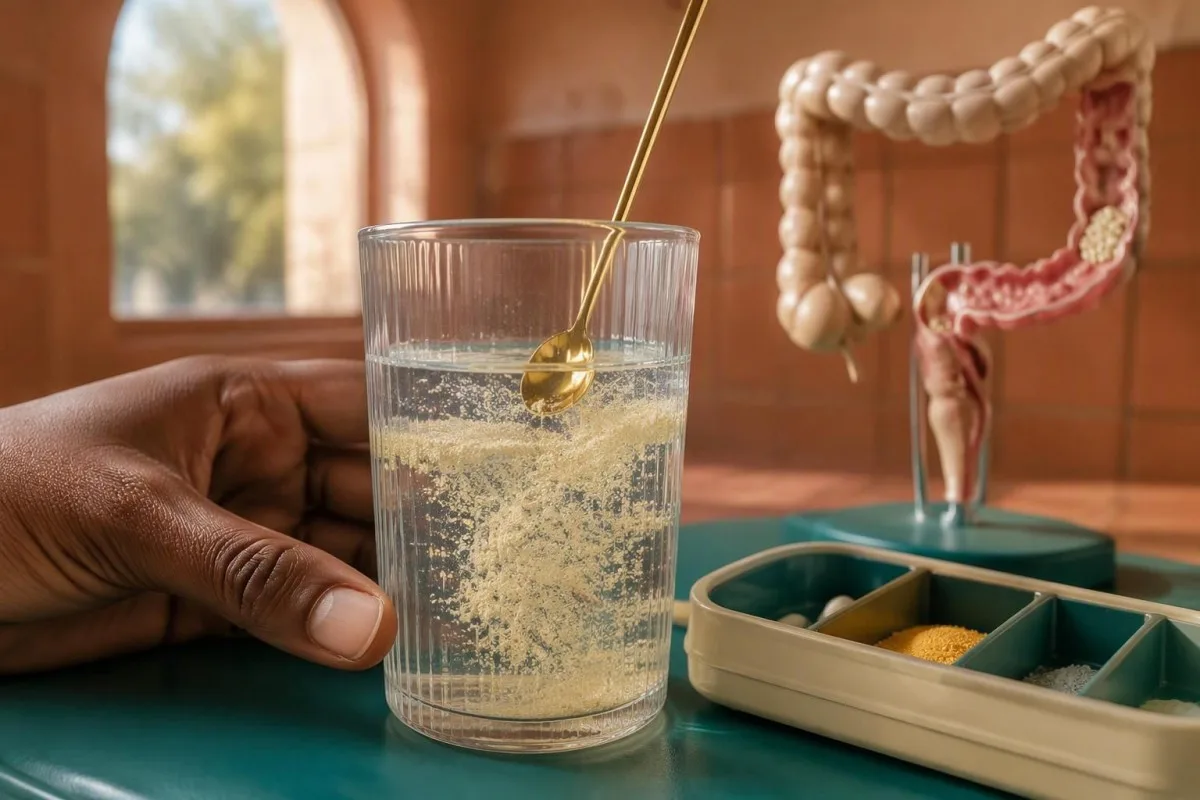
Colesevelam does not eliminate interaction risk. Certain interacting medicines and vitamin supplements should be taken at least four hours before it according to product labeling; a pharmacist should review the complete list, especially levothyroxine, warfarin, oral contraceptives, and medicines where modest absorption changes could matter, rather than applying one timing rule to everything.
Sequestrants can raise triglycerides, which is why a lipid review can be relevant even though treatment targets diarrhea rather than cholesterol. Colesevelam is contraindicated by US labeling when triglycerides exceed 500 mg/dL or there is a history of hypertriglyceridemia-induced pancreatitis; our トリグリセリド再検査ガイド explains how fasting and context affect interpretation.
A typical cholestyramine sachet contains 4 g of active resin, but products and prescribed amounts differ; dry powder should be mixed exactly as instructed rather than swallowed directly. Long-term treatment may justify selective assessment of fat-soluble vitamins, particularly with malabsorption, while persistent constipation, swallowing difficulty, or severe abdominal symptoms should prompt a medication review instead of further dose escalation.
SeHCAT保持率が低い場合、食事療法は役立ちますか?
Reducing large fat loads can lessen bile acid diarrhea symptoms in some people, but diet does not replace investigation or supervised treatment. A hypothetical 14-day food-and-symptom record can show whether meal size or fat distribution affects urgency; no single fat target is appropriate for every person with low retention.
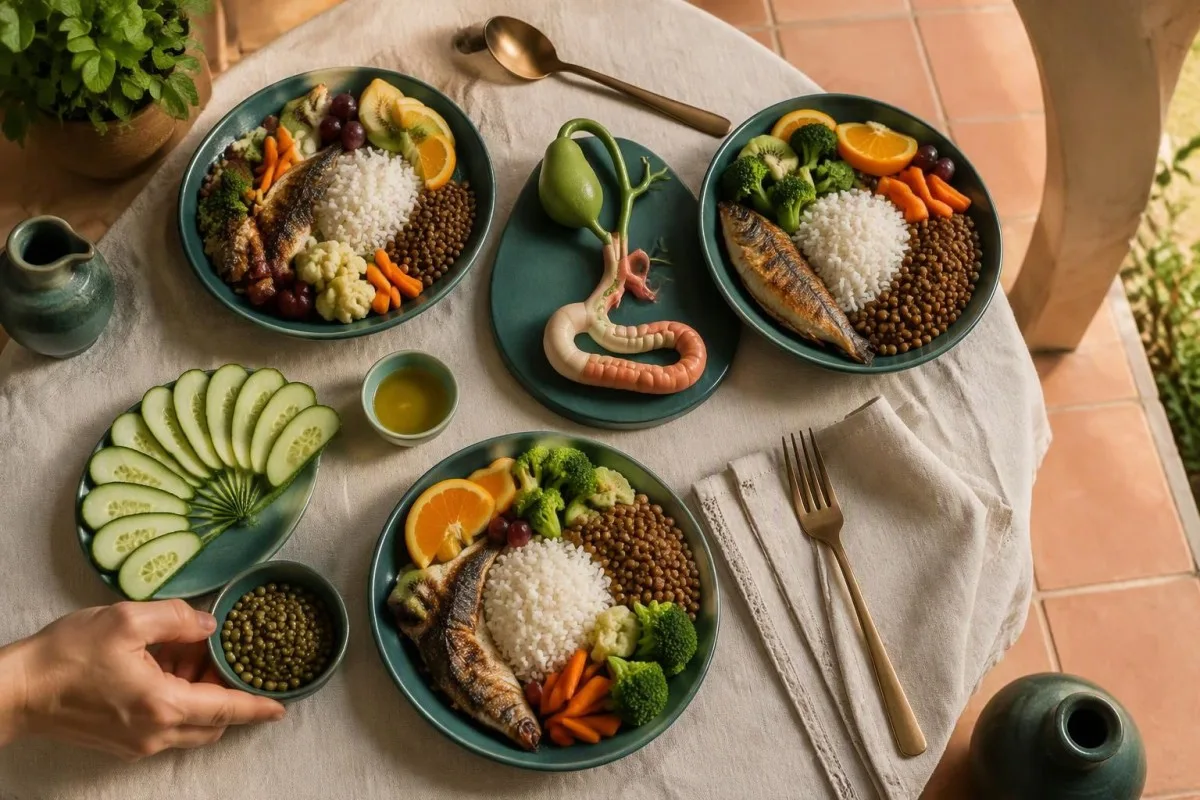
Dietary fat stimulates bile delivery, so a large high-fat meal can expose the colon to a greater bile acid load in susceptible people. Small clinical studies suggest that lower-fat approaches can improve symptoms, but evidence for a universal prescription is limited; spreading intake across three meals may be more practical than eliminating every source of fat.
A hypothetical adult with 11% retention might compare two weeks of usual meals with two weeks of smaller, less fatty meals while keeping prescribed treatment stable. That comparison can help identify a personal pattern, but it does not prove the diagnosis, and the high-fat preparation used for some 48-hour fecal tests should not be confused with dietary symptom management.
Extensive ileal disease, restricted intake, and prolonged sequestrant use can increase nutritional concerns, although a low result such as 4% does not automatically mean vitamin deficiency. A dietitian can protect energy and essential fat intake; when vitamin D is actually low, our vitamin D recheck guidance explains why repeat testing follows the deficiency and treatment plan, not the SeHCAT percentage.
治療後の経過観察と緊急受診が必要な兆候
Follow-up should assess stool consistency, urgency, hydration, side effects, and whether another diagnosis remains untreated. A very low SeHCAT result alone is not an emergency; fainting, confusion, severe dehydration, bloody or black tarry stools, or severe abdominal pain require prompt assessment independently of the retention percentage.
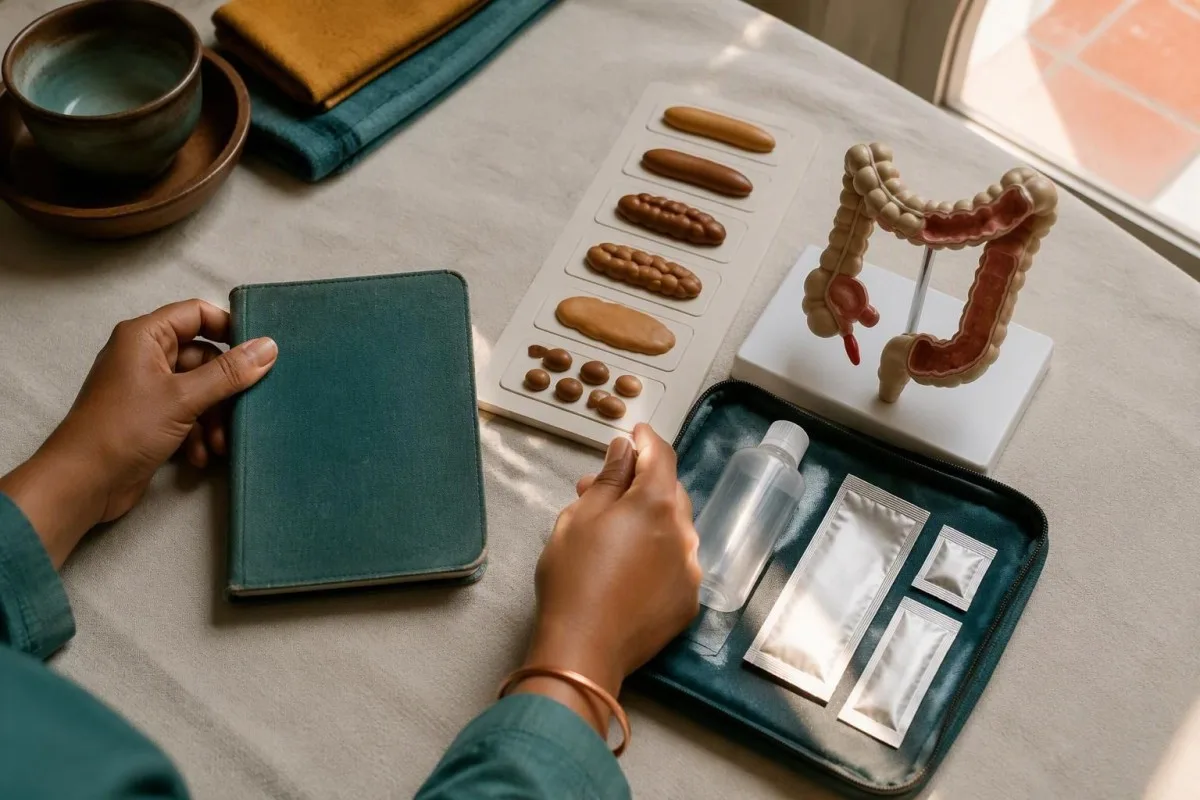
A hypothetical change from six watery stools daily to three formed stools is a useful treatment response, even if SeHCAT retention is never remeasured. Routine repeat scanning is usually unnecessary once the diagnosis and treatment direction are established; persistent urgency or nighttime diarrhea matters because a lower stool count can conceal ongoing impairment or a second gastrointestinal condition.
Continued watery losses can disturb sodium, potassium, magnesium, and kidney function, particularly in older adults or people taking diuretics. A hypothetical creatinine rise after three days of poor intake deserves assessment for dehydration rather than automatic labeling as chronic kidney disease; our 脱水と eGFR に関するガイド explains why reassessment after recovery may change interpretation.
Kantesti AI can help explain accompanying electrolyte or kidney results, but a previous 6% scan cannot make new warning symptoms safe to ignore. Use our stool color warning guide to understand why visible blood, black tarry stool, or bleeding with dizziness needs clinical attention; oral rehydration solution can help replace losses while appropriate care is arranged.
研究論文とAIによる解釈の限界
Clinical SeHCAT thresholds and treatment decisions should come from relevant gastroenterology evidence, not from AI performance reports. The 2018 BSG and 2020 Canadian guidelines underpin this article's diagnostic discussion; the two organizational publications listed below describe separate aspects of our blood-test interpretation work.
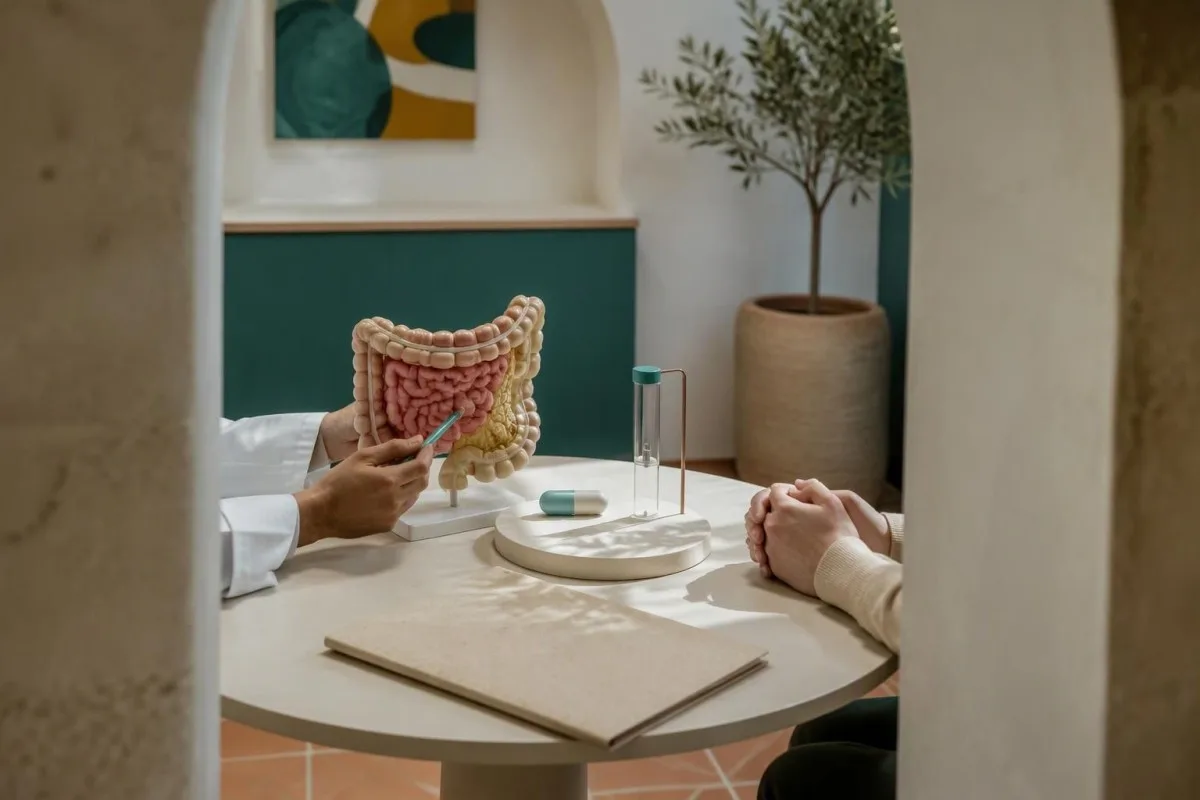
The two Zenodo references are organizational publications, not independent demonstrations that an AI system can diagnose bile acid diarrhea or interpret nuclear medicine scans accurately. Our 検証と臨床的監督に関する information should be read with that distinction in mind: a technical framework cannot replace the seven-day measurement, the reporting center's method, or a clinician's assessment of competing diagnoses.
カンテスティは AI搭載の血液検査解析ツール intended to support understanding of laboratory reports, not to replace specialist interpretation of a 5%, 10%, or 15% retention boundary. Our 医療コンテンツ基準 describe the editorial approach behind explanations such as this one, including clear separation of established guidance, hypothetical examples, and areas where evidence remains uncertain.
For a useful appointment, bring five items: the complete SeHCAT report, a current medicine list, details of ileal or gallbladder surgery, a stool-and-urgency record, and any relevant laboratory results. Ask which retention cutoff the service uses, whether testing suggests an underlying condition, how medicines should be spaced, and what response would justify continuing or changing treatment; those questions are more actionable than interpreting the percentage in isolation.
よくある質問
正常なSeHCAT検査結果とはどのようなものですか?
7日後のSeHCAT保持率が15%以下の場合、一般的に用いられる基準では、臨床的に重要な胆汁酸喪失を支持する所見とはみなされません。施設によって診断上の境界値が異なる場合があるため、核医学検査報告書に記載された解釈を優先してください。正常な結果であっても、顕微鏡的大腸炎、セリアック病、膵機能不全、その他の持続性下痢の原因は除外されません。症状が続く場合は、適切な臨床的精査が依然として必要です。.
SeHCATの結果が3%とはどういう意味ですか?
7日間のSeHCAT残存率3%は、一般的に用いられる重度の胆汁酸喪失のカテゴリー(5%未満)に該当します。症状と一致する場合、胆汁酸性下痢を支持する所見ですが、原因が回腸疾患、手術、胆汁酸産生の変化のいずれであるかは特定できません。この数値だけで緊急性があるわけではなく、必ずしも症状の重症度を予測するものでもありません。治療では、服用薬、栄養状態、回腸切除の範囲を考慮する必要があります。.
軽度の胆汁酸吸収不良が重度の下痢を引き起こすことはありますか?
はい、一般的に用いられる軽度喪失の範囲である10%以上15未満15%の保持率でも、かなりの水様性下痢、便意切迫、または失禁を伴うことがあります。SeHCATの範囲はトレーサーの保持率を示すものであり、症状の負担を評価する妥当性が確認された尺度ではありません。食事のパターン、腸管通過時間、薬剤、併存疾患は、患者がどの程度影響を受けるかに関わります。臨床医は、報告書に軽度と記載されているからといって症状を軽視するのではなく、日常生活機能と治療反応を評価すべきです。.
血清C4は補体C4と同じですか?
いいえ—胆汁酸性下痢の評価に用いられる血清C4は7α-ヒドロキシ-4-コレステン-3-オンですが、補体C4は免疫系のタンパク質です。下痢のマーカーは通常ng/mLで報告され、一部の検査サービスでは測定法固有の基準値として47.1または約52.5 ng/mLが用いられています。補体C4は通常g/Lまたはmg/dLで報告され、腸管からの胆汁酸喪失を診断することはできません。分析対象の正式名称、絶食に関する指示、検査室の基準範囲を確認してください。.
SeHCATが利用できない場合、代わりにどの検査を受けられますか?
SeHCATを利用できない場合、空腹時血清C4測定と専門機関での糞便胆汁酸測定が、主な客観的代替検査です。一部の糞便検査プロトコルでは、48時間の採便と、48時間あたりの総胆汁酸が2,337 µmolを超えることを含む、検査機関ごとの基準が用いられます。準備方法と解釈は検体を受け入れる検査機関によって異なり、SeHCATに完全に匹敵する代替検査はありません。適切な検査を受けられない場合には、医療従事者の管理下で治療を試みることが検討されますが、反応がないからといって胆汁酸性下痢を確実に除外できるわけではありません。.
コレスチラミンが効かないということは、胆汁酸性下痢ではないという意味ですか?
コレスチラミンで改善しないからといって、SeHCATの結果が7%のように低値であっても、胆汁酸性下痢を確実に除外できるわけではありません。忍容性不良、不適切な用量や投与スケジュール、薬物相互作用、服薬の不徹底、別の下痢原因の併存などが、いずれも反応に影響する可能性があります。一般に、コレスチラミンを使用する場合、製品ごとの指示に従いつつ、他の経口薬は少なくとも1時間前、または4~6時間後に服用する必要があります。診断を断念したり治療を変更したりする前に、医療従事者がこれらの可能性を検討すべきです。.
肝機能の血液検査が正常であれば、胆汁酸性下痢を除外できますか?
ALP、GGT、ビリルビンが正常でも、肝機能検査とSeHCATは異なるプロセスを評価するため、胆汁酸性下痢は否定できません。肝機能検査が正常でも、7日後のSeHCAT保持率が4%の人もいます。通常µmol/Lで報告される血清総胆汁酸も、ng/mL単位の専門的な血清C4とは互換性がありません。かゆみ、黄疸、濃色尿、または灰白色便がある場合は、下痢に焦点を当てた解釈とは別に、胆汁うっ滞の評価が必要になることがあります。.
血液検査結果の見方を確認しましょう
検査報告書をアップロードすると、KantestiのAIが数秒で各バイオマーカーを平易な言葉で説明します。世界中で200万人以上が利用しています。.
参考文献
- Klein, T., Mitchell, S., & Weber, H. (2026). 臨床検証フレームワーク v2.0(医学的検証ページ)。. Kantesti AI医学研究。. 掲載日
- Klein, T., Mitchell, S., & Weber, H. (2026). AI血液検査アナライザー:2.5M件の検査を分析 | グローバルヘルスレポート 2026。. Kantesti AI医学研究。. 掲載日
- Arasaradnam RP et al. (2018). Guidelines for the investigation of chronic diarrhoea in adults: British Society of Gastroenterology, 3rd edition. Gut. 掲載日 パブメッド
- Sadowski DC et al. (2020). Canadian Association of Gastroenterology Clinical Practice Guideline on the Management of Bile Acid Diarrhea. Clinical Gastroenterology and Hepatology.
- Wedlake L et al. (2009). Systematic review: the prevalence of idiopathic bile acid malabsorption as diagnosed by SeHCAT scanning in patients with diarrhoea-predominant irritable bowel syndrome. Alimentary Pharmacology & Therapeutics.
- 200万以上分析対象の検査
- 127+国
- 100+言語
医療チームについて


E-E-A-T 信頼性シグナル
経験
医師主導による、検査結果解釈ワークフローの臨床レビュー。.
専門知識
臨床的な文脈においてバイオマーカーがどのように振る舞うかに焦点を当てた検査医学。.
権威
Thomas Klein医師による医学的レビュー。Sarah Mitchell医師およびHans Weber教授の協力。.
信頼性
アラームを減らすための明確なフォローアップ経路を備えた、エビデンスに基づく解釈。.

医療免責事項
この記事は教育目的のみを対象としており、医療助言を構成するものではありません。診断や治療の判断を行う際は、必ず有資格の医療提供者にご相談ください。.
公開 · 編集チームにお問い合わせください
Kantesti Ltdが発行。イングランドおよびウェールズで登録、会社番号. 17090423, 、英国ロンドン。.
