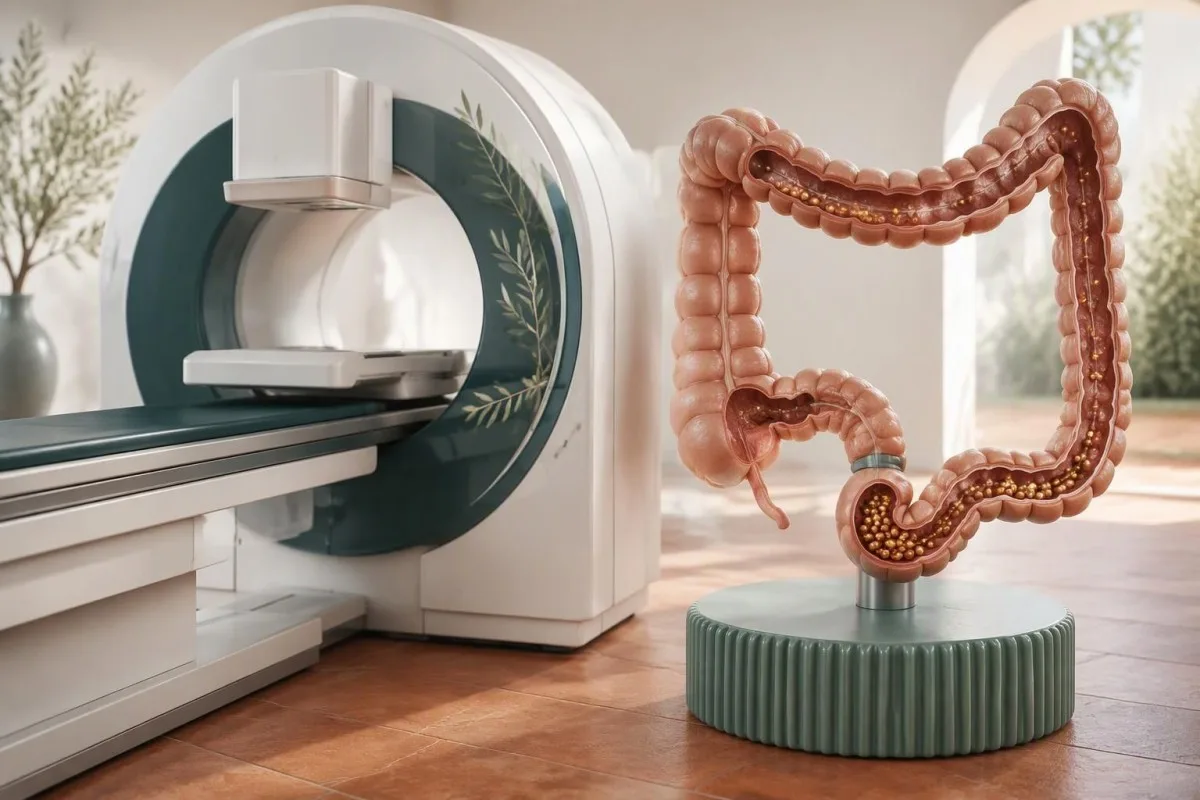
يشير انخفاض احتباس SeHCAT بعد سبعة أيام إلى الإسهال الناتج عن الأحماض الصفراوية: وتشمل الحدود الشائعة الاستخدام أقل من 5% للحالات الشديدة، ومن 5 إلى أقل من 10% للحالات المتوسطة، ومن 10 إلى أقل من 15% للحالات الخفيفة. تساعد هذه النسب في مناقشة العلاج، لكنها لا تقيس شدة الأعراض ولا تحدد السبب الكامن بمفردها.

أهم النقاط
- انخفاض الاحتباس أقل من 15% بعد سبعة أيام يدعم عادةً تشخيص الإسهال الناتج عن الأحماض الصفراوية لدى شخص لديه أعراض متوافقة؛ وتكون العتبة المعتمدة لدى مركز إصدار النتائج هي المرجع.
- نطاقات الشدة تصنّف عادةً النسب الأقل من 5% على أنها شديدة، ومن 5 إلى أقل من 10% على أنها متوسطة، ومن 10 إلى أقل من 15% على أنها فقد خفيف للأحماض الصفراوية—ولا يعني ذلك بالضرورة أن الأعراض خفيفة أو شديدة.
- احتباس طبيعي إن نسبة 15% أو أكثر تجعل فقدان كمية كبيرة من الأحماض الصفراوية أقل احتمالًا عادةً، لكنها لا تستبعد التهاب القولون المجهري أو الداء البطني أو مشكلات البنكرياس أو الأسباب الأخرى للإسهال.
- العلاج يتضمن العلاج عادةً رابطات الأحماض الصفراوية تحت إشراف الطبيب؛ وقد تبدأ جرعة الكوليسترامين من 2–4 g يوميًا، مع ضرورة تعديلها بما يناسب الحالة.
- C4 في المصل يعني 7α-hydroxy-4-cholesten-3-one عند استقصاء الإسهال؛ وليس المتممة C4، وهي بروتين في الجهاز المناعي.
- الاختبارات البديلة تشمل قياس C4 في مصل الدم أثناء الصيام وقياس الأحماض الصفراوية في البراز لدى اختصاصي، وغالبًا ما تُجمع عينات البراز على مدى 48 ساعة عندما لا يتوفر اختبار SeHCAT.
- اختبارات الركود الصفراوي تتبع مسارًا مختلفًا: إذ تُستخدم اختبارات ALP وGGT والبيليروبين، وأحيانًا قياس إجمالي الأحماض الصفراوية في المصل، للتحري عن ضعف تدفق الصفراء بدلًا من فقدان الأحماض الصفراوية المعوية.
- السلامة يعتمد على المباعدة بين مواعيد الأدوية، ومراجعة الدهون الثلاثية، ومدى جراحة اللفائفي؛ فنسبة منخفضة جدًا بمفردها لا تمثل حالة طارئة.
ما يعنيه انخفاض احتباس SeHCAT لأعراضك
يعني انخفاض احتباس SeHCAT أن جسمك احتفظ بكمية أقل من متتبّع الأحماض الصفراوية الموسوم إشعاعيًا بعد سبعة أيام. تدعم النتيجة التي تقل عن 15% عادةً تشخيص إسهال الأحماض الصفراوية عندما تتوافق الحالة السريرية مع استمرار البراز المائي؛ وتشير النسب الأقل إلى فقدان أكبر للمتتبّع، لا إلى مرض أشد خطورة تلقائيًا.
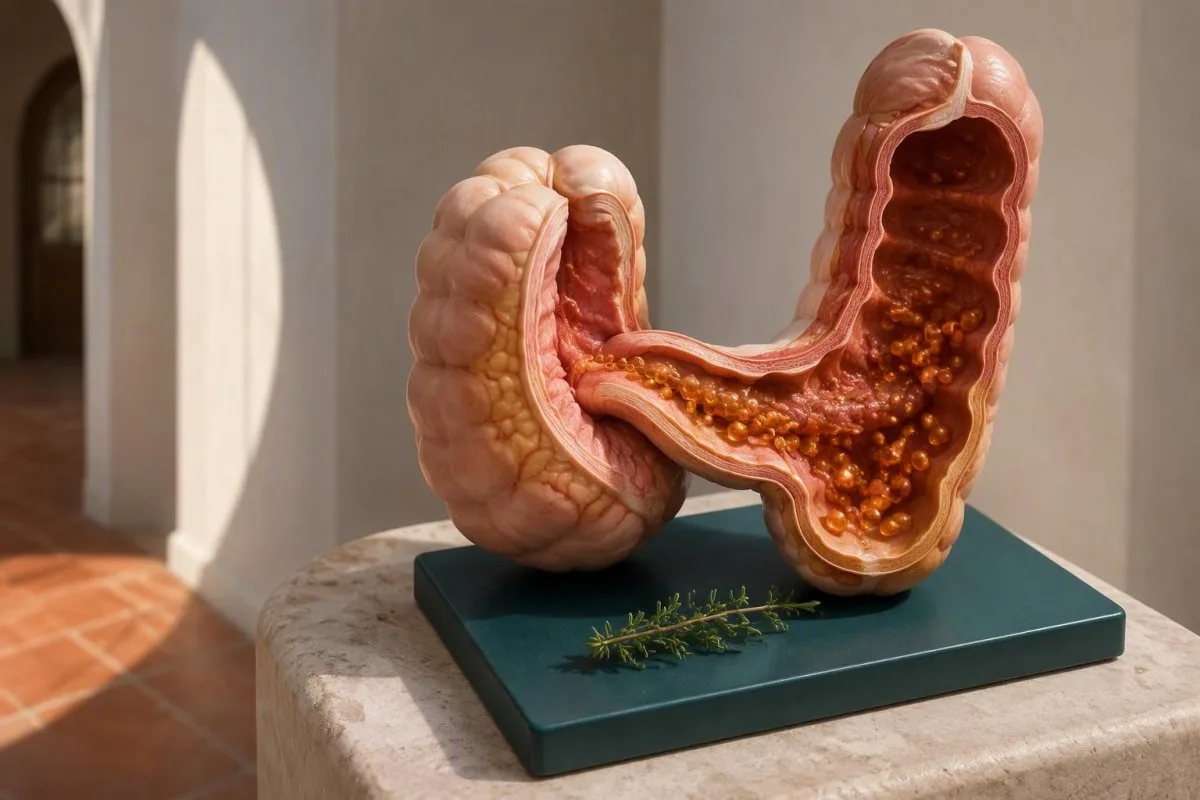
إسهال الأحماض الصفراوية يحدث عندما تصل الأحماض الصفراوية الزائدة إلى القولون وتزيد إفراز السوائل وحركة الأمعاء. فعلى سبيل المثال، تدعم نتيجة احتباس لمدة سبعة أيام تبلغ 4% وجود فقدان كبير للأحماض الصفراوية، لكنها لا تميّز بين ضعف امتصاص اللفائفي وزيادة إنتاج الأحماض الصفراوية من دون معرفة التاريخ السريري.
بالنسبة إلى شخص بالغ افتراضي لديه ست مرات تبرز مائي يوميًا واحتباس بنسبة 8%، تمنح النتيجة الطبيب هدفًا علاجيًا محتملًا، بدلًا من أن تكون مجرد رقم غير طبيعي آخر. ويساعد تسجيل قوام البراز باستخدام مخطط برايسل للبراز على التمييز بين انخفاض عدد مرات التبرز وبين تحسن تماسك البراز فعلًا، وانخفاض الإلحاح، وتحسن القدرة على مغادرة المنزل.
كانتيستي هو محلل تحليل الدم بالذكاء الاصطناعي التي يمكن أن تساعد في تفسير النتائج المختبرية المصاحبة، بينما يتطلب تفسير فحص SeHCAT الذي يستمر سبعة أيام مشاركة فريقي الطب النووي وأمراض الجهاز الهضمي. إن خدماتنا منظمتنا وهدفنا منفصلة عن خدمة التشخيص تلك: فنحن لا نجري فحوصات SeHCAT، ولا نحدد السبب الكامن، ولا نصف العلاج.
كيفية قياس نسبة SeHCAT بعد سبعة أيام
يقارن احتباس SeHCAT قياسًا أوليًا لمتتبّع أحماض صفراوية مبتلع موسوم بالسيلينيوم-75 بقياس متكرر بعد نحو سبعة أيام. يصحح العاملون في الطب النووي القراءات بحسب النشاط الخلفي والاضمحلال الإشعاعي، لذا تقدّر النسبة المُبلّغ عنها الاحتباس البيولوجي بدلًا من أن تكون مجرد عدد لقراءات الماسح.
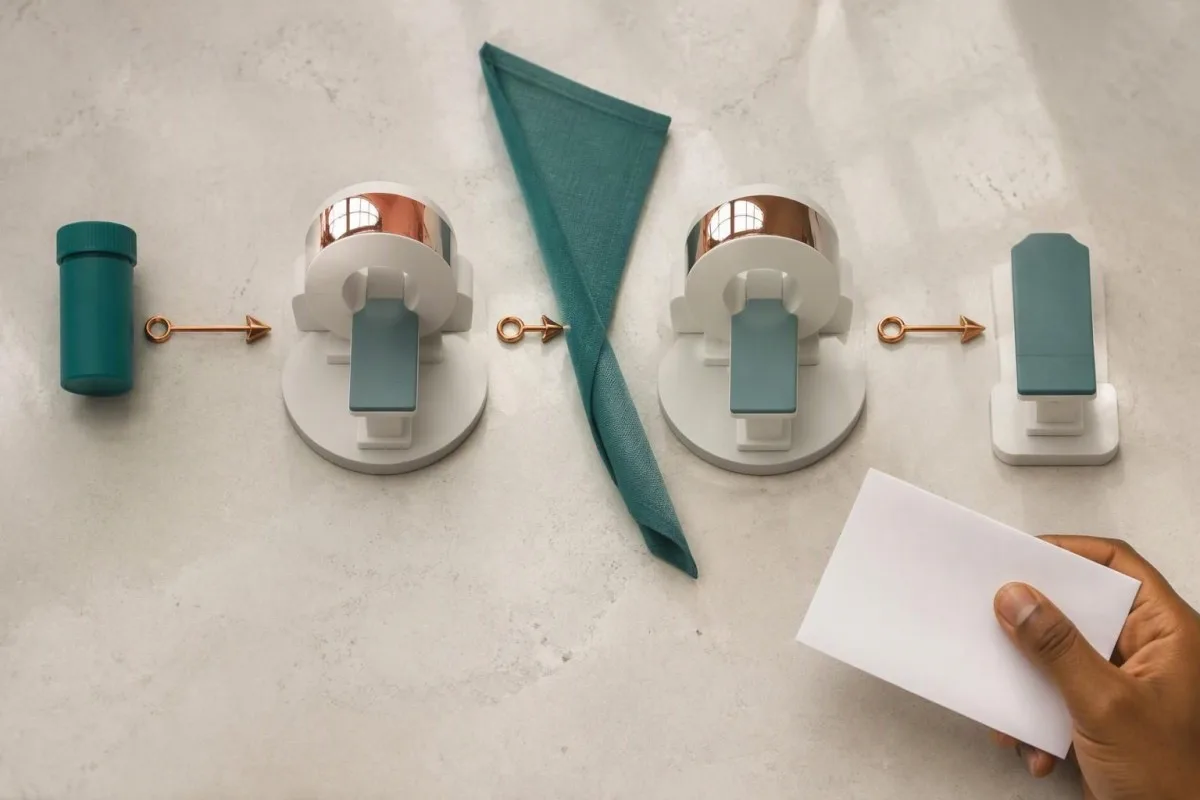
اختبار SeHCAT ليس فحصًا للدم. تتضمن معظم البروتوكولات ابتلاع كبسولة، وإجراء قياس أولي بعد فترة زمنية محددة محليًا، ثم العودة بعد سبعة أيام؛ إذ تكتشف الكاميرا الإشعاع المنبعث بدلًا من التقاط صورة تقليدية للأمعاء، ولا يُعد تنظير القولون أو جمع عينة براز جزءًا معتادًا من هذا الاختبار تحديدًا.
إن خط أساس افتراضيًا مُصححًا يبلغ 10,000 قراءة وقياسًا مُصححًا لليوم السابع يبلغ 800 قراءة ينتجان احتباسًا بنسبة 8%: 800 مقسومة على 10,000، ثم مضروبة في 100. وكلمة «مُصحح» مهمة؛ إذ إن قسمة رقمين خامين من تقرير قد تعطي إجابة خاطئة إذا اختلفت تعديلات النشاط الخلفي أو مدة الالتقاط أو الوضعية أو الاضمحلال.
يمكن لعوازل الأحماض الصفراوية أن تعيق إعادة تدوير المتتبّع، لذا قد يطلب مركز الفحص إيقافها مؤقتًا قبل تناول الكبسولة وأثناء فترة الأيام السبعة. اتبع تعليماته الدقيقة بدلًا من إيقاف الأدوية من تلقاء نفسك؛ وأطلعه على أنماط الأعراض الهضمية, والأعمال الجراحية السابقة في الأمعاء، واحتمال الحمل، وحالة الرضاعة الطبيعية قبل الفحص.
نسب احتباس SeHCAT: عتبات الشدة الشائعة
تشمل الحدود الشائعة لاحتباس SeHCAT بعد سبعة أيام أقل من 5% للفقدان الشديد، و5–أقل من 10% للفقدان المتوسط، و10–أقل من 15% للفقدان الخفيف. لا يدعم الاحتباس البالغ 15% أو أكثر عمومًا وجود فقدان ملحوظ للأحماض الصفراوية، رغم اختلاف الحدود التشخيصية والمصطلحات المستخدمة في التقارير بين المراكز.
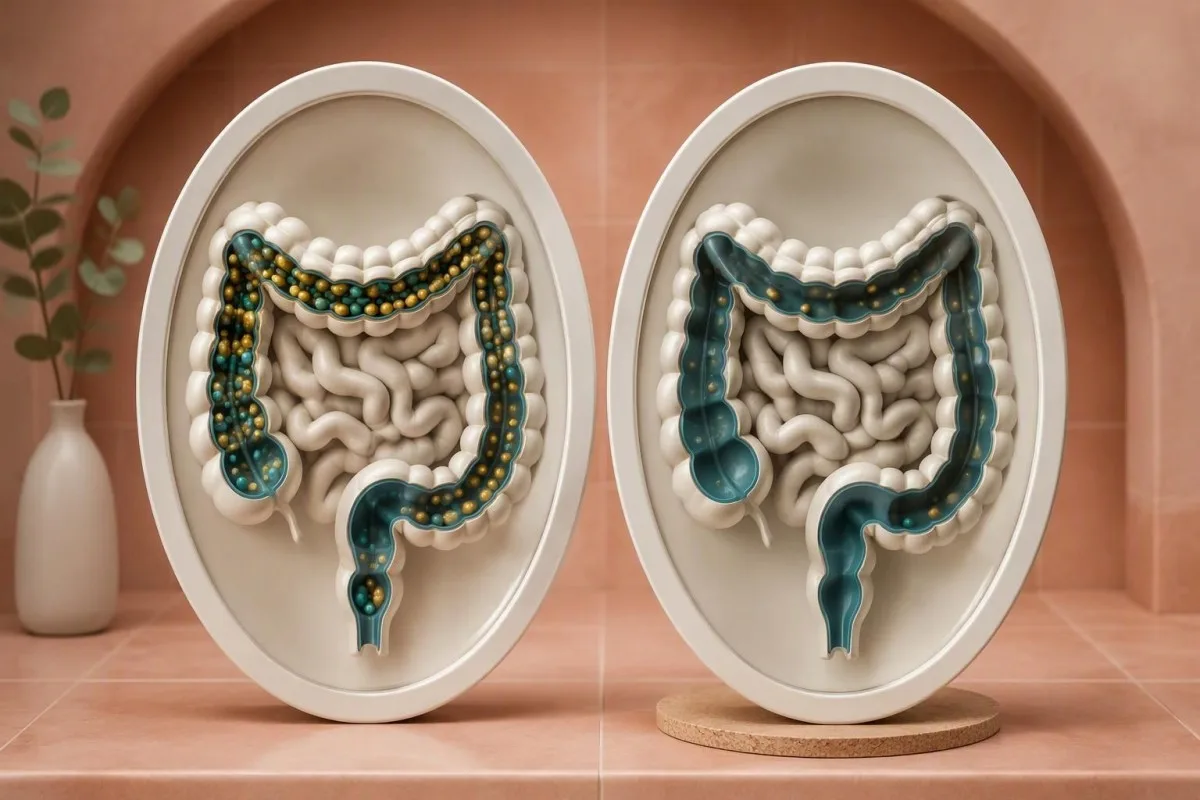
ال British Society of Gastroenterology guideline describes the familiar 5%, 10%, and 15% boundaries and their relationship to treatment response (Arasaradnam et al., 2018). These thresholds are practical categories drawn from clinical evidence, not biological cliffs; there is no abrupt switch in bowel function between an otherwise comparable result of 9.9% and 10.1%.
A hypothetical 12% result commonly falls in the mild-loss band, while 3% falls in the severe-loss band. Someone at 12% may still experience disabling urgency or incontinence, whereas another person at 3% may report fewer stools because diet, bowel anatomy, medication, and other conditions modify how tracer loss translates into symptoms.
Exactly 5%, 10%, or 15% may be handled differently if a center uses inclusive boundaries or reports rounded percentages. Ask which cutoff your service applies and whether the displayed number was rounded; our explanation of النتائج خارج النطاق shows why a laboratory flag and a clinical diagnosis are not interchangeable.
| المستوى | النطاق | ما الذي يعنيه |
|---|---|---|
| Generally not supportive | ≥15% retained at seven days | Significant bile acid loss is less likely under commonly used criteria; other diarrhea causes may still need investigation. |
| Mild bile acid loss | 10% to <15% retained | Supports mild loss in a compatible clinical setting; symptoms can still be substantial. |
| Moderate bile acid loss | 5% to <10% retained | Supports a bile acid contribution and a clinician-supervised treatment discussion. |
| Severe bile acid loss—not an emergency category | <5% retained | Indicates marked tracer loss; assess the cause, nutritional context, and suitability of bile acid-binding treatment. |
ما الذي لا تثبته نتيجة SeHCAT المنخفضة أو الطبيعية
A low SeHCAT result supports abnormal bile acid handling, but does not prove that bile acids explain every symptom. A result of 15% or above usually argues against substantial bile acid loss under common criteria, yet it cannot rule out other causes of persistent diarrhea.
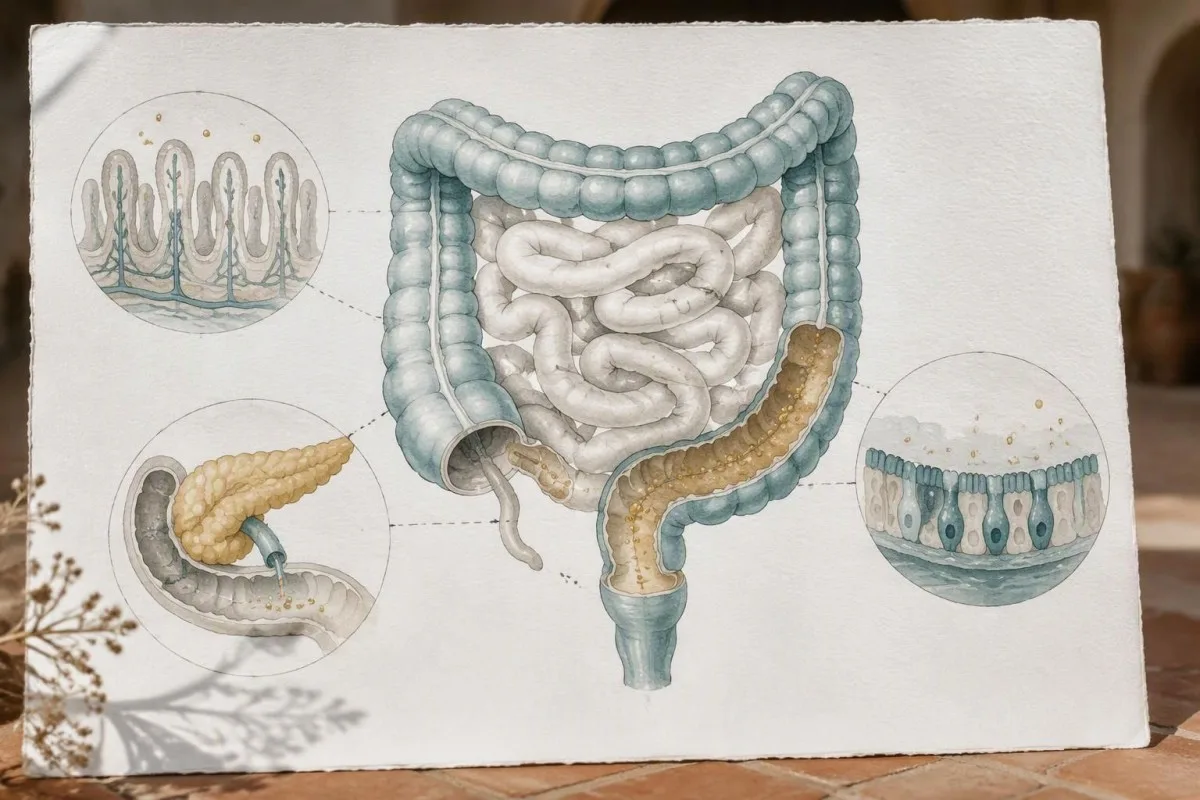
Two conditions can coexist: an adult might have 7% retention and microscopic colitis, celiac disease, or a medication-related problem. Improvement with a sequestrant can identify a treatable bile acid component without resolving the second condition; persistent symptoms therefore deserve reassessment rather than an assumption that the original scan must have been wrong.
A normal 22% result does not explain greasy, bulky stools, especially when weight loss or pancreatic risk factors accompany them. A fecal fat assessment addresses fat malabsorption rather than bile acid retention, and clinicians may add fecal elastase or imaging when the history suggests pancreatic insufficiency.
Rapid transit can alter stool appearance without proving a bile acid disorder; visible food fragments and yellow stool are not substitutes for a seven-day retention measurement. Our guide to طعام غير مهضوم في البراز explains when appearance is nonspecific and when associated weight loss, nutritional abnormalities, or persistent changes make further investigation more useful.
أسباب انخفاض احتباس الأحماض الصفراوية
Low SeHCAT retention can result from terminal ileal disease or surgery, disturbed feedback that increases bile acid production, or secondary changes after other gastrointestinal conditions. A result below 5% does not identify which mechanism applies; the operative history and associated symptoms often provide the most useful clues.
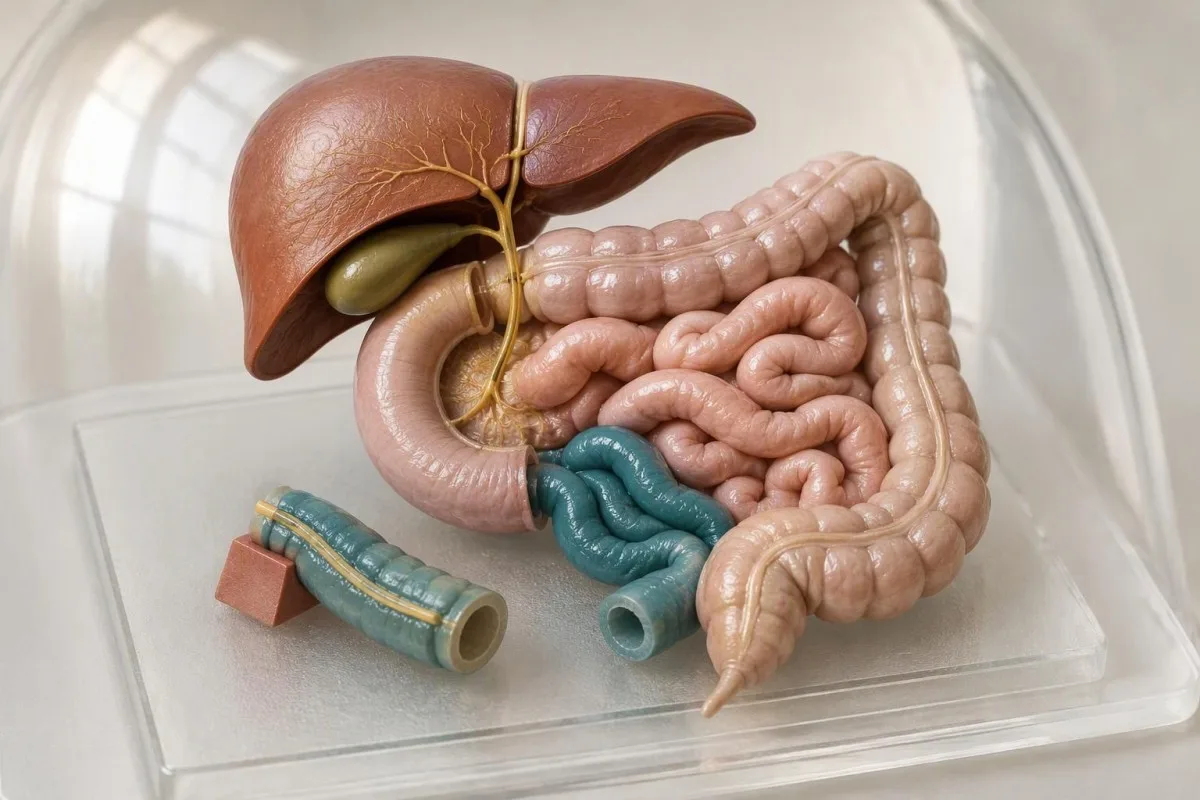
Primary bile acid diarrhea can occur without visible ileal damage because feedback signals fail to restrain liver bile acid synthesis adequately. Wedlake et al. (2009) found abnormal SeHCAT retention below 10% in about 32% of selected diarrhea-predominant IBS study participants; that pooled estimate describes investigated populations, not a screening probability for every person with loose stools.
Terminal ileal Crohn's disease or removal of that segment can reduce recycling directly, whereas diarrhea after gallbladder removal may reflect altered bile delivery and handling rather than intestinal damage. For a hypothetical person with 6% retention after surgery, the clinician should establish whether the operation removed the gallbladder, the terminal ileum, or both before selecting treatment.
Extensive ileal resection—often discussed around lengths exceeding 100 cm—can deplete the bile acid pool and cause fat malabsorption, making sequestrants counterproductive in some patients. The operative details matter more than a rigid length rule; مستويات فيتامين B12 الحدودية deserves attention because the terminal ileum also has a distinct role in B12 absorption.
ما الفحوصات الأخرى التي تدخل في تقييم الإسهال الناتج عن الأحماض الصفراوية؟
A bile acid diarrhea diagnosis usually requires a symptom history, medication review, and targeted checks for other causes—not SeHCAT alone. Persistent watery diarrhea lasting more than four weeks commonly prompts consideration of celiac testing, stool inflammation markers, and selected infection tests, with endoscopy determined by the clinical picture.
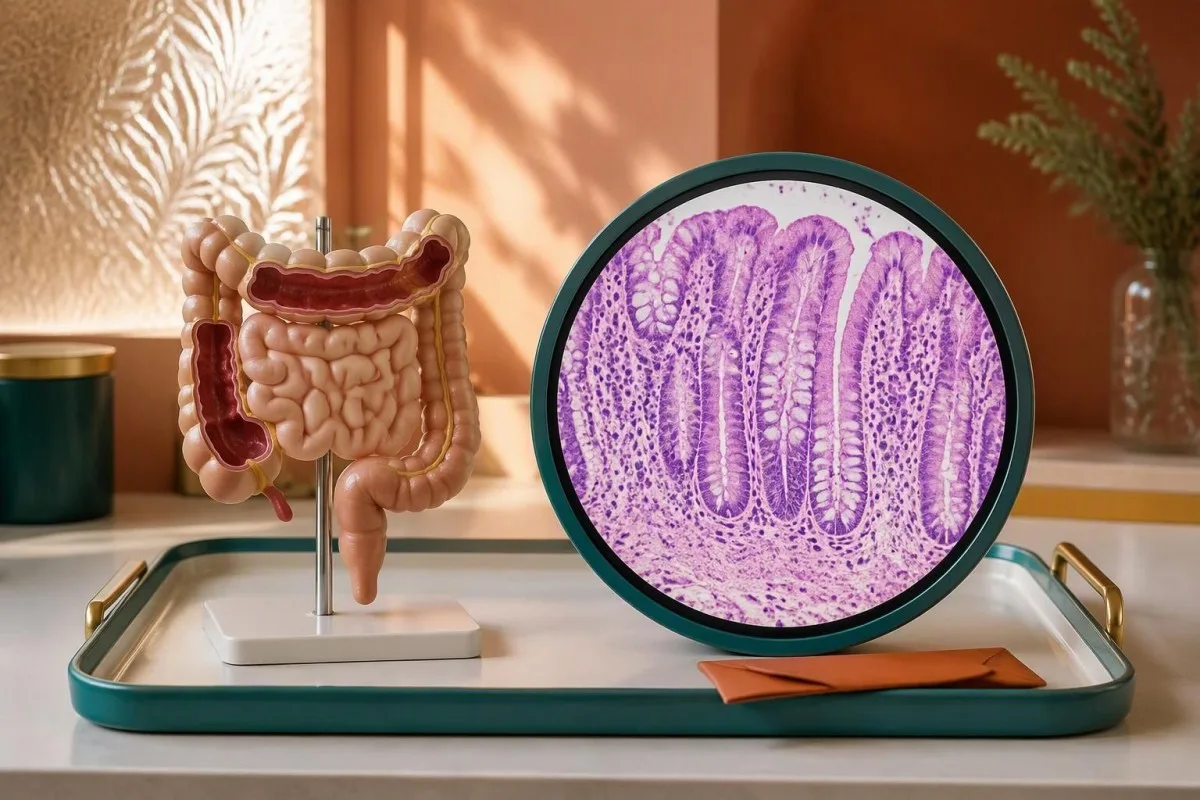
Fecal calprotectin and lactoferrin assess intestinal inflammatory activity; neither measures bile acid loss. A hypothetical adult with 8% retention and elevated stool inflammation markers may need assessment for an accompanying inflammatory condition, while normal markers do not reliably exclude microscopic colitis; our stool inflammation test comparison يوضح هذا الفرق.
Celiac screening commonly combines tissue transglutaminase IgA with total IgA while the person is eating gluten, because a restricted diet or IgA deficiency can undermine interpretation. The BSG guideline also recommends right- and left-sided colon samples when excluding microscopic colitis in chronic diarrhea, even if the colon looks normal during examination (Arasaradnam et al., 2018).
Travel, untreated water exposure, or a relevant outbreak may justify targeted infection testing rather than an indiscriminate panel. In a hypothetical person with four weeks of diarrhea after camping, a Giardia antigen result could change the treatment plan; a low SeHCAT percentage should not distract from a second, independently treatable explanation.
فحص C4 في المصل للإسهال ليس هو المتممة C4
Serum C4 for bile acid diarrhea means 7α-hydroxy-4-cholesten-3-one, a marker of liver bile acid synthesis. Complement C4 is a different immune-system protein, usually reported in g/L or mg/dL; a complement C4 result cannot substitute for the specialized diarrhea investigation.
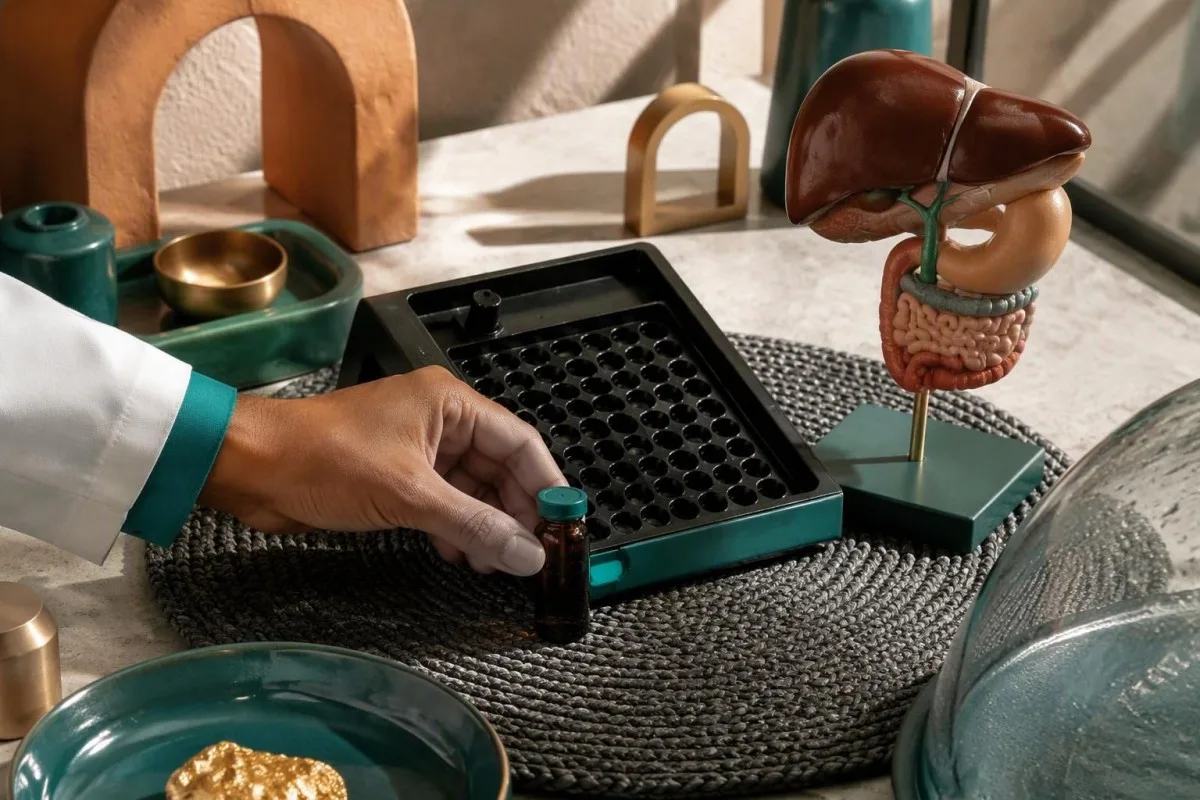
مرتفع 7α-hydroxy-4-cholesten-3-one result supports increased bile acid synthesis, which can accompany excessive intestinal bile acid loss. The BSG guideline discusses a threshold above 47.1 ng/mL, while some laboratories use approximately 52.5 ng/mL or their own validated boundaries; these are assay-specific decision limits, not a universal normal range (Arasaradnam et al., 2018).
Sampling usually requires a morning fasting specimen because C4 varies with meals and time of day; liver disease and medicines affecting bile acid metabolism can also complicate interpretation. A report saying only C4 0.22 g/L is more consistent with complement testing, so verify the full analyte name with the laboratory and consult our complement C4 explanation.
كانتيستي هو منصة تفسير تحليل الدم الخاصة بالذكاء الاصطناعي that explains reported analyte names, units, and reference intervals, rather than treating two tests called C4 as interchangeable. When reviewing a value such as 55 ng/mL, match it to the laboratory's method and fasting instructions; our يوضح أن عدة مؤشرات مهمة للأداء لم يتم طلبها أبدًا. provides context but does not establish bile acid diarrhea.
البدائل عند عدم توفر فحص SeHCAT
Where SeHCAT is unavailable, fasting serum C4 and specialist fecal bile acid measurement are the main objective alternatives. SeHCAT is not routinely available in the United States; selected laboratories instead offer stool collections over 48 hours, while access to all these investigations varies internationally.
Fecal bile acid testing measures bile acids excreted in stool, not the percentage of a swallowed tracer remaining in the body. One established laboratory approach considers total bile acids above 2,337 µmol/48 hours supportive, with additional criteria based on primary bile acid proportions; use the receiving laboratory's current criteria rather than importing a cutoff from another assay.
Some protocols require approximately 100 g of dietary fat daily for four days, with stool collected during the final 48 hours; this standardized intake can be difficult for someone whose symptoms worsen after fatty meals. Discuss suitability before beginning, because an incomplete collection or a substantially different diet can weaken interpretation and the protocol is not a treatment recommendation.
The Canadian guideline favors objective testing over an empirical sequestrant trial when suitable testing is available, but acknowledges access limitations (Sadowski et al., 2020). FGF19 testing is less standardized for routine care, and a commercial gut microbiome report does not replace SeHCAT, serum C4, or fecal bile acid measurement—even if it lists bile-related organisms.
يختلف فحص الإسهال الناتج عن الأحماض الصفراوية عن فحوصات الركود الصفراوي
SeHCAT and specialist serum C4 investigate intestinal bile acid handling; cholestasis testing investigates impaired bile formation or flow. ALP, GGT, bilirubin, and sometimes serum total bile acids address the liver-and-bile-duct pathway, so a normal liver panel does not rule out bile acid diarrhea.
A hypothetical adult with 4% SeHCAT retention and normal ALP, GGT, and bilirubin can still have clinically significant bile acid diarrhea. Conversely, an elevated total bile acids result in someone with generalized itching raises different questions; concentration in serum does not tell a clinician how much tracer remains after seven days.
Serum total bile acids are usually reported in µmol/L, whereas specialist serum C4 is commonly reported in ng/mL. These units help reveal that the investigations measure different substances, not different versions of the same result; substituting total bile acids for C4 can send a diarrhea workup down the wrong diagnostic pathway.
A raised ALP accompanied by raised GGT makes a hepatobiliary source more likely than an isolated bone-related ALP rise, but blood tests alone do not locate an obstruction. Our cholestasis laboratory pattern guide explains the next steps; jaundice with fever or severe abdominal pain needs urgent assessment regardless of a previous 8% SeHCAT result.
كيف توجّه نتائج SeHCAT العلاج تحت إشراف الطبيب
Low SeHCAT retention often leads to a supervised trial of a bile acid sequestrant, adjusted to symptom response and tolerability. Cholestyramine is commonly started at 2–4 g daily in guideline-described practice; colesevelam or colestipol may be considered when the first option is unsuitable, unavailable, or poorly tolerated.
Bile acid sequestrants bind bile acids in the intestine rather than repairing the ileum. A hypothetical person with 7% retention might begin a clinician-selected low dose and adjust it over subsequent weeks, using stool consistency and urgency as outcomes; immediately escalating because the percentage is low can produce constipation without improving the person's overall function.
The BSG guideline cites historical pooled cholestyramine responses of approximately 96% at retention below 5% and 70% below 15% (Arasaradnam et al., 2018). Those groups overlap and the underlying studies differ, so these figures are not modern head-to-head comparisons or personal success probabilities; the Canadian guideline also emphasizes the generally limited certainty of treatment evidence (Sadowski et al., 2020).
Kantesti AI does not choose a sequestrant or recommend changing a prescribed dose based on a result such as 3% retention. Keeping a dated medicine and symptom record supports a safer follow-up discussion, while our medication monitoring workflow explains how accompanying laboratory trends can inform questions for the prescribing clinician.
المباعدة بين الأدوية والآثار الجانبية وسلامة العلاج
Bile acid sequestrants can cause constipation, bloating, and reduced absorption of other medicines. Cholestyramine labeling commonly advises taking other oral medicines at least one hour before or four to six hours afterward; the correct spacing depends on the specific product and the medicine being protected.
Colesevelam does not eliminate interaction risk. Certain interacting medicines and vitamin supplements should be taken at least four hours before it according to product labeling; a pharmacist should review the complete list, especially levothyroxine, warfarin, oral contraceptives, and medicines where modest absorption changes could matter, rather than applying one timing rule to everything.
Sequestrants can raise triglycerides, which is why a lipid review can be relevant even though treatment targets diarrhea rather than cholesterol. Colesevelam is contraindicated by US labeling when triglycerides exceed 500 mg/dL or there is a history of hypertriglyceridemia-induced pancreatitis; our دليل إعادة فحص الدهون الثلاثية explains how fasting and context affect interpretation.
A typical cholestyramine sachet contains 4 g of active resin, but products and prescribed amounts differ; dry powder should be mixed exactly as instructed rather than swallowed directly. Long-term treatment may justify selective assessment of fat-soluble vitamins, particularly with malabsorption, while persistent constipation, swallowing difficulty, or severe abdominal symptoms should prompt a medication review instead of further dose escalation.
هل يمكن للنظام الغذائي أن يفيد عند انخفاض احتباس SeHCAT؟
Reducing large fat loads can lessen bile acid diarrhea symptoms in some people, but diet does not replace investigation or supervised treatment. A hypothetical 14-day food-and-symptom record can show whether meal size or fat distribution affects urgency; no single fat target is appropriate for every person with low retention.
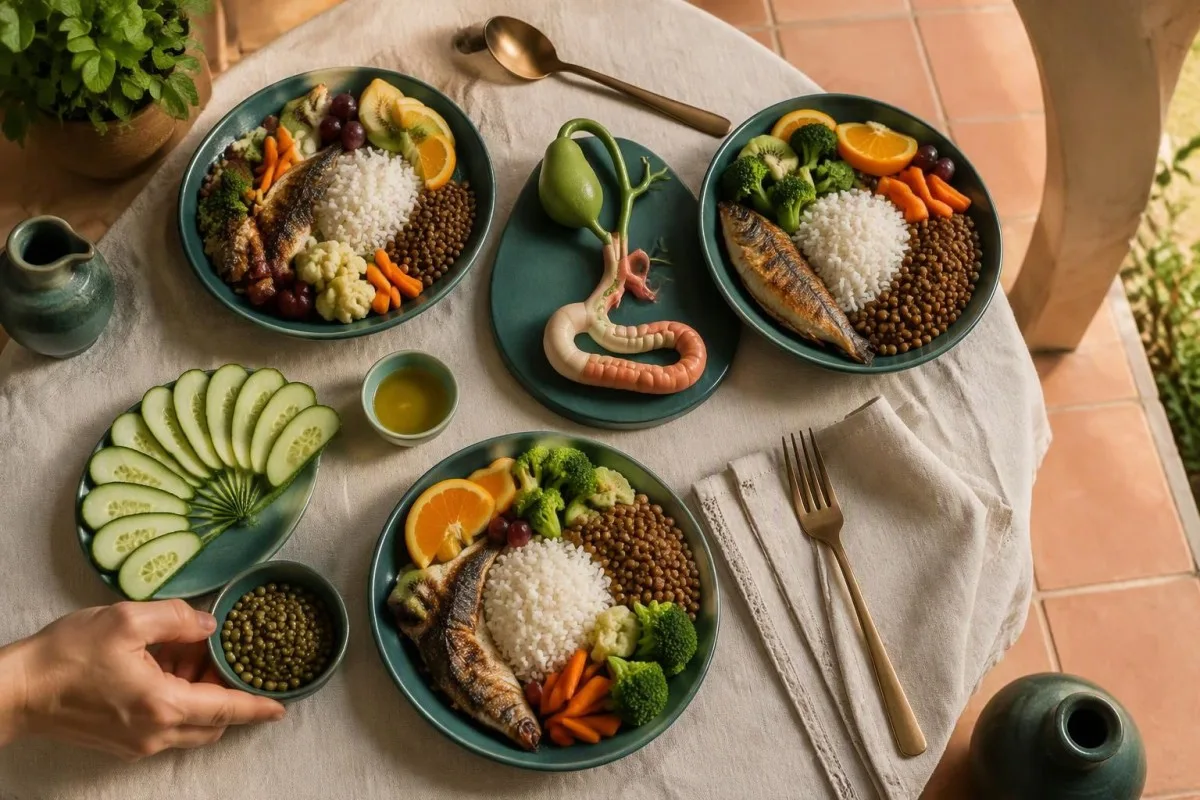
Dietary fat stimulates bile delivery, so a large high-fat meal can expose the colon to a greater bile acid load in susceptible people. Small clinical studies suggest that lower-fat approaches can improve symptoms, but evidence for a universal prescription is limited; spreading intake across three meals may be more practical than eliminating every source of fat.
A hypothetical adult with 11% retention might compare two weeks of usual meals with two weeks of smaller, less fatty meals while keeping prescribed treatment stable. That comparison can help identify a personal pattern, but it does not prove the diagnosis, and the high-fat preparation used for some 48-hour fecal tests should not be confused with dietary symptom management.
Extensive ileal disease, restricted intake, and prolonged sequestrant use can increase nutritional concerns, although a low result such as 4% does not automatically mean vitamin deficiency. A dietitian can protect energy and essential fat intake; when vitamin D is actually low, our vitamin D recheck guidance explains why repeat testing follows the deficiency and treatment plan, not the SeHCAT percentage.
المتابعة بعد العلاج والعلامات التي تستدعي رعاية عاجلة
Follow-up should assess stool consistency, urgency, hydration, side effects, and whether another diagnosis remains untreated. A very low SeHCAT result alone is not an emergency; fainting, confusion, severe dehydration, bloody or black tarry stools, or severe abdominal pain require prompt assessment independently of the retention percentage.
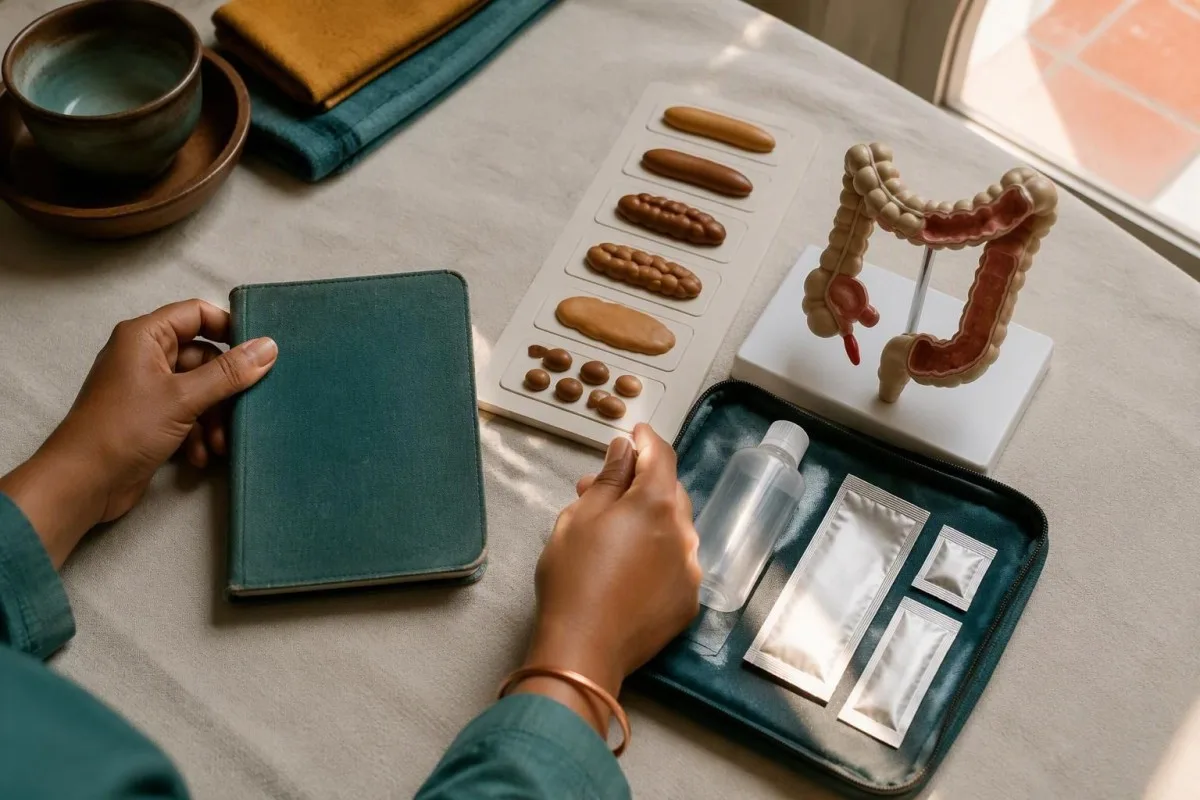
A hypothetical change from six watery stools daily to three formed stools is a useful treatment response, even if SeHCAT retention is never remeasured. Routine repeat scanning is usually unnecessary once the diagnosis and treatment direction are established; persistent urgency or nighttime diarrhea matters because a lower stool count can conceal ongoing impairment or a second gastrointestinal condition.
Continued watery losses can disturb sodium, potassium, magnesium, and kidney function, particularly in older adults or people taking diuretics. A hypothetical creatinine rise after three days of poor intake deserves assessment for dehydration rather than automatic labeling as chronic kidney disease; our الجفاف و eGFR explains why reassessment after recovery may change interpretation.
Kantesti AI can help explain accompanying electrolyte or kidney results, but a previous 6% scan cannot make new warning symptoms safe to ignore. Use our stool color warning guide to understand why visible blood, black tarry stool, or bleeding with dizziness needs clinical attention; oral rehydration solution can help replace losses while appropriate care is arranged.
المنشورات البحثية وحدود تفسير الذكاء الاصطناعي
Clinical SeHCAT thresholds and treatment decisions should come from relevant gastroenterology evidence, not from AI performance reports. The 2018 BSG and 2020 Canadian guidelines underpin this article's diagnostic discussion; the two organizational publications listed below describe separate aspects of our blood-test interpretation work.

The two Zenodo references are organizational publications, not independent demonstrations that an AI system can diagnose bile acid diarrhea or interpret nuclear medicine scans accurately. Our التحقق والإشراف السريري information should be read with that distinction in mind: a technical framework cannot replace the seven-day measurement, the reporting center's method, or a clinician's assessment of competing diagnoses.
كانتيستي هو أداة تحليل فحوصات الدم المدعومة بالذكاء الاصطناعي intended to support understanding of laboratory reports, not to replace specialist interpretation of a 5%, 10%, or 15% retention boundary. Our معايير المحتوى الطبي describe the editorial approach behind explanations such as this one, including clear separation of established guidance, hypothetical examples, and areas where evidence remains uncertain.
For a useful appointment, bring five items: the complete SeHCAT report, a current medicine list, details of ileal or gallbladder surgery, a stool-and-urgency record, and any relevant laboratory results. Ask which retention cutoff the service uses, whether testing suggests an underlying condition, how medicines should be spaced, and what response would justify continuing or changing treatment; those questions are more actionable than interpreting the percentage in isolation.
الأسئلة الشائعة
ما النتيجة الطبيعية لاختبار SeHCAT؟
0 سبعة أيام SeHCAT retention بنسبة 15% أو أكثر يُعدّ عمومًا غير داعم لوجود فقدان ملحوظ للأحماض الصفراوية وفقًا للمعايير الشائعة الاستخدام. تستخدم بعض المراكز حدودًا تشخيصية مختلفة، لذا تكون الأولوية للتفسير الوارد في تقرير الطب النووي. ولا تستبعد النتيجة الطبيعية التهاب القولون المجهري أو الداء البطني أو قصور البنكرياس أو غير ذلك من أسباب الإسهال المستمر. وتظل الأعراض المستمرة تستدعي إجراء تقييم سريري مناسب.
ماذا تعني نتيجة SeHCAT بنسبة 3%؟
تندرج نتيجة الاحتباس بعد سبعة أيام لاختبار SeHCAT البالغة 3% ضمن فئة الفقد الشديد للأحماض الصفراوية المستخدمة عادةً، وهي أقل من 5%. وتدعم هذه النتيجة تشخيص إسهال الأحماض الصفراوية عندما تتوافق الأعراض، لكنها لا تحدد ما إذا كان السبب مرضًا في اللفائفي أو جراحة أو تغيرًا في إنتاج الأحماض الصفراوية. ولا يُعد الرقم وحده حالة طارئة، ولا يتنبأ بالضرورة بشدة الأعراض. وينبغي أن يراعي العلاج الأدوية والحالة التغذوية ومدى استئصال أي جزء من اللفائفي.
هل يمكن أن يسبب سوء امتصاص الأحماض الصفراوية الخفيف إسهالًا شديدًا؟
0 Yes—قد يترافق الاحتباس ضمن النطاق الشائع الاستخدام للفقدان الخفيف، من 10% إلى أقل من 15%، مع إسهال مائي شديد، أو إلحاح، أو سلس. تصف نطاقات SeHCAT احتباس المادة المتتبعة، لا مقياسًا معتمدًا لشدة الأعراض. تؤثر أنماط الوجبات، وعبور الأمعاء، والأدوية، والحالات المصاحبة في مدى تأثر الشخص. ينبغي للأطباء تقييم الأداء اليومي والاستجابة للعلاج بدلًا من التقليل من شأن الأعراض لأن التقرير يصفها بأنها خفيفة.
هل C4 في مصل الدم هو نفسه المتممة C4؟
لا—إن C4 المصلي المستخدم لتشخيص الإسهال الناجم عن الأحماض الصفراوية هو 7α-hydroxy-4-cholesten-3-one، بينما المتممة C4 بروتين من بروتينات الجهاز المناعي. يُبلَّغ عن قيمة مؤشر الإسهال عادةً بوحدة ng/mL، مع عتبات خاصة بكل اختبار، مثل 47.1 أو نحو 52.5 ng/mL، تستخدمها بعض الجهات. أما المتممة C4، فيُبلَّغ عنها عادةً بوحدة g/L أو mg/dL، ولا يمكنها تشخيص فقدان الأحماض الصفراوية المعوية. تحقّق من الاسم الكامل للمادة المُحلَّلة، وتعليمات الصيام، والمجال المرجعي للمختبر.
0 ما الاختبار الذي يمكن أن يحل محل SeHCAT إذا لم يكن متاحًا؟
يُعدّ قياس C4 في المصل أثناء الصيام وقياس الأحماض الصفراوية في البراز لدى جهة متخصصة البديلين الموضوعيين الرئيسيين عند تعذّر إجراء SeHCAT. تستخدم بعض بروتوكولات فحص البراز جمعًا على مدى 48 ساعة ومعايير خاصة بالمختبر، تشمل تجاوز إجمالي الأحماض الصفراوية 2,337 µmol/48 hours. يعتمد التحضير والتفسير على المختبر الذي يتلقى العينة، ولا يطابق أي بديل SeHCAT تمامًا. يمكن النظر في تجربة علاجية تحت الإشراف عند تعذّر الوصول إلى فحوص مناسبة، لكن عدم الاستجابة لا يستبعد الإسهال الناجم عن الأحماض الصفراوية على نحو موثوق.
هل يعني عدم فعالية الكوليسترامين أنني لا أعاني من إسهال الأحماض الصفراوية؟
عدم التحسن مع الكوليسترامين لا يستبعد بصورة موثوقة الإسهال الناجم عن الأحماض الصفراوية، حتى بعد ظهور نتيجة منخفضة في اختبار SeHCAT مثل 7%. فقد يؤثر في الاستجابة ضعف تحمّل الدواء، أو عدم ملاءمة الجرعة أو جدول تناولها، أو التداخلات الدوائية، أو عدم الانتظام في الاستخدام، أو وجود سبب آخر متزامن للإسهال. غالبًا ما يستلزم الكوليسترامين تناول الأدوية الفموية الأخرى قبل ساعة واحدة على الأقل أو بعده بأربع إلى ست ساعات، وفقًا للإرشادات الخاصة بالمنتج. ينبغي للطبيب مراجعة هذه الاحتمالات قبل استبعاد التشخيص أو تغيير العلاج.
هل يمكن لاختبارات الدم الطبيعية لوظائف الكبد استبعاد الإسهال الناتج عن الأحماض الصفراوية؟
لا تستبعد المستويات الطبيعية لكل من ALP وGGT والبيليروبين الإسهالَ الناتج عن الأحماض الصفراوية، لأن فحوصات الكبد واختبار SeHCAT يقيّمان عمليتين مختلفتين. قد تكون فحوصات الكبد طبيعية، مع احتباس SeHCAT بنسبة 4% فقط بعد سبعة أيام. كما أن إجمالي الأحماض الصفراوية في المصل، الذي يُبلّغ عنه عادةً بوحدة µmol/L، لا يعادل اختبار C4 المتخصص في المصل، الذي يُقاس بوحدة ng/mL. وقد تستدعي الحكة أو اليرقان أو البول الداكن أو البراز الشاحب تقييمًا منفصلًا للركود الصفراوي، بدلًا من تفسير يركّز على الإسهال.
تعرّف على نتائج تحليل الدم
حمّل تقرير المختبر الخاص بك، وسيشرح الذكاء الاصطناعي في Kantesti كل مؤشر حيوي بلغة مبسطة خلال ثوانٍ. يستخدمه أكثر من مليوني شخص حول العالم.
مراجع
- كلاين، ت.، ميتشل، س.، وآمبر، ه. (2026). إطار التحقق السريري v2.0 (صفحة التحقق الطبي). أبحاث Kantesti الطبية بالذكاء الاصطناعي. DOI
- كلاين، ت.، ميتشل، س.، وآمبر، ه. (2026). محلل تحليل الدم بالذكاء الاصطناعي: تحليل 2.5M اختبار | تقرير الصحة العالمي 2026. أبحاث Kantesti الطبية بالذكاء الاصطناعي. DOI
- Arasaradnam RP et al. (2018). Guidelines for the investigation of chronic diarrhoea in adults: British Society of Gastroenterology, 3rd edition. Gut. DOI ببميد
- Sadowski DC et al. (2020). Canadian Association of Gastroenterology Clinical Practice Guideline on the Management of Bile Acid Diarrhea. Clinical Gastroenterology and Hepatology.
- Wedlake L et al. (2009). Systematic review: the prevalence of idiopathic bile acid malabsorption as diagnosed by SeHCAT scanning in patients with diarrhoea-predominant irritable bowel syndrome. Alimentary Pharmacology & Therapeutics.
- 2 مليون+الفحوصات المُحلَّلة
- 127+بلدان
- 100+اللغات
حول الفريق الطبي


إشارات الثقة E-E-A-T
خبرة
مراجعة سريرية تقودها طبيبة/طبيب لخطوات تفسير نتائج المختبر.
خبرة
تركيز طب المختبر على كيفية سلوك المؤشرات الحيوية في السياق السريري.
السلطة
راجع المحتوى طبيًا الدكتور توماس كلاين، بمساهمات من الدكتورة سارة ميتشل والأستاذ الدكتور هانس فيبر.
الجدارة بالثقة
تفسير قائم على الأدلة مع مسارات متابعة واضحة لتقليل حالة الإنذار.

إخلاء المسؤولية الطبية
هذه المقالة لأغراض تعليمية فقط ولا تشكل نصيحة طبية. استشر دائمًا مقدم رعاية صحية مؤهلًا لاتخاذ قرارات التشخيص والعلاج.
نُشر · تواصل مع فريق التحرير
نُشر بواسطة Kantesti Ltd، المسجلة في إنجلترا وويلز، رقم الشركة. 17090423, ، لندن، المملكة المتحدة.
