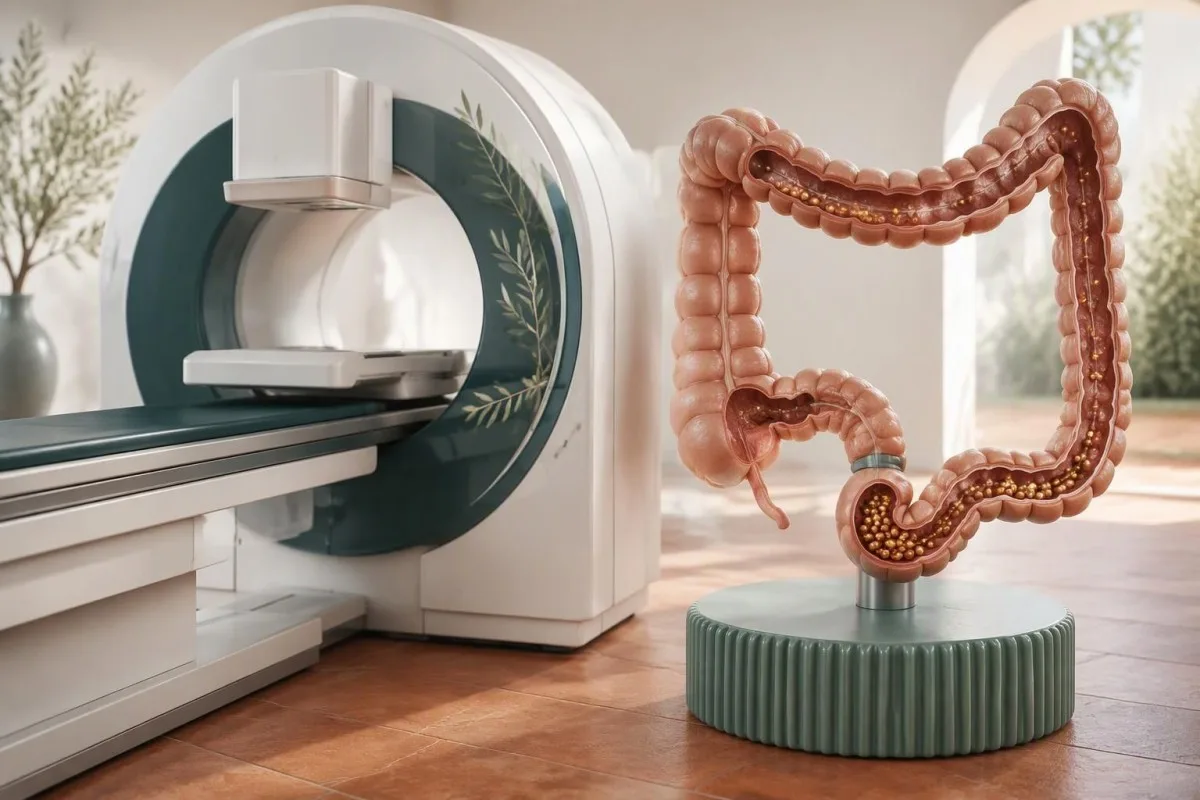
Nízka sedemdňová retencia SeHCAT podporuje diagnózu hnačky spôsobenej žlčovými kyselinami: bežne používané hodnoty sú pod 5% pri závažnej forme, 5–pod 10% pri stredne závažnej forme a 10–pod 15% pri miernej forme. Tieto percentá pomáhajú pri diskusii o liečbe, ale samy osebe nemerajú závažnosť príznakov ani neurčujú ich príčinu.

Kľúčové poznatky
- Nízka retencia hodnota pod 15% po siedmich dňoch bežne podporuje diagnózu hnačky spôsobenej žlčovými kyselinami u osoby so zodpovedajúcimi príznakmi; prednosť má hranica stanovená laboratóriom, ktoré výsledok vydáva.
- pásma závažnosti bežne klasifikujú hodnotu pod 5% ako závažnú, 5–pod 10% ako stredne závažnú a 10–pod 15% ako miernu stratu žlčových kyselín – nie nevyhnutne mierne alebo závažné príznaky.
- Normálna retencia hodnota 15% alebo vyššia zvyčajne znižuje pravdepodobnosť významnej straty žlčových kyselín, ale nevylučuje mikroskopickú kolitídu, celiakiu, problémy s pankreasom ani iné príčiny hnačky.
- Liečba zvyčajne zahŕňa sekvestranty žlčových kyselín pod dohľadom lekára; liečba cholestyramínom sa môže začať dávkou 2–4 g denne a vyžaduje individuálnu úpravu.
- Sérové C4 pri vyšetrení hnačky označuje 7α-hydroxy-4-cholestén-3-ón; nejde o komplement C4, bielkovinu imunitného systému.
- Alternatívne vyšetrenia zahŕňajú meranie C4 v sére nalačno a špecializované meranie žlčových kyselín v stolici, ktoré sa často zbiera počas 48 hodín tam, kde vyšetrenie SeHCAT nie je dostupné.
- Vyšetrenie cholestázy využíva odlišný postup: ALP, GGT, bilirubín a niekedy celkové žlčové kyseliny v sére pomáhajú zistiť poruchu toku žlče, nie stratu žlčových kyselín v čreve.
- Bezpečnosť závisí od časového odstupu pri užívaní liekov, zhodnotenia triglyceridov a rozsahu operácie ilea; samotné veľmi nízke percento nepredstavuje naliehavý stav.
Čo nízka retencia SeHCAT znamená pre vaše príznaky
Nízka retencia pri vyšetrení SeHCAT znamená, že vaše telo po siedmich dňoch zadržalo menej rádioaktívne značeného indikátora žlčovej kyseliny. Výsledok nižší ako 15% zvyčajne podporuje diagnózu hnačky zo žlčových kyselín, ak pretrvávajúca vodnatá stolica zodpovedá klinickému obrazu; nižšie percentá znamenajú väčšiu stratu indikátora, nie automaticky nebezpečnejšie ochorenie.
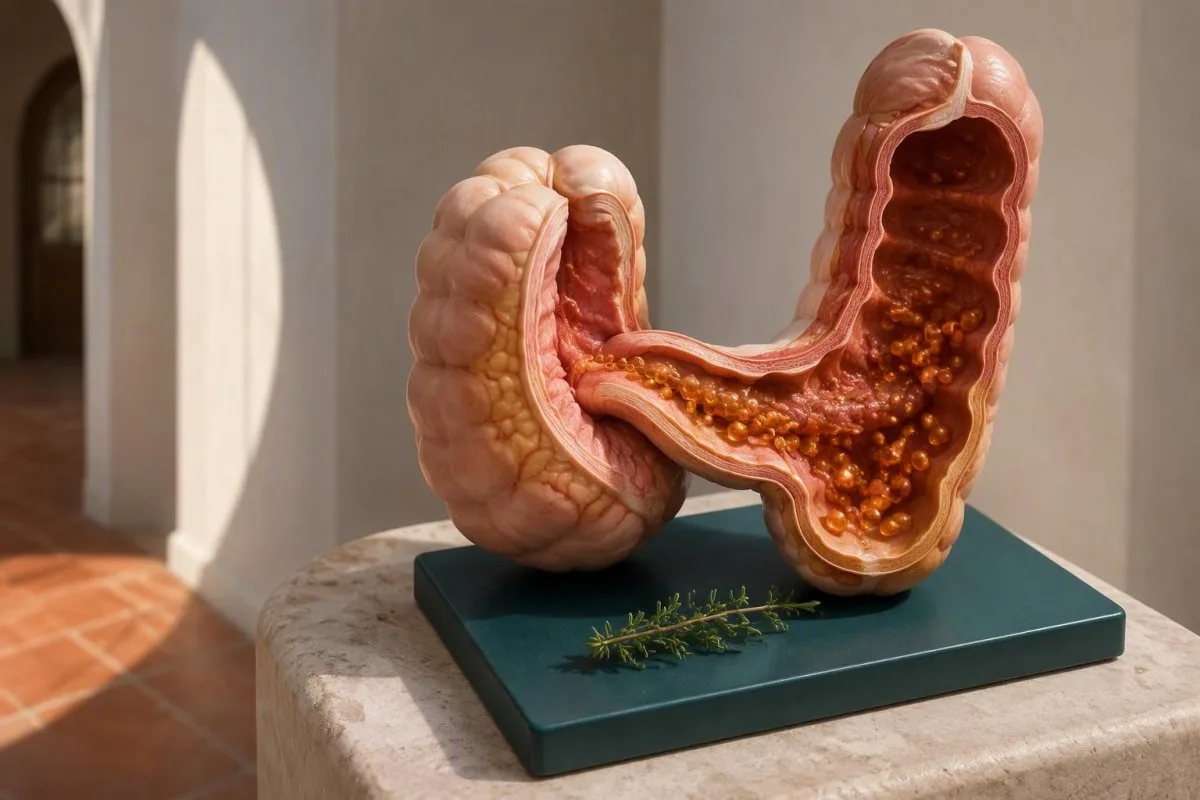
Hnačka zo žlčových kyselín vzniká, keď sa nadbytočné žlčové kyseliny dostanú do hrubého čreva a zvýšia vylučovanie tekutín a pohyb črevného obsahu. Výsledok retencie po siedmich dňoch 4% napríklad svedčí o značnej strate žlčových kyselín, ale bez klinickej anamnézy nedokáže rozlíšiť poruchu vstrebávania v ileu od nadmernej tvorby žlčových kyselín.
U hypotetického dospelého so šiestimi vodnatými stolicami denne a retenciou 8% výsledok lekárovi ponúka pravdepodobný cieľ liečby, namiesto toho, aby išlo len o ďalšie abnormálne číslo. Zaznamenávanie konzistencie stolice pomocou Bristolská tabuľka stolice pomáha odlíšiť nižší počet stolíc od skutočne tuhšej stolice, menšej naliehavosti a lepšej schopnosti odísť z domu.
Kantesti je Analyzátor krvných testov s umelou inteligenciou ktoré môžu pomôcť vysvetliť súvisiace laboratórne výsledky, zatiaľ čo vyšetrenie SeHCAT po siedmich dňoch si vyžaduje interpretáciu tímom nukleárnej medicíny a gastroenterológie. Naše organizácia a účel sú oddelené od tejto diagnostickej služby: nevykonávame vyšetrenia SeHCAT, neurčujeme základnú príčinu ani nepredpisujeme liečbu.
Ako sa meria sedemdňové percento SeHCAT
Retencia pri vyšetrení SeHCAT porovnáva úvodné meranie požitého indikátora žlčovej kyseliny značeného selénom-75 s opakovaným meraním približne o sedem dní. Pracovníci nukleárnej medicíny korigujú namerané hodnoty na aktivitu pozadia a rádioaktívny rozpad, takže uvádzané percento odhaduje biologickú retenciu, nie iba počet impulzov zaznamenaných skenerom.
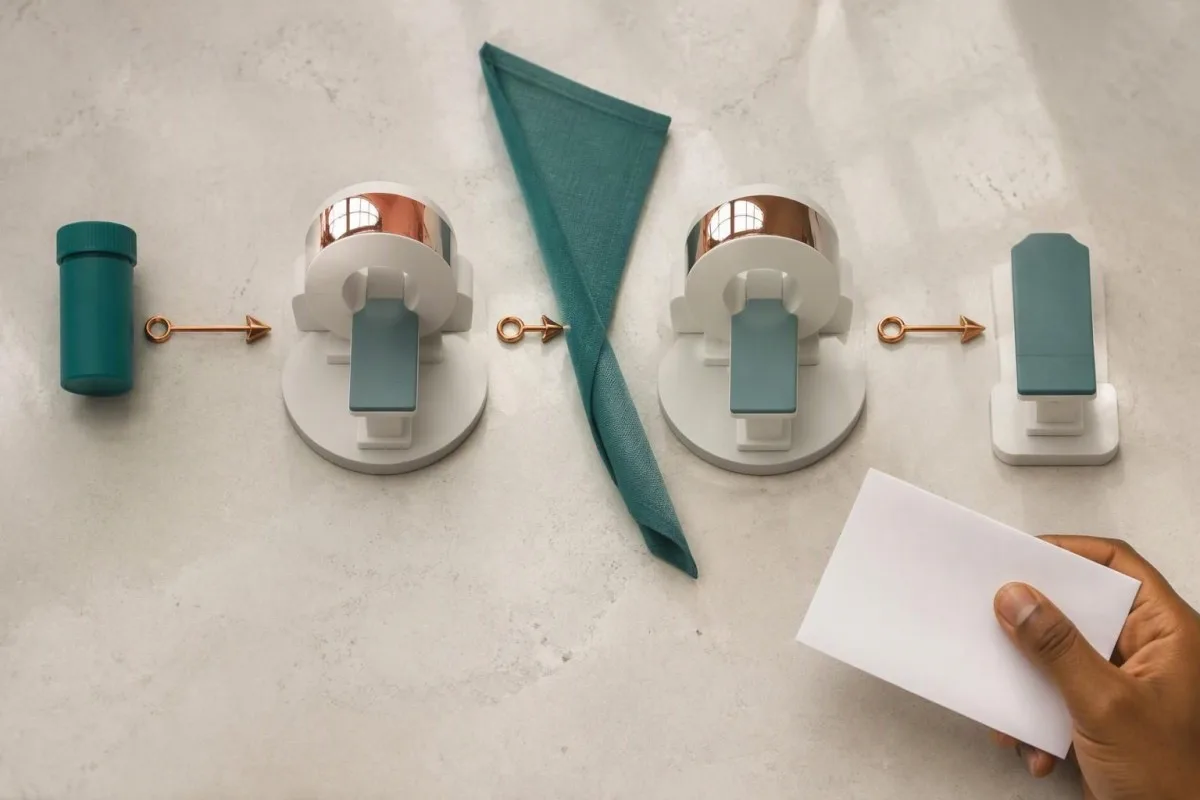
SeHCAT nie je krvný test. Väčšina protokolov zahŕňa prehltnutie kapsuly, úvodné meranie po miestne stanovenom intervale a návrat o sedem dní; kamera zachytáva vyžarovanú rádioaktivitu, namiesto toho, aby zhotovovala bežnú fotografiu čreva, a kolonoskopia ani odber stolice zvyčajne nie sú súčasťou tohto konkrétneho vyšetrenia.
Hypotetická korigovaná východisková hodnota 10,000 impulzov a korigované meranie na siedmy deň 800 impulzov by predstavovali retenciu 8%: 800 delené 10,000 a vynásobené 100. Kľúčové je slovo korigované — delením dvoch surových čísel z výsledkovej správy môžete dospieť k nesprávnemu výsledku, ak sa líšia korekcie na pozadie, trvanie merania, polohovanie alebo rádioaktívny rozpad.
Sekvestranty žlčových kyselín môžu narúšať recykláciu indikátora, preto vás pracovisko, ktoré vyšetrenie vykonáva, môže požiadať o dočasné vysadenie pred podaním kapsuly a počas sedemdňového intervalu. Dodržujte presné pokyny pracoviska a nevysadzujte lieky svojvoľne; oznámte svoje vzorcoch tráviacich symptómov, predchádzajúce operácie čriev, možnosť tehotenstva a informáciu, či dojčíte, ešte pred vyšetrením.
Percentá retencie SeHCAT: bežné prahové hodnoty závažnosti
Bežné sedemdňové hranice SeHCAT sú menej ako 5% pri závažnej strate, 5–menej ako 10% pri stredne závažnej strate a 10–menej ako 15% pri miernej strate. Retencia 15% alebo vyššia spravidla nesvedčí o významnej strate žlčových kyselín, hoci diagnostické hranice a terminológia vo výsledkoch sa medzi pracoviskami líšia.
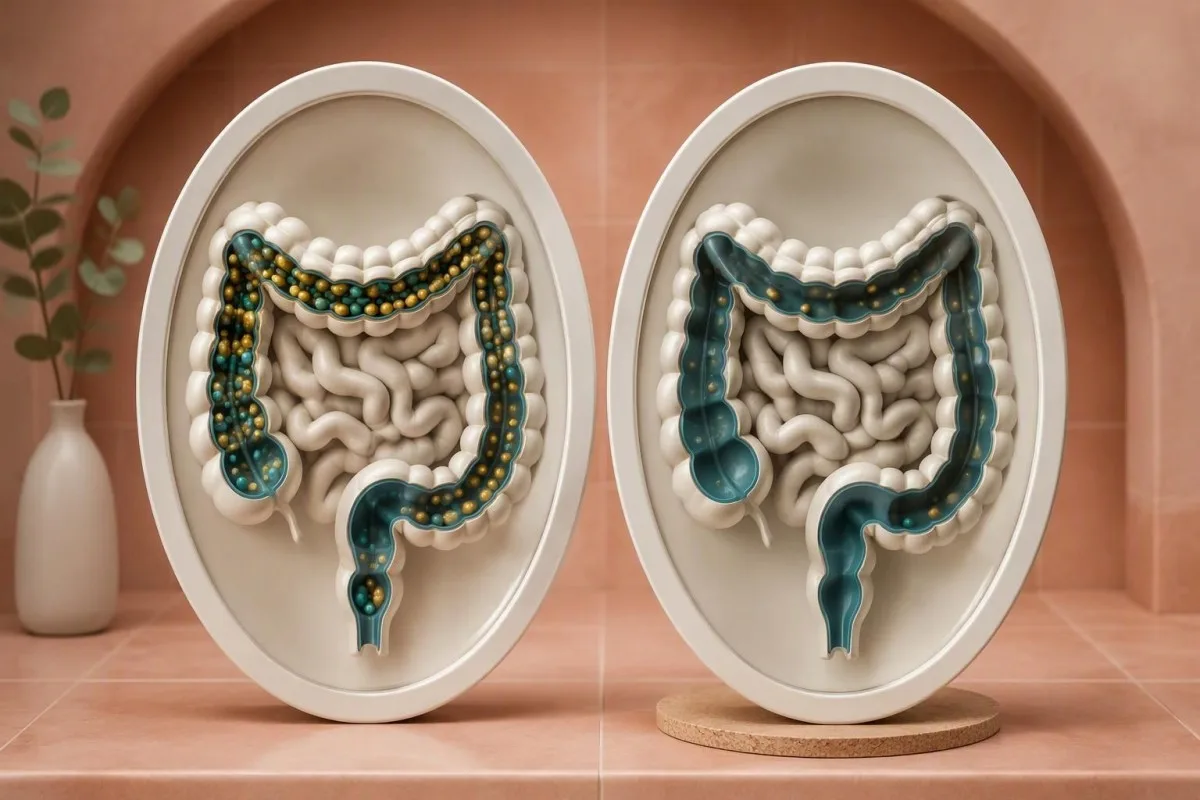
Ten/Tá/To British Society of Gastroenterology guideline describes the familiar 5%, 10%, and 15% boundaries and their relationship to treatment response (Arasaradnam et al., 2018). These thresholds are practical categories drawn from clinical evidence, not biological cliffs; there is no abrupt switch in bowel function between an otherwise comparable result of 9.9% and 10.1%.
A hypothetical 12% result commonly falls in the mild-loss band, while 3% falls in the severe-loss band. Someone at 12% may still experience disabling urgency or incontinence, whereas another person at 3% may report fewer stools because diet, bowel anatomy, medication, and other conditions modify how tracer loss translates into symptoms.
Exactly 5%, 10%, or 15% may be handled differently if a center uses inclusive boundaries or reports rounded percentages. Ask which cutoff your service applies and whether the displayed number was rounded; our explanation of výsledky mimo referenčného rozmedzia shows why a laboratory flag and a clinical diagnosis are not interchangeable.
| Úroveň | Rozmedzie | Čo to znamená |
|---|---|---|
| Generally not supportive | ≥15% retained at seven days | Significant bile acid loss is less likely under commonly used criteria; other diarrhea causes may still need investigation. |
| Mild bile acid loss | 10% to <15% retained | Supports mild loss in a compatible clinical setting; symptoms can still be substantial. |
| Moderate bile acid loss | 5% to <10% retained | Supports a bile acid contribution and a clinician-supervised treatment discussion. |
| Severe bile acid loss—not an emergency category | <5% retained | Indicates marked tracer loss; assess the cause, nutritional context, and suitability of bile acid-binding treatment. |
Čo nízky alebo normálny výsledok SeHCAT nemôže dokázať
A low SeHCAT result supports abnormal bile acid handling, but does not prove that bile acids explain every symptom. A result of 15% or above usually argues against substantial bile acid loss under common criteria, yet it cannot rule out other causes of persistent diarrhea.
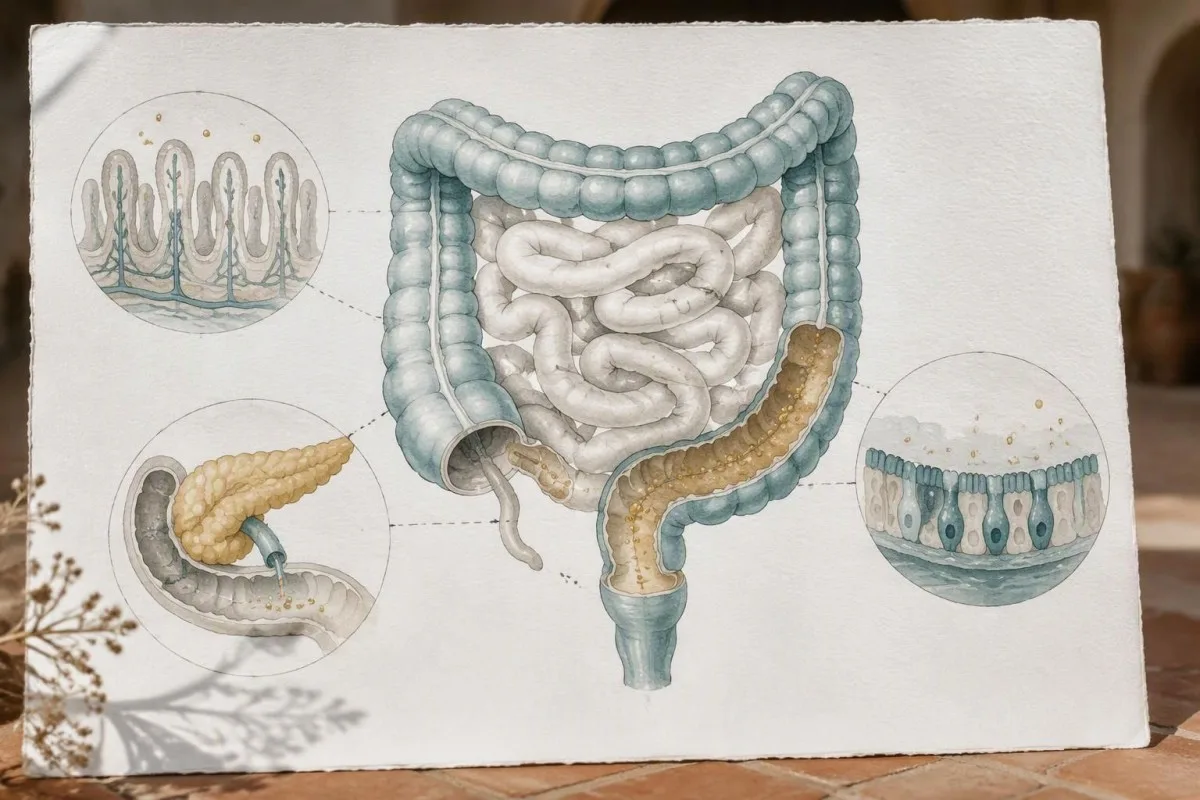
Two conditions can coexist: an adult might have 7% retention and microscopic colitis, celiac disease, or a medication-related problem. Improvement with a sequestrant can identify a treatable bile acid component without resolving the second condition; persistent symptoms therefore deserve reassessment rather than an assumption that the original scan must have been wrong.
A normal 22% result does not explain greasy, bulky stools, especially when weight loss or pancreatic risk factors accompany them. A fecal fat assessment addresses fat malabsorption rather than bile acid retention, and clinicians may add fecal elastase or imaging when the history suggests pancreatic insufficiency.
Rapid transit can alter stool appearance without proving a bile acid disorder; visible food fragments and yellow stool are not substitutes for a seven-day retention measurement. Our guide to nestrávené jedlo v stolici explains when appearance is nonspecific and when associated weight loss, nutritional abnormalities, or persistent changes make further investigation more useful.
Prečo môže byť retencia žlčových kyselín nízka
Low SeHCAT retention can result from terminal ileal disease or surgery, disturbed feedback that increases bile acid production, or secondary changes after other gastrointestinal conditions. A result below 5% does not identify which mechanism applies; the operative history and associated symptoms often provide the most useful clues.
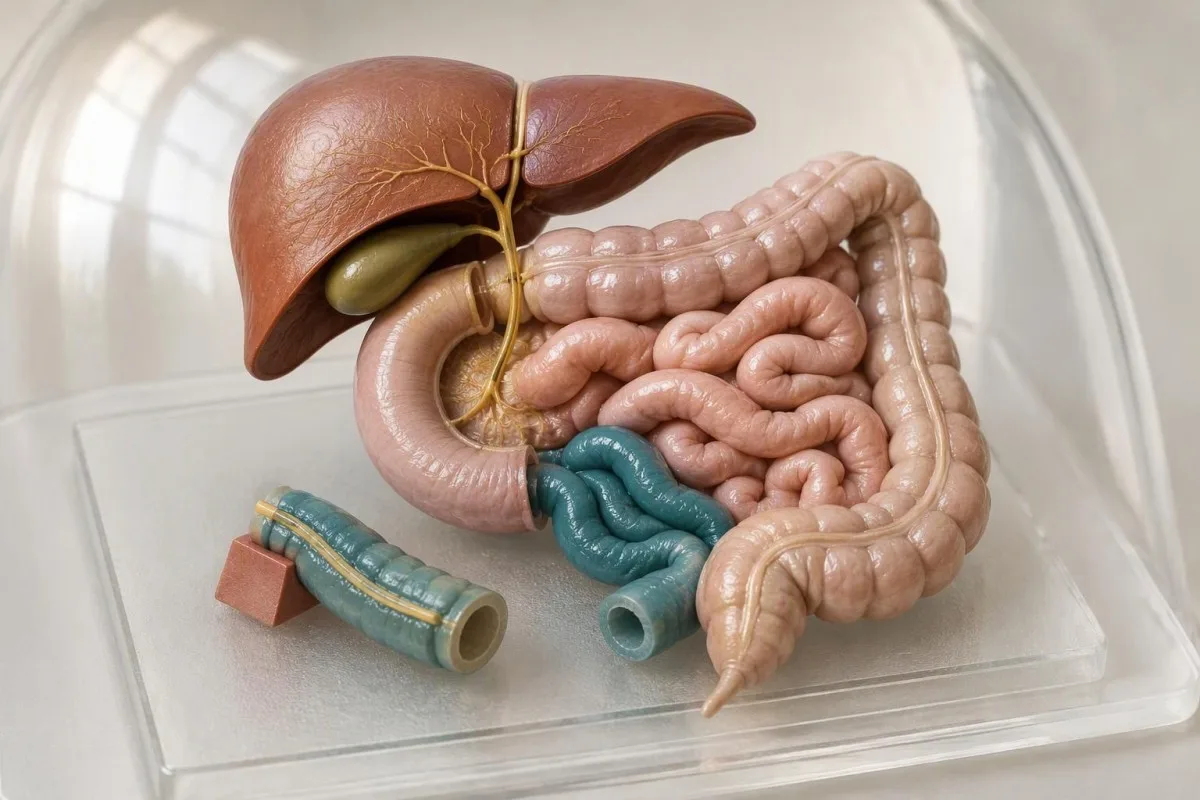
Primary bile acid diarrhea can occur without visible ileal damage because feedback signals fail to restrain liver bile acid synthesis adequately. Wedlake et al. (2009) found abnormal SeHCAT retention below 10% in about 32% of selected diarrhea-predominant IBS study participants; that pooled estimate describes investigated populations, not a screening probability for every person with loose stools.
Terminal ileal Crohn's disease or removal of that segment can reduce recycling directly, whereas diarrhea after gallbladder removal may reflect altered bile delivery and handling rather than intestinal damage. For a hypothetical person with 6% retention after surgery, the clinician should establish whether the operation removed the gallbladder, the terminal ileum, or both before selecting treatment.
Extensive ileal resection—often discussed around lengths exceeding 100 cm—can deplete the bile acid pool and cause fat malabsorption, making sequestrants counterproductive in some patients. The operative details matter more than a rigid length rule; hraničný vitamín B12 deserves attention because the terminal ileum also has a distinct role in B12 absorption.
Ktoré ďalšie vyšetrenia patria do diagnostiky hnačky spôsobenej žlčovými kyselinami?
A bile acid diarrhea diagnosis usually requires a symptom history, medication review, and targeted checks for other causes—not SeHCAT alone. Persistent watery diarrhea lasting more than four weeks commonly prompts consideration of celiac testing, stool inflammation markers, and selected infection tests, with endoscopy determined by the clinical picture.
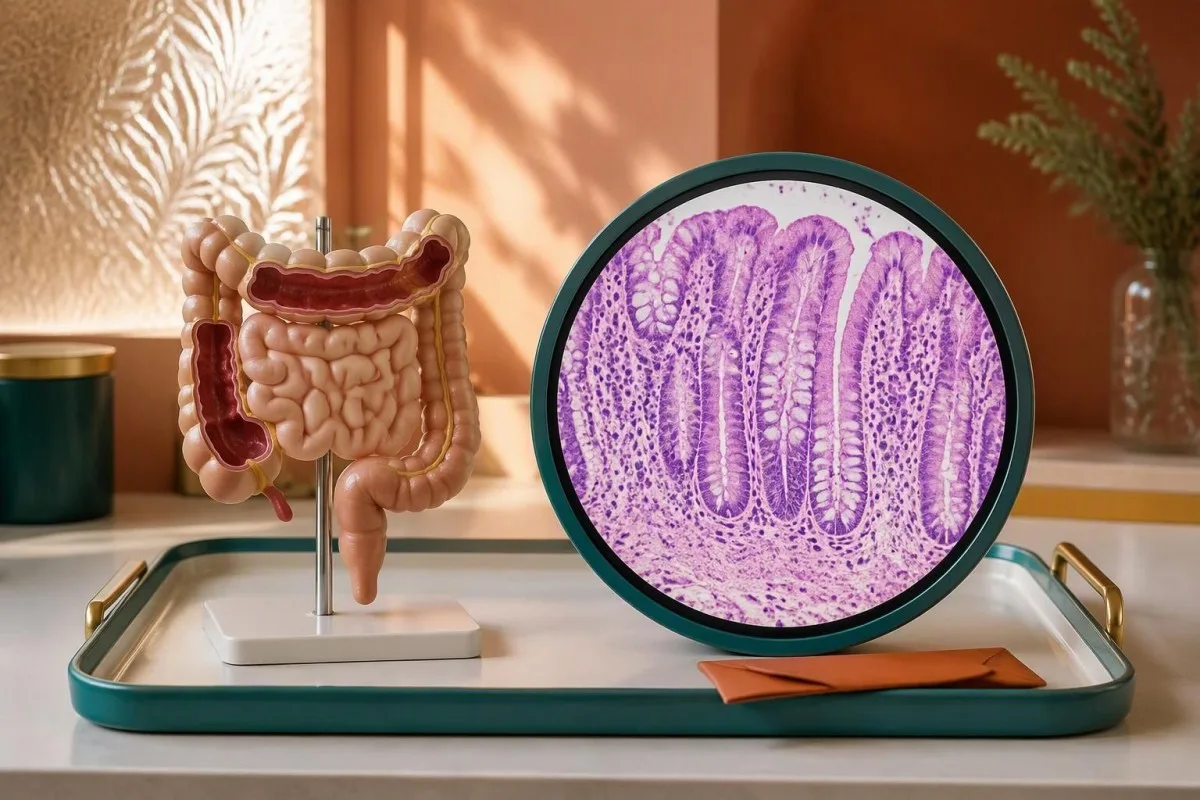
Fecal calprotectin and lactoferrin assess intestinal inflammatory activity; neither measures bile acid loss. A hypothetical adult with 8% retention and elevated stool inflammation markers may need assessment for an accompanying inflammatory condition, while normal markers do not reliably exclude microscopic colitis; our stool inflammation test comparison vysvetľuje tento rozdiel.
Celiac screening commonly combines tissue transglutaminase IgA with total IgA while the person is eating gluten, because a restricted diet or IgA deficiency can undermine interpretation. The BSG guideline also recommends right- and left-sided colon samples when excluding microscopic colitis in chronic diarrhea, even if the colon looks normal during examination (Arasaradnam et al., 2018).
Travel, untreated water exposure, or a relevant outbreak may justify targeted infection testing rather than an indiscriminate panel. In a hypothetical person with four weeks of diarrhea after camping, a Giardia antigen result could change the treatment plan; a low SeHCAT percentage should not distract from a second, independently treatable explanation.
Sérové C4 pri hnačke nie je komplement C4
Serum C4 for bile acid diarrhea means 7α-hydroxy-4-cholesten-3-one, a marker of liver bile acid synthesis. Complement C4 is a different immune-system protein, usually reported in g/L or mg/dL; a complement C4 result cannot substitute for the specialized diarrhea investigation.
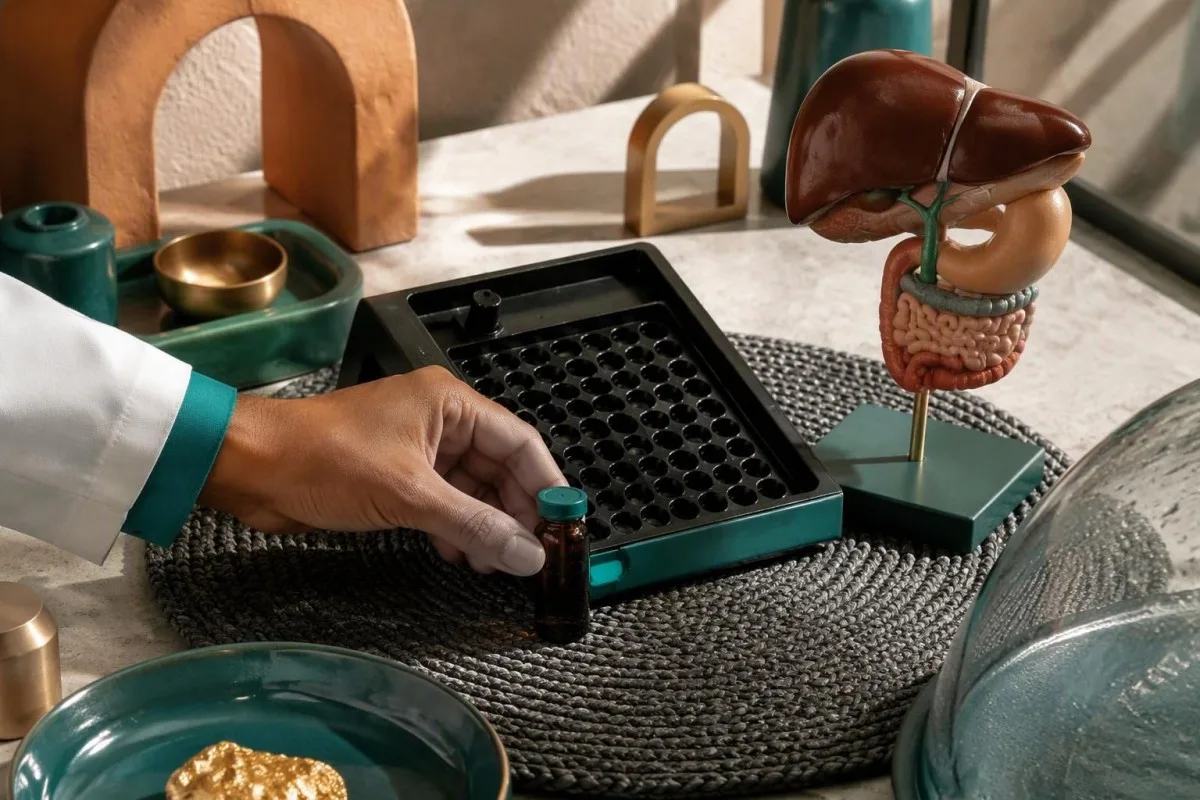
Vyvýšený 7α-hydroxy-4-cholesten-3-one result supports increased bile acid synthesis, which can accompany excessive intestinal bile acid loss. The BSG guideline discusses a threshold above 47.1 ng/mL, while some laboratories use approximately 52.5 ng/mL or their own validated boundaries; these are assay-specific decision limits, not a universal normal range (Arasaradnam et al., 2018).
Sampling usually requires a morning fasting specimen because C4 varies with meals and time of day; liver disease and medicines affecting bile acid metabolism can also complicate interpretation. A report saying only C4 0.22 g/L is more consistent with complement testing, so verify the full analyte name with the laboratory and consult our complement C4 explanation.
Kantesti je platforma na interpretáciu krvného testu AI that explains reported analyte names, units, and reference intervals, rather than treating two tests called C4 as interchangeable. When reviewing a value such as 55 ng/mL, match it to the laboratory's method and fasting instructions; our referenčná príručka pre krvné biomarkery provides context but does not establish bile acid diarrhea.
Alternatívy, keď vyšetrenie SeHCAT nie je dostupné
Where SeHCAT is unavailable, fasting serum C4 and specialist fecal bile acid measurement are the main objective alternatives. SeHCAT is not routinely available in the United States; selected laboratories instead offer stool collections over 48 hours, while access to all these investigations varies internationally.
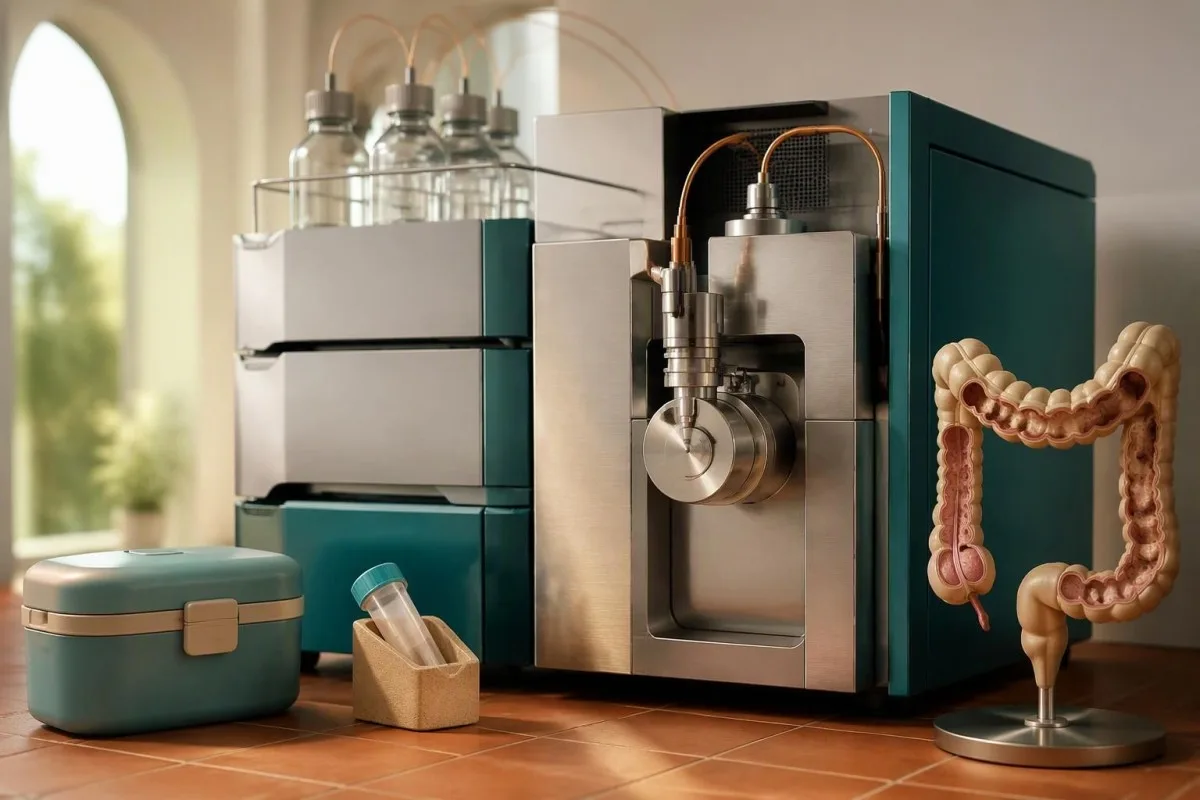
Fecal bile acid testing measures bile acids excreted in stool, not the percentage of a swallowed tracer remaining in the body. One established laboratory approach considers total bile acids above 2,337 µmol/48 hours supportive, with additional criteria based on primary bile acid proportions; use the receiving laboratory's current criteria rather than importing a cutoff from another assay.
Some protocols require approximately 100 g of dietary fat daily for four days, with stool collected during the final 48 hours; this standardized intake can be difficult for someone whose symptoms worsen after fatty meals. Discuss suitability before beginning, because an incomplete collection or a substantially different diet can weaken interpretation and the protocol is not a treatment recommendation.
The Canadian guideline favors objective testing over an empirical sequestrant trial when suitable testing is available, but acknowledges access limitations (Sadowski et al., 2020). FGF19 testing is less standardized for routine care, and a commercial gut microbiome report does not replace SeHCAT, serum C4, or fecal bile acid measurement—even if it lists bile-related organisms.
Vyšetrenie hnačky spôsobenej žlčovými kyselinami sa líši od vyšetrenia cholestázy
SeHCAT and specialist serum C4 investigate intestinal bile acid handling; cholestasis testing investigates impaired bile formation or flow. ALP, GGT, bilirubin, and sometimes serum total bile acids address the liver-and-bile-duct pathway, so a normal liver panel does not rule out bile acid diarrhea.
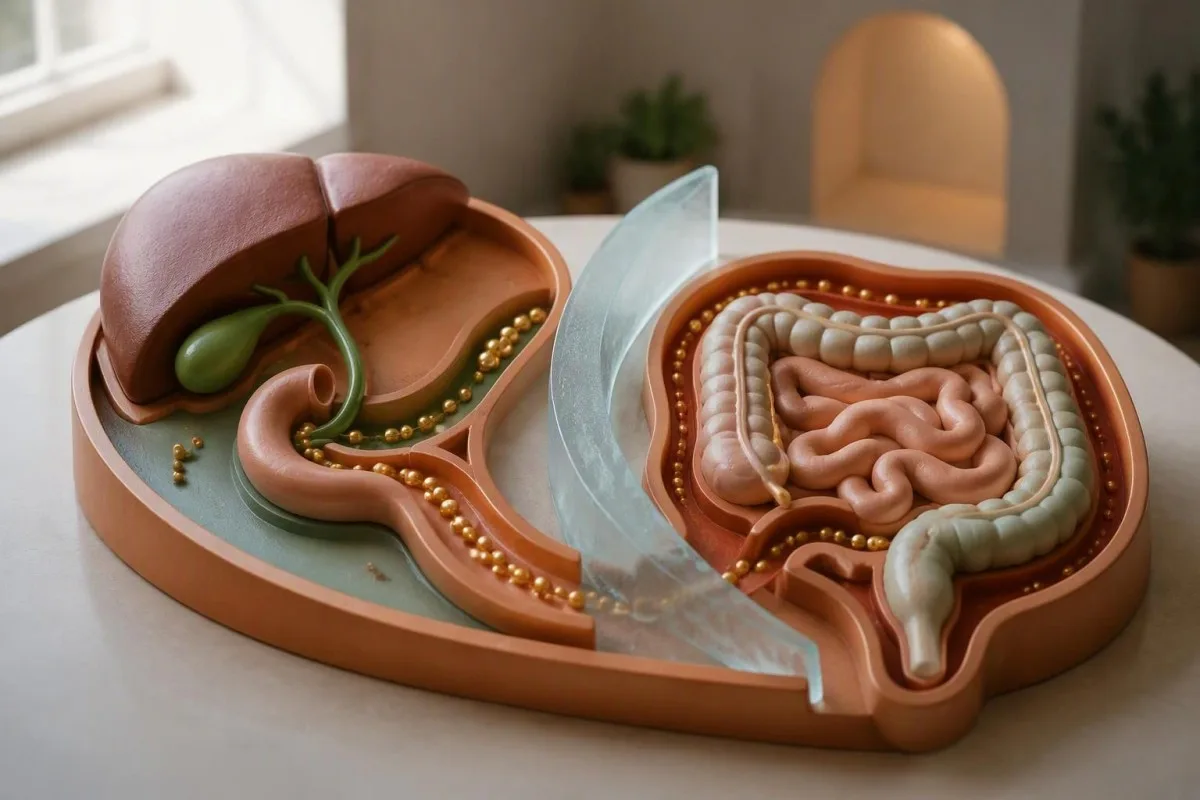
A hypothetical adult with 4% SeHCAT retention and normal ALP, GGT, and bilirubin can still have clinically significant bile acid diarrhea. Conversely, an elevated total bile acids result in someone with generalized itching raises different questions; concentration in serum does not tell a clinician how much tracer remains after seven days.
Serum total bile acids are usually reported in µmol/L, whereas specialist serum C4 is commonly reported in ng/mL. These units help reveal that the investigations measure different substances, not different versions of the same result; substituting total bile acids for C4 can send a diarrhea workup down the wrong diagnostic pathway.
A raised ALP accompanied by raised GGT makes a hepatobiliary source more likely than an isolated bone-related ALP rise, but blood tests alone do not locate an obstruction. Our cholestasis laboratory pattern guide explains the next steps; jaundice with fever or severe abdominal pain needs urgent assessment regardless of a previous 8% SeHCAT result.
Ako výsledky SeHCAT usmerňujú liečbu pod dohľadom lekára
Low SeHCAT retention often leads to a supervised trial of a bile acid sequestrant, adjusted to symptom response and tolerability. Cholestyramine is commonly started at 2–4 g daily in guideline-described practice; colesevelam or colestipol may be considered when the first option is unsuitable, unavailable, or poorly tolerated.

Bile acid sequestrants bind bile acids in the intestine rather than repairing the ileum. A hypothetical person with 7% retention might begin a clinician-selected low dose and adjust it over subsequent weeks, using stool consistency and urgency as outcomes; immediately escalating because the percentage is low can produce constipation without improving the person's overall function.
The BSG guideline cites historical pooled cholestyramine responses of approximately 96% at retention below 5% and 70% below 15% (Arasaradnam et al., 2018). Those groups overlap and the underlying studies differ, so these figures are not modern head-to-head comparisons or personal success probabilities; the Canadian guideline also emphasizes the generally limited certainty of treatment evidence (Sadowski et al., 2020).
Kantesti AI does not choose a sequestrant or recommend changing a prescribed dose based on a result such as 3% retention. Keeping a dated medicine and symptom record supports a safer follow-up discussion, while our medication monitoring workflow explains how accompanying laboratory trends can inform questions for the prescribing clinician.
Časový odstup pri užívaní liekov, vedľajšie účinky a bezpečnosť liečby
Bile acid sequestrants can cause constipation, bloating, and reduced absorption of other medicines. Cholestyramine labeling commonly advises taking other oral medicines at least one hour before or four to six hours afterward; the correct spacing depends on the specific product and the medicine being protected.
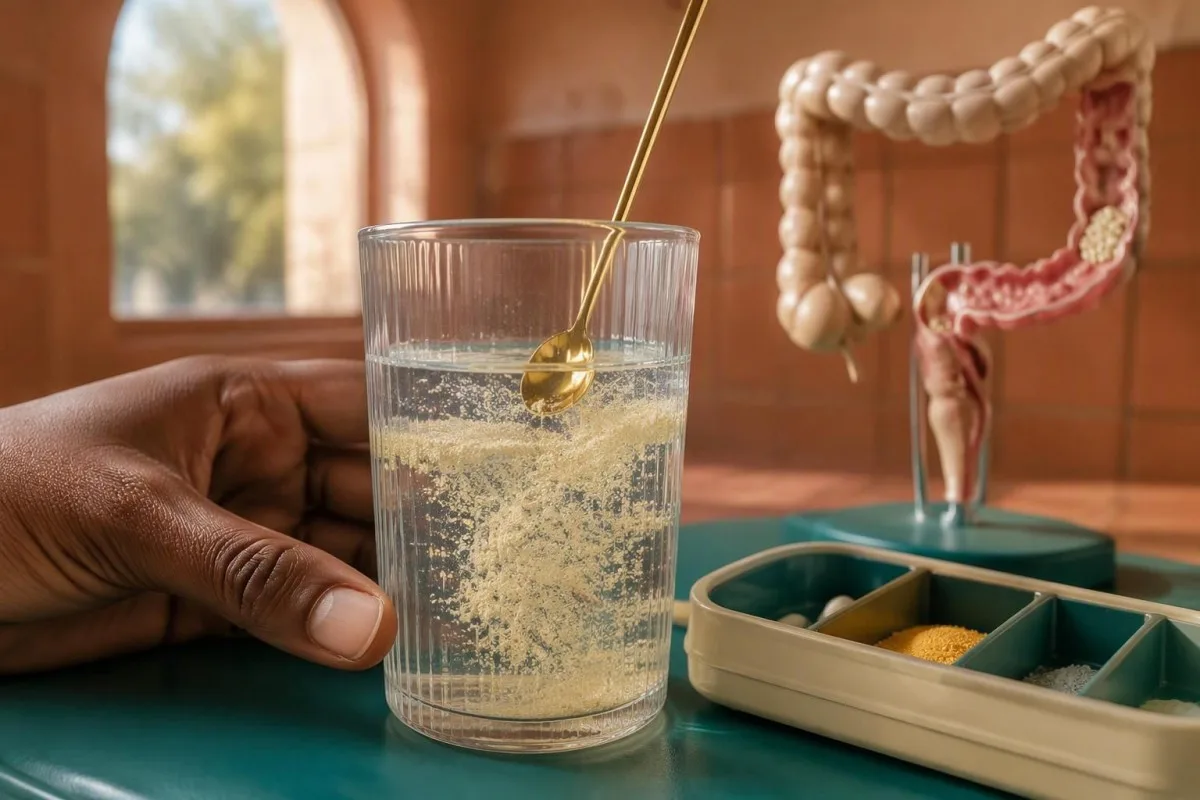
Colesevelam does not eliminate interaction risk. Certain interacting medicines and vitamin supplements should be taken at least four hours before it according to product labeling; a pharmacist should review the complete list, especially levothyroxine, warfarin, oral contraceptives, and medicines where modest absorption changes could matter, rather than applying one timing rule to everything.
Sequestrants can raise triglycerides, which is why a lipid review can be relevant even though treatment targets diarrhea rather than cholesterol. Colesevelam is contraindicated by US labeling when triglycerides exceed 500 mg/dL or there is a history of hypertriglyceridemia-induced pancreatitis; our sprievodca opakovaným vyšetrením triglyceridov explains how fasting and context affect interpretation.
A typical cholestyramine sachet contains 4 g of active resin, but products and prescribed amounts differ; dry powder should be mixed exactly as instructed rather than swallowed directly. Long-term treatment may justify selective assessment of fat-soluble vitamins, particularly with malabsorption, while persistent constipation, swallowing difficulty, or severe abdominal symptoms should prompt a medication review instead of further dose escalation.
Môže pri nízkej retencii SeHCAT pomôcť úprava stravy?
Reducing large fat loads can lessen bile acid diarrhea symptoms in some people, but diet does not replace investigation or supervised treatment. A hypothetical 14-day food-and-symptom record can show whether meal size or fat distribution affects urgency; no single fat target is appropriate for every person with low retention.
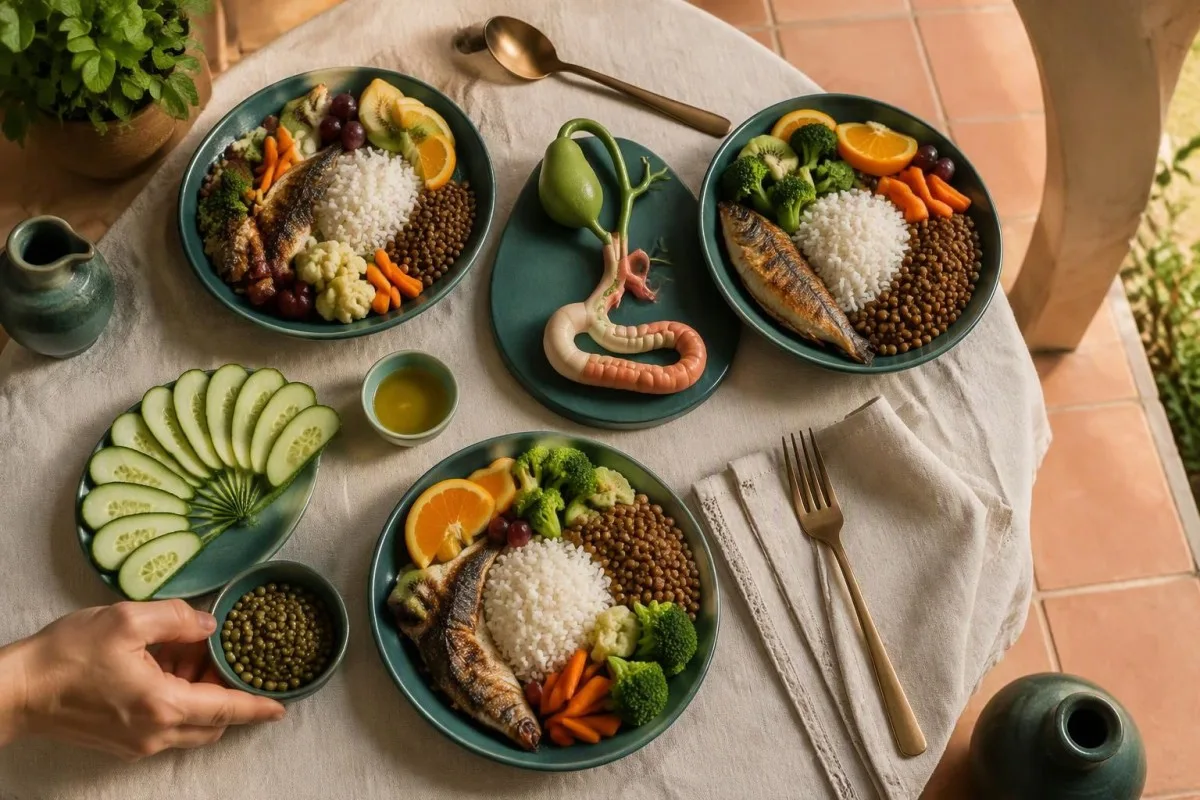
Dietary fat stimulates bile delivery, so a large high-fat meal can expose the colon to a greater bile acid load in susceptible people. Small clinical studies suggest that lower-fat approaches can improve symptoms, but evidence for a universal prescription is limited; spreading intake across three meals may be more practical than eliminating every source of fat.
A hypothetical adult with 11% retention might compare two weeks of usual meals with two weeks of smaller, less fatty meals while keeping prescribed treatment stable. That comparison can help identify a personal pattern, but it does not prove the diagnosis, and the high-fat preparation used for some 48-hour fecal tests should not be confused with dietary symptom management.
Extensive ileal disease, restricted intake, and prolonged sequestrant use can increase nutritional concerns, although a low result such as 4% does not automatically mean vitamin deficiency. A dietitian can protect energy and essential fat intake; when vitamin D is actually low, our vitamin D recheck guidance explains why repeat testing follows the deficiency and treatment plan, not the SeHCAT percentage.
Kontrola po liečbe a príznaky vyžadujúce neodkladnú starostlivosť
Follow-up should assess stool consistency, urgency, hydration, side effects, and whether another diagnosis remains untreated. A very low SeHCAT result alone is not an emergency; fainting, confusion, severe dehydration, bloody or black tarry stools, or severe abdominal pain require prompt assessment independently of the retention percentage.
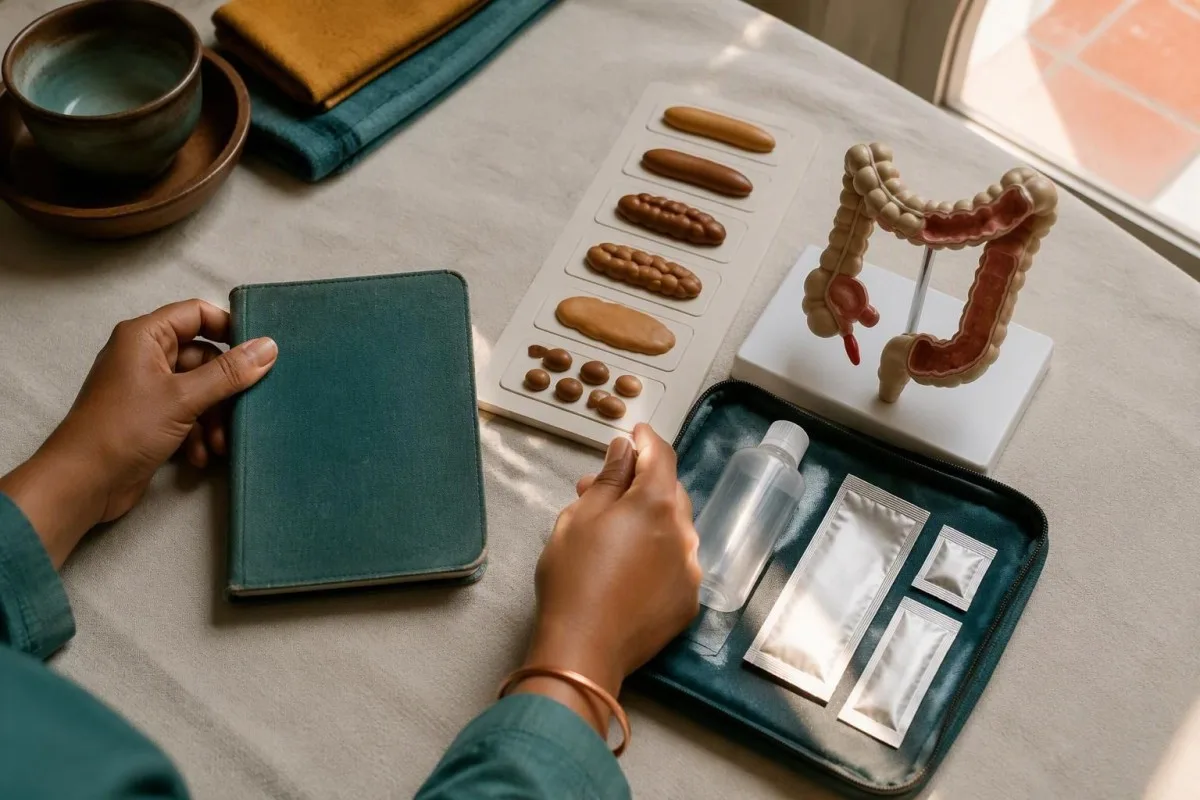
A hypothetical change from six watery stools daily to three formed stools is a useful treatment response, even if SeHCAT retention is never remeasured. Routine repeat scanning is usually unnecessary once the diagnosis and treatment direction are established; persistent urgency or nighttime diarrhea matters because a lower stool count can conceal ongoing impairment or a second gastrointestinal condition.
Continued watery losses can disturb sodium, potassium, magnesium, and kidney function, particularly in older adults or people taking diuretics. A hypothetical creatinine rise after three days of poor intake deserves assessment for dehydration rather than automatic labeling as chronic kidney disease; our sprievodca pre dehydratáciu a eGFR explains why reassessment after recovery may change interpretation.
Kantesti AI can help explain accompanying electrolyte or kidney results, but a previous 6% scan cannot make new warning symptoms safe to ignore. Use our stool color warning guide to understand why visible blood, black tarry stool, or bleeding with dizziness needs clinical attention; oral rehydration solution can help replace losses while appropriate care is arranged.
Výskumné publikácie a hranice interpretácie pomocou AI
Clinical SeHCAT thresholds and treatment decisions should come from relevant gastroenterology evidence, not from AI performance reports. The 2018 BSG and 2020 Canadian guidelines underpin this article's diagnostic discussion; the two organizational publications listed below describe separate aspects of our blood-test interpretation work.
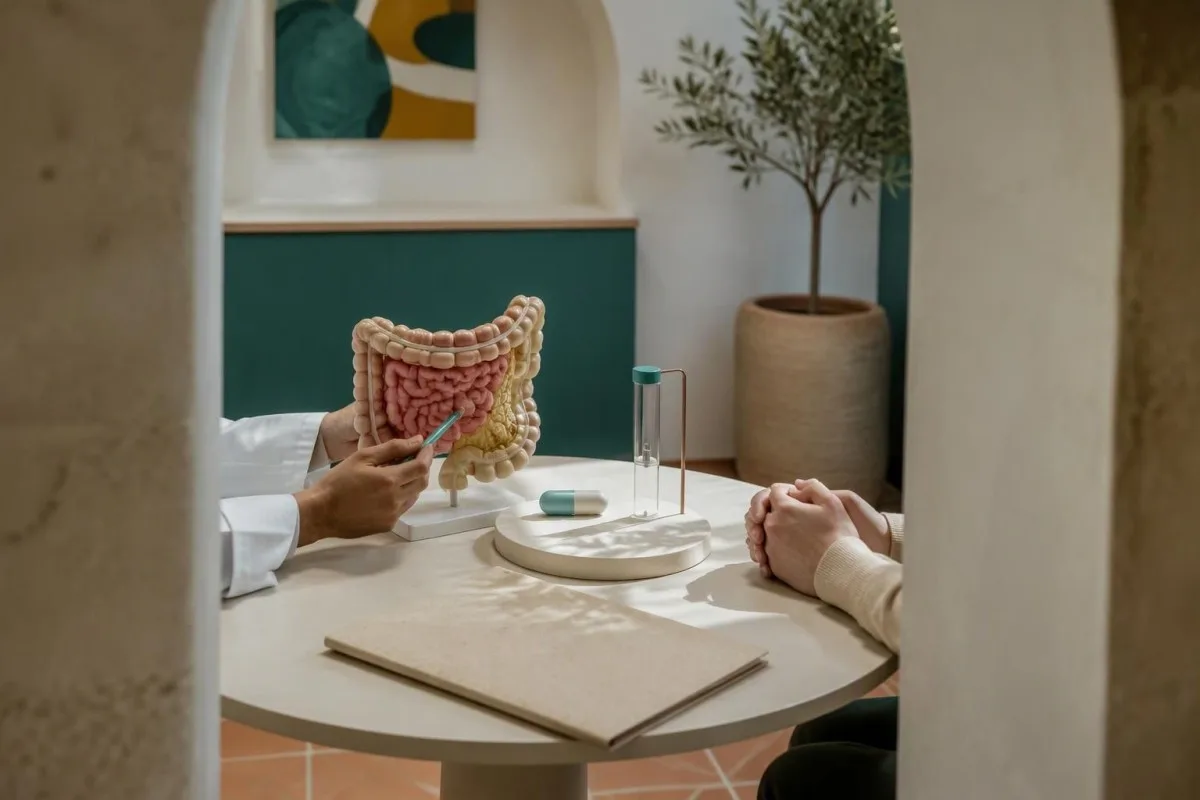
The two Zenodo references are organizational publications, not independent demonstrations that an AI system can diagnose bile acid diarrhea or interpret nuclear medicine scans accurately. Our informácie o validácii a klinickom dohľade information should be read with that distinction in mind: a technical framework cannot replace the seven-day measurement, the reporting center's method, or a clinician's assessment of competing diagnoses.
Kantesti je Nástroj na analýzu krvných testov poháňaný AI intended to support understanding of laboratory reports, not to replace specialist interpretation of a 5%, 10%, or 15% retention boundary. Our štandardy medicínskeho obsahu describe the editorial approach behind explanations such as this one, including clear separation of established guidance, hypothetical examples, and areas where evidence remains uncertain.
For a useful appointment, bring five items: the complete SeHCAT report, a current medicine list, details of ileal or gallbladder surgery, a stool-and-urgency record, and any relevant laboratory results. Ask which retention cutoff the service uses, whether testing suggests an underlying condition, how medicines should be spaced, and what response would justify continuing or changing treatment; those questions are more actionable than interpreting the percentage in isolation.
Často kladené otázky
Aký je normálny výsledok testu SeHCAT?
Sedemdňová retencia SeHCAT na úrovni 15% alebo vyššej sa podľa bežne používaných kritérií vo všeobecnosti nepovažuje za nález podporujúci významnú stratu žlčových kyselín. Niektoré pracoviská používajú odlišné diagnostické hranice, preto má prednosť interpretácia uvedená v správe z vyšetrenia nukleárnej medicíny. Normálny výsledok nevylučuje mikroskopickú kolitídu, celiakiu, pankreatickú insuficienciu ani iné príčiny pretrvávajúcej hnačky. Pretrvávajúce príznaky si stále vyžadujú primerané klinické vyšetrenie.
Čo znamená výsledok SeHCAT 3%?
0 Výsledok retencie SeHCAT po siedmich dňoch 3% spadá do bežne používanej kategórie závažnej straty žlčových kyselín, ktorá je pod 5%. Pri zodpovedajúcich príznakoch podporuje diagnózu hnačky zo žlčových kyselín, neurčuje však, či je príčinou ochorenie ilea, chirurgický zákrok alebo zmenená tvorba žlčových kyselín. Samotné číslo nepredstavuje urgentný stav a nemusí nevyhnutne predpovedať závažnosť príznakov. Pri liečbe treba zohľadniť lieky, stav výživy a rozsah prípadnej resekcie ilea.
Môže mierna malabsorpcia žlčových kyselín spôsobiť silnú hnačku?
Áno — retencia v bežne používanej kategórii miernej straty od 10% do menej ako 15% sa môže spájať s výraznou vodnatou hnačkou, naliehavým nutkaním na stolicu alebo inkontinenciou. Kategórie SeHCAT opisujú retenciu rádioaktívneho indikátora, nie validovanú škálu závažnosti príznakov. To, do akej miery sú ťažkosti pre človeka záťažou, ovplyvňuje stravovací režim, črevný tranzit, lieky a súbežné ochorenia. Lekári by mali posudzovať každodenné fungovanie a odpoveď na liečbu, nie príznaky odmietať len preto, že nález uvádza mierny stupeň.
Je sérový C4 to isté ako komplement C4?
Nie — sérový C4 používaný pri hnačke spôsobenej žlčovými kyselinami je 7α-hydroxy-4-cholestén-3-ón, zatiaľ čo komplement C4 je bielkovina imunitného systému. Marker hnačky sa zvyčajne uvádza v ng/ml, pričom niektoré pracoviská používajú prahové hodnoty špecifické pre danú metódu, napríklad 47,1 alebo približne 52,5 ng/ml. Komplement C4 sa zvyčajne uvádza v g/l alebo mg/dl a nedokáže diagnostikovať stratu žlčových kyselín v čreve. Skontrolujte celý názov analytu, pokyny týkajúce sa lačnenia a referenčné rozmedzie laboratória.
Aké vyšetrenie môže nahradiť SeHCAT, ak nie je dostupný?
Nalačno stanovená sérová hodnota C4 a špecializované meranie žlčových kyselín v stolici sú hlavnými objektívnymi alternatívami, keď vyšetrenie SeHCAT nie je dostupné. Niektoré protokoly vyšetrenia stolice využívajú 48-hodinový zber a kritériá špecifické pre dané laboratórium vrátane celkového množstva žlčových kyselín nad 2,337 µmol/48 hodín. Príprava a interpretácia závisia od laboratória, ktoré vzorku spracúva, a žiadna alternatíva sa úplne nevyrovná vyšetreniu SeHCAT. Ak nie je možné vykonať vhodné vyšetrenie, možno zvážiť liečebnú skúšku pod dohľadom, ale neodpovedanie na liečbu spoľahlivo nevylučuje hnačku spôsobenú žlčovými kyselinami.
Znamená neúčinnosť cholestyramínu, že nemám hnačku zo žlčových kyselín?
0 Nezlepšenie po cholestyramíne spoľahlivo nevylučuje hnačku spôsobenú žlčovými kyselinami, a to ani po nízkom výsledku SeHCAT, ako je 7%. Odpoveď na liečbu môžu ovplyvniť zlá znášanlivosť, nevhodná dávka alebo dávkovací režim, interakcie, nepravidelné užívanie aj iná súbežná príčina hnačky. Pri užívaní cholestyramínu je zvyčajne potrebné užiť iné perorálne lieky aspoň hodinu pred ním alebo štyri až šesť hodín po ňom, podľa konkrétnych pokynov k prípravku. Lekár by mal tieto možnosti prehodnotiť skôr, ako sa diagnóza zavrhne alebo liečba zmení.
Môžu normálne pečeňové krvné testy vylúčiť hnačku spôsobenú žlčovými kyselinami?
Normálne hodnoty ALP, GGT a bilirubínu nevylučujú hnačku spôsobenú žlčovými kyselinami, pretože vyšetrenia pečene a SeHCAT hodnotia rôzne procesy. Človek môže mať normálne pečeňové testy a po siedmich dňoch retenciu SeHCAT len 4%. Celkové žlčové kyseliny v sére, zvyčajne uvádzané v µmol/L, tiež nie sú zameniteľné so špecializovaným vyšetrením C4 v sére v ng/mL. Svrbenie, žltačka, tmavý moč alebo svetlá stolica môžu vyžadovať samostatné posúdenie cholestázy namiesto interpretácie zameranej na hnačku.
Získajte vysvetlenie výsledkov krvných testov
Nahrajte svoj laboratórny nález a AI nástroja Kantesti vám v priebehu niekoľkých sekúnd vysvetlí každý biomarker jednoduchým jazykom. Používa ho viac než 2 milióny ľudí na celom svete.
Referencie
- Klein, T., Mitchell, S., & Weber, H. (2026). Klinický validačný rámec v2.0 (stránka lekárskej validácie). Kantesti AI lekársky výskum. DOI
- Klein, T., Mitchell, S., & Weber, H. (2026). AI analýza krvi: 2,5 mil. analyzovaných testov | Global Health Report 2026. Kantesti AI lekársky výskum. DOI
- Arasaradnam RP et al. (2018). Guidelines for the investigation of chronic diarrhoea in adults: British Society of Gastroenterology, 3rd edition. Gut. DOI PubMed
- Sadowski DC et al. (2020). Canadian Association of Gastroenterology Clinical Practice Guideline on the Management of Bile Acid Diarrhea. Clinical Gastroenterology and Hepatology.
- Wedlake L et al. (2009). Systematic review: the prevalence of idiopathic bile acid malabsorption as diagnosed by SeHCAT scanning in patients with diarrhoea-predominant irritable bowel syndrome. Alimentary Pharmacology & Therapeutics.
- 2 milióny+Analyzované testy
- 127+Krajiny
- 100+Jazyky
O zdravotníckom tíme


Signály dôvery E-E-A-T Trust Signals
Skúsenosti
Klinické hodnotenie vedené lekárom pracovných postupov interpretácie laboratórnych výsledkov.
Odbornosť
Laboratórna medicína so zameraním na to, ako sa biomarkery správajú v klinickom kontexte.
Autoritatívnosť
Lekársky recenzoval Dr. Thomas Klein, s príspevkami Dr. Sarah Mitchell a prof. Dr. Hansa Webera.
Dôveryhodnosť
Interpretácia založená na dôkazoch s jasnými následnými krokmi na zníženie poplachu.

Zdravotnícke upozornenie
Tento článok je určený len na vzdelávacie účely a nepredstavuje lekárske poradenstvo. Pri rozhodnutiach o diagnostike a liečbe sa vždy poraďte s kvalifikovaným poskytovateľom zdravotnej starostlivosti.
Publikované · Kontaktujte redakčný tím
Vydáva Kantesti Ltd, registrovaná v Anglicku a Walese, číslo spoločnosti. 17090423, Londýn, Spojené kráľovstvo.
