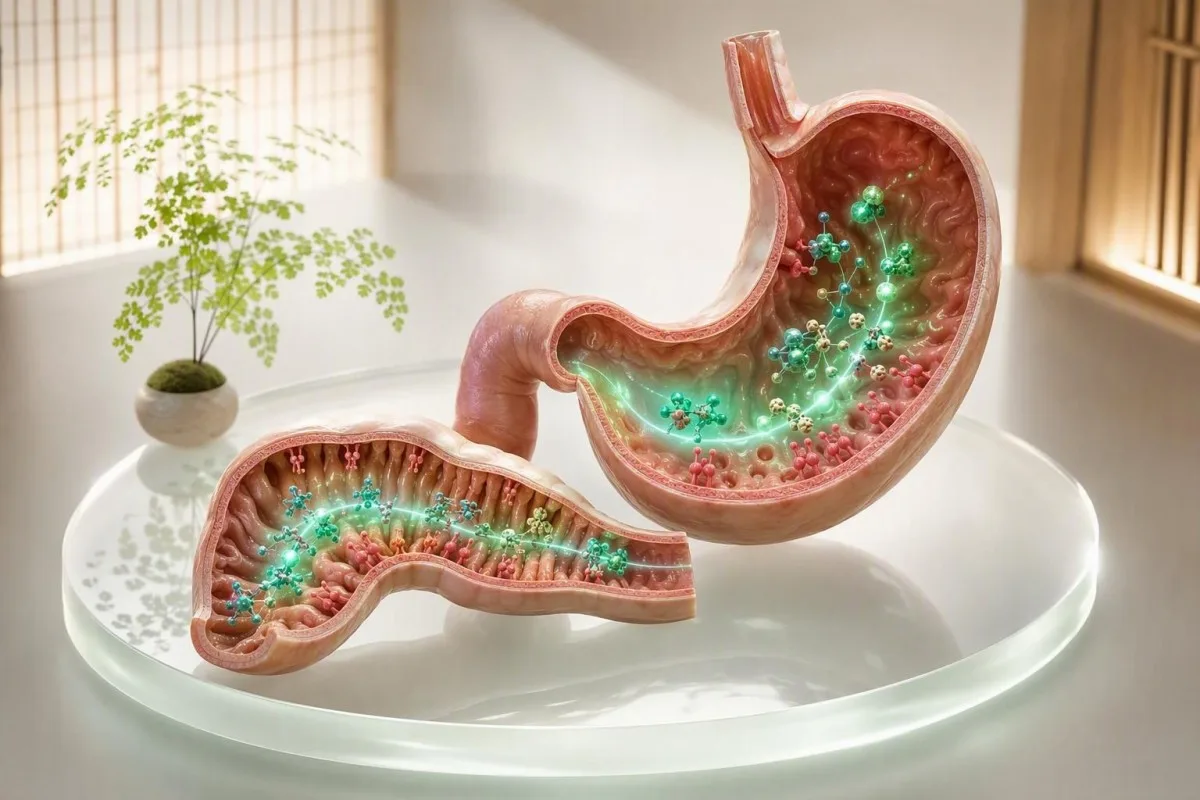
Betroubare vitamien B12 kom van dierlike voedsel of spesifiek verrykte produkte; 'n voedingsryke dieet kan nie elke absorpsieprobleem oorkom nie. Hier is hoe ek pasiënte help om voedselkeuses, simptome, medisyne en laboratoriumresultate te pas.


- Daaglikse B12-behoefte is 2.4 mcg vir die meeste volwassenes, 2.6 mcg tydens swangerskap, en 2.8 mcg tydens borsvoeding.
- Beste voedselbronne sluit skulpvis, lewer, vis, vleis, suiwel, eiers en B12-verrykte voedsel in; onverrykte plantvoedsel is nie betroubare bronne nie.
- Beeslewer lewer ongeveer 70 mcg B12 per 85 g gaar porsie, terwyl 250 ml melk ongeveer 1.3 mcg lewer.
- Absorpsielimiet beteken intrinsieke faktor absorbeer gewoonlik slegs ongeveer 1.5-2 mcg uit 'n maaltyd; ongeveer 1% van 'n groot mondelinge dosis kan steeds passief binnedring.
- Serum B12 onder 200 pg/mL (148 pmol/L) ondersteun algemeen tekort, terwyl 200-300 pg/mL dikwels metielmalonzuur of aktiewe B12-konteks benodig.
- Metformien en suuronderdrukkende medisyne kan B12 oor tyd verlaag, veral wanneer die gebruik vir etlike jare voortduur.
- Neurologiese simptome soos gevoelloosheid, gangverandering, geheueprobleme, of verlies van vibrasie-sin, mediese oorsig vereis selfs indien bloedarmoede afwesig is.
- Kos alleen mag nie tekorte regstel nie veroorsaak deur pernisieuse anemie, maagsug, ernstige wanabsorpsie, of beduidende neurologiese simptome.
Watter voedsel bied die mees betroubare vitamien B12?
Kos hoog in B12 is byna uitsluitlik dierlike kos en kos wat doelbewus met kobalamien versterk is. Mossels, lewer, vis, vleis, melk, jogurt, kaas, eiers, versterkte ontbytvlokkies en versterkte plantgebaseerde drankies is betroubare keuses wanneer die etiket die B12-inhoud bevestig.
Gaar mossels kan ongeveer voorsien 84 mcg per 85 g, en gaar beeslewer ongeveer 70 mcg per 85 g; albei oorskry die volwasse vereiste vele male. Ek moedig steeds variëteit aan eerder as om dikwels op lewer staat te maak, want lewer is ook buitengewoon hoog in voorgevormde vitamien A en is nie 'n toevallige daaglikse kos tydens swangerskap nie.
Vis is 'n praktiese middeweg: gaar forel voorsien ongeveer 5,4 mcg per 85 g, salm ongeveer 2.6 mcg, en ingemaakte tuna ongeveer 2.5 mcg. 'n Pasiënt wat skulpvis nie hou nie, kan gewoonlik voedselbehoeftes nakom met twee porsies vis weekliks plus suiwel, eiers, of versterkte kos; ons B12 teenoor folaat-gids verduidelik hoekom folaat nie vir kobalamien kan vervang nie.
Kantesti is 'n KI-bloedtoetsontleder wat 'n B12-resultaat plaas langs gemiddelde korpuskulêre volume, hemoglobien, folaat, nierfunksie en medikasiekonteks. Dit maak saak omdat 'n persoon wat vis twee keer weekliks eet steeds tekort kan raak as die probleem intrinsieke faktor is eerder as inname.
Hoeveel B12 is in alledaagse voedsel?
'n Enkele porsie vis, vleis, of suiwel mag 'n deel of al die 2.4 mcg volwasse teiken voorsien, maar hoeveelhede verskil skerp volgens kos en porsiegrootte. Etikette en voedselkomposisietabelle is skattings, nie 'n waarborg van wat die bloedstroom bereik nie.
'n 250 mL koppie koeimelk voorsien ongeveer 1,3 mcg, 170 g gewone jogurt ongeveer 1,0 mcg, een groot eier ongeveer 0,5 mcg, en 85 g gaar maer beesvleis ongeveer 2.4 mcg. Suiwelprodukte kan dus betekenisvol bydra tot inname, hoewel twee eiers vir ontbyt gewoonlik nie die hele dag se behoefte dek nie.
Ek sien dikwels 'n misleidende patroon by mense wat hulself as 'meestal vegetariër' beskryf: af en toe eiers en CE mag ernstige tekorte voorkom, maar hul inname bly steeds maande lank onder die teiken. Dit is een rede waarom moegheid 'n breër ondersoek verdien wat insluit ysterryke voedselkeuses en nie net 'n multivitamine nie.
Thomas Klein, MD, adviseer pasiënte om werklike porsies vir 7 dae aan te teken voordat hulle besluit dat die dieet voldoende is. 'n Voedadagboek wat slegs 0,5-1,0 mcg daagliks onthul, is klinies meer bruikbaar as die vae stelling, 'Ek eet gesond'.'
Is B12-verrykte voedsel genoeg vir vegane?
B12-verrykte voedsel kan in behoeftes van veganiste voorsien wanneer dit konsekwent in gemete hoeveelhede geëet word, maar onverrykte plantvoedsel kan dit nie betroubaar doen nie. Seewier, sampioene, gefermenteerde voedsel en voedingsgis sonder 'n bygevoegde B12-etiket is nie betroubare plaasvervangers nie.
Baie verrykte plantmelkies bied 0,4-1,0 mcg per 250 mL, terwyl 'n porsie verrykte graan dalk 1.0-6.0 mcg. kan voorsien. Lees die plaaslike etiket elke keer: produkte verskil per land, resep, en porsiegrootte, en 'bevat vitamiene' beteken nie outomaties dat dit B12 bevat nie.
Sianokobalamien is die algemeenste verrykingsmiddel omdat dit stabiel bly tydens opberging en kook. Die oorsig van 2010 deur O'Leary en Samman in Nutrients beskryf waarom analoë wat in sommige alge voorkom, chemies met B12 mag ooreenstem, maar nie betroubaar menslike B12-status ondersteun nie (O'Leary & Samman, 2010).
Kantesti is 'n AI bloedtoets interpretasie platform gebruik om lesers te help om eetpatroon, B12, en verwante merkers in een oorsig te plaas. Mense wat 'n plantgebaseerde dieet volg, moet ook 'n beplande nutriënt-gaping bloedtoets oorweeg eerder as om te wag vir tinteling of uitputting.
Wat is die daaglikse B12-vereistes per ouderdom en lewenstadium?
Die meeste volwassenes benodig 2.4 mcg vitamien B12 daagliks, terwyl swangerskap 2.6 mcg en borsvoeding 2.8 mcg benodig. Hierdie teikens voorkom tekorte by mense met gewone absorpsie; dit is nie behandelings dosisse vir gevestigde tekort nie.
Die Verenigde State se Aanbevole Dieet-toelae is 0.4 mcg van geboorte tot 6 maande, 0.9 mcg op ouderdomme 1-3 jaar, 1.2 mcg op 4-8 jaar, 1.8 mcg op 9-13 jaar, en 2.4 mcg vanaf ouderdom 14 jaar. Die Verenigde Koninkryk se verwysings nutrient inname vir volwassenes is laer teen 1.5 mcg daagliks, so internasionale voedings-apps mag verskillende teikens vertoon sonder dat enigeen 'n fout is.
Ouere volwassenes benodig dikwels dieselfde voedingshoeveelheid, maar het 'n groter kans op voedsel-gebonde B12-malabsorpsie as gevolg van verminderde maagsuur, gastritis, of medikasie. 'n Normale aptyt sluit dit nie uit nie; ons gids tot B12-vlakke by kinders wys ook waarom ouderdom-spesifieke konteks belangrik is.
B12 word in die lewer gestoor, gewoonlik op 2-5 mg, wat verklaar waarom dit 2-5 jaar kan neem voordat 'n gebrek aan inname duidelik word. Daardie vertraging is klinies ongerieflik: simptome kan lank nadat 'n beperkende dieet begin het, verskyn.
Hoe werk B12-absorpsie nadat jy dit geëet het?
B12-absorpsie vereis maagsuur, pankreasensieme en intrinsieke faktor van maagselle voordat dit in die finale ileum opgeneem word. 'n Probleem by enige van hierdie stappe kan 'n B12-ryke dieet onvoldoende maak.
Voedselgebond B12 word uit proteïen in die maag vrygestel, bind eers aan haptocorrin, en dra dan oor na intrinsieke faktor in die klein derm. Die intrinsieke faktor-B12-kompleks word in die terminaal-ileum opgeneem deur 'n reseptor-gemedieerde proses; dit is waarom siekte of verwydering van daardie dermsegment gevolge het.
Intrinsieke faktor-absorpsie versadig teen ongeveer 1.5-2 mcg per maaltyd, terwyl ongeveer 1% van 'n groot mondelinge dosis deur passiewe diffusie kan kruis. Daardie klein passiewe pad verklaar waarom klinici soms 1,000-2,000 mcg mondelinge behandelingsdosisse gebruik, nie omdat enigiemand 1,000 keer die dieetvereiste benodig nie.
Vir mense met chroniese diarree, onverklaarbare gewigsverlies, of vermoedelike coeliakie, is 'n innameberekening nie genoeg nie. Bespreking van die korrekte tydsberekening van 'n gluten-uitdaging voor toetsing kan 'n vals gerusstellende ondersoek voorkom.
Wat blokkeer B12-absorpsie selfs met 'n goeie dieet?
Pernisieuse anemie, maag- of dermoperasie, coeliakie, Crohn se siekte, langtermyn metformien, en suuronderdrukking kan B12-absorpsie verminder. In hierdie omstandighede kan die verhoging van vis- of verrykte graan die afname vertraag, maar mag dalk nie die tekort regstel nie.
Outo-immuun gastritis kan intrinsieke-faktor-produserende maagselle vernietig en kan veroorsaak pernisieuse anemie, 'n absorpsie-afwyking eerder as 'n dieetfout. NICE-riglyn NG239, wat in 2024 gepubliseer is, beveel aan om anti-intrinsieke faktor-teenliggaamtoetsing te oorweeg wanneer outo-immuun gastritis vermoed word, hoewel 'n negatiewe resultaat dit nie volledig uitsluit nie.
Metformien-geassosieerde lae B12 is werklik, maar wisselvallig. In die Diabetes Prevention Program Outcomes Study was lae of grens-lae B12 meer algemeen met metformien as placebo na 5 jaar, en die risiko het toegeneem met langer blootstelling (Aroda et al., 2016); daarom bloedwerk ná metformien moet nie net op glukose fokus nie.
'n 63-jarige pasiënt wat ek nagegaan het, het weekliks salm geëet en daagliks melk gedrink, maar het B12 van 156 pg/mL gehad met gevoelloosheid in die tone na jare van metformien en omeprazol. Kos was nie die ontbrekende stap nie – absorpsie was.
Watter bloedtoetse verhelder 'n moontlike B12-tekort?
Serum B12 onder 200 pg/mL, of 148 pmol/L, ondersteun dikwels tekort, terwyl 200-300 pg/mL 'n onbepaalde sone is wat baat vind by bevestigende konteks. Metielmalonzuur, homosisteïen, aktiewe B12, volbloedtelling en folaat kan onsekerheid oplos.
Metielmalonzuur styg gewoonlik wanneer sellulêre B12 onvoldoende is; 'n MMA bo 0.40 mikromol/L word dikwels as verhoog beskou, hoewel laboratoriumafsnitte verskil. Nierversaking kan MMA onafhanklik verhoog, dus verander 'n eGFR van 35 mL/min/1.73 m² die betekenis van dieselfde resultaat.
Makrositose is 'n wenk, nie 'n vereiste nie. 'n MCV bo 100 fL kan voorkom met B12-tekort, maar vroeë tekort kan normale MCV hê, en ystertekort kan selvergroting gedeeltelik masker; vergelyk die resultaat met ons gids vir hoë MCV opvolg.
Kantesti is 'n KI-aangedrewe bloedtoets-analisehulpmiddel wat B12 met MMA, MCV, RDW, kreatinien, en longitudinale veranderinge lees eerder as om 'n enkele afsnit toe te pas. Die diagnostiese raamwerk in Devalia et al. (2014) ondersteun eweneens die gebruik van kliniese kenmerke en tweede lyn toetse wanneer serum B12 die vraag nie oplos nie.
Kan B12-tekort simptome veroorsaak sonder bloedarmoede?
Ja, B12-tekort kan senuwee- en kognitiewe simptome veroorsaak voordat hemoglobien val of MCV styg. Tinteling, brandende voete, verminderde balans, verlies van vibrasiesin, lae gemoedstoestand en breinmis verdien assessering wanneer dit voortduur.
'n Hemoglobien van 13.2 g/dL en MCV van 92 fL sluit nie funksionele B12-tekort uit by 'n persoon met progressiewe parestesie nie. Neurologiese herstel is minder voorspelbaar wanneer simptome vir baie maande teenwoordig was, daarom beveel ek nie aan om te wag vir duidelike anemie nie.
Folaat kan die bloedtelling voorkoms normaliseer terwyl B12-verwante senuwee-besering voortduur. Dit is die kliniese kwessie agter die waarskuwing oor hoë-dosis foliensuur; sien ons verduideliking van hoë folaat wat B12 masker vir die praktiese detail.
Dringende ondersoek op dieselfde dag is sinvol vir vinnig verergerende loopmoeilikheid, nuwe verwarring, duidelike swakheid, of derm- en blaasveranderinge. Daardie simptome het verskeie oorsake, maar B12 moet deel wees van 'n vinnige differensiële diagnose eerder as 'n aanvullingseksperiment.
Wanneer kan kos lae B12 regstel, en wanneer is behandeling nodig?
Kos kan 'n marginale lae inname regstel by iemand met ongeskonde absorpsie, maar bevestigde tekort as gevolg van wanabsorpsie benodig dikwels hoë-dosis orale behandeling of inspuitings. Die keuse hang af van oorsaak, erns, nakoming, en neurologiese bevindings—nie bloot die serumgetal nie.
Vir dieet-insuffisiëntie sonder ernstige simptome, kan klinici orale siaanokobalamien of metielkobalamien gebruik in dosisse soos 50-150 mcg daagliks vir instandhouding, met groter dosisse wanneer tekort reggestel word. Presiese regimes verskil oor lande en moet die behandelende klinikus se protokol volg.
Pernisieuse anemie, totale gastrektomie, groot ileum-siekte, of beduidende neurologiese simptome verander gewoonlik die gesprek. Ons gedetailleerde vergelyking van B12-inspuitings en tablette verduidelik waarom hoë-dosis tablette steeds deur passiewe absorpsie kan werk, terwyl inspuitings verkies kan word wanneer sekerheid of spoed saak maak.
Na my ondervinding, is 'n kos-eerste plan uitstekende voorkoming, maar swak reddingsbehandeling vir simptomatiese wanabsorpsie. Herkontroletyd moet simptome en funksionele merkers insluit, nie net 'n B12-resultaat wat vinnig styg na 'n inspuiting nie.
Is gemetileerde B12 beter as sianokobalamien?
Metielkobalamien en siaanokobalamien kan albei B12-tekort regstel wanneer dosis en absorpsie voldoende is; bewyse toon nie dat gemetileerde B12 universeel beter is nie. Siaanokobalamien is stabiel, wyd bestudeer, en algemeen gebruik in verrykte voedsel.
Die liggaam omskep kobalamien in aktiewe koënsiemvorms wat deur metionien sintase en metielmaloniel-CoA mutase gebruik word. Bemarkings taal rondom 'gemetileerde' produkte loop dikwels voor vergelykende kliniese bewyse uit; absorpsie, dosis, koste, en konsekwentheid is gewoonlik meer deurslaggewend.
Hidroksokobalamien word algemeen per inspuiting in verskeie gesondheidstelsels gebruik omdat dit langer in die liggaam bly as siaanokobalamien. Mense met chroniese niersiekte of ongewone metaboliese afwykings benodig individuele advies, omdat MMA en behandelingkeuse ingewikkelder kan word.
Vir 'n praktiese vergelyking van produkchemie, doseringslogika, en laboratorium-opvolg, lees gemetileerde B12 teenoor siaanokobalamien. Moenie voorgeskrewe inspuitings stop omdat 'n aanvullingsetiket 'n meer 'natuurlike' vorm beloof nie.
Hoe lyk 'n praktiese dag van B12-ryke eetgewoontes?
'n Gemengde dieet kan 2.4 mcg B12 met gewone maaltye bereik, terwyl 'n veganistiese patroon doelbewuste skedulering van verrykte voedsel of 'n aanvulling benodig. Die mees betroubare plan is een wat jy kan herhaal tydens reis, besige weke, en veranderinge in eetlus.
Een omnivore voorbeeld is jogurt by ontbyt (1,0 mcg), 'n eier by middagete (0,5 mcg), en 85 g salm by aandete (2.6 mcg). Dit verskaf ongeveer 4.1 mcg voordat daar vir voedsel-tafel variasie voorsiening gemaak word, terwyl inname oor etes versprei gemaklik is vir die meeste mense.
'n Versterkte veganiese voorbeeld mag 'n plantdrank gebruik wat voorsien 1,0 mcg, graan wat voorsien 1.5 mcg, en versterkte voedingsgis wat voorsien 1,0 mcg. Die knoop is konsekwentheid: die verandering van handelsmerke kan die nutrient skielik verwyder, so behou 'n foto van die etiket in jou gesondheids notas.
B12 behoort in die wyer patroon van wateroplosbare nutriënte, proteïen, yster en energie-inname. Ons wateroplosbare vitamien gids help om die algemene fout te voorkom om een vitamien as die hele verduideliking vir moegheid te behandel.
Wie moet veral waaksaam wees vir lae B12?
Veganiste, ouer volwassenes, mense wat metformien of langtermyn-suuronderdrukkers gebruik, pasiënte na gastriese of ileale chirurgie, en mense met inflammatoriese dermsiekte het 'n hoër B12-tekort risiko. Risiko neem toe wanneer meer as een faktor teenwoordig is.
Langtermyn protonpomp inhibitor gebruik mag vrystelling van B12 uit voedselproteïen verminder deur gastriese suurheid te verlaag. Die assosiasie is nie 'n rede om 'n voorgeskrewe medisyne skielik te stop nie, maar dit is 'n rede om te vra of monitering toepaslik is na 2 jaar of meer van deurlopende gebruik.
Mense ouer as 60 jaar kan voedsel-kobalamien wanabsorpsie ontwikkel selfs met 'n gevarieerde dieet, soms saam met atrofiese gastritis. 'n Laer B12-vlak in hierdie groep is nie outomaties 'net ouderdom' nie; dit kan 'n sein wees om simptome, medisyne en outo-immuun geskiedenis te ondersoek.
Ons langtermyn PPI monitoreingsgids uiteensetting van geassosieerde laboratoriumbesprekings, insluitend magnesium en yster. Die kombinasie van lae B12 met onverklaarbare ystertekort kan aanwysings gee aan klinici na 'n gastriese oorsaak eerder as twee onverwante dieet gaps.
Wanneer moet B12-vlakke weer getoets word na die verandering van dieet of behandeling?
Her toetsing vind dikwels plaas 8-12 weke na 'n dieet- of orale-behandeling verandering, terwyl simptoom erns en behandeling metode vroeër kliniese hersiening kan regverdig. 'n Serum B12 resultaat kan vinnig styg na aanvulling en bewys dalk nie weefsel herstel op sigself nie.
'n Volledige bloedtelling mag 'n retikulosit respons toon binne ongeveer 1 week na effektiewe behandeling vir megaloblastiese anemie, terwyl hemoglobien gewoonlik oor verskeie weke verbeter. Senuwee simptome herstel gewoonlik stadiger en soms onvolledig, veral na langdurige tekort.
Stop-en-begin aanvulling kan serum B12 normaal laat lyk op die dag van toetsing terwyl MMA, simptome of makrositose kommerwekkend bly. Dit is een rede om die klinikus presies te vertel wat jy geneem het, die dosis, en die laaste dosis datum voordat resultate geïnterpreteer word.
Kantesti AI kan B12, MCV, hemoglobien, RDW, folaat, en kreatinien oor verskeie verslae vergelyk om te identifiseer of 'n verandering klinies betekenisvol is. Vir lesers wat hierdie vaardigheid leer, ons bloedtoets-tendensanalise-gids verduidelik waarom een geïsoleerde resultaat selde die hele storie is.
Watter B12-misverstande kan behoorlike sorg vertraag?
Die grootste wanopvatting oor B12 is dat die eet van meer dierevoedsel elke lae resultaat sal regstel. Dieet help met inname, maar dit kan nie intrinsieke faktor herstel nie, dermsiekte omkeer nie, of ondersoek van neurologiese simptome veilig vervang nie.
Nog 'n mite is dat 'n hoë serum B12-resultaat altyd uitstekende status beteken. 'n Resultaat bo 900 pg/mL weerspieël dikwels aanvullings of inspuitings, maar aanhoudende onverklaarbare verhoging kan ook voorkom met lewersiekte, niersiekte, of sommige hematologiese toestande; konteks is belangriker as paniek.
Vanaf 1 September 2026 sal ek ook waarsku teen die gebruik van energieverhoging na een tablet as diagnostiese bewys. Placebo-effekte, slaap, ysterstatus, tiroïedsiekte, depressie en glukosieveranderinge kan almal energie oor 1-4 weke verander sonder om B12-tekort te bevestig.
Kantesti se kliniese inhoud word hersien met ondersteuning van ons Mediese Adviesraad, maar 'n KI-interpretasie vervang nooit ondersoek vir vorderende neurologiese simptome nie. Lesers kan ons kliniese valideringsbenadering hersien om te verstaan hoe ons opvolgprompts raam eerder as om 'n diagnose te maak.
Wat is die veiligste volgende stappe as jy lae B12 vermoed?
As jy aanhoudende gevoelloosheid, balansprobleme, kognitiewe verandering, onverklaarbare makrositose, of 'n B12-resultaat onder 200 pg/mL het, reël mediese oorsig eerder as om slegs op voedsel te vertrou. Vroeë behandeling is veral relevant wanneer senuwees betrokke mag wees.
Bring 'n lys van medisyne, aanvullings, dieetpatroon, spysverteringsdiagnoses, operasies, alkoholgebruik, en vorige laboratoriumverslae. 'n Klinikus kan dan besluit of om B12 te herhaal, MMA of homosisteïen te bestel, folaat en volbloedtelling na te gaan, of pernisieuse anemie en wanabsorpsie te ondersoek.
Thomas Klein, MD, beveel aan om hoë-dosis foliensuur as 'n selfbehandeling vir onverklaarbare makrositose te vermy totdat B12 redelik beoordeel is. As jy geen rooi vlae het nie en dieet-inname duidelik laag is, is 'n afgemete voedsel- of aanvullingsplan met 'n herhaalde resultaat in 8-12 weke dikwels sinvol.
Kantesti verbind laboratoriumverslag-tendense aan verstaanbare vrae vir jou afspraak, terwyl die finale diagnostiese besluit by jou klinikus bly. Verken ons biomerker verwysingsgids vir die laboratoriumterme wat waarskynlik langs 'n B12-resultaat sal verskyn.
Gereelde vrae
Watter kos bevat die meeste vitamien B12?
Mossels en beeslewer is van die voedselsoorte wat die hoogste in vitamien B12 is. 'n Gaar 85 g porsie mossels kan ongeveer 84 mcg B12 verskaf, terwyl dieselfde porsie beeslewer ongeveer 70 mcg verskaf; beide oorskry die daaglikse teiken van 2,4 mcg vir volwassenes grootliks. Lewer moet nie as 'n alledaagse voedsel tydens swangerskap beskou word nie weens die baie hoë inhoud van voorafgevormde vitamien A. Vir gereelde etes is vis, vleis, suiwel, eiers en gemerkte verrykte voedsel praktiese bronne.
Kry vegane genoeg B12 uit kos alleen?
Vegans kan aan hul vitamien B12-behoeftes voldoen uit voedsel slegs wanneer hulle gereeld produkte gebruik wat met B12 versterk is in afgemete hoeveelhede. Onversterkte groente, sampioene, seewier, tempeh en voedingsgis is nie betroubare B12-bronne nie omdat hul kobalamieninhoud afwesig, ongelykmatig is, of onaktiewe analoë mag insluit. Baie versterkte plantdrankies verskaf 0.4-1.0 mcg per 250 mL, maar formuleringe verskil per land en handelsmerk. 'n B12-aanvulling is dikwels 'n eenvoudiger en meer betroubare beskerming vir veganistiese diëte.
Hoeveel B12 moet 'n volwassene daagliks inkry?
Die meeste volwassenes benodig daagliks 2,4 mcg vitamien B12 volgens die Verenigde State se Aanbevole Dieet toelae. Swangerskap verhoog die teiken tot 2,6 mcg daagliks, en borsvoeding verhoog dit tot 2,8 mcg daagliks. Die Verenigde Koninkryk se volwasse verwysingsnutriente-inname is 1,5 mcg daagliks, dus land-spesifieke voedingsetikette kan verskil. Hierdie waardes is voorkomingsteikens vir normale absorpsie en is baie laer as behandelingsdosisse wat gebruik word vir gediagnoseerde tekorte.
Kan ek B12-tekort regstel deur meer vleis en eiers te eet?
Die verhoging van vleis, vis, suiwel, eiers, of verrykte voedsel kan B12-tekort wat slegs deur lae dieetinname veroorsaak word, regstel, maar dit mag dalk nie werk wanneer absorpsie aangetas word nie. Pernisieuse anemie, coeliakie, Crohn se siekte, maags [
chirurgie], ileum [
chirurgie], metformien, en langtermyn-suuronderdrukkende behandeling kan absorpsie verminder ondanks 'n B12-ryke dieet. Serum B12 onder 200 pg/mL of 148 pmol/L regverdig oor die algemeen kliniese beoordeling van die oorsaak. Neurologiese simptome soos gevoelloosheid, swak balans, of kognitiewe verandering mag nie alleen met voedsel hanteer word nie.
Wat help B12-absorpsie?
Vitamien B12-absorpsie hang af van behoorlike maagverwerking, pankreasensieme, intrinsieke faktor, en 'n funksionerende terminale ileum. Intrinsieke faktor absorbeer aktief slegs ongeveer 1,5-2 mcg B12 uit 'n maaltyd, terwyl ongeveer 1% van 'n groot orale dosis deur passiewe diffusie kan opgeneem word. Om B12 met kos te eet is redelik, maar geen spesifieke koskombinasie kan afwesige intrinsieke faktor of ernstige ileumsiektes oorkom nie. Hoë-dosis orale B12 of inspuitings mag nodig wees wanneer absorpsie benadeel word.
Watter B12 vlak word as laag beskou?
'n Serumvitamien B12-resultaat onder 200 pg/mL, wat ongeveer gelykstaande is aan 148 pmol/L, ondersteun dikwels B12-tekort, hoewel laboratoria verskillende toetsreekse gebruik. Resultate van 200-300 pg/mL word dikwels as grensgeval of onbepaald beskou en mag metielmalonsuur, homosisteïen, aktiewe B12, volledige bloedtelling, folaat, nierfunksie en simptoomkonteks benodig. Metielmalonsuur bo ongeveer 0.40 mikromol/L ondersteun sellulêre B12-tekort, maar kan ook styg met verminderde nierfunksie. 'n Normale hemoglobien of MCV sluit nie vroeë B12-verwante senuweesimptome betroubaar uit nie.
Kry vandag KI-aangedrewe bloedtoets-analise
Sluit aan by meer as 2 miljoen gebruikers wêreldwyd wat Kantesti vertrou vir onmiddellike, akkurate laboratoriumtoetsanalise. Laai jou bloedtoetsresultate op en ontvang omvattende interpretasie van 15,000+-biomerkers binne sekondes.
📚 Verwysde navorsingspublikasies
Klein, T., Mitchell, S., & Weber, H. (2026). Urobilinogeen in urinetoets: volledige urinalise-gids 2026. Kantesti KI Mediese Navorsing.
Klein, T., Mitchell, S., & Weber, H. (2026). Ysterstudiegids: TIBC, Ysterversadiging en Bindingskapasiteit. Kantesti KI Mediese Navorsing.
📖 Eksterne mediese verwysings
⚕️ Mediese Vrywaring
Hierdie artikel is slegs vir opvoedkundige doeleindes en vorm nie mediese advies nie. Raadpleeg altyd ’n gekwalifiseerde gesondheidsorgverskaffer vir besluite oor diagnose en behandeling.
E-E-A-T Vertrouenseine
Ervaring
Kliniese oorsig gelei deur ’n geneesheer van laboratorium-interpretasie-werksvloei.
Kundigheid
Laboratoriumgeneeskunde fokus op hoe biomerkers in ’n kliniese konteks optree.
Gesagsvermoë
Geskryf deur dr. Thomas Klein met hersiening deur dr. Sarah Mitchell en prof. dr. Hans Weber.
Betroubaarheid
Bewysgebaseerde interpretasie met duidelike opvolgpaaie om alarm te verminder.