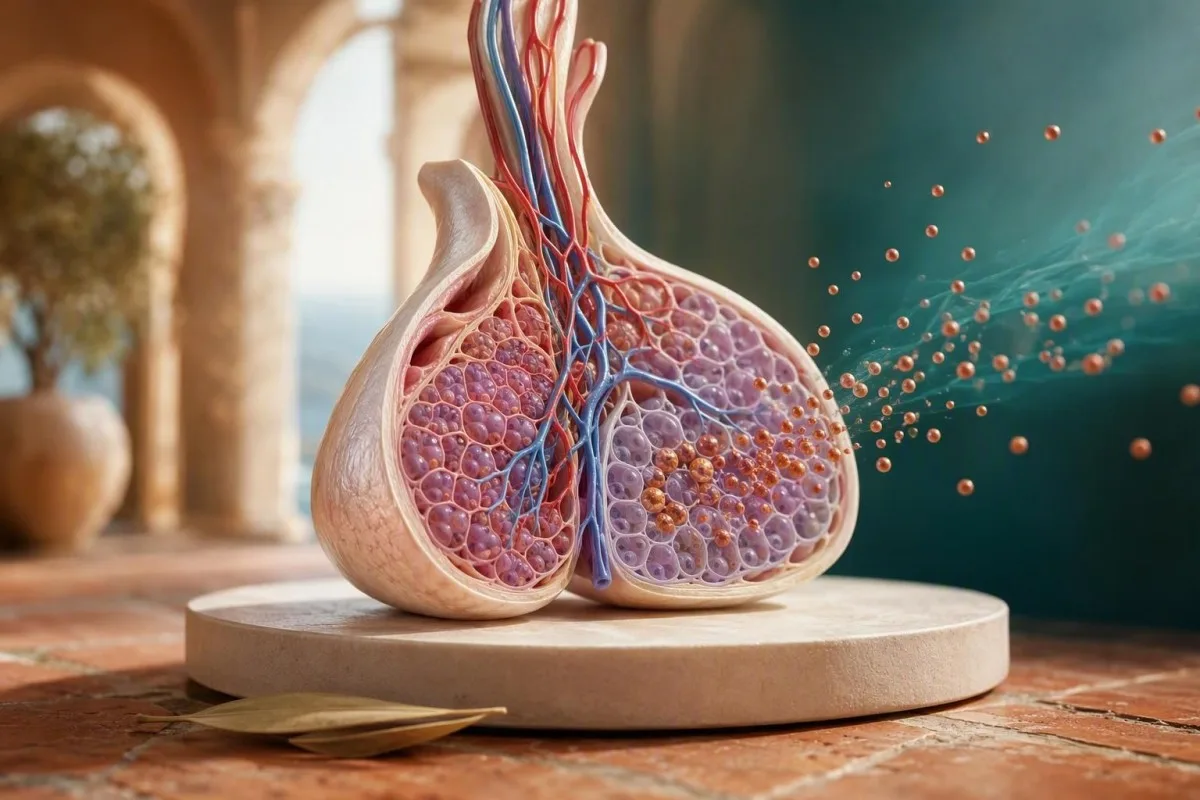
Kết quả prolactin giới hạn trên thường là tạm thời, nhưng các điều kiện xét nghiệm lặp lại và mô hình triệu chứng sẽ xác định xem có thể theo dõi an toàn hay cần đánh giá nội tiết.


- Tăng nhẹ thường có nghĩa là kết quả prolactin cao hơn một chút so với giới hạn trên của phòng xét nghiệm, thường dưới 50 ng/mL (khoảng 1.060 mIU/L).
- Lặp lại lần đầu trước khi prolactin là 20-50 ng/mL và không có triệu chứng thị giác, đau đầu dữ dội, hoặc thay đổi lớn về kinh nguyệt hoặc chức năng tình dục.
- Nghỉ ngơi rất quan trọng vì lo lắng khi lấy máu tĩnh mạch, ngủ kém, tập thể dục, kích thích vú và bệnh cấp tính có thể làm tăng prolactin tạm thời.
- Rà soát thuốc đang dùng là điều cần thiết vì thuốc chống loạn thần, metoclopramide, domperidone, opioid, một số thuốc chống trầm cảm và verapamil có thể làm tăng prolactin.
- Xét nghiệm macroprolactin đặc biệt hữu ích cho tình trạng tăng dai dẳng với ít hoặc không có triệu chứng điển hình; nó xác định các phức hợp prolactin có hoạt tính sinh học thấp hơn.
- Mức trên 100 ng/mL cần được đánh giá nội tiết kịp thời hơn, mặc dù đôi khi thuốc có thể cho ra giá trị trong phạm vi đó.
- Cần xem xét khẩn cấp là cần thiết cho tình trạng đau đầu dữ dội mới, giảm thị lực ngoại vi, thai kỳ có triệu chứng thị giác hoặc thay đổi thần kinh đột ngột.
- Bối cảnh làm thay đổi ý nghĩa của một con số: tình trạng thai nghén, chức năng tuyến giáp, chức năng thận, thời điểm dùng thuốc và các giá trị trước đó làm thay đổi cách diễn giải.
Ý nghĩa thường gặp của kết quả prolactin giới hạn trên
Ý nghĩa của tăng nhẹ prolactin thường là một tín hiệu tạm thời chứ không phải là bằng chứng của tình trạng tuyến yên: kết quả dưới 50 ng/mL (khoảng dưới 1.060 mIU/L) thường yêu cầu làm lại xét nghiệm một cách cẩn thận. Tôi là Bác sĩ Thomas Klein, và trong đánh giá lâm sàng, sự kết hợp của giá trị chính xác, các triệu chứng, thuốc men, khả năng mang thai và điều kiện lấy mẫu quan trọng hơn nhiều so với một cảnh báo đơn lẻ của phòng xét nghiệm.
Hầu hết các phòng xét nghiệm đưa ra khoảng tham chiếu cho người lớn không mang thai khoảng 4-23 ng/mL ở phụ nữ Và 3-15 ng/mL ở nam giới, nhưng các phương pháp khác nhau. Giá trị 27 ng/mL ở phụ nữ có giới hạn trên của phòng xét nghiệm là 23 ng/mL là một kết quả prolactin giới hạn, không phải là chẩn đoán; đơn vị có thể được chuyển đổi gần đúng là 1 ng/mL = 21,2 mIU/L.
Bác sĩ lâm sàng sẽ lo ngại hơn khi tình trạng tăng cao dai dẳng, tăng dần hoặc đi kèm với vô kinh, tiết sữa, vô sinh, giảm ham muốn tình dục, rối loạn cương dương, đau đầu hoặc thay đổi thị lực ngoại vi. Giá trị trên 200 ng/mL gợi ý nhiều hơn về u tuyến yên tiết prolactin so với giá trị 28 ng/mL, mặc dù không có ngưỡng nào thay thế đánh giá lâm sàng.
Kantesti là một Máy phân tích xét nghiệm máu AI đặt kết quả prolactin cạnh các manh mối về tuyến giáp, thận, gan, liên quan đến thai nghén và hormone sinh dục thay vì coi một cảnh báo đơn lẻ là một chẩn đoán. Độc giả không chắc chắn về các cảnh báo của phòng xét nghiệm cũng có thể xem hướng dẫn của chúng tôi về kết quả vượt ngưỡng.
Tại sao các phòng xét nghiệm không thống nhất
Các xét nghiệm miễn dịch prolactin không thể thay thế cho nhau: hai phòng xét nghiệm có thể báo cáo các con số hơi khác nhau từ cùng một người vào cùng một ngày. Hãy sử dụng khoảng tham chiếu được in bên cạnh kết quả của bạn và, khi theo dõi một xu hướng, hãy cố gắng sử dụng cùng một phòng xét nghiệm; đây cũng là lý do tại sao so sánh kết quả giữa các lần khám cần cẩn thận hơn mọi người mong đợi.
Các nguyên nhân tạm thời có thể làm tăng prolactin
Căng thẳng, rối loạn giấc ngủ, tập thể dục, kích thích núm vú, hoạt động tình dục và bệnh cấp tính có thể gây tăng prolactin ngắn hạn. Một giá trị tăng nhẹ sau một chuyến đi khó khăn hoặc một đêm mất ngủ có thể trở lại bình thường mà không cần điều trị.
Prolactin được giải phóng theo từng đợt và tăng lên trong giấc ngủ, với đỉnh điểm thường xảy ra vào những giờ đầu buổi sáng. Do đó, một mẫu máu lấy ngay sau khi thức dậy, sau ca làm việc ban đêm hoặc trong một quy trình gây đau có thể kém đại diện hơn so với mẫu máu lấy vào giữa buổi sáng khi nghỉ ngơi.
Theo kinh nghiệm của tôi, một bệnh nhân 31 tuổi lo lắng với prolactin 34 ng/mL sau ba giờ ngủ thường có kết quả lặp lại bình thường lúc 10 giờ sáng sau khi ngồi yên. Việc nghỉ ngơi tại chỗ trong 15-30 phút trước khi lấy máu giúp giảm ảnh hưởng của căng thẳng cấp tính do thủ thuật, và tránh tập luyện gắng sức trong 24 giờ là hợp lý.
Sốt gần đây, co giật, chấn thương thành ngực hoặc thậm chí kích thích ngực hoặc thành ngực kéo dài có thể làm tăng prolactin. Nếu xét nghiệm của bạn được thực hiện sau khi bị bệnh, hãy so sánh nó với nguyên tắc thời gian trong hướng dẫn về mốc thời gian xét nghiệm máu, của chúng tôi, thay vì cho rằng con số đó phản ánh mức cơ bản dài hạn của bạn.
Cách lặp lại xét nghiệm prolactin đúng cách
Lặp lại xét nghiệm prolactin vào một buổi sáng yên tĩnh, lý tưởng nhất là 2-3 giờ sau khi thức dậy và sau 20-30 phút ngồi yên. Nhịn ăn không phải là yêu cầu phổ biến, nhưng nhịn ăn qua đêm có thể giúp diễn giải kết quả xét nghiệm lặp lại dễ dàng hơn khi các chỉ số glucose hoặc lipid cũng đang được đo.
Đối với xét nghiệm lặp lại, hãy tránh tập thể dục gắng sức, quan hệ tình dục, kích thích vú và khám ngực không cần thiết trong 24 giờ trước đó. Không tự ý ngừng dùng thuốc theo đơn; thay vào đó, hãy ghi lại tên thuốc, liều lượng, thời gian dùng liều cuối cùng và lý do kê đơn.
Một yêu cầu thực tế đối với bác sĩ lâm sàng của bạn là: lặp lại xét nghiệm prolactin huyết thanh, xét nghiệm thai kỳ nếu có liên quan, TSH và T4 tự do, và creatinine hoặc eGFR khi nguyên nhân không rõ ràng. Xét nghiệm tuyến giáp rất quan trọng vì suy giáp nguyên phát có thể làm tăng hormone giải phóng thyrotropin và gián tiếp làm tăng prolactin; xem lịch trình xét nghiệm lại tuyến giáp.
của chúng tôi 1-4 tuần Lặp lại thời gian thường là theo dõi xét nghiệm theo thời gian, cho một kết quả bất ngờ khiêm tốn khi bạn cảm thấy khỏe, thay vì vào ngày hôm sau. Một xu hướng có thể được ghi lại rõ ràng với.
Các loại thuốc thường gây tăng nhẹ prolactin
, đặc biệt nếu bạn ghi chú về giấc ngủ, ngày trong chu kỳ, bệnh tật và thuốc men. Các loại thuốc chặn dopamine là một trong những nguyên nhân phổ biến nhất gây tăng prolactin nhẹ đến trung bình kéo dài.
Chặn dopamine loại bỏ một "phanh" tự nhiên đối với việc tiết prolactin.
Dopamine thường ức chế việc giải phóng prolactin của tuyến yên, do đó các loại thuốc chặn thụ thể dopamine D2 có thể làm tăng đáng kể nồng độ. Risperidone, amisulpride, haloperidol, metoclopramide và domperidone là những ví dụ thường gặp; opioid, verapamil và một số SSRI có thể đóng góp một phần khiêm tốn hơn. 100 ng/mL, nồng độ thuốc có thể thay đổi rộng rãi: risperidone có thể làm tăng prolactin trên.
Kantesti AI là một dịch vụ diễn giải kết quả xét nghiệm của AI , trong khi mức tăng do SSRI có thể chỉ là 25-40 ng/mL. Lý do chúng tôi không đơn giản ngừng thuốc là vì sự tái phát của bệnh tâm thần, buồn nôn nặng, đau hoặc trầm cảm có thể gây ra nguy cơ tức thời lớn hơn nhiều. bảng xét nghiệm hormone của chúng tôi giải thích những kết quả đi kèm nào mà bác sĩ thường xem xét.
Thai kỳ, cho con bú và sự tăng sinh lý bình thường
Mang thai và cho con bú có thể làm tăng prolactin cao hơn nhiều so với phạm vi tham chiếu của người không mang thai và không được diễn giải bằng khoảng thời gian 3-23 ng/mL thông thường. Do đó, xét nghiệm thai kỳ là một bước sớm và cần thiết để giải thích tình trạng tăng prolactin không rõ nguyên nhân ở bất kỳ ai có thể mang thai.
Trong thai kỳ, prolactin thường tăng dần vào phạm vi 100-300 ng/mL vào cuối thai kỳ, và việc cho con bú duy trì tình trạng tăng gián đoạn. Giá trị chính xác không đo lường nguồn cung cấp sữa một cách đáng tin cậy, do đó việc theo đuổi một con số ở người đang cho con bú hiếm khi hữu ích.
Thuốc chứa oestrogen và chu kỳ kinh nguyệt bình thường có thể đóng góp một phần nhỏ, nhưng chúng hiếm khi tự mình giải thích được sự gia tăng lớn, kéo dài. Thời điểm trong chu kỳ cũng có thể làm phức tạp các hormone liên quan như estradiol và progesterone; lời giải thích của chúng tôi về sự biến đổi của estradiol trong thời kỳ mãn kinh cho thấy tại sao một kết quả hormone sinh dục hiếm khi trả lời tất cả mọi thứ.
Ở một người đang cố gắng thụ thai, tăng prolactin máu kéo dài có thể cản trở quá trình rụng trứng bằng cách ức chế hormone giải phóng gonadotropin. Điều đó có ý nghĩa lâm sàng ngay cả khi con số chỉ là 35-60 ng/mL, đặc biệt khi kinh nguyệt trở nên không đều.
Các nguyên nhân từ tuyến giáp, thận, gan và thành ngực
Suy giáp nguyên phát, giảm thanh thải thận, bệnh gan mãn tính và kích thích thành ngực đều có thể làm tăng prolactin mà không cần khối u tuyến yên. Những nguyên nhân này thường được phát hiện thông qua bệnh sử và một bộ xét nghiệm chẩn đoán mục tiêu nhỏ trước khi xem xét chẩn đoán hình ảnh não.
Suy giáp nguyên phát rõ ràng thường biểu hiện TSH cao kèm free T4 thấp, và việc điều chỉnh bằng levothyroxine có thể bình thường hóa prolactin trong vài tuần đến vài tháng. Suy giáp trung ương có một mô hình khác, do đó TSH bình thường không phải lúc nào cũng giải quyết được vấn đề khi T4 tự do thấp; hãy đọc hướng dẫn của chúng tôi về T4 tự do thấp với TSH bình thường.
Bệnh thận mãn tính có thể làm tăng prolactin thông qua giảm thanh thải và rối loạn điều hòa dopamine; eGFR dưới 60 mL/phút/1,73 m² làm cho lời giải thích này trở nên hợp lý hơn. Bệnh gan là một nguyên nhân riêng lẻ ít phổ biến hơn, nhưng rối loạn chức năng tổng hợp và thay đổi hormone sinh dục có thể đóng góp.
Zona thần kinh vùng ngực, phẫu thuật ngực, bỏng và kích ứng cơ học kéo dài đều có liên quan đến tăng prolactin vì đầu vào thần kinh cảm giác có thể kích thích đường dẫn truyền phản xạ. Đây là một lý do tại sao bác sĩ lâm sàng hỏi về phát ban hoặc phẫu thuật có vẻ không liên quan đến kết quả hormone.
Khi nào xét nghiệm macroprolactin là bước tiếp theo hợp lý
Xét nghiệm macroprolactin hữu ích nhất khi prolactin vẫn tăng cao nhưng các triệu chứng vắng mặt hoặc không tương xứng với kết quả. Macroprolactin thường là prolactin liên kết với immunoglobulin và có hoạt tính sinh học thấp hơn vì nó khó tiếp cận các thụ thể.
Nhiều xét nghiệm thông thường đếm macroprolactin như prolactin, tạo ra kết quả cao rõ ràng ở người có chu kỳ kinh nguyệt đều đặn, không bị tiết sữa, và không có triệu chứng sinh sản hoặc tình dục. Các phòng thí nghiệm thường sàng lọc bằng phương pháp kết tủa polyethylene glycol; khả năng phục hồi thấp của prolactin đơn phân ủng hộ macroprolactin máu.
Hướng dẫn của Hội Nội tiết khuyến cáo kiểm tra macroprolactin trong trường hợp tăng prolactin máu không có triệu chứng vì nó có thể ngăn ngừa chẩn đoán hình ảnh và điều trị không cần thiết (Melmed và cộng sự, 2011). Ước tính tỷ lệ mắc công bố khác nhau rõ rệt tùy thuộc vào phương pháp xét nghiệm và quần thể giới thiệu, nhưng macroprolactin xuất hiện ở khoảng 10-25% những người được đánh giá vì tăng prolactin máu.
Macroprolactin không phải là lý do để bỏ qua các triệu chứng thực sự có mặt; một người có thể bị macroprolactin cộng với một vấn đề nội tiết khác. Để có những sai sót rộng hơn trong xét nghiệm, bài báo của chúng tôi về xét nghiệm định tính so với định lượng là một tài liệu bổ sung hữu ích.
Bác sĩ lâm sàng kiểm tra gì khi nồng độ tăng dai dẳng
Sự tăng prolactin dai dẳng cần được xác nhận và đánh giá bằng xét nghiệm thai kỳ khi có liên quan, xem xét thuốc, TSH/T4 tự do, chức năng thận và macroprolactin trước khi giả định bệnh tuyến yên. Kết quả lặp lại trong cùng một khoảng giá trị thì cung cấp nhiều thông tin hơn là một kết quả đơn lẻ.
Một bệnh sử tập trung hỏi về thời điểm có kinh, tiết sữa, ham muốn tình dục, chức năng cương dương, vô sinh, thay đổi thị lực, đau đầu, co giật, các triệu chứng ở ngực, và mọi loại thuốc kê đơn, không kê đơn và chất giải trí. Trong 15 năm thực hành lâm sàng của tôi, danh sách thuốc thường là manh mối bị thiếu sót—đặc biệt là khi yêu cầu xét nghiệm của phòng thí nghiệm được thực hiện bởi một bác sĩ lâm sàng không quen thuộc với một đơn thuốc tâm thần hoặc tiêu hóa.
Prolactin ở mức 50-100 ng/mL với chức năng tuyến giáp và thận bình thường, không có giải thích do thuốc và không có macroprolactin thường yêu cầu sự can thiệp của nội tiết. Việc xem xét quản lý lâm sàng của Serri và cộng sự nhấn mạnh việc xác định các nguyên nhân sinh lý và dược lý trước khi chụp ảnh (Serri et al., 2003).
Kantesti's tiêu chuẩn thẩm định y khoa hỗ trợ diễn giải dựa trên mẫu hình, nhưng kết quả bất thường phải được xác nhận thông qua bác sĩ lâm sàng và phòng thí nghiệm báo cáo. Việc mang theo một chuỗi kết quả cô đọng thường hữu ích hơn là lặp lại một bảng xét nghiệm nội tiết tố lớn không tập trung.
Khi nào cần lo lắng về prolactin và yêu cầu đánh giá khẩn cấp
Các triệu chứng thị giác mới, đau đầu dữ dội hoặc xấu đi nhanh chóng, thay đổi thần kinh, hoặc tăng prolactin dai dẳng rõ rệt đòi hỏi phải đánh giá y tế kịp thời. MRI thường được xem xét sau khi loại trừ các nguyên nhân phổ biến có thể phục hồi hoặc khi các triệu chứng gợi ý áp lực gần đường dẫn truyền thị giác.
MRI tuyến yên không nhất thiết cần thiết cho một giá trị 29 ng/mL sau căng thẳng. Nó hợp lý hơn khi có sự tăng dai dẳng không giải thích được, prolactin trên 100 ng/mL, vô kinh hoặc thiểu năng sinh dục, hoặc các triệu chứng của khối u tuyến yên; giá trị trên 200 ng/mL khiến u tuyến prolactin (prolactinoma) có khả năng cao hơn.
Tìm kiếm lời khuyên lâm sàng trong ngày đối với trường hợp đau đầu dữ dội đột ngột kèm theo rối loạn thị giác, nôn mửa, lú lẫn, yếu hoặc ngất xỉu. Những dấu hiệu này không phổ biến trong tăng prolactin máu nhẹ thông thường, nhưng chúng quan trọng vì xuất huyết tuyến yên và các bệnh thần kinh khác cần được loại trừ khẩn cấp.
Mất thị lực ngoại vi thường bắt đầu một cách tinh tế, vì vậy mọi người mô tả va vào khung cửa thay vì bị mù rõ ràng. Bài đánh giá chi tiết của chúng tôi về các triệu chứng tăng prolactin giải thích sự kết hợp triệu chứng nào không nên chờ đợi để làm xét nghiệm lại định kỳ.
Kinh nguyệt, khả năng sinh sản và sức khỏe xương: tại sao các triệu chứng làm thay đổi kế hoạch
Nồng độ prolactin tăng nhẹ quan trọng hơn khi nó làm gián đoạn kinh nguyệt, rụng trứng, khả năng sinh sản, hoặc tiếp xúc với estrogen. Hormone này có thể làm giảm tín hiệu sinh sản cần thiết cho việc rụng trứng đều đặn ngay cả khi không có tiết sữa rõ rệt.
Thiểu kinh có nghĩa là chu kỳ kinh dài hơn 35 ngày, trong khi vô kinh có nghĩa là không có kinh nguyệt trong 3 tháng ở người trước đây đều đặn; cả hai đều cần được đánh giá lâm sàng nếu prolactin tăng. Xét nghiệm thai kỳ được thực hiện trước vì thai sớm phổ biến hơn nhiều so với rối loạn tuyến yên.
Nồng độ estrogen thấp trong nhiều tháng có thể làm giảm mật độ xương, đặc biệt là khi tăng prolactin máu gây vô kinh. Nhiệm vụ trước mắt không phải là bắt đầu bổ sung một cách mù quáng mà là xác định nguyên nhân và khôi phục chức năng nội tiết tố thích hợp; phụ nữ đang cân nhắc điều trị có thể xem xét xét nghiệm nền trước HRT.
Galactorrhoea là tình trạng tiết sữa không liên quan đến thai kỳ hoặc cho con bú, nhưng nó không cần thiết cũng không đủ để xác định nồng độ prolactin cao. Kết quả prolactin bình thường không loại trừ nguyên nhân tại vú, và kết quả tăng cao không tự động khiến việc tiết sữa trở nên nguy hiểm.
Tăng nhẹ prolactin ở nam giới: những dấu hiệu bị bỏ qua
Ở nam giới, nồng độ prolactin cao kéo dài có thể làm giảm ham muốn tình dục, suy giảm khả năng cương cứng, giảm testosterone và đôi khi ảnh hưởng đến khả năng sinh sản. Một kết quả cần được diễn giải cùng với xét nghiệm testosterone buổi sáng được thực hiện đúng thời điểm, chứ không phải chỉ dựa vào prolactin.
Đối với nam giới có triệu chứng tình dục, bác sĩ lâm sàng thường đo tổng testosterone trong khoảng từ 7 giờ sáng đến 11 giờ sáng., cùng với SHBG và testosterone tự do tính toán khi cần thiết. Prolactin có thể ức chế gonadotropins, dẫn đến nồng độ LH và FSH thấp hoặc thấp một cách không phù hợp cùng với testosterone thấp.
Một người đàn ông 42 tuổi có nồng độ prolactin 31 ng/mL và testosterone giới hạn ở mức thấp có thể bị rối loạn giấc ngủ, béo phì, tác dụng của thuốc, hoặc rối loạn chức năng tuyến yên—không có một lối tắt duy nhất. Giải thích của chúng tôi về testosterone tự do thấp cho thấy tại sao SHBG có thể thay đổi hoàn toàn cách diễn giải một giá trị tổng thể.
Kantesti là một Nền tảng diễn giải biomarker bằng AI có thể so sánh prolactin với testosterone, LH, FSH, TSH và các kết quả trước đó, nhưng không bao giờ được sử dụng để chẩn đoán tổn thương tuyến yên. Các triệu chứng dai dẳng cần được thảo luận với bác sĩ chăm sóc ban đầu hoặc bác sĩ nội tiết ngay cả khi nồng độ prolactin tăng nhẹ.
Các vấn đề về xét nghiệm: biotin, hiệu ứng móc và kết quả gây hiểu lầm
Sự nhiễu loạn trong phòng thí nghiệm là không phổ biến nhưng cần được xem xét khi con số prolactin mâu thuẫn gay gắt với các triệu chứng hoặc kết quả MRI. Biotin thường gây nhiễu nhiều hơn đối với một số xét nghiệm miễn dịch nội tiết khác so với prolactin, tuy nhiên mọi chất bổ sung vẫn nên được ghi nhận trong hồ sơ yêu cầu xét nghiệm của phòng thí nghiệm.
Hiệu ứng móc liều cao có thể gây ra kết quả prolactin thấp giả tạo khi một khối u tuyến yên rất lớn sản xuất nồng độ hormone cực cao làm quá tải một xét nghiệm hai vị trí. Nếu MRI cho thấy một khối u tuyến yên lớn nhưng nồng độ prolactin chỉ tăng nhẹ, phòng thí nghiệm có thể pha loãng mẫu và lặp lại xét nghiệm.
—thường có trong các sản phẩm chăm sóc tóc và móng—có thể tạo ra kết quả xét nghiệm tuyến giáp và các chỉ số sinh học tim mạch gây hiểu lầm đối với 5-10 mg mỗi ngày—phổ biến trong các sản phẩm chăm sóc tóc và móng tay—có thể gây nhiễu cho các xét nghiệm streptavidin-biotin đã chọn. Thông báo cho bác sĩ lâm sàng và phòng thí nghiệm về các chất bổ sung, và tuân theo lời khuyên của phòng thí nghiệm địa phương về việc ngừng sử dụng chúng; hướng dẫn của chúng tôi về việc ngừng sử dụng chất bổ sung trước khi xét nghiệm máu giải thích tại sao đây không phải là quy tắc áp dụng cho tất cả mọi trường hợp.
Kháng thể kháng dị nguyên là một nguồn hiếm gặp khác gây ra kết quả xét nghiệm miễn dịch sai lệch, đặc biệt là khi các giá trị không phù hợp với tình hình lâm sàng. Lặp lại xét nghiệm tại một phòng thí nghiệm khác hoặc sử dụng phương pháp xét nghiệm thay thế có thể giải quyết sự không chắc chắn mà không cần bệnh nhân phải chụp chiếu không cần thiết.
Các tình huống đặc biệt: thanh thiếu niên, mãn kinh và điều trị bằng thuốc chống loạn thần
Tuổi tác, tình trạng mãn kinh và lý do sử dụng thuốc chẹn dopamine làm thay đổi ngưỡng can thiệp. Cùng một giá trị prolactin có thể có ý nghĩa khác nhau ở một thanh thiếu niên 16 tuổi bị dậy thì muộn, một người mẹ đang cho con bú và một người 62 tuổi đang điều trị bằng thuốc chống loạn thần.
Thanh thiếu niên cần được bác sĩ nội tiết nhi khoa hoặc thanh thiếu niên giải thích vì dậy thì, thiết lập kinh nguyệt và tăng trưởng làm thay đổi bối cảnh lâm sàng. Xét nghiệm prolactin ở trẻ em hiếm khi là xét nghiệm sàng lọc định kỳ và nên gắn liền với một triệu chứng cụ thể hoặc câu hỏi về thuốc.
Sau mãn kinh, tình trạng tăng prolactin không thể giải thích bằng sự biến động chu kỳ bình thường, vì vậy các giá trị dai dẳng cần được xem xét kỹ lưỡng về thuốc men và nội tiết. Các triệu chứng mãn kinh có thể trùng lặp với các triệu chứng tuyến giáp và prolactin; hướng dẫn của chúng tôi về FSH sau mãn kinh giúp phân biệt những thay đổi dự kiến với các kiểu mẫu bất thường.
Đối với tình trạng tăng prolactin do thuốc chống loạn thần, việc quản lý phải được chia sẻ với bác sĩ kê đơn thuốc sức khỏe tâm thần. Các lựa chọn có thể bao gồm theo dõi, điều chỉnh liều lượng hoặc đổi thuốc, nhưng các chất chủ vận dopamine như cabergoline có thể làm trầm trọng thêm các triệu chứng tâm thần ở những người nhạy cảm và không phải là thuốc bổ sung tùy tiện.
Cách ghi lại xu hướng prolactin mà bác sĩ lâm sàng của bạn có thể sử dụng
Một xu hướng prolactin hữu ích ghi lại kết quả, khoảng tham chiếu của phòng xét nghiệm, thời gian thu thập mẫu, tình trạng ngủ, chu kỳ hoặc mang thai, bệnh tật và các loại thuốc đang dùng. Ba giá trị thu thập trong các điều kiện khác nhau có thể ít hữu ích hơn hai giá trị thu thập một cách nhất quán.
Ghi lại đơn vị chính xác vì ng/mL và mIU/L không thể so sánh trực tiếp nếu không chuyển đổi, và giữ lại khoảng tham chiếu của phòng xét nghiệm. Lưu ý xem bạn đã tập thể dục, nhịn ăn, cho con bú, quan hệ tình dục, dùng thuốc hay ngủ kém trong vòng 24 giờ trước đó hay chưa.
Kantesti AI, một Công cụ phân tích xét nghiệm máu dựa trên AI, có thể sắp xếp các báo cáo lịch sử và làm nổi bật các kết quả thay đổi trên các bảng xét nghiệm trong khoảng 60 giây, tuy nhiên bản PDF gốc và khoảng tham chiếu của phòng xét nghiệm vẫn là hồ sơ nguồn. theo dõi kết quả xét nghiệm của chúng tôi của chúng tôi liệt kê các chi tiết thực tế ngăn chặn các báo động xu hướng sai.
Nếu bạn chia sẻ kết quả với thành viên gia đình hoặc bác sĩ lâm sàng, hãy giữ quyền kiểm soát sự đồng ý và truy cập. Những người quản lý hồ sơ gia đình có thể sử dụng lời khuyên của chúng tôi về chia sẻ kết quả gia đình an toàn mà không biến kết quả hormone thành chẩn đoán gia đình.
Một quy trình thực tế năm 2026 sau kết quả prolactin nhẹ
Tính đến ngày 28 tháng 8 năm 2026, một phương pháp thực tế là xác nhận một kết quả bất thường nhẹ một lần trong điều kiện tiêu chuẩn, kiểm tra các nguyên nhân có thể đảo ngược, yêu cầu macroprolactin khi nồng độ tăng cao kéo dài không có triệu chứng, và giới thiệu khi nồng độ hoặc triệu chứng cho phép. Cách tiếp cận này tránh cả việc chụp MRI không cần thiết và bỏ sót bệnh nội tiết.
Đối với prolactin dưới 50 ng/mL, không có triệu chứng đáng báo động, và có một nguyên nhân tạm thời rõ ràng, hãy xét nghiệm lại trong 1-4 tuần sau khi giấc ngủ và nghỉ ngơi đã bình thường trở lại. Đối với nồng độ 50-100 ng/mL kéo dài, hãy xem xét lại thuốc, tình trạng mang thai, TSH/free T4, eGFR và macroprolactin; đối với nồng độ trên 100 ng/mL hoặc có triệu chứng đáng lo ngại, hãy sắp xếp đánh giá nội tiết kịp thời hơn.
Quy tắc thực tế của Tiến sĩ Thomas Klein rất đơn giản: đừng cố gắng giảm prolactin bằng thực phẩm chức năng trước khi bạn biết lý do tại sao nó tăng. Các bác sĩ lâm sàng và người đánh giá của chúng tôi làm việc theo các tiêu chuẩn được mô tả bởi Hội đồng tư vấn y tế, và người đọc có thể thấy cách diễn giải mẫu hoạt động trong hướng dẫn công nghệ AI.
của chúng tôi. Đối với người đọc tìm hiểu phương pháp luận xét nghiệm liên quan, các ấn phẩm của Kantesti bao gồm Hướng dẫn nghiên cứu về sắt: TIBC, độ bão hòa sắt và khả năng liên kết sắt. Và Phạm vi bình thường của aPTT: D-Dimer, Protein C Hướng dẫn đông máu; đây không phải là hướng dẫn về prolactin, nhưng chúng mô tả nguyên tắc tương tự về việc diễn giải một giá trị xét nghiệm trong bối cảnh xét nghiệm của nó. Các liên kết xuất bản chính thức được giữ lại bên dưới để minh bạch.
Những câu hỏi thường gặp
Nồng độ prolactin ở mức ranh giới có ý nghĩa gì?
Mức prolactin giới hạn thường có nghĩa là kết quả chỉ cao hơn một chút so với giới hạn tham chiếu trên của phòng thí nghiệm, thường vào khoảng 25-50 ng/mL. Căng thẳng, tập thể dục gần đây, ngủ kém, kích thích núm vú, bệnh cấp tính và thuốc có thể gây ra mức độ tăng nhẹ này. Hầu hết những người có kết quả giới hạn bất ngờ và không có triệu chứng cảnh báo nên lặp lại xét nghiệm trong điều kiện buổi sáng yên tĩnh hơn trước khi xem xét chẩn đoán hình ảnh hoặc điều trị. Phạm vi của phòng thí nghiệm và đơn vị, thường là ng/mL hoặc mIU/L, phải được xem xét cùng với giá trị chính xác.
Tôi có nên lo lắng nếu prolactin của tôi là 30 ng/mL không?
Mức prolactin 30 ng/mL là tăng nhẹ trong nhiều phạm vi xét nghiệm tiêu chuẩn ở người trưởng thành không mang thai và thường không phải là trường hợp khẩn cấp. Bác sĩ lâm sàng sẽ xem xét tình trạng mang thai, thuốc men, giấc ngủ, căng thẳng, chức năng tuyến giáp, chức năng thận, các triệu chứng và liệu mẫu máu có được lấy sau khi nghỉ ngơi hay không. Việc lặp lại xét nghiệm sau 1-4 tuần thường là phù hợp nếu không có đau đầu dữ dội, thay đổi thị lực hoặc rối loạn kinh nguyệt hoặc rối loạn chức năng tình dục đáng kể. Tình trạng tăng kéo dài có thể cần xét nghiệm macroprolactin và đánh giá nội tiết.
Lo âu có thể làm tăng prolactin trong xét nghiệm máu không?
Vâng, sự lo lắng quanh việc lấy mẫu có thể tạm thời làm tăng prolactin vì prolactin phản ứng với căng thẳng thể chất và cảm xúc. Ngồi yên tĩnh 20-30 phút trước khi lấy mẫu và xét nghiệm 2-3 giờ sau khi thức dậy sẽ làm cho kết quả lặp lại có tính đại diện hơn. Tránh tập thể dục gắng sức, quan hệ tình dục và kích thích vú trong 24 giờ sẽ giảm thêm sự thay đổi có thể tránh được. Không nên cho rằng sự lo lắng đơn thuần giải thích cho kết quả vẫn còn tăng cao trên các mẫu lặp lại được lấy đúng cách.
Khi nào nên xét nghiệm macroprolactin?
Cân nhắc xét nghiệm macroprolactin khi nồng độ prolactin vẫn tăng cao sau các lần xét nghiệm lặp lại nhưng các triệu chứng điển hình vắng mặt hoặc nhẹ. Macroprolactin bao gồm prolactin gắn với immunoglobulin, và các xét nghiệm thông thường có thể tính cả nó mặc dù hoạt tính sinh học thấp hơn. Các phòng xét nghiệm thường sử dụng phương pháp kết tủa polyethylene glycol để ước tính phân đoạn monomer có hoạt tính. Xét nghiệm này có thể ngăn ngừa việc chụp cộng hưởng từ tuyến yên hoặc điều trị không cần thiết, đặc biệt đối với các giá trị dai dẳng trong khoảng 25-100 ng/mL.
Mức prolactin nào gợi ý có u tuyến yên?
Không có một mức prolactin đơn lẻ nào chẩn đoán được khối u tuyến yên, nhưng mức dai dẳng trên 100 ng/mL làm tăng nhu cầu đánh giá nội tiết sau khi đã kiểm tra thuốc và các nguyên nhân khác. Mức trên 200 ng/mL có nhiều khả năng là u tuyến yên tiết prolactin, mặc dù thuốc chẹn dopamine đôi khi có thể gây tăng đáng kể. Quyết định chụp MRI cũng phụ thuộc vào đau đầu, triệu chứng thị giác, rối loạn kinh nguyệt hoặc chức năng tình dục, và kết quả xét nghiệm tuyến giáp, thai kỳ, thận và macroprolactin. Mức 25-40 ng/mL đơn độc thường là thoáng qua hoặc thứ phát hơn là một khối u tuyến yên lớn.
Tôi có thể giảm nhẹ nồng độ prolactin cao một cách tự nhiên không?
Bạn không nên cố gắng điều trị tăng nhẹ prolactin bằng các chất bổ sung trước khi xác nhận kết quả và xác định nguyên nhân. Cải thiện giấc ngủ, tránh tập thể dục cường độ cao trước khi lấy mẫu lặp lại và giảm căng thẳng có thể tránh được, có thể giúp ngăn chặn sự gia tăng tạm thời làm sai lệch kết quả xét nghiệm, nhưng chúng không điều trị tình trạng tăng prolactin dai dẳng liên quan đến thuốc, tuyến giáp, thận hoặc tuyến yên. Không ngừng thuốc chống loạn thần, thuốc chống buồn nôn, thuốc opioid hoặc thuốc chống trầm cảm mà không có lời khuyên của bác sĩ kê đơn. Bước tiếp theo an toàn nhất là thực hiện xét nghiệm lặp lại được chuẩn bị đúng cách và xem xét lâm sàng có mục tiêu.
Nhận phân tích xét nghiệm máu được hỗ trợ bởi AI ngay hôm nay
Tham gia hơn 2 triệu người dùng trên toàn thế giới, những người tin tưởng Kantesti để phân tích xét nghiệm máu tức thì và chính xác. Tải lên kết quả xét nghiệm máu của bạn và nhận phần giải thích toàn diện về các chỉ dấu sinh học 15,000+ trong vài giây.
📚 Các ấn phẩm nghiên cứu được trích dẫn
Klein, T., Mitchell, S., & Weber, H. (2026). Hướng dẫn nghiên cứu về sắt: TIBC, độ bão hòa sắt và khả năng liên kết sắt.. Nghiên cứu y khoa bằng AI của Kantesti.
Klein, T., Mitchell, S., & Weber, H. (2026). Phạm vi bình thường của aPTT: D-Dimer, Protein C Hướng dẫn đông máu. Nghiên cứu y khoa bằng AI của Kantesti.
📖 Tài liệu tham khảo y khoa bên ngoài
Serri O và cộng sự. (2003). Chẩn đoán và quản lý tăng prolactin máu.
Gibney J và cộng sự. (2005). Tác động đến thực hành lâm sàng của sàng lọc định kỳ macroprolactin. Tạp chí Nội tiết Lâm sàng & Chuyển hóa.
⚕️ Tuyên bố miễn trừ trách nhiệm y tế
Bài viết này chỉ nhằm mục đích giáo dục và không cấu thành lời khuyên y tế. Luôn tham khảo ý kiến của nhà cung cấp dịch vụ chăm sóc sức khỏe đủ năng lực để đưa ra quyết định chẩn đoán và điều trị.
Tín hiệu tin cậy E-E-A-T
Kinh nghiệm
Đánh giá lâm sàng do bác sĩ phụ trách đối với quy trình diễn giải kết quả xét nghiệm.
Chuyên môn
Tập trung vào y học xét nghiệm: cách các chỉ dấu sinh học (biomarker) hoạt động trong bối cảnh lâm sàng.
Tính uy quyền
Được viết bởi Tiến sĩ Thomas Klein, có rà soát bởi Tiến sĩ Sarah Mitchell và Giáo sư Tiến sĩ Hans Weber.
Độ tin cậy
Diễn giải dựa trên bằng chứng, kèm các lộ trình theo dõi rõ ràng để giảm mức độ báo động.