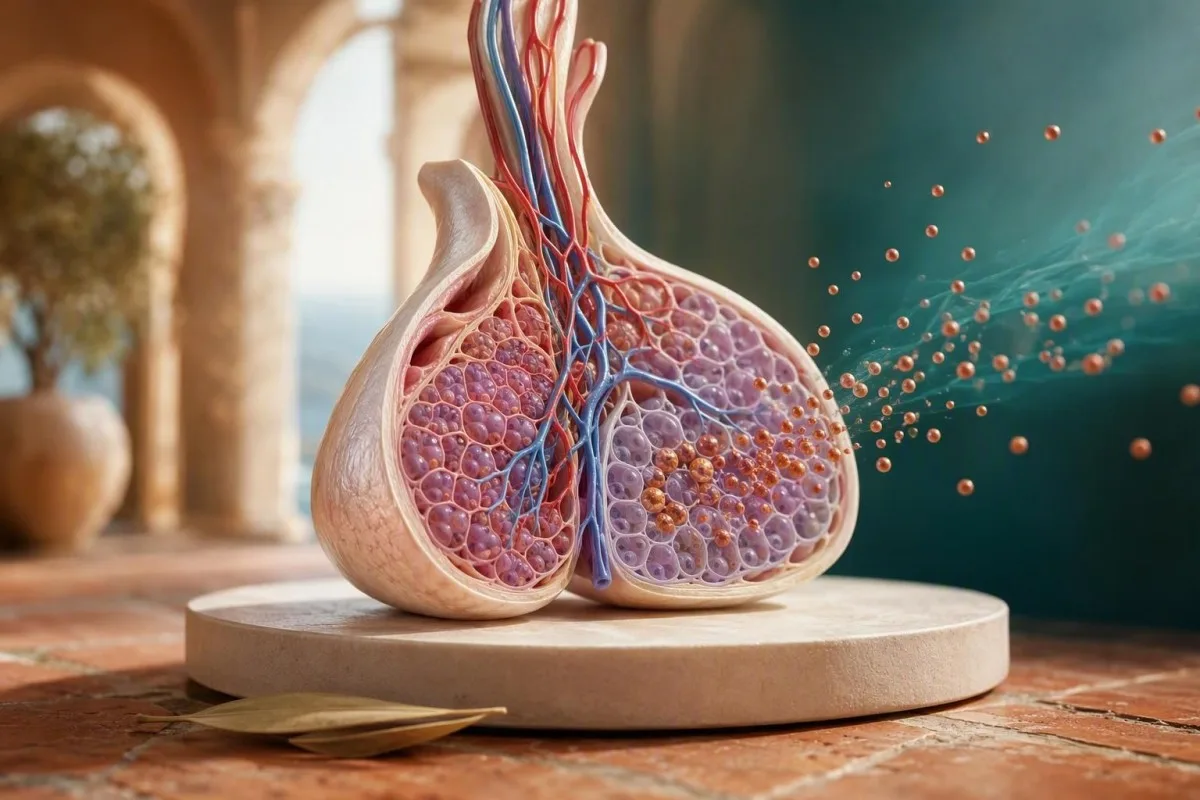
ผล prolactin ที่อยู่ในเกณฑ์ก้ำกึ่งมักเป็นเพียงชั่วคราว แต่เงื่อนไขการทดสอบซ้ำและรูปแบบอาการจะเป็นตัวกำหนดว่าสามารถสังเกตอาการได้อย่างปลอดภัย หรือจำเป็นต้องได้รับการประเมินจากต่อมไร้ท่อ.


- การสูงเล็กน้อย โดยทั่วไปหมายถึงผล prolactin ที่สูงกว่าขีดจำกัดบนของห้องปฏิบัติการที่รายงานเล็กน้อย มักต่ำกว่า 50 ng/mL (ประมาณ 1,060 mIU/L).
- ตรวจซ้ำก่อน เมื่อระดับ prolactin อยู่ที่ 20-50 ng/mL และไม่มีอาการทางสายตา ปวดศีรษะรุนแรง หรือการเปลี่ยนแปลงที่สำคัญของการมีประจำเดือนหรือการทำงานทางเพศ.
- การพักผ่อนมีความสำคัญ เนื่องจากความวิตกกังวลจากการเจาะเลือด การนอนหลับที่ไม่ดี การออกกำลังกาย การกระตุ้นเต้านม และอาการป่วยเฉียบพลัน อาจทำให้ prolactin สูงขึ้นชั่วคราว.
- ทบทวนยาที่ใช้ มีความสำคัญอย่างยิ่งเนื่องจากยาต้านอาการทางจิต metoclopramide domperidone โอปิออยด์ ยาต้านเศร้าบางชนิด และ verapamil อาจทำให้ prolactin สูงขึ้น.
- การตรวจแมโครโพรแลคติน มีประโยชน์อย่างยิ่งสำหรับการสูงขึ้นอย่างต่อเนื่องโดยมีอาการทั่วไปน้อยหรือไม่แสดงอาการเลย เป็นการระบุกลุ่มโปรแลคตินที่มีฤทธิ์ทางชีวภาพน้อยกว่า.
- ระดับที่สูงกว่า 100 ng/mL สมควรได้รับการประเมินจากต่อมไร้ท่ออย่างรวดเร็ว แม้ว่ายาบางชนิดอาจทำให้เกิดค่าในช่วงดังกล่าวได้เป็นครั้งคราว.
- ตรวจทบทวนอย่างเร่งด่วน เป็นสิ่งจำเป็นสำหรับอาการปวดศีรษะรุนแรงเฉียบพลัน การมองเห็นรอบข้างลดลง การตั้งครรภ์ที่มีอาการทางสายตา หรือการเปลี่ยนแปลงทางระบบประสาทอย่างฉับพลัน.
- บริบทเหนือกว่าตัวเลขหนึ่งตัว: สถานะการตั้งครรภ์ การทำงานของต่อมไทรอยด์ การทำงานของไต การให้ยา และค่าก่อนหน้าจะปรับเปลี่ยนการตีความ.
ความหมายของผล prolactin ที่อยู่ในเกณฑ์ก้ำกึ่งโดยทั่วไป
ความหมายของระดับโปรแลคตินที่สูงขึ้นเล็กน้อย มักเป็นสัญญาณชั่วคราวมากกว่าหลักฐานของภาวะต่อมใต้สมอง: ผลลัพธ์ต่ำกว่า 50 ng/mL (ประมาณต่ำกว่า 1,060 mIU/L) มักจะสมควรได้รับการทดสอบซ้ำอย่างรอบคอบ ฉันคือ ดร. โทมัส ไคลน์ และในการทบทวนทางคลินิก การรวมกันของค่าที่แน่นอน อาการ ยา โอกาสในการตั้งครรภ์ และเงื่อนไขการเก็บตัวอย่างมีความสำคัญมากกว่าธงแล็บสีแดงเพียงธงเดียว.
ห้องปฏิบัติการส่วนใหญ่ระบุช่วงอ้างอิงสำหรับผู้ใหญ่ที่ไม่ตั้งครรภ์ประมาณ 4-23 ng/mL ในสตรี และ 3-15 ng/mL ในบุรุษ, แต่ใช้วิธีการที่แตกต่างกัน ค่า 27 ng/mL ในสตรีที่มีขีดจำกัดบนของห้องปฏิบัติการคือ 23 ng/mL ถือเป็นผลโปรแลคตินที่เข้าขั้น แต่ไม่ใช่การวินิจฉัย หน่วยสามารถแปลงได้ประมาณ 1 ng/mL = 21.2 mIU/L.
แพทย์จะกังวลมากขึ้นเมื่อระดับสูงขึ้นอย่างต่อเนื่อง เพิ่มขึ้น หรือมาพร้อมกับอาการประจำเดือนขาด น้ำนมไหลผิดปกติ ภาวะมีบุตรยาก ความต้องการทางเพศต่ำ ปัญหาการแข็งตัวของอวัยวะเพศ ปวดศีรษะ หรือการมองเห็นรอบข้างที่เปลี่ยนแปลง ค่าที่สูงกว่า 200 นาโนกรัม/มิลลิลิตร บ่งชี้ถึงเนื้องอกต่อมใต้สมองที่สร้างโปรแลคตินได้มากกว่าค่า 28 ng/mL แม้ว่าจะไม่มีค่าตัดที่ใช้แทนการประเมินทางคลินิกก็ตาม.
คันเตสตีเป็น เครื่องวิเคราะห์ผลเลือด AI ที่เปรียบเทียบผลโปรแลคตินกับเบาะแสเกี่ยวกับไทรอยด์ ไต ตับ การตั้งครรภ์ และฮอร์โมนเพศ แทนที่จะปฏิบัติต่อธงที่แยกออกมาเป็นการวินิจฉัย ผู้อ่านที่ไม่แน่ใจเกี่ยวกับธงแล็บยังสามารถตรวจสอบคู่มือของเราเกี่ยวกับ ผลตรวจที่อยู่นอกช่วง.
เหตุผลที่ห้องปฏิบัติการไม่เห็นด้วยกัน
การตรวจภูมิคุ้มกันโปรแลคตินไม่สามารถใช้แทนกันได้: ห้องปฏิบัติการสองแห่งอาจรายงานตัวเลขที่แตกต่างกันเล็กน้อยจากบุคคลเดียวกันในวันเดียวกัน ใช้ช่วงอ้างอิงที่พิมพ์อยู่ข้างผลลัพธ์ของคุณเอง และเมื่อติดตามแนวโน้ม ให้พยายามใช้ห้องปฏิบัติการเดียวกัน นี่คือเหตุผลว่าทำไม การเปรียบเทียบผลลัพธ์ระหว่างการเยี่ยมชม ต้องใช้ความระมัดระวังมากกว่าที่ผู้คนคาดหวัง.
สาเหตุชั่วคราวที่อาจทำให้ prolactin สูงขึ้นเล็กน้อย
ความเครียด การรบกวนการนอนหลับ การออกกำลังกาย การกระตุ้นหัวนม กิจกรรมทางเพศ และอาการป่วยเฉียบพลัน อาจทำให้ระดับโปรแลคตินเพิ่มขึ้นชั่วคราว. ค่าที่สูงเล็กน้อยหลังจากเดินทางที่ลำบากหรือนอนไม่หลับ อาจกลับสู่ระดับปกติโดยไม่ต้องรักษา.
โปรแลคตินถูกหลั่งออกมาเป็นช่วงๆ และเพิ่มขึ้นระหว่างการนอนหลับ โดยมักจะถึงจุดสูงสุดในช่วงเช้ามืด ดังนั้น ตัวอย่างที่เก็บได้ทันทีหลังจากตื่นนอน หลังจากการทำงานเป็นกะกลางคืน หรือระหว่างขั้นตอนที่เจ็บปวด อาจไม่สะท้อนค่าจริงเท่ากับตัวอย่างที่เก็บในช่วงสายหลังจากพักผ่อนแล้ว.
จากประสบการณ์ของฉัน ผู้ป่วยอายุ 31 ปีที่มีความวิตกกังวลและมีระดับโปรแลคติน 34 ng/mL หลังจากนอนหลับไปสามชั่วโมง มักจะมีผลการตรวจซ้ำปกติในเวลา 10.00 น. หลังจากนั่งพักอย่างสงบ การนั่งพัก 15-30 นาที ก่อนการเก็บตัวอย่าง ช่วยลดผลกระทบจากความเครียดจากขั้นตอนเฉียบพลัน และการหลีกเลี่ยงการฝึกอย่างหนักเป็นเวลา 24 ชั่วโมงถือเป็นเรื่องสมเหตุสมผล.
ไข้ อาการชัก การบาดเจ็บที่ผนังหน้าอก หรือแม้แต่การกระตุ้นเต้านมหรือหน้าอกอย่างต่อเนื่อง อาจทำให้ระดับโปรแลคตินสูงขึ้น หากการตรวจของคุณเกิดขึ้นหลังจากการเจ็บป่วย ให้เปรียบเทียบกับการจับเวลาตามหลักการใน คู่มือไทม์ไลน์การตรวจเลือด, ของเรา แทนที่จะสันนิษฐานว่าตัวเลขนั้นสะท้อนค่าพื้นฐานระยะยาวของคุณ.
วิธีการทดสอบ prolactin ซ้ำอย่างถูกต้อง
ตรวจวัดโปรแลคตินซ้ำในตอนเช้าที่สงบ โดยควรเก็บตัวอย่าง 2-3 ชั่วโมงหลังตื่นนอน และหลังจากนั่งพักอย่างเงียบๆ 20-30 นาที. การอดอาหารไม่จำเป็นเสมอไป แต่การอดอาหารข้ามคืนอาจทำให้การแปลผลการตรวจซ้ำง่ายขึ้นเมื่อมีการวัดระดับกลูโคสหรือไขมันด้วย.
สำหรับการตรวจซ้ำ ควรหลีกเลี่ยงการออกกำลังกายหนัก กิจกรรมทางเพศ การกระตุ้นเต้านม และการตรวจหน้าอกที่ไม่จำเป็นเป็นเวลา 24 ชั่วโมงก่อนการตรวจ ห้ามหยุดยาที่แพทย์สั่งเอง แต่ให้บันทึกชื่อยา ขนาด ยาครั้งสุดท้าย และเหตุผลที่สั่งยา.
คำขอที่เป็นประโยชน์ต่อแพทย์ของคุณคือ: ตรวจวัดซ้ำ โปรแลคตินในซีรั่ม, การทดสอบการตั้งครรภ์ หากเกี่ยวข้อง, TSH และ free T4, และครีเอตินีน หรือ eGFR เมื่อสาเหตุไม่ชัดเจน การตรวจไทรอยด์มีความสำคัญเนื่องจากภาวะพร่องไทรอยด์แบบปฐมภูมิสามารถเพิ่มฮอร์โมน TRH และส่งผลให้โปรแลคตินเพิ่มขึ้นตามมา โปรดดู ตารางการตรวจไทรอยด์ซ้ำ.
โดยทั่วไป การตรวจซ้ำมักจะ 1-4 สัปดาห์ สำหรับผลลัพธ์ที่ไม่คาดคิดเล็กน้อยเมื่อคุณรู้สึกสบายดี มากกว่าที่จะเป็นวันถัดไป สามารถจับแนวโน้มได้อย่างชัดเจนด้วย การติดตามผลทางห้องปฏิบัติการแบบต่อเนื่อง, โดยเฉพาะอย่างยิ่งหากคุณจดบันทึกเกี่ยวกับการนอนหลับ วันในรอบเดือน การเจ็บป่วย และยา.
ยาที่มักทำให้ prolactin สูงเล็กน้อย
ยาที่ยับยั้งโดปามีนเป็นสาเหตุที่พบบ่อยที่สุดประการหนึ่งของการเพิ่มขึ้นของโปรแลคตินในระดับเล็กน้อยถึงปานกลางอย่างต่อเนื่อง. ตัวการสำคัญคือยาต้านโรคจิตและยาแก้คลื่นไส้ เช่น เมโทโคลพราไมด์และโดมเพริโดน.
โดยปกติโดปามีนจะยับยั้งการหลั่งโปรแลคตินจากต่อมใต้สมอง ดังนั้นยาที่ปิดกั้นตัวรับโดปามีน D2 สามารถเพิ่มระดับได้อย่างมาก เช่น ริสเพอริโดน, อะมิซัลไพรด์, ฮาโลเพริดอล, เมโทโคลพราไมด์ และโดมเพริโดน เป็นตัวอย่างที่พบบ่อย โอปิออยด์, เวอราปามิล และ SSRIs บางชนิด อาจส่งผลเพิ่มขึ้นเล็กน้อย.
ระดับยาที่สัมพันธ์กันจะแตกต่างกันไป: ริสเพอริโดนสามารถทำให้โปรแลคตินสูงกว่า 100 นาโนกรัม/มิลลิลิตร, ในขณะที่การเพิ่มขึ้นที่สัมพันธ์กับ SSRI อาจอยู่ที่ 25-40 ng/mL เท่านั้น เหตุผลที่เราไม่หยุดยาโดยทันทีคือการกลับเป็นซ้ำของอาการทางจิต อาการคลื่นไส้รุนแรง ความเจ็บปวด หรือภาวะซึมเศร้า อาจมีความเสี่ยงที่สูงกว่าในทันที.
Kantesti AI เป็น บริการตีความผลการทดสอบของ AI ที่แจ้งเตือนบริบทของยาเมื่อผลฮอร์โมนผิดปกติ แต่การตีความผลดังกล่าวไม่สามารถทดแทนแพทย์ผู้สั่งยาที่ทราบเหตุผลในการเริ่มต้นยาได้ หากมีอาการที่เกี่ยวข้องกับฮอร์โมนร่วมด้วย จะมี คู่มือแผงฮอร์โมน อธิบายว่าผลการตรวจอื่น ๆ ที่มักจะตรวจสอบร่วมด้วยมีอะไรบ้าง.
การตั้งครรภ์ การให้นมบุตร และการเพิ่มขึ้นตามสรีรวิทยาปกติ
การตั้งครรภ์และการให้นมบุตรสามารถทำให้ระดับโปรแลคตินสูงกว่าช่วงอ้างอิงสำหรับผู้ที่ไม่ได้ตั้งครรภ์ และจะไม่ถูกตีความโดยใช้ช่วง 3-23 ng/mL ตามปกติ. ดังนั้น การทดสอบการตั้งครรภ์จึงเป็นขั้นตอนแรกที่สำคัญและจำเป็นในการหาสาเหตุของระดับฮอร์โมนที่สูงขึ้นอย่างไม่ทราบสาเหตุในผู้ที่อาจตั้งครรภ์ได้.
ในระหว่างตั้งครรภ์ โปรแลคตินมักจะเพิ่มสูงขึ้นอย่างต่อเนื่องจนถึง ช่วง 100-300 ng/mL ในช่วงใกล้คลอด และการให้นมบุตรจะทำให้ระดับฮอร์โมนสูงขึ้นเป็นระยะ ๆ ค่าที่แน่นอนไม่สามารถวัดปริมาณน้ำนมได้อย่างน่าเชื่อถือ ดังนั้น การไล่ตามตัวเลขในผู้ที่ให้นมบุตรจึงแทบไม่มีประโยชน์.
ยาที่มีส่วนผสมของเอสโตรเจนและรอบประจำเดือนปกติสามารถมีส่วนช่วยเล็กน้อย แต่ก็แทบไม่สามารถอธิบายการเพิ่มขึ้นอย่างมากและต่อเนื่องได้เพียงลำพัง การกำหนดช่วงเวลาของรอบเดือนยังอาจทำให้ฮอร์โมนที่เกี่ยวข้อง เช่น เอสตราไดออล และโปรเจสเตอโรน ซับซ้อนขึ้น การอธิบายของเราเกี่ยวกับ ความผันแปรของเอสตราไดออลในวัยหมดประจำเดือน แสดงให้เห็นว่าเหตุใดผลฮอร์โมนเพศเพียงผลเดียวจึงแทบไม่สามารถตอบคำถามทั้งหมดได้.
ในผู้ที่พยายามตั้งครรภ์ ภาวะโปรแลคตินสูงเรื้อรังสามารถรบกวนการตกไข่ได้โดยการกดการทำงานของฮอร์โมนโกนาโดโทรปิน-รีลิสซิง ซึ่งมีความสำคัญทางคลินิกแม้ว่าระดับฮอร์โมนจะอยู่ที่ 35-60 ng/mL เท่านั้น โดยเฉพาะอย่างยิ่งเมื่อประจำเดือนมาไม่สม่ำเสมอ.
สาเหตุจากต่อมไทรอยด์ ไต ตับ และผนังหน้าอก
ภาวะพร่องไทรอยด์ระดับปฐมภูมิ การลดการขับออกของไต โรคตับเรื้อรัง และการกระตุ้นผนังทรวงอก ล้วนสามารถทำให้ระดับโปรแลคตินสูงขึ้นได้โดยไม่มีเนื้องอกที่ต่อมใต้สมอง. สาเหตุเหล่านี้มักจะพบได้จากการซักประวัติและการตรวจทางห้องปฏิบัติการที่เจาะจงเพียงเล็กน้อยก่อนที่จะพิจารณาการถ่ายภาพสมอง.
ภาวะพร่องไทรอยด์ระดับปฐมภูมิที่ชัดเจน มักแสดงผล free T4 ต่ำ, และการรักษาด้วยยา levothyroxine อาจทำให้ระดับโปรแลคตินกลับสู่ภาวะปกติได้ภายในหลายสัปดาห์ถึงหลายเดือน ภาวะพร่องไทรอยด์ระดับทุติยภูมิมีรูปแบบที่แตกต่างกัน ดังนั้น TSH ปกติไม่ได้ช่วยตอบคำถามเสมอไปเมื่อ free T4 ต่ำ; ควรอ่านคู่มือของเราเกี่ยวกับ free T4 ต่ำร่วมกับ TSH ปกติ.
โรคไตเรื้อรังสามารถทำให้ระดับโปรแลคตินสูงขึ้นจากการลดการขับออกและการเปลี่ยนแปลงการควบคุมโดปามีน โดย eGFR ต่ำกว่า ต่ำกว่า 60 mL/min/1.73 m² ทำให้คำอธิบายนี้มีความเป็นไปได้มากขึ้น โรคตับเป็นสาเหตุที่พบน้อยกว่าในกรณีที่แยกได้ แต่ความผิดปกติของการสังเคราะห์และการเปลี่ยนแปลงฮอร์โมนเพศสามารถมีส่วนร่วมได้.
งูสวัดที่ลามทั่วหน้าอก การผ่าตัดทรวงอก แผลไฟไหม้ และการระคายเคืองทางกลที่ต่อเนื่อง ล้วนเชื่อมโยงกับการเพิ่มขึ้นของโปรแลคติน เนื่องจากเส้นประสาทสัมผัสสามารถกระตุ้นเส้นทางรีเฟล็กซ์ได้ นี่คือเหตุผลหนึ่งที่แพทย์ถามเกี่ยวกับผื่นหรือการผ่าตัดที่ดูเหมือนไม่เกี่ยวข้องกับผลฮอร์โมน.
เมื่อใดที่การทดสอบ macroprolactin เป็นขั้นตอนต่อไปที่สมเหตุสมผล
การทดสอบ Macroprolactin มีประโยชน์มากที่สุดเมื่อระดับโปรแลคตินยังคงสูงอยู่ แต่ไม่มีอาการ หรืออาการไม่สมส่วนกับผลที่ได้. Macroprolactin มักเป็นโปรแลคตินที่จับกับอิมมูโนโกลบูลิน และมีฤทธิ์ทางชีวภาพน้อยลง เนื่องจากสามารถเข้าถึงตัวรับได้ไม่ดี.
การทดสอบตามปกติหลายชนิดนับ Macroprolactin เป็นโปรแลคติน ทำให้เกิดผลที่ดูเหมือนสูงในผู้ที่มีประจำเดือนปกติ ไม่มีน้ำนมไหล และไม่มีอาการมีบุตรยากหรืออาการทางเพศ ห้องปฏิบัติการมักจะคัดกรองด้วยการตกตะกอนด้วยโพลีเอทิลีนไกลคอล การกู้คืนโปรแลคตินโมโนเมอร์ได้น้อยสนับสนุนภาวะ Macroprolactinaemia.
แนวทางของสมาคมต่อมไร้ท่อแนะนำให้ตรวจหา macroprolactin ในภาวะ hyperprolactinaemia ที่ไม่มีอาการ เนื่องจากสามารถป้องกันการตรวจภาพและการรักษาที่ไม่จำเป็นได้ (Melmed et al., 2011) ค่าความชุกที่เผยแพร่แตกต่างกันอย่างมากตามวิธีตรวจและประชากรที่ส่งตรวจ แต่ macroprolactin พบได้ประมาณ 10-25% ของผู้ที่ได้รับการประเมินภาวะโปรแลคตินสูง.
Macroprolactin ไม่ใช่เหตุผลที่จะมองข้ามอาการที่มีอยู่จริง บุคคลอาจมี macroprolactin ร่วมกับปัญหาต่อมไร้ท่ออื่น สำหรับข้อผิดพลาดของวิธีตรวจที่กว้างกว่า บทความของเราเกี่ยวกับ การทดสอบเชิงคุณภาพเทียบกับการทดสอบเชิงปริมาณ เป็นตัวช่วยที่มีประโยชน์.
แพทย์ตรวจสอบอะไรเมื่อระดับ prolactin สูงขึ้นอย่างต่อเนื่อง
ควรยืนยันระดับโปรแลคตินที่สูงอย่างต่อเนื่องและประเมินด้วยการทดสอบการตั้งครรภ์เมื่อเกี่ยวข้อง การทบทวนยา TSH/free T4 การทำงานของไต และ macroprolactin ก่อนที่จะสันนิษฐานว่าเป็นโรคต่อมใต้สมอง. ผลการตรวจซ้ำในช่วงเดียวกันมีความหมายมากกว่าผลตรวจเดี่ยวๆ.
การซักประวัติอย่างละเอียดควรถามเกี่ยวกับช่วงเวลาของประจำเดือน การหลั่งน้ำนม ความต้องการทางเพศ การทำงานของอวัยวะเพศชาย ภาวะมีบุตรยาก การเปลี่ยนแปลงทางการมองเห็น อาการปวดศีรษะ อาการชัก อาการที่หน้าอก และยาที่สั่ง ยาที่ซื้อได้เอง และสารที่ใช้ในทางสันทนาการ ในการปฏิบัติงานทางคลินิก 15 ปีของฉัน รายการยา มักเป็นเบาะแสที่ขาดหายไป โดยเฉพาะอย่างยิ่งเมื่อใบสั่งตรวจจากห้องปฏิบัติการออกโดยแพทย์ที่ไม่คุ้นเคยกับยาจิตเวชหรือยาระบบทางเดินอาหาร.
ระดับโปรแลคติน 50-100 ng/mL ที่มีการทำงานของต่อมไทรอยด์และไตปกติ ไม่มีการอธิบายจากยา และไม่มี macroprolactin มักจะจำเป็นต้องปรึกษาแพทย์ต่อมไร้ท่อ การทบทวนการจัดการทางคลินิกโดย Serri และคณะ เน้นย้ำถึงการระบุสาเหตุทางสรีรวิทยาและเภสัชวิทยา ก่อนการถ่ายภาพ (Serri et al., 2003).
คันเตสตี มาตรฐานการยืนยันทางการแพทย์ สนับสนุนการตีความตามรูปแบบ แต่ผลที่ผิดปกติจะต้องได้รับการยืนยันผ่านแพทย์และห้องปฏิบัติการที่รายงาน การนำเสนอข้อมูลผลการตรวจตามลำดับเวลาที่กระชับ มักมีประโยชน์มากกว่าการตรวจฮอร์โมนแบบไม่จำกัดซ้ำจำนวนมาก.
เมื่อใดควรกังวลเกี่ยวกับ prolactin และขอการประเมินเร่งด่วน
อาการทางสายตาใหม่ อาการปวดศีรษะรุนแรงหรือแย่ลงอย่างรวดเร็ว การเปลี่ยนแปลงทางระบบประสาท หรือระดับโปรแลคตินที่สูงอย่างต่อเนื่องอย่างมาก จำเป็นต้องได้รับการประเมินทางการแพทย์อย่างเร่งด่วน. โดยทั่วไปจะพิจารณา MRI หลังจากที่ได้แยกสาเหตุทั่วไปที่แก้ไขได้ออกแล้ว หรือเมื่ออาการบ่งชี้ถึงแรงกดดันใกล้กับทางเดินของเส้นประสาทตา.
การตรวจ MRI ต่อมใต้สมองไม่จำเป็นโดยอัตโนมัติสำหรับค่าเดียวที่ 29 ng/mL หลังความเครียด มีเหตุผลมากกว่าเมื่อมีระดับโปรแลคตินที่สูงอย่างต่อเนื่องโดยไม่ทราบสาเหตุ ระดับโปรแลคตินสูงกว่า 100 นาโนกรัม/มิลลิลิตร, ภาวะขาดประจำเดือนหรือภาวะฮอร์โมนเพศชายต่ำ หรืออาการของก้อนเนื้อต่อมใต้สมอง ค่าที่สูงกว่า 200 นาโนกรัม/มิลลิลิตร ทำให้มีแนวโน้มว่าเป็นโปรแลคติโนมาได้มากขึ้น.
ขอคำแนะนำจากแพทย์ในวันเดียวกันสำหรับอาการปวดศีรษะรุนแรงเฉียบพลันร่วมกับปัญหาทางการมองเห็น อาเจียน สับสน อ่อนแรง หรือเป็นลม อาการเหล่านี้ไม่ค่อยพบในภาวะ hyperprolactinaemia ทั่วไปที่ไม่รุนแรง แต่มีความสำคัญเนื่องจากต้องแยกภาวะ apoplexy ของต่อมใต้สมองและโรคทางระบบประสาทอื่นๆ ออกไปอย่างเร่งด่วน.
การสูญเสียการมองเห็นส่วนปลายมักเริ่มต้นอย่างช้าๆ ดังนั้นผู้คนจึงอธิบายว่าเดินชนกรอบประตู มากกว่าที่จะตาบอดอย่างเห็นได้ชัด การทบทวนอย่างละเอียดของเราเกี่ยวกับ อาการของโปรแลคตินสูง อธิบายว่าชุดอาการใดบ้างที่ไม่ควรรอการตรวจซ้ำตามปกติ.
การมีประจำเดือน ภาวะเจริญพันธุ์ และสุขภาพกระดูก: ทำไมอาการจึงเปลี่ยนแปลงแผนการรักษา
ระดับโปรแลคตินที่สูงเล็กน้อยมีความสำคัญมากขึ้นเมื่อรบกวนประจำเดือน การตกไข่ ภาวะเจริญพันธุ์ หรือการสัมผัสเอสโตรเจน. ฮอร์โมนสามารถกดการส่งสัญญาณสืบพันธุ์ที่จำเป็นสำหรับการตกไข่ตามปกติ แม้ว่าจะไม่มีการหลั่งน้ำนมที่ชัดเจนก็ตาม.
Oligomenorrhoea หมายถึงรอบประจำเดือนที่นานกว่า ของผู้ที่มีภาวะโปรแลคตินสูงโดยไม่มีอาการ (asymptomatic hyperprolactinemia) ทั้งนี้ขึ้นอยู่กับชุดตรวจ (assay) และประชากรที่ศึกษา หากโปรแลคตินสูงแต่ประจำเดือน ภาวะเจริญพันธุ์ ความต้องการทางเพศ และภาวะมีน้ำนมไหล (galactorrhea) ปกติทั้งหมด การขอตรวจมาโครโปรแลคตินหรือการตรวจโปรแลคตินแบบโมโนเมอร์ (monomeric prolactin) ถือว่าเหมาะสมมาก, ในขณะที่ amenorrhoea หมายถึงไม่มีประจำเดือนนาน 3 เดือน ในผู้ที่มีประจำเดือนปกติมาก่อน ทั้งสองกรณีควรได้รับการประเมินทางคลินิกหากระดับโปรแลคตินสูง การทดสอบการตั้งครรภ์มาก่อน เพราะการตั้งครรภ์ช่วงต้นพบได้บ่อยกว่าโรคต่อมใต้สมองมาก.
การมีฮอร์โมนเอสโตรเจนต่ำเป็นเวลานานหลายเดือนสามารถลดความหนาแน่นของกระดูกได้ โดยเฉพาะอย่างยิ่งเมื่อภาวะฮอร์โมนโปรแลคตินในเลือดสูงทำให้ประจำเดือนขาดหายไป งานเร่งด่วนคือการหาสาเหตุและฟื้นฟูการทำงานของฮอร์โมนให้เหมาะสม ไม่ใช่การเริ่มให้ยาเสริมโดยไม่พิจารณา ผู้หญิงที่กำลังพิจารณาการรักษาสามารถทบทวน การตรวจพื้นฐานก่อนการให้ยา HRT.
ภาวะน้ำนมไหล (Galactorrhoea) คือการหลั่งน้ำนมที่ไม่เกี่ยวข้องกับการตั้งครรภ์หรือการให้นมบุตร แต่ภาวะนี้ไม่ใช่ทั้งความจำเป็นหรือเพียงพอสำหรับการมีโปรแลคตินสูง ผลโปรแลคตินปกติไม่ได้ตัดสาเหตุเฉพาะที่ของเต้านมออกไป และผลที่สูงขึ้นไม่ได้ทำให้การหลั่งผิดปกติเป็นอันตรายโดยอัตโนมัติ.
prolactin สูงเล็กน้อยในผู้ชาย: เบาะแสที่ถูกมองข้าม
ในผู้ชาย ภาวะโปรแลคตินสูงเรื้อรังสามารถลดความต้องการทางเพศ ทำให้สมรรถภาพทางเพศเสื่อม ลดเทสโทสเตอโรน และส่งผลต่อภาวะเจริญพันธุ์ได้ในบางครั้ง. ควรตีความผลการตรวจร่วมกับการตรวจระดับเทสโทสเตอโรนในช่วงเช้าที่เหมาะสม ไม่ใช่เพียงแค่การตรวจโปรแลคตินเท่านั้น.
สำหรับผู้ชายที่มีอาการทางเพศ แพทย์มักวัดระดับฮอร์โมนเทสโทสเตอโรนทั้งหมดระหว่าง 7.00 น. ถึง 11.00 น., ร่วมกับ SHBG และค่าเทสโทสเตอโรนอิสระที่คำนวณได้เมื่อจำเป็น โปรแลคตินสามารถกดการทำงานของฮอร์โมน Gonadotropins ทำให้ระดับ LH และ FSH ต่ำหรือไม่ปกติอย่างไม่สมส่วน ควบคู่ไปกับระดับเทสโทสเตอโรนที่ต่ำ.
ชายวัย 42 ปี ที่มีระดับโปรแลคติน 31 ng/mL และระดับเทสโทสเตอโรนต่ำเล็กน้อย อาจมีปัญหาการนอนหลับไม่ดี โรคอ้วน ผลจากยา หรือความผิดปกติของต่อมใต้สมอง — ไม่มีทางลัดเพียงทางเดียว คำอธิบายของเราเกี่ยวกับ เทสโทสเตอโรนอิสระต่ำ แสดงให้เห็นว่าเหตุใด SHBG จึงสามารถเปลี่ยนแปลงการตีความค่ารวมได้อย่างมาก.
คันเตสตีเป็น แพลตฟอร์มการตีความไบโอมาร์กเกอร์ด้วย AI ที่สามารถเปรียบเทียบโปรแลคตินกับเทสโทสเตอโรน, LH, FSH, TSH และผลการตรวจก่อนหน้าได้ แต่ไม่ควรนำมาใช้เพื่อวินิจฉัยรอยโรคของต่อมใต้สมอง อาการที่คงอยู่สมควรได้รับการปรึกษาจากแพทย์ปฐมภูมิหรือแพทย์ผู้เชี่ยวชาญด้านต่อมไร้ท่อ แม้ว่าระดับโปรแลคตินจะสูงเพียงเล็กน้อยก็ตาม.
ปัญหาการวิเคราะห์: ไบโอติน hook effect และผลลัพธ์ที่ทำให้เข้าใจผิด
การรบกวนจากห้องปฏิบัติการเกิดขึ้นไม่บ่อยนัก แต่ควรพิจารณาเมื่อค่าโปรแลคตินขัดแย้งอย่างมากกับอาการหรือผลการตรวจ MRI. ไบโอติน (Biotin) มักจะรบกวนการตรวจอิมมูโนแอสเสย์ (immunoassay) ของต่อมไร้ท่ออื่นๆ มากกว่าโปรแลคติน แต่ก็ยังคงต้องบันทึกประวัติการใช้ผลิตภัณฑ์เสริมอาหารทุกชนิดในการส่งตรวจทางห้องปฏิบัติการ.
ปรากฏการณ์ High-dose hook effect อาจทำให้ได้ผลโปรแลคตินต่ำอย่างผิดพลาด เมื่อเนื้องอกต่อมใต้สมอง (prolactinoma) ขนาดใหญ่สร้างฮอร์โมนที่มีความเข้มข้นสูงมากจนท่วมระบบการตรวจแบบสองตำแหน่ง (two-site assay) หาก MRI แสดงก้อนเนื้องอกขนาดใหญ่ที่ต่อมใต้สมอง แต่ระดับโปรแลคตินสูงเพียงเล็กน้อย ห้องปฏิบัติการสามารถเจือจางตัวอย่างและทำการตรวจซ้ำได้.
ขนาดไบโอตินของ 5-10 มก. ต่อวัน—ซึ่งพบได้ทั่วไปในผลิตภัณฑ์บำรุงผมและเล็บ—สามารถรบกวนการตรวจแอสเสย์ (assay) ที่ใช้สเตรปโตอาวิดิน-ไบโอติน (streptavidin-biotin) ได้ โปรดแจ้งแพทย์และห้องปฏิบัติการเกี่ยวกับการใช้ผลิตภัณฑ์เสริมอาหาร และปฏิบัติตามคำแนะนำของห้องปฏิบัติการในพื้นที่เกี่ยวกับการงดใช้ผลิตภัณฑ์เหล่านั้น คู่มือของเราเกี่ยวกับ ผลิตภัณฑ์เสริมอาหารก่อนการตรวจเลือด อธิบายว่าเหตุใดจึงไม่ใช่กฎที่ใช้ได้กับทุกคน.
แอนติบอดี Heterophile เป็นอีกสาเหตุที่พบได้ยากของการให้ผลอิมมูโนแอสเสย์ (immunoassay) ที่ทำให้เข้าใจผิด โดยเฉพาะอย่างยิ่งเมื่อค่าที่ได้ขัดแย้งกับภาพทางคลินิก การตรวจซ้ำที่ห้องปฏิบัติการอื่นหรือใช้วิธีการตรวจที่แตกต่างกันสามารถยุติความไม่แน่นอนได้โดยไม่ต้องให้ผู้ป่วยเข้ารับการสแกนที่ไม่จำเป็น.
สถานการณ์พิเศษ: วัยรุ่น วัยหมดประจำเดือน และการรักษาด้วยยาต้านอาการทางจิต
อายุ, สถานะหมดประจำเดือน, และเหตุผลในการใช้ยาต้านโดปามีน (dopamine-blocking medicine) จะเปลี่ยนแปลงเกณฑ์ในการดำเนินการ. ค่าโปรแลคตินเดียวกันอาจมีความหมายแตกต่างกันในเด็กหญิงอายุ 16 ปี ที่มีภาวะวัยแรกรุ่นล่าช้า, ผู้ปกครองที่ให้นมบุตร, และผู้สูงอายุ 62 ปี ที่กำลังใช้ยารักษาอาการโรคจิต.
เด็กวัยรุ่นต้องการการแปลผลโดยแพทย์ผู้เชี่ยวชาญด้านต่อมไร้ท่อในเด็กหรือวัยรุ่น เนื่องจากวัยแรกรุ่น, การมีประจำเดือน, และการเจริญเติบโตจะเปลี่ยนแปลงบริบททางคลินิก การตรวจโปรแลคตินในเด็กไม่ค่อยได้ทำเป็นการตรวจคัดกรองตามปกติ และควรเชื่อมโยงกับอาการจำเพาะหรือคำถามเกี่ยวกับยา.
หลังหมดประจำเดือน การมีระดับโปรแลคตินสูงขึ้นจะไม่สามารถอธิบายได้ด้วยการเปลี่ยนแปลงตามรอบเดือนปกติ ดังนั้น ค่าที่คงอยู่สมควรได้รับการทบทวนยาและต่อมไร้ท่ออย่างรอบคอบ อาการวัยหมดประจำเดือนอาจทับซ้อนกับอาการของต่อมไทรอยด์และโปรแลคติน คู่มือของเราเกี่ยวกับ FSH หลังหมดประจำเดือน ช่วยแยกแยะการเปลี่ยนแปลงที่คาดหวังออกจากรูปแบบที่ไม่คาดคิด.
สำหรับภาวะโปรแลคตินในเลือดสูงที่เกี่ยวข้องกับยาต้านโรคจิต การจัดการจะต้องทำร่วมกับผู้สั่งยาด้านสุขภาพจิต ตัวเลือกต่างๆ อาจรวมถึงการสังเกต การปรับขนาดยา หรือการเปลี่ยนยา แต่ยากลุ่มโดปามีนอะโกนิสต์ เช่น คาเบอร์โกไลน์ อาจทำให้อาการทางจิตแย่ลงในผู้ที่อ่อนไหวและไม่ใช่ยาที่ใช้เสริมโดยตรง.
วิธีบันทึกแนวโน้ม prolactin ที่แพทย์สามารถนำไปใช้ได้
แนวโน้มระดับโปรแลคตินที่มีประโยชน์จะบันทึกผล ช่วงของห้องปฏิบัติการ เวลาที่เก็บเลือด สถานะการนอนหลับ วงจรประจำเดือนหรือการตั้งครรภ์ การเจ็บป่วย และยา. ค่าสามค่าที่เก็บภายใต้เงื่อนไขที่แตกต่างกันอาจมีประโยชน์น้อยกว่าค่าสองค่าที่เก็บอย่างสม่ำเสมอ.
เขียนหน่วยที่แน่นอน เพราะ ng/mL และ mIU/L ไม่สามารถเปรียบเทียบกันได้โดยตรงหากไม่แปลง, และเก็บช่วงอ้างอิงของห้องปฏิบัติการไว้ หมายเหตุว่าคุณได้ออกกำลังกาย อดอาหาร ให้นมบุตร มีเพศสัมพันธ์ รับประทานยา หรือนอนหลับไม่เพียงพอในช่วง 24 ชั่วโมงก่อนหน้าหรือไม่.
AI Kantesti ซึ่งเป็น เครื่องมือวิเคราะห์ผลตรวจเลือดที่ขับเคลื่อนด้วย AI, สามารถจัดระเบียบรายงานประวัติและเน้นผลลัพธ์ที่เปลี่ยนแปลงไปในแผงห้องปฏิบัติการต่างๆ ได้ภายในประมาณ 60 วินาที แต่ไฟล์ PDF ต้นฉบับและช่วงอ้างอิงของห้องปฏิบัติการยังคงเป็นบันทึกต้นฉบับของเรา เช็กลิสต์ตัวติดตามผลการตรวจในห้องปฏิบัติการของเรา แสดงรายการรายละเอียดที่ใช้ได้จริงซึ่งป้องกันการแจ้งเตือนแนวโน้มที่ผิดพลาด.
หากคุณแบ่งปันผลลัพธ์กับสมาชิกในครอบครัวหรือแพทย์ ให้ควบคุมการยินยอมและการเข้าถึง ผู้ที่จัดการบันทึกภายในบ้านสามารถใช้คำแนะนำของเราเกี่ยวกับ การแบ่งปันผลลัพธ์ในครอบครัวอย่างปลอดภัย โดยไม่ทำให้ผลฮอร์โมนกลายเป็นการวินิจฉัยโรคในครอบครัว.
แนวทางปฏิบัติปี 2026 สำหรับผล prolactin ระดับน้อย
ณ วันที่ 28 สิงหาคม 2026 แนวทางปฏิบัติคือการยืนยันผลที่ไม่คาดคิดเล็กน้อยภายใต้เงื่อนไขมาตรฐาน ตรวจสอบสาเหตุที่ผันกลับได้ ขอ macroprolactin เมื่อระดับสูงขึ้นโดยไม่มีอาการ และส่งต่อเมื่อระดับหรืออาการบ่งชี้. วิธีการนี้หลีกเลี่ยงทั้งการสแกน MRI ที่ไม่จำเป็นและการมองข้ามโรคต่อมไร้ท่อ.
สำหรับโปรแลคตินภายใต้ 50 นาโนกรัม/มิลลิลิตร, ไม่มีอาการที่น่าเป็นห่วง และมีปัจจัยกระตุ้นชั่วคราวที่ชัดเจน ให้ตรวจซ้ำใน 1-4 สัปดาห์หลังจากนอนหลับและพักผ่อนเป็นปกติ สำหรับค่าที่คงอยู่ระหว่าง 50-100 ng/mL ให้ทบทวนยา สถานะการตั้งครรภ์ TSH/free T4, eGFR และ macroprolactin; สำหรับค่าที่สูงกว่า 100 ng/mL หรืออาการที่น่ากังวล ให้ประเมินต่อมไร้ท่อในเวลาที่เหมาะสมกว่า.
กฎปฏิบัติของ Dr. Thomas Klein นั้นง่าย: อย่าพยายามลดโปรแลคตินด้วยผลิตภัณฑ์เสริมอาหารก่อนที่คุณจะรู้ว่าทำไมมันถึงสูงขึ้น แพทย์และผู้ตรวจสอบของเราทำงานภายใต้มาตรฐานที่อธิบายไว้โดย คณะกรรมการที่ปรึกษาทางการแพทย์, และผู้อ่านสามารถดูวิธีการแปลความหมายรูปแบบได้ใน คู่มือเทคโนโลยี AI.
สำหรับผู้อ่านที่สำรวจระเบียบวิธีห้องปฏิบัติการที่เกี่ยวข้อง สิ่งพิมพ์ Kantesti ประกอบด้วย คู่มือการตรวจวิเคราะห์ธาตุเหล็ก: TIBC, ความอิ่มตัวของธาตุเหล็ก และความสามารถในการจับตัวของธาตุเหล็ก และ ช่วงค่าปกติของ aPTT: D-Dimer, โปรตีน C คู่มือการแข็งตัวของเลือด; สิ่งเหล่านี้ไม่ใช่แนวทางการรักษาภาวะโปรแลคตินสูง แต่เป็นการอธิบายหลักการเดียวกันในการแปลผลค่าในห้องปฏิบัติการตามบริบทของการทดสอบ ลิงก์ไปยังสิ่งพิมพ์อย่างเป็นทางการจะคงอยู่ด้านล่างเพื่อความโปร่งใส.
คำถามที่พบบ่อย
ระดับโปรแลคตินที่ใกล้เคียงค่าปกติหมายถึงอะไร?
ระดับโปรแลคตินที่ก้ำกึ่งโดยทั่วไปหมายถึงผลการตรวจมีค่าสูงกว่าขีดจำกัดอ้างอิงบนของห้องปฏิบัติการเพียงเล็กน้อย ซึ่งมักจะอยู่ที่ประมาณ 25-50 ng/mL ความเครียด การออกกำลังกายเมื่อเร็วๆ นี้ การนอนหลับไม่เพียงพอ การกระตุ้นเต้านม การเจ็บป่วยเฉียบพลัน และยาต่างๆ ล้วนสามารถทำให้เกิดระดับที่สูงขึ้นในระดับนี้ได้ คนส่วนใหญ่ที่มีผลก้ำกึ่งโดยไม่คาดคิดและไม่มีอาการที่น่าสงสัย ควรทำการตรวจซ้ำภายใต้สภาวะตอนเช้าที่ผ่อนคลายก่อนที่จะพิจารณาการถ่ายภาพทางการแพทย์หรือการรักษา ต้องทบทวนช่วงอ้างอิงของห้องปฏิบัติการและหน่วยวัด โดยปกติจะเป็น ng/mL หรือ mIU/L พร้อมกับค่าที่แน่นอน.
ฉันควรจะกังวลไหมหากระดับโปรแลคตินของฉันคือ 30 ng/mL?
ระดับโปรแลคติน 30 ng/mL ถือว่าสูงเล็กน้อยในช่วงอ้างอิงปกติสำหรับผู้ใหญ่ที่ไม่ตั้งครรภ์ และโดยปกติแล้วไม่ใช่ภาวะฉุกเฉิน แพทย์จะพิจารณาถึงการตั้งครรภ์ ยา การนอนหลับ ความเครียด การทำงานของต่อมไทรอยด์ การทำงานของไต อาการต่างๆ และการเก็บสิ่งส่งตรวจหลังจากพักแล้ว การตรวจซ้ำใน 1-4 สัปดาห์เป็นสิ่งที่เหมาะสม หากไม่มีอาการปวดศีรษะรุนแรง การเปลี่ยนแปลงของการมองเห็น หรือความผิดปกติของรอบเดือนหรือการทำงานทางเพศอย่างมีนัยสำคัญ การมีระดับที่สูงขึ้นอย่างต่อเนื่องอาจจำเป็นต้องตรวจหา macroprolactin และการประเมินโดยแพทย์ต่อมไร้ท่อ.
ความวิตกกังวลสามารถทำให้ระดับโปรแลคตินในผลตรวจเลือดสูงขึ้นได้หรือไม่?
ใช่ ความวิตกกังวลเกี่ยวกับการเก็บตัวอย่างอาจทำให้ระดับโปรแลคตินสูงขึ้นชั่วคราว เนื่องจากโปรแลคตินมีการตอบสนองต่อความเครียดทางร่างกายและอารมณ์ การนั่งพักเงียบๆ 20-30 นาทีก่อนเก็บตัวอย่าง และการตรวจ 2-3 ชั่วโมงหลังตื่นนอน จะทำให้ผลการตรวจซ้ำมีความน่าเชื่อถือมากขึ้น การหลีกเลี่ยงการออกกำลังกายอย่างหนัก การมีเพศสัมพันธ์ และการกระตุ้นเต้านมเป็นเวลา 24 ชั่วโมง จะช่วยลดความผันแปรที่ไม่จำเป็นได้อีก ความวิตกกังวลเพียงอย่างเดียวไม่ควรถูกสันนิษฐานว่าเป็นสาเหตุของผลการตรวจที่ยังคงสูงในการเก็บตัวอย่างซ้ำที่ถูกต้อง.
ควรตรวจมาโครโปรแลคตินเมื่อใด
ควรพิจารณาภาวะแมโครโปรแลกติน (Macroprolactin) เมื่อระดับโปรแลกตินยังคงสูงหลังการตรวจซ้ำ แต่ไม่มีอาการทั่วไป หรือมีอาการเพียงเล็กน้อย แมโครโปรแลกตินประกอบด้วยโปรแลกตินที่จับกับอิมมูโนโกลบูลิน (immunoglobulin) และการตรวจวิเคราะห์มาตรฐานอาจนับรวมส่วนนี้เข้าไปด้วย แม้ว่าจะมีฤทธิ์ทางชีวภาพน้อยกว่าก็ตาม ห้องปฏิบัติการมักใช้การตกตะกอนด้วยพอลิเอทิลีนไกลคอล (polyethylene glycol precipitation) เพื่อประเมินส่วนของโมโนเมอร์ (monomeric fraction) ที่มีฤทธิ์ การตรวจหาภาวะนี้สามารถป้องกันการตรวจ MRI บริเวณต่อมใต้สมอง (pituitary MRI) หรือการรักษาที่ไม่จำเป็น โดยเฉพาะอย่างยิ่งเมื่อมีค่าคงที่ในช่วง 25-100 ng/mL.
ระดับโปรแลคตินเท่าใดที่บ่งชี้ว่าอาจมีเนื้องอกต่อมใต้สมอง?
ระดับโปรแลคตินเพียงอย่างเดียวไม่สามารถวินิจฉัยเนื้องอกต่อมใต้สมองได้ แต่ระดับที่คงที่สูงกว่า 100 ng/mL เพิ่มความจำเป็นในการประเมินต่อมไร้ท่อหลังจากตรวจสอบยาและสาเหตุอื่น ๆ แล้ว ระดับที่สูงกว่า 200 ng/mL บ่งชี้ถึงเนื้องอกต่อมใต้สมองที่สร้างโปรแลคตินได้มากขึ้น แม้ว่ายาที่ยับยั้งโดปามีนบางครั้งอาจทำให้ระดับสูงขึ้นอย่างมาก การตัดสินใจทำ MRI ยังขึ้นอยู่กับอาการปวดศีรษะ อาการทางสายตา ความผิดปกติของประจำเดือนหรือสมรรถภาพทางเพศ และผลการตรวจไทรอยด์ การตั้งครรภ์ ไต และการตรวจแมโครโปรแลคติน ระดับ 25-40 ng/mL เพียงอย่างเดียวมักเป็นภาวะชั่วคราวหรือทุติยภูมิมากกว่าเนื้องอกต่อมใต้สมองขนาดใหญ่.
ฉันสามารถลดระดับโปรแลคตินที่สูงเล็กน้อยตามธรรมชาติได้หรือไม่
คุณไม่ควรพยายามรักษาภาวะโปรแลคตินสูงเล็กน้อยด้วยอาหารเสริมก่อนที่จะยืนยันผลและหาสาเหตุ การนอนหลับให้ดีขึ้น หลีกเลี่ยงการออกกำลังกายหนักก่อนเก็บตัวอย่างซ้ำ และลดความเครียดที่หลีกเลี่ยงได้ สามารถช่วยป้องกันการสูงขึ้นชั่วคราวที่ทำให้ผลการทดสอบผิดเพี้ยนได้ แต่ไม่สามารถรักษาภาวะโปรแลคตินในเลือดสูงที่เกิดจากยา โรคไทรอยด์ โรคไต หรือเนื้องอกต่อมใต้สมองอย่างต่อเนื่องได้ อย่าหยุดยาต้านโรคจิต ยาลดคลื่นไส้ ยาโอปิออยด์ หรือยาต้านเศร้าโดยไม่ได้รับคำแนะนำจากแพทย์ผู้สั่งยา ขั้นตอนต่อไปที่ปลอดภัยที่สุดคือการทดสอบซ้ำที่เตรียมไว้อย่างเหมาะสมและการทบทวนทางคลินิกแบบเจาะจง.
รับการวิเคราะห์ผลตรวจเลือดด้วย AI วันนี้
เข้าร่วมผู้ใช้งานมากกว่า 2 ล้านคนทั่วโลกที่ไว้วางใจ Kantesti สำหรับการวิเคราะห์ผลตรวจทางห้องแล็บแบบทันทีและแม่นยำ อัปโหลดผลตรวจเลือดของคุณ แล้วรับการอ่านผลตรวจเลือดอย่างครอบคลุมของไบโอมาร์กเกอร์ 15,000+ ภายในไม่กี่วินาที.
📚 งานวิจัยที่อ้างอิง
Klein, T., Mitchell, S., & Weber, H. (2026). คู่มือการตรวจวิเคราะห์ธาตุเหล็ก: TIBC, ความอิ่มตัวของธาตุเหล็ก และความสามารถในการจับตัวของธาตุเหล็ก.
Klein, T., Mitchell, S., & Weber, H. (2026). ช่วงค่าปกติของ aPTT: D-Dimer, โปรตีน C คู่มือการแข็งตัวของเลือด.
📖 อ้างอิงทางการแพทย์ภายนอก
Serri O et al. (2003). การวินิจฉัยและการจัดการภาวะโปรแลคตินในเลือดสูง. CMAJ.
Gibney J et al. (2005). ผลกระทบต่อการปฏิบัติทางคลินิกของการคัดกรองมาโครโปรแลคตินตามปกติ. วารสาร Clinical Endocrinology & Metabolism.
⚕️ ข้อสงวนสิทธิ์ทางการแพทย์
บทความนี้จัดทำเพื่อวัตถุประสงค์ด้านการศึกษาเท่านั้น และไม่ถือเป็นคำแนะนำทางการแพทย์ โปรดปรึกษาผู้ให้บริการด้านสุขภาพที่มีคุณสมบัติเหมาะสมเสมอสำหรับการตัดสินใจด้านการวินิจฉัยและการรักษา.
สัญญาณความน่าเชื่อถือ E-E-A-T
ประสบการณ์
การทบทวนเชิงคลินิกโดยแพทย์ที่นำโดยกระบวนการตีความผลตรวจในห้องแล็บ.
ความเชี่ยวชาญ
โฟกัสด้านเวชศาสตร์ห้องปฏิบัติการเกี่ยวกับพฤติกรรมของไบโอมาร์กเกอร์ในบริบททางคลินิก.
อำนาจ
เขียนโดย ดร. โธมัส ไคลน์ (Dr. Thomas Klein) พร้อมทบทวนโดย ดร. ซาราห์ มิตเชลล์ (Dr. Sarah Mitchell) และ ศ.ดร. ฮันส์ เวเบอร์ (Prof. Dr. Hans Weber).
ความน่าเชื่อถือ
การตีความที่อิงหลักฐาน พร้อมเส้นทางการติดตามที่ชัดเจนเพื่อลดความตื่นตระหนก.