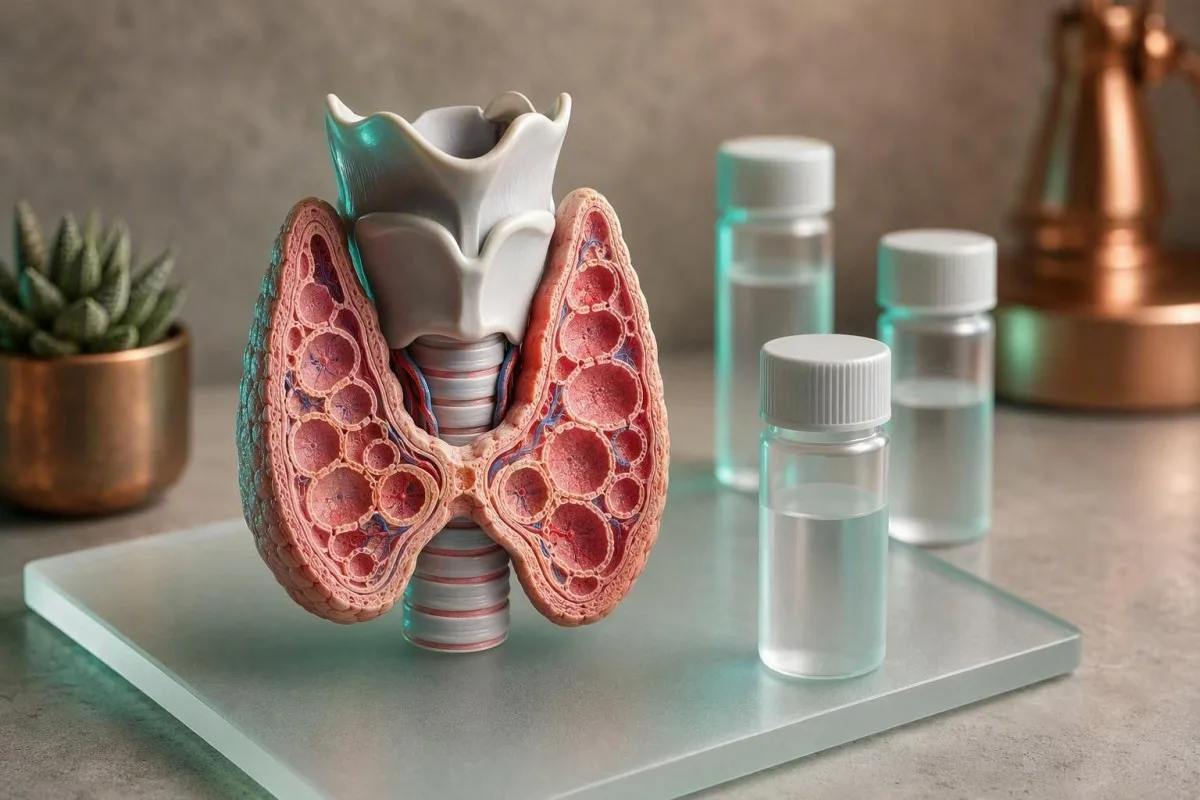
බොහෝ අයට නිතර තයිරොයිඩ් පරීක්ෂණ අවශ්ය නොවේ. නිවැරදි කාල පරතරය රඳා පවතින්නේ ඔබේ TSH සාමාන්ය ද, ඔබ ගැබ්ගෙන සිටිනවාද, ඔබට රෝග ලක්ෂණ තිබේද, නැතහොත් ඔබේ ලෙවෝතයිරොක්සින් මාත්රාව මෑතකදී වෙනස් වී තිබේද යන්න මතය.


- සාමාන්ය TSH සාමාන්යයෙන් සෑම 1-5 වසරකට වරක් නැවත සිදු කිරීම අවශ්ය නොවේ, රෝග ලක්ෂණ, ගැබ් ගැනීම, medicine ෂධ හෝ නව අවදානම් සාධක මතුවන්නේ නම් මිස.
- ලෙවෝතයිරොක්සින් වෙනස් කිරීමෙන් පසු, 6-8 සති 222222222222222222222222222222222222222222222222222222222222222222222222222222222222222222222222222222222222222222222222222222222222222222222222222222222222222222222222222222222222222222222222222222222222222222222222222222222222222222222222222222222222222222222222222222222222222222222222222222222222222222222222222222222222222222222222222222222222222222222222222222222222222222222222222222222222222222222222222222222222222222222222222222222222222222222222222222222222222222222222222222222222222222222222222222222222222222222222222222222222222222222222222222222222222222222222222222222222222222222222222222222222222222222222222222222222222222222222222222222222222222222222222222222222222222222222222222222222222222222222222222222222222222222222222222222222222222222222222222222222222222222222222222222222222222222222222222222222222222222222222222222222222222222222222222222222222222222222222222222222222222222222222222222222222222222222222222222222222222222222222222222222222222222222222222222222222222222222222222222222222222222222222222222222222222222222222222222222222222222222222222222222222222222222222222222222222222222222222222222222222222222222222222222222222222222222222222222222222222222222222222222222222222222222222222222222222222222222222222222222222222222222222222222222222222222222222222222222222222222222222222222222222222222222222222222222222222222222222222222222222222222222222222222222222222222222222222222222222222222222222222222222222222222222222222222222222222222222222222222222222222222222222222222222222222222222222222222222222222222222222222222222222222222222222222222222222222222222222222222222222222222222222222222222222222222222222222222222222222222222222222222222222222222222222222222222222222222222222222222222222222222222222222222222222222222222222222222222222222222222222222222222222222222222222222222222222222222222222222222222222222222222222222222222222222222222222222222222222222222222222222222222222222222222222222222222222222222222222222222222222222222222222222222222222222222222222222222222222222222222222222222222222222222222222222222222222222222222222222222222222222222222222222222222222222222222222222222222222222222222222222222222222222222222222222222222222222222222222222222222222222222222222222222222222222222222222222222222222222222222222222222222222222222222222222222222222222222222222222222222222222222222222222222222222222222222222222222222222222222222222222222222222222222222222222222222222222222222222222222222222222222222222222222222222222222222222222222222222222222222222222222222222222222222222222222222222222222222222222222222222222222222222222222222222222222222222222222222222222222222222222222222222222222222222222222222222222222222222222222222222222222222222222222222222222222222222222222222222222222222222222222222222222222222222222222222222222222222222222222222222222222222222222222222222222222222222222222222222222222222222222222222222222222222222222222222222222222222222222222222222222222222222222222222222222222222222222222222222222222222222222222222222222222222222222222222222222222222222222222222222222222222222222222222222222222222222222222222222222222222222222222222222222222222222222222222222222222222222222222222222222222222222222222222222222222222222222222222222222222222222222222222222222222222222222222222222222222222222222222222222222222222222222222222222222222222222222222222222222222222222222222222222222222222222222222222222222222222222222222222222222222222222222222222222222222222222222222222222222222222222222222222222222222222222222222222222222222222222222222222222222222222222222222222222222222222222222222222222222222222222222222222222222222222222222222222222222222222222222222222222222222222222222222222222222222222222222222222222222222222222222222222222222222222222222222222222222222222222222222222222222222222222222222222222222222222222222222222222222222222222222222222222222222222222222222222222222222222222222222222222222222222222222222222222222222222222222222222222222222222222222222222222222222222222222222222222222222222222222222222222222222222222222222222222222222222222222222222222222222222222222222222222222222222222222222222222222222222222222222222222222222222222222222222222222222222222222222222222222222222222222222222222222222222222222222222222222222222222222222222222222222222222222222222222222222222222222222222222222222222222222222222222222222222222222222222222222222222222222222222222222222222222222222222222222222222222222222222222222222222222222222222222222222222222222222222222222222222222222222222222222222222222222222222222222222222222222222222222222222222222222222222222222222222222222222222222222222222222222222222222222222222222222222222222222222222222222222222222222222222222222222222222222222222222222222222222222222222222222222222222222222222222222222222222222222222222222222222222222222222222222222222222222222222222222222222222222222222222222222222222222222222222222222222222222222222222222222222222222222222222222222222222222222222222222222222222222222222222222222222222222222222222222222222222222222222222222222222222222222222222222222222222222222222222222222222222222222222222222222222222222222222222222222222222222222222222222222222222222222222222222222222222222222222222222222222222222222222222222222222222222222222222222222222222222222222222222222222222222222222222222222222222222222222222222222222222222222222222222222222222222222222222222222222222222222222222222222222222222222222222222222222222222222222222222222222222222222222222222222222222222222222222222222222222222222222222222222222222222222222222222222222222222222222222222222222222222222222222222222222222222222222222222222222222222222222222222222222222222222222222222222222222222222222222222222222222222222222222222222222222222222222222222222222222222222222222222222222222222222222222222222222222222222222222222222222222222222222222222222222222222222222222222222222222222222222222222222222222222222222222222222222222222222222222222222222222222222222222222222222222222222222222222222222222222222222222222222222222222222222222222222222222222222222222222222222222222222222222222222222222222222222222222222222222222222222222222222222222222222222222222222222222222222222222222222222222222222222222222222222222222222222222222222222222222222222222222222222222222222222222222222222222222222222222222222222222222222222222222222222222222222222222222222222222222222222222222222222222222222222222222222222222222222222222222222222222222222222222222222222222222222222222222222222222222222222222222222222222222222222222222222222222222222222222222222222222222222222222222222222222222222222222222222222222222222222222222222222222222222222222222222222222222222222222222222222222222222222222222222222222222222222222222222222222222222222222222222222222222222222222222222222222222222222222222222222222222222222222222222222222222222222222222222222222222222222222222222222222222222222222222222222222222222222222222222222222222222222222222222222222222222222222222222222222222222222222222222222222222222222222222222222222222222222222222222222222222222222222222222222222222222222222222222222222222222222222222222222222222222222222222222222222222222222222222222222222222222222222222222222222222222222222222222222222222222222222222222222222222222222222222222222222222222222222222222222222222222222222222222222222222222222222222222222222222222222222222222222222222222222222222222222222222222222222222222222222222222222222222222222222222222222222222222222222222222222222222222222222222222222222222222222222222222222222222222222222222222222222222222222222222222222222222222222222222222222222222222222222222222222222222222222222222222222222222222222222222222222222222222222222222222222222222222222222222222222222222222222222222222222222222222222222222222222222222222222222222222222222222222222222222222222222222222222222222222222222222222222222222222222222222222222222222222222222222222222222222222222222222222222222222222222222222222222222222222222222222222222222222222222222222222222222222222222222222222222222222222222222222222222222222222222222222222222222222222222222222222222222222222222222222222222222222222222222222222222222222222222222222222222222222222222222222222222222222222222222222222222222222222222222222222222222222222222222222222222222222222222222222222222222222222222222222222222222222222222222222222222222222222222222222222222222222222222222222222222222222222222222222222222222222222222222222222222222222222222222222222222222222222222222222222222222222222222222222222222222222222222222222222222222222222222222222222222222222222222222222222222222222222222222222222222222222222222222222222222222222222222222222222222222222222222222222222222222222222222222222222222222222222222222222222222222222222222222222222222222222222222222222222222222222222222222222222222222222222222222222222222222222222222222222222222222222222222222222222222222222222222222222222222222222222222222222222222222222222222222222222222222222222222222222222222222222222222222222222222222222222222222222222222222222222222222222222222222222222222222222222222222222222222222222222222222222222222222222222222222222222222222222222222222222222222222222222222222222222222222222222222222222222222222222222222222222222222222222222222222222222222222222222222222222222222222222222222222222222222222222222222222222222222222222222222222222222222222222222222222222222222222222222222222222222222222222222222222222222222222222222222222222222222222222222222222222222222222222222222222222222222222222222222222222222222222222222222222222222222222222222222222222222222222222222222222222222222222222222222222222222222222222222222222222222222222222222222222222222222222222222222222222222222222222222222222222222222222222222222222222222222222222222222222222222222222222222222222222222222222222222222222222222222222222222222222222222222222222222222222222222222222222222222222222222222222222222222222222222222222222222222222222222222222222222222222222222222222222222222222222222222222222222222222222222222222222222222222222222222222222222222222222222222222222222222222222222222222222222222222222222222222222222222222222222222222222222222222222222222222222222222222222222222222222222222222222222222222222222222222222222222222222222222222222222222222222222222222222222222222222222222222222222222222222222222222222222222222222222222222222222222222222222222222222222222222222222222222222222222222222222222222222222222222222222222222222222222222222222222222222222222222222222222222222222222222222222222222222222222222222222222222222222222222222222222222222222222222222222222222222222222222222222222222222222222222222222222222222222222222222222222222222222222222222222222222222222222222222222222222222222222222222222222222222222222222222222222222222222222222222222222222222222222222222222222222222222222222222222222222222222222222222222222222222222222222222222222222222222222222222222222222222222222222222222222222222222222222222222222222222222222222222222222222222222222222222222222222222222222222222222222222222222222222222222222222222222222222222222222222222222222222222222222222222222222222222222222222222222222222222222222222222222222222222222222222222222222222222222222222222222222222222222222222222222222222222222222222222222222222222222222222222222222222222222222222222222222222222222222222222222222222222222222222222222222222222222222222222222222222222222222222222222222222222222222222222222222222222222222222222222222222222222222222222222222222222222222222222222222222222222222222222222222222222222222222222222222222222222222222222222222222222222222222222222222222222222222222222222222222222222222222222222222222222222222222222222222222222222222222222222222222222222222222222222222222222222222222222222222222222222222222222222222222222222222222222222222222222222222222222222222222222222222222222222222222222222222222222222222222222222222222222222222222222222222222222222222222222222222222222222222222222222222222222222222222222222222222222222222222222222222222222222222222222222222222222222222222222222222222222222222222222222222222222222222222222222222222222222222222222222222222222222222222222222222222222222222222222222222222222222222222222222222222222222222222222222222222222222222222222222222222222222222222222222222222222222222222222222222222222222222222222222222222222222222222222222222222222222222222222222222222222222222222222222222222222222222222222222222222222222222222222222222222222222222222222222222222222222222222222222222222222222222222222222222222222222222222222222222222222222222222222222222222222222222222222222222222222222222222222222222222222222222222222222222222222222222222222222222222222222222222222222222222222222222222222222222222222222222222222222222222222222222222222222222222222222222222222222222222222222222222222222222222222222222222222222222222222222222222222222222222222222222222222222222222222222222222222222222222222222222222222222222222222222222222222222222222222222222222222222222222222222222222222222222222222222222222222222222222222222222222222222222222222222222222222222222222222222222222222222222222222222222222222222222222222222222222222222222222222222222222222222222222222222222222222222222222222222222222222222222222222222222222222222222222222222222222222222222222222222222222222222222222222222222222222222222222222222222222222222222222222222222222222222222222222222222222222222222222222222222222222222222222222222222222222222222222222222222222222222222222222222222222222222222222222222222222222222222222222222222222222222222222222222222222222222222222222222222222222222222222222222222222222222222222222222222222222222222222222222222222222222222222222222222222222222222222222222222222222222222222222222222222222222222222222222222222222222222222222222222222222222222222222222222222222222222222222222222222222222222222222222222222222222222222222222222222222222222222222222222222222222222222222222222222222222222222222222222222222222222222222222222222222222222222222222222222222222222222222222222222222222222222222222222222222222222222222222222222222222222222222222222222222222222222222222222222222222222222222222222222222222222222222222222222222222222222222222222222222222222222222222222222222222222222222222222222222222222222222222222222222222222222222222222222222222222222222222222222222222222222222222222222222222222222222222222222222222222222222222222222222222222222222222222222222222222222222222222222222222222222222222222222222222222222222222222222222222222222222222222222222222222222222222222222222222222222222222222222222222222222222222222222222222222222222222222222222222222222222222222222222222222222222222222222222222222222222222222222222222222222222222222222222222222222222222222222222222222222222222222222222222222222222222222222222222222222222222222222222222222222222222222222222222222222222222222222222222222222222222222222222222222222222222222222222222222222222222222222222222222222222222222222222222222222222222222222222222222222222222222222222222222222222222222222222222222222222222222222222222222222222222222222222222222222222222222222222222222222222222222222222222222222222222222222222222222222222222222222222222222222222222222222222222222222222222222222222222222222222222222222222222222222222222222222222222222222222222222222222222222222222222222222222222222222222222222222222222222222222222222222222222222222222222222222222222222222222222222222222222222222222222222222222222222222222222222222222222222222222222222222222222222222222222222222222222222222222222222222222222222222222222222222222222222222222222222222222222222222222222222222222222222222222222222222222222222222222222222222222222222222222222222222222222222222222222222222222222222222222222222222222222222222222222222222222222222222222222222222222222222222222222222222222222222222222222222222222222222222222222222222222222222222222222222222222222222222222222222222222222222222222222222222222222222222222.
- ගර්භණීභාවය දන්නා හයිපෝතයිරොයිඩ්වාදය ඇති පුද්ගලයින් සඳහා තහවුරු කිරීමේදී සහ සාමාන්යයෙන් ගැබ්ගැනීමේ මැද භාගය දක්වා සෑම සති 4 කට වරක් TSH පරීක්ෂණ අවශ්ය වේ.
- ස්ථාවර ප්රතිකාර කරන ලද හයිපෝතයිරොයිඩ්වාදය මාසිකව නොව, සාමාන්යයෙන් සෑම මාස 6-12 කට වරක් නිරීක්ෂණය කරනු ලැබේ.
- TSH අගය 10 mIU/Lට වඩා වැඩි නිදහස් T4 පරාසය තුළ පැවතියද, සාමාන්යයෙන් සායනික තක්සේරුවක් සහ ප්රතිකාර සාකච්ඡාවක් අවශ්ය වේ.
- Biotin අතිරේක සමහර තයිරොයිඩ් ප්රතිශරීර විද්යාත්මක පරීක්ෂණ විකෘති කළ හැකිය; අවම වශයෙන් දින 2 ක් ඉහළ මාත්රාවලින් බයෝටින් නතර කිරීම සාධාරණ පෙරනිමිත්තකි.
- TPO ප්රතිදේහ අනාගත හයිපෝතයිරොයිඩ්වාදය පුරෝකථනය කරයි, නමුත් ලෙවෝතයිරොක්සීන් සකස් කිරීමට අනුක්රමික මිනුම් අවශ්ය නොවේ.
- හදිසි ඇගයීමක් දරුණු හෘද ස්පන්දනය, පපුවේ වේදනාව, ව්යාකූලත්වය, කැපී පෙනෙන හුස්ම හිරවීම හෝ බෙල්ලේ ඉදිමීම වේගයෙන් වැඩිවීම සඳහා අවශ්ය වේ.
තයිරොයිඩ් පරීක්ෂණ නැවත සිදු කිරීම සඳහා තීරණ කාලසටහන
Frekvenca preverjanja ravni ščitnice je odvisna od klinične situacije: vsakih 1-5 let po normalnem presejanju, 6-8 tednov po spremembi odmerka, vsake 4 tedne v zgodnji nosečnosti pri znani bolezni ščitnice in vsakih 6-12 mesecev, ko je hipotiroidizem stabilen pri zdravljenju. Prehitro testiranje je koristno le, če bi rezultat realno spremenil oskrbo.
Za odraslo osebo brez diagnoze ščitnice in z normalnim ටීඑස්එච්, je ponovni test vsakih 1-5 let običajno dovolj, če ni novih simptomov ali dejavnikov tveganja. Širok interval odraža različne nacionalne strategije presejanja; rutinsko presejanje na ravni celotne populacije ni pokazalo dovolj jasne koristi, da bi ga US Preventive Services Task Force priporočila za asimptomatske odrasle osebe (USPSTF, 2015).
Praktični urnik je bolj uporaben kot splošno letno testiranje: ponovni test v tednih po spremembi zdravil ali reproduktivnega statusa, v mesecih po nepravilnosti in letno le, ko se kronično stanje aktivno obvladuje. V moji ambulanti je najpogostejša napaka, ki se ji je mogoče izogniti, ponovno preverjanje TSH 10 dni po spremembi odmerka – skrb narašča, vendar rezultat redko odgovori na vprašanje.
කන්ටෙස්ටි යනු AI රුධිර පරීක්ෂණ විශ්ලේෂකය ki primerja rezultate ščitnice s starimi predhodnimi analizami, kar pomaga ločiti pomemben trend od zgodnjega, nenatančnega ponovnega testiranja. Ob vsakem rezultatu navedite originalni laboratorij, čas odvzema, odmerek, status nosečnosti in dodatke; ti podatki naredijo časovnico klinično razlagljivo. Glejte naš රුධිර පරීක්ෂණ කාලසටහන් මාර්ගෝපදේශය za kontekst, ki ga je vredno zabeležiti.
සාමාන්ය TSH කවදා නැවත සිදු කළ යුතුද
Normalen TSH običajno ne potrebuje letnega ponavljanja pri odrasli osebi brez dejavnikov tveganja za ščitnico; 1-5 letni interval je razumen. Ponovite prej, ko so simptomi vztrajni, načrtovana je nosečnost, prišlo je do obsevanja vratu ali so začeli jemati zdravila, ki vplivajo na delovanje ščitnice.
Večina laboratorijev določa odrasli ටීඑස්එච් približno okoli 0,4-4,0 mIU/L, čeprav se zgornje meje gibljejo od približno 4,0 do 4,5 mIU/L. Vrednost 2,1 mIU/L ni bistveno boljša od 3,7 mIU/L; obe sta lahko normalni, če se prosti T4, simptomi in klinični kontekst ujemajo.
මම ටයිප් 1 දියවැඩියාව, celiac රෝගය, පෙර තයිරොයිඩ් සැත්කම්, ලිතියම් නිරාවරණය, amiodarone නිරාවරණය, pituirary රෝගය හෝ ශක්තිමත් ස්වයංක්රීය ප්රතිශරීර පවුල් ඉතිහාසයක් ඇති පුද්ගලයින් තුළ වේගයෙන් නැවත පරීක්ෂා කරමි. එම කණ්ඩායම්, දුෂ්කර මාසයක් තුළ වෙහෙසට පත්ව සිටින නිරෝගී පුද්ගලයෙකුට වඩා ඉහළ පෙර-පරීක්ෂණ සම්භාවිතාවක් ඇත.
සාමාන්ය TSH තෙහෙට්ටුව, හිසකෙස් වැටීම, අඩු මනෝභාවය හෝ බර වෙනස්වීම් වල සෑම හේතුවක්ම බැහැර නොකරයි. රෝග ලක්ෂණ රටාව පුළුල් නම්, වෛද්යවරුන් තයිරොයිඩ් පරීක්ෂණ සෑම සති කිහිපයකට වරක් ඇණවුම් කිරීමට වඩා, බොහෝ විට CBC, ෆෙරිටින්, ග්ලූකෝස්, වකුගඩු සලකුණු සහ සමහර විට B12 තක්සේරු කරයි; අපගේ මාර්ගෝපදේශය අඩු පෙළඹවීමක් රුධිර පරීක්ෂණ එම පුළුල් වෙනස පැහැදිලි කරයි.
සාමාන්ය ප්රතිඵල සහිත රෝග ලක්ෂණ: පරීක්ෂා කිරීම තවමත් සාධාරණ විට
සාමාන්ය TSH තිබියදීත් රෝග ලක්ෂණ දිගටම පවතී නම් හෝ දින කිහිපයකට පසුව නැවත නැවතත් කරනවාට වඩා, සති 6-12 තුළ තයිරොයිඩ් පැනලය නැවත කරන්න. නව වෙව්ලීම, තාප අසහනය, විවේක ටාචිකාර්ඩියා, බෙල්ලේ රෝග ලක්ෂණ, ඔසප් බාධා හෝ පැහැදිලි කළ නොහැකි බර වෙනස් වීම වඩාත් අරමුණු සහිත සමාලෝචනයක් සාධාරණීකරණය කරයි.
TSH දවස පුරා, රසායනාගාර අතර, සහ අසනීපයෙන් සුවය ලැබීමෙන් මාරු විය හැකිය. 2.0 සිට 3.1 mIU/L දක්වා වූ වෙනස සාමාන්ය ජීව විද්යාත්මක වෙනස්කමක් විය හැකි අතර, 1.2 සිට 8.6 mIU/L දක්වා වූ නැගීමක් වෙනස් ප්රතිචාරයක් ලැබිය යුතුය; මේ නිසා තනි සංඥාවකට වඩා ප්රවණතා සන්දර්භය වැදගත් වේ.
උග්ර අසනීපයකින් ප්රාථමික තයිරොයිඩ් අසමත් වීමකින් තොරව අඩු T3 සහ විටින් විට අඩු හෝ සාමාන්ය TSH නිපදවිය හැකිය, මෙය බොහෝ විට 'නො-තයිරොයිඩ්' අසනීපය ලෙස හැඳින්වේ. රෝහල්ගත කිරීමේදී පරීක්ෂා කිරීම අවශ්ය විය හැකිය, නමුත් හදිසි නොවන බාහිර රෝගී රෝග ලක්ෂණ සඳහා, මම මායිම් ප්රතිඵලයක් නිදන්ගත රෝගයක් ලෙස අර්ථකථනය කිරීමට පෙර සුවය ලැබීමෙන් පසු 4-8 සති රැඳී සිටිමි; අපගේ පැහැදිලි කිරීම බලන්න රෝගාබාධය අතරතුර අඩු T3.
ආචාර්ය තෝමස් ක්ලයින්ගේ ප්රායෝගික නීතිය සරල ය: පිළිතුර ඊළඟ සායනික තීරණය වෙනස් කරන්නේ නම් පරීක්ෂණය නැවත කරන්න. ස්ථාවර මලබද්ධය සහ සීතල අසහනය සමඟ සාමාන්ය TSH, CBC, ෆෙරිටින්, ඖෂධ සමාලෝචනය සහ නිදහස් T4 ට ඉඩ දිය හැකිය; එය ස්වයංක්රීයව මාසික ප්රතිශරීර මණ්ඩලවලට හේතු නොවිය යුතුය.
ලෙවෝතයිරොක්සින් වෙනස් කිරීමෙන් පසු TSH කවදා නැවත සිදු කළ යුතුද
ලෙවෝතයිරොක්සීන් ආරම්භ කිරීමෙන්, මාත්රාව වෙනස් කිරීමෙන්, හෝ සකස් කිරීම වෙනස් කිරීමෙන් පසු සති 6-8 තුළ TSH නැවත පරීක්ෂා කරන්න. ලෙවෝතයිරොක්සීන් වල අර්ධ ආයු කාලය දළ වශයෙන් දින 7 ක් වන අතර, පිටියුටරි වලට එහි TSH ප්රතිදානය නැවත සැකසීමට සති කිහිපයක් ගත වේ.
සාමාන්ය මාත්රාව වෙනස් කිරීම දිනකට 12.5-25 මයික්රොග්රෑම් වේ, විශේෂයෙන් වැඩිහිටියන් හෝ හෘද රෝග ඇති පුද්ගලයින් තුළ, නියම කරන වෛද්යවරයා මෙය තනි තනිව තීරණය කළද. සති 2 දී TSH පරීක්ෂා කිරීම අසාමාන්ය තත්වයන් තුළ විටින් විට උපකාරී වන අතර, එය සාමාන්ය මාත්රා තීරණ සඳහා ඉතා කලින් ය.
ලෙවෝතයිරොක්සීන් ආහාරයට පෙර සාමාන්යයෙන් මිනිත්තු 30-60 ක් හෝ නිදා ගැනීමට පැය 3-4 කට පෙර නියමිත වේලාවට හිස් බඩක් මත ජලය සමග අනුකූලව ගන්න. කැල්සියම්, යකඩ, මැග්නීසියම්, අම්ල විරෝධී, පිත්තාශ අම්ල බන්ධක සහ සමහර තන්තු නිෂ්පාදන එකට සමීපව ගත් විට අවශෝෂණය අඩු කළ හැකිය; අනුකලිත මාත්රාව අසමත් වීම සමහර විට කාලය පිළිබඳ ගැටළුවකි.
වෙළඳ නාමයක් හෝ නිෂ්පාදක වෙනසක් සමහර රෝගීන්ට, විශේෂයෙන් අභ්යන්තර තයිරොයිඩ් ක්රියාකාරිත්වය අඩු අයට ඵලදායී නිරාවරණය වෙනස් කළ හැකිය. අපගේ විස්තර වලට අනුව, වෙනසක් සිදු වූ පසු නැවත පරීක්ෂා කිරීමේ කාලසීමාව භාවිතා කරන්න ලෙවෝතයිරොක්සීන් වෙළඳ නාම-ස්විච් මාර්ගෝපදේශය.
ස්ථාවර හයිපෝතයිරොයිඩ්වාදය නිරීක්ෂණය කරන්නේ කෙසේද
වෙනස් නොකළ මාත්රාවකින් ස්ථාවර ප්රාථමික හයිපෝතයිරොයිඩ්වාදය ඇති පුද්ගලයින්ට සාමාන්යයෙන් සෑම මාස 6-12 කට වරක් TSH පරීක්ෂණ අවශ්ය වේ. බරෙහි විශාල වෙනස්වීම්, ගැබ් ගැනීම, ආන්ත්ර ශල්යකර්ම, ඖෂධ අන්තර්ක්රියා හෝ රෝග ලක්ෂණ නැවත ඇතිවීමෙන් පසු නිතර පරීක්ෂා කිරීම් සුදුසු වේ.
ප්රාථමික හයිපෝතයිරොයිඩවාදය සඳහා ප්රතිකාර ලබන ගර්භණී නොවන වැඩිහිටියන්ගෙන් බහුතරයක් සඳහා, ප්රතිකාර ඉලක්කය රසායනාගාර ශ්රේණිය තුළ TSH මට්ටමක් වන අතර, විශේෂිත අඩු-සාමාන්ය අංකයක් නොවේ. ප්රතිකාරයේදී 0.1 mIU/L ට වඩා අඩු TSH අඛණ්ඩව යටපත් කිරීම, විශේෂයෙන් 65 න් පසු, කර්ණික ෆයිබ්රිලේෂන් සහ අස්ථි අහිමි වීමේ අවදානම සමඟ සම්බන්ධ වේ.
පරීක්ෂා කිරීම නිදහස් T4 පිටියුටරි රෝග, මධ්යම හයිපෝතයිරොයිඩවාදය, ගැබ් ගැනීම, අනුකූලතා අවිනිශ්චිතතාවය හෝ විෂම රෝග ලක්ෂණ පවතින විට TSH සමඟ ප්රයෝජනවත් වේ. මධ්යම හයිපෝතයිරොයිඩවාදයේදී, ප්රමාණවත් නොවන හෝමෝන ආදේශනය තිබියදීත් TSH සාමාන්ය හෝ අඩු විය හැක, එබැවින් නිදහස් T4—TSH නොවේ—මාත්රාව මඟ පෙන්වයි.
කන්ටෙස්ටි යනු AI රුධිර පරීක්ෂණ ප්රතිඵල වේදිකාව TSH, නිදහස් T4, ඖෂධ වෙනස්කම් සහ ඊට අදාළ යකඩ හෝ මේද ප්රතිඵල එක් කල්පිත දර්ශනයක තබයි. ඒක විශේෂයෙන් ප්රයෝජනවත්, මොකද සාමාන්ය TSH සහිත අඩු නිදහස් T4 සාමාන්ය Hashimoto's hypothyroidism වලින් වෙනස් රෝග විනිශ්චය මාර්ගයක් අවශ්ය වේ.
සීමාවේ ඉහළ TSH: ප්රඥාවන්ත නැවත සිදු කිරීමේ කාලසටහන
සාමාන්ය නිදහස් T4 සමඟ 4.5-10 mIU/L පමණ TSH, නිදන්ගත උප සායනික හයිපෝතයිරොයිඩවාදය නම් කිරීමට පෙර 6-12 සති තුළ නැවත නැවත සිදු කෙරේ. TSH වේගයෙන් ඉහළ යන විට, ගැබ් ගැනීමක් ඇති විට, හෝ රෝග ලක්ෂණ සැලකිය යුතු වන විට ඉක්මනින් නැවත පරීක්ෂා කරන්න.
වෛරස් අසනීප, නින්ද බාධා, රසායනාගාරයේ වෙනස්කම්, හෝ දරුණු පද්ධතිමය රෝගයකින් සුවය ලැබීමෙන් පසු තාවකාලික TSH ඉහළ යාමක් සිදුවිය හැකිය. 6-12 සතිවලට පසු නැවත පරීක්ෂා කිරීම බොහෝ රෝගීන් එක් ආන්තික ප්රතිඵලයකින් රෝග විනිශ්චය වීමෙන් වළක්වයි; ASSAY වෙනස්කම් අවම කිරීම සඳහා හැකි සෑම විටම එකම රසායනාගාරය භාවිතා කරන්න.
TSH ඊට උඩින් 10 mIU/L යනු බොහෝ මාර්ගෝපදේශ ප්රතිකාර සාකච්ඡාවට පක්ෂපාතී වන සීමාව වන අතර, ප්රගතිශීලීත්වය සහ හෘද වාහිනී සම්බන්ධතා වැඩි උත්සුකයක් බවට පත්වේ. 2012 ඇමරිකානු තයිරොයිඩ් සංගමය සහ ඇමරිකානු සායනික අන්තරාසර්ග විද්යාඥයින්ගේ සංගමය එක්වූ මාර්ගෝපදේශය, රෝග ලක්ෂණ, ප්රතිදේහ, වයස සහ හෘද වාහිනී සන්දර්භයට අනුව (Garber et al., 2012) 10 mIU/L ට පහළින් ප්රතිකාරය තනි තනිව නිර්දේශ කරයි.
TPO ප්රතිදේහ වලට දැක්ම පිරිසිදු කළ හැකිය: ධනාත්මක ප්රතිදේහ උප සායනික හයිපෝතයිරොයිඩවාදය ප්රගතිශීලී වීමේ සම්භාවිතාව වැඩි කරයි, නමුත් ප්රතිදේහ මාත්රාව නැවත නැවත කිරීමෙන් අපට ලෙවෝතයිරොක්සින් මාත්රාව නිවැරදිදැයි දැනගැනීමට නොලැබේ. අපේ borderline TSH මාර්ගෝපදේශය තීරණය වෙනස් කරන සාධක ආවරණය කරයි.
හාෂිමොටෝ රෝගය: කුමක් නිරීක්ෂණය කළ යුතුද සහ කුමක් මඟ හැරිය යුතුද
Hashimoto's රෝගය ප්රධාන වශයෙන් TSH සමඟ සහ අවශ්ය විට, නිදහස් T4 සමඟ නිරීක්ෂණය කෙරේ; TPO ප්රතිදේහ වලට අනුක්රමික පරීක්ෂණ අවශ්ය නොවේ. ධනාත්මක TPO ප්රතිදේහ සහිත යුතයිරොයිඩ් පුද්ගලයෙකුට සාමාන්යයෙන් වසරකට වරක් TSH අවශ්ය වේ, නැතහොත් ගැබ්ගැනීමේදී කලින්.
TPO ප්රතිදේහ ස්වයංක්රීය තයිරොයිඩයිටිස් ඇති බොහෝ පුද්ගලයින් තුළ පවතී, දශක ගණනාවක් පුරා ධනාත්මකව පැවතිය හැකිය. වැටෙන ප්රතිදේහ අගයයන් ග්රන්ථිය සුව වී ඇති බව විශ්වාසදායක ලෙස නොකියයි, සහ ඉහළ යන අගයයන් විසින්ම ප්රතිකාර වෙනස් කිරීම සාධාරණීකරණය නොකරයි.
මගේ TSH මාස 18ක් තිස්සේ නොසැලී තිබියදී මාසික TPO ප්රතිදේහ පරීක්ෂණ සඳහා මුදල් වියදම් කළ රෝගීන් මම බොහෝ විට දකිමි. සායනිකව ප්රයෝජනවත් ප්රශ්නය වන්නේ තයිරොයිඩ් හෝමෝන නිෂ්පාදනය පහත වැටෙමින් තිබේද යන්න මිස ප්රතිශක්තිකරණ පිළිගැනීම උච්චාවචනය වී තිබේද යන්න නොවේ.
TSH සාමාන්ය නම් නමුත් ප්රතිදේහ ධනාත්මක නම්, වාර්ෂික TSH යනු යහපත් ඩීෆෝල්ට් එකකි; ගැබ්ගැනීමට පෙර පරීක්ෂණයක් සහ අදාළ නම් මුල් ගැබ්ගැනීම් පරීක්ෂණයක් එක් කරන්න. පිළිබඳ වැඩිදුර කියවන්න අවදානම තනි TPO ප්රතිදේහ ප්රතිඵලයකින් තීරණය නොවේ, නමුත් ධනාත්මක ප්රතිදේහ පරීක්ෂණයක් සඳහා සන්දර්භය අවශ්ය වේ; සහ අපගේ භාවිතා කරන්න අවශ්ය වේ, ඔබේ වාර්තාවේ ඇති රසායනාගාර නම් තේරුම් ගැනීමට.
ගැබ් ගැනීම සහ ගැබ්ගැනීමට පෙර තයිරොයිඩ් පරීක්ෂා කිරීම
හයිපෝතයිරොයිඩවාදය හඳුනාගත් පුද්ගලයින් ගැබ් ගැනීම තහවුරු වූ වහාම සහ ගැබ්ගැනීමේ මැද භාගය දක්වා සති 4කට පමණ වරක්, පසුව සති 30ක් පමණ ළඟ 10-12 සතිවලදී TSH පරීක්ෂා කළ යුතුය. ගර්භණී සමයේ මුල් භාගයේදී, සමහර විට 20-30% කින්, ලෙවෝතයිරොක්සීන් අවශ්යතා සාමාන්යයෙන් ඉහළ යයි.
2017 ඇමරිකානු තයිරොයිඩ් සංගමයේ ගර්භණී මාර්ගෝපදේශය, රසායනාගාරයකට ගර්භනී-නිශ්චිත පරාසයක් නොමැති විට, පැරණි විශ්ව කප්-ඕෆ් යෙදීමට වඩා, ආසන්න වශයෙන් 4.0 mIU/L ක TSH ඉහළ යොමු සීමාව භාවිතා කරයි. තයිරොක්සීන්-බයින්ඩින් ග්ලෝබියුලින් සහ hCG තයිරොයිඩ් භෞත විද්යාව වෙනස් කරන බැවින්, ත්රීමාසික- සහ ඇසෙස-නිශ්චිත පරාසයන් වඩාත් සුදුසුය (Alexander et al., 2017).
දැනටමත් ලෙවෝතයිරොක්සීන් ගන්නා රෝගීන්, සාමාන්ය හමුවීමක් සඳහා බලා සිටීමට වඩා, ධනාත්මක පරීක්ෂණයකින් පසු වහාම තම මාතෘ හෝ අන්තරාසර්ග කණ්ඩායම අමතන්න. සමහර වෛද්යවරුන් විසින් දැනටමත් හයිපෝතයිරොයිඩවාදය සඳහා සතිපතා පෙති වල හදිසි ඉහළ නැංවීමක් උපදෙස් දුන්නද, නිශ්චිත සැලැස්ම තනි තනිව සකස් කළ යුතුය - විශේෂයෙන් හෘද රෝග හෝ සැක සහිත රෝග විනිශ්චය සමඟ.
දරු ප්රසූතියෙන් පසු, තයිරොයිඩ් අවශ්යතා බොහෝ විට සති කිහිපයකින් ගර්භණීත්වයට පෙර මාත්රාව වෙත නැවත පැමිණෙනු ඇත, එබැවින් ඔබේ වෛද්යවරයා වෙනත් ආකාරයකින් උපදෙස් දුන්නොත් මිස, දරු ප්රසූතියෙන් සති 6 කට පමණ පසු TSH නැවත පරීක්ෂා කරන්න. ගර්භනී අර්ථ නිරූපණය අපගේ නිදහස් T4 ගර්භනී මාර්ගෝපදේශයෙන් ද ප්රයෝජන ලබයි.
හයිපර් තයිරොයිඩ්වාදය සැක කෙරෙන විට හෝ ප්රතිකාර කරන විට කී වතාවක් පරීක්ෂා කළ යුතුද
අධි තයිරොයිඩවාදය සැක කෙරේ නම්, TSH සහ නිදහස් T4 පරීක්ෂාව, බොහෝ විට නිදහස් T3 සමඟ, වහාම සිදු කළ යුතුය; ප්රතිකාර කරන ලද අධි තයිරොයිඩවාදයට මුලින්ම සෑම සති 4-6 කට වරක් නිදහස් T4 සහ T3 අවශ්ය විය හැකිය. හෝමෝන මට්ටම සාමාන්යකරණය වීමෙන් පසු මාස ගණනාවක් තිස්සේ TSH යටපත් වී පැවතිය හැකිය, එබැවින් ප්රතිකාරයේ මුල් අවධියේදී එය එකම සලකුණ ලෙස භාවිතා නොකළ යුතුය.
0.1 mIU/L ට වඩා අඩු TSH, ඉහළ නිදහස් T4 හෝ නිදහස් T3 සමඟ, අධි තයිරොයිඩවාදයට සහය දක්වන අතර වහාම වෛද්ය සමාලෝචනයක් අවශ්ය වේ. ඇන්ටි තයිරොයිඩ් ඖෂධ සමඟ ප්රතිකාර කරන ග්රේව්ස් රෝගයේ දී, නිදහස් T4 සහ මුළු හෝ නිදහස් T3 සාමාන්යයෙන් සෑම සති 4-6 කට වරක් මුල් සකස් කිරීම් වලට මග පෙන්වයි.
වේගවත් හද ගැස්මක් පැහැදිලි කිරීමට තයිරොයිඩ් පරීක්ෂණ පමණක් භාවිතා නොකරන්න. මිනිත්තුවකට බිම් 120 ට වඩා නිරන්තරව විවේක ස්පන්දනය, පපුවේ වේදනාව, සිහිය නැතිවීම, දැඩි හුස්ම හිරවීම, උණ සමඟ කලබල වීම, හෝ ව්යාකූලත්වය වහාම ප්රතිකාර ලැබිය යුතුය, මන්ද දරුණු තයිරොටොක්සිසිස් හෘද වාහිනී පද්ධතිය අස්ථාවර කළ හැකිය.
බයෝටින්, සංවේදී ඇසෙස වල අඩු TSH සහ ඉහළ නිදහස් T4 හෝ T3 හි වැරදි රටාවක් ඇති කළ හැකිය. වෛද්යවරයෙකු විසින් වෙනත් උපදෙස් ලබා දුන්නොත් මිස, පරීක්ෂාවට අවම වශයෙන් පැය 48 කට පෙර, දිනපතා 5-10 mg ලෙස ጸጉුරු අතිරේකවල ඇති අධි මාත්රාවලින් බයෝටින් නතර කරන්න; අපගේ ලිපිය බලන්න ඉහළ නිදහස් T3 ඇසෙස දෝෂ පිළිබඳ අපගේ ලිපිය ඒක පැහැදිලි කරයි.
තයිරොයිඩ් පිළිකා හෝ තයිරොයිඩ් සැත්කමෙන් පසු පරීක්ෂා කිරීම
තයිරොයිඩෙක්ටෝමියෙන් පසු හෝ තයිරොයිඩ් පිළිකා ප්රතිකාරයෙන් පසු, පරීක්ෂණ සංඛ්යාතය තනි තනිව සකස් කරනු ලැබේ, මාත්රාව ටයිටේෂන් අතරතුර සෑම සති 6-12 කට වරක් සිට ස්ථාවර වන විට සෑම සති 6-12 කට වරක් දක්වා විය හැකිය. තෝරාගත් පිළිකා-අවදානම් කණ්ඩායම් වල TSH ඉලක්ක හිතාමතාම අඩු විය හැකි අතර, එබැවින් සාමාන්ය හයිපෝතයිරොයිඩවාදය ඉලක්ක සෑම විටම අදාළ නොවේ.
තයිරොයිඩය සම්පූර්ණයෙන්ම ඉවත් කිරීමෙන් පසු, ජීවිත කාලය පුරාම ලෙවෝතයිරොක්සීන් සාමාන්යයෙන් අවශ්ය වන අතර, මාත්රාව වෙනස් කිරීමෙන් පසු පළමු TSH ඇගයීම සාමාන්යයෙන් සති 6-8 කට පසුව වේ. ඩිෆරෙන්ටියල් තයිරොයිඩ් පිළිකා අධීක්ෂණය සඳහා තයිරොග්ලොබුලින් සහ තයිරොග්ලොබුලින් ප්රතිදේහ එකතු කළ හැකි නමුත්, ඒවායේ කාලසටහන රෝග විද්යාව සහ නැවත ඇතිවීමේ අවදානම මත රඳා පවතී.
තයිරොයිඩ් පිළිකාවෙන් පසු යටපත් වූ TSH ස්වයංක්රීයව දෝෂයක් නොවේ. අඩු-අවදානම් රෝගීන් තුළ, ආක්රමණශීලී යටපත් කිරීම කර්ණික කම්පනය සහ අස්ථි බිඳීමේ අවදානම වැඩි කළ හැකිය, එබැවින් අන්තරාසර්ග විද්යාඥයින් නැවත ඇතිවීම වැළැක්වීම සහ ප්රතිකාර හානි අතර සමබරතාවයක් පවත්වා ගනී, ඉතා අඩු TSH එකක් සොයා ගැනීමට වඩා.
රෝග විද්යාව, ශල්ය වාර්තා, අල්ට්රාසවුන්ඩ් සොයාගැනීම් සහ සෑම පෙර තයිරොග්ලොබුලින් ප්රතිඵලයක්ම විශේෂඥ සමාලෝචනය සඳහා ගෙන එන්න. Kantesti's කල්පවත්නා මෙවලම් දිනය දැරූ රසායනාගාර ඉතිහාසය සංවිධානය කළ හැකි නමුත්, සායනික ඉලක්කය ඔබේ පිළිකා කණ්ඩායමෙන් සහ අපගේ අපගේ සායනික වලංගුකරණ ප්රවේශය.
කලින් තයිරොයිඩ් නැවත පරීක්ෂා කිරීම සාධාරණීකරණය කරන medicine ෂධ සහ අතිරේක
තුළ විස්තර කර ඇති වෛද්ය වශයෙන් සමාලෝචනය කරන ලද ප්රමිතීන්ගෙන් පැමිණිය යුතුය. ලිතියම්, ඇමියෝඩානෝන්, ඉන්ටර්ෆෙරෝන්, ප්රතිශක්ති පරීක්ෂක නිෂේධක, අයඩීන් නිරාවරණය සහ අධි මාත්රාවලින් බයෝටින් තයිරොයිඩ් පරීක්ෂණ හෝ තයිරොයිඩ් ක්රියාකාරිත්වයට බලපෑම් කළ හැකිය. නැවත පරීක්ෂා කිරීමේ කාල පරතරය, සැක සහිත දරුණු ඖෂධ-ආශ්රිත තයිරොටොක්සිසිස් සඳහා දින සිට ස්ථාවර නිරීක්ෂණ සැලසුම් සඳහා මාස 3-6 දක්වා පරාසයක පවතී.
ලිතියම් තයිරොයිඩ් හෝමෝන මුදා හැරීම අඩු කළ හැකි අතර, ප්රතිකාරයට පෙර සහ මනෝ වෛද්ය විද්යාව සහ ප්රාථමික සත්කාර ඒකාබද්ධව තීරණය කරන ලද පරතරවලදී, ස්ථාවර වූ පසු බොහෝ විට සෑම මාස 6-12 කට වරක් TSH සමඟ සාමාන්යයෙන් නිරීක්ෂණය කෙරේ. ඇමියෝඩානෝන් සැලකිය යුතු අයඩීන් අඩංගු වන අතර හයිපෝ- හෝ හයිපර්තයිරොයිඩවාදය ඇති කළ හැකිය; පදනම් රේඛාව සහ ආවර්තන තයිරොයිඩ් පරීක්ෂණය සාමාන්ය සායනික පිළිවෙතකි.
යකඩ සහ කැල්සියම් තයිරොයිඩ් ක්රියාකාරිත්වයට සෘජුවම වෙනස් නොවන නමුත්, මාත්රාව අසල ගත් විට ඒවා ලෙවෝතයිරොක්සීන් අවශෝෂණය අඩු කළ හැකිය. ඒවා පැය 4 කට වඩා වෙන් කිරීම ප්රායෝගික ආරම්භක ලක්ෂ්යයකි, විශේෂයෙන් යකඩ ඌනතාවයෙන් පෙළෙන අය සඳහා; අපගේ මාර්ගෝපදේශය බලන්න යකඩ බහුල ආහාර.
සුදුසු පුද්ගලයන් තුළ අතිරික්ත අයඩීන් තයිරොයිඩ් අක්රියතාවයක් ඇති කළ හැකි අතර, සාමාන්ය ආහාර ගැනීමේ අයඩීන් අවශ්යතා මධ්යස්ථ වේ; අපගේ අයඩීන් ආහාර මාර්ගෝපදේශය ඊට ආරක්ෂිත ආහාර මත පදනම් වූ සන්දර්භයක් සපයයි.
තයිරොයිඩ් මට්ටම් අධික ලෙස පරීක්ෂා කිරීම මග පෙන්විය හැක්කේ ඇයි
දින කිහිපයක් හෝ සති කිහිපයක් තුළ TSH පරීක්ෂා කිරීමෙන් වැරදි අනතුරු ඇඟවීම් ඇති විය හැක, මන්ද TSH වලට ජීව විද්යාත්මක විචලනයක් ඇති අතර මාත්රාව වෙනස්කම් වලට මන්දගාමීව ප්රතිචාර දක්වයි. ස්ථාවර ප්රාථමික හයිපෝතයිරොයිඩ්වාදය සඳහා, මාස 6 කට වඩා නිතර පරීක්ෂා කිරීමෙන් ප්රතිඵලවල දියුණුවක් ලැබෙන්නේ කලාතුරකිනි.
මෙම පෙළඹවීම තේරුම්ගත හැකි ය: කෙනෙකුට අසනීපයක් දැනේ, සංඛ්යාවක් දකී, සහ නිශ්චිතභාවය සොයයි. කෙසේ වෙතත්, නැවත නැවත මැනීම් කුඩා කප්පාදුව වටා කුඩා මාරුවීම් සඳහා වැඩි අවස්ථා නිර්මාණය කරයි, විශේෂයෙන් එකතු කිරීමේ කාලය, මෑතකදී අසනීප වීම, නිරාහාර තත්ත්වය, අතිරේක, සහ රසායනාගාර ක්රමය වෙනස් වන විට.
TSH ස්රාවය දෛනික රිද්මයට අනුගමනය කරන අතර රාත්රියේ සහ උදෑසන ඉහළ යයි. ප්රවණතාවක් නිරීක්ෂණය කිරීමේදී, හැකි සෑම විටම සමාන එකතු කිරීමේ කාලය භාවිතා කරන්න, සහ වෛද්යවරයාට ඖෂධ මාත්රාවෙන් පසු මට්ටමක් අවශ්ය නම් මිස නිදහස් T4 මැනීමට පෙර ලෙවෝතයිරොක්සින් නොගන්න.
කන්ටෙස්ටි යනු AI මගින් බලගැන්වූ රුධිර පරීක්ෂණ විශ්ලේෂණ මෙවලම එය එක් එක් සුළු වශයෙන් ඉවත් වූ ලකුණක් නව රෝග විනිශ්චයක් ලෙස සැලකීමට වඩා පෙර අගයන්ට එරෙහිව වෙනස්කම් සනිටුහන් කරයි. වඩාත් සන්සුන් ක්රමයක් සඳහා, අපගේ රසායනාගාර වෙනස්කම් මාර්ගෝපදේශයේ.
සෑම අනුගාමික පරීක්ෂණයකදීම කුමන තයිරොයිඩ් පරීක්ෂණ ඇණවුම් කළ යුතුද
මූලධර්ම භාවිතා කරමින් ප්රතිඵල පැත්තෙන් පැත්තට සසඳා බලන්න. TSH බොහෝ ප්රාථමික තයිරොයිඩ් ආබාධ සඳහා හොඳම පළමු අනුගමන පරීක්ෂණය වන අතර, නිදහස් T4 අසාමාන්ය TSH, ගැබ් ගැනීම, මධ්යම හයිපෝතයිරොයිඩ්වාදය, සහ නොගැලපෙන රෝග ලක්ෂණ සඳහා එකතු කරනු ලැබේ. නිදහස් T3, ප්රතිදේහ, තයිරොග්ලොබුලින්, සහ අල්ට්රාසවුන්ඩ් සාමාන්ය මාසික එකතු කිරීම් වලට වඩා තෝරාගත් පරීක්ෂණ වේ.
TSH පිටියුටරි ප්රතිචාරය මනිනු මිස තයිරොයිඩ් හෝමෝනය නොවේ. නිදහස් T4 සංසරණය වන තයිරොක්සින් ඇස්තමේන්තු කරයි, නිදහස් T3 අධි තයිරොයිඩ්වාදය සැක කෙරෙන විට වඩාත් ප්රයෝජනවත් වේ, මන්ද සමහර රෝගීන් තුළ සාමාන්ය නිදහස් T4 සමඟ T3-ප්රමුඛ රෝගයක් පවතී.
තයිරොයිඩ් අල්ට්රාසවුන්ඩ් යනු අසාමාන්ය TSH සඳහා පමණක් වන තිරගත කිරීමේ පරීක්ෂණයක් නොවේ. එය ස්පර්ශ කළ හැකි ගැටයක්, අසමමිතික ග්රන්ථියක්, සම්පීඩන රෝග ලක්ෂණ, සැක සහිත වසා ගැටිති, හෝ රූපවාහිනිය නිරීක්ෂණය අවශ්ය වන දැනටමත් ඇති ගැටිති සඳහා වඩාත් ප්රයෝජනවත් වේ; සාමාන්ය රුධිර පරීක්ෂණ ව්යුහමය තයිරොයිඩ් සොයාගැනීම් බැහැර නොකරයි.
එක් පිටුවක ප්රතිඵල සාරාංශයක් මඟින් පරීක්ෂණ නැවත නැවත කිරීම වැළැක්විය හැකි අතර ඊළඟ හමුවීම වැඩි දියුණු කළ හැකිය. අපගේ තයිරොයිඩ් පරීක්ෂණ සංකේත මාර්ගෝපදේශය පොදු ලකුණු පැහැදිලි කරයි, සහ medicinski posvetovalni odbor අධ්යාපනික අර්ථකථන සඳහා සායනික සමාලෝචන ප්රමිතීන් අධීක්ෂණය කරයි.
ඊළඟට නියමිත තයිරොයිඩ් පරීක්ෂණය සඳහා බලා නොසිටින විට
පපුවේ වේදනාව, සිහිය නැතිවීම, දරුණු හුස්ම හිරවීම, ව්යාකූලත්වය, විවේකයේදී 120 ට වඩා වැඩි ස්පන්දනය, උණ සමඟ කලබල වීම, හෝ ගෙලෙහි වේගයෙන් ඉදිමීමක් ඇති වුවහොත් සාමාන්ය තයිරොයිඩ් පරීක්ෂණය සඳහා බලා සිටීමට වඩා හදිසි වෛද්ය ඇගයීමක් පතන්න. මෙම රෝග ලක්ෂණ සඳහා සායනික පරීක්ෂණය, ජීවляют ලකුණු, සහ සමහර විට ECG හෝ රූපවාහිනිය අවශ්ය වේ - නිවසේ කාලසටහනක් පමණක් නොවේ.
ගෙලෙහි වේගයෙන් ඉදිමීම, නව කටහඬ ගොරෝසු වීම, ගිලීමට අපහසු වීම, හෝ ශබ්ද සහිත හුස්ම ගැනීම සඳහා පෙර TSH සාමාන්ය වුවද, කඩිනම් ඇගයීමක් අවශ්ය වේ. රුධිර පරීක්ෂණ හෝමෝන වල කායික විද්යාව විස්තර කරයි; ඒවා වායු මාර්ග සම්පීඩනය, තයිරොයිඩ් ගැටයක්, හෝ ඉදිමුණු බෙල්ලේ ස්කන්ධයක් විශ්වාසවන්තව ඇගයීමට ලක් කළ නොහැක.
මෘදු නමුත් අඛණ්ඩ සැලකිල්ලක් සඳහා, ඔබේ වෛද්යවරයා සමඟ අවධානය යොමු කරන ලද සමාලෝචනයක් වෙන්කරවා ගන්න, සහ ඖෂධ මාත්රාව, අතිරේක ලේබල්, ගැබ්ගැනීම් තත්ත්වය, සහ දිනය සහිත ප්රතිඵල ගෙන එන්න. ආචාර්ය තෝමස් ක්ලයින් සොයාගෙන ඇත්තේ මෙම මූලික සූදානම බොහෝ විට අනවශ්ය අන්ත දෙකක් වළක්වන බවයි: TSH සාමාන්ය බැවින් රෝග ලක්ෂණ බැහැර කිරීම, හෝ සෑම හුදකලා රසායනාගාර විෂමතාවයක්ම වැඩි කිරීම.
2026 අගෝස්තු 27 වන දින සිට, වඩාත් ආරක්ෂිත තයිරොයිඩ් පරීක්ෂණ කාලසටහන තීරණ-පාදකව පවතී: වෙනස් වන ප්රතිඵලයක් සත්කාර වෙනස් කළ හැකි විට පරීක්ෂා කරන්න. Kantesti AI ප්රතිඵල සංවිධානය සහ අධ්යාපනය සඳහා සහාය දක්වයි, රෝග විනිශ්චය හෝ හදිසි ට්රයිඒජ් සඳහා නොවේ; අපගේ AI තාක්ෂණික මාර්ගෝපදේශය අදහස් කරන ලද සායනික-සහාය භූමිකාව පැහැදිලි කරයි.
නිතර අසන ප්රශ්න
Koliko pogosto naj preverjam raven ščitničnega hormona, če je normalna?
සාමාන්ය TSH සහ තයිරොයිඩ් අවදානම් සාධක නොමැති වැඩිහිටියන්ට සාමාන්යයෙන් සෑම වසර 1-5 කට වරක්, සෑම වසරකම නොව, තයිරොයිඩ් පරීක්ෂණය නැවත කිරීමට අවශ්ය වේ. නව රෝග ලක්ෂණ දිගටම පවතී නම්, ගැබ් ගැනීමක් සැලසුම් කර ඇත්නම් හෝ තහවුරු කර ඇත්නම්, ගෙලෙහි විකිරණ සිදුවී ඇත්නම්, හෝ ඔබ ලිතියම්, ඇමියෝඩරෝන්, හෝ වෙනත් තයිරොයිඩ්-අදාළ medicine ෂධයක් ආරම්භ කරන්නේ නම් කලින් නැවත කරන්න. සාමාන්ය වැඩිහිටි TSH යොමු විරාමය ආසන්න වශයෙන් 0.4-4.0 mIU/L වේ, රසායනාගාර ඔවුන්ගේම සීමාවන් නියම කළද. සාමාන්ය ප්රතිඵලයක් තෙහෙට්ටුව, බර වෙනස් වීම, හෝ හිසකෙස් අහිමි වීම සඳහා තයිරොයිඩ්-නොවන හේතු බැහැර නොකරයි.
Kdaj je treba ponovno preveriti TSH po spremembi levotiroksina?
TSH bi se običajno moral ponovno testirati 6-8 tednov po začetku jemanja levotiroksina, spremembi dnevnega odmerka ali zamenjavi formulacije izdelka. Levotiroksin ima razpolovno dobo približno 7 dni, povratna informacija hipofize TSH pa potrebuje več tednov, da doseže novo ravnovesje. Večina sprememb odmerkov je 12,5–25 mikrogramov dnevno, čeprav starost, telesna velikost, srčna anamneza in nosečnost vplivajo na načrt. Testiranje po 1–2 tednih je običajno prezgodnje za vodenje rutinske prilagoditve.
Koliko pogosto je treba spremljati hipotiroidizem?
Stabiliziran primarni hipotiroidizem, zdravljen nespremenjenim odmerkom levotiroksina, se običajno spremlja s TSH vsakih 6-12 mesecev. Testiranje naj poteka prej po spremembi odmerka za 12,5-25 mikrogramov, nosečnosti, znatne spremembe telesne teže, gastrointestinalne operacije ali uvedbe medsebojno delujočega zdravila. TSH pod 0,1 mIU/L med nadomestnim zdravljenjem upravičuje pregled pri zdravniku, ker lahko dolgotrajno prekomerno nadomeščanje poveča tveganje za atrijsko fibrilacijo in izgubo kostne mase. Prosti T4 je še posebej koristen, kadar je možna bolezen hipofize ali centralni hipotiroidizem.
Koliko pogosto je treba med nosečnostjo preverjati raven ščitničnih hormonov?
Ljudem z ugotovljeno hipotiroidizem je treba ob potrditvi nosečnosti in približno vsake 4 tedne do 16.-20. tedna nosečnosti preveriti TSH, nato pa vsaj enkrat okoli 30. tedna. Potrebe po levotiroksinu se v zgodnji nosečnosti običajno povečajo za 20-30%, čeprav naj bi natančna prilagoditev prišla od ekipe za porodništvo ali endokrinologijo. Kadar specifična lokalna referenčna vrednost za nosečnost ni na voljo, smernica Ameriškega združenja za ščitnico iz leta 2017 uporablja zgornjo referenčno mejo TSH okoli 4,0 mIU/L. TSH je običajno treba ponovno preveriti približno 6 tednov po porodu, če se je odmerek med nosečnostjo spremenil.
Je slabo prevečkrat preverjati TSH?
Preveč pogosto preverjanje TSH je lahko zavajajoče, ker se hormon biološko spreminja in se po prilagoditvah zdravljenja počasi spreminja. Ponovni test 10-14 dni po spremembi levotiroksina lahko pokaže premik, ne da bi odražal končni učinek zdravljenja, ki je jasnejši po 6-8 tednih. Stabilna zdravljena hipotiroidizem redko koristi od mesečnega testiranja TSH. Uporabite isto laboratorij in podoben čas odvzema pri spremljanju trenda, da zmanjšate neizogibne spremembe.
හෂිමෝටෝගේ රෝගයේදී TPO ප්රතිදේහ නැවත පරීක්ෂා කළ යුතුද?
Ravni protiteles TPO priHashimotovi bolezni običajno ne potrebujejo ponovnega testiranja, ker ne vodijo prilagoditev odmerka levotiroksina. Pozitiven rezultat protiteles TPO podpira avtoimunski tiroiditis in napoveduje večje tveganje za prihodnjo hipotiroidizem, vendar sta uporabna označevalca za spremljanje TSH in včasih prost T4. Eutiroidna oseba s pozitivnimi protitelesi TPO ima običajno TSH preverjen približno enkrat letno. Testiranje naj bo prej, ko je nosečnost načrtovana ali potrjena.
අදම AI බලයෙන් රුධිර පරීක්ෂණ විශ්ලේෂණය ලබාගන්න
තත්පර කිහිපයකින් ක්ෂණික හා නිවැරදි රසායනාගාර පරීක්ෂණ විශ්ලේෂණය සඳහා Kantesti විශ්වාස කරන ලොව පුරා මිලියන 2කට වැඩි පරිශීලකයන්ට එක්වන්න. ඔබගේ රුධිර පරීක්ෂණ ප්රතිඵල උඩුගත කර, තත්පර කිහිපයකින් 15,000+ ජෛව සලකුණු පිළිබඳ සවිස්තර අර්ථකථනය ලබාගන්න.
📚 යොමු කර ඇති පර්යේෂණ ප්රකාශන
ක්ලයින්, ටී., මිචෙල්, එස්., සහ වෙබර්, එච්. (2026). AI රුධිර පරීක්ෂණ විශ්ලේෂකය: විශ්ලේෂණය කළ පරීක්ෂණ 2.5M | ගෝලීය සෞඛ්ය වාර්තාව 2026. Kantesti AI වෛද්ය පර්යේෂණ.
ක්ලයින්, ටී., මිචෙල්, එස්., සහ වෙබර්, එච්. (2026). RDW රුධිර පරීක්ෂණය: RDW-CV, MCV සහ MCHC සඳහා සම්පූර්ණ මාර්ගෝපදේශය. Kantesti AI වෛද්ය පර්යේෂණ.
📖 බාහිර වෛද්ය යොමු
⚕️ වෛද්ය වියාචනය
මෙම ලිපිය අධ්යාපනික අරමුණු සඳහා පමණක් වන අතර වෛද්ය උපදෙස් ලෙස නොසැලකේ. රෝග නිદાન සහ ප්රතිකාර තීරණ සඳහා සෑම විටම සුදුසුකම් ලත් සෞඛ්ය සේවා සපයන්නෙකුගෙන් උපදෙස් ලබාගන්න.
E-E-A-T විශ්වාස සංඥා
අත්දැකීම්
වෛද්යවරයා විසින් මෙහෙයවන ලද රසායනාගාර අර්ථකථන ක්රියාවලි පිළිබඳ සමාලෝචනය.
ප්රවීණතාව
සායනික සන්දර්භය තුළ ජෛව සලකුණු (biomarkers) හැසිරෙන ආකාරය පිළිබඳ රසායනාගාර වෛද්ය විද්යා අවධානය.
අධිකාරීත්වය
ආචාර්ය තෝමස් ක්ලයින් විසින් ලියන ලද අතර ආචාර්ය සාරා මිචෙල් සහ මහාචාර්ය ආචාර්ය හෑන්ස් වෙබර් විසින් සමාලෝචනය කරන ලදී.
විශ්වසනීයත්වය
අනතුරු ඇඟවීම් අඩු කිරීමට පැහැදිලි පසුකැඳවීම් මාර්ග සහිත සාක්ෂි-පාදක අර්ථකථනය.