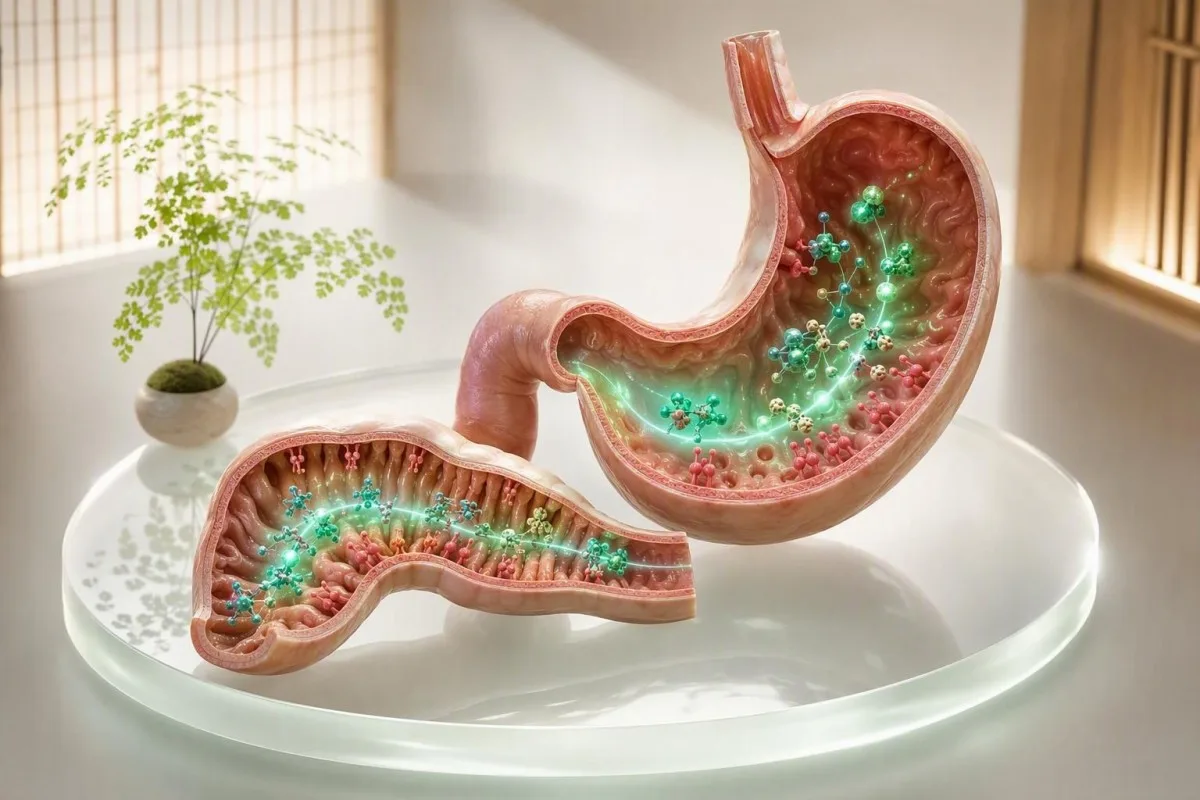
Надежный витамин B12 поступает из продуктов животного происхождения или специально обогащенных продуктов; питательная диета не может преодолеть каждую проблему с усвоением. Вот как я помогаю пациентам сопоставлять выбор продуктов, симптомы, лекарства и лабораторные результаты.


- Ежедневная потребность в B12 составляет 2,4 мкг для большинства взрослых, 2,6 мкг во время беременности и 2,8 мкг во время грудного вскармливания.
- Лучшие источники пищи включают моллюсков, печень, рыбу, мясо, молочные продукты, яйца и обогащенные B12 продукты; необогащенные растительные продукты не являются надежными источниками.
- Печень говядины обеспечивает около 70 мкг B12 на порцию (85 г в приготовленном виде), в то время как 250 мл молока обеспечивают около 1,3 мкг.
- Потолок усвоения означает, что внутренний фактор обычно усваивает только около 1,5-2 мкг из еды; примерно 1% большой пероральной дозы все еще может усваиваться пассивно.
- Сывороточный B12 ниже 200 пг/мл (148 пмоль/л) часто указывает на дефицит, в то время как 200-300 пг/мл часто требует контекста метилмалоновой кислоты или активного B12.
- Метформин и лекарства, подавляющие кислотность может снижать уровень B12 со временем, особенно если прием продолжается в течение нескольких лет.
- Неврологические симптомы такие как онемение, нарушение походки, проблемы с памятью или потеря вибрационной чувствительности требуют медицинского осмотра, даже если анемия отсутствует.
- Одной лишь пищей можно не исправить дефицит вызванного пернициозной анемией, желудочными операциями, выраженным нарушением всасывания или значительными неврологическими симптомами.
Какие продукты обеспечивают наиболее надежный витамин B12?
Продукты, богатые B12, — это почти исключительно продукты животного происхождения и продукты, специально обогащенные кобаламином. Моллюски, печень, рыба, мясо, молоко, йогурт, сыр, яйца, обогащенные сухие завтраки и обогащенные растительные напитки — надежный выбор, когда на этикетке подтверждено содержание B12.
Приготовленные моллюски могут обеспечить примерно 84 мкг на 85 г, а приготовленная говяжья печень — около 70 мкг на 85 г; оба показателя многократно превышают потребность взрослого человека. Я по-прежнему призываю к разнообразию, а не к частому употреблению печени, поскольку печень также исключительно богата готовым витамином А и не является повседневным продуктом во время беременности.
Рыба — практичный компромисс: приготовленная форель обеспечивает около 5,4 мкг на 85 г, лосось — около 2,6 мкг, а консервированный тунец — примерно 2,5 мкг. Пациент, который не любит моллюсков, обычно может удовлетворить свои пищевые потребности двумя порциями рыбы в неделю плюс молочные продукты, яйца или обогащенные продукты; наш руководстве B12 vs фолат объясняет, почему фолиевая кислота не может заменить кобаламин.
Кантести — это Анализатор анализа крови на основе искусственного интеллекта который сопоставляет результат B12 с объемом эритроцитов, гемоглобином, фолиевой кислотой, функцией почек и контекстом приема лекарств. Это важно, потому что человек, употребляющий рыбу дважды в неделю, все равно может испытывать дефицит, если проблема заключается во внутреннем факторе, а не в потреблении.
Сколько B12 содержится в повседневных продуктах?
Одна порция рыбы, мяса или молочных продуктов может обеспечить часть или всю целевую суточную дозу в 2,4 мкг для взрослых, но количество резко различается в зависимости от продукта и порции. Этикетки и таблицы пищевой ценности — это оценки, а не гарантия того, что попадает в кровоток.
250 мл коровьего молока дают около 1,3 мкг, 170 г простого йогурта, примерно 1,0 мкг, одно большое яйцо, примерно 0,5 мкг, и 85 г приготовленной постной говядины, примерно 2,4 мкг. Таким образом, молочные продукты могут существенно поддерживать потребление, хотя два яйца на завтрак обычно не удовлетворяют потребность за весь день.
Я часто вижу вводящую в заблуждение картину у людей, которые называют себя 'преимущественно вегетарианцами': случайное употребление яиц и сыра может предотвратить сильное истощение, однако их потребление месяцами остается ниже целевого уровня. Это одна из причин, по которой усталости следует уделять более широкое внимание, включая выбор продуктов, богатых железом, а не только мультивитамины.
Томас Кляйн, MD, советует пациентам записывать фактические порции в течение 7 дней, прежде чем решать, что диета адекватна. Дневник питания, показывающий всего 0,5-1,0 мкг в день, более полезен для клинициста, чем расплывчатое заявление 'Я питаюсь правильно'.'
Достаточно ли обогащенных B12 продуктов для веганов?
Обогащенные B12 продукты могут удовлетворить потребности веганов при последовательном употреблении в измеренных количествах, но необогащенные растительные продукты не могут надежно обеспечить это. Морские водоросли, грибы, ферментированные продукты и пищевые дрожжи без добавленной этикетки B12 не являются надежными заменителями.
Многие обогащенные растительные напитки содержат 0,4–1,0 мкг на 250 мл, в то время как порция обогащенных хлопьев может содержать 1,0–6,0 мкг. Всегда читайте местную этикетку: продукты различаются в зависимости от страны, рецептуры и размера порции, а надпись 'содержит витамины' не означает автоматически, что он содержит B12.
Цианокобаламин является наиболее распространенным обогатителем, поскольку он остается стабильным при хранении и приготовлении пищи. В обзоре 2010 года О'Лири и Саммана, опубликованном в журнале Nutrients, описывается, почему аналоги, содержащиеся в некоторых водорослях, могут химически напоминать B12, но не поддерживают надежно статус B12 у человека (O'Leary & Samman, 2010).
Кантести — это Платформа для расшифровки анализа крови AI используется для того, чтобы читатели могли сопоставить свой рацион, уровень B12 и связанные с ним маркеры. Людям, придерживающимся растительной диеты, следует также рассмотреть возможность планового анализа крови на дефицит питательных веществ , а не ждать появления покалывания или истощения.
Каковы суточные потребности в B12 по возрасту и этапу жизни?
Большинству взрослых требуется 2,4 мкг витамина B12 в день, тогда как во время беременности требуется 2,6 мкг, а во время кормления грудью — 2,8 мкг. Эти нормы предотвращают дефицит у людей с обычным всасыванием; они не являются лечебными дозами при установленном дефиците.
Рекомендуемая норма потребления в Соединенных Штатах составляет 0,4 мкг для младенцев от рождения до 6 месяцев, 0,9 мкг в возрасте 1–3 лет, 1,2 мкг в возрасте 4–8 лет, 1,8 мкг в возрасте 9–13 лет, и 2,4 мкг для лиц старше 14 лет. Рекомендуемый уровень питательных веществ для взрослых в Великобритании ниже — 1,5 мкг в день, поэтому международные приложения по питанию могут отображать разные целевые показатели, и ни один из них не является ошибкой.
Пожилым людям часто требуется такое же количество пищи, но у них выше вероятность пищевого мальабсорбции B12 из-за снижения кислотности желудка, гастрита или приема лекарств. Нормальный аппетит не исключает этого; наше руководство по уровню B12 у детей также показывает, почему важен контекст, зависящий от возраста.
B12 накапливается в печени, обычно в количестве 2-5 мг, поэтому для проявления дефицита из-за недостаточного потребления может потребоваться 2-5 лет. Такая задержка клинически неудобна: симптомы могут проявиться спустя долгое время после начала ограничительной диеты.
Как усваивается B12 после его употребления?
Для всасывания B12 необходимы желудочная кислота, панкреатические ферменты и внутренний фактор из клеток желудка перед абсорбцией в дистальном отделе подвздошной кишки. Проблема на любом из этих этапов может сделать диету с высоким содержанием B12 недостаточной.
Пищевой B12 высвобождается из белка в желудке, сначала связывается с гаптокоррином, затем переходит к внутреннему фактору в тонком кишечнике. Комплекс внутреннего фактора с B12 абсорбируется в терминальном отделе подвздошной кишки посредством рецептор-опосредованного процесса; вот почему заболевания или удаление этого сегмента кишечника имеют последствия.
Абсорбция внутреннего фактора насыщается примерно при 1,5-2 мкг за прием пищи, в то время как около 1% от большой пероральной дозы может проходить путем пассивной диффузии. Этот небольшой пассивный путь объясняет, почему клиницисты иногда используют пероральные терапевтические дозы 1000-2000 мкг, а не потому, что кому-то требуется в 1000 раз больше суточной нормы.
Для людей с хронической диареей, необъяснимой потерей веса или подозрением на целиакию, одного расчета потребления недостаточно. Обсуждение правильного времени проведения провокации глютеном перед тестированием может предотвратить ложно обнадеживающие результаты обследования.
Что препятствует усвоению B12 даже при хорошей диете?
Пернициозная анемия, операции на желудке или кишечнике, целиакия, болезнь Крона, длительный прием метформина и подавление кислотности могут снизить всасывание B12. В этих условиях увеличение потребления рыбы или обогащенных злаков может замедлить снижение, но не исправить дефицит.
Аутоиммунный гастрит может разрушить клетки желудка, вырабатывающие внутренний фактор, и вызвать пернициозная анемия, расстройство абсорбции, а не диетический дефицит. Руководство NICE NG239, опубликованное в 2024 году, рекомендует рассмотреть возможность тестирования на антитела к внутреннему фактору при подозрении на аутоиммунный гастрит, хотя отрицательный результат полностью его не исключает.
Низкий уровень B12, связанный с метформином, реален, но вариабелен. В исследовании Diabetes Prevention Program Outcomes Study низкий или погранично низкий уровень B12 был чаще при приеме метформина, чем плацебо, через 5 лет, и риск возрастал с увеличением продолжительности приема (Aroda et al., 2016); вот почему анализам крови после метформина не должны фокусироваться только на глюкозе.
63-летняя пациентка, которую я осматривал, ела лосося еженедельно и ежедневно пила молоко, но имела уровень B12 156 пг/мл с онемевшими пальцами ног после нескольких лет приема метформина и омепразола. Недостаточное потребление пищи не было проблемой — проблемой была абсорбция.
Какие анализы крови проясняют возможный дефицит B12?
Уровень B12 в сыворотке ниже 200 пг/мл или 148 пмоль/л часто указывает на дефицит, в то время как 200-300 пг/мл — это неопределенная зона, которая выигрывает от подтверждающего контекста. Метилмалоновая кислота, гомоцистеин, активный B12, общий анализ крови и фолат могут разрешить неопределенность.
Метилмалоновая кислота обычно повышается при неадекватном клеточном B12; ММА выше 0,40 мкмоль/л часто считается повышенным, хотя лабораторные пороговые значения различаются. Нарушение функции почек может повышать ММА независимо, поэтому eGFR 35 мл/мин/1,73 м² меняет значение того же результата.
Макроцитоз является подсказкой, а не требованием. MCV выше 100 фл может наблюдаться при дефиците B12, но ранний дефицит может иметь нормальный MCV, а дефицит железа может частично маскировать увеличение клеток; сравните результат с нашим руководством по наблюдению за высоким MCV.
Кантести — это Инструмент анализа результатов анализа крови с ИИ которое учитывает B12 с ММА, MCV, RDW, креатинином и продольными изменениями, а не применяет единый пороговый показатель. Диагностическая структура в Devalia et al. (2014) аналогично поддерживает использование клинических особенностей и тестов второй линии, когда сывороточный B12 не проясняет вопрос.
Может ли дефицит B12 вызывать симптомы без анемии?
Да, дефицит B12 может вызывать неврологические и когнитивные симптомы до падения гемоглобина или повышения MCV. Покалывание, жжение в ногах, нарушение равновесия, потеря вибрационной чувствительности, подавленное настроение и «туман в голове» заслуживают оценки, когда они сохраняются.
Гемоглобин 13,2 г/дл и MCV 92 фл не исключают функциональный дефицит B12 у человека с прогрессирующей парестезией. Неврологическое восстановление менее предсказуемо, когда симптомы присутствуют в течение многих месяцев, поэтому я не рекомендую ждать явной анемии.
Фолат может нормализовать вид анализа крови, в то время как повреждение нервов, связанное с B12, продолжается. Это клиническая проблема, стоящая за предупреждением о высоком содержании фолиевой кислоты; см. наше объяснение маскировки B12 высоким содержанием фолатов для практических деталей.
Срочная консультация в тот же день целесообразна при быстро ухудшающейся ходьбе, новой спутанности сознания, выраженной слабости или изменениях функции кишечника и мочевого пузыря. Эти симптомы имеют несколько причин, но B12 должен быть частью своевременной дифференциальной диагностики, а не эксперимента с добавками.
Когда пища может исправить низкий уровень B12, а когда требуется лечение?
Пища может исправить незначительный низкий прием у человека с сохраненным всасыванием, но подтвержденный дефицит из-за мальабсорбции часто требует перорального лечения высокими дозами или инъекций. Выбор зависит от причины, тяжести, приверженности лечению и неврологических данных — а не просто от значения в сыворотке.
При недостаточном питании без серьезных симптомов клиницисты могут использовать пероральный цианокобаламин или метилкобаламин в дозах, таких как 50-150 мкг в день для поддержания, с более высокими дозами при коррекции дефицита. Точные схемы различаются в разных странах и должны соответствовать протоколу лечащего клинициста.
Пернициозная анемия, полное удаление желудка, серьезное поражение подвздошной кишки или выраженные неврологические симптомы обычно меняют ход обсуждения. Наше подробное сравнение инъекций и таблеток B12 объясняет, почему таблетки в высоких дозах могут по-прежнему работать за счет пассивного всасывания, в то время как инъекции могут быть предпочтительнее, когда важна уверенность или скорость.
По моему опыту, план, основанный на питании, является отличным средством профилактики, но плохой экстренной терапией при симптоматической мальабсорбции. Время повторного обследования должно включать симптомы и функциональные маркеры, а не только результат B12, который быстро повышается после инъекции.
Является ли метилированный B12 лучше, чем цианокобаламин?
Метилкобаламин и цианокобаламин могут корректировать дефицит B12 при адекватной дозе и всасывании; данные не показывают, что метилированный B12 универсально превосходит. Цианокобаламин стабилен, широко изучен и часто используется в обогащенных продуктах питания.
Организм превращает кобаламин в активные коферментные формы, используемые метионинсинтазой и метилмалонил-КоА-мутазой. Маркетинговые слоганы о 'метилированных' продуктах часто опережают сравнительные клинические данные; всасывание, доза, стоимость и стабильность обычно более решающие.
Гидроксокобаламин часто используется в виде инъекций в нескольких системах здравоохранения, поскольку он дольше остается в организме, чем цианокобаламин. Людям с хронической болезнью почек или необычными метаболическими расстройствами требуются индивидуальные консультации, поскольку MMA и выбор лечения могут стать более сложными.
Для практического сравнения химии продуктов, логики дозирования и лабораторного контроля читайте метилированный B12 против цианокобаламина. Не прекращайте назначенное инъекционное лечение, потому что на этикетке добавки обещают более 'натуральную' форму.
Как выглядит практический день питания, богатого B12?
Смешанная диета может обеспечить 2,4 мкг B12 при обычных приемах пищи, в то время как веганский рацион требует целенаправленного планирования обогащенных продуктов или добавки. Самый надежный план — это тот, который вы можете повторять во время путешествий, напряженных недель и при изменениях аппетита.
Один пример всеядного рациона: йогурт на завтрак (1,0 мкг), яйцо на обед (0,5 мкг) и 85 г лосося на ужин (2,6 мкг). Это обеспечивает примерно 4,1 мкг до учета вариабельности потребления с пищей, в то время как распределение потребления между приемами пищи комфортно для большинства людей.
В обогащенном веганском примере может использоваться растительный напиток, обеспечивающий 1,0 мкг, крупа, обеспечивающая 1,5 мкг, и обогащенные пищевые дрожжи, обеспечивающие 1,0 мкг. Проблема в последовательности: смена брендов может внезапно убрать нутриент, поэтому сохраняйте фотографию этикетки в своих записях о здоровье.
B12 относится к более широкой группе водорастворимых нутриентов, белков, железа и потребления энергии. Наша руководство по водорастворимым витаминам помогает избежать распространенной ошибки – рассматривать один витамин как единственную причину усталости.
Кому следует быть особенно внимательным к низкому уровню B12?
Веганы, пожилые люди, люди, принимающие метформин или длительные антациды, пациенты после операций на желудке или подвздошной кишке, а также люди с воспалительными заболеваниями кишечника имеют повышенный риск дефицита B12. Риск возрастает, когда присутствует более одного фактора.
Длительное применение ингибиторов протонной помпы может снижать высвобождение B12 из пищевых белков за счет снижения кислотности желудка. Эта связь не является причиной для резкой отмены назначенного лекарства, но является причиной спросить, уместен ли мониторинг после 2 лет или более непрерывного применения.
Люди старше 60 лет могут испытывать мальабсорбцию пищевого кобаламина даже при разнообразном питании, иногда в сочетании с атрофическим гастритом. Снижение уровня B12 у этой группы не всегда является 'просто возрастом'; это может быть сигналом для исследования симптомов, принимаемых лекарств и аутоиммунной истории.
Наш руководство по долгосрочному мониторингу ИПП описывает соответствующие лабораторные исследования, включая магний и железо. Сочетание низкого уровня B12 с необъяснимым дефицитом железа может указывать клиницистам на желудочную причину, а не на два несвязанных пищевых дефицита.
Когда следует повторно проверить уровень B12 после изменения диеты или лечения?
Повторное тестирование часто проводится через 8-12 недель после изменения диеты или перорального лечения, в то время как тяжесть симптомов и метод лечения могут оправдывать более ранний клинический осмотр. Уровень B12 в сыворотке крови может быстро повыситься после добавки и сам по себе может не подтверждать восстановление тканей.
Общий анализ крови может показать ретикулоцитарную реакцию примерно через 1 неделя после эффективного лечения мегалобластной анемии, в то время как гемоглобин обычно улучшается в течение нескольких недель. Симптомы со стороны нервов обычно восстанавливаются медленнее и иногда не полностью, особенно после длительного дефицита.
Прерывистое добавление может привести к тому, что уровень B12 в сыворотке крови будет выглядеть нормальным в день тестирования, в то время как MMA, симптомы или макроцитоз остаются тревожными. Это одна из причин, по которой следует точно сообщить врачу, что вы принимали, дозировку и дату последнего приема перед интерпретацией результатов.
Kantesti AI может сравнить B12, MCV, гемоглобин, RDW, фолат и креатинин из нескольких отчетов, чтобы определить, является ли изменение клинически значимым. Для читателей, осваивающих этот навык, наша направляющая для анализа динамики результатов лабораторных исследований объясняет, почему один изолированный результат редко является полной картиной.
Какие заблуждения о B12 могут задержать надлежащее лечение?
Самое большое заблуждение относительно B12 заключается в том, что употребление большего количества животных продуктов исправит каждый низкий результат. Диета помогает в потреблении, но она не может восстановить внутренний фактор, обратить вспять заболевание кишечника или безопасно заменить оценку неврологических симптомов.
Еще один миф заключается в том, что высокий уровень B12 в сыворотке крови всегда означает превосходный статус. Результат выше 900 пг/мл обычно отражает добавки или инъекции, но стойкое необъяснимое повышение также может наблюдаться при заболеваниях печени, почек или некоторых гематологических состояниях; контекст важнее паники.
По состоянию на 1 сентября 2026 года я бы также предостерег от использования улучшения самочувствия после одной таблетки в качестве диагностического доказательства. Эффект плацебо, сон, уровень железа, заболевания щитовидной железы, депрессия и изменения уровня глюкозы могут влиять на самочувствие 1-4 недель без подтверждения дефицита B12.
Клинический контент Kantesti проверяется при поддержке наших Медицинский консультативный совет, но интерпретация ИИ никогда не заменяет осмотр при прогрессирующих неврологических симптомах. Читатели могут ознакомиться с нашим подход к клинической валидации , чтобы понять, как мы формулируем последующие запросы, а не ставим диагноз.
Каковы самые безопасные следующие шаги, если вы подозреваете низкий уровень B12?
Если у вас сохраняется онемение, проблемы с равновесием, когнитивные изменения, необъяснимая макроцитоз или результат B12 ниже 200 пг/мл, обратитесь к врачу, а не полагайтесь только на пищу. Раннее лечение особенно актуально, когда могут быть затронуты нервы.
Возьмите с собой список лекарств, добавок, режим питания, диагнозы пищеварительной системы, операции, употребление алкоголя и предыдущие лабораторные отчеты. Врач сможет решить, следует ли повторить анализ B12, назначить MMA или гомоцистеин, проверить фолиевую кислоту и общий анализ крови или исследовать пернициозную анемию и мальабсорбцию.
Thomas Klein, MD, рекомендует избегать приема высоких доз фолиевой кислоты в качестве самолечения при необъяснимой макроцитозе до тех пор, пока уровень B12 не будет должным образом оценен. Если у вас нет тревожных симптомов, а потребление пищи явно низкое, разумным подходом часто является взвешенный план питания или приема добавок с повторным анализом через 8-12 недель .
Kantesti связывает тенденции лабораторных отчетов с понятными вопросами для вашего визита к врачу, оставляя окончательное диагностическое решение за вашим лечащим врачом. Ознакомьтесь с нашим справочник по биомаркерам , чтобы узнать о лабораторных терминах, которые, вероятно, появятся вместе с результатом B12.
Часто задаваемые вопросы
Какие продукты содержат больше всего витамина B12?
Моллюски и говяжья печень входят в число продуктов с самым высоким содержанием витамина B12. Приготовленная порция моллюсков весом 85 г может обеспечить около 84 мкг B12, в то время как такая же порция говяжьей печени — около 70 мкг; оба показателя значительно превышают суточную норму для взрослых в 2,4 мкг. Печень не следует употреблять в пищу ежедневно во время беременности из-за очень высокого содержания в ней готового витамина A. Для регулярного питания более практичными источниками являются рыба, мясо, молочные продукты, яйца и продукты с маркировкой об обогащении.
Могут ли веганы получать достаточное количество витамина B12 только из пищи?
Веганы могут удовлетворить потребность в витамине B12 из продуктов питания только при регулярном употреблении обогащенных B12 продуктов в отмеренных количествах. Необогащенные овощи, грибы, морские водоросли, темпе и пищевые дрожжи не являются надежными источниками B12, поскольку содержание кобаламина в них отсутствует, непостоянно или может включать неактивные аналоги. Многие обогащенные растительные напитки содержат 0,4–1,0 мкг на 250 мл, но состав варьируется в зависимости от страны и марки. Добавка B12 часто является более простым и надежным средством защиты для веганских диет.
Сколько витамина B12 должен получать взрослый человек каждый день?
Большинству взрослых требуется 2,4 мкг витамина B12 ежедневно, согласно Рекомендуемым нормам потребления питательных веществ США. Беременность увеличивает эту норму до 2,6 мкг ежедневно, а кормление грудью — до 2,8 мкг ежедневно. Рекомендуемый уровень питательных веществ для взрослых в Великобритании составляет 1,5 мкг ежедневно, поэтому национальные этикетки питания могут различаться. Эти значения являются целевыми показателями для профилактики при нормальном всасывании и значительно ниже лечебных доз, используемых при диагностированном дефиците.
Могу ли я устранить дефицит витамина B12, употребляя больше мяса и яиц?
Увеличение потребления мяса, рыбы, молочных продуктов, яиц или обогащенных продуктов может устранить дефицит B12, вызванный только низким потреблением с пищей, но может не помочь при нарушении абсорбции. Пернициозная анемия, целиакия, болезнь Крона, операции на желудке, операции на подвздошной кишке, метформин и длительное лечение, подавляющее кислотность, могут снизить абсорбцию, несмотря на диету, богатую B12. Уровень B12 в сыворотке ниже 200 пг/мл или 148 пмоль/л обычно требует клинической оценки причины. Неврологические симптомы, такие как онемение, плохая координация или когнитивные изменения, не должны лечиться только пищей.
Что помогает усвоению B12?
Всасывание витамина B12 зависит от адекватной обработки желудком, панкреатических ферментов, внутреннего фактора и функционирующей дистальной части подвздошной кишки. Внутренний фактор активно абсорбирует только около 1,5-2 мкг B12 из пищи, в то время как примерно 1% от большой пероральной дозы может поступать за счет пассивной диффузии. Прием B12 с пищей целесообразен, но никальная комбинация продуктов не может компенсировать отсутствие внутреннего фактора или серьезные заболевания подвздошной кишки. При нарушении всасывания могут потребоваться высокие дозы B12 для перорального приема или инъекции.
Какой уровень B12 считается низким?
Результат определения витамина B12 в сыворотке крови ниже 200 пг/мл, что эквивалентно примерно 148 пмоль/л, часто указывает на дефицит B12, хотя в лабораториях используются разные диапазоны анализов. Результаты от 200 до 300 пг/мл часто считаются пограничными или неопределенными и могут потребовать определения метилмалоновой кислоты, гомоцистеина, активного B12, общего анализа крови, фолиевой кислоты, функции почек и оценки клинической картины. Метилмалоновая кислота выше примерно 0,40 мкмоль/л указывает на клеточный дефицит B12, но также может повышаться при снижении функции почек. Нормальный гемоглобин или MCV не позволяют надежно исключить ранние неврологические симптомы, связанные с дефицитом B12.
Получите анализ крови с помощью ИИ уже сегодня
Присоединяйтесь к более чем 2 миллионам пользователей по всему миру, которые доверяют Kantesti для мгновенного и точного анализа лабораторных тестов. Загрузите результаты анализа крови и получите комплексную интерпретацию биомаркеров 15,000+ за считанные секунды.
📚 Ссылки на научные публикации
Кляйн, Т., Митчелл, С., и Вебер, Х. (2026). Тест на уробилиноген в моче: полное руководство по общему анализу мочи 2026. Kantesti AI Medical Research.
Кляйн, Т., Митчелл, С., и Вебер, Х. (2026). Руководство по изучению железа: TIBC, насыщенность железом и связывающая способность.. Kantesti AI Medical Research.
📖 Внешние медицинские источники
⚕️ Медицинское предупреждение
Эта статья предназначена только для образовательных целей и не является медицинской консультацией. Всегда консультируйтесь с квалифицированным специалистом здравоохранения по вопросам диагностики и решений по лечению.
Сигналы доверия E-E-A-T
Опыт
Клинический обзор рабочих процессов интерпретации лабораторных данных под руководством врача.
Экспертиза
Акцент на лабораторной медицине: как биомаркеры ведут себя в клиническом контексте.
Авторитетность
Написано доктором Томасом Кляйном при рецензировании доктором Сарой Митчелл и профессором доктором Хансом Вебером.
Доверие
Интерпретация на основе доказательств с понятными маршрутами дальнейших действий, чтобы снизить тревожность.