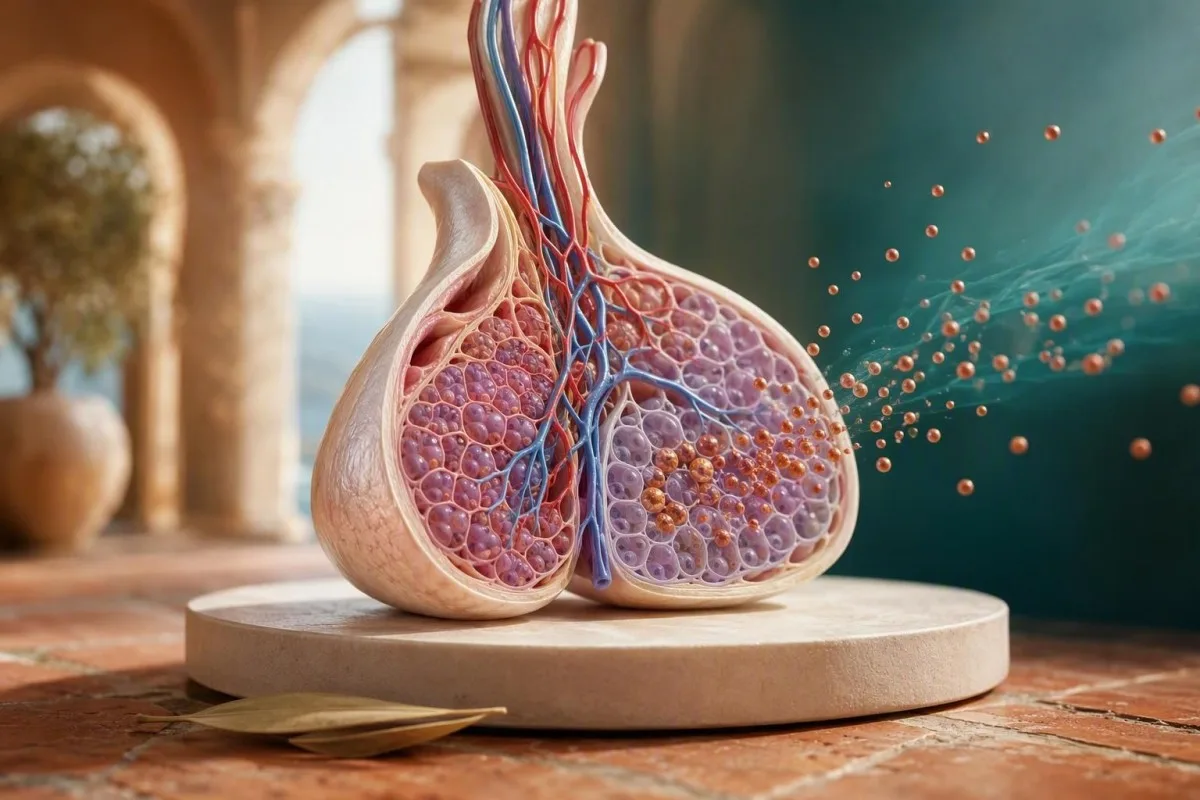
Wynik prolaktyny w granicach normy jest często tymczasowy, ale warunki powtórnego badania i wzorzec objawów decydują o tym, czy można go bezpiecznie obserwować, czy wymaga konsultacji endokrynologicznej.


- Łagodne podwyższenie zazwyczaj oznacza wynik prolaktyny nieznacznie powyżej górnej granicy raportowania laboratorium, często poniżej 50 ng/mL (około 1060 mIU/L).
- Powtórz najpierw gdy prolaktyna wynosi 20-50 ng/mL i nie ma objawów wzrokowych, silnego bólu głowy ani znaczących zmian w cyklu miesiączkowym lub funkcji seksualnych.
- Odpoczynek ma znaczenie ponieważ niepokój związany z pobraniem krwi, zły sen, wysiłek fizyczny, stymulacja piersi i ostra choroba mogą przejściowo podnieść prolaktynę.
- Przegląd leków jest kluczowe, ponieważ leki przeciwpsychotyczne, metoklopramid, domperidon, opioidy, niektóre leki przeciwdepresyjne i werapamil mogą podnosić prolaktynę.
- Badanie makroprolaktyny jest szczególnie przydatne w przypadku utrzymującego się podwyższenia z niewielką liczbą lub brakiem typowych objawów; identyfikuje biologicznie mniej aktywne kompleksy prolaktyny.
- Poziomy powyżej 100 ng/mL wymagają bardziej pilnej oceny endokrynologicznej, chociaż leki mogą sporadycznie powodować wartości w tym zakresie.
- pilna weryfikacja jest potrzebna w przypadku nowego silnego bólu głowy, ograniczonego widzenia bocznego, ciąży z objawami wzrokowymi lub nagłej zmiany neurologicznej.
- Kontekst jest ważniejszy niż pojedyncza liczba: stan ciąży, czynność tarczycy, czynność nerek, czas podawania leków i poprzednie wyniki wpływają na interpretację.
Co zazwyczaj oznacza wynik prolaktyny w granicach normy
Nieznacznie podwyższona prolaktyna – znaczenie zazwyczaj jest sygnałem przejściowym, a nie dowodem na chorobę przysadki: wynik poniżej 50 ng/mL (około poniżej 1060 mIU/L) zazwyczaj wymaga starannie przygotowanego powtórnego badania. Jestem dr Thomas Klein, a w przeglądzie klinicznym połączenie dokładnej wartości, objawów, leków, możliwości ciąży i warunków pobrania próbki ma znacznie większe znaczenie niż pojedyncza czerwona flaga laboratoryjna.
Większość laboratoriów podaje przedział referencyjny dla dorosłych nieciężarnych w przybliżeniu 4-23 ng/mL u kobiet I 3-15 ng/mL u mężczyzn, ale metody się różnią. Wartość 27 ng/mL u kobiety, której górna granica laboratoryjna wynosi 23 ng/mL, jest granicznym wynikiem prolaktyny, a nie diagnozą; jednostki można przeliczyć w przybliżeniu jako 1 ng/mL = 21,2 mIU/L.
Lekarze stają się bardziej zaniepokojeni, gdy podwyższenie jest uporczywe, wzrasta lub towarzyszą mu brak miesiączki, galaktorea, niepłodność, obniżone libido, trudności z erekcją, ból głowy lub zaburzenia widzenia obwodowego. Wartość powyżej 200 ng/ml jest bardziej sugerująca gruczolaka przysadki wydzielającego prolaktynę niż wartość 28 ng/mL, chociaż żaden próg nie zastępuje oceny klinicznej.
Kantesti jest Analizator do badań krwi AI która umieszcza wynik prolaktyny obok wskazówek dotyczących tarczycy, nerek, wątroby, ciąży i hormonów płciowych, zamiast traktować odosobnioną flagę jako diagnozę. Czytelnicy niepewni co do flag laboratoryjnych mogą również zapoznać się z naszym przewodnikiem po wyników poza zakresem.
Dlaczego laboratoria się nie zgadzają
Immunoodczynnikowe badania prolaktyny nie są wymienne: dwa laboratoria mogą podać nieco inne wyniki dla tej samej osoby tego samego dnia. Użyj przedziału referencyjnego wydrukowanego obok swojego własnego wyniku, a podczas śledzenia trendu staraj się korzystać z tego samego laboratorium; dlatego też porównywanie wyników między wizytami wymaga większej ostrożności, niż ludzie oczekują.
Tymczasowe przyczyny, które mogą podnieść prolaktynę
Stres, zaburzenia snu, wysiłek fizyczny, stymulacja brodawek sutkowych, aktywność seksualna i ostre choroby mogą powodować krótkotrwały wzrost prolaktyny. Nieznacznie podwyższony wynik po trudnym dojeździe do pracy lub nieprzespanej nocy może się unormować bez leczenia.
Prolaktyna jest wydzielana pulsacyjnie i wzrasta podczas snu, z maksimum często występującym we wczesnych godzinach porannych. Dlatego próbka pobrana krótko po przebudzeniu, po pracy zmianowej w nocy lub podczas bolesnego zabiegu może być mniej reprezentatywna niż próbka pobrana w środku ranka po odpoczynku.
Moim zdaniem, zestresowana 31-letnia pacjentka z poziomem prolaktyny 34 ng/mL po trzech godzinach snu często ma prawidłowy wynik powtórzonego badania o godzinie 10:00 po spokojnym siedzeniu. 15-30 minutowy odpoczynek w pozycji siedzącej przed pobraniem zmniejsza wpływ ostrego stresu związanego z procedurą, a unikanie intensywnych treningów przez 24 godziny jest rozsądne.
Niedawna gorączka, drgawki, uraz ściany klatki piersiowej, a nawet ciągła stymulacja piersi lub klatki piersiowej mogą podwyższyć poziom prolaktyny. Jeśli badanie zostało wykonane po chorobie, porównaj je z zasadami dotyczącymi czasu w naszym przewodnik po osi czasu badań krwi, zamiast zakładać, że liczba ta odzwierciedla Twoją długoterminową wartość bazową.
Jak prawidłowo powtórzyć badanie prolaktyny
Powtórz badanie prolaktyny w spokojny poranek, najlepiej 2-3 godziny po przebudzeniu i po 20-30 minutach spokojnego siedzenia. Post nie jest powszechnie wymagany, ale całonocny post może ułatwić interpretację powtórzonego panelu, gdy mierzone są również glukoza lub lipidy.
Przed powtórnym badaniem unikaj wysiłku fizycznego, stosunków seksualnych, stymulacji piersi i niepotrzebnych badań klatki piersiowej przez 24 godziny wcześniej. Nie przerywaj przyjmowania przepisanych leków na własną rękę; zamiast tego zapisz nazwę leku, dawkę, czas ostatniej dawki i powód jego przepisania.
Praktyczna prośba do Twojego lekarza to: powtórz prolaktynę w surowicy, test ciążowy, jeśli dotyczy, TSH i wolnej T4, oraz kreatyninę lub eGFR, gdy przyczyna jest niejasna. Badanie tarczycy jest ważne, ponieważ pierwotna niedoczynność tarczycy może podwyższyć poziom hormonu uwalniającego tyreotropinę i wtórnie zwiększyć prolaktynę; patrz nasz harmonogram powtórnych badań tarczycy.
Powtórzenie badania zwykle następuje 1-4 tygodni w przypadku niewielkiego, nieoczekiwanego wyniku, gdy czujesz się dobrze, a nie następnego dnia. Trend można jasno uchwycić dzięki podłużnym monitorowaniu badań laboratoryjnych, zwłaszcza jeśli zapisujesz notatki dotyczące snu, dnia cyklu, choroby i leków.
Leki, które powszechnie powodują łagodne podwyższenie prolaktyny
Leki blokujące dopaminę należą do najczęstszych przyczyn utrzymującego się łagodnego lub umiarkowanego podwyższenia poziomu prolaktyny. Głównymi winowajcami są leki przeciwpsychotyczne i przeciwwymiotne, takie jak metoklopramid i domperydon.
Dopamina normalnie hamuje wydzielanie prolaktyny przez przysadkę mózgową, więc leki blokujące receptory dopaminergiczne D2 mogą znacznie zwiększać jej poziom. Ryperydon, amisulpryd, haloperydol, metoklopramid i domperydon są częstymi przykładami; opioidy, werapamil i niektóre SSRI mogą przyczyniać się w mniejszym stopniu.
Poziomy związane z lekami są bardzo zróżnicowane: rysperydon może powodować poziom prolaktyny powyżej 100 ng/ml, podczas gdy wzrost związany z SSRI może wynosić tylko 25-40 ng/mL. Powodem, dla którego nie przerywamy po prostu leczenia, jest to, że nawrót psychozy, silne nudności, ból lub depresja mogą stanowić znacznie większe bezpośrednie ryzyko.
Kantesti AI to usłudze interpretacji testów laboratoryjnych AI , która wysyła powiadomienie o kontekście leczenia, gdy wynik hormonu jest oznaczony, ale jego interpretacja nie może zastąpić lekarza, który wie, dlaczego lek został przepisany. Jeśli występują objawy związane z hormonami, nasze przewodnik po panelu hormonalnym wyjaśnia, które wyniki towarzyszące lekarze zazwyczaj analizują.
Ciąża, karmienie piersią i fizjologiczne podwyższenie poziomu
Ciąża i karmienie piersią mogą podnieść poziom prolaktyny znacznie powyżej wartości referencyjnych dla kobiet niebędących w ciąży i nie są interpretowane przy użyciu zwykłego przedziału 3-23 ng/mL. Test ciążowy jest zatem wczesnym i niezbędnym krokiem w przypadku niewyjaśnionego podwyższenia u każdej osoby, która może być w ciąży.
Podczas ciąży prolaktyna zwykle stopniowo wzrasta do 100-300 ng/mL zakresu pod koniec ciąży, a karmienie piersią utrzymuje okresowe podwyższenia. Dokładna wartość nie mierzy wiarygodnie ilości mleka, więc pogoń za liczbą u karmiącej osoby rzadko jest użyteczna.
Leki zawierające estrogeny i normalny cykl menstruacyjny mogą mieć niewielki wpływ, ale rzadko wyjaśniają same w sobie duże, utrzymujące się podwyższenie. Czas cyklu może również komplikować powiązane hormony, takie jak estradiol i progesteron; nasza analiza zmienności estradiolu w okresie menopauzy pokazuje, dlaczego wynik jednego hormonu płciowego rzadko odpowiada na wszystko.
U osoby starającej się o dziecko, utrzymująca się hiperprolaktynemia może zakłócać owulację poprzez hamowanie hormonu uwalniającego gonadotropiny. Jest to klinicznie istotne nawet wtedy, gdy poziom wynosi tylko 35-60 ng/mL, szczególnie gdy miesiączki stają się rzadsze.
Przyczyny związane z tarczycą, nerkami, wątrobą i ścianą klatki piersiowej
Pierwotna niedoczynność tarczycy, zmniejszone oczyszczanie nerek, przewlekła choroba wątroby i stymulacja ściany klatki piersiowej mogą podnieść poziom prolaktyny bez guza przysadki. Te przyczyny są zazwyczaj wykrywane na podstawie wywiadu i niewielkiego zestawu ukierunkowanych badań laboratoryjnych, zanim rozważy się obrazowanie mózgu.
Jawna pierwotna niedoczynność tarczycy często wykazuje TSH przy niskim wolnym T4, a leczenie horyzontalną terapią z użyciem lewotyroksyny może normalizować poziom prolaktyny w ciągu tygodni do miesięcy. Centralna niedoczynność tarczycy ma inny wzorzec, więc prawidłowy TSH nie zawsze rozwiązuje problem, gdy wolna T4 jest niska; przeczytaj nasz przewodnik po niskiej wolnej T4 przy prawidłowym TSH.
Przewlekła choroba nerek może podnosić poziom prolaktyny poprzez zmniejszone oczyszczanie i zmienioną regulację dopaminy; eGFR poniżej 60 ml/min/1,73 m² sprawia, że to wyjaśnienie jest bardziej prawdopodobne. Choroba wątroby jest mniej częstym, izolowanym wyjaśnieniem, ale dysfunkcja syntetyczna i zmiany hormonów płciowych mogą się do tego przyczyniać.
Półpasiec w okolicy klatki piersiowej, operacja klatki piersiowej, oparzenia i uporczywe drażnienie mechaniczne były związane z podwyższeniem poziomu prolaktyny, ponieważ bodźce z nerwów czuciowych mogą stymulować ścieżkę odruchową. Jest to jeden z powodów, dla których lekarz pyta o wysypkę lub operację, które wydają się niepowiązane z wynikiem hormonalnym.
Kiedy badanie na makroprolaktynę jest rozsądnym kolejnym krokiem
Badanie na obecność makroprolaktyny jest najbardziej przydatne, gdy poziom prolaktyny pozostaje podwyższony, ale objawy są nieobecne lub nieproporcjonalne do wyniku. Makroprolaktyna to zazwyczaj prolaktyna związana z immunoglobuliną, która ma mniejszą aktywność biologiczną, ponieważ słabo dociera do receptorów.
Wiele rutynowych oznaczeń uwzględnia makroprolaktynę jako prolaktynę, tworząc pozornie wysoki wynik u osoby z regularnymi miesiączkami, brakiem mlekotoku oraz bez objawów niepłodności lub seksualnych. Laboratoria często stosują przesiewowo wytrącanie glikolem polietylenowym; niskie odzyskanie monomerowej prolaktyny potwierdza makroprolaktynemię.
Wytyczne Endocrine Society zalecają badanie na obecność makroprolaktyny w przypadku bezobjawowej hiperprolaktynemii, ponieważ może to zapobiec niepotrzebnemu obrazowaniu i leczeniu (Melmed i in., 2011). Opublikowane szacunki częstości występowania różnią się znacznie w zależności od metody analitycznej i populacji pacjentów skierowanych do poradni, ale makroprolaktyna występuje w przybliżeniu 10-25% osób badanych pod kątem podwyższonego poziomu prolaktyny.
Makroprolaktyna nie jest powodem do ignorowania objawów, które faktycznie występują; osoba może mieć makroprolaktynę i inny problem endokrynologiczny. W odniesieniu do szerszych problemów z oznaczeniami, nasz artykuł na temat badań jakościowych i ilościowych jest przydatnym uzupełnieniem.
Co lekarze sprawdzają, gdy podwyższenie utrzymuje się
Utrzymujące się podwyższenie poziomu prolaktyny powinno zostać potwierdzone i ocenione za pomocą testu ciążowego (jeśli dotyczy), przeglądu leków, TSH/wolnej T4, oceny funkcji nerek i oznaczenia makroprolaktyny, zanim można będzie podejrzewać chorobę przysadki. Powtórzony wynik w tym samym zakresie jest bardziej informatywny niż pojedynczy, izolowany wynik.
Dokładny wywiad obejmuje pytania dotyczące cyklu miesiączkowego, wycieku mleka, libido, funkcji erekcji, niepłodności, zaburzeń widzenia, bólów głowy, napadów drgawkowych, objawów ze strony klatki piersiowej oraz wszystkich przyjmowanych leków na receptę, bez recepty i substancji rekreacyjnych. W mojej 15-letniej praktyce klinicznej lista leków jest często brakującym elementem układanki – zwłaszcza gdy zlecenie laboratoryjne zostało wystawione przez lekarza niezaznajomionego z psychotropowymi lub gastroenterologicznymi lekami.
Prolaktyna wynosząca 50–100 ng/mL przy prawidłowej funkcji tarczycy i nerek, braku wyjaśnienia ze strony leków i braku makroprolaktyny, zazwyczaj uzasadnia konsultację endokrynologiczną. Przegląd postępowania klinicznego przeprowadzony przez Serri i współpracowników podkreśla znaczenie identyfikacji przyczyn fizjologicznych i farmakologicznych przed wykonaniem badań obrazowych (Serri et al., 2003).
Kantestiego standardy walidacji medycznej wspierają interpretację opartą na wzorcach, ale nieprawidłowe wyniki muszą zostać potwierdzone przez lekarza klinicystę i laboratorium wykonujące badanie. Przedstawienie zwięzłej chronologii wyników jest często bardziej pomocne niż powtarzanie dużego, niespecyficznego panelu hormonalnego.
Kiedy należy martwić się o prolaktynę i poprosić o pilną konsultację
Nowe objawy wzrokowe, silny lub szybko nasilający się ból głowy, zmiany neurologiczne lub znaczne, utrzymujące się podwyższenie poziomu prolaktyny wymagają pilnej oceny medycznej. Rezonans magnetyczny (MRI) jest generalnie rozważany po wykluczeniu częstych, odwracalnych przyczyn lub gdy objawy sugerują ucisk w pobliżu dróg wzrokowych.
Rezonans magnetyczny przysadki nie jest automatycznie konieczny w przypadku pojedynczego wyniku 29 ng/mL po stresie. Jest bardziej uzasadniony w przypadku niewyjaśnionego, utrzymującego się podwyższenia poziomu prolaktyny, prolaktyny powyżej 100 ng/ml, braku miesiączki lub hipogonadyzmu, lub objawów guza przysadki; wyniki powyżej 200 ng/ml zwiększa prawdopodobieństwo prolactinoma.
Należy uzyskać pilną poradę lekarską w przypadku nagłego, silnego bólu głowy z zaburzeniami widzenia, wymiotami, dezorientacją, osłabieniem lub omdleniem. Objawy te są rzadkie w zwykłej, łagodnej hiperprolaktynemi, ale są ważne, ponieważ konieczne jest pilne wykluczenie udaru przysadki i innych chorób neurologicznych.
Utrata widzenia obwodowego często zaczyna się subtelnie, dlatego ludzie opisują wpadanie na futryny drzwi, a nie oczywistą ślepotę. Nasz szczegółowy przegląd objawy wysokiej prolaktyny wyjaśnia, które kombinacje objawów nie powinny czekać na rutynowe ponowne badanie.
Cykle miesiączkowe, płodność i zdrowie kości: dlaczego objawy zmieniają plan
Niewielkie podwyższenie poziomu prolaktyny ma większe znaczenie, gdy zakłóca cykle miesiączkowe, owulację, płodność lub ekspozycję na estrogen. Hormon ten może tłumić sygnalizację rozrodczą potrzebną do regularnej owulacji, nawet gdy nie występuje znaczny wyciek mleka.
Oligomenorrhea oznacza cykle dłuższe niż 35 dni, podczas gdy amenorrhea oznacza brak krwawienia miesiączkowego przez 3 miesiące u osoby, która wcześniej miała regularne cykle; oba stany wymagają konsultacji lekarskiej, jeśli prolaktyna jest podwyższona. Test ciążowy jest wykonywany w pierwszej kolejności, ponieważ wczesna ciąża jest znacznie częstsza niż zaburzenie czynności przysadki.
Niski poziom estrogenów przez wiele miesięcy może prowadzić do zmniejszenia gęstości kości, zwłaszcza gdy hiperprolaktynemia powoduje brak miesiączki. Natychmiastowym zadaniem nie jest ślepe rozpoczynanie suplementacji, ale zidentyfikowanie przyczyny i przywrócenie prawidłowej funkcji hormonalnej; kobiety rozważające leczenie mogą przejrzeć badania wyjściowe przed HRT.
Galaktorea to wydzielina przypominająca mleko, niezwiązana z ciążą ani karmieniem piersią, ale nie jest ona ani konieczna, ani wystarczająca do stwierdzenia wysokiego poziomu prolaktyny. Prawidłowy wynik prolaktyny nie wyklucza miejscowej przyczyny w piersiach, a podwyższony wynik nie sprawia, że wydzielina jest automatycznie niebezpieczna.
Łagodne podwyższenie prolaktyny u mężczyzn: niedostrzegane wskazówki
U mężczyzn, utrzymujący się wysoki poziom prolaktyny może obniżać libido, zaburzać erekcję, zmniejszać poziom testosteronu i czasami wpływać na płodność. Wynik należy interpretować w połączeniu z prawidłowo zaplanowanym porannym panelem testosteronu, a nie tylko na podstawie prolaktyny.
U mężczyzn z objawami seksualnymi lekarze często mierzą całkowity testosteron między 7 a 11 rano., z SHBG i obliczonym wolnym testosteronem w razie potrzeby. Prolaktyna może hamować gonadotropiny, powodując niski lub nieadekwatnie normalny poziom LH i FSH obok niskiego testosteronu.
42-letni mężczyzna z prolaktyną 31 ng/mL i borderline niskim poziomem testosteronu może mieć problemy ze snem, otyłość, efekt leku lub dysfunkcję przysadki – nie ma jednej drogi na skróty. Nasze wyjaśnienie niskiego wolnego testosteronu pokazuje, dlaczego SHBG może radykalnie zmienić interpretację całkowitej wartości.
Kantesti jest platforma do interpretacji biomarkerów przez AI która może porównać prolaktynę z testosteronem, LH, FSH, TSH i wcześniejszymi wynikami, ale nigdy nie powinna być używana do diagnozowania zmian w przysadce. Utrzymujące się objawy zasługują na konsultację z lekarzem rodzinnym lub endokrynologiem, nawet gdy wzrost prolaktyny jest niewielki.
Problemy z oznaczeniem: biotyna, efekt haka i mylący wynik
Zakłócenia laboratoryjne są rzadkie, ale należy je wziąć pod uwagę, gdy liczba prolaktyny ostro kłóci się z objawami lub wynikami MRI. Biotyna zazwyczaj bardziej zakłóca niektóre inne immunoznaczniki endokrynologiczne niż prolaktynę, jednak każdy suplement powinien znaleźć się w historii zleceń laboratoryjnych.
Efekt „high-dose hook” może spowodować fałszywie niski wynik prolaktyny, gdy bardzo duży prolaktynoma wytwarza ekstremalnie wysokie stężenia hormonu, które przytłaczają dwumiejscowy test. Jeśli MRI pokazuje duży guz przysadki, ale prolaktyna jest tylko nieznacznie podwyższona, laboratorium może rozcieńczyć próbkę i powtórzyć test.
Dawkowanie biotyny 5–10 mg dziennie– częste w produktach do włosów i paznokci – mogą zakłócać działanie wybranych testów streptawidyna-biotyna. Poinformuj lekarza i laboratorium o suplementach i postępuj zgodnie z zaleceniami lokalnego laboratorium dotyczącymi ich odstawienia; nasz poradnik dotyczący suplementów przed badaniami krwi wyjaśnia, dlaczego nie jest to reguła uniwersalna.
Przeciwciała heterofilne są innym rzadkim źródłem wprowadzających w błąd wyników immunoznaczeń, szczególnie gdy wartości są niezgodne z obrazem klinicznym. Powtórzenie badania w innym laboratorium lub zastosowanie alternatywnej metody analitycznej może rozwiać wątpliwości bez narażania pacjenta na niepotrzebne badania obrazowe.
Sytuacje szczególne: młodzież, menopauza i leczenie przeciwpsychotyczne
Wiek, status menopauzalny i przyczyna stosowania leku blokującego dopaminę zmieniają próg interwencji. Ta sama wartość prolaktyny może oznaczać coś innego u 16-latki z opóźnionym dojrzewaniem płciowym, matki karmiącej piersią i 62-latka przyjmującego leczenie przeciwpsychotyczne.
Nastolatki potrzebują interpretacji pediatrycznej lub endokrynologicznej dla młodzieży, ponieważ dojrzewanie płciowe, ustalenie cyklu menstruacyjnego i wzrost zmieniają kontekst kliniczny. Testowanie prolaktyny u dzieci rzadko jest rutynowym badaniem przesiewowym i powinno być związane z konkretnym objawem lub pytaniem dotyczącym leczenia.
Po menopauzie podwyższenie poziomu prolaktyny nie jest wyjaśnione przez normalne wahania cyklu, dlatego utrzymujące się wartości zasługują na przemyślaną ocenę leków i endokrynologiczną. Objawy menopauzy mogą nakładać się na objawy tarczycy i prolaktyny; nasz poradnik dotyczący FSH po menopauzie pomaga odróżnić oczekiwane zmiany od nieoczekiwanych wzorców.
W przypadku hiperprolaktynemii związanej z lekami neuroleptycznymi leczenie musi być prowadzone wspólnie z lekarzem psychiatrą. Opcje mogą obejmować obserwację, dostosowanie dawki lub zmianę leków, jednak agoniści dopaminy, tacy jak kabergolina, mogą nasilać objawy psychiczne u wrażliwych osób i nie są stosowani jako dodatkowe leczenie.
Jak zapisać trend prolaktyny, który lekarz może wykorzystać
Przydatny wykres poziomu prolaktyny powinien zawierać wynik, zakres laboratoryjny, czas pobrania próbki, informacje o śnie, cyklu lub stanie ciąży, chorobie i przyjmowanych lekach. Trzy wyniki uzyskane w różnych warunkach mogą być mniej pomocne niż dwa wyniki uzyskane w spójnych warunkach.
Zanotuj dokładne jednostki, ponieważ ng/mL i mIU/L nie są bezpośrednio porównywalne bez przeliczenia, i zachowaj referencyjny zakres laboratoryjny. Zwróć uwagę, czy w ciągu poprzednich 24 godzin ćwiczyłeś, pościłeś, karmiłeś piersią, odbywałeś stosunki seksualne, przyjmowałeś leki lub miałeś złą jakość snu.
Kantesti AI, sztuczna Narzędzie do analizy wyników badań krwi oparte na AI, można zorganizować historyczne raporty i podkreślić zmieniające się wyniki w różnych panelach laboratoryjnych w ciągu około 60 sekund, jednak oryginalny plik PDF i zakres laboratoryjny pozostają źródłowym zapisem. Nasz lista kontrolna do śledzenia wyników badań laboratoryjnych wymienia praktyczne szczegóły, które zapobiegają fałszywym alarmom dotyczącym trendów.
Jeśli udostępniasz wyniki członkowi rodziny lub lekarzowi, zachowaj kontrolę nad zgodą i dostępem. Osoby zarządzające dokumentacją domową mogą skorzystać z naszych wskazówek dotyczących bezpiecznym udostępnianiu wyników rodzinie bez przekształcania wyniku hormonu w rodzinną diagnozę.
Praktyczna ścieżka postępowania w 2026 roku po łagodnym wyniku prolaktyny
Od 28 sierpnia 2026 r. praktycznym podejściem jest potwierdzenie łagodnego, nieoczekiwanego wyniku raz w standardowych warunkach, sprawdzenie odwracalnych przyczyn, zlecenie oznaczenia makroprolaktyny, gdy podwyższenie utrzymuje się bez objawów, i skierowanie pacjenta, gdy poziomy lub objawy tego wymagają. Takie podejście pozwala uniknąć zarówno niepotrzebnych badań MRI, jak i przeoczenia chorób endokrynologicznych.
W przypadku prolaktyny poniżej 50 ng/ml, bez objawów alarmujących i oczywistej tymczasowej przyczyny, powtórz badanie za 1-4 tygodnie po normalizacji snu i odpoczynku. W przypadku utrzymującego się poziomu 50-100 ng/mL, przeanalizuj przyjmowane leki, status ciąży, TSH/wolne T4, eGFR i makroprolaktynę; w przypadku wyników powyżej 100 ng/mL lub niepokojących objawów należy zorganizować szybszą ocenę endokrynologiczną.
Praktyczna zasada dr Thomasa Kleina jest prosta: nie próbuj obniżać prolaktyny suplementami, zanim dowiesz się, dlaczego jest podwyższona. Nasi lekarze i recenzenci pracują zgodnie ze standardami opisanymi przez Rada doradcza ds. medycznych, a czytelnicy mogą zobaczyć, jak działa interpretacja wzorców w naszym przewodnik technologii AI.
Dla czytelników zainteresowanych pokrewną metodologią laboratoryjną, publikacje Kantesti obejmują Przewodnik po badaniach nad żelazem: TIBC, nasycenie żelazem i zdolność wiązania I Zakres normy aPTT: D-dimer, białko C – przewodnik po krzepnięciu krwi; nie są to wytyczne dotyczące prolaktyny, ale opisują tę samą zasadę interpretacji wartości laboratoryjnej w kontekście jej badania. Formalne linki do publikacji znajdują się poniżej dla przejrzystości.
Często zadawane pytania
Co oznacza podwyższony poziom prolaktyny?
Poziom prolaktyny na granicy normy zazwyczaj oznacza, że wynik jest tylko nieznacznie powyżej górnej granicy referencyjnej laboratorium, często w zakresie około 25-50 ng/mL. Stres, niedawny wysiłek fizyczny, zła jakość snu, stymulacja piersi, ostra choroba i leki mogą powodować taki stopień podwyższenia. Większość osób z nieoczekiwanym wynikiem na granicy normy i bez objawów alarmowych powinna powtórzyć badanie w spokojniejszych warunkach porannych, zanim rozważy się obrazowanie lub leczenie. Zakres laboratoryjny i jednostki, zazwyczaj ng/mL lub mIU/L, należy zweryfikować z dokładną wartością.
Czy powinnam martwić się, jeśli moje prolaktyny wynosi 30 ng/mL?
Poziom prolaktyny wynoszący 30 ng/mL jest łagodnie podwyższony w wielu referencyjnych zakresach dla osób dorosłych, które nie są w ciąży, i zazwyczaj sam w sobie nie stanowi sytuacji nagłej. Lekarz weźmie pod uwagę ciążę, leki, sen, stres, czynność tarczycy, czynność nerek, objawy oraz to, czy próbka została pobrana po odpoczynku. Ponowne badanie wyniku za 1-4 tygodnie jest często odpowiednie, jeśli nie występuje silny ból głowy, zmiana widzenia ani znaczące zaburzenia miesiączkowania lub seksualne. Utrzymujące się podwyższenie może uzasadniać badanie makroprolaktyny i konsultację endokrynologiczną.
Czy lęk może podwyższyć poziom prolaktyny w badaniu krwi?
Tak, lęk związany z pobieraniem próbek może przejściowo podnieść poziom prolaktyny, ponieważ prolaktyna reaguje na stres fizyczny i emocjonalny. Siedzenie w spokoju przez 20-30 minut przed pobraniem i wykonanie badania 2-3 godziny po przebudzeniu sprawia, że powtórzony wynik jest bardziej reprezentatywny. Unikanie intensywnych ćwiczeń fizycznych, seksu i stymulacji piersi przez 24 godziny dodatkowo zmniejsza możliwe do uniknięcia zmienności. Samego lęku nie należy zakładać jako przyczyny wyniku, który pozostaje podwyższony w prawidłowo pobranych próbkach kontrolnych.
Kiedy należy badać makroprolaktynę?
Makroprolaktynę należy rozważyć, gdy stężenie prolaktyny pozostaje podwyższone w powtarzanych badaniach, a typowe objawy są nieobecne lub łagodne. Makroprolaktyna składa się z prolaktyny związanej z immunoglobulinami, a rutynowe oznaczenia mogą ją zliczać pomimo jej niższej aktywności biologicznej. Laboratoria często stosują precypitację glikolem polietylenowym do oszacowania aktywnej frakcji monomerowej. Testowanie może zapobiec niepotrzebnemu rezonansowi magnetycznemu przysadki mózgowej lub leczeniu, szczególnie przy utrzymujących się wartościach w zakresie 25-100 ng/mL.
Jaki poziom prolaktyny sugeruje guz przysadki?
Żaden pojedynczy poziom prolaktyny nie diagnozuje guza przysadki, ale utrzymujące się poziomy powyżej 100 ng/mL zwiększają potrzebę oceny endokrynologicznej po sprawdzeniu leków i innych przyczyn. Poziomy powyżej 200 ng/mL bardziej sugerują prolaktynoma, choć leki blokujące dopaminę mogą czasami powodować znaczne podwyższenie poziomu. Decyzje dotyczące MRI zależą również od bólu głowy, objawów wzrokowych, zaburzeń miesiączkowania lub seksualnych oraz wyników badań tarczycy, ciąży, nerek i makroprolaktyny. Poziom 25-40 ng/mL sam w sobie jest znacznie częściej przejściowy lub wtórny niż duży guz przysadki.
Czy mogę naturalnie obniżyć lekko podwyższoną prolaktynę?
Nie należy próbować leczyć łagodnie podwyższonej prolaktyny suplementami przed potwierdzeniem wyniku i zidentyfikowaniem przyczyny. Poprawa snu, unikanie intensywnych ćwiczeń przed powtórnym pobraniem próbki i zmniejszenie możliwego do uniknięcia stresu mogą pomóc w zapobieganiu tymczasowemu wzrostowi zakłócającemu wynik badania, ale nie leczą one utrzymującej się hiperprolaktynemii związanej z lekami, tarczycą, nerkami lub przysadką mózgową. Nie należy przerywać stosowania leków przeciwpsychotycznych, przeciwwymiotnych, opioidów ani leków przeciwdepresyjnych bez konsultacji z lekarzem prowadzącym. Najbezpieczniejszym kolejnym krokiem jest właściwie przygotowane powtórne badanie i ukierunkowana ocena kliniczna.
Uzyskaj analizę wyników badań krwi zasilaną przez AI już dziś
Dołącz do ponad 2 milionów użytkowników na całym świecie, którzy ufają Kantesti w zakresie natychmiastowej, dokładnej analizy badań laboratoryjnych. Prześlij swoje wyniki badań krwi i otrzymaj kompleksową interpretację biomarkerów 15,000+ w kilka sekund.
📚 Publikacje badawcze z odniesieniami
Klein, T., Mitchell, S., & Weber, H. (2026). Przewodnik po badaniach nad żelazem: TIBC, nasycenie żelazem i zdolność wiązania.Kantesti AI Medical Research.
Klein, T., Mitchell, S., & Weber, H. (2026). Zakres normy aPTT: D-dimer, białko C – przewodnik po krzepnięciu krwi.Kantesti AI Medical Research.
📖 Zewnętrzne medyczne źródła odniesienia
Serri O i wsp. (2003). Diagnoza i leczenie hiperprolaktynemii. CMAJ.
Gibney J i wsp. (2005). Wpływ rutynowego badania w kierunku makroprolaktyny na praktykę kliniczną. Journal of Clinical Endocrinology & Metabolism.
⚕️ Zastrzeżenie medyczne
Ten artykuł ma wyłącznie charakter edukacyjny i nie stanowi porady medycznej. Zawsze konsultuj decyzje dotyczące diagnozy i leczenia z wykwalifikowanym pracownikiem ochrony zdrowia.
Sygnały zaufania E-E-A-T
Doświadczenie
Kliniczna weryfikacja procesów interpretacji przez lekarza.
Ekspertyza
Medycyna laboratoryjna skupiona na tym, jak zachowują się biomarkery w kontekście klinicznym.
Autorytatywność
Napisane przez dr. Thomasa Kleina, z recenzją dr Sarah Mitchell i prof. dr. Hansa Webera.
Solidność
Interpretacja oparta na dowodach, z jasnymi ścieżkami dalszego postępowania, aby ograniczyć alarm.