LH og FSH må tolkes sammen, med din syklusdag, estradiolnivå, symptomer og medisiner i betraktning. Et høyt eller lavt resultat på en tilfeldig dag diagnostiserer sjelden fertilitetsproblemer, PCOS eller overgangsalder alene.

- Cycle timing endrer LH og FSH vesentlig: testing dag 2-5 er vanligvis mest tolkningsbar for vurdering av eggstokkreserve.
- Follikulær FSH er ofte rundt 3-10 IE/L før eggløsning, men hvert laboratorium må oppgi sitt eget referanseintervall.
- LH-surge verdier kan kortvarig stige over 20-90 IE/L rundt eggløsning; dette er fysiologisk, ikke et resultat av overgangsalderen.
- LH:FSH-ratio over 2 kan forekomme ved PCOS, men det diagnostiserer ikke PCOS og er ikke en del av de internasjonale diagnostiske kriteriene fra 2023.
- FSH over 25 IU/L ved gjentatt testing kan støtte eggstokksvikt eller overgangsalder når perioder uteblir, avhengig av alder og hormonbruk.
- Menopause diagnostiseres vanligvis klinisk etter 12 måneder uten perioder etter 45 års alder, ikke fra en enkelt FSH-måling.
- Høyt LH med lav FSH kan reflektere midtsyklusøkningen, PCOS-fysiologi, medisiner eller tidspunkt for analyse; østradiol og syklushistorikk bestemmer betydningen.
- Lav LH og FSH med lav østradiol kan peke mot hypotalamisk eller hypofysær undertrykkelse, spesielt etter vekttap, tung trening eller alvorlig stress.
Hva LH og FSH-resultater faktisk forteller deg
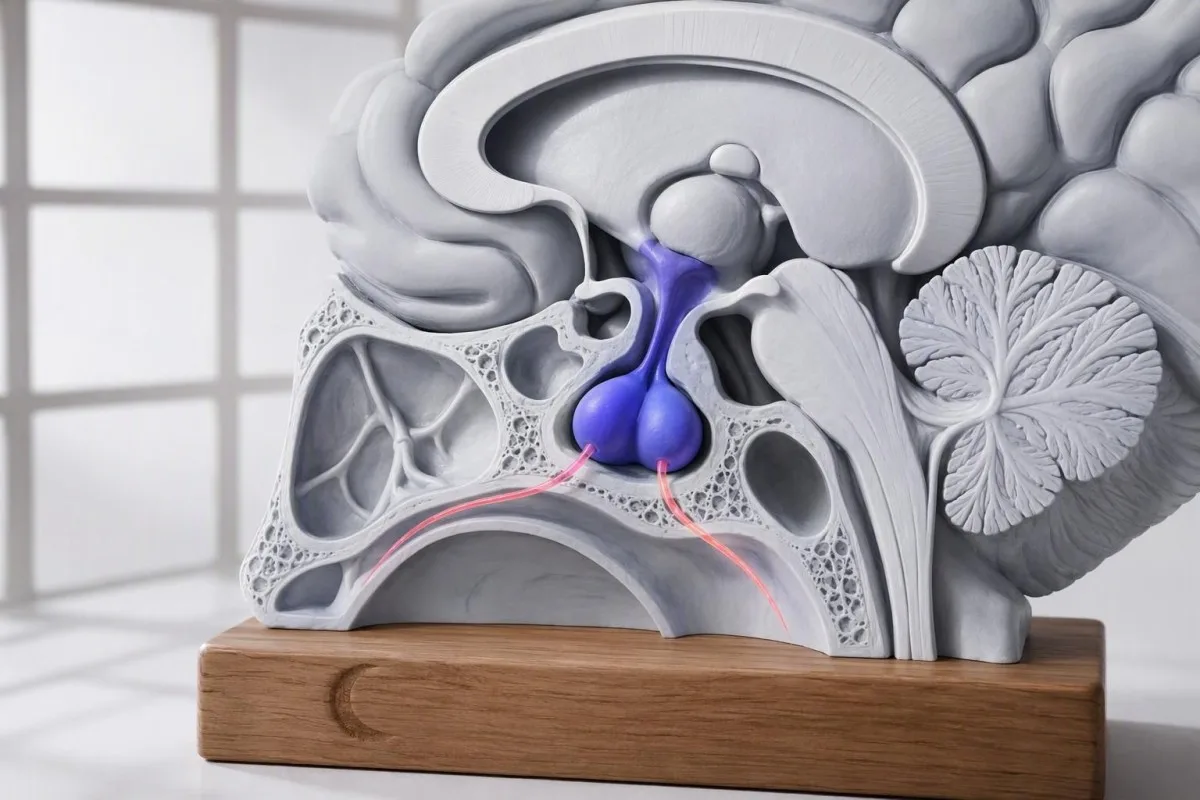
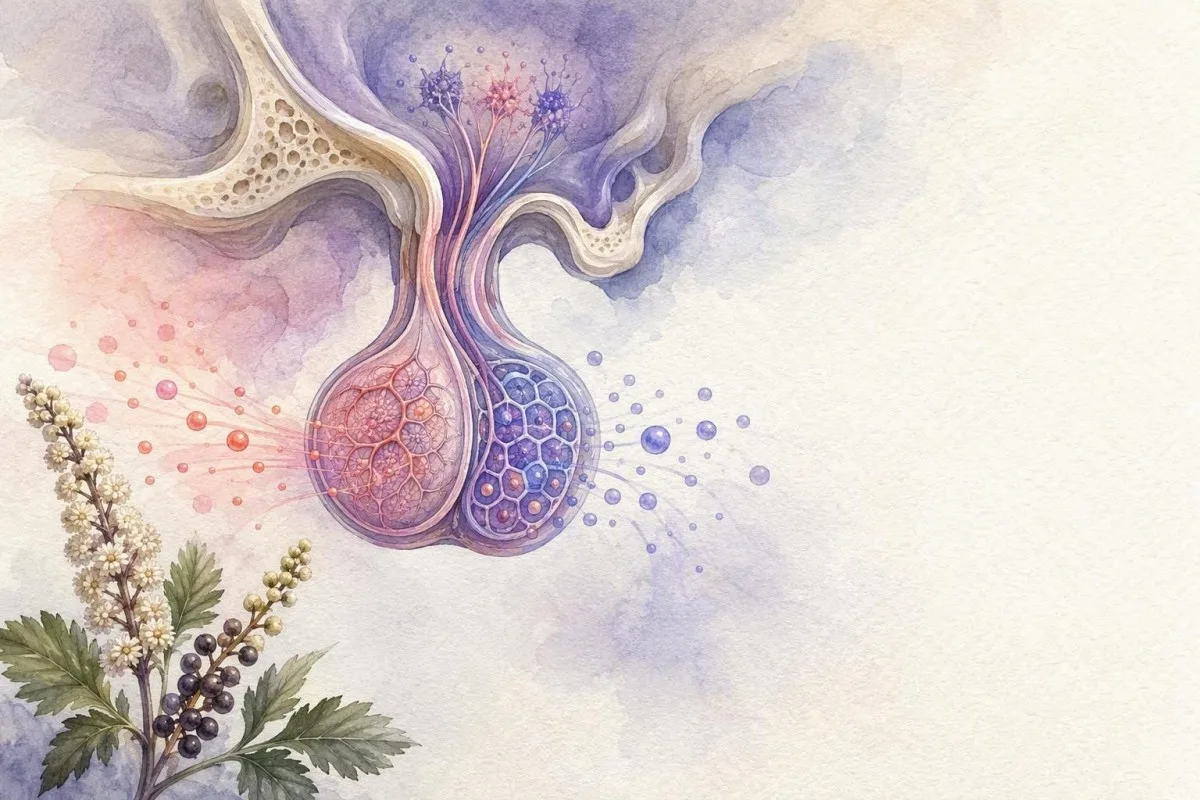
LH og FSH er signaler fra hypofysen, ikke direkte mål på eggantall eller fertilitet. LH fremmer endelig follikkelfordeling og eggløsning, mens FSH rekrutterer utviklende follikler; deres betydning endres dramatisk mellom dag 3, eggløsningsøkningen, lutealfasen og overgangsalderen.
For en person med regelmessige sykluser er en LH på 7 IU/L og FSH på 6 IU/L på syklusdag 3 vanligvis umerkelig. Samme LH på 7 IU/L under et mistenkt eggløsningsvindu forteller oss langt mindre, fordi LH-utskillelsen er pulserende og kan endre seg innen timer. Jeg forteller pasienter at dette er trafikksignaler fra hjernen, ikke en fertilitets-resultattavle.
I mitt kliniske arbeid er det nyttige spørsmålet ikke “hvilken er høyere?” men “hva skjedde biologisk da denne prøven ble tatt?” Kantesti er en AI-blodtestanalysator som plasserer LH og FSH ved siden av østradiol, progesteron, alder, syklusdato og tidligere resultater heller enn å behandle et flagg som en diagnose. Vår kvinners hormonguide forklarer hvorfor dette bredere synet betyr noe.
Dr. Thomas Kleins praktiske regel er enkel: registrer den første dagen med full menstruasjonsblødning som dag 1, dokumenter hormonell prevensjon eller HRT, og behold laboratoriets egne enheter. En verdi rapportert i IU/L er generelt numerisk utskiftbar med mIU/mL, men referanseintervaller og analysekalibrering er fortsatt forskjellige. Om Kantesti beskriver hvordan våre medisinske og tekniske team håndterer kontekst i rapporterte resultater.
LH vs FSH-mønstre gjennom menstruasjonssyklusen
LH og FSH er begge relativt lave i den tidlige follikelfasen, LH stiger skarpt før eggløsning, og begge faller igjen i lutealfasen. En prøve uten syklusdag kan se unormal ut når den rett og slett er feil timet.
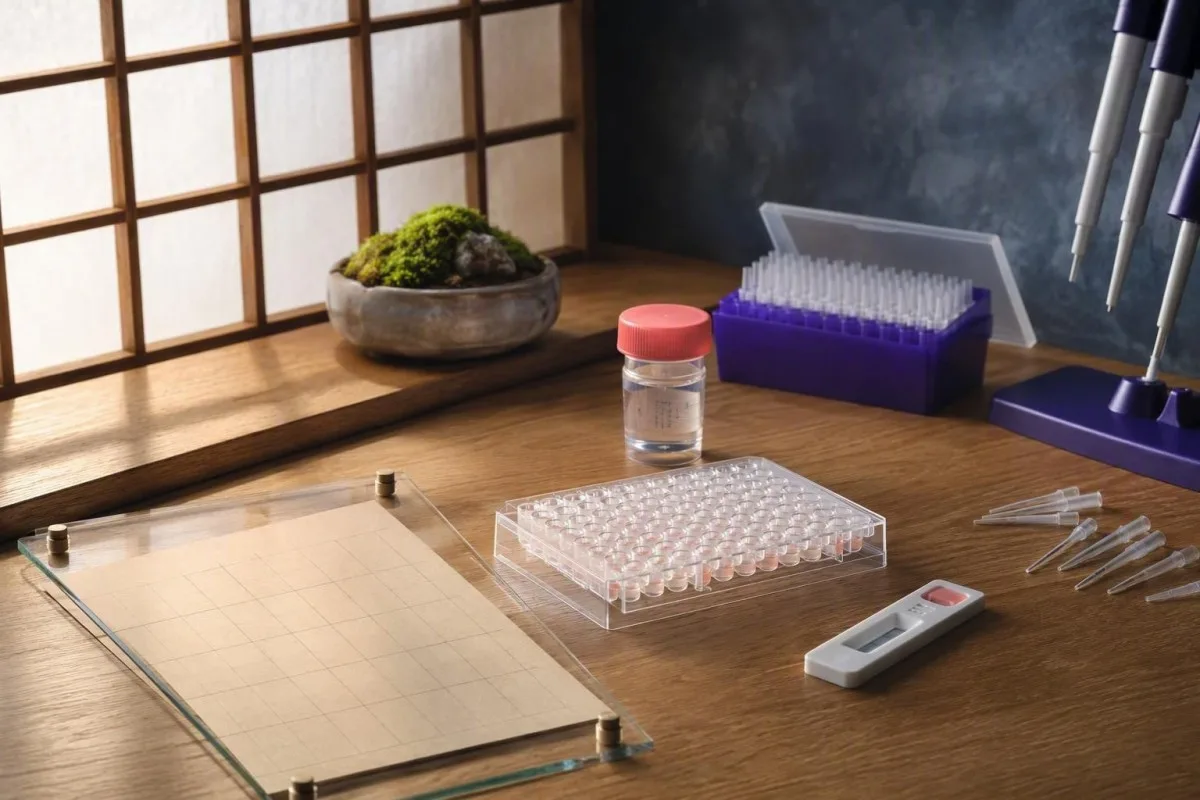
Typiske referanseintervaller for tidlig follikulær fase er omtrent FSH 3-10 IU/L og LH 2-12 IU/L, selv om et laboratorium rimeligvis kan sette andre grenser. Rundt eggløsning kan LH stige til 20-90 IU/L i 24-48 timer, mens FSH ofte stiger mer beskjedent til rundt 4-25 IU/L. En enkelt høy LH i dette intervallet er vanligvis et tegn på en nært forestående eller nylig eggløsning.
Etter eggløsning undertrykker progesteron hypofysær utskillelse, så LH er ofte rundt 1-14 IU/L og FSH rundt 1-9 IU/L. Et midt-lutealt progesteronresultat over omtrent 25-30 nmol/L, eller 8-10 ng/mL avhengig av analyse, gir sterkere retrospektiv evidens for eggløsning enn LH alene. Se vår guide til progesteron etter syklusdag for timingfellene.
Det mindre kjente problemet er puls variasjon. LH frigjøres i pulser omtrent hver 1-2 time hos mange voksne i reproduktiv alder, så en verdi nær en referansegrense kan flytte kategorier på en gjentatt prøve uten noen klinisk endring. Dette er grunnen til at klinikere ofte gjentar et uventet dag-3 hormonpanel i stedet for å reagere på en 1 IU/L forskjell.
FSH og LH fertilitetstesting: Hvorfor dag 3 betyr noe
For baseline fertilitetsvurdering måles FSH og østradiol vanligvis på syklusdag 2-5, ikke etter eggløsning. Tidlig syklustesting reduserer – men fjerner ikke – de normale hormonelle svingningene som gjør et resultat vanskelig å tolke.
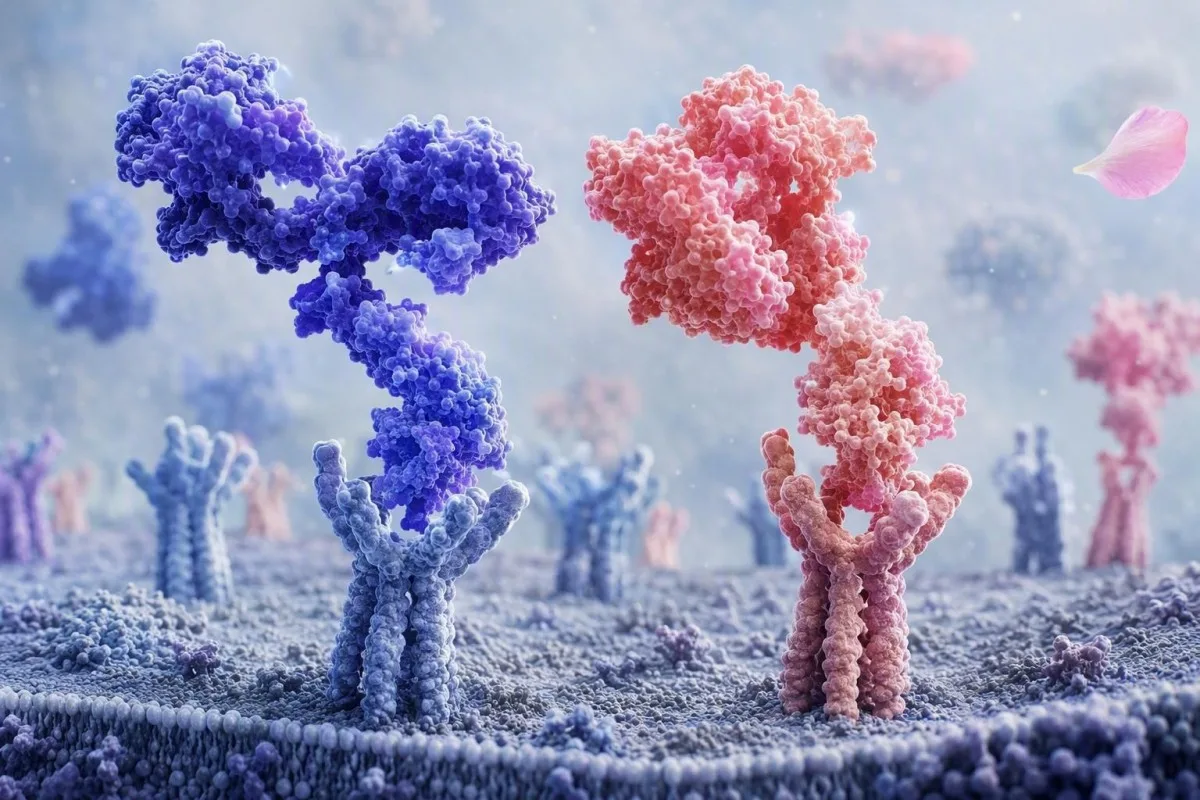
En FSH under 10 IE/L på dag 3 er ofte betryggende, men det beviser ikke normal eggkvalitet, gjennomgående eggledere eller sannsynlighet for naturlig unnfangelse. FSH kan fremstå kunstig normal hvis østradiol allerede er forhøyet, ofte over 220-294 pmol/L (60-80 pg/mL), fordi østradiol undertrykker hypofyse-FSH. Den kombinasjonen er et vanlig blindpunkt på direkte rapporter for forbrukere.
ASRMs komité for fertilitetsevaluering råder at eggstokkereservetester bør supplere – ikke erstatte – alder, ovulatorisk historie, sædanalyse og egglederevaluering (Practice Committee of ASRM, 2021). AMH og antall antrale follikler forutsier eggstokkrespons på stimulering mer konsekvent enn en enkelt basal FSH, men ingen bør brukes som en dom over hvorvidt en person kan bli gravid naturlig. Vår IVF baseline hormon oversikt setter disse testene i sin rette rolle.
Jeg har sett en 34-åring med FSH 12 IE/L bli gravid uten behandling, og en 29-åring med FSH 6 IE/L trenge hjelp på grunn av eggledersykdom. De eksemplene er ikke løfter; de er grunnen til at klinikere ikke bruker FSH som en bestått/ikke bestått-test. En full fertilitetsvurdering er generelt passende etter 12 måneders forsøk under 35 år, etter 6 måneder fra 35 års alder, eller tidligere ved uteblitt menstruasjon, tidligere bekkenkirurgi eller kjente mannlig faktor-bekymringer.
Diagnostiserer LH:FSH-forholdet PCOS?
Nei, et forhøyet LH:FSH-forhold diagnostiserer ikke PCOS. Et forhold over 2:1 eller 3:1 kan forekomme hos noen personer med PCOS, men normale forhold er også vanlige ved PCOS, og høye forhold forekommer utenfor det.
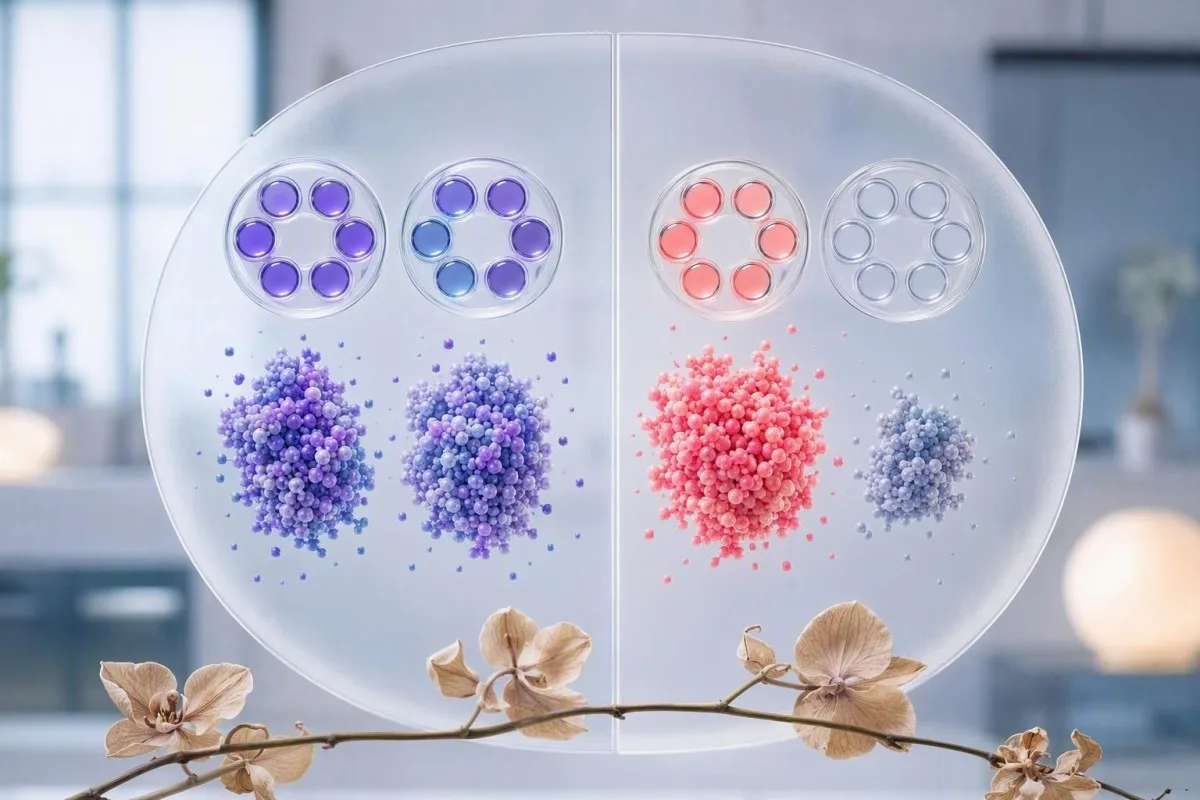
Beregningen er ganske enkelt LH delt på FSH når begge måles samtidig: LH 12 IE/L og FSH 4 IE/L gir et forhold på 3. En høyt LH lavt FSH mønster kan reflektere økt LH-pulsfrekvens, men det kan også være en prøve fra midtsyklus, nylig graviditetstap, redusert kaloriinntak eller vanlig variasjon. Forhold er spesielt upålitelige når syklusdagen er ukjent.
2023 International Evidence-based Guideline definerer PCOS ved å bruke to av tre trekk etter utelukkelse av etterligninger: klinisk eller biokjemisk hyperandrogenisme, ovulatorisk dysfunksjon, og polycystisk ovarie-morfologi eller forhøyet AMH hos voksne (Teede et al., 2023). LH:FSH-forholdet er fraværende fra disse kriteriene. I praksis tilfører akne, terminal hårtilvekst, uregelmessige sykluser, testosteron, SHBG, prolaktin og skjoldbruskkjertelprøver vanligvis mer diagnostisk verdi.
Kantesti AI er en AI-tolkningsplattform for blodprøver som identifiserer et LH:FSH-mønster som en diskusjonsutløser, ikke som en PCOS-etikett. Hvis perioder er mer enn 35 dager fra hverandre eller færre enn 8 forekommer i løpet av et år, ordne klinisk vurdering; vår veiledning for PCOS-testing etter fødselskontroll forklarer hvorfor tidspunktet etter å ha stoppet hormoner betyr noe.
Høy LH, lav FSH: PCOS-ledetråd eller noe annet?
Høyt LH med relativt lavt FSH reflekterer oftest syklustidspunkt eller PCOS-type nevroendokrin signalisering, men det er ikke spesifikt. Resultatet fortjener en strukturert sjekk for graviditet, skjoldbruskkjertelsykdom, forhøyet prolaktin, medikamenteffekter og androgeneoverskudd.
Når LH er 15 IU/L og FSH er 5 IU/L på dag 3, sjekker jeg først østradiol og spør om syklusregularitet. Hvis østradiol er høyt, kan en follikkel allerede være aktiv; hvis testosteron er høyt og perioder er sjeldne, blir PCOS mer sannsynlig. En gjentatt morgenprøve på en dokumentert syklusdag er vanligvis mer informativ enn å umiddelbart bestille en stor panel.
Prolaktin over laboratoriets øvre grense kan forstyrre GnRH-signalering og gi uregelmessige eller manglende perioder, mens TSH-avvik kan etterligne mange PCOS-symptomer. Et mildt forhøyet prolaktin bør vanligvis gjentas i rolige morgenomgivelser etter å ha unngått brystvortestimulering og anstrengende trening i 24 timer. Vår artikkel om lett forhøyet prolaktin dekker fornuftig retesting.
Androgentesting har også tekniske begrensninger. Totalt testosteron målt ved væskekromatografi-tandem massespektrometri er generelt mer pålitelig ved konsentrasjoner i kvinneområdet enn mange immuntester; SHBG bidrar til å estimere fri androgen eksponering. Hvis det er rask stemmeforandring, ny markert hårtap i hodebunnen eller raskt progressiv ansiktshårvekst over måneder, vurderer klinikere akutt uvanlige androgenproduserende årsaker i stedet for å anta PCOS.
Perimenopause: Hvorfor LH og FSH svinger så mye
Perimenopause forårsaker ofte uregelmessige FSH og LH fordi eggløsning blir sporadisk og østradiol kan være høy, lav eller normal fra syklus til syklus. Et enkelt FSH-resultat kan ikke pålitelig stadie perimenopause hos personer over 45 med typiske symptomer.
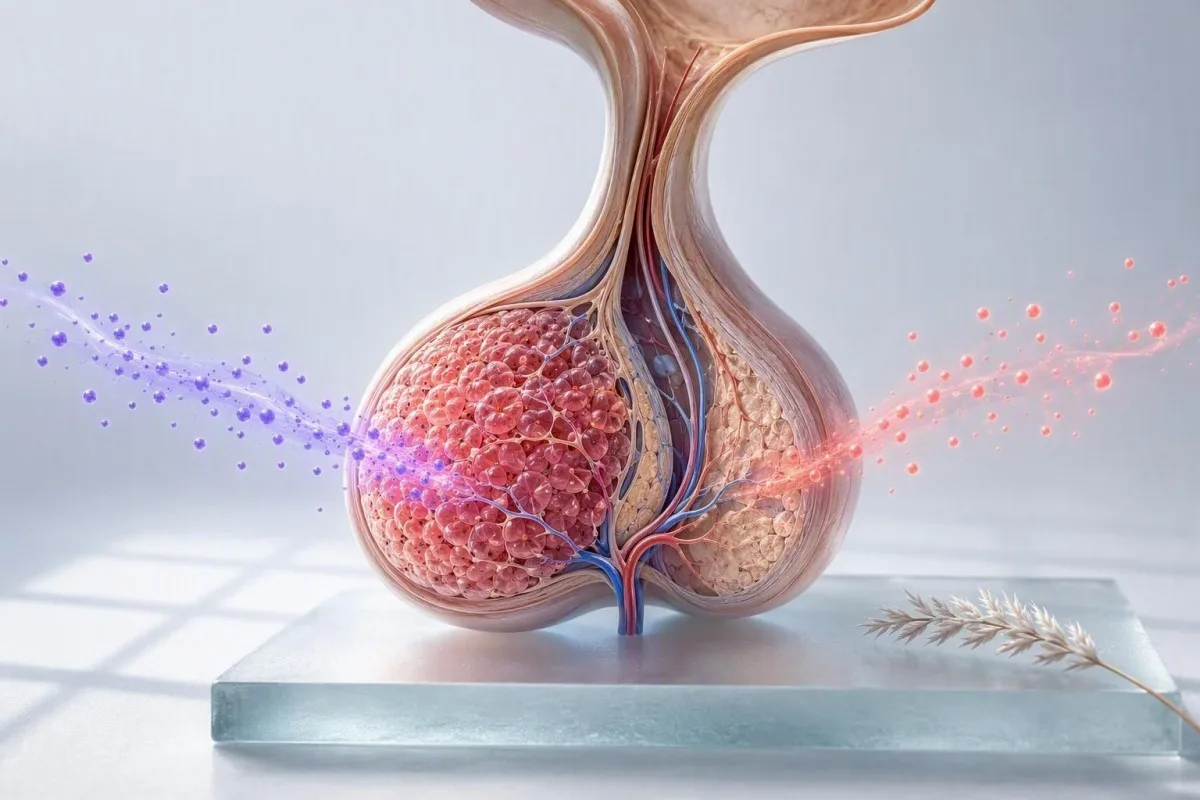
FSH kan være 9 IU/L én måned og 35 IU/L den neste, spesielt de siste 2–8 årene før siste menstruasjonsperiode. Årsaken er ikke bare “ovariesvikt”: en gjenværende follikkel kan fortsatt produsere nok østradiol til å undertrykke FSH midlertidig. Dette er grunnen til at en normalt utseende FSH ikke utelukker perimenopause hos noen som opplever hetetokter og nylig uregelmessige sykluser.
NICE anbefaler å diagnostisere perimenopause klinisk hos personer 45 år eller eldre med vasomotoriske symptomer og menstruasjonsendringer, uten laboratorietesting i de fleste tilfeller (NICE, 2024). FSH-testing er mindre nyttig ved bruk av kombinert hormonell prevensjon, høydoseprogestogen eller systemisk HRT fordi disse medisinene endrer tilbakekoblingssløyfen. Vår forklaring av østradiol ved overgangsalder viser hvorfor et isolert østrogenresultat også misleder.
Dr. Thomas Klein har funnet dagbøker for symptomer og blødninger overraskende verdifulle her. Registrer frekvensen av hetetokter, søvnforstyrrelser, sykluslengde, migrenemønster og behandlingsdatoer i 8–12 uker; det klargjør ofte en historie som en blodprøve ikke kan. Kraftig eller hyppig blødning etter 45 års alder fortjener fortsatt klinisk vurdering, fordi overgangsalder-symptomer ikke forklarer alle endringer i blødning.
Resultater fra overgangsalderen: Hva høy FSH og LH vanligvis betyr
Etter naturlig overgangsalder er FSH vanligvis over 25–30 IU/L og LH ofte over 20 IU/L fordi den eggstokk-relaterte østrogen-tilbakemeldingen er lav. Disse verdiene støtter fysiologien til overgangsalder, men er vanligvis ikke nødvendige for å stille diagnosen etter 45 års alder.
Mange laboratorier som behandler postmenopausale kvinner siterer brede FSH-intervaller som 25–135 IU/L og LH-intervaller rundt 7-60 IU/L. Det er betydelig overlapping med sen perimenopause, og en person som tar østrogen kan ha en mye lavere FSH til tross for å være i overgangsalderen. En høy FSH i seg selv er ikke farlig og trenger ikke behandling.
Menopause defineres retrospektivt som 12 påfølgende måneder uten menstruasjon når ingen annen årsak forklarer fraværet av menstruasjon. For personer med livmor som får vaginalblødning etter dette tidspunktet, er medisinsk vurdering nødvendig, selv om FSH overbevisende indikerer postmenopausalt stadium. Les mer om FSH etter overgangsalder for vanlige resultatområder og unntak.
Tidlig menopause oppstår før 45 års alder, og primær eggstokksvikt vurderes før 40 års alder når uregelmessige eller manglende menstruasjoner ledsages av biokjemiske tegn på redusert eggstokkaktivitet. Nåværende retningslinjer bekrefter ofte POI med forhøyet FSH på to prøver med minst 4-6 ukers mellomrom, selv om nøyaktige grenseverdier varierer etter retningslinjer og analysemetode. Østradiol, graviditetstesting, autoimmun sykehistorie og genetisk kontekst kan være relevant i yngre aldre.
P-piller og HRT kan få LH og FSH til å se lave ut
Kombinert hormonell prevensjon undertrykker vanligvis LH og FSH, så resultater oppnådd mens man bruker det kan ikke vurdere naturlig eggløsning, PCOS-fysiologi eller menopausestatus. HRT kan også senke FSH tilstrekkelig til å skjule et postmenopausalt mønster.
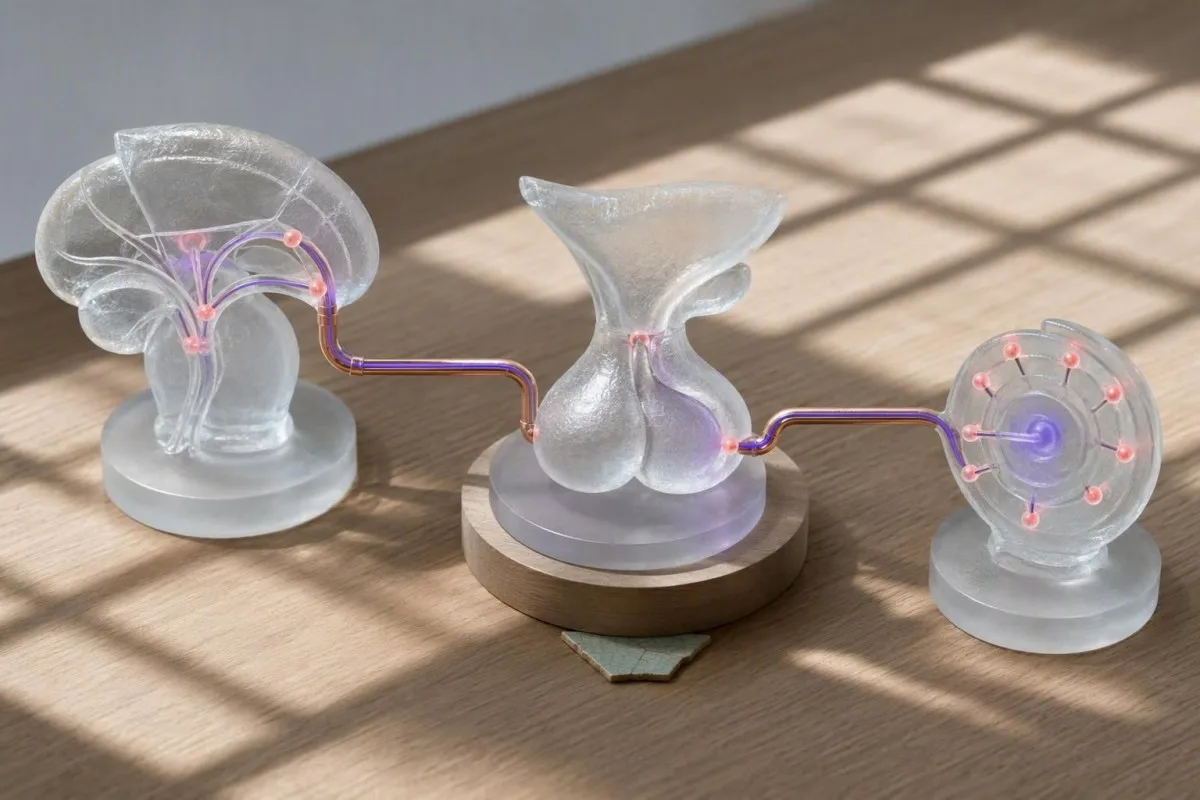
Piller, plaster og ringer som inneholder etinyløstradiol undertrykker den hypothalamus-hypofyse-ovarielle aksen med vilje. En LH på 1 IU/L og FSH på 2 IU/L på en kombinasjonspille er ofte en forventet farmakologisk effekt snarere enn en hypofysesykdom. Progestogen-alene-metoder påvirker resultater mindre forutsigbart, men kan fortsatt endre blødnings- og eggløsningsmønstre.
For PCOS-evaluering kan klinikere vente omtrent 3 måneder etter seponering av kombinert hormonell prevensjon før testing av biokjemiske androgener, hvis seponering er trygg og hensiktsmessig. Dette tillater SHBG og androgenproduksjon å stabilisere seg, selv om uregelmessige sykluser kan gjøre nøyaktig tidspunkt vanskelig. Vår guide til østrogenresultater på prevensjon detaljerer laboratoriebegrensningene.
Ikke slutt med prevensjon eller foreskrevet HRT bare for å få en hormonprøve uten å diskutere graviditetsrisiko, symptomer og alternativer. Kantesti er et AI-drevet verktøy for analyse av blodprøver som ber brukere legge til hormonmedisiner før mønstertolkning, fordi et klinisk normalt undertrykt resultat ellers kan feilaktig flagges som bekymringsfullt.
Lav LH og lav FSH: Når signalet fra hypofysen betyr noe
Lav LH og FSH er mest relevant når østradiol eller testosteron også er lavt og menstruasjonen har stoppet eller puberteten er forsinket. Dette mønsteret kan indikere funksjonell hypothalamussuppresjon, hyperprolaktinemi, hypofysesykdom eller medikamenteffekter.

Funksjonell hypothalamisk amenoré er en hyppig forklaring hos personer med lav energitilgjengelighet, nylig vekttap, intens utholdenhetstrening, kronisk sykdom eller alvorlig psykisk stress. LH kan være under 2 IU/L, FSH kan være under 3-5 IU/L, og østradiol kan være lavt, men ingen enkelt grenseverdi etablerer diagnosen. Sykehistorien gir ofte den manglende brikken.
Et mønster med lav LH og FSH er forskjellig fra eggstokksvikt, der FSH vanligvis er høy fordi hypofysen prøver hardere å stimulere eggstokkene. Distinksjonen endrer neste steg: klinikere kan teste prolaktin, TSH, graviditetsstatus, morgenkortisol i utvalgte tilfeller og vurdere hypofyseavbildning når hodepine, synsforstyrrelser eller markert prolaktinøkning er til stede. Se lave FSH-mønstre for denne sammenligningen.
Akutt vurdering er passende ved plutselig, kraftig hodepine, tap av perifert syn, besvimelse eller nye nevrologiske symptomer sammen med opphør av menstruasjon. I mindre akutte tilfeller kan gjenoppretting av tilstrekkelig energiinntak og reduksjon av overdreven treningsbelastning starte sykluser igjen, men dette bør veiledes av lege, da beinhelse kan være påvirket etter 6 måneder eller mer med lav østrogeneksponering.
LH vs FSH i mannlig fertilitet og testosterontesting
Hos menn driver LH testosteronproduksjonen i testiklene, mens FSH støtter sædproduksjon, så paret bidrar til å skille mellom testikulære og hypofysære årsaker til infertilitet eller lavt testosteron. En sædanalyse forblir den sentrale testen for spørsmål om sædrelatert fertilitet.
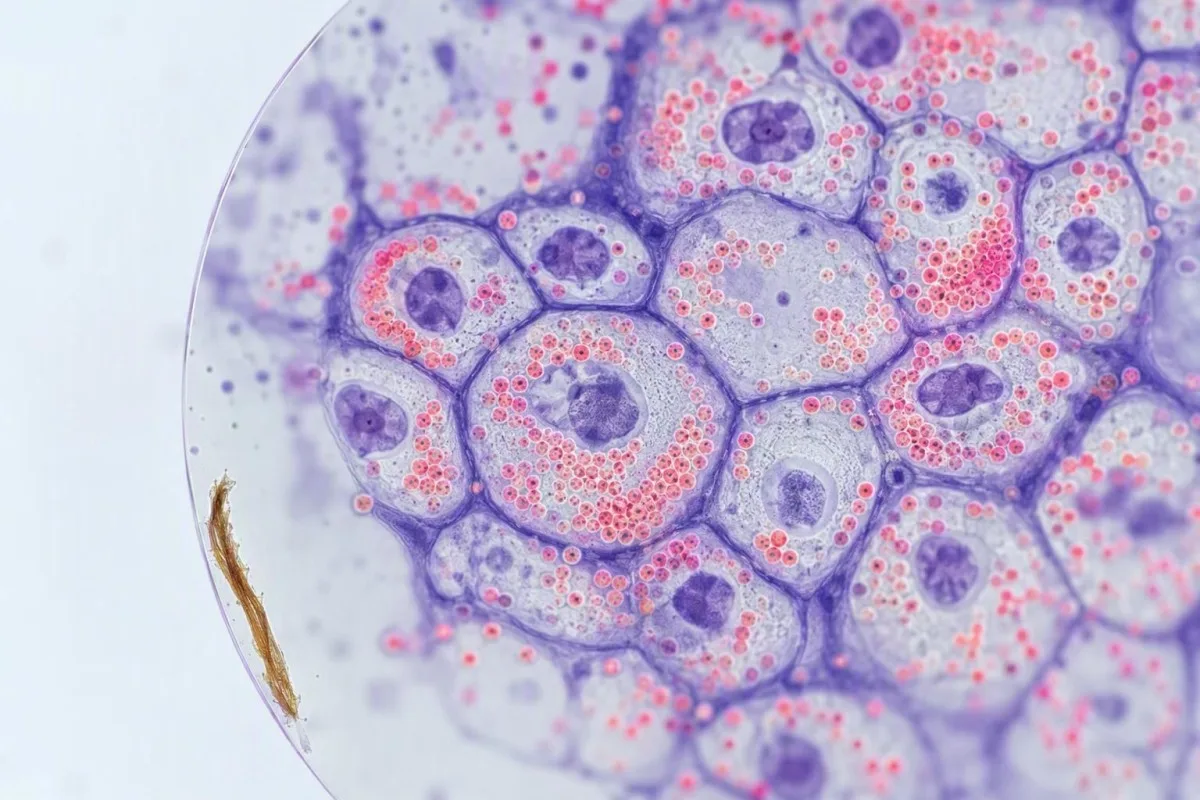
Lavt testosteron med høy LH og FSH tyder på primær testikulær dysfunksjon fordi hypofysen øker signalet sitt. Lavt testosteron med lav eller uforholdsmessig normal LH og FSH tyder på sekundær hypogonadisme eller reversibel undertrykkelse fra sykdom, fedme, opioider, glukokortikoider eller forhøyet prolaktin. Morgenprøvetaking, ideelt sett før kl. 11, er viktig fordi testosteron normalt topper seg tidlig på dagen.
FSH over det lokale referanseområdet kan tyde på nedsatt spermatogenese, men en normal FSH garanterer ikke normalt sædtall, motilitet eller morfologi. Motsatt er forhøyet FSH ikke et mål på seksuell ytelse. Vår forklaring av sædanalyse skisserer hvorfor laboratorietesting av sæd ikke kan erstattes av hormoner.
Hos en mann som prøver å bli gravid, bør foreskrevet testosteron aldri startes tilfeldig: eksternt testosteron undertrykker vanligvis LH og FSH og kan markert redusere sædproduksjonen i løpet av måneder. Fertilitetsbevarende alternativer finnes for utvalgte pasienter, men de krever en endokrinolog, urolog eller fertilitetsspesialist for å skreddersy behandlingen.
Når et isolert LH- eller FSH-resultat er misvisende
Ett isolert LH- eller FSH-resultat er misvisende når syklusdag, graviditetsstatus, hormonelle medisiner, akutt sykdom eller østradiol er ukjent. Å gjenta en målrettet test er ofte tryggere og mer nyttig enn å trekke brede konklusjoner fra et enkelt avvikende tall.
En fertil 31-åring kan ha FSH 14 IU/L i en tidlig syklustest og 7 IU/L neste måned, spesielt hvis østradiol var forskjellig. Laboratorieimpresisjon, biologisk variasjon og tidspunkt for innsamling bidrar alle. Endringen kan se alarmerende ut i en app, men den kan likevel falle godt innenfor forventet variasjon innenfor personen.
Biotin i doser på 5–10 mg daglig—vanlig i hår- og negleprodukter—kan forstyrre noen streptavidin-biotin-immunanalyser, selv om retning og størrelse avhenger av laboratoriemetoden. Spør laboratoriet eller legen om en 48-72 timers pause er passende før ny testing; ikke stopp et medisinsk foreskrevet tilskudd uten råd. Vår veiledning for tidspunkt for blodprøve forklarer andre kortsiktige påvirkninger.
Graviditetstesting er et grunnleggende, men lett oversett trinn. hCG har strukturell likhet med LH og kan undertrykke den naturlige reproduktive syklusen, mens tidlig graviditet kan sameksistere med forvirrende symptomer og fraværende perioder. Hvis testresultatet ikke stemmer med den kliniske historien, bør leger verifisere analysen, prøvedatoen og graviditetsstatusen før de forfølger sjeldne diagnoser.
Hvilke tester gjør LH og FSH mer nyttige?
Østradiol, progesteron, AMH, prolaktin, TSH og androgener gjør ofte LH og FSH tolkbare; de riktige tilleggene avhenger av det kliniske spørsmålet. Å bestille hvert hormon samtidig er ikke alltid bedre, fordi flere tester er tidsavhengige.
Ved uregelmessige perioder eller mistanke om PCOS, vurderer en lege vanligvis graviditetstesting, totalt testosteron, SHBG eller beregnet fritt testosteron, prolaktin, TSH og 17-hydroksyprogesteron når det er indisert. Ved mistanke om eggløsning tas progesteron best omtrent 7 dager før forventet neste menstruasjon, ikke automatisk på dag 21; dag 21 passer bare for en 28-dagers syklus.
For planlegging av fertilitetsbehandling, kan AMH måles de fleste dager i syklus og reflekterer forventet respons på eggstokkstimulering mer enn spontan graviditetspotensial. Svært lav AMH bør ikke brukes til å nekte fertilitetsbehandling, og høy AMH kan forekomme ved PCOS uten å bevise det. Vår gjennomgang av årsaker til lav AMH setter dette resultatet i perspektiv.
Kantesti AI tolker LH- og FSH-resultater ved å sjekke ledsagende biomarkører og langsgående endringer, heller enn å bruke et forhold alene. Personer som ønsker å forstå hvordan metodologi og kliniske sikkerhetstiltak blir brukt, kan gjennomgå vår medisinske valideringsstandarder.
Hvordan forberede seg til en nøyaktig LH- og FSH-test
LH og FSH krever vanligvis ikke faste, men nøyaktig tolkning krever riktig syklusdag, medisinliste og et stabilt klinisk miljø. For et fertilitetspanel på dag 3, er morgeninnsamling på syklusdag 2-5 en praktisk standard.

Informer den rekvirerende legen om hormonell prevensjon, HRT, fertilitetsinjeksjoner, testosteron, antipsykotika, opioider, glukokortikoider og kosttilskudd. Akutt sykdom, alvorlig søvndisrupsjon og svært anstrengende trening kan forbigående endre reproduktiv signalering, spesielt når de påvirker energibalanse eller prolaktin. Faste er vanligvis unødvendig med mindre andre forespurte tester, som glukose eller lipider, krever det.
Hvis du re-tester et uventet FSH-resultat, bruk samme laboratorium og analyse om mulig, i en sammenlignbar syklusfase. Det er mer informativt enn å sammenligne en dag-3 verdi fra ett laboratorium med en dag-17 verdi fra et annet. Vår veiledning for grunnleggende blodprøveforberedelser tilbyr en praktisk sjekkliste.
For bekymring for hjemmefruktbarhet, unngå å tolke urin-LH-tester som blod-LH-verdier. Urintest identifiserer en LH-økning som ofte går foran eggløsning med 24-36 timer, men en positiv test kan ikke bekrefte frigjøring av et egg og kan forbli forvirrende ved PCOS. Progesterontiming eller ultralyd er noen ganger nødvendig når det kliniske spørsmålet er bekreftelse av eggløsning.
Når LH- og FSH-resultater krever medisinsk oppfølging
Søk medisinsk vurdering for uteblitt menstruasjon som varer i 3 måneder, overgangsalder før 45 års alder, infertilitet, raskt progressive androgene symptomer eller lave gonadotropiner med nevrologiske symptomer. LH og FSH er sjelden akutte tester, men mønsteret kan identifisere tilstander der forsinkelse er uheldig.
Bestill en rutinemessig avtale hvis sykluser gjentatte ganger overstiger 35 dager, forekommer færre enn 8 ganger årlig, eller blir plutselig uregelmessige etter tidligere å ha vært stabile. Hvis du er under 40 og har uteblitt menstruasjon pluss FSH gjentatte ganger over 25 IU/L, er rask vurdering for primær eggstokksvikt hensiktsmessig fordi bein-, hjerte- og kar- og fertilitetsimplikasjoner kan kreve tidlig oppmerksomhet.
Vurdering samme uke er fornuftig for galaktoré, vedvarende hodepine, synsforstyrrelser, eller markante androgene endringer som raskt utviklende grovt ansiktshår med stemmeforandring. Kraftig blødning etter overgangsalderen krever rettidig vurdering uavhengig av LH- eller FSH-verdier. For hetetokter kan klinikere også utelukke tyreoideasykdom og medikamenteffekter; vår guide for blodprøver for hetetokter forklarer denne differensialdiagnosen.
Kantestis medisinske innhold gjennomgås med klinisk tilsyn, men en tolkning kan ikke erstatte en vurdering av reproduktiv endokrinologi eller primærhelsetjeneste. Du kan møte fagpersonene bak denne gjennomgangen gjennom vår Medisinsk rådgivende styre. Per 9. september 2026 er det sikreste budskapet fortsatt mønster først, gjenta testing ved behov, og behandlingsbeslutninger basert på symptomer og mål — ikke et LH:FSH-forhold.
En praktisk sjekkliste for å lese LH og FSH sammen
Det beste neste steget er å matche LH- og FSH-verdiene dine til syklusdag, østradiol, medisiner, alder og årsaken til testingen før du gir mening. Denne femdelte sjekken forhindrer de fleste unngåelige misforståelser.

Først, identifiser spørsmålet: eggløsning, fertilitetsplanlegging, uregelmessige perioder, PCOS-symptomer, overgangsplager eller lavt testosteron. For det andre, skriv ned datoen for siste naturlige menstruasjon og om du bruker noen hormonmedisiner. Et resultat oppnådd under en LH-topp bør ikke sammenlignes med et fertilitetsresultat på dag 3.
For det tredje, par LH og FSH med østradiol, og legg til målrettede tester i stedet for usystematiske paneler. For det fjerde, sammenlign med dine egne tidligere resultater ved å bruke samme laboratorium der det er mulig. Kantesti er en AI-tjeneste for tolkning av laboratorietester som kan organisere longitudinelle hormonresultater på tvers av rapporter, men vedvarende symptomer eller unormale mønstre krever fortsatt en kliniker som kan undersøke deg og diskutere dine prioriteringer.
Til slutt, la ikke et normalt forhold avfeie reelle symptomer, og la ikke et unormalt forhold skape en diagnose du ikke har. En 10-minutters konsultasjon med en grundig syklusanamnese tilfører ofte mer enn en ny blodprøve uten tidsangivelse. Hvis du trenger hjelp til å forberede deg til samtalen, bruk vår sjekkliste for oppsummering av legebesøkresultater.
Ofte stilte spørsmål
Hva er et normalt LH til FSH-forhold?
Det finnes ingen enkelt normal LH:FSH-ratio som diagnostiserer helse eller sykdom fordi begge hormonene endrer seg gjennom menstruasjonssyklusen. I den tidlige follikulære fasen har mange et forhold nær 1:1, mens et forhold over 2:1 kan forekomme hos noen med PCOS og hos personer uten PCOS. Den internasjonale PCOS-retningslinjen fra 2023 bruker ikke LH:FSH-ratio som et diagnostisk kriterium. En ratio er mest meningsfull bare når LH, FSH, syklusdag, østradiol, androgene resultater og symptomer vurderes samlet.
Betyr høyt LH og lav FSH PCOS?
Høyt LH med relativt lav FSH kan være et hint om PCOS, men det betyr ikke at noen har PCOS av seg selv. Et LH på 12 IE/L med FSH på 4 IE/L kan reflektere PCOS-type signalisering, men det kan også forekomme nær eggløsning eller når syklus-timingen er ukjent. PCOS-diagnose krever to av tre trekk: ovulatorisk dysfunksjon, hyperandrogenisme og polycystiske eggstokkmorfologi eller forhøyet AMH hos voksne etter at andre årsaker er utelukket. Testosteron, SHBG, prolaktin, TSH og menstruasjonshistorikk er vanligvis mer nyttig enn selve forholdet.
Hvilket FSH-nivå indikerer overgangsalder?
En FSH-verdi vedvarende over ca. 25-30 IU/L kan støtte menopause eller eggstokksvikt når østradiol er lavt og menstruasjonen har stoppet. Postmenopausal FSH ligger ofte mellom 25 og 135 IU/L, selv om laboratorieintervallene varierer og HRT kan undertrykke verdien. Hos personer over 45 år diagnostiseres menopause generelt klinisk etter 12 måneder uten menstruasjon, snarere enn ved FSH-testing. En enkelt normal FSH utelukker ikke perimenopause fordi nivåene kan svinge mye mellom syklusene.
Kan du bli gravid med høyt FSH?
Ja, graviditet kan forekomme med et høyt FSH-resultat fordi FSH er en ufullkommen markør for fruktbarhet og varierer fra syklus til syklus. Et dag-3 FSH over 10-15 IE/L kan indikere redusert eggstokkreserve eller lavere respons på fertilitetsmedisiner, men det måler ikke eggkvalitet, rørgjennomtrengelighet eller sædfaktorer. Estradiol kan maskere et forhøyet FSH, så de to testene bør tolkes sammen. Alle som prøver å bli gravide i 12 måneder under 35 år, eller 6 måneder fra 35 år, bør søke en fertilitetsvurdering.
Hvorfor er både LH og FSH lave hos meg?
Lav LH og FSH kan forventes under kombinert hormonell prevensjon, graviditet, amming eller etter eggløsning. Når østradiol eller testosteron også er lavt og menstruasjonen uteblir, kan mønsteret tyde på hypotalamisk suppressjon, forhøyet prolaktin, hypofysesykdom, kronisk sykdom eller medikamenteffekter. Funksjonell hypotalamisk amenoré er spesielt vanlig etter betydelig vekttap, lavt energiinntak eller intens utholdenhetstrening. Ny alvorlig hodepine, synsforandringer eller galaktoré med lave gonadotropiner krever umiddelbar medisinsk vurdering.
Bør LH- og FSH-tester tas på dag 3?
For basal fertilitet eller vurdering av eggstokkreserve måles LH, FSH og østradiol vanligvis på syklusdag 2-5, ofte kalt dag-3-testing. Denne tidlige follikulære timingen gjør resultatene mer sammenlignbare fordi de ovulatoriske og luteale hormonesvingningene er reduserte. Testen krever ikke faste med mindre andre bestilte tester krever det. LH og FSH testet på en annen dag kan fortsatt være klinisk nyttig, men syklusdagen må være kjent for å tolke dem nøyaktig.
Få AI-drevet analyse av blodprøver i dag
Bli med over 2 millioner brukere over hele verden som stoler på Kantesti for øyeblikkelig, nøyaktig analyse av laboratorietester. Last opp blodprøveresultatene dine og få omfattende tolkning av 15,000+-biomarkører på sekunder.
📚 Refererte forskningspublikasjoner
Klein, T., Mitchell, S., & Weber, H. (2026). Kantesti LTD. (2026). RDW blodprøve: Komplett veiledning til RDW-CV, MCV & MCHC. Zenodo. ResearchGate og Academia.edu-oppføringer tilgjengelig via lenkede publikasjonsarkiver.. Kantesti KI medisinsk forskning.
Klein, T., Mitchell, S., & Weber, H. (2026). Kantesti LTD. (2026). BUN/kreatinin-ratio forklart: Veiledning til nyrefunksjonstest. Zenodo. ResearchGate og Academia.edu-oppføringer tilgjengelig via lenkede publikasjonsarkiver.. Kantesti KI medisinsk forskning.
📖 Eksterne medisinske referanser
National Institute for Health and Care Excellence (2024). Menopause: diagnose og behandling (NG23). NICE-retningslinje.




⚕️ Medisinsk ansvarsfraskrivelse
Denne artikkelen er kun for informasjonsformål og utgjør ikke medisinsk rådgivning. Rådfør deg alltid med en kvalifisert helsepersonell for beslutninger om diagnose og behandling.
E-E-A-T tillitssignaler
Experience
Klinisk gjennomgang ledet av lege av arbeidsflyter for laboratorietolkning.
Expertise
Fagområde laboratoriemedisin med fokus på hvordan biomarkører oppfører seg i klinisk kontekst.
Authoritativeness
Skrevet av Dr. Thomas Klein med gjennomgang av Dr. Sarah Mitchell og Prof. Dr. Hans Weber.
Trustworthiness
Evidensbasert tolkning med tydelige oppfølgingsveier for å redusere uro.