A LH e a FSH deben interpretarse conxuntamente, tendo en conta o día do seu ciclo, o nivel de estradiol, os síntomas e os medicamentos. Un resultado alto ou baixo nun día aleatorio raramente diagnostica por si só problemas de fertilidade, SOP ou menopausa.



- Timing do ciclo alteran a LH e a FSH substancialmente: as probas do día 2-5 adoitan ser as máis interpretables para a avaliación da reserva ovárica.
- FSH folicular adoita ser de aproximadamente 3-10 UI/L antes da ovulación, pero cada laboratorio debe proporcionar o seu propio intervalo de referencia.
- pico de LH os valores poden aumentar brevemente por riba de 20-90 UI/L arredor da ovulación; isto é fisiolóxico, non un resultado de menopausa.
- Relación LH:FSH por riba de 2 pode ocorrer en SOP, pero non diagnostica SOP e non forma parte dos criterios diagnósticos internacionais de 2023.
- FSH por riba de 25 IU/L en probas repetidas pode apoiar a insuficiencia ovárica ou a menopausa cando os períodos están ausentes, dependendo da idade e do uso de hormonas.
- Menopausa adoita diagnosticarse clinicamente despois de 12 meses sen períodos despois dos 45 anos, non a partir dunha única medición de FSH.
- LH alta con FSH baixo pode reflectir o pico a metade do ciclo, a fisioloxía da SOP, medicamentos ou o momento da análise; o estradiol e o historial do ciclo deciden o significado.
- LH e FSH baixos con estradiol baixo poden apuntar a unha supresión hipotalámica ou hipofisaria, especialmente despois de perdas de peso, adestramento intenso ou estrés severo.
O que os resultados da LH e a FSH realmente lle din
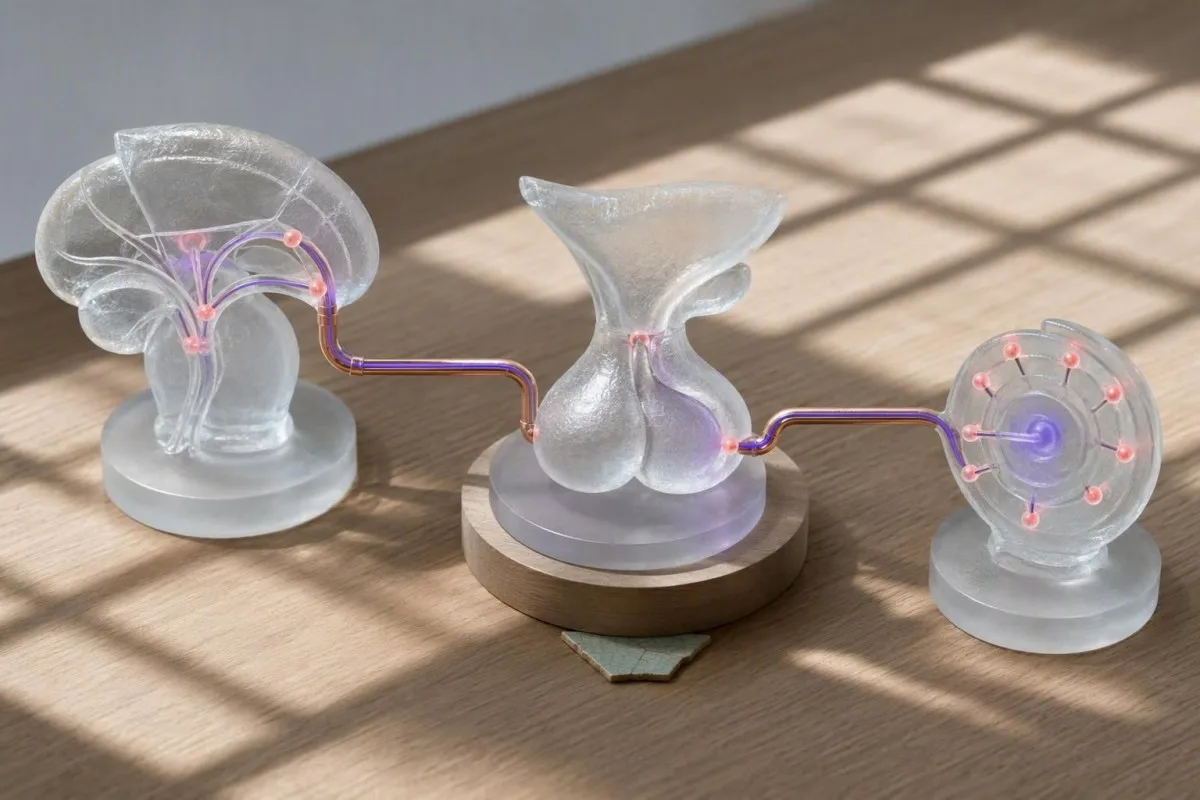
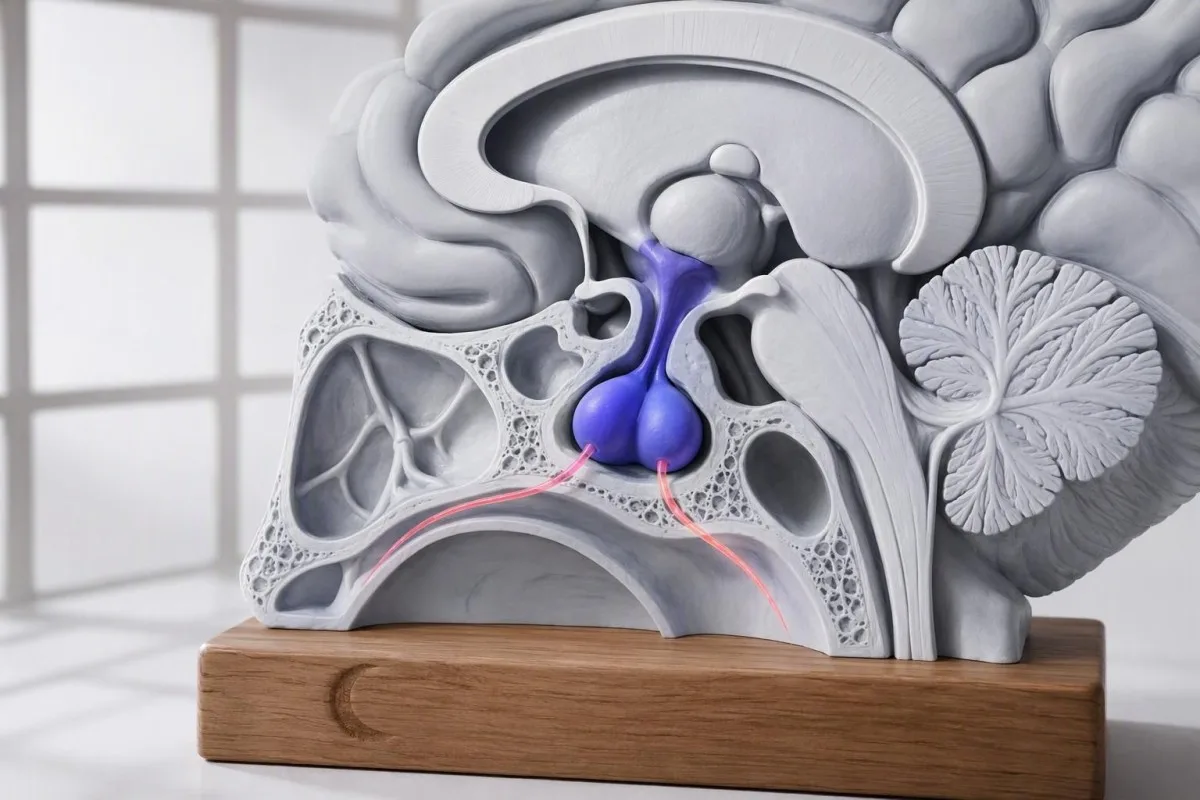
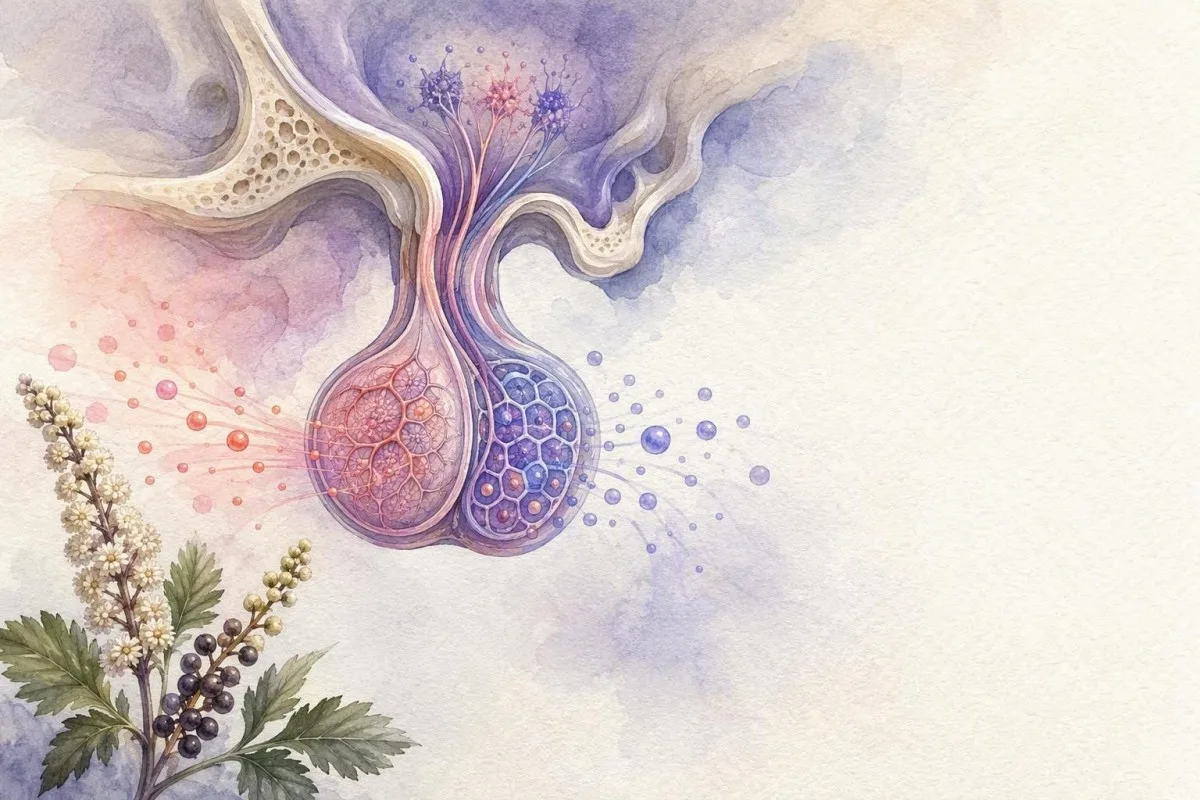
A LH e o FSH son sinais da hipófise, non medidas directas do número de óvulos nin da fertilidade. A LH impulsa a maduración final do folículo e a ovulación, mentres que o FSH recluta os folículos en desenvolvemento; o seu significado cambia drasticamente entre o día 3, o pico ovulatorio, a fase lútea e a menopausa.
Para unha persoa con ciclos regulares, unha LH de 7 UI/L e un FSH de 6 UI/L no día 3 do ciclo son normalmente inofensivos. A mesma LH de 7 UI/L durante unha xanela de ovulación sospeitada di moito menos, xa que a secreción de LH é pulsátil e pode cambiar en cuestión de horas. Dígolles aos pacientes que estes son sinais de tráfico do cerebro, non unha partitura de fertilidade.
No meu traballo clínico, a pregunta útil non é “cal é máis alta?” senón “que estaba a ocorrer bioloxicamente cando se tomou esta mostra?” Kantesti é un analizador de análises de sangue de IA que sitúa a LH e o FSH xunto ao estradiol, a proxesterona, a idade, a data do ciclo e os resultados previos en lugar de tratar unha alerta como un diagnóstico. O noso guía de hormonas das mulleres explica por que esta visión máis ampla é importante.
A regra práctica do Dr. Thomas Klein é sinxela: rexistre o primeiro día de fluxo menstrual completo como día 1, documente a contracepción hormonal ou a THS e manteña as propias unidades do laboratorio. Un valor reportado en UI/L é xeralmente numéricamente intercambiable con mIU/mL, pero os intervalos de referencia e a calibración do ensaio aínda difiren. Acerca de Kantesti describe como os nosos equipos médicos e técnicos xestionan o contexto nos resultados reportados.
Patróns de LH vs FSH ao longo do ciclo menstrual
A LH e o FSH son relativamente baixos na fase folicular temperá, a LH aumenta bruscamente antes da ovulación, e ambos volven caer na fase lútea. Unha mostra sen día de ciclo pode parecer anormal cando simplemente está mal programada.
Os intervalos de referencia típicos da fase folicular temperá son aproximadamente FSH 3-10 UI/L e LH 2-12 UI/L, aínda que un laboratorio pode establecer razoablemente límites diferentes. Ao redor da ovulación, a LH pode aumentar a 20-90 UI/L durante 24-48 horas, mentres que o FSH a miúdo aumenta máis moderadamente a aproximadamente 4-25 UI/L. Unha única LH alta durante este intervalo é normalmente un sinal dunha ovulación próxima ou recente.
Despois da ovulación, a proxesterona suprime a produción da hipófise, polo que a LH adoita estar entre 1-14 UI/L e o FSH entre 1-9 UI/L. Un resultado de proxesterona a metade da fase lútea superior a aproximadamente 25-30 nmol/L, ou 8-10 ng/mL dependendo do ensaio, proporciona unha evidencia retrospectiva máis forte de ovulación que a LH soa. Consulte a nosa guía sobre proxesterona por día do ciclo para as trampas de cronoloxía.
O problema menos familiar é a variación de pulso. A LH libérase en pulsos aproximadamente cada 1-2 horas en moitos adultos en idade reprodutiva, polo que un valor preto dun límite de referencia pode pasar a outras categorías nunha mostra repetida sen ningún cambio clínico. É por iso que os clínicos adoitan repetir un panel hormonal inesperado do día 3 en lugar de reaccionar a unha diferenza de 1 UI/L.
Probas de fertilidade FSH e LH: Por que o día 3 importa
Para a avaliación da fertilidade basal, o FSH e o estradiol mídense normalmente nos días 2-5 do ciclo, non despois da ovulación. A análise a principios de ciclo reduce —pero non elimina— as oscilacións hormonais normais que fan que un resultado sexa difícil de interpretar.
Un FSH inferior a 10 UI/L no día 3 adoita ser tranquilizador, pero non proba a calidade normal dos óvulos, a permeabilidade das trompas nin a probabilidade de concepción natural. O FSH pode parecer artificialmente normal se o estradiol xa está elevado, a miúdo por riba 220-294 pmol/L (60-80 pg/mL), porque o estradiol suprime o FSH hipofisario. Esa parella é un punto cego común nos informes directos ao consumidor.
O comité de avaliación da fertilidade da ASRM aconsella que as probas de reserva ovárica deben aumentar —non substituír— a idade, a historia ovulatoria, a análise do seme e a avaliación das trompas (Practice Committee of ASRM, 2021). A AMH e o reconto de folículos antrais predicen a resposta ovárica á estimulación de xeito máis consistente que un único FSH basal, pero ningún debe usarse como veredicto sobre se un individuo pode concibir de forma natural. A nosa visión xeral das hormonas basais para FIV sitúa estas probas no seu papel axeitado.
Vín a unha muller de 34 anos con FSH 12 UI/L concibir sen tratamento, e a unha muller de 29 anos con FSH 6 UI/L necesitar axuda por enfermidade das trompas. Esos exemplos non son promesas; son a razón pola que os clínicos non usan o FSH como proba de pasar/non pasar. Xeralmente, unha avaliación completa da fertilidade é apropiada despois de 12 meses de intento menores de 35 anos, despois de 6 meses a partir dos 35 anos, ou antes con ausencia de períodos, cirurxía pélvica previa ou preocupacións coñecidas sobre o factor masculino.
A relación LH:FSH diagnostica SOP?
Non, unha relación LH:FSH elevada non diagnostica a PCOS. Unha relación superior a 2:1 ou 3:1 pode ocorrer nalgunhas persoas con PCOS, pero tamén son comúns as relacións normais na PCOS e as relacións altas ocorren fóra dela.
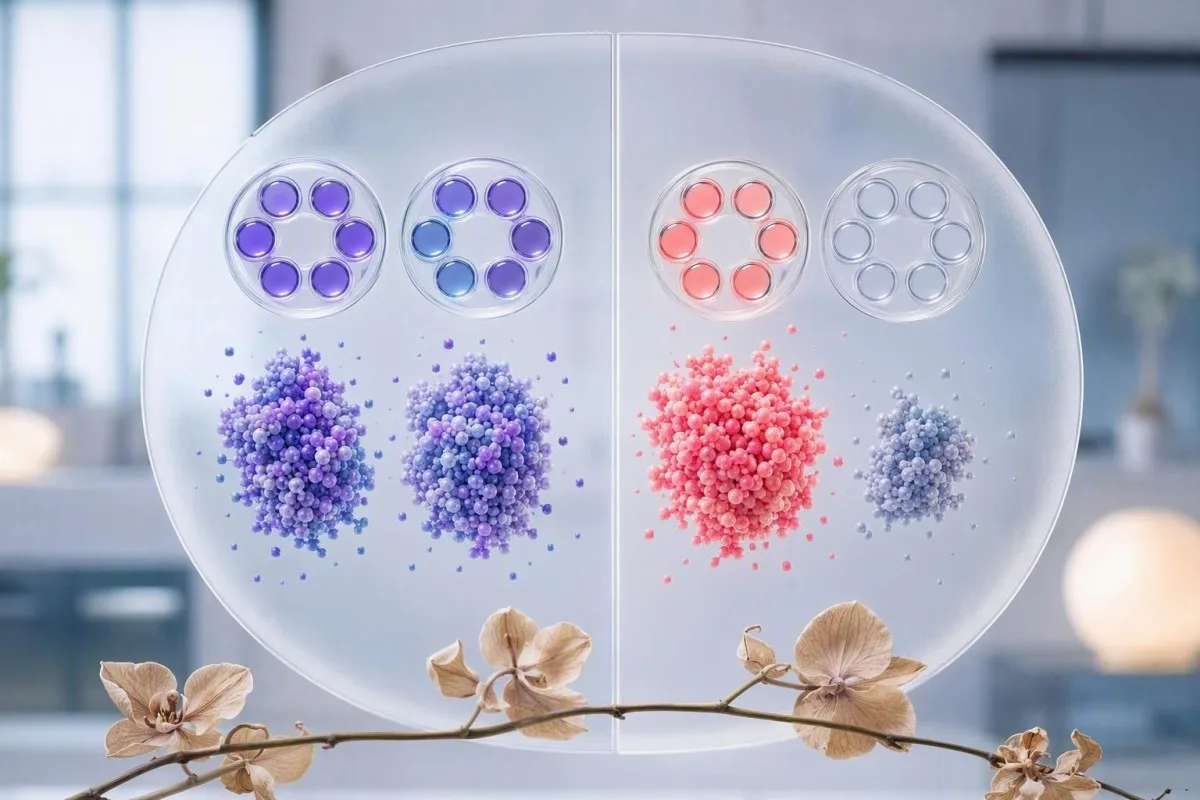
O cálculo é simplemente LH dividido por FSH cando ambos se miden xuntos: LH 12 UI/L e FSH 4 UI/L dá unha relación de 3. Un LH alta FSH baixo o patrón pode reflectir un aumento da frecuencia dos pulsos de LH, pero tamén pode ser unha mostra dun ciclo intermedio, unha perda recente do embarazo, unha redución da inxesta calórica ou unha variación normal. As proporcións son especialmente pouco fiables cando se descoñece o día do ciclo.
A Guía Internacional Baseada en Evidencias de 2023 define a SOP mediante dous de tres características tras excluír imitacións: hiperandroxenismo clínico ou bioquímico, disfunción ovulatoria e morfoloxía ovárica poliquística ou AMH elevada en adultos (Teede et al., 2023). A proporción LH:FSH está ausente deses criterios. Na práctica, o acne, o crecemento de pelo terminal, os ciclos irregulares, a proba de testosterona, SHBG, prolactina e proba de tiroide adoitan engadir máis valor diagnóstico.
Kantesti AI é unha plataforma de interpretación de análises de sangue con IA que identifica un patrón de LH:FSH como un elemento para a discusión, non como unha etiqueta de SOP. Se os períodos están separados por máis de 35 días ou ocorren menos de 8 nun ano, arrange unha revisión clínica; a nosa guía para probas de SOP despois do control de nacemento explica por que o momento despois de deixar as hormonas é importante.
LH alta, FSH baixa: Pista de SOP ou algo máis?
A LH alta cun FSH relativamente baixo reflicte na maioría das veces o momento do ciclo ou a sinalización neuroendocrina tipo SOP, pero non é específica. O resultado merece unha comprobación estruturada para embarazo, enfermidade da tiroide, prolactina elevada, efectos de medicación e exceso de andróxenos.
Cando a LH é de 15 UI/L e o FSH é de 5 UI/L o día 3, primeiro comprobo o estradiol e pregunto pola regularidade do ciclo. Se o estradiol é alto, un folículo pode xa estar activo; se a testosterona é alta e os períodos son infrecuentes, a SOP faise máis plausible. Unha mostra repetida pola mañá nun día de ciclo documentado adoita ser máis informativa que a solicitude inmediata dun panel grande.
A prolactina por riba do límite superior do laboratorio pode alterar a sinalización GnRH e producir períodos irregulares ou ausentes, mentres que as anomalías da TSH poden imitar moitos síntomas da SOP. Unha prolactina lixeiramente alta adoita repetirse nun ambiente tranquilo pola mañá despois de evitar a estimulación do mamilo e o exercicio extenuante durante 24 horas. O noso artigo sobre prolactina lixeiramente elevada abrangue unha reevaluación sensata.
A análise de andróxenos tamén ten límites técnicos. A testosterona total medida por cromatografía líquida-espectrometría de masas en tándem é xeralmente máis fiable a concentracións do rango feminino que moitos inmunoensaios; o SHBG axuda a estimar a exposición a andróxenos libres. Se hai un afondamento rápido da voz, perda marcada de pelo no coiro cabeludo ou crecemento facial rapidamente progresivo durante meses, os clínicos avalían urxentemente causas pouco comúns secretoras de andróxenos en lugar de asumir SOP.
Perimenopausa: Por que a LH e a FSH oscilan tanto
A perimenopausa a miúdo causa FSH e LH erráticos porque a ovulación vólvese intermitente e o estradiol pode ser alto, baixo ou normal dun ciclo ao seguinte. Un único resultado de FSH non pode clasificar fiablemente a perimenopausa en persoas maiores de 45 anos con síntomas típicos.
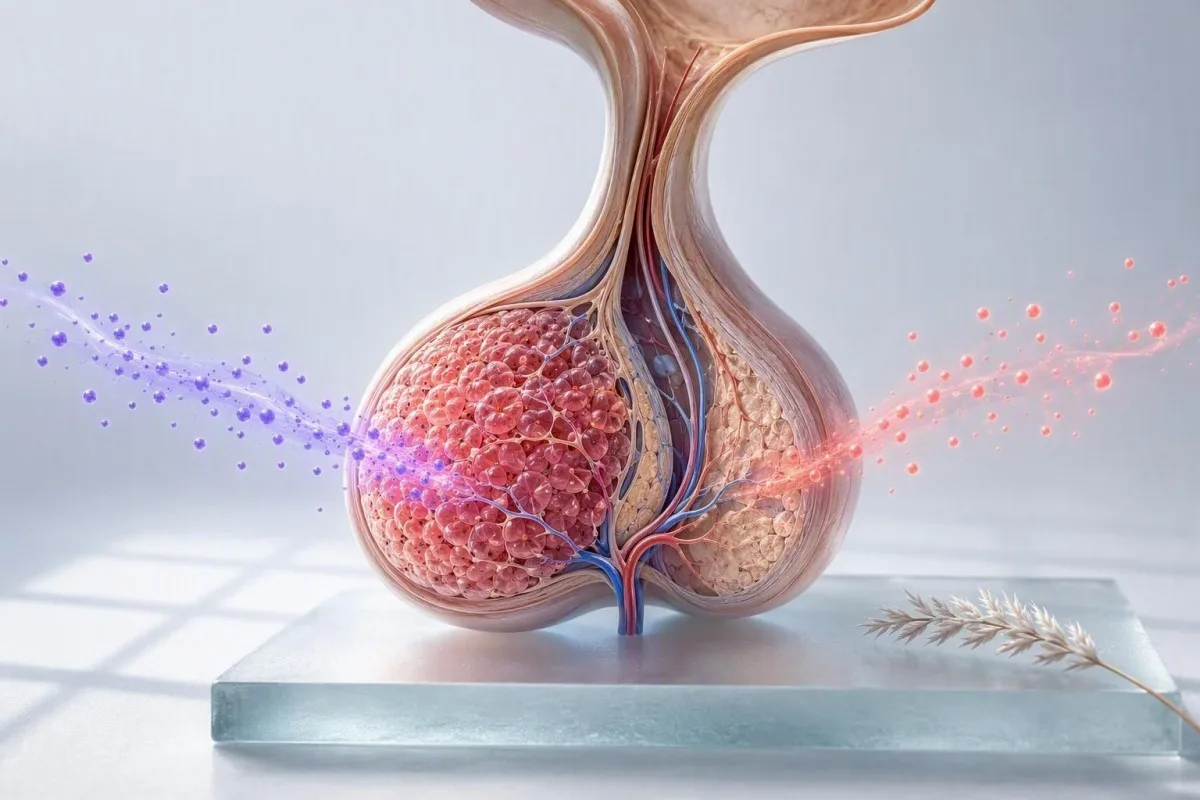
O FSH pode ser de 9 UI/L un mes e 35 UI/L o seguinte, particularmente durante os últimos 2-8 anos antes da última menstruación. A razón non é simplemente “fallo ovárico”: un folículo restante aínda pode producir suficiente estradiol para suprimir temporalmente o FSH. Por iso, un FSH de aspecto normal non descarta a perimenopausa nunha persoa con sofocos e ciclos recentemente irregulares.
NICE recomenda diagnosticar a perimenopausa clinicamente en persoas de 45 anos ou máis con síntomas vasomotores e cambios menstruais, sen probas de laboratorio na maioría dos casos (NICE, 2024). A análise de FSH é menos útil cando se usa anticoncepción hormonal combinada, progestáxeno en dose alta ou HRT sistémica porque estes medicamentos alteran o bucle de retroalimentación. A nosa explicación sobre o estradiol na menopausa mostra por que un resultado illado de estróxenos tamén engana.
O doutor Thomas Klein atopou que os diarios de síntomas e sangrado son sorprendentemente valiosos aquí. Rexístrese a frecuencia de sofocos, a alteración do sono, a duración do ciclo, o patrón de migraña e as datas de tratamento durante 8-12 semanas; iso adoita aclarar unha historia que un só exame de sangue non pode. O sangrado abundante ou frecuente despois dos 45 anos aínda merece unha avaliación clínica, porque os síntomas da menopausa non explican todos os cambios no sangrado.
Resultados da menopausa: O que significan xeralmente a FSH e a LH altas
Despois da menopausa natural, o FSH adoita estar por encima de 25-30 UI/L e o LH adoita estar por encima de 20 UI/L porque a retroalimentación de estróxenos ováricos é baixa. Estes valores apoian a fisioloxía da menopausa pero normalmente non son necesarios para facer o diagnóstico despois dos 45 anos.
Moitos laboratorios posmenopáusicos citan amplos intervalos de FSH como 25-135 IU/L e intervalos de LH en torno a 7-60 UI/L. Hai unha superposición substancial coa perimenopausa tardía, e unha persoa que toma estróxenos pode ter unha FSH moito máis baixa a pesar de estar menopáusica. Unha FSH alta por si mesma non é perigosa e non precisa tratamento.
A menopausa defínese retrospectivamente como 12 meses consecutivos sem menstruação cando ningunha outra causa explica a ausencia de períodos. Para persoas con útero que desenvolven sangrado vaxinal despois dese momento, é necesaria unha revisión médica mesmo se a FSH é convincentemente posmenopáusica. Lea máis sobre FSH despois da menopausa para obter rangos de resultados comúns e excepcións.
A menopausa temperá ocorre antes dos 45 anos, e a insuficiencia ovárica primaria considérase antes dos 40 anos cando períodos irregulares ou ausentes acompañan a evidencia bioquímica de redución da actividade ovárica. A guía actual confirma comúnmente a IO con FSH elevada en dúas mostras separadas por polo menos 4-6 semanas, aínda que os valores de corte exactos varían segundo a guía e o ensaio. A estradiola, as probas de embarazo, o historial autoinmune e o contexto xenético poden ser relevantes en idades máis novas.
Os anticonceptivos e a TH poden facer que a LH e a FSH parezan baixas
A contracepción hormonal combinada normalmente suprime a LH e a FSH, polo que os resultados obtidos mentres se toma non poden avaliar a ovulación natural, a fisioloxía da SOP ou o estado de menopausa. A THS tamén pode reducir a FSH o suficiente como para ocultar un patrón posmenopáusico.
As pílulas, parches e aneis que conteñen etinilestradiol suprimen o eixe hipotálamo-hipófise-ovárico por deseño. Unha LH de 1 UI/L e unha FSH de 2 UI/L nunha pílula combinada adoitan ser un efecto farmacolóxico esperado en lugar dunha enfermidade hipofisaria. Os métodos só de progestáxeno afectan os resultados de forma menos previsible pero aínda poden alterar os patróns de sangrado e ovulación.
Para a avaliación da SOP, os médicos poden esperar uns 3 meses despois de deixar a contracepción hormonal combinada antes de comprobar os andróxenos bioquímicos, se deixar é seguro e apropiado. Isto permite que os niveis de SHBG e a produción de andróxenos se estabilicen, aínda que os ciclos irregulares poden dificultar a precisión do tempo. A nosa guía para resultados de estróxenos na anticoncepción detalla as limitacións do laboratorio.
Non deixe a contracepción ou a THS prescrita só para obter unha proba hormonal sen discutir o risco de embarazo, os síntomas e as alternativas. Kantesti é unha ferramenta de análise de probas de sangue baseada en IA que suxire aos usuarios engadir medicamentos hormonais antes da interpretación do patrón, xa que un resultado suprimido clinicamente normal pode ser sinalado incorrectamente como preocupante.
LH baixa e FSH baixa: Cando o sinal da pituitaria importa
A baixa LH e FSH importan máis cando a estradiola ou a testosterona tamén son baixas e os períodos pararon ou o desenvolvemento puberal está atrasado. Este patrón pode indicar supresión hipotalámica funcional, hiperprolactinemia, enfermidade hipofisaria ou efectos de medicación.

A amenorrea hipotalámica funcional é unha explicación frecuente en persoas con baixa dispoñibilidade de enerxía, perda de peso recente, adestramento de resistencia intenso, enfermidade crónica ou estrés psicolóxico importante. A LH pode estar por debaixo de 2 UI/L, a FSH pode estar por debaixo de 3-5 UI/L, e a estradiola pode ser baixa, pero ningún valor de corte único establece o diagnóstico. O historial adoita fornecer a peza que falta.
Un patrón de LH e FSH baixas é diferente da insuficiencia ovárica, onde a FSH adoita ser alta porque a hipófise está a intentar estimular máis os ovarios. A distinción cambia os seguintes pasos: os médicos poden comprobar a prolactina, a TSH, o estado de embarazo, o cortisol matutino en casos seleccionados e considerar a imaxe da hipófise cando hai dores de cabeza, cambios visuais ou elevación marcada da prolactina. Ver patróns de FSH baixas para esta comparación.
La evaluación urgente es apropiada para dolor de cabeza intenso y repentino, pérdida de visión periférica, desmayos o nuevos síntomas neurológicos junto con la cesación menstrual. En casos menos urgentes, la restauración de una ingesta de energía adecuada y la reducción de la carga de entrenamiento excesiva pueden reiniciar los ciclos, pero esto debe ser guiado por un médico, ya que la salud ósea puede verse afectada después de 6 meses o más de exposición a estrógenos bajos.
LH vs FSH en probas de fertilidade masculina e de testosterona
En hombres, la LH impulsa la producción de testosterona testicular mientras que la FSH apoya la producción de esperma, por lo que el par ayuda a distinguir causas testiculares de hipofisarias de infertilidad o baja testosterona. Un análisis de semen sigue siendo la prueba central para las preguntas de fertilidad relacionadas con los espermatozoides.
Baja testosterona con LH y FSH elevadas sugiere disfunción testicular primaria porque la hipófisis está aumentando su señal. Baja testosterona con LH y FSH bajas o inapropiadamente normales sugiere hipogonadismo secundario o supresión reversible por enfermedad, obesidad, opiáceos, glucocorticoides o prolactina elevada. El muestreo matutino, idealmente antes de las 11 a. m., es importante porque la testosterona normalmente alcanza su pico temprano en el día.
Una FSH por encima del rango de referencia local puede sugerir un deterioro de la espermatogénesis, pero una FSH normal no garantiza un recuento, motilidad o morfología normal de los espermatozoides. Por el contrario, una FSH elevada no es una medida del rendimiento sexual. Nuestro explicador de análisis de semen describe por qué las pruebas de laboratorio de esperma no pueden ser reemplazadas por hormonas.
En un hombre que intenta concebir, la testosterona recetada nunca debe iniciarse de forma casual: la testosterona externa comúnmente suprime la LH y la FSH y puede reducir marcadamente la producción de esperma en pocos meses. Existen alternativas que preservan la fertilidad para pacientes seleccionados, pero requieren un endocrinólogo, urólogo o especialista en fertilidad para adaptar el tratamiento.
Cando un resultado illado de LH ou FSH é enganoso
Un resultado aislado de LH o FSH es engañoso cuando el día del ciclo, el estado de embarazo, los medicamentos hormonales, la enfermedad aguda o el estradiol son desconocidos. Repetir una prueba específica suele ser más seguro y útil que sacar conclusiones generales de un solo número alterado.
Un hombre fértil de 31 años puede tener una FSH de 14 UI/L en una prueba de principios de ciclo y 7 UI/L al mes siguiente, especialmente si el estradiol fue diferente. La imprecisión del laboratorio, la variación biológica y la hora de la recolección contribuyen a ello. El cambio puede parecer alarmante en una aplicación, pero puede caer dentro de la variación esperada dentro de una persona.
La biotina en dosis de 5-10 mg ao día—común en productos para el cabello y las uñas— puede interferir con algunos inmunoensayos de estreptavidina-biotina, aunque la dirección y la magnitud dependen del método de laboratorio. Pregunte al laboratorio o al médico si una pausa de 48 a 72 horas es apropiada antes de volver a realizar la prueba; no suspenda un suplemento médicamente recetado sin consejo. Nuestro guía de calendario das análises de sangue explica otras influencias a corto plazo.
La prueba de embarazo es un paso básico pero fácilmente pasado por alto. La hCG tiene una similitud estructural con la LH y puede suprimir el ciclo reproductivo natural, mientras que el embarazo temprano puede coexistir con síntomas confusos y ausencia de períodos. Si el resultado de la prueba no se ajusta a la historia clínica, los médicos deben verificar el ensayo, la fecha de la muestra y el estado de embarazo antes de investigar diagnósticos raros.
Que probas fan que a LH e a FSH sexan máis útiles?
El estradiol, la progesterona, la AMH, la prolactina, la TSH y los andrógenos a menudo hacen que la LH y la FSH sean interpretables; las adiciones adecuadas dependen de la pregunta clínica. No siempre es mejor solicitar todas las hormonas a la vez, ya que varias pruebas son sensibles al tiempo.
Para períodos irregulares o sospecha de SOP, un médico comúnmente considera la prueba de embarazo, testosterona total, SHBG o testosterona libre calculada, prolactina, TSH y 17-hidroxiprogesterona cuando esté indicado. Para la sospecha de ovulación, la progesterona se mide mejor alrededor del 7 días antes do seguinte período esperado, no automáticamente el día 21; el día 21 solo se ajusta a un ciclo de 28 días.
Para a planificación do tratamento de fertilidade, a AMH pódese medir na maioría dos días do ciclo e reflicte a resposta esperada á estimulación ovárica máis que o potencial de embarazo espontáneo. Unha AMH moi baixa non se debe usar para denegar a atención á fertilidade, e unha AMH alta pode ocorrer na PCOS sen que sexa unha proba dela. A nosa revisión de causas de AMH baixa pon este resultado en perspectiva.
Kantesti AI interpreta os resultados de LH e FSH comprobando biomarcadores asociados e cambios lonxitudinais, en lugar de usar só unha proporción. As persoas que queiran comprender como se aplican a metodoloxía e as salvagardas clínicas poden revisar a nosa normas de validación médica.
Como prepararse para unha proba precisa de LH e FSH
A LH e a FSH normalmente non requiren xaxún, pero a interpretación precisa require o día do ciclo correcto, a lista de medicamentos e un ambiente clínico estable. Para un panel de fertilidade do día 3, a recollida pola mañá entre o día 2 e o 5 do ciclo é un estándar práctico.

Informe ao médico que solicitou a proba sobre a contracepción hormonal, a THS, as inxeccións de fertilidade, a testosterona, os antipsicóticos, os opioides, os glucocorticoides e os suplementos. A enfermidade aguda, a alteración grave do sono e o exercicio moi extenuante poden alterar transitoriamente a sinalización reprodutiva, especialmente cando afectan o balance enerxético ou a prolactina. O xaxún normalmente non é necesario a menos que outras probas solicitadas, como a glicosa ou os lípidos, o requiran.
Se está a repetir un resultado de FSH inesperado, use o mesmo laboratorio e ensaio cando sexa posible, nunha fase comparable do ciclo. Iso é máis informativo que comparar un valor do día 3 dun laboratorio cun valor do día 17 doutro. A nosa guía de preparación para análises de sangue de referencia ofrece unha lista de verificación práctica.
Para unha preocupación de fertilidade en casa, evite interpretar os kits de LH urinaria como valores de LH no sangue. Os kits de ouriños identifican un aumento da LH que a miúdo precede á ovulación entre 24 e 36 horas, pero un kit positivo non pode confirmar a liberación dun óvulo e pode seguir sendo confuso na PCOS. A veces é necesario un seguimento da progesterona ou unha ecografía cando a pregunta clínica é a confirmación da ovulación.
Cando os resultados de LH e FSH precisan seguimento médico
Busque revisión médica para períodos ausentes que duren 3 meses, menopausa antes dos 45 anos, infertilidade, síntomas andróxenos rapidamente progresivos ou gonadotropinas baixas con síntomas neurolóxicos. A LH e a FSH raramente son probas de emerxencia, pero o patrón pode identificar condicións nas que o atraso é inútil.
Reserve unha cita de rutina se os ciclos superan repetidamente os 35 días, ocorren menos de 8 veces ao ano ou se volven repentinamente irregulares despois de ser estables. Se ten menos de 40 anos e ten períodos ausentes ademais de FSH repetidamente por encima de 25 UI/L, a avaliación rápida da insuficiencia ovárica primaria é apropiada porque as implicacións óseas, cardiovasculares e de fertilidade poden necesitar atención temperá.
A revisión na mesma semana é sensata para a galactorrea, dores de cabeza persistentes, nova alteración visual ou cambios andróxenos marcados como o desenvolvemento rápido de pelo facial groseiro con cambio de voz. O sangrado postmenopáusico abundante require avaliación oportuna independentemente dos valores de LH ou FSH. Para os sofocos, os médicos tamén poden descartar enfermidades da tiroides e efectos de medicamentos; a nosa guía de probas de sangue para sofocos explica este diferencial.
O contido médico de Kantesti revísase coa supervisión dun médico, pero unha interpretación non pode substituír unha avaliación de endocrinoloxía reprodutiva ou de atención primaria. Pode coñecer aos profesionais detrás dese proceso de revisión a través da nosa Consello Asesor Médico. A partir do 9 de setembro de 2026, a conclusión máis segura segue sendo o patrón primeiro, a repetición das probas cando sexa necesario e as decisións de tratamento baseadas en síntomas e obxectivos, non nunha proporción LH:FSH.
Unha lista de verificación práctica para ler LH e FSH xuntas
O mellor seguinte paso é comparar os seus valores de LH e FSH co día do ciclo, estradiol, medicamentos, idade e o motivo da proba antes de asignar un significado. Esta comprobación de cinco partes prevén a maioría das malas interpretacións evitables.

Primeiro, identifique a pregunta: ovulación, planificación da fertilidade, períodos irregulares, síntomas da PCOS, síntomas da menopausa ou baixos niveis de testosterona. Segundo, anote a data do último período natural e se está a usar algún medicamento hormonal. Un resultado obtido durante un pico de LH non debe compararse cun resultado de fertilidade do día 3.
Terceiro, parear LH e FSH co estradiol, e engadir probas dirixidas en vez de paneis indiscriminados. Catro, comparar cos teus propios resultados previos usando o mesmo laboratorio onde sexa posible. Kantesti é un servizo de interpretación de probas de laboratorio de IA que pode organizar os resultados hormonais lonxitudinais entre informes, pero os síntomas persistentes ou os patróns anormais aínda precisan dun clínico que poida examinarche e discutir as túas prioridades.
Finalmente, non deixes que unha proporción normal desestime síntomas reais, e non deixes que unha proporción anormal cree un diagnóstico que non tes. Unha cita de 10 minutos cunha coidadosa historia do ciclo a miúdo engade máis que outro análise de sangue non sincronizado. Se necesitas axuda para prepararte para esa conversación, usa o noso lista de verificación de resumo de resultados de visita ao médico.
Preguntas frecuentes
Cal é unha relación normal de LH a FSH?
Non hai unha única relación normal LH:FSH que diagnostique saúde ou enfermidade xa que ambas as hormonas cambian ao longo do ciclo menstrual. Na fase folicular temperá, moitas persoas teñen unha relación próxima a 1:1, mentres que unha relación superior a 2:1 pode ocorrer nalgunhas persoas con SOP e en persoas sen SOP. A guía internacional de SOP de 2023 non utiliza a relación LH:FSH como criterio diagnóstico. Unha relación só é máis significativa cando se consideran xuntos a LH, FSH, o día do ciclo, o estradiol, os resultados de andróxenos e os síntomas.
Un LH alto e un FSH baixo significan SOP?
Un LH alto con FSH relativamente baixo pode ser un indicio de SOP, pero por si só non significa que alguén teña SOP. Un LH de 12 UI/L con FSH de 4 UI/L pode reflectir unha sinalización tipo SOP, pero tamén pode ocorrer preto da ovulación ou cando se descoñece o momento do ciclo. O diagnóstico de SOP require dúas das tres características: disfunción ovulatoria, hiperandroxenismo e morfoloxía ovárica poliquística ou AMH elevada en adultos despois de excluír outras causas. A proba de testosterona, SHBG, prolactina, TSH e o historial menstrual adoitan ser máis útiles que a soa relación.
Que nivel de FSH indica a menopausa?
Un nivel de FSH persistentemente superior a aproximadamente 25-30 UI/L pode indicar menopausa ou insuficiencia ovárica cando o estradiol é baixo e os períodos cesaron. A FSH posmenopáusica adoita situarse entre 25 e 135 UI/L, aínda que os intervalos de laboratorio varían e a THS pode suprimir o valor. En mulleres maiores de 45 anos, a menopausa diagnostícase xeralmente clinicamente despois de 12 meses sen períodos en lugar de mediante probas de FSH. Un único FSH normal non descarta a perimenopausa xa que os niveis poden fluctuar amplamente entre ciclos.
Pódese quedar embarazada con FSH alta?
Si, o embarazo pode ocorrer cun resultado elevado de FSH porque a FSH é un marcador imperfecto da fertilidade e varía de ciclo en ciclo. Unha FSH do día 3 superior a 10-15 UI/L pode suxerir unha redución da reserva ovárica ou unha menor resposta á medicación para a fertilidade, pero non mide a calidade dos óvulos, a permeabilidade das trompas ou os factores espermáticos. O estradiol pode enmascarar unha FSH elevada, polo que as dúas probas deben interpretarse conxuntamente. Calquera persoa que estea intentando concibir durante 12 meses menores de 35 anos, ou 6 meses a partir dos 35 anos, debería buscar unha avaliación da fertilidade.
Por que a miña LH e FSH están baixas?
Baixos LH e FSH poden esperarse durante a contracepción hormonal combinada, o embarazo, a lactación ou despois da ovulación. Cando o estradiol ou a testosterona tamén son baixos e as regras están ausentes, o padrón pode suxerir supresión hipotalámica, prolactina elevada, enfermidade da pituitaria, enfermidade crónica ou efectos de medicamentos. A amenorrea hipotalámica funcional é particularmente común despois de unha perda de peso substancial, baixa inxestión de enerxía ou adestramento de resistencia intenso. Nova dor de cabeza severa, cambios na visión ou galactorrea con baixas gonadotropinas requiren unha revisión médica inmediata.
Débense facer as probas de LH e FSH o día 3?
Para a avaliación da fertilidade basal ou da reserva ovárica, a LH, a FSH e o estradiol mídense habitualmente nos días 2-5 do ciclo, a miúdo chamados probas do día 3. Este momento temperán do folículo fai que os resultados sexan máis comparables porque se reducen os vaivéns hormonais ovulatorios e luteais. A proba non require xexún a menos que outras probas ordenadas o requiran. A LH e a FSH analizadas noutro día aínda poden ser clinicamente útiles, pero o día do ciclo debe ser coñecido para interpretalas con precisión.
Obtén hoxe unha análise de sangue con IA
Únete a máis de 2 millóns de usuarios en todo o mundo que confían en Kantesti para obter unha análise instantánea e precisa das análises de laboratorio. Carga os teus resultados de análise de sangue e recibe unha interpretación completa de biomarcadores de 15,000+ en segundos.
📚 Publicacións de investigación citadas
Klein, T., Mitchell, S., & Weber, H. (2026). Kantesti LTD. (2026). RDW Blood Test: Complete Guide to RDW-CV, MCV & MCHC. Zenodo. Rexistros en ResearchGate e Academia.edu dispoñibles a través de repositorios de publicación enlazados.. Kantesti Investigación médica con IA.
Klein, T., Mitchell, S., & Weber, H. (2026). Kantesti LTD. (2026). BUN/Creatinine Ratio Explained: Kidney Function Test Guide. Zenodo. Rexistros en ResearchGate e Academia.edu dispoñibles a través de repositorios de publicación enlazados.. Kantesti Investigación médica con IA.
📖 Referencias médicas externas
National Institute for Health and Care Excellence (2024). Menopausa: diagnóstico e xestión (NG23). Guía NICE.



⚕️ Aviso médico
Este artigo é só para fins educativos e non constitúe asesoramento médico. Consulta sempre un/ha profesional sanitario/a cualificado/a para decisións de diagnóstico e tratamento.
Sinais de confianza E-E-A-T
Experiencia
Revisión clínica dirixida por un médico dos fluxos de interpretación de análises.
Experiencia
Foco en medicina de laboratorio sobre como se comportan os biomarcadores no contexto clínico.
Autoridade
Escrito polo Dr. Thomas Klein, con revisión da Dra. Sarah Mitchell e do Prof. Dr. Hans Weber.
Fiabilidade
Interpretación baseada en evidencias con vías de seguimento claras para reducir a alarma.