LH eta FSH elkarrekin interpretatu behar dira, zure zikloaren eguna, estradiol maila, sintomak eta sendagaiak kontuan hartuta. Egun bateko emaitza altu edo baxu batek gutxitan diagnostikatzen ditu berez antzutasun arazoak, PCOS edo menopausia.



- Zikloaren denbora LH eta FSH nabarmen aldatzen ditu: 2-5 eguneko azterketa izan ohi da interpretagarriena obulu-erreserba ebaluatzeko.
- Folikuluaren FSH askotan 3-10 IU/L ingurukoa da obulazioaren aurretik, baina laborategi bakoitzak bere erreferentzia-tartea eman behar du.
- LH igoera balioak laburki 20-90 IU/L baino gehiago igo daitezke obulazioaren inguruan; hau fisiologikoa da, ez menopausiaren emaitza.
- LH:FSH ratioa 2 baino gehiago PCOSen gerta daiteke, baina ez du PCOS diagnostikatzen eta ez da 2023ko nazioarteko diagnostiko-irizpideen parte.
- FSH 25 IU/L baino handiagoa errepikatutako azterketetan obulazio-gutxiegitasuna edo menopausia susta dezake, hilerokoak agertzen ez direnean, adinaren eta hormona-erabilpenaren arabera.
- Menopausia normalean klinikoki diagnostikatzen da 45 urtetik gorako 12 hilabetetan hilerikorik izan gabe, ez FSH neurketa bakar batetik.
- LH altua FSH baxuarekin zikloaren erdiko igoera, PCOSaren fisiologia, botikak edo saiakuntzaren denbora islatu dezake; estradiolak eta zikloaren historiak erabakitzen dute esanahia.
- LH eta FSH baxua estradiol baxuarekin hipotalamoaren edo hipofisiaren errepresioa adieraz dezake, batez ere pisua galtzearen, entrenamendu astunaren edo estres larriaren ondoren.
Zer Esaten Dute Benetan LH eta FSH Emaitzek
LH eta FSH hipofisiaren seinaleak dira, ez arrautza kopuruaren edo ugalkortasunaren neurketa zuzenak. LH-k folikuluaren azken heldutasuna eta obulazioa sustatzen ditu, FSH-k garatzen ari diren folikuluak erreklutatzen dituen bitartean; haien esanahia nabarmen aldatzen da 3. egunaren, obulazio-igoeraren, fase lutealaren eta menopausiaren artean.
Ziklo erregularrak dituen pertsona batentzat, zikloaren 3. eguneko 7 IU/L-ko LH eta 6 IU/L-ko FSH ohikoak dira. Balio bereko 7 IU/L-ko LH balioak susmatutako obulazio-leihoan askoz ere gutxiago esan nahi du, LHren jariaketa pulsatilea delako eta ordu gutxiren buruan alda daitekeelako. Pazienteei esaten diet hauek garuneko trafiko-seinaleak direla, ez ugalkortasunaren puntuazio-orria.
Nire lan klinikoan, galdera erabilgarria ez da “zein da altuagoa?”, baizik eta “zer gertatzen zen biologikoki lagina hartu zenean?” Kantesti AI odol-analizatzailea da, LH eta FSH estradiolaren, progesteronaren, adinaren, ziklo-dataren eta aurreko emaitzen ondoan kokatzen dituena, diagnostiko gisa koska bat tratatu beharrean. Gure emakumeen hormona-gida ikuspegi zabalago honek zergatik duen garrantzia azaltzen du.
Thomas Klein doktorearen arau praktikoa sinplea da: isurtze menstrual osoaren lehen eguna 1. egun gisa erregistratu, antisorgailu hormonalak edo HRT dokumentatu, eta mantendu laborategiaren unitateak. IU/L-tan emandako balioa orokorrean zenbakiz trukagarria da mIU/mL-rekin, baina erreferentzia-tarteak eta saiakuntzaren kalibrazioa oraindik desberdinak dira. Kantestiri buruz gure talde mediko eta teknikoek testuen emaitzetan testuingurua nola kudeatzen duten azaltzen du.
LH vs FSH Ereduak Hilekoaren Zikloan Zehar
LH eta FSH biak nahiko baxuak dira hasierako fase folikularrean, LH nabarmen igotzen da obulazioaren aurretik, eta biak jaisten dira berriro fase lutealean. Ziklo- egunik gabeko lagin batek anormala dirudi, nahiz eta gaizki denboratua izan.
Hasierako fase folikularreko erreferentzia-tarte tipikoak gutxi gorabehera hauek dira FSH 3-10 IU/L eta LH 2-12 IU/L, nahiz eta laborategi batek arrazoiz beste mugak ezarri. Obulazioaren inguruan, LH igo daiteke 20-90 IU/L 24-48 orduz, eta FSH-k askotan modu apalagoan igotzen du 4-25 IU/L ingurura. Epe honetan LH altu bakarra obulazio hurbil edo berri baten seinale da.
Obulazioaren ondoren, progesteronak hipofisiaren irteera zapaltzen du, beraz, LH askotan 1-14 IU/L ingurukoa da eta FSH 1-9 IU/L ingurukoa. Progesterona luteal erdiko emaitza gutxi gorabehera 25-30 nmol/L baino altuagoa, edo 8-10 ng/mL saiakuntzaren arabera, obulazioaren atzera begirako froga indartsuagoa da LH bakarrik baino. Ikusi gure gida Progesterona zikloaren egunaren arabera denborarekiko tranpei buruz.
Arazo gutxiago ezaguna pultsuen aldakuntza da. LH pultsuetan askatzen da gutxi gorabehera 1-2 orduz behin ugalketa-adineko heldu askotan, beraz, erreferentzia-mugaren ondoan dagoen balio bat kategoria batetik bestera mugi daiteke errepikatutako lagin batean, aldaketarik egon gabe. Horregatik, klinikoek maiz errepikatzen dute espero ez den 3. eguneko hormona-panela, 1 IU/L-ko alde bati erreakzionatu beharrean.
FSH eta LH Antzutasunaren Azterketa: Zergatik Den Garrantzitsua 3. Eguna
Emankortasunaren hasierako ebaluaziorako, FSH eta estradiol normalean ziklo egunetan 2-5 neurtzen dira, ez arnabesaldiaren ondoren. Ziklo goiztiarreko probak interpretatzeko zaila egiten duten eguneko gorabehera hormonal arruntak murrizten ditu, baina ez ditu ezabatzen.
3. egunean 10 IU/L baino gutxiagoko FSH erosoa izan ohi da, baina ez du arrautza-kalitate normala, tronpa-pasabidea edo kontzepzio naturalaren probabilitatea frogatzen. FSH artifizialki normala ager daiteke estradiol dagoeneko altxatuta badago, askotan baino gehiago 220-294 pmol/L (60-80 pg/mL), estradiolak pituitarioaren FSH zapaltzen duelako. Bikote hori ohiko itsu-gune bat da kontsumitzaileentzako txosten zuzenetan.
ASRM-ren emankortasunaren ebaluazio batzordeak aholkatzen du obulutegien erreserba-probak adina, obulazio-historia, esperma-analisia eta tronpa-ebaluazioa osatu behar dituztela, ez ordezkatu (Practice Committee of ASRM, 2021). AMH eta folikulu-kopuru antiferatuek estimulaziorako obulutegien erantzuna iragartzen dute oinarrizko FSH bakar batek baino koherentzia handiagoz, baina horietako bat bera ere ez da erabili behar norbanako batek naturaltasunez kontzepzioa izan dezakeenaren erabakia hartzeko. Gure IVF-aren hasierako hormona-ikuspegi orokorrak test hauek beren eginkizun egokian jartzen ditu.
Ikusi dut 34 urteko FSH 12 IU/L batek tratamendurik gabe kontzepzioa izan duela, eta 29 urteko FSH 6 IU/L batek laguntza behar izan duela tronpa-gaixotasunagatik. Adibide horiek ez dira promesak; arrazoia da klinikariek ez dutela FSH-a gainditu-falta proba gisa erabiltzen. Emankortasun-ebaluazio osoa egokia izaten da normalean 35 urtetik beherakoentzat 12 hilabete saiatu ondoren, 35 urtetik aurrerakoentzat 6 hilabete ondoren, edo lehenago hilerik gabe egonez gero, pelbiseko aurretiko ebakuntza edo gizonezkoen kezka ezagunak izanez gero.
LH:FSH Ratioak PCOS Diagnostikatzen Al Du?
Ez, LH:FSH ratio altxatuek ez dute PCOS diagnostikatzen. 2:1 edo 3:1 baino handiagoa den ratioa PCOS duten pertsona batzuengan ager daiteke, baina ratio normalak ere ohikoak dira PCOS-ean eta ratio altuak kanpoan ere agertzen dira.
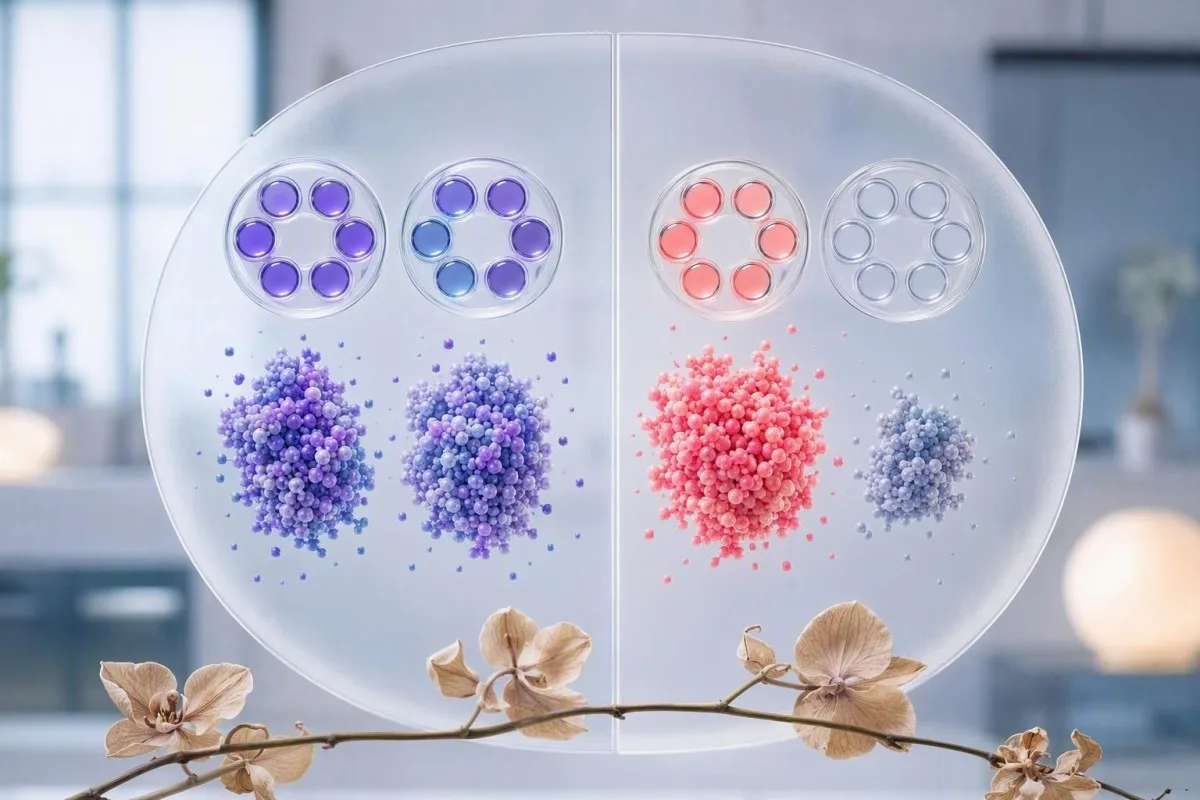
Kalkulua, besterik gabe, LH zatituta FSHrekin denean biak elkarrekin hartuta: LH 12 IU/L eta FSH 4 IU/L-ek 3ko ratioa ematen du. LH altua, FSH baxua eredua LH pultsu-maiztasunaren igoera islatu dezake, baina baita zikloaren erdiko lagin bat, haurdunaldiaren galera berria, kaloria-ingesta murriztua edo ohiko aldaketa bat ere. Erlatiboak bereziki fidagarriak ez dira zikloaren eguna ezezaguna denean.
2023ko Nazioarteko Ebidentzian Oinarritutako Gidak PCOS definitzen du hiru ezaugarrietatik bi erabiliz imitazioak baztertu ondoren: hiperandrogenismo klinikoa edo biokimikoa, disbuntzio obulatzailea eta obulutegiko morfologia polikistikoa edo AMH altua helduetan (Teede et al., 2023). LH:FSH erlazioa ez dago irizpide horietan. Praktikan, akneak, ile-hazkunde terminalak, ziklo irregularrek, testosteronak, SHBGk, prolaktinak eta tiroide-analisiek balio diagnostiko gehiago ematen dute normalean.
Kantesti AI odol-analisien interpretazio plataforma bat da, LH:FSH eredua eztabaidarako abiapuntu gisa identifikatzen duena, PCOS etiketatzat hartu gabe. Hilerokoak 35 egun baino gehiagoko atzerapenarekin hasten badira edo urtean 8 baino gutxiago gertatzen badira, berrikuspen klinikoa eskatu; gure gidak PCOS azterketa jaiotza-kontrolaren ondoren azaltzen du zergatik den garrantzitsua hormonak eten ondorengo denbora.
LH Altua, FSH Baxua: PCOS Aitzindari ala Zerbait Bestea?
LH altuak, FSH erlatiboki baxuarekin batera, gehienetan zikloaren denbora edo PCOS-motako seinale neuroendokrinoak islatzen ditu, baina ez da zehatza. Emaitzak haurdunaldia, tiroide-gaixotasuna, prolaktina altua, botiken eraginak eta androgenoen gehiegizko egoera aztertzeko egiaztapen egituratu bat merezi du.
LH 15 IU/L eta FSH 5 IU/L badaude 3. egunean, lehenik estradiol-a aztertzen dut eta zikloaren erregulartasunari buruz galdetzen dut. Estradiola altua bada, folikulu bat aktibo egon daiteke jada; testosterona altua bada eta hilerokoak irregularrak badira, PCOS zuzenagoa bihurtzen da. Zikloaren egun dokumentatua duen goizeko lagin errepikatu bat normalean informazio gehiago ematen du berehala analisi-panel handi bat eskatzea baino.
Laborategiko goiko mugatik gorako prolaktinak GnRH seinalizazioa eten dezake eta hileroko irregularrak edo ez egotea sor dezake, TSHren anomaliak PCOSren sintoma asko imita ditzakeen bitartean. Prolaktina apur bat altua normalean goizeko egoera lasai batean errepikatu behar da titien estimulazioa eta ariketa fisiko bizia 24 orduz saihestu ondoren. Gure artikuluak prolaktina apur bat altua berriz aztertze egokiak biltzen ditu.
Androgenoen analisiak ere muga teknikoak ditu. Kromatografia likidozko espektrometria-masaren bidez neurtutako testosterona totala, emakumezkoen maila kontzentrazioetanImmunoanalyzers baino fidagarriagoa izaten da, SHBGk androgeno askearen esposizioa kalkulatzen laguntzen du. Ahotsaren sakontzea azkarra, buruko ile-galera nabarmena edo aurpeiko ilearen hazkunde azkarra hilabete batzuetan gertatzen bada, medikuek azkar ebaluatzen dute androgenoak jariatzen dituzten arrazoi arraroak, PCOS suposatzeaz gain.
Perimenopausia: Zergatik Aldatzen Dira Hain Urrun LH eta FSH
Perimenopausiak FSH eta LH irregularrak sortzen ditu sarri, obulazioa tarteka bihurtzen delako eta estradiol-a altua, baxua edo normala izan daitekeelako ziklo batetik bestera. FSH bakarreko emaitza batek ezin du fidagarritasunez estadiatu perimenopausia 45 urtetik gorako pertsonengan sintoma tipikoekin.
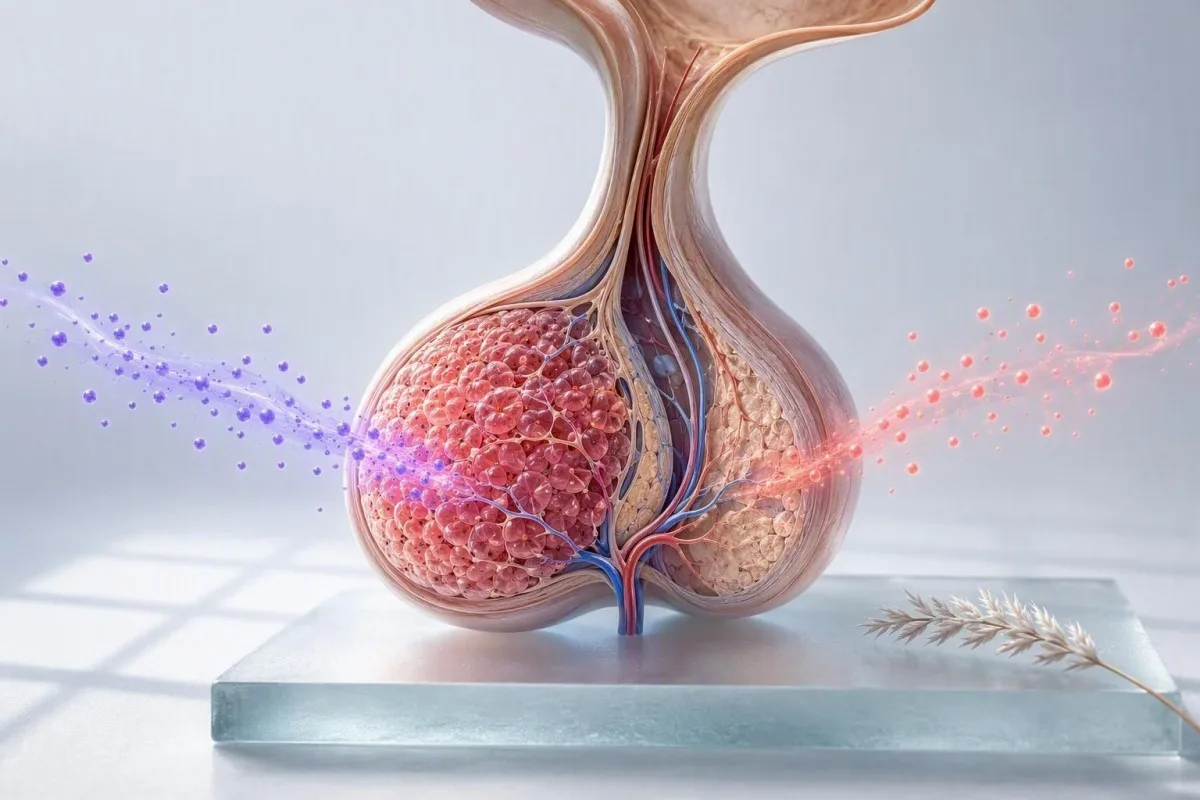
FSH 9 IU/L izan daiteke hilabete batean eta 35 IU/L hurrengoan, bereziki azken hilekoaren aurreko azken 2-8 urteetan. Arrazoia ez da soilik “obulutegiko porrota”: geratzen den folikulu batek nahikoa estradiol sor dezake FSH behin-behinean zapaltzeko. Horregatik, FSH normalak ez du perimenopausia baztertzen gorritzeak eta ziklo irregular berriak dituen norbaitengan.
NICEk perimenopausia klinikoa diagnostikatzea gomendatzen du 45 urtetik gorako pertsonengan, sintoma vasomotorrak eta hilekoaren aldaketa dutenengan, kasu gehienetan laborategiko probak egin gabe (NICE, 2024). FSH probak gutxiago balio du antisorgailu hormonal konbinatuak, progestogeno dosi altuak edo HRT sistemikoa erabiltzean, botika hauek feedback-loop-a aldatzen baitute. Gure azalpena menopausean estradiolari buruzkoa erakusten du zergatik diren isolatutako estrogeno emaitza engainagarriak ere.
Thomas Klein doktoreak sintoma eta odoljarioen egunkariak oso baliotsuak aurkitu ditu hemen. Erregistratu bero-boladen maiztasuna, loaren etenaldia, zikloaren luzera, migrainaren eredua eta tratamendu-datak 8-12 astez; horrek askotan odol-ateratze bakar batek ezin duen istorio bat argitzen du. 45 urtetik gorako odoljario ugari edo maizek azterketa klinikoa merezi dute oraindik, menopausiaren sintomek ez baitute odoljarioaren aldaketa guztia azaltzen.
Menopausiaren Emaitzak: Zeri Erreparatu Ohi Dioten FSH eta LH Altuek
Menopausia naturalaren ondoren, FSHk 25-30 IU/L baino gehiago izan ohi du eta LHk 20 IU/L baino gehiago, obulutegiko estrogenoen feedback baxua delako. Balio hauek menopausiaren fisiologia onartzen dute, baina ez dira normalean beharrezkoak 45 urtetik gorakoentzat diagnostikoa egiteko.
Postmenopausiaren tarte zabalak aipatzen dituzte laborategi askok, hala nola 25-135 IU/L eta LH tarteak 7-60 IU/L. Perimenopausia berantiarrarekin bat-etortze nabarmena dago, eta estrogenoa hartzen duen pertsona batek FSH askoz txikiagoa izan dezake menopausikoa izan arren. FSH altua izatea ez da berez arriskutsua eta ez du tratamendurik behar.
Menopausia atzera begira definitzen da 12 hilabete jarraian menstruaziorik gabe , beste arrazoirik ez denean periodorik ez egotearen erantzule. Gorputz-barrunbea duten pertsonek, puntu horretatik aurrera baginako odoljarioa izaten hasten badute, medikuaren ebaluazioa behar dute FSH menopausiaren ondorengoa izan arren. Irakurri gehiago menopausiaren osteko FSH ohiko emaitza tarteak eta salbuespenak.
. Menopausia goiztiarra 45 urte baino lehen gertatzen da, eta obulu-gutxiegitasun primarioa 40 urte baino lehen kontuan hartzen da, periodorik ez egoteak edo irregularrak izateak obuluaren jarduera murriztuaren froga biokimikoekin batera, baldin badago. Egungo jarraibideek POI baieztatzen dute, oro har, 4-6 astez gutxienez banandutako bi laginetan FSH altuarekin, nahiz eta zehaztasun-mugak jarraibide eta saiakera bakoitzeko aldatu. Estradiola, haurdunaldi-proba, historia autoimmunea eta testuinguru genetikoa garrantzitsuak izan daitezke adin gazteagoetan.
Antikontzeptiboak eta HRTk LH eta FSH Baxuak Izatea Egon Daitezke
Kontrazepzio hormonal konbinatuak, oro har, LH eta FSH kentzen ditu, beraz, hartzen ari zaren bitartean lortutako emaitzek ezin dute ebaluatu emakumeen obulazio naturala, PCOSaren fisiologia edo menopausiaren egoera. HRT-k ere FSH nahikoa murriztu dezake menopausiaren ondorengo eredu bat ezkutatzeko.
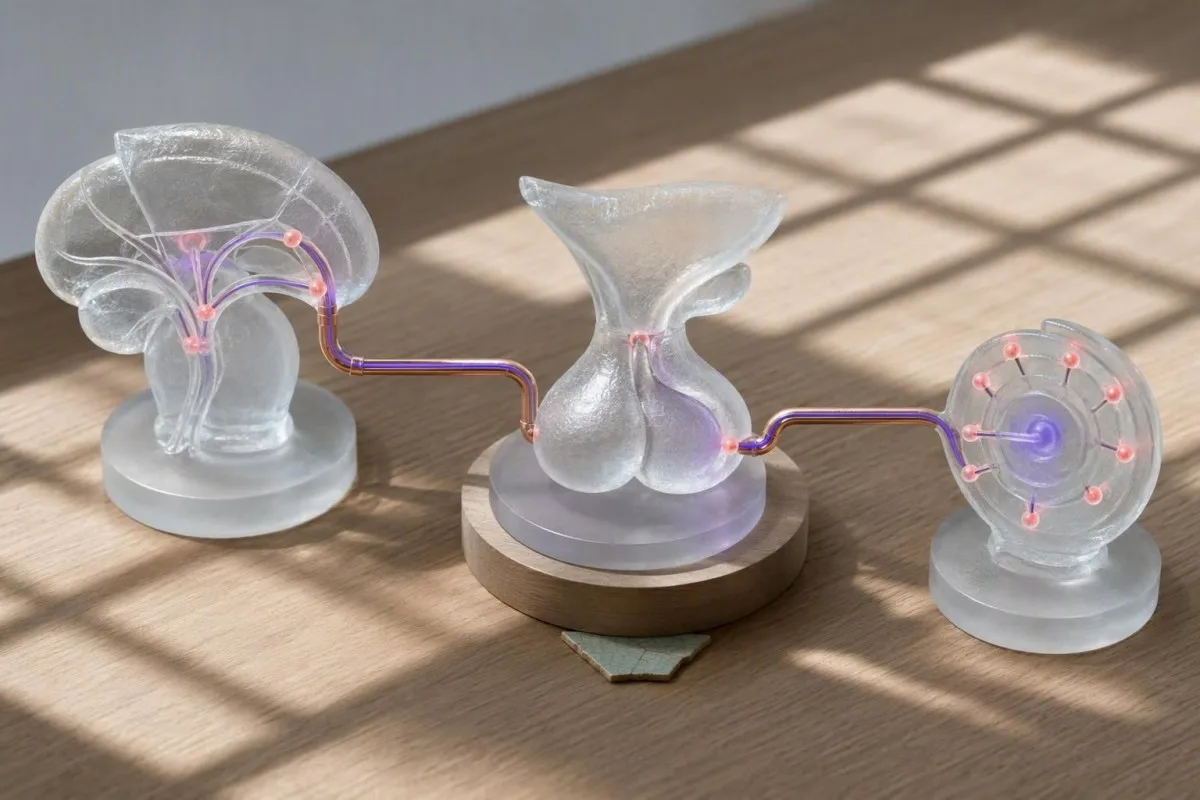
Etinilestradiol duten pilulek, adabakiek eta eraztunek hipotalamo-hipofisi-obulutegiko ardatza diseinuagatik kentzen dute. Pilula konbinatu batean 1 IU/L-ko LH eta 2 IU/L-ko FSH askotan efektu farmakologiko espero dena da, ez hipofisiaren nahaste bat. Progestogeno bakarrak dituzten metodoek emaitzetan eragin gutxiago dute iragarrita, baina hala ere odoljario eta obulazio ereduak alda ditzakete.
PCOS ebaluatzeko, medikuak 3 hilabete inguru itxaron dezakete kontrazepzio hormonal konbinatua eten ondoren , biokimikoak eta androgenoak aztertu aurretik, etetea segurua eta egokia bada. Horrek SHBG eta androgenoen ekoizpena egonkortzea ahalbidetzen du, nahiz eta ziklo irregularrak zail egin dezaketen zehaztasun-denbora. Gure gida estrogenaren emaitzak kontrol-hormoetan laborategiko mugei buruzko xehetasunak ematen ditu.
Ez eten kontrazepzioa edo agindutako HRT hormona-proba bat egiteko, haurdunaldi-arriskua, sintomak eta alternatibak eztabaidatu gabe. Kantesti AIak bultzatutako odol-analisia egiteko tresna bat da, erabiltzaileei hormona-medikazioak gehitzeko eskatzen diena ereduak interpretatu aurretik, bestela klinika-egoera normal baten kentzea susmagarritzat oker jo baitaiteke.
LH eta FSH Baxuak: Noiz Den Garrantzitsua Hipofisiaren Seinalea
LH eta FSH baxuak gehienbat estradiol edo testosterona ere baxua denean eta periodoak gelditu direnean edo pubertatea atzeratu denean dira garrantzitsuak. Eredu honek hipofisiaren kentze funtzionala, hiperprolaktinemia, hipofisiaren gaixotasuna edo botiken eraginak adieraz ditzake.

Amenorrea funtzional hipotalamikoa azalpen ohikoa da energia-eskuragarritasun baxua, azkenaldiko pisua galtzea, erresistentzia-entrenamendu intentsiboa, gaixotasun kronikoa edo estres psikologiko handia duten pertsonengan. LH 2 IU/L baino txikiagoa izan daiteke, FSH 3-5 IU/L baino txikiagoa izan daiteke, eta estradiola baxua izan daiteke, baina ez dago muga bakar bat ere diagnostikoak ezartzen dituena. Historiak ematen du askotan falta den piezaren bat.
LH eta FSH baxuen eredua obulu-gutxiegitasunaren desberdina da; izan ere, obulu-gutxiegitasunean FSH altua izan ohi da, hipofisiak obuluak suspertzeko gehiago saiatzen baita. Desberdintasunak hurrengo urratsak aldatzen ditu: medikuak prolaktina, TSH, haurdunaldi-egoera, goizeko kortisola azter ditzake kasu hautatuetan eta hipofisiaren irudiak kontuan hartu buruko minak, ikusmen aldaketak edo prolaktinaren igoera nabarmena daudenean. Ikusi FSH baxuen ereduak konparaketa honetarako.
Balorazio presazkoa dagokio buruko min zorrotz, ikusmen periferikoa galtzea, zorabioak edo sintoma neurologiko berriak izanez gero, hilekoaren etenarekin batera. Kasu gutxiago presazkoetan, nahikoa energia hartzea eta gehiegizko entrenamendu karga murrizteak zikloak berrezar ditzake, baina hori kliniko gidatua izan behar da hezurren osasuna kaltetu baitaiteke ondoren 6 hilabete edo gehiago estrogeno baxuko esposizioaren ondorioz.
LH vs FSH Gizonezkoen Antzutasunean eta Testosteronaren Azterketan
Gizonezkoetan, LH-k testosterona ekoizpena bultzatzen du barrabilean, eta FSH-k espermatozoideen produkzioari eusten dio, beraz, bikoteak ugalkortasunaren edo testosterona baxuaren kausa barrabilekoak edo hipofisikoak bereizten laguntzen du. Espermatozoideen analisiak ugalkortasuneko galdera espermatozoideen inguruko proba nagusia izaten jarraitzen du.
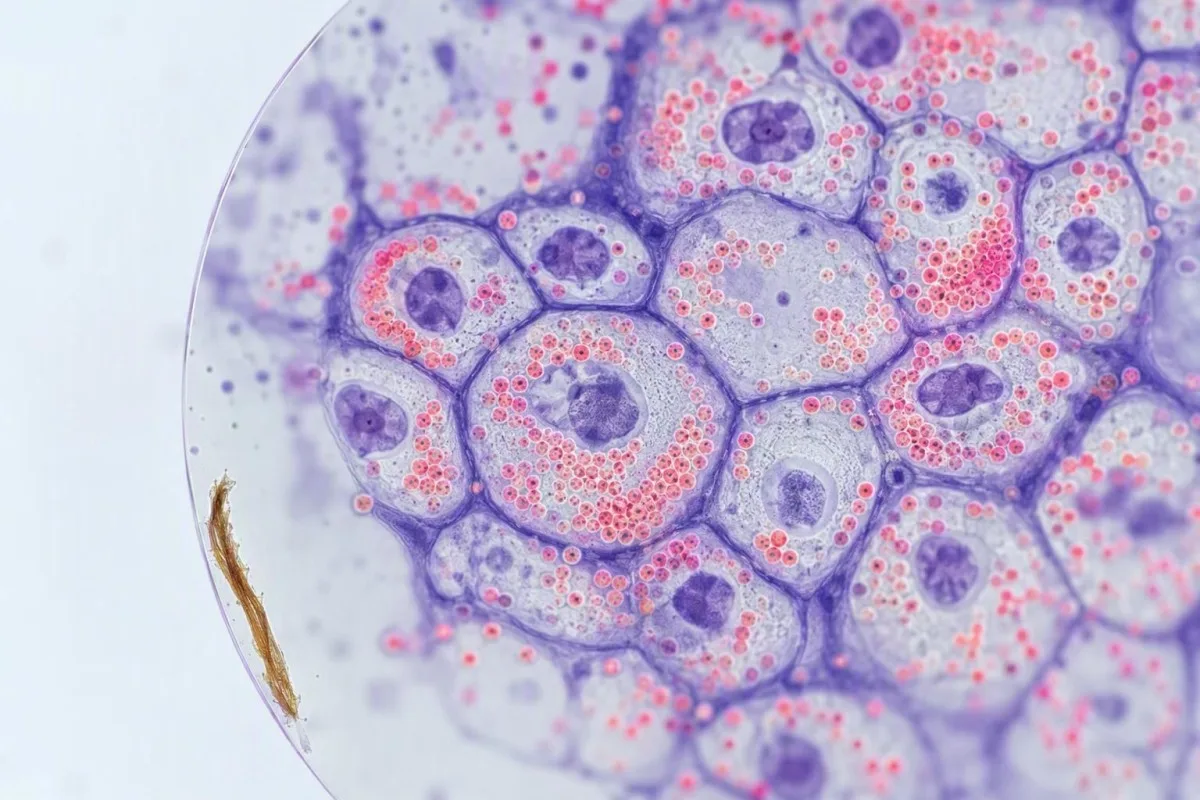
Testosterona baxuak LH eta FSH altuekin batera barrabilen funtzio nahaste primarioa iradokitzen du, hipofisiak bere seinalea handitzen baitu. Testosterona baxuak LH eta FSH baxuak edo espero baino normalagoak izateak hipogonadismo sekundarioa edo gaixotasun, obesitate, opioide, glukokortikoide edo prolaktina altuaren ondoriozko erreversiozko zapalketa iradokitzen du. Goizeko laginketa, ahal dela 11:00ak baino lehen, garrantzitsua da, testosterona normalean egunean goiz hasten baita.
FSH erreferentzia-tarte lokalaren gainetik izateak spermatogenesi kaltetua iradoki dezake, baina FSH normal batek ez du bermatzen espermatozoideen kopuru, mugikortasun edo morfologia normala. Aitzitik, FSH altua ez da sexu-errendimenduaren neurri bat. Gure espermatozoideen analisiari buruzko azalpena argitzen du laborategiko espermatozoideen probak zergatik ezin diren hormonen bidez ordezkatu.
Haurdun geratu nahian dabilen gizonezko batean, inoiz ez da preskribatutako testosterona ausaz hasi behar: kanpoko testosteronak LH eta FSH zapaltzen ditu normalean eta hilabete gutxiren buruan espermatozoideen produkzioa nabarmen murriztu dezake. Ugalkortasuna zaintzeko alternatibak badaude paziente hautatuentzat, baina endokrinologo, urologo edo ugalkortasuneko espezialista batek tratamendua egokitu behar du.
Noiz Den Baliogabea LH edo FSH Emaitza Bakartu Bat
LH edo FSH bakarraren emaitza nahasgarria da zikloaren eguna, haurdunaldiaren egoera, botika hormonalak, gaixotasun akutua edo estradiol ezezagunak direnean. Proba zehatza errepikatzea seguruagoa eta erabilgarriagoa da maiz ondorio zabalak ateratzea zenbaki finkatu bakar batetik baino.
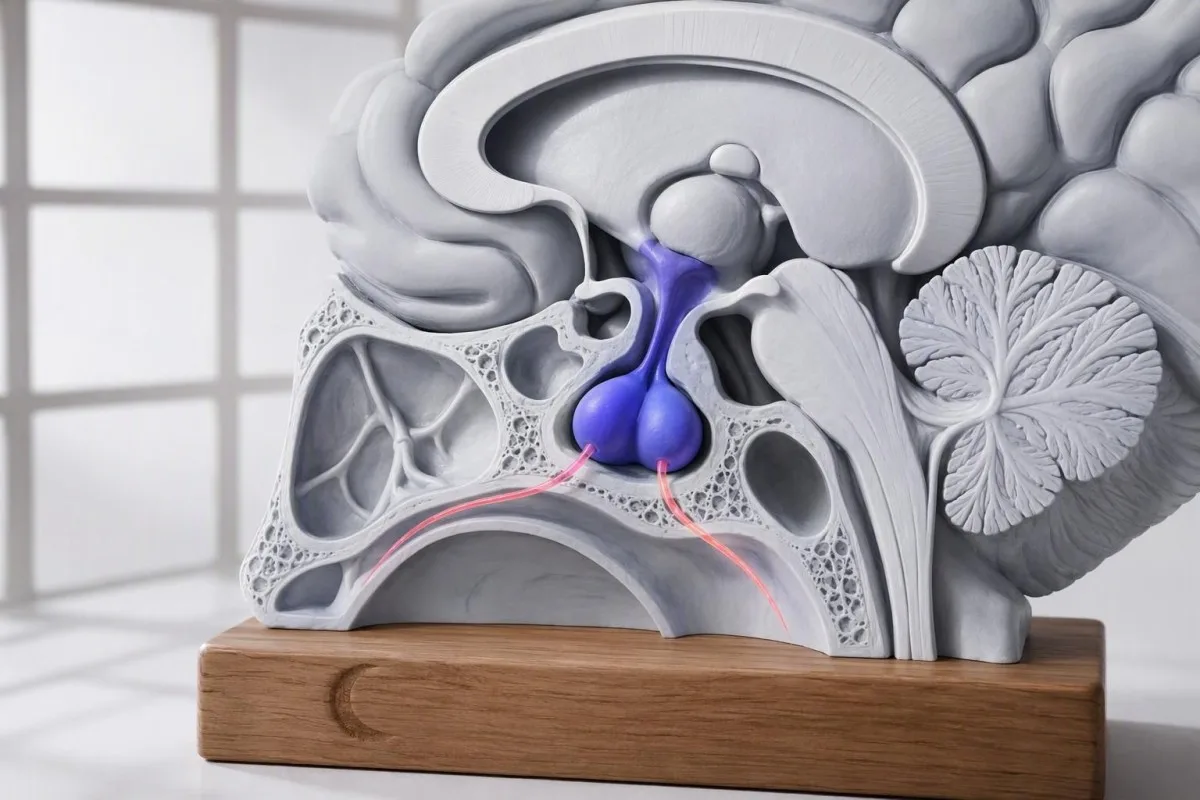
31 urteko emakume emankor batek 14 IU/L FSH izan dezake ziklo goiztiarreko proba batean eta 7 IU/L hurrengo hilean, batez ere estradiola desberdina izan balitz. Laborategiko zehaztasunik eza, aldakortasun biologikoa eta jasotako unea guztiak laguntzen dute. Aldaketak beldurgarria dirudi aplikazio batean, hala ere, espero diren pertsonen arteko aldakortasunaren barruan egon daiteke.
Biotina dosietan 5-10 mg—ile eta iltze produktuen ohiko osagaia— zenbait streptavidin-biotin immunoassay-rekin nahas daiteke, norabidea eta magnitudea laborategiko metodoaren araberakoa izan arren. Galdetu laboratorioko edo klinikariari 48-72 orduko etenaldia egokia den berriro probatu aurretik; ez eten aholkurik gabe hartzen ari zaren osagarririk. Gure odol-probaren denbora-gidak beste eragin batzuk azaltzen ditu epe laburrean.
Haurdunaldiaren proba urrats oinarrizkoa da baina erraz galdaitekeena. hCG-k egiturazko antzekotasuna du LH-rekin eta ziklo erreproduktibo naturala zapal dezake, haurdunaldi goiztiarra sintoma nahasgarriekin eta etenaldiekin batera gerta daitekeenean. Proba emaitzak istorio klinikoarekin bat ez badatoz, klinikoek saiakera, laginaren data eta haurdunaldiaren egoera egiaztatu beharko lituzkete diagnoosi arraroak jarraitu aurretik.
Zein Azterketek Dute Baliagarriagoa LH eta FSH
Estradiolak, progesteronak, AMH, prolaktinak, TSH-k eta androgenoek maiz LH eta FSH ulergarri bihurtzen dituzte; gehiketa egokiak galdera klinikoaren araberakoak dira. Hormona guztiak aldi berean eskatzea ez da beti hobea, zenbait proba denboraz sentikorrak baitira.
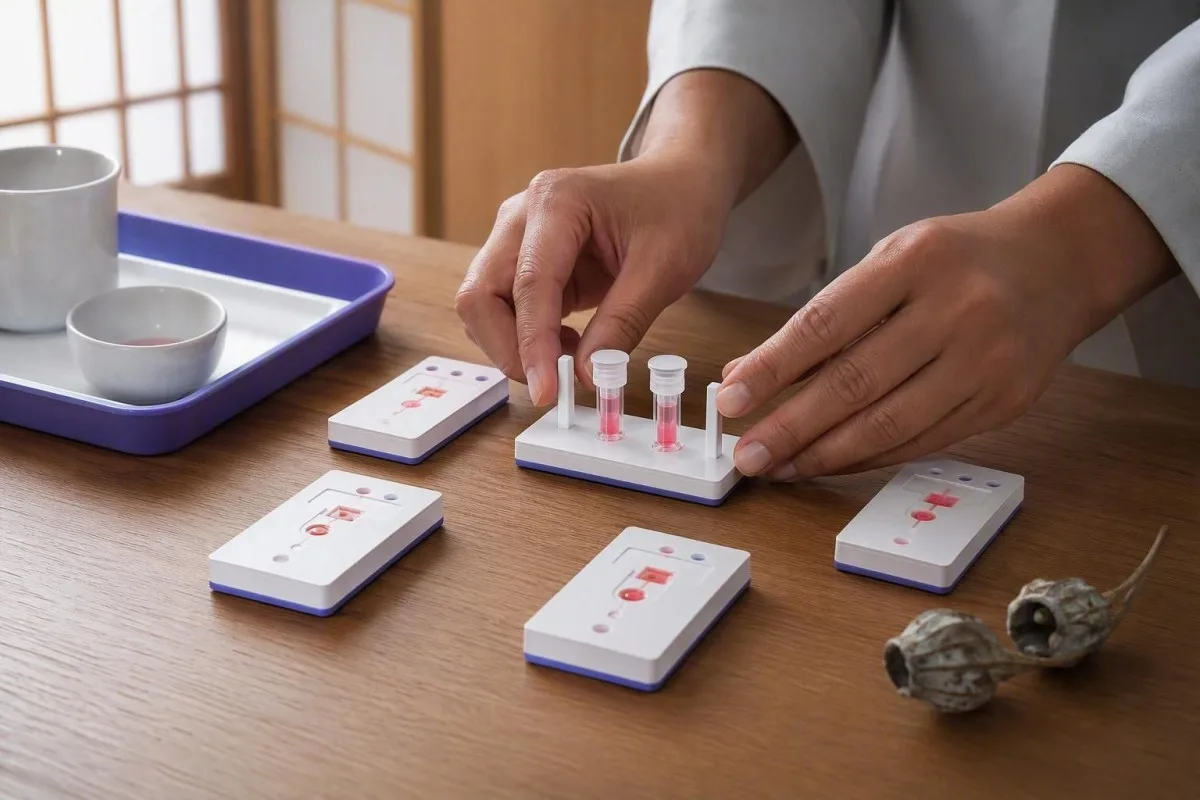
Hileko irregularrak edo PCOS susmatzekoak direnean, klinikoak sarritan kontuan hartzen ditu haurdunaldiaren testa, testosterona osoa, SHBG edo kalkulatutako testosterona librea, prolaktina, TSH eta 17-hidroxiprogesterona behar denean. Obulazioa susmatzekotan, progesterona neurtzea egokiena da gutxi gorabehera 7 egun lehenago, ez automatikoki 21. egunean; 21. eguna 28 eguneko zikloari bakarrik dagokio.
Berezitasunaren tratamendua planifikatzeko, AMH ziklo egun gehienetan neur daiteke eta obulutegiko estimulazioari erantzun espero dena islatzen du ugalkortasun naturalaren potentziala baino gehiago. AMH oso baxua ez da erabili behar ugalkortasun-arretari uko egiteko, eta AMH altua gerta daiteke PCOS kasuetan, hori frogatu gabe. Gure berrikuspenak AMH baxuaren kausak emaitza hau perspektiban jartzen du.
Kantesti AIk LH eta FSH emaitzak interpretatzen ditu, lagunarteko biomarkatzaileak eta aldaketa longitudinalak egiaztatuz, ratio bat bakarrik erabili beharrean. Metodologia eta segurtasun klinikoak nola aplikatzen diren ulertu nahi dutenek gure baliozkotze medikoko estandarrak.
Nola Prestatu LH eta FSH Azterketa Zehatz Baterako
berrikusi dezakete. LH eta FSHk ez dute normalean baraualdia behar, baina interpretazio zehatzak behar du ziklo-egun egokia, botiken zerrenda eta egoera kliniko egonkorra. Eguneko 3ko ugalkortasun-panelearako, 2-5 eguneko zikloan goizeko bilketa estandar praktikoa da.

Esan agindua ematen duen klinikari kontracezepzio hormonalari, TSHri, ugalkortasun-injekzioei, testosteronari, antipsikotikoei, opioideei, glukokortikoideei eta osagarriei buruz. Gaixotasun akutuek, loaren etenaldi handiek eta ariketa oso gogorrak aldi baterako alda ditzakete ugalketa-seinaleak, bereziki energia-balantzea edo prolaktina eragiten dutenean. Baraualdia ez da normalean beharrezkoa beste proba batzuk, hala nola glukosa edo lipidoak, eskatzen ez badute.
Ustekabeko FSH emaitza bat berriro probatzen ari bazara, erabili laborategi eta saiakuntza bera ahal den neurrian, ziklo-fase konparagarri batean. Hori informazio gehiago ematen du laborategi bateko 3. eguneko balio bat beste bateko 17. eguneko balio batekin alderatzea baino. Gure oinarrizko odol-analisiaren prestaketa gida zerrenda praktiko bat eskaintzen du.
Etxeko ugalkortasun-kezka bat baldin baduzu, saihestu gernuko LH kitak odolaren LH balioekin interpretatzea. Gernuko kitak LHren igoera bat identifikatzen dute, sarritan obulaziotik 24-36 ordu lehenago gertatzen dena, baina kit positibo batek ezin du arrautza askatu baieztatu eta nahasgarria izan daiteke PCOS kasuetan. Progesterona denboraketa edo ultrasoinua beharrezkoa izan daiteke batzuetan obulazioaren baieztapena klinikoa denean.
Noiz Behar Duten LH eta FSH Emaitzek Mediku Jarraipena
Bilatu mediku-azterketa 3 hilabetez izan ez diren aldiei, 45 urtetik beherako menopausiari, antzutasunari, androgenoen sintomen progresio azkarrei edo neurologiarekin gonadotropina baxuei. LH eta FSH arraroak dira larrialdietako probak, baina ereduak atzerapena lagungarria ez den egoerak identifikatu ditzake.
Erreserbatu ohiko hitzordua zikloek behin eta berriro 35 egun gainditzen badituzte, urtero 8 aldiz baino gutxiagotan gertatzen badira, edo bat-batean irregular bihurtzen badira lehen egonkor egon ondoren. 40 urtetik beherakoa bazara eta FSH aldizka 140tik gora baduzu 25 IU/L, obulutegiko gutxiegitasun primarioaren azterketa azkarra egokia da, hezurrak, kardiobaskularrak eta ugalkortasunaren inplikazioek arreta goiztiarra behar izan dezaketelako.
Asteko berrikuspena egokia da galaktorrearentzat, buruko min iraunkorrentzat, ikusmen-nahasmendu berrientzat, edo androgenoen aldaketa nabarmenetarako, hala nola aurpegi-ile latzaren garapen azkarra ahots-aldaketarekin. Menopausia osteko odoljario handiak azterketa puntuala behar du LH edo FSH balioak gorabehera. Hotz-flaxetarako, klinikoek tiroide-gaixotasuna eta botiken eraginak ere baztertu ditzakete; gure hot-flax odol-proba gida bereizketa hori azaltzen du.
Kantesti-ren eduki medikoa mediku-gainbegiratzearekin berrikusten da, baina interpretazio batek ezin du ordezkatu ugalketa-endokrinologiaren edo lehen mailako arretaren azterketa. Zuk berrikuspen prozesu horren atzean dauden profesionalak ezagutu ditzakezu gure Medikuntza Aholku Batzordea. bidez. 2026ko irailaren 9tik aurrera, seguruena den ondorio nagusia eredua lehenik, behar denean errepikatzea probak, eta tratamendu-erabakiak sintoma eta helburuetan oinarritzea da, ez LH:FSH ratio batean.
LH eta FSH Elkarrekin Irakurtzeko Kontrol Zerrenda Praktikoa
Hurrengo urratsik onena zure LH eta FSH balioak ziklo-egunarekin, estradiolarekin, botikekin, adinarekin eta probaren arrazoiarekin lotzea da esanahia esleitu aurretik. Bost ataleko egiaztapen honek saihes daitezkeen interpretazio oker gehienak ekiditen ditu.

Lehenik eta behin, identifikatzea galdera: obulazioa, ugalkortasunaren plangintza, aldizkako aldizkakoak, PCOS sintomak, menopausiaren sintomak edo testosterona baxua. Bigarrenik, idatzi azken hileko naturalaren data eta ea botika hormonalik erabiltzen ari zaren. LHren gorakadaren garaian lortutako emaitza ez da 3. eguneko ugalkortasun-emaitza batekin alderatu behar.
Hiru, parekatu LH eta FSH estradiolarekin, eta gehitu proba zuzenduak, panel arbitrarioak baino gehiago. Lau, alderatu zure aurreko emaitzekin, ahal denean laborategi berarekin. Kantesti AI laborategiko test interpretazio zerbitzu bat da, txostenen arteko hormona-emaitza longitudinalak antolatu ditzakeena, baina sintoma iraunkorrek edo patroi anormalek oraindik ere kliniko bat behar dute, azterketa egin eta zure lehentasunak eztabaidatu ditzakeen.
Azkenik, ez utzi ratio normal batek benetako sintomak baztertzen, eta ez utzi ratio anormal batek ez duzun diagnostiko bat sortzen. Zikloaren historia zainduarekin egindako 10 minutuko hitzordua odola hartu aurretik baino gehiago gehitzen du askotan. Elkarrizketa horretarako prestatzen lagunduko bazaizu, erabili gure mediku-bisita emaitza laburpen-zerrenda.
Maiz egiten diren galderak
Zein da LHren eta FSHren arteko ratio normala?
Ez dago LH:FSH ratio normal bakarra baliozkotzen duenik osasuna edo gaixotasuna diagnostikatzeko, bi hormonek aldizkako aldaketak baitituzte hilekoaren zikloan. Folikulu-fase goiztiarrean, jende askok 1:1 ratioa du, eta 2:1etik gorako ratioa ager daiteke PCOS duten pertsona batzuengan eta PCOS ez duten pertsonengan. 2023ko nazioarteko PCOS gidalerroak ez du LH:FSH ratioa irizpide diagnostiko gisa erabiltzen. Ratioa esanguratsuena LH, FSH, ziklo-eguna, estradiol, androgenoen emaitzak eta sintomak elkarrekin kontuan hartzen direnean baino ez da.
LH altuak eta FSH txikiak PCOS esan nahi du?
LH altua FSHarekiko nahiko baxua izatea PCOS-en seinale izan daiteke, baina ez du esan nahi pertsona batek PCOS duenik berez. 12 IU/L-ko LH batek 4 IU/L-ko FSH batekin PCOS motako seinalea islatu dezake, baina baita ere obulazio inguruan edo zikloaren denbora ezezaguna denean. PCOS diagnostikoak hiru ezaugarriren bi eskatzen ditu: obulazio-nahasmendua, hiperandrogenismoa eta obario polikistikoen morfologia edo AMH altua helduetan beste kausa batzuk baztertu ondoren. Testosterona, SHBG, prolaktina, TSH eta hilekoaren historia baliagarriagoak izan ohi dira ratioa bakarrik baino.
Zein FSH mailak adierazten du menopausia?
25-30 IU/L baino gehiagoko FSH maila iraunkorrak menopausia edo obulu-gutxiegitasuna suspertu dezake, estradiola baxua denean eta hilekoak eten direnean. Menopausia osteko FSH maila, oro har, 25 eta 135 IU/L bitartekoa izaten da, nahiz eta laborategiko tarteak aldatu eta HRTk balio hori zapaldu dezakeen. 45 urtetik gorako pertsonengan, menopausia normalean klinikoki diagnostikatzen da, hilerik gabe 12 hilabete igaro ondoren, FSH probak egitea baino. FSH maila normal bakarrak ez du baztertzen perimenopausia, mailak zikloen artean asko alda daitezkeelako.
Haurdun geratu al zaitezke FSH altuarekin?
Bai, haurdunaldia gerta daiteke FSH altua duten emaitzekin, FSH ugalkortasunaren marka inperfektua delako eta ziklotik ziklora aldatzen delako. 3. eguneko FSH 10-15 IU/L-tik gorakoa bada, obulutegiko erreserba murriztua edo ugalkortasun-medikaziorako erantzun txikiagoa adieraz dezake, baina ez du obuluaren kalitatea, tronparen iragazkortasuna edo espermaren faktoreak neurtzen. Estradiolak FSH altua ezkuta dezake, beraz, bi probak elkarrekin interpretatu behar dira. 35 urtetik beherako 12 hilabetez edo 35 urtetik gorako 6 hilabetez haurdun geratzen saiatzen den edonork ugalkortasun-ebaluazioa bilatu beharko luke.
Zergatik ditut baxu LH eta FSH hormonak?
LH eta FSH baxuak espero daitezke antisorgailu hormonal konbinatuak erabiltzean, haurdunaldian, edoskitzean edo obulazioaren ondoren. Estradiola edo testosterona ere baxuak badira eta hilerik ez bada, hipotalamoaren supresioa, prolaktina altua, hipofisiaren gaixotasuna, gaixotasun kronikoak edo botiken eraginak adieraz ditzake. Amenorrea funtzional hipotalamikoa bereziki ohikoa da pisua nabarmen galdu ondoren, energia gutxi hartzean edo ariketa fisiko intentsiboa egitean. Buruko min berri larria, ikusmen aldaketak edo galaktorrea gonadotropina baxuekin badaude, premiazko azterketa medikoa eskatzen dute.
Egin behar dira LH eta FSH probak 3. egunean?
Emankortasunaren edo obulutegiaren erreserbaren hasierako balioespenaren kasuan, LH, FSH eta estradiol neurtzen dira ohikoan zikloaren 2-5 egunetan, askotan 3. eguneko proba deitua. Folikulu goiztiarreko momentu horrek emaitzak alderagarriago egiten ditu obulazio eta luteo faseko hormonen gorabeherak murrizten direlako. Probak ez du baraualdia beharrik, beste proba batzuek hala eskatzen ez badute. LH eta FSH beste egun batean probatzeak ere balio klinikoa izan dezake, baina zikloaren eguna jakin behar da horiek zuzen interpretatzeko.
Lortu gaur AI bidezko odol-analisien analisia
Batu mundu osoko 2 milioi erabiltzaile baino gehiagok Kantesti-n konfiantza dutenak, laborategiko analisiak berehala eta zehaztasunez aztertzeko. Igo zure odol-analisien emaitzak eta jaso 15,000+ biomarkatzaileen interpretazio integrala segundo gutxitan.
📚 Erreferentziatutako ikerketa-argitalpenak
Klein, T., Mitchell, S., & Weber, H. (2026). Kantesti LTD. (2026). RDW odol-proba: RDW-CV, MCV eta MCHC-ren gida osoa. Zenodo. ResearchGate eta Academia.edu erregistroak argitalpen gordailu lotuetatik eskuragarri.. Kantesti AI Medical Research.
Klein, T., Mitchell, S., & Weber, H. (2026). Kantesti LTD. (2026). BUN/kreatininaren ratioa: giltzurrun-funtzio probak gida. Zenodo. ResearchGate eta Academia.edu erregistroak argitalpen gordailu lotuetatik eskuragarri.. Kantesti AI Medical Research.
📖 Kanpoko erreferentzia medikoak
Osasunaren eta Arreta Bikaintasunaren Institutu Nazionala (2024). Menopausia: diagnostikoa eta kudeaketa (NG23). NICE Gidalerroa.




⚕️ Ohar medikoa
Artikulu hau hezkuntza-helburuetarako da soilik eta ez du mediku-aholkurik ematen. Diagnostiko- eta tratamendu-erabakietarako, beti kontsultatu osasun-profesional kualifikatu bati.
E-E-A-T Konfiantza-seinaleak
Esperientzia
Medikuek gidatutako berrikuspen klinikoa laborategiko interpretazioaren lan-fluxuei buruz.
Espezializazioa
Laborategiko medikuntzaren ikuspegia biomarkatzaileek testuinguru klinikoan nola jokatzen duten aztertzean.
Autoritatea
Dr. Thomas Klein-ek idatzia, eta Dr. Sarah Mitchell eta Prof. Dr. Hans Weber-ek berrikusia.
Fidagarritasuna
Ebidentzian oinarritutako interpretazioa, alarma murrizteko jarraipen-bide argiekin.