La LH i la FSH s'han d'interpretar juntes, tenint en compte el dia del cicle, el nivell d'estradiol, els símptomes i els medicaments. Un resultat alt o baix en un dia aleatori poques vegades diagnostica per si sol problemes de fertilitat, SOP o menopausa.



- Moment del cicle canvien substancialment la LH i la FSH: les proves del dia 2-5 solen ser les més interpretables per a l'avaluació de la reserva ovàrica.
- FSH fol·licular sovint és d'aproximadament 3-10 IU/L abans de l'ovulació, però cada laboratori ha de proporcionar el seu propi interval de referència.
- ressorgiment de la LH els valors poden augmentar breument per sobre de 20-90 IU/L al voltant de l'ovulació; això és fisiològic, no un resultat de menopausa.
- Ràtio LH:FSH per sobre de 2 pot ocórrer en la SOP, però no diagnostica la SOP i no forma part dels criteris diagnòstics internacionals de 2023.
- FSH per sobre de 25 IU/L en proves repetides pot donar suport a la insuficiència ovàrica o la menopausa quan no hi ha menstruació, depenent de l'edat i l'ús d'hormones.
- Menopausa normalment es diagnostica clínicament després de 12 mesos sense menstruació després dels 45 anys, no a partir d'una única mesura de FSH.
- LH alt i FSH baix pot reflectir el pic de mig cicle, la fisiologia de la SOP, medicaments o el moment de la prova; els estrògens i l'historial del cicle decideixen el significat.
- LH i FSH baixos amb estrògens baixos poden indicar supressió hipotalàmica o hipofisària, especialment després de pèrdua de pes, entrenament intens o estrès greu.
El que realment us diuen els resultats de la LH i la FSH
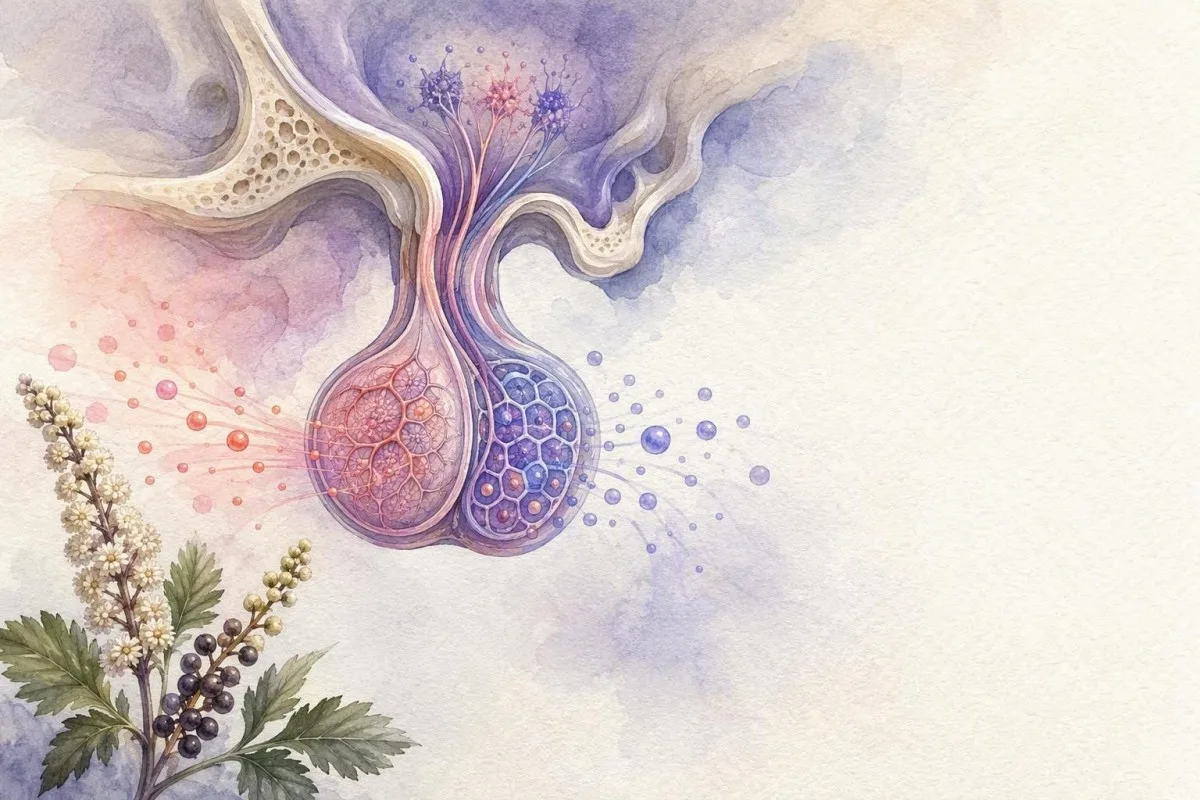
L'LH i la FSH són senyals hipofisaris, no mesures directes del nombre d'òvuls o la fertilitat. L'LH promou la maduració final del fol·licle i l'ovulació, mentre que la FSH recluta els fol·licles en desenvolupament; el seu significat canvia dràsticament entre el dia 3, el pic ovulatori, la fase lútia i la menopausa.
Per a una persona amb cicles regulars, una LH de 7 IU/L i una FSH de 6 IU/L el dia 3 del cicle és generalment poc important. La mateixa LH de 7 IU/L durant una finestra ovulatòria sospitada diu molt menys, perquè l'alliberament d'LH és pulsàtil i pot canviar en poques hores. Dic als pacients que aquests són senyals de trànsit del cervell, no un marcador de fertilitat.
En el meu treball clínic, la pregunta útil no és “quina és més alta?” sinó “què estava passant biològicament quan es va prendre aquesta mostra?” Kantesti és un analitzador de proves de sang d'IA que situa l'LH i la FSH al costat dels estrògens, la progesterona, l'edat, la data del cicle i els resultats previs en lloc de tractar una bandera com a diagnòstic. El nostre guia d’hormones de les dones explica per què aquesta visió més àmplia és important.
La regla pràctica del Dr. Thomas Klein és senzilla: registreu el primer dia de flux menstrual complet com a dia 1, documenteu la contracepció hormonal o la teràpia hormonal substitutiva (THS) i mantingueu les unitats pròpies del laboratori. Un valor informat en IU/L és generalment numèricament intercanviable amb mIU/mL, però els intervals de referència i la calibració de l'assaig encara difereixen. Sobre Kantesti descriu com els nostres equips mèdics i tècnics gestionen el context en els resultats reportats.
Patrons de LH vs FSH al llarg del cicle menstrual
L'LH i la FSH són relativament baixes en la fase fol·licular primerenca, l'LH augmenta bruscament abans de l'ovulació, i totes dues tornen a caure en la fase lútia. Una mostra sense dia de cicle pot semblar anòmala quan simplement està mal programada.
Els intervals de referència típics de la fase fol·licular primerenca són aproximadament FSH 3-10 IU/L i LH 2-12 IU/L, encara que un laboratori pot establir raonablement límits diferents. Al voltant de l'ovulació, l'LH pot augmentar fins a 20-90 IU/L durant 24-48 hores, mentre que la FSH sovint augmenta de manera més modesta fins a aproximadament 4-25 IU/L. Una única LH alta durant aquest interval sol ser un signe d'ovulació imminent o recent.
Després de l'ovulació, la progesterona suprimeix la producció hipofisària, de manera que l'LH sol estar al voltant de 1-14 IU/L i la FSH al voltant de 1-9 IU/L. Un resultat de progesterona en fase lútia mitjana superior a aproximadament 25-30 nmol/L, o 8-10 ng/mL depenent de l'assaig, proporciona una evidència retrospectiva més sòlida d'ovulació que només l'LH. Consulteu la nostra guia de progesterona per dia del cicle per a les trampes del moment.
El problema menys familiar és la variació dels polsos. L'LH s'allibera en polsos aproximadament cada 1-2 hores en molts adults en edat reproductiva, de manera que un valor proper a un límit de referència pot canviar de categoria en una mostra de repetició sense cap canvi clínic. És per això que els metges sovint repeteixen un panell hormonal inesperat del dia 3 en lloc de reaccionar a una diferència d'1 IU/L.
Proves de fertilitat de FSH i LH: per què és important el dia 3
Per a l'avaluació de la fertilitat basal, l'FSH i els estrògens normalment es mesuren els dies 2-5 del cicle, no després de l'ovulació. Les proves a principis de cicle redueixen, però no eliminen, les oscil·lacions hormonals normals que fan que un resultat sigui difícil d'interpretar.
Un FSH inferior a 10 IU/L el dia 3 sovint és tranquil·litzador, però no prova una qualitat d'òvuls normal, permeabilitat tubàrica o probabilitat de concepció natural. L'FSH pot aparèixer artificialment normal si els estrògens ja estan elevats, sovint per sobre de 220-294 pmol/L (60-80 pg/mL), perquè els estrògens suprimeixen l'FSH hipofisari. Aquesta combinació és un punt cec comú en els informes directes al consumidor.
El comitè d'avaluació de la fertilitat de l'ASRM aconsella que les proves de reserva ovàrica haurien de complementar, no substituir, l'edat, l'historial ovulatori, l'anàlisi d'esperma i l'avaluació tubàrica (Practice Committee of ASRM, 2021). L'AMH i el recompte de fol·licles antrals prediuen la resposta ovàrica a la estimulació de manera més consistent que un únic FSH basal, però cap d'elles s'hauria d'utilitzar com a veredicte sobre si un individu pot concebre de manera natural. La nostra visió general de les hormones basals per a la FIV estableix aquestes proves en el seu paper adequat.
He vist una dona de 34 anys amb FSH 12 IU/L concebre sense tractament, i una dona de 29 anys amb FSH 6 IU/L necessitar ajuda per malaltia tubàrica. Aquests exemples no són promeses; són la raó per la qual els clínics no utilitzen l'FSH com a prova de passar/no passar. Una avaluació completa de la fertilitat és generalment apropiada després de 12 mesos intentant-ho abans dels 35 anys, després de 6 mesos a partir dels 35 anys, o abans amb absència de menstruacions, cirurgia pèlvica prèvia o preocupacions conegudes del factor masculí.
La relació LH:FSH diagnostica la SOP?
No, una relació LH:FSH elevada no diagnostica SOP. Una relació superior a 2:1 o 3:1 pot ocórrer en algunes persones amb SOP, però les relacions normals també són comunes en la SOP i les relacions altes ocorren fora d'ella.
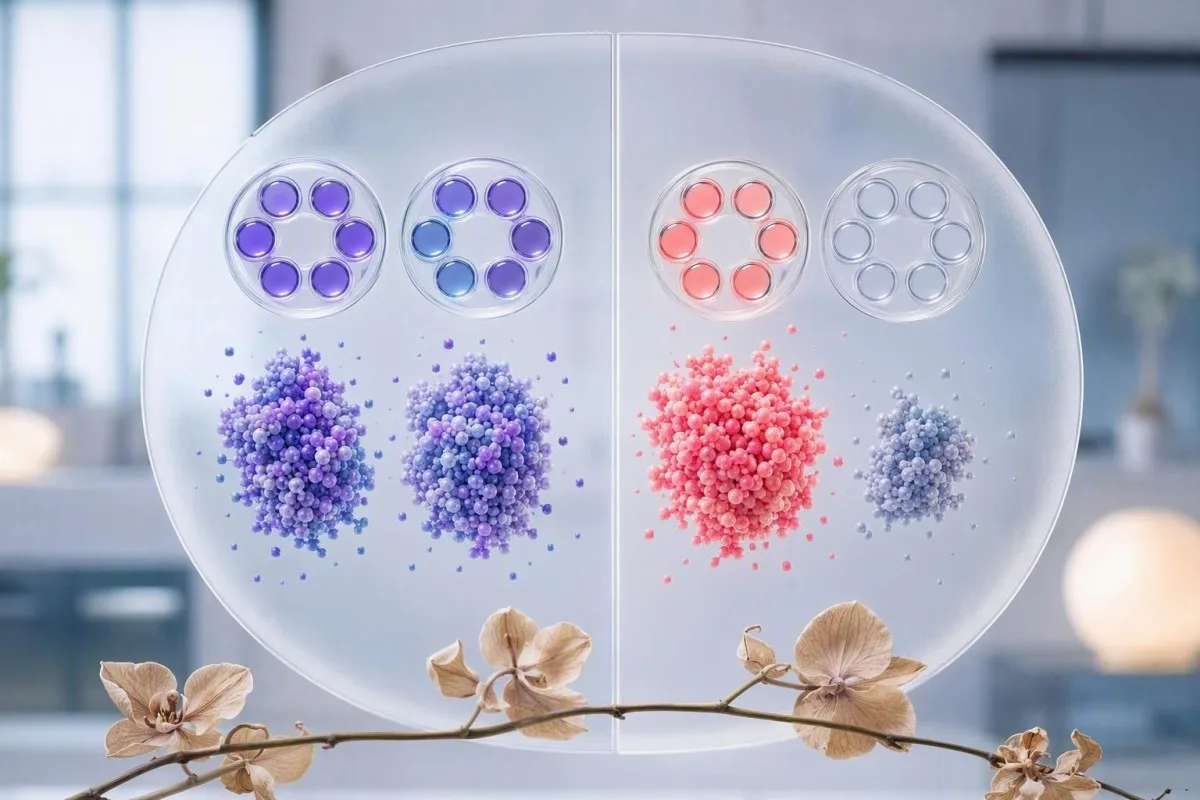
El càlcul és simplement LH dividida per FSH quan ambdues es mesuren juntes: LH 12 IU/L i FSH 4 IU/L dóna una relació de 3. LH alta FSH baixa patró pot reflectir una freqüència de polsos d'LH augmentada, però també pot ser una mostra de meitat de cicle, una pèrdua recent d'embaràs, una ingesta calòrica reduïda o una variació ordinària. Les ràtios són especialment poc fiables quan es desconeix el dia del cicle.
La Guia Internacional 2023 basada en l'evidència defineix la SOP utilitzant dues de tres característiques després d'excloure imitacions: hiperandrogenisme clínic o bioquímic, disfunció ovulatòria i morfologia ovàrica poliquística o AMH elevada en adults (Teede et al., 2023). La ràtio LH:FSH està absent d'aquests criteris. A la pràctica, l'acne, el creixement del pèl terminal, els cicles irregulars, les proves de testosterona, SHBG, prolactina i tiroide solen afegir més valor diagnòstic.
Kantesti AI és una plataforma d'interpretació d'anàlisi de sang AI que identifica un patró LH:FSH com a suggeriment de discussió, no com a etiqueta de SOP. Si les menstruacions són a més de 35 dies de distància o menys de 8 ocorren en un any, organitzeu una revisió clínica; la nostra guia sobre prova de SOPQ després del control de natalitat explica per què el moment després de deixar les hormones és important.
LH alta, FSH baixa: pista de SOP o alguna cosa més?
Una LH alta amb una FSH relativament baixa reflecteix més sovint la sincronització del cicle o la senyalització neuroendocrina tipus SOP, però no és específica. El resultat mereix una revisió estructurada per a embaràs, malaltia tiroideal, prolactina elevada, efectes de medicaments i excés d'andrògens.
Quan l'LH és de 15 IU/L i la FSH és de 5 IU/L el dia 3, primer comprovo l'estradiol i pregunto per la regularitat del cicle. Si l'estradiol és alt, un fol·licle ja pot estar actiu; si la testosterona és alta i les menstruacions són infreqüents, la SOP esdevé més plausible. Una mostra repetida al matí en un dia de cicle documentat sol ser més informativa que demanar immediatament un panell gran.
La prolactina per sobre del límit superior del laboratori pot alterar la senyalització GnRH i produir menstruacions irregulars o absents, mentre que les anomalies de la TSH poden imitar molts símptomes de la SOP. Una prolactina lleugerament alta s'ha de repetir normalment en un entorn tranquil al matí després d'evitar la estimulació del mugró i l'exercici intens durant 24 hores. El nostre article sobre prolactina lleugerament elevada cobreix un retesting sensat.
Les proves d'andrògens també tenen límits tècnics. La testosterona total mesurada per cromatografia líquida-espectrometria de masses en tàndem és generalment més fiable a concentracions de rang femení que moltes immunoassajos; l'SHBG ajuda a estimar l'exposició a andrògens lliures. Si hi ha un enrogiment ràpid de la veu, una pèrdua nova marcada de cabell al cuir cabellut o un creixement facial de pèl ràpidament progressiu durant mesos, els clínics avaluen urgentment causes rares de secreció d'andrògens en lloc d'assumir SOP.
Perimenopausa: per què la LH i la FSH oscil·len tant
La perimenopausa sovint provoca FSH i LH erràtiques perquè l'ovulació esdevé intermitent i l'estradiol pot ser alt, baix o normal d'un cicle a l'altre. Un sol resultat de FSH no pot classificar de manera fiable la perimenopausa en persones majors de 45 anys amb símptomes típics.
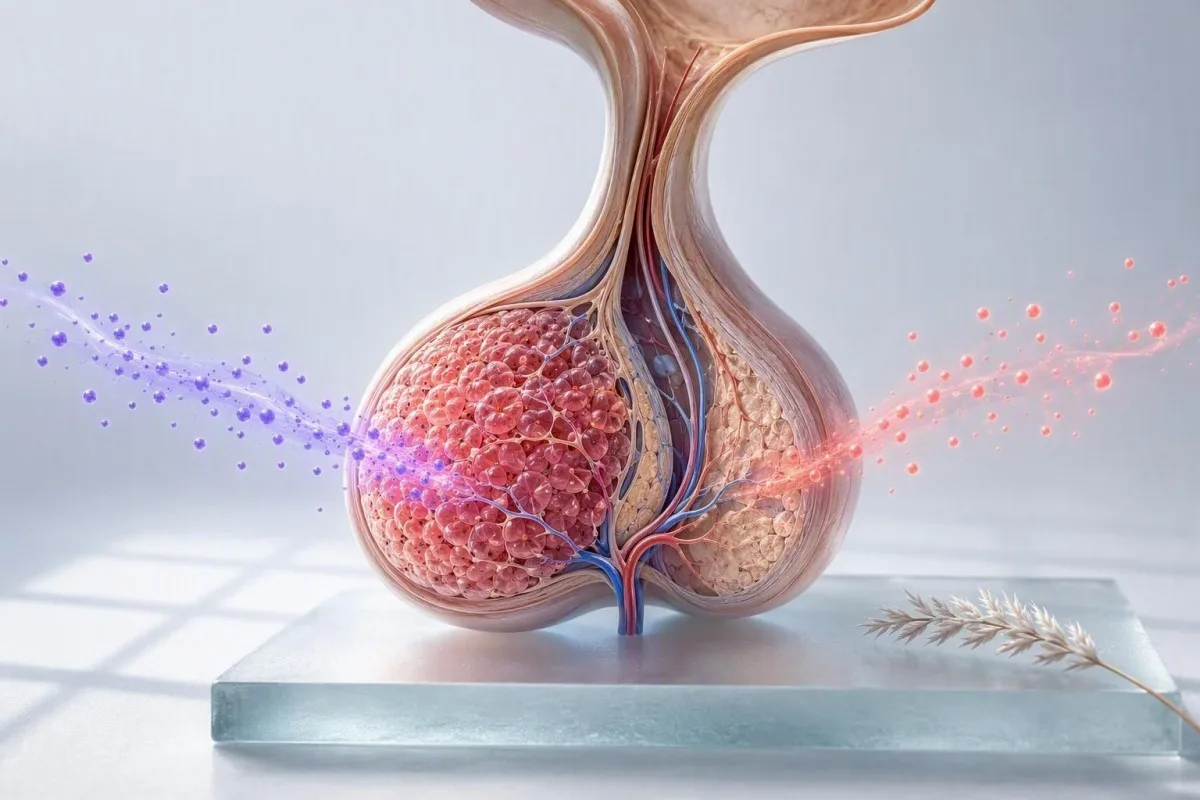
La FSH pot ser de 9 IU/L un mes i de 35 IU/L el següent, particularment durant els últims 2-8 anys abans de la darrera menstruació. La raó no és simplement una “fallada ovàrica”: un fol·licle restant encara pot produir prou estradiol per suprimir temporalment la FSH. És per això que una FSH d'aspecte normal no descarta la perimenopausa en algú que té sufocacions i cicles recentment irregulars.
NICE recomana diagnosticar la perimenopausa clínicament en persones de 45 anys o més amb símptomes vasomotors i canvis menstruals, sense proves de laboratori en la majoria dels casos (NICE, 2024). Les proves de FSH són menys útils quan s'utilitza anticoncepció hormonal combinada, progestogen d'alta dosi o teràpia hormonal sistèmica (HRT) perquè aquests medicaments alteren el bucle de retroalimentació. La nostra explicació sobre estradiol en la menopausa mostra per què un resultat aïllat d'estrògens també porta a confusió.
El Dr. Thomas Klein ha trobat diaris de símptomes i sagnat sorprenentment valuosos aquí. Registreu la freqüència de sufocacions, la interrupció del son, la durada del cicle, el patró de migranya i les dates de tractament durant 8-12 setmanes; això sovint clarifica una història que una anàlisi de sang no pot. Sagnats abundants o freqüents després dels 45 anys encara mereixen una avaluació clínica, perquè els símptomes de la menopausa no expliquen tots els canvis en el sagnat.
Resultats de la menopausa: què solen significar una FSH i LH altes
Després de la menopausa natural, la FSH sol estar per sobre de 25-30 IU/L i l'LH sovint per sobre de 20 IU/L perquè la retroalimentació d'estrògens ovàrics és baixa. Aquests valors donen suport a la fisiologia de la menopausa, però normalment no són necessaris per fer el diagnòstic després dels 45 anys.
Molts laboratoris postmenopàusics citen intervals amplis de FSH, com ara 25-135 IU/L i intervals de LH al voltant de 7-60 UI/L. Hi ha una superposició substancial amb la perimenopausa tardana, i una persona que pren estrògens pot tenir una FSH molt més baixa tot i estar menopàusica. Una FSH alta en si mateixa no és perillosa i no necessita tractament.
La menopausa es defineix retrospectivament com 12 mesos consecutius sense menstruació quan cap altra causa explica l'absència de menstruacions. Per a les persones amb úter que desenvolupen sagnat vaginal després d'aquest punt, cal una revisió mèdica fins i tot si la FSH és convincentment postmenopàusica. Llegeix més sobre FSH després de la menopausa per a rangs de resultats comuns i excepcions.
La menopausa precoç es produeix abans dels 45 anys, i la insuficiència ovàrica primària es considera abans dels 40 anys quan menstruacions irregulars o absents acompanyen evidència bioquímica de reducció de l'activitat ovàrica. Les guies actuals confirmen habitualment la POI amb FSH elevada en dues mostres separades per almenys 4-6 setmanes, tot i que els punts de tall exactes varien segons la guia i l'assaig. L'estradiol, les proves de gravidesa, l'historial autoimmune i el context genètic poden ser rellevants a edats més joves.
Els anticonceptius i la teràpia hormonal substitutiva poden fer que la LH i la FSH semblin baixes
La contracepció hormonal combinada sol suprimir la LH i la FSH, de manera que els resultats obtinguts mentre s'està prenent no poden avaluar l'ovulació natural, la fisiologia de la SOP o l'estat menopàusic. La THS també pot reduir la FSH prou com per ocultar un patró postmenopàusic.
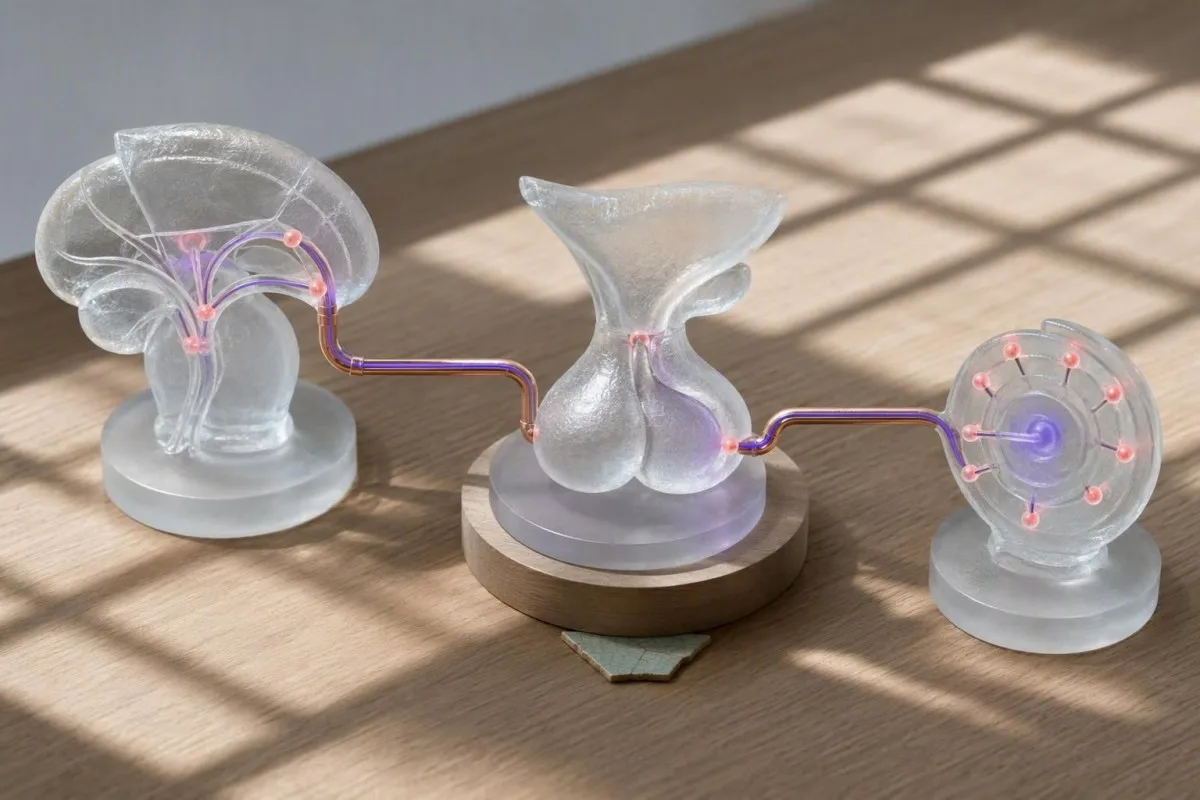
Les píndoles, pegats i anells que contenen etinilestradiol suprimeixen l'eix hipotalàmic-hipofisari-ováric per disseny. Una LH de 1 UI/L i una FSH de 2 UI/L amb una píndola combinada és sovint un efecte farmacològic esperat més que un trastorn hipofisari. Els mètodes només de progestagen afecten els resultats de manera menys previsible però encara poden alterar els patrons de sagnat i ovulació.
Per a l'avaluació de la SOP, els clínics poden esperar uns 3 mesos després de deixar la contracepció hormonal combinada abans de comprovar els andrògens bioquímics, si deixar-la és segur i apropiat. Això permet que la SHBG i la producció d'andrògens s'estabilitzin, tot i que els cicles irregulars poden dificultar la precisió del moment. La nostra guia per a els resultats de l'estrògen en la contracepció detalla les limitacions del laboratori.
No deixeu la contracepció o la THS prescrita només per obtenir una prova hormonal sense discutir el risc de gravidesa, els símptomes i les alternatives. Kantesti és una eina d'anàlisi de proves de sang impulsada per IA que demana als usuaris que afegeixin medicaments hormonals abans de la interpretació del patró, perquè un resultat suprimit clínicament normal es pot marcar incorrectament com a preocupant.
LH baixa i FSH baixa: quan el senyal de la hipòfisi és important
La LH i la FSH baixes importen més quan l'estradiol o la testosterona també són baixos i les menstruacions han parat o la pubertat està retardada. Aquest patró pot indicar supressió hipotalàmica funcional, hiperprolactinèmia, malaltia hipofisària o efectes medicamentosos.

L'amenorrea hipotalàmica funcional és una explicació freqüent en persones amb baixa disponibilitat energètica, pèrdua de pes recent, entrenament de resistència intens, malaltia crònica o estrès psicològic important. La LH pot estar per sota de 2 UI/L, la FSH pot estar per sota de 3-5 UI/L, i l'estradiol pot ser baix, però cap punt de tall únic estableix el diagnòstic. L'historial sovint subministra la peça que falta.
Un patró de LH i FSH baix és diferent de la insuficiència ovàrica, on la FSH sol ser alta perquè la hipòfisi està intentant estimular més els ovaris. La distinció canvia els propers passos: els clínics poden comprovar la prolactina, la TSH, l'estat de gravidesa, el cortisol matinal en casos seleccionats i considerar imatges hipofisàries quan hi ha mal de cap, canvis visuals o una marcada elevació de prolactina. Vegeu patrons de FSH baixos per aquesta comparació.
Una avaluació urgent és apropiada per a un mal de cap intens sobtat, pèrdua de visió perifèrica, desmais o símptomes neurològics nous juntament amb l'absència de menstruació. En casos menys urgents, restablir una ingesta energètica adequada i reduir la càrrega d'entrenament excessiva pot reiniciar els cicles, però això hauria de ser guiat pel metge, ja que la salut òssia es pot veure afectada després de 6 mesos o més d'exposició a estrògens baixos.
LH vs FSH en la fertilitat masculina i les proves de testosterona
En els homes, la LH estimula la producció de testosterona testicular mentre que la FSH dóna suport a la producció d'esperma, de manera que la parella ajuda a distingir causes testiculars de hipofisàries d'infertilitat o de baixos nivells de testosterona. Un anàlisi de semen segueix sent la prova central per a preguntes de fertilitat relacionades amb els espermatozoides.
La testosterona baixa amb LH i FSH altes suggereix disfunció testicular primària perquè la hipòfisi augmenta el seu senyal. La testosterona baixa amb LH i FSH baixes o inapropiadament normals suggereix hipogonadisme secundari o supressió reversible per malaltia, obesitat, opioides, glucocorticoides o nivells elevats de prolactina. La mostra del matí, idealment abans de les 11 del matí, és important perquè la testosterona normalment assoleix el seu punt màxim a primera hora del dia.
Una FSH per sobre del rang de referència local pot suggerir un deteriorament de l'espermatogènesi, però una FSH normal no garanteix un recompte, motilitat o morfologia espermàtica normals. Per contra, una FSH elevada no és una mesura del rendiment sexual. La nostra explicació de l'anàlisi de semen descriu per què les proves hormonals de laboratori no poden substituir les proves d'esperma.
En un home que intenta concebre, la testosterona prescrita mai no s'hauria de començar de forma casual: la testosterona externa comunament suprimeix la LH i la FSH i pot reduir marcadament la producció d'esperma en pocs mesos. Existeixen alternatives que preserven la fertilitat per a pacients seleccionats, però requereixen un endocrinòleg, uròleg o especialista en fertilitat per adaptar el tractament.
Quan un resultat aïllat de LH o FSH és enganyós
Un resultat aïllat de LH o FSH és enganyós quan el dia del cicle, l'estat de l'embaràs, els medicaments hormonals, la malaltia aguda o l'estradiol són desconeguts. Repetir una prova específica sovint és més segur i útil que extreure conclusions generals d'un sol número marcat.
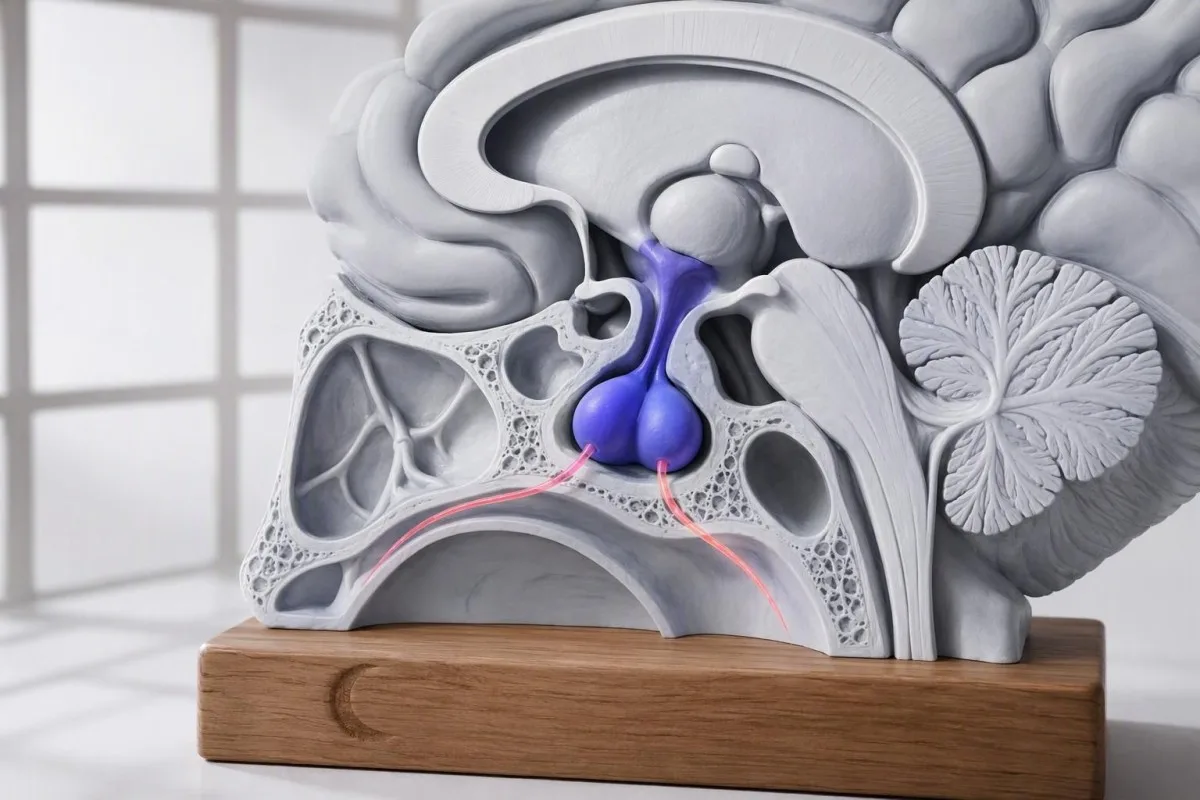
Un home fèrtil de 31 anys pot tenir una FSH de 14 UI/L en una prova a principis de cicle i 7 UI/L el mes següent, especialment si l'estradiol va diferir. La imprecisió del laboratori, la variació biològica i l'hora de la recollida contribueixen totes. El canvi pot semblar alarmant en una aplicació, però pot caure ben dins de la variació esperada dins de la persona.
La biotina a dosis de 5-10 mg al dia—comuns en productes per al cabell i ungles— pot interferir amb alguns immunoassajos de estreptavidina-biotina, tot i que la direcció i la magnitud depenen del mètode de laboratori. Pregunteu al laboratori o al metge si una pausa de 48-72 hores és adequada abans de tornar a provar; no interrompeu un suplement prescrit mèdicament sense consell. El nostre guia de calendari de la prova de sang explica altres influències a curt termini.
Les proves d'embaràs són un pas bàsic però fàcilment oblidat. L'hCG té similituds estructurals amb la LH i pot suprimir el cicle reproductiu natural, mentre que un embaràs primerenc pot coexistir amb símptomes confusos i absència de menstruacions. Si el resultat de la prova no s'ajusta a la història clínica, els metges han de verificar l'assaig, la data de la mostra i l'estat de l'embaràs abans de perseguir diagnòstics rars.
Quines proves fan que la LH i la FSH siguin més útils?
L'estradiol, la progesterona, l'AMH, la prolactina, la TSH i els andrògens sovint fan que la LH i la FSH siguin interpretables; les addicions correctes depenen de la pregunta clínica. Demanar totes les hormones alhora no sempre és millor, ja que diverses proves depenen del moment.
Per a períodes irregulars o sospita de SOP, un metge considera comunament proves d'embaràs, testosterona total, SHBG o testosterona lliure calculada, prolactina, TSH i 17-hidroxiprogesterona quan estigui indicat. Per a la sospita d'ovulació, la progesterona es pren millor aproximadament 7 dies abans de l’esperada propera regla, no automàticament el dia 21; el dia 21 només s'ajusta a un cicle de 28 dies.
Per a la planificació del tractament de fertilitat, l'AMH es pot mesurar la majoria dels dies del cicle i reflecteix la resposta esperada a l'estimulació ovàrica més que el potencial de fertilitat espontànnia. Una AMH molt baixa no s'ha d'utilitzar per denegar atenció a la fertilitat, i una AMH alta es pot produir a la SOP sense provar-ho. La nostra revisió de causes de baix AMH posa aquest resultat en perspectiva.
Kantesti AI interpreta els resultats de LH i FSH comprovant biomarcadors complementaris i canvis longitudinals, en lloc d'utilitzar només una ràtio. Les persones que vulguin entendre com s'apliquen la metodologia i les mesures de seguretat clíniques poden revisar la nostra estàndards de validació mèdica.
Com preparar-se per a una prova precisa de LH i FSH
La LH i la FSH normalment no requereixen dejuni, però la interpretació precisa requereix el dia correcte del cicle, la llista de medicaments i un entorn clínic estable. Per a un panell de fertilitat del dia 3, la recollida al matí els dies 2-5 del cicle és un estàndard pràctic.

Informeu el metge que fa la sol·licitud sobre anticonceptius hormonals, teràpia de reemplaçament hormonal (TRH), injeccions de fertilitat, testosterona, antipsicòtics, opioides, glucocorticoides i suplements. La malaltia aguda, la interrupció important del son i l'exercici molt intens poden alterar transitòriament la senyalització reproductiva, especialment quan afecten l'equilibri energètic o la prolactina. El dejuni normalment no és necessari tret que altres proves sol·licitades, com ara la glucosa o els lípids, ho requereixin.
Si torneu a analitzar un resultat de FSH inesperat, utilitzeu el mateix laboratori i assaig quan sigui possible, en una fase comparable del cicle. Això és més informatiu que comparar un valor del dia 3 d'un laboratori amb un valor del dia 17 d'un altre. La nostra guia de preparació per a anàlisis de sang bàsiques ofereix una llista de verificació pràctica.
Per a una preocupació de fertilitat a casa, eviteu interpretar els kits d'LH urinària com a valors d'LH sanguínia. Els kits d'orina identifiquen un augment de l'LH que sovint precedeix l'ovulació entre 24 i 36 hores, però un kit positiu no pot confirmar l'alliberament d'un ou i pot resultar confús en la SOP. De vegades cal fer un seguiment de la progesterona o una ecografia quan la pregunta clínica és la confirmació de l'ovulació.
Quan els resultats de LH i FSH necessiten seguiment mèdic
Busqueu una revisió mèdica si les menstruacions absents duren 3 mesos, la menopausa abans dels 45 anys, la infertilitat, símptomes androgènics ràpidament progressius o gonadotropines baixes amb símptomes neurològics. La LH i la FSH rarament són proves d'emergència, però el patró pot identificar condicions en què el retard no és útil.
Reserveu una cita rutinària si els cicles superen repetidament els 35 dies, es produeixen menys de 8 vegades a l'any, o es tornen sobtadament irregulars després d'haver estat estables anteriorment. Si teniu menys de 40 anys i teniu menstruacions absents a més d'una FSH repetidament per sobre de 25 UI/L, una avaluació prompta per a la insuficiència ovàrica primària és adequada perquè les implicacions òssies, cardiovasculars i de fertilitat poden necessitar una atenció primerenca.
Una revisió la mateixa setmana és sensata per a la galactorrea, mals de cap persistents, alteració visual nova o canvis androgènics marcats com ara el desenvolupament ràpid de pèl facial gruixut amb canvi de veu. El sagnat postmenopàusic abundant necessita una avaluació oportuna independentment dels valors de LH o FSH. Per a les sufocacions, els metges també poden descartar malalties de la tiroide i efectes de medicaments; la nostra guia de proves de sang per a sufocacions explica aquest diagnòstic diferencial.
El contingut mèdic de Kantesti es revisa amb supervisió clínica, però una interpretació no pot substituir una avaluació d'endocrinologia reproductiva o d'atenció primària. Podeu conèixer els professionals darrere d'aquest procés de revisió a través de la nostra Consell Assessor Mèdic. A partir del 9 de setembre de 2026, la conclusió més segura segueix sent el patró primer, la repetició de proves quan sigui necessari i les decisions de tractament basades en els símptomes i els objectius, no en una ràtio LH:FSH.
Una llista de verificació pràctica per llegir la LH i la FSH juntes
El millor pas següent és fer coincidir els vostres valors de LH i FSH amb el dia del cicle, l'estradiol, els medicaments, l'edat i el motiu de la prova abans d'assignar-hi un significat. Aquesta comprovació de cinc parts evita la majoria de malinterpretacions evitables.

Primer, identifiqueu la pregunta: ovulació, planificació de la fertilitat, períodes irregulars, símptomes de SOP, símptomes de menopausa o testosterona baixa. Segon, anoteu la data de l'últim període natural i si esteu utilitzant algun medicament hormonal. Un resultat obtingut durant un pic d'LH no s'ha de comparar amb un resultat de fertilitat del dia 3.
En tercer lloc, emparellar LH i FSH amb estradiol, i afegir proves específiques en lloc de panells indiscriminats. En quart lloc, comparar amb els resultats previsos utilitzant el mateix laboratori, sempre que sigui possible. Kantesti és un servei d'interpretació de proves de laboratori basat en IA que pot organitzar resultats hormonals longitudinals a través d'informes, però els símptomes persistents o els patrons anormals encara requereixen un metge que us pugui examinar i discutir les vostres prioritats.
Finalment, no permeteu que una relació normal descarti símptomes reals, i no permeteu que una relació anormala creï un diagnòstic que no teniu. Una cita de 10 minuts amb un historial cicle acurat sovint aporta més que un altre anàlisi de sang no programat. Si necessiteu ajuda per preparar aquesta conversa, utilitzeu el nostre resums de resultats per a visites mèdiques.
Preguntes freqüents
Quin és el ratio normal de LH a FSH?
No hi ha una única relació LH:FSH normal que diagnostiqui salut o malaltia perquè ambdues hormones canvien al llarg del cicle menstrual. En la fase fol·licular primerenca, moltes persones tenen una relació propera a 1:1, mentre que una relació superior a 2:1 pot aparèixer en algunes persones amb SOP i en persones sense SOP. La guia internacional de SOP del 2023 no utilitza la relació LH:FSH com a criteri diagnòstic. Una relació és més significativa només quan es consideren junts la LH, la FSH, el dia del cicle, l'estradiol, els resultats dels andrògens i els símptomes.
Un nivell alt de LH i un nivell baix de FSH vol dir SOP?
Un LH alt amb FSH relativament baix pot ser una pista de SOP, però no significa que algú tingui SOP per si sol. Un LH de 12 UI/L amb un FSH de 4 UI/L pot reflectir un senyalització tipus SOP, però també pot ocórrer prop de l'ovulació o quan es desconeix el moment del cicle. El diagnòstic de SOP requereix dues de tres característiques: disfunció ovulatòria, hiperandrogenisme i morfologia ovàrica poliquística o AMH elevada en adults després d'excloure altres causes. La testosterona, SHBG, prolactina, TSH i l'historial menstrual solen ser més útils que la relació per si sola.
Quin nivell de FSH indica la menopausa?
Un nivell d'FSH persistentment per sobre d'aproximadament 25-30 IU/L pot donar suport a la menopausa o a la insuficiència ovàrica quan l'estradiol és baix i les menstruacions han parat. L'FSH postmenopàusic sovint oscil·la entre 25 i 135 IU/L, tot i que els intervals de laboratori varien i la teràpia hormonal substitutiva (THS) pot suprimir el valor. En persones majors de 45 anys, la menopausa generalment es diagnostica clínicament després de 12 mesos sense menstruació en lloc de mitjançant proves d'FSH. Un sol valor normal d'FSH no descarta la perimenopausa perquè els nivells poden fluctuar àmpliament entre cicles.
Es pot quedar embarassada amb un FSH alt?
Sí, es pot produir un embaràs amb un resultat d'FSH elevat perquè l'FSH és un marcador imperfect de fertilitat i varia d'un cicle a un altre. Una FSH del dia 3 superior a 10-15 UI/L pot suggerir una disminució de la reserva ovàrica o una menor resposta a la medicació per a la fertilitat, però no mesura la qualitat dels òvuls, la permeabilitat de les trompes o els factors espermàtics. L'estradiol pot emmascarar una FSH elevada, per la qual cosa les dues proves s'han d'interpretar conjuntament. Qualsevol persona que intenti concebre durant 12 mesos menors de 35 anys, o 6 mesos a partir dels 35 anys, hauria de buscar una avaluació de fertilitat.
Per què tinc la LH i la FSH baixes?
Es poden esperar nivells baixos de LH i FSH durant la contracepció hormonal combinada, l'embaràs, la lactància o després de l'ovulació. Quan l'estradiol o la testosterona també són baixos i les menstruacions estan absents, el patró pot suggerir supressió hipotalàmica, prolactina elevada, malaltia hipofisària, malaltia crònica o efectes medicamentosos. L'amenorrea hipotalàmica funcional és particularment comuna després d'una pèrdua de pes substancial, una ingesta energètica baixa o un entrenament de resistència intens. Un mal de cap intens nou, canvis en la visió o galactorrea amb gonadotropines baixes requereixen una revisió mèdica urgent.
S'han de fer les proves de LH i FSH el dia 3?
Per a l’avaluació de la fertilitat de base o la reserva ovàrica, es mesuren habitualment LH, FSH i estradiol els dies 2-5 del cicle, sovint anomenats proves del dia 3. Aquest moment del fol·licle inicial fa que els resultats siguin més comparables perquè els canvis hormonals ovulatoris i luterins es redueixen. La prova no requereix dejú tret que altres proves ordenades ho requereixin. La LH i la FSH analitzades en un dia diferent encara poden ser clínicament útils, però s’ha de conèixer el dia del cicle per interpretar-les amb precisió.
Obteniu avui una anàlisi de sang amb IA
Uneix-te a més de 2 milions d’usuaris a tot el món que confien en Kantesti per a una anàlisi instantània i precisa de proves de laboratori. Pengeu els vostres resultats d’anàlisi de sang i rebeu una interpretació completa de biomarcadors 15,000+ en segons.
📚 Publicacions de recerca citades
Klein, T., Mitchell, S., & Weber, H. (2026). Kantesti LTD. (2026). RDW Blood Test: Complete Guide to RDW-CV, MCV & MCHC. Zenodo. Registres a ResearchGate i Academia.edu disponibles a través de repositoris de publicacions vinculats.. Kantesti Recerca mèdica amb IA.
Klein, T., Mitchell, S., & Weber, H. (2026). Kantesti LTD. (2026). BUN/Creatinine Ratio Explained: Kidney Function Test Guide. Zenodo. Registres a ResearchGate i Academia.edu disponibles a través de repositoris de publicacions vinculats.. Kantesti Recerca mèdica amb IA.
📖 Referències mèdiques externes
National Institute for Health and Care Excellence (2024). Menopausa: diagnòstic i gestió (NG23). NICE Guideline.
⚕️ Avís mèdic
Aquest article és només per a finalitats educatives i no constitueix assessorament mèdic. Consulteu sempre un professional sanitari qualificat per a decisions de diagnòstic i tractament.
Senyals de confiança E-E-A-T
Experiència
Revisió clínica liderada per metges dels fluxos de treball d’interpretació de laboratori.
Experiència
Enfocament en medicina de laboratori sobre com es comporten els biomarcadors en context clínic.
Autoritat
Escrit pel Dr. Thomas Klein amb revisió de la Dra. Sarah Mitchell i el Prof. Dr. Hans Weber.
Fiabilitat
Interpretació basada en l’evidència amb vies de seguiment clares per reduir l’alarma.