LH и FSH мора да се толкуваат заедно, со оглед на денот од вашиот циклус, нивото на естрадиол, симптомите и лековите. Висок или низок резултат на еден случаен ден ретко дијагностицира проблеми со плодноста, PCOS или менопауза сам по себе.



- Време во циклусот суштински ги менува LH и FSH: тестирањето на ден 2-5 обично е најинтерпретабилно за проценка на јајничкиот резерват.
- Фоликуларен FSH често е околу 3-10 IU/L пред овулација, но секоја лабораторија мора да го даде својот референтен интервал.
- LH бранот вредностите може кратко да се зголемат над 20-90 IU/L околу овулацијата; ова е физиолошко, а не резултат од менопауза.
- Однос LH:FSH над 2 може да се појави кај PCOS, но не ја дијагностицира PCOS и не е дел од меѓународните дијагностички критериуми за 2023 година.
- FSH над 25 IU/L при повторно тестирање може да ја поддржи јајничката инсуфициенција или менопаузата кога менструацијата отсуствува, во зависност од возраста и употребата на хормони.
- Менопауза обично клинички се дијагностицира по 12 месеци без менструација по 45 години, а не од едно мерење на FSH.
- Висок LH со низок FSH може да ја одрази средината на циклусот, физиологијата на PCOS, лекови или време на примерок; естрадиол и историјата на циклусот ја одредуваат смислата.
- Низок LH и FSH со низок естрадиол може да укажува на хипоталамусна или хипофизна супресија, особено после губење на тежина, интензивно тренирање или силен стрес.
Што всушност кажуваат LH и FSH резултатите
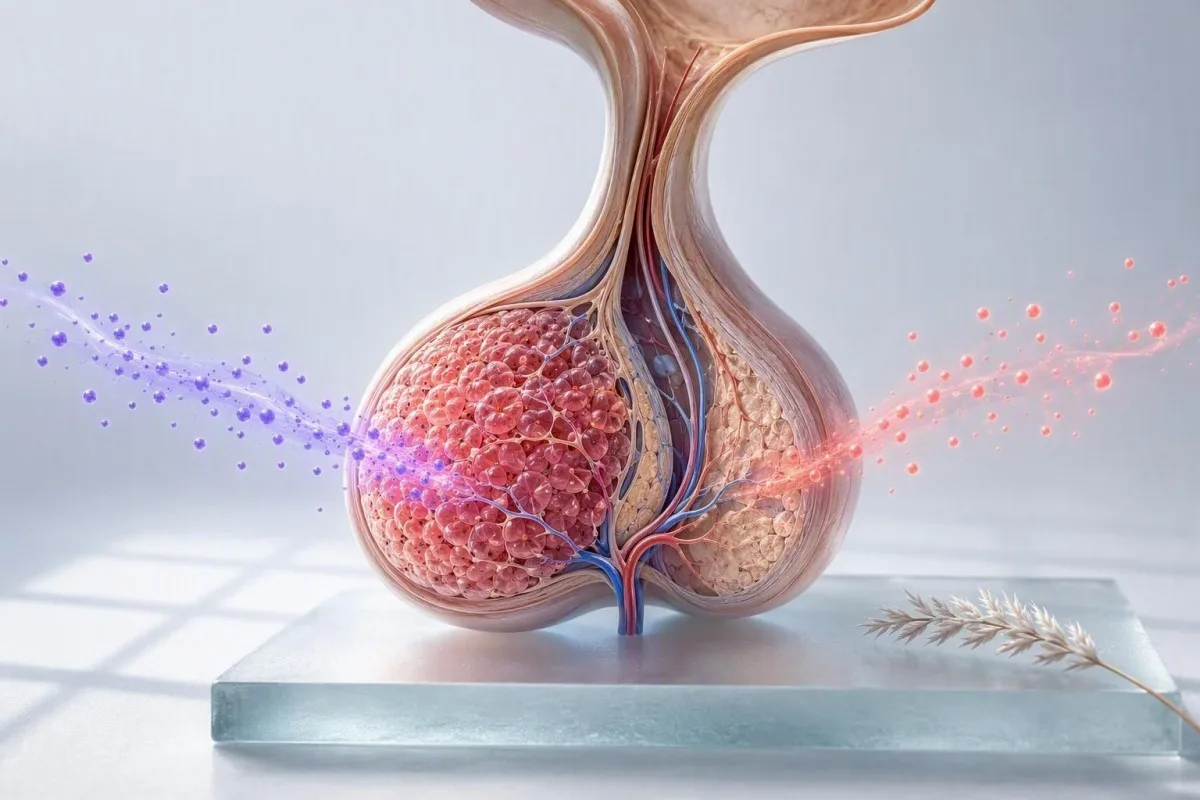
LH и FSH се хипофизни сигнали, а не директни мерења на бројот на јајце клетки или плодност. LH го поттикнува конечното созревање на фоликулот и овулацијата, додека FSH регрутира фоликули во развој; нивното значење драматично се менува помеѓу ден 3, врвот на овулацијата, лутеалната фаза и менопаузата.
За личност со редовни циклуси, LH од 7 IU/L и FSH од 6 IU/L на ден 3 од циклусот обично е незначајно. Истиот LH од 7 IU/L за време на сомнителен прозорец за овулација кажува многу помалку, бидејќи лачењето на LH е пулсативно и може да се промени во рок од неколку часа. На пациентите им велам дека ова се семафорски сигнали од мозокот, а не резултат од плодноста.
Во мојата клиничка работа, корисното прашање не е “што е повисоко?” туку “што се случувало биолошки кога е земен овој примерок?” Kantesti е AI анализатор на крвни тестови кој ги става LH и FSH покрај естрадиол, прогестерон, возраст, датум на циклусот и претходни резултати наместо да смета ознака како дијагноза. Нашето водич за женски хормони објаснува зошто овој поширок поглед е важен.
Практичното правило на д-р Томас Клајн е едноставно: запишете го првиот ден на целосен менструален проток како ден 1, документирајте хормонална контрацепција или HRT, и чувајте ги единиците на лабораторијата. Вредност прикажана во IU/L генерално е нумерички заменлива со mIU/mL, но референтните интервали и калибрацијата на тестот сè уште се разликуваат. За Кантести опишува како нашите медицински и технички тимови ја третираат контекстот во пријавените резултати.
Обрасци на LH наспроти FSH низ менструалниот циклус
LH и FSH се релативно ниски во раната фоликуларна фаза, LH остро се зголемува пред овулацијата, а и двата паѓаат повторно во лутеалната фаза. Примерок без ден од циклусот може да изгледа абнормално кога е едноставно погрешно темпиран.
Типичните референтни интервали за раната фоликуларна фаза се отприлика FSH 3-10 IU/L и LH 2-12 IU/L, иако лабораторијата може разумно да постави различни граници. Околу овулацијата, LH може да се зголеми до 20-90 IU/L за 24-48 часа, додека FSH често се зголемува поскромно до околу 4-25 IU/L. Еден висок LH за време на овој интервал обично е знак за приближна или неодамнешна овулација.
После овулацијата, прогестеронот го потиснува производството на хипофизата, така што LH често е околу 1-14 IU/L и FSH околу 1-9 IU/L. Резултат од средно-лутеален прогестерон над приближно 25-30 nmol/L, или 8-10 ng/mL во зависност од тестот, обезбедува посилни ретроспективни докази за овулација отколку само LH. Погледнете го нашиот водич за прогестерон по ден од циклусот за стапиците со времето.
Помалку познат проблем е пулсната варијација. LH се лачи во пулсови приближно на секои 1-2 часа кај многу возрасни на репродуктивна возраст, така што вредност близу граничната вредност може да се премести во друга категорија на повторен примерок без никаква клиничка промена. Ова е причината зошто лекарите често повторуваат неочекуван панел на хормони од ден 3 наместо да реагираат на разлика од 1 IU/L.
Тестирање на плодноста со FSH и LH: Зошто е важен Денот 3
За основна проценка на плодноста, ФСХ и естрадиол обично се мерат на ден 2-5 од циклусот, а не после овулација. Тестирањето на почетокот на циклусот ги намалува – но не ги отстранува – нормалните хормонални осцилации што го отежнуваат толкувањето на резултатот.
ФСХ под 10 IU/L на ден 3 често е охрабрувачки, но не докажува нормален квалитет на јајце клетките, проодност на јајцеводите или веројатност за природна бременост. ФСХ може да се појави вештачки нормален ако естрадиолот е веќе покачен, често над 220-294 pmol/L (60-80 pg/mL), бидејќи естрадиолот го потиснува хипофизниот ФСХ. Таа комбинација е често слепа точка на директните извештаи за потрошувачите.
Одборот за проценка на плодноста на ASRM советува дека тестовите за резерви на јајниците треба да го надополнуваат – а не да го заменат – возраста, историјата на овулација, анализата на спермата и проценката на јајцеводите (Practice Committee of ASRM, 2021). АМХ и бројот на антрални фоликули предвидуваат одговор на јајниците на стимулација поконзистентно од единечен базален ФСХ, но ниту еден не треба да се користи како пресуда за тоа дали поединецот може природно да забремени. Нашата Преглед на хормоните на почетокот на циклусот за ИВФ ги става овие тестови во нивната правилна улога.
Видов 34-годишна жена со ФСХ 12 IU/L како забремени без третман, и 29-годишна жена со ФСХ 6 IU/L на која ѝ беше потребна помош поради болест на јајцеводите. Тие примери не се ветувања; тие се причината зошто клиницистите не го користат ФСХ како тест за положено/неположено. Целосна проценка на плодноста е генерално соодветна по 12 месеци обиди пред 35 години, по 6 месеци од 35 години, или порано со отсутни менструации, претходна операција на карлицата или познати проблеми од машки фактор.
Дали односот LH:FSH ја дијагностицира PCOS?
Не, покаченото ЛХ:ФСХ сооднос не дијагностицира ПКОС. Сооднос над 2:1 или 3:1 може да се јави кај некои луѓе со ПКОС, но нормални соодноси се исто така чести кај ПКОС, а високи соодноси се јавуваат и надвор од него.
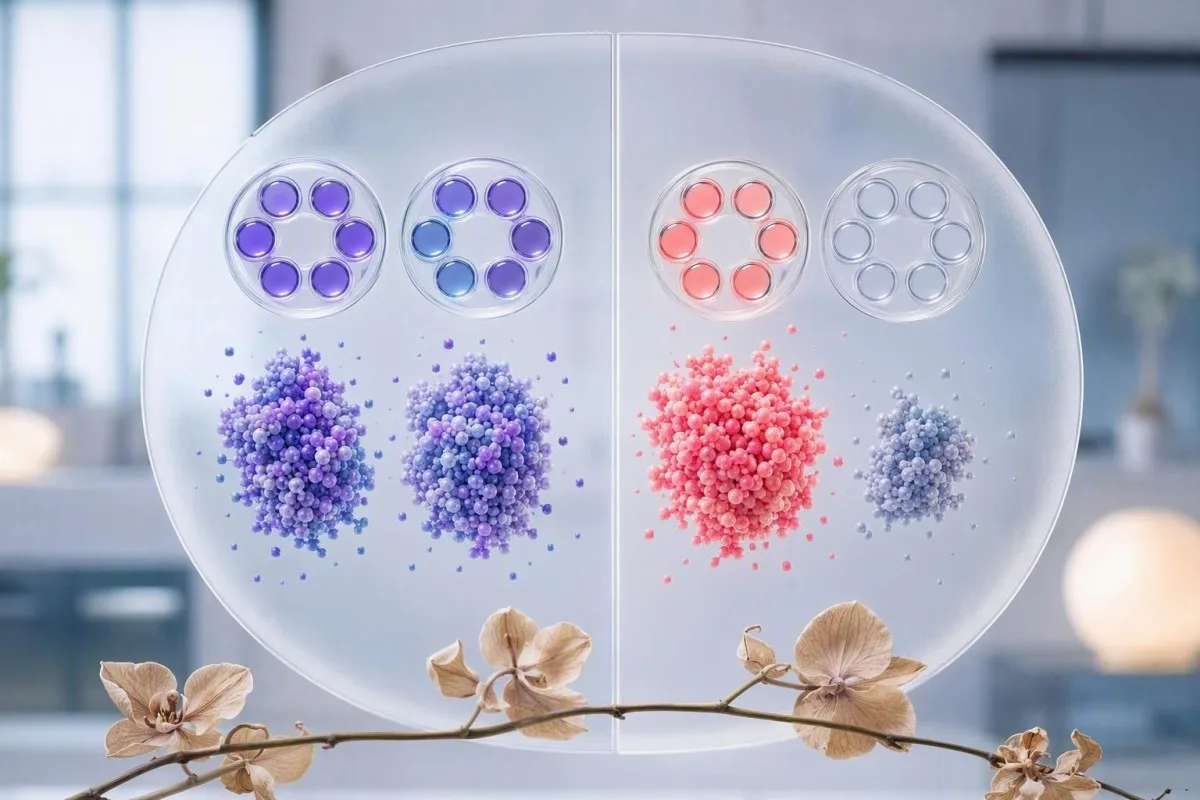
Пресметката е едноставно ЛХ поделено со ФСХ кога и двете се земени заедно: ЛХ 12 IU/L и ФСХ 4 IU/L дава сооднос од 3. висока LH ниска FSH шема може да ја одрази зголемената фреквенција на пулсот на LH, но може да биде и средноцикличен примерок, неодамнешна загуба на бременост, намален внес на калории или обична варијација. Соодносите се особено непобедливи кога денот на циклусот е непознат.
Меѓународното упатство за 2023 година засновано на докази го дефинира PCOS користејќи две од три карактеристики по исклучување на имитации: клинички или биохемиски хиперандрогенизам, овулаторна дисфункција и полицистична морфологија на јајниците или покачена AMH кај возрасни (Teede et al., 2023). Соодносот LH:FSH отсуствува од тие критериуми. Во пракса, акните, растот на терминалната коса, нередовните циклуси, тестостеронот, SHBG, пролактинот и тестовите за тироидна жлезда обично додаваат поголема дијагностичка вредност.
Kantesti AI е платформа за толкување крвна слика со вештачка интелигенција која идентификува шема LH:FSH како поттик за дискусија, а не како ознака за PCOS. Ако менструациите се повеќе од 35 дена оддалечени или помалку од 8 се случуваат годишно, закажете клинички преглед; нашиот водич за тестирање за PCOS по контрола на раѓање објаснува зошто времето по престанувањето на хормоните е важно.
Висок LH, низок FSH: Клуч за PCOS или нешто друго?
Висока LH со релативно ниска FSH најчесто ја одразува временската рамка на циклусот или сигналниот систем PCOS-тип, но не е специфичен. Резултатот заслужува структурирана проверка за бременост, болести на тироидната жлезда, покачен пролактин, ефекти од лекови и вишок на андроген.
Кога LH е 15 IU/L и FSH е 5 IU/L на ден 3, прво ја проверувам естрадиолот и прашувам за регуларноста на циклусот. Ако естрадиолот е висок, фоликулот можеби веќе е активен; ако тестостеронот е висок и менструациите се ретки, PCOS станува поверојатен. Повторен примерок наутро на документиран ден од циклусот е обично поинформативен отколку веднаш да се нарача голема панела.
Пролактин над горната граница на лабораторијата може да го наруши GnRH сигнализирањето и да произведе нередовни или отсуствувачки менструации, додека абнормалностите на TSH можат да имитираат многу симптоми на PCOS. Благо покачениот пролактин обично треба да се повтори во мирна утринска средина по избегнување на стимулација на брадавиците и напорно вежбање 24 часа. Нашата статија за благо покачен пролактин покрива разумно повторно тестирање.
Тестирањето на андроген исто така има технички ограничувања. Вкупниот тестостерон измерен со течна хроматографија-тандемска мас спектрометрија е генерално посигурен при концентрации во женски опсег отколку многу имуноанализи; SHBG помага да се процени изложеноста на слободен андроген. Ако постои брзо задебелување на гласот, нов забележлив губење на влакна на скалпот или брзо напредувачка влакнетост на лицето во текот на месеци, клиницистите итно проценуваат ретки причини за лачење на андроген наместо да претпостават PCOS.
Перименопауза: Зошто LH и FSH се менуваат толку многу
Перименопаузата често предизвикува неправилни FSH и LH бидејќи овулацијата станува прекината, а естрадиолот може да биде висок, низок или нормален од еден циклус до следниот. Еден FSH резултат не може сигурно да ја одреди фазата на перименопауза кај лица над 45 години со типични симптоми.
FSH може да биде 9 IU/L еден месец и 35 IU/L следниот, особено во последните 2-8 години пред последниот менструален период. Причината не е едноставно “откажување на јајниците”: преостанатиот фоликул сè уште може да произведе доволно естрадиол за привремено да го потисне FSH. Ова е причината зошто нормално изгледачки FSH не ја исклучува перименопаузата кај некој што има топли бранови и ново нередовни циклуси.
NICE препорачува клиничка дијагноза на перименопауза кај лица на возраст од 45 или повеќе години со вазомоторни симптоми и промени во менструацијата, без лабораториско тестирање во повеќето случаи (NICE, 2024). Тестирањето на FSH е помалку корисно кога се користи комбинирана хормонална контрацепција, висока доза на прогестоген или системска HRT бидејќи овие лекови го менуваат повратниот механизам. Нашето објаснување за естрадиол во менопауза покажува зошто изолиран резултат од естроген исто така подведува.
Д-р Томас Клајн открил дека дневниците за симптоми и крвавење се изненадувачки вредни овде. Запишете ја фреквенцијата на топли бранови, нарушување на спиењето, должината на циклусот, шемата на мигрена и датумите на третман за 8-12 недели; тоа често ја разјаснува приказната што едно крвно извлекување не може. Тешко или често крвавење по 45-годишна возраст сè уште заслужува клиничка проценка, бидејќи симптомите на менопауза не ја објаснуваат секоја промена во крвавењето.
Резултати од менопауза: Што обично значат високи FSH и LH
По природна менопауза, FSH често е над 25-30 IU/L, а LH често е над 20 IU/L бидејќи повратната врска на јајниците со естроген е ниска. Овие вредности ја поддржуваат физиологијата на менопаузата, но обично не се потребни за поставување на дијагноза по 45-годишна возраст.
Многу лаборатории што ги цитираат постменопаузата наведуваат широки интервали на FSH како 25-135 IU/L и интервали на LH околу 7-60 IU/L. Постои значително преклопување со доцната перименопауза, а лицето што зема естроген може да има многу понизок FSH и покрај тоа што е во менопауза. Високиот FSH сам по себе не е опасен и не бара третман.
Менопаузата ретроспективно се дефинира како 12 последователни месеци без менструација кога нема друга причина што ја објаснува отсуството на менструации. За лица со матка кои развиваат вагинално крвавење по тој момент, потребен е медицински преглед дури и ако FSH е убедливо постменопаузален. Прочитајте повеќе за FSH по менопауза за опсезите на резултати и исклучоците.
Раната менопауза се јавува пред 45-годишна возраст, а примарната инсуфициенција на јајниците се зема предвид пред 40-годишна возраст кога нередовните или отсуствувачки менструации ја придружуваат биохемиската евиденција за намалена активност на јајниците. Сегашните упатства обично ја потврдуваат POI со покачен FSH на два примерока на растојание од најмалку 4-6 недели, иако точните граници варираат во зависност од насоките и тестот. Естрадиол, тест за бременост, автоимуна историја и генетскиот контекст може да бидат релевантни на помлада возраст.
Контрацепцијата и HRT може да направат LH и FSH да изгледаат ниски
Комбинираната хормонска контрацепција обично го потиснува LH и FSH, така што резултатите добиени додека ја земате не можат да ја проценат природната овулација, PCOS физиологијата или менопаузалниот статус. HRT, исто така, може да го намали FSH доволно за да го замагли постменопаузалниот модел.
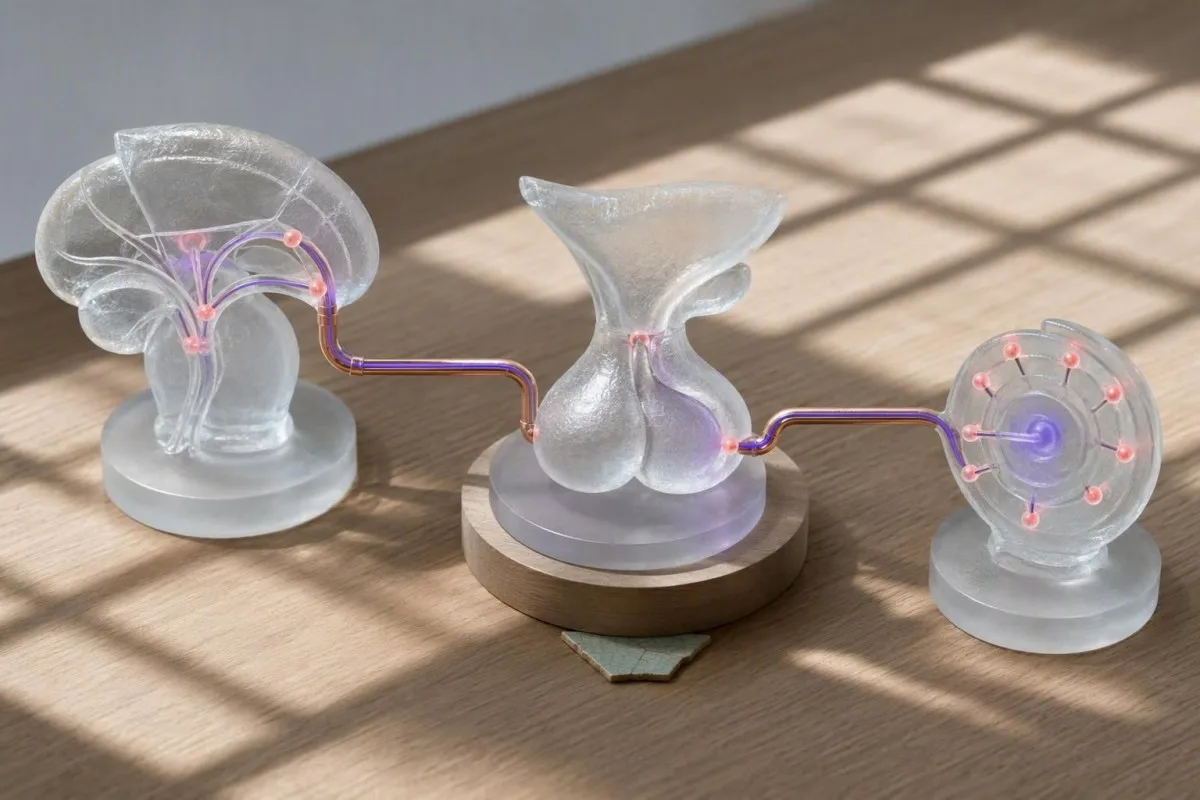
Таблетите, лепенките и прстените што содржат етинил-естрадиол го потиснуваат хипоталамо-хипофизно-оваријалната оска по дизајн. LH од 1 IU/L и FSH од 2 IU/L на комбинирана таблета често е очекуван фармаколошки ефект, наместо нарушување на хипофизата. Методите само со прогестоген помалку предвидливо влијаат на резултатите, но сепак можат да ги променат обрасците на крвавење и овулација.
За проценка на PCOS, лекарите може да почекаат околу 3 месеци по прекинот на комбинираната хормонска контрацепција пред да ги проверат биохемиските андрогени, ако прекинот е безбеден и соодветен. Ова им овозможува на SHBG и производството на андроген да се смират, иако нередовните циклуси можат да ја отежнат точното тајмирање. Нашиот водич за резултати од естроген на контрацептивни средства ги детализира лабораториските ограничувања.
Не прекинувајте со контрацепција или пропишана HRT само за да направите тест на хормони без да разговарате за ризикот од бременост, симптоми и алтернативи. Kantesti е алатка за анализа на крвни тестови базирана на вештачка интелигенција која ги поттикнува корисниците да додадат хормонски лекови пред толкување на обрасците, бидејќи клинички нормален потиснат резултат може инаку погрешно да биде означен како загрижувачки.
Низок LH и низок FSH: Кога е важно сигнализирањето од хипофизата
Нискиот LH и FSH се најважни кога естрадиолот или тестостеронот се исто така ниски и менструациите престанале или пубертетот е одложен. Овој модел може да укажува на функционално хипоталамичко потиснување, хиперпролактинемија, болест на хипофизата или ефекти од лекови.

Функционална хипоталамична аменореа е честа објаснување кај лица со ниска енергетска достапност, неодамнешно губење на тежината, интензивно тренинг за издржливост, хронична болест или голем психолошки стрес. LH може да биде под 2 IU/L, FSH може да биде под 3-5 IU/L, а естрадиолот може да биде низок, но ниту еден поединечен праг не ја утврдува дијагнозата. Историјата често го дава недостасуваат дел.
Нискиот образец на LH и FSH се разликува од инсуфициенцијата на јајниците, каде што FSH обично е висок бидејќи хипофизата се обидува посилно да ги стимулира јајниците. Разликата ги менува следните чекори: лекарите може да проверат пролактин, TSH, статус на бременост, утрински кортизол во избрани случаи и да разгледаат снимање на хипофизата кога главоболки, визуелни промени или значително покачување на пролактинот се присутни. Видете ниски обрасци на FSH за ова споредба.
Итна евалуација е соодветна за ненадејна силна главоболка, губење на периферниот вид, несвестица или нови невролошки симптоми заедно со престанок на менструацијата. Во помалку итни случаи, враќањето на соодветен внес на енергија и намалувањето на прекумерното оптоварување со тренинг може да ги обнови циклусите, но ова треба да биде под водство на лекар, бидејќи здравјето на коските може да биде засегнато по 6 месеци или повеќе на изложеност на низок естроген.
LH наспроти FSH во машката плодност и тестирањето на тестостерон
Кај мажите, LH го поттикнува производството на тестикуларен тестостерон, додека FSH ја поддржува продукцијата на сперма, така што двојката помага да се разликуваат тестикуларни од хипофизни причини за неплодност или низок тестостерон. Анализата на сперма останува централен тест за прашања поврзани со плодноста поврзани со спермата.
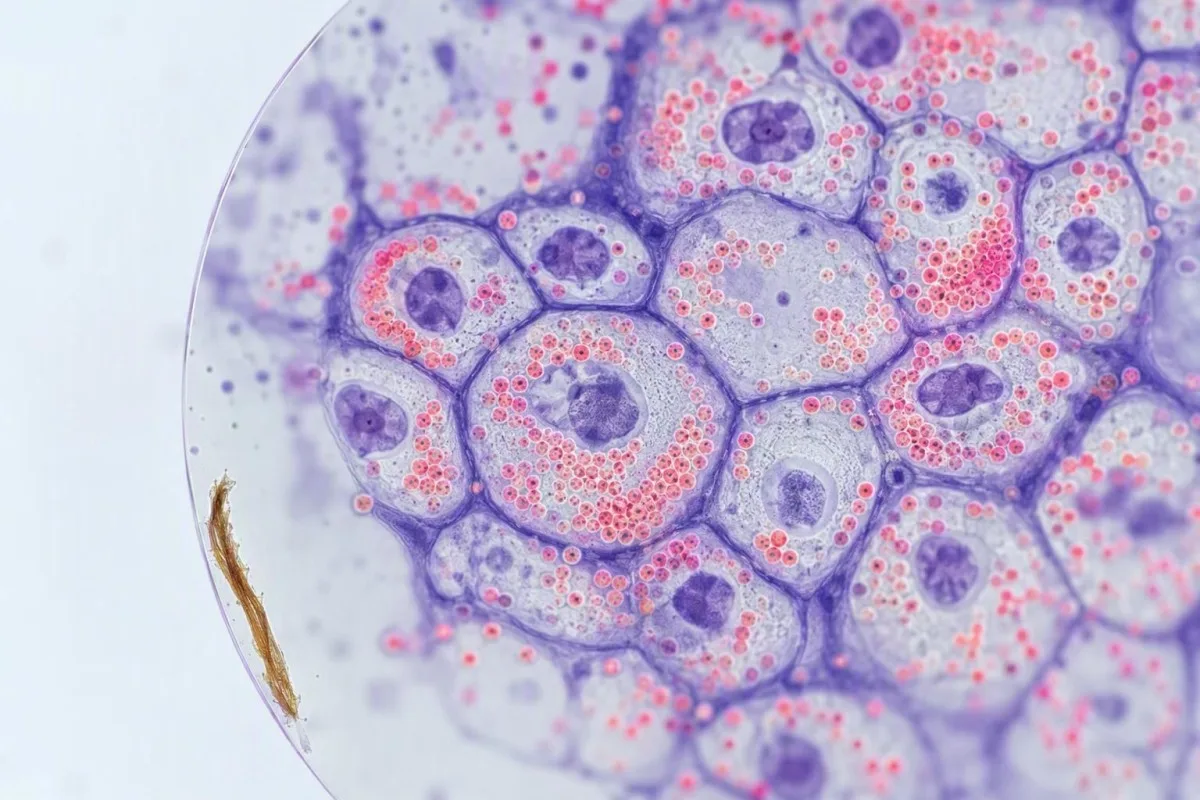
Низок тестостерон со висок LH и FSH сугерира примарна тестикуларна дисфункција бидејќи хипофизата го зголемува својот сигнал. Низок тестостерон со низок или несоодветно нормален LH и FSH сугерира секундарен хипогонадизам или реверзибилна супресија од болест, дебелина, опиоиди, глукокортикоиди или зголемен пролактин. Утринското земање примероци, идеално пред 11 часот, е важно бидејќи тестостеронот нормално достигнува врв рано во текот на денот.
FSH над локалниот референтен опсег може да укажува на нарушена сперматогенеза, но нормалниот FSH не гарантира нормален број, подвижност или морфологија на спермата. Спротивно на тоа, зголемен FSH не е мера за сексуална активност. Нашата објаснувач за анализа на сперма ја прикажува причината зошто лабораториското тестирање на сперма не може да се замени со хормони.
Кај маж кој се обидува да зачне, пропишаниот тестостерон никогаш не смее да се започне непромислено: надворешниот тестостерон вообичаено го потиснува LH и FSH и може значително да ја намали производството на сперма за неколку месеци. Постојат алтернативи за зачувување на плодноста за избрани пациенти, но тие бараат ендокринолог, уролог или специјалист за плодност да го прилагоди третманот.
Кога еден изолиран резултат на LH или FSH е погрешен
Еден изолиран резултат на LH или FSH е погрешен кога денот од циклусот, статусот на бременост, хормоналните лекови, акутната болест или естрадиолот се непознати. Повторувањето на целниот тест е често побезбедно и покорисно отколку извлекувањето широки заклучоци од еден означен број.
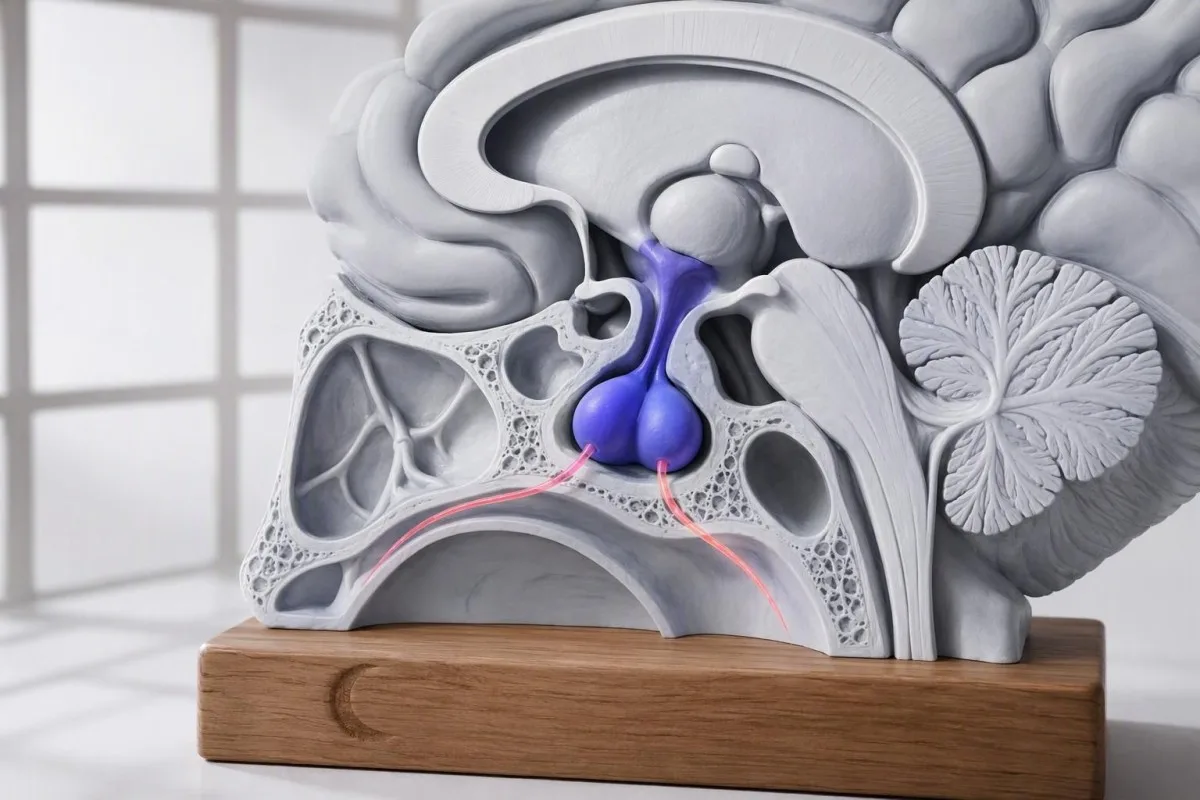
Плоден 31-годишник може да има FSH 14 IU/L на еден тест од раниот циклус и 7 IU/L следниот месец, особено ако естрадиолот бил различен. Лабораториската прецизност, биолошката варијација и времето на собирање придонесуваат. Промената може да изгледа алармантно во апликација, но сепак може да биде во рамките на очекуваната варијација кај истата личност.
Биотин во дози од 5-10 mg дневно—чести во производите за коса и нокти—може да интерферира со некои стрептавидин-биотинови имуноанализи, иако насоката и големината зависат од лабораторискиот метод. Прашајте ја лабораторијата или лекарот дали пауза од 48-72 часа е соодветна пред повторно тестирање; не прекинувајте медицински пропишано додаток без совет. Нашата водич за темпирање на крвните тестови објаснува други краткорочни влијанија.
Тестирањето за бременост е основен, но лесно пропуштен чекор. hCG има структурна сличност со LH и може да го потисне природниот репродуктивен циклус, додека раната бременост може да коегзистира со збунувачки симптоми и отсуство на менструација. Ако резултатот од тестот не се совпаѓа со клиничката приказна, лекарите треба да го потврдат тестот, датумот на примерокот и статусот на бременост пред да ги следат ретките дијагнози.
Кои тестови ги прават LH и FSH покорисни?
Естрадиол, прогестерон, AMH, пролактин, TSH и андрогени често ја прават LH и FSH интерпретабилни; вистинските додатоци зависат од клиничкото прашање. Нарачувањето на секој хормон одеднаш не е секогаш подобро, бидејќи неколку тестови се чувствителни на време.
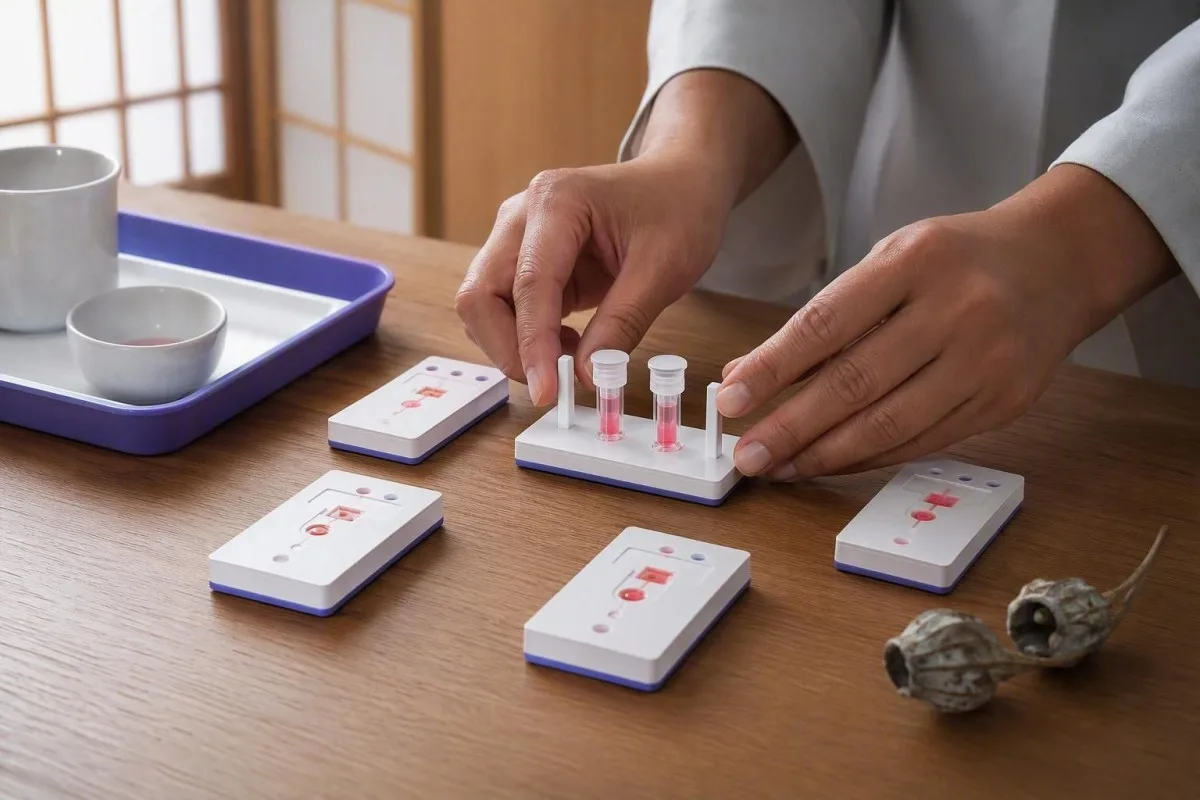
За неправилни менструации или сомнеж за PCOS, лекарот вообичаено зема предвид тестирање за бременост, вкупен тестостерон, SHBG или пресметан слободен тестостерон, пролактин, TSH и 17-хидроксипрогестерон кога е индицирано. За сомнеж за овулација, прогестеронот најдобро се зема околу 7 дена пред очекуваниот следен менструален период, не автоматски на 21-ви ден; 21-от ден одговара само на 28-дневен циклус.
За планирање на третман за плодност, AMH може да се мери во повеќето денови од циклусот и ја одразува очекуваната реакција на стимулација на јајниците повеќе отколку спонтаниот потенцијал за бременост. Многу низок AMH не треба да се користи за да се одбие нега за плодност, а висок AMH може да се појави кај PCOS без да го докаже тоа. Нашиот преглед на причини за низок AMH го става овој резултат во перспектива.
Kantesti AI ги толкува резултатите од LH и FSH со проверка на придружните биомаркери и долгорочните промени, наместо да користи само сооднос. Луѓето кои сакаат да разберат како се применуваат методологијата и клиничките заштитни мерки може да го прегледаат нашиот стандарди за медицинска валидација.
Како да се подготвите за точен тест на LH и FSH
LH и FSH обично не бараат постење, но точната интерпретација бара правилен ден од циклусот, список на лекови и стабилна клиничка средина. За панел за плодност од ден 3, утринското земање примерок на ден 2-5 од циклусот е практичен стандард.

Информирајте го лекарот што нарачува за хормонална контрацепција, HRT, инјекции за плодност, тестостерон, антипсихотици, опиоиди, глукокортикоиди и додатоци. Акутна болест, големо нарушување на спиењето и многу напорно вежбање може привремено да ја променат репродуктивната сигнализација, особено кога влијаат на енергетскиот баланс или пролактинот. Постењето обично не е потребно освен ако другите барани тестови, како што се гликоза или липиди, не го бараат тоа.
Ако повторно тестирате неочекуван резултат од FSH, користете ја истата лабораторија и тест кога е можно, во споредлива фаза од циклусот. Тоа е поинформативно отколку споредување на вредност од ден 3 од една лабораторија со вредност од ден 17 од друга. Нашиот водич за подготовка за основен тест на крвта нуди практичен контролен список.
За домашна грижа за плодноста, избегнувајте да ги толкувате уринарните LH китови како крвни LH вредности. Уринарните китови идентификуваат пораст на LH што често претходи на овулацијата за 24-36 часа, но позитивниот кит не може да потврди ослободување на јајце клетка и може да остане збунувачки кај PCOS. Понекогаш е потребно време за прогестерон или ултразвук кога клиничкото прашање е потврда на овулацијата.
Кога резултатите од LH и FSH бараат медицинско следење
Побарајте медицински преглед за отсуство на менструација кое трае 3 месеци, менопауза пред 45 години, неплодност, брзо прогресивни андрогени симптоми или ниски гонадотропини со невролошки симптоми. LH и FSH ретко се тестови за итни случаи, но моделот може да идентификува состојби каде што одложувањето е бескорисно.
Закажете рутински преглед ако циклусите повеќепати надминуваат 35 дена, се јавуваат помалку од 8 пати годишно, или станат одеднаш неправилни откако претходно биле стабилни. Ако имате под 40 години и имате отсуство на менструација плус FSH постојано над 25 IU/L, соодветна е брза проценка за примарна инсуфициенција на јајниците бидејќи можеби ќе бидат потребни рани упатувања за импликациите на коските, кардиоваскуларните и плодноста.
Преглед истата недела е разумен за галактореја, постојана главоболка, нов видливо нарушување, или забележани андрогени промени како што се брзо развивачко грубо влакно на лицето со промена на гласот. Тешкото постменопаузално крварење бара навремена проценка без оглед на вредностите на LH или FSH. За топли бранови, лекарите може исто така да исклучат болести на тироидната жлезда и ефекти од лекови; нашиот водич за тест на крв за топли бранови го објаснува ова диференцијално.
Медицинската содржина на Kantesti се прегледува со надзор од лекар, но интерпретацијата не може да замени проценка од специјалист за репродуктивна ендокринологија или примарна нега. Можете да ги запознаете професионалците кои стојат зад тој процес на преглед преку нашиот Медицински советодавен одбор. Од 9 септември 2026 година, најбезбедниот заклучок останува прво моделот, повторното тестирање кога е потребно и одлуките за третман врз основа на симптомите и целите - не соодносот LH:FSH.
Практична листа за заедничко читање на LH и FSH
Најдобриот следниот чекор е да ги усогласите вашите LH и FSH вредности со денот од циклусот, естрадиолот, лековите, возраста и причината за тестирање пред да им припишете значење. Оваа петделна проверка спречува повеќето избегливи погрешни толкувања.

Прво, идентификувајте го прашањето: овулација, планирање на плодност, неправилни менструации, симптоми на PCOS, симптоми на менопауза или низок тестостерон. Второ, запишете го датумот на последната природна менструација и дали користите некој хормонален лек. Резултатот добиен за време на LH бранот не смее да се споредува со резултат од ден 3 за плодност.
Трето, спојте LH и FSH со естрадиол и додадете целни тестови наместо неселективни панели. Четврто, споредете ги со вашите претходни резултати користејќи ја истата лабораторија каде што е можно. Kantesti е услуга за толкување на лабораториски тестови со вештачка интелигенција што може да организира лонгитудинални резултати на хормони низ извештаите, но постојаните симптоми или абнормалните обрасци сè уште бараат клиничар кој може да ве прегледа и да ги разгледа вашите приоритети.
Конечно, не дозволувајте нормалното сооднос да ги отфрли вистинските симптоми, и не дозволувајте абнормалното сооднос да создаде дијагноза што ја немате. 10-минутна консултација со внимателна историја на циклусот често додава повеќе од друг мерен тест на крвта. Ако ви е потребна помош за подготовка за тој разговор, користете ја нашата листа за проверка на резиме за посета на лекар.
Често поставувани прашања
Какво е нормален сооднос LH кон FSH?
Не постои единствен нормален сооднос LH:FSH што дијагностицира здравје или болест бидејќи двата хормони се менуваат низ менструалниот циклус. Во раната фоликуларна фаза, многу луѓе имаат сооднос близу 1:1, додека сооднос над 2:1 може да се појави кај некои луѓе со PCOS и кај луѓе без PCOS. Меѓународната насока за PCOS од 2023 година не го користи соодносот LH:FSH како дијагностички критериум. Соодносот е најсмислен само кога LH, FSH, ден од циклусот, естрадиол, резултати од андроген и симптоми се разгледуваат заедно.
Дали високиот ЛХ и нискиот ФСХ значи ПКОС?
Висок LH со релативно низок FSH може да биде показател за PCOS, но сам по себе не значи дека некој има PCOS. LH од 12 IU/L со FSH од 4 IU/L може да ја одразува сигнализацијата од типот PCOS, но може да се случи и близу до овулација или кога времето на циклусот е непознато. Дијагнозата PCOS бара две од три карактеристики: овулаторна дисфункција, хиперандрогенизам и полицистична морфологија на јајниците или покачен AMH кај возрасни по исклучување на други причини. Тестостерон, SHBG, пролактин, TSH и менструална историја се обично покорисни од самиот сооднос.
Кое ниво на ФСХ укажува на менопауза?
Нивото на ФСХ (FSH) постојано над околу 25-30 IU/L може да укажува на менопауза или несолвентност на јајниците кога естрадиол е низок и менструацијата престанала. Постменопаузалниот ФСХ (FSH) често се движи помеѓу 25 и 135 IU/L, иако лабораториските интервали варираат и ХРТ (HRT) може да ја намали вредноста. Кај лица над 45 години, менопаузата генерално се дијагностицира клинички по 12 месеци без менструација, наместо со тестирање на ФСХ (FSH). Еден нормален ФСХ (FSH) не ја исклучува перименопаузата бидејќи нивоата може да варираат широко помеѓу циклусите.
Може ли да забремените со висок FSH?
Да, бременост може да настане и покрај висок FSH резултат бидејќи FSH е несовршен маркер за плодност и варира од циклус до циклус. FSH на трет ден над 10-15 IU/L може да укажува на намалени резерви на јајниците или понизок одговор на лекови за плодност, но не ја мери квалитетот на јајце клетката, проодност на јајцеводите или факторите на спермата. Естрадиолот може да маскира покачен FSH, па затоа двата теста треба да се толкуваат заедно. Секој што се обидува да зачне 12 месеци пред 35-годишна возраст, или 6 месеци од 35-годишна возраст, треба да побара проценка на плодноста.
Зошто ми се ниски и ЛХ и ФСХ?
Низок ЛХ и ФСХ може да се очекуваат при комбинирана хормонска контрацепција, бременост, доење или по овулација. Кога естрадиолот или тестостеронот се исто така ниски и менструациите отсуствуваат, моделот може да укажува на хипоталамична супресија, покачен пролактин, хипофизна болест, хронична болест или ефекти од лекови. Функционална хипоталамична аменореја е особено честа по значително губење на тежината, внес на ниска енергија или интензивен тренинг за издржливост. Нова силна главоболка, промени во видот или галактореја со ниски гонадотропини бараат итен медицински преглед.
Дали тестовите за LH и FSH треба да се направат на 3-ти ден?
За проценка на основната плодност или резервите на јајниците, LH, FSH и естрадиол најчесто се мерат во деновите 2-5 од циклусот, често наречени тестирање на ден 3. Ова рано-фоликуларно мерење ги прави резултатите споредливи бидејќи се намалени хормоналните флуктуации за време на овулацијата и лутеалната фаза. Тестот не бара постење освен ако другите нарачани тестови не го бараат тоа. LH и FSH тестирани на различен ден сè уште можат да бидат клинички корисни, но денот на циклусот мора да биде познат за нивно точно толкување.
Добијте AI анализа на крв со моќ на вештачка интелигенција денес
Придружете се на над 2 милиони корисници ширум светот кои му веруваат на Kantesti за инстантна, точна анализа на лабораториски тестови. Поставете ги вашите резултати од крвна слика и добијте сеопфатно толкување на 15,000+ биомаркери за секунди.
📚 Реферирани научни публикации
Клајн, Т., Мичел, С., и Вебер, Х. (2026). Kantesti LTD. (2026). RDW тест на крвта: Целосен водич за RDW-CV, MCV и MCHC. Zenodo. Записи на ResearchGate и Academia.edu достапни преку поврзани бази на податоци за објавување.. AI Medical Research.
Клајн, Т., Мичел, С., и Вебер, Х. (2026). Kantesti LTD. (2026). BUN/Креатинин сооднос објаснет: Водич за тестови за функција на бубрези. Zenodo. Записи на ResearchGate и Academia.edu достапни преку поврзани бази на податоци за објавување.. AI Medical Research.
📖 Надворешни медицински референци
Национален институт за здравје и грижа за извонредност (2024). Менопауза: дијагноза и управување (NG23). NICE водич.




⚕️ Медицинско одрекување од одговорност
Овој напис е само за едукативни цели и не претставува медицински совет. Секогаш консултирајте се со квалификуван здравствен работник за одлуки за дијагноза и третман.
Сигнали за доверба E-E-A-T
Искуство
Клиничка ревизија водена од лекар за работните текови на толкување на лабораториски резултати.
Експертиза
Фокус на лабораториска медицина за тоа како биомаркерите се однесуваат во клинички контекст.
Авторитивност
Напишано од д-р Thomas Klein, со ревизија од д-р Sarah Mitchell и проф. д-р Hans Weber.
Доверливост
Толкување засновано на докази со јасни патеки за следење за да се намали алармирањето.