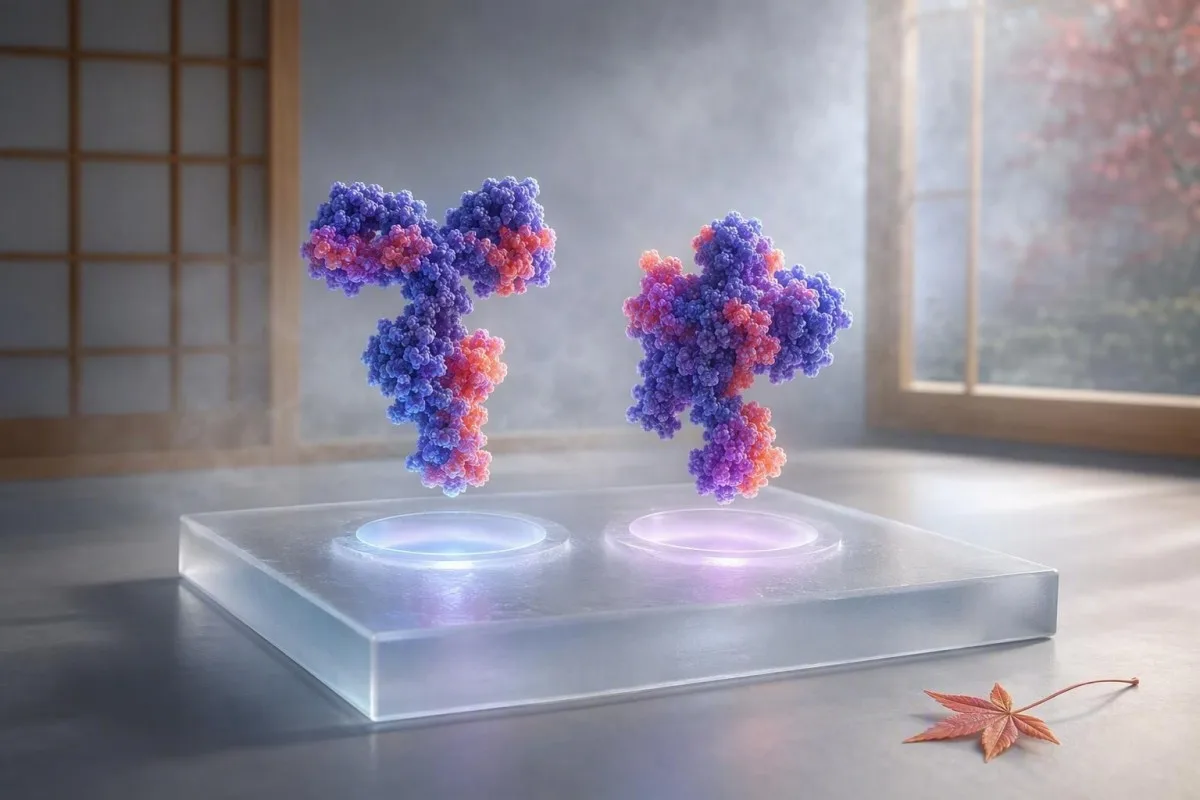
LH og FSH skal fortolkes sammen med din cyklusdag, østradiolniveau, symptomer og medicin i betragtning. Et højt eller lavt resultat på en enkelt tilfældig dag diagnosticerer sjældent fertilitetsproblemer, PCOS eller menopause alene.

- Cyklustiming ændrer LH og FSH væsentligt: test på dag 2-5 er normalt mest fortolkelig for vurdering af ovariereserven.
- Follikulær FSH er ofte omkring 3-10 IU/L før ægløsning, men hvert laboratorium skal angive sit eget referenceinterval.
- LH-stigning værdier kan kortvarigt stige til over 20-90 IU/L omkring ægløsning; dette er fysiologisk, ikke et resultat af menopause.
- LH:FSH-ratio over 2 kan forekomme ved PCOS, men det diagnosticerer ikke PCOS og er ikke en del af de internationale diagnostiske kriterier fra 2023.
- FSH over 25 IU/L ved gentagne tests kan understøtte ovarieinsufficiens eller menopause, når menstruation udebliver, afhængigt af alder og hormonbrug.
- Overgangsalder diagnosticeres normalt klinisk efter 12 måneder uden menstruation efter 45-årsalderen, ikke ud fra en enkelt FSH-måling.
- Høj LH med lav FSH kan afspejle midtcyklus-stigning, PCOS-fysiologi, medicin eller tidspunkt for analyse; østradiol og cyklushistorik bestemmer betydningen.
- Lav LH og FSH med lav østradiol kan pege mod hypofysær eller pituitary undertrykkelse, især efter vægttab, hård træning eller alvorlig stress.
Hvad LH og FSH-resultater faktisk fortæller dig
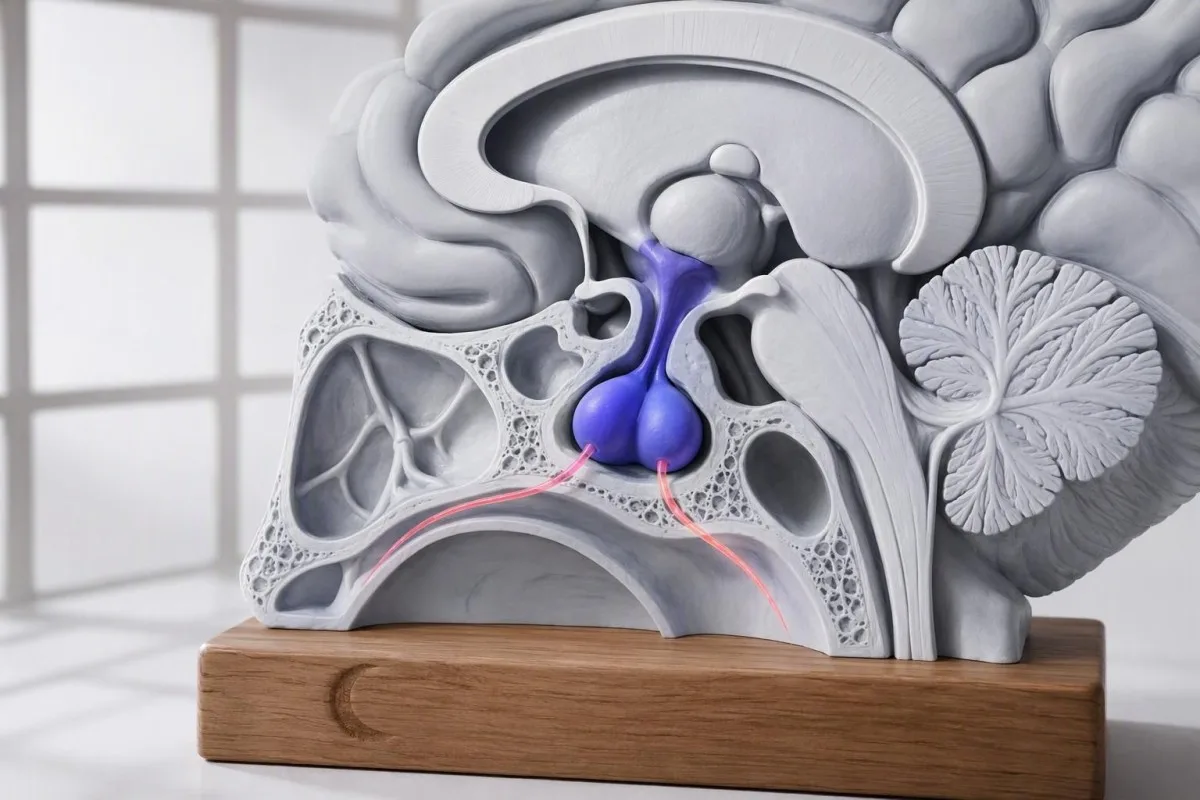
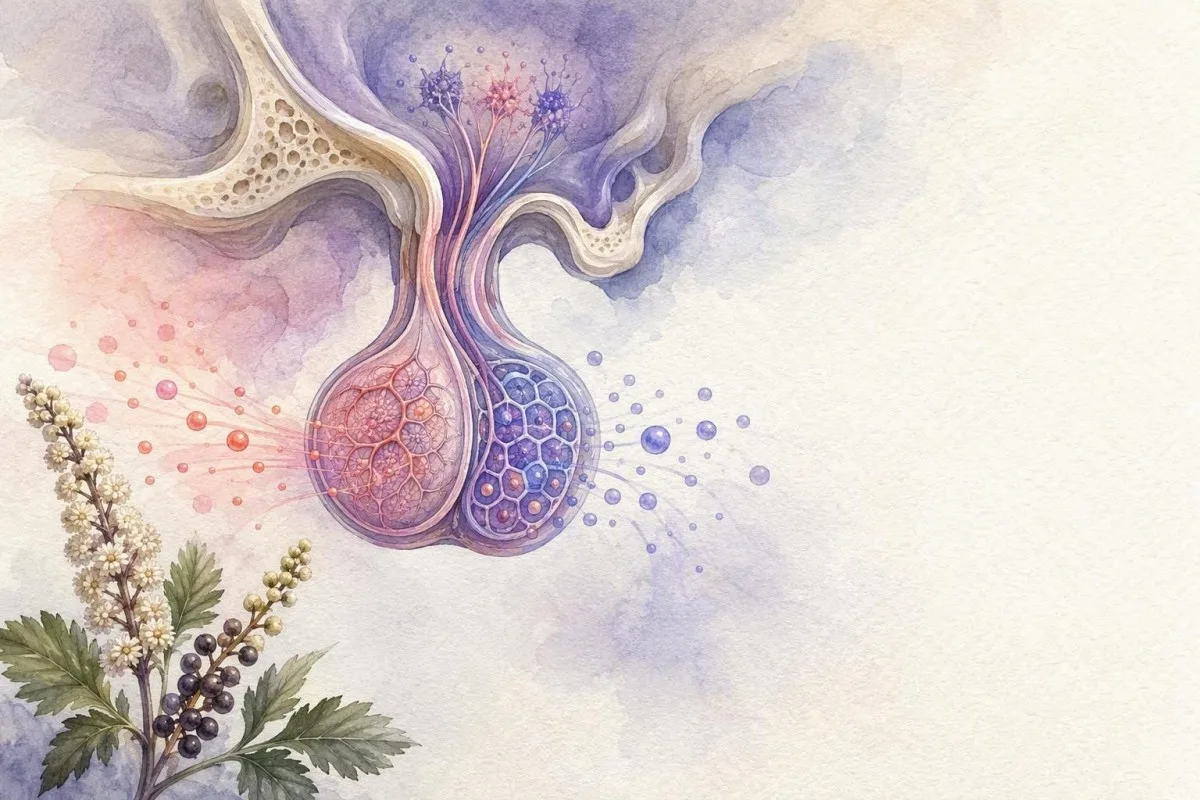
LH og FSH er hypofyse signaler, ikke direkte mål for ægantal eller fertilitet. LH fremkalder endelig follikelmodning og ægløsning, mens FSH rekrutterer udviklende follikler; deres betydning ændrer sig dramatisk mellem dag 3, den ovulatoriske stigning, lutealfasen og menopause.
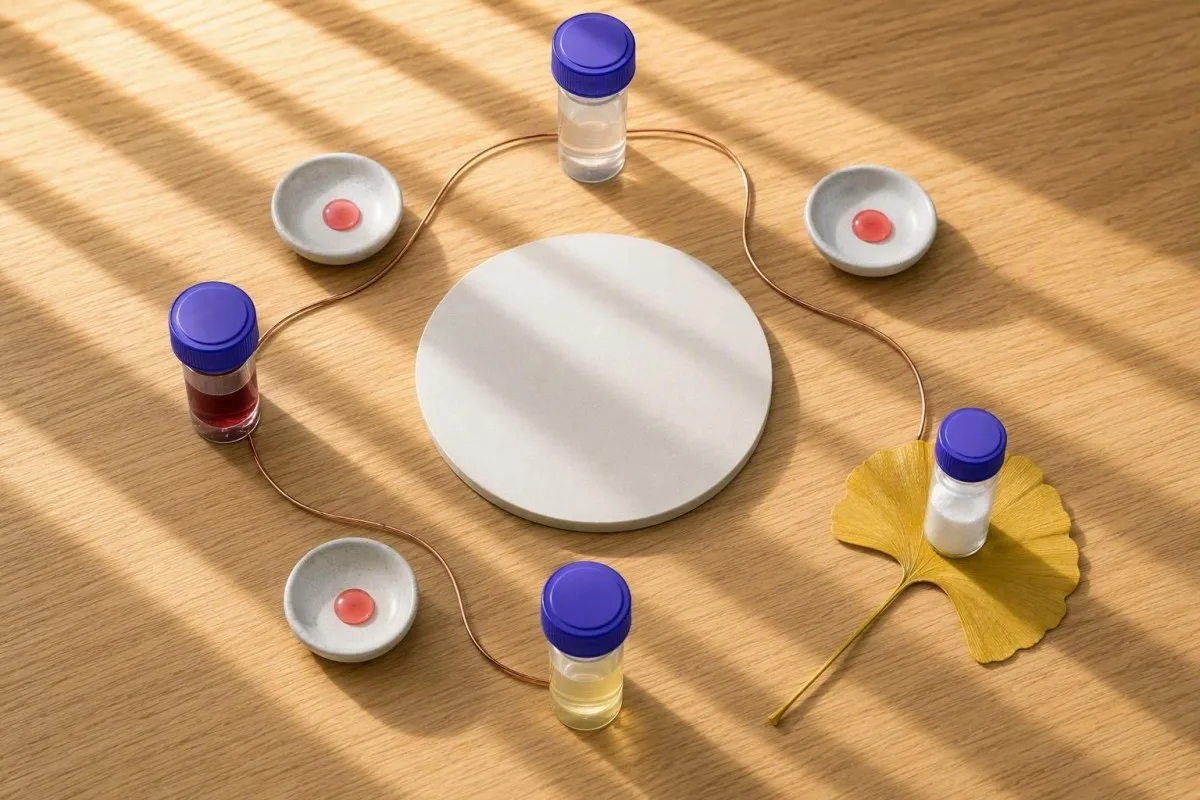
For en person med regelmæssige cyklusser er en LH på 7 IE/L og FSH på 6 IE/L på cyklusdag 3 almindeligvis uden betydning. Samme LH på 7 IE/L under et formodet ægløsningsvindue fortæller langt mindre, da LH-udskillelsen er pulsatil og kan ændre sig inden for timer. Jeg siger til patienter, at disse er trafiksignaler fra hjernen, ikke et fertilitetsscorekort.
I mit kliniske arbejde er det nyttige spørgsmål ikke “hvilken er højere?” men “hvad skete der biologisk, da denne prøve blev taget?” Kantesti er en AI blodprøveanalysator, der placerer LH og FSH ved siden af østradiol, progesteron, alder, cyklusdato og tidligere resultater i stedet for at behandle et flag som en diagnose. Vores kvindehormon-guide forklarer, hvorfor dette bredere synspunkt betyder noget.
Dr. Thomas Kleins praktiske regel er enkel: registrer den første dag med fuld menstruationsblødning som dag 1, dokumenter hormonel prævention eller HRT, og behold laboratoriets egne enheder. En værdi rapporteret i IE/L er generelt numerisk udskiftelig med mIU/mL, men referenceintervaller og analysekalibrering afviger stadig. Om Kantesti beskriver, hvordan vores medicinske og tekniske teams håndterer kontekst i rapporterede resultater.
LH vs FSH-mønstre på tværs af menstruationscyklussen
LH og FSH er begge relativt lave i den tidlige follikulære fase, LH stiger skarpt før ægløsning, og begge falder igen i lutealfasen. En prøve uden cyklusdag kan se unormal ud, når den simpelthen er forkert tidsbestemt.
Typiske tidlige follikulære referenceintervaller er ca. FSH 3-10 IE/L og LH 2-12 IE/L, selvom et laboratorium med rimelighed kan fastsætte andre grænser. Omkring ægløsning kan LH stige til 20-90 IE/L i 24-48 timer, mens FSH ofte stiger mere beskedent til omkring 4-25 IE/L. En enkelt høj LH i dette interval er normalt et tegn på en nært forestående eller nylig ægløsning.
Efter ægløsning undertrykker progesteron hypofyseproduktionen, så LH er ofte omkring 1-14 IE/L og FSH omkring 1-9 IE/L. Et midt-luteal progesteronresultat over ca. 25-30 nmol/L, eller 8-10 ng/mL afhængigt af analysen, giver stærkere retrospektiv evidens for ægløsning end LH alene. Se vores guide til progesteron efter cyklusdag for timingfælderne.
Det mindre kendte problem er pulsvariation. LH frigives i pulser cirka hver 1-2 time hos mange reproduktive voksne, så en værdi tæt på en referencegrænse kan flytte kategorier på en gentaget prøve uden nogen klinisk ændring. Derfor gentager klinikere ofte et uventet dag 3 hormonpanel i stedet for at reagere på en forskel på 1 IE/L.
FSH- og LH-fertilitetstest: Hvorfor dag 3 betyder noget
Til baseline fertilitetsvurdering måles FSH og østradiol normalt på cyklusdag 2-5, ikke efter ægløsning. Tidlig cyklus-testning reducerer – men fjerner ikke – de normale hormonelle udsving, der gør et resultat svært at fortolke.
Et FSH under 10 IE/L på dag 3 er ofte betryggende, men det beviser ikke normal ægkvalitet, æggelederkvalitet eller sandsynlighed for naturlig undfangelse. FSH kan fremstå kunstigt normalt, hvis østradiol allerede er forhøjet, ofte over 220-294 pmol/L (60-80 pg/mL), fordi østradiol undertrykker hypofysens FSH. Denne kombination er en almindelig blind vinkel i direkte forbrugerrapporter.
ASRM's komité for fertilitetsevaluering råder til, at tests af ægreserven bør supplere – ikke erstatte – alder, ægløsningshistorik, sædanalyse og vurdering af æggelederne (Practice Committee of ASRM, 2021). AMH og antallet af antrale follikler forudsiger ægrespons på stimulation mere konsekvent end et enkelt basal FSH, men ingen bør bruges som en dom over, hvorvidt en person kan blive gravid naturligt. Vores IVF baseline hormon oversigt placerer disse tests i deres rette rolle.
Jeg har set en 34-årig med FSH 12 IE/L blive gravid uden behandling, og en 29-årig med FSH 6 IE/L have brug for hjælp på grund af sygdom i æggelederne. Disse eksempler er ikke løfter; de er grunden til, at klinikere ikke bruger FSH som en bestået/fejlet test. En fuld fertilitetsvurdering er generelt passende efter 12 måneders forsøg under 35 år, efter 6 måneder fra 35 års alderen, eller tidligere ved manglende menstruation, tidligere bækkenoperation eller kendte mandlige faktorer.
Diagnosticerer LH:FSH-forholdet PCOS?
Nej, et forhøjet LH:FSH-forhold diagnosticerer ikke PCOS. Et forhold over 2:1 eller 3:1 kan forekomme hos nogle personer med PCOS, men normale forhold er også almindelige ved PCOS, og høje forhold forekommer uden for det.
Beregningen er simpelthen LH divideret med FSH, når begge måles samtidigt: LH 12 IE/L og FSH 4 IE/L giver et forhold på 3. En høj LH lav FSH mønster kan afspejle øget LH pulsfrekvens, men det kan også være en prøve fra midtvejen i cyklus, nyligt graviditetstab, reduceret kalorieindtag eller almindelig variation. Forhold er især upålidelige, når cyklussens dag er ukendt.
Den internationale evidensbaserede vejledning fra 2023 definerer PCOS ved hjælp af to af tre træk efter udelukkelse af efterligninger: klinisk eller biokemisk hyperandrogenisme, ovulatorisk dysfunktion og polycystisk ovariemorfologi eller forhøjet AMH hos voksne (Teede et al., 2023). LH:FSH-forholdet er fraværende fra disse kriterier. I praksis tilføjer akne, terminal hårvækst, uregelmæssige cyklusser, testosteron, SHBG, prolaktin og skjoldbruskkirtelprøve normalt mere diagnostisk værdi.
Kantesti AI er en AI fortolkning af blodprøve platform, der identificerer et LH:FSH mønster som et diskussionsoplæg, ikke som en PCOS-mærkning. Hvis menstruation er mere end 35 dage fra hinanden, eller færre end 8 forekommer på et år, arrangeres klinisk vurdering; vores guide til PCOS-testing etter fødselskontroll forklarer, hvorfor tidspunktet efter stop for hormoner er vigtigt.
Høj LH, lav FSH: PCOS-indikator eller noget andet?
Høj LH med relativt lav FSH afspejler oftest cyklustidspunktet eller PCOS-type neuroendokrin signalering, men det er ikke specifikt. Resultatet fortjener en struktureret undersøgelse for graviditet, skjoldbruskkirtelsygdom, forhøjet prolaktin, medicinpåvirkninger og androgenoverskud.
Når LH er 15 IE/L og FSH er 5 IE/L på dag 3, tjekker jeg først østradiol og spørger om cyklusregelmæssighed. Hvis østradiol er højt, kan en follikel allerede være aktiv; hvis testosteron er højt og menstruation er uregelmæssig, bliver PCOS mere plausibelt. En gentaget morgenprøve på en dokumenteret cyklussdag er normalt mere informativ end straks at bestille en stor panel.
Prolaktin over laboratoriets øvre grænse kan forstyrre GnRH-signalering og producere uregelmæssige eller udeblevne menstruationer, mens TSH-abnormiteter kan efterligne mange PCOS-symptomer. Et let forhøjet prolaktin bør normalt gentages i rolige morgenomgivelser efter undgåelse af brystvortesimulering og anstrengende motion i 24 timer. Vores artikel om let forhøjet prolaktin dækker fornuftig gentestning.
Androgendiagnostik har også tekniske begrænsninger. Totalt testosteron målt ved væskekromatografi-tandem massespektrometri er generelt mere pålideligt ved kvindelige koncentrationer end mange immuntester; SHBG hjælper med at estimere fri androgen eksponering. Hvis der er hurtig stemmedybde, nyt markant hårtab i hovedbunden eller hurtigt progredierende ansigtshår over måneder, vurderer klinikere akut for usædvanlige androgen-sekreterende årsager snarere end at antage PCOS.
Perimenopause: Hvorfor LH og FSH svinger så meget
Perimenopause forårsager ofte uregelmæssige FSH og LH, fordi ægløsning bliver periodisk, og østradiol kan være høj, lav eller normal fra cyklus til cyklus. Et enkelt FSH-resultat kan ikke pålideligt stadie perimenopause hos personer over 45 med typiske symptomer.
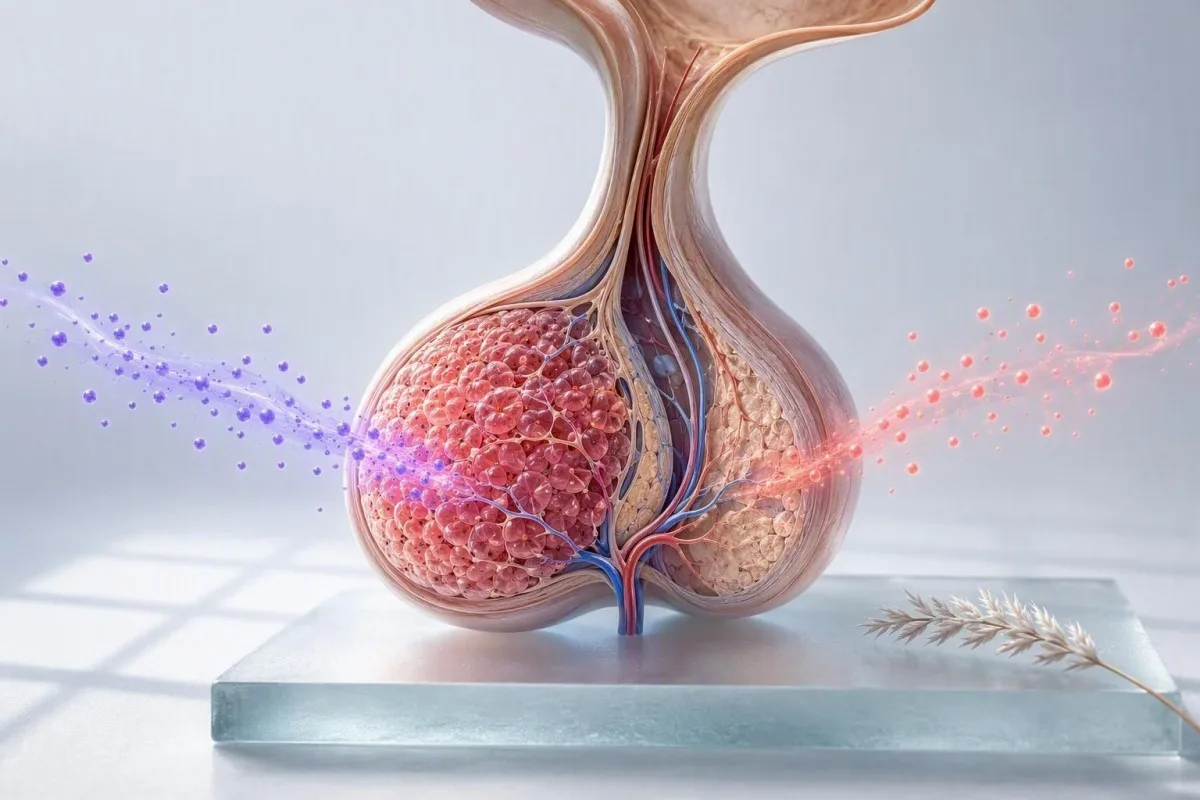
FSH kan være 9 IE/L den ene måned og 35 IE/L den næste, især i de sidste 2-8 år før den sidste menstruation. Årsagen er ikke simpelthen “æggestokssvigt”: en tilbageværende follikel kan stadig producere nok østradiol til midlertidigt at undertrykke FSH. Dette er grunden til, at en normalt udseende FSH ikke udelukker perimenopause hos en person med hedeture og ny-uregelmæssige cyklusser.
NICE anbefaler at diagnosticere perimenopause klinisk hos personer på 45 år eller ældre med vasomotoriske symptomer og menstruationsændringer, uden laboratorietestning i de fleste tilfælde (NICE, 2024). FSH-testning er mindre nyttig, når man bruger kombineret hormonel prævention, høj-dosis gestagen eller systemisk HRT, fordi disse lægemidler ændrer feedback-løkken. Vores forklaring af østradiol i overgangsalderen viser også, hvorfor et isoleret østrogenresultat er vildledende.
Dr. Thomas Klein har fundet symptom- og blødningsdagbøger overraskende værdifulde her. Registrer hyppighed af hedeture, søvnforstyrrelser, cykluslængde, migrænepønster og behandlingsdatoer i 8-12 uger; det afklarer ofte en historie, som en enkelt blodprøve ikke kan. Kraftig eller hyppig blødning efter 45 år fortjener stadig klinisk vurdering, fordi overgangsalderens symptomer ikke forklarer enhver ændring i blødningen.
Menopause-resultater: Hvad høj FSH og LH normalt betyder
Efter naturlig overgangsalder er FSH almindeligvis over 25-30 IE/L og LH ofte over 20 IE/L, fordi den ovarielle østrogenfeedback er lav. Disse værdier understøtter fysiologien ved overgangsalderen, men er normalt ikke nødvendige for at stille diagnosen efter 45 års alderen.
Mange postmenopausale laboratorier angiver brede FSH-intervaller såsom 25-135 IU/L og LH-intervaller omkring 7-60 IU/L. Der er betydelig overlapning med sen perimenopause, og en person, der tager østrogen, kan have et meget lavere FSH, på trods af at de er menopausale. Et højt FSH i sig selv er ikke farligt og kræver ikke behandling.
Menopause defineres retrospektivt som 12 på hinanden følgende måneder uden menstruation , når ingen anden årsag forklarer fraværet af menstruation. For personer med en livmoder, der udvikler vaginal blødning efter dette tidspunkt, er medicinsk vurdering nødvendig, selv hvis FSH er overbevisende postmenopausalt. Læs mere om FSH efter menopause for almindelige resultatområder og undtagelser.
Tidlig menopause forekommer før 45-årsalderen, og primær ovarieinsufficiens overvejes før 40-årsalderen, når uregelmæssig eller manglende menstruation ledsages af biokemisk bevis for nedsat ovarieaktivitet. Nuværende vejledning bekræfter ofte POI med forhøjet FSH i to prøver med mindst 4-6 ugers mellemrum, selvom de præcise grænseværdier varierer efter retningslinje og analysemetode. Østradiol, graviditetstest, autoimmun historie og genetisk kontekst kan være relevant i yngre aldre.
P-piller og HRT kan få LH og FSH til at se lave ud
Kombineret hormonel prævention undertrykker normalt LH og FSH, så resultater opnået under brug af det kan ikke vurdere naturlig ægløsning, PCOS-fysiologi eller menopausestatus. HRT kan også sænke FSH nok til at sløre et postmenopausalt mønster.
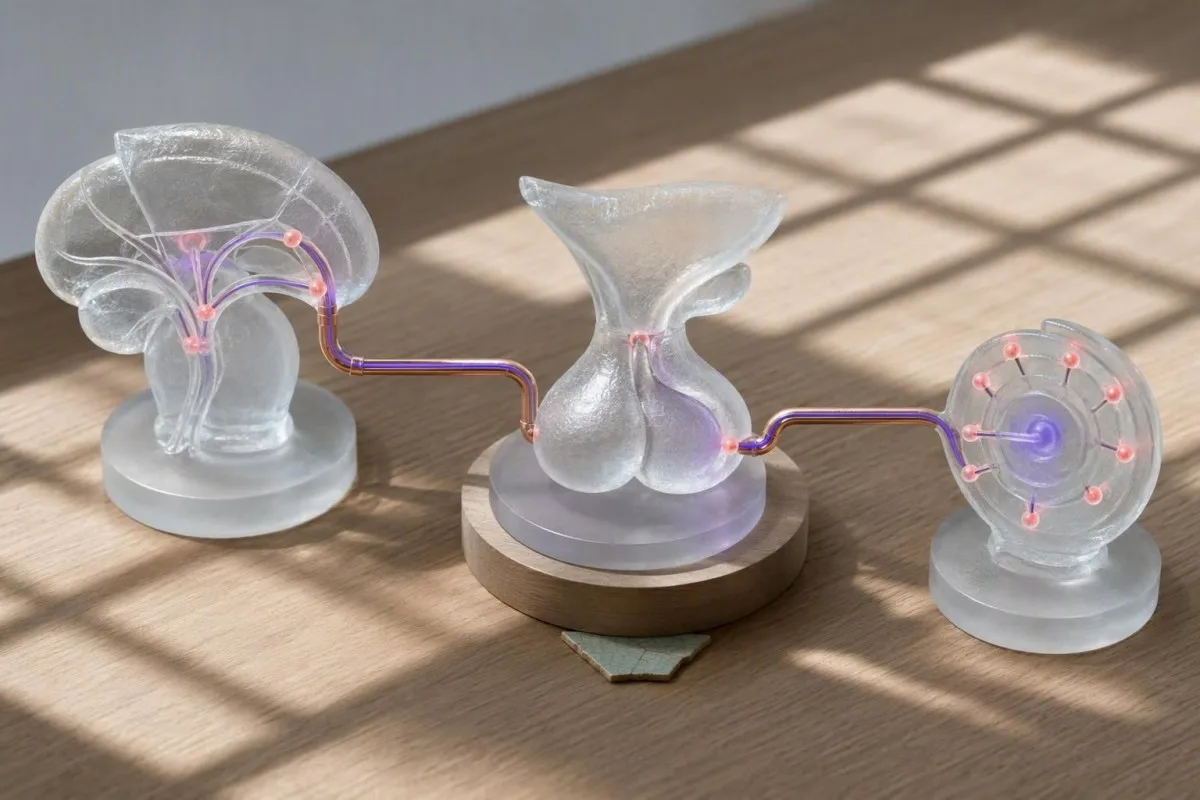
Etinyløstradiolholdige piller, plastre og ringe undertrykker den hypothalamus-hypofyse-ovarie-akse ved design. En LH på 1 IU/L og FSH på 2 IU/L på en kombineret pille er ofte en forventet farmakologisk effekt snarere end en hypofyseforstyrrelse. Gestagen-eneste metoder påvirker resultater mindre forudsigeligt, men kan stadig ændre blødnings- og ægløsningsmønstre.
Til PCOS-vurdering kan klinikere vente ca. 3 måneder efter ophør af kombineret hormonel prævention før kontrol af biokemiske androgener, hvis ophør er sikkert og hensigtsmæssigt. Dette tillader SHBG- og androgenproduktionen at falde til ro, selvom uregelmæssige cyklusser kan gøre præcis timing vanskelig. Vores guide til østrogenresultater på prævention detaljerer laboratoriebegrænsningerne.
Stop ikke prævention eller ordineret HRT blot for at få en hormontest uden at drøfte graviditetsrisiko, symptomer og alternativer. Kantesti er et AI-drevet værktøj til analyse af blodprøver, der beder brugerne om at tilføje hormonmedicin før mønsterfortolkning, da et klinisk normalt undertrykt resultat ellers kan blive fejlagtigt markeret som bekymrende.
Lav LH og lav FSH: Hvornår signalet fra hypofysen betyder noget
Lav LH og FSH er mest relevant, når østradiol eller testosteron også er lavt, og menstruation er ophørt, eller puberteten er forsinket. Dette mønster kan indikere funktionel hypothalamisk undertrykkelse, hyperprolaktinæmi, hypofysesygdom eller medicinpåvirkning.

Funktionel hypothalamisk amenoré er en hyppig forklaring hos personer med lav energitilgængelighed, nyligt vægttab, intensiv udholdenhedstræning, kronisk sygdom eller alvorlig psykologisk stress. LH kan være under 2 IU/L, FSH kan være under 3-5 IU/L, og østradiol kan være lav, men ingen enkelt grænseværdi etablerer diagnosen. Anamnesen giver ofte det manglende stykke.
Et lavt LH- og FSH-mønster er anderledes end ovarieinsufficiens, hvor FSH normalt er højt, fordi hypofysen forsøger at stimulere æggestokkene hårdere. Distinktionen ændrer næste skridt: klinikere kan kontrollere prolaktin, TSH, graviditetsstatus, morgenkortisol i udvalgte tilfælde og overveje hypofyse-billeddannelse, når der er hovedpine, synsforstyrrelser eller markant forhøjet prolaktin. Se lav FSH-mønstre til denne sammenligning.
Akut evaluering er passende ved pludselig svær hovedpine, tab af perifert syn, besvimelse eller nye neurologiske symptomer sammen med ophør af menstruation. I mindre presserende tilfælde kan genopretning af tilstrækkeligt energiindtag og reduktion af overdreven træningsbelastning genstarte cyklusser, men dette bør ske under vejledning af en kliniker, fordi knoglesundheden kan være påvirket efter 6 måneder eller mere med lav østrogenpåvirkning.
LH vs FSH ved mandlig fertilitet og testosterontest
Hos mænd driver LH testosteronproduktionen i testiklerne, mens FSH understøtter sædproduktion, så parret hjælper med at skelne testikulære fra hypofyseårsager til infertilitet eller lavt testosteron. En sædanalyse forbliver den centrale test til sædrelaterede fertilitetsspørgsmål.
Lavt testosteron med højt LH og FSH tyder på primær testikulær dysfunktion, fordi hypofysen øger sit signal. Lavt testosteron med lavt eller upassende normalt LH og FSH tyder på sekundær hypogonadisme eller reversibel suppression fra sygdom, fedme, opioider, glukokortikoider eller forhøjet prolaktin. Morgenprøvetagning, ideelt set før kl. 11, er vigtig, fordi testosteron normalt topper tidligt på dagen.
FSH over det lokale referenceområde kan tyde på nedsat spermatogenese, men en normal FSH garanterer ikke normal sædtal, motilitet eller morfologi. Omvendt er en forhøjet FSH ikke et mål for seksuel præstation. Vores explainer om sædanalyse skitserer, hvorfor laboratorietest af sæd ikke kan erstattes af hormoner.
Hos en mand, der forsøger at blive gravid, bør ordineret testosteron aldrig startes tilfældigt: eksternt testosteron undertrykker almindeligvis LH og FSH og kan markant reducere sædproduktionen inden for måneder. Fertilitetsbevarende alternativer findes for udvalgte patienter, men de kræver en endokrinolog, urolog eller fertilitetsspecialist til at skræddersy behandlingen.
Når et enkeltstående LH- eller FSH-resultat er misvisende
Et isoleret LH- eller FSH-resultat er misvisende, når cyklusdag, graviditetsstatus, hormonmedicinske præparater, akut sygdom eller østradiol er ukendt. Gentagelse af en målrettet test er ofte sikrere og mere nyttig end at drage brede konklusioner ud fra et enkelt flagget tal.
En fertil 31-årig kan have FSH 14 IE/L i en tidlig cyklus-test og 7 IE/L næste måned, især hvis østradiol var anderledes. Laboratorieimpræcision, biologisk variation og tidspunkt for indsamling bidrager alle. Ændringen kan se alarmerende ud i en app, men den kan falde godt inden for forventet variation inden for en person.
Biotin i doser 5-10 mg dagligt—almindeligt i hår- og negleprodukter—kan forstyrre nogle streptavidin-biotin-immunoassays, selvom retningen og størrelsen afhænger af laboratoriemetoden. Spørg laboratoriet eller klinikeren, om en 48-72 timers pause er passende før genprøvetagning; stop ikke et medicinsk ordineret supplement uden rådgivning. Vores blodprøve-timingguide forklarer andre kortvarige påvirkninger.
Graviditetstest er et grundlæggende, men let overset trin. hCG har strukturel lighed med LH og kan undertrykke den naturlige reproduktive cyklus, mens tidlig graviditet kan sameksistere med forvirrende symptomer og udebleven menstruation. Hvis testresultatet ikke passer til den kliniske historie, bør klinikere verificere analysen, prøvedatoen og graviditetsstatus, før de forfølger sjældne diagnoser.
Hvilke tests gør LH og FSH mere nyttige?
Østradiol, progesteron, AMH, prolaktin, TSH og androgener gør ofte LH og FSH fortolkelige; de rigtige tilføjelser afhænger af det kliniske spørgsmål. At bestille alle hormoner på én gang er ikke altid bedre, da flere tests er tidssensitive.
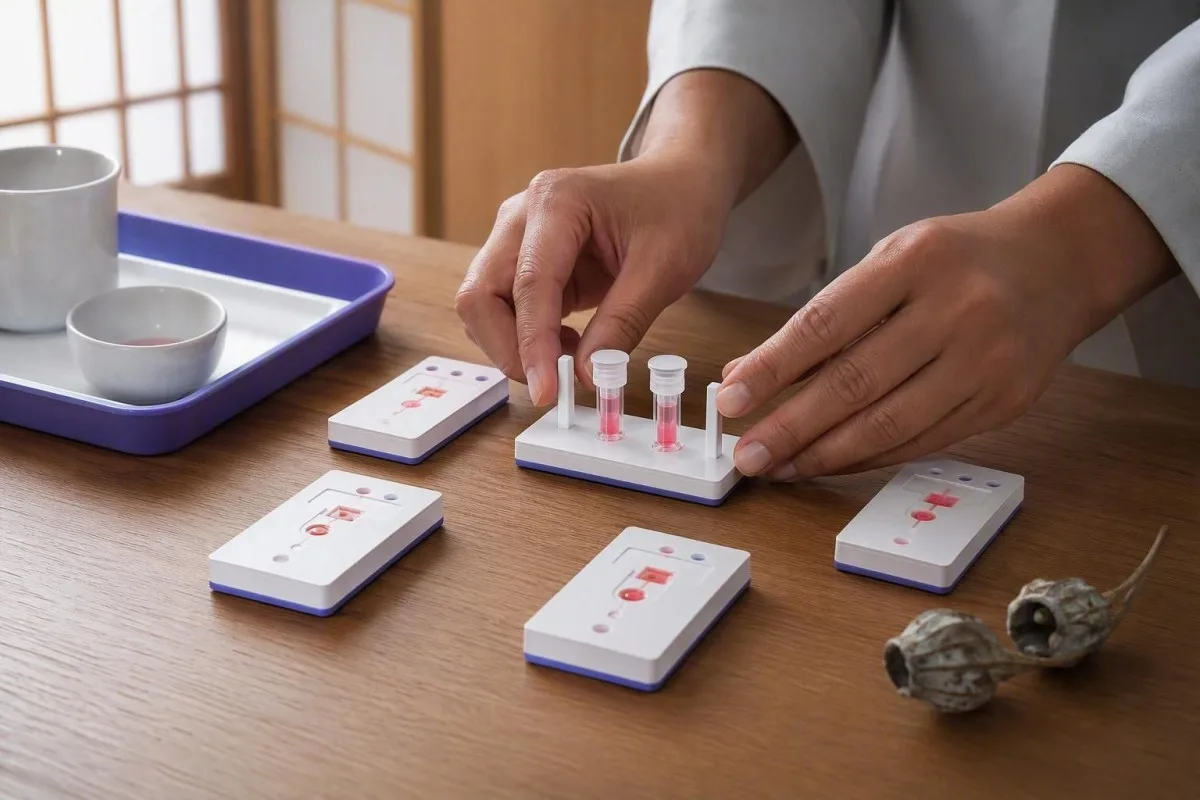
Ved uregelmæssige menstruationer eller mistanke om PCOS overvejer en kliniker almindeligvis graviditetstest, totaltestosteron, SHBG eller beregnet frit testosteron, prolaktin, TSH og 17-hydroxyprogesteron, når det er indiceret. Ved mistanke om ægløsning tages progesteron bedst omkring 7 dage før den forventede næste menstruation, ikke automatisk på dag 21; dag 21 passer kun til en 28-dages cyklus.
Til planlægning af fertilitetsbehandling kan AMH måles på de fleste cyklusdage og afspejler forventet respons på ovarie-stimulation mere end spontan graviditetspotentiale. En meget lav AMH bør ikke bruges til at afvise fertilitetsbehandling, og en høj AMH kan forekomme ved PCOS uden at bevise det. Vores gennemgang af årsager til lav AMH sætter dette resultat i perspektiv.
Kantesti AI fortolker LH- og FSH-resultater ved at kontrollere ledsagende biomarkører og langsgående ændringer, snarere end kun at bruge et forhold. Personer, der ønsker at forstå, hvordan metoder og kliniske sikkerhedsforanstaltninger anvendes, kan gennemgå vores medicinske valideringsstandarder.
Sådan forbereder du dig til en nøjagtig LH- og FSH-test
LH og FSH kræver normalt ikke faste, men nøjagtig fortolkning kræver den korrekte cyklusdag, medicinliste og et stabilt klinisk miljø. For et fertilitetspanel på dag 3 er morgenopsamling på cyklusdag 2-5 en praktisk standard.

Informer den ordinerende læge om hormonel prævention, HRT, fertilitetsinjektioner, testosteron, antipsykotika, opioider, glukokortikoider og kosttilskud. Akut sygdom, alvorlig søvnforstyrrelse og meget anstrengende motion kan midlertidigt ændre reproduktiv signalering, især når de påvirker energibalancen eller prolaktin. Faste er normalt unødvendigt, medmindre andre anmodede tests, såsom glukose eller lipider, kræver det.
Hvis du gentager et uventet FSH-resultat, skal du bruge det samme laboratorium og den samme analyse, når det er muligt, i en sammenlignelig cyklusfase. Det er mere informativt end at sammenligne en dag-3-værdi fra et laboratorium med en dag-17-værdi fra et andet. Vores vejledning til baseline blodprøveforberedelse tilbyder en praktisk tjekliste.
Ved hjemme-fertilitetsbekymring, undgå at fortolke urin-LH-kits som blod-LH-værdier. Urin-kits identificerer en LH-stigning, der ofte går forud for ægløsning med 24-36 timer, men et positivt kit kan ikke bekræfte frigivelse af et æg og kan forblive forvirrende ved PCOS. Progesteron-timing eller ultralyd er undertiden nødvendig, når det kliniske spørgsmål er ægløsningsbekræftelse.
Hvornår LH- og FSH-resultater kræver medicinsk opfølgning
Søg lægelig vurdering ved udeblivende menstruationer, der varer 3 måneder, overgangsalder før 45-årsalderen, infertilitet, hurtigt progressive androgene symptomer eller lave gonadotropiner med neurologiske symptomer. LH og FSH er sjældent akutte tests, men mønsteret kan identificere tilstande, hvor forsinkelse er uhensigtsmæssig.
Book en rutinemæssig aftale, hvis cyklusser gentagne gange overstiger 35 dage, forekommer færre end 8 gange årligt, eller bliver pludselig uregelmæssige efter tidligere at have været stabile. Hvis du er under 40 og har udeblivende menstruationer plus FSH gentagne gange over 25 IU/L, er hurtig vurdering for primær ovarieinsufficiens passende, fordi knoglesundhed, kardiovaskulære og fertilitetsmæssige konsekvenser kan kræve tidlig opmærksomhed.
Vurdering inden for samme uge er fornuftig ved galaktoré, vedvarende hovedpine, ny synsforstyrrelse eller markante androgene ændringer, såsom hurtigt udviklende groft ansigtshår med ændring af stemmen. Kraftig blødning efter overgangsalderen kræver rettidig vurdering uanset LH- eller FSH-værdier. Ved hedeture kan læger også udelukke thyroideasygdom og medicin-effekter; vores guide til blodprøver for hedeture forklarer denne differentialdiagnose.
Kantesti's medicinske indhold gennemgås med klinisk tilsyn, men en fortolkning kan ikke erstatte en vurdering af reproduktiv endokrinologi eller primærpleje. Du kan møde de fagfolk, der står bag denne gennemgangsproces, gennem vores Medicinsk Rådgivende Udvalg. Fra den 9. september 2026 er den sikreste konklusion stadig mønster først, gentagelse af test efter behov, og behandlingsbeslutninger baseret på symptomer og mål – ikke et LH:FSH-forhold.
En praktisk tjekliste til at aflæse LH og FSH sammen
Det bedste næste skridt er at matche dine LH- og FSH-værdier med cyklusdag, østradiol, medicin, alder og årsagen til testning, før du tildeler mening. Denne fem-delte kontrol forhindrer de fleste undgåelige misfortolkninger.

Først skal du identificere spørgsmålet: ægløsning, fertilitetsplanlægning, uregelmæssige menstruationer, PCOS-symptomer, overgangsalder-symptomer eller lavt testosteron. For det andet skal du skrive datoen for den sidste naturlige menstruation ned og angive, om du tager hormonmedicin. Et resultat opnået under en LH-stigning bør ikke sammenlignes med et fertilitetsresultat på dag 3.
For det tredje, par LH og FSH med østrogen, og tilføj målrettede tests frem for uspecifikke paneler. For det fjerde, sammenlign med dine egne tidligere resultater, hvor det er muligt, ved brug af samme laboratorium. Kantesti er en AI-testtolkningsservice, der kan organisere langsgående hormonresultater på tværs af rapporter, men vedvarende symptomer eller unormale mønstre kræver stadig en kliniker, der kan undersøge dig og diskutere dine prioriteter.
Lad endelig ikke et normalt forhold afvise reelle symptomer, og lad ikke et unormalt forhold skabe en diagnose, du ikke har. En 10-minutters konsultation med en omhyggelig cyklushistorik tilføjer ofte mere end endnu en blodprøve taget uden tidsbestemmelse. Hvis du har brug for hjælp til at forberede dig til den samtale, så brug vores tjekliste for opsummering af lægebesøg.
Ofte stillede spørgsmål
Hvad er et normalt LH til FSH-forhold?
Der er ikke ét enkelt normalt LH:FSH-forhold, der diagnosticerer sundhed eller sygdom, da begge hormoner ændrer sig i løbet af menstruationscyklussen. I den tidlige follikulære fase har mange et forhold tæt på 1:1, mens et forhold over 2:1 kan forekomme hos nogle personer med PCOS og hos personer uden PCOS. Den internationale PCOS-retningslinje fra 2023 bruger ikke LH:FSH-forholdet som et diagnostisk kriterium. Et forhold er kun mest meningsfuldt, når LH, FSH, cyklusdag, østradiol, androgene resultater og symptomer tages i betragtning sammen.
Betyder højt LH og lavt FSH PCOS?
Høj LH med relativt lav FSH kan være et tegn på PCOS, men det betyder ikke, at man har PCOS alene. En LH på 12 IE/L med FSH på 4 IE/L kan afspejle PCOS-lignende signalering, men det kan også forekomme tæt på ægløsning eller når cyklustidspunktet er ukendt. PCOS-diagnose kræver to ud af tre træk: ægløsningsdysfunktion, hyperandrogenisme og polycystisk ovarieudseende eller forhøjet AMH hos voksne, efter andre årsager er udelukket. Testosteron, SHBG, prolaktin, TSH og menstruationshistorik er normalt mere nyttige end selve forholdet.
Hvilket FSH-niveau indikerer overgangsalderen?
Et FSH-niveau, der vedvarende er over ca. 25-30 IE/L, kan understøtte overgangsalderen eller æggestokkenes utilstrækkelighed, når østradiol er lavt, og menstruationerne er ophørt. Postmenopausal FSH ligger ofte mellem 25 og 135 IE/L, selvom laboratorieintervallerne varierer, og HRT kan undertrykke værdien. Hos personer over 45 år diagnosticeres overgangsalderen generelt klinisk efter 12 måneder uden menstruationer snarere end ved FSH-test. Et enkelt normalt FSH udelukker ikke perimenopause, da niveauerne kan svinge meget mellem cyklusser.
Kan man blive gravid med højt FSH?
Ja, graviditet kan forekomme med et højt FSH-resultat, fordi FSH er en ufuldstændig markør for fertilitet og varierer fra cyklus til cyklus. En dag-3 FSH over 10-15 IE/L kan indikere reduceret ovariereserve eller lavere respons på fertilitetsmedicin, men den måler ikke ægkvalitet, tubal patency eller sædfaktorer. Østradiol kan maskere en forhøjet FSH, så de to tests bør fortolkes sammen. Alle, der forsøger at blive gravide i 12 måneder under 35 år, eller 6 måneder fra 35 år, bør søge en fertilitetsvurdering.
Hvorfor er mit LH og FSH begge lave?
Lav LH og FSH kan forventes under kombineret hormonel prævention, graviditet, amning eller efter ægløsning. Når østradiol eller testosteron også er lavt, og menstruation udebliver, kan mønsteret tyde på hypotalamisk suppression, forhøjet prolaktin, hypofysesygdom, kronisk sygdom eller medicinpåvirkning. Funktionel hypotalamisk amenoré er særligt almindelig efter betydeligt vægttab, lavt energiindtag eller intens udholdenhedstræning. Ny svær hovedpine, synsændringer eller galaktoré med lavt gonadotropin kræver hurtig lægelig vurdering.
Bør LH- og FSH-tests udføres på dag 3?
Til vurdering af grundlæggende fertilitet eller ovariereserve måles LH, FSH og østradiol almindeligvis på cyklusdag 2-5, ofte kaldet dag-3-test. Denne tidlige follikulære timing gør resultaterne mere sammenlignelige, fordi udsving i ægløsnings- og lutealhormoner reduceres. Testen kræver ikke faste, medmindre andre bestilte tests kræver det. LH og FSH testet på en anden dag kan stadig være klinisk nyttigt, men cyklusdagen skal kendes for at fortolke dem nøjagtigt.
Få AI-drevet blodprøveanalyse i dag
Bliv en del af over 2 millioner brugere på verdensplan, som har tillid til Kantesti for øjeblikkelig og præcis analyse af laboratorieprøver. Upload dine blodprøveresultater, og få en omfattende forstå blodprøveresultater af 15,000+-biomarkører på få sekunder.
📚 Refererede forskningspublikationer
Klein, T., Mitchell, S., & Weber, H. (2026). Kantesti LTD. (2026). RDW Blood Test: Complete Guide to RDW-CV, MCV & MCHC. Zenodo. ResearchGate og Academia.edu optegnelser tilgængelige via linkede publikationsarkiver.. Kantesti AI Medical Research.
Klein, T., Mitchell, S., & Weber, H. (2026). Kantesti LTD. (2026). BUN/Creatinine Ratio Explained: Kidney Function Test Guide. Zenodo. ResearchGate og Academia.edu optegnelser tilgængelige via linkede publikationsarkiver.. Kantesti AI Medical Research.
📖 Eksterne medicinske referencer
National Institute for Health and Care Excellence (2024). Menopause: diagnose og håndtering (NG23). NICE-retningslinje.



⚕️ Medicinsk ansvarsfraskrivelse
Denne artikel er kun til undervisningsformål og udgør ikke lægelig rådgivning. Rådfør dig altid med en kvalificeret sundhedsprofessionel for beslutninger om diagnose og behandling.
E-E-A-T Trust Signals
Erfaring
Lægefagligt ledet klinisk gennemgang af arbejdsgange til laboratorietolkning.
Ekspertise
Fokus på laboratoriemedicin på, hvordan biomarkører opfører sig i klinisk kontekst.
Autoritet
Skrevet af Dr. Thomas Klein med gennemgang af Dr. Sarah Mitchell og Prof. Dr. Hans Weber.
Troværdighed
Evidensbaseret fortolkning med klare opfølgningsspor for at reducere alarm.