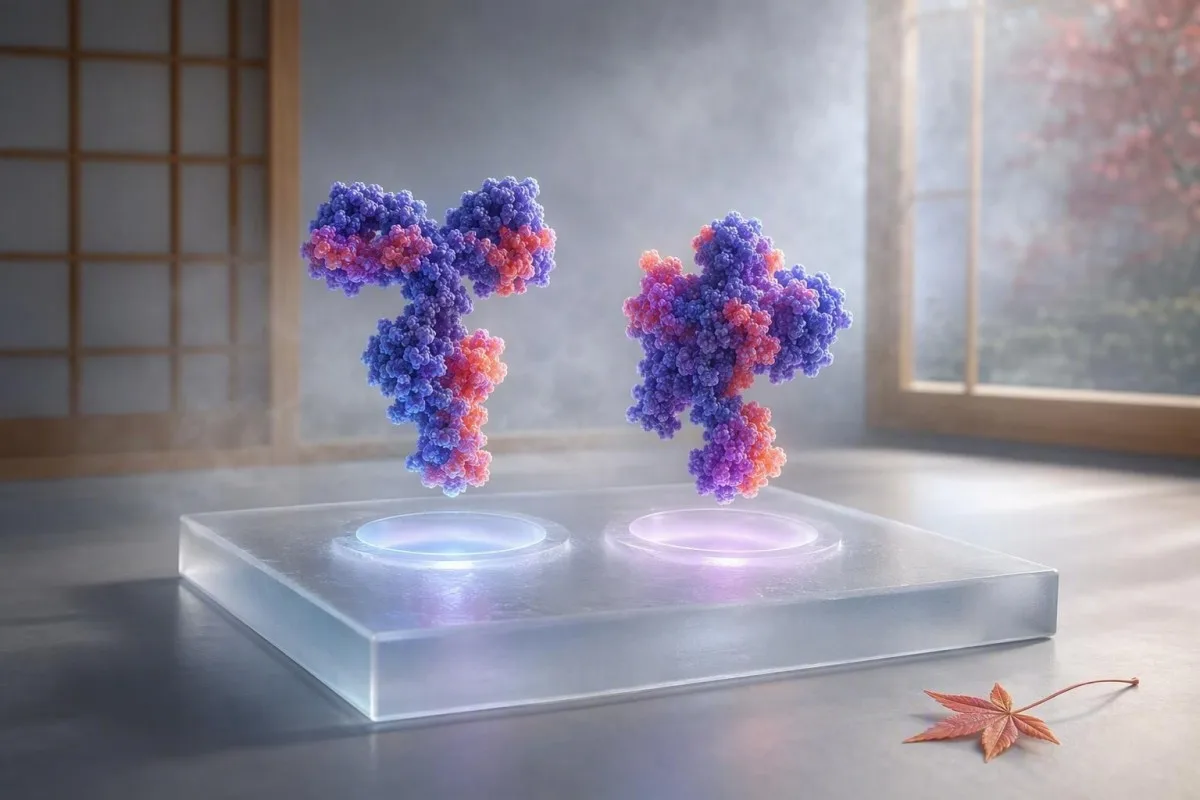
LH na FSH lazima zifasiriwe pamoja, kwa kuzingatia siku ya mzunguko wako, kiwango cha estradiol, dalili na dawa. Matokeo ya juu au ya chini kwa siku moja ya nasibu mara chache hugundua matatizo ya uzazi, PCOS au kumaliza hedhi yenyewe.



- Muda wa mzunguko hubadilisha LH na FSH kwa kiasi kikubwa: upimaji wa siku ya 2-5 kwa kawaida huweza kufasiriwa zaidi kwa tathmini ya akiba ya ovari.
- FSH ya Follicular kwa kawaida huwa takriban 3-10 IU/L kabla ya ovulation, lakini kila maabara lazima itoe kipimo chake cha marejeleo.
- kuongezeka kwa LH maadili yanaweza kuongezeka kwa muda mfupi zaidi ya 20-90 IU/L karibu na ovulation; hii ni ya kisaikolojia, si matokeo ya kumaliza hedhi.
- Uwiano wa LH:FSH zaidi ya 2 inaweza kutokea katika PCOS, lakini haitambui PCOS na si sehemu ya vigezo vya uchunguzi wa kimataifa vya 2023.
- FSH zaidi ya 25 IU/L kwenye upimaji wa marudio inaweza kuunga mkono uharibifu wa ovari au kumaliza hedhi wakati hedhi haipo, kulingana na umri na matumizi ya homoni.
- Menopause kwa kawaida hutambuliwa kimatibabu baada ya miezi 12 bila hedhi baada ya umri wa miaka 45, si kutoka kipimo kimoja cha FSH.
- LH ya juu na FSH ya chini inaweza kuonyesha kuongezeka katikati ya mzunguko, fizikia ya PCOS, dawa au muda wa kipimo; estrojeni na historia ya mzunguko huamua maana.
- LH na FSH za chini pamoja na estrojeni ya chini zinaweza kuashiria kukandamizwa kwa hypothalamus au tezi ya pituitari, hasa baada ya kupunguza uzito, mafunzo mazito au mafadhaiko makali.
Matokeo ya LH na FSH Hukwambia Nini Kweli
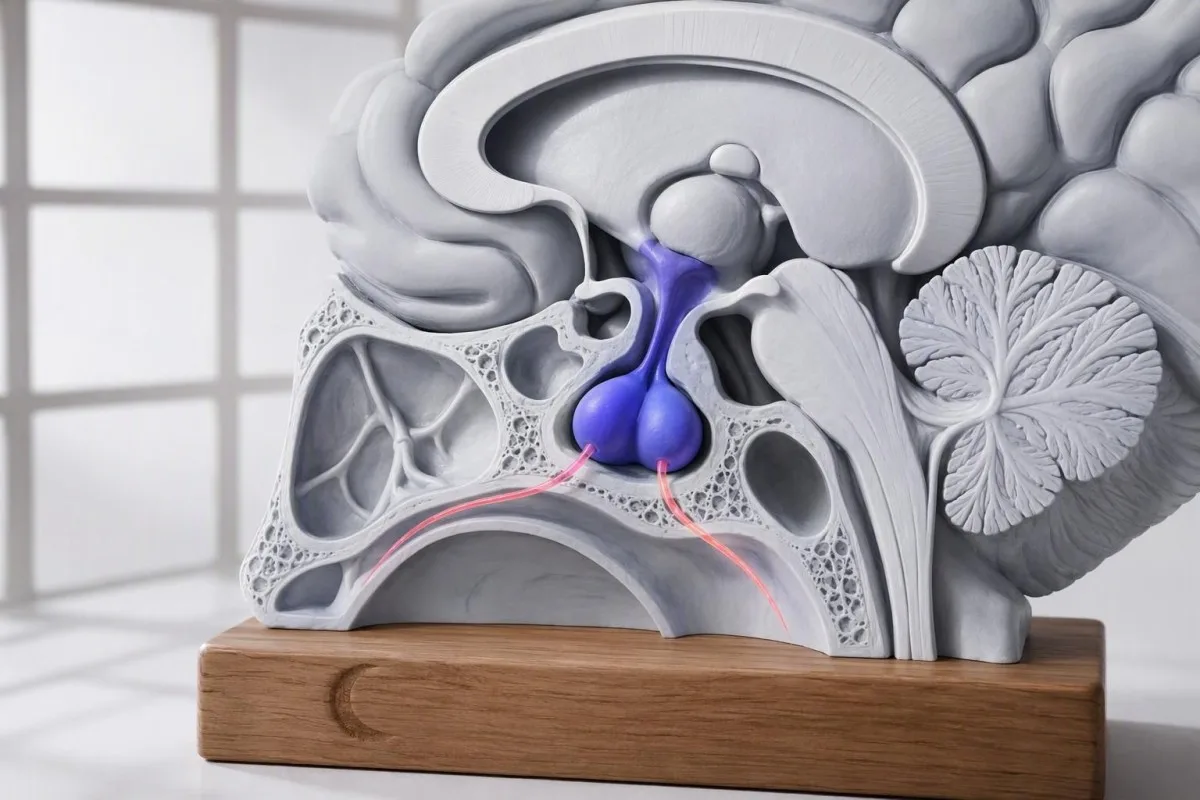
LH na FSH ni mawimbi ya tezi ya pituitari, si vipimo vya moja kwa moja vya idadi ya mayai au uwezo wa kuzaa. LH huchochea ukomavu wa mwisho wa mfuko na ovulation, wakati FSH huajiri mifuko inayokua; maana yake hubadilika sana kati ya siku ya 3, kuongezeka kwa ovulation, awamu ya luteal na kumaliza hedhi.
Kwa mtu aliye na mizunguko ya kawaida, LH ya 7 IU/L na FSH ya 6 IU/L siku ya 3 ya mzunguko kwa kawaida haionekani kuwa ya ajabu. LH sawa ya 7 IU/L wakati wa dirisha linaloshukiwa la ovulation hutupa habari kidogo sana, kwa sababu utoaji wa LH ni wa mapigo na unaweza kubadilika ndani ya masaa. Ninawaambia wagonjwa kuwa hizi ni ishara za trafiki kutoka kwa ubongo, si alama ya uwezo wa kuzaa.
Katika kazi yangu ya kimatibabu, swali muhimu si “ni ipi iliyo juu zaidi?” bali “ni nini kilikuwa kinafanyika kimaumbile wakati sampuli hii ilipochukuliwa?” Kantesti ni kichambuzi cha vipimo vya damu kwa kutumia akili bandia ambacho huweka LH na FSH kando na estrojeni, progesterone, umri, tarehe ya mzunguko na matokeo ya awali badala ya kutibu ishara kama utambuzi. Yetu homoni za wanawake inaeleza kwa nini mtazamo huu mpana ni muhimu.
Kanuni ya vitendo ya Daktari Thomas Klein ni rahisi: rekodi siku ya kwanza ya mtiririko kamili wa hedhi kama siku ya 1, weka kumbukumbu ya uzazi wa mpango wa homoni au HRT, na weka vitengo vya maabara yenyewe. Thamani iliyoripotiwa katika IU/L kwa ujumla hubadilishana kwa nambari na mIU/mL, lakini vipindi vya marejeleo na upimaji wa kipimo bado vinatofautiana. Kuhusu Kantesti inaeleza jinsi timu zetu za kimatibabu na kiufundi zinavyoshughulikia muktadha katika matokeo yaliyoripotiwa.
Mifumo ya LH dhidi ya FSH Katika Mzunguko wa Hedhi
LH na FSH zote mbili ni za chini katika awamu ya mapema ya follicular, LH huongezeka kwa kasi kabla ya ovulation, na zote hushuka tena katika awamu ya luteal. Sampuli isiyo na siku ya mzunguko inaweza kuonekana ya ajabu wakati imewekwa muda usiofaa.
Vipindi vya kawaida vya marejeleo vya mapema-follicular kwa takriban FSH 3-10 IU/L na LH 2-12 IU/L, ingawa maabara inaweza kuweka mipaka tofauti kwa uhalali. Karibu na ovulation, LH inaweza kuongezeka hadi 20-90 IU/L kwa masaa 24-48, wakati FSH mara nyingi huongezeka kwa kiasi kidogo hadi karibu 4-25 IU/L. LH moja ya juu wakati huu kwa kawaida ni ishara ya ovulation inayokaribia au ya hivi karibuni.
Baada ya ovulation, progesterone huzuia utoaji wa tezi ya pituitari, hivyo LH mara nyingi huwa karibu 1-14 IU/L na FSH karibu 1-9 IU/L. Matokeo ya progesterone ya katikati ya luteal juu ya takriban 25-30 nmol/L, au 8-10 ng/mL kulingana na kipimo, hutoa ushahidi dhabiti zaidi wa kurudi nyuma wa ovulation kuliko LH pekee. Tazama mwongozo wetu wa progesterone kulingana na siku ya mzunguko kwa mitego ya muda.
Jambo lisilojulikana sana ni mabadiliko ya mapigo. LH hutolewa kwa mapigo takriban kila saa 1-2 kwa watu wengi wa rika la kuzaa, hivyo thamani karibu na mpaka wa marejeleo inaweza kuhamia kategoria kwenye sampuli ya kurudia bila mabadiliko yoyote ya kimatibabu. Hii ndiyo sababu wataalamu wa afya mara nyingi hurudia jopo la homoni la siku 3 ambalo halikutarajiwa badala ya kuitikia tofauti ya 1 IU/L.
Upimaji wa Uzazi wa FSH na LH: Kwa nini Siku ya 3 Ni Muhimu
Kwa tathmini ya msingi ya uzazi, FSH na estradiol kawaida hupimwa siku 2-5 za mzunguko, si baada ya uandaaji mayai. Upimaji wa mapema wa mzunguko hupunguza—lakini hauondoi—mabadiliko ya kawaida ya homoni ambayo hufanya matokeo kuwa magumu kutafsiri.
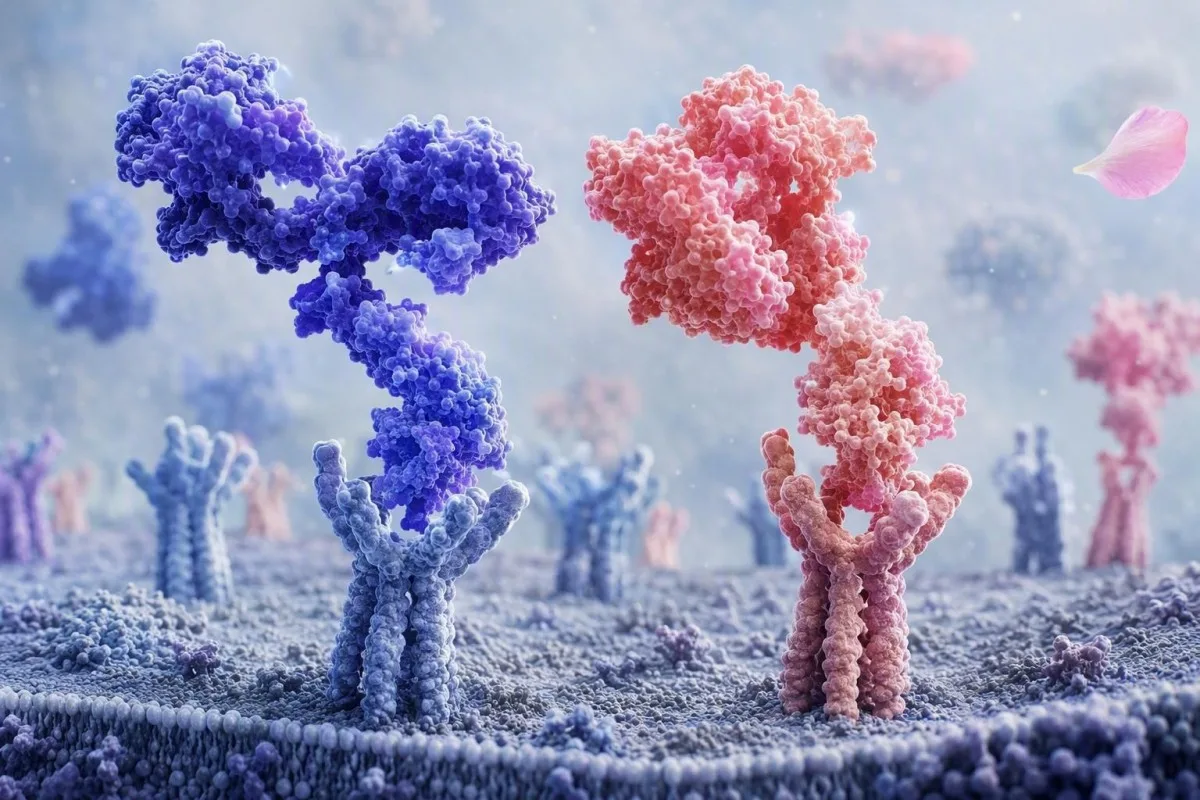
FSH chini ya 10 IU/L siku ya 3 mara nyingi huwa ya kutia moyo, lakini haithibitishi ubora wa kawaida wa yai, uwezekano wa mirija, au uwezekano wa kupata mimba kawaida. FSH inaweza kuonekana kuwa ya kawaida bandia ikiwa estradiol tayari imeongezeka, mara nyingi juu ya 220-294 pmol/L (60-80 pg/mL), kwa sababu estradiol huzuia FSH ya tezi ya pituitari. Mchanganyiko huo ni nukta kipofu ya kawaida katika ripoti za moja kwa moja kwa watumiaji.
Kamati ya tathmini ya uzazi ya ASRM inashauri kwamba vipimo vya akiba ya ovari vinapaswa kuongeza—si kuchukua nafasi—umri, historia ya uandaaji mayai, uchambuzi wa mbegu za kiume na tathmini ya mirija (Practice Committee of ASRM, 2021). AMH na idadi ya follicles za antral hutabiri mwitikio wa ovari kwa kichocheo kwa uthabiti zaidi kuliko FSH moja ya msingi, lakini hakuna hata moja inayopaswa kutumiwa kama uamuzi wa kama mtu anaweza kupata mimba kawaida. Yetu Muhtasari wa homoni za msingi za IVF huweka vipimo hivi katika jukumu lao sahihi.
Nimeona mwanamke wa miaka 34 mwenye FSH 12 IU/L akipata mimba bila matibabu, na mwanamke wa miaka 29 mwenye FSH 6 IU/L akihitaji msaada kwa sababu ya ugonjwa wa mirija. Mifano hizo si ahadi; ndiyo sababu wataalamu wa matibabu hawafanyi FSH kuwa kipimo cha kupita-kufeli. Tathmini kamili ya uzazi kwa ujumla hufaa baada ya miezi 12 ya kujaribu chini ya umri wa miaka 35, baada ya miezi 6 kutoka umri wa miaka 35, au mapema ikiwa hedhi haipo, upasuaji wa awali wa fupanyonga au wasiwasi unaojulikana wa kiume.
Je, Uhusiano wa LH:FSH Hugundua PCOS?
Hapana, uwiano wa LH ulioinuliwa:FSH hauagui PCOS. Uwiano wa juu ya 2:1 au 3:1 unaweza kutokea kwa baadhi ya watu wenye PCOS, lakini uwiano wa kawaida pia ni wa kawaida katika PCOS na uwiano wa juu hutokea nje yake.
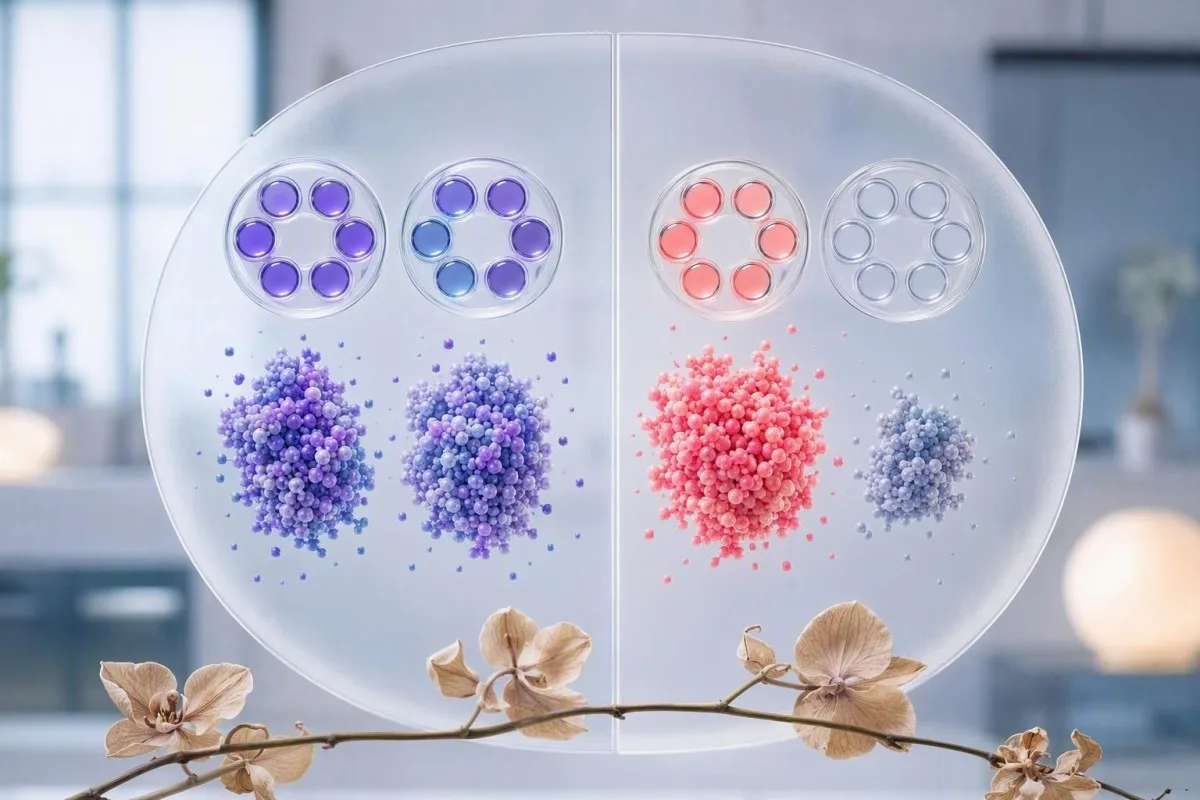
Hesabu hiyo ni rahisi LH kugawanywa na FSH wakati zote mbili zinachukuliwa pamoja: LH 12 IU/L na FSH 4 IU/L hutoa uwiano wa 3. A LH ya juu FSH ya chini muundo unaweza kuonyesha kuongezeka kwa mzunguko wa mapigo ya LH, lakini pia inaweza kuwa sampuli ya katikati ya mzunguko, upotezaji wa hivi karibuni wa ujauzito, ulaji mdogo wa kalori, au tofauti ya kawaida. Mahusiano haya huwa hayaaminiki sana wakati siku ya mzunguko haijulikani.
Mwongozo wa Kimataifa wa 2023 unaotokana na ushahidi unafafanua PCOS kwa kutumia vipengele viwili kati ya vitatu baada ya kuondoa sababu zinazofanana: hyperandrogenism ya kimatibabu au ya kibayokemikali, usumbufu wa ovulatory, na morfologia ya ovari ya polycystic au AMH iliyoinuliwa kwa watu wazima (Teede et al., 2023). Uwiano wa LH:FSH haupo kwenye vigezo hivyo. Katika mazoezi, chunusi, ukuaji wa nywele za terminal, mizunguko isiyo ya kawaida, testosterone, SHBG, prolaktini na uchunguzi wa tezi kwa kawaida huongeza thamani zaidi ya uchunguzi.
Kantesti AI ni jukwaa la tafsiri ya vipimo vya damu linalotambua muundo wa LH:FSH kama kidokezo cha mjadala, si kama lebo ya PCOS. Ikiwa hedhi iko zaidi ya siku 35 mbali au chini ya 8 hutokea kwa mwaka, panga mapitio ya kimatibabu; mwongozo wetu wa Upimaji wa PCOS baada ya uzazi wa mpango unaeleza kwa nini muda baada ya kusimamisha homoni huathiri.
LH ya Juu, FSH ya Chini: Ishara ya PCOS au Jambo Lingine?
LH ya juu na FSH ya chini zaidi kawaida huonyesha muda wa mzunguko au ishara za neuroendocrine za aina ya PCOS, lakini si maalum. Matokeo yanastahili ukaguzi uliopangwa kwa ajili ya ujauzito, ugonjwa wa tezi, prolaktini iliyoinuliwa, athari za dawa na ziada ya androjeni.
Wakati LH ni 15 IU/L na FSH ni 5 IU/L siku ya 3, mimi huangalia kwanza estradiol na kuuliza kuhusu utaratibu wa mzunguko. Ikiwa estradiol iko juu, follicle inaweza kuwa tayari inafanya kazi; ikiwa testosterone iko juu na vipindi ni vichache, PCOS huwa na uwezekano zaidi. Sampuli ya asubuhi iliyorejeshwa siku ya mzunguko iliyorekodiwa kwa kawaida huwa na taarifa zaidi kuliko kuagiza mara moja paneli kubwa.
Prolaktini iliyo juu ya kikomo cha juu cha maabara inaweza kuvuruga ishara za GnRH na kusababisha vipindi visivyo vya kawaida au kutokuwepo, wakati upungufu wa TSH unaweza kuiga dalili nyingi za PCOS. Prolaktini ya juu kidogo kwa kawaida inapaswa kurudiwa katika mazingira ya asubuhi tulivu baada ya kuepuka kuchochewa kwa chuchu na mazoezi makali kwa masaa 24. Makala yetu kuhusu prolaktini iliyoinuliwa kidogo inashughulikia upimaji upya wa busara.
Upimaji wa Androjeni pia una mipaka ya kiufundi. Testosterone jumla iliyopimwa na chromatography-tandem mass spectrometry kwa kioevu kwa ujumla ni ya kuaminika zaidi katika viwango vya kike kuliko vipimo vingi vya kinga; SHBG husaidia kukadiria mfiduo wa androjeni huru. Ikiwa kuna sauti ya kina inayoongezeka kwa kasi, upotezaji mpya wa nywele za kichwa uliojitokeza au ukuaji wa nywele za usoni unaoendelea kwa kasi kwa miezi, waganga hupima haraka sababu za nadra za kutoa androjeni badala ya kudhani PCOS.
Perimenopause: Kwa nini LH na FSH Hutikisa sana
Perimenopause mara nyingi husababisha FSH na LH kuwa zisizo za kawaida kwa sababu ovulation inakuwa ya vipindi na estradiol inaweza kuwa ya juu, ya chini au ya kawaida kutoka mzunguko mmoja hadi mwingine. Matokeo moja ya FSH hayawezi kuonyesha kwa uhakika hatua ya perimenopause kwa watu wenye umri wa zaidi ya miaka 45 wenye dalili za kawaida.
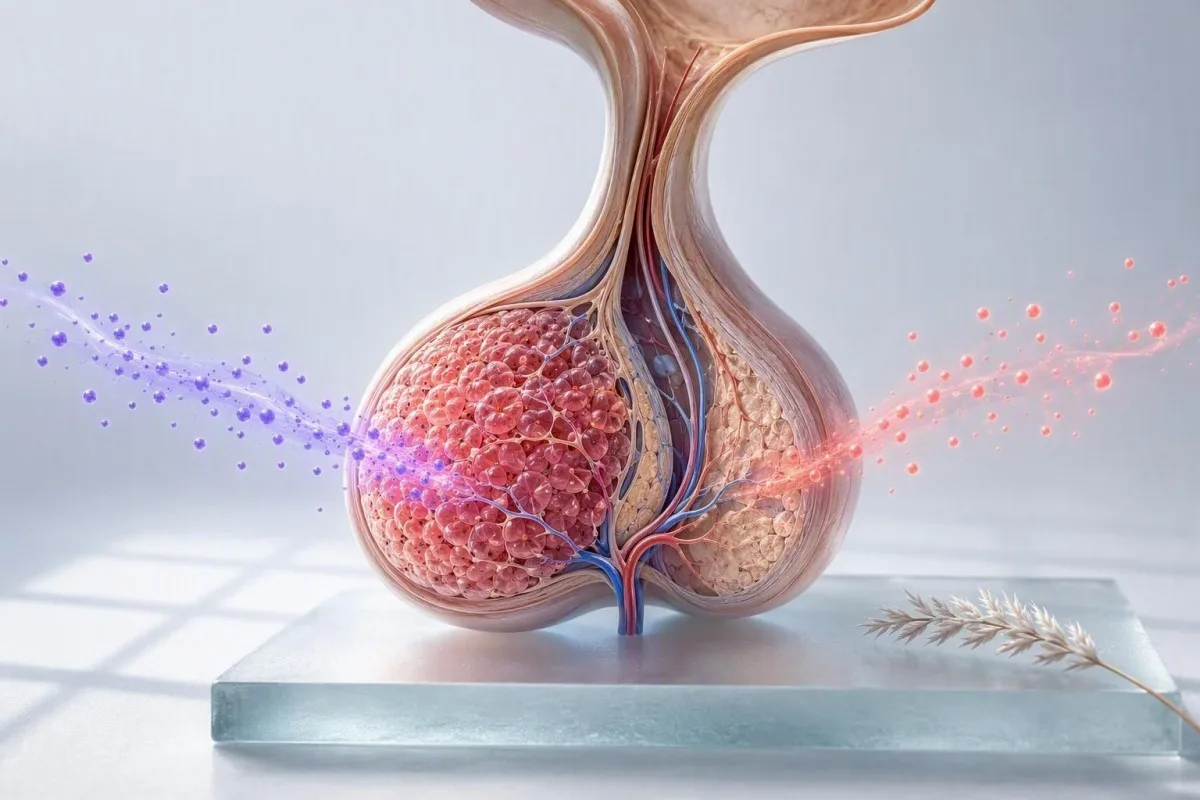
FSH inaweza kuwa 9 IU/L mwezi mmoja na 35 IU/L mwingine, hasa wakati wa miaka 2-8 ya mwisho kabla ya hedhi ya mwisho. Sababu si tu “kushindwa kwa ovari”: follicle iliyobaki bado inaweza kutengeneza estradiol ya kutosha kuzima FSH kwa muda. Hii ndiyo sababu FSH yenye muonekano wa kawaida haiondoi perimenopause kwa mtu mwenye kuwashwa na mizunguko mipya isiyo ya kawaida.
NICE inapendekeza kugundua perimenopause kwa njia ya kimatibabu kwa watu wenye umri wa miaka 45 au zaidi wenye dalili za vasomotor na mabadiliko ya hedhi, bila vipimo vya maabara katika hali nyingi (NICE, 2024). Upimaji wa FSH hauna faida wakati wa kutumia uzazi wa mpango wa kudhibiti homoni kwa pamoja, progestogen ya kipimo kikubwa au HRT ya mfumo kwa sababu dawa hizi hubadilisha kitanzi cha maoni. Maelezo yetu ya estradiol katika kumaliza hedhi yanaonyesha kwa nini matokeo pekee ya estrogeni hudanganya pia.
Dk. Thomas Klein amegundua daftari za dalili na kutokwa damu kuwa na thamani ya kushangaza hapa. Rekodi mzunguko wa kuwashwa, usumbufu wa kulala, urefu wa mzunguko, muundo wa migraine na tarehe za matibabu kwa wiki 8-12; hiyo mara nyingi hufafanua hadithi ambayo uchimbaji mmoja wa damu hauwezi. Kutokwa damu nyingi au mara kwa mara baada ya umri wa miaka 45 bado kunastahili tathmini ya kimatibabu, kwa sababu dalili za kumaliza hedhi hazielezi kila mabadiliko katika kutokwa damu.
Matokeo ya Kumaliza Hedhi: FSH na LH za Juu Kwa Kawaida Humaanisha Nini
Baada ya kumaliza hedhi asilia, FSH huwa juu ya 25-30 IU/L na LH huwa juu ya 20 IU/L kwa sababu maoni ya estrogeni ya ovari huwa chini. Thamani hizi huunga mkono fizikia ya kumaliza hedhi lakini kwa kawaida hazihitajiki kufanya utambuzi baada ya umri wa miaka 45.
maabara mengi baada ya kumaliza kuzaa hutoa vipindi vya FSH vya kina kama vile 25-135 IU/L na vipindi vya LH karibu 7-60 IU/L. Kuna mwingiliano mkubwa na hatua ya mwisho ya kuzaa, na mtu anayechukua estrojeni anaweza kuwa na FSH ya chini sana licha ya kuwa amemaliza kuzaa. FSH ya juu yenyewe si hatari na haihitaji matibabu.
Kumaliza kuzaa kunafafanuliwa kwa kurudi nyuma kama miezi 12 mfululizo bila hedhi wakati hakuna sababu nyingine inayoelezea kukosekana kwa hedhi. Kwa watu walio na mfuko wa uzazi ambao huendeleza kutokwa na damu kwa uke baada ya hatua hiyo, tathmini ya kimatibabu inahitajika hata kama FSH ni ya uhakika baada ya kumaliza kuzaa. Soma zaidi kuhusu FSH baada ya kukoma kwa hedhi kwa safu za matokeo ya kawaida na isipokuwa.
Kumaliza kuzaa mapema hutokea kabla ya umri wa miaka 45, na uharibifu wa ovari wa msingi huzingatiwa kabla ya umri wa miaka 40 wakati hedhi isiyo ya kawaida au kukosekana huambatana na ushahidi wa kibayokemikali wa shughuli iliyopunguzwa ya ovari. Mwongozo wa sasa kwa kawaida unathibitisha POI na FSH iliyoinuliwa katika sampuli mbili kwa angalau wiki 4-6 tofauti, ingawa viwango mahususi hutofautiana kulingana na mwongozo na kipimo. Estradiol, upimaji wa ujauzito, historia ya kinga na muktadha wa maumbile yanaweza kuwa muhimu kwa miaka michache.
Uzuiaji wa Mimba na HRT Huweza kufanya LH na FSH Kuonekana za Chini
Uzuiaji wa mimba wa homoni mchanganyiko kawaida huzuia LH na FSH, kwa hivyo matokeo yaliyopatikana wakati wa kuuchukua hayawezi kutathmini ovulation ya asili, fizikia ya PCOS au hali ya kumaliza kuzaa. HRT pia inaweza kupunguza FSH vya kutosha kuficha ruwaza ya baada ya kumaliza kuzaa.
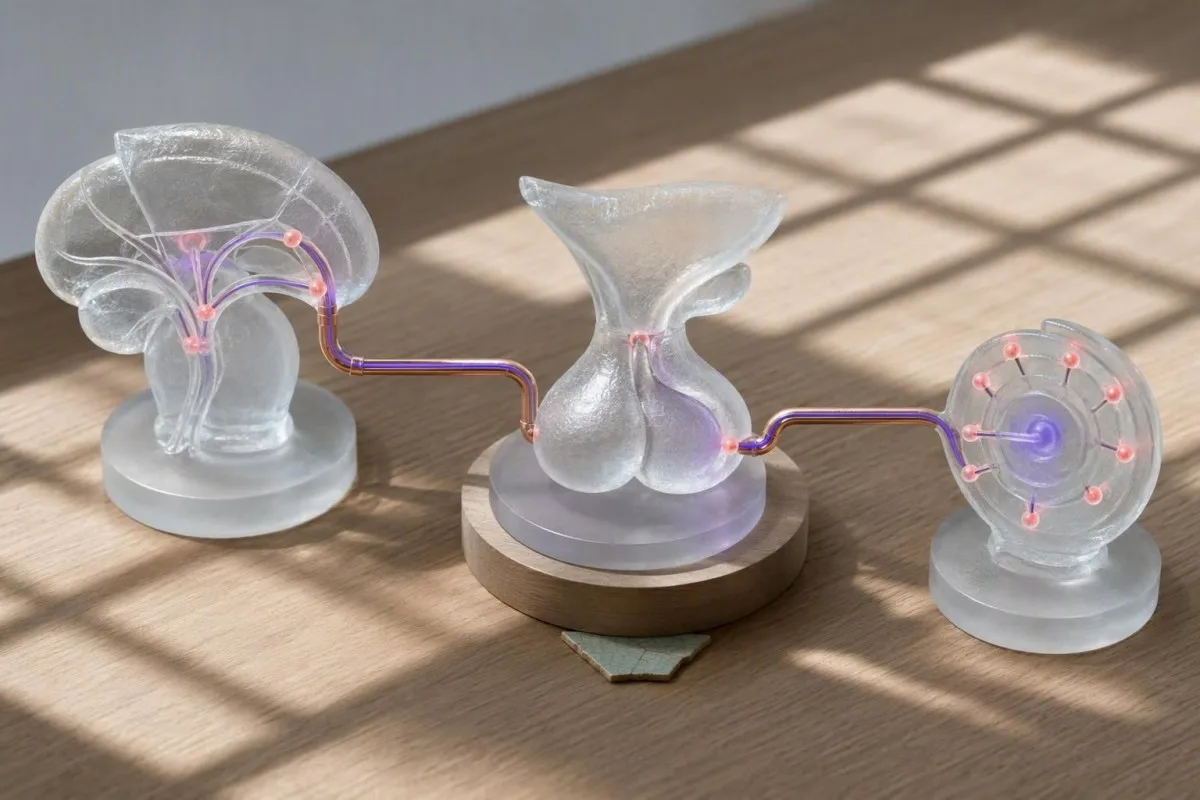
Vidonge, viraka na pete zenye ethinylestradiol huzuia mhimili wa hypothalamic-pituitary-ovarian kwa muundo. LH ya 1 IU/L na FSH ya 2 IU/L kwenye kidonge cha pamoja mara nyingi ni athari inayotarajiwa ya kifamasia badala ya shida ya tezi. Mbinu za pekee za progestogen huathiri matokeo bila utabiri lakini bado zinaweza kubadilisha ruwaza za kutokwa na damu na ovulation.
Kwa tathmini ya PCOS, waganga wanaweza kusubiri takriban miezi 3 baada ya kuacha uzuiaji wa mimba wa homoni mchanganyiko kabla ya kuangalia androjeni za kibayokemikali, ikiwa kuacha ni salama na sahihi. Hii huruhusu SHBG na uzalishaji wa androjeni kukaa, ingawa mizunguko isiyo ya kawaida inaweza kufanya wakati halisi kuwa mgumu. Mwongozo wetu wa matokeo ya estrogen kwenye upasuaji wa kuzuia upuzi unaelezea mapungufu ya maabara.
Usiache uzuiaji wa mimba au HRT iliyowekwa ili kupata kipimo cha homoni bila kujadili hatari ya ujauzito, dalili na njia mbadala. Kantesti ni zana ya uchambuzi wa vipimo vya damu inayotumiwa na AI ambayo huwamba watumiaji kuongeza dawa za homoni kabla ya kutafsiri ruwaza, kwa sababu matokeo yaliyozuiliwa kwa kawaida kwa kimatibabu yanaweza vinginevyo kutaarifiwa vibaya kama ya kutatanisha.
LH ya Chini na FSH ya Chini: Wakati Mawimbi ya Pituitary Ni Muhimu
LH na FSH ya chini huathiri zaidi wakati estradioli au testosterone pia iko chini na hedhi imesimama au uchanga umechelewa. Ruwaza hii inaweza kuonyesha kizuizi cha aji ya chini ya utendaji, hyperprolactinemia, ugonjwa wa tezi au athari za dawa.

Amenorrhea ya aji ya chini ya utendaji ni maelezo ya mara kwa mara kwa watu walio na upatikanaji wa nishati ya chini, kupoteza uzito wa hivi karibuni, mafunzo makali ya uvumilivu, ugonjwa sugu au mafadhaiko makubwa ya kisaikolojia. LH inaweza kuwa chini ya 2 IU/L, FSH inaweza kuwa chini ya 3-5 IU/L, na estradioli inaweza kuwa ya chini, lakini hakuna kipimo kimoja kinachoanzisha utambuzi. Historia mara nyingi hutoa kipande kinachokosekana.
Ruwaza ya LH na FSH ya chini ni tofauti na uharibifu wa ovari, ambapo FSH kawaida huwa ya juu kwa sababu tezi inajaribu kwa bidii zaidi kuchochea ovari. Tofauti hiyo hubadilisha hatua zinazofuata: waganga wanaweza kuangalia prolaktini, TSH, hali ya ujauzito, cortisol ya asubuhi katika visa vilivyochaguliwa na kuzingatia upigaji picha wa tezi wakati maumivu ya kichwa, mabadiliko ya kuona au ongezeko kubwa la prolaktini yapo. Tazama ruwaza za FSH za chini kwa ulinganifu huu.
Tathmini ya haraka inafaa kwa maumivu makali ya kichwa ghafla, kupoteza maono ya pembeni, kuzirai, au dalili mpya za neva sambamba na kukoma kwa hedhi. Katika visa visivyo vya haraka, kurejesha ulaji wa kutosha wa nishati na kupunguza mzigo mwingi wa mazoezi kunaweza kuanza tena mizunguko, lakini hii inapaswa kuongozwa na daktari kwa sababu afya ya mfupa inaweza kuathiriwa baada ya miezi 6 au zaidi ya kukabiliwa na estrojeni kidogo.
LH dhidi ya FSH Katika Uzazi wa Kiume na Upimaji wa Testosterone
Kwa wanaume, LH huendesha uzalishaji wa testosterone kwenye korodani huku FSH ikisaidia uzalishaji wa mbegu za kiume, hivyo jozi hiyo husaidia kutofautisha sababu za korodani kutoka kwa zile za tezi ya pituitari za utasa au testosterone ya chini. Uchambuzi wa mbegu za kiume unabaki kuwa kipimo kikuu kwa maswali ya utasa yanayohusu mbegu za kiume.
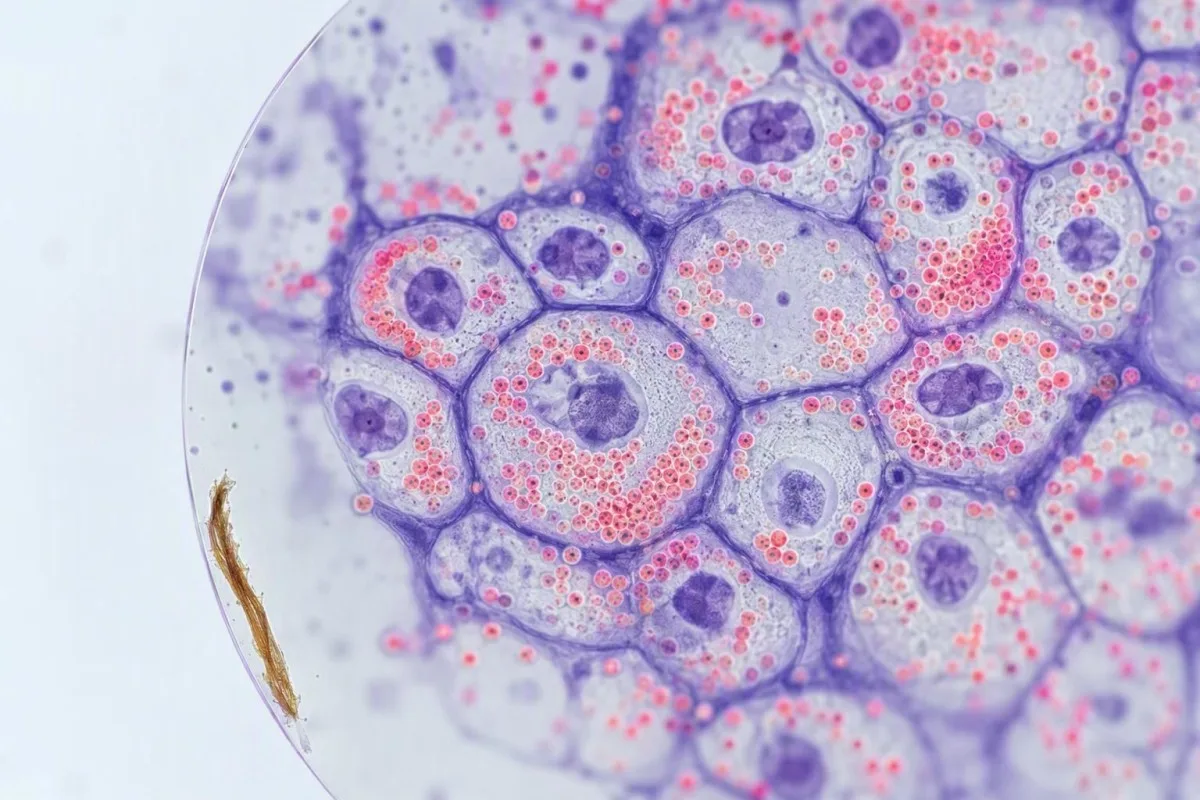
Testosterone ya chini ikiwa na LH na FSH ya juu inaonyesha utendakazi duni wa korodani kwa sababu tezi ya pituitari huongeza ishara yake. Testosterone ya chini ikiwa na LH na FSH ya chini au isiyo ya kawaida kwa kiasi fulani inaonyesha hypogonadism ya sekondari au ufanisi uliopungua unaoweza kurejeshwa kutokana na ugonjwa, unene kupita kiasi, opioids, glucocorticoids au prolaktini iliyo juu. Upimaji wa asubuhi, unaofaa kabla ya saa 11 asubuhi, ni muhimu kwa sababu testosterone kwa kawaida hufikia kiwango cha juu mapema mchana.
FSH iliyo juu ya kiwango cha kawaida cha eneo hilo inaweza kuashiria uharibifu wa uzalishaji wa mbegu za kiume, lakini FSH ya kawaida haithibitishi idadi ya kawaida ya mbegu, uhamaji au umbo. Kinyume chake, FSH iliyo juu sio kipimo cha utendakazi wa kingono. maelezo ya uchambuzi wa mbegu za kiume inaeleza kwa nini upimaji wa mbegu za kiume kwenye maabara hauwezi kubadilishwa na homoni.
Kwa mwanamume anayejaribu kupata mtoto, testosterone iliyoagizwa haipaswi kuanzishwa kwa urahisi kamwe: testosterone ya nje kwa kawaida hupunguza LH na FSH na inaweza kupunguza kwa kiasi kikubwa uzalishaji wa mbegu za kiume ndani ya miezi michache. Njia mbadala za kuhifadhi uzazi zipo kwa wagonjwa waliochaguliwa, lakini zinahitaji daktari wa endokrini, daktari wa mifumo ya mkojo au daktari wa uzazi kutengeneza matibabu.
Wakati Matokeo Moja ya LH au FSH Iliyotengwa Inapotosha
Matokeo moja ya LH au FSH pekee ni ya kupotosha wakati siku ya mzunguko, hali ya ujauzito, dawa za homoni, ugonjwa mbaya au estradiol hazijulikani. Kurudia kipimo kilicholengwa mara nyingi ni salama na muhimu zaidi kuliko kutoa hitimisho pana kutoka kwa nambari moja iliyotiwa alama.
Mwanamke wa miaka 31 mwenye uwezo wa kuzaa anaweza kuwa na FSH 14 IU/L katika kipimo kimoja cha mapema ya mzunguko na 7 IU/L mwezi unaofuata, hasa ikiwa estradiol ilikuwa tofauti. Usahihi wa maabara, mabadiliko ya kibiolojia na wakati wa kukusanya sampuli zote huathiri. Mabadiliko yanaweza kuonekana ya kutisha katika programu, hata hivyo yanaweza kuangukia ndani ya mabadiliko yanayotarajiwa kwa mtu binafsi.
Biotin kwa dozi za 5-10 mg kila siku—zinazopatikana mara nyingi katika bidhaa za nywele na kucha—zinaweza kuathiri vipimo fulani vya kinga-biotin vya streptavidin, ingawa mwelekeo na ukubwa hutegemea njia ya maabara. Uliza maabara au daktari ikiwa kusitisha kwa saa 48-72 kunafaa kabla ya kupima tena; usisimamishe nyongeza iliyoagizwa na daktari bila ushauri. mwongozo wa muda wa vipimo vya damu inaeleza athari nyingine za muda mfupi.
Upimaji wa ujauzito ni hatua ya msingi lakini inaweza kukosekana kwa urahisi. hCG ina mfanano wa kimuundo na LH na inaweza kupunguza mzunguko wa asili wa uzazi, huku ujauzito wa mapema unaweza kuambatana na dalili za kuchanganya na kukosekana kwa hedhi. Ikiwa matokeo ya kipimo hayalingani na hadithi ya kimatibabu, madaktari wanapaswa kuthibitisha kipimo, tarehe ya sampuli na hali ya ujauzito kabla ya kufuata utambuzi adimu.
Ni Vipimo Vipi Hufanya LH na FSH Kuwa Muhimu Zaidi?
Estradiol, progesterone, AMH, prolaktini, TSH na androjeni mara nyingi hufanya LH na FSH ziweze kutafsiriwa; nyongeza zinazofaa hutegemea swali la kimatibabu. Kuagiza kila homoni mara moja si bora kila wakati, kwa sababu vipimo kadhaa vinategemea muda.
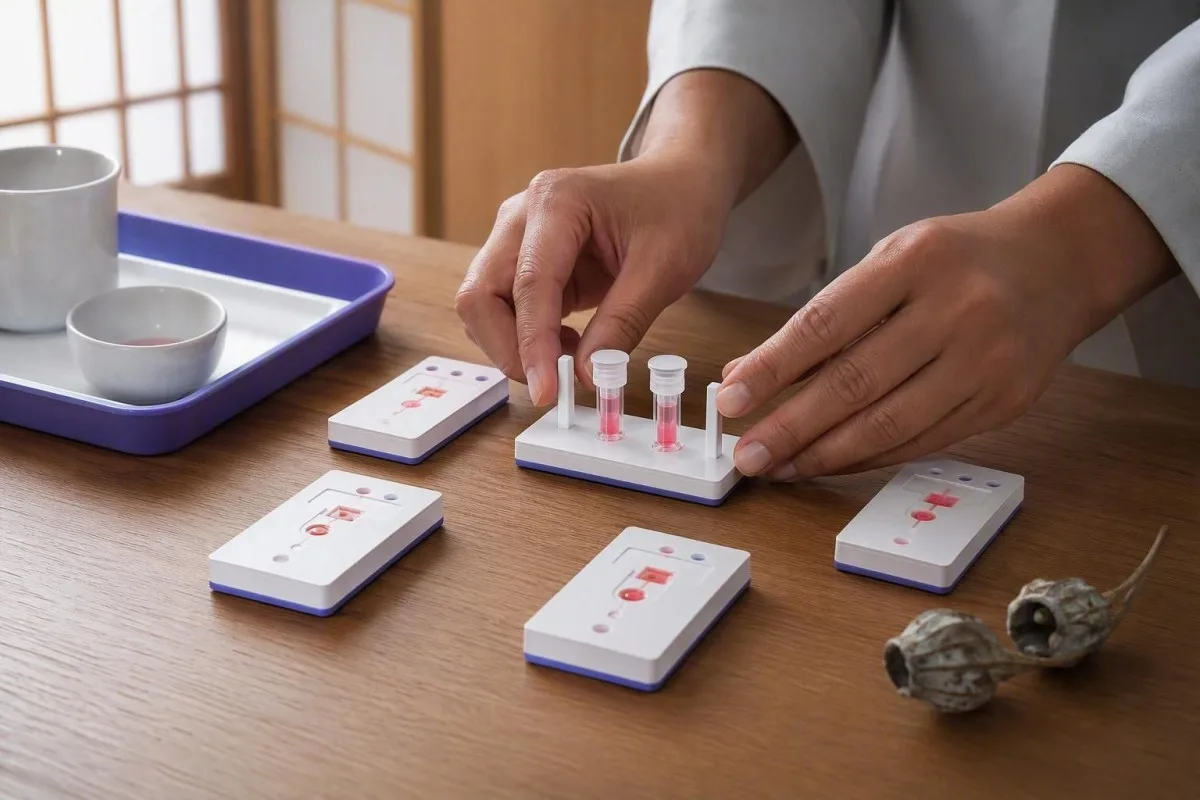
Kwa hedhi isiyo ya kawaida au tuhuma za PCOS, daktari kwa kawaida hufikiria kupima ujauzito, testosterone jumla, SHBG au testosterone ya bure iliyohesabiwa, prolaktini, TSH na 17-hydroxyprogesterone inapohitajika. Kwa tuhuma za ovulation, progesterone hupimwa vyema karibu na siku 7 kabla ya hedhi inayotarajiwa inayofuata, si kiholela siku ya 21; siku ya 21 inafaa tu kwa mzunguko wa siku 28.
Kwa ajili ya kupanga matibabu ya uzazi, AMH inaweza kupimwa kwa siku nyingi za mzunguko na huonyesha mwitikio unaotarajiwa kwa kichocheo cha ovari zaidi ya uwezekano wa mimba ya kawaida. AMH ya chini sana haipaswi kutumiwa kukataa huduma ya uzazi, na AMH ya juu inaweza kutokea kwa PCOS bila kuithibitisha. Uhakiki wetu wa sababu za AMH ya chini huweka matokeo haya katika mtazamo.
Kantesti AI hutafsiri matokeo ya LH na FSH kwa kuangalia vigezo vinavyofanana na mabadiliko ya muda mrefu, badala ya kutumia uwiano pekee. Watu wanaotaka kuelewa jinsi mbinu na usalama wa kimatibabu unavyotumika wanaweza kukagua yetu viwango vyetu vya uthibitisho wa kitabibu.
Jinsi ya Kujiandaa kwa Kipimo sahihi cha LH na FSH
LH na FSH kwa kawaida hazihitaji kufunga, lakini tafsiri sahihi inahitaji siku sahihi ya mzunguko, orodha ya dawa na mazingira thabiti ya kimatibabu. Kwa jopo la siku-3 la uzazi, ukusanyaji wa asubuhi siku ya 2-5 ya mzunguko ni kiwango cha vitendo.

Mwambie daktari anayeagiza kuhusu uzazi wa mpango unaotokana na homoni, HRT, sindano za uzazi, testosterone, antipsychotics, opioids, glucocorticoids na virutubisho. Ugonjwa mbaya, usumbufu mkuu wa kulala na mazoezi makali sana yanaweza kubadilisha kwa muda ishara za uzazi, hasa wakati huathiri usawa wa nishati au prolaktini. Kufunga kwa kawaida si lazima isipokuwa vipimo vingine vilivyoombwa, kama vile glukosi au lipidi, vinahitaji hivyo.
Ikiwa unarudia kipimo cha FSH isiyotarajiwa, tumia maabara na kipimo sawa iwezekanavyo, katika awamu sawa ya mzunguko. Hiyo inatoa taarifa zaidi kuliko kulinganisha thamani ya siku ya 3 kutoka maabara moja na thamani ya siku ya 17 kutoka nyingine. Yetu mwongozo wa maandalizi ya vipimo vya msingi inatoa orodha ya vitendo.
Kwa wasiwasi wa uzazi wa nyumbani, epuka kutafsiri vifaa vya LH vya mkojo kama thamani za LH za damu. Vifaa vya mkojo hutambua ongezeko la LH ambalo mara nyingi hutangulia ovulation kwa masaa 24-36, lakini kifaa chanya hakiwezi kuthibitisha kutolewa kwa yai na inaweza kuwa ya kutatanisha katika PCOS. Upimaji wa progesterone au ultrasound wakati mwingine unahitajika wakati swali la kimatibabu ni uthibitisho wa ovulation.
Wakati Matokeo ya LH na FSH Yanahitaji Ufuatiliaji wa Kimatibabu
Tafuta uchunguzi wa kimatibabu kwa kukosekana kwa hedhi kwa miezi 3, menopausa kabla ya umri wa miaka 45, utasa, dalili za haraka za androgen zinazoendelea au gonadotropins za chini zilizo na dalili za neva. LH na FSH mara chache ni vipimo vya dharura, lakini muundo unaweza kutambua hali ambazo kucheleweshwa hakusaidii.
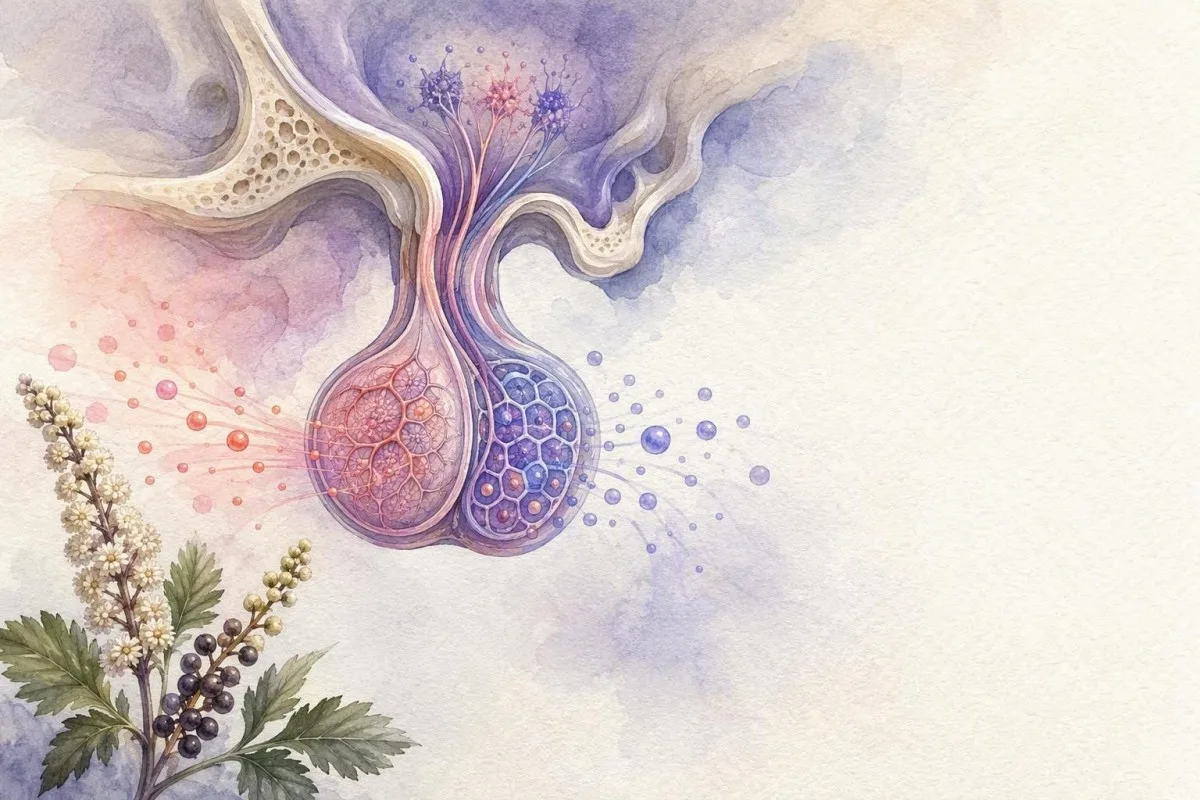
Weka miadi ya kawaida ikiwa mizunguko mara kwa mara inazidi siku 35, hutokea chini ya mara 8 kwa mwaka, au inakuwa ghafla isiyo ya kawaida baada ya kuwa imara hapo awali. Ikiwa wewe uko chini ya miaka 40 na unakosa vipindi pamoja na FSH mara kwa mara juu ya 25 IU/L, tathmini ya haraka ya upungufu wa ovari wa msingi inafaa kwa sababu athari za mfupa, moyo na mishipa na uzazi zinaweza kuhitaji uangalizi wa mapema.
Uchunguzi wa wiki hiyo hiyo ni wa busara kwa galactorrhea, maumivu ya kichwa yanayoendelea, usumbufu mpya wa kuona, au mabadiliko makubwa ya androgen kama vile ukuaji wa haraka wa nywele za uso zenye sauti iliyobadilika. Kuvuja damu kwa nguvu baada ya menopausa kunahitaji tathmini kwa wakati bila kujali thamani za LH au FSH. Kwa miwasho ya moto, waganga wanaweza pia kutenga ugonjwa wa tezi na athari za dawa; yetu mwongozo wa kipimo cha damu cha miwasho ya moto unaelezea tofauti hii.
Maudhui ya kimatibabu ya Kantesti huchunguzwa kwa usimamizi wa daktari, lakini tafsiri haiwezi kuchukua nafasi ya tathmini ya endocrinology ya uzazi au huduma ya msingi. Unaweza kukutana na wataalamu nyuma ya mchakato huo wa ukaguzi kupitia yetu Bodi ya Ushauri wa Matibabu. Kuanzia Septemba 9, 2026, jambo la usalama zaidi linabaki ni ruwaza kwanza, kurudia upimaji inapohitajika, na maamuzi ya matibabu kulingana na dalili na malengo—sio uwiano wa LH:FSH.
Orodha ya Vitendo ya Kusoma LH na FSH Pamoja
Hatua inayofuata bora ni kulinganisha thamani zako za LH na FSH na siku ya mzunguko, estradiol, dawa, umri na sababu ya kupima kabla ya kupeana maana. Hundi hii ya sehemu tano inazuia tafsiri nyingi zinazoweza kuepukwa.

Kwanza, tambua swali: ovulation, kupanga uzazi, vipindi vya mara kwa mara, dalili za PCOS, dalili za menopausa au testosterone ya chini. Pili, andika tarehe ya hedhi ya mwisho ya asili na ikiwa unatumia dawa yoyote ya homoni. Matokeo yaliyopatikana wakati wa kilele cha LH haipaswi kulinganishwa na matokeo ya uzazi ya siku ya 3.
Tatu, unganisha LH na FSH na estradiol, na uongeze vipimo maalum badala ya paneli zisizo na mpangilio. Nne, linganisha na matokeo yako ya awali kwa kutumia maabara sawa inapowezekana. Kantesti ni huduma ya tafsiri ya vipimo vya maabara kwa kutumia akili bandia ambayo inaweza kupanga matokeo ya homoni kwa muda katika ripoti, lakini dalili zinazoendelea au ruwaza zisizo za kawaida bado zinahitaji daktari ambaye anaweza kukuchunguza na kujadili vipaumbele vyako.
Mwisho, usiruhusu uwiano wa kawaida ufute dalili halisi, na usiruhusu uwiano usio wa kawaida kuunda utambuzi ambao huna. Miadi ya dakika 10 yenye historia ya mzunguko makini mara nyingi huongeza zaidi ya uchimbaji mwingine wa damu usio na wakati. Ikiwa unahitaji usaidizi wa kujiandaa kwa mazungumzo hayo, tumia yetu orodha ya muhtasari wa matokeo ya ziara ya daktari.
Maswali Yanayoulizwa Mara Kwa Mara
Je, uwiano wa kawaida wa LH kwa FSH ni upi?
Hakuna uwiano mmoja wa kawaida wa LH:FSH unaogundua afya au ugonjwa kwa sababu homoni zote hubadilika katika mzunguko wa hedhi. Katika awamu ya awali ya follicular, watu wengi wana uwiano wa karibu 1:1, huku uwiano wa juu ya 2:1 unaweza kutokea kwa baadhi ya watu wenye PCOS na kwa watu wasio na PCOS. Mwongozo wa kimataifa wa PCOS wa 2023 hautumii uwiano wa LH:FSH kama kigezo cha uchunguzi. Uwiano una maana zaidi tu wakati LH, FSH, siku ya mzunguko, estradiol, matokeo ya androgen na dalili zinapozingatiwa pamoja.
LH nyingi na FSH ndogo huashiria PCOS?
LH ya juu na FSH ya chini kiasi inaweza kuwa dalili ya PCOS, lakini haimaanishi kuwa mtu ana PCOS peke yake. LH ya 12 IU/L na FSH ya 4 IU/L inaweza kuonyesha ishara za aina ya PCOS, lakini pia inaweza kutokea karibu na ovulation au wakati muda wa mzunguko haujulikani. Utambuzi wa PCOS unahitaji vipengele viwili kati ya vitatu: utendakazi duni wa ovulation, hyperandrogenism, na morphology ya ovari yenye polycystic au AMH iliyoinuliwa kwa watu wazima baada ya sababu zingine kutengwa. Testosterone, SHBG, prolaktini, TSH na historia ya hedhi kwa kawaida huwa na manufaa zaidi kuliko uwiano pekee.
Kiwango cha FSH kinachoashiria kukoma hedhi ni kipi?
Kiwango cha FSH kinachoendelea kuwa juu ya takriban 25-30 IU/L kinaweza kuunga mkono kukoma hedhi au upungufu wa ovari wakati estrojen kikiwa chini na hedhi imesimama. FSH baada ya kukoma hedhi mara nyingi huanguka kati ya 25 na 135 IU/L, ingawa vipimo vya maabara hutofautiana na HRT inaweza kupunguza thamani. Kwa watu walio na umri wa zaidi ya 45, kukoma hedhi kwa ujumla hugunduliwa kwa njia ya kimatibabu baada ya miezi 12 bila hedhi badala ya kwa kupima FSH. FSH moja ya kawaida haiwezi kuthibitisha kukoma hedhi kwa sababu viwango vinaweza kutofautiana sana kati ya mizunguko.
Je, unaweza kupata mimba ukiwa na FSH ya juu?
Ndiyo, mimba inaweza kutokea na matokeo ya juu ya FSH kwa sababu FSH ni alama isiyo kamili ya uzazi na hutofautiana kutoka mzunguko hadi mzunguko. FSH ya siku ya 3 juu ya 10-15 IU/L inaweza kupendekeza kupungua kwa akiba ya ovari au mwitikio mdogo kwa dawa za uzazi, lakini haipimi ubora wa mayai, ufunguzi wa mirija au mambo ya manii. Estradiol inaweza kuficha FSH iliyoinuliwa, kwa hivyo vipimo viwili vinapaswa kutafsiriwa pamoja. Mtu yeyote anayejaribu kushika mimba kwa miezi 12 chini ya umri wa miaka 35, au miezi 6 kuanzia umri wa miaka 35, anapaswa kutafuta tathmini ya uzazi.
Kwa nini LH na FSH zangu zote ni za chini?
LH na FSH za chini zinaweza kutarajiwa wakati wa uzazi wa mpango wa homoni, ujauzito, kunyonyesha au baada ya ovulation. Wakati estrojen au testosterone pia ni ya chini na vipindi havipo, muundo huo unaweza kuonyesha kukandamizwa kwa hypothalamus, kuongezeka kwa prolactin, ugonjwa wa tezi, ugonjwa sugu au athari za dawa. Amenorrhea ya kazi ya hypothalamus ni ya kawaida sana baada ya kupoteza uzito mwingi, ulaji mdogo wa nishati au mafunzo makali ya uvumilivu. Maumivu makali ya kichwa, mabadiliko ya kuona au galactorrhea na gonadotropins za chini zinahitaji uhakiki wa haraka wa kimatibabu.
Vipimo vya LH na FSH vinapaswa kufanywa siku ya 3?
Kwa tathmini ya awali ya uzazi au akiba ya ovari, LH, FSH na estradiol hupimwa kwa kawaida siku za mzunguko 2-5, mara nyingi huitwa upimaji wa siku ya 3. Wakati huu wa mapema wa kumeng'enya hufanya matokeo yalingane zaidi kwa sababu mabadiliko ya homoni za ovulatory na luteal hupunguzwa. Kipimo hakihitaji kufunga isipokuwa vipimo vingine vilivyoamriwa vikihitaji hivyo. LH na FSH zilizopimwa kwa siku tofauti bado zinaweza kuwa na manufaa kwa kimatibabu, lakini siku ya mzunguko lazima ijulikane ili kuzitafsiri kwa usahihi.
Pata Uchambuzi wa Vipimo vya Damu kwa AI Leo
Jiunge na zaidi ya watumiaji 2 milioni duniani kote wanaoamini Kantesti kwa uchambuzi wa papo hapo na sahihi wa vipimo vya maabara. Pakia matokeo yako ya vipimo vya damu na upate tafsiri ya kina ya viashiria vya 15,000+ ndani ya sekunde.
📚 Machapisho ya Utafiti Yanayorejelewa
Klein, T., Mitchell, S., & Weber, H. (2026). Kantesti LTD. (2026). RDW Blood Test: Complete Guide to RDW-CV, MCV & MCHC. Zenodo. Tafiti za ResearchGate na Academia.edu zinapatikana kupitia hazina za machapisho zilizounganishwa.. Kantesti uchambuzi wa damu kwa AI ya utafiti wa matibabu.
Klein, T., Mitchell, S., & Weber, H. (2026). Kantesti LTD. (2026). BUN/Creatinine Ratio Explained: Kidney Function Test Guide. Zenodo. Tafiti za ResearchGate na Academia.edu zinapatikana kupitia hazina za machapisho zilizounganishwa.. Kantesti uchambuzi wa damu kwa AI ya utafiti wa matibabu.
📖 Marejeo ya Nje ya Tiba
Taasisi ya Kitaifa ya Afya na Ubora wa Utunzaji (2024). Menopuse: utambuzi na usimamizi (NG23). Mwongozo wa NICE.

⚕️ Kanusho la Kimatibabu
Makala haya ni kwa madhumuni ya elimu tu na si ushauri wa kimatibabu. Wasiliana na mtoa huduma aliyehitimu kila wakati kwa maamuzi ya utambuzi na matibabu.
E-E-A-T Trust Signals
Uzoefu
Mapitio ya kimatibabu inayoongozwa na daktari ya mifumo ya tafsiri ya maabara.
Utaalamu
Kuzingatia dawa za maabara kuhusu jinsi viashiria (biomarkers) vinavyobadilika katika muktadha wa kliniki.
Mamlaka
Imeandikwa na Dk. Thomas Klein kwa mapitio ya Dk. Sarah Mitchell na Prof. Dk. Hans Weber.
Uaminifu
Tafsiri inayotegemea ushahidi yenye njia zilizo wazi za ufuatiliaji ili kupunguza tahadhari za hofu.