LH lan FSH kudu diinterpretasikake bebarengan, kanthi dina siklus, tingkat estradiol, gejala, lan obat-obatan sing katon. Asil sing dhuwur utawa kurang ing sawijining dina sing acak arang-arang nemtokake masalah kesuburan, PCOS, utawa menopause kanthi dhewe.


- Wektu siklus ngowahi LH lan FSH kanthi substansial: tes dina 2-5 biasane paling bisa diinterpretasikake kanggo evaluasi cadangan ovarium.
- FSH Follicular asring kira-kira 3-10 IU/L sadurunge ovulasi, nanging saben laboratorium kudu nyedhiyakake interval referensi dhewe.
- Lonjakan LH nilai bisa munggah sedhela nganti luwih saka 20-90 IU/L ing sekitar ovulasi; iki fisiologis, dudu asil menopause.
- Rasio LH:FSH luwih saka 2 bisa kedadeyan ing PCOS, nanging ora nemtokake PCOS lan dudu bagean saka kriteria diagnostik internasional 2023.
- FSH luwih saka 25 IU/L ing tes ulang bisa ndhukung insufisiensi ovarium utawa menopause nalika periode ora ana, gumantung saka umur lan panggunaan hormon.
- Menopause biasane didiagnosis kanthi klinis sawise 12 wulan tanpa periode sawise umur 45, ora saka siji pangukuran FSH.
- LH dhuwur kanthi FSH kurang bisa nuduhake lonjakan tengah siklus, fisiologi PCOS, obat-obatan utawa wektu tes; estradiol lan riwayat siklus nemtokake makna.
- LH lan FSH kurang kanthi estradiol kurang bisa nuduhake penekanan hipotalamus utawa hipofisis, utamane sawise ilang bobot, latihan abot utawa stres abot.
Apa Asil LH lan FSH Sejatine Ngandhani Sampeyan
LH lan FSH minangka sinyal hipofisis, dudu ukuran langsung jumlah endhog utawa kesuburan. LH nyepetake pematangan folikel pungkasan lan ovulasi, dene FSH ngrekrut folikel sing berkembang; maknane owah kanthi dramatis antarane dina 3, lonjakan ovulasi, fase luteal lan menopause.
Kanggo wong kanthi siklus sing teratur, LH 7 IU/L lan FSH 6 IU/L ing dina siklus 3 umume ora ana sing luar biasa. LH 7 IU/L sing padha sajrone jendhela ovulasi sing dicurigai menehi luwih sithik, amarga sekresi LH dipecah lan bisa owah sajrone sawetara jam. Aku ngandhani pasien yen iki minangka sinyal lalu lintas saka otak, dudu laporan kesuburan.
Ing pakaryan klinisku, pitakonan sing migunani dudu “endi sing luwih dhuwur?” nanging “apa sing kedadeyan sacara biologis nalika sampel iki dijupuk?” Kantesti minangka penganalisis tes getih AI sing nyelehake LH lan FSH ing jejere estradiol, progesteron, umur, tanggal siklus lan asil sadurunge tinimbang nganggep tandha minangka diagnosis. kita pandhuan hormon wanita nerangake kenapa pandangan sing luwih wiyar iki penting.
Aturan praktis Dr. Thomas Klein wis prasaja: cathet dina pisanan aliran menstruasi lengkap minangka dina 1, dokumentasi kontrasepsi hormonal utawa HRT, lan simpen unit laboratorium dhewe. Nilai sing dilaporake ing IU/L umume bisa diganti kanthi numerik karo mIU/mL, nanging interval referensi lan kalibrasi tes isih beda. Babagan Kantesti nerangake carane tim medis lan teknis kita nangani konteks ing asil sing dilaporake.
Pola LH vs FSH Sajrone Siklus Menstruasi
LH lan FSH loro-lorone relatif kurang ing fase folikular awal, LH mundhak cepet sadurunge ovulasi, lan loro-lorone mudhun maneh ing fase luteal. Sampel tanpa dina siklus bisa katon ora normal nalika mung salah wektu.
Interval referensi folikular awal khas kira-kira FSH 3-10 IU/L lan LH 2-12 IU/L, sanajan laboratorium bisa kanthi cukup netepake wates sing beda. Sak ovulasi, LH bisa mundhak nganti 20-90 IU/L kanggo 24-48 jam, dene FSH asring mundhak luwih moderat nganti kira-kira 4-25 IU/L. Siji LH dhuwur sajrone interval iki biasane minangka tandha ovulasi sing bakal teka utawa bubar.
Sawise ovulasi, progesteron nyuda output hipofisis, mula LH asring watara 1-14 IU/L lan FSH watara 1-9 IU/L. Asil progesteron pertengahan luteal ndhuwur kira-kira 25-30 nmol/L, utawa 8-10 ng/mL gumantung saka tes, menehi bukti ovulasi retrospektif sing luwih kuat tinimbang LH wae. Deleng pandhuan kita kanggo progesteron miturut dina siklus kanggo jebakan wektu.
Masalah sing kurang umum yaiku variasi pulsa. LH dirilis ing pulsa kira-kira saben 1-2 jam ing akeh wong diwasa umur reproduksi, mula nilai cedhak wates referensi bisa pindhah kategori ing sampel ulang tanpa owah-owahan klinis. Iki sebabe para klinisi asring mbaleni panel hormon dina-3 sing ora dikarepake tinimbang reaksi marang bedane 1 IU/L.
Tes Kesuburan FSH lan LH: Kenapa Dina Kaping 3 Penting
Kanggo evaluasi kesuburan dasar, FSH lan estradiol biasane diukur ing dina siklus kaping 2-5, ora sawise ovulasi. Tes awal siklus nyuda—nanging ora mbusak—ayunan hormonal normal sing nggawe asil angel diinterpretasikake.
FSH ing ngisor 10 IU/L ing dina kaping 3 asring nentremake, nanging ora mbuktekake kualitas endhog normal, patency tuba utawa kamungkinan konsepsi alami. FSH bisa katon normal nalika estradiol wis mundhak, asring ndhuwur 220-294 pmol/L (60-80 pg/mL), amarga estradiol nyegah FSH pituitari. Pasangan kasebut minangka titik wuta umum ing laporan langsung menyang konsumen.
Komite evaluasi kesuburan ASRM menehi saran yen tes cadangan ovarium kudu nambah—ora ngganti—umur, riwayat ovulasi, analisis sperma lan evaluasi tuba (Practice Committee of ASRM, 2021). Cacahing follicle AMH lan antral minangka prediktor respon ovarium kanggo stimulasi luwih konsisten tinimbang FSH basal tunggal, nanging ora ana sing kudu digunakake minangka putusan babagan apa wong bisa ngandhut kanthi alami. Kita ringkesan hormon dasar IVF nyelehake tes iki ing peran sing bener.
Aku wis weruh wong wadon umur 34 taun kanthi FSH 12 IU/L ngandhut tanpa perawatan, lan wong wadon umur 29 taun kanthi FSH 6 IU/L butuh pitulung amarga penyakit tuba. conto kasebut dudu janji; iku alesan kenapa klinisi ora nggunakake FSH minangka tes lulus-gagal. Evaluasi kesuburan lengkap biasane cocog sawise 12 wulan nyoba ing umur 35, sawise 6 wulan saka umur 35, utawa luwih awal kanthi ora ana periode, operasi panggul sadurunge utawa masalah faktor lanang sing dingerteni.
Apa Rasio LH:FSH Nemtokake PCOS?
Ora, rasio LH:FSH sing mundhak ora ndiagnosis PCOS. Rasio ndhuwur 2:1 utawa 3:1 bisa kedadeyan ing sawetara wong kanthi PCOS, nanging rasio normal uga umum ing PCOS lan rasio dhuwur kedadeyan ing njaba.
Perhitungan kasebut mung LH dibagi FSH nalika loro-lorone ditarik bebarengan: LH 12 IU/L lan FSH 4 IU/L menehi rasio 3. A LH dhuwur FSH cendhek pola bisa nggambarake frekuensi denyut LH sing mundhak, nanging uga bisa dadi sampel tengah siklus, ilang meteng bubar, asupan kalori suda, utawa variasi biasa. Rasio utamane ora bisa dipercaya nalika dina siklus ora dingerteni.
Pedoman Internasional 2023 adhedhasar bukti nemtokake PCOS nggunakake rong saka telung fitur sawise ngilangi mimic: hiperandrogenisme klinis utawa biokimia, disfungsi ovulasi, lan morfologi ovarium polikistik utawa AMH sing dhuwur ing wong diwasa (Teede et al., 2023). Rasio LH:FSH ora ana ing kriteria kasebut. Ing laku, kukul, tuwuh rambut terminal, siklus sing ora teratur, testosteron, SHBG, prolaktin lan tes tiroid biasane nambah nilai diagnostik luwih akeh.
Kantesti AI minangka platform interpretasi hasil tes getih AI sing ngenali pola LH:FSH minangka pemicu diskusi, dudu label PCOS. Yen periode luwih saka 35 dina utawa kurang saka 8 kedadeyan ing setahun, atur review klinis; pandhuan kita babagan tes PCOS sawise pil KB nerangake kenapa wektu sawise mungkasi hormon penting.
LH Dhuwur, FSH Kurang: Tandha PCOS utawa Liyane?
LH dhuwur kanthi FSH sing relatif cendhek paling asring nggambarake wektu siklus utawa sinyal neuroendokrin jinis PCOS, nanging ora spesifik. Asil kasebut pantes dipriksa kanthi terstruktur kanggo meteng, penyakit tiroid, prolaktin mundhak, efek obat lan kelebihan androgen.
Nalika LH 15 IU/L lan FSH 5 IU/L ing dina 3, aku pisanan mriksa estradiol lan takon babagan keteraturan siklus. Yen estradiol dhuwur, folikel bisa aktif; yen testosteron dhuwur lan periode ora umum, PCOS dadi luwih bisa dipercaya. Sampel esuk bola-bali ing dina siklus sing didokumentasikake biasane luwih informatif tinimbang langsung memesan panel gedhe.
Prolaktin ndhuwur wates ndhuwur laboratorium bisa ngganggu sinyal GnRH lan ngasilake periode sing ora teratur utawa ora ana, nalika kelainan TSH bisa niru akeh gejala PCOS. Prolaktin sing rada dhuwur biasane kudu diulang ing setelan esuk sing tenang sawise ngindhari stimulasi puting lan olahraga abot 24 jam. Artikel kita babagan prolaktin sing rada mundhak ngrembug tes ulang sing masuk akal.
Tes androgen uga duwe watesan teknis. Testosteron total sing diukur kanthi kromatografi cair-tandem spektrometri massa umume luwih bisa dipercaya ing konsentrasi kisaran wanita tinimbang akeh immunoassay; SHBG mbantu ngira-ngira paparan androgen bebas. Yen ana pendalaman swara cepet, mundhut rambut kulit kepala sing ditandhani utawa rambut rai sing progresif cepet sajrone pirang-pirang wulan, klinisi cepet-cepet ngevaluasi panyebab sing ora umum ngasilake androgen tinimbang nganggep PCOS.
Perimenopause: Kenapa LH lan FSH Mundhak Mundhak
Perimenopause asring nyebabake FSH lan LH sing ora teratur amarga ovulasi dadi intermiten lan estradiol bisa dhuwur, cendhek utawa normal saka siji siklus menyang siklus sabanjure. Asil FSH tunggal ora bisa dipercaya kanggo nambah perimenopause ing wong sing umure luwih saka 45 kanthi gejala khas.
FSH bisa dadi 9 IU/L sasi lan 35 IU/L sasajiné, utamane sajrone 2-8 taun pungkasan sadurunge periode menstruasi pungkasan. Alesan ora mung “gagal ovarium”: folikel sing isih ana isih bisa ngasilake estradiol sing cukup kanggo nyegah FSH sementara. Mulane FSH normal ora ngilangi perimenopause ing wong sing ngalami hot flushes lan siklus sing lagi wae ora teratur.
NICE nyaranake diagnosis perimenopause kanthi klinis ing wong sing umure 45 utawa luwih saka gejala vasomotor lan owah-owahan menstruasi, tanpa tes laboratorium ing umume kasus (NICE, 2024). Tes FSH kurang migunani nalika nggunakake kontrasepsi hormonal gabungan, progestogen dosis dhuwur utawa HRT sistemik amarga obat-obatan kasebut ngganti loop umpan balik. Panjelasan kita babagan estradiol ing menopause nuduhake kenapa asil estrogen terisolasi uga nyasaraké.
Dr. Thomas Klein nemokake buku harian gejala lan getihen sing banget migunani ing kene. Cathet frekuensi flush, gangguan turu, dawa siklus, pola migren lan tanggal perawatan suwene 8-12 minggu; sing asring ngclarifikasi crita sing siji tes getih ora bisa. Getihen abot utawa asring sawise umur 45 taun isih pantes evaluasi klinis, amarga gejala menopause ora nerangake kabeh owah-owahan ing getihen.
Asil Menopause: Apa FSH lan LH Dhuwur Biasane Tegese
Sawise menopause alami, FSH biasane ndhuwur 25-30 IU/L lan LH asring ndhuwur 20 IU/L amarga umpan balik estrogen ovarium kurang. Nilai-nilai kasebut ndhukung fisiologi menopause nanging biasane ora dibutuhake kanggo nggawe diagnosis sawise umur 45 taun.
Laboratorium pascamenopause akeh sing ngutip interval FSH sing akeh kayata 25-135 IU/L lan interval LH udakara 7-60 IU/L. Ana tumpang tindih sing akeh karo perimenopause pungkasan, lan wong sing ngonsumsi estrogen bisa duwe FSH sing luwih murah sanajan wis menopause. FSH dhuwur dhewe ora mbebayani lan ora mbutuhake perawatan.
Menopause sacara retrospektif diartikake minangka 12 wulan berturut-turut tanpa menstruasi nalika ora ana sabab liyane sing nerangake ora ana periode. Kanggo wong wadon sing duwe uterus sing ngalami pendarahan vagina sawise titik kasebut, tinjauan medis dibutuhake sanajan FSH wis konfirmasi pascamenopause. Waca liyane babagan FSH sawise menopause kanggo kisaran asil umum lan pangecualian.
Menopause dini kedadeyan sadurunge umur 45, lan insufisiensi ovarium primer dianggep sadurunge umur 40 nalika periode sing ora teratur utawa ora ana dibarengi bukti biokimia saka penurunan aktivitas ovarium. Pituduh saiki umumé negesake POI kanthi FSH sing ditambahi ing rong conto paling ora 4-6 minggu kapisah, sanajan cutoffs sing tepat beda-beda gumantung saka pedoman lan pengujian. Estradiol, pengujian meteng, riwayat autoimun lan konteks genetik bisa relevan ing umur enom.
KB lan HRT Bisa Nggawe LH lan FSH Katone Kurang
Kontrasepsi hormonal gabungan biasane ngendhegake LH lan FSH, mula asil sing dipikolehi nalika ngonsumsi ora bisa ngevaluasi ovulasi alami, fisiologi PCOS utawa status menopause. HRT uga bisa nurunake FSH cukup kanggo nutupi pola pascamenopause.
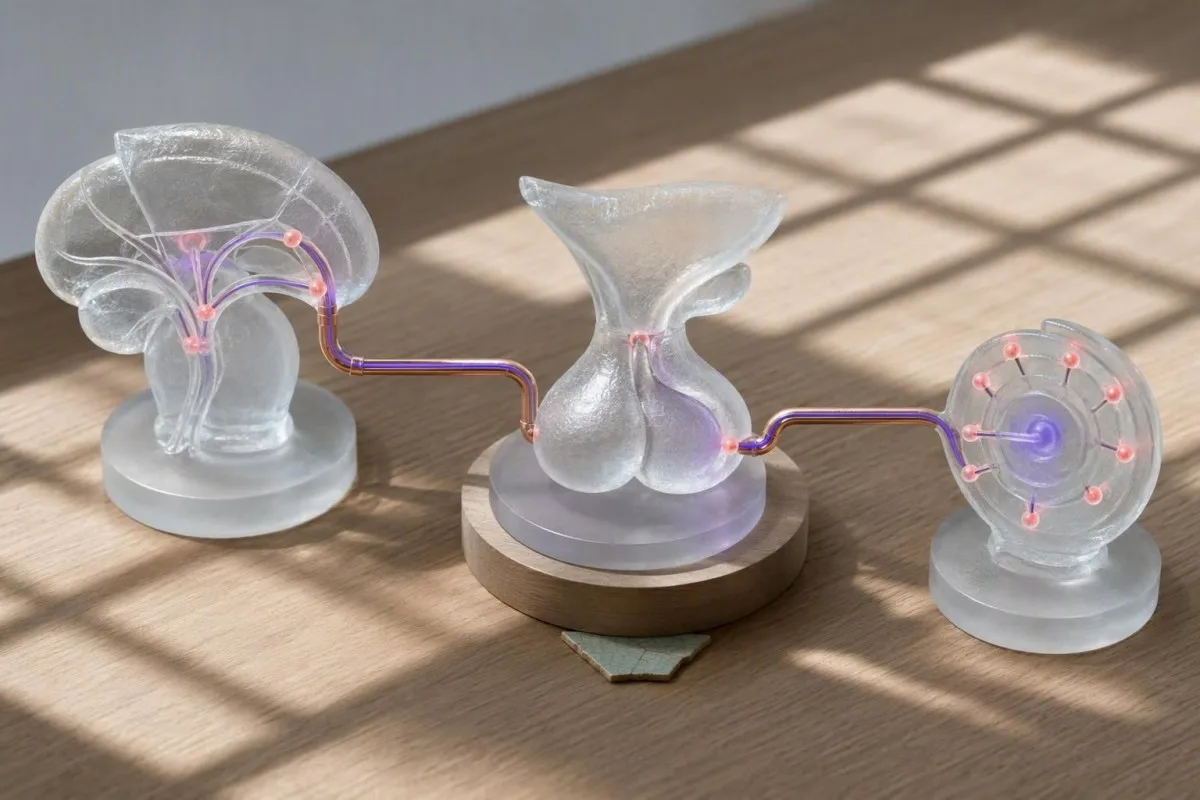
Pil, tambalan lan cincin sing ngandung etinilestradiol ngendhegake sumbu hipotalamus-hipofisis-ovarium kanthi desain. LH 1 IU/L lan FSH 2 IU/L ing pil gabungan asring minangka efek farmakologis sing diarepake tinimbang kelainan hipofisis. Metode progestogen-mung mengaruhi asil kurang bisa diprediksi nanging isih bisa ngganti pola pendarahan lan ovulasi.
Kanggo evaluasi PCOS, klinisi bisa ngenteni udakara 3 sasi sawise mungkasi kontrasepsi hormonal gabungan sadurunge mriksa androgen biokimia, yen mandheg aman lan cocog. Iki ngidini SHBG lan produksi androgen netep, sanajan siklus sing ora teratur bisa nggawe wektu sing tepat angel. Pandhuan kita babagan asil estrogen ing kontrasepsi njlentrehake watesan laboratorium.
Aja mungkasi kontrasepsi utawa HRT sing diresepake mung kanggo entuk tes hormon tanpa ngrembug risiko meteng, gejala lan alternatif. TSH minangka alat analisis tes getih nganggo AI sing njaluk pangguna nambah obat hormon sadurunge interpretasi pola, amarga asil sing ditekan kanthi klinis normal bisa uga salah ditandhani minangka kuwatir.
LH Kurang lan FSH Kurang: Kapan Sinyal Pituitary Penting
LH lan FSH sing rendah luwih penting nalika estradiol utawa testosteron uga rendah lan periode wis mandheg utawa pubertas wis telat. Pola iki bisa nuduhake penekanan hipotalamus fungsional, hiperprolaktinemia, penyakit hipofisis utawa efek obat.

Amenore hipotalamus fungsional minangka penjelasan sing umum ing wong kanthi ketersediaan energi sing kurang, mundhut bobot anyar, latihan ketahanan sing intens, penyakit kronis utawa stres psikologis utama. LH bisa ing ngisor 2 IU/L, FSH bisa ing ngisor 3-5 IU/L, lan estradiol bisa rendah, nanging ora ana siji cutoff sing netepake diagnosis. Riwayat kasebut asring nyedhiyakake bagian sing ilang.
Pola LH lan FSH sing rendah beda karo insufisiensi ovarium, ing ngendi FSH biasane dhuwur amarga hipofisis nyoba luwih keras kanggo ngrangsang ovarium. Bedane ngganti langkah sabanjure: klinisi bisa mriksa prolaktin, TSH, status meteng, kortisol esuk ing kasus sing dipilih lan nimbang pencitraan hipofisis nalika lara sirah, owah-owahan visual utawa elevasi prolaktin sing ditandhani ana. Delengen pola FSH sing rendah kanggo perbandingan iki.
Evaluasi mendesak iku trep kanggo sirah ngelu sing dumadakan nemen, ilang pandelengan sisih, ora sadhar, utawa gejala saraf anyar bebarengan mandheg menstruasi. Ing kasus sing kurang mendesak, mulihake asupan energi sing cukup lan ngurangi beban latihan sing akeh banget bisa ngulang siklus, nanging iki kudu dipandu dening dokter amarga kesehatan balung bisa kena sawise 6 sasi utawa luwih saka paparan estrogen sing kurang.
LH vs FSH ing Kesuburan lan Tes Testosteron Pria
Ing wong lanang, LH ndorong produksi testosteron testis nalika FSH ndhukung produksi sperma, mula pasangan kasebut mbantu mbedakake penyebab infertilitas utawa testosteron sing kurang ing testis saka hipofisis. Analisis semen tetep dadi tes sentral kanggo pitakonan kesuburan sing ana gandhengane karo sperma.
Testosteron sing kurang kanthi LH lan FSH sing dhuwur nuduhake disfungsi testis utama amarga hipofisis saya mundhak sinyal. Testosteron sing kurang kanthi LH lan FSH sing kurang utawa normal sing ora trep nuduhake hipogonadisme sekunder utawa supresi sing bisa pulih saka penyakit, obesitas, opioid, glukokortikoid utawa prolaktin sing dhuwur. Sampel esuk, luwih-luwih sadurunge jam 11 esuk, iku penting amarga testosteron biasane munggah ing wayah esuk.
FSH ing ndhuwur jangkauan referensi lokal bisa nuduhake gangguan spermatogenesis, nanging FSH normal ora njamin jumlah sperma, motilitas utawa morfologi normal. Kosok baline, FSH sing dhuwur dudu ukuran kinerja seksual. Kita panjelas analisis semen nerangake kenapa tes sperma laboratorium ora bisa diganti dening hormon.
Ing wong lanang sing nyoba ngandhut, testosteron sing diresepake ora kudu diwiwiti kanthi santai: testosteron saka njaba biasane ngurangi LH lan FSH lan bisa banget ngurangi produksi sperma sajrone pirang-pirang wulan. Alternatif njaga kesuburan ana kanggo pasien sing dipilih, nanging mbutuhake ahli endokrinologi, ahli urologi utawa ahli kesuburan kanggo nyetel perawatan.
Kapan Asil LH utawa FSH Tunggal Ngapusi
Siji asil LH utawa FSH sing kapisah iku nyasarké nalika dina siklus, status meteng, obat-obatan hormonal, penyakit akut utawa estradiol ora dingerteni. Mbaleni tes sing ditargetake asring luwih aman lan luwih migunani tinimbang nggawe kesimpulan sing amba saka siji nomer sing ditandhani.
Wong lanang umur 31 taun sing subur bisa duwe FSH 14 IU/L ing siji tes awal siklus lan 7 IU/L wulan sabanjure, utamane yen estradiol beda. Presisi laboratorium, variasi biologis lan wektu koleksi kabeh nyumbang. Owah-owahan kasebut katon nggegirisi ing aplikasi, nanging bisa uga ana ing njero variasi saben wong.
Biotin ing dosis 5-10 mg saben dina—umum ing produk rambut lan kuku—bisa ngganggu sawetara immunoassay streptavidin-biotin, sanajan arah lan gedhene gumantung saka metode laboratorium. Takon laboratorium utawa dokter apa ngaso 48-72 jam iku trep sadurunge tes ulang; aja mandheg suplemen sing diresepake medis tanpa saran. Kita wektu tes getih nerangake pengaruh jangka pendek liyane.
Tes meteng minangka langkah dhasar nanging gampang dilewati. hCG nduweni kesamaan struktural karo LH lan bisa ngurangi siklus reproduksi alami, nalika meteng awal bisa ana bebarengan karo gejala sing mbingungake lan ora ana periode. Yen asil tes ora cocog karo crita klinis, dokter kudu verifikasi assay, tanggal sampel lan status meteng sadurunge nerusake diagnosis sing langka.
Tes Apa sing Nggawe LH lan FSH Luwih Migunani?
Estradiol, progesteron, AMH, prolaktin, TSH lan androgen asring nggawe LH lan FSH bisa diinterpretasikake; tambahan sing bener gumantung saka pitakonan klinis. Norder kabeh hormon bebarengan ora tansah luwih apik, amarga sawetara tes sensitif wektu.
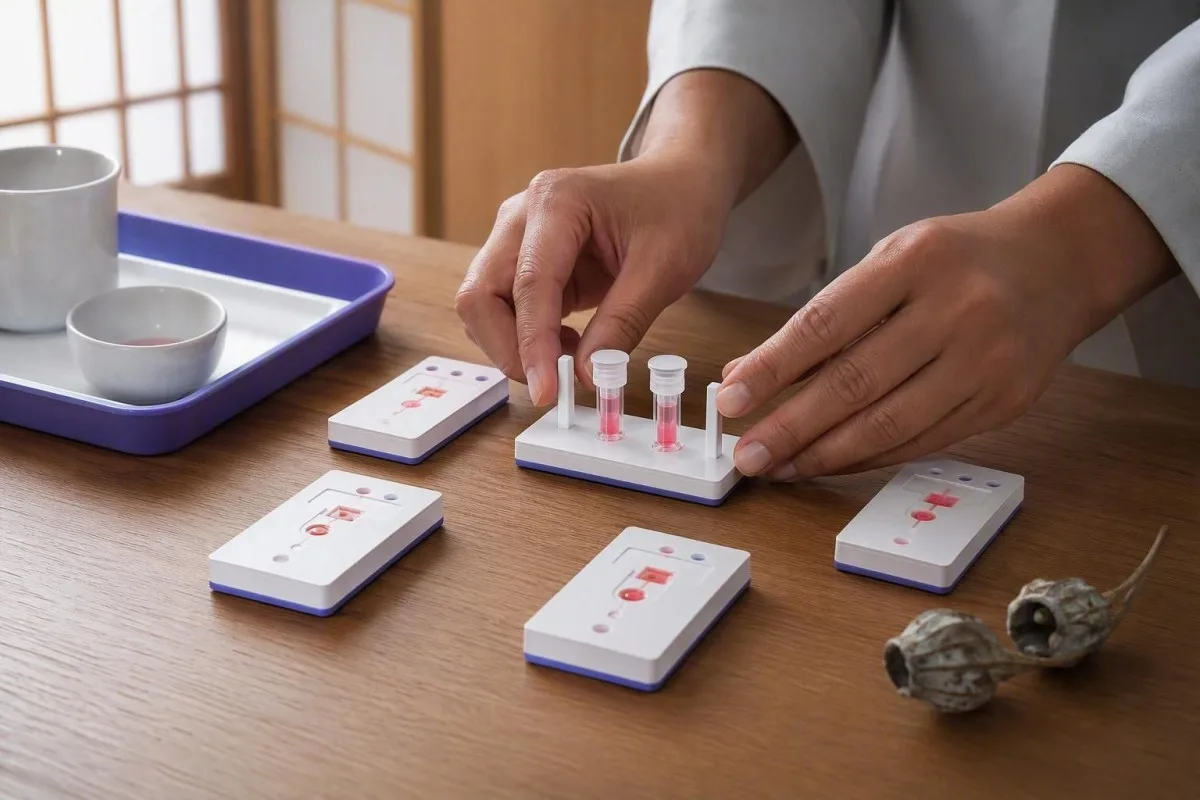
Kanggo periode sing ora teratur utawa dicurigai PCOS, dokter biasane nimbang tes meteng, testosteron total, SHBG utawa testosteron bebas sing diitung, prolaktin, TSH lan 17-hidroksiprogesteron nalika ditindakake. Kanggo dicurigai ovulasi, progesteron paling apik dijupuk udakara 7 dina sadurunge haid sabanjure sing diarepake, ora kanthi otomatis ing dina kaping 21; dina kaping 21 mung cocok kanggo siklus 28 dina.
Kanggo perencanaan perawatan kesuburan, AMH bisa diukur ing meh kabeh dina siklus lan nuduhake respon sing dikarepake kanggo stimulasi ovarium luwih saka potensial ngandheg spontan. AMH sing banget kurang ora kudu digunakake kanggo nolak perawatan kesuburan, lan AMH sing dhuwur bisa kedadeyan ing PCOS tanpa mbuktekake. Tinjauan kita babagan sababe AMH mudhun nyelehake asil iki ing perspektif.
Kantesti AI ngetrapake asil LH lan FSH kanthi mriksa biomarker pendamping lan owah-owahan longitudinal, tinimbang nggunakake rasio mung. Wong sing pengin ngerti carane metodologi lan pangayoman klinis ditrapake bisa mriksa kita standar validasi medis.
Carane Nyiyapake Tes LH lan FSH sing Akurat
LH lan FSH biasane ora mbutuhake puasa, nanging interpretasi sing akurat mbutuhake dina siklus sing bener, dhaptar obat lan lingkungan klinis sing stabil. Kanggo panel kesuburan dina-3, koleksi esuk ing dina siklus 2-5 minangka standar praktis.

Marang klinisi sing mesen babagan kontrasepsi hormonal, HRT, suntikan kesuburan, testosteron, antipsikotik, opioid, glukokortikoid lan suplemen. Penyakit akut, gangguan turu utama lan olahraga sing banget strenuous bisa ngganti sinyal reproduksi kanthi sementara, utamane nalika mengaruhi keseimbangan energi utawa prolaktin. Puasa biasane ora perlu kajaba tes liyane sing dijaluk, kayata glukosa utawa lipid, mbutuhake.
Yen sampeyan mriksa maneh asil FSH sing ora dikarepake, gunakake laboratorium lan assay sing padha nalika bisa, ing fase siklus sing padha. Iku luwih informatif tinimbang mbandhingake nilai dina-3 saka siji laboratorium karo nilai dina-17 saka liyane. Kita pandhuan persiapan tes getih dhasar nawakake dhaptar priksa praktis.
Kanggo masalah kesuburan ing omah, hindari ngetrapake kit LH urin minangka nilai LH getih. Kit urin ngenali lonjakan LH sing asring sadurunge ovulasi dening 24-36 jam, nanging kit positif ora bisa konfirmasi pelepasan endhog lan bisa tetep bingung ing PCOS. Wektu progesteron utawa ultrasound kadhangkala dibutuhake nalika pitakonan klinis minangka konfirmasi ovulasi.
Kapan Asil LH lan FSH Mbutuhake Tindak Lanjut Medis
Golet tinjauan medis kanggo ora ana periode sing tahan 3 wulan, menopause sadurunge umur 45, infertilitas, gejala androgen sing cepet maju utawa gonadotropin sing kurang kanthi gejala neurologis. LH lan FSH arang banget tes darurat, nanging pola kasebut bisa ngenali kondisi sing tundha ora migunani.
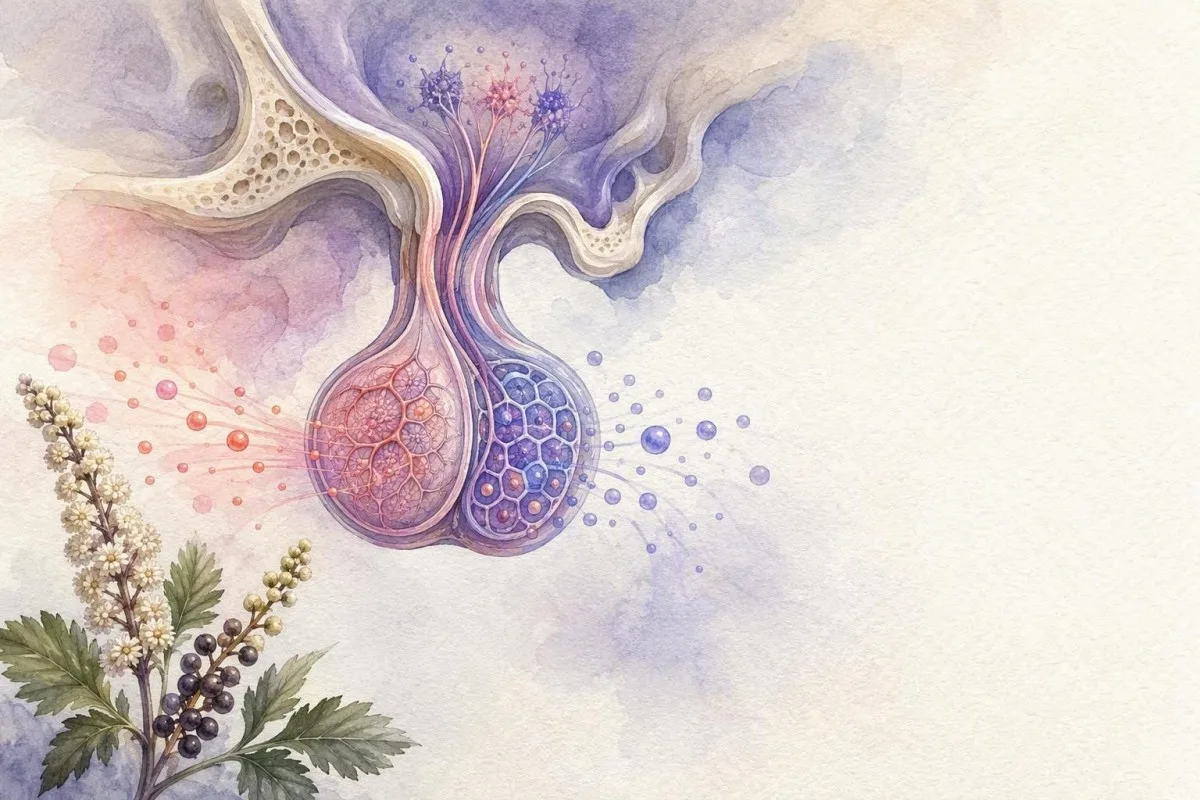
Pesan janji temu rutin yen siklus bola-bali ngluwihi 35 dina, kedadeyan kurang saka 8 kaping saben taun, utawa dadi ora teratur dumadakan sawise sadurunge stabil. Yen sampeyan umur 40 lan ora ana periode plus FSH bola-bali ing ndhuwur 25 IU/L, penilaian cepet kanggo insufficiency ovarium primer wis pas amarga implikasi balung, kardiovaskular lan kesuburan bisa mbutuhake perhatian awal.
Tinjauan minggu sing padha cukup kanggo galactorrhea, nyeri sirah sing terus-terusan, gangguan visual anyar, utawa owah-owahan androgen sing ditandhani kayata rambut rai kasar sing cepet berkembang kanthi owah-owahan swara. Pendarahan pasca-menopause abot mbutuhake penilaian pas wektune tanpa dipikirake nilai LH utawa FSH. Kanggo hot flush, klinisi uga bisa nggoleki penyakit tiroid lan efek obat; kita pandhuan tes getih hot-flash nerangake bedane iki.
Konten medis Kantesti ditinjau kanthi pengawasan klinisi, nanging interpretasi ora bisa ngganti penilaian endokrinologi reproduksi utawa perawatan primer. Sampeyan bisa ketemu para profesional ing mburi proses tinjauan kasebut liwat kita Dewan Penasehat Medis. Wiwit 9 September 2026, takeaway paling aman tetep pola dhisik, mriksa maneh yen perlu, lan keputusan perawatan adhedhasar gejala lan tujuan-dudu rasio LH:FSH.
Dhaptar Priksa Praktis kanggo Maca LH lan FSH Bebarengan
Langkah sabanjure sing paling apik yaiku nyocokake nilai LH lan FSH sampeyan karo dina siklus, estradiol, obat-obatan, umur lan alasan kanggo pengujian sadurunge menehi makna. Lima-bagean mriksa iki nyegah umume salah interpretasi sing bisa dicegah.

Kaping pisanan, ngenali pitakonan: ovulasi, perencanaan kesuburan, periode ora teratur, gejala PCOS, gejala menopause utawa testosteron sing kurang. Kapindho, tulis tanggal periode alami pungkasan lan apa sampeyan nggunakake obat hormonal apa wae. Asil sing dipikoleh nalika lonjakan LH ora kudu dibandhingake karo asil kesuburan dina-3.
Kaping telu, pasang LH lan FSH karo estradiol, lan tambahake tes sing ditargetake tinimbang panel sing ora mbedakake. Kaping papat, mbandhingake karo asil sadurunge dhewe luwih-wis-bisa-metu-metu ing laboratorium sing padha. Kantesti minangka layanan interpretasi tes laboratorium AI sing bisa ngatur asil hormon longitudinal ing laporan, nanging gejala sing terus-terusan utawa pola sing ora normal isih mbutuhake dokter sing bisa mriksa sampeyan lan ngrembug prioritas sampeyan.
Pungkasan, aja nganti rasio normal nyingkirake gejala nyata, lan aja nganti rasio sing ora normal nggawe diagnosis sing ora sampeyan duwe. Janji 10 menit kanthi riwayat siklus sing ati-ati asring luwih migunani tinimbang gambar getih liyane sing ora tepat wektu. Yen sampeyan butuh pitulungan kanggo nyiapake obrolan kasebut, gunakake kita checklist ringkesan asil kunjungan dokter.
Pitakonan sing Sering Ditakoni
pinten rasio LH marang FSH kang normal?
Ora ana siji rasio LH:FSH normal sing ndiagnosis sehat utawa lara amarga hormon loro-lorone owah ing sadawane siklus menstruasi. Ing fase folikular awal, akeh wong duwe rasio cedhak 1:1, nalika rasio luwih saka 2:1 bisa kedadeyan ing sawetara wong kanthi PCOS lan ing wong tanpa PCOS. Pedoman PCOS internasional 2023 ora nggunakake rasio LH:FSH minangka kriteria diagnostik. Rasio paling migunani mung nalika LH, FSH, dina siklus, estradiol, asil androgen lan gejala dianggep bebarengan.
Apa LH dhuwur lan FSH kurang tegese PCOS?
LH dhuwur kanthi FSH sing relatif cendhek bisa dadi tandha PCOS, nanging ora ateges sapa wae duwe PCOS kanthi piyambak. LH 12 IU/L karo FSH 4 IU/L bisa nuduhake sinyal jinis PCOS, nanging uga bisa kedadeyan cedhak ovulasi utawa nalika wektu siklus ora dingerteni. Diagnosis PCOS mbutuhake loro saka telung fitur: disfungsi ovulasi, hiperandrogenisme, lan morfologi ovarium polikistik utawa AMH sing dhuwur ing wong diwasa sawise panyebab liyane dikira. Testosteron, SHBG, prolaktin, TSH lan riwayat menstruasi biasane luwih migunani tinimbang rasio kasebut piyambak.
FSH level pira sing nuduhake menopause?
Tingkat FSH sing terus-terusan luwih saka udakara 25-30 IU/L bisa ndhukung menopause utawa insufficiency ovarium nalika estradiol kurang lan haid wis mandheg. FSH pasca-menopause asring antara 25 lan 135 IU/L, sanajan interval laboratorium beda-beda lan HRT bisa nyuda nilai kasebut. Ing wong sing umure luwih saka 45 taun, menopause umume didiagnosis kanthi klinis sawise 12 wulan tanpa haid tinimbang kanthi tes FSH. FSH normal siji ora ngilangi perimenopause amarga tingkat bisa fluktuasi antarane siklus.
Apa sampeyan bisa ngandhut kanthi FSH sing dhuwur?
Ya, ngandheg bisa kedadeyan kanthi asil FSH sing dhuwur amarga FSH minangka penanda kesuburan sing ora sampurna lan beda-beda saben siklus. FSH dina-3 luwih saka 10-15 IU/L bisa nuduhake cadangan ovarium sing suda utawa respon sing luwih murah kanggo obat kesuburan, nanging ora ngukur kualitas endhog, patensi tuba, utawa faktor sperma. Estradiol bisa nutupi FSH sing tambah, mula rong tes kasebut kudu ditafsirake bebarengan. Sapa wae sing nyoba ngandheg nganti 12 wulan ing ngisor umur 35, utawa 6 wulan saka umur 35, kudu njaluk penilaian kesuburan.
Kenapa LH lan FSH kula kalih-kalihipun endep?
LH lan FSH sing endhek bisa dikarepake nalika ngonsumsi kontrasepsi hormonal gabungan, meteng, nyusoni utawa sawise ovulasi. Nalika estradiol utawa testosteron uga endhek lan ora ana pirang-pirang wulan, pola kasebut bisa nuduhake penekanan hipotalamus, prolaktin mundhak, penyakit hipofisis, penyakit kronis utawa efek obat. Amenore hipotalamus fungsional iku umum banget sawise bobot mundhut sing akeh, asupan energi sing sithik utawa latihan daya tahan sing intensif. Sakit kepala abot anyar, owah-owahan visi utawa galactorrhea kanthi gonadotropin sing endhek mbutuhake tinjauan medis sing cepet.
Apa tes LH lan FSH kudu dilakoni nalika dina kaping 3?
Kanggo kawontenan fertilisasi utawi penilaiyan cadangan ovarium, LH, FSH lan estradiol umumipun dipunukur nalika dinten siklus 2-5, ingkang limrah dipunsebat tes dinten-3. Wekdal ingkang awal punika ndadosaken asil langkung saged dipunbandingaken amargi ayunan hormon ovulasi lan luteal kawates. Tes punika boten mbetahaken pasa kajaba tes sanes ingkang dipun dhawuh mbetahaken. LH lan FSH ingkang dipun tes nalika dinten sanes saged gadhah paedah klinis, nanging dinten siklus kedah dipunmangertosi kangge interpretasi ingkang akurat.
Entuk Analisis Tes Getih Berbasis AI Dina Iki
Gabung karo luwih saka 2 yuta pangguna ing saindenging jagad sing percaya Kantesti kanggo analisis tes lab sing instan lan akurat. Unggah asil tes getihmu lan tampa interpretasi lengkap saka 15,000+ biomarker sajrone sawetara detik.
📚 Publikasi Riset sing Dirujuk
Klein, T., Mitchell, S., & Weber, H. (2026). Kantesti LTD. (2026). Tes Darah RDW: Pandhuan Lengkap kanggo RDW-CV, MCV & MCHC. Zenodo. Rekaman ResearchGate lan Academia.edu kasedhiya liwat repositori publikasi sing disambungake.. Riset Medis AI Kantesti.
Klein, T., Mitchell, S., & Weber, H. (2026). Kantesti LTD. (2026). Rasio BUN/Kreatinin Dijelasake: Pandhuan Tes Fungsi Ginjal. Zenodo. Rekaman ResearchGate lan Academia.edu kasedhiya liwat repositori publikasi sing disambungake.. Riset Medis AI Kantesti.
📖 Referensi Medis Eksternal
National Institute for Health and Care Excellence (2024). Menopause: diagnosis and management (NG23). Pandhuan NICE.



⚕️ Penafian Medis
Artikel iki mung kanggo tujuan edukasi lan ora dadi saran medis. Tansah konsultasi karo panyedhiya layanan kesehatan sing mumpuni kanggo keputusan diagnosis lan perawatan.
Sinyal Kepercayaan E-E-A-T
Pengalaman
Tinjauan klinis sing dipimpin dokter babagan alur kerja interpretasi lab.
Keahlian
Fokus kedokteran laboratorium babagan carane biomarker tumindak ing konteks klinis.
Kewibawaan
Ditulis dening Dr. Thomas Klein kanthi ditinjau dening Dr. Sarah Mitchell lan Prof. Dr. Hans Weber.
Kapercayan
Interpretasi adhedhasar bukti kanthi tindak lanjut sing cetha kanggo nyuda rasa kaget.