LH һәм FSHны бергәләп, цикл көнегез, эстрадиол дәрәҗәсе, симптомнар һәм даруларны исәпкә алып интерпретацияләргә кирәк. Бер көнлек югары яки түбән нәтиҗә репродуктив проблемаларны, СПКЯ яки менопаузаны ялгызы гына диагнозлый алмый.



- Цикл вакыты LH һәм FSHны шактый үзгәртә: йомыркаларны резервлауны бәяләү өчен гадәттә 2-5 көнлек тест иң аңлаешлы.
- Фолликуляр FSH гадәттә овуляция алдыннан 3-10 МЕ/л тирәсе була, ләкин һәр лаборатория үзенең сылтама интервалын тәкъдим итәргә тиеш.
- LH дулкыны овуляция тирәсендә 20-90 МЕ/л артып китә ала; бу физиологик, менопауза нәтиҗәсе түгел.
- LH:FSH нисбәте 2дән артык СПКЯда булырга мөмкин, ләкин ул СПКЯ диагнозын куймый һәм 2023 елгы халыкара диагностика критерийларының өлеше түгел.
- FSH 25 IU/Lдан югары кабатланган тестларда чорлар булмаганда йомыркаларның insufficiency яки менопаузасын хуплый ала, яшькә һәм гормон куллануга карап.
- Менопауза гадәттә 45 яшьтән соң 12 ай чорлар булмаганда клиник яктан диагнозлана, бер генә FSH үлчәвеннән түгел.
- LH югары, FSH түбән циклның уртасындагы күтәрелешне, СПКБ физиологиясен, даруларны яки анализ вакытын күрсәтергә мөмкин; эстрадиол һәм цикл тарихы мәгънәсен билгели.
- LH һәм FSH түбән эстрадиол түбән булганда, гипоталамус яки гипофизның басылуын күрсәтергә мөмкин, аеруча авырлыкны югалтканнан, көчле тренировкадан яки көчле стресстан соң.
LH һәм FSH нәтиҗәләре сезгә чынбарлыкта нәрсә сөйли
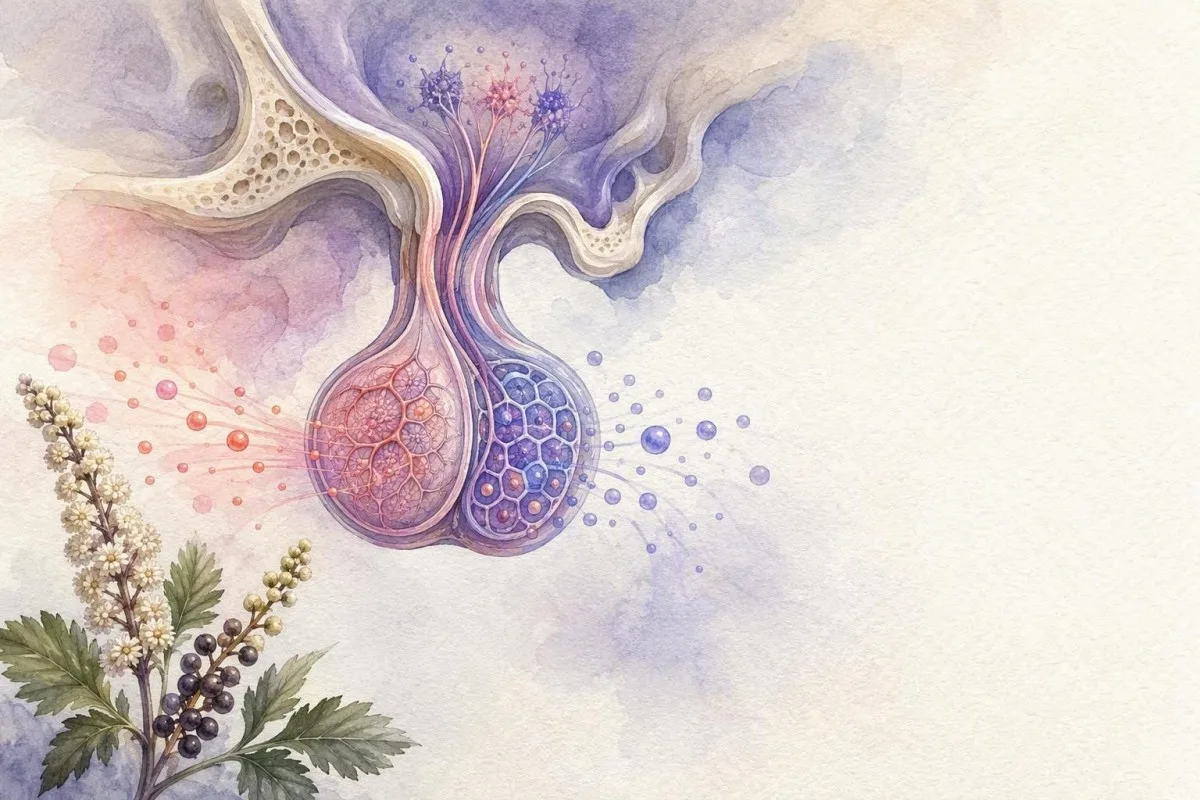
LH һәм FSH гипофис сигналлары, йомырка саны яки фертильлекнең туры үлчәүләре түгел. LH йомырканың соңгы җитлекүен һәм овуляцияне стимуллаштыра, ә FSH үсүче фолликулларны җыя; аларның мәгънәсе 3-нче көн, овуляция күтәрелеше, лютеаль фаза һәм менопауза арасында кискен үзгәрә.
Регуляр цикллы кеше өчен, циклның 3-нче көнендә 7 IU/L LH һәм 6 IU/L FSH гадәттә гадәти хәл. Шул ук 7 IU/L LH, овуляция вакытында шикләнгән вакытта, бик аз нәрсә әйтә, чөнки LH секрециясе пульсатлы һәм берничә сәгать эчендә үзгәрергә мөмкин. Мин пациентларга бу баш миеннән килгән юл сигналлары, фертильлек исәпләүе түгел, дип әйтәм.
Минем клиник эшемдә файдалы сорау “кайсысы югарырак?” түгел, ә “бу үрнәк алынган вакытта биологик нәрсә булган?” Kantesti - AI кан анализы анализаторы, ул LH һәм FSHны эстрадиол, прогестерон, яшь, цикл көне һәм алдагы нәтиҗәләр янына куя, диагнозны билгеләү урынына. Безнең хатын-кызлар гормоннары буенча кулланма бу киңрәк карашның ни өчен мөһимлеген аңлата.
Доктор Томас Клейнның практик кагыйдәсе гади: тулы менструаль агуның беренче көнен 1-нче көн итеп язып куегыз, гормональ контрацептив яки HRT документлаштырыгыз, һәм лабораториянең үз берәмлекләрен саклагыз. Гадәттә IU/L белән күрсәтелгән кыйммәт mIU/mL белән санга карата алмаштырыла, ләкин чикләр һәм анализ калибрлау аерыла. Кантести турында медицина һәм техник командаларыбызның хәбәр ителгән нәтиҗәләрдә контекстны ничек эшләүләрен тасвирлый.
Хатын-кызлар циклы буенча LH һәм FSH үрнәкләре
LH һәм FSH икесе дә иртә фолликуляр фазада чагыштырмача түбән, LH овуляция алдыннан кискен күтәрелә, һәм лютеаль фазада икесе дә яңадан төшә. Цикл көне булмаган үрнәк, ул ялгыш вакытка туры килгән булса, гадәти булмаган булырга мөмкин.
Гадәттәге иртә фолликуляр чикләр якынча FSH 3-10 IU/L һәм LH 2-12 IU/L, ләкин лаборатория аерым чикләр куярга мөмкин. Овуляция тирәсендә LH күтәрелергә мөмкин 20-90 IU/L 24-48 сәгатькә, шул ук вакытта FSH еш кына 4-25 IU/L га кадәр күтәрелә. Бу арада бер генә югары LH гадәттә якынлашып килүче яки күптән түгел булган овуляция билгесе.
Овуляциядән соң, прогестерон гипофисның чыгуын баса, шуңа күрә LH еш кына 1-14 IU/L һәм FSH 1-9 IU/L тирәсендә була. Якынча 25-30 нмол/л яки 8-10 нг/млдан югарырак урта лютеаль прогестерон нәтиҗәсе, анализга карап, LH караганда овуляциянең күбрәк ретроспектив дәлилен бирә. Кулланучыбезнең очрашу вакыты капкачларына карагыз. цикл көне буенча прогестерон өчен вакыт капкачлары.
Азрак таныш мәсьәлә - пульс үзгәреше. LH репродуктив яшьтәге күп кешеләрдә якынча һәр 1-2 сәгать саен пульсларда чыгарыла, шуңа күрә чик чигенә якын булган кыйммәт клиник үзгәрешсез яңа үрнәктә категорияләргә күчерелергә мөмкин. Шуңа күрә клиницистлар гадәттә 1 IU/L аермасына реакция бирү урынына, көн-3 гормонының көтелмәгән панелен кабатлыйлар.
FSH һәм LH репродуктивлыкны тикшерү: Ни өчен 3 нче көн мөһим
Базаль фертильлекне бәяләү өчен, FSH һәм эстрадиол гадәттә циклның 2-5 көннәрендә үлчәнә, овуляциядән соң түгел. Циклның башында тест үткәрү, нәтиҗәне аңлавын кыенлаштырган нормаль гормональ үзгәрешләрне киметә, ләкин тулысынча бетерми.
3 нче көнгә 10 ЕИ/л дан азрак FSH еш кына ышанычлы, ләкин ул йомырканың нормаль сыйфатын, торба үткәрүчәнлеген яки табигый ашлану мөмкинлеген расламый. Эстрадиол инде күтәрелгән булса, FSH ясалма рәвештә нормаль булырга мөмкин, еш кына күбрәк 220-294 пмоль/л (60-80 пг/мл), чөнки эстрадиол гипофиз FSH ны баса. Бу парлылык турыдан-туры кулланучыга хисапларда еш очрый торган сукыр урын.
ASRM ның фертильлекне бәяләү комитеты киңәш итә, аналык резервы тестлары яшьне, овуляция тарихын, сперма анализын һәм торба үткәрүчәнлеген бәяләүне көчәйтергә тиеш, ләкин алыштырырга тиеш түгел (Practice Committee of ASRM, 2021). AMH һәм антраль фолликуллар санын санау, стимуляциягә аналыкның җавабын, бер тапкыр базаль FSH га караганда, тотрыклырак алдан әйтә, ләкин берсе дә кеше табигый ашлана аламы-юкмы дигән карар өчен кулланылырга тиеш түгел. Безнең IVF базаль гормоннарны карау бу тестларны үз урыннарына куя.
Мин 34 яшьлек кешенең FSH 12 ЕИ/л белән дәвалаусыз ашлануын, һәм 29 яшьлек кешенең FSH 6 ЕИ/л белән торба авыруы аркасында ярдәмгә мохтаҗ булуын күрдем. Бу мисаллар вәгъдәләр түгел; алар ни өчен клиницистлар FSH ны узу-узмый торган тест буларак кулланмыйлар. Тулы фертильлекне бәяләү гадәттә 35 яшькә кадәр 12 ай тырышканнан соң, 35 яшьтән соң 6 айдан соң, яки иртәрәк, күрем булмаганда, алдагы таз операцияләре яки ир-ат сәбәпләре авырлыклары булса, ярашлы.
LH:FSH нисбәте СПКЯ диагнозын куямы?
Юк, арткан LH:FSH нисбәте PCOS ны диагнозламый. 2:1 яки 3:1 тан югарырак нисбәт PCOS булган кайбер кешеләрдә булырга мөмкин, ләкин гадәти нисбәтләр дә PCOS да еш очрый һәм югары нисбәтләр аның читендә дә була.
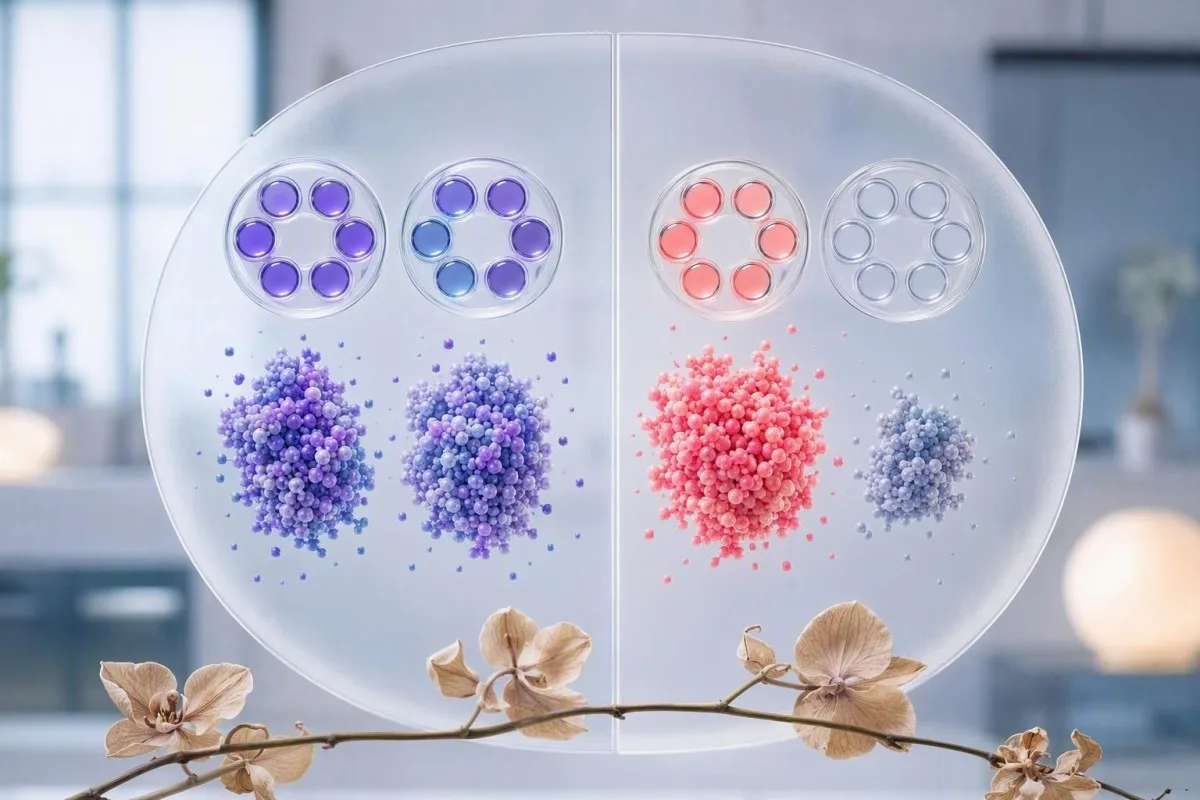
Исәпләү гади генә LH ны FSH га бүлү, икесе бергә алынганда: LH 12 ЕИ/л һәм FSH 4 ЕИ/л, 3 нисбәт бирә. югары LH түбән FSH монда LH импульс ешлыгының артуы күрсәтелә, ләкин бу шулай ук циклның уртасындагы үрнәк, якынча түлсезлек, калорияле ризыкның кимүе яки гадәти үзгәреш булырга мөмкин. Цикл көне билгеле булмаганда, коэффициентлар аеруча ышанычсыз.
2023 елгы халыкара доказательствога нигезләнгән җитәкчелек PCOSны ике яки өч үзенчәлекне кулланып билгели, охшашлыкларны искәрткәннән соң: клиник яки биохимик гипер-андрогенизм, овуляция дисфункциясе һәм поликистозлы аналык морфологиясе яки өлкәннәрдә AMH артуы (Teede et al., 2023). LH:FSH коэффициенты бу критерийлардан юк. Гамәлдә, акне, терминаль чәч үсеше, регуляр булмаган цикллар, тестостерон, SHBG, пролактин һәм тиреоид анализы гадәттә диагностика кыйммәтен арттыра.
Kantesti AI - AI кан анализы нәтиҗәсе платформасы, ул PCOS этикеткасы түгел, ә дискуссия өчен этәргеч буларак LH:FSH үрнәген ачыклый. Әгәр цикллар 35 көннән артык яки елда 8дән кимрәк булса, клиник тикшерүне оештырыгыз; безнең кулланма тестування на СПКЯ після протизаплідних таблеток гормоннарны туктатканнан соң вакытның әһәмиятен аңлата.
Югары LH, түбән FSH: СПКЯ билгесеме яки бүтән нәрсәме?
Югары LH һәм чагыштырмача түбән FSH иң еш кына цикл вакытын яки PCOS-тибындагы нейроэндокрин сигналны чагылдыра, ләкин ул специфик түгел. Нәтиҗә кош, тиреоид авырулары, пролактин арту, дарулар тәэсире һәм андроген артыклыгы өчен структуралы тикшерүгә лаек.
Дневник 3 көнне 15 IU/L булса, FSH 5 IU/L булса, мин беренче чиратта эстрадиолны тикшерәм һәм циклның регулярлыгы турында сорыйм. Әгәр эстрадиол югары булса, фолликул инде актив булырга мөмкин; әгәр тестостерон югары булса һәм цикллар сирәк булса, PCOS мөмкинлеге арта. Документлаштырылган цикл көнендә иртәнге үрнәкне кабатлау, күп панельләрне таләп итүгә караганда, гадәттә күбрәк мәгълүмат бирә.
Лаборатория чигеннән югарырак пролактин GnRH сигналны бозырга һәм регуляр булмаган яки булмагач цикллар китереп чыгарырга мөмкин, шул ук вакытта TSH аномалияләре PCOS симптомнарының күпчелеген охшатырга мөмкин. Бераз югары пролактинны гадәттә йомшак иртәнге шартларда, имезүне стимуляцияләүдән һәм 24 сәгать дәвамында көчле физик күнегүләрдән саклангач, кабатларга кирәк. Безнең мәкалә бераз күтәрелгән пролактин акыллы кабатлауны үз эченә ала.
Андроген тестының да техник чикләре бар. Секрет масса-спектрометриясе белән үлчәнүче гомуми тестостерон, гадәттә, күп гимнограммаларга караганда, хатын-кызлар диапазонында ышанычлырак; SHBG ирекле андроген йогынтысын бәяләргә ярдәм итә. Әгәр дә иреннәрнең тизләнүе, яңарак баш чәчләренең югалуы яки айлар дәвамында йөз чәчләренең тиз үсүе булса, клиницистлар PCOSны уйламыйча, андроген бүлеп чыгаручы сирәк очракларны тиз арада бәялиләр.
Перименопауза: Ни өчен LH һәм FSH шулай тибрәнә?
Перименопауза еш кына начар FSH һәм LH китерә, чөнки овуляция вакытлыча туктала һәм эстрадиол һәр циклдан аерым югары, түбән яки нормаль булырга мөмкин. Бер генә FSH нәтиҗәсе 45 яшьтән өлкәнрәк кешеләрдә перименопаузаны ышанычлы бәяли алмый, гадәти симптомнар булганда.
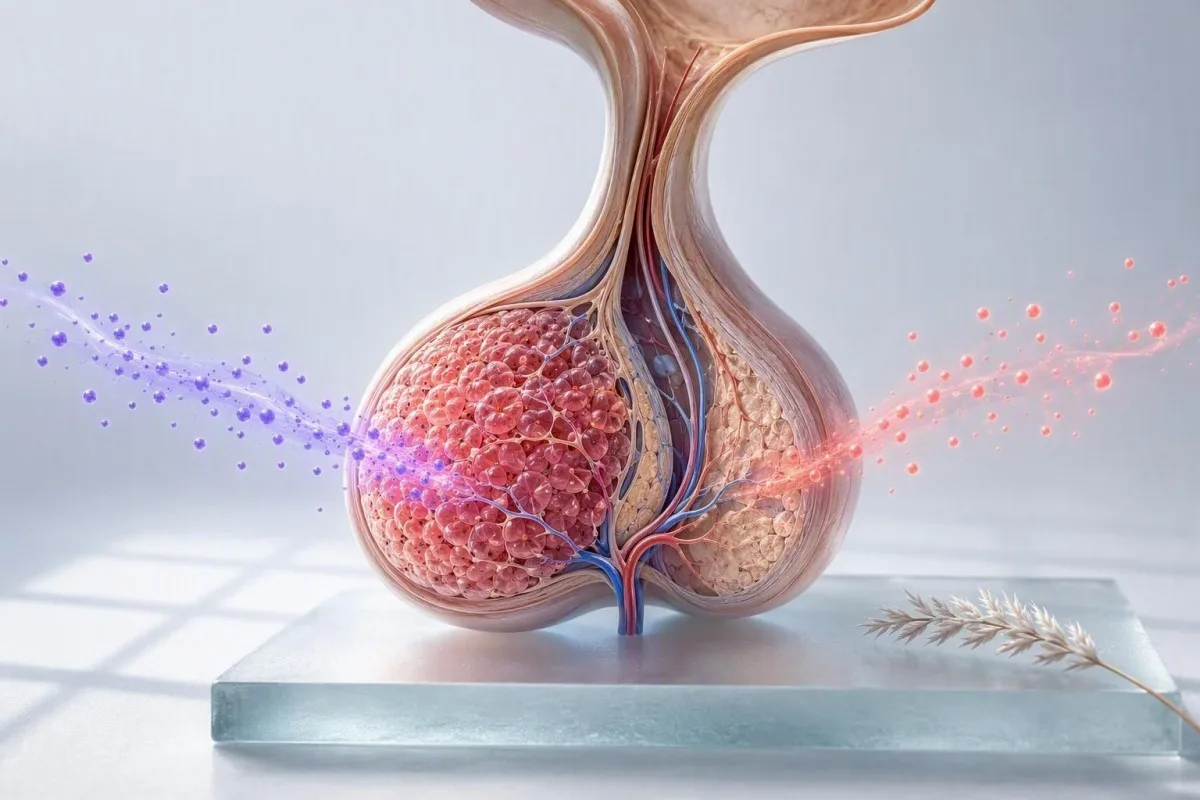
FSH бер айда 9 IU/L, икенчесендә 35 IU/L булырга мөмкин, аеруча соңгы 2-8 ел эчендә соңгы менструациягә кадәр. Моның сәбәбе “аналыкның эшчәнлеге” генә түгел: калган фолликул әле дә FSHны вакытлыча бастырып торырлык эстрадиол ясый ала. Менә шуңа күрә нормаль күренгән FSH перименопаузаны кызыл йөзләр һәм яңа гына регуляр булмаган цикллар булган кешедә инкар итми.
NICE, 45 яшь яки аннан өлкәнрәк кешеләрдә вазомотор симптомнар һәм менструаль үзгәрешләр булган очракта, клиник диагностиканы тәкъдим итә, күпчелек очракта лаборатор анализсыз (NICE, 2024). Комбинирланган гормональ контрацептив, югары дозалы прогестоген яки системалы HRT кулланганда FSH анализы азрак файдалы, чөнки бу дарулар йогынты боҗрасын үзгәртә. Безнең аңлатма менопаузада эстрадиол ни өчен бер генә эстроген нәтиҗәсенең ялгыш булуын күрсәтә.
Доктор Томас Клейн бу урында симптом һәм кан агуы көндәлекләрен гаҗәеп файдалы дип тапты. 8-12 атна дәвамында флаш ешлыгын, йокының бозылуын, цикл озынлыгын, мигрень үрнәген һәм дәвалану даталарын языгыз; бу еш кына бер кан алыну мөмкинлегеннән артык хикәясен ачыклый. 45 яшьтән соң көчле яки еш кан агуы клиник бәяләүгә лаек, чөнки менопауза симптомнары кан агуындагы һәр үзгәрешне аңлатмый.
Менопауза нәтиҗәләре: Югары FSH һәм LH гадәттә нәрсә аңлата
Табигый менопаузадан соң, FSH гадәттә 25-30 IU/L, ә LH еш кына 20 IU/L артыграк була, чөнки аналык эстроген йогынтысы түбән. Бу кыйммәтләр менопауза физиологиясен хуплый, ләкин 45 яшьтән соң диагноз кую өчен гадәттә кирәкми.
Күп кенә постменопауза лабораторияләре киң FSH интервалларын күрсәтә, мәсәлән 25–135 IU/L һәм LH интерваллары 7-60 IU/L. Перименопаузаның соңгы стадиясе белән зур охшашлык бар, һәм эстроген кулланган кешедә менопауза булса да, FSH бик түбән булырга мөмкин. Югары FSH үзе куркыныч түгел һәм дәвалау таләп итми.
Менопауза ретроспектив рәвештә билгеләнә 12 ай буе ким булмаган менструация , башка сәбәпләр чорлар булмавын аңлатмаса. Бу чордан соң вагиналь кан китүе булган хатын-кызлар өчен, FSH ышанычлы постменопауза булса да, медицина тикшерүе кирәк. Күбрәк укыгыз менопаузадан соң FSH гадәти нәтиҗәләр диапазоны һәм искәрмәләр турында.
Иртә менопауза 45 яшькә кадәр була, һәм беренчел аналык җитмәүчелеге 40 яшькә кадәр карала, ул вакытта регуляр булмаган яки булмаган чорлар азгонада активлыкның биохимик дәлилләре белән бергә килә. Хәзерге кулланмалар еш кына POI-ны ике үрнәк буенча югары FSH белән раслый, алар арасында ким дигәндә 4-6 атна, гәрчә кисәк нокталар җитәкчелек һәм анализ буенча төрле булса да. Эстрадиол, йөклелек тесты, аутоиммун анамнезы һәм генетик контекст яшьрәк яшьтә мөһим булырга мөмкин.
Контрацептивлар һәм HRT LH һәм FSHны түбән күрсәтә ала
Комбинирланган гормональ контрацепция гадәттә LH һәм FSH-ны баса, шуңа күрә аны кулланганда алынган нәтиҗәләр табигый овуляцияне, СПКБ физиологияне яки менопауза статусын бәяли алмый. HRT шулай ук FSH-ны постменопауза паттерны яшерү өчен җитәрлек дәрәҗәдә төшерергә мөмкин.
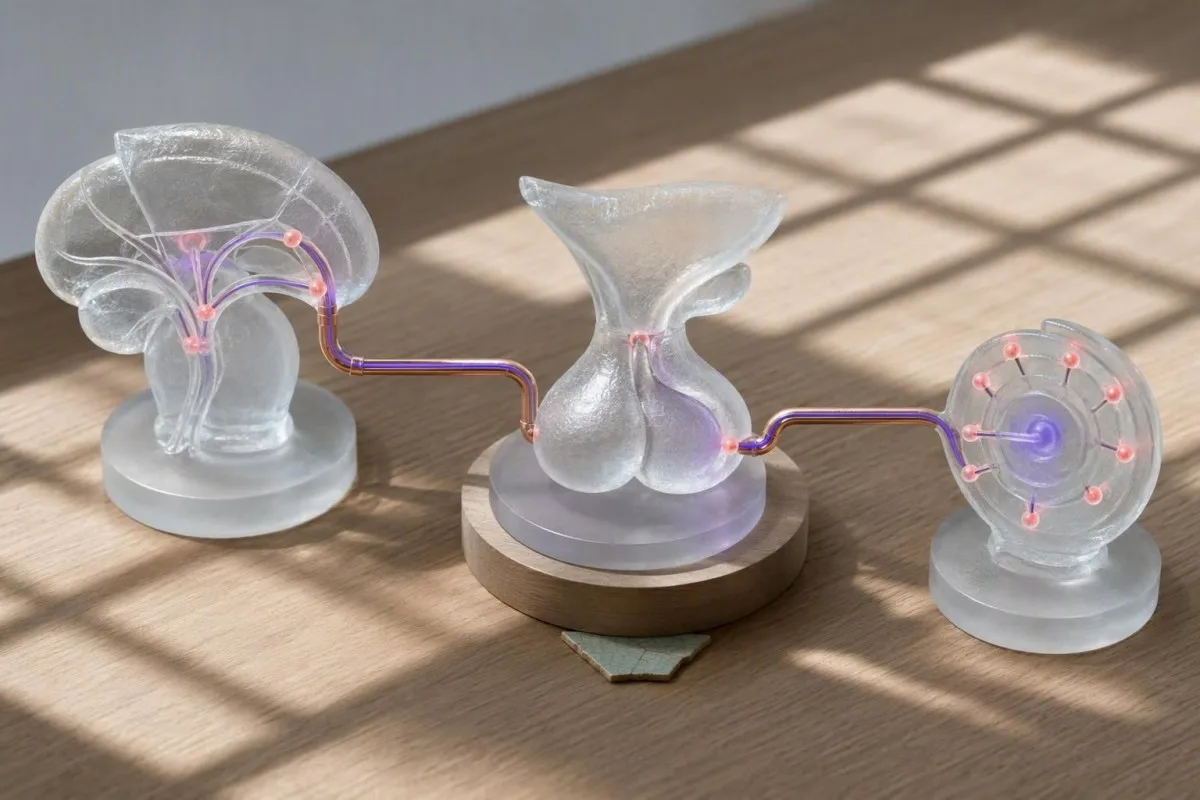
Ethinylestradiol-үз эченә алган таблеткалар, патчлар һәм боҗралар гипоталамус-гипофиз-аналык күчәрен дизайн буенча баса. Комбинирланган таблеткада 1 IU/L LH һәм 2 IU/L FSH еш кына гипофиз бозуыннан түгел, ә көтелгән фармакологик эффект. Прогестоген-генә методлары нәтиҗәләргә азрак фаразлаучан тәэсир итә, ләкин шулай да чорларны һәм овуляция паттерннарын үзгәртергә мөмкин.
СПКБ бәяләү өчен, клиницистлар якынча көтә ала комбинирланган гормональ контрацепцияне туктатканнан соң 3 ай биохимик андрогеннарны тикшергәнче, әгәр дә туктату куркынычсыз һәм тиешле булса. Бу SHBG һәм андроген җитештерүнең утыруын тәэмин итә, гәрчә регуляр булмаган цикллар төгәл вакытны авырлаштыра ала. Безнең җитәкчелек эстроген нәтиҗәләре турында лаборатория чикләүләрен тасвирлый.
Йөклелек риски, симптомнар һәм альтернативалар турында сөйләшмичә, гормон тесты алу өчен контрацепцияне яки рецепт буенча бирелгән HRT-ны туктатмагыз. Kantesti - AI-нә нигезләнгән кан анализы коралы, ул кулланучыларны паттернны интерпретацияләү алдыннан гормональ дарулар өстәргә этәрә, чөнки клиник яктан нормаль булган басылган нәтиҗә башкача борчылулы дип ялгыш билгеләнергә мөмкин.
Түбән LH һәм түбән FSH: Гипофиз сигналы кайчан мөһим
Түбән LH һәм FSH иң мөһим, әгәр эстрадиол яки тестостерон да түбән булса һәм чорлар туктаган яки җенси җитлекү тоткарланган булса. Бу паттерн функциональ гипоталамус супрессиясен, гиперпролактинемияне, гипофиз авыруын яки дару йогынтысын күрсәтергә мөмкин.

Функциональ гипоталамус аменореясе - энергиянең түбәнлеге, соңгы вакытта авырлыкны югалту, көчле чыдамлыклы күнегүләр, хроник авырулар яки зур психологик стресс булган кешеләрдә еш очрый торган аңлатма. LH 2 IU/L-дан түбән булырга мөмкин, FSH 3-5 IU/L-дан түбән булырга мөмкин, һәм эстрадиол түбән булырга мөмкин, ләкин бер генә чик диагнозны билгеләми. Тарих еш кына җитмәгән өлешне бирә.
Түбән LH һәм FSH паттерны аналык җитмәүчелегеннән аерылып тора, монда FSH гадәттә югары була, чөнки гипофиз аналыкны стимуллаштырырга тырыша. Аерма киләсе адымнарны үзгәртә: клиницистлар пролактин, TSH, йөклелек статусын, изелгән очракларда иртәнге кортизолны тикшерергә мөмкин һәм баш авыртулары, күрү үзгәрешләре яки билгеле пролактин күтәрелү булганда гипофизны сурәтләргә мөмкин. Карагыз түбән FSH паттерннары өчен бу чагыштыру.
Айлык циклы туктаган очракта, башның кинәт көчле авыртуы, периферия күрү мөмкинлеге югалту, хәлсезлек яки яңа неврологик симптомнар булса, тиз арада тикшерү үткәрергә кирәк. Азрак ашыгыч очракларда, адекват энергия кертемнәрен торгызу һәм артык күнегүләрне киметү циклларны яңадан башларга мөмкин, ләкин бу табиб күзәтүе астында булырга тиеш, чөнки сөяк сәламәтлеге 6 ай яки аннан да күбрәк вакыт дәвамында аз эстрогенга дучар булганнан соң тәэсир итәргә мөмкин. 6 ай яки аннан күбрәк аз эстроген экспозициясеннән.
Ир-ат репродуктивлыгы һәм тестостеронны тикшерүдә LH һәм FSH
Ир-атларда LH яичникларның тестостерон җитештерүенә этәргеч бирә, шул ук вакытта FSH сперма җитештерүне хуплый, шуңа күрә бу пар яичникларның яисә гипофизның ата-анасызлык яки аз тестостерон сәбәпләрен аерырга ярдәм итә. Сперма анализы сперма белән бәйле ата-анасызлык сораулары өчен төп тест булып кала.
Высокий уровень LH и FSH при низком уровне тестостерона указывает на первичную дисфункцию яичек, поскольку гипофиз усиливает свой сигнал. Низкий тестостерон при низком или неадекватно нормальном уровне LH и FSH предполагает вторичный гипогонадизм или обратимое подавление из-за болезни, ожирения, опиоидов, глюкокортикоидов или повышенного пролактина. Утренний забор, желательно до 11 утра, имеет значение, поскольку тестостерон обычно достигает пика в начале дня.
FSH жертворасы чигеннән югарырак булса, сперматогенезның бозылуын күрсәтергә мөмкин, ләкин нормаль FSH нормаль сперма саны, хәрәкәтчәнлеге яки морфологиясен гарантияләми. Киресенчә, арткан FSH җенси эшчәнлек үлчәме түгел. Безнең сперма анализы аңлатмасы гормоннар белән лаборатория спермасын сынауны ни өчен алыштырып булмый икәнен аңлата.
Бала табу теләге булган ир-атта, билгеләнгән тестостеронны беркайчан да гади генә башлыйсы түгел: тышкы тестостерон еш кына LH һәм FSHны баса һәм берничә ай эчендә сперма җитештерүне шактый киметергә мөмкин. Сайланган пациентлар өчен ата-анасызлыкны саклаучы альтернативалар бар, ләкин алар өчен эндокринолог, уролог яки ата-анасызлык белгече тарафыннан дәвалауны көйләү таләп ителә.
Бер генә LH яки FSH нәтиҗәсе кайчан ялгыш булырга мөмкин
Цикл көне, кош йомыркасы, гормональ дарулар, кискен авыру яки эстрадиол билгеле булмаганда, бер генә LH яки FSH нәтиҗәсе ялгыш булырга мөмкин. Бер генә билгеләнгән саннан киң нәтиҗәләр чыгаруга караганда, максатчан тестны кабатлау еш кына куркынычсызрак һәм файдалырак.
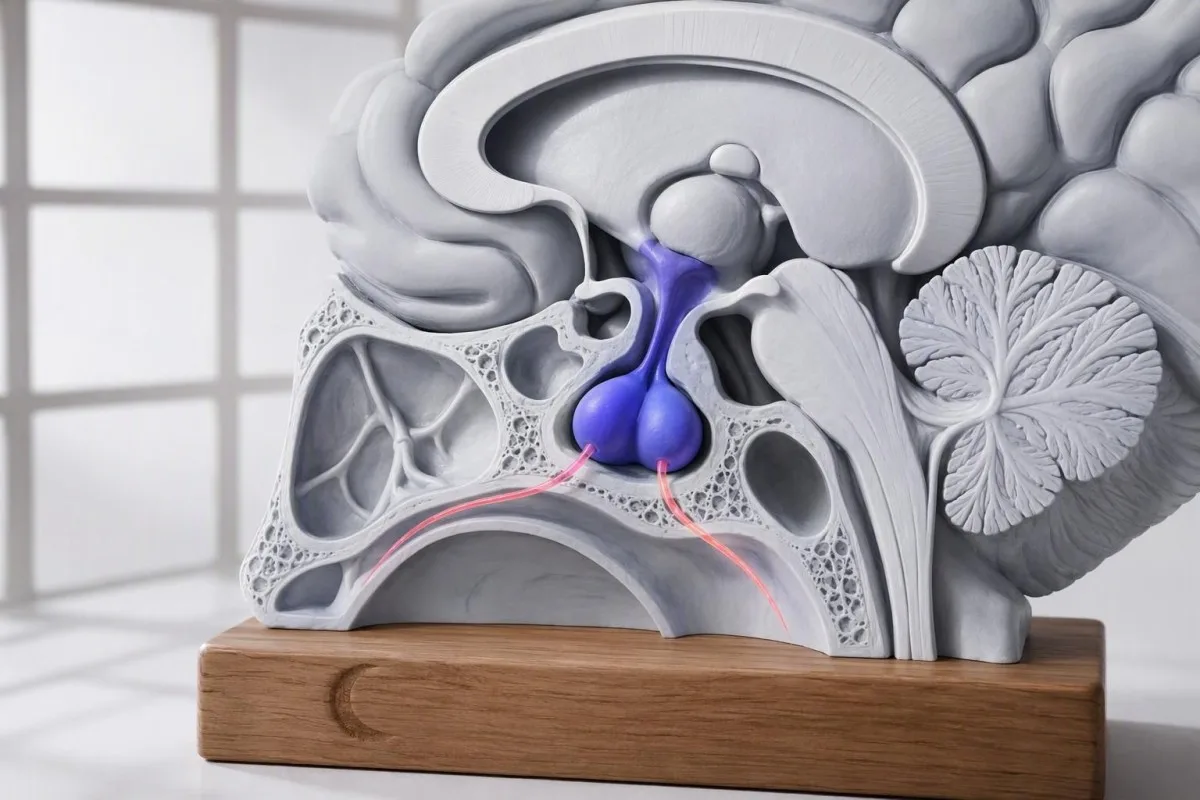
Йөкле булган 31 яшьлек хатын-кызның бер цикл башындагы тестта FSH 14 IU/L һәм киләсе айда 7 IU/L булырга мөмкин, аеруча эстрадиол үзгәрсә. Лабораториянең төгәлсезлеге, биологик үзгәрешләр һәм җыю вакыты барысы да моңа йогынты ясый. Бер кушымтада бу үзгәреш куркыныч булып күренергә мөмкин, ләкин ул кеше эчендәге үзгәрешләр чикләрендә булырга мөмкин.
Биотин дозалары көненә 5–10 мг— чәч һәм тырнак продуктларында еш очрый — кайбер стрептовидин-биотин иммуноанализларына комачауларга мөмкин, гәрчә җитәкчелек һәм зурлык лаборатория ысулына бәйле. Лаборатория яки табиб белән яңадан сынау алдыннан 48-72 сәгать пауза кирәклеген сорагыз; табиб кушуыннан башка берәр төрле өстәмәне туктатмагыз. Безнең кан анализы вакытын билгеләү өчен кулланма башка кыска вакытлы йогынтыларны аңлата.
Йөклелек тесты - гади, ләкин җиңел онытыла торган адым. hCG LHга структурасы буенча охшаш һәм табигый репродуктив циклны басарга мөмкин, шул ук вакытта иртә кош йомыркасы катлаулы симптомнар һәм айлык циклы булмау белән бергә булырга мөмкин. Тест нәтиҗәсе клиник хикәягә туры килмәсә, табиблар сирәк диагнозларны дәвам иткәнче, анализны, үрнәк көнен һәм кош йомыркасы статусын расларга тиеш.
Кайсы тестлар LH һәм FSHны файдалырак итә?
Estradiol, progesterone, AMH, prolactin, TSH һәм андрогеннар еш кына LH һәм FSHны аңлаешлы итәләр; дөрес өстәмәләр клиник сорауга бәйле. Барлык гормоннарны берьюлы заказ бирү һәрвакыт яхшырак түгел, чөнки берничә тест вакытка бәйле.
Регуляр булмаган циклы яки шикле PCOS өчен, табиб гадәттә кош йомыркасын сынау, гомуми тестостерон, SHBG яки исәпләнгән ирекле тестостерон, пролактин, TSH һәм 17-гидроксипрогестеронны кирәк булганда уйлый. Овуляция шикләнгән очракта, прогестеронны 21-нче көнне түгел, ә якынча 7 көн алдан прогестеронны тикшерергә, 21-нче көн гади 28-көнгә туры килә.
АФСны стимуляцияләүгә җавапны, табигый көндәшлекне күрсәтүгә караганда, күбрәк, циклының күп көннәрендә үлчәп була. Бик түбән АФСны файдалану мөмкинлеген кире кагу өчен кулланырга ярамый, ә югары АФС поликистозлы аналык синдромында (PCOS) барлыкка килергә мөмкин, ләкин аны расламый. Безнең карау түбән AMH сәбәпләре бу нәтиҗәне перспективага куя.
Kantesti AI LH һәм FSH нәтиҗәләрен, аерым алганда, коэффициентны гына кулланмыйча, янәшәдәге биомаркерларны һәм озынлык буенча үзгәрешләрне тикшерү юлы белән аңлата. Методология һәм клиник саклау чаралары ничек кулланылганын аңларга теләүчеләр безнең медицина валидация стандартлары.
Точны LH һәм FSH тестына ничек әзерләнергә
LH һәм FSH гадәттә ачлыкны таләп итми, ләкин төгәл интерпретацияләү өчен дөрес цикл көне, дарулар исемлеге һәм тотрыклы клиник шартлар кирәк. Көн-3 фертильлек панеле өчен, иртәнге 2-5 нче көнне сайлап алу практик стандарт булып тора.

Гормональ контрацепция, HRT, фертильлек инъекцияләре, тестостерон, антипсихотиклар, опиоидлар, глюкокортикоидлар һәм өстәмәләр турында заказ бирүче клиницистка әйтегез. Актив авыру, йокының зур бозылуы һәм бик көчле физик күнегүләр репродуктив сигналны вакытлыча үзгәртергә мөмкин, бигрәк тә энергия балансына яки пролактинга йогынты ясаганда. Ачлык, гадәттә, кирәкми, әгәр башка соратылган тестлар, мәсәлән, глюкоза яки липидлар, аны таләп итмәсә.
Әгәр дә сез көтелмәгән FSH нәтиҗәсен кабат тикшерсәгез, мөмкин булса, шул ук лабораторияне һәм анализны кулланыгыз, чагыштырмалы цикл фазасында. Бу бер лабораториянең көн-3 кыйммәтен икенче лабораториянең көн-17 кыйммәте белән чагыштырудан күбрәк мәгълүмат бирә. Безнең база кан анализы әзерләү кулланмасы практик чек-листка тәкъдим итә.
Йорттагы фертильлек борчылуы өчен, сидек LH комплектларын кан LH кыйммәтләре белән аңлатудан сакланыгыз. Сидек комплектлары LHның артуын билгели, ул еш кына овуляция алдыннан 24-36 сәгать элек була, ләкин уңай комплект йомырканың чыгарылуын раслый алмый һәм поликистозлы аналык синдромында буталырга мөмкин. Прогестерон вакытын яки УЗИны кайвакыт клиник сорау овуляцияне раслау булганда кирәк була.
LH һәм FSH нәтиҗәләре кайчан медицина күзәтүен таләп итә
3 айлык булмаган цикллар, 45 яшькә кадәрге менопауза, фертильлек булмау, тиз прогрессив андроген симптомнары яки неврологик симптомнар белән түбән гонадотропиннар өчен медицина тикшерүен сорагыз. LH һәм FSH сирәк очракта ашыгыч тестлар булып тора, ләкин үрнәк соңга калу файдасыз булган шартларны ачыкларга мөмкин.
Цикллар даими 35 көннән артса, елга 8 тапкырдан ким булса, яки моңа кадәр тотрыклы булганнан соң, кинәт үзгәрмәсә, гадәти очрашуга язылыгыз. Әгәр дә сез 40 яшьтән ким булсагыз һәм цикллар булмаса, FSH даими югары булса 25 МО/л, башлангыч аналык җитмәүчәнлеген тиз арада бәяләү мөһим, чөнки сөяк, йөрәк-кан тамырлары һәм фертильлек йогынтылары иртә игътибар таләп итәргә мөмкин.
Галакторея, даими баш авыртулары, яңа күрү бозылуы яки андрогеннарның нык үзгәрүе, мәсәлән, бик тиз үсүче каты йөз чәчләре тавыш үзгәрү белән бергә, бер үк атнада карау акыллы. Постменопаузаль кан китү, LH яки FSH кыйммәтләренә карамастан, вакытында бәяләүне таләп итә. Кайнар флешлар өчен клиницистлар шулай ук тиреоид авыруын һәм дарулар йогынтысын кире кага ала; безнең кайнар флеш кан анализы кулланмасы моны аңлата.
Kantesti медицина эчтәлеге клиницистлар күзәтүе астында карала, ләкин интерпретация репродуктив эндокринология яки башлангыч медицина ярдәмен алыштыра алмый. Сез безнең аша карау процессы артындагы белгечләр белән таныша аласыз Медицина консультатив советы. 9 сентябрь, 2026 елдан башлап, иң ышанычлы йомгак - беренче чиратта үрнәк, кирәк булганда кабат тест, һәм дәвалау карарлары симптомнар һәм максатларга нигезләнә - LH:FSH коэффициентына түгел.
LH һәм FSHны бергә уку өчен практик чек-лист
Киләсе адым - LH һәм FSH кыйммәтләрегезне цикл көне, эстрадиол, дарулар, яшь һәм тестның сәбәбе белән чагыштыру, мәгънә бирү алдыннан. Бу биш өлешле тикшерү күпчелек очракта ялгыш интерпретацияләрне булдырмый.

Беренчедән, сорауны билгеләгез: овуляция, фертильлекне планлаштыру, циклның бозылуы, поликистозлы аналык синдромы симптомнары, менопауза симптомнары яки түбән тестостерон. Икенчедән, соңгы табигый циклыгызның көнен языгыз һәм сез гормональ дарулар кулланасызмы. LH артуы вакытында алынган нәтиҗә көн-3 фертильлек нәтиҗәсе белән чагыштырылырга тиеш түгел.
Өченчедә, LH һәм FSHны эстрадиол белән парлагыз, һәм дискриминациясез панельләр урынына максатчан тестлар өстәгез. Дүртенчедә, мөмкин булганча, бер үк лабораторияне кулланып, алдагы нәтиҗәләрегез белән чагыштырыгыз. Kantesti - AI лаборатория тестларын аңлату хезмәте, ул хәбәрләр буенча горизонталь гормон нәтиҗәләрен оештыра ала, ләкин даими симптомнар яки нормадан тайпылышлар сезне тикшерә һәм сезнең өстенлекләрегезне талкущ итә ала торган клиницистны таләп итә.
Ахырда, нормаль нисбәт чын симптомнарны кире какмасын, һәм нормадан тайпылышлы нисбәт сездә булмаган диагноз куймасын. Төгәл цикл тарихы белән 10 минутлык очрашу, вакытсыз кан алудан күбрәк өстәргә мөмкин. Әгәр дә сезгә бу әңгәмәгә әзерләнергә ярдәм кирәк булса, безнекеләрне кулланыгыз табиб-визит нәтиҗәсе чек-листы.
Еш бирелә торган сораулар
LH белән FSH нисбәте нормада нинди?
Ир-атларның да, хатын-кызларның да сәламәтлеген яки авыруын диагностикалау өчен бернинди нормаль LH:FSH нисбәте дә юк, чөнки ике гормон да менструаль цикл дәвамында үзгәрә. Фолликуляр фазаның башында күп кешеләрдә 1:1 якынча нисбәт күзәтелә, ә 2:1 дан артык нисбәт кайбер PCOS белән авыручыларда һәм PCOS булмаган кешеләрдә дә очрарга мөмкин. 2023 елгы халыкара PCOS күрсәтмәсе LH:FSH нисбәтен диагностика критерие буларак кулланмый. Нисбәт иң мәгънәле булып LH, FSH, цикл көне, эстрадиол, андроген нәтиҗәләре һәм симптомнар бергәләп каралганда гына санала.
High LH and low FSH PCOS дигәнне аңлатамы?
Югары ЛГның чагыштырмача түбән ФСГ белән бергә булуы — бу СПКЯ билгесе булырга мөмкин, ләкин бу үзе генә СПКЯ дигәнне аңлатмый. 12 МЕ/л ЛГ һәм 4 МЕ/л ФСГ СПКЯ-тибындагы сигналны күрсәтергә мөмкин, ләкин ул шулай ук йомырка салу янында яки цикл вакыты билгесез булганда да булырга мөмкин. СПКЯ диагнозы өчен өч хасиятнең икесе кирәк: йомырка салу дисфункциясе, гиперандрогенизм һәм поликистозлы аналык морфологиясе яки башка сәбәпләр чыгарылгач, өлкәннәрдә югары АМГ. Тестостерон, ШГБ, пролактин, TSH һәм менструаль тарих, гадәттә, бер коэффициенттан файдалырак.
Менопаузаны күрсәтүче FSH дәрәҗәсе нинди?
FSH дәрәҗәсе даими рәвештә 25-30 МЕ/л дан югары булса, эстрадиол түбән булганда һәм цикллар туктаганда менопаузаны яки йомырка бизе җиткелексезлеген раслый ала. Постменопаузаль FSH еш кына 25-135 МЕ/л арасында була, лаборатория аралары үзгәрә ала һәм HRT бу күрсәткечне киметергә мөмкин. 45 яшьтән өлкәнрәк кешеләрдә менопауза, гадәттә, FSH сынавы белән түгел, ә 12 ай дәвамында цикллар булмаганда клиник яктан диагноз куела. Бер нормаль FSH перименопаузаны инкарь итми, чөнки дәрәҗәләр цикллар арасында бик нык үзгәрергә мөмкин.
Югары FSH белән йөкле булып буламы?
Әйе, югары FSH нәтиҗәсе белән дә йөккә узу мөмкин, чөнки FSH фертильлекнең камил булмаган маркеры һәм циклдан циклгә үзгәрә. 3-нче көнге FSH 10-15 IU/L югарырак булса, аналык резервының кимүен яки фертильлек даруларына азрак җавап бирүне күрсәтә ала, ләкин ул йомырка сыйфатын, торба үткәрүчәнлеген яки сперма факторларын үлчәми. Эстрадиол югары FSHны маскировкалый ала, шуңа күрә ике тестны бергә интерпретацияләргә кирәк. 35 яшькә кадәр 12 ай, яисә 35 яшьтән 6 ай дәвамында бала табу өчен тырышучы һәркем фертильлекне бәяләргә тиеш.
Ни өчен минем ЛГ һәм ФСГ да түбән?
Гормональ контрацепция, йөклелек, имезү яки овуляциядан соң түбән ЛГ һәм ФСГ көтелә. Эстрадиол яки тестостерон да түбән булса һәм килүләр булмаганда, бу гипоталамусны бастыру, пролактинның артуы, гипофиз авырулары, хроник авырулар яки даруларның тәэсире турында сөйләргә мөмкин. Хәвефле авырлык югалту, энергия аз куллану яки интенсив чыдамлыклы күнегүләрдән соң функциональ гипоталамус аменореясы аеруча еш очрый. Яңа хәвефле баш авырту, күрү үзгәрешләре яки галакторея түбән гонадотропиннар белән тиз медицина тикшерүне таләп итә.
LH һәм FSH тестлары 3 нче көнне эшләнергә тиешме?
Йылгачтыру яки йомырка резервын бәяләү өчен, LH, FSH һәм эстрадиолны гадәттә циклның 2-5 көннәрендә үлчиләр, еш кына 3-нче көн тесты дип атала. Бу фолликулның иртәге көнге вакыты нәтиҗәләрне чагыштырмалы итә, чөнки овуляция һәм лютеин гормоннарының үзгәрешләре киметелә. Тест ач торуны таләп итми, әгәр башка тестылар таләп итмәсә. LH һәм FSHны башка көнне тестылау клиник яктан файдалы булырга мөмкин, ләкин аларны дөрес аңлау өчен цикл көнен белергә кирәк.
Бүген үк AI белән эшләнгән кан анализы тикшерүе
Дөнья буенча 2 миллионнан артык кулланучы кушылыгыз: алар Kantestiны тиз һәм төгәл лаборатория анализы өчен ышана. Кан анализы нәтиҗәләрегезне йөкләгез һәм 15,000+ биомаркерларын секундлар эчендә тулы аңлатма белән алыгыз.
📚 Сылтама бирелгән тикшеренү басмалары
Klein, T., Mitchell, S., & Weber, H. (2026). Kantesti LTD. (2026). RDW кан анализы: RDW-CV, MCV & MCHC өчен тулы кулланма. Zenodo. ResearchGate һәм Academia.edu язмалары бәйләнгән басмалар מאגרлары аша бар.. Kantesti AI медицина тикшеренүе.
Klein, T., Mitchell, S., & Weber, H. (2026). Kantesti LTD. (2026). BUN/креатинин нисбәте аңлатылды: бөер функциясе анализы кулланмасы. Zenodo. ResearchGate һәм Academia.edu язмалары бәйләнгән басмалар מאגרлары аша бар.. Kantesti AI медицина тикшеренүе.
📖 Тышкы медицина белешмәләре
Сәламәтлек һәм кайгырту буенча милли институт (2024). Менопауза: диагноза и управление (NG23). NICE күрсәтмәсе.


⚕️ Медицина кисәтүе
Бу мәкалә бары тик белем бирү максатларында гына һәм медицина киңәше булып тормый. Диагноз һәм дәвалау карарлары өчен һәрвакыт квалификацияле сәламәтлек саклау белгеченә мөрәҗәгать итегез.
E-E-A-T ышаныч сигналлары
Тәҗрибә
Табиб җитәкчелегендә лаборатория нәтиҗәләрен аңлату эш процессларын клиник тикшерү.
Белгечлек
Лаборатория медицинасы: биомаркерларның клиник контекстта үз-үзләрен тотышын аңлау.
Авторититет
Доктор Томас Кляйн тарафыннан язылган, доктор Сара Митчелл һәм профессор доктор Ханс Вебер тарафыннан тикшерелгән.
Ышанычлылык
Ачык күзәтү юллары белән куркуны киметү өчен дәлилләргә нигезләнгән аңлату.