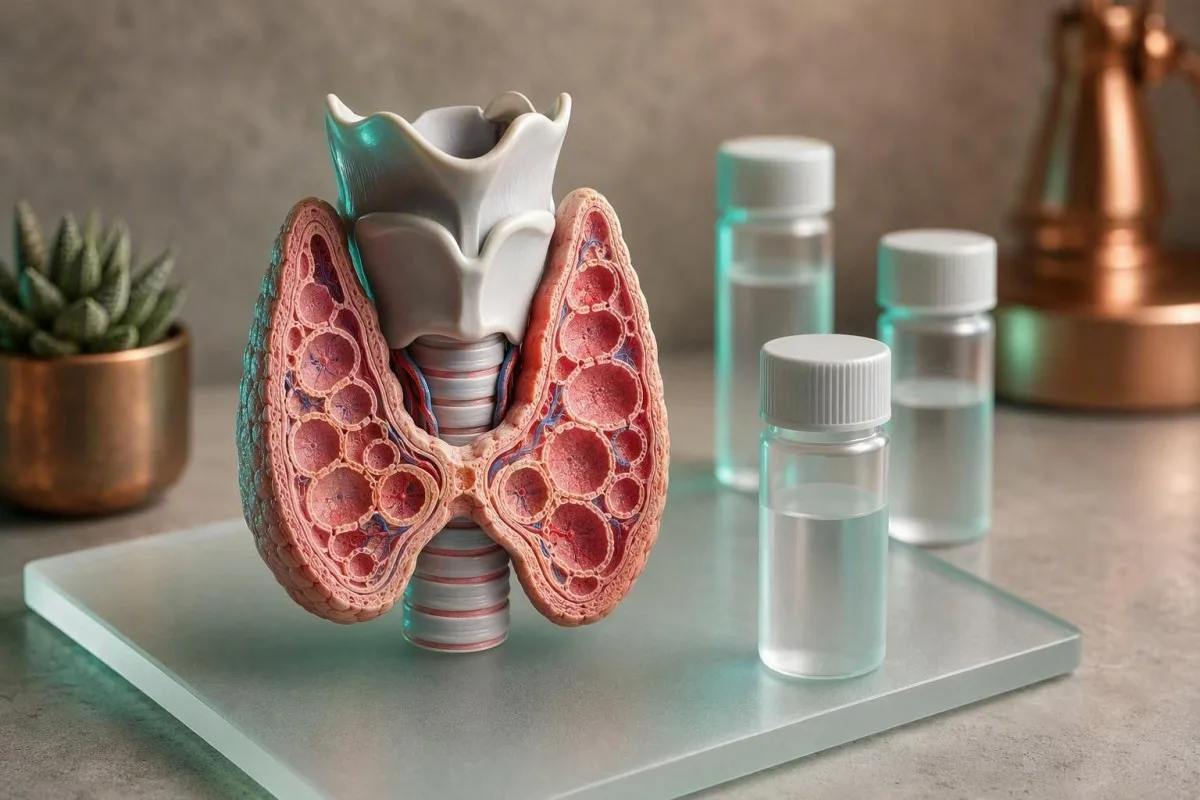
Daugumai žmonių nereikia dažnų skydliaukės tyrimų. Tinkamas intervalas priklauso nuo to, ar jūsų TSH yra normalus, ar esate nėščia, ar turite simptomų, ar neseniai buvo pakeista jūsų levotiroksino dozė.


- Normalus TSH paprastai nereikia kartoti dažniau nei kartą per 1-5 metus, nebent atsiranda simptomų, nėštumas, vaistai ar nauji rizikos veiksniai.
- Po levotiroksino pakeitimų, pakartokite TSH po 6-8 savaičių, nes hipofizės grįžtamajam ryšiui reikia laiko stabilizuotis.
- Nėštumas žinant hipotirozę, nėštumo patvirtinimo metu ir paprastai kas 4 savaites iki nėštumo vidurio reikalauja TSH tyrimų.
- Stabili, gydoma hipotirozė paprastai stebima kas 6-12 mėnesių, o ne kas mėnesį.
- TSH virš 10 mIU/L paprastai reikalauja klinikinio vertinimo ir gydymo aptarimo, net ir tada, kai laisvasis T4 išlieka normos ribose.
- Biotino papildai gali iškreipti kai kuriuos skydliaukės imunofermentinius tyrimus; nutraukti didelės dozės biotiną bent 2 dienas yra protinga atsargumo priemonė.
- TPO antikūnai numatyti būsimą hipotirozę, tačiau nereikia nuoseklių matavimų, kad būtų galima koreguoti levotiroksiną.
- Skubus įvertinimas reikalingas, kai pasireiškia stiprus širdies plakimas, krūtinės skausmas, sumišimas, žymus dusulys ar greitai didėjantis kaklo patinimas.
Skydliaukės tyrimų kartojimo sprendimų grafikas
Skydama tiriotiro idelijų priklauso nuo klinikinės situacijos: kas 1–5 metus po normalaus patikrinimo, kas 6–8 savaites po dozės pakeitimo, kas 4 savaites ankstyvuoju nėštumo laikotarpiu, kai žinoma skydliaukės liga, ir kas 6–12 mėnesių, kai hipotiroidizmas yra stabilus gydant. Anksčiau tirti verta tik tada, kai rezultatas gali realiai pakeisti gydymą.
Suaugusiam asmeniui be skydliaukės diagnozės ir su normaliu TSH, pakartotinis tyrimas kas 1–5 metus paprastai yra pakankamas, kai nėra naujų simptomų ar rizikos veiksnių. Platus intervalas atspindi skirtingas nacionalines atrankos politikas; masinė rutininė atranka neparodė pakankamai aiškios naudos JAV prevencinių paslaugų darbo grupei, kad ją rekomenduotų asimptominiams suaugusiems asmenims (USPSTF, 2015).
Praktinis tvarkaraštis yra naudingesnis nei bendras metinis tikrinimas: pakartoti tyrimą per kelias savaites po vaistų ar reprodukcinio pokyčio, per kelis mėnesius po anomalijos ir kasmet tik tada, kai aktyviai valdoma lėtinė liga. Mano klinikoje dažniausia išvengiama klaida yra TSH tyrimas praėjus 10 dienų po dozės pakeitimo – nerimas didėja, bet rezultatas retai atsakome į klausimą.
Kantesti yra AI kraujo tyrimo analizatorius kuris palygina skydliaukės rezultatus su datuotais ankstesniais tyrimų rinkiniais, padedančiais atskirti reikšmingą tendenciją nuo ankstyvo, triukšmingo pakartotinio tyrimo. Pateikite pirminę laboratoriją, paėmimo laiką, dozę, nėštumo būklę ir papildus šalia kiekvieno rezultato; šios detalės daro laiko intervalą kliniškai interpretuojamą. Žr. mūsų kraujo tyrimų atlikimo laiko vadovas dėl konteksto, kurį verta įrašyti.
Kada pakartoti normalų TSH
Normalus TSH rodmuo sveikam suaugusiam asmeniui be skydliaukės rizikos veiksnių paprastai nereikalauja metinio pakartojimo; 1–5 metų intervalas yra pagrįstas. Kartoti anksčiau, jei simptomai yra nuolatiniai, planuojamas nėštumas, buvo kaklo apšvitinimas arba pradėti vartoti vaistai, turintys įtakos skydliaukės veiklai.
Dauguma laboratorijų nustato suaugusiųjų TSH maždaug 0,4–4,0 mIU/L, nors viršutinės ribos svyruoja nuo maždaug 4,0 iki 4,5 mIU/L. Rodmuo 2,1 mIU/L nėra iš esmės geresnis nei 3,7 mIU/L; abu gali būti normalūs, jei laisvas T4, simptomai ir klinimins kontekstas sutampa.
Aš skubiau pakartoju tyrimą sergantiems 1 tipo cukriniu diabetu, celiakija, po skydliaukės operacijos, vartojantiems litį, amjodaroną, turintiems hipofizės ligą ar stiprią autoimuninių ligų šeimos istoriją. Šios grupės turi didesnę tikimybę prieš tyrimą nei kitaip sveikas žmogus, kuris tiesiog jaučia nuovargį sunkų mėnesį.
Normalus TSH nediagnuoja visų nuovargio, plaukų slinkimo, prastos nuotaikos ar svorio pokyčių priežasčių. Jei simptomų kompleksas platus, gydytojai dažnai atlieka CE, feritino, gliukozės, inkstų rodiklių ir kartais B12 tyrimus, o ne skydliaukės tyrimus kas kelias savaites; mūsų vadovas kraujo tyrimai dėl motyvacijos trūkumo paaiškina platesnę diferencinę diagnostiką.
Simptomai, esant normaliems rezultatams: kada tyrimai vis tiek yra pagrįsti
Pakartokite skydliaukės tyrimų seriją po 6–12 savaičių, jei simptomai išlieka ar keičiasi, nepaisant normalaus TSH, o ne po kelių dienų. Naujas drebulys, karščio netoleravimas, ramybės tachikardija, kaklo simptomai, menstruacijų sutrikimai ar nepaaiškinti svorio pokyčiai pateisina tikslingesnę apžvalgą.
TSH gali šiek tiek svyruoti per dieną, tarp laboratorijų ir atsigaunant po ligos. Pokytis nuo 2,0 iki 3,1 mIU/L gali būti paprastas biologinis svyravimas, o pakilimas nuo 1,2 iki 8,6 mIU/L reikalauja kitokios reakcijos; štai kodėl tendencijos kontekstas yra svarbesnis nei vienas rodiklis.
Ūminė liga gali sukelti žemą T3 ir kartais žemą ar normalų TSH be pirminio skydliaukės nepakankamumo, o šis sindromas dažnai vadinamas nepagydoma skydliaukės liga. Tyrimai ligoninėje gali būti būtini, tačiau esant ne skubiems ambulatoriniams simptomams, aš dažnai laukiu 4–8 savaičių po pasveikimo, prieš interpretuojant ribinį rezultatą kaip lėtinę ligą; žr. mūsų paaiškinimą mažas T3 ligos metu.
Dr. Thomaso Kleino praktinė taisyklė yra paprasta: pakartokite tyrimą, kai atsakymas pakeistų kitą klinikinį sprendimą. Normalus TSH, kartu su užsitęsusiu vidurių užkietėjimu ir šalčio netoleravimu, gali paskatinti CE, feritino, vaistų apžvalgą ir laisvo T4 tyrimą; tai neturėtų automatiškai skatinti mėnesinių antikūnų tyrimų.
Kada pakartoti TSH po levotiroksino pakeitimų
Pakartokite TSH po 6–8 savaičių nuo levotiroksino pradėjimo, dozės pakeitimo ar preparato keitimo. Levotiroksino pusinės eliminacijos periodas yra maždaug 7 dienos, o hipofizei reikia kelių savaičių, kad atstatytų savo TSH išskyrimą.
Tipinis dozės koregavimas yra 12,5–25 mikrogramai per parą, ypač vyresniems suaugusiems ar sergantiems koronarine širdies liga, nors skiriantis gydytojas tai individualizuoja. TSH patikrinimas po 2 savaičių kartais gali padėti neįprastomis aplinkybėmis, tačiau tai per anksti rutininėms dozavimo sprendimams.
Levotiroksiną vartokite nuolat su vandeniu ant tuščio skrandžio, paprastai 30–60 minučių prieš maistą, arba prieš miegą praėjus mažiausiai 3–4 valandoms po paskutinio valgio. Kalcis, geležis, magnis, antacidiniai vaistai, tulžies rūgščių surišėjai ir kai kurie skaiduliniai produktai gali sumažinti absorbciją, kai vartojami kartu; tariamas dozės nepakankamumas kartais yra laiko problema.
Prekės ženklo ar gamintojo pakeitimas gali pakeisti veiksmingą poveikį kai kuriems pacientams, ypač tiems, kurių endogeninė skydliaukės funkcija yra maža. Naudokite tą patį pakartotinio tyrimo intervalą po pakeitimo, kaip nurodyta mūsų vadove apie levotiroksino gamintojo pakeitimą.
Kaip dažnai stebėti stabilią hipotirozę
Pacientams su stabilia pirminiu hipotiroidizmu ir nekeičiama doze paprastai reikia TSH tyrimo kas 6–12 mėnesių. Dažnesni patikrinimai yra tinkami po didelio svorio pokyčio, nėštumo, virškinimo trakto operacijos, sąveikaujančių vaistų ar įtikinamų simptomų grįžimo.
Daugumai ne nėščių suaugusiųjų, gydomų dėl pirminio hipotiroidizmo, gydymo tikslas yra TSH laboratorinio referencinio intervalo ribose, o ne specifinis mažas normalus skaičius. Nuolat slopintas TSH žemiau 0,1 mIU/L pakaitinio gydymo metu yra susijęs su prieširdžių virpėjimo ir kaulų retėjimo rizika, ypač vyresniems nei 65 metų asmenims.
Patikrinimas laisvas T4 kartu su TSH yra naudingas, kai yra hipofizės liga, centrinis hipotiroidizmas, nėštumas, abejonės dėl vaistų vartojimo ar prieštaringi simptomai. Esant centriniam hipotiroidizmui, TSH gali būti normalus ar žemas, nepaisant nepakankamo hormonų pakeitimo, todėl laisvasis T4, o ne TSH, nurodo dozavimą.
Kantesti yra AI kraujo tyrimo rezultatų interpretavimo platforma kuris pateikia TSH, laisvojo T4, vaistų pakeitimus ir susijusius geležies ar lipidų rezultatus viename laiko perspektyviniame vaizde. Tai ypač naudinga, nes žemas laisvasis T4 su normaliu TSH reikalauja kitokio klinikinio kelio nei įprasta Hašimoto hipotiroidizmo atveju.
Ribinė aukšta TSH: protingas pakartojimo grafikas
Paprastai TSH apie 4,5-10 mIU/L su normaliu laisvuoju T4 yra kartojamas po 6-12 savaičių, prieš skiriant diagnozę lėtinis subklinikinis hipotiroidizmas. Kartokite anksčiau, kai TSH sparčiai kyla, esant nėštumui arba kai simptomai yra ryškūs.
Praeinantis TSH padidėjimas gali atsirasti po virusinės ligos, sutrikus miegui, dėl laboratorijos kintamumo arba atsigaunant po sunkios sisteminės ligos. Pakartotinis tyrimas po 6–12 savaičių apsaugo daugelį pacientų nuo diagnozės, nustatytos pagal vieną ribinį rezultatą; naudokite tą pačią laboratoriją, kur įmanoma, kad sumažintumėte tyrimų skirtumus.
TSH didesnis nei 10 mIU/L yra riba, ties kuria dauguma gairių palankiai vertina gydymo aptarimą, nes progresavimas ir kardiovaskulinės asociacijos tampa labiau susirūpinimą keliančios. 2012 m. bendrosios Amerikos skydliaukės asociacijos ir Amerikos klinikinių endokrinologų asociacijos gairės rekomenduoja individualizuoti gydymą žemiau 10 mIU/L, atsižvelgiant į simptomus, antikūnus, amžių ir kardiovaskulinį kontekstą (Garber ir kt., 2012).
TPO antikūnai gali patikslinti perspektyvas: teigiami antikūnai padidina tikimybę, kad subklinikinis hipotiroidizmas progresuos, tačiau kartojant antikūnų titrą negalime pasakyti, ar levotiroksino dozė yra tinkama. Mūsų ribinio TSH vadovas apima veiksnius, kurie keičia sprendimą.
Hašimoto liga: ką stebėti ir ką praleisti
Hašimoto liga stebima daugiausia matuojant TSH ir, esant reikalui, laisvąjį T4; TPO antikūnai nereikalauja nuolatinių tyrimų. Eutiroidiniam asmeniui su teigiamais TPO antikūnais paprastai reikia tirti TSH maždaug kartą per metus, arba anksčiau nėštumo metu.
TPO antikūnai randami daugeliui žmonių, sergančių autoimuniniu tiroiditu, ir gali likti teigiami dešimtmečius. Negalutiniai antikūnų verčių rodikliai patikimai nereiškia, kad liauka atsigavo, o didėjantys rodikliai patys savaime nepateisina gydymo keitimo.
Aš dažnai susitinku su pacientais, kurie išleido pinigus mėnesiniams TPO antikūnų tyrimams, o jų TSH nepakito 18 mėnesių. Kliniškai svarbus klausimas yra tai, ar skydliaukės hormonų gamyba mažėja, o ne tai, ar svyravo imuninis atpažinimas.
Jei TSH yra normalus, bet antikūnai yra teigiami, metinis TSH yra priimtinas standartas; pridėkite patikrinimą prieš pastojant ir ankstyvą nėštumo tyrimą, jei tai aktualu. Skaitykite daugiau apie teigiamus TPO antikūnus esant normaliam TSH ir naudokite mūsų biomarkerio gidas suprasti laboratorinius pavadinimus jūsų ataskaitoje.
Nėštumo ir prieš pastojimą atliekami skydliaukės tyrimai
Žmonėms, turintiems žinomą hipotiroidizmą, TSH turėtų būti tikrinamas kuo greičiau po nėštumo patvirtinimo ir maždaug kas 4 savaites iki nėštumo vidurio, tada bent kartą apie 30 savaitę. Levotiroksino poreikis nėštumo pradžioje dažnai padidėja, kartais 20–30 %.
2017 m. Amerikos skydliaukės asociacijos nėštumo gairės naudoja TSH viršutinę referencinę ribą apie 4,0 mIU/L, kai laboratorija neturi nėštumui specifinio diapazono, o ne taiko senesnes universalias ribas. Trimesterio ir tyrimo specifiniai diapazonai yra pageidautini, nes tiroxiną rišančio globulino ir hCG keičia skydliaukės fiziologiją (Alexander ir kt., 2017).
Pacientai, jau vartojantys levotiroksiną, turėtų nedelsdami susisiekti su savo akušerine ar endokrinologine komanda po teigiamo testo, o ne laukti įprasto vizito. Kai kurie gydytojai pataria nedelsiant empiriniu būdu padidinti savaitines tabletes esant nustatytam hipotiroidizmui, tačiau tikslus planas turi būti individualizuotas – ypač sergant širdies ligomis ar esant neaiškiai diagnozei.
Po gimdymo skydliaukės poreikis dažnai grįžta prie dozės prieš nėštumą per kelias savaites, todėl pakartokite TSH maždaug 6 savaitės po gimdymo, nebent jūsų gydytojas pataria kitaip. Nėštumo interpretaciją taip pat palengvina mūsų laisvo T4 nėštumo vadovas.
Kaip dažnai tirti, kai įtariama ar gydoma hipertirozė
Įtariamas hipertiroidizmas reikalauja skubaus TSH ir laisvo T4 tyrimo, dažnai su laisvuoju T3; gydomas hipertiroidizmas iš pradžių gali reikalauti laisvo T4 ir T3 kas 4–6 savaites. TSH gali likti slopintas kelis mėnesius po to, kai hormonų lygis normalizuojasi, todėl ankstyvame gydymo etape jis neturėtų būti vienintelis naudojamas rodiklis.
Žemas TSH, mažesnis nei 0,1 mIU/L, kartu su padidėjusia laisvojo T4 ar laisvojo T3 koncentracija patvirtina aktyvų hipertiroidizmą ir reikalauja savalaikės gydytojo apžvalgos. Gydant Greivso ligą antitiroidiniais vaistais, laisvojo T4 ir bendrinio ar laisvojo T3 kiekis paprastai padeda atlikti ankstyvus koregavimus kas 4–6 savaites.
Nenaudokite vien skydliaukės tyrimų, kad paaiškintumėte širdies plakimą. Ramybės būsenos pulsas nuolat viršija 120 dūžių per minutę, krūtinės skausmas, alpimas, stiprus dusulys, karščiavimas su susijaudinimu ar sumišimas reikalauja skubios pagalbos, nes sunki tireotoksikozė gali destabilizuoti širdies ir kraujagyslių sistemą.
Biotinas gali sukelti klaidinantį mažo TSH ir aukšto laisvojo T4 ar T3 rodmenį jautriuose tyrimuose. Nutraukite didelę dozę biotino, dažnai 5-10 mg per dieną plaukų papilduose, bent 48 valandas prieš tyrimą, nebent gydytojas nurodo kitaip; mūsų straipsnyje apie klaidas nustatant aukštą laisvo T3 kiekį paaiškina, kodėl.
Tyrimai po skydliaukės vėžio ar skydliaukės operacijos
Po tiroidektomijos ar skydliaukės vėžio gydymo tyrimų dažnumas yra individualizuojamas ir gali svyruoti nuo kas 6–12 savaičių dozės nustatymo laikotarpiu iki kas 6–12 mėnesių, kai būklė stabili. TSH tikslai gali būti sąmoningai žemesni tam tikrose rizikos grupėse, todėl bendrieji hipotiroidizmo tikslai ne visada taikomi.
Po visiško skydliaukės pašalinimo paprastai reikalingas visą gyvenimą trunkantis levotiroksinas, o pirmasis TSH įvertinimas paprastai atliekamas praėjus 6–8 savaitėms po dozės pakeitimo. Tiroglobulinas ir tireoglobulino antikūnai gali būti pridedami tiriant diferencijuotą skydliaukės vėžį, tačiau jų stebėjimo tvarkaraštis priklauso nuo patologijos ir pasikartojimo rizikos.
Slopintas TSH nebūtinai yra klaida po skydliaukės vėžio. Mažesnės rizikos pacientams agresyvus slopinimas gali padidinti prieširdžių virpėjimo ir kaulų lūžių riziką, todėl endokrinologai siekia subalansuoti pasikartojimo prevenciją ir gydymo žalą, o ne siekti kuo žemesnio TSH.
Pateikite patologijos, operacijos ataskaitų, ultragarsinių tyrimų ir visų ankstesnių tireoglobulino tyrimų rezultatus gydytojui specialistui. Kantesti laiko pokyčių įrankiai gali sutvarkyti datuotą laboratorinę istoriją, tačiau klinikinį tikslą turėtų nustatyti jūsų vėžio komanda ir mediciniškai peržiūrėti standartai, aprašyti mūsų klinikinio patvirtinimo (validacijos) metodas.
Vaistai ir maisto papildai, pateisinantys ankstesnį skydliaukės pakartotinį tyrimą
Litis, amjodaronas, interferonas, imuninės patikros inhibitoriai, jodo poveikis ir didelės dozės biotino gali paveikti skydliaukės tyrimus ar skydliaukės funkciją. Pakartotinio tyrimo intervalas svyruoja nuo kelių dienų, jei įtariama sunki vaistų sukelta tireotoksikozė, iki 3–6 mėnesių stabiliems stebėjimo planams.
Litis gali sumažinti skydliaukės hormonų išsiskyrimą ir yra dažnai stebimas TSH prieš gydymą ir intervalais, kuriuos kartu nustato psichiatrija ir pirminė priežiūra, dažnai kas 6–12 mėnesių, kai būklė stabili. Amjodaronas turi daug jodo ir gali sukelti tiek hipotiroidizmą, tiek hipertiroidizmą; bazinis ir periodinis skydliaukės tyrimas yra standartinė klinikinė praktika.
Geležis ir kalcis tiesiogiai nekeičia skydliaukės funkcijos, tačiau jie gali sumažinti levotiroksino absorbciją, kai vartojami beveik tuo pačiu metu kaip vaistas. Atskirti juos bent 4 valandomis yra praktiškas pradinis taškas, ypač žmonėms, kurie taip pat gydo geležies trūkumą; žr. mūsų vadovą apie maisto produktus, turinčius daug geležies.
Venkite savarankiškai gydyti ribinį TSH jūros dumbliais ar koncentruotais jodo produktais. Per didelis jodas gali sukelti skydliaukės disfunkciją jautriems žmonėms, o įprastas maistinis jodo poreikis yra nedidelis; mūsų vadovas apie maisto produktus, kuriuose yra jodo suteikia saugesnį maisto kontekstą.
Kodėl per dažnai tiriant skydliaukės lygius, galima suklaidinti
TSH tyrimas kas kelias dienas ar savaites gali sukelti klaidingus pavojaus signalus, nes TSH turi biologinį svyravimą ir lėtai reaguoja į dozės pakeitimus. Dėl stabilios pirminės hipotiroidizmo būklės, tyrimai dažniau nei kartą per 6 mėnesius retai pagerina rezultatus.
Pagunda suprantama: žmogus jaučiasi blogai, mato skaičių ir nori tikrumo. Tačiau pakartotiniai matavimai sukuria daugiau galimybių nedideliems poslinkiams aplink ribinę reikšmę, ypač kai skiriasi mėginių paėmimo laikas, neseniai buvusi liga, nevalgymo būklė, maisto papildai ir laboratorinis metodas.
TSH sekrecija seka paros ritmą ir paprastai būna didesnė naktį bei anksti ryte. Stebint tendenciją, jei įmanoma, naudokite panašų rinkimo laiką ir nevartokite levotiroksino iškart prieš laisvo T4 matavimą, nebent gydytojas specialiai nori nustatyti lygį po dozės.
Kantesti yra AI pagrindu veikiantis kraujo tyrimų analizės įrankis kuris žymi pokyčius, palyginti su ankstesnėmis vertėmis, o ne laiko kiekvieną nedidelį neįprasto diapazono rodmenį nauja diagnoze. Ramiausiems metodams palyginkite rezultatus greta, naudodami mūsų laboratorinių pakeitimų vadovo.
Kokius skydliaukės tyrimus skirti kiekvieno sekimo metu
principus. TSH yra geriausias pirmasis tolesnis tyrimas daugumai pirminių skydliaukės sutrikimų, o laisvas T4 pridedamas esant nenormaliam TSH, nėštumui, centrinei hipotirozei ir nesuderinamiems simptomams. Laisvas T3, antikūnai, tiroglobulinas ir ultragarsas yra atrankiniai tyrimai, o ne įprasti mėnesiniai papildymai.
TSH matuoja hipofizės reakciją, o ne pačius skydliaukės hormonus. Laisvas T4 apskaičiuoja cirkuliuojančio prieinamo tiroksino kiekį, o laisvas T3 yra naudingiausias, kai įtariamas hipertiroidizmas, nes kai kuriems pacientams būdinga T3 dominuojanti liga, kai laisvas T4 yra normalus.
Skydliaukės ultragarsas nėra nenormalaus TSH išaiškinimo tyrimas. Jis yra naudingiausias apčiuopiamam mazgeliui, asimetriškam liaukai, kompresiniams simptomams, įtartiniems limfmazgiams arba žinomiems mazgeliams, kuriems reikia vaizdinio sekimo, atveju; normalūs kraujo tyrimai neatmeta struktūrinių skydliaukės pakitimų.
Vienos puslapio rezultatų santrauka gali užkirsti kelią dubliuotiems tyrimams ir pagerinti kitą apsilankymą. Mūsų skydliaukės tyrimų santrumpų vadovas paaiškina bendrus žymeklius, o Kantesti medicinos patariamąja taryba prižiūri klinikinius vertinimo standartus edukacinei interpretacijai.
Kada nelaukti kito planinio skydliaukės tyrimo
Kreipkitės skubios medicininės pagalbos, o ne laukite įprastų skydliaukės tyrimų, jei jaučiate krūtinės skausmą, alpimą, stiprų dusulį, sumišimą, ramybės pulsą virš 120, aukštą karščiavimą su sujaudinimu arba greitai blogėjančio kaklo patinimą. Šie simptomai reikalauja klinikinio tyrimo, gyvybinių požymių ir kartais EKG ar vaizdinimo tyrimų – ne vien tik namų tvarkaraščio.
Greitas kaklo padidėjimas, naujas užkimimas, rijimo sutrikimai ar triukšmingas kvėpavimas reikalauja nedelsiant įvertinti, net jei ankstesnis TSH buvo normalus. Kraujo tyrimai apibūdina hormonų fiziologiją; jie negali patikimai įvertinti kvėpavimo takų suspaudimo, skydliaukės mazgelio ar didėjančios kaklo masės.
Dėl lengvesnių, bet nuolatinių rūpesčių užsiregistruokite pas savo gydytoją konsultacijai ir atsineškite vaistų dozes, maisto papildų etiketes, nėštumo būklę ir datuotus rezultatus. Dr. Thomas Klein nustatė, kad šis pagrindinis pasiruošimas dažnai padeda išvengti dviejų nepageidaujamų kraštutinumų: simptomų ignoravimo, nes TSH yra normalus, arba kiekvieno atskiro laboratorinio nukrypimo eskalavimo.
Nuo 2026 m. rugpjūčio 27 d. saugiausias skydliaukės tyrimų grafikas išlieka sprendimais pagrįstas: atlikite tyrimus, kai keičiantis rezultatas gali pakeisti priežiūrą. Kantesti AI padeda organizuoti rezultatus ir mokytis, bet ne diagnozuoti ar teikti neatidėliotinos pagalbos pagalbą; mūsų AI technologijų gidas paaiškina numatytą klinikinės paramos vaidmenį.
Dažnai užduodami klausimai
Kaip dažnai turėčiau tikrintis skydliaukės veiklą, jei jos rodikliai yra normalūs?
Suaugusiems, kurių TSH yra normalus ir nėra skydliaukės rizikos veiksnių, pakartotinis skydliaukės tyrimas paprastai reikalingas tik kas 1–5 metus, o ne kasmet. Kartokite anksčiau, jei pasireiškia nauji simptomai, planuojate ar patvirtinate nėštumą, buvo apšvitinta kakta, arba pradedate vartoti litį, amjodaroną ar kitus skydliaukės veiklai svarbius vaistus. Tipiškas suaugusiųjų TSH referencinis intervalas yra apie 0,4–4,0 mIU/L, nors laboratorijos nustato savo ribas. Normalus rezultatas neatmeta ne skydliaukės priežasčių, sukeliančių nuovargį, svorio pokyčius ar plaukų slinkimą.
Kada pakartotinai tirti TSH po levotiroksino keitimo?
TSH paprastai turėtų būti pakartotinai patikrinamas praėjus 6–8 savaitėms po levotiroksino pradėjimo vartoti, pakeitus paros dozę arba pakeitus vaisto formas. Levotiroksino pusinės eliminacijos periodas yra apie 7 dienas, o hipofizės TSH grįžtamasis ryšys pasiekia naują pusiausvyrą per kelias savaites. Dauguma dozių pakeitimų yra 12,5–25 mikrogramai per parą, nors amžius, kūno dydis, širdies istorija ir nėštumas keičia planą. Testavimas po 1–2 savaičių paprastai būna per anksti, kad būtų galima vadovautis įprastu koregavimu.
Kaip dažnai turėtų būti stebima hipotirozė?
Stabiliizuota pirminė hipotirozė, gydoma nepakitusia levotiroksino doze, paprastai stebima matuojant TSH kas 6–12 mėnesių. Tyrimas turėtų būti atliktas anksčiau po 12,5–25 mikrogramų dozės pakeitimo, nėštumo, reikšmingo svorio pokyčio, virškinimo trakto operacijos arba sąveikaujančio vaisto vartojimo pradžios. TSH lygis žemiau 0,1 mIU/L pakaitinio gydymo metu reikalauja gydytojo peržiūros, nes ilgalaikis per didelis gydymas gali padidinti prieširdžių virpėjimo ir kaulų retėjimo riziką. Laisvas T4 ypač naudingas, kai įtariama hipofizės liga ar centrinė hipotirozė.
Kaip dažnai nėštumo metu reikėtų tikrinti skydliaukės veiklą?
Esant nustatytai hipotirozei, nėštumo patvirtinimo metu ir maždaug kas 4 savaites iki 16–20 nėštumo savaitės, vėliau bent kartą apie 30 savaitę, reikia tirti TSH. Levotiroksino poreikis ankstyvuoju nėštumo laikotarpiu dažnai padidėja 20–30%, nors tikslus dozės koregavimas turėtų būti atliekamas akušerių ar endokrinologų komandos. Jei vietinis nėštumui specifinis normų diapazonas nėra prieinamas, 2017 m. Amerikos skydliaukės asociacijos gairėse kaip viršutinė TSH ribinė vertė naudojama maždaug 4,0 mIU/L. TSH paprastai turėtų būti pakartotinai ištirtas praėjus maždaug 6 savaitėms po gimdymo, jei dozė buvo pakeista nėštumo metu.
Ar blogai tšį tikrinti per dažnai?
Peržiūrėti TSH per dažnai gali būti klaidinanti, nes hormonas biologiškai kinta ir lėtai keičiasi po gydymo korekcijos. Pakartotinis tyrimas praėjus 10–14 dienų po levotiroksino pakeitimo gali parodyti pokyčius, bet neatspindėti galutinio gydymo poveikio, kuris yra aiškesnis po 6–8 savaičių. Stabilus gydomas hipotiroidizmas retai naudingai tiriamas TSH kas mėnesį. Naudokite tą pačią laboratoriją ir panašų mėginių paėmimo laiką stebėdami tendenciją, kad sumažintumėte nereikalingus svyravimus.
Ar TPO antikūnus reikia kartoti sergant Hašimoto liga?
TPO antikūno lygiai paprastai nereikalauja pakartotinio tyrimo sergant Hašimoto tiroiditu, nes jie nepadeda nustatyti levotiroksino dozės. Teigiamas TPO antikūno rezultatas patvirtina autoimuninį tiroiditą ir numato didesnę būsimo hipotiroidizmo riziką, tačiau naudingi tolesni rodikliai yra TSH ir kartais laisvasis T4. Eutiroidiniam asmeniui, turinčiam teigiamų TPO antikūnų, TSH paprastai tikrinamas maždaug kartą per metus. Tyrimas turėtų būti atliktas anksčiau, planuojant ar patvirtinus nėštumą.
Gaukite AI pagrįstą kraujo tyrimo analizę jau šiandien
Prisijunkite prie daugiau nei 2 milijonų naudotojų visame pasaulyje, kurie pasitiki Kantesti dėl momentinės, tikslios laboratorinių tyrimų analizės. Įkelkite savo kraujo tyrimo rezultatus ir per kelias sekundes gaukite išsamią 15,000+ biomarkerių interpretaciją.
📚 Nuorodomis pagrįsti moksliniai leidiniai
Klein, T., Mitchell, S., & Weber, H. (2026). AI kraujo tyrimo analizatorius: išanalizuota 2,5 mln. tyrimų | Pasaulinė sveikatos ataskaita 2026. Kantesti AI Medical Research.
Klein, T., Mitchell, S., & Weber, H. (2026). RDW kraujo tyrimas: išsamus RDW-CV, MCV ir MCHC vadovas. Kantesti AI Medical Research.
📖 Išorinės medicininės nuorodos
⚕️ Medicininis atsakomybės apribojimas
Šis straipsnis skirtas tik mokymo tikslais ir nesudaro medicininės konsultacijos. Visada kreipkitės į kvalifikuotą sveikatos priežiūros specialistą dėl diagnozės ir gydymo sprendimų.
E-E-A-T patikimumo signalai
Patirtis
Gydytojo vadovaujama klinikinė laboratorinių tyrimų interpretavimo darbo eigų peržiūra.
Ekspertizė
Laboratorinės medicinos dėmesys tam, kaip biomarkeriai elgiasi klinikiniame kontekste.
Autoritetas
Parašyta dr. Thomas Klein, peržiūrėjo dr. Sarah Mitchell ir prof. dr. Hans Weber.
Patikimumas
Įrodymais pagrįsta interpretacija su aiškiais tolesnių veiksmų keliais, siekiant sumažinti nerimą.