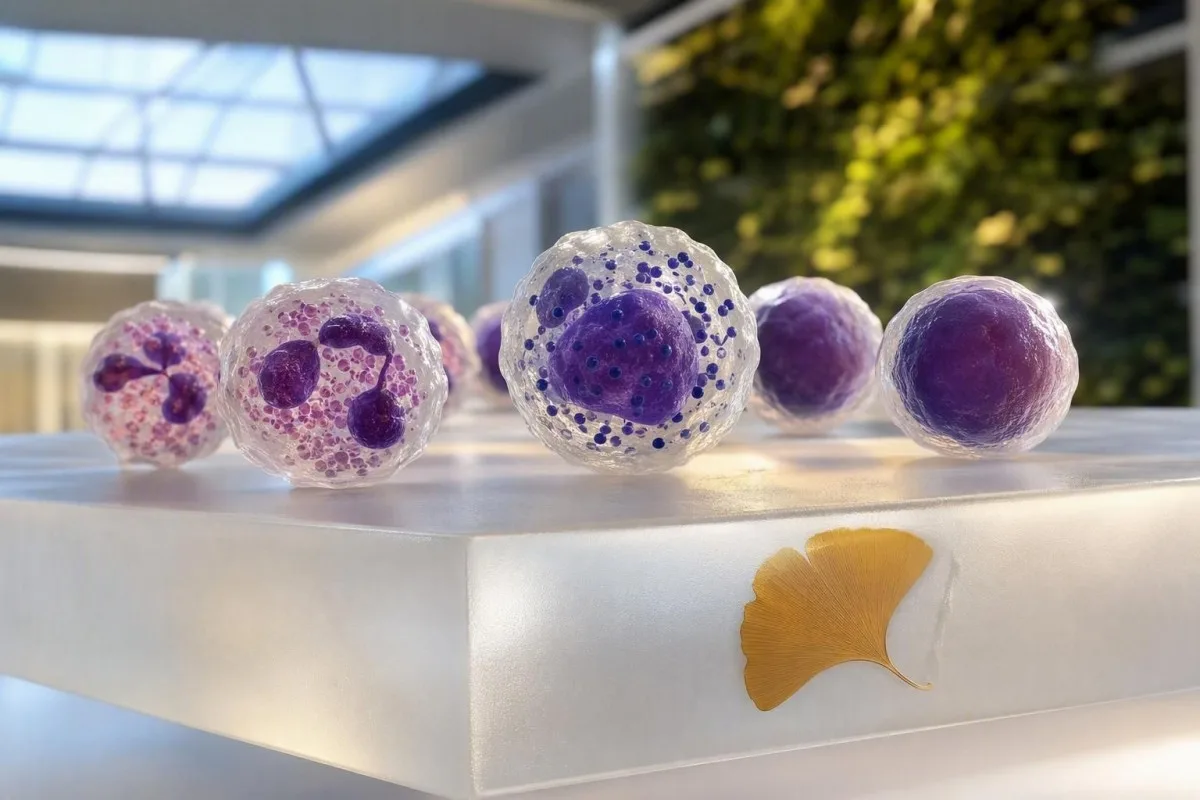
Көпчүлүк чоң кишилерде абсолюттук базофилдердин саны 0,00–0,10 × 10⁹/л (0–100/мкл) түзөт, ал эми пайызы, адатта, 0–11% ды түзөт. Бир аз анормалдуу пайыз көбүнчө башка ак кан клеткаларынын өзгөрүшүн чагылдырат; абсолюттук базофилдердин саны - бул адатта көзөмөлдү аныктоочу натыйжа.


- Абсолюттук базофилдер чоңдордо адатта 0,00–0,10 × 10⁹/л (0–100/мкл) түзөт жана жөн гана пайыздан көбүрөөк клиникалык пайдалуу.
- Базофилдердин пайызы көбүнчө ак кан клеткаларынын 0–11% ды түзөт, бирок абсолюттук саны нормалдуу болсо да, нейтрофилдер же лимфоциттер азайганда көбөйүшү мүмкүн.
- Балдар ымыркай кезинен кийин көбүнчө 0,10 × 10⁹/л практикалык жогорку чегин колдонушат, бирок лабораториянын жашка жараша аныкталган интервалы артыкчылыкка ээ.
- Кайталап CBC 2–8 жуманын ичинде аллергия, инфекция же дары-дармектин өзгөрүшүнөн кийин пайда болгон жекече, жеңил базофилия үчүн акылга сыярлык.
- Туруктуу базофилия 0,20 × 10⁹/л жогору болгон учурда, айрыкча ак кан клеткаларынын жогорку саны, анемия, спленомегалия же конституциялык симптомдор болсо, дарыгердин кароосун талап кылат.
- шашылыш кароо Маркетингдик лейкоцитоз, түшүнүксүз салмак жоготуу, түн ичинде катуу тердөө, ысытма же сол капталдын кабыргасынын астында эрте толгонуу үчүн талап кылынат.
- Нөлгө барабар болгон базофилдер автоматтык дифференциалда көп кездешет жана адатта клиникалык мааниге ээ эмес.
- Кантести AI ба басофилдерди жалпы ак кан клеткалары, эозинофилдер, тромбоциттердин саны, гемоглобин жана мурунку жыйынтыктар менен бирге карайт, бир гана белгини диагноз катары кабыл албастан.
Абсолюттук базофилдердин саны жана базофилдердин пайызы
Чоңдордо басофилдердин абсолюттук саны 0,00–0,10 × 10⁹/л деп эсептелет жана адатта нормалдуу болуп саналат, ал эми басофилдердин пайызы 0–11% - бул жалпы ак кан клеткаларынын санынын бир бөлүгү гана. Экөө карама-каршы келгенде, клиницисттер көбүнчө абсолюттук жыйынтыкка көбүрөөк маани беришет.
Мисалы, ак кан клеткаларынын саны 3,0 × 10⁹/л болгондо 1,5% басофилдер абсолюттук санда болгону 0,045 × 10⁹/л түзөт – бул чоңдор үчүн көпчүлүк ченемдерге туура келет. Ошондуктан, бир гана пайыздык эскертүү сейрек эле толук маалыматты берет.
Эсептөө жөнөкөй: жалпы ак кан клеткалары × басофилдердин пайызы ÷ 100. Ак кан клеткаларынын саны 12,0 × 10⁹/л жана басофилдер 2% болгондо, 0,24 × 10⁹/л болот, бул чындап эле көбөйгөнүн көрсөтөт. Кеңири контекст үчүн, биздин колдонмону караңыз CBC эмнелерди камтый турганы боюнча колдонмо.
Кантести - бул AI кан анализи анализатору ал дифференциалдык эсептөө берилгенде пайыздык көрсөткүчтөрдү клиникалык жактан салыштырууга боло турган абсолюттук сандарга айландырат. Менин тажрыйбамда, бул бир эле которуу кадимки медициналык кароодон кийин ашыкча тынчсыздануунун алдын алат.
Эмне үчүн абсолюттук сан туруктуураак
Автоматтык анализаторлор миңдеген клеткалык окуяларды эсептешет, бирок басофилдер, адатта, сейрек кездешет - көбүнчө 100 ак кан клеткасынын биринен аз. Ошондуктан, кичинекей аналитикалык жана биологиялык өзгөрүүлөр пайыздык көрсөткүчтү абсолюттук санга караганда көбүрөөк байкаларлык кыймылга келтириши мүмкүн.
Жашка жараша базофилдердин практикалык нормалары
Көпчүлүк лабораториялар балалык курактан бойго жеткенге чейин 0,00–0,10 × 10⁹/л абсолюттук басофилдердин шилтеме ченемдерин колдонушат, бирок жаңы төрөлгөн ымыркайлардын диапазону кененирээк болушу мүмкүн. Өзүңүздүн жыйынтыгыңыздын жанында көрсөтүлгөн ченемди колдонуңуз, анткени шилтеме чектери анализатордун ыкмасына жана лабораториянын жергиликтүү саламаттыгына жараша болот.
Жашоонун алгачкы жумаларындагы ымыркайлар үчүн кээ бир педиатриялык лабораториялар 0,20–0,40 × 10⁹/л чейинки абсолюттук басофилдерди кабыл алышат. Жаңы төрөлгөн ымыркайлардын иммундук системасы тез эле ыңгайлашып жатат, андыктан чоңдордун чектерин жаңы төрөлгөн ымыркайдын жыйынтыгына педиатриялык кеңешсиз колдонууга болбойт.
Болжол менен 1 жаштан баштап, көптөгөн кызматтар 0,10 × 10⁹/л же 100/мкл жакын практикалык жогорку чекти колдонушат. 0,11 × 10⁹/л жыйынтыгы кадимки жалпы ак кан саны бар ден соолугу чың бала үчүн, адатта, шашылыш эмес, кайра текшерүү жана контекстти суроо болуп саналат.
CLSI EP28-A3c лабораториялардын универсалдуу чөйрөнү алуунун ордуна өздөрүнүн шилтеме ченемдерин түзүп же текшергенинин себебин түшүндүрөт (CLSI, 2010). Биздин нейтрофилдердин курактык диапазону боюнча колдонмо башка дифференциалдык эсептөө үчүн дал ушул принципти көрсөтөт.
Улуу Британия, АКШ жана эл аралык отчеттордогу базофилдердин бирдиктерин түшүнүү
Базофилдердин 0.10 × 10⁹/Л саны 100/мкл га барабар, ошондуктан ар кандай бирдиктерди колдонгон отчеттор бирдей натыйжаны сүрөттөй алат. Улуу Британиянын толук кандуу эсептөөлөрү көбүнчө ×10⁹/Л деп билдирет, ал эми АКШ лабораториялары көбүнчө клеткаларды/мкл же K/мкл колдонушат.
×10⁹/Л бирдигин клетка/мклге айландыруу үчүн 1000ге көбөйтүңүз. Ошентип, 0.05 × 10⁹/Л 50/мклге; 0.25 × 10⁹/Л 250/мкл га барабар. 0.0 деп көрсөтүлгөн отчет чындыгында эч кандай базофил жок экенин далилдегенден көрө, бир ондук белгиге чейин тегеректелген болушу мүмкүн.
0.2 K/мкл деп көрсөтүлгөн баа 0.20 × 10⁹/Л га барабар. Бул айырмачылык маанилүү, анткени 0.2% жана 0.2 K/мкл таптакыр башка өлчөөлөр. Беййййййййййййййййййййййййййййййййййййййййййййййййййййййййййййййййййййййййййййййййййййййййййййййййййййййййййййййййййййййййййййййййййййййййййййййййййййййййййййййййййййййййййййййййййййййййййййййййййййййййййййййййййййййййййййййййййййййййййййййййййййййййййййййййййййййййййййййййййййййййййййййййййййййййййййййййййййййййййййййййййййййййййййййййййййййййййййййййййййййййййййййййййййййййййййййййййййййййййййййййййййййййййййййййййййййййййййййййййййййййййййййййййййййййййййййййййййййййййййййййййййййййййййййййййййййййййййййййййййййййййййййййййййййййййййййййййййййййййййййййййййййййййййййййййййййййййййййййййййййййййййййййййййййййййййййййййййййййййййййййййййййййййййййййййййййййййййййййййййййййййййййййййййййййййййййййййййййййййййййййййййййййййййййййййййййййййййййййййййййййййййййййййййййййййййййййййййййййййййййййййййййййййййййййййййййййййййййййййййййййййййййййййййййййййййййййййййййййййййййййййййййййййййййййййййййййййййййййййййййййййййййййййййййййййййййййййййййййййййййййййййййййййййййййййййййййййййййййййййййййййййййййййййййййййййййййййййййййййййййййййййййййййййййййййййййййййййййййййййййййййййййййййййййййййййййййййййййййййййййййййййййййййййййййййййййййййййййййййййййййййййййййййййййййййййййййййййййййййййййййййййййййййййййййййййййййййййййййййййййййййййййййййййййййййййййййййййййййййййййййййййййййййййййййййййййййййййййййййййййййййййййййййййййййййййййййййййййййййййййййййййййййййййййййййййййййййййййййййййййййййййййййййййййййййййййййййййййййййййййййййййййййййййййййййййййййййййййййййййййййййййййййййййййййййййййййййййййййййййййййййййййййййййййййййййййййййййййййййййййййййййййййййййййййййййййййййййййййййййййййййййййййййййййййййййййййййййййййййййййййййййййййййййййййййййййййййййййййййййййййййййййййййййййййййййййййййййййййййййййййййййййййййййййййййййййййййййййййййййййййййййййййййййййййййййййййййййййййййййййййййййййййййййййййййййййййййййййййййййййййййййййййййййййййййййййййййййййййййййййййййййййййййййййййййййййййййййййййййййййййййййййййййййййййййййййййййййййййййййййййййййййййййййййййййййййййййййййййййййййййййййййййййййййййййййййййййййййййййййййййййййййййййййййййййййййййййййййййййййййййййййййййййййййййййййййййййййййййййййййййййййййййййййййййййййййййййййййййййййййййййййййййййййййййййййййййййййййййййййййййййййййййййййййййййййййййййййййййййййййййййййййййййййййййййййййййййййййййййййййййййййййййййййййййййййййййййййййййййййййййййййййййййййййййййййййййййййййййййййййййййййййййййййййййййййййййййййййййййййййййййййййййййййййййййййййййййййййййййййййййййййййййййййййййййййййййййййййййййййййййййй.
Эгерде сиздин отчетуңузда CBCнин ордуна FBC деп жазылса, компоненттери көбүнчө бирдей; биздин Улуу Британиядагы толук канды эсептөө боюнча түшүндүрмө жалпы терминологияны которот.
Эмне үчүн базофилдердин саны көбөйөт же азаят
Базофилиянын жумшак деңгээли көбүнчө аллергия, өнөкөт сезгенүү, инфекциядан айыгуу же дары-дармектерге байланыштуу иммундук өзгөрүүлөрдү коштойт. Базофилдердин аз саны же нөлгө барабар болушу, адатта, мааниге ээ эмес, анткени бул клеткалар өтө аз санда айланышат.
Базофилдер IgE үчүн рецепторлорду алып жүрүшөт жана аллергенге дуушар болгондон кийин гистамин жана башка медиаторлорду бөлүп чыгара алышат. Сезондук аллергиялык ринит, өнөкөт уртикария, астма жана кээ бир тери оорулары кичинекей көбөйүшү менен коштолушу мүмкүн, бирок нормалдуу сан алардын эч бирин жокко чыгарбайт же тастыктабайт.
Гипотиреоз, сезгенүү ичеги оорулары, ревматоиддик бузулуулар жана кээ бир өнөкөт инфекциялар да базофилия менен байланыштуу болушу мүмкүн. Пайдалуу суроо “бул ооруну эмне себептен пайда кылат?” эмес, “башка кандай сигналдар бар?”—CRP, эозинофилдер, симптомдор, дары-дармектерди колдонуу тарыхы жана траекториясы баары маанилүү.
IgE жана эозинофилдердин санынын жогорулашы аллергиялык көрүнүштү колдой алат, ал эми обочолонгон кычышуу кененирээк кароону талап кылышы мүмкүн; биздин макалабыз кычышкан териге кан анализдери CBC тестирлөөсүнүн практикалык чектөөлөрүн түшүндүрөт.
Базофилдер үчүн CBCди качан кайталашыңыз керек?
Убактылуу триггерден кийин пайда болгон базофилдердин жумшак, обочолонгон көбөйүшү үчүн 2-8 жуманын ичинде CBCди кайталаңыз, эгерде сиз жакшы сезип, калган сандар туура болсо. Ак кан клеткаларынын жалпы саны көбөйүп жатса же бир нече анормалдуу клеткалык линиялар болсо, тезирээк, адатта, бир нече күндөн 2 жумага чейин кайталаъыз.
Суук тийүү, чөп ысытмасынын күчөшү, эмдөө же стероиддин кыска курсунан кийин 0,11–0,20 × 10⁹/л абсолюттук базофилдердин саны үчүн, мен көбүнчө бир тынч кайталоону тесттердин каскадынан артык көрөм. Бир эле лабораторияны колдонууга аракет кылыңыз жана акыркы ооруну, жаңы дары-дармектерди, тамеки чегүүдөгү өзгөрүүлөрдү жана стероиддерге дуушар болгондугуңузду жазыңыз.
Ретесттен мурун санды “жакшыртууга” аракет кылбаңыз. Гидратация акылга сыярлык, бирок кошумчалар, антигистаминдер, кортикостероиддер жана интенсивдүү туруктуу көнүгүүлөр кеңири дифференциалды өзгөртө алат. Биздин кан анализинин убакыт тилкеси боюнча колдонмо ар дайымкы убакыттык эффекттерди сүрөттөйт.
Кантести - бул AI кан анализинин жыйынтыгы платформасы учурдагы дифференциалды мурунку CBCлер менен салыштырып, бир жолку эмес, туруктуу жогорулоону белгилейт. 3-6 айдагы тенденция бир гана ондук чекиттен көбүрөөк маалымат берет.
Ишенимдүү базофилдерди кайра текшерүүгө кантип даярдануу керек
Базофилдерди текшерүү, адатта, ачкачылыкты талап кылбайт, бирок кайталап CBC эң так болот, эгерде сиз ооруп жатпасаңыз жана чогултуу шарттары окшош болсо. Экстремалдуу өзгөрүүлөрдүн ордуна кадимки суюктуктарды, кадимки тамактарды жана күнүмдүк күндү максат кылыңыз.
Эгерде негизги көрсөткүчтү аныктоо максат болсо, ысытма, аллергиянын күчөшү же өтө интенсивдүү физикалык көнүгүүлөрдөн кийинки күнү пландалбаган кайталап текшерүүнү өткөрүп жиберүү керек. Курч стресстин гормондору жана суюктуктун жылышуулары бир нече ак кан клеткаларынын субпопуляцияларын сааттарга же күндөргө жылдырышы мүмкүн.
Дарыгерге же кан алган медайымга системдик кортикостероиддер, литий, эпинефрин камтыган дарылоо, жакында жасалган биологиялык терапия жана ар кандай жаңы кошумчалар жөнүндө айтып бериңиз. Стероиддер көбүнчө циркуляциялык базофилдерди жана эозинофилдерди төмөндөтөт, ошондуктан аларды алып жатканда “нормалдуу” натыйжа сиздин дарыланбаган абалыңызды чагылдырбашы мүмкүн.
Үлгү сапаты дагы эле маанилүү. Тыгылып калган EDTA үлгүлөрү жана кечиктирилген анализ автоматтык дифференциалдарды азыраак ишенимдүү кылат; эгер бир нече CBC баалуулуктары биргелешип жатса, карап чыгыңыз качан кайра кан алуу керек болот.
Элевацияланган базофилдерди маанилүүрөөк кылган CBCнин үлгүлөрү
Абсолюттук базофилдер 0,20 × 10⁹/л ашып, 11,0 × 10⁹/л жогору болгон ак кан клеткалары, анемия, тромбоциттердин өзгөрүшү же жетилбеген клеткалар менен коштолгондо базофилия көбүрөөк тынчсыздандырат. Базофилдер гана эмес, айкалышы дарыгерлер канчалык тез иликтей турганын аныктайт.
Мен карап чыккан 44 жаштагы адамдын базофилдери 0,28 × 10⁹/л, ак кан клеткалары 16,4 × 10⁹/л, тромбоциттери 610 × 10⁹/л жана эрте ток болуу сезими болгон. Бул көрүнүш ошол эле жумада гематологиялык жолду талап кылган; бир гана базофилдин натыйжасы диагнозду койгон эмес, бирок бул маанилүү белги болгон.
Жогорку нейтрофилдер жана спленомегалия менен коштолгон базофилия миелопролиферативдик неоплазмаларда, анын ичинде өнөкөт миелоиддик лейкемияда пайда болушу мүмкүн. European LeukemiaNet бул мүмкүнчүлүктү клиникалык жана кан анализинин үлгүсү жаратса, молекулярдык тестирлөөнү жана адистердин баалоосун сунуштайт (Hochhaus et al., 2020).
Перифериялык сүрөт анализатордун белгисиздигинен чыныгы дифференциалдык өзгөрүүлөрдү айырмалай алат жана солкулдатууну же атиптик клеткаларды көрсөтө алат. жөнүндө көбүрөөк окуңуз кан рагы CBC жолдору анормалдуу эсептөө рак дегенди билдирет деп ойлобостон.
Тез медициналык жардамды талап кылган симптомдор жана натыйжалар
Жогорку температура, түнкү тердөө, себепсиз салмак жоготуу, жаңы көгөргөн тактар, дем алуунун кысылышы, катуу чарчоо же сол-үстүңкү ичтин толушу менен коштолгон базофилия үчүн шашылыш медициналык жардамга кайрылыңыз. Бул симптомдор бир аз жогорулаган базофилдин натыйжасынан улам келип чыкпайт; алар кеңири клиникалык сүрөттү баалоону талап кылат.
Жалпы ак кан клеткасынын саны 30 × 10⁹/л жогору болгондо, тездик менен өсүп жаткан баалуулуктар же отчетто көрүнгөн жетилбеген гранулоциттер буйруган дарыгер менен шашылыш түрдө талкууланышы керек. Катуу баш оору, көрүүнүн өзгөрүшү, көкүрөк оорусу же неврологиялык симптомдор базофилдин санына карабастан, тез жардамды талап кылат.
0,11–0,20 × 10⁹/л базофилдери жана симптомдору жок көпчүлүк адамдар тез жардамга муктаж эмес. Бирок, бул жерде контекст сандын маанисинен чоңураак болгон аймактардын бири, айрыкча мурунку натыйжалар 0,02 × 10⁹/л болгон жана жаңы эсеп көтөрүлүп жатса.
Эгер сизде дем алуунун кысылышы же кубаруу болсо, гемоглобиндин жана тромбоциттердин коштолгон баалуулуктары дароо маанилүү болушу мүмкүн; биздин караңыз дем алуунун кысылышын текшерүү боюнча колдонмо.
Төмөн базофилдер же нөлгө барабар болгон натыйжа эмнени билдирет
0,00 × 10⁹/л базофилдин натыйжасы, адатта, нормалдуу болуп саналат жана өз алдынча кайталап текшерүүнү сейрек талап кылат. Базофилдер анализдөөчү аппараттын отчеттук чегинен төмөн болушу мүмкүн, анткени алар табигый түрдө айланууда аз санда кездешет.
Курч стресс, инфекция, кош бойлуулук, гипертиреоз жана кортикостероиддер менен дарылоо циркуляциядагы базофилдерди убактылуу азайтышы мүмкүн. Бирок, клиникалык жактан маанилүү нейтропениядан айырмаланып, жалгыз базофилдердин аздыгынан улам пайда болгон клиникалык симптом синдрому жок.
Аналитикалык маселени байкабай коюу оңой: эгерде аз сандагы базофилдер гана эсептелсе, кадимки үлгү алуунун өзгөрүлмөлүүлүгү кийинки жолу 0,01 × 10⁹/лди 0,00 × 10⁹/лге айлантышы мүмкүн. Бул сөзсүз биологиялык өзгөрүү эмес.
Доктор Томас Клейндин практикалык кеңеши - CBCнин калганы жакшы болгондо жана тиешелүү симптомдор жок болгондо, базофилдердин аздыгы жөнүндө эскертүүнү этибарга албоо. Биздин атайын колдонмо түшүндүрөт базофилдер нөлгө барабар.
Кош бойлуулук жана кийинки жашоодогу базофилдер
Кош бойлуулук жана улгайуу үчүн бирдиктүү атайын базофилдик чектөө жок; отчет берүүчү лабораториянын интервалы жана ак кан клеткаларынын толук үлгүсү эң жакшы шилтеме болуп кала берет. Кош бойлуулук көбүнчө нейтрофилдер аркылуу ак кан клеткаларынын жалпы санын көбөйтөт, бул чыныгы базофилдердин азайышысыз эле базофилдердин пайызын төмөндөтүшү мүмкүн.
Кош бойлуулук учурунда 12–15 × 10⁹/л ак кан клеткаларынын жалпы саны физиологиялык болушу мүмкүн, айрыкча кош бойлуулуктун кийинки этаптарында, ошондуктан пайыздык чечмелөө ансыз да ишенимсиз болуп калат. Абсолюттук базофилдердин саны артыкчылыктуу бойдон калууда, бирок тынчсыздандырган симптомдор шилтеме интервалынан ашып кетет.
Улгайган адамдарда 0,20 × 10⁹/лден жогору болгон жаңы туруктуу базофилдердин саны көңүл бурууга татыктуу, анткени дары-дармектердин жүктөлүшү жана сөөк чучугунун бузулушу жаш өткөн сайын көбүрөөк кездешет. Бул диагноз коюучу эмес; бул жөн гана CBC трендинин жана сүрөттөлүшүнүн тенденциясын карап чыгуу үчүн босогону төмөндөтөт.
Кош бойлуулукка байланыштуу башка чечмелөөчү каталар үчүн, карап чыгыңыз кош бойлуулуктагы кан анализинин кызыл желектери.
Дары-дармектер, аллергиялар жана базофилдердин өзгөрүшү
Аллергия симптомдору бир аз көбөйгөн базофилдер менен дал келиши мүмкүн, ал эми системалык кортикостероиддер көбүнчө аларды бир нече күндүн ичинде төмөндөтөт. Бул эки көрүнүш аллергия диагнозун тастыктабайт же дары-дармек жооптуу экенин далилдебейт.
Антигистаминдер негизинен гистамин рецепторлорун бөгөттөшөт; алар базофилдердин санын ишенимдүү түрдө нормалдаштырбайт. Оозеки преднизолон жана башка системалык глюкокортикоиддер ак кан клеткаларын кайра бөлүштүрүп, көбүнчө эозинофилдерди жана базофилдерди азайтып, нейтрофилдердин көбөйүшүнө алып келиши мүмкүн.
Литий сейрек кездешүүчү, бирок пайдалуу дары-дармектин белгиси болуп саналат, анткени ал ак кан клеткаларынын өндүрүшүн көбөйтүшү мүмкүн. Биологиялык дары-дармектер, химиотерапия жана иммундук-модуляциялоочу дарылоо ыкмалары эч качан бир CBC натыйжасынан улам токтотулбашы керек - дарылоочу командадан бул натыйжа алардын мониторинг планына кандайча туура келерин сураңыз.
Төмөнкү белгилер менен бирге көбөйгөн базофилдердин саны - ышкырык, уртикария, беттин шишиги же эстен тануу - лабораториялык баш катырма катары эмес, симптом көйгөйү катары чечилиши керек. Биздин IgEнин жогорулашы боюнча колдонмо аллергия маркерлери кайда жардам берерин жана кайда адаштырарын түшүндүрөт.
Дарыгерлер туруктуу базофилиядан кийин эмнени текшеришет
Туруктуу абсолюттук базофилия, адатта, кайталап CBC, кол менен сүрөттөлүш карап чыгуу, дары-дармектерди жана симптомдорду карап чыгуу, андан кийин ак кан клеткаларынын жалпы саны же башка клетка линиялары анормалдуу болсо, максаттуу тестирлөөгө алып келет. Рактын кеңири панелдери кичинекей обочолонгон көбөйүүнүн адаттагы биринчи кадамы эмес.
Биринчи бутак чекити натыйжа обочолонгонбу же жокпу. Туруктуу гемоглобин, тромбоциттер, ак кан клеткаларынын саны жана кадимки сүрөттөлүш консервативдүү планды бекем колдойт; аз кандуулук, тромбоцитоз, лейкоцитоз же спленомегалия баалоону башка багытка түртөт.
Миелопролиферативдик бузулуу мүмкүн болгондо, клиницисттер BCR::ABL1 тестин, JAK2 тестин, лактат дегидрогеназаны, уратты жана адистин кароосун талап кылышы мүмкүн. Валент ж.б. туруктуу базофилияны базофилдик жана миелоиддик неоплазмаларды классификациялоодо маанилүү көрүнүш катары сүрөттөшөт (Valent et al., 2022).
Kantestiтин нейрондук тармагы карап чыгууну талап кылган комбинацияларды аныктайт, бирок CBCден лейкемияны диагноз койбойт. Биздин медициналык валидациялоо ыкмасы лабораториялык интерпретация клиникалык көзөмөлдү эмне үчүн сактап калышы керектигин түшүндүрөт.
Ашыкча тынчсызданбай туруп, базофилдерди кантип көзөмөлдөө керек
Маанилүү базофилдик тренд - бул салыштырмалуу CBCлердеги туруктуу багыттуу өзгөрүү, 0,04төн 0,08 × 10⁹/л чейинки бир эле кыймыл эмес. Чоңдор үчүн 0,10 × 10⁹/л болгон эталондук чеги менен, эки баалуулук сандық жактан айырмаланып турса да, диапазонунда калат.
Кан алуудан кийинки абсолюттук эсеп, пайыз, ак кан клеткаларынын жалпы саны, нейтрофилдер, эозинофилдер, гемоглобин, тромбоциттер, дата, жакында болгон оору, жана дары-дармектерди сактаңыз. Бул кичинекей жазуу клиницистке жалгыз кызыл жарыктардын скриншотторунан алда канча пайдалуу маалымат берет.
Кантести - бул AI менен иштеген кан анализин талдоо куралы 127+ өлкөлөрүндө CBC натыйжаларын узундук боюнча салыштыруу үчүн колдонулат, ал эми баштапкы лабораториянын белгиленген аралыгын сактап калат. Доктор Томас Клейн чек арадагы дифференциалдык өзгөрүүгө маани берүүдөн мурун, кеминде эки салыштырмалуу натыйжаны карап чыгууну сунуштайт.
Пайдалуу эреже: абсолюттук эсеп 0,10 × 10⁹/л төмөн болсо, ак кан клеткаларынын жалпы саны туруктуу болсо, жана сиз жакшы сезип жатсаңыз, кийинки пландалган кан анализиңизге чейин кадимки көзөмөл жетиштүү болот. Биздин колдонуңуз кан анализдеринин айырмасы боюнча колдонмо өзгөрүү чындыгында канчалык реалдуу экенин баалоо үчүн.
Дарыгерге көрүнүү учурунда берилүүчү суроолор
Эң жакшы кийинки суроо: “Менин абсолюттук базофилдик эсептерим канча, жана CBCде дагы эмне өзгөрдү?” Бул сөз айкашы клиникалык тобокелдикти өзгөрткөн өзгөрмөлөргө багыттайт.
Эсеп жаңыбы, туруктуубу, көбөйүп жатабы же реактивдүүбү; сүрөттү кароо керекпи; жана кийинки CBC качан алынышы керек деп сураңыз. Жакында болгон инфекциялардын, аллергия симптомдорунун, дары-дармектердин, кошумчалардын, саякаттардын жана кан ооруларынын үй-бүлөлүк тарыхынын тизмесин алып келиңиз.
Эгерде сизде 0,20 × 10⁹/л жогору абсолюттук эсеп жана жогорулаган ак кан клеткаларынын жалпы саны болсо, гематологиялык кийлигишүү ылайыктуубу деп сураңыз. Эгерде эсеп диапазонунан бир аз гана жогору жана жалгыз болсо, эң жаманына ишенгенден көрө, эрте текшерүүнү эмне кечиктирээри жөнүндө сураңыз.
Kantesti тарабынан дарыгерлер тарабынан каралып чыккан билим берүү стандарттары биздин Медициналык кеңеш. аркылуу көзөмөлдөнөт. 30-август, 2026-жылга карата, эң коопсуз ыкма жөнөкөй бойдон калат: абсолюттук эсептин интерпретациясы, туруктуулугун тастыктоо, жана кеңири үлгү талап кылган учурда гана тезирээк аракет кылуу.
Көп берилүүчү суроолор
Чоңдордо нормалдуу базофилдердин саны канча?
Чоңдор үчүн абсолюттук базофилдердин жалпы шилтеме интервалы 0,00–0,10 × 10⁹/Л, бул 0–100 клетка/мклга барабар. Көпчүлүк лабораториялар базофилдердин 0–11% үлүшүн билдиришет, бирок жалпы ак кан клеткаларынын саны өзгөргөндө пайыз адаштырышы мүмкүн. Сиздин лабораторияңыз басып чыгарган шилтеме интервалы артыкчылыкка ээ, анткени ыкмалар жана жергиликтүү шилтеме популяциялары ар кандай. 0,11 × 10⁹/Л бир жолку жыйынтык, адатта, шашылыш жардамга караганда контекстти же пландаштырылган кайталоону талап кылат.
2% базофилдери жогорубу?
2% болгон базофилдердин пайызы көптөгөн лабораториялык пайыздык интервалдардан жогору, бирок бул ак кан клеткаларынын жалпы санысыз тобокелди баалоо үчүн жетишсиз. Ак кан клеткалары 4,0 × 10⁹/л болгондо, 2% 0,08 × 10⁹/л абсолюттук базофил санына барабар, бул көбүнчө нормалдуу. Ак кан клеткалары 15,0 × 10⁹/л болгондо, ошол эле 2% 0,30 × 10⁹/л барабар жана клиникалык кароого татыктуу. Пайызын чечмелеп берүүдөн мурун дайыма абсолюттук базофилдердин санын табыңыз.
Канды кайталап кан анализин (CBC) качан тапшыруу керек?
Оорудан, аллергиянын күчөшүнөн же дары-дармектин өзгөрүшүнөн кийин 2–8 жумадан кийинки mild isolated basophilia (0,11–0,20 × 10⁹/L) үчүн CBCти кайталоо, адатта, акылга сыярлык. Ак кан клеткаларынын жалпы саны көбөйүп жатса, базофилдердин саны 0,20 × 10⁹/L жогорулап, гемоглобин жана тромбоциттер да анормалдуу болсо, тезирээк кайталаъыз. Мүмкүн болсо, ошол эле лабораторияны колдонуңуз, анткени анализатордун ыкмалары жана шилтеме интервалдары ар кандай болот. Дене табынын көтөрүлүшү, салмактын азайышы, түнкү тердөө, көгөрүү же сол-жо гордогу толуктук сезими, жөн гана кайталап текшерүүнү күтпөстөн, тез медициналык кароону талап кылат.
Базофилдердин нөлгө түшүшү кооптуубу?
0,00 × 10⁹/л басофилдердин саны, адатта, коркунучтуу эмес жана эгерде CBCнин калган бөлүгү нормалдуу болсо, адатта, кошумча текшерүүнү талап кылбайт. Басофилдер сейрек кездешүүчү клеткалар, андыктан, аныкталган сан тегеректөө же отчеттуулук тактыгынан төмөн болгондуктан, кадимки автоматтык дифференциал нөл деп билдирсе болот. Кортикостероиддер, катуу стресс, кош бойлуулук жана инфекциялар циркуляциядагы басофилдерди убактылуу төмөндөтүшү мүмкүн. Дарыгерлер обочолонгон төмөн басофилдерден иммундук жетишсиздикти аныкташпайт.
Аллергия жогорку базофилдерди пайда кылышы мүмкүнбү?
Аллергиялык шарттар кээде бир аз жогорулаган базофилдер менен коштолушу мүмкүн, анткени базофилдер IgE-ге байланыштуу иммундук жоопторго катышып, гистамин сыяктуу медиаторлорду бөлүп чыгарышат. Базофилдердин жогору саны аллергиянын себеби болгонун далилдебейт, ошондой эле аллергиянын олуттуу белгилери бар адамдардын көбүндө базофилдердин саны нормалдуу болот. Аллергиянын белгилери басылгандан кийин да 0,20 × 10⁹/л жогору болгон сандарды толук CBC менен бирге карап чыгуу керек. Эозинофилдер, жалпы IgE, теринин белгилери жана дары-дармектерди колдонуу көбүрөөк пайдалуу контекстти камсыз кылышы мүмкүн.
Лейкозду кайсы базофилдердин саны көрсөтөт?
Лейкемияны бир дагы базофилдин саны аныктай албайт, бирок лейкоцитоз, анемия, тромбоциттердин аномалиялары, жетилбеген гранулоциттер же спленомегалия менен коштолгон 0,20 × 10⁹/л жогорудагы туруктуу абсолюттук базофилия медициналык кароого түрткү бериши керек. Базофилия өнөкөт миелоиддик лейкемияда жана башка миелопролиферативдик неоплазмаларда пайда болушу мүмкүн, бирок реактивдүү себептер анча-мынча обочолонгон көтөрүлүштөр үчүн дагы эле кеңири таралган. Клиницисттер жалпы үлгү аны колдоого алганда гана мазокка жана BCR::ABL1 сыяктуу багытталган молекулярдык тестирлөөгө буйрутма бериши мүмкүн. Нормалдуу жалпы ак кан клеткаларынын саны жана туруктуу CBC тынчсыздануу деңгээлин олуттуу өзгөртөт.
Бүгүн AI менен күчөтүлгөн кан анализин талдоону алыңыз
Дүйнө жүзү боюнча 2 миллиондон ашык колдонуучу Kantestiти заматта, так лабораториялык анализ талдоосу үчүн ишенет. Кан анализиңизди жүктөп, бир нече секунд ичинде 15,000+ биомаркерлеринин комплекстүү чечмелөөсүн алыңыз.
📚 Шилтемеленген изилдөө басылмалары
Кляйн, Т., Митчелл, С., & Вебер, Х. (2026). B терс кан тобу, LDH кан анализи жана ретикулоциттердин саны боюнча колдонмо. Kantesti AI медициналык изилдөө.
Кляйн, Т., Митчелл, С., & Вебер, Х. (2026). Орозодон кийинки ич өткөк, заңдагы кара тактар жана ашказан-ичеги боюнча колдонмо 2026. Kantesti AI медициналык изилдөө.
📖 Тышкы медициналык шилтемелер
Клиникалык жана лабораториялык стандарттар институту (2010). Клиникалык лабораторияда эталондук интервалдарды аныктоо, түзүү жана текшерүү. CLSI EP28-A3c.
⚕️ Медициналык эскертүү
Бул макала билим берүү максатында гана жана медициналык кеңеш болуп саналбайт. Диагноз коюу жана дарылоо чечимдери үчүн дайыма квалификациялуу саламаттыкты сактоо адисине кайрылыңыз.
E-E-A-T ишеним сигналдары
Тажрыйба
Дарыгер жетектеген лабораториялык чечмелөө иш процесстерин клиникалык кароо.
Экспертиза
Биомаркерлер клиникалык контекстте кандай жүрөрүнө лабораториялык медицина багыты.
Авторитеттүүлүк
Доктор Томас Клейн жазган, доктор Сара Митчелл жана профессор доктор Ханс Вебер тарабынан каралган.
Ишенимдүүлүк
Тынчсызданууну азайтуу үчүн так кийинки кадамдар менен далилге негизделген чечмелөө.