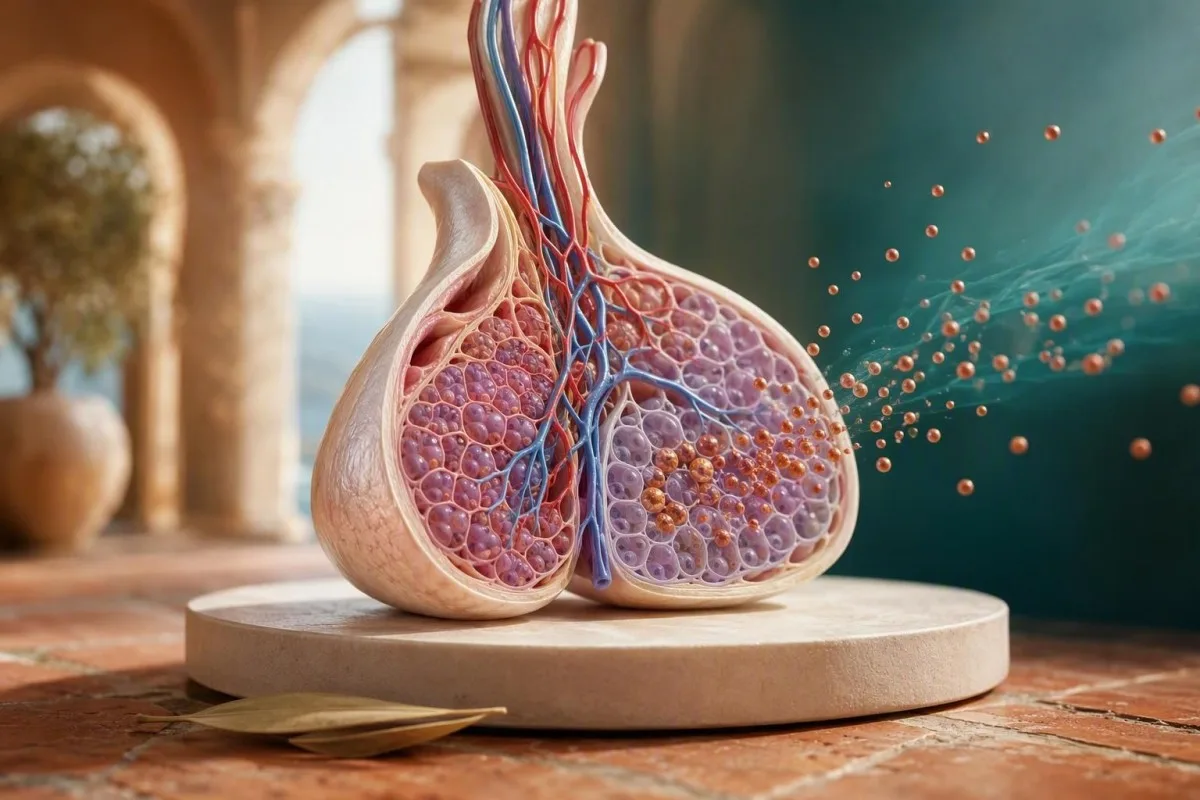
Hasil prolaktin yang borderline seringkali bersifat sementara, tetapi kondisi tes ulang dan pola gejala menentukan apakah dapat dipantau dengan aman atau memerlukan tinjauan endokrin.


- Peningkatan ringan biasanya berarti hasil prolaktin sedikit di atas batas atas laboratorium pelaporan, seringkali di bawah 50 ng/mL (sekitar 1.060 mIU/L).
- Ulangi terlebih dahulu ketika prolaktin 20-50 ng/mL dan tidak ada gejala visual, sakit kepala parah, atau perubahan besar pada menstruasi atau fungsi seksual.
- Istirahat penting karena kecemasan pengambilan darah vena, kurang tidur, olahraga, stimulasi payudara, dan penyakit akut dapat meningkatkan prolaktin secara sementara.
- Tinjauan obat sangat penting karena antipsikotik, metoclopramide, domperidone, opioid, beberapa antidepresan, dan verapamil dapat meningkatkan prolaktin.
- Pengujian makroprolaktin sangat berguna untuk peningkatan yang menetap dengan sedikit atau tanpa gejala khas; ini mengidentifikasi kompleks prolaktin yang aktif secara biologis lebih rendah.
- Kadar di atas 100 ng/mL memerlukan penilaian endokrin yang lebih segera, meskipun obat-obatan terkadang dapat menghasilkan nilai dalam kisaran tersebut.
- Tinjauan segera diperlukan untuk sakit kepala parah yang baru, penurunan penglihatan samping, kehamilan dengan gejala visual, atau perubahan neurologis mendadak.
- Konteks mengalahkan satu angka: status kehamilan, fungsi tiroid, fungsi ginjal, waktu pengobatan, dan nilai sebelumnya mengubah interpretasi.
Apa arti hasil prolaktin yang borderline?
Arti prolaktin yang sedikit meningkat biasanya merupakan sinyal sementara daripada bukti kondisi hipofisis: hasil di bawah 50 ng/mL (kira-kira di bawah 1.060 mIU/L) umumnya memerlukan tes ulang yang disiapkan dengan hati-hati. Saya Dr. Thomas Klein, dan dalam tinjauan klinis, kombinasi nilai yang tepat, gejala, obat-obatan, kemungkinan kehamilan, dan kondisi pengambilan sampel jauh lebih penting daripada satu bendera laboratorium merah.
Sebagian besar laboratorium mengutip interval referensi dewasa yang tidak hamil sekitar 4-23 ng/mL pada wanita Dan 3-15 ng/mL pada pria, tetapi metodenya berbeda. Nilai 27 ng/mL pada wanita yang batas atas laboratoriumnya adalah 23 ng/mL adalah hasil prolaktin yang berbatas, bukan diagnosis; unit dapat dikonversi kira-kira sebagai 1 ng/mL = 21,2 mIU/L.
Dokter menjadi lebih prihatin ketika peningkatan menetap, meningkat, atau disertai dengan tidak adanya menstruasi, galaktorea, infertilitas, libido rendah, kesulitan ereksi, sakit kepala, atau perubahan penglihatan tepi. Nilai di atas 200 ng/mL lebih menunjukkan adenoma hipofisis yang mensekresikan prolaktin daripada nilai 28 ng/mL, meskipun tidak ada batas yang menggantikan penilaian klinis.
Kantesti adalah seorang Analisa tes darah AI yang menempatkan hasil prolaktin di samping petunjuk tiroid, ginjal, hati, terkait kehamilan, dan hormon seks daripada memperlakukan satu bendera terisolasi sebagai diagnosis. Pembaca yang tidak yakin tentang bendera laboratorium juga dapat meninjau panduan kami untuk hasil di luar kisaran.
Mengapa laboratorium berbeda pendapat
Imunoesai prolaktin tidak dapat dipertukarkan: dua laboratorium mungkin melaporkan angka yang sedikit berbeda dari orang yang sama pada hari yang sama. Gunakan interval referensi yang tercetak di samping hasil Anda sendiri dan, saat melacak tren, cobalah untuk menggunakan laboratorium yang sama; ini juga mengapa membandingkan hasil antar kunjungan membutuhkan lebih banyak perhatian daripada yang diperkirakan orang.
Penyebab sementara yang dapat mendorong prolaktin naik
Stres, gangguan tidur, olahraga, stimulasi puting, aktivitas seksual, dan penyakit akut dapat menyebabkan kenaikan prolaktin yang berumur pendek. Nilai yang sedikit tinggi setelah perjalanan yang sulit atau malam tanpa tidur mungkin normal kembali tanpa pengobatan.
Prolaktin dilepaskan secara berdenyut dan meningkat selama tidur, dengan puncak sering terjadi pada dini hari. Oleh karena itu, sampel yang diambil segera setelah bangun tidur, setelah kerja malam, atau selama prosedur yang menyakitkan mungkin kurang mewakili dibandingkan sampel pertengahan pagi saat istirahat.
Berdasarkan pengalaman saya, pasien berusia 31 tahun yang cemas dengan kadar prolaktin 34 ng/mL setelah tiga jam tidur sering kali memiliki hasil ulang yang normal pada pukul 10 pagi setelah duduk diam. Istirahat duduk selama 15-30 menit sebelum pengambilan sampel mengurangi efek stres prosedural akut, dan menghindari latihan yang berat selama 24 jam adalah bijaksana.
Demam, kejang, cedera dinding dada baru-baru ini, atau bahkan stimulasi payudara atau dada yang persisten dapat meningkatkan prolaktin. Jika tes Anda dilakukan setelah sakit, bandingkan dengan prinsip waktu dalam panduan kami panduan garis waktu pemeriksaan darah, daripada menganggap angkanya mencerminkan kadar basal jangka panjang Anda.
Cara mengulang tes prolaktin dengan benar
Ulangi tes prolaktin pada pagi hari yang tenang, idealnya 2-3 jam setelah bangun tidur dan setelah 20-30 menit duduk tenang. Puasa tidak selalu diperlukan, tetapi puasa semalaman dapat mempermudah interpretasi panel ulang ketika glukosa atau lipid juga diukur.
Untuk tes ulang, hindari olahraga berat, hubungan seksual, stimulasi payudara, dan pemeriksaan dada yang tidak penting selama 24 jam sebelumnya. Jangan menghentikan obat yang diresepkan sendiri; sebaliknya, catat nama obat, dosis, waktu dosis terakhir, dan mengapa obat tersebut diresepkan.
Permintaan praktis kepada dokter Anda adalah: ulangi tes prolaktin serum, tes kehamilan jika relevan, TSH dan T4 bebas, dan kreatinin atau eGFR jika penyebabnya tidak jelas. Tes tiroid penting karena hipotiroidisme primer dapat meningkatkan hormon pelepas tirotropin dan secara sekunder meningkatkan prolaktin; lihat jadwal tes ulang tiroid.
Pengulangan waktu biasanya 1-4 minggu untuk hasil tak terduga yang moderat ketika Anda merasa sehat, daripada keesokan harinya. Tren dapat ditangkap dengan jelas dengan pemantauan lab longitudinal, terutama jika Anda mencatat catatan tidur, hari siklus, penyakit, dan pengobatan.
Obat-obatan yang umum menyebabkan prolaktin sedikit meningkat
Obat pemblokir dopamin termasuk penyebab paling umum dari peningkatan prolaktin ringan hingga sedang yang persisten. Pelaku utamanya adalah obat antipsikotik dan anti-mual seperti metoclopramide dan domperidone.
Dopamin biasanya menekan pelepasan prolaktin hipofisis, sehingga obat yang memblokir reseptor dopamin D2 dapat meningkatkan kadar secara substansial. Risperidone, amisulpride, haloperidol, metoclopramide, dan domperidone adalah contoh yang sering ditemukan; opioid, verapamil, dan beberapa SSRI dapat berkontribusi lebih ringan.
Kadar terkait obat bervariasi luas: risperidone dapat menghasilkan prolaktin di atas 100 ng/mL, sementara peningkatan yang terkait dengan SSRI mungkin hanya 25-40 ng/mL. Alasan kami tidak begitu saja menghentikan obat adalah karena kekambuhan psikosis, mual parah, nyeri, atau depresi dapat menimbulkan risiko yang jauh lebih besar secara langsung.
Kantesti AI adalah sebuah layanan interpretasi tes lab AI yang meminta konteks pengobatan ketika hasil hormon ditandai, tetapi interpretasinya tidak dapat menggantikan dokter yang tahu mengapa obat tersebut dimulai. Jika gejala terkait hormon ada, panduan kami panel hormon kami menjelaskan hasil penyerta apa saja yang biasanya diperiksa oleh dokter.
Kehamilan, menyusui, dan kenaikan fisiologis normal
Kehamilan dan menyusui dapat meningkatkan kadar prolaktin jauh di atas kisaran referensi non-kehamilan dan tidak ditafsirkan menggunakan interval 3-23 ng/mL yang biasa. Tes kehamilan oleh karena itu merupakan langkah awal dan penting dalam peningkatan yang tidak dapat dijelaskan pada siapa pun yang mungkin hamil.
Selama kehamilan, prolaktin umumnya meningkat secara progresif hingga 100-300 ng/mL kisaran pada akhir kehamilan, dan menyusui mempertahankan peningkatan intermiten. Nilai pastinya tidak mengukur suplai ASI secara andal, sehingga mengejar angka pada orang yang menyusui jarang berguna.
Obat yang mengandung estrogen dan siklus menstruasi normal dapat berkontribusi sedikit, tetapi jarang menjelaskan peningkatan persisten yang besar sendirian. Waktu siklus juga dapat mempersulit hormon terkait seperti estradiol dan progesteron; penjelasan kami tentang variabilitas estradiol pada menopause menunjukkan mengapa satu hasil hormon seks jarang menjawab segalanya.
Pada orang yang mencoba hamil, hiperprolaktinemia persisten dapat mengganggu ovulasi dengan menekan hormon pelepas gonadotropin. Hal ini relevan secara klinis bahkan ketika angkanya hanya 35-60 ng/mL, terutama ketika menstruasi menjadi jarang.
Penyebab tiroid, ginjal, hati, dan dinding dada
Hipotiroidisme primer, penurunan klirens ginjal, penyakit hati kronis, dan stimulasi dinding dada semuanya dapat meningkatkan prolaktin tanpa pertumbuhan hipofisis. Penyebab ini biasanya ditemukan melalui riwayat dan serangkaian kecil tes laboratorium yang ditargetkan sebelum pencitraan otak dipertimbangkan.
Hipotiroidisme primer yang nyata sering kali menunjukkan tinggi dengan T4 bebas rendah, dan koreksi dengan levothyroxine dapat menormalkan prolaktin selama berminggu-minggu hingga berbulan-bulan. Hipotiroidisme sentral memiliki pola yang berbeda, sehingga TSH normal tidak selalu menyelesaikan pertanyaan ketika T4 bebas rendah; baca panduan kami tentang T4 bebas rendah dengan TSH normal.
Penyakit ginjal kronis dapat meningkatkan prolaktin melalui penurunan klirens dan perubahan regulasi dopamin; eGFR di bawah 60 mL/menit/1,73 m² membuat penjelasan ini lebih masuk akal. Penyakit hati merupakan penjelasan terisolasi yang lebih jarang, tetapi disfungsi sintetik dan perubahan hormon seks dapat berkontribusi.
Herpes zoster di dada, operasi dada, luka bakar, dan iritasi mekanis persisten semuanya telah dikaitkan dengan peningkatan prolaktin karena input saraf sensorik dapat merangsang jalur refleks. Ini adalah salah satu alasan mengapa dokter bertanya tentang ruam atau operasi yang tampaknya tidak berhubungan dengan hasil hormon.
Kapan pengujian makroprolaktin menjadi langkah selanjutnya yang masuk akal
Pengujian makroprolaktin paling berguna ketika prolaktin tetap tinggi tetapi gejala tidak ada atau tidak sebanding dengan hasilnya. Makroprolaktin biasanya adalah prolaktin yang terikat pada imunoglobulin dan memiliki aktivitas biologis yang lebih rendah karena buruk dalam mencapai reseptor.
Banyak pengujian rutin menghitung makroprolaktin sebagai prolaktin, menciptakan hasil yang tampak tinggi pada seseorang dengan siklus menstruasi teratur, tanpa galaktorea, dan tanpa gejala kesuburan atau seksual. Laboratorium umumnya melakukan skrining dengan presipitasi polietilen glikol; pemulihan prolaktin monomerik yang rendah mendukung makroprolaktinemia.
Pedoman Endocrine Society merekomendasikan pemeriksaan makroprolaktin pada hiperprolaktinemia asimtomatik karena dapat mencegah pencitraan dan pengobatan yang tidak perlu (Melmed et al., 2011). Perkiraan prevalensi yang diterbitkan sangat bervariasi berdasarkan pengujian dan populasi rujukan, tetapi makroprolaktin muncul pada sekitar 10-25% orang yang dievaluasi untuk peningkatan prolaktin.
Makroprolaktin bukanlah alasan untuk mengabaikan gejala yang benar-benar ada; seseorang dapat memiliki makroprolaktin ditambah masalah endokrin lain. Untuk potensi kesalahan pengujian yang lebih luas, artikel kami tentang tes kualitatif versus kuantitatif adalah pendamping yang berguna.
Apa yang diperiksa oleh dokter ketika peningkatan menetap
Peninggian prolaktin yang persisten harus dikonfirmasi dan dinilai dengan tes kehamilan jika relevan, tinjauan pengobatan, TSH/free T4, fungsi ginjal, dan makroprolaktin sebelum menganggap penyakit hipofisis. Hasil berulang dalam rentang yang sama lebih informatif daripada satu hasil tunggal.
Riwayat yang terfokus menanyakan tentang waktu menstruasi, keluarnya ASI, libido, fungsi ereksi, infertilitas, perubahan penglihatan, sakit kepala, kejang, gejala dada, dan setiap resep, obat bebas, dan zat rekreasional. Dalam 15 tahun praktik klinis saya, daftar obat sering kali merupakan petunjuk yang hilang—terutama ketika pesanan laboratorium ditempatkan oleh seorang klinisi yang tidak terbiasa dengan resep psikiatri atau gastrointestinal.
Prolaktin sebesar 50-100 ng/mL dengan fungsi tiroid dan ginjal normal, tidak ada penjelasan obat, dan tidak ada makroprolaktin biasanya membenarkan masukan endokrinologi. Tinjauan manajemen klinis oleh Serri dan rekan menekankan identifikasi penyebab fisiologis dan farmakologis sebelum pencitraan (Serri et al., 2003).
Kantesti's standar validasi medis kami mendukung interpretasi berdasarkan pola, tetapi hasil abnormal harus dikonfirmasi melalui dokter dan laboratorium pelapor. Membawa kronologi hasil yang ringkas sering kali lebih berguna daripada mengulang panel hormon besar yang tidak ditargetkan.
Kapan harus khawatir tentang prolaktin dan meminta tinjauan segera
Gejala visual baru, sakit kepala yang parah atau memburuk dengan cepat, perubahan neurologis, atau peninggian prolaktin yang persisten memerlukan penilaian medis segera. MRI umumnya dipertimbangkan setelah penyebab umum yang dapat dibalik dikecualikan atau ketika gejala menunjukkan tekanan di dekat jalur optik.
MRI hipofisis tidak secara otomatis diperlukan untuk satu nilai 29 ng/mL setelah stres. Ini lebih masuk akal dengan peninggian yang persisten dan tidak dapat dijelaskan, prolaktin di atas 100 ng/mL, amenore atau hipogonadisme, atau gejala massa hipofisis; nilai di atas 200 ng/mL membuat prolaktinoma menjadi lebih mungkin.
Cari saran klinis di hari yang sama untuk sakit kepala hebat mendadak dengan gangguan penglihatan, muntah, kebingungan, kelemahan, atau pingsan. Gejala-gejala ini tidak umum pada hiperprolaktinemia ringan biasa, tetapi penting karena apopleksi hipofisis dan penyakit neurologis lainnya perlu segera disingkirkan.
Kehilangan penglihatan tepi sering kali dimulai secara halus, sehingga orang menggambarkan menabrak kusen pintu daripada kebutaan yang jelas. Tinjauan rinci kami tentang gejala prolaktin tinggi menjelaskan kombinasi gejala mana yang tidak boleh menunggu pengujian ulang rutin.
Menstruasi, kesuburan, dan kesehatan tulang: mengapa gejala mengubah rencana
Peninggian prolaktin ringan lebih penting ketika mengganggu menstruasi, ovulasi, kesuburan, atau paparan estrogen. Hormon dapat menekan sinyal reproduksi yang diperlukan untuk ovulasi teratur bahkan ketika tidak ada keluarnya ASI yang dramatis.
Oligomenore berarti siklus lebih lama dari 35 hari, sedangkan amenore berarti tidak ada perdarahan menstruasi selama 3 bulan pada seseorang yang sebelumnya teratur; keduanya memerlukan tinjauan klinis jika prolaktin meningkat. Tes kehamilan dilakukan terlebih dahulu karena kehamilan dini jauh lebih umum daripada kelainan hipofisis.
Rendahnya estrogen selama berbulan-bulan dapat mengurangi kepadatan tulang, terutama ketika hiperprolaktinemia menyebabkan amenore. Tugas segera bukanlah untuk memulai suplemen secara membabi buta tetapi untuk mengidentifikasi penyebabnya dan memulihkan fungsi hormonal yang tepat; wanita yang mempertimbangkan pengobatan dapat meninjau tes dasar sebelum HRT.
Galaktorea adalah keluarnya cairan seperti susu yang tidak berhubungan dengan kehamilan atau menyusui, tetapi tidak perlu atau cukup untuk kadar prolaktin yang tinggi. Hasil prolaktin normal tidak menyingkirkan penyebab payudara lokal, dan hasil yang meningkat tidak membuat keluarnya cairan secara otomatis berbahaya.
Prolaktin sedikit meningkat pada pria: petunjuk yang terabaikan
Pada pria, kadar prolaktin yang tinggi secara persisten dapat menurunkan libido, mengganggu ereksi, mengurangi testosteron, dan kadang-kadang memengaruhi kesuburan. Hasil harus diinterpretasikan dengan panel testosteron pagi yang dijadwalkan dengan benar, bukan hanya berdasarkan prolaktin.
Untuk pria dengan gejala seksual, dokter sering mengukur total testosteron antara pukul 7 hingga 11 pagi., dengan SHBG dan perkiraan testosteron bebas jika diperlukan. Prolaktin dapat menekan gonadotropin, menghasilkan LH dan FSH yang rendah atau normal secara tidak proporsional bersama dengan testosteron rendah.
Seorang pria berusia 42 tahun dengan prolaktin 31 ng/mL dan testosteron batas rendah mungkin mengalami gangguan tidur, obesitas, efek obat, atau disfungsi hipofisis—tidak ada jalan pintas tunggal. Penjelasan kami tentang testosteron bebas yang rendah menunjukkan mengapa SHBG dapat secara radikal mengubah interpretasi nilai total.
Kantesti adalah seorang platform interpretasi biomarker AI yang dapat membandingkan prolaktin dengan testosteron, LH, FSH, TSH, dan hasil sebelumnya, tetapi tidak boleh digunakan untuk mendiagnosis lesi hipofisis. Gejala yang persisten layak didiskusikan dengan dokter umum atau spesialis endokrin bahkan ketika kenaikan prolaktin tidak signifikan.
Masalah pengujian: biotin, efek kait, dan hasil yang menyesatkan
Interferensi laboratorium tidak umum tetapi harus dipertimbangkan ketika angka prolaktin sangat bertentangan dengan gejala atau temuan MRI. Biotin biasanya lebih mengganggu beberapa immunoassay endokrin lainnya daripada prolaktin, namun setiap suplemen tetap harus dicantumkan dalam riwayat permintaan laboratorium.
Efek hook dosis tinggi dapat menyebabkan hasil prolaktin yang salah rendah ketika prolaktinoma yang sangat besar menghasilkan konsentrasi hormon yang sangat tinggi yang membanjiri assay dua-situs. Jika MRI menunjukkan massa hipofisis besar tetapi prolaktin hanya sedikit meningkat, laboratorium dapat mengencerkan sampel dan mengulang assay.
—yang umum dalam produk rambut dan kuku—dapat menghasilkan hasil tes biomarker tiroid dan jantung yang menyesatkan untuk 5-10 mg setiap hari—umum dalam produk rambut dan kuku—dapat mengganggu assay streptavidin-biotin tertentu. Beri tahu dokter dan laboratorium tentang suplemen, dan ikuti saran laboratorium setempat tentang menangguhkannya; panduan kami tentang suplemen sebelum tes darah menjelaskan mengapa ini bukan aturan yang berlaku untuk semua orang.
Antibodi heterofil adalah sumber langka lain dari hasil immunoassay yang menyesatkan, terutama ketika nilainya tidak sesuai dengan gambaran klinis. Mengulang di laboratorium lain atau menggunakan metode assay alternatif dapat menyelesaikan ketidakpastian tanpa membuat pasien menjalani pemindaian yang tidak perlu.
Situasi khusus: remaja, menopause, dan pengobatan antipsikotik
Usia, status menopause, dan alasan penggunaan obat pemblokir dopamin mengubah ambang batas tindakan. Nilai prolaktin yang sama dapat memiliki arti berbeda pada remaja 16 tahun dengan pubertas tertunda, orang tua yang menyusui, dan lansia 62 tahun yang mengonsumsi pengobatan antipsikotik.
Remaja memerlukan interpretasi endokrin anak atau remaja karena pubertas, pembentukan menstruasi, dan pertumbuhan mengubah konteks klinis. Pengujian prolaktin pada anak jarang merupakan tes skrining rutin dan harus dikaitkan dengan pertanyaan gejala atau pengobatan tertentu.
Setelah menopause, peningkatan prolaktin tidak dapat dijelaskan oleh variasi siklus normal, sehingga nilai yang persisten memerlukan tinjauan obat dan endokrin yang cermat. Gejala menopause dapat tumpang tindih dengan gejala tiroid dan prolaktin; panduan kami tentang FSH setelah menopause membantu memisahkan perubahan yang diharapkan dari pola yang tidak terduga.
Untuk hiperprolaktinemia yang terkait dengan antipsikotik, penatalaksanaan harus dibagikan dengan peresep kesehatan mental. Pilihan dapat mencakup observasi, penyesuaian dosis, atau penggantian obat, tetapi agonis dopamin seperti kabergolin dapat memperburuk gejala psikiatrik pada orang yang rentan dan bukan tambahan yang sembarangan.
Cara mencatat tren prolaktin yang dapat digunakan oleh dokter Anda
Catatan tren prolaktin yang berguna mencatat hasil, rentang laboratorium, waktu pengumpulan, status tidur, siklus atau kehamilan, penyakit, dan pengobatan. Tiga nilai yang dikumpulkan dalam kondisi berbeda bisa kurang membantu daripada dua nilai yang dikumpulkan secara konsisten.
Tuliskan satuan yang tepat karena ng/mL dan mIU/L tidak dapat dibandingkan secara langsung tanpa konversi, dan pertahankan interval referensi laboratorium. Catat apakah Anda telah berolahraga, berpuasa, menyusui, berhubungan seks, mengonsumsi obat, atau tidur buruk dalam 24 jam sebelumnya.
Kantesti AI, sebuah Alat analisis pemeriksaan darah berbasis AI, dapat mengatur laporan historis dan menyoroti perubahan hasil di berbagai panel laboratorium dalam waktu sekitar 60 detik, namun PDF asli dan rentang laboratorium tetap menjadi catatan sumber. pelacak hasil lab checklist kami mencantumkan detail praktis yang mencegah alarm tren palsu.
Jika Anda membagikan hasil dengan anggota keluarga atau dokter, kendalikan persetujuan dan akses. Orang yang mengelola catatan rumah tangga dapat menggunakan saran kami tentang berbagi hasil keluarga yang aman tanpa mengubah hasil hormon menjadi diagnosis keluarga.
Jalur praktis tahun 2026 setelah hasil prolaktin ringan
Mulai 28 Agustus 2026, jalur praktisnya adalah mengkonfirmasi hasil yang sedikit tidak terduga sekali dalam kondisi standar, memeriksa penyebab yang dapat dibalik, meminta makroprolaktin ketika peningkatan menetap tanpa gejala, dan merujuk ketika kadar atau gejala membenarkan. Pendekatan ini menghindari pemindaian MRI yang tidak perlu dan penyakit endokrin yang terlewat.
Untuk prolaktin di bawah 50 ng/mL, tanpa gejala tanda bahaya, dan pemicu sementara yang jelas, ulangi dalam 1-4 minggu setelah tidur dan istirahat normal. Untuk kadar 50-100 ng/mL yang menetap, tinjau obat, status kehamilan, TSH/free T4, eGFR, dan makroprolaktin; untuk kadar di atas 100 ng/mL atau gejala yang mengkhawatirkan, atur penilaian endokrin yang lebih tepat waktu.
Aturan praktis Dr. Thomas Klein sederhana: jangan mencoba menurunkan prolaktin dengan suplemen sebelum Anda tahu mengapa kadar tersebut meningkat. Dokter dan peninjau kami bekerja dalam standar yang dijelaskan oleh Dewan Penasehat Medis, dan pembaca dapat melihat bagaimana interpretasi pola bekerja di panduan teknologi AI.
kami. Untuk pembaca yang mengeksplorasi metodologi laboratorium terkait, publikasi Panduan Studi Besi: TIBC, Saturasi Besi & Kapasitas Pengikatan Dan Rentang Normal aPTT: D-Dimer, Protein C Panduan Pembekuan Darah; Kantesti kami mencakup.
Pertanyaan yang Sering Diajukan
Apa arti kadar prolaktin yang borderline?
Kadar prolaktin yang mendekati normal biasanya berarti hasilnya hanya sedikit di atas batas referensi atas laboratorium Anda, seringkali sekitar 25-50 ng/mL. Stres, olahraga baru-baru ini, kurang tidur, stimulasi payudara, penyakit akut, dan obat-obatan dapat menyebabkan peningkatan sebesar ini. Kebanyakan orang dengan hasil yang mendekati normal secara tak terduga dan tanpa gejala yang mengkhawatirkan sebaiknya mengulang tes dalam kondisi pagi yang lebih tenang sebelum pencitraan atau pengobatan dipertimbangkan. Rentang laboratorium dan satuan, biasanya ng/mL atau mIU/L, harus ditinjau dengan nilai yang tepat.
Haruskah saya khawatir jika prolaktin saya 30 ng/mL?
Kadar prolaktin 30 ng/mL sedikit meningkat pada banyak rentang laboratorium dewasa yang tidak hamil dan biasanya bukan keadaan darurat dengan sendirinya. Seorang dokter akan mempertimbangkan kehamilan, obat-obatan, tidur, stres, fungsi tiroid, fungsi ginjal, gejala, dan apakah sampel dikumpulkan setelah beristirahat. Mengulang hasil dalam 1-4 minggu umumnya sesuai jika tidak ada sakit kepala hebat, perubahan penglihatan, atau disfungsi menstruasi atau seksual yang signifikan. Peningkatan yang persisten dapat membenarkan pengujian makroprolaktin dan tinjauan endokrin.
Bisakah kecemasan meningkatkan prolaktin pada tes darah?
Ya, kecemasan seputar pengambilan sampel dapat meningkatkan prolaktin secara sementara karena prolaktin merespons stres fisik dan emosional. Duduk tenang selama 20-30 menit sebelum pengambilan dan pengujian 2-3 jam setelah bangun membuat hasil pengulangan lebih representatif. Menghindari olahraga berat, seks, dan stimulasi payudara selama 24 jam selanjutnya mengurangi variasi yang dapat dihindari. Kecemasan saja seharusnya tidak dianggap menjelaskan hasil yang tetap tinggi pada sampel berulang yang dikumpulkan dengan benar.
Kapan makroprolaktin sebaiknya diperiksa?
Makroprolaktin harus dipertimbangkan ketika prolaktin tetap meningkat pada pengujian berulang tetapi gejala khas tidak ada atau ringan. Makroprolaktin terdiri dari prolaktin yang terikat pada imunoglobulin, dan uji rutin dapat menghitungnya meskipun aktivitas biologisnya lebih rendah. Laboratorium sering menggunakan presipitasi polietilen glikol untuk memperkirakan fraksi monomer aktif. Pengujian dapat mencegah pencitraan MRI hipofisis atau pengobatan yang tidak perlu, terutama dengan nilai persisten dalam kisaran 25-100 ng/mL.
Berapa kadar prolaktin yang menunjukkan adanya tumor hipofisis?
Tidak ada satu kadar prolaktin pun yang dapat mendiagnosis tumor hipofisis, tetapi kadar yang menetap di atas 100 ng/mL meningkatkan kebutuhan akan evaluasi endokrin setelah obat-obatan dan penyebab lain diperiksa. Kadar di atas 200 ng/mL lebih mengarah pada adenoma hipofisis yang mensekresi prolaktin, meskipun obat-obatan penghambat dopamin terkadang dapat menghasilkan peningkatan yang nyata. Keputusan MRI juga bergantung pada sakit kepala, gejala visual, disfungsi menstruasi atau seksual, dan hasil tes tiroid, kehamilan, ginjal, dan makroprolaktin. Kadar 25-40 ng/mL saja jauh lebih sering bersifat sementara atau sekunder daripada tumor hipofisis besar.
Bisakah saya menurunkan prolaktin yang sedikit tinggi secara alami?
Anda tidak boleh mencoba mengobati prolaktin yang sedikit tinggi dengan suplemen sebelum mengonfirmasi hasilnya dan mengidentifikasi penyebabnya. Memperbaiki tidur, menghindari olahraga berat sebelum pengambilan sampel ulang, dan mengurangi stres yang dapat dihindari dapat membantu mencegah kenaikan sementara yang mengganggu hasil tes, tetapi cara-cara tersebut tidak mengobati hiperprolaktinemia yang persisten terkait obat, tiroid, ginjal, atau hipofisis. Jangan menghentikan antipsikotik, obat anti-mual, opioid, atau antidepresan tanpa saran dari dokter yang meresepkannya. Langkah selanjutnya yang paling aman adalah tes ulang yang dipersiapkan dengan benar dan tinjauan klinis yang ditargetkan.
Dapatkan Analisis Tes Darah Berbasis AI Hari Ini
Bergabunglah dengan lebih dari 2 juta pengguna di seluruh dunia yang mempercayai Kantesti untuk analisis instan dan akurat terhadap tes lab. Unggah hasil tes darah Anda dan terima interpretasi komprehensif biomarker 15,000+ dalam hitungan detik.
📚 Publikasi Riset yang Dirujuk
Klein, T., Mitchell, S., & Weber, H. (2026). Panduan Studi Besi: TIBC, Saturasi Besi & Kapasitas Pengikatan. Kantesti Penelitian Medis AI.
Klein, T., Mitchell, S., & Weber, H. (2026). Rentang Normal aPTT: D-Dimer, Protein C Panduan Pembekuan Darah. Kantesti Penelitian Medis AI.
📖 Referensi Medis Eksternal
; ini bukan panduan prolaktin, tetapi menggambarkan prinsip yang sama dalam menafsirkan nilai laboratorium dalam konteks pengujiannya. Tautan publikasi formal dipertahankan di bawah ini untuk transparansi. Serri O et al. (2003).. CMAJ.
Diagnosis and management of hyperprolactinemia. Gibney J et al. (2005).. Journal of Clinical Endocrinology & Metabolism.
⚕️ Penafian Medis
Artikel ini hanya untuk tujuan edukasi dan tidak merupakan nasihat medis. Selalu konsultasikan dengan penyedia layanan kesehatan yang berkualifikasi untuk keputusan diagnosis dan perawatan.
Sinyal Kepercayaan E-E-A-T
Pengalaman
Tinjauan klinis yang dipimpin dokter terhadap alur kerja interpretasi hasil lab.
Keahlian
Fokus pada kedokteran laboratorium tentang bagaimana biomarker berperilaku dalam konteks klinis.
Kewenangan
Ditulis oleh Dr. Thomas Klein dengan peninjauan oleh Dr. Sarah Mitchell dan Prof. Dr. Hans Weber.
Kepercayaan
Interpretasi berbasis bukti dengan jalur tindak lanjut yang jelas untuk mengurangi kepanikan.