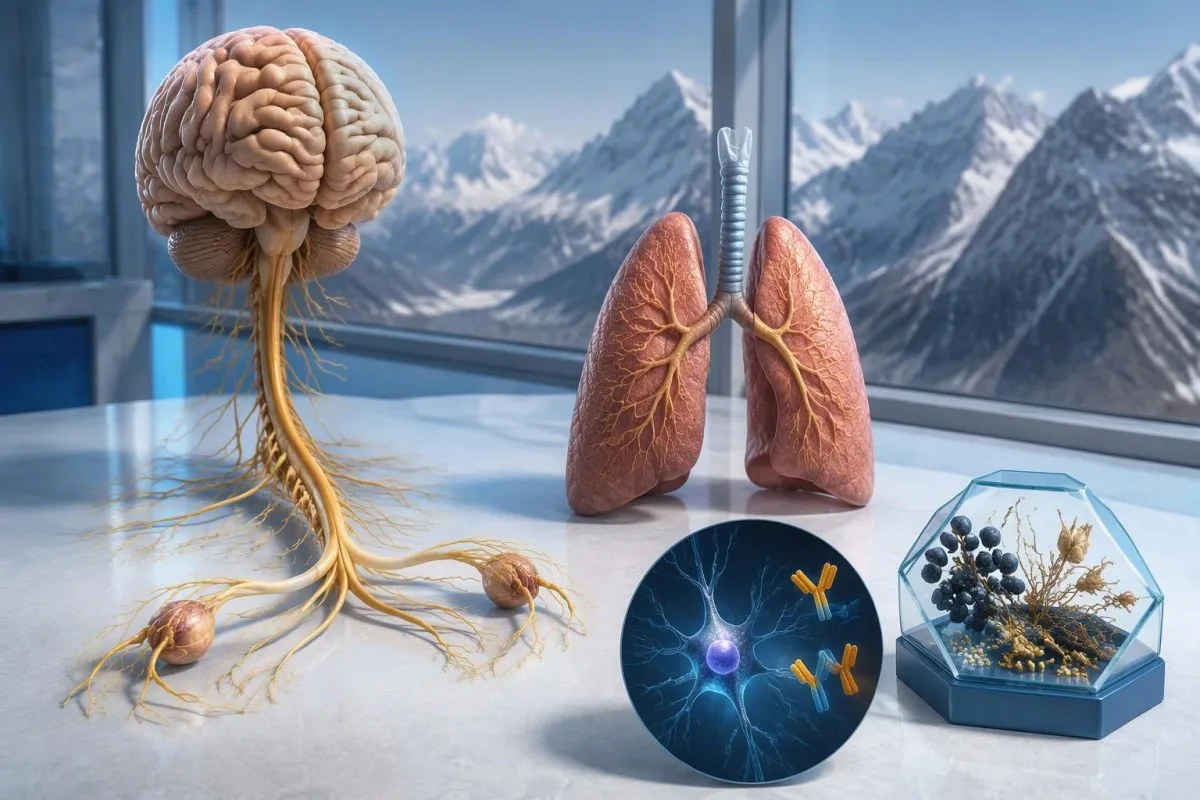
Anti-Hu հակամարմնի դրական արդյունքը մտահոգություն է առաջացնում քաղցկեղի հետ կապված նյարդաբանական իմունային պատասխանի վերաբերյալ, հատկապես՝ փոքր բջջային թոքերի քաղցկեղի դեպքում, սակայն այն քաղցկեղ չի ախտորոշում։ Բժիշկները գնահատում են ախտանիշները, հաստատում լաբորատոր արդյունքը և կազմակերպում քաղցկեղի հետազոտություն․ կարող է անհրաժեշտ լինել կրկնել հետազոտությունը, նույնիսկ եթե առաջին պատկերային հետազոտությունները բացասական են։.



- Anti-Hu / ANNA-1 բարձր ռիսկի պարանիոպլաստիկ հակամարմին է, որը հաստատված կլինիկական խմբերում կապված է քաղցկեղի հետ դեպքերի ավելի քան 70%-ում, բայց ոչ յուրաքանչյուր չհաստատված սկրինինգային արդյունքի դեպքում։.
- Քաղցկեղի ախտորոշում պահանջում է հիմքում ընկած չարորակ նորագոյացության առկայության ապացույց, որը սովորաբար ներառում է հյուսվածքի հետազոտություն․ հակամարմնի մեկ դրական արդյունքը նման ապացույց չէ։.
- Թեստի արդյունքի հաստատում հաճախ համատեղում է 2 փոխլրացնող մոտեցում՝ հյուսվածքի ներկման բնորոշ պատկեր և անտիգենին սպեցիֆիկ թեստ։.
- Նյարդաբանական ախտանիշները օրինակ՝ առաջադիմող զգացողության կորուստը, հավասարակշռության խանգարումը, նոպաները կամ ինքնավար նյարդային համակարգի դիսֆունկցիան, փոխում են արդյունքի նշանակությունն ու հրատապությունը։.
- Բացասական պատկերային հետազոտությունը նշանակում է, որ տվյալ պահին այդ հետազոտությամբ քաղցկեղ չի հայտնաբերվել․ դա չի բացառում փոքր, սկզբնական փուլում չհայտնաբերվող քաղցկեղի հավանականությունը։.
- Կրկնակի սկրինինգ խորհուրդ է տրվում անցկացնել յուրաքանչյուր 4–6 ամիսը մեկ՝ 2 տարվա ընթացքում, երբ բարձր ռիսկի նյարդաբանական ֆենոտիպն ուղեկցվում է բարձր ռիսկի հակամարմնով՝ համաձայն 2021 թվականի PNS չափանիշների։.
- Ավելի երկարատև հսկողությունը կարող է նպատակահարմար լինել որոշ պացիենտների համար․ 2023 թվականի anti-Hu կոհորտային հետազոտությունը հիմնավորում է 2 տարուց ավելի, երբեմն մինչև 5 տարի սկրինինգը դիտարկելու անհրաժեշտությունը։.
- Շտապ օգնության ախտանիշներ ներառում են նոր ի հայտ եկած շնչառության դժվարությունը, անվտանգ կուլ տալու անկարողությունը, արագ վատթարացող թուլությունը, առաջին նոպան կամ հանկարծակի նյարդաբանական խանգարումները։.
Ի՞նչ է նշանակում anti-Hu հակամարմնի դրական արդյունքը։
Ան anti-Hu հակամարմնի դրական արդյունքը նշանակում է, որ լաբորատորիան հայտնաբերել է Hu նեյրոնային սպիտակուցների նկատմամբ ռեակտիվություն․ այն ինքնին չի հաստատում քաղցկեղի կամ նյարդաբանական համախտանիշի առկայությունը։ Մեկնաբանությունն ունի 3 բաղադրիչ՝ արդյոք արդյունքն իրական է, արդյոք նյարդաբանական դրսևորումները համապատասխանում են դրան, և արդյոք հնարավոր է հայտնաբերել դրա հետ կապված քաղցկեղ։.
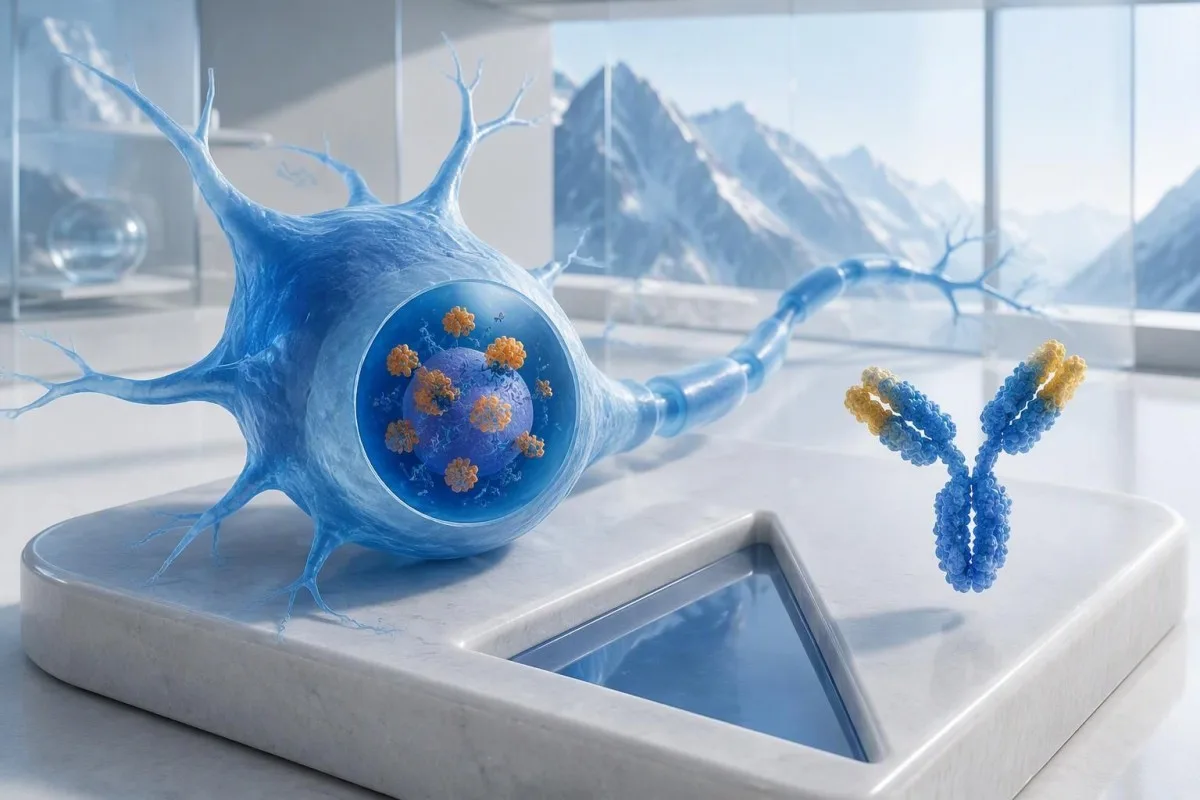
Anti-Hu-ն դասակարգվում է որպես քաղցկեղի հետ կապված բարձր ռիսկի հակամարմին, որի կատեգորիան սահմանվում է համապատասխան կլինիկական խմբերում քաղցկեղի հետ 70%-ից բարձր կապակցվածությամբ (Graus et al., 2021)։ Այդ տոկոսը չի կարելի պարզապես վերագրել ընդհանուր առմամբ առողջ մարդուն, ում մոտ լայնածավալ պանելի հետազոտության արդյունքում թույլ, չհաստատված արդյունք է ստացվել․ ուսումնասիրված պացիենտները, թեստավորման մեթոդը և նյարդաբանական դրսևորումները՝ բոլորը ազդում են հավանականության վրա։.
62-ամյա անձը, ում մոտ 8 շաբաթ շարունակ վատթարանում են հավասարակշռության խանգարումն ու ասիմետրիկ զգայական կորուստը, արժանի է այլ գնահատման, քան այն անձը, ում մոտ հակամարմինը պատահաբար է հայտնաբերվել հոգնածության լայնածավալ պանելի ընթացքում։ Նրանցից ոչ մեկին չպետք է ասել՝ “Դուք քաղցկեղ ունեք”՝ միայն լաբորատոր պատկերի հիման վրա։ Մեր բացատրությունը հակամարմինների դրական արդյունքների մասին օգնում է տարբերակել իմունային մարկերը վերջնական ախտորոշումից։.
Կանտեստին մի է AI արյան անալիզատոր որը կարող է օգնել բացատրել anti-Hu պատասխանի ձևակերպումը, սակայն լաբորատոր հաստատումն ու քաղցկեղի գնահատումը ձեր բուժող բժիշկների գործն են։ Որպես Thomas Klein, MD՝ Kantesti LTD-ի գլխավոր բժշկական տնօրեն, իմ առաջին հարցը կլիներ՝ ինչն է պատճառ դարձել հենց այս թեստն անցկացնելու, այլ ոչ թե որքան տագնապալի է թվում կարմիր դրոշը․ մեր կազմակերպությունը և կլինիկական առաքելությունը բացատրում են այդ տարբերությունը։.
Արդյո՞ք ANNA-1-ը նույն հակամարմինն է, ինչ anti-Hu-ն։
ANNA-1 հակամարմինն ու anti-Hu հակամարմինն ընդհանուր առմամբ վերաբերում են նույն հակամարմինների ընտանիքին։. ANNA-1-ը նշանակում է հականեյրոնային կորիզային հակամարմին տիպ 1․ Hu անվանումը վերաբերում է ներբջջային նեյրոնային սպիտակուցներին, որոնք ճանաչում է իմունային պատասխանը, և ոչ թե առանձին հիվանդության կամ քաղցկեղի փուլի։.
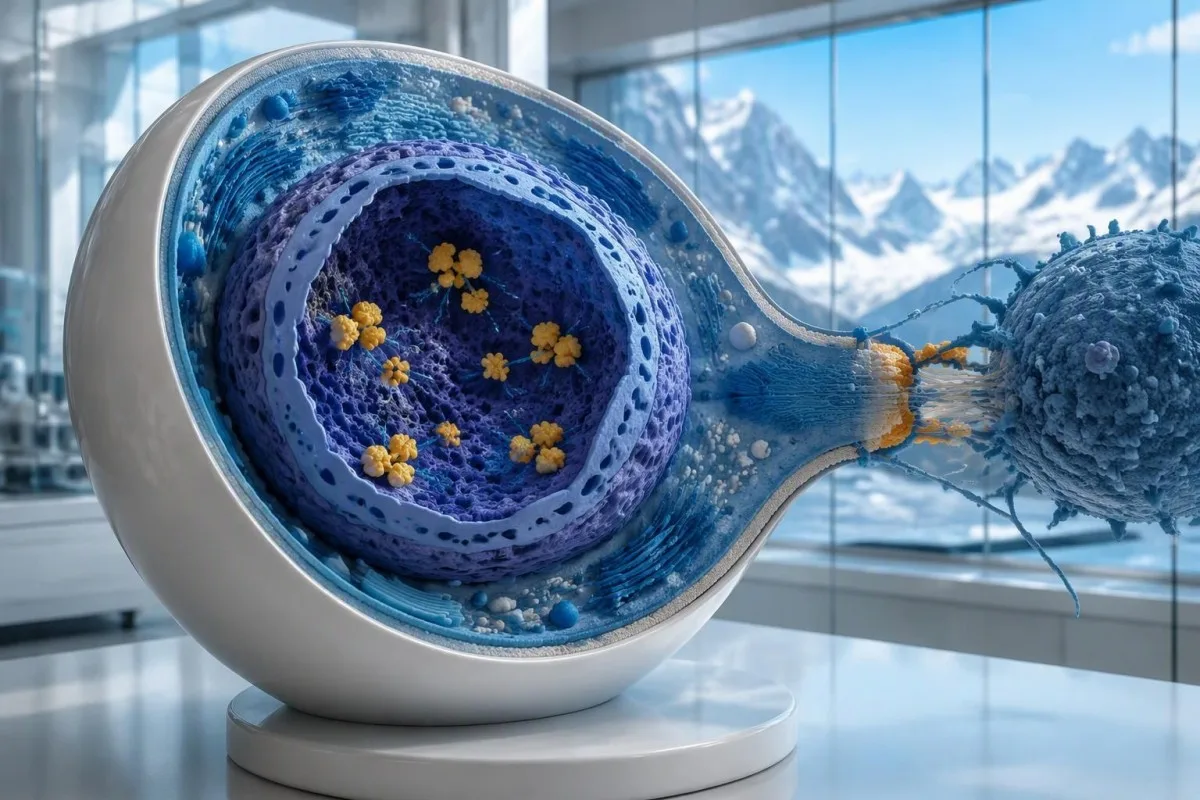
Hu սպիտակուցները ներբջջային ՌՆԹ կապող սպիտակուցներ են, և anti-Hu-ն լավագույնս կարելի է հասկանալ որպես իմունային պատասխանի մարկեր, որը հաճախ ներառում է ցիտոտոքսիկ T բջիջներ։ Սա տարբերվում է այն խանգարումներից, որոնց դեպքում հակամարմինները կապվում են նեյրոնների մակերեսին հասանելի սպիտակուցներին։ Այս տարբերությունը բացատրում է, թե ինչու հակամարմինների մակարդակի պարզապես նվազեցումը հուսալիորեն չի վերացնում արդեն իսկ հաստատված anti-Hu նյարդաբանական վնասը, նույնիսկ երբ 2 հետազոտության հաշվետվությունները ցույց են տալիս տիտրերի զգալի տարբերություն։.
“Հայտնաբերվել է ANNA-1” գրառմամբ պատասխանը նույնը չէ, ինչ սովորական դրական ANA թեստը, չնայած տառերի նմանությանը։. ՀԱՆԱ սովորաբար նշանակում է համակարգային աուտոիմուն գնահատման ժամանակ օգտագործվող հակակորիզային հակամարմիններ, մինչդեռ ANNA-1-ը ցույց է տալիս նեյրոնային հակամարմնի պատկերը։ Ձեր արդյունքները քննարկելիս տարբերակեք այդ 2 հապավումները․ մեր ANA տերմինաբանության ուղեցույցը բացատրում է առավել ծանոթ թեստը։.
Anti-Hu-ն կարող է հայտնաբերվել թոքերի մանր բջջային քաղցկեղով որոշ մարդկանց մոտ, ովքեր ճանաչելի նյարդաբանական համախտանիշ չունեն։ Եվ հակառակը՝ նյարդաբանական ախտանիշները կարող են հանգեցնել հակամարմնի հայտնաբերմանը՝ նախքան քաղցկեղի տեսանելի դառնալը։ Սրանք 2 տարբեր կլինիկական ուղիներ են․ հակամարմինն ինքնին բժշկին չի ասում՝ արդյոք նյարդերն այժմ վնասվում են, կամ որտեղ կարող է տեղակայված լինել հիմքում ընկած քաղցկեղը։.
Ինչպե՞ս պետք է մեկնաբանել anti-Hu հակամարմնի թեստի պատասխանը։
An anti-Hu antibody test has no universal numerical cutoff that can be applied across laboratories. Read the specimen type, assay method, result category, laboratory reference interval and confirmation comments together; a dilution titer, band intensity and numerical index are 3 different ways of reporting reactivity.
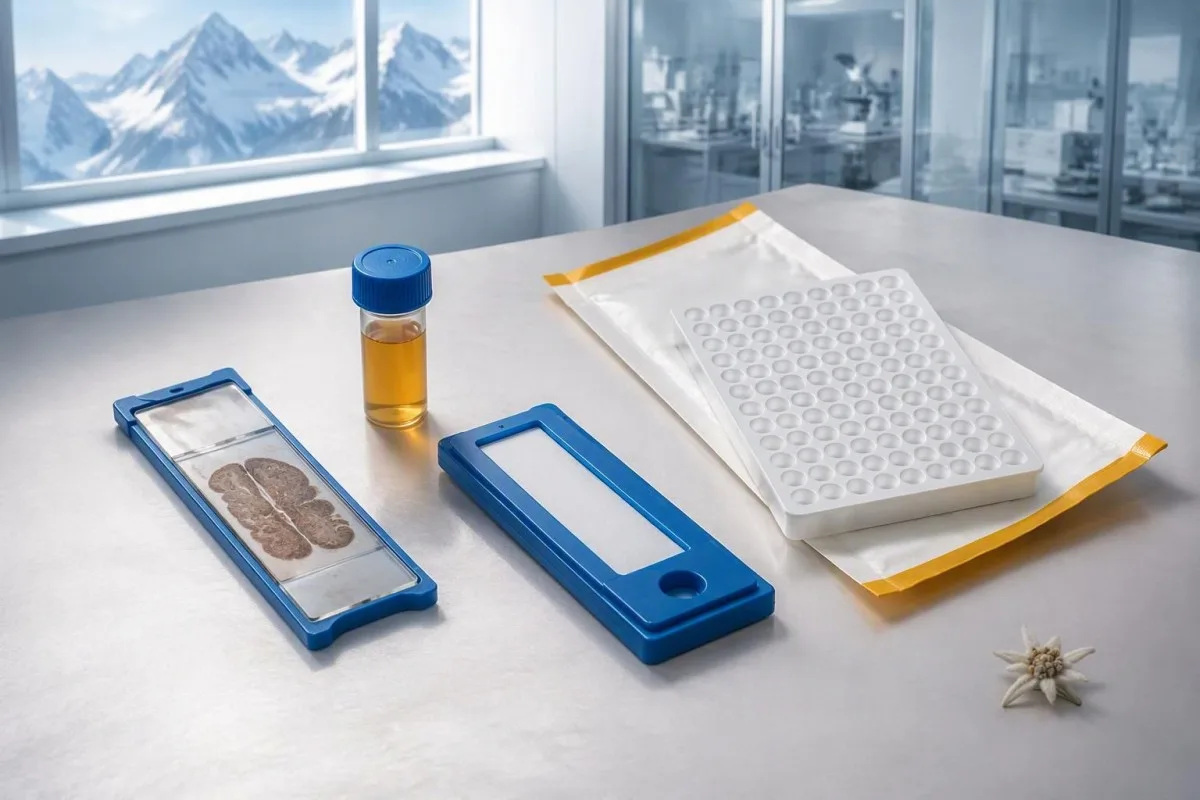
A hypothetical titer of 1:240 describes detectable reactivity after a particular dilution; it is not a cancer probability of 240, nor does it establish cancer stage. A numerical index from another method may use entirely different calibration. Our guide to որակական ընդդեմ քանակական արդյունքների explains why “positive” and “how much” answer different laboratory questions.
Weak or borderline reactivity deserves method-specific interpretation, particularly when a broad panel was ordered without a convincing neurological indication. Ask whether the laboratory observed the characteristic neuronal staining pattern and whether an antigen-specific confirmation was performed. Two tests using the same underlying strip technology may reproduce the same analytical problem; agreement is more informative when the methods are genuinely complementary.
Bring the complete report, not just a screenshot of the word positive. The 5 most useful details are the specimen, collection date, assay name, reported strength or titer and laboratory interpretation. Also list recent intravenous immunoglobulin and other immune treatments, because passive antibodies or treatment effects can complicate some serological results; your laboratory can advise whether that issue plausibly affects this particular finding.
Ե՞րբ է անհրաժեշտ հաստատել anti-Hu-ի դրական արդյունքը։
Unexpected, weak or clinically discordant anti-Hu results should be reviewed for confirmation, preferably with an experienced neuroimmunology laboratory. The 2021 PNS criteria emphasize interpreting neuronal antibody testing alongside the phenotype and using appropriate confirmatory methods rather than accepting an isolated commercial-panel result as a diagnosis.
Tissue-based immunohistochemistry or immunofluorescence and an antigen-specific assay provide different information. The first identifies a characteristic distribution of neuronal staining; the second tests reactivity against the relevant antigen. Graus et al. (2021) describe these complementary approaches, with specialist reassessment particularly useful when 1 method gives a result that does not fit the clinical picture.
Repeating a sample can address collection errors or a transient analytical concern, but repeating the same kit is not always enough. In a hypothetical 45-year-old with no objective neurological findings and a faint isolated band, I would want the laboratory’s explanation before treating the report as established anti-Hu autoimmunity. Our GAD65 interpretation guide illustrates another antibody for which context and assay characteristics change meaning.
Confirmation and urgent assessment can happen in parallel. A person who develops seizures, substantial walking difficulty or progressive swallowing impairment should not wait several weeks for a reference-laboratory answer before receiving neurological care. The practical question is not “repeat or investigate?” but which of those 2 tasks can safely proceed together, given the symptoms and the initial laboratory evidence.
Ո՞ր նյարդաբանական ախտանիշներն են ավելի մտահոգիչ դարձնում anti-Hu-ն։
Progressive sensory neuronopathy, encephalomyelitis, limbic encephalitis and marked autonomic dysfunction are recognized anti-Hu presentations. Symptoms can involve more than 1 part of the nervous system, so the pattern and speed of change are usually more informative than a single symptom such as tingling or fatigue.
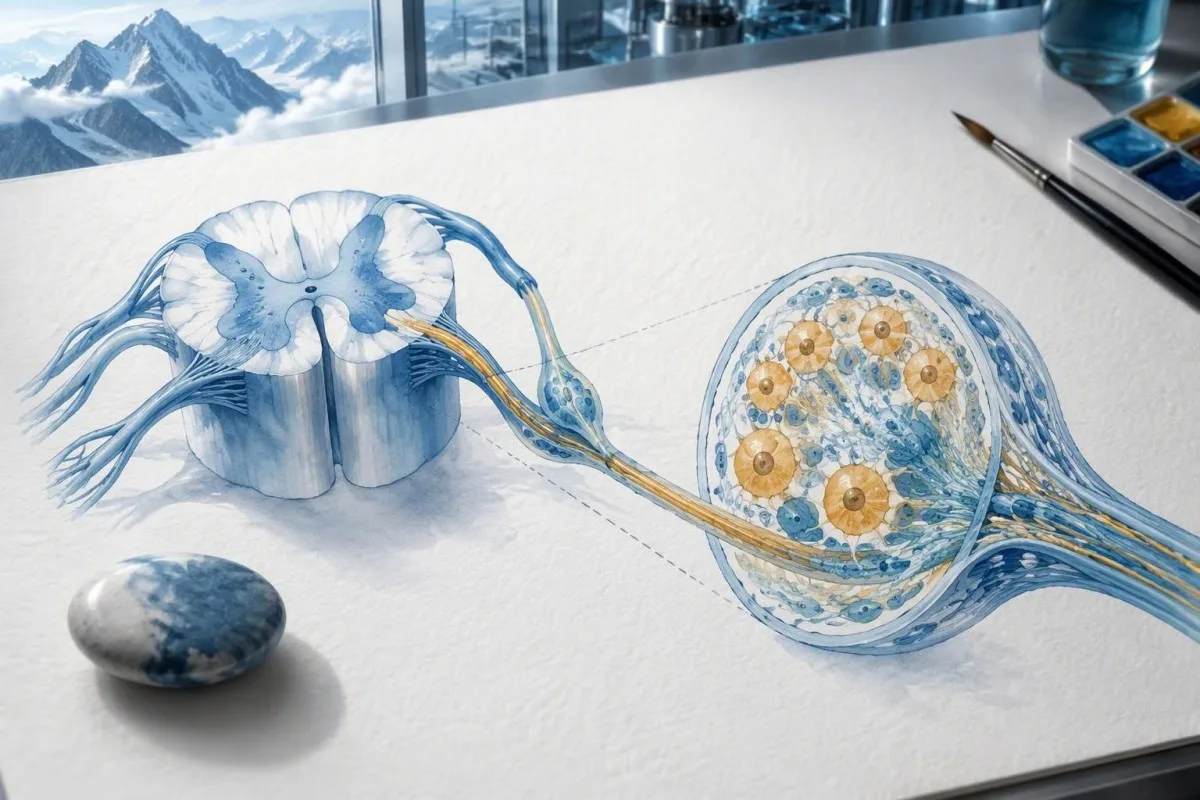
Sensory neuronopathy can cause asymmetric numbness, impaired position sense and sensory ataxia, sometimes involving the hands or trunk early rather than following a simple feet-first pattern. A patient may lose balance in the dark because vision had been compensating for reduced position feedback. That is different from the focal finger distribution discussed in our carpal tunnel symptom guide, although neither pattern can be diagnosed from description alone.
Anti-Hu autonomic involvement can affect gut movement, blood-pressure regulation and bladder function. Severe constipation, unexplained intestinal pseudo-obstruction or dizziness on standing becomes more relevant when accompanied by objective neurological abnormalities. Recording symptoms over 7 days can reveal combinations that otherwise get presented as separate stomach, balance and urinary complaints; sudden severe abdominal symptoms still require assessment for non-neurological emergencies.
New memory impairment, behavioral change or seizures may indicate central nervous system involvement, while rapid weakness has a broader emergency differential. The թուլության անհետաձգելի նախազգուշացնող նշանների վերաբերյալ, in our neurological safety guide apply regardless of the antibody label. Call emergency services for new breathing difficulty, unsafe swallowing, a first seizure or sudden stroke-like symptoms rather than waiting for a scheduled follow-up.
Ի՞նչ նյարդաբանական հետազոտություններ կարող են հաջորդել դրական արդյունքին։
Neurological follow-up may include examination, nerve conduction studies, MRI and cerebrospinal fluid testing, selected according to the symptoms. There is no mandatory battery for every anti-Hu-positive person; the purpose is to document which structures are affected and exclude other causes, not merely to collect additional positive tests.
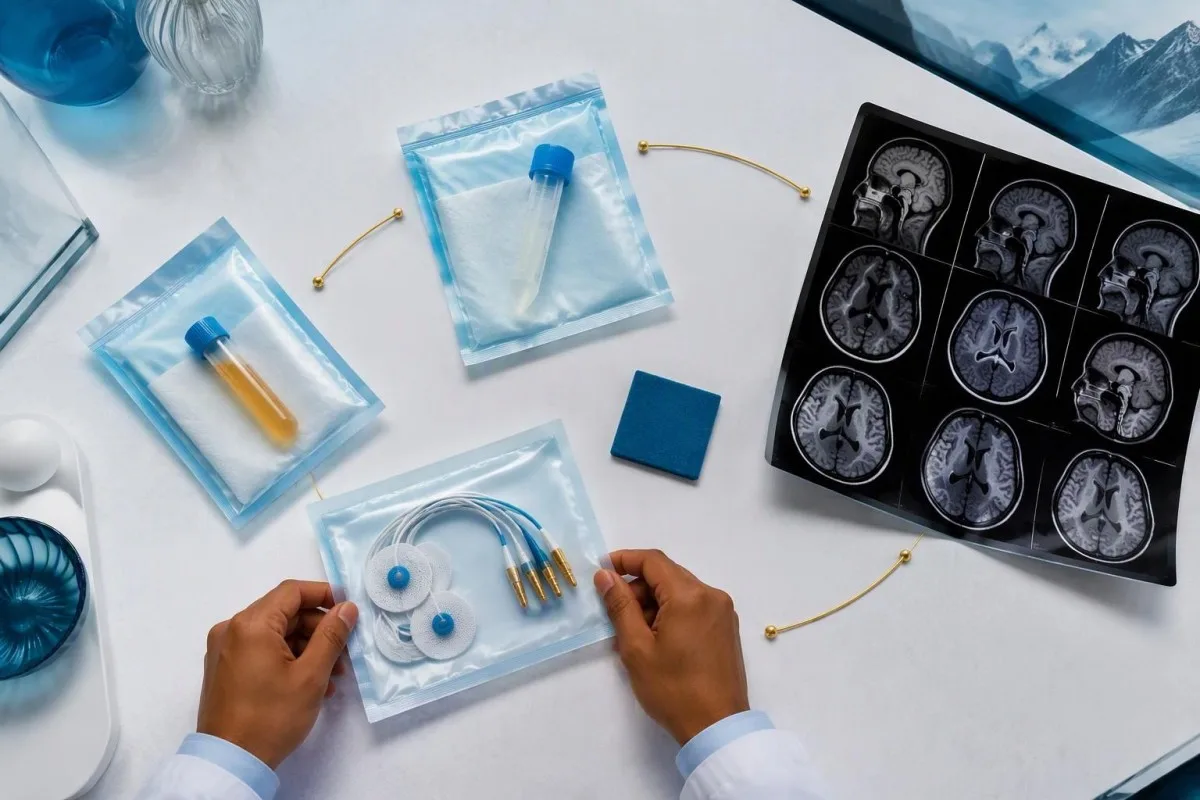
Nerve conduction studies can support a sensory neuronopathy pattern by showing reduced sensory responses across distributions that do not fit a single compressed nerve. Brain or spinal MRI addresses different questions, including structural disease and some inflammatory changes. A normal MRI does not exclude peripheral sensory ganglion involvement; these are 2 distinct anatomical compartments with different diagnostic tools.
Cerebrospinal fluid may show increased cells, protein or evidence of intrathecal immune activity, but none of those findings is specific to anti-Hu. A lumbar puncture is most useful when the neurological syndrome warrants it, rather than as an automatic response to 1 weak serum band. Our discussion of ողնուղեղային հեղուկի օլիգոկլոնալ գոտիների մեկնաբանման վերաբերյալ, explains why immune activity in spinal fluid does not identify a single disease.
Basic investigations still matter: glucose control, vitamin status, renal function and serum protein assessment can uncover treatable contributors to neuropathy. A clinician may request 2 or more of these alongside specialist testing, depending on the examination. The շիճուկային սպիտակուցների գնահատման ուղեցույցը provides background, but normal routine blood work neither confirms nor excludes an anti-Hu-associated neurological process.
Արդյո՞ք anti-Hu-ի դրական լինելը հաստատում է պարանիոպլաստիկ համախտանիշը։
A positive antibody alone does not confirm anti-Hu paraneoplastic syndrome. The PNS-Care approach combines the neurological phenotype, antibody risk category, cancer findings and follow-up; clinicians also check for direct cancer effects, treatment toxicity and unrelated neurological conditions before attributing symptoms to a paraneoplastic immune response.
Definite, probable and possible PNS are diagnostic categories, not cancer stages. The 2021 criteria use a structured scoring system rather than allowing 1 antibody to determine the whole diagnosis (Graus et al., 2021). A confirmed anti-Hu result with a strongly compatible syndrome remains clinically significant even before a cancer is identified, but clinicians should state clearly which parts of the assessment remain unresolved.
An older patient can have anti-Hu reactivity and a separate cause of numbness, such as diabetes, nutritional deficiency or a monoclonal protein disorder. Coexistence is possible; either-or reasoning can miss treatable disease. If serum protein studies reveal a band, our immunofixation result guide explains why that finding requires its own interpretation rather than being automatically folded into the anti-Hu diagnosis.
Կանտեստին մի է AI արյան անալիզի մեկնաբանություն հարթակ that can help organize these distinctions in a laboratory explanation, but it cannot assign a reliable PNS-Care diagnosis from a report alone. Our կլինիկական վալիդացման շրջանակ separates technical evaluation from clinical conclusions. In practice, I would document 3 separate judgments: confidence in the antibody, confidence in the neurological syndrome and the current evidence for cancer.
Ինչպե՞ս են բժիշկները փնտրում դրա հետ կապված քաղցկեղը։
Cancer evaluation usually prioritizes the chest because small-cell lung cancer is the strongest adult anti-Hu association. Doctors commonly begin with appropriate chest CT and may add FDG-PET/CT or targeted investigations if suspicion remains; the exact plan depends on age, symptoms, examination, smoking history and previous imaging.
The cancer association is substantial in established anti-Hu clinical cohorts. Villagrán-García et al. (2023) reported identified cancer in 349 of 466 patients, approximately 75%, in a specialist anti-Hu cohort. This is valuable evidence for taking confirmed, clinically relevant anti-Hu seriously; it is not a personalized prediction for an asymptomatic person with an unconfirmed positive screening strip.
A chest X-ray is not equivalent to a chest CT, and routine low-dose screening is not necessarily the correct examination for a suspected paraneoplastic syndrome. The clinician chooses the protocol and body regions based on the diagnostic question. Likewise, neurological symptoms do not automatically mean cancer has spread to the brain; our brain imaging warning-sign guide distinguishes structural investigation from immune-mediated disease.
A suspicious scan often leads to tissue sampling through a method chosen by respiratory or oncology specialists, such as bronchoscopic assessment of an accessible area. Imaging suspicion and cancer confirmation are 2 separate steps. Never-smoking status lowers the baseline probability of small-cell lung cancer but does not cancel a well-confirmed anti-Hu finding with a convincing neurological presentation; other cancers and non-cancer explanations still need consideration.
Ինչո՞ւ կարող են քաղցկեղի առաջին պատկերային հետազոտությունները բացասական լինել։
Initial imaging can be negative because an associated cancer is still too small to detect, lies outside the examined area or is not readily visible with that technique. Neurological autoimmunity may precede cancer detection, so a negative scan reduces concern without necessarily ending follow-up in a high-risk clinical presentation.
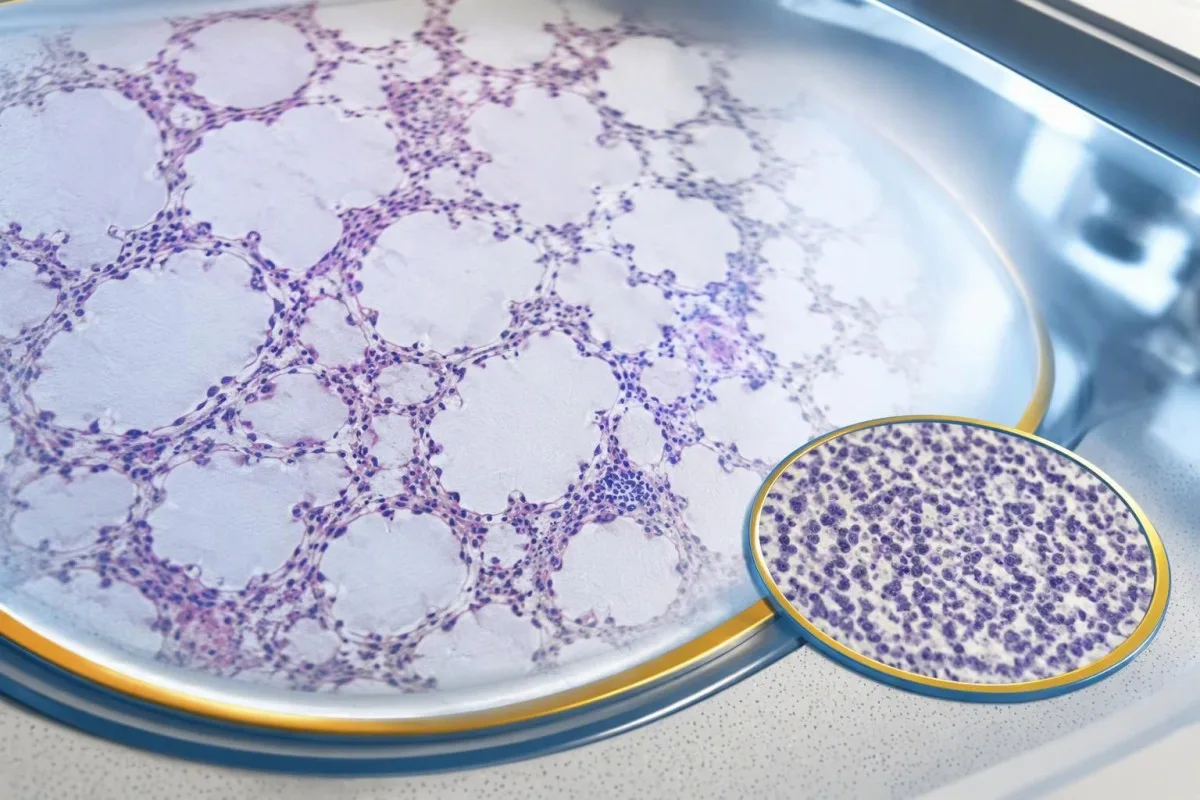
A negative scan is time-specific and method-specific. A normal chest CT performed on 1 date answers whether that examination identified a suspicious chest finding then; it does not guarantee that every possible associated cancer is absent indefinitely. Ask what was actually imaged, whether the protocol was suitable and whether the specialist recommends PET/CT or targeted investigation despite the initial result.
Villagrán-García et al. (2023) described cancers detected beyond the first 2 years in a minority of their anti-Hu cohort, supporting individualized longer surveillance. Their findings also support considering PET-based investigation when initial CT is unrevealing in an appropriate clinical context. This is an escalation decision for the treating team, not a reason to independently purchase repeated whole-body scans without weighing radiation, incidental findings and cost.
Neurological deterioration after negative imaging still needs reassessment. Cancer surveillance and neurological monitoring are 2 parallel tracks; one reassuring scan does not explain new loss of function. A marker such as neurofilament light chain may indicate neuronal injury in selected settings, but our NfL interpretation guide explains why it cannot establish anti-Hu disease, locate cancer or replace examination.
Որքա՞ն ժամանակ պետք է շարունակել քաղցկեղի սկրինինգը։
The 2021 PNS criteria recommend repeat cancer screening every 4–6 months for 2 years when a high-risk neurological phenotype accompanies a high-risk antibody. Longer surveillance may be appropriate for selected anti-Hu patients; the interval and duration should reflect confirmation, clinical evolution, initial investigations and individual cancer risk.

The 2-year schedule is not an instruction to scan every positive antibody result repeatedly. Graus et al. (2021) link that recommendation to the combination of high-risk phenotype and high-risk antibody. An incidental, weak result without a matching syndrome needs confirmation and individualized assessment first; repeating imaging mechanically can create incidental findings and unnecessary procedures without resolving the original uncertainty.
Older European guidance recommended longer surveillance. The EFNS task force advised repeating screening after 3–6 months and then every 6 months for up to 4 years in relevant antibody-positive paraneoplastic presentations (Titulaer et al., 2011). The 2023 anti-Hu cohort supported considering screening up to 5 years in selected patients, so a specialist may reasonably extend follow-up beyond the newer general 2-year framework.
Keep a dated plan stating the next examination, the clinician responsible and what symptoms should trigger earlier contact. Kantesti explanations can help you understand terminology, but the platform should not be treated as a scan-reminder service or substitute for that plan. Our guide to risk-based cancer screening addresses a different setting: routine prevention is not the same as investigating a possible paraneoplastic syndrome.
Ի՞նչ բուժում է օգնում anti-Hu-ի հետ կապված նյարդաբանական հիվանդության դեպքում։
Treatment focuses on an identified cancer, selected immune therapy and symptom-directed rehabilitation. Anti-Hu-associated neurological disease often responds less predictably to immunotherapy than neuronal surface-antibody disorders because intracellular targets and T-cell-mediated injury are involved; treatment may aim to stabilize function rather than promise complete recovery.
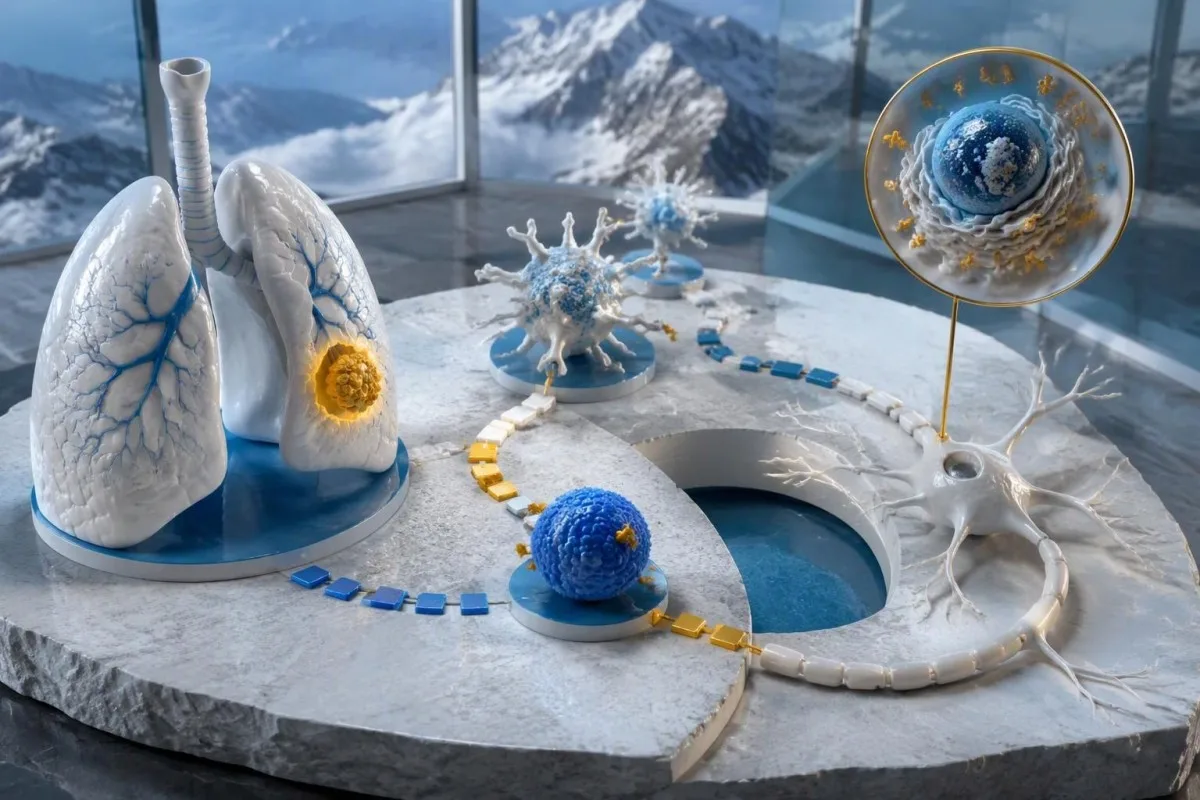
Treating an associated cancer is a central part of care, but established neurological injury may persist even when cancer treatment succeeds. Neurology and oncology teams may consider corticosteroids, intravenous immunoglobulin, plasma exchange or other immune treatments in selected situations. There is no single evidence-based dose or 1 universal regimen appropriate for everyone with anti-Hu positivity, especially without a confirmed clinical syndrome.
An antibody titer is not a dependable treatment target on its own. A lower number does not necessarily mean restored nerve function, and a persistent positive result does not by itself prove cancer progression. This differs from some surface-antibody disorders; our MOG antibody diagnosis guide explains another immune neurological condition, but its diagnostic rules and treatment expectations should not be transferred to anti-Hu.
Immune checkpoint cancer therapies deserve an explicit discussion when anti-Hu neurological disease is present, because they can provoke or worsen paraneoplastic neurological autoimmunity. This is a specialist risk-benefit decision, not an automatic prohibition based on 1 laboratory result. Tell the oncologist about previous neurological symptoms and confirmed neuronal antibodies before treatment decisions are finalized; coordinating the teams early can prevent avoidable misunderstanding.
Ի՞նչ կարող եք անվտանգ անել, մինչ հետազոտությունները շարունակվում են։
While investigations continue, protect mobility, swallowing and medication safety rather than trying to lower anti-Hu antibodies with supplements. Use the neurological symptoms—not the appearance of the laboratory flag—to decide whether ordinary follow-up is sufficient or urgent care is needed; a new functional loss warrants contact before the next planned scan.
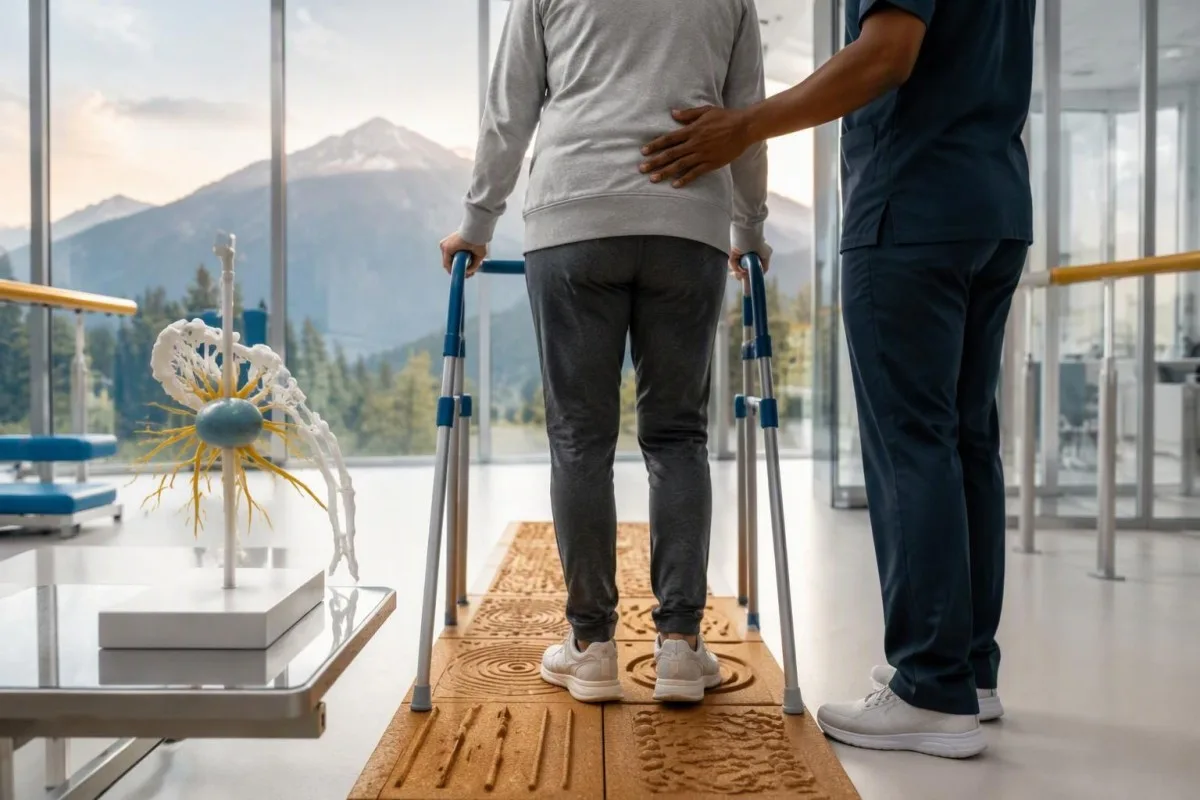
Position-sense loss increases fall risk, particularly in poor lighting or on uneven ground. A physiotherapist may recommend a suitable walking aid and individualized balance strategies; occupational therapy can address hand coordination and home hazards. A short 7-day record of falls, near-falls and walking changes is often more useful at review than the vague statement “my balance is worse,” but stop activities that feel unsafe.
Excess vitamin B6 can itself cause sensory neuropathy, making unsupervised high-dose nerve supplements particularly unhelpful during this assessment. Review every supplement and its daily dose in mg, including overlapping multivitamins and combination products. Our B-կոմպլեքս անվտանգության ուղեցույցը explains that problem; correcting a documented deficiency is different from taking progressively larger doses in the hope of treating anti-Hu autoimmunity.
Vitamin B12 deficiency can contribute to sensory and gait problems and may need investigation even when anti-Hu is confirmed. There is no universally interchangeable B12 cutoff: results in Մի պգ/մլ-ը մոտավորապես 0.738 պմոլ/լ է։ և պմոլ/լ require their own laboratory context, sometimes with functional testing. Our սահմանային B12 հետևողական ուղեցույցը explains those next steps; new choking, breathing difficulty or rapid weakness should be assessed urgently instead of managed with vitamins.
Ինչպե՞ս կարող է AI-ն օգնել անվտանգ կերպով բացատրել anti-Hu-ի պատասխանը։
AI can help explain report terminology and organize questions, but it cannot confirm anti-Hu specificity, diagnose paraneoplastic syndrome or rule out cancer. Safe interpretation preserves the original assay details and separates 3 issues: what the laboratory reported, what the result may mean and what a clinician has actually established.
Կանտեստին մի է AI-ով աշխատող արյան թեստի վերլուծության գործիք that can provide a plain-language explanation of uploaded laboratory information, including the distinction between an antibody screen and a confirmed clinical diagnosis. A rapid explanation—often around 60 seconds for report processing—is not a reference-laboratory assay. Our AI տեխնոլոգիայի ուղեցույց describes the interpretation workflow without making anti-Hu-specific diagnostic guarantees.
The complete source report should remain available for verification. An explanation should not silently replace “weakly reactive” with “confirmed,” drop the specimen type or invent a universal reference interval. Our guide to ստուգել AI-ի բժշկական բացատրությունները, describes practical source checks; for this antibody, compare at least the assay wording, confirmation comment and collection date against the original document.
Kantesti cannot examine sensation, review tissue staining directly through a report explanation or establish that negative imaging has excluded a tiny cancer. Those are 3 different clinical capabilities, not features that follow from understanding laboratory language. Share the explanation with the treating team as a discussion aid, and do not delay urgent assessment while uploading documents or waiting for a second automated interpretation.
Ձեր հաջորդ այցը և հետազոտության թափանցիկությունը
Bring the complete antibody report, a dated symptom history, previous imaging reports and a current medication list to your next appointment. Ask the clinician to clarify antibody confirmation, the neurological diagnosis and cancer surveillance separately; those 3 answers may have different levels of certainty and different follow-up dates.
A useful 1-page symptom history records onset, progression, sensory distribution, walking changes, memory problems and autonomic symptoms. Include prior cancer treatment and any recent immunoglobulin therapy, then ask who will coordinate neurology and oncology if both are involved. As Thomas Klein, MD, I would rather see a clear timeline than 20 disconnected screenshots; it makes discrepancies between the laboratory result and clinical course easier to spot.
Medical authorship is not a substitute for an individual neurological examination. Մեր բժշկական խորհրդատվական խորհրդի տեղեկատվություն describes the clinicians associated with our work, while your own specialist determines the appropriate next investigation. As of 25 հոկտեմբերի, 2026 թ., the recommendations discussed here draw on the 2021 international PNS criteria, the 2011 EFNS screening guidance and the 2023 anti-Hu cohort—not an invented 2026 guideline.
The 2 Figshare publications below are platform-related research references, not evidence validating anti-Hu diagnosis or cancer exclusion. Their supplied titles describe hantavirus triage deployment and a synthetic-case technical benchmark; neither title establishes anti-Hu-specific clinical performance. Because publication authors and dates were not supplied for verification, the citations use title-first APA formatting with “n.d.”; the ResearchGate and Academia.edu links are searches, not claims of verified publication copies.
Հաճախակի տրվող հարցեր
Արդյո՞ք anti-Hu հակամարմնի դրական արդյունքը նշանակում է, որ ես քաղցկեղ ունեմ:
Anti-Hu հակամարմնի դրական արդյունքն ինքնին քաղցկեղ չի ախտորոշում։ Anti-Hu-ն քաղցկեղի հետ կապված բարձր ռիսկի հակամարմին է, և 2023 թվականի՝ Anti-Hu-ի մասնագիտացված կոհորտում 466 պացիենտից 349-ի մոտ հայտնաբերվել է քաղցկեղ, սակայն այդ թիվը չի որոշում պատահականորեն հայտնաբերված, չհաստատված սկրինինգային արդյունքի ռիսկը։ Բժիշկները գնահատում են նյարդաբանական դրսևորումները, հաստատում լաբորատոր անսպասելի արդյունքները և հետազոտում հիմքում ընկած քաղցկեղի առկայությունը՝ մեծահասակների դեպքում սովորաբար առաջնահերթություն տալով կրծքավանդակի հետազոտությանը։ Քաղցկեղի ախտորոշումը, որպես կանոն, պահանջում է առանձին կլինիկական, պատկերային և հյուսվածաբանական ապացույցներ։.
Արդյո՞ք հակա-Hu-ն և ANNA-1-ը նույնն են։
Anti-Hu-ն և ANNA-1-ը սովորաբար նույն նեյրոնային հակամարմինների ընտանիքն են նշանակում։ ANNA-1-ը նշանակում է հականեյրոնային կորիզային հակամարմին տիպ 1, մինչդեռ Hu-ն վերաբերում է ներբջջային նեյրոնային սպիտակուցներին, որոնք ճանաչվում են հակամարմնի կողմից։ ANNA-1-ը նույնը չէ, ինչ համակարգային աուտոիմուն հետազոտություններում կիրառվող սովորական ANA-ն։ Ստուգեք անալիզի ճշգրիտ մեթոդը և հաստատման ձևակերպումը, քանի որ լաբորատորիաները կարող են նույն հակամարմինների ընտանիքը ներկայացնել տարբեր ձևաչափերով։.
Կարո՞ղ է հակա-Hu հակամարմինների թեստը կեղծ դրական արդյունք տալ։
Հակա-Hu հակամարմինների թեստը կարող է տալ մոլորեցնող կամ ոչ սպեցիֆիկ ռեակտիվություն, հատկապես երբ թույլ սկրինինգային արդյունքը չի համապատասխանում նյարդաբանական կլինիկական պատկերին։ Հաստատման համար սովորաբար կիրառվում է 2 լրացուցիչ մոտեցում՝ հյուսվածքի ներկման բնորոշ պատկեր և անտիգենին հատուկ անալիզ, որի արդյունքները մեկնաբանում է փորձառու լաբորատորիան։ Նույն կոմերցիոն մեթոդը կրկնելը կարող է վերարտադրել նույն վերլուծական խնդիրը, այլ ոչ թե լուծել այն։ Արագորեն զարգացող նյարդաբանական ախտանշանները, այնուամենայնիվ, պահանջում են ժամանակին գնահատում՝ մինչ հաստատման արդյունքների ստացումը։.
Որքա՞ն հաճախ պետք է կրկնել սկանավորումները, եթե հակա-Hu-ի արդյունքը դրական է։
2021 թվականի PNS չափանիշները խորհուրդ են տալիս կրկնել քաղցկեղի սկրինինգը յուրաքանչյուր 4–6 ամիսը մեկ՝ 2 տարվա ընթացքում, երբ բարձր ռիսկի նյարդաբանական ֆենոտիպն ուղեկցվում է բարձր ռիսկի հակամարմնով։ Այդ ժամանակացույցը ինքնաբերաբար չի կիրառվում anti-Hu-ի պատահականորեն դրական բոլոր արդյունքների դեպքում։ EFNS-ի ավելի վաղ ուղեցույցները խորհուրդ էին տալիս հսկողություն մինչև 4 տարի, իսկ 2023 թվականի anti-Hu կոհորտային հետազոտությունը նպաստել է ընտրված պացիենտների համար մինչև 5 տարվա հսկողություն դիտարկելուն։ Ձեր մասնագետը պետք է սահմանի պատկերային հետազոտության մեթոդը, հաճախականությունը, տևողությունը և այն ախտանիշները, որոնց դեպքում անհրաժեշտ է ավելի վաղ դիմել բժշկի։.
Կարո՞ղ է anti-Hu-ն դրական լինել, երբ ՀՏ և ՊԷՏ հետազոտությունները նորմալ են։
Anti-Hu-ն կարող է մնալ դրական, նույնիսկ երբ ՀՏ կամ ՊԷՏ հետազոտությամբ քաղցկեղ չի հայտնաբերվել։ Նյարդաբանական աուտոիմունությունը կարող է նախորդել հայտնաբերմանը, իսկ բացասական հետազոտության արդյունքը արտացոլում է հետազոտված շրջանները, կիրառված մեթոդը և ամսաթիվը, այլ ոչ թե մշտական երաշխիք, որ քաղցկեղ չկա։ Բարձր ռիսկի հետ համատեղելի կլինիկական պատկերի դեպքում 2021 թվականի չափանիշները խորհուրդ են տալիս 2 տարվա ընթացքում յուրաքանչյուր 4–6 ամիսը մեկ կրկնել սկրինինգը՝ ընտրված anti-Hu պացիենտների համար անհատականացված ավելի երկար հսկողությամբ։ Պետք է նաև վերանայել չհաստատված հակամարմնային ռեակտիվությունը և քաղցկեղի հետ կապ չունեցող բացատրությունները՝ փոխարենը ենթադրելու, որ անտեսանելի քաղցկեղ հաստատ առկա է։.
Արդյո՞ք հակա-Hu հակամարմինների մակարդակի իջեցումը նշանակում է, որ բուժումն արդյունավետ է։
Anti-Hu հակամարմինների մակարդակի նվազումը վստահելիորեն չի վկայում նյարդաբանական վերականգնման կամ քաղցկեղի հաջող բուժման մասին։ Anti-Hu-ն ճանաչում է ներբջջային սպիտակուցները, իսկ դրա հետ կապված նյարդաբանական վնասումը հաճախ պայմանավորված է T-բջիջների մեխանիզմներով, այլ ոչ թե միայն հակամարմինների ազդեցությամբ։ Տարբեր լաբորատորիաներում ստացված երկու տիտրեր նույնպես կարող են համադրելի չլինել, քանի որ մեթոդները տարբեր են։ Բժիշկները գնահատում են ֆունկցիոնալ վիճակը, զննման արդյունքները, համապատասխան հետազոտություններն ու քաղցկեղի բուժման արձագանքը՝ հակամարմինների քանակը որպես բուժման առանձին թիրախ օգտագործելու փոխարեն։.
Ստացեք AI-ով աշխատող արյան անալիզի վերլուծություն այսօր
Միացեք ավելի քան 2 միլիոն օգտատերերի ամբողջ աշխարհում, ովքեր վստահում են Kantesti-ին՝ լաբորատոր թեստերի ակնթարթային, ճշգրիտ վերլուծության համար։ Վերբեռնեք ձեր արյան անալիզի արդյունքները և ստացեք 15,000+ բիոմարկերների համապարփակ մեկնաբանություն վայրկյանների ընթացքում։.
📚 Հղված հետազոտական հրապարակումներ
Klein, T., Mitchell, S., & Weber, H. (2026). Բազմալեզու AI-ի օգնությամբ կլինիկական որոշում կայացնելու աջակցություն հանտավիրուսի վաղ տրիաժի համար․ նախագծում, ինժեներական վավերացում և իրական աշխարհում կիրառում 50 000 մեկնաբանված արյան թեստի հաշվետվություններում.։ Kantesti AI Medical Research.
Klein, T., Mitchell, S., & Weber, H. (2026). Kantesti Արյան թեստի մեկնաբանման շարժիչի նախապես գրանցված, ռուբրիկային վրա հիմնված ավտոմատացված տեխնիկական բենչմարկը 100,000 սինթետիկ թեստային դեպքերի վրա.։ Kantesti AI Medical Research.
📖 Արտաքին բժշկական հղումներ
Graus F et al. (2021). Updated Diagnostic Criteria for Paraneoplastic Neurologic Syndromes. Neurology: Neuroimmunology & Neuroinflammation.
Titulaer MJ et al. (2011). Screening for tumours in paraneoplastic syndromes: report of an EFNS Task Force.։ European Journal of Neurology։.
Villagrán-García D et al. (2023). Revisiting anti-Hu paraneoplastic autoimmunity: phenotypic characterization and cancer diagnosis.։ Brain Communications։.
⚕️ Բժշկական հրաժարում
Այս հոդվածը միայն կրթական նպատակների համար է և չի հանդիսանում բժշկական խորհրդատվություն։ Ախտորոշման և բուժման որոշումների համար միշտ խորհրդակցեք որակավորված բուժաշխատողի հետ։.
E-E-A-T վստահության ազդանշաններ
Փորձառություն
Բժշկի կողմից ղեկավարվող կլինիկական վերանայում՝ լաբորատոր մեկնաբանության աշխատանքային հոսքերի համար։.
Մասնագիտություն
Լաբորատոր բժշկության կենտրոնացում՝ այն բանի վրա, թե ինչպես են բիոմարկերները դրսևորվում կլինիկական համատեքստում։.
Հեղինակություն
Գրված է դոկտոր Թոմաս Քլայնի կողմից՝ դոկտոր Սառա Միթչելի և պրոֆեսոր դոկտոր Հանս Վեբերի կողմից վերանայմամբ։.
Հուսալիություն
Ապացույցների վրա հիմնված մեկնաբանություն՝ հստակ հետագա քայլերի ուղիներով՝ ահազանգերը նվազեցնելու համար։.
