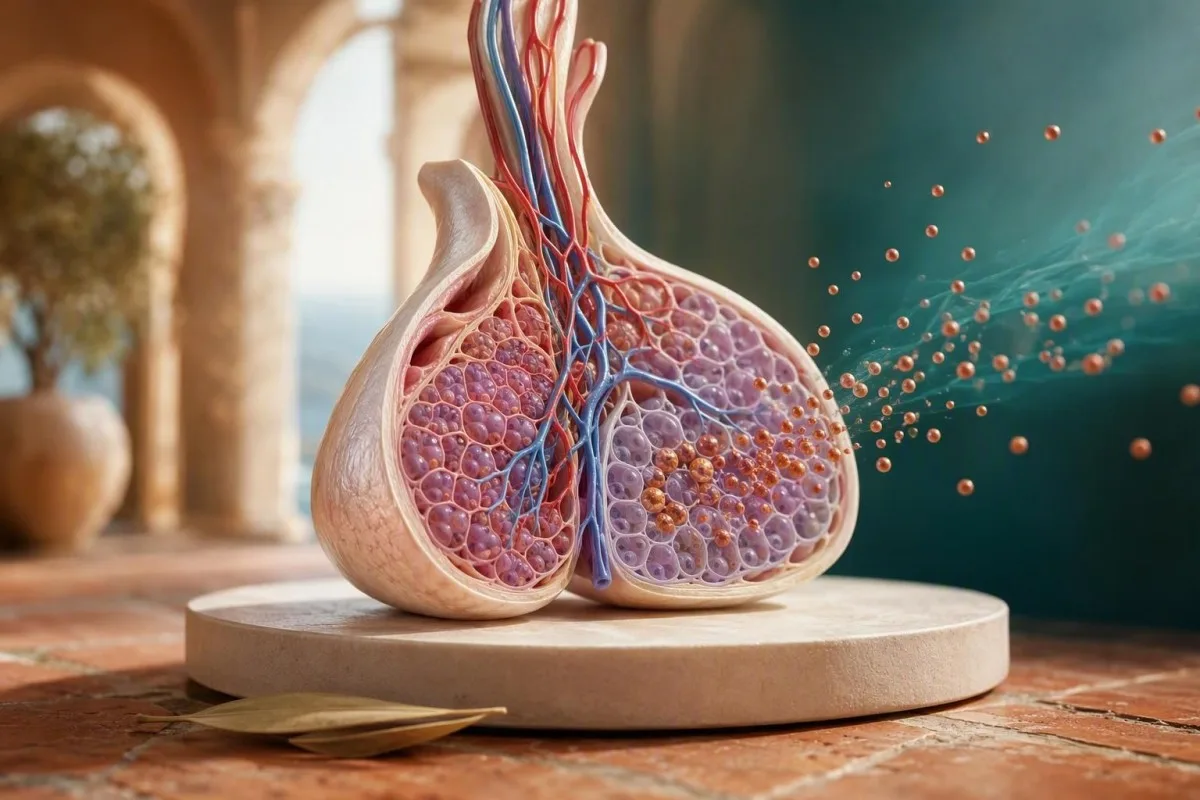
A határértékű prolaktineredmény gyakran átmeneti, de az ismételt teszt körülményei és a tünetek mintázata határozza meg, hogy biztonságosan megfigyelhető-e, vagy endokrinológiai kivizsgálást igényel-e.


- Enyhe emelkedés általában a laboratórium felső határánál kissé magasabb prolaktineredményt jelent, gyakran 50 ng/mL (kb. 1060 mIU/L) alatt.
- Ismételd először amikor a prolaktinszint 20-50 ng/mL, és nincsenek vizuális tünetek, súlyos fejfájás, vagy jelentős menstruációs vagy szexuális funkcióváltozások.
- A pihenés számít mert az érvétel miatti szorongás, rossz alvás, testmozgás, mell stimuláció és akut megbetegedés átmenetileg növelhetik a prolaktinszintet.
- Gyógyszeres kezelés áttekintése lényeges, mert az antipszichotikumok, metoklopramid, domperidon, opioidok, egyes antidepresszánsok és a verapamil emelhetik a prolaktinszintet.
- Makroprolaktin-vizsgálat különösen hasznos tartós emelkedés esetén, kevés vagy semmilyen tipikus tünettel; ez azonosítja a biológiailag kevésbé aktív prolaktin komplexeket.
- 100 ng/mL feletti szintek gyorsabb endokrinológiai értékelést érdemelnek, bár a gyógyszerek alkalmanként okozhatnak ebben a tartományban értékeket.
- sürgős felülvizsgálat új, súlyos fejfájás, csökkent oldalsó látás, terhesség vizuális tünetekkel, vagy hirtelen neurológiai változás esetén szükséges.
- Egyetlen számot elnyom a kontextus: terhességi státusz, pajzsmirigy funkció, vesefunkció, gyógyszeres időzítés és korábbi értékek befolyásolják az értelmezést.
Mit jelent általában a határértékű prolaktineredmény?
Kissé emelkedett prolaktin jelentése általában átmeneti jel, nem pedig az agyalapi mirigy betegségének bizonyítéka: egy 50 ng/mL (körülbelül 1060 mIU/L) alatti eredmény általában gondosan elkészített ismételt vizsgálatot érdemel. Dr. Thomas Klein vagyok, és a klinikai értékelés során az exact érték, a tünetek, a gyógyszerek, a terhesség lehetősége és a mintavételi körülmények kombinációja sokkal többet számít, mint egyetlen piros laboratóriumi jelzés.
A legtöbb laboratórium a nem terhes felnőttek körülbelüli referenciatartományát idézi: nők esetében 4-23 ng/mL és férfiak esetében 3-15 ng/mL, de a módszerek eltérnek. Egy 27 ng/mL érték egy nőnél, akinek a laboratóriumi felső határa 23 ng/mL, határértékű prolaktin eredmény, nem diagnózis; az egységek körülbelül így alakíthatók át: 1 ng/mL = 21,2 mIU/L.
A klinikusok akkor aggódnak jobban, ha az emelkedés tartós, emelkedő, vagy kimaradt menstruáció, galactorrhea, meddőség, alacsony libidó, erekciós nehézség, fejfájás vagy megváltozott látómező kíséri. Egy érték, ami meghaladja a a 200 ng/mL-t feltételezhetően prolaktint termelő agyalapi mirigy daganatot, mint egy 28 ng/mL érték, bár nincs olyan küszöbérték, ami helyettesítené a klinikai értékelést.
Kantesti egy AI vérvizsgálati analizátor ami a prolaktin eredményt a pajzsmirigy, vese, máj, terhességgel kapcsolatos és nemi hormonokra utaló jelek mellé helyezi, ahelyett, hogy egy elszigetelt jelzést diagnózisként kezelne. Azok az olvasók, akik bizonytalanok a laboratóriumi jelzésekkel kapcsolatban, szintén áttekinthetik útmutatónkat a a referenciaértéken kívüli eredményekről.
Miért különböznek a laboratóriumok?
A prolaktin immunoassay-k nem csereszabatosak: két laboratórium kissé eltérő értékeket jelenthet ugyanarról a személyről ugyanazon a napon. Használja a saját eredménye mellett feltüntetett referenciatartományt, és ha tendenciát követ, próbálja meg ugyanazt a laboratóriumot használni; ez az oka annak is, hogy a az eredmények látogatások közötti összehasonlítása nagyobb körültekintést igényel, mint az emberek gondolnák.
Átmeneti okok, amelyek növelhetik a prolaktinszintet
Stressz, alvászavarok, testmozgás, mellbimbó stimuláció, szexuális aktivitás és akut betegség rövid életű prolaktin emelkedést okozhat. Egy enyhén emelkedett érték egy nehéz ingázás vagy kialvatlan éjszaka után kezelés nélkül is normalizálódhat.
A prolaktin pulzusokban ürül, és alvás közben emelkedik, csúcsa gyakran a kora reggeli órákban jelentkezik. Ezért a felébredés után, műszak után vagy fájdalmas beavatkozás során vett minta kevésbé lehet reprezentatív, mint egy pihent, délelőtt közepén vett minta.
Saját tapasztalatom szerint egy szorongó, 31 éves beteg, akinek prolaktinszintje 34 ng/mL volt három óra alvás után, gyakran normális ismételt eredményt mutat 10 órakor, miután csendben ült. A mintavétel előtti 15-30 perces ülő pihenés csökkenti az akut eljárási stressz hatását, és ésszerű az intenzív edzéstől való tartózkodás 24 órán keresztül.
Az utóbbi láz, görcsroham, mellkasi sérülés, vagy akár tartós mell- vagy mellkas stimuláció is növelheti a prolaktint. Ha a tesztje betegséget követett, hasonlítsa össze azt a mi vérvizsgálati idővonal-útmutatónk, ahelyett, hogy azt feltételezné, hogy az érték a hosszú távú alapértékét tükrözi.
Hogyan ismételjünk meg helyesen egy prolaktin tesztet?
Ismételje meg a prolaktint egy nyugodt reggel, ideális esetben 2-3 órával ébredés után és 20-30 perc csendes ülés után. Az éhgyomri étkezés nem mindig szükséges, de az éjszakai koplalás megkönnyítheti az ismételt panel értelmezését, ha glükózt vagy lipideket is mérnek.
Ismételt vizsgálat esetén kerülje az intenzív testmozgást, nemi együttlétet, mell stimulációt és az el nem különösen fontos mellkas vizsgálatot 24 órával előtte. Ne hagyja abba a felírt gyógyszert önállóan; ehelyett jegyezze fel a gyógyszer nevét, adagját, az utolsó adag idejét és annak okát, amiért felírták.
Gyakorlati kérése a kezelőorvosához: ismételje meg serum prolactin, terhességi teszt, ha releváns, a TSH-t és a szabad T4-et, és kreatinin vagy eGFR, ha az ok nem egyértelmű. A pajzsmirigy vizsgálat számít, mert az elsődleges hypothyreosis növelheti a tireotropin-felszabadító hormont és másodlagosan növelheti a prolaktint; lásd a mi pajzsmirigy újra tesztelési ütemtervünket.
Az ismételt mintavétel ideje általában 1-4 héten belül egy mérsékelt, váratlan eredmény esetén, amikor jól érzi magát, ahelyett, hogy másnap lenne. Egy tendencia világosan rögzíthető a a longitudinális laboratóriumi követésben, különösen, ha feljegyzi az alvást, a ciklus napját, a betegséget és a gyógyszereket.
Gyógyszerek, amelyek gyakran okoznak enyhén emelkedett prolaktinszintet
A dopaminblokkoló gyógyszerek a leggyakoribb okok közé tartoznak a tartós enyhe-közepes prolaktin emelkedésnek. A fő bűnösök az antipszichotikumok és az anti-hányinger gyógyszerek, mint például a metoklopramid és a domperidon.
A dopamin normálisan elnyomja a hipofízis prolaktin felszabadulását, így a dopamin D2 receptorokat blokkoló gyógyszerek jelentősen növelhetik a szintet. A riszperidon, amisulprid, haloperidol, metoklopramid és domperidon gyakori példák; az opioidok, a verapamil és néhány SSRI szerényebben járulhatnak hozzá.
A gyógyszerrel összefüggő szintek széles skálán mozognak: a riszperidon prolaktint okozhat a 100 ng/ml, míg egy SSRI-val összefüggő emelkedés csak 25-40 ng/mL lehet. Az ok, amiért nem állítjuk le egyszerűen a gyógyszert, az, hogy a pszichózis, súlyos hányinger, fájdalom vagy depresszió kiújulása sokkal nagyobb azonnali kockázatot jelenthet.
Az Kantesti AI egy AI laboratóriumi leletértelmező szolgáltatás amely felkéri a gyógyszer kontextusát, amikor egy hormoneredményt jelöltek, de annak értelmezése nem helyettesítheti a felírót, aki tudja, miért kezdték el a gyógyszert. Ha hormonális tünetek állnak fenn, a mi hormonpanel-útmutató elmagyarázza, melyik kísérő eredményeket szokták a klinikusok megvizsgálni.
Terhesség, szoptatás és normál fiziológiás emelkedés
A terhesség és szoptatás messze a nem terhes referenciatartományok fölé emelheti a prolaktinszintet, és nem a szokásos 3-23 ng/mL intervallummal értelmezendők. A terhességi teszt ezért korai és alapvető lépés az ismeretlen eredetű emelkedés esetén bárkinél, aki teherbe eshet.
A terhesség alatt a prolaktinszint gyakran progresszíven emelkedik 100-300 ng/mL a terhesség végére, és a szoptatás időszakos emelkedést tart fenn. A pontos érték nem méri megbízhatóan a tejellátást, ezért a szoptató személynél a szám üldözése ritkán hasznos.
Az ösztrogéntartalmú gyógyszerek és a normál menstruációs ciklus kis mértékben hozzájárulhatnak, de ritkán magyaráznak meg önmagukban egy nagy, tartós emelkedést. A ciklus időzítése bonyolíthatja az olyan kapcsolódó hormonokat is, mint az ösztradiol és a progeszteron; az ösztradiol variabilitásának menopauza idején történő magyarázata ösztradiol variabilitása menopauza idején megmutatja, miért ritkán válaszol meg mindent egyetlen nemi hormoneremény.
A teherbe esni próbáló személyeknél a tartós hiperprolaktinémia a gonadotropin-felszabadító hormon elnyomásával akadályozhatja az ovulációt. Ez klinikailag releváns még akkor is, ha a szám csak 35-60 ng/mL, különösen akkor, ha a menstruáció ritkul.
Pajzsmirigy-, vese-, máj- és mellkasfali okok
Az elsődleges pajzsmirigy-alulműködés, a csökkent veseürítés, a krónikus májbetegség és a mellkasfal stimulációja mind emelheti a prolaktinszintet hipofízis növekedés nélkül. Ezeket az okokat általában anamnézis és célzott laboratóriumi vizsgálatok kis csoportja tárja fel, mielőtt agyi képalkotást fontolgatnának.
A nyilvánvaló elsődleges pajzsmirigy-alulműködés gyakran mutat magas TSH alacsony szabad T4-gyel, és a levotiroxinnal történő korrekció heteken-hónapokon belül normalizálhatja a prolaktinszintet. A centrális pajzsmirigy-alulműködés eltérő mintázatot mutat, így a normál TSH nem mindig zárja el a kérdést, ha a szabad T4 alacsony; olvassa el útmutatónkat a alacsony szabad T4 normál TSH mellett.
A krónikus vesebetegség csökkent kiválasztódás és megváltozott dopamin-szabályozás révén emelheti a prolaktinszintet; egy eGFR alatti érték 60 mL/perc/1,73 m² teszi valószínűbbé ezt a magyarázatot. A májbetegség kevésbé gyakori önálló magyarázat, de a szintetikus diszfunkció és a nemi hormonok változásai hozzájárulhatnak.
Az övsömör a mellkason, mellkasi műtét, égési sérülések és tartós mechanikai irritáció mind összefüggésbe hozhatók a prolaktinszint emelkedésével, mivel az érző idegek bemenete stimulálhatja a reflexútvonalat. Ez az egyik ok, amiért a klinikus kérdez egy kiütésről vagy műtétről, amely nem tűnik összefüggésbe hozható-nak egy hormoneredménnyel.
Mikor ésszerű következő lépés a makroprolaktin tesztelés?
A makroprolaktin tesztelése akkor a leghasznosabb, ha a prolaktinszint emelkedett marad, de a tünetek hiányoznak, vagy aránytalanok az eredménnyel. A makroprolaktin általában immunglobulinhoz kötött prolaktin, és kevesebb biológiai aktivitással rendelkezik, mert rosszul jut el az őket fogadó receptorokhoz.
Sok rutinszkenner a makroprolaktint prolaktinként számolja, ami látszólag magas eredményt produkál valakinél, akinek rendszeres menstruációja van, nincs galactorrhoea, és nincsenek termékenységi vagy szexuális tünetei. A laboratóriumok általában polietilén-glikol csapadékos módszerrel szűrik; a monomer prolaktin alacsony visszanyerése alátámasztja a makroprolaktinaémiát.
Az Endocrine Society irányelvei javasolják a makroprolaktin vizsgálatát tünetmentes hiperprolaktinémia esetén, mert megelőzhető a felesleges képalkotás és kezelés (Melmed et al., 2011). A publikált prevalencia becslések nagymértékben eltérnek az analízistől és a betegpopulációtól, de a makroprolaktin nagyjából 10-25% emelkedett prolaktin miatt értékelt emberek körében fordul elő.
A makroprolaktin nem ok a valóban jelen lévő tünetek figyelmen kívül hagyására; valakinél lehet makroprolaktin és más endokrin problémája is. A szélesebb körű analízis csapdáit lásd a következő cikkünkben: kvalitatív és kvantitatív vizsgálatok Normál éhomi vércukor.
Mit vizsgálnak az orvosok, ha az emelkedés fennáll?
Az állandósult prolaktinszint emelkedését, amennyiben releváns, terhességi teszttel, gyógyszeres felülvizsgálattal, TSH/szabad T4, vesefunkció és makroprolaktin vizsgálattal kell megerősíteni és értékelni, mielőtt hipofízisbetegségre gyanakodnánk. Azonos tartományban lévő ismételt eredmény informatívabb, mint egyetlen izolált eredmény.
A célzott anamnézis a menstruáció időzítésére, tejcsorgásra, libidóra, erektilis funkcióra, infertilitásra, látászavarokra, fejfájásra, görcsrohamokra, mellkasi tünetekre, valamint minden vényköteles, vény nélkül kapható és rekreációs szerre kérdez rá. 15 éves klinikai gyakorlatom során a gyógyszerlista gyakran hiányzó információ – különösen akkor, ha a laboratóriumi vizsgálatot olyan orvos rendelte el, aki nem ismerte a pszichiátriai vagy gasztroenterológiai készítményeket.
Prolactin of 50–100 ng/mL normál pajzsmirigy- és vesefunkció, gyógyszeres magyarázat hiánya és makroprolaktin hiánya általában endokrinológiai konzultációt indokol. A Serri és kollégái által végzett klinikai menedzsment felülvizsgálat a képalkotás előtt (Serri et al., 2003) a fiziológiás és farmakológiai okok azonosítását hangsúlyozza.
Kantesti orvosi validálási standardokat támogatják a mintázat alapú értelmezést, de az abnormalitásokat orvosnak és a kiadó laboratóriumnak meg kell erősítenie. Az eredmények tömör kronológiájának bemutatása gyakran hasznosabb, mint egy nagy, céltalan hormonsorozat ismétlése.
Mikor kell aggódni a prolaktin miatt, és sürgős kivizsgálást kérni?
Új látászavarok, súlyos vagy gyorsan romló fejfájás, neurológiai változás vagy jelentős, állandósult prolaktinszint emelkedés azonnali orvosi értékelést igényel. Az MRI vizsgálatot általában akkor végzik el, miután a gyakori, reverzibilis okokat kizárták, vagy amikor a tünetek nyomást jeleznek a látóidegpályák közelében.
Egyetlen 29 ng/mL-es érték után stressz hatására nem feltétlenül szükséges hipofízis MRI. Ésszerűbb magyarázat nélküli, állandósult emelkedés esetén, prolaktin szintje felett 100 ng/ml, amenorrhoea vagy hypogonadismus, vagy a hipofízis daganatának tünetei esetén; értékek felett a 200 ng/mL-t , ami nagyobb valószínűséggel prolaktinómára utal.
Azonnali orvosi tanácsot kérjen hirtelen fellépő, erős fejfájás, látászavar, hányás, zavartság, gyengeség vagy ájulás esetén. Ezek a tünetek a szokásos enyhe hyperprolaktinémiában ritkák, de fontosak, mert hipofízis apoplexiát és más neurológiai betegségeket sürgősen ki kell zárni.
A perifériás látásvesztés gyakran finoman kezdődik, így az emberek inkább ajtófélfáknak ütközésről számolnak be, mintsem nyilvánvaló vakságról. Részletes áttekintésünk a a magas prolaktin tüneteit elmagyarázza, mely tünetkombinációk esetén nem szabad várni a rutinszerű újratesztelésre.
Menstruáció, termékenység és csontok egészsége: miért változtatják meg a tünetek a tervet?
Az enyhén emelkedett prolaktinszintnek nagyobb a jelentősége, ha megzavarja a menstruációt, az ovulációt, a termékenységet vagy az ösztrogén-expozíciót. A hormon elnyomhatja a rendszeres ovulációhoz szükséges reproduktív jelátvitelt, még akkor is, ha nincs drámai tejcsorgás.
Az oligomenorrhoea a ciklusoknál hosszabb, mint 35 napnál is hosszabbra nyúlhatnak, míg az amenorrhoea a menstruációs vérzés hiányát jelenti 3 hónapig korábban rendszeres személynél; bármelyik orvosi felülvizsgálatot indokol, ha a prolaktinszint emelkedett. A terhességi teszt az első, mert a korai terhesség sokkal gyakoribb, mint a hipofízis rendellenesség.
A hosszú hónapokig tartó alacsony ösztrogénszint csökkentheti a csontsűrűséget, különösen, ha a hyperprolaktinémia amenorrhoeát okoz. Az azonnali feladat nem az, hogy vakon elkezdjük a kiegészítőket, hanem az ok azonosítása és a megfelelő hormonális funkció helyreállítása; a kezelést fontolgató nők áttekinthetik HRT előtti alapvonal vizsgálatok.
A galactorrhoea tejhez hasonló váladék, amely nem kapcsolódik terhességhez vagy szoptatáshoz, de sem nem szükséges, sem nem elegendő a magas prolaktinszinthez. A normál prolaktinszint nem zárja ki a helyi emlő okot, és a megemelkedett szint nem teszi a váladékot automatikusan veszélyessé.
Enyhén emelkedett prolaktin férfiaknál: a figyelmen kívül hagyott jelek
Férfiaknál az állandósult magas prolaktinszint csökkentheti a libidót, ronthatja az erekciót, csökkentheti a tesztoszteront, és alkalmanként befolyásolhatja a termékenységet. Az eredményt egy megfelelően időzített reggeli tesztoszteron panellel kell értelmezni, nem csak prolaktin alapján.
Szexuális tünetekkel küzdő férfiaknál a klinikusok gyakran mérik a teljes tesztoszteront reggel 7 és 11 óra között,., szükség esetén SHBG-vel és kiszámított szabad tesztoszteronnal. A prolaktin elnyomhatja a gonadotropinokat, alacsony vagy nem megfelelően normális LH és FSH mellett alacsony tesztoszteront eredményezve.
Egy 42 éves férfi 31 ng/mL prolaktinnal és határérték alatti tesztoszteronszinttel rossz alvásban, elhízásban, gyógyszerhatásban vagy hipofízis-diszfunkcióban szenvedhet – nincs egyetlen gyors megoldás. Az általunk adott magyarázat alacsony szabad tesztoszteronról megmutatja, miért tudja a SHBG radikálisan megváltoztatni egy teljes érték értelmezését.
Kantesti egy AI biomarker-értelmező platform amely képes összehasonlítani a prolaktint a tesztoszteronnal, LH-val, FSH-val, TSH-val és korábbi eredményekkel, de soha nem szabad hipofízis lézió diagnosztizálására használni. A tartós tünetek elsődleges ellátást vagy endokrinológiai konzultációt érdemelnek, még akkor is, ha a prolaktin emelkedése mérsékelt.
Vizsgálati problémák: biotin, horoghatás és félrevezető eredmény
Laboratóriumi interferencia ritka, de figyelembe kell venni, ha a prolaktin szám szembetűnően ellentmond a tüneteknek vagy az MRI leletnek. A biotin általában jobban zavarja az endokrin immunoassay-eket, mint a prolaktint, mégis minden étrend-kiegészítőnek szerepelnie kell a laboratóriumi kérés előzményében.
A nagy dózisú horoghatás (high-dose hook effect) hamis alacsony prolaktin eredményt okozhat, amikor egy nagyon nagy prolaktinóma rendkívül magas hormonszintet termel, amely túlterheli a kétpontos (two-site) analízist. Ha az MRI nagy hipofízis daganatot mutat, de a prolaktin csak enyhén emelkedett, a laboratórium hígíthatja a mintát és megismételheti az analízist.
A biotin adagok, napi 5–10 mg– amely gyakori a haj- és körömtermékekben – zavarhatja a kiválasztott sztreptavidin-biotin alapú analíziseket. Mondja el a klinikusnak és a laboratóriumnak az étrend-kiegészítőkről, és kövesse a helyi laboratórium tanácsait a szedésük felfüggesztésével kapcsolatban; a mi kiegészítők vérvétel előtt útmutató magyarázza meg, miért nem egységes szabály ez.
A heterofil antitestek a félrevezető immunoassay eredmények másik ritka forrását jelentik, különösen, ha az értékek ellentmondanak a klinikai képnek. Egy másik laboratóriumban történő megismétlés vagy egy alternatív analízis módszer használata tisztázhatja a bizonytalanságot anélkül, hogy a beteget szükségtelen vizsgálatoknak vetné alá.
Különleges helyzetek: serdülők, változókor és antipszichotikus kezelés
Az életkor, a menopauza állapota és a dopaminblokkoló gyógyszer alkalmazásának oka megváltoztatja a beavatkozás küszöbértékét. Ugyanaz a prolaktin érték mást jelenthet egy 16 éves, késleltetett pubertású személynél, egy szoptató szülőnél és egy antipszichotikus kezelést kapó 62 évesnél.
A serdülőknek gyermek- vagy serdülő endokrinológiai értelmezésre van szükségük, mert a pubertás, a menstruáció kialakulása és a növekedés megváltoztatja a klinikai kontextust. Gyermekeknél a prolaktin teszt ritkán rutinszerű szűrés, és specifikus tünethez vagy gyógyszeres kérdéshez kell kötni.
A menopauza után a prolaktin emelkedését nem magyarázza a normál ciklikus ingadozás, ezért a tartós értékek alapos gyógyszeres és endokrinológiai felülvizsgálatot érdemelnek. A menopauza tünetei átfedhetik a pajzsmirigy és a prolaktin tüneteit; útmutatónk a FSH a menopauza után segít elkülöníteni a várható változásokat a váratlan mintázatoktól.
Antipszichotikumok által kiváltott hiperprolaktinémia esetén a kezelést meg kell osztani a mentális egészségügyi szakemberrel. A lehetőségek közé tartozik a megfigyelés, a dózis módosítása vagy a gyógyszerek cseréje, de a dopamin-agonisták, mint például a kabergolin, ronthatják a pszichiátriai tüneteket a fogékony egyéneknél, és nem véletlenszerű kiegészítők.
Hogyan rögzítsünk egy prolaktin trendet, amelyet orvosa felhasználhat?
A hasznos prolaktin trend tartalmazza az eredményt, a laboratóriumi tartományt, a gyűjtés időpontját, az alvás, ciklus vagy terhesség állapotát, a betegséget és a gyógyszereket. Három, eltérő körülmények között gyűjtött érték kevésbé lehet hasznos, mint két, következetesen gyűjtött érték.
Írja le a pontos egységeket, mert a ng/mL és az mIU/L átváltás nélkül nem hasonlítható össze közvetlenül, és tartsa meg a laboratóriumi referenciatartományt. Jegyezze fel, hogy az előző 24 órában végzett-e testmozgást, böjtölt-e, szoptatott-e, volt-e szexuális kapcsolata, szedett-e gyógyszert, vagy rosszul aludt-e.
Az Kantesti AI, egy Mesterséges intelligencia-alapú vérvizsgálat-elemző eszköz, körülbelül 60 másodperc alatt képes rendszerezni a korábbi jelentéseket, és kiemelni a változó eredményeket a laboratóriumi paneleken, azonban az eredeti PDF és a laboratóriumi tartomány marad a forrásrekord. A mi laboreredmény-nyomonkövető ellenőrzőlistánk felsorolja azokat a gyakorlati részleteket, amelyek megakadályozzák az ál trendriasztásokat.
Ha eredményeket oszt meg családtaggal vagy orvossal, tartsa ellenőrzése alatt a hozzájárulást és az hozzáférést. Az otthoni nyilvántartást vezetők használhatják tanácsainkat a biztonságos családi eredmény megosztásához témában anélkül, hogy egy hormoneredményt családi diagnózissá alakítanának.
Egy praktikus 2026-os útmutató enyhe prolaktineredmény után
2026. augusztus 28-tól kezdve egy gyakorlati útmutató a következő: egy enyhe váratlan eredmény egyszeri megerősítése standard körülmények között, a reverzibilis okok ellenőrzése, makroprolaktin kérése, ha az emelkedés tünetek nélkül fennáll, és utalás, ha a szintek vagy a tünetek indokolják. Ez a megközelítés elkerüli mind a szükségtelen MRI-vizsgálatokat, mind a kimaradt endokrin betegségeket.
Prolaktin esetén 50 ng/mL feletti értékek, esetén, vörös zászlós tünetek nélkül, és nyilvánvaló átmeneti kiváltó ok esetén, ismételje meg 1-4 hét múlva, miután az alvás és a pihenés normalizálódott. Tartós 50-100 ng/mL esetén vizsgálja meg a gyógyszereket, a terhességi állapotot, a TSH/szabad T4-et, az eGFR-t és a makroprolaktint; 100 ng/mL feletti értékek vagy aggasztó tünetek esetén gondoskodjon időben történő endokrin értékelésről.
Dr. Thomas Klein gyakorlati szabálya egyszerű: ne próbálja meg a prolaktint táplálékkiegészítőkkel csökkenteni, mielőtt tudná, miért emelkedett meg. Klinikusaink és felülvizsgálóink a Orvosi Tanácsadó Testület, által leírt szabványok szerint dolgoznak, és az olvasók láthatják, hogyan működik a mintázatértelmezés a mi Mesterséges intelligencia technológiai útmutató.
Témában. Vas Tanulmányok Útmutatója: TIBC, Vas Telítettség és Kötési Kapacitás és aPTT normál tartomány: D-dimer, protein C véralvadási útmutató; Azoknak az olvasóknak, akik a kapcsolódó laboratóriumi módszertant vizsgálják, az Kantesti kiadványok közé tartozik.
Gyakran Ismételt Kérdések
Mit jelent a borderline prolaktinszint?
A határértékhez közeli prolaktinszint általában azt jelenti, hogy az eredmény csak kissé haladja meg a laboratórium felső referenciatartományát, gyakran kb. 25-50 ng/mL körüli értéken. Stressz, nemrégiben végzett testmozgás, rossz alvás, emlőstimuláció, akut megbetegedés és gyógyszerek mind okozhatnak ilyen mértékű emelkedést. A váratlan, határértékhez közeli eredménnyel és vörös zászló tünetek nélkül jelentkező emberek többségénél meg kell ismételni a tesztet nyugodtabb reggeli körülmények között, mielőtt képalkotó vizsgálatot vagy kezelést fontolóra vennének. A laboratóriumi tartományt és a mértékegységet, általában ng/mL vagy mIU/L, az exact értékkel együtt át kell tekinteni.
Aggódnom kellene, ha a prolaktinszintem 30 ng/mL?
A 30 ng/mL prolaktinszint sok nem terhes felnőtt laboratóriumi tartományban enyhén emelkedett, és önmagában általában nem sürgős eset. A kezelőorvos figyelembe veszi a terhességet, a gyógyszereket, az alvást, a stresszt, a pajzsmirigy működését, a veseműködést, a tüneteket, valamint azt, hogy a mintavétel pihenés után történt-e. A 1-4 héten belüli eredmény megismétlése általában megfelelő, ha nincs súlyos fejfájás, látásváltozás vagy jelentős menstruációs vagy szexuális diszfunkció. Az állandó emelkedés indokolhatja a makroprolaktin tesztelést és endokrinológiai kivizsgálást.
Emelheti-e a szorongás a prolaktinszintet egy vérvizsgálaton?
Igen, a mintavétel körüli szorongás átmenetileg megemelheti a prolaktinszintet, mivel a prolaktin reagál a fizikai és érzelmi stresszre. A mintavétel előtt 20-30 percig tartó nyugodt ülés és az ébredés után 2-3 órával történő mintavétel pontosabb eredményt ad. A megerőltető testmozgás, szex és mell stimuláció 24 órás kerülése tovább csökkenti az elkerülhető eltéréseket. Magát a szorongást nem szabad feltételezni egy olyan eredmény magyarázataként, amely megfelelően vett ismételt mintákon is emelkedett marad.
Mikor kell tesztelni a makroprolaktint?
A makroprolaktint akkor kell megfontolni, ha ismételt mérés során is emelkedett a prolaktinszint, de a tipikus tünetek hiányoznak vagy enyhék. A makroprolaktin immunglobulinhoz kötött prolaktin, és a rutinvizsgálatok alacsonyabb biológiai aktivitása ellenére is megszámolhatják. A laboratóriumok gyakran polietilén-glikol csapadékolást használnak az aktív monomer frakció becslésére. A vizsgálat megelőzheti a felesleges hypofízis MRI-t vagy kezelést, különösen a 25-100 ng/mL tartományban tartós értékek esetén.
Milyen prolaktinszint utal agyalapi mirigy daganatra?
Egyetlen prolaktinszint sem diagnosztizál hipofízistumort, de a 100 ng/mL feletti tartós szint fokozza az endokrin kivizsgálás szükségességét, miután a gyógyszereket és egyéb okokat ellenőrizték. A 200 ng/mL feletti szint inkább prolaktint termelő hipofízisadenomára utal, bár a dopaminblokkoló gyógyszerek néha jelentős emelkedést okozhatnak. Az MRI-vel kapcsolatos döntések a fejfájástól, látási tünetektől, menstruációs vagy szexuális diszfunkciótól, valamint a pajzsmirigy-, terhességi-, veseprobléma- és makroprolaktin-teszt eredményeitől is függenek. A 25-40 ng/mL-es szint önmagában sokkal gyakrabban átmeneti vagy másodlagos, mint nagy hipofízistumor.
Lehetséges a kissé magas prolaktinszint természetes úton csökkenteni?
Az enyhén magas prolaktinszintet ne próbálja étrend-kiegészítőkkel kezelni, mielőtt megerősítené az eredményt és azonosítaná az okot. Az alvás javítása, az ismételt mintavétel előtti intenzív testmozgás kerülése és az elkerülhető stressz csökkentése segíthet megelőzni az átmeneti emelkedés torzító hatását a teszten, de ezek nem kezelik a tartós, gyógyszerekkel, pajzsmiriggyel, vesével vagy agyalapi miriggyel kapcsolatos hyperprolactinaemiát. Ne hagyja abba az antipszichotikumok, hányinger elleni gyógyszerek, opioidtartalmú fájdalomcsillapítók vagy antidepresszánsok szedését az orvos tanácsa nélkül. A legbiztonságosabb következő lépés egy megfelelően előkészített ismételt teszt és célzott klinikai felülvizsgálat.
Végezzen mesterséges intelligencia által támogatott vérvizsgálat-elemzést még ma
Csatlakozzon világszerte több mint 2 millió felhasználóhoz, akik az Kantesti-t bízzák meg azonnali, pontos laborvizsgálat-elemzésért. Töltse fel a vérvizsgálat eredményeit, és kapjon átfogó értelmezést az 15,000+ biomarkerekről másodpercek alatt.
📚 Hivatkozott kutatási publikációk
Klein, T., Mitchell, S., & Weber, H. (2026). Vas Tanulmányok Útmutatója: TIBC, Vas Telítettség és Kötési Kapacitás. Kantesti mesterséges intelligencia orvosi kutatás.
Klein, T., Mitchell, S., & Weber, H. (2026). aPTT normál tartomány: D-dimer, protein C véralvadási útmutató. Kantesti mesterséges intelligencia orvosi kutatás.
📖 Külső orvosi hivatkozások
; ezek nem prolaktin irányelvek, de ugyanazon az elven írják le a laboratóriumi érték értelmezését a tesztelési kontextusában. A hivatalos publikációs linkek az átláthatóság érdekében alább maradtak. Serri O et al. (2003)..
Hiperprolaktinémia diagnózisa és kezelése. Gibney J et al. (2005).. Journal of Clinical Endocrinology & Metabolism.
⚕️ Orvosi nyilatkozat
A cikk kizárólag oktatási célokat szolgál, és nem minősül orvosi tanácsadásnak. A diagnózisra és a kezelési döntésekre vonatkozóan mindig konzultáljon szakképzett egészségügyi szolgáltatóval.
E-E-A-T bizalmi jelzések
Tapasztalat
Orvosok által vezetett klinikai áttekintés a laboratóriumi értelmezési munkafolyamatokról.
Szakértelem
Laboratóriumi medicina fókusz: hogyan viselkednek a biomarkerek klinikai környezetben.
Tekintélyesség
Dr. Thomas Klein írta, Dr. Sarah Mitchell és Prof. Dr. Hans Weber általi felülvizsgálattal.
Megbízhatóság
Bizonyítékokon alapuló értelmezés, világos követési útvonalakkal a riadalom csökkentésére.