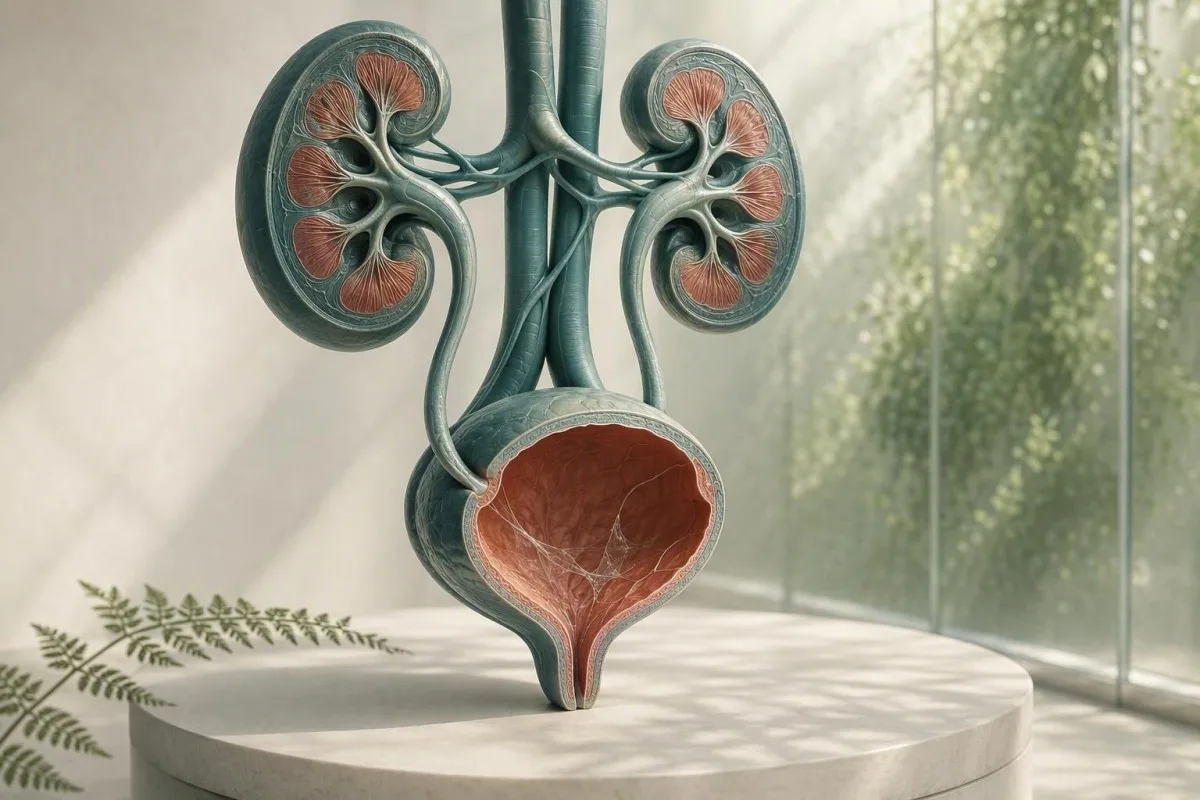
ריר בדוח מיקרוסקופיה של שתן הוא בדרך כלל בעיית איסוף, לא אבחנה. ממצאי השתן הסובבים, תסמינים ואיכות הדגימה קובעים אם יש צורך במעקב.


- חוטי ריר לבדם הם בדרך כלל לא מזיקים, במיוחד בדגימה אחת שנאספה בצורה נקייה ללא תסמיני שתן.
- סף פיוּריה (Pyuria threshold) של יותר מ-5 תאי דם לבנים לשדה ראייה גבוה תומך בדלקת בדרכי השתן אך אינו מוכיח UTI חיידקי.
- טריגר לתרבית (Culture trigger) הוא ריר בתוספת צריבה, דחיפות, חום, כאב באזור הכליה, ניטריטים, או תאי דם לבנים משמעותיים — לא ריר לבדו.
- תאי קשקש (Squamous cells) מעל בערך 10 לשדה ראייה גבוה מצביעים לעתים קרובות על זיהום מהעור הגניטלי והופכים את תוצאת השתן לפחות אמינה.
- דם נראה כאב צד קוליקטיבי מחייב הערכה דחופה לאבן, גם אם מדווחים גם על ריר.
- הריון משנה את הסף למעקב מכיוון שבאקטיריה אסימפטומטית בדרך כלל נעשה סינון באמצעות תרבית שתן, לא רק מיקרוסקופיה.
- שתן עכור יכול לשקף קריסטלים, שתן מרוכז, הפרשות וגינליות, זרע, או תאים; הוא אינו יכול לאבחן זיהום על פי המראה.
- דגימה חוזרת הגיוני כאשר ריר הוא הממצא החריג היחיד והאיסוף לא היה שטיפה אמצעית נקייה ומדויקת.
מה בדרך כלל אומרים חוטי ריר בבדיקת שתן
חוטי ריר בשתן הם בדרך כלל רצועות של הפרשה מגנה תקינה או זיהום גיניטלי, ותוצאה מבודדת לעיתים רחוקות מעידה על מחלת כליות. הממצא הופך למשמעותי כאשר הוא מופיע יחד עם תסמינים בדרכי השתן, תאי דם לבנים, חיידקים, דם, או חלבון.
מעבדות מזהות ריר כרצועות דקיקות ושקופות הנראות תחת מיקרוסקופ; דוחות רבים פשוט מדרגים אותו כנדיר, מעט, בינוני, או רבים במקום להקצות טווח התייחסות מספרי. שתן מכיל באופן טבעי כמות קטנה של חומר עשיר בגליקופרוטאין ממערכת השתן, והפרשות וגינליות או שופכתיות יכולות להוסיף יותר במהלך האיסוף.
נוסח הדוח פחות מאיים ממה שנשמע. נכון ל-26 באוגוסט 2026, אין ספירת חוטי ריר מאומתת שמבחינה בין זיהום בדרכי השתן, אבן, סרטן, או אי ספיקת כליות; זוהי תצפית מיקרוסקופית בהקשר. למפה רחבה יותר של הפריטים האחרים בדוח מקל סטיק ומיקרוסקופ, ראה שלנו מדריך מלא לבדיקת שתן.
מניסיוני הקליני, מבוגר ללא תסמינים עם ריר המסומן כ“בינוני”, 0-2 תאי דם לבנים לשדה ראייה גבוה, ניטריט שלילי, וללא דם, בדרך כלל מרוצה ביותר מהרגעה או מדגימה חוזרת שנאספה כראוי. ד"ר תומאס קליין רואה לעיתים קרובות חרדת אנטיביוטיקה מיותרת מתעוררת מכיוון שדגל מעבדתי נתפס בטעות כתווית מחלה.
Kantesti היא פלטפורמת פענוח בדיקות דם המבוססת על AI שיכולה למקם סמנים בדם הקשורים לכליות, כגון קריאטינין ו-eGFR, לצד ממצא של בדיקת שתן - אך היא אינה יכולה לאבחן זיהום בדרכי השתן מריר בלבד. תוצאה של מיקרוסקופיית שתן דורשת את הסיפור הקליני שהגיע איתה.
מדוע מעבדה מסמנת זאת
מערכות מידע מעבדתיות מסמנות ריר מכיוון שהוא נראה לעין, לא מכיוון שהמעבדה קבעה חתך מסוכן. לכן דגל פירושו “נצפה” ולא “סמן מחלה חריג”, בדומה לממצא עקבה בודד שעשוי לא לדרוש טיפול.
מאיפה מגיע ריר בדגימת שתן
ריר בשתן יכול לנבוע מהשופכה, רירית שלפוחית השתן, צוואר הרחם או הנרתיק, זרע, או עור איברי המין החיצוני במהלך איסוף. מקורו מוסק לרוב מדפוס המיקרוסקופי הנותר ולא מן הרצועות עצמן.
לשלפוחית השתן ולשופכה יש שכבת פנים מגנה המכילה מוקינים, כולל חומר הקשור לאורופלקן, המפחית חיכוך והיצמדות חיידקים. כמויות קטנות יכולות להישרף לשתן לאחר התייבשות, פעילות מינית לאחרונה, גירוי קל, או פשוט מכיוון שדגימת בוקר מרוכזת הופכת את הרצועות לקלות יותר לראות.
אצל אנשים שמקבלים מחזור או שיש להם הפרשות וגינליות, לויקוציטים וריר עשויים להיכנס לכוס מבלי לבוא משלפוחית השתן. יותר מ-10 תאי אפיתל קשקשיים לשדה ראייה גבוה מגדיל את הסבירות לזיהום, אם כי מעבדות משתמשות בספי דיווח שונים. המדריך שלנו ל תאי אפיתל בשתן מסביר מדוע זה משנה את הביטחון בתוצאה.
נוזל הזרע יכול גם ליצור חומר סיבי או עכירות במשך מספר שעות לאחר פליטת זרע. זה לא הופך את השתן לבטוח, אך זה יכול להסתיר מיקרוסקופיה; אם שוקלים תרבית, אני בדרך כלל ממליץ לאסוף דגימה חדשה לפחות 24 שעות לאחר מכן, במידת האפשר.
מדוע מין ואנטומיה משפיעים על הדוח
כוס שתן אינה מבודדת את שלפוחית השתן מרקמות סמוכות. זו הסיבה ש“ריר קיים” מדווח לעיתים קרובות יותר בדגימות עם הפרשות חיצוניות, בעוד שדגימה מקטטר משמשת לעיתים כאשר קלינאים זקוקים לתשובה נקייה יותר.
מתי חוטי ריר מצביעים על זיהום בדרכי השתן
חוטי ריר תומכים בזיהום בדרכי השתן אפשרי רק כאשר הם מלווים בתסמינים וממצאים דלקתיים אובייקטיביים, במיוחד פיוריה, חיוביות לניטריט, או תרבית משכנעת. ריר כשלעצמו אינו בדיקת זיהום בדרכי השתן.
זיהום בדרכי השתן התחתונות עם תסמינים גורם בדרך כלל לצריבה, דחיפות, תכיפות, אי נוחות סופרה-פובית, ולעיתים ריח שתן חדש. בדגימה שנאספה כראוי, יותר מ-5 תאי דם לבנים לשדה ראייה בעוצמה גבוהה נקראת לעיתים קרובות פיוריה; היא תומכת בדלקת בדרכי השתן אך יכולה להופיע גם עם אבנים, זיהומים המועברים במגע מיני, וזיהום.
ניטריט מאוד ספציפי כאשר הוא חיובי אך מחמיץ זיהומים הנגרמים על ידי אורגניזמים שאינם מפחיתים ניטראט, ותוצאת ניטריט שלילית אינה שוללת זיהום בדרכי השתן. לויקוציט אסטראז מזהה פעילות אנזים של תאי דם לבנים ויכול להיות חיובי כוזב כאשר הפרשות וגינליות מזהמות את הדגימה; ההסבר שלנו על תוצאות אסטרז לויקוציטים (leukocyte esterase) מכסה את המלכודות האלה.
הנחיות ה-IDSA ממליצות נגד סקירה או טיפול בחיידקיות אסימפטומטית במבוגרים בריאים שאינם בהריון מכיוון שאנטיביוטיקה מוסיפה נזק ללא תועלת (Nicolle et al., 2019). עיקרון זה רלוונטי במיוחד לריר: ללא צריבה, ללא חום, וללא הליך אורולוגי מתוכנן בדרך כלל פירושם ללא אנטיביוטיקה רק בגלל ששדה מיקרוסקופי נראה לא מסודר.
כאשר תרבית היא הבדיקה הטובה יותר
תרבית שתן שימושית יותר מבדיקת סטיק חוזרת כאשר תסמינים נמשכים, תסמינים חוזרים תוך 4 שבועות, הריון קיים, חשד לפיאלונפריטיס, או אנטיביוטיקה קודמת ייתכן ששינתה את התוצאה. צמיחת חיידקים מעורבת מעידה בדרך כלל על זיהום איסוף ולא על פתוגן שתן יחיד; ראה פירוש תרבית השתן.
ריר, גבישים, אבנים וגירוי מכני
ריר עם כאבי אגן גליים חמורים או דם בשתן עשוי להופיע עם אבן בדרכי השתן, אך ריר אינו מאשר ואינו שולל אבן. דם, גבישים, דפוס כאב, הדמיה, ותפקוד כליות חשובים יותר.
אבן יכולה לשרוט או לחסום את רירית דרכי השתן, וליצור תאי דם אדומים, תאי דם לבנים, וריר נוסף. התסמין הקלאסי הוא כאב קוליק פתאומי המקרין לכיוון המפשעה, לעיתים קרובות עם בחילה; שתן אדום או בצבע תה נראה מגביר את הדחיפות. קרא עוד על דם בשתן - דגלים אדומים ולא להניח שכל דגימה ורודה היא זיהום פשוט.
גבישי סידן אוקסלט יכולים להופיע אצל אנשים בריאים, במיוחד בשתן מרוכז וחומצי, כך שסוג גביש אחד אינו מוכיח אבן פעילה. אצל אדם עם כאב, אבנים חוזרות, או המטוריה מתמשכת, קלינאים עשויים להשתמש באולטרסאונד או CT ללא ניגוד במינון נמוך במקום להסתמך רק על משקע. המשאב שלנו על גבישי סידן אוקסלט מפרט את מגבלות דוחות הגבישים.
חריג חשוב הוא חסימה עם זיהום: חום של 38.0 מעלות צלזיוס או יותר, כאבי אגן, הקאות, וחוסר יכולת להעביר שתן מחייב הערכה חירום. החשש אינו הריר; זהו מערכת שתן חסומה ומזוהמת, שיכולה להידרדר במהירות.
גירוי ללא אבן
שימוש אחרון בקטטר, הליכים בשלפוחית השתן, רכיבה על אופניים נמרצת, והקרנות אגן יכולים לגרות את דרכי השתן התחתונות ולהגביר ריר או תאי דם לבנים. קלינאי צריך לפרש תוצאות אלו בהתאם לתזמון, מכיוון שדגימה שנאספה תוך 48 שעות מהחדרה אינה שקולה לדגימת סקירה שגרתית.
משמעות שתן עכור: מה מראה יכול לומר ומה לא
שתן עכור יכול להיגרם על ידי מלחים מרוכזים, גבישים, ריר, תאים, הפרשות גניטליות, או חיידקים, כך שהמראה לבדו אינו יכול לאבחן זיהום. שתן עכור אך ללא כאבים וקצר מועד הוא בדרך כלל לא דחוף.
גבישי פוספט יכולים לגרום לשתן בסיסי להיראות עכור לאחר קירורו, בעוד שגבישי חומצת שתן (urate) יכולים לעכור שתן חומצי ומרוכז. דגימה שנשארת בטמפרטורת החדר למעלה משעתיים עלולה להפוך עכורה יותר ככל שתאים מתפרקים וחיידקים מתרבים, וזו הסיבה שעיבוד טרי או קירור חשובים.
עכירות יחד עם צריבה בשתן, דחיפות ופיוריה מצדיקים בדיקה; עכירות לאחר פעילות גופנית או חוסר שתייה נוזלים משתפרת לעיתים קרובות עם שתייה רגילה. שאפו לשתן צהוב בהיר במקום לאלץ שתיית מים מופרזת - שתן צלול מאוד אינו מעיד שהכליות “שוטפות” זיהום. הסקירה המפורטת שלנו של שתן עכור - סיבות מפרידה בין רמזים חזותיים לבדיקות מהימנות.
קנטסטי הוא מנתח בדיקות דם בינה מלאכותית מיועד לפרש סמני דם בהקשר קליני; קריאטינין גבוה או eGFR מופחת לצד אנומליות בשתן עשויים להצדיק בדיקה רפואית, בעוד שעכירות שתן לבדה אינה מעידה על סינון כליות פגום. פאנל מטבולי בסיסי יכול להוסיף הקשר שימושי כאשר תסמינים מרמזים על התייבשות או חסימה.
ריח אינו תרבית
שתן בעל ריח חזק משקף לעיתים קרובות ריכוז, מטבוליטים של אספרגוס, ויטמיני B, או מיכל שנשאר זמן רב מדי. ריח רע חדש יחד עם חום או תסמינים בשתן הוא סיבה לפנות להערכה, אך הריח אינו תחליף למיקרוסקופיה ותרבית.
הפרשות גניטליות וזיהומים המועברים במגע מיני
הפרשה מדרכי השתן או מהנרתיק יכולה להיראות כמו ריר בשתן, והפרשה חדשה עם צריבה בשתן מצריכה בדיקות לבריאות מינית וכן הערכת שתן. תרבית שתן שגרתית עלולה לפספס כלמידיה וזיבה.
כלמידיה וזיבה יכולים לגרום לצריבה בשתן ולפיוריה סטרילית - תאי דם לבנים ללא גידול חיידקי שגרתי - במיוחד לאחר מגע מיני חדש. בדיקות הגברה של חומצות גרעיניות, שלעיתים קרובות משתמשות בשתן "first-catch" במקום בדגימת אמצע זרם, הן הבדיקה המתאימה מכיוון שתרבית סטנדרטית מכוונת לאורגניזמים שונים.
אצל אנשים עם נרתיק, וגינוזיס חיידקי, קנדידיאזיס ודלקת צוואר הרחם יכולים להוסיף הפרשה לכוס איסוף אמצע זרם; מטוש נרתיקי או בדיקה עשויים להיות אינפורמטיביים יותר מחזרה על מיקרוסקופיית שתן. אצל אנשים עם פין, הפרשה נראית לעין מדרכי השתן אין לזלזל בה כ“חוטי ריר”. ההבחנה המעשית היא הפרשה שנצפתה מחוץ להשתנה לעומת חוטים שדווחו רק על ידי המעבדה.
הנחיות ה-CDC משנת 2021 לטיפול במחלות מין ממליצות על בדיקות מבוססות NAAT באתרים אנטומיים רלוונטיים בהתאם להיסטוריית החשיפה, לא רק לתסמינים (Workowski et al., 2021). אם מעורבים כאבי אגן, כאבי אשכים, חום, הריון, או תקיפה אפשרית, יש לפנות לייעוץ קליני באותו יום במקום לטפל בעצמך באנטיביוטיקה שנותרה.
מדוע אנטיביוטיקה יכולה לבלבל את התמונה
נטילת מנה אחת או שתיים של אנטיביוטיקה לפני תרבית עלולה לדכא גידול חיידקי רגיל בזמן שתסמינים בשתן ותאי דם לבנים נמשכים. אמרו למטפל בדיוק באיזה תרופה, מינון וזמן נטילת מנה אחרונה השתמשתם; פרט זה משנה כיצד מפרשים תרבית שלילית.
כיצד לאסוף דגימת שתן שעונה על השאלה
דגימת אמצע זרם נקייה מפחיתה ריר, תאים קשקשיים וגידול חיידקי מעורב טוב יותר מאשר איסוף החלק הראשון או האחרון של הזרם. הטכניקה פשוטה, אך 2 השניות הראשונות עושות הבדל לא פרופורציונלי.
שטפו ידיים, הפרידו את העור הגניטלי או משכו לאחור את העורלה אם נוח, נקו לפי הוראות הערכה, התחילו להשתין לתוך האסלה, ואז אספו את החלק האמצעי מבלי שהכוס תיגע בעור. דגימה של 20–30 מ"ל היא בדרך כלל מספקת; מילוי מיכל גדול עד שפתו אינו משפר את הבדיקה.
העבירו את הכוס בהקדם, רצוי תוך שעה; אם מתעכב, קררו אותה לפי הוראות המעבדה והחזירו תוך 24 שעות. קירור מאט גידול חיידקים אך אינו משחזר דגימה שכבר זוהמה. זה חשוב במיוחד כאשר הבקשה כוללת תרבית ולא רק בדיקת סטיק.
קנטסטי הוא כלי לניתוח בדיקות דם מבוסס AI נמצא בשימוש ב-127+ מדינות, ותהליכי העבודה שלנו, שנסקרו על ידי קלינאים, מתייחסים לאיכות הדגימה כחלק מהפרשנות ולא כהערה שולית. אותו עיקרון חל על כל ערך מעבדתי: דגימה טכנית גרועה עלולה ליצור תוצאה משכנעת רפואית אך מטעה. ראו את ה- רשימת תיוג לאיכות מעבדה לשאלות שיש לשאול לפני שפועלים לפי דגל בודד.
אל תאספו במצבים אלה אם אתם יכולים לחכות
הימנעו מבדיקות שגרתיות במהלך זרימת וסת כבדה, מיד לאחר קיום יחסי מין, או לאחר שימוש בקרמים וגינליים, אלא אם הקלינאי מבקש זאת במפורש. כאשר הבדיקה אינה יכולה לחכות, הודיעו למעבדה או לקלינאי, מכיוון שהקשר זה עשוי להסביר ריר, תאי דם אדומים, או תאים חיצוניים.
כיצד קלינאים קוראים ריר יחד עם שאר בדיקת השתן
הדפוס השימושי ביותר של בדיקת שתן משלב תסמינים עם תאי דם לבנים, תאי דם אדומים, ניטריט, לויקוציט אסטראז, חלבון, גלוקוז, משקל סגולי ותאי אפיתל. ריר הוא מאפיין תומך משני בדפוס זה.
דגימה נקייה עם ריר, 0–2 תאי דם לבנים לשדה בעוצמה גבוהה (HPF), ניטריט שלילי, וללא דם, בדרך כלל אינה דורשת טיפול. ריר עם יותר מ-5 תאי דם לבנים לשדה בעוצמה גבוהה (HPF) ולויקוציט אסטראז חיובי מגביר את ההסתברות לדלקת; הוספת ניטריט או תרבית של אורגניזם יחיד מגבירה את הביטחון שהחיידקים אחראים.
חלבון דורש נתיב משלו. עקבות חלבון לאחר חום, פעילות גופנית, או שתן מרוכז עשויים להיות זמניים, אך חלבון מתמיד יש לכמת עם יחס אלבומין-קריאטינין במקום לייחס אותו לריר. המדריך שלנו ל חלבון בשתן מסביר מדוע חלבון במקלון ותרבית כליה אינם ניתנים להחלפה.
משקל סגולי של 1.003 עד 1.030 נפוץ במבוגרים, אם כי מרווחי הייחוס משתנים בין מעבדה למעבדה. משקל סגולי גבוה יכול לרכז ריר וליצור משקע הנראה דרמטי יותר, בעוד שמשקל סגולי נמוך יכול לפוצץ תאים ולגרום למיקרוסקופיה להיראות מטעה, בעוד שהמדריך שלנו ל מדריך צפיפות יחסית מראה כיצד הידרציה משפיעה על הפרשנות.
ערך הממצאים השליליים
דם, חלבון, ניטריט ולויקוציט אסטראז שליליים מורידים משמעותית את הדאגה אצל אדם ללא תסמינים, גם אם הריר מדווח כבינוני. אף בדיקה שלילית אחת אינה מושלמת, אך קבוצה זו מרגיעה יותר מאשר דאגה מדירוג ריר.
מתי לחזור על הבדיקה ומתי לבקש תרבית
חזור על דגימת שתן כאשר ריר מבודד, תאי קשקש מרמזים על זיהום, או הדגימה נלקחה בחופזה; בקש תרבית כאשר התסמינים מתמשכים, חוזרים על עצמם, חמורים, או בסיכון גבוה. בדיקה חוזרת אינה “לא לעשות דבר” – זוהי לעיתים קרובות הצעד האבחוני הבא ביותר.
עבור מבוגר שאינו בהריון ללא תסמינים ועם ריר כדגל היחיד, בדיקת שתן חוזרת בשיטה נקייה תוך 1–2 שבועות היא סבירה אם נדרשת הרגעה; קלינאים רבים לא יחזרו עליה כלל. אין לטפל בדגל מעבדתי עם אנטיביוטיקה בזמן ההמתנה אלא אם כן הרופא המרשם מזהה אינדיקציה קלינית.
תרבית לפני אנטיביוטיקה שימושית במיוחד לחום, כאבי כליות, הריון, דיכוי חיסוני, השתלת כליה, שימוש בצנתר שתן, תסמינים בדרכי השתן אצל גברים, או תסמינים שחוזרים תוך 4 שבועות. ההנחיה של גופטה ועמיתיו (2011) תומכת בתרבית בחשד לפיאלונפריטיס ובמצבים שבהם עמידות או אבחנה חלופית סבירות יותר.
יש לקרוא את ספירת התרבית יחד עם איכות הדגימה. אורגניזם בודד ב 10^5 יחידות יוצרות מושבה למיליליטר תמכו באופן מסורתי בחיידקיות בשתן אמצע-זרם נקי, אך לחולים סימפטומטיים עשויים להיות ספירות נמוכות בעלות משמעות קלינית; “צמחייה מעורבת” בדרך כלל מחייבת דגימה חדשה ולא אנטיביוטיקה רחבת טווח. השוו את מטרות בדיקת שתן ותרבית לפני שאתם מבקשים כל אחד מהם.
הריון דורש סף שונה
הריון הוא חריג מכיוון שחיידקיות אסימפטומטית עלולה להגביר את הסיכון לפיאלונפריטיס ותוצאי הריון שליליים. מעקב הריון משתמש בדרך כלל בתרבית סינון מוקדם בהריון; ריר במיקרוסקופיה אינו יכול להחליף תרבית זו.
מתי בדיקות דם מוסיפות הקשר שימושי לכליות ולזיהומים
בדיקות דם שימושיות כאשר ריר בשתן מופיע יחד עם חום, כאב באזור הכליה, זיהומים חוזרים, נפיחות, ירידה בתפוקת השתן, או חלבון או דם מתמשכים. קריאטינין ו-eGFR מעריכים סינון, בעוד CBC וחלבון CRP עשויים לעזור לשפוט מחלה מערכתית.
eGFR מתחת ל- 60 mL/min/1.73 m² למשך לפחות 3 חודשים עומד בקריטריון אחד למחלת כליות כרונית, אך תוצאה נמוכה בודדת במהלך התייבשות או מחלה חריפה אינה מספיקה כדי לאבחן זאת. קריאטינין מושפע ממסת שריר, תזונה, וכמה תרופות, כך שמגמות ואלבומין בשתן לעיתים קרובות אינפורמטיביות יותר ממספר אחד.
ספירת תאי דם לבנים מוגברת או CRP יכולים לתמוך בתהליך דלקתי אך אינם יכולים לזהות את דרכי השתן כמקור. באדם חם עם כאב באזור הכליה, קלינאים עשויים לבדוק קריאטינין לפני בחירת הדמיה או תרופות, במיוחד אם הקאות או חסימה עלולים לפגוע בתפקוד הכליות. סקור אחר שלבי מחלת כליות כרונית עבור קטגוריות ה-eGFR והאלבומין שהקלינאים משתמשים בהן.
קנטסטי הוא שירות פרשנות בדיקות מעבדת ה-AI שמדגיש דפוסים על פני קריאטינין, eGFR, אלקטרוליטים, CBC, וסמנים דלקתיים במקום לטפל בריר בודד כאל אבחנת כליה. המתודולוגיה שלנו כפופה ל פיקוח אימות קליני, אך סימפטומים דחופים עדיין דורשים טיפול רפואי ישיר, לא פרשנות מבוססת אפליקציה.
הבחנה מעשית של התייבשות
התייבשות יכולה להעלות את הכבידה הסגולית של השתן ולהגביר זמנית את הקריאטינין, במיוחד לאחר שלשולים, חשיפה לחום, או פעילות גופנית אינטנסיבית. תפוקת שתן נמוכה מתמשכת, סחרחורת, או ירידה ב-eGFR לאחר התייבשות מחייבת הערכה קלינית ולא בדיקות ביתיות חוזרות.
סימני אזהרה דחופים שלא צריכים לחכות לבדיקה חוזרת
פנו להערכה דחופה באותו היום עבור ריר בשתן עם חום של 38.0°C או יותר, כאב באזור הכליה, הקאות, דם נראה לעין, חוסר יכולת להשתין, בלבול, או תסמינים שתן הקשורים להריון. שילובים אלו משמעותיים מכיוון שהם יכולים לאותת על זיהום בדרכי השתן העליונות, חסימה, או מצב חריף אחר.
חום בתוספת כאב חד-צדדי בגב או באזור הכליה מעורר יותר חשש לפיאלונפריטיס מאשר דלקת שלפוחית פשוטה, במיוחד עם צמרמורות רועדות או הקאות. טיפול מושהה עלול להוביל להתייבשות, אלח דם, או לחץ כלייתי; דגימת שתן שנראית תקינה בבית אינה שוללת זאת בבטחה.
יש להעריך דם נראה לעין גם כאשר זיהום בדרכי השתן נראה סביר, במיוחד לאחר גיל 35, אצל מעשנים, או אם הדימום נמשך לאחר שהקלה סימפטומים הזיהום. ההנחיה של AUA למיקרוהמטוריה ממליצה על הערכה מבוססת סיכון לאחר שהוסברו הסברים שפירים (Barocas et al., 2020); דם מתמשך אינו מוסבר על ידי ריר.
ילדים, מבוגרים מעל גיל 65, אנשים עם סוכרת, אנשים הנוטלים תרופות מדכאות חיסון, ואלו עם כליה יחידה ראויים לסף הערכה נמוך יותר. כלל הנוהג של ד"ר תומאס קליין פשוט: אם הסימפטומים מחמירים לאורך 6–12 שעות, אל תחכו לכוס שנייה כדי לספק הרגעה.
התקשרו לשירותי חירום כעת במקרה של מחלה קשה
התקשרו לשירותי חירום במקרה של בלבול חדש, עילפון, חולשה קשה, שפתיים כחולות או אפורות, קוצר נשימה חמור, או חוסר יכולת להכניס נוזלים יחד עם תסמיני שתן. אלו הם סימני סכנה מערכתיים, לא תסמיני UTI שגרתיים.
ריר בשתן בהריון, בילדות ובגיל מאוחר יותר
הריון, ילדים ומבוגרים צריכים פרשנות זהירה יותר מכיוון שזיהום נפוץ אך ההשלכות של זיהום שלא אובחן יכולות להיות גדולות יותר. תסמינים ואיכות תרבית נשארים בעלי ערך רב יותר מדרגת הריר בכל קבוצת גיל.
במהלך ההריון, תכיפות במתן שתן יכולה להיות נורמלית, מה שהופך את התסמינים לפחות ספציפיים; חום, דיסוריה (צריבה במתן שתן) או כאבי גב צריכים להוביל להערכה מיידית מיילדותית או קלינית. תרבית סקר נלקחת בדרך כלל מוקדם בטיפול טרום לידתי, ותרבית חוזרת עשויה לשמש לאחר טיפול בהתאם לתוכנית הרופא.
אצל ילדים, שתן שנאסף בשקית נוטה לזיהום ובדרך כלל אין להשתמש בו לבד לאבחון דלקת בדרכי השתן (UTI) עם תרבית. ייתכן שיידרש דגימת שתן מצנתר או דגימה נקייה שהושגה בקפידה כאשר לילד צעיר יש חום ללא מקור ברור; ריר בדגימת שקית הוא בלתי ספציפי במיוחד.
בחיים המאוחרים, בקטריוריה (חיידקים בשתן) ופיוריה (מוגלה בשתן) הופכות נפוצות יותר מבלי לגרום לתסמינים. דליריום חדש לבדו צריך להפעיל הערכה רפואית רחבה להתייבשות, תרופות, כאב, עצירות ומקורות זיהום ולא טיפול אוטומטי ב-UTI; אותה איפוק שהומלץ על ידי Nicolle et al. (2019) חל.
שינויים הקשורים למחזור החודשי והורמונים
דם וריר צווארי מהמחזור החודשי יכולים לשנות את בדיקת השתן למספר ימים, ויובש וגינלי לאחר גיל המעבר יכול לגרום לגירוי מקומי הדומה לצריבה בשתן. אם התוצאות והתסמינים אינם תואמים, הרופא עשוי להעריך סיבות גינקולוגיות במקום לרשום טיפול חוזר ב-UTI.
טעויות נפוצות לאחר ראיית ריר בדוח מעבדה
אין להתחיל אנטיביוטיקה שנותרה, לנקות פנימית, או לנסות “לשטוף” ריר על ידי צריכת מים מוגזמת לאחר בדיקת שתן אחת שנראית לא תקינה. פעולות אלו עלולות להסתיר תרבית, לשבש פלורה תקינה, או לעכב את האבחנה הנכונה.
אנטיביוטיקה שניטלה ללא תרבית עלולה לגרום לבדיקה עוקבת שלילית באופן כוזב ולגרום לשלשול, פריחה, תסמיני פטריה, או עמידות. אם התסמינים קלים אך מתמידים, קחו את הדגימה תחילה ככל שניתן, ואז עקבו אחר תוכנית הטיפול של הרופא בהתבסס על התמונה הכוללת.
מוצרי חמוציות עשויים להפחית במתינות את הסיכון ל-UTI פשוט חוזר אצל אנשים מסוימים, אך הם אינם מטפלים בחום, כאבי אגן, או דלקת במערכת השתן העליונה מאומתת. הימנעו ממינון גבוה של ויטמין C כטיפול עצמי: הוא יכול לשנות חלק מתגובות בדיקת הסטיק (dipstick) ועשוי להעלות את עומס האוקסלט אצל אנשים הנוטים לאבני סידן אוקסלט.
אל תבדוק שוב ושוב את אסלת הקערה עבור גדילים. סיבי נייר טואלט, שאריות ניקוי, הפרשות מן הגניטליה, וטורבולנציית מים יכולים לחקות ריר; דגימה מעבדתית שנאספה במיכל סטרילי היא המקום המתאים להערכתה. לשינויי צבע קשורים, שלנו לצבע השתן מציע הקשר ויזואלי אמין יותר.
רשימת התרופות חשובה
פנאזופירידין יכול לצבוע את השתן בכתום ולהפריע לפרשנות ויזואלית, בעוד שמשתנים יכולים לרכז או לדלל שתן בהתאם לתזמון. הביאו רשימה של תרופות מרשם, מוצרים ללא מרשם, ותוספים לפגישה, כולל מינונים ב-mg.
תוכנית מעקב מעשית לחוטי ריר בשתן
רוב האנשים עם חוטי ריר בשתן וללא תסמינים אינם זקוקים לטיפול; בדיקת שתן חוזרת זהירה סבירה אם הדגימה הייתה מוטלת בספק. תסמינים או חריגות נלוות קובעים אם תרבית, בדיקת STI (זיהום המועבר במגע מיני), הדמיה, או בדיקות דם מתאימים.
שלב 1: בדקו צריבה, דחיפות, חום, כאבי אגן, דם נראה לעין, הפרשות, הריון, הליכים בדרכי השתן אחרונים, וחשיפה מינית חדשה. שלב 2: קראו את הדו"ח עבור תאי דם לבנים, ניטריט, לויקוציט אסטראז, תאי דם אדומים, חלבון, חיידקים, ותאי קשקש—לא רק ריר.
שלב 3: אם אתם מרגישים טוב והריר מבודד, אספו דגימת אמצע זרם נקייה בתוך 1-2 שבועות רק אם הרופא שלכם ממליץ על אישור. שלב 4: אם תסמינים קיימים, שאלו אם יש לאסוף תרבית שתן לפני טיפול והאם בדיקת STI רלוונטית; אפיזודות חוזרות ראויות לבחינה יסודית יותר מאשר אנטיביוטיקה אמפירית שלישית.
Kantesti יכול לארגן מגמות ותשאולים רלוונטיים לתוצאות דם לפגישה רפואית, בעודנו המועצה המייעצת הרפואית תומך בסטנדרטים של בטיחות בהובלת רופא.
שאלות להבאת לפגישה שלכם
שאלו אם הדגימה הכילה תאים קשקשיים, האם התרבית גידלה אורגניזם אחד או פלורה מעורבת, והאם דם או חלבון נותרו לאחר שהתסמינים חלפו. 3 שאלות אלה מניבות לעתים קרובות תשובות שימושיות יותר מאשר שאלה כמה ריר נצפה.
הקשר מחקרי ומגבלות דיווח על ריר
דירוג ריר אינו סטנדרטי בין מעבדות, וזו הסיבה שהקלינאים צריכים להימנע מלהשתמש ב“מעט”, “בינוני” או “הרבה” כקטגוריות חומרת מחלה. טכניקת המיקרוסקופיה, גיל הדגימה ותוכנת הדיווח יכולים כולם לשנות את הניסוח.
מעבדות מסוימות בודקות ידנית משקעים לאחר צנטריפוגה של כ-10-15 מ“ל שתן, בעוד שאחרות משתמשות בניתוח חלקיקים אוטומטי עם בדיקה ידנית של דגלים נבחרים. וריאציה זו פירושה שתוצאת ”ריר בינוני" ממעבדה אחת עשויה שלא לשחזר בדיוק במעבדה אחרת גם כאשר מצבו הבריאותי של האדם ללא שינוי.
תפיסה מעבדתית שימושית היא לשאול האם תוצאה היא אמיתית מבחינה אנליטית, בעלת משמעות קלינית וניתנת לשחזור. גישה זו מוכרת גם מבדיקות דם: מדריך סמני דם מסבירה מדוע מרווחי ייחוס ותנאים טרום-אנליטיים קובעים אם סמן שסומן מצדיק פעולה.
Kantesti AI משתמש בהקשר מעבדתי מובנה כדי להסביר דפוסי תוצאות על פני פאנלים עיקריים, אך מיקרוסקופיית שתן עדיין דורשת שיקול דעת קליני ספציפי למקור. עבור קוראים המתעניינים כיצד אנו מעריכים ביצועים טכניים וגבולות קליניים, שלנו מדריך טכנולוגיית בינה מלאכותית מתאר את מנגנוני ההגנה מאחורי הגישה הפרשנית שלנו.
מה דוח טוב אמור להבהיר
דוח שימושי מזהה את סוג הדגימה, תאריך איסוף, אלמנטים מיקרוסקופיים, וכל אורגניזם תרבית ותוצאות רגישות כאשר מתבצעת תרבית. אם הדוח אומר רק “חוטי ריר נוכחים”, הוא אינו שלם לאבחון אך לעתים קרובות מספיק לחלוטין לממצא מקרי בסיכון נמוך.
שאלות נפוצות
האם חוטים של ריר בשתן זה תקין?
חוטי ריר בשתן הם לעיתים תקינים או נובעים מזיהום מהפרשות גניטליות, במיוחד כאשר לאדם אין תסמינים בדרכי השתן. ממצא מבודד עם 0–2 תאים לבנים לשדה כוח גבוה, ניטריט שלילי, וללא דם או חלבון הוא בדרך כלל בסיכון נמוך. מעבדות אינן משתמשות במספר מvalidated של חוטי ריר כדי לאבחן דלקת בדרכי השתן (UTI) או מחלת כליות. דגימת אמצע זרם נקייה חוזרת היא סבירה אם איסוף הדגימה המקורי נעשה בחופזה או היה מזוהם באופן נראה לעין.
האם הופעת חוטים של ריר בשתן מעידה על זיהום בדרכי השתן?
חוטי ריר בשתן בפני עצמם אינם מעידים על דלקת בדרכי השתן. דלקת בדרכי השתן הופכת סבירה יותר כאשר צריבה, דחיפות, תכיפות, חום או כאב על-חיקי מופיעים יחד עם יותר מ-5 תאי דם לבנים לשדה כוח גבוה (high-power field), אסטראז לויקוציטים חיובי, ניטריט, או תרבית חיובית. ניטריט שלילי אינו שולל לחלוטין דלקת בדרכי השתן מכיוון שלא כל החיידקים מייצרים ניטריט. תרבית בדרך כלל אינפורמטיבית יותר מדרגת ריר כאשר התסמינים נמשכים או חוזרים.
האם התייבשות יכולה לגרום לריר בשתן?
התייבשות יכולה להפוך את הריר לקל יותר לראות מכיוון שלשתן מרוכז יש פחות מים סביב הפרשות ומשקעים רגילים. משקל סגולי גבוה של השתן, בדרך כלל סביב 1.025–1.030, עשוי ללוות אפקט זה, אם כי הוא אינו מוכיח התייבשות בפני עצמו. התייבשות מחדש כרגיל וחזרה על דגימה שנאספה כראוי יכולה להבהיר את הממצא. צריכת מים קיצונית אינה הכרחית ויכולה ליצור סיכוני אלקטרוליטים משלה.
מה משמעותם ריר ותאי דם לבנים בשתן?
ריר יחד עם תאי דם לבנים בשתן מרמז על דלקת בדרכי השתן או בדרכי המין, אך אינו מוכיח זיהום חיידקי. יותר מ-5 תאים לבנים לשדה ראייה גבוה יכולים להופיע עם דלקת בדרכי השתן (UTI), אבנים, זיהומים המועברים במגע מיני, זיהום וגינלי, או צנתור שתן אחרון. סימפטומים, ניטריט, תאי אפיתל ותוצאות תרבית קובעים את הצעד הבא. חום של 38.0 מעלות צלזיוס או יותר עם כאבי מותניים מחייבים הערכה דחופה.
האם הפרשות נרתיקיות יכולות לגרום לריר בבדיקת שתן?
הפרשות וגינליות יכולות להיכנס לדגימת שתן אמצע-זרם ולגרום לעיתים קרובות להופעת ריר, תאי אפיתל שטוחים, ולעיתים תאי דם לבנים במיקרוסקופיה. יותר מ-10 תאי אפיתל שטוחים לשדה ראייה בעוצמה גבוהה (high-power field) מגבירים לרוב את הסבירות לזיהום, אם כי מעבדות שונות בדיווחן. דגימה מדויקת של "תפיסה נקייה" (clean-catch) שנאספת מחוץ לתקופת דימום וסתי כבד יכולה להפחית בעיה זו. אם קיימות הפרשות, גירוד, ריח או כאבים באגן, הערכה וגינלית או משטח יכולים להיות שימושיים יותר מתרביות שתן חוזרות.
מתי עליי לדאוג לגבי ריר ודם בשתן?
סיבי ריר עם דם נראה בשתן יש להעריך באופן מיידי, במיוחד כאשר הדם נמשך, יש כאבי מותניים, קרישי דם, חום או קושי במתן שתן. אבן, דלקת בדרכי השתן, פציעה, מחלת כליות, או באופן פחות נפוץ גידול בדרכי השתן, יכולים לגרום לדם; ריר אינו מזהה איזו סיבה קיימת. ה-AUA ממליץ על הערכה מבוססת סיכון להמטוריה מיקרוסקופית מתמשכת לאחר טיפול בגורמים זמניים. הערכה דחופה מתאימה לחום, הקאות, כאב חמור או אצירת שתן.
קבל ניתוח בדיקות דם מבוסס בינה מלאכותית כבר היום
הצטרף ליותר מ-2 מיליון משתמשים ברחבי העולם שסומכים על Kantesti לצורך ניתוח מיידי ומדויק של בדיקות מעבדה. העלה את תוצאות בדיקות הדם שלך וקבל פרשנות מקיפה של ביומרקרים של 15,000+ בתוך שניות.
📚 פרסומי מחקר עם הפניות
Klein, T., Mitchell, S., & Weber, H. (2026). טווח תקין של aPTT: מדריך לקרישת דם D-דימר וחלבון C. מחקר רפואי של Kantesti בינה מלאכותית.
Klein, T., Mitchell, S., & Weber, H. (2026). מדריך חלבונים בסרום: בדיקת דם לגלובולינים, אלבומין ויחס A/G. מחקר רפואי של Kantesti בינה מלאכותית.
📖 הפניות רפואיות חיצוניות
⚕️ הצהרת אחריות רפואית
מאמר זה מיועד למטרות חינוכיות בלבד ואינו מהווה ייעוץ רפואי. תמיד יש להתייעץ עם גורם מוסמך בתחום הבריאות לצורך החלטות אבחון וטיפול.
אותות אמון E-E-A-T
הִתנַסוּת
סקירה קלינית בהובלת רופא של תהליכי עבודה לפענוח בדיקות מעבדה.
מוּמחִיוּת
רפואה מעבדתית מתמקדת באופן שבו סמנים ביולוגיים מתנהגים בהקשר קליני.
סמכותיות
נכתב על ידי ד״ר תומאס קליין, עם סקירה על ידי ד״ר שרה מיטשל ופרופ׳ ד״ר האנס וובר.
אֲמִינוּת
פרשנות מבוססת-ראיות עם מסלולי המשך ברורים כדי להפחית בהלה.