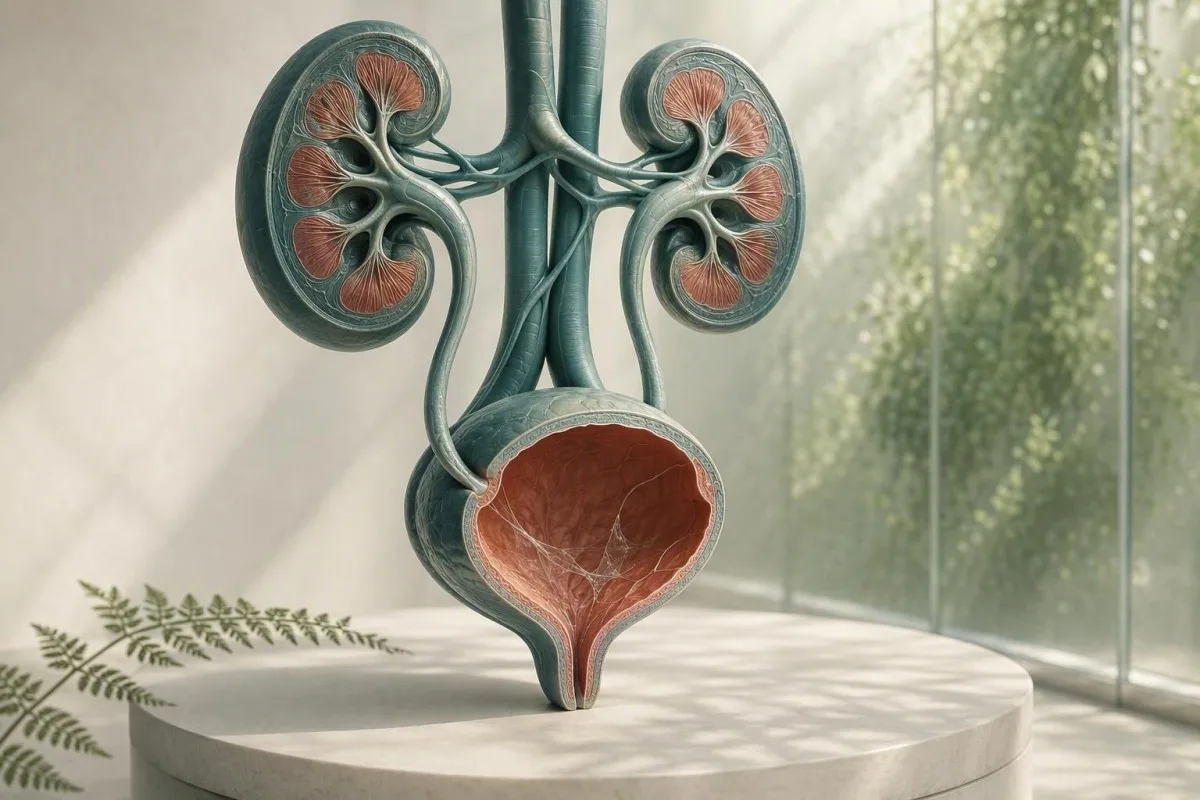
Зәр микроскопиясы есебіндегі шырыш әдетте жинау мәселесі болып табылады, диагноз емес. Зәрді талдаудың қорытындылары, симптомдары және сынаманың сапасы оны әрі қарай тексеру қажет пе, жоқ па, соны анықтайды.


- Mucus threads бір өзі, әсіресе бір реткі таза сынамада және зәр жолдарында симптомдар болмаған жағдайда, әдетте зиянсыз.
- Pyuria threshold жоғары қуатты өріске 5-тен астам ақ қан жасушасының болуы зәр шығару жолдарының қабынуын қолдайды, бірақ бактериалды ЖЗҚ-ны дәлелдемейді.
- Culture trigger шырыш және жану, шұғыл зәр шығару, қызба, бүйрек аймағындағы ауырсыну, нитриттер немесе елеулі ақ жасушалар—тек шырыш емес.
- Squamous cells жоғары қуатты өріске шамамен 10-нан асса, жыныс-терінің ластануын білдіреді және зәр нәтижесін аз сенімді етеді.
- Көзге көрінетін қан бүйірдегі шаншумен ішек ауруы бар адамды тас үшін тез арада тексеру қажет, егер кілегей де байқалса да.
- Жүктілік бақылау шегін өзгертеді, өйткені симптомы жоқ бактериурия әдетте зәрді тек микроскопиямен емес, зәр дақылымен скринингтен өткізеді.
- Бұлтты несеп кристалдарды, концентрленген зәрді, қынаптық бөліністерді, шәуетті немесе жасушаларды көрсете алады; ол көрінісі бойынша инфекцияны анықтай алмайды.
- Қайта үлгі алу кілегей жалғыз ерекше нәтиже болғанда және үлгіні абайлап орта ағынмен жинамағанда мағыналы.
Зәрді талдаудағы шырыш жіптерінің әдеттегі мағынасы
Зәрдегі кілегей жіптері әдетте қалыпты қорғаныс секрециясының немесе жыныс жолдарының ластануының жолақтары болып табылады, ал оқшауланған нәтиже сирек бүйрек ауруын көрсетеді. Нәтиже зәр шығару симптомдарымен, ақ жасушалармен, бактериялармен, қанмен немесе ақуызбен бірге пайда болғанда мағыналы болады.
Зертханалар кілегейді микроскоп астында көрінетін жіңішке, мөлдір жолақтар ретінде анықтайды; көптеген есептер сандық анықтамалық диапазонды тағайындаудан гөрі, оны сирек, аз, орташа немесе көп деп бағалайды. Зәрде табиғи түрде зәр шығару жолдарынан алынған гликопротеинге бай материалдың аз мөлшері болады, ал қынаптық немесе уретральды бөліністер оны жинау кезінде көбірек қосуы мүмкін.
Есептің сөздері дыбысталатындай қорқынышты емес. 2026 жылдың 26 тамызындағы жағдай бойынша, ЖІБ, тасты, қатерлі ісікті немесе бүйрек жеткіліксіздігін анықтайтын валидацияланған кілегей жіптерінің саны жоқ; бұл контекстік микроскопиялық байқау. Сынақ жолағы мен микроскоп есебіндегі басқа элементтердің кең картасы үшін біздің зәр анализіне арналған толық нұсқаулық.
Менің клиникалық тәжірибемде, “орташа” деп белгіленген кілегейі, жоғары қуатты өріске 0-2 ақ жасуша, теріс нитрит және қан жоқ, симптомы жоқ ересек адамға әдетте сендіру немесе бір рет дұрыс жиналған қайталама үлгі беріледі. Доктор Томас Клейн кейде зертханалық белгіні ауру белгісімен шатастыру салдарынан қажетсіз антибиотиктерге алаңдаушылық туындайтынын жиі көреді.
Kantesti - бұл креатинин мен eGFR сияқты бүйрекке қатысты қан маркерлерін зәр талдауының нәтижесімен қатар қоя алатын AI қан талдауы нәтижесі платформасы, бірақ ол тек кілегейден ЖІБ-ді анықтай алмайды. Зәр микроскопиясы нәтижесі онымен бірге келген клиникалық әңгімені қажет етеді.
Неліктен зертхана оны белгілейді
Зертханалық ақпарат жүйелері кілегейді визуалды түрде бар болғандықтан белгілейді, зертхана қауіпті шекті белгілегендіктен емес. Сондықтан белгі “байқалды” дегенді білдіреді, “аурудың қауіпті маркері” емес, әсіресе оқшауланған іздік нәтиже емді қолдануды талап етпеуі мүмкін.
Зәр үлгісіндегі шырыш қайдан келеді
Зәрдегі кілегей уретрадан, қуық қабығынан, жатыр мойнынан немесе қынаптан, шәуеттен немесе жинау кезінде сыртқы жыныс терісінен пайда болуы мүмкін. Оның көзі әдетте жіптердің өзінен емес, микроскопиялық үлгінің қалған бөлігінен шығарылады.
Қуық пен уретрада үйкелісті және микробтық жабысуды азайтатын уроплакинмен байланысты материалды қоса алғанда, гликопротеиндерді қамтитын қорғаныс беткі қабаты бар. Құрғаудан, жақында жыныстық қатынастан, аз тітіркенуден кейін немесе концентрленген таңертеңгі үлгі жіптерді көруді жеңілдететіндіктен, аз мөлшерде зәрге түсуі мүмкін.
Етеккірі келетін немесе қынаптық бөліністері бар адамдар үшін лейкоциттер мен кілегей қуықтан келмей стақанға түсуі мүмкін. 10-дан астам жоғары қуатты өріске қалбырлы эпителий жасушалары ластану ықтималдығын арттырады, дегенмен зертханалар әртүрлі есеп беру шектерін пайдаланады. Біздің нұсқаулығымыз зәрдегі эпителий жасушалары неге бұл нәтижеге сенімділікті өзгертетінін түсіндіреді.
Несеп шыққаннан кейін бірнеше сағат ішінде шәует жіп тәрізді зат немесе тұнба түзуі мүмкін. Бұл несепті қауіпті етпейді, бірақ микроскопияны қиындатуы мүмкін; егер егінді қарастырып жатсаңыз, мүмкіндік болса, 24 сағаттан кейін жаңа үлгі алуды ұсынамын.
Неліктен жыныс және анатомия есепке әсер етеді
Несеп шыныаяғы қуықты жақын маңдағы тіндерден оқшауламайды. Сондықтан “шырыш бар” сыртқы секрециялары бар үлгілерде жиірек хабарланады, ал клиникалық дәрігерлер таза жауап алғысы келгенде катетерленген үлгі кейде қолданылады.
Қашан шырыш жіптері зәр шығару жолдарының инфекциясына сілтейді
Шырыш жіптері ЖТБ-ны тек симптомдармен және объективті қабыну белгілерімен, әсіресе пиуриямен, нитрит оң нәтижесімен немесе сенімді егінмен бірге болғанда ғана қолдайды. Шырыш ЖТБ тесті емес.
Симптоматикалық төменгі ЖТБ әдетте күйдіру, шұғыл сезіну, жиі несеп шығару, қуық асты ауыруы және кейде жаңа несеп иісін тудырады. Дұрыс жиналған үлгіде, жоғары қуатты өрістегі 5-тен артық ақ қан жасушалары жиі пиурия деп аталады; ол зәр шығару жолдарының қабынуын қолдайды, бірақ тастармен, жыныстық жолмен берілетін инфекциялармен және ластанумен де пайда болуы мүмкін.
Нитрит оң болғанда өте ерекше, бірақ нитратты тотықсыздандырмайтын организмдерден туындаған инфекцияларды өткізіп алады, ал теріс нитрит нәтижесі ЖТБ-ны жоққа шығармайды. Лейкоцит эстеразасы ақ жасушалардың ферменттік белсенділігін анықтайды және қынап секрециясы үлгіні ластағанда жалған оң болуы мүмкін; біздің түсіндірмеміз лейкоцит эстеразасы нәтижелері осы тұзақтарды қамтиды.
IDSA нұсқаулығы antibiotics әдеттегідей емес, пайда әкелмейтіндіктен, дені сау жүкті емес ересектерде симптоматикалық бактериурияны скринингтен өткізуге немесе емдеуге қарсы кеңес береді (Nicolle et al., 2019). Бұл қағидат шырышқа әсіресе қатысты: күйдіру жоқ, қалтырау жоқ және жоспарланған урологиялық процедура жоқ, әдетте микроскопиялық өріс шатқалды көрінгені үшін антибиотик жоқ.
Егін жақсы тест болғанда
Симптомдар сақталса, 4 апта ішінде симптомдар қайталанса, жүктілік болса, пиелонефрит күдікті болса немесе бұрынғы антибиотиктер нәтижені өзгерткен болуы мүмкін болса, несеп егіні қайтадан тесттен артық. Көптеген бактериялық өсу әдетте жинаудың ластануын білдіреді, бір зәр патогенін емес; қараңыз несеп культурасын түсіндіру.
Шырыш, кристалдар, тастар және механикалық тітіркену
Қатты толқын тәрізді бүйрек ауруымен немесе несептегі қанмен бірге шырыш зәр тасымен бірге пайда болуы мүмкін, бірақ шырыш тасты растамайды да, жоққа шығармайды. Қан, кристалдар, ауырсыну үлгісі, бейнелеу және бүйрек қызметі маңыздырақ.
Тас несеп жолдарын тырнап немесе бітеп тастауы мүмкін, нәтижесінде эритроциттер, лейкоциттер және қосымша шырыш пайда болады. Классикалық симптом - кенеттен пайда болатын, шапқа қарай тарайтын шаншу ауыруы, көбінесе жүрек айнуымен; көрінетін қызыл немесе шай түстес несеп шұғыл қажеттілікті арттырады. Қосымша ақпаратты қараңыз қанның несепте болуының қызыл белгілері кез келген қызғылт үлгіні қарапайым инфекция деп есептегенше.
Кальций оксалат кристалдары әсіресе концентрленген қышқыл несепте дені сау адамдарда пайда болуы мүмкін, сондықтан бір кристал түрі белсенді тасты дәлелдемейді. Ауырсынуы, қайталанатын тастары немесе тұрақты гематуриясы бар адамда клиникалық дәрігерлер тек тұнбаға сенгенше, ультрадыбыстық немесе төмен дозалы контрастсыз КТ қолдануы мүмкін. Біздің ресурста кальций оксалат кристалдарына арналған нұсқаулықта кристалл есептерінің шектеулері туралы толық мәлімет берілген.
Бір маңызды ерекшелік - инфекциямен бітелу: 38,0°C немесе жоғары қалтырау, бүйрек шаншуы, құсу және несеп шығара алмау шұғыл бағалауды талап етеді. Мәселе шырыш емес; бұл инфекцияланған бітелген зәр шығару жүйесі, ол тез нашарлауы мүмкін.
Тассыз тітіркену
Катетерді жақында қолдану, қуық процедуралары, қарқынды велосипед тебу және жамбас сәулеленуі төменгі жолды тітіркендіріп, шырыш немесе лейкоциттерді арттыруы мүмкін. Клиникалық дәрігер бұл нәтижелерді уақытпен салыстырып бағалауы керек, өйткені аспаптық процедурадан кейін 48 сағат ішінде алынған үлгі кәдімгі скрининг үлгісіне тең емес.
Зәрдің тұнбалануының мағынасы: қандай көрініс сізге айта алады және айта алмайды
Тұнбалы несеп концентрленген тұздар, кристалдар, шырыш, жасушалар, жыныс бөліністері немесе бактериялармен туындауы мүмкін, сондықтан сыртқы түрі инфекцияны диагностикалай алмайды. Тұнбалы, бірақ ауырмайтын және қысқа мерзімді несеп әдетте шұғыл емес.
Фосфат кристалдары салқындағаннан кейін сілтілі зәрді ашық етуі мүмкін, ал қышқылды концентрленген зәрді қышқылды кристалдар бұлтты етеді. 2 сағаттан астам уақыт бойы бөлме температурасында қалдырылған үлгі жасушалар ыдырап, бактериялар көбейген сайын бұлттылығы көбейуі мүмкін, сондықтан жаңа өңдеу немесе тоңазыту маңызды.
Ашықтық, зәр шығару кезіндегі ауырсыну, шұғыл зәр шығару және пиурия тестілеуге лайық; жаттығудан кейінгі немесе жеткіліксіз су ішуден кейінгі ашықтық әдеттегі суланумен жақсарады. Зәрді әсіресе су ішуден гөрі, бозғылт сары түске ие болуға тырысыңыз - өте мөлдір зәр бүйректің инфекцияны “тазалап” жатқанын білдірмейді. Біздің егжей-тегжейлі шолуымыз Зәрдің тұнбалану себептері көру нұсқауларын сенімді тесттерден бөледі.
Кантести - бұл AI қан анализінің анализаторы клиникалық контекстте қан маркерлерін түсіндіруге арналған; зәр аномалияларымен қатар креатининнің жоғарылауы немесе eGFR-тің төмендеуі медициналық қарауды талап етуі мүмкін, ал тек бұлтты зәр бүйрек сүзгісінің бұзылғанын анықтамайды. Құрғау немесе бітелу белгілері байқалса, негізгі метаболикалық панелі пайдалы контекст бере алады.
Иіс мәдениет емес
Қатты иісті зәр көбінесе концентрацияны, аспарагус метаболиттерін, B дәрумендерін немесе тым ұзақ тұрған контейнерді көрсетеді. Қызу немесе зәр симптомдары бар жаңа жағымсыз иіс бағалау іздеуге себеп болады, бірақ иіс микроскоп пен мәдениетті алмастыра алмайды.
Жыныс бөліністері және жыныстық жолмен берілетін инфекциялар
Уретральды немесе қынаптық бөлініс зәрдегі шырышқа ұқсас болуы мүмкін, ал зәр шығару кезіндегі күйдірумен бірге жаңа бөлініс жыныстық денсаулықты тексеруді, сондай-ақ зәрді бағалауды талап етеді. Қалыпты зәр мәдениеті хламидия мен гонореяны жіберіп алуы мүмкін.
Хламидия мен гонорея, әсіресе жаңа жыныстық қатынастан кейін, дизурия мен стерильді пиурияға - қалыпты бактериялық өсусіз ақ жасушаларға - себеп болуы мүмкін. Стандартты мәдениет әр түрлі ағзаларды бағыттайтындықтан, нуклеин қышқылының амплификациялық тестілеуі, көбінесе орта ағын үлгісінен гөрі, бірінші нәтиже зәрді пайдаланады, бұл тиісті тест болып табылады.
Қынабы бар адамдарда бактериалды вагиноз, кандидоз және жатыр мойнының қабынуы орта ағын стақанына бөлініс қосуы мүмкін; қынаптық тампон немесе тексеру зәр микроскопиясын қайталаудан гөрі ақпараттырақ болуы мүмкін. Мүшесі бар адамдарда көрінетін уретральды бөлініс “шырыш жіптері” ретінде елемеуге болмайды. Практикалық айырмашылық - зәр шығарудан тыс байқалатын бөлініс, ал зертхана ғана хабарлаған жіптер.
2021 жылғы CDC ЖЖИ емдеу нұсқаулығы симптомдарға ғана емес, экспозиция тарихына сәйкес тиісті анатомиялық сайттардағы NAAT-негізделген тестілеуді ұсынады (Workowski et al., 2021). Егер жамбас ауырсынуы, ұма ауырсынуы, қызу, жүктілік немесе зорлық-зомбылық болса, қалған антибиотиктермен өзін-өзі емдеуден гөрі, сол күнгі клиникалық кеңес іздеңіз.
Антибиотиктер суретті қалай шатастыруы мүмкін
Мәдениетке дейін тіпті 1 немесе 2 антибиотик дозасын қабылдау, зәр симптомдары мен ақ жасушалар сақталған кезде, қалыпты бактериялық өсуді басуы мүмкін. Клиницистке дәл қандай дәрі, доза және соңғы доза уақыты қолданылғанын айтыңыз; бұл мәліметтері теріс мәдениетті түсіндіруді өзгертеді.
Сұраққа жауап беретін зәр үлгісін қалай жинауға болады
Орта ағынды таза жинау, бірінші немесе соңғы ағынды жинаудан гөрі, шырышты, жазық жасушаларды және аралас бактериялық өсуді жақсырақ азайтады. Техника қарапайым, бірақ алғашқы 2 секунд ерекше маңызды.
Қолды жуыңыз, жыныс терісін ажыратыңыз немесе егер ыңғайлы болса, тілді тартыңыз, жинақ бойынша нұсқауларды орындаңыз, дәретханаға зәр шығарып, содан кейін стақан теріге тимей, орта бөлігін жинаңыз. Әдетте 20–30 мл үлгі жеткілікті; үлкен контейнерді жиегіне дейін толтыру тестті жақсартпайды.
Стақанды дер кезінде, әдетте 1 сағат ішінде жеткізіңіз; егер кідіріс болса, зертхана нұсқаулары бойынша тоңазытқышта сақтаңыз және 24 сағат ішінде қайтарыңыз. Тоңазытқышта сақтау бактериялардың көбеюін баяулатады, бірақ бұрыннан ластанған үлгіні қалпына келтірмейді. Бұл, әсіресе, тапсырысқа мәдениетті, тек тест жолағын емес, енгізу қажет болғанда маңызды.
Кантести - бұл AI арқылы қуаттандырылған қан талдауын жүргізу құралы 127+ елдерінде қолданылады, және біздің клиницист-шолу жұмыс ағындарымыз үлгінің сапасын түсіндірудің бір бөлігі ретінде қарайды, емес ескерту ретінде. Кез келген зертханалық мәнге сол принцип қолданылады: техникалық жағынан нашар үлгі медициналық түрде сенімді, бірақ шатастыратын нәтиже бере алады. Біздің зертханалық дәлдік тізімін қараңыз жалғыз белгіге әрекет етуден бұрын қоюға болатын сұрақтар үшін.
Мүмкіндік болса, бұл жағдайларда жинамаңыз
Етеккір көп болған кезде, жыныстық қатынастан кейін немесе қынап кремдерін қолданғаннан кейін, егер клиницист арнайы сұрамаса, қалыпты тестілеуден аулақ болыңыз. Тестілеуді тоқтата алмайтын болса, зертханаға немесе клиницистке хабарлаңыз, себебі бұл контекст шырышты, қызыл жасушаларды немесе сыртқы жасушаларды түсіндіруі мүмкін.
Клиницистер зәрді талдаудың қалған бөлігімен бірге шырышты қалай оқиды
Негізгі зәр талдауы үлгісі симптомдарды ақ жасушалармен, қызыл жасушалармен, нитритпен, лейкоцитарлық эстеразамен, ақуызбен, глюкозамен, меншікті салмақпен және эпителий жасушаларымен біріктіреді. Кілегей - бұл үлгідегі кішігірім қолдаушы белгі.
Таза сынама, кілегеймен, жоғары қуатты өрісте 0–2 ақ жасуша, теріс нитрит және қансыз әдетте емдеуді қажет етпейді. Жоғары қуатты өрісте 5 ақ жасушадан асатын кілегей және оң лейкоцитарлық эстераза қабыну ықтималдығын арттырады; нитрит немесе бір организмдік дақылды қосу бактериялардың жауапты екендігіне сенімділікті арттырады.
Ақуыз өзінің жолын қажет етеді. Қызба, жаттығу немесе шоғырланған зәрден кейінгі із ақуызы уақытша болуы мүмкін, бірақ үздіксіз ақуызды кілегейге жатқызудан гөрі альбумин-креатинин қатынасымен анықтау керек. Біздің нұсқаулығымыз зәрдегі ақуыз дипстик ақуызы мен бүйрек қаупі неге алмастырылмайтынын түсіндіреді.
Меншікті салмақ 1,003-тен 1,030-ға дейін ересектерде жиі кездеседі, бірақ анықтамалық аралықтар зертханаға байланысты өзгереді. Жоғары меншікті салмақ кілегейді шоғырландырып, әсерлі тұнбаны құрайды, ал төмен меншікті салмақ жасушаларды еруге және микроскопты алдамшы түрде қарапайым етуі мүмкін; біздің меншікті салмақ жөніндегі нұсқаулықта гидратацияның интерпретацияға қалай әсер ететінін көрсетеді.
Теріс нәтижелердің құндылығы
Теріс қан, ақуыз, нитрит және лейкоцитарлық эстераза, егер кілегей орташа деп хабарланған болса да, егер симптомы жоқ адамда алаңдаушылықты мағыналы түрде төмендетеді. Жалғыз теріс тест жетілмеген, бірақ бұл топ кілегей бағасы сияқты алаңдатпайды.
Қашан сынаманы қайталау және қашан культ
Кілегей оқшауланған кезде, эпителий жасушалары ластануды көрсететін кезде немесе жинау асығыс болған кезде зәр сынамасын қайталаңыз; симптомдар үзілмейтін, қайталанатын, ауыр немесе жоғары тәуекелді болған кезде дақылды сұраңыз. Қайталанатын тест “еш нәрсе істемеу” емес - бұл жиі ең диагностикалық келесі қадам.
Жүкті емес, симптомы жоқ және жалғыз белгісі кілегейі бар ересек адам үшін, егер сенімділік қажет болса, 1-2 апта ішінде қайталанатын таза жинау зәр талдауы қолайлы; көптеген клиницистер оны мүлдем қайталамас еді. Тағайындаушы клиникалық көрсеткішті анықтамаса, зертханалық белгіні антибиотиктермен күткен кезде емдемеңіз.
Антибиотиктер алдындағы дақыл әсіресе қызба, бүйрек аймағының ауыруы, жүктілік, иммундық тапшылық, бүйрек трансплантациясы, зәр катетерінің қолданылуы, ер адамның зәр симптомдары немесе 4 апта ішінде қайталанатын симптомдар үшін пайдалы. Гупта және т.б. (2011) басшылығы пиелонефрит және резистенттілік немесе балама диагноз ықтимал жағдайларда дақылды қолдайды.
Мәдениеттің санағы сапамен бірге қаралуы керек. Бір микроорганизм 10^5 колония түзетін бірлік / мл дәстүрлі түрде таза орта ағынды зәрдегі бактериурияны қолдап келді, бірақ симптоматикалық науқастарда клиникалық маңызы бар төменгі санақтар болуы мүмкін; “аралас флора” әдетте кең антибиотик емес, жаңа үлгіні талап етеді. Мақсаттарын салыстырыңыз зәр анализі және культура кез келгенін сұрамай тұрып.
Жүктілік басқа шекті талап етеді
Жүктілік - бұл ерекшелік, себебі симптоматикалық емес бактериурия пиелонефрит пен жүктіліктің жағымсыз нәтижелерінің қаупін арттыруы мүмкін. Антенаталдық күтім жүктіліктің ерте кезеңінде скринингтік мәдениетті қолданады; микроскопиядағы шырыш бұл мәдениетті алмастыра алмайды.
Зәр сынақтары бүйрек пен инфекция туралы пайдалы контекст бергенде
Қызу, бүйрек тұсындағы ауырсыну, қайталанатын инфекциялар, ісіну, зәр шығарудың азаюы немесе нәжістің немесе қанның іркіліссіздігімен бірге зәрде шырыш болғанда қан сынақтары пайдалы. Креатинин және eGFR сүзгішті бағалайды, ал CBC және С-реактивті ақуыз жүйелі ауруды бағалауға көмектеседі.
eGFR көрсеткіші кемінде 3 ай бойы 60 мл/мин/1.73 м² созылмалы бүйрек ауруының бір критерийіне сәйкес келеді, бірақ сусыздану немесе жедел ауру кезінде бір реттік төмен нәтиже бұл диагнозды қоюға жеткіліксіз. Креатинин бұлшықет массасымен, диетамен және кейбір дәрі-дәрмектермен әсер етеді, сондықтан трендтер мен зәр альбумині бір саннан гөрі ақпараттырақ.
Ақ қан клеткаларының жоғарылауы немесе CRP қабыну процесін қолдай алады, бірақ оның зәр шығару жолының көзі екенін анықтай алмайды. Бүйрек тұсындағы ауырсынуы бар қызу науқаста, клиницистер визуализацияны немесе дәрі-дәрмектерді таңдамас бұрын, әсіресе құсу немесе бітелу бүйрек функциясын бұзуы мүмкін болса, креатининды тексереді. Қараңыз созылмалы бүйрек ауруы сатыларын клиницистер қолданатын eGFR және альбумин санаттары үшін.
Кантести - бұл AI зертханалық талдау интерпретациясы қызметінде жарияланады бүйрек диагнозы ретінде бір реттік шырыш белгісін емдеуге қарағанда, креатинин, eGFR, электролиттер, CBC және қабыну маркерлерінің үлгілерін көрсететін. Біздің әдістемеміз клиникалық валидация бақылауына, бірақ шұғыл симптомдар әлі де тікелей медициналық көмекті, қосымша негізделген интерпретацияны талап етеді.
Практикалық сусыздану айырмашылығы
Сусыздану зәрдің меншікті салмағын арттырып, креатининды уақытша арттыруы мүмкін, әсіресе диареядан, ыстыққа ұшыраудан немесе қарқынды жаттығулардан кейін. Тұрақты төмен зәр шығару, бас айналу немесе сусызданудан кейін eGFR төмендеуі үйдегі қайталанатын тесттерге қарағанда клиницистті тексеруді талап етеді.
Қайталап тексеруді күтуге болмайтын шұғыл ескерту белгілері
38.0°C немесе одан жоғары қызу, бүйрек тұсындағы ауырсыну, құсу, көрінетін қан, зәр шығара алмау, шатасу немесе жүктілікке байланысты зәр симптомдарымен бірге зәрдегі шырышты бір күндік шұғыл бағалауды іздеңіз. Бұл комбинациялар маңызды, себебі олар жоғарғы жолдың инфекциясын, бітелуін немесе басқа жедел жағдайды көрсетуі мүмкін.
Қызу және бір жақты артқы немесе бүйрек тұсындағы ауырсыну, әсіресе дірілдеу немесе құсумен бірге, қарапайым циститтен гөрі пиелонефритке көбірек алаңдатады. Кешіктірілген емдеу сусыздануға, сепсиске немесе бүйрек стрессіне әкелуі мүмкін; үйдегі қалыпты зәр үлгісі оны қауіпсіз түрде жоққа шығара алмайды.
Зәр шығару жолдарының инфекциясы мүмкін болған кезде де, әсіресе 35 жастан асқанда, темекі шегетіндерде немесе инфекция симптомдары басылғаннан кейін қан кету жалғасса, көрінетін қанды бағалау керек. AUA микрогематурия нұсқаулығы жағымсыз түсіндірулер қарастырылғаннан кейін (Barocas et al., 2020) тәуекелге негізделген бағалауды ұсынады; тұрақты қанды шырышпен түсіндіруге болмайды.
Балалар, 65 жастан асқан ересектер, диабеті бар адамдар, иммундық жүйені басатын дәрі-дәрмектерді қабылдайтын адамдар және жалғыз бүйрегі бар адамдар бағалау үшін төменгі шектілікке ие. Др. Томас Клейннің тәжірибедегі ережесі қарапайым: егер симптомдар 6-12 сағат ішінде күшейіп бара жатса, сенімділік беру үшін екінші шыныаяққа дейін күтпеңіз.
Ауыр ауру кезінде шұғыл қызметтерге қазір қоңырау шалыңыз
Жаңа шатасу, естен тану, қатты әлсіздік, еріннің көк немесе сұр түсі, қатты ентігу немесе зәр симптомдарымен бірге сұйықтықты іше алмау үшін шұғыл қызметтерге қоңырау шалыңыз. Бұл жүйелік қауіп белгілері, әдеттегі UTI симптомдары емес.
Жүктілік, балалық шақ және кейінгі кезеңдерде зәрдегі шырыш
Жүктілік, балалар және егде жастағы адамдар мұқият интерпретацияны қажет етеді, өйткені ластану жиі кездеседі, бірақ инфекцияны жіберіп алудың салдары көбірек болуы мүмкін. Симптомдар мен культура сапасы әр жас тобындағы шырыш дәрежесінен әлдеқайда құнды болып қала береді.
Жүктілік кезінде несепті жиі шығару қалыпты болуы мүмкін, бұл симптомдарды аз спецификалық етеді; қызба, дизурия немесе бел ауырсынуы жедел акушерлік немесе клиникалық бағалауды талап етуі керек. Скринингтік культура әдетте жүктіліктің ерте кезеңінде алынады, ал емдеуден кейін клиницист жоспарына байланысты қайта культура қолданылуы мүмкін.
Балаларда қаппен алынған несеп ластануға бейім және әдетте культурамен ЖНТ диагнозын қою үшін жалғыз қолданылмауы керек. Белгісіз себепті қызбасы бар кішкентай балаға катетер немесе мұқият таза ұстау үлгісі қажет болуы мүмкін; қаптағы үлгідегі шырыш әсіресе спецификалық емес.
Кейінгі өмірде бактериурия және пиурия симптомдарсыз жиі кездеседі. Тек жаңа делирий сусыздану, дәрі-дәрмектер, ауырсыну, іш қату және инфекция көздерін автоматты түрде ЖНТ еміне қарағанда, кең медициналық бағалауды талап етуі керек; Nicolle et al. (2019) ұсынған солдай шектеу қолданылады.
Етеккір және гормонға байланысты өзгерістер
Етеккір қандары мен жатыр мойны шырышы несеп талдауын бірнеше күн бойы өзгертуі мүмкін, ал менопаузадан кейінгі вагиналды құрғақтық несеп күйдіруге ұқсас жергілікті тітіркенуді тудыруы мүмкін. Нәтижелер мен симптомдар сәйкес келмесе, клиницист қайта ЖНТ емін тағайындаудың орнына жыныс органдарының себептерін бағалауы мүмкін.
Зертхана есебінде шырышты көргеннен кейін жіберілетін жиі қателіктер
Қалған антибиотиктерді бастамаңыз, іштей тазаламаңыз немесе бір реткі бұрыс көрінген несеп талдауынан кейін шамадан тыс су ішу арқылы шырышты “шайып тастауға” тырыспаңыз. Бұл әрекеттер культураны бұрмалап, қалыпты флораны бұзуы немесе дұрыс диагнозды кешіктіруі мүмкін.
Культурасыз қабылданған антибиотиктер кейінгі тестті жалған теріс нәтиже беруі мүмкін және диарея, бөртпе, ашытқы белгілері немесе резистенттілік тудыруы мүмкін. Симптомдар жеңіл, бірақ тұрақты болса, мүмкіндігінше үлгіні алдымен алыңыз, содан кейін клиницистің жалпы жағдайға негізделген емдеу жоспарын орындаңыз.
Мүкжидек өнімдері кейбір адамдар үшін қайталанатын қарапайым ЖНТ қаупін аздап азайтуы мүмкін, бірақ олар қызбаны, бүйрек ауырсынуын немесе расталған жоғарғы жол инфекциясын емдемейді. Жоғары дозалы С дәруменінен өзін-өзі емдеу ретінде аулақ болыңыз: ол кейбір тест жолақтары реакцияларын өзгертуі мүмкін және кальций оксалат тастарына бейім адамдарда оксалат жүктемесін жоғарылатуы мүмкін.
Дәретхана бассейнін талшықтар үшін қайта-қайта тексермеңіз. Дәретхана қағазы талшықтары, тазалау қалдықтары, жыныс бездерінің секрециялары және судың турбуленттілігі шырышты еске түсіруі мүмкін; стерильді контейнерде алынған зертханалық үлгі оны бағалауға қолайлы орын болып табылады. Байланысты түс өзгерістері үшін біздің довідник кольору сечі сенімдірек көрнекі контексті ұсынады.
Медикаменттер тізімі маңызды
Феназопиридин несепті қызғылт сарыға айналдырып, көрнекі интерпретацияға кедергі келтіруі мүмкін, ал диуретиктер уақытқа байланысты несепті концентрлеуі немесе сұйылтуы мүмкін. Рецепт бойынша дәрі-дәрмектер, рецептсіз сатылатын өнімдер және қоспалар тізімін, соның ішінде дозаларын мг-мен дәрігерге қабылдауға әкеліңіз.
Зәрдегі шырыш жіптеріне арналған практикалық бақылау жоспары
Несепте шырыш жіптері бар және симптомдары жоқ көптеген адамдарға емдеу қажет емес; үлгі күмәнді болған жағдайда мұқият қайта несеп талдауын жүргізу орынды. Симптомдар немесе серіктес ауытқулар культура, ЖИТС тестілеу, кескіндеу немесе қан сынақтарының тиісті екенін анықтайды.
1-қадам: күйдіру, шұғыл шығару, қызба, бүйрек ауырсынуы, көрінетін қан, бөліну, жүктілік, соңғы зәр шығару процедуралары және жақында жыныстық қатынас жасауды тексеріңіз. 2-қадам: ақ жасушалар, нитрит, лейкоциттер эстеразасы, қызыл жасушалар, ақуыз, бактериялар және сквамозды жасушалар үшін - тек шырыш емес - есепті оқыңыз.
3-қадам: егер сіз өзіңізді жақсы сезінсеңіз және шырыш жалғыз болса, тек 1-2 апта ішінде орта ағынды таза үлгіні тек сіздің клиницистіңіз растауды ұсынса, жинаңыз. 4-қадам: симптомдар болса, емдеу алдында несеп культурасын жинау керек пе және ЖИТС тестілеу қатысты ма деп сұраңыз; қайталанатын эпизодтар үшінші эмпирикалық антибиотикке қарағанда әлдеқайда ұқыпты шолуды талап етеді.
Kantesti медициналық қабылдауға арналған тиісті қан нәтижелерінің тенденцияларын және сұрақтарын ұйымдастыра алады, ал біздің Медициналық консультативтік кеңес клиницист басқаратын қауіпсіздік стандарттарын қолдайды. Дұрыс соңғы нәтиже - бұл таза микроскопиялық есеп емес, бұл сіздің симптомдарыңызға, үлгі сапасына және қауіп факторларына сәйкес келетін түсіндірме.
Қабылдауға әкелуге арналған сұрақтар
Златкалық жасушалардың бар-жоғын, бір немесе аралас флора өскендігін және симптомдар жойылғаннан кейін қан немесе ақуыз қалғанын сұраңыз. Бұл 3 сұрақ көбінесе қанша шырыш көрінгенін сұраудан гөрі пайдалы жауаптар береді.
Зерттеу контексті және шырышты есептеудің шектеулері
Зертханалар арасында шырыш бағалауы стандартизацияланбаған, сондықтан клиницистер аурудың ауырлығы санаттары ретінде “аз”, “орташа” немесе “көп” деген сөздерді қолданудан бас тартуы керек. Микроскопия әдісі, сынаманың жасы және есеп беру бағдарламалық жасақтамасы барлығы сөз тіркесін өзгертуі мүмкін.
Кейбір зертханалар шамамен 10–15 мл зәрді центрифугалағаннан кейін тұнбаны қолмен тексереді, ал басқалары таңдалған белгілерді қолмен шолумен автоматтандырылған бөлшектерді талдауды қолданады. Бұл айырмашылық бір зертханадан “орташа шырыш” нәтижесі адам денсаулығы өзгермеген кезде де басқа зертханада дәлме-дәл қайталанбауы мүмкін дегенді білдіреді.
Пайдалы зертханалық ойлау – нәтиженің аналитикалық тұрғыдан шынайы, клиникалық тұрғыдан мағыналы және қайталанатындығын сұрау. Бұл тәсіл қанды тексеруден де таныс: біздің қан биомаркері жөніндегі нұсқаулық сілтеме интервалдары мен пре-аналитикалық жағдайлар белгіленген маркерді әрекетке жатқызу керек пе, соны анықтайтынын көрсетеді.
Kantesti AI негізгі панельдердегі нәтиже үлгілерін түсіндіру үшін құрылымдалған зертханалық контексті пайдаланады, бірақ зәр микроскопиясы әлі де көзден алынған клиникалық бағалауды талап етеді. Техникалық өнімділік пен клиникалық шекараларды бағалау жолымызбен танысқысы келетін оқырмандар үшін біздің AI технологиясы бойынша нұсқаулық интерпретациялық тәсіліміздің артындағы қорғау шараларын сипаттайды.
Жақсы есеп нені анық көрсетуі керек
Пайдалы есепте сынама түрі, жинау күні, микроскопиялық элементтер және егер егілген болса, кез келген егілген организм мен сезімталдық нәтижелері көрсетіледі. Егер есепте тек “шырыш жіптері бар” делінген болса, ол диагноз қою үшін толық емес, бірақ көбінесе төмен тәуекелді кездейсоқ анықтау үшін толығымен жеткілікті.
Жиі қойылатын сұрақтар
Зәрдегі шырыш жіпшелері қалыпты ма?
Несептегі шырыш жіпшелері жиі қалыпты жағдай болып табылады немесе жыныс жолдарының бөлінділерімен ластанудан пайда болады, әсіресе адамда зәр шығару симптомдары болмаған кезде. 0–2 ақ қан жасушасы/жоғары қуатты алаң, теріс нитрит, қан немесе ақуыз жоқ жеке анықтау әдетте төмен тәуекелді білдіреді. Зертханалар ЖШҰ немесе бүйрек ауруын диагностикалау үшін валидацияланған шырыш жіпшелерінің санын пайдаланбайды. Егер бастапқы сынама асығыс жиналған немесе көрінетіндей ластанған болса, қайталап орта ағынмен таза сынама алу орынды.
Зәрдегі шырыш жіпшелері қуық инфекциясының бар екенін білдіре ме?
Зәрдегі шырыш жіпшелерінің өзі несеп жолдарының инфекциясын (НЖИ) білдірмейді. НЖИ-дің ықтималдығы, егер жану, шұғыл несеп шығу, жиі несеп шығу, қызба немесе қуық асты ауырсынуы жоғары қуаттылықтағы 5-тен астам ақ қан жасушасымен, оң лейкоцит эстеразасымен, нитритпен немесе оң мәдениетпен бірге пайда болса артады. Барлық бактериялар нитрит өндірмейтіндіктен, теріс нитрит НЖИ-ді толық жоққа шығармайды. Егер симптомдар сақталса немесе қайталанса, шырыш дәрежесінен гөрі мәдениет әдетте көбірек ақпарат береді.
Дегидратация шырышты несепте пайда ете ала ма?
Сусыздану шырышты көруді жеңілдетеді, себебі шоғырланған зәрде қалыпты бөлінділер мен тұнбалар айналасында су аз болады. Зәрдің жоғары меншікті салмағы, әдетте 1.025–1.030, бұл әсермен бірге жүруі мүмкін, бірақ ол сусыздануды өзі дәлелдемейді. Қалыпты түрде су ішу және дұрыс алынған үлгіні қайталау бұл нәтижені нақтылауы мүмкін. Шамадан тыс су ішу қажет емес және электролиттік тәуекелдерді тудыруы мүмкін.
Сийдиктеги шырыш және ақ қан жасушалары нені білдіреді?
Сібірдегі және зәр шығару жолдарындағы қабынуды несептегі шырыш пен ақ қан клеткалары көрсетеді, бірақ бұл бактериялық инфекцияны дәлелдемейді. Әр жоғары қуатты өрісте 5-тен астам ақ клеткалар ШШИ, тастар, жыныстық жолмен берілетін инфекциялар, қынаптық ластану немесе жақында жасалған зәр шығару құралдарымен байланысты болуы мүмкін. Келесі қадамды симптомдар, нитрит, эпителий клеткалары және егіндік нәтижелері анықтайды. 38,0°C немесе одан жоғары температура мен бүйрек шаншуы жедел бағалауды талап етеді.
Қынаптық бөлініс несеп сынамасында шырыш пайда болуына себеп бола ма?
Вагинальді бөліністер орта ағымдағы зәр сынамасына түсіп, әдетте шырышты, жалпақ эпителий жасушаларын, ал кейде микроскопияда ақ жасушалардың пайда болуын тудыруы мүмкін. Жоғары күшейту аймағында 10-нан астам жалпақ жасушалардың болуы ластану ықтималдығын арттырады, бірақ зертханалардың хабарлау тәсілдері әр түрлі. Етеккір ағыны қатты болмаған кезде мұқият тазалау әдісімен алынған сынама бұл мәселені азайтады. Егер бөліністер, қышу, иіс немесе жамбас ауырсынуы байқалса, қайталап зәр дақылдарын алудан гөрі вагинальді бағалау немесе қынаптық жағынды алу пайдалырақ болуы мүмкін.
Несептегі шырыш жіптері мен қан туралы қашан алаңдау керек?
Қақырық жіптерінде көрінетін қан бар болса, әсіресе қан кетсе, бүйрек тұсы ауырса, қан ұйындылары болса, қызба немесе зәр шығаруда қиындық туындаса, дереу тексерілуі керек. Тас, ЗЖИ, жарақат, бүйрек ауруы немесе сирек кездесетін зәр шығару жолдарының өсуі қанға себеп болуы мүмкін; қақырық қандай себептің бар екенін анықтамайды. АҚШ-тың урологиялық қауымдастығы (AUA) уақытша себептер жойылғаннан кейін тұрақты микроскопиялық гематурияны тәуекелге негізделген бағалауды ұсынады. Қызба, құсу, қатты ауырсыну немесе зәрдің іркілуі жағдайында шұғыл бағалау қажет.
Бүгін AI арқылы қан талдауы нәтижесін алыңыз
Kantesti-ті лезде әрі дәл зертханалық талдау үшін сенетін бүкіл әлем бойынша 2 миллионнан астам пайдаланушыға қосылыңыз. Қан анализінің нәтижелерін ж.үктеп, бірнеше секунд ішінде 15,000+ биомаркерлерінің жан-жақты түсіндірмесін алыңыз.
📚 Сілтеме жасалған ғылыми жарияланымдар
Кляйн, Т., Митчелл, С., & Вебер, Х. (2026). aPTT қалыпты диапазоны: D-димер, С ақуызы қан ұюына арналған нұсқаулық. Kantesti AI медициналық зерттеулер.
Кляйн, Т., Митчелл, С., & Вебер, Х. (2026). Сарысу ақуыздарына арналған нұсқаулық: глобулиндер, альбумин және A/G қатынасы бойынша қан анализі. Kantesti AI медициналық зерттеулер.
📖 Сыртқы медициналық сілтемелер
⚕️ Медициналық ескерту
Бұл мақала тек білім беру мақсатында ғана және медициналық кеңес болып табылмайды. Диагноз және ем туралы шешімдер үшін әрдайым білікті медицина қызметкеріне жүгініңіз.
E-E-A-T сенім сигналдары
Тәжірибе
Дәрігер басқаратын зертханалық талдауды түсіндіру жұмыс ағындарын клиникалық шолу.
Сараптама
Биомаркерлердің клиникалық контексте қалай әрекет ететініне зертханалық медицина фокусы.
Билік
Доктор Томас Клейн жазған, доктор Сара Митчелл және профессор доктор Ханс Вебер шолған.
Сенімділік
Дабыл қаупін азайту үшін айқын бақылау жолдарымен дәлелге негізделген түсіндіру.