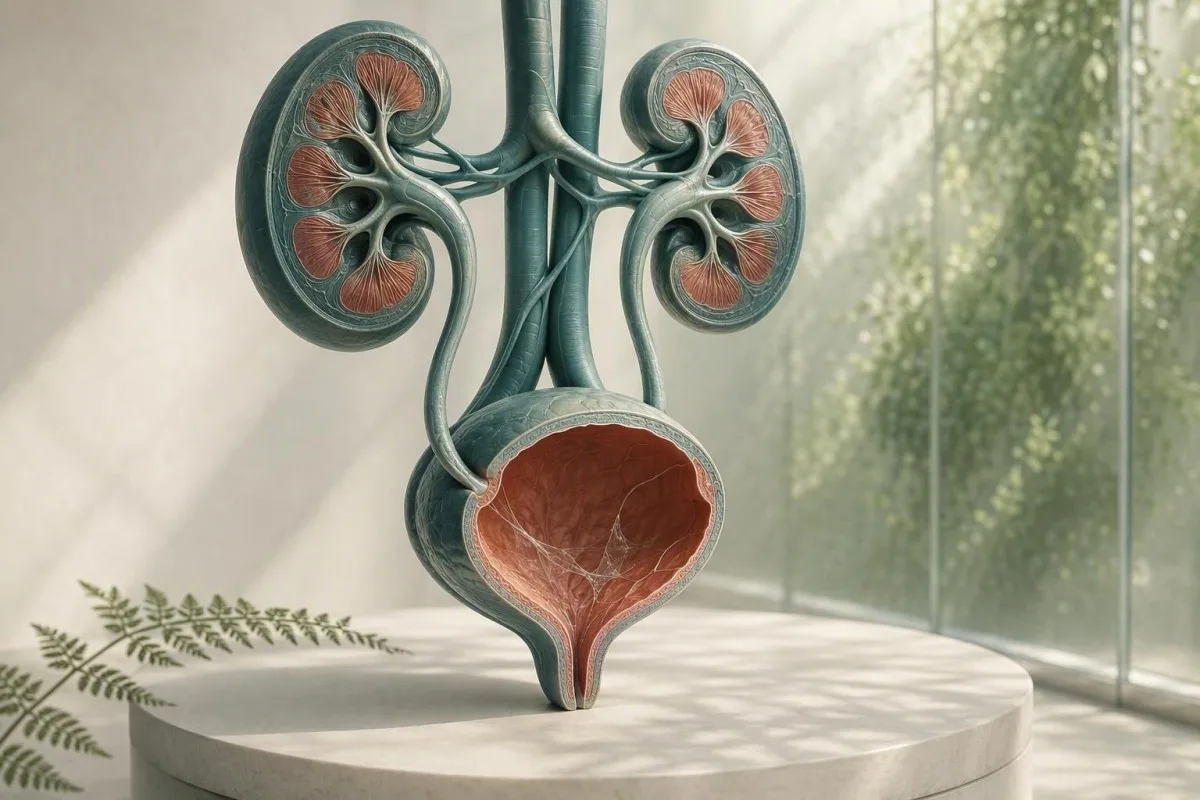
પેશાબ માઇક્રોસ્કોપી રિપોર્ટમાં શ્લેષ્મ (મ્યુકસ) સામાન્ય રીતે એકત્રિત કરવાની સમસ્યા હોય છે, નિદાન નહીં. આસપાસના યુરિન એનાલિસિસના તારણો, લક્ષણો અને નમૂનાની ગુણવત્તા નક્કી કરે છે કે તેને આગળ તપાસની જરૂર છે કે નહીં.


- શ્લેષ્મ (મ્યુકસ) થ્રેડ્સ એકલા સામાન્ય રીતે હાનિકારક હોય છે, ખાસ કરીને કોઈપણ પેશાબના લક્ષણો વિનાના એક ક્લીન-કેચ નમૂનામાં.
- પ્યુરિયા થ્રેશોલ્ડ પ્રતિ હાઇ-પાવર ફિલ્ડમાં 5 થી વધુ શ્વેતકણો પેશાબના માર્ગની બળતરાને સમર્થન આપે છે પરંતુ બેક્ટેરિયલ UTI સાબિત કરતું નથી.
- કલ્ચર ટ્રિગર એ શ્લેષ્મ (મ્યુકસ) ઉપરાંત બળતરા, તાકીદ, તાવ, ફ્લેન્ક પેઇન, નાઇટ્રાઇટ્સ અથવા નોંધપાત્ર શ્વેતકણો છે—માત્ર શ્લેષ્મ (મ્યુકસ) નહીં.
- સ્ક્વામસ કોષો આશરે 10 પ્રતિ હાઇ-પાવર ફિલ્ડથી ઉપર ઘણીવાર જનન-ત્વચાના દૂષણને સૂચવે છે અને પેશાબના પરિણામને ઓછું વિશ્વસનીય બનાવે છે.
- દેખાતું રક્ત કોલિકી સાઇડ પેઇન સાથે પથરી માટે તાત્કાલિક મૂલ્યાંકનની જરૂર છે, ભલે લાળ પણ નોંધાયેલી હોય.
- ગર્ભાવસ્થા ફોલો-અપ માટે થ્રેશોલ્ડ બદલે છે કારણ કે એસિમ્પટમેટિક બેક્ટેરિયુરિયા સામાન્ય રીતે ફક્ત માઇક્રોસ્કોપી સાથે નહીં, યુરિન કલ્ચર સાથે સ્ક્રીન કરવામાં આવે છે.
- વાદળછાયું મૂત્ર સ્ફટિકો, કોન્સન્ટ્રેટેડ પેશાબ, યોનિમાર્ગ સ્ત્રાવ, વીર્ય અથવા કોષોને પ્રતિબિંબિત કરી શકે છે; તે દેખાવ દ્વારા ચેપનું નિદાન કરી શકતું નથી.
- નમૂનો ફરી લો જ્યારે લાળ એ એકમાત્ર અસામાન્ય શોધ હોય અને સંગ્રહ સાવચેતીપૂર્વક મિડસ્ટ્રીમ ક્લીન-કેચ ન હતો ત્યારે સમજદાર છે.
યુરિન એનાલિસિસમાં શ્લેષ્મ (મ્યુકસ) થ્રેડ્સનો સામાન્ય અર્થ શું થાય છે
પેશાબમાં લાળના તાંતણા સામાન્ય રીતે સામાન્ય રક્ષણાત્મક સ્ત્રાવ અથવા જનનાંગના દૂષણના તાંતણા હોય છે, અને એક અલગ પરિણામ ભાગ્યે જ કિડની રોગનો સંકેત આપે છે. જ્યારે તે પેશાબના લક્ષણો, શ્વેતકણો, બેક્ટેરિયા, રક્ત અથવા પ્રોટીન સાથે દેખાય છે ત્યારે શોધ અર્થપૂર્ણ બને છે.
પ્રયોગશાળાઓ લાળને માઇક્રોસ્કોપી હેઠળ જોવા મળતા પાતળા, પારદર્શક તાંતણા તરીકે ઓળખે છે; ઘણી રિપોર્ટ્સ ફક્ત તેમને સંખ્યાત્મક સંદર્ભ શ્રેણી સોંપવાને બદલે ભાગ્યે જ, થોડા, મધ્યમ અથવા ઘણા તરીકે ગ્રેડ કરે છે. પેશાબના માર્ગમાંથી આવતી ગ્લાયકોપ્રોટીન-સમૃદ્ધ સામગ્રીની થોડી માત્રા પેશાબમાં કુદરતી રીતે હોય છે, અને યોનિમાર્ગ અથવા મૂત્રમાર્ગના સ્ત્રાવ સંગ્રહ દરમિયાન વધુ ઉમેરી શકે છે.
રિપોર્ટ શબ્દરચના જે લાગે છે તેના કરતાં ઓછી એલાર્મિંગ છે. 26 ઓગસ્ટ, 2026 થી, UTI, પથરી, કેન્સર અથવા કિડની નિષ્ફળતાનું નિદાન કરતું કોઈ માન્ય લાળ-તાંતણા ગણતરી નથી; તે એક સંદર્ભ સૂક્ષ્મ અવલોકન છે. ડિપસ્ટિક અને માઇક્રોસ્કોપ રિપોર્ટ પરની અન્ય વસ્તુઓના વ્યાપક નકશા માટે, અમારો જુઓ સંપૂર્ણ પેશાબ વિશ્લેષણ માર્ગદર્શિકા.
મારા ક્લિનિકલ અનુભવમાં, “મધ્યમ” તરીકે ચિહ્નિત લાળ, 0–2 શ્વેતકણો પ્રતિ હાઇ-પાવર ફિલ્ડ, નકારાત્મક નાઇટ્રાઇટ અને કોઈ રક્ત વિનાના લક્ષણો-મુક્ત પુખ્ત વયના લોકોને સામાન્ય રીતે આશ્વાસન અથવા એક યોગ્ય રીતે એકત્રિત કરાયેલ પુનરાવર્તિત નમૂના દ્વારા શ્રેષ્ઠ સેવા આપવામાં આવે છે. ડૉ. થોમસ ક્લેઈન ઘણીવાર બિનજરૂરી એન્ટિબાયોટિક ચિંતા ઊભી થતી જુએ છે કારણ કે પ્રયોગશાળાના ફ્લેગને રોગના લેબલ તરીકે ગેરસમજ કરવામાં આવે છે.
Kantesti એ એક AI બ્લડ ટેસ્ટ ઇન્ટરપ્રિટેશન પ્લેટફોર્મ છે જે કિડની-સંબંધિત બ્લડ માર્કર્સ, જેમ કે ક્રિએટિનાઇન અને eGFR, ને યુરિનલિસિસ શોધની બાજુમાં મૂકી શકે છે—પરંતુ તે ફક્ત લાળમાંથી UTI નું નિદાન કરી શકતું નથી. પેશાબના માઇક્રોસ્કોપી પરિણામને તેની સાથે આવેલી ક્લિનિકલ વાર્તાની જરૂર છે.
લેબ શા માટે તેને ફ્લેગ કરે છે
લેબોરેટરી ઇન્ફોર્મેશન સિસ્ટમ્સ લાળને ફ્લેગ કરે છે કારણ કે તે દૃષ્ટિની રીતે હાજર છે, નહીં કે લેબોરેટરીએ જોખમી કટઓફ સ્થાપિત કર્યો છે. તેથી ફ્લેગનો અર્થ “અવલોકન કરાયેલ” થાય છે, “અસામાન્ય રોગ માર્કર” ને બદલે, જેવી રીતે અલગ ટ્રેસ શોધને કોઈ સારવારની જરૂર પડી શકે છે.
પેશાબના નમૂનામાં શ્લેષ્મ (મ્યુકસ) ક્યાંથી આવે છે
પેશાબમાં લાળ મૂત્રમાર્ગ, મૂત્રાશયની અસ્તર, સર્વિક્સ અથવા યોનિ, વીર્ય, અથવા સંગ્રહ દરમિયાન બાહ્ય જનનાંગ ત્વચામાંથી ઉદ્ભવી શકે છે. તેનો સ્ત્રોત ઘણીવાર તાંતણાઓમાંથી જ નહીં, પરંતુ બાકીના સૂક્ષ્મ પેટર્નમાંથી અનુમાનિત થાય છે.
મૂત્રાશય અને મૂત્રમાર્ગમાં મ્યુસિન્સ ધરાવતી રક્ષણાત્મક સપાટીનું સ્તર હોય છે, જેમાં યુરોપ્લેકિન-સંબંધિત સામગ્રીનો સમાવેશ થાય છે, જે ઘર્ષણ અને માઇક્રોબાયલ જોડાણને ઘટાડે છે. નિર્જલીકરણ, તાજેતરની જાતીય પ્રવૃત્તિ, નાની બળતરા પછી, અથવા ફક્ત એક કોન્સન્ટ્રેટેડ પ્રથમ-સવારના નમૂનાને કારણે તાંતણાઓ સરળતાથી દેખાય છે.
જે લોકો માસિક ધર્મ પામે છે અથવા યોનિમાર્ગ સ્ત્રાવ ધરાવે છે, તેમના માટે લ્યુકોસાઇટ્સ અને લાળ મૂત્રાશયમાંથી આવ્યા વિના કપમાં પ્રવેશી શકે છે. 10 થી વધુ સ્ક્વામસ એપિથેલિયલ કોષો પ્રતિ હાઇ-પાવર ફિલ્ડ દૂષણની વધુ સંભાવના બનાવે છે, જોકે પ્રયોગશાળાઓ જુદા જુદા રિપોર્ટિંગ થ્રેશોલ્ડનો ઉપયોગ કરે છે. અમારા માર્ગદર્શિકા પેશાબમાં એપિથેલિયલ કોષો સમજાવે છે કે શા માટે આ પરિણામમાં વિશ્વાસ બદલાય છે.
વીર્ય ઉત્સર્જનના કેટલાક કલાકો પછી તંતુમય પદાર્થ અથવા અસ્પષ્ટતા પણ બનાવી શકે છે. તે પેશાબને અસુરક્ષિત બનાવતું નથી, પરંતુ તે માઇક્રોસ્કોપીને અસ્પષ્ટ કરી શકે છે; જો કલ્ચર (culture) ધ્યાનમાં લેવામાં આવે, તો હું સામાન્ય રીતે શક્ય હોય ત્યારે ઓછામાં ઓછા 24 કલાક પછી નવો નમૂનો એકત્રિત કરવાની સલાહ આપું છું.
જાતીય સંબંધ અને શરીરરચના અહેવાલને શા માટે અસર કરે છે
પેશાબનો કપ મૂત્રાશયને નજીકના પેશીઓથી અલગ કરતો નથી. આ કારણે બાહ્ય સ્ત્રાવવાળા નમૂનાઓમાં “શ્લેષ્મ હાજર” વધુ વખત નોંધાય છે, જ્યારે ચિકિત્સકોને સ્વચ્છ જવાબની જરૂર હોય ત્યારે કેથેટરયુક્ત નમૂનાનો ઉપયોગ ક્યારેક કરવામાં આવે છે.
શ્લેષ્મ (મ્યુકસ) થ્રેડ્સ ક્યારે પેશાબના માર્ગના ચેપ તરફ નિર્દેશ કરે છે
શ્લેષ્મ તંતુઓ સંભવિત UTI (મૂત્ર માર્ગમાં ચેપ) ને ફક્ત ત્યારે જ ટેકો આપે છે જ્યારે તેઓ લક્ષણો અને ઉદ્દેશ્ય બળતરાના તારણો સાથે હોય, ખાસ કરીને પ્યુરિયા (pyuria), નાઇટ્રાઇટ (nitrite) પોઝિટિવિટી, અથવા વિશ્વસનીય કલ્ચર (culture). શ્લેષ્મ એકલા UTI (મૂત્ર માર્ગમાં ચેપ) ની પરીક્ષણ નથી.
લક્ષણયુક્ત નીચલા UTI (મૂત્ર માર્ગમાં ચેપ) સામાન્ય રીતે બળતરા, તાકીદ, વારંવારતા, પ્યુબિક ઉપલા ભાગમાં અસ્વસ્થતા અને ક્યારેક પેશાબની નવી ગંધનું કારણ બને છે. યોગ્ય રીતે એકત્રિત કરેલા નમૂનામાં, પ્રતિ હાઈ-પાવર ફિલ્ડ 5 થી વધુ શ્વેત રક્તકણો ને ઘણીવાર પ્યુરિયા (pyuria) કહેવામાં આવે છે; તે મૂત્ર માર્ગની બળતરાને સમર્થન આપે છે પરંતુ પથરી, જાતીય સંક્રમિત ચેપ અને દૂષણ સાથે પણ થઈ શકે છે.
નાઇટ્રાઇટ (nitrite) પોઝિટિવ (positive) હોય ત્યારે અત્યંત વિશિષ્ટ હોય છે પરંતુ નાઇટ્રેટ (nitrate) ઘટાડતા ન હોય તેવા જીવાણુઓ દ્વારા થતા ચેપને ચૂકી જાય છે, અને નકારાત્મક નાઇટ્રાઇટ (nitrite) પરિણામ UTI (મૂત્ર માર્ગમાં ચેપ) ને નકારી શકતું નથી. લ્યુકોસાઇટ એસ્ટેરેઝ (Leukocyte esterase) શ્વેતકણોના ઉત્સેચક પ્રવૃત્તિને શોધી કાઢે છે અને યોનિમાર્ગના સ્ત્રાવ નમૂનાને દૂષિત કરે ત્યારે ખોટી રીતે પોઝિટિવ (positive) હોઈ શકે છે; અમારા સમજૂતી લ્યુકોસાઇટ એસ્ટેરેઝના પરિણામો એ ખાડાઓને આવરી લે છે.
IDSA માર્ગદર્શિકા આરોગ્યપ્રદ બિન-ગર્ભવતી પુખ્ત વયના લોકોમાં લક્ષણવિહીન બેક્ટેરિયુરિયા (bacteriuria) માટે સ્ક્રીનીંગ (screening) અથવા સારવાર સામે સલાહ આપે છે કારણ કે એન્ટિબાયોટિક્સ (antibiotics) લાભ વિના નુકસાન પહોંચાડે છે (Nicolle et al., 2019). આ સિદ્ધાંત ખાસ કરીને શ્લેષ્મ માટે સંબંધિત છે: કોઈ બળતરા નથી, કોઈ તાવ નથી, અને કોઈ આયોજિત યુરોલોજિક (urologic) પ્રક્રિયા સામાન્ય રીતે ફક્ત માઇક્રોસ્કોપી (microscopy) ફિલ્ડ અવ્યવસ્થિત દેખાતું હોવાથી કોઈ એન્ટિબાયોટિક (antibiotic) નથી.
જ્યારે કલ્ચર (culture) વધુ સારી પરીક્ષણ છે
લક્ષણો યથાવત રહે, 4 અઠવાડિયાની અંદર લક્ષણો ફરીથી આવે, ગર્ભાવસ્થા હાજર હોય, પાઇલોનેફ્રાઇટિસ (pyelonephritis) ની શંકા હોય, અથવા અગાઉના એન્ટિબાયોટિક્સ (antibiotics) પરિણામને બદલ્યા હોય ત્યારે પેશાબ કલ્ચર (culture) રિપીટ ડીપસ્ટિક (dipstick) કરતાં વધુ ઉપયોગી છે. મિશ્ર બેક્ટેરિયલ વૃદ્ધિ સામાન્ય રીતે સિંગલ યુરિનરી (urinary) રોગાણુને બદલે કલેક્શન (collection) દૂષણ સૂચવે છે; જુઓ પેશાબ કલ્ચર અર્થઘટન.
શ્લેષ્મ (મ્યુકસ), સ્ફટિકો, પથરી અને યાંત્રિક બળતરા
ગંભીર તરંગ જેવી પીઠમાં દુખાવો અથવા પેશાબમાં લોહી સાથેનો શ્લેષ્મ મૂત્ર પથરી સાથે થઈ શકે છે, પરંતુ શ્લેષ્મ પથરીની પુષ્ટિ કે બાકાત કરતું નથી. લોહી, સ્ફટિકો, પીડાની પેટર્ન, ઇમેજિંગ (imaging), અને કિડની (kidney) કાર્ય વધુ મહત્વના છે.
પથરી મૂત્ર માર્ગની અસ્તરને ખંજવાળી અથવા અવરોધિત કરી શકે છે, જેનાથી લાલ રક્તકણો, શ્વેત રક્તકણો અને વધારાનો શ્લેષ્મ ઉત્પન્ન થાય છે. ક્લાસિક (classic) લક્ષણ એ અચાનક કોલિક (colicky) પીડા છે જે જાંઘ તરફ ફેલાય છે, ઘણીવાર ઉબકા સાથે; લાલ અથવા ચા જેવા રંગનું પેશાબ તાકીદ વધારે છે. આ વિશે વધુ વાંચો પેશાબમાં લોહીના રેડ ફ્લેગ્સ (red flags) દરેક ગુલાબી નમૂનાને સરળ ચેપ માની લેવાને બદલે.
કેલ્શિયમ ઓક્સાલેટ (Calcium oxalate) સ્ફટિકો તંદુરસ્ત લોકોમાં દેખાઈ શકે છે, ખાસ કરીને કેન્દ્રિત એસિડિક (acidic) પેશાબમાં, તેથી એક સ્ફટિક પ્રકાર સક્રિય પથરી સાબિત કરતું નથી. પીડા, પુનરાવર્તિત પથરી, અથવા સતત હેમેટુરિયા (haematuria) ધરાવતી વ્યક્તિમાં, ચિકિત્સકો ફક્ત સેડિમેન્ટ (sediment) પર આધાર રાખવાને બદલે અલ્ટ્રાસાઉન્ડ (ultrasound) અથવા લો-ડોઝ (low-dose) નોન-કોન્ટ્રાસ્ટ (non-contrast) CT (સીટી) નો ઉપયોગ કરી શકે છે. અમારા સંસાધન માર્ગદર્શિકા સ્ફટિક અહેવાલોની મર્યાદાઓની વિગતો આપે છે.
એક મહત્વપૂર્ણ અપવાદ ચેપ સાથે અવરોધ છે: 38.0°C અથવા તેથી વધુ તાવ, પીઠમાં દુખાવો, ઉલટી, અને પેશાબ પસાર કરવામાં અસમર્થતા કટોકટી મૂલ્યાંકનને યોગ્ય ઠેરવે છે. ચિંતા શ્લેષ્મની નથી; તે સંક્રમિત અવરોધિત મૂત્ર વ્યવસ્થા છે, જે ઝડપથી બગડી શકે છે.
પથરી વિના બળતરા
તાજેતરના કેથેટર (catheter) નો ઉપયોગ, મૂત્રાશયની પ્રક્રિયાઓ, જોરદાર સાયક્લિંગ (cycling), અને પેલ્વિક (pelvic) રેડિયેશન (radiation) નીચલા માર્ગમાં બળતરા કરી શકે છે અને શ્લેષ્મ અથવા શ્વેતકણો વધારી શકે છે. ચિકિત્સકે આ પરિણામોનું અર્થઘટન સમય સામે કરવું જોઈએ, કારણ કે ઉપકરણના 48 કલાકની અંદર એકત્રિત કરેલો નમૂનો નિયમિત સ્ક્રીનીંગ (screening) નમૂનાની સમકક્ષ નથી.
વાદળછાયું પેશાબનો અર્થ: દેખાવ શું કહી શકે છે અને શું નહીં
વાદળછાયું પેશાબ કેન્દ્રિત ક્ષાર, સ્ફટિકો, શ્લેષ્મ, કોષો, જનન સ્ત્રાવ, અથવા બેક્ટેરિયાને કારણે થઈ શકે છે, તેથી ફક્ત દેખાવ ચેપનું નિદાન કરી શકતો નથી. પેશાબ જે વાદળછાયું હોય પરંતુ પીડારહિત અને ટૂંકા ગાળાનું હોય તે સામાન્ય રીતે બિન-તાત્કાલિક હોય છે.
ક્ષારયુક્ત પેશાબ ઠંડો થયા પછી વાદળછાયો દેખાઈ શકે છે, જ્યારે એસિડિક ઘટ્ટ પેશાબને યુરેટ સ્ફટિકો વાદળછાયો બનાવી શકે છે. 2 કલાકથી વધુ સમય માટે રૂમ તાપમાને રાખવામાં આવેલ નમૂનો કોષોના અધોગતિ અને બેક્ટેરિયાના ગુણાકારને કારણે વધુને વધુ અસ્પષ્ટ બની શકે છે, આ જ કારણ છે કે તાજા પ્રોસેસિંગ અથવા રેફ્રિજરેશન મહત્વપૂર્ણ છે.
વાદળછાયાપણું સાથે ડિસુરિયા, તાકીદ અને પાયુરિયા પરીક્ષણના લાયક છે; કસરત પછી વાદળછાયાપણું અથવા ઓછું પ્રવાહી ગ્રહણ સામાન્ય હાઇડ્રેશનથી સુધરે છે. પેશાબનો રંગ આછો પીળો રાખવાનો પ્રયાસ કરો - વધુ પડતું પાણી પીવાથી - ખૂબ જ સ્વચ્છ પેશાબનો અર્થ કિડની ચેપ “ફ્લશ આઉટ” કરી રહી છે તેવું નથી. અમારી વિસ્તૃત સમીક્ષા વાદળછાયા પેશાબના કારણો વિશ્વસનીય પરીક્ષણોથી દ્રશ્ય સંકેતોને અલગ પાડે છે.
કાન્ટેસ્ટી એક છે AI રક્ત પરીક્ષણ વિશ્લેષક ક્લિનિકલ સંદર્ભમાં રક્ત માર્કર્સનું અર્થઘટન કરવા માટે રચાયેલ છે; પેશાબની અસામાન્યતાઓ સાથે ઉચ્ચ ક્રિએટીનાઇન અથવા ઘટાડેલું eGFR તબીબી સમીક્ષાને યોગ્ય ઠેરવી શકે છે, જ્યારે ફક્ત વાદળછાયો પેશાબ ક્ષતિગ્રસ્ત કિડની ગાળણને સ્થાપિત કરતું નથી. જ્યારે લક્ષણો ડિહાઇડ્રેશન અથવા અવરોધ સૂચવે છે ત્યારે મૂળભૂત મેટાબોલિક પેનલ ઉપયોગી સંદર્ભ ઉમેરી શકે છે.
ગંધ એ સંસ્કૃતિ નથી
તીવ્ર ગંધવાળા પેશાબમાં ઘણીવાર એકાગ્રતા, શતાવરીના ચયાપચય, બી વિટામિન્સ અથવા કન્ટેનરનો સમાવેશ થાય છે જે ખૂબ લાંબા સમય સુધી રહ્યો હતો. તાવ અથવા પેશાબના લક્ષણો સાથે નવી દુર્ગંધ એ મૂલ્યાંકનની શોધ કરવાનું કારણ છે, પરંતુ ગંધ સૂક્ષ્મદર્શક અને સંસ્કૃતિનો વિકલ્પ નથી.
જનન સ્ત્રાવ અને જાતીય રૂપે સંક્રમિત રોગો
મૂત્રમાર્ગ અથવા યોનિમાર્ગનો સ્ત્રાવ પેશાબમાં લાળ જેવો દેખાઈ શકે છે, અને પેશાબમાં બળતરા સાથે નવો સ્ત્રાવ જાતીય-આરોગ્ય પરીક્ષણ તેમજ પેશાબના મૂલ્યાંકનની જરૂર છે. રૂટિન પેશાબ કલ્ચર ક્લેમીડીયા અને ગોનોરિયાને ચૂકી શકે છે.
ક્લેમીડીયા અને ગોનોરિયા ડિસુરિયા અને સ્ટેરાઇલ પાયુરિયાનું કારણ બની શકે છે - કોઈ રૂટિન બેક્ટેરિયલ વૃદ્ધિ વિના શ્વેત રક્તકણો - ખાસ કરીને નવી જાતીય સંપર્ક પછી. ન્યુક્લિક એસિડ એમ્પ્લીફિકેશન ટેસ્ટિંગ, ઘણીવાર મિડસ્ટ્રીમ નમૂનાને બદલે ફર્સ્ટ-કેચ પેશાબનો ઉપયોગ કરીને, યોગ્ય પરીક્ષણ છે કારણ કે માનક કલ્ચર અલગ જીવાણુઓને લક્ષ્ય બનાવે છે.
યોનિ ધરાવતી વ્યક્તિઓમાં, બેક્ટેરિયલ વાયજિનોસિસ, કેન્ડિડીયાસીસ અને સર્વાઇકલ સોજો મિડસ્ટ્રીમ કપમાં સ્ત્રાવ ઉમેરી શકે છે; યોનિમાર્ગનો સ્વેબ અથવા તપાસ પેશાબના સૂક્ષ્મદર્શકને પુનરાવર્તિત કરવા કરતાં વધુ માહિતીપ્રદ હોઈ શકે છે. પુરુષો ધરાવતી વ્યક્તિઓમાં, દ્રશ્ય મૂત્રમાર્ગનો સ્ત્રાવ “શ્લેષ્મ તંતુઓ” તરીકે નજરઅંદાજ ન કરવો જોઈએ. વ્યવહારુ તફાવત એ છે કે પેશાબની બહાર જોવા મળતો સ્ત્રાવ વિરુદ્ધ પ્રયોગશાળા દ્વારા માત્ર જાણ કરાયેલા તંતુઓ.
2021 CDC STI સારવાર માર્ગદર્શિકા સંબંધિત એનાટોમિકલ સ્થળોએ NAAT-આધારિત પરીક્ષણની ભલામણ કરે છે, જે સંપર્ક ઇતિહાસ અનુસાર હોય, માત્ર લક્ષણો અનુસાર નહીં (Workowski et al., 2021). જો પેલ્વિક પીડા, વૃષણ પીડા, તાવ, ગર્ભાવસ્થા અથવા સંભવિત હુમલો સામેલ હોય, તો બાકી રહેલા એન્ટિબાયોટિક્સ સાથે સ્વ-સારવારને બદલે તે જ દિવસે ક્લિનિકલ સલાહ લો.
એન્ટિબાયોટિક્સ ચિત્રને કેવી રીતે મૂંઝવી શકે છે
કલ્ચર પહેલાં 1 અથવા 2 એન્ટિબાયોટિક ડોઝ લેવાથી પણ પેશાબના લક્ષણો અને શ્વેત રક્તકણો યથાવત રહે છે જ્યારે સામાન્ય બેક્ટેરિયલ વૃદ્ધિને દબાવી શકે છે. ચિકિત્સકને બરાબર કઈ દવા, ડોઝ અને છેલ્લો ડોઝ સમય વપરાયો હતો તે જણાવો; તે વિગત નકારાત્મક કલ્ચરનું અર્થઘટન કેવી રીતે બદલે છે.
પ્રશ્નનો જવાબ આપતો પેશાબનો નમૂનો કેવી રીતે એકત્રિત કરવો
મિડસ્ટ્રીમ ક્લીન-કેચ નમૂનો પ્રવાહના પ્રથમ અથવા છેલ્લા ભાગને એકત્રિત કરવા કરતાં શ્લેષ્મ, સ્ક્વામસ કોષો અને મિશ્ર બેક્ટેરિયલ વૃદ્ધિને વધુ સારી રીતે ઘટાડે છે. તકનીક સરળ છે, પરંતુ પ્રથમ 2 સેકંડ અપ્રમાણસર તફાવત બનાવે છે.
હાથ ધોવા, જનન ત્વચાને અલગ કરો અથવા જો આરામદાયક હોય તો ફોરસ્કીન પાછળ ખેંચો, કીટ સૂચનાઓ અનુસાર સાફ કરો, ટોઇલેટમાં પેશાબ કરવાનું શરૂ કરો, પછી કપ ત્વચાને સ્પર્શ કર્યા વિના મધ્ય ભાગ એકત્રિત કરો. 20-30 mL નમૂનો સામાન્ય રીતે પૂરતો હોય છે; મોટી કન્ટેનરને ઉપર સુધી ભરવાથી પરીક્ષણમાં સુધારો થતો નથી.
કપને તાત્કાલિક પહોંચાડો, આદર્શ રીતે 1 કલાકની અંદર; જો વિલંબ અનિવાર્ય હોય, તો પ્રયોગશાળાની સૂચનાઓ અનુસાર તેને ઠંડુ કરો અને 24 કલાકની અંદર પરત કરો. રેફ્રિજરેશન બેક્ટેરિયલ વૃદ્ધિને ધીમું કરે છે પરંતુ પહેલેથી જ દૂષિત થયેલા નમૂનાને પુનઃસ્થાપિત કરતું નથી. આ ખાસ કરીને મહત્વપૂર્ણ છે જ્યારે વિનંતીમાં માત્ર ડિપસ્ટિકને બદલે કલ્ચરનો સમાવેશ થાય છે.
કાન્ટેસ્ટી એક છે AI-સંચાલિત બ્લડ ટેસ્ટ એનાલિસિસ ટૂલ 127+ દેશોમાં ઉપયોગમાં લેવાય છે, અને અમારા ચિકિત્સક-સમીક્ષા કરેલા વર્કફ્લો નમૂનાની ગુણવત્તાને ફૂટનોટને બદલે અર્થઘટનના ભાગ રૂપે ગણે છે. તે જ સિદ્ધાંત કોઈપણ પ્રયોગશાળા મૂલ્ય પર લાગુ પડે છે: તકનીકી રીતે નબળો નમૂનો તબીબી રીતે ખાતરીજનક પરંતુ ગેરમાર્ગે દોરતું પરિણામ બનાવી શકે છે. અમારી જુઓ લેબ ચોકસાઈ ચેકલિસ્ટ એક અલગ ફ્લેગ પર કાર્ય કરતા પહેલા પૂછવા માટેના પ્રશ્નો માટે.
જો તમે રાહ જોઈ શકો તો આ પરિસ્થિતિઓ દરમિયાન એકત્રિત કરશો નહીં
યોનિમાર્ગની ક્રીમનો ઉપયોગ કર્યા પછી, ભારે માસિક પ્રવાહ દરમિયાન, અથવા સંભોગ પછી તરત જ નિયમિત પરીક્ષણ ટાળો સિવાય કે ચિકિત્સક દ્વારા ખાસ વિનંતી કરવામાં આવે. જ્યારે પરીક્ષણ રાહ જોઈ શકે નહીં, ત્યારે પ્રયોગશાળા અથવા ચિકિત્સકને જણાવો, કારણ કે તે સંદર્ભ શ્લેષ્મ, લાલ રક્ત કોષો અથવા બાહ્ય કોષો સમજાવી શકે છે.
ચિકિત્સકો શ્લેષ્મ (મ્યુકસ) ને યુરિન એનાલિસિસના બાકીના ભાગ સાથે કેવી રીતે વાંચે છે
સૌથી ઉપયોગી પેશાબ વિશ્લેષણ પેટર્નમાં લક્ષણો સાથે શ્વેત કોષો, લાલ કોષો, નાઇટ્રાઇટ, લ્યુકોસાઇટ એસ્ટેરેઝ, પ્રોટીન, ગ્લુકોઝ, વિશિષ્ટ ગુરુત્વાકર્ષણ અને ઉપકલા કોષોનો સમાવેશ થાય છે. શ્લેષ્મ એ પેટર્નમાં એક નાની સહાયક વિશેષતા છે.
શ્લેષ્મ સાથેનો સ્વચ્છ નમૂનો, 0-2 શ્વેત કોષો પ્રતિ ઉચ્ચ-શક્તિ ક્ષેત્ર, નકારાત્મક નાઇટ્રાઇટ અને કોઈ રક્ત સામાન્ય રીતે કોઈ સારવારની જરૂર નથી. 5 શ્વેત કોષો પ્રતિ ઉચ્ચ-શક્તિ ક્ષેત્ર કરતાં વધુ શ્લેષ્મ અને હકારાત્મક લ્યુકોસાઇટ એસ્ટેરેઝ બળતરાની સંભાવના વધારે છે; નાઇટ્રાઇટ ઉમેરવું અથવા એકલ-જીવાણુ સંસ્કૃતિ સૂક્ષ્મજીવાણુઓ જવાબદાર હોવાની ખાતરી વધારે છે.
પ્રોટીનને તેના પોતાના માર્ગની જરૂર છે. તાવ, કસરત, અથવા કેન્દ્રિત પેશાબ પછી ટ્રેસ પ્રોટીન અસ્થાયી હોઈ શકે છે, પરંતુ સતત પ્રોટીનને શ્લેષ્મને આભારી કરવાને બદલે એલ્બ્યુમિન-ટુ-ક્રેટીનાઇન રેશિયો સાથે માપવાની જરૂર છે. મૂત્રમાં પ્રોટીન સમજાવે છે કે ડાયપસ્ટિક પ્રોટીન અને કિડનીનું જોખમ એકબીજાના બદલે વાપરી શકાતા નથી.
વિશિષ્ટ ગુરુત્વાકર્ષણતા 1.003 થી 1.030 પુખ્ત વયના લોકોમાં સામાન્ય છે, જોકે સંદર્ભ અંતરાલ પ્રયોગશાળા દ્વારા બદલાય છે. ઉચ્ચ વિશિષ્ટ ગુરુત્વાકર્ષણ શ્લેષ્મને કેન્દ્રિત કરી શકે છે અને વધુ નાટકીય દેખાતા અવસાદ બનાવી શકે છે, જ્યારે ઓછું વિશિષ્ટ ગુરુત્વાકર્ષણ કોષોને તોડી શકે છે અને માઇક્રોસ્કોપીને છેતરપિંડીથી સાદી બનાવી શકે છે; ચોક્કસ ગ્રાવિટી માર્ગદર્શિકા બતાવે છે કે હાઇડ્રેશન અર્થઘટનને કેવી રીતે અસર કરે છે.
નકારાત્મક તારણોનું મૂલ્ય
નકારાત્મક રક્ત, પ્રોટીન, નાઇટ્રાઇટ, અને લ્યુકોસાઇટ એસ્ટેરેઝ અર્થપૂર્ણ રીતે ચિંતા ઘટાડે છે જો લક્ષણો ન હોય, ભલે શ્લેષ્મ મધ્યમ તરીકે નોંધાયેલ હોય. કોઈ એક નકારાત્મક પરીક્ષણ સંપૂર્ણ નથી, પરંતુ આ ક્લસ્ટર શ્લેષ્મ ગ્રેડ કરતાં વધુ આશ્વાસન આપે છે.
ક્યારે પરીક્ષણ પુનરાવર્તિત કરવું અને ક્યારે કલ્ચર (પિત્તરસ) નો આદેશ આપવો
જ્યારે શ્લેષ્મ અલગ હોય, સ્ક્વામસ કોષો દૂષણ સૂચવે છે, અથવા સંગ્રહ ઉતાવળમાં થયો હતો ત્યારે પેશાબના નમૂનાનું પુનરાવર્તન કરો; લક્ષણો સતત, પુનરાવર્તિત, ગંભીર, અથવા ઉચ્ચ-જોખમ હોય ત્યારે સંસ્કૃતિની વિનંતી કરો. પુનરાવર્તિત પરીક્ષણ “કંઈ ન કરવું” નથી - તે ઘણીવાર સૌથી નિદાનિક આગલું પગલું છે.
લક્ષણો વિનાની બિન-ગર્ભવતી પુખ્ત વયની વ્યક્તિ માટે અને શ્લેષ્મ એકમાત્ર ફ્લેગ તરીકે હોય, તો પુનરાવર્તિત ક્લીન-કેચ પેશાબ વિશ્લેષણ 1-2 અઠવાડિયામાં પુનરાવર્તન કરવું વાજબી છે જો આશ્વાસનની જરૂર હોય; ઘણા ચિકિત્સકો તેને બિલકુલ પુનરાવર્તન કરશે નહીં. પ્રયોગશાળા ફ્લેગને એન્ટિબાયોટિક્સ સાથે સારવાર કરશો નહીં સિવાય કે જ્યારે પ્રિસ્ક્રાઈબર ક્લિનિકલ સંકેત ઓળખે.
તાવ, પડખામાં દુખાવો, ગર્ભાવસ્થા, રોગપ્રતિકારક શક્તિ દબાવવી, કિડની ટ્રાન્સપ્લાન્ટ, પેશાબની નળીમાં કેથેટરનો ઉપયોગ, પુરુષોમાં પેશાબના લક્ષણો, અથવા 4 અઠવાડિયાની અંદર પાછા ફરતા લક્ષણો માટે એન્ટિબાયોટિક્સ પહેલાં કલ્ચર ખાસ કરીને ઉપયોગી છે. ગુપ્તા એટ અલ. (2011) દ્વારા માર્ગદર્શિકા શંકાસ્પદ પાયલોનેફ્રાઇટિસ અને એવી પરિસ્થિતિઓમાં કલ્ચરને સમર્થન આપે છે જ્યાં પ્રતિકારક શક્તિ અથવા વૈકલ્પિક નિદાનની વધુ શક્યતા હોય.
કલ્ચર ગણતરીઓને સંગ્રહની ગુણવત્તા સાથે વાંચવી જોઈએ. 10^5 કોલોની-ફોર્મિંગ યુનિટ પ્રતિ એમએલ પરંપરાગત રીતે સ્વચ્છ મધ્ય-પ્રવાહ પેશાબમાં બેક્ટેરિયુરિયાને સમર્થન આપે છે, પરંતુ લક્ષણવાળા દર્દીઓમાં ક્લિનિકલી સંબંધિત નીચી ગણતરીઓ હોઈ શકે છે; “મિશ્ર ફ્લોરા” સામાન્ય રીતે બ્રોડ એન્ટિબાયોટિકને બદલે નવો નમૂનો લેવા પ્રેરે છે. બંનેની વિનંતી કરતા પહેલા યુરિનએનલિસિસ અને કલ્ચર ના હેતુઓની તુલના કરો.
ગર્ભાવસ્થા માટે અલગ થ્રેશોલ્ડની જરૂર છે
ગર્ભાવસ્થા એક અપવાદ છે કારણ કે લક્ષણહીન બેક્ટેરિયુરિયા પાયલોનેફ્રાઇટિસ અને ગર્ભાવસ્થાના પ્રતિકૂળ પરિણામોનું જોખમ વધારી શકે છે. પ્રસૂતિ પૂર્વ સંભાળ સામાન્ય રીતે ગર્ભાવસ્થાના પ્રારંભમાં સ્ક્રીનીંગ કલ્ચરનો ઉપયોગ કરે છે; સૂક્ષ્મદર્શક યંત્રમાં શ્લેષ્મ તે કલ્ચરને બદલી શકતું નથી.
ક્યારે રક્ત પરીક્ષણો કિડની અને ચેપનો ઉપયોગી સંદર્ભ ઉમેરે છે
જ્યારે તાવ, પડખામાં દુખાવો, વારંવાર ચેપ, સોજો, પેશાબનું ઓછું ઉત્પાદન, અથવા સતત પ્રોટીન અથવા લોહી સાથે પેશાબમાં શ્લેષ્મ દેખાય ત્યારે બ્લડ ટેસ્ટ ઉપયોગી છે. ક્રિએટિનાઇન અને eGFR ગાળણક્રિયાનું મૂલ્યાંકન કરે છે, જ્યારે CBC અને C-રિએક્ટિવ પ્રોટીન પ્રણાલીગત બીમારીનો નિર્ણય કરવામાં મદદ કરી શકે છે.
eGFR ઓછામાં ઓછા 3 મહિના માટે 60 mL/min/1.73 m² ક્રોનિક કિડની રોગ માટે એક માપદંડ પૂરો કરે છે, પરંતુ ડિહાઇડ્રેશન અથવા તીવ્ર બીમારી દરમિયાન એકલ નીચું પરિણામ તે નિદાન કરવા માટે પૂરતું નથી. ક્રિએટિનાઇન સ્નાયુ સમૂહ, આહાર અને કેટલીક દવાઓથી પ્રભાવિત થાય છે, તેથી એક નંબર કરતાં વલણો અને પેશાબની એલ્બ્યુમિન ઘણીવાર વધુ માહિતીપ્રદ હોય છે.
ઊંચી સફેદ રક્તકણ ગણતરી અથવા CRP બળતરા પ્રક્રિયાને સમર્થન આપી શકે છે પરંતુ તે પેશાબના માર્ગને સ્ત્રોત તરીકે ઓળખી શકતું નથી. પડખામાં દુખાવો સાથે તાવવાળા વ્યક્તિમાં, ચિકિત્સકો ઇમેજિંગ અથવા દવાઓ પસંદ કરતા પહેલા ક્રિએટિનાઇન તપાસી શકે છે, ખાસ કરીને જો ઉલટી અથવા અવરોધ કિડનીના કાર્યને નુકસાન પહોંચાડી શકે. ક્રોનિક કિડની ડિસીઝના તબક્કાઓ eGFR અને એલ્બ્યુમિન શ્રેણીઓ માટે જે ચિકિત્સકો ઉપયોગ કરે છે તેની સમીક્ષા કરો.
કાન્ટેસ્ટી એક છે AI લેબ ટેસ્ટ ઇન્ટરપ્રિટેશન સર્વિસ પર પ્રકાશિત થાય છે જે કિડનીના નિદાન તરીકે એકલ શ્લેષ્મ સંકેતની સારવાર કરવાને બદલે ક્રિએટિનાઇન, eGFR, ઇલેક્ટ્રોલાઇટ્સ, CBC અને બળતરા માર્કર્સમાં પેટર્નને પ્રકાશિત કરે છે. અમારી પદ્ધતિ ક્લિનિકલ માન્યતા દેખરેખ, ને આધીન છે, પરંતુ તાત્કાલિક લક્ષણોને હજી પણ સીધી તબીબી સંભાળની જરૂર છે, એપ-આધારિત અર્થઘટનની નહીં.
ડિહાઇડ્રેશનનું વ્યવહારુ તફાવત
ડિહાઇડ્રેશન પેશાબની વિશિષ્ટ ગુરુત્વાકર્ષણ વધારી શકે છે અને કામચલાઉ રૂપે ક્રિએટિનાઇન વધારી શકે છે, ખાસ કરીને ઝાડા, ગરમીના સંપર્કમાં આવવું, અથવા તીવ્ર કસરત પછી. સતત ઓછું પેશાબ ઉત્પાદન, ચક્કર, અથવા પુનર્જલીકરણ પછી eGFR ઘટાડો ક્લિનિશિયન સમીક્ષાને બદલે પુનરાવર્તિત ઘર પરીક્ષણની જરૂરિયાત દર્શાવે છે.
તાત્કાલિક ચેતવણી સંકેતો જે પુનરાવર્તિત પરીક્ષણની રાહ જોઈ શકતા નથી
38.0°C કે તેથી વધુ તાવ, પડખામાં દુખાવો, ઉલટી, દેખાતું લોહી, પેશાબ કરવામાં અસમર્થતા, મૂંઝવણ, અથવા ગર્ભાવસ્થા-સંબંધિત પેશાબના લક્ષણો સાથે પેશાબમાં શ્લેષ્મ માટે તે જ દિવસે તાત્કાલિક મૂલ્યાંકન મેળવો. આ સંયોજનો મહત્વપૂર્ણ છે કારણ કે તેઓ ઉપલા-માર્ગ ચેપ, અવરોધ, અથવા અન્ય તીવ્ર સ્થિતિનો સંકેત આપી શકે છે.
તાવ ઉપરાંત એકપક્ષીય પીઠ અથવા પડખામાં દુખાવો, ખાસ કરીને ધ્રુજારી અને ઠંડી અથવા ઉલટી સાથે, સાદા સિસ્ટીટીસ કરતાં પાયલોનેફ્રાઇટિસ માટે વધુ ચિંતાજનક છે. વિલંબિત સારવાર ડિહાઇડ્રેશન, સેપ્સિસ, અથવા કિડની તણાવ તરફ દોરી શકે છે; ઘરે એક સામાન્ય દેખાતો પેશાબનો નમૂનો તેને સુરક્ષિત રીતે બાકાત રાખતો નથી.
UTI સંભવિત લાગે ત્યારે પણ દેખાતા લોહીનું મૂલ્યાંકન થવું જોઈએ, ખાસ કરીને 35 વર્ષની ઉંમર પછી, ધૂમ્રપાન કરનારાઓમાં, અથવા ચેપના લક્ષણો સ્થિર થયા પછી પણ રક્તસ્ત્રાવ ચાલુ રહે. AUA માઇક્રોહેમેટુરિયા માર્ગદર્શિકા benignant સમજૂતીઓને સંબોધ્યા પછી જોખમ-આધારિત મૂલ્યાંકનની ભલામણ કરે છે (Barocas et al., 2020); સતત લોહીને શ્લેષ્મ દ્વારા સમજાવી શકાતું નથી.
બાળકો, 65 વર્ષથી વધુ ઉંમરના પુખ્ત વયના લોકો, ડાયાબિટીસવાળા લોકો, રોગપ્રતિકારક શક્તિ દબાવતી દવાઓ લેતા લોકો, અને એકલ કિડની ધરાવતા લોકો માટે મૂલ્યાંકન માટે ઓછો થ્રેશોલ્ડ હોવો જોઈએ. ડૉ. થોમસ ક્લેઈનનો વ્યવહારુ નિયમ સરળ છે: જો લક્ષણો 6-12 કલાકમાં વધી રહ્યા હોય, તો ખાતરી આપવા માટે બીજા કપની રાહ જોશો નહીં.
ગંભીર બીમારી માટે તાત્કાલિક ઇમરજન્સી સેવાઓને કૉલ કરો
નવી મૂંઝવણ, બેહોશી, ગંભીર નબળાઇ, વાદળી અથવા રાખોડી હોઠ, શ્વાસ લેવામાં તકલીફ, અથવા પેશાબના લક્ષણો સાથે પ્રવાહીને શરીરમાં રોકી ન શકવા માટે તાત્કાલિક સેવાઓનો સંપર્ક કરો. આ પ્રણાલીગત જોખમી સંકેતો છે, નિયમિત UTI લક્ષણો નથી.
ગર્ભાવસ્થા, બાળપણ અને પછીના જીવન દરમિયાન પેશાબમાં શ્લેષ્મ (મ્યુકસ)
સગર્ભાવસ્થા, બાળકો અને વૃદ્ધોને વધુ સાવચેતીપૂર્વક અર્થઘટનની જરૂર પડે છે કારણ કે દૂષણ સામાન્ય છે પરંતુ ચૂકી ગયેલા ચેપના પરિણામો વધુ ગંભીર હોઈ શકે છે. દરેક વય જૂથમાં લક્ષણો અને કલ્ચરની ગુણવત્તા શ્લેષ્મ ગ્રેડ કરતાં વધુ મૂલ્યવાન રહે છે.
સગર્ભાવસ્થા દરમિયાન, પેશાબની આવર્તન સામાન્ય હોઈ શકે છે, જે લક્ષણોને ઓછા ચોક્કસ બનાવે છે; તાવ, ડિસ્યુરિયા, અથવા પીઠનો દુખાવો તાત્કાલિક પ્રસૂતિ અથવા ક્લિનિકલ મૂલ્યાંકનને પ્રોત્સાહિત કરવું જોઈએ. પ્રિનેટલ કેરની શરૂઆતમાં સ્ક્રીનીંગ કલ્ચર સામાન્ય રીતે મેળવવામાં આવે છે, અને ક્લિનિશિયનની યોજનાના આધારે સારવાર પછી પુનરાવર્તિત કલ્ચરનો ઉપયોગ થઈ શકે છે.
બાળકોમાં, બેગ-એકત્રિત પેશાબ દૂષણ માટે સંવેદનશીલ હોય છે અને સામાન્ય રીતે UTI ને કલ્ચર સાથે નિદાન કરવા માટે એકલા ઉપયોગમાં લેવાવો જોઈએ નહીં. જ્યારે નાના બાળકને કોઈ સ્પષ્ટ સ્ત્રોત વિના તાવ હોય ત્યારે કેથેટેરાઇઝ્ડ અથવા સાવચેતીપૂર્વક મેળવેલ ક્લીન-કેચ નમૂનાની જરૂર પડી શકે છે; બેગ નમૂનામાં શ્લેષ્મ ખાસ કરીને બિન-વિશિષ્ટ છે.
પછીના જીવનમાં, બેક્ટેરિયુરિયા અને પ્યુરિયા લક્ષણો પેદા કર્યા વિના વધુ સામાન્ય બને છે. એકલા નવા ડિલિરિયમ ડિહાઇડ્રેશન, દવાઓ, પીડા, કબજિયાત અને ચેપના સ્ત્રોતો માટે વ્યાપક તબીબી મૂલ્યાંકનને ટ્રિગર કરવું જોઈએ, જેથી આપોઆપ UTI સારવારને બદલે; Nicolle et al. (2019) દ્વારા ભલામણ કરાયેલ સમાન નિયંત્રણ લાગુ પડે છે.
માસિક સ્રાવ અને હોર્મોન-સંબંધિત ફેરફારો
માસિક રક્ત અને સર્વાઇકલ મ્યુકસ મૂત્રવિશ્લેષણને ઘણા દિવસો સુધી બદલી શકે છે, અને પોસ્ટમેનોપોઝલ યોનિમાર્ગ શુષ્કતા સ્થાનિક બળતરા પેદા કરી શકે છે જે પેશાબમાં બળતરા જેવું લાગે છે. જો પરિણામો અને લક્ષણો મેળ ખાતા નથી, તો ક્લિનિશિયન પુનરાવર્તિત UTI સારવાર સૂચવવાને બદલે જનનાંગના કારણોનું મૂલ્યાંકન કરી શકે છે.
લેબ રિપોર્ટ પર શ્લેષ્મ (મ્યુકસ) જોયા પછી સામાન્ય ભૂલો
વધારાની એન્ટિબાયોટિક્સ શરૂ કરશો નહીં, આંતરિક રીતે સાફ કરશો નહીં, અથવા અસામાન્ય દેખાતા મૂત્રવિશ્લેષણ પછી વધુ પડતા પાણીના સેવનથી શ્લેષ્મને “બહાર કાઢવાનો” પ્રયાસ કરશો નહીં. આ ક્રિયાઓ કલ્ચરને અસ્પષ્ટ કરી શકે છે, સામાન્ય ફ્લોરાને વિક્ષેપિત કરી શકે છે, અથવા યોગ્ય નિદાનમાં વિલંબ કરી શકે છે.
કલ્ચર વિના લેવાયેલી એન્ટિબાયોટિક્સ પછીની પરીક્ષણને ખોટી રીતે નકારાત્મક બનાવી શકે છે અને ઝાડા, ફોલ્લીઓ, યીસ્ટના લક્ષણો અથવા પ્રતિકાર પેદા કરી શકે છે. જો લક્ષણો હળવા હોય પરંતુ સતત રહે, તો શક્ય હોય ત્યારે પહેલા નમૂનો મેળવો, પછી સમગ્ર ચિત્રના આધારે ચિકિત્સકની સારવાર યોજનાને અનુસરો.
ક્રેનબેરી ઉત્પાદનો કેટલાક લોકો માટે પુનરાવર્તિત અસંગઠિત UTI જોખમને થોડું ઘટાડી શકે છે, પરંતુ તે તાવ, ફ્લેંક પેઇન, અથવા પુષ્ટિ થયેલ ઉપલા-ટ્રેક ચેપની સારવાર કરતા નથી. સ્વ-સારવાર તરીકે ઉચ્ચ-ડોઝ વિટામિન સી ટાળો: તે કેટલીક ડિપસ્ટિક પ્રતિક્રિયાઓને બદલી શકે છે અને કેલ્શિયમ ઓક્સાલેટ પત્થરો માટે સંવેદનશીલ લોકોમાં ઓક્સાલેટ બોજ વધારી શકે છે.
શ્લેષ્મના તાર માટે શૌચાલયના બાઉલનું વારંવાર નિરીક્ષણ કરશો નહીં. ટોઇલેટ પેપર ફાઇબર, સફાઈ અવશેષો, જનનાંગ સ્ત્રાવ, અને પાણીની ખળભળાટ શ્લેષ્મનું અનુકરણ કરી શકે છે; એક જંતુરહિત કન્ટેનરમાં એકત્રિત કરેલ પ્રયોગશાળા નમૂનો તેનું મૂલ્યાંકન કરવા માટે યોગ્ય સ્થળ છે. સંબંધિત રંગ ફેરફારો માટે, અમારા પેશાબ રંગ માર્ગદર્શિકા વધુ વિશ્વસનીય દ્રશ્ય સંદર્ભ પ્રદાન કરે છે.
દવાની યાદી મહત્વપૂર્ણ છે
ફેનાઝોપીરીડિન પેશાબને નારંગી રંગ આપી શકે છે અને દ્રશ્ય અર્થઘટનમાં દખલ કરી શકે છે, જ્યારે મૂત્રવર્ધક પેશાબને સમયના આધારે કેન્દ્રિત અથવા પાતળું કરી શકે છે. MD, OTC અને પૂરક દવાઓની યાદી, જેમાં MD માં ડોઝ શામેલ છે, એપોઇન્ટમેન્ટમાં લાવો.
પેશાબમાં શ્લેષ્મ (મ્યુકસ) થ્રેડ્સ માટે વ્યવહારુ ફોલો-અપ યોજના
પેશાબમાં શ્લેષ્મના દોરા અને કોઈ લક્ષણો વિનાના મોટાભાગના લોકોને કોઈ સારવારની જરૂર નથી; જો નમૂનો શંકાસ્પદ હોય તો સાવચેતીપૂર્વક પુનરાવર્તિત મૂત્રવિશ્લેષણ વાજબી છે. લક્ષણો અથવા સહયોગી અસામાન્યતાઓ નક્કી કરે છે કે કલ્ચર, STI પરીક્ષણ, ઇમેજિંગ, અથવા રક્ત પરીક્ષણો યોગ્ય છે કે નહીં.
પગલું 1: બળતરા, તાકીદ, તાવ, ફ્લેંક પેઇન, દેખીતું રક્ત, સ્ત્રાવ, ગર્ભાવસ્થા, તાજેતરની પેશાબ પ્રક્રિયાઓ, અને તાજેતરના જાતીય સંપર્ક માટે તપાસો. પગલું 2: સફેદ કોષો, નાઇટ્રાઇટ, લ્યુકોસાઇટ એસ્ટેરેઝ, લાલ કોષો, પ્રોટીન, બેક્ટેરિયા, અને સ્ક્વામસ કોષો માટે અહેવાલ વાંચો - ફક્ત શ્લેષ્મ જ નહીં.
પગલું 3: જો તમે સારું અનુભવો છો અને શ્લેષ્મ અલગ હોય, તો ફક્ત 1-2 અઠવાડિયાની અંદર એક મધ્ય-સ્ટ્રીમ ક્લીન-કેચ નમૂનો એકત્રિત કરો જો તમારા ચિકિત્સક પુષ્ટિની ભલામણ કરે. પગલું 4: જો લક્ષણો હાજર હોય, તો પૂછો કે શું સારવાર પહેલાં પેશાબનું કલ્ચર એકત્રિત કરવું જોઈએ અને શું STI પરીક્ષણ સંબંધિત છે; પુનરાવર્તિત એપિસોડ્સ ત્રીજા ઇમ્પિરિક એન્ટિબાયોટિક કરતાં વધુ વિચારપૂર્વક સમીક્ષાને લાયક છે.
[app name] સંબંધિત રક્ત-પરિણામના વલણો અને તબીબી મુલાકાત માટેના પ્રશ્નોનું આયોજન કરી શકે છે, જ્યારે અમારું [app name] તબીબી સલાહકાર મંડળ ચિકિત્સક-આગેવાની હેઠળ સલામતી ધોરણોને સમર્થન આપે છે. યોગ્ય અંતિમ બિંદુ સંપૂર્ણ “સ્વચ્છ” માઇક્રોસ્કોપી અહેવાલ નથી - તે એક સમજૂતી છે જે તમારા લક્ષણો, નમૂનાની ગુણવત્તા અને જોખમી પરિબળોને બંધબેસે છે.
તમારી મુલાકાત વખતે પૂછવાના પ્રશ્નો
પૂછો કે શું નમૂનામાં સ્ક્વામસ કોષો હતા, શું કલ્ચરમાં એક જીવાણુ અથવા મિશ્ર ફ્લોરા ઉગાડવામાં આવ્યો હતો, અને લક્ષણો દૂર થયા પછી લોહી અથવા પ્રોટીન યથાવત રહ્યા હતા. આ 3 પ્રશ્નો ઘણીવાર કેટલુ લાળ દેખાયુ તે પૂછવા કરતાં વધુ ઉપયોગી જવાબો આપે છે.
સંશોધન સંદર્ભ અને શ્લેષ્મ (મ્યુકસ) રિપોર્ટિંગની મર્યાદાઓ
પ્રયોગશાળાઓમાં લાળ ગ્રેડિંગ માનકીકૃત નથી, તેથી જ ચિકિત્સકોએ રોગની તીવ્રતા શ્રેણી તરીકે “થોડા,” “મધ્યમ,” અથવા “ઘણા” જેવા શબ્દોનો ઉપયોગ કરવાનું ટાળવું જોઈએ. માઈક્રોસ્કોપી ટેકનિક, નમૂનાની ઉંમર અને રિપોર્ટિંગ સોફ્ટવેર બધા શબ્દો બદલી શકે છે.
કેટલીક પ્રયોગશાળાઓ લગભગ 10-15 mL પેશાબને સેન્ટ્રીફ્યુજ કર્યા પછી મેન્યુઅલી કાંપનું નિરીક્ષણ કરે છે, જ્યારે અન્ય પસંદગીના ફ્લેગ્સના મેન્યુઅલ સમીક્ષા સાથે ઓટોમેટેડ પાર્ટિકલ એનાલિસિસનો ઉપયોગ કરે છે. તે ભિન્નતાનો અર્થ એ છે કે એક પ્રયોગશાળામાંથી “મધ્યમ લાળ” પરિણામ વ્યક્તિના સ્વાસ્થ્યમાં ફેરફાર ન થયો હોય ત્યારે પણ બીજી પ્રયોગશાળામાં બરાબર પુનરાવર્તિત ન થઈ શકે.
પ્રયોગશાળાનો ઉપયોગી માનસિક અભિગમ એ પૂછવાનો છે કે શું પરિણામ એનાલિટિકલી વાસ્તવિક, ક્લિનિકલી અર્થપૂર્ણ અને પુનરાવર્તિત કરી શકાય તેવું છે. તે અભિગમ લોહી પરીક્ષણથી પણ પરિચિત છે: અમારા બ્લડ બાયોમાર્કર માર્ગદર્શિકા સમજાવે છે કે શા માટે સંદર્ભ અંતરાલો અને પૂર્વ-વિશ્લેષણાત્મક પરિસ્થિતિઓ નક્કી કરે છે કે ફ્લેગ કરેલ માર્કરને કાર્યવાહીની જરૂર છે કે નહીં.
Kantesti AI મુખ્ય પેનલ્સમાં પરિણામ પેટર્ન સમજાવવા માટે સંરચિત પ્રયોગશાળા સંદર્ભનો ઉપયોગ કરે છે, પરંતુ પેશાબ માઇક્રોસ્કોપી માટે હજુ પણ સ્ત્રોત-વિશિષ્ટ ક્લિનિકલ નિર્ણયની જરૂર પડે છે. જે વાચકો અમારી તકનીકી કામગીરી અને ક્લિનિકલ સીમાઓનું મૂલ્યાંકન કેવી રીતે કરીએ છીએ તેમાં રસ ધરાવે છે, અમારા AI ટેકનોલોજી માર્ગદર્શિકા અમારા અર્થઘટન અભિગમ પાછળની સુરક્ષા પદ્ધતિઓનું વર્ણન કરે છે.
સારો રિપોર્ટ શું સ્પષ્ટ કરવો જોઈએ
એક ઉપયોગી અહેવાલમાં નમૂનાનો પ્રકાર, સંગ્રહ તારીખ, સૂક્ષ્મ ઘટકો અને કલ્ચર કરવામાં આવે ત્યારે કોઈપણ કલ્ચર જીવાણુ અને સંવેદનશીલતા પરિણામો ઓળખવામાં આવે છે. જો અહેવાલમાં ફક્ત “મ્યુકસ થ્રેડ્સ હાજર” કહેવામાં આવે, તો તે નિદાન માટે અપૂર્ણ છે પરંતુ ઘણીવાર ઓછી-જોખમવાળી આકસ્મિક શોધ માટે સંપૂર્ણપણે પર્યાપ્ત છે.
વારંવાર પૂછાતા પ્રશ્નો
પેશાબમાં શ્લેષ્મ (મ્યુકસ) ના તાંતણા સામાન્ય છે?
પેશાબમાં શ્લેષ્મ તંતુઓ ઘણીવાર સામાન્ય હોય છે અથવા જનનાંગ સ્ત્રાવના દૂષણને કારણે હોય છે, ખાસ કરીને જ્યારે વ્યક્તિને કોઈ પેશાબના લક્ષણો ન હોય. 0–2 સફેદ કોષો પ્રતિ હાઇ-પાવર ફિલ્ડ, નકારાત્મક નાઈટ્રાઇટ, અને કોઈ રક્ત કે પ્રોટીન વગરનું એકલ તારણ સામાન્ય રીતે ઓછું જોખમ ધરાવે છે. પ્રયોગશાળાઓ UTI અથવા કિડની રોગના નિદાન માટે માન્ય શ્લેષ્મ-તંતુઓની સંખ્યાનો ઉપયોગ કરતી નથી. જો મૂળ સંગ્રહ ઉતાવળમાં કરવામાં આવ્યો હોય અથવા દૃષ્ટિની રીતે દૂષિત હોય તો પુનરાવર્તિત મધ્યપ્રવાહ સ્વચ્છ-કેચ નમૂનો વાજબી છે.
પેશાબમાં શ્લેષ્મ તંતુઓનો અર્થ એ છે કે મને UTI છે?
પેશાબમાં શ્લેષ્મ (Mucus) ના તાંતણા પોતે UTI સૂચવતા નથી. જ્યારે બળતરા, તાકીદ, વારંવાર પેશાબ આવવો, તાવ અથવા સુપ્રાપ્યુબિક પીડા સાથે ઉચ્ચ-પાવર ફિલ્ડ દીઠ 5 થી વધુ શ્વેત કોષો, પોઝિટિવ લ્યુકોસાઇટ એસ્ટેરેઝ, નાઈટ્રેટ, અથવા પોઝિટિવ કલ્ચર હોય ત્યારે UTI ની શક્યતા વધી જાય છે. નેગેટિવ નાઈટ્રેટ UTI ને સંપૂર્ણપણે નકારી કાઢતું નથી કારણ કે બધા બેક્ટેરિયા નાઈટ્રેટ ઉત્પન્ન કરતા નથી. લક્ષણો ચાલુ રહે અથવા પુનરાવર્તિત થાય ત્યારે મ્યુકસ ગ્રેડિંગ કરતાં કલ્ચર સામાન્ય રીતે વધુ માહિતીપ્રદ હોય છે.
શું નિર્જલીકરણ પેશાબમાં લાળનું કારણ બની શકે છે?
ડિહાઇડ્રેશન લાળને જોવામાં સરળ બનાવી શકે છે કારણ કે ઘટ્ટ પેશાબમાં સામાન્ય સ્ત્રાવ અને કાંપની આસપાસ પાણી ઓછું હોય છે. પેશાબની ઊંચી વિશિષ્ટ ગુરુત્વાકર્ષણ, સામાન્ય રીતે 1.025–1.030 તરફ, આ અસર સાથે હોઈ શકે છે, જોકે તે ફક્ત ડિહાઇડ્રેશન સાબિત કરતું નથી. સામાન્ય રીતે રિહાઇડ્રેટિંગ અને યોગ્ય રીતે એકત્રિત કરેલ નમૂનાને પુનરાવર્તિત કરવાથી આ નિદાન સ્પષ્ટ થઈ શકે છે. અત્યંત પાણીનું સેવન બિનજરૂરી છે અને તેના પોતાના ઇલેક્ટ્રોલાઇટ જોખમો ઊભા કરી શકે છે.
પેશાબમાં શ્લેષ્મ અને શ્વેત રક્તકણોનો શું અર્થ થાય છે?
પેશાબમાં લાળ અને શ્વેત રક્તકણો પેશાબ અથવા જનન-માર્ગના સોજા સૂચવે છે, પરંતુ તે બેક્ટેરિયલ ચેપને સાબિત કરતું નથી. ઉચ્ચ-શક્તિ ક્ષેત્ર દીઠ 5 થી વધુ શ્વેતકણો UTI, પથરી, જાતીય સંક્રમિત રોગો, યોનિમાર્ગનું દૂષણ, અથવા તાજેતરના પેશાબના સાધનો સાથે થઈ શકે છે. લક્ષણો, નાઈટ્રેટ, ઉપકલા કોષો અને કલ્ચર પરિણામો આગલા પગલાં નક્કી કરે છે. 38.0°C અથવા તેથી વધુ તાવ સાથે પડખામાં દુખાવો તાત્કાલિક મૂલ્યાંકનની જરૂર છે.
શું યોનિમાર્ગમાંથી નીકળતો સ્ત્રાવ પેશાબની તપાસમાં લાળનું કારણ બની શકે છે?
યોનિમાર્ગનો સ્ત્રાવ મધ્ય-પ્રવાહ પેશાબના નમૂનામાં પ્રવેશી શકે છે અને સામાન્ય રીતે સુક્ષ્મદર્શક હેઠળ શ્લેષ્મ, સ્ક્વોમસ એપિથેલિયલ કોષો અને કેટલીકવાર શ્વેત રક્તકણો દેખાવાનું કારણ બને છે. હાઇ-પાવર ફિલ્ડ દીઠ 10 થી વધુ સ્ક્વોમસ કોષો ઘણીવાર દૂષણની શક્યતા વધારે છે, જોકે પ્રયોગશાળાઓ તેમના અહેવાલમાં બદલાય છે. ભારે માસિક પ્રવાહની બહાર એક સાવચેતીપૂર્વક સ્વચ્છ-કેચ નમૂનો આ સમસ્યા ઘટાડી શકે છે. જો સ્ત્રાવ, ખંજવાળ, દુર્ગંધ અથવા પેલ્વિક દુખાવો હાજર હોય, તો પુનરાવર્તિત પેશાબ કલ્ચર કરતાં યોનિમાર્ગનું મૂલ્યાંકન અથવા સ્વેબ વધુ ઉપયોગી થઈ શકે છે.
પેશાબમાં શ્લેષ્મના દોરા અને લોહી વિશે મને ક્યારે ચિંતા કરવી જોઈએ?
પેશાબમાં લોહી સાથે ચીકણા પદાર્થ (mucus) ના તાંતણા દેખાય તો તાત્કાલિક મૂલ્યાંકન કરાવવું જોઈએ, ખાસ કરીને જ્યારે લોહી સતત રહે, કમરમાં દુખાવો થાય, ગઠ્ઠા બને, તાવ આવે, અથવા પેશાબ કરવામાં તકલીફ પડે. પથરી, UTI, ઈજા, કિડની રોગ, અથવા ઓછી સામાન્ય રીતે પેશાબ માર્ગમાં ગાંઠ પણ લોહીનું કારણ બની શકે છે; ચીકણા પદાર્થ (mucus) થી કયું કારણ છે તે જાણી શકાતું નથી. AUA સૂચવે છે કે કામચલાઉ કારણો દૂર થયા પછી સતત માઇક્રોસ્કોપિક હિમેટુરિયા (microscopic haematuria) માટે જોખમ-આધારિત મૂલ્યાંકન કરવું. તાવ, ઉલટી, તીવ્ર દુખાવો, અથવા પેશાબ જાળવી રાખવાની સમસ્યા માટે તાત્કાલિક મૂલ્યાંકન યોગ્ય છે.
આજે જ AI-સંચાલિત બ્લડ ટેસ્ટ વિશ્લેષણ મેળવો
વિશ્વભરના 2 મિલિયનથી વધુ વપરાશકર્તાઓ જોડાઓ જેઓ તાત્કાલિક, ચોક્કસ લેબ ટેસ્ટ વિશ્લેષણ માટે Kantesti પર વિશ્વાસ કરે છે. તમારાં બ્લડ ટેસ્ટ રિપોર્ટ અપલોડ કરો અને સેકન્ડોમાં 15,000+ બાયોમાર્કર્સની વ્યાપક સમજૂતી મેળવો.
📚 સંદર્ભિત સંશોધન પ્રકાશનો
ક્લાઇન, ટી., મિચેલ, એસ., અને વેબર, એચ. (2026). aPTT નોર્મલ રેન્જ: D-Dimer, પ્રોટીન C બ્લડ ક્લોટિંગ માર્ગદર્શિકા. Kantesti AI Medical Research.
ક્લાઇન, ટી., મિચેલ, એસ., અને વેબર, એચ. (2026). સીરમ પ્રોટીન માર્ગદર્શિકા: ગ્લોબ્યુલિન, આલ્બ્યુમિન અને એ/જી રેશિયો બ્લડ ટેસ્ટ. Kantesti AI Medical Research.
📖 બાહ્ય તબીબી સંદર્ભો
⚕️ તબીબી અસ્વીકરણ
આ લેખ માત્ર શૈક્ષણિક હેતુઓ માટે છે અને તે તબીબી સલાહનું સ્વરૂપ નથી. નિદાન અને સારવાર સંબંધિત નિર્ણય માટે હંમેશા લાયક આરોગ્યસેવા પ્રદાતા સાથે પરામર્શ કરો.
E-E-A-T વિશ્વાસ સંકેતો
અનુભવ
લેબ રિપોર્ટની વ્યાખ્યાયન વર્કફ્લોઝનું ડૉક્ટર-આધારિત ક્લિનિકલ સમીક્ષણ.
કુશળતા
લેબોરેટરી મેડિસિનનો ફોકસ કે બાયોમાર્કર્સ ક્લિનિકલ સંદર્ભમાં કેવી રીતે વર્તે છે તેના પર.
સત્તાવાદ
ડૉ. થોમસ ક્લાઇન દ્વારા લખાયેલ અને ડૉ. સારાહ મિચેલ તથા પ્રો. ડૉ. હાન્સ વેબર દ્વારા સમીક્ષિત.
વિશ્વસનીયતા
પુરાવા આધારિત વ્યાખ્યાયન સાથે સ્પષ્ટ અનુસરણ માર્ગો, જેથી ચિંતા/અલાર્મ ઓછું થાય.