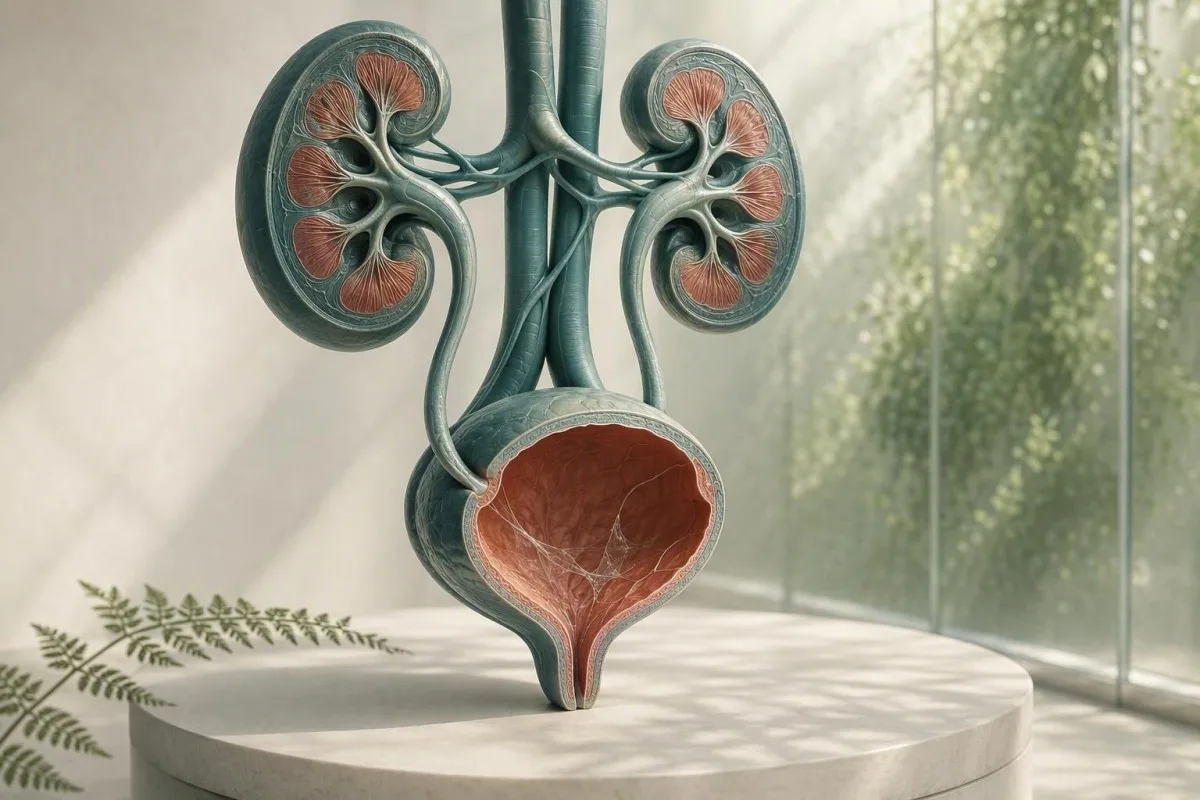
Gleivės šlapimo mikroskopijos ataskaitoje paprastai yra surinkimo problema, o ne diagnozė. Aplinkinės šlapimo analizės išvados, simptomai ir mėginio kokybė lemia, ar jam reikalingas tolesnis stebėjimas.


- Gleivių siūlai vieni savaime dažnai nekenksmingi, ypač viename švaraus surinkimo mėginyje be šlapimo simptomų.
- Pūrinio slenkstis daugiau nei 5 baltosios ląstelės didelio padidinimo lauke palaiko šlapimo takų uždegimą, bet neįrodo bakterinės UTI.
- Pasėlio kriterijus yra gleivės plius deginimas, dažnas šlapinimasis, karščiavimas, skausmas juosmenyje, nitritai arba reikšmingas baltųjų kraujo kūnelių kiekis – ne vien gleivės.
- Plokščiojo epitelio ląstelės virš maždaug 10 didelio padidinimo lauke dažnai rodo lytinių organų ir odos užteršimą ir daro šlapimo rezultatus mažiau patikimus.
- Matomas kraujas pacientą su kolikiniais šoniniais skausmais reikia skubiai įvertinti dėl akmens, net jei taip pat pranešama apie gleives.
- Nėštumas keičia tolesnės stebėsenos slenkstį, nes besimptomė bakteriurija paprastai tiriama šlapimo pasėliu, o ne vien mikroskopija.
- Debesuotas šlapimas gali atspindėti kristalus, koncentruotą šlapimą, makšties išskyras, spermą ar ląsteles; pagal išvaizdą negalima diagnozuoti infekcijos.
- Pakartotinis mėginys yra pagrįstas, kai gleivės yra vienintelis neįprastas radinys, o mėginys nebuvo atidžiai surinktas vidurio srovės švariu užgrobimu.
Ką gleivių siūlai šlapimo tyrime paprastai reiškia
Gleivių siūlai šlapime paprastai yra normalaus apsauginio sekreto ar lytinių organų užteršimo sruogos, o izoliuotas radinys retai signalizuoja apie inkstų ligą. Radinys tampa reikšmingas, kai jis pasireiškia kartu su šlapimo simptomais, baltosiomis ląstelėmis, bakterijomis, krauju ar baltymais.
Laboratorijos gleives identifikuoja kaip plonas, permatomas sruogas, matomas mikroskopu; daugelis ataskaitų tiesiog vertina jas kaip retas, kelias, vidutines ar daug, o ne priskiria skaitmeninį atskaitos diapazoną. Šlapime natūraliai yra nedidelis kiekis glikoproteinų turtingos medžiagos iš šlapimo takų, o makšties ar šlaplės išskyros gali pridėti daugiau surinkimo metu.
Ataskaitos formuluotė yra mažiau bauginanti, nei skamba. Nuo 2026 m. rugpjūčio 26 d., nėra patvirtinto gleivių siūlų skaičiaus, kuris diagnozuotų UTI, akmenligę, vėžį ar inkstų nepakankamumą; tai yra kontekstualus mikroskopinis stebėjimas. Dėl platesnio kitų juostelės ir mikroskopo ataskaitos elementų žemėlapio žr. mūsų išsamus šlapimo tyrimo vadovas.
Mano klinikinėje patirtyje, suaugusiam žmogui be simptomų, kuriam nurodyta “vidutinis” gleivių kiekis, 0–2 baltosios ląstelės didelio didinimo lauke, neigiamas nitritas ir be kraujo, paprastai geriausia yra nuraminimas arba vienas tinkamai surinktas pakartotinis mėginys. Daktaras Thomas Klein dažnai pastebi nereikalingą nerimą dėl antibiotikų, atsirandantį dėl to, kad laboratorijos žyma yra klaidingai laikoma ligos ženklu.
Kantesti yra dirbtinio intelekto kraujo tyrimo rezultatai platforma, galinti šalia šlapimo analizės radinio pateikti inkstų žymenis, tokius kaip kreatininas ir eGFR, tačiau ji negali diagnozuoti UTI vien tik iš gleivių. Šlapimo mikroskopijos rezultatui reikalinga su juo susijusi klinikinė istorija.
Kodėl laboratorija jį žymi
Laboratorinės informacinės sistemos žymi gleives, nes jos vizualiai matomos, o ne todėl, kad laboratorija nustatė pavojingą ribą. Todėl žyma reiškia “pastebėta”, o ne “nenormalus ligos žymeklis”, panašiai kaip izoliuotas trasinis radinys, kuriam nereikia gydymo.
Iš kur gleivės šlapimo mėginyje atsiranda
Gleivės šlapime gali atsirasti iš šlaplės, šlapimo pūslės gleivinės, gimdos kaklelio ar makšties, spermos ar išorinės lytinių organų odos surinkimo metu. Jo kilmė dažnai spėjama iš likusio mikroskopinio rašto, o ne iš pačių sruogų.
Šlapimo pūslė ir šlaplė turi apsauginį paviršiaus sluoksnį, kuriame yra mukinų, įskaitant uroplakinais susijusią medžiagą, kuri mažina trintį ir mikrobinį prisitvirtinimą. Nedideli kiekiai gali išsiskirti į šlapimą po dehidratacijos, neseniai lytinių santykių, nedidelio sudirginimo ar tiesiog todėl, kad koncentruotas pirmojo ryto mėginys palengvina sruogų matymą.
Moterims, kurios menstruuoja arba turi makšties išskyrų, leukocitai ir gleivės gali patekti į puodelį ne iš šlapimo pūslės. Daugiau nei 10 plokščių epitelio ląstelių didelio didinimo lauke daro užteršimą labiau tikėtiną, nors laboratorijos naudoja skirtingus ataskaitų slenksčius. Mūsų vadovas dėl epitelio ląstelių šlapime paaiškina, kodėl tai keičia pasitikėjimą rezultatu.
Šlapimas taip pat gali sudaryti plonytę medžiagą arba drumstumą kelias valandas po ejakuliacijos. Tai nepadaro šlapimo nesaugiu, bet gali apsunkinti mikroskopiją; jei svarstoma pasėlis, paprastai rekomenduoju, jei įmanoma, surinkti naują mėginį bent 24 valandas vėliau.
Kodėl seksas ir anatomija veikia ataskaitą
Šlapimo puodelis neatskiria šlapimo pūslės nuo gretimų audinių. Štai kodėl “gleivės yra” pranešama dažniau mėginiuose su išoriniais sekretais, o kateterinis mėginys kartais naudojamas, kai klinikai reikalingas švaresnis atsakymas.
Kada gleivių siūlai rodo šlapimo takų infekciją
Gleivių siūlai patvirtina galimą šlapimo takų infekciją (ŠTI) tik tada, kai jie pasireiškia kartu su simptomais ir objektyviais uždegiminiais radiniais, ypač su pyurija, nitritų buvimu ar įtikinamu pasėliu. Gleivės savaime nėra ŠTI testas.
Simptominė apatinių šlapimo takų infekcija dažnai sukelia deginimą, skubumą, dažną šlapinimąsi, spaudimo pojūtį virš gūžduobės ir kartais naują šlapimo kvapą. Tinkamai surinktame mėginyje, daugiau nei 5 baltieji kraujo kūneliai viename didelio priartinimo lauke dažnai vadinama pyurija; tai patvirtina šlapimo takų uždegimą, bet gali pasireikšti ir su akmenimis, lytiškai plintančiomis infekcijomis bei užteršimu.
Nitritas, kai teigiamas, yra labai specifiškas, bet praleidžia infekcijas, sukeltas organizmų, kurie nesumažina nitrato, o neigiamas nitrito rezultatas neeliminuoja ŠTI. Leukocitų esterazė aptinka baltųjų kraujo kūnelių fermentų aktyvumą ir gali būti klaidingai teigiama, kai makšties sekretai užteršia mėginį; mūsų paaiškinimas apie leukocitų esterazės rezultatus apima šiuos spąstus.
IDSA gairės nerekomenduoja tirti arba gydyti besimptomę bakteriuriją sveikiems ne nėščioms suaugusiems žmonėms, nes antibiotikai sukelia žalą be naudos (Nicolle ir kt., 2019). Šis principas ypač svarbus gleivėms: be deginimo, be karščiavimo ir be numatyto urologinio procedūros, paprastai nenaudojami antibiotikai vien dėl to, kad mikroskopijos laukas atrodė netvarkingas.
Kada pasėlis yra geresnis testas
Šlapimo pasėlis yra naudingesnis nei pakartotinis testas su juostele, kai simptomai išlieka, simptomai pasikartoja per 4 savaites, yra nėštumas, įtariama pielonefritas arba ankstesni antibiotikai galėjo pakeisti rezultatą. Mišrus bakterijų augimas dažnai rodo surinkimo užteršimą, o ne vieną šlapimo patogeną; žr. šlapimo kultūros interpretacija.
Gleivės, kristalai, akmenys ir mechaninis dirginimas
Gleivės su stipriu bangų formos šonine skausmu arba kraujas šlapime gali atsirasti su šlapimo akmeniu, bet gleivės nei patvirtina, nei paneigia akmenį. Kraujas, kristalai, skausmo modelis, vaizdinimas ir inkstų funkcija yra svarbesni.
Akmuo gali subraižyti ar užblokuoti šlapimo takų gleivinę, sukeldamas raudonųjų kraujo kūnelių, baltųjų kraujo kūnelių ir papildomų gleivių. Klasikinis simptomas yra staigus kolikinis skausmas, spinduliuojantis link kirkšnies, dažnai su pykinimu; matomas raudonas arba arbatos spalvos šlapimas didina skubumą. Skaitykite daugiau apie kraujo šlapime raudonuosius ženklus o ne daryti prielaidą, kad kiekvienas rausvas mėginys yra paprasta infekcija.
Kalcio oksalato kristalai gali atsirasti sveikiems žmonėms, ypač koncentruotame rūgščiame šlapime, todėl vienos rūšies kristalai neįrodo aktyvaus akmens. Asmeniui, turinčiam skausmą, pasikartojančius akmenis ar nuolatinį hematuriją, klinikai gali naudoti ultragarsą ar mažos dozės nekontrastinę KT, o ne pasikliauti vien nuosėdomis. Mūsų išteklius apie kalcio oksalato kristalus detaliai aprašo kristalų ataskaitų apribojimus.
Svarbi išimtis yra obstrukcija su infekcija: karščiavimas 38,0 °C ar aukštesnis, šoninė skausmas, vėmimas ir negalėjimas šlapintis reikalauja neatidėliotinos medicininės pagalbos. Nerimaujama ne dėl gleivių; tai yra užkrėsta blokuota šlapimo sistema, kuri gali greitai pablogėti.
Dirginimas be akmens
Neseniai naudotas kateteris, šlapimo pūslės procedūros, intensyvus važiavimas dviračiu ir dubens srities spinduliavimas gali sudirginti apatinius šlapimo takus ir padidinti gleivių ar baltųjų kraujo kūnelių kiekį. Klinikas turėtų interpretuoti šiuos rezultatus atsižvelgdamas į laiką, nes mėginys, surinktas per 48 valandas po instrumentavimo, nėra lygiavertis įprastiniam atrankiniam mėginiui.
Drumsto šlapimo reikšmė: ką išvaizda gali ir ko negali pasakyti
Drumstas šlapimas gali būti sukeltas koncentruotų druskų, kristalų, gleivių, ląstelių, lytinių išskyrų arba bakterijų, todėl vien išvaizda negali diagnozuoti infekcijos. Šlapimas, kuris yra drumstas, bet neskausmingas ir trumpalaikis, dažnai nėra skubus.
Fosfatų kristalai gali suteikti šarminiam šlapimui drumstumo atvėsus, o uratų kristalai gali drumsti rūgštų, koncentruotą šlapimą. Jei mėginys paliekamas kambario temperatūroje ilgiau nei 2 valandas, jis gali tapti vis drumstesnis, nes ląstelės skaidosi ir dauginasi bakterijos, todėl šviežias apdorojimas ar aušinimas yra svarbus.
Drumstumas kartu su dizurija, skubumu ir pyurija reikalauja tyrimų; drumstumas po fizinio krūvio ar nepakankamo skysčių vartojimo dažnai pagerėja geriant įprastą skysčių kiekį. Siekite, kad šlapimas būtų blyškiai geltonas, o ne priverstinai gerkite per daug vandens – labai skaidrus šlapimas nereiškia, kad inkstai “išplaus” infekciją. Mūsų išsami apžvalga drumsto šlapimo priežastis atskiria vizualinius požymius nuo patikimų tyrimų.
Kantesti yra AI kraujo tyrimo analizatorius skirtas kraujo žymenims interpretuoti kliniškame kontekste; aukštas kreatinino kiekis arba sumažėjęs eGFR kartu su šlapimo anomalijomis gali pateisinti medicininę apžvalgą, tačiau vien tik drumstas šlapimas nepatvirtina sutrikusio inkstų filtravimo. Bazinė metabolinė panelė gali suteikti naudingą kontekstą, kai simptomai rodo dehidraciją ar obstrukciją.
Kvapas nėra kultūra
Stiprus šlapimo kvapas dažnai atspindi koncentraciją, metabolitus iš šparagų, B vitaminus arba per ilgai pastovėjusį indą. Naujas nemalonus kvapas kartu su karščiavimu ar šlapimo takų simptomais yra priežastis kreiptis į gydytoją, tačiau kvapas nepakeičia mikroskopijos ir pasėlio tyrimų.
Išskyros iš lytinių organų ir lytiškai plintančios infekcijos
Šlaplės ar makšties išskyros gali atrodyti kaip gleivės šlapime, o naujos išskyros kartu su deginimo jausmu šlapinantis reikalauja lytiškai plintančių ligų tyrimų ir šlapimo tyrimo. Rutininis šlapimo pasėlis gali nepamatyti chlamidijų ir gonorėjos.
Chlamidijos ir gonorėja gali sukelti dizuriją ir sterilią pyuriją – baltuosius kraujo kūnelius be įprasto bakterijų augimo – ypač po naujo lytinio kontakto. Nukleino rūgščių amplifikacijos tyrimas, dažnai atliekamas su pirmosios porcijos šlapimu, o ne vidurinės srovės mėginiu, yra tinkamas tyrimas, nes standartinė pasėlio metodika tiria kitus mikroorganizmus.
Moterims, turinčioms makštį, bakterinė vaginozė, kandidozė ir gimdos kaklelio uždegimas gali sukelti išskyrų į vidurinės srovės puodelį; makšties tepinėlis ar apžiūra gali būti informatyvesnė nei kartojama šlapimo mikroskopija. Vyrams matomos šlaplės išskyros neturėtų būti laikomos “gleivių siūlais”. Praktinis skirtumas yra išskyros, pastebėtos šlapinantis, priešingai nei siūlai, apie kuriuos praneša tik laboratorija.
2021 m. CDC lytiškai plintančių ligų gydymo gairės rekomenduoja atlikti NAAT tyrimus atitinkamose anatomijos vietose pagal poveikio istoriją, o ne tik pagal simptomus (Workowski ir kt., 2021). Jei pasireiškia dubens skausmas, sėklidžių skausmas, karščiavimas, nėštumas ar galimas išprievartavimas, nedelsiant kreipkitės į gydytoją, o ne gydykitės patys likusiais antibiotikais.
Kodėl antibiotikai gali supainioti vaizdą
Prieš atliekant pasėlį pavartojus net 1 ar 2 dozes antibiotikų, gali būti slopinamas įprastas bakterijų augimas, o šlapimo takų simptomai ir baltosios kraujo ląstelės išlieka. Tiksliai pasakykite gydytojui, kokį vaistą, dozę ir kada buvo paskutinis vaisto vartojimas; ši detalė pakeičia neigiamo pasėlio interpretaciją.
Kaip surinkti šlapimo mėginį, kuris atsakytų į klausimą
Vidurinės srovės švarus surinkimo mėginys geriau sumažina gleives, plokščias ląsteles ir mišrų bakterijų augimą nei surenkant pirmąją ar paskutinę srovės dalį. Technika yra paprasta, tačiau pirmosios 2 sekundės daro neproporcingai didelę įtaką.
Nusiplaukite rankas, atskirkite lytinių organų odą arba atitraukite apyvarpę, jei patogu, nuvalykite pagal rinkinio instrukcijas, pradėkite šlapintis į tualetą, tada surinkite vidurinę dalį, kad puodelis neliestų odos. Paprastai pakanka 20–30 ml mėginio; pripildyti didelį indą iki viršaus nepagerina tyrimo.
Nedelsdami pristatykite puodelį, pageidautina per 1 valandą; jei vėlavimas neišvengiamas, laikykite jį šaldytuve pagal laboratorijos instrukcijas ir grąžinkite per 24 valandas. Šaldymas sulėtina bakterijų augimą, tačiau neatstato mėginio, kuris jau buvo užterštas. Tai ypač svarbu, kai prašoma atlikti pasėlį, o ne tik juostelinį testą.
Kantesti yra AI pagrindu veikiantis kraujo tyrimų analizės įrankis naudojamas 127+ šalyse, o mūsų gydytojų peržiūrėti darbo eigos procesai laiko mėginio kokybę dalimi interpretacijos, o ne pastaba. Tas pats principas taikomas bet kokiai laboratorinei vertei: techniškai prastas mėginys gali sukelti mediciniškai įtikinamą, bet klaidingą rezultatą. Žr. mūsų laboratorijos tikslumo kontrolinį sąrašą klausimams, kuriuos reikia užduoti prieš reaguojant į atskirą perspėjimą.
Nereikėtų rinkti šių situacijų metu, jei galite palaukti
Venkite rutininio tyrimo gausiai menstruacijų metu, iškart po lytinio akto ar po makšties kremų naudojimo, nebent gydytojas to specialiai prašo. Jei tyrimo negalima atidėti, pasakykite laboratorijai ar gydytojui, nes toks kontekstas gali paaiškinti gleives, raudonuosius kraujo kūnelius ar išorinias ląsteles.
Kaip gydytojai interpretuoja gleives kartu su likusia šlapimo analize
Naudingiausias šlapimo tyrimų modelis apjungia simptomus su baltosiomis ląstelėmis, raudonosiomis ląstelėmis, nitritu, leukocitų esteraze, proteinu, gliukoze, specifiniu svoriu ir epitelinėmis ląstelėmis. Gleivės yra nedidelis palaikantis šio modelio požymis.
Švarus mėginys su gleivėmis, 0–2 baltosios ląstelės didelio priartinimo lauke (HPF), neigiamas nitritas ir be kraujo paprastai nereikalauja gydymo. Gleivės su daugiau nei 5 baltosiomis ląstelėmis didelio priartinimo lauke (HPF) ir teigiamu leukocitų esterazės tyrimu padidina uždegimo tikimybę; pridedant nitritą ar vieno mikroorganizmo pasėlį padidėja pasitikėjimas, kad kaltininkai yra bakterijos.
Baltymas reikalauja savo atskiros analizės. Žymės baltymo po karščiavimo, fizinio krūvio ar koncentruoto šlapimo gali būti laikinos, tačiau nuolatinis baltymas turėtų būti kiekybiškai įvertintas naudojant albumino ir kreatinino santykį, o ne priskirtas gleivėms. Mūsų vadovas baltymus šlapime paaiškina, kodėl juostelės baltymo tyrimas ir inkstų rizika nėra keičiami.
Savitasis tankis 1.003 iki 1.030 yra įprastas suaugusiems, nors referenciniai intervalai skiriasi priklausomai nuo laboratorijos. Didelis specifinis svoris gali koncentruoti gleives ir sukurti dramatiškiau atrodančias nuosėdas, o mažas specifinis svoris gali lizuoti ląsteles ir padaryti mikroskopiją apgaulingai švelnią; mūsų specifinio tankio vadove rodo, kaip hidratacija veikia interpretaciją.
Neigiamų radinių vertė
Neigiamas kraujas, baltymas, nitritas ir leukocitų esterazė reikšmingai mažina susirūpinimą be simptomų turinčiam asmeniui, net jei gleivės nurodomos kaip vidutinės. Nė vienas neigiamas testas nėra tobulas, tačiau šis klasteris yra raminantis, o gleivių vertinimas – keliantis susirūpinimą.
Kada pakartoti tyrimą ir kada skirti pasėlį
Pakartokite šlapimo mėginį, kai gleivės yra izoliuotos, plokščialąsčių ląstelės rodo taršą, arba mėginys buvo surinktas skubant; prašykite pasėlio, kai simptomai yra nuolatiniai, pasikartojantys, sunkūs arba didelės rizikos. Pakartotinis tyrimas nėra “neveikimas” – tai dažnai yra diagnostinis kitas žingsnis.
Nėščiai ne moteriai be simptomų ir tik su gleivių radiniu, pakartotinis švarus šlapimo tyrimas per 1–2 savaites yra pagrįstas, jei reikia patvirtinimo; daugelis gydytojų jo visai nesikartotų. Nešalinkite laboratorinio radinio antibiotikais laukiant, nebent gydytojas nustatytų klinikinę indikaciją.
Pasėlis prieš antibiotikus ypač naudingas esant karščiavimui, šoniniam skausmui, nėštumui, imuninės sistemos slopinimui, inksto persodinimo atveju, šlapimo kateterio naudojimui, vyriškos lyties asmenims su šlapimo simptomais arba simptomams, kurie grįžta per 4 savaites. Gupta ir kt. (2011) gairės palaiko pasėlio atlikimą įtariant pielonefritą ir situacijose, kai atsparumas arba alternatyvi diagnozė yra labiau tikėtina.
Kultūros tyrimų rezultatai turi būti vertinami kartu su mėginio surinkimo kokybe. Vienas organizmas 10^5 kolonijas formuojančių vienetų/ml tradiciškai patvirtindavo bakteriuriją švariai paimtame vidurinės srovės šlapimo mėginyje, tačiau simptominiams pacientams gali būti kliniškai reikšmingi ir mažesni kiekiai; “mišri flora” paprastai reikalauja naujo mėginio paėmimo, o ne plataus spektro antibiotiko skyrimo. Palyginkite šlapimo tyrimui ir pasėliui tikslus, prieš prašydami bet kurio iš jų.
Nėštumas reikalauja kitokio rodmens
Nėštumas yra išimtis, nes besimptomė bakteriurija gali padidinti pielonefrito ir nepalankių nėštumo baigčių riziką. Antenatinės priežiūros metu nėštumo pradžioje dažnai atliekama atrankinė kultūra; gleivės mikroskopijoje negali pakeisti tos kultūros.
Kada kraujo tyrimai suteikia naudingos informacijos apie inkstus ir infekciją
Kraujo tyrimai yra naudingi, kai šlapime pasirodžiusios gleivės sutampa su karščiavimu, skausmu juosmens srityje, pasikartojančiomis infekcijomis, patinimu, sumažėjusia šlapimo išskyra arba nuolatiniu baltymu ar krauju. Kreatinino ir eGFR tyrimai vertina filtravimą, o bendras kraujo tyrimas (CBC) ir C reaktyvusis baltymas (CRP) gali padėti įvertinti sisteminę ligą.
eGFR, mažesnis nei 60 mL/min/1,73 m² mažiausiai 3 mėnesius atitinka vieną lėtinės inkstų ligos kriterijų, tačiau vienas mažesnis rodmuo dehidratacijos ar ūminės ligos metu nepakanka šiai diagnozei nustatyti. Kreatinino kiekį įtakoja raumenų masė, mityba ir kai kurie vaistai, todėl tendencijos ir šlapimo albuminas dažnai yra informatyvesni nei vienas skaičius.
Padidėjęs baltųjų kraujo kūnelių skaičius arba CRP gali patvirtinti uždegiminį procesą, bet negali nustatyti, kad jo šaltinis yra šlapimo takai. Karščiuojančiam asmeniui, jaučiančiam skausmą juosmens srityje, gydytojai gali patikrinti kreatinino kiekį prieš skirdami vaizdo tyrimus ar vaistus, ypač jei vėmimas ar obstrukcija gali sutrikdyti inkstų veiklą. Peržiūrėkite lėtinės inkstų ligos stadijas eGFR ir albuminų kategorijas, kurias naudoja gydytojai.
Kantesti yra AI laboratorinio tyrimo interpretavimo paslaugoje kuri pabrėžia kreatinino, eGFR, elektrolitų, CBC ir uždegiminių žymenų tendencijas, o ne laiko vieną gleivių užrašymą kaip inkstų diagnozę. Mūsų metodologija yra taikoma klinikinio patvirtinimo priežiūra, tačiau neatidėliotini simptomai vis tiek reikalauja tiesioginės medicininės pagalbos, o ne programėlės interpretacijos.
Praktinis dehidratacijos skirtumas
Dehidratacija gali padidinti šlapimo specifinį svorį ir laikinai padidinti kreatinino kiekį, ypač po viduriavimo, karščio poveikio ar intensyvaus fizinio krūvio. Nuolatinis mažas šlapimo išskyros kiekis, galvos svaigimas ar eGFR sumažėjimas po rehidratacijos reikalauja gydytojo konsultacijos, o ne kartojamų namų tyrimų.
Neatidėliotini įspėjamieji ženklai, kurių nereikėtų laukti pakartojant tyrimą
Skubiai kreipkitės į gydytoją tą pačią dieną, jei šlapime pasirodžiusios gleivės sutampa su karščiavimu 38,0°C ar aukštesne temperatūra, skausmu juosmens srityje, vėmimu, matomu krauju, negalėjimu šlapintis, sumišimu arba nėštumo laikotarpiu atsirandančiais šlapinimosi simptomais. Šios kombinacijos yra svarbios, nes jos gali signalizuoti viršutinių šlapimo takų infekciją, obstrukciją ar kitą ūminę būklę.
Karščiavimas kartu su vienpusiu nugaros ar juosmens skausmu labiau rodo pielonefritą nei paprastą cistitą, ypač jei yra drebulys ar vėmimas. Vėluojantis gydymas gali sukelti dehidrataciją, sepsį ar inkstų sutrikimą; šlapimo mėginys, namuose atrodantis normaliai, jo saugiai neatmeta.
Matomą kraują reikia įvertinti net tada, kai šlapimo takų infekcija atrodo tikėtina, ypač vyresniems nei 35 metų, rūkantiems asmenims arba jei kraujavimas tęsiasi, kai infekcijos simptomai sumažėja. AUA mikrohematurijos gairės rekomenduoja rizikos pagrindu vertinimą po to, kai pašalinamos gerybinės priežastys (Barocas et al., 2020); nuolatinis kraujavimas nėra paaiškinamas gleivėmis.
Vaikams, vyresniems nei 65 metų asmenims, diabetu sergantiems žmonėms, vartojantiems imunosupresinius vaistus ir turintiems vieną inkstą, vertinimo riba turėtų būti žemesnė. Dr. Thomas Kleino praktikos taisyklė yra paprasta: jei simptomai blogėja per 6–12 valandų, nelaukite antrosios stiklinės, kad suteiktumėte paguodos.
Nedelsdami kvieskite greitąją pagalbą esant sunkiai ligai
Kviečiame greitąją pagalbą esant naujam sumišimui, alpimui, stipriam silpnumui, mėlynoms ar pilkšvoms lūpoms, stipriam dusuliui ar negalėjimui sulaikyti skysčių kartu su šlapinimosi simptomais. Tai sisteminiai pavojingi ženklai, o ne įprasti šlapimo takų infekcijos simptomai.
Gleivės šlapime nėštumo, vaikystės ir vėlesnio amžiaus metu
Nėštumas, vaikai ir pagyvenę žmonės reikalauja atidesnio interpretavimo, nes tarša yra dažna, tačiau praleistos infekcijos pasekmės gali būti didesnės. Simptomai ir pasėlio kokybė išlieka vertingesni nei gleivių laipsnis visose amžiaus grupėse.
Nėštumo metu šlapinimosi padažnėjimas gali būti normalus, todėl simptomai yra mažiau specifiški; karščiavimas, dizurija ar nugaros skausmas turėtų paskatinti skubų akušerinį ar klinikinį įvertinimą. Ištyrimo pasėlis paprastai atliekamas anksti nėštumo priežiūros metu, o pakartotinis pasėlis gali būti naudojamas po gydymo, priklausomai nuo gydytojo plano.
Vaikams maišeliu surinktas šlapimas yra linkęs į taršą ir paprastai neturėtų būti naudojamas vien tik šlapimo takų infekcijai diagnozuoti pasėliu. Kateterizuotas arba kruopščiai surinktas švaraus užgrobimo mėginys gali būti reikalingas, kai mažas vaikas karščiuoja be aiškios priežasties; gleivės maišelio mėginyje yra ypač nespecifinės.
Vėlesniame amžiuje be simptomų dažnėja bakterijurija ir pūriurija. Vien tik nauja delirija turėtų paskatinti plačią medicininę savaitę dehidratacijai, vaistams, skausmui, vidurių užkietėjimui ir infekcijos šaltiniams, o ne automatiškam šlapimo takų infekcijos gydymui; ta pati apdairumas, kaip rekomendavo Nicolle ir kt. (2019).
Menstruacijos ir su hormonais susiję pokyčiai
Menstruacinis kraujas ir gimdos kaklelio gleivės gali pakeisti šlapimo analizę kelias dienas, o po menopauzės makšties sausumas gali sukelti vietinį sudirginimą, panašų į šlapimo deginimą. Jei rezultatai ir simptomai nesutampa, gydytojas gali įvertinti lytinių organų priežastis, o ne skirti pakartotinį šlapimo takų infekcijos gydymą.
Dažniausios klaidos pamačius gleives laboratorijos ataskaitoje
Nevartokite likusių antibiotikų, nevalykite viduje ir nebandykite “išskalauti” gleives dideliu kiekiu vandens po vienos nenormaliai atrodančios šlapimo analizės. Šie veiksmai gali sutrikdyti pasėlį, sutrikdyti normalią florą arba atidėti tinkamą diagnozę.
Antibiotikai, vartojami be pasėlio, gali lemti vėlesnį tyrimą klaidingai neigiamu ir sukelti viduriavimą, išbėrimą, mielių simptomus ar atsparumą. Jei simptomai yra lengvi, bet nuolatiniai, visada, kai praktiška, pirmiausia paimkite mėginį, tada vadovaukitės gydytojo gydymo planu, pagrįstu bendra situacija.
Spanguolių produktai gali šiek tiek sumažinti pasikartojančios nekomplikuotos šlapimo takų infekcijos riziką kai kuriems žmonėms, tačiau jie negydo karščiavimo, šoninių skausmų ar patvirtintos viršutinių takų infekcijos. Venkite didelių vitamino C dozių kaip savigydos: jis gali pakeisti kai kurias juostelės reakcijas ir padidinti oksalatų krūvį žmonėms, linkusiems į kalcio oksalato akmenis.
Neverskite nuolat tikrinti tualeto dubenėlio dėl siūlų. Tualetinio popieriaus skaidulos, valymo likučiai, lytinių organų išskyros ir vandens turbulencija gali priminti gleives; laboratorinis mėginys, surinktas steriliame inde, yra tinkama vieta jį įvertinti. Dėl susijusių spalvų pokyčių mūsų šlapimo spalvos vadovas suteikia patikimesnį vizualinį kontekstą.
Vaistų sąrašas yra svarbus
Fenazopiridinas gali nudažyti šlapimą oranžine spalva ir trukdyti vizualiniam interpretavimui, o diuretikai gali sutankinti arba atskiesti šlapimą, priklausomai nuo laiko. Pasiimkite receptinių vaistų, nereceptinių produktų ir maisto papildų sąrašą į vizitą, įskaitant dozes mg.
Praktinis gleivių siūlų šlapime tolesnių veiksmų planas
Daugeliui žmonių, kurių šlapime yra gleivių siūlų ir nėra simptomų, nereikia gydymo; kruopštus pakartotinis šlapimo tyrimas yra pagrįstas, jei mėginys buvo abejotinas. Simptomai ar gretutinės anomalijos lemia, ar tinkamas pasėlis, lytiškai plintančių ligų tyrimas, vaizdiniai tyrimai ar kraujo tyrimai.
1 žingsnis: patikrinkite deginimą, dažną šlapinimąsi, karščiavimą, šoninius skausmus, matomą kraują, išskyras, nėštumą, neseniai atliktas šlapimo procedūras ir naują lytinį kontaktą. 2 žingsnis: perskaitykite ataskaitą apie baltuosius kraujo kūnelius, nitritus, leukocitų esterazę, raudonuosius kraujo kūnelius, baltymus, bakterijas ir plokščias ląsteles – ne tik gleives.
3 žingsnis: jei jaučiatės gerai ir gleivės yra izoliuotos, surinkite vieną vidurinės srovės švaraus užgrobimo mėginį per 1–2 savaites tik tuo atveju, jei jūsų gydytojas rekomenduoja patvirtinimą. 4 žingsnis: jei yra simptomų, paklauskite, ar šlapimo pasėlis turėtų būti surinktas prieš gydymą ir ar lytiškai plintančių ligų tyrimas yra svarbus; pasikartojantys epizodai nusipelno kruopštesnio peržiūrėjimo nei trečiasis empirinis antibiotikas.
Kantesti gali organizuoti atitinkamas kraujo rezultatus ir klausimus medicininiam vizitui, o mūsų Medicinos patariamoji taryba palaiko gydytojo vadovaujamus saugos standartus. Tinkamas rezultatas yra ne visiškai “švarus” mikroskopijos ataskaita – tai paaiškinimas, atitinkantis jūsų simptomus, mėginio kokybę ir rizikos veiksnius.
Klausimai, kuriuos reikia užduoti vizito metu
Paklauskite, ar mėginyje buvo plokščiojo epitelio ląstelių, ar kultūra augo vienas organizmas ar mišri flora, ir ar po simptomų išnykimo išliko kraujo ar baltymų. Šie 3 klausimai dažnai duoda naudingesnius atsakymus nei klausimas, kiek gleivių buvo pastebėta.
Mokslinių tyrimų kontekstas ir gleivių ataskaitų ribos
Gleivių gradacija nėra standartizuota skirtingose laboratorijose, todėl gydytojai turėtų vengti naudoti “nedaug”, “vidutiniškai” ar “daug” kaip ligos sunkumo kategorijas. Mikroskopijos technika, mėginio amžius ir ataskaitų programinė įranga gali pakeisti formuluotę.
Kai kurios laboratorijos rankiniu būdu apžiūri nuosėdas po maždaug 10–15 ml šlapimo centrifugavimo, o kitos naudoja automatizuotą dalelių analizę su pasirinktų žymų rankiniu patikrinimu. Dėl šio skirtumo “vidutinio kiekio gleivių” rezultatas vienoje laboratorijoje gali tiksliai nesikartoti kitoje laboratorijoje, net ir nekintant asmens sveikatai.
Naudingas laboratorijos požiūris yra klausti, ar rezultatas yra analitiškai realus, kliniškai reikšmingas ir atkartojamas. Šis požiūris yra pažįstamas ir iš kraujo tyrimų: mūsų kraujo biomarkerių gidas paaiškina, kodėl referenciniai intervalai ir ikianalitinės sąlygos lemia, ar pažymėtas žymuo nusipelno veiksmų.
Kantesti AI naudoja struktūrizuotą laboratorinį kontekstą, kad paaiškintų rezultatų modelius pagrindiniuose rinkiniuose, tačiau šlapimo mikroskopija vis dar reikalauja specifinio šaltinio klinikinio vertinimo. Skaitytojams, besidomintiems, kaip vertiname techninį našumą ir klinikines ribas, mūsų AI technologijų gidas apibūdina mūsų interpretacinio požiūrio saugiklius.
Ką turėtų aiškiai parodyti gera ataskaita
Naudinga ataskaita nurodo mėginio tipą, surinkimo datą, mikroskopinius elementus ir bet kokius kultūrinius organizmus bei jautrumo rezultatus, kai atliekama kultūra. Jei ataskaitoje rašoma tik “yra gleivių siūlų”, ji yra nebaigta diagnostikai, bet dažnai visiškai tinkama mažos rizikos atsitiktiniam radiniui.
Dažnai užduodami klausimai
Ar skaidrios gleivės šlapime yra normalu?
Gleivių siūlai šlapime dažnai yra normalus reiškinys arba atsiranda dėl lytinių sekretų užteršimo, ypač kai žmogus nejaučia jokių šlapinimosi sutrikimų. Atskiras radinys, kai randama 0–2 baltosios ląstelės didelio priartinimo lauke, nitritai nerandami, nėra kraujo ar baltymų, paprastai kelia mažą riziką. Laboratorijos nenaudoja patvirtinto gleivių siūlų skaičiaus diagnozuojant ŠTI ar inkstų ligas. Pakartotinis vidurinės šlapimo srovės švarus paėmimas yra pagrįstas, jei pirminis mėginys buvo paimtas skubotai arba buvo akivaizdžiai užterštas.
Ar gleivių siūlai šlapime reiškia, kad sergu šlapimo takų infekcija?
Gleivių siūlai šlapime patys savaime nereiškia šlapimo takų infekcijos (ŠTI). ŠTI tikimybė padidėja, kai kartu su deginimo pojūčiu, skubumu, dažnu šlapinimusi, karščiavimu ar skausmu virš gaktos atsiranda daugiau nei 5 baltosios ląstelės didelio priartinimo lauke, teigiamas leukocitų esterazės, nitrito arba teigiama pasėlis. Neigiamas nitrito testas nevisiškai paneigia ŠTI, nes ne visos bakterijos gamina nitritą. Pasėlis paprastai suteikia daugiau informacijos nei gleivių įvertinimas, kai simptomai išlieka ar pasikartoja.
Ar dehidracija gali sukelti gleives šlapime?
Dehidracija gali palengvinti gleivių pastebėjimą, nes koncentruotas šlapimas turi mažiau vandens aplink normalius sekretus ir nuosėdas. Šiam poveikiui gali pritarti didelis šlapimo specifinis svoris, paprastai apie 1,025–1,030, tačiau vien jo nepakanka dehidracijai įrodyti. Normalus rehidratavimas ir tinkamai surinkto mėginio pakartojimas gali paaiškinti šį radinį. Didelis vandens kiekis yra nereikalingas ir gali kelti pavojų elektrolitų pusiausvyrai.
Ką reiškia gleivės ir baltųjų kraujo kūnelių buvimas šlapime?
Gleivės ir baltųjų kraujo kūnelių buvimas šlapime rodo šlapimo takų arba lytinių organų uždegimą, tačiau tai neįrodo bakterinės infekcijos. Daugiau nei 5 baltosios ląstelės didelės galios lauke gali pasitaikyti sergant šlapimo takų infekcija (ŠTI), turint akmenų, lytiškai plintančių infekcijų, makšties kontaminacijos ar po neseniai atliktos šlapimo takų instrumentacijos. Kiti veiksmai priklauso nuo simptomų, nitrito, epitelinių ląstelių ir pasėlio rezultatų. Karščiavimas, siekiantis 38,0°C ar daugiau, kartu su skausmu šone, reikalauja skubaus įvertinimo.
Ar makšties išskyros gali sukelti gleives šlapimo tyrime?
Makšties išskyros gali patekti į vidurinės srovės šlapimo mėginį ir dažnai lemia gleivių, plokščiųjų epitelinių ląstelių, o kartais ir baltųjų kraujo kūnelių atsiradimą mikroskopiniame tyrime. Daugiau nei 10 plokščiųjų ląstelių didelės galios lauke dažnai rodo užteršimą, nors laboratorijos jas praneša skirtingai. Atidžiai paimtas vidurinės srovės šlapimo mėginys, surinktas ne per gausias mėnesines, gali sumažinti šią problemą. Jei yra išskyrų, niežulio, kvapo ar dubens skausmo, makšties apžiūra ar pasėlis gali būti naudingesni nei pakartotinės šlapimo kultūros.
Kada turėčiau nerimauti dėl gleivių siūlų ir kraujo šlapime?
Gleivių siūlai su matomu krauju šlapime turėtų būti nedelsiant įvertinti, ypač kai kraujavimas tęsiasi, atsiranda skausmas šone, krešuliai, karščiavimas arba sunkumai šlapinantis. Akmuo, šlapimo takų infekcija, trauma, inkstų liga arba, rečiau, šlapimo takų auglys gali sukelti kraujavimą; gleivės nepadeda nustatyti, kuri priežastis yra. AUA rekomenduoja rizikos pagrindu vertinti nuolatinį mikroskopinį hematuriją, kai laikinos priežastys yra pašalintos. Neatidėliotinas vertinimas tinka esant karščiavimui, vėmimui, stipriam skausmui ar šlapimo sulaikymui.
Gaukite AI pagrįstą kraujo tyrimo analizę jau šiandien
Prisijunkite prie daugiau nei 2 milijonų naudotojų visame pasaulyje, kurie pasitiki Kantesti dėl momentinės, tikslios laboratorinių tyrimų analizės. Įkelkite savo kraujo tyrimo rezultatus ir per kelias sekundes gaukite išsamią 15,000+ biomarkerių interpretaciją.
📚 Nuorodomis pagrįsti moksliniai leidiniai
Klein, T., Mitchell, S., & Weber, H. (2026). aPTT normalus diapazonas: D-dimero, baltymo C kraujo krešėjimo vadovas. Kantesti AI Medical Research.
Klein, T., Mitchell, S., & Weber, H. (2026). Serumo baltymų vadovas: globulinų, albumino ir A/G santykio kraujo tyrimas. Kantesti AI Medical Research.
📖 Išorinės medicininės nuorodos
⚕️ Medicininis atsakomybės apribojimas
Šis straipsnis skirtas tik mokymo tikslais ir nesudaro medicininės konsultacijos. Visada kreipkitės į kvalifikuotą sveikatos priežiūros specialistą dėl diagnozės ir gydymo sprendimų.
E-E-A-T patikimumo signalai
Patirtis
Gydytojo vadovaujama klinikinė laboratorinių tyrimų interpretavimo darbo eigų peržiūra.
Ekspertizė
Laboratorinės medicinos dėmesys tam, kaip biomarkeriai elgiasi klinikiniame kontekste.
Autoritetas
Parašyta dr. Thomas Klein, peržiūrėjo dr. Sarah Mitchell ir prof. dr. Hans Weber.
Patikimumas
Įrodymais pagrįsta interpretacija su aiškiais tolesnių veiksmų keliais, siekiant sumažinti nerimą.