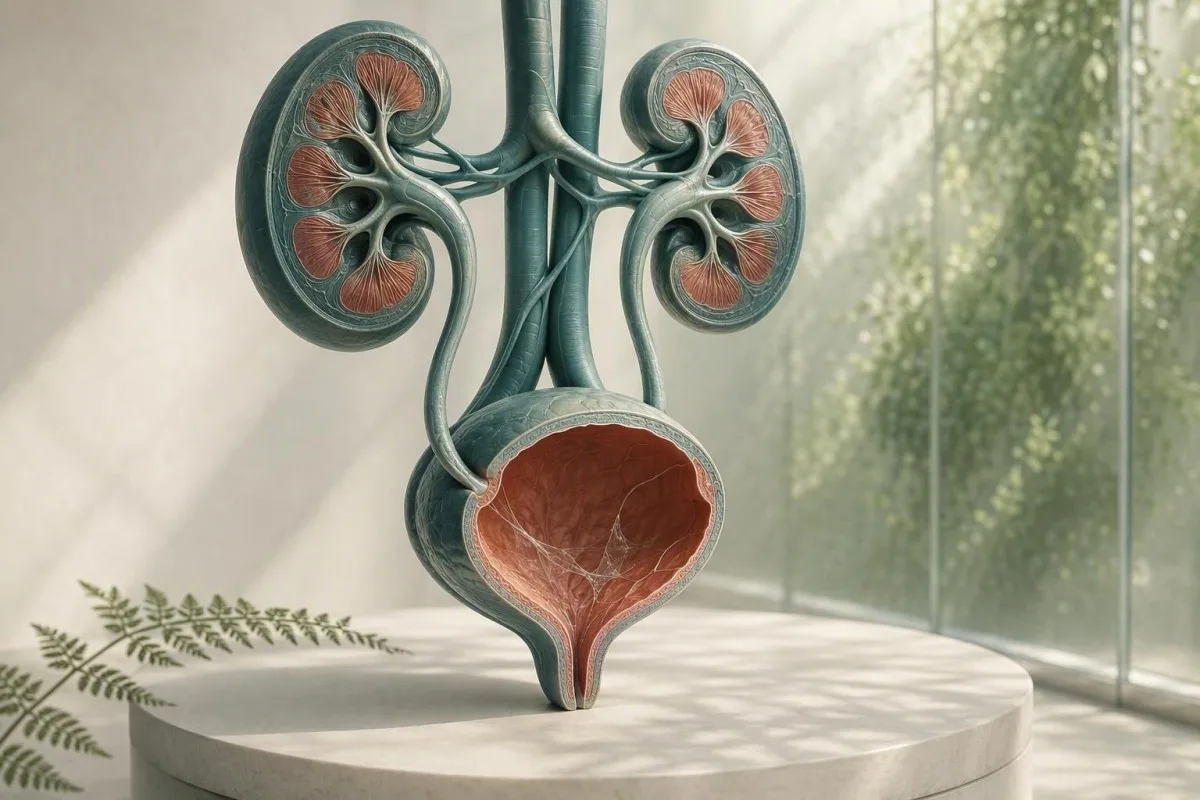
சிறுநீர் நுண்ணோக்கி அறிக்கையில் உள்ள சளி பொதுவாக ஒரு சேகரிப்புப் பிரச்சனை, நோயறிதல் அல்ல. சுற்றியுள்ள சிறுநீர் பகுப்பாய்வு கண்டுபிடிப்புகள், அறிகுறிகள் மற்றும் மாதிரியின் தரம் ஆகியவை தொடர் பரிசோதனை தேவையா என்பதை தீர்மானிக்கின்றன.


- சளி இழைகள் தனியாக, குறிப்பாக சிறுநீர் அறிகுறிகள் இல்லாத ஒற்றை சுத்தமான-பிடி மாதிரி, பொதுவாக பாதிப்பில்லாதவை.
- Pyuria threshold ஒரு உயர்-சக்தி புலத்தில் 5 வெள்ளை செல்கள் அதிகமாக இருப்பது சிறுநீர் பாதை அழற்சியை ஆதரிக்கிறது, ஆனால் பாக்டீரியா UTI-ஐ நிரூபிக்காது.
- Culture trigger என்பது சளி, எரிச்சல், அவசரம், காய்ச்சல், இடுப்பு வலி, நைட்ரைட்டுகள் அல்லது குறிப்பிடத்தக்க வெள்ளை செல்கள்—சளி மட்டும் அல்ல.
- Squamous cells ஒரு உயர்-சக்தி புலத்தில் தோராயமாக 10-க்கு மேல் இருப்பது பிறப்புறுப்பு-தோல் மாசுபாட்டைக் குறிக்கிறது மற்றும் சிறுநீர் முடிவை நம்பகத்தன்மையை குறைக்கிறது.
- கண்கூடாகத் தெரியும் இரத்தம் கொலிக்கி பக்க வலியுடன் கூடியவருக்கு, சளி கூட தெரிவிக்கப்படிருந்தாலும், ஒரு கல்லைத் தாமதமின்றி மதிப்பிட வேண்டும்.
- கர்ப்பம் சிறுநீர் நுண்ணோக்கி மூலம் மட்டும் பரிசோதிக்கப்படாமல், வழக்கமாக சிறுநீர் வளர்ப்பு மூலம் பரிசோதிக்கப்படுவதால், இதன் பின்தொடர்ச்சிக்கான வரம்பை மாற்றுகிறது.
- மங்கலான சிறுநீர் படிகங்கள், செறிவூட்டப்பட்ட சிறுநீர், யோனி வெளியேற்றம், விந்து அல்லது செல்களைப் பிரதிபலிக்க முடியும்; அதன் தோற்றத்தால் தொற்றுநோயைக் கண்டறிய முடியாது.
- மீண்டும் மாதிரி சளி மட்டுமே அசாதாரண கண்டுபிடிப்பாக இருக்கும்போது மற்றும் சேகரிப்பு கவனமாக நடு-ஸ்ட்ரீம் சுத்தமான-கேட்ச் ஆக இல்லாதபோது இது அர்த்தமுள்ளதாக இருக்கிறது.
சிறுநீர் பகுப்பாய்வில் சளி இழைகள் பொதுவாக என்ன அர்த்தம்
சிறுநீரில் உள்ள சளி இழைகள் வழக்கமாக சாதாரண பாதுகாப்பு சுரப்பு அல்லது பிறப்புறுப்பு மாசுபடுதலின் இழைகளாகும், மேலும் தனித்த முடிவு அரிதாகவே சிறுநீரக நோயைக் குறிக்கிறது. சிறுநீர் அறிகுறிகள், வெள்ளை செல்கள், பாக்டீரியாக்கள், இரத்தம் அல்லது புரதத்துடன் தோன்றும் போது கண்டுபிடிப்பு அர்த்தமுள்ளதாகிறது.
ஆய்வகங்கள் சளியை நுண்ணோக்கியின் கீழ் காணப்படும் மெல்லிய, ஒளி ஊடுருவக்கூடிய இழைகளாக அடையாளம் காட்டுகின்றன; பல அறிக்கைகள் எண்ணியல் குறிப்பு வரம்பை ஒதுக்குவதை விட அரிதானவை, சில, மிதமானவை அல்லது பல என மதிப்பிடுகின்றன. சிறுநீர்ப்பை பாதையிலிருந்து இயற்கையாகவே கிளைகோபுரோட்டீன் நிறைந்த ஒரு சிறிய அளவுப் பொருள் சிறுநீரில் உள்ளது, மேலும் சேகரிப்பின் போது யோனி அல்லது சிறுநீர்க்குழாய் சுரப்புகள் மேலும் சேர்க்கலாம்.
அறிக்கையின் வார்த்தை அதன் அர்த்தத்தை விட குறைவான அச்சுறுத்தலானது. ஆகஸ்ட் 26, 2026 அன்று, சிறுநீர் பாதை தொற்று, கல், புற்றுநோய் அல்லது சிறுநீரக செயலிழப்பைக் கண்டறிய சரிபார்க்கப்பட்ட சளி-இழை எண்ணிக்கை எதுவும் இல்லை; இது ஒரு சூழல் சார்ந்த நுண்ணோக்கி அவதானிப்பு. ஒரு டிப்ஸ்டிக் மற்றும் நுண்ணோக்கி அறிக்கையில் உள்ள மற்ற பொருட்களின் பரந்த வரைபடத்திற்கு, எங்கள் முழுமையான சிறுநீர் பகுப்பாய்வு வழிகாட்டி.
எனது மருத்துவ அனுபவத்தில், “மிதமான,” 0-2 வெள்ளை செல்கள் ஒரு உயர்-சக்தி புலம், எதிர்மறை நைட்ரைட், மற்றும் இரத்தம் இல்லாத ஒரு அறிகுறியற்ற வயது வந்தவருக்கு, பொதுவாக உறுதியளித்தல் அல்லது ஒரு முறையாக சேகரிக்கப்பட்ட மறு மாதிரி மூலம் சிறப்பாக சேவை செய்யப்படுகிறது. ஒரு ஆய்வகக் கொடி ஒரு நோய் லேபிளாகத் தவறாகப் புரிந்து கொள்ளப்படுவதால், தேவையற்ற ஆண்டிபயாடிக் பதட்டம் எழுகிறது என்று டாக்டர் தாமஸ் க்ளீன் அடிக்கடி காண்கிறார்.
Kantesti ஒரு AI இரத்த பரிசோதனை விளக்கம் தளமாகும், இது கிரியேட்டினின் மற்றும் eGFR போன்ற சிறுநீரக-தொடர்புடைய இரத்த குறிப்பான்களை சிறுநீர் பகுப்பாய்வு கண்டுபிடிப்புடன் வைக்க முடியும் - ஆனால் இது சளியிலிருந்து மட்டும் சிறுநீர் பாதை தொற்றுநோயைக் கண்டறிய முடியாது. ஒரு சிறுநீர் நுண்ணோக்கி முடிவு, அதனுடன் வந்த மருத்துவ கதையுடன் தேவைப்படுகிறது.
ஒரு ஆய்வகம் ஏன் அதைக் கொடியிடுகிறது
ஆய்வக தகவல் அமைப்புகள் சளியைக் கொடியிடுகின்றன, ஏனெனில் அது பார்வைக்கு உள்ளது, ஆய்வகம் ஒரு ஆபத்தான வெட்டுப்பாதையை நிறுவியுள்ளதால் அல்ல. எனவே ஒரு கொடி “கண்டறியப்பட்டது” என்பதைக் குறிக்கிறது, “அபாயகரமான நோய் குறிப்பான்” என்பதைக் காட்டிலும், இது ஒரு தனித்த தடயம் சிகிச்சை தேவைப்படாமல் இருக்கலாம், அதுபோலவே.
சிறுநீர் மாதிரியில் சளி எங்கிருந்து வருகிறது
சிறுநீரில் உள்ள சளி சிறுநீர்க்குழாய், சிறுநீர்ப்பை புறணி, கர்ப்பப்பை வாய் அல்லது யோனி, விந்து, அல்லது சேகரிப்பின் போது வெளிப்புற பிறப்புறுப்பு தோலில் இருந்து எழலாம். அதன் மூலம் இழைகளிலிருந்து நேரடியாகப் பெறப்படுவதை விட, மற்ற நுண்ணோக்கி வடிவத்திலிருந்து அதன் மூலம் பெரும்பாலும் ஊகிக்கப்படுகிறது.
சிறுநீர்ப்பை மற்றும் சிறுநீர்க்குழாய் ஆகியவை மியூசின்களைக் கொண்ட ஒரு பாதுகாப்பு மேற்பரப்பு அடுக்கைக் கொண்டுள்ளன, இதில் யூரோபிளாகின்-தொடர்புடைய பொருள் அடங்கும், இது உராய்வு மற்றும் நுண்ணுயிர் இணைப்பைக் குறைக்கிறது. நீர்ச்சத்து குறைபாடு, சமீபத்திய பாலியல் செயல்பாடு, சிறிய எரிச்சல் அல்லது முதல்-காலை மாதிரி செறிவூட்டப்பட்டிருப்பதால் இழைகளை எளிதாகக் காண முடிவதால் சிறிய அளவுகள் சிறுநீரில் சிந்தலாம்.
மாதவிடாய் உள்ளவர்கள் அல்லது யோனி வெளியேற்றம் உள்ளவர்களுக்கு, சிறுநீர்ப்பையில் இருந்து வராமல் சிறுநீர் கோப்பைக்குள் லுகோசைட்டுகள் மற்றும் சளி நுழையலாம். 10 க்கும் மேற்பட்ட ஒரு உயர்-சக்தி புலம் ஒன்றுக்கு 21 செதிள் எபிதீலியல் செல்கள் மேலும் மாசுபடுதலை அதிகரிக்கும், இருப்பினும் ஆய்வகங்கள் வெவ்வேறு அறிக்கையிடும் வரம்புகளைப் பயன்படுத்துகின்றன. எங்கள் வழிகாட்டி சிறுநீரில் எபிதீலியல் செல்கள் இந்த முடிவு மீதான நம்பிக்கையை ஏன் மாற்றுகிறது என்பதை விளக்குகிறது.
விந்துவும் விந்து வெளியேறிய சில மணிநேரங்களுக்குப் பிறகு, நூல் போன்ற பொருள் அல்லது மேகமூட்டத்தை உருவாக்கலாம். அது சிறுநீரை பாதுகாப்பற்றதாக மாற்றாது, ஆனால் நுண்ணோக்கியைப் பார்ப்பதை மறைக்கக்கூடும்; கலாச்சாரம் கருதப்பட்டால், சாத்தியமானால், குறைந்தது 24 மணிநேரம் கழித்து புதிய மாதிரியை சேகரிக்க நான் பொதுவாக அறிவுறுத்துகிறேன்.
பாலியல் மற்றும் உடற்கூறியல் அறிக்கையை ஏன் பாதிக்கின்றன
சிறுநீர்க் கோப்பை சிறுநீர்ப்பையை அருகிலுள்ள திசுக்களிலிருந்து தனிமைப்படுத்தாது. அதனால்தான் வெளிப்புற சுரப்புகளுடன் கூடிய மாதிரிகளில் “சளி உள்ளது” என்பது அடிக்கடி தெரிவிக்கப்படுகிறது, அதே நேரத்தில் மருத்துவர்கள் தூய்மையான பதிலைக் கோரும்போது ஒரு வடிகுழாய் மாதிரி சில சமயங்களில் பயன்படுத்தப்படுகிறது.
சிறுநீர் குழாய் தொற்றுநோயை நோக்கி சளி இழைகள் எப்போது சுட்டிக்காட்டுகின்றன
சளி இழைகள், அறிகுறிகள் மற்றும் புறநிலை அழற்சி கண்டுபிடிப்புகளுடன், குறிப்பாக சிறுநீர்ப்பstartswith, நைட்ரைட் நேர்மறை அல்லது நம்பத்தகுந்த கலாச்சாரத்துடன் இணையும்போது மட்டுமே ஒரு சாத்தியமான சிறுநீர் பாதை தொற்றை ஆதரிக்கின்றன. சளி என்பது சிறுநீர் பாதை தொற்று சோதனை அல்ல.
அறிகுறிகளுடன் கூடிய கீழ் சிறுநீர் பாதை தொற்றானது பொதுவாக எரிச்சல், அவசரம், அடிக்கடி சிறுநீர் கழித்தல், சிறுநீர்ப்பைக்கு மேல் அசௌகரியம் மற்றும் சில சமயங்களில் புதிய சிறுநீர் வாசனை ஆகியவற்றை ஏற்படுத்தும். சரியாக சேகரிக்கப்பட்ட மாதிரியில், உயர்-சக்தி புலத்திற்கு 5 வெள்ளை இரத்த அணுக்களுக்கு மேல் பெரும்பாலும் சிறுநீர்ப்பstartswith என்று அழைக்கப்படுகிறது; இது சிறுநீர் பாதை அழற்சியை ஆதரிக்கிறது, ஆனால் கற்கள், பாலியல் ரீதியாக பரவும் நோய்த்தொற்றுகள் மற்றும் மாசுபடுதல் ஆகியவற்றிலும் ஏற்படலாம்.
நைட்ரைட் நேர்மறையாக இருக்கும்போது மிகவும் குறிப்பிட்டதாக இருக்கும், ஆனால் நைட்ரேட்டைக் குறைக்காத உயிரினங்களால் ஏற்படும் நோய்த்தொற்றுகளைத் தவறவிடுகிறது, மேலும் எதிர்மறை நைட்ரைட் முடிவு சிறுநீர் பாதை தொற்றை நிராகரிக்காது. லுகோசைட் எஸ்டரேஸ் வெள்ளை-செல் நொதி செயல்பாட்டைக் கண்டறிந்து, யோனி சுரப்புகள் மாதிரியை மாசுபடுத்தும்போது தவறாக நேர்மறையாக இருக்கலாம்; எங்கள் விளக்கம் லியூகோசைட் எஸ்டரேஸ் முடிவுகள் இந்த சிக்கல்களை உள்ளடக்குகிறது.
IDSA வழிகாட்டுதலானது ஆரோக்கியமான கர்ப்பமாக இல்லாத பெரியவர்களில் அறிகுறிகளற்ற பாக்டீரியூரியாவை பரிசோதிப்பதற்கோ அல்லது சிகிச்சையளிப்பதற்கோ எதிராக அறிவுறுத்துகிறது, ஏனெனில் ஆண்டிபயாடிக் மருந்துகள் நன்மைகள் இல்லாமல் தீங்கு சேர்க்கின்றன (Nicolle et al., 2019). அந்த கோட்பாடு குறிப்பாக சளிக்கு பொருந்தும்: எரிச்சல் இல்லை, காய்ச்சல் இல்லை, மற்றும் திட்டமிடப்பட்ட சிறுநீரக செயல்முறை இல்லை என்றால், ஒரு நுண்ணோக்கி புலம் ஒழுங்கற்றதாகத் தோன்றியதால் பொதுவாக ஆண்டிபயாடிக் இருக்காது.
கலாச்சாரம் சிறந்த சோதனை எப்போது
அறிகுறிகள் நீடித்தால், 4 வாரங்களுக்குள் அறிகுறிகள் மீண்டும் ஏற்பட்டால், கர்ப்பம் இருந்தால், சிறுநீரக அழற்சி சந்தேகிக்கப்பட்டால், அல்லது முந்தைய ஆண்டிபயாடிக் மருந்துகள் முடிவை மாற்றியிருக்கலாம் என்றால், சிறுநீர் கலாச்சாரம் மீண்டும் டிப்ஸ்டிக்கை விட பயனுள்ளதாக இருக்கும். கலப்பு பாக்டீரியா வளர்ச்சி பொதுவாக சேகரிப்பு மாசுபாட்டைக் குறிக்கிறது, ஒற்றை சிறுநீர் நோய்க்கிருமி அல்ல; பார்க்கவும் சிறுநீர் கல்ச்சர் விளக்கம்.
சளி, படிகங்கள், கற்கள் மற்றும் இயந்திர எரிச்சல்
கடுமையான அலை போன்ற இடுப்பு வலி அல்லது சிறுநீரில் இரத்தம் கொண்ட சளி ஒரு சிறுநீரகக் கல்லுடன் ஏற்படலாம், ஆனால் சளி ஒரு கல்லை உறுதிப்படுத்தவோ அல்லது விலக்கவோ இல்லை. இரத்தம், படிகங்கள், வலி வடிவம், இமேஜிங் மற்றும் சிறுநீரக செயல்பாடு ஆகியவை மிகவும் முக்கியம்.
ஒரு கல் சிறுநீர் புறணியை கீறலாம் அல்லது தடுக்கலாம், சிவப்பு செல்கள், வெள்ளை செல்கள் மற்றும் கூடுதல் சளியை உற்பத்தி செய்யலாம். வழக்கமான அறிகுறி என்பது திடீர் வலி மிகுந்த இடுப்புக்கு பரவும் வலி, குமட்டலுடன்; தெரியும் சிவப்பு அல்லது தேநீர் நிற சிறுநீர் அவசரத்தை அதிகரிக்கிறது. பற்றி மேலும் படிக்கவும் சிறுநீரில் இரத்தம் வருவதற்கான அபாய அறிகுறிகள் ஒவ்வொரு இளஞ்சிவப்பு மாதிரியும் ஒரு எளிய தொற்று என்று கருதுவதை விட.
கால்சியம் ஆக்சலேட் படிகங்கள் ஆரோக்கியமான மக்களில் தோன்றலாம், குறிப்பாக செறிவூட்டப்பட்ட அமில சிறுநீரில், எனவே ஒரு படிக வகை ஒரு செயலில் உள்ள கல்லை நிரூபிக்காது. வலி, மீண்டும் மீண்டும் வரும் கற்கள் அல்லது நீடித்த இரத்தப்போக்கு உள்ள ஒரு நபரில், மருத்துவர்கள் படிவு மட்டுமே நம்புவதை விட அல்ட்ராசவுண்ட் அல்லது குறைந்த-அளவு CT ஐப் பயன்படுத்தலாம். படிக அறிக்கைகளின் வரம்புகளை எங்கள் ஆதாரம் கால்சியம் ஆக்சலேட் படிகங்கள் விவரிக்கிறது.
ஒரு முக்கியமான விதிவிலக்கு தொற்றுடன் தடுப்பு: 38.0°C அல்லது அதற்கும் அதிகமான காய்ச்சல், இடுப்பு வலி, வாந்தி, மற்றும் சிறுநீர் கழிக்க இயலாமை அவசர மதிப்பீட்டிற்கு உத்தரவாதம் அளிக்கிறது. கவலை சளி அல்ல; இது ஒரு தொற்றடைந்த தடுக்கப்பட்ட சிறுநீர் அமைப்பு, இது விரைவாக மோசமடையக்கூடும்.
கல் இல்லாமல் எரிச்சல்
சமீபத்திய வடிகுழாய் பயன்பாடு, சிறுநீர்ப்பை செயல்முறைகள், தீவிர சைக்கிள் ஓட்டுதல் மற்றும் இடுப்பு கதிர்வீச்சு ஆகியவை கீழ் பாதையை எரிச்சலூட்டி சளி அல்லது வெள்ளை செல்களை அதிகரிக்கலாம். மருத்துவர் இந்த முடிவுகளை நேரத்துடன் ஒப்பிட்டுப் பார்க்க வேண்டும், ஏனெனில் கருவியைச் செய்த 48 மணி நேரத்திற்குள் சேகரிக்கப்பட்ட ஒரு மாதிரி வழக்கமான பரிசோதனை மாதிரிக்கு சமமானதல்ல.
மேகமூட்டமான சிறுநீர் அர்த்தம்: தோற்றம் என்ன சொல்ல முடியும், என்ன சொல்ல முடியாது
மேகமூட்டமான சிறுநீரில் செறிவூட்டப்பட்ட உப்புகள், படிகங்கள், சளி, செல்கள், பிறப்புறுப்பு வெளியேற்றம் அல்லது பாக்டீரியாக்கள் காரணமாக இருக்கலாம், எனவே தோற்றம் மட்டுமே தொற்றைக் கண்டறிய முடியாது. மேகமூட்டமான ஆனால் வலியற்ற மற்றும் குறுகிய கால சிறுநீர் பொதுவாக அவசரமற்றது.
கார சிறுநீர் குளிர்ந்த பிறகு பாஸ்பேட் படிகங்கள் மேகமூட்டமாகவும், அமில செறிவூட்டப்பட்ட சிறுநீர் யூரட் படிகங்களால் மேகமூட்டமாகவும் தோன்றலாம். 2 மணிநேரத்திற்கு மேல் அறை வெப்பநிலையில் விடப்படும் ஒரு மாதிரி, செல்கள் சிதைந்து பாக்டீரியாக்கள் பெருகுவதால் படிப்படியாக கலங்கலாக மாறக்கூடும், இதனால்தான் புதிய செயலாக்கம் அல்லது குளிர்பதனம் முக்கியமானது.
ஒளிர்வுடன் சிறுநீர் கழிக்கும்போது எரிச்சல், அவசரம் மற்றும் ப்யூரியா ஆகியவை பரிசோதனைக்குத் தகுதியானவை; உடற்பயிற்சிக்குப் பிறகு அல்லது போதிய திரவ உட்கொள்ளாமல் இருக்கும் ஒளிர்வு சாதாரண நீரேற்றத்துடன் மேம்படும். மிகத் தெளிவான சிறுநீர் சிறுநீரகங்கள் தொற்றை “வெளியேற்றுகின்றன” என்று அர்த்தமல்ல - வெளிர் மஞ்சள் நிற சிறுநீரை நோக்கமாகக் கொள்ளுங்கள். எங்கள் விரிவான ஆய்வு மேகமூட்டமான சிறுநீர் காரணங்கள் காட்சி குறிப்புகளை நம்பகமான சோதனைகளிலிருந்து பிரிக்கிறது.
கான்டெஸ்டி என்பது ஒரு AI இரத்த பரிசோதனை பகுப்பாய்வி மருத்துவ சூழலில் இரத்த குறிப்பான்களை விளக்குவதற்காக வடிவமைக்கப்பட்டது; சிறுநீர் அசாதாரணங்களுடன் இணைந்து உயர்ந்த கிரியேட்டினின் அல்லது குறைந்த eGFR மருத்துவ மதிப்பாய்வை நியாயப்படுத்தலாம், அதேசமயம் மேகமூட்டமான சிறுநீர் மட்டுமே சிறுநீரக வடிகட்டுதல் குறைபாட்டை நிறுவவில்லை. நீரிழப்பு அல்லது அடைப்பு போன்ற அறிகுறிகள் தோன்றும்போது அடிப்படை வளர்சிதை மாற்றப் பலகை பயனுள்ள சூழலைச் சேர்க்கலாம்.
வாசனை ஒரு கலாச்சாரம் அல்ல
வலுவான வாசனை கொண்ட சிறுநீர் பெரும்பாலும் செறிவு, அஸ்பாரகஸ் மெட்டபாலிட்டுகள், பி வைட்டமின்கள் அல்லது நீண்ட நேரம் இருந்த ஒரு கொள்கலனைப் பிரதிபலிக்கிறது. காய்ச்சல் அல்லது சிறுநீர் அறிகுறிகளுடன் புதிய துர்நாற்றம் மதிப்பீட்டைத் தேடுவதற்கு ஒரு காரணம், ஆனால் வாசனை நுண்ணோக்கி மற்றும் கலாச்சாரத்திற்கு மாற்றாகாது.
பிறப்புறுப்பு வெளியேற்றம் மற்றும் பால்வினை நோய்த்தொற்றுகள்
சிறுநீர்க்குழாய் அல்லது யோனி வெளியேற்றம் சிறுநீரில் சளி போல் தோன்றலாம், மேலும் சிறுநீர் எரிச்சலுடன் கூடிய புதிய வெளியேற்றம் சிறுநீர் மதிப்பீட்டோடு பாலியல் சுகாதார சோதனையையும் தேவைப்படுகிறது. வழக்கமான சிறுநீர் கலாச்சாரம் கிளமிடியா மற்றும் கொனோரியாவைத் தவறவிடக்கூடும்.
கிளமிடியா மற்றும் கொனோரியா ஆகியவை டிஸ்யூரியா மற்றும் மலட்டு ப்யூரியாவை ஏற்படுத்தும் - சாதாரண பாக்டீரியா வளர்ச்சி இல்லாமல் வெள்ளை செல்கள் - குறிப்பாக புதிய பாலியல் வெளிப்பாட்டிற்குப் பிறகு. வழக்கமான கலாச்சாரம் வெவ்வேறு உயிரினங்களை இலக்காகக் கொள்வதால், முதல்-பிடிப்பு சிறுநீரைப் பயன்படுத்தும் நியூக்ளிக் அமில பெருக்க சோதனை, ஒரு நடுத்தர மாதிரிக்கு பதிலாக, பொருத்தமான சோதனை ஆகும்.
பெண்களில், பாக்டீரியா வஜினோசிஸ், கேண்டிடியாசிஸ் மற்றும் கர்ப்பப்பை வாய் அழற்சி ஆகியவை ஒரு நடுத்தர கோப்பையில் வெளியேற்றத்தைச் சேர்க்கலாம்; சிறுநீர் நுண்ணோக்கியை மீண்டும் செய்வதை விட யோனி ஸ்வாப் அல்லது பரிசோதனை மிகவும் பயனுள்ளதாக இருக்கும். ஆண்களில், காணக்கூடிய சிறுநீர்க்குழாய் வெளியேற்றம் “சளி நூல்கள்” என்று புறக்கணிக்கப்படக்கூடாது. நடைமுறை வேறுபாடு சிறுநீர் கழிக்கும்போது வெளியே காணப்படுகிறது அல்லது ஆய்வகத்தால் மட்டுமே தெரிவிக்கப்படும் இழைகள்.
2021 CDC STI சிகிச்சை வழிகாட்டி, அறிகுறிகளை மட்டும் நம்பாமல், வெளிப்பாட்டு வரலாற்றின்படி தொடர்புடைய உடற்கூறியல் தளங்களில் NAAT-அடிப்படையிலான சோதனையைப் பரிந்துரைக்கிறது (Workowski et al., 2021). இடுப்பு வலி, விரைகள் வலி, காய்ச்சல், கர்ப்பம் அல்லது சாத்தியமான தாக்குதல் ஆகியவை சம்பந்தப்பட்டால், எஞ்சியிருக்கும் ஆண்டிபயாடிக் மருந்துகளுடன் சுயமாக சிகிச்சையளிப்பதற்கு பதிலாக, அதே நாள் மருத்துவ ஆலோசனையைப் பெறவும்.
ஆண்டிபயாடிக் மருந்துகள் படத்தை ஏன் குழப்புகின்றன
கலாச்சாரத்திற்கு முன் 1 அல்லது 2 ஆண்டிபயாடிக் அளவுகளை எடுப்பது கூட சாதாரண பாக்டீரியா வளர்ச்சியை அடக்கக்கூடும், அதே நேரத்தில் சிறுநீர் அறிகுறிகளும் வெள்ளை செல்களும் தொடர்கின்றன. எந்த மருந்து, அளவு மற்றும் கடைசி மருந்து நேரம் பயன்படுத்தப்பட்டது என்பதை மருத்துவரிடம் சரியாகச் சொல்லுங்கள்; அந்த விவரம் எதிர்மறை கலாச்சாரம் எவ்வாறு விளக்கப்படுகிறது என்பதை மாற்றுகிறது.
கேள்விகளுக்கு பதிலளிக்கும் சிறுநீர் மாதிரியை எவ்வாறு சேகரிப்பது
ஒரு நடுத்தர சுத்தமான-பிடிப்பு மாதிரி, ஓட்டத்தின் முதல் அல்லது கடைசி பகுதியைப் பெறுவதை விட, சளி, செதிள் செல்கள் மற்றும் கலப்பு பாக்டீரியா வளர்ச்சியை சிறப்பாகக் குறைக்கிறது. நுட்பம் எளிதானது, ஆனால் முதல் 2 வினாடிகள் விகிதாசார வேறுபாட்டை ஏற்படுத்துகின்றன.
கைகளைக் கழுவவும், பிறப்புறுப்பு தோலை பிரிக்கவும் அல்லது வசதியாக இருந்தால் முன் தோலை பின்வாங்கவும், கிட் வழிமுறைகளின்படி சுத்தம் செய்யவும், கழிப்பறைக்குள் சிறுநீர் கழிக்கத் தொடங்கவும், பின்னர் கோப்பை தோலில் படாமல் நடுப்பகுதியை சேகரிக்கவும். 20-30 மி.லி மாதிரி பொதுவாக போதுமானது; ஒரு பெரிய கொள்கலனை விளிம்பு வரை நிரப்புவது சோதனையை மேம்படுத்தாது.
கோப்பையை உடனடியாக வழங்கவும், ஒரு மணி நேரத்திற்குள் சிறந்தது; தாமதம் தவிர்க்க முடியாததாக இருந்தால், ஆய்வகத்தின் வழிமுறைகளின்படி அதை குளிர்விக்கவும் மற்றும் 24 மணி நேரத்திற்குள் திரும்பவும். குளிர்பதனம் பாக்டீரியா வளர்ச்சியை மெதுவாக்குகிறது, ஆனால் ஏற்கனவே மாசுபடுத்தப்பட்ட மாதிரியை மீட்டெடுக்காது. இது குறிப்பாக கோரிக்கை ஒரு டிப்ஸ்டிக்கை மட்டும் கொண்டிராமல், கலாச்சாரத்தையும் உள்ளடக்கும் போது முக்கியமானது.
கான்டெஸ்டி என்பது ஒரு AI-இயங்கும் இரத்த பரிசோதனை பகுப்பாய்வு கருவி 127+ நாடுகளில் பயன்படுத்தப்படுகிறது, மேலும் எங்கள் மருத்துவர்-மதிப்பாய்வு செய்யப்பட்ட பணிப்பாய்வுகள் மாதிரி தரத்தை ஒரு அடிக்குறிப்பாக அல்லாமல் விளக்கத்தின் ஒரு பகுதியாகக் கருதுகின்றன. அதே கொள்கை எந்த ஆய்வக மதிப்பிற்கும் பொருந்தும்: தொழில்நுட்ப ரீதியாக மோசமான மாதிரி மருத்துவ ரீதியாக நம்பத்தகுந்த ஆனால் தவறான முடிவை உருவாக்க முடியும். எங்கள் CE ஐப் பார்க்கவும் ஆய்வக துல்லியம் சரிபார்ப்பு பட்டியல் தனிமைப்படுத்தப்பட்ட கொடியின் மீது செயல்படுவதற்கு முன் கேட்க வேண்டிய கேள்விகளுக்கு.
நீங்கள் காத்திருக்க முடிந்தால் இந்த சூழ்நிலைகளின் போது சேகரிக்க வேண்டாம்
கனமான மாதவிடாய் ஓட்டத்தின் போது, உடலுறவுக்குப் பிறகு உடனடியாக, அல்லது யோனி கிரீம்களைப் பயன்படுத்திய பிறகு, மருத்துவர் குறிப்பாகக் கோரினால் தவிர, வழக்கமான சோதனையைத் தவிர்க்கவும். சோதனை காத்திருக்க முடியாதபோது, ஆய்வகம் அல்லது மருத்துவரிடம் சொல்லுங்கள், ஏனெனில் அந்த சூழல் சளி, சிவப்பு செல்கள் அல்லது வெளிப்புற செல்களை விளக்கக்கூடும்.
மருத்துவர்கள் சிறுநீர் பகுப்பாய்வின் மீதமுள்ள பகுதியுடன் சளியை எவ்வாறு படிக்கிறார்கள்
வெண் இரத்த அணுக்கள், சிவப்பணுக்கள், நைட்ரைட், லுகோசைட் எஸ்டெரேஸ், புரதம், குளுக்கோஸ், குறிப்பிட்ட ஈர்ப்பு, மற்றும் எபிதீலியல் செல்கள் ஆகியவற்றுடன் அறிகுறிகளின் சேர்க்கை மிகவும் பயனுள்ள சிறுநீர் பகுப்பாய்வு வடிவமாகும். சளி என்பது அந்த வடிவத்தில் ஒரு சிறிய துணை அம்சமாகும்.
சளி, ஒரு உயர்-சக்தி புலத்திற்கு 0–2 வெண் இரத்த அணுக்கள், எதிர்மறை நைட்ரைட், மற்றும் இரத்தம் இல்லாத ஒரு சுத்தமான மாதிரிக்கு பொதுவாக சிகிச்சை தேவையில்லை. ஒரு உயர்-சக்தி புலத்திற்கு 5 வெண் இரத்த அணுக்களுக்கு மேல் சளி மற்றும் நேர்மறை லுகோசைட் எஸ்டெரேஸ் அழற்சியின் நிகழ்தகவை அதிகரிக்கிறது; நைட்ரைட் அல்லது ஒற்றை-உயிரி வளர்ப்பை சேர்ப்பது பாக்டீரியாக்கள் பொறுப்பு என்பதற்கு நம்பிக்கையை அதிகரிக்கிறது.
புரதத்திற்கு அதன் சொந்த பாதை தேவை. காய்ச்சல், உடற்பயிற்சி, அல்லது செறிவூட்டப்பட்ட சிறுநீர் பிறகு தடய புரதம் தற்காலிகமாக இருக்கலாம், ஆனால் நிலையான புரதத்தை சளியுடன் தொடர்புபடுத்துவதை விட அல்புமின்-டு-கிரியேட்டினின் விகிதத்துடன் அளவிட வேண்டும். எங்கள் வழிகாட்டி சிறுநீரில் புரதம் டிப்ஸ்டிக் புரதம் மற்றும் சிறுநீரக ஆபத்து ஒன்றுக்கொன்று மாற்ற முடியாதவை ஏன் என்பதை விளக்குகிறது.
குறிப்பிட்ட அடர்த்தி 1.003 முதல் 1.030 வரை பெரியவர்களில் பொதுவானது, இருப்பினும் குறிப்பு இடைவெளிகள் ஆய்வகத்திற்கு ஏற்ப மாறுபடும். அதிக குறிப்பிட்ட ஈர்ப்பு சளியை செறிவூட்டி ஒரு வியத்தகு தோற்றமுடைய படிவை உருவாக்கலாம், அதே நேரத்தில் குறைந்த குறிப்பிட்ட ஈர்ப்பு செல்களை உடைத்து நுண்ணோக்கியை ஏமாற்றும் வகையில் அற்பமாக மாற்றலாம்; எங்கள் குறிப்பிட்ட ஈர்ப்பு வழிகாட்டி நீரேற்றம் விளக்கத்தை எவ்வாறு பாதிக்கிறது என்பதைக் காட்டுகிறது.
எதிர்மறை கண்டுபிடிப்புகளின் மதிப்பு
எதிர்மறை இரத்தம், புரதம், நைட்ரைட், மற்றும் லுகோசைட் எஸ்டெரேஸ் ஆகியவை அறிகுறியற்ற ஒரு நபரில் கவலையை அர்த்தமுள்ள வகையில் குறைக்கின்றன, சளி மிதமானதாக அறிவிக்கப்பட்டாலும் கூட. எந்த ஒரு எதிர்மறை சோதனையும் சரியானது அல்ல, ஆனால் இந்த கூட்டம் சளி தரத்தைப் போல கவலையளிக்கிறது.
பரிசோதனையை எப்போது மீண்டும் செய்ய வேண்டும், எப்போது Culture-ஐக் கேட்க வேண்டும்
சளி தனிமைப்படுத்தப்பட்டால், செதிள் செல்கள் மாசுபடுவதைக் குறித்தால், அல்லது சேகரிப்பு அவசரமாக செய்யப்பட்டால் சிறுநீர் மாதிரியை மீண்டும் செய்யவும்; அறிகுறிகள் நீடித்தால், மீண்டும் வந்தால், கடுமையானதாக இருந்தால், அல்லது உயர்-ஆபத்து இருந்தால் வளர்ப்பைக் கோரவும். ஒரு மீண்டும் சோதனை “ஒன்றும் செய்யாமல் இருப்பது” அல்ல - இது பெரும்பாலும் கண்டறியும் அடுத்த படியாகும்.
கர்ப்பமாக இல்லாத, அறிகுறியற்ற, மற்றும் சளி மட்டுமே கொடியாக உள்ள ஒரு பெரியவருக்கு, மீண்டும் ஒரு சுத்தமான-பிடிப்பு சிறுநீர் பகுப்பாய்வு 1-2 வாரங்களுக்குள் நியாயமானதாகும், இது தேவைப்பட்டால்; பல மருத்துவர்கள் அதைச் செய்யவே மாட்டார்கள். ஒரு மருத்துவர் மருத்துவ அறிகுறியைக் கண்டறிந்தாலன்றி, ஆய்வகக் கொடியை நுண்ணுயிர் எதிர்ப்பிகளுடன் காத்திருக்கும்போது சிகிச்சையளிக்க வேண்டாம்.
காய்ச்சல், பக்க வலி, கர்ப்பம், நோய் எதிர்ப்பு சக்தி குறைபாடு, சிறுநீரக மாற்று அறுவை சிகிச்சை, சிறுநீர்க் குழாய் பயன்பாடு, ஆண் சிறுநீர் அறிகுறிகள், அல்லது 4 வாரங்களுக்குள் திரும்பும் அறிகுறிகளுக்கு நுண்ணுயிர் எதிர்ப்பிகளுக்கு முன் வளர்ப்பு மிகவும் பயனுள்ளதாக இருக்கும். குப்தா மற்றும் பலர் (2011) வழிகாட்டுதல், சந்தேகத்திற்கிடமான பைலோனெப்ரிடிஸ் மற்றும் எதிர்ப்பு அல்லது மாற்று நோயறிதல் மிகவும் சாத்தியமான சூழ்நிலைகளில் வளர்ப்பை ஆதரிக்கிறது.
கல்ச்சர் எண்ணிக்கையை சேகரிப்பு தரத்துடன் சேர்த்து பார்க்க வேண்டும். 10^5 காலனி-உருவாக்கும் அலகுகள்/மிலி பாரம்பரியமாக சுத்தமான இடை-ஓட்ட சிறுநீரில் பாக்டீரியாவைக் கண்டறிய பயன்படுத்தப்படுகிறது, ஆனால் அறிகுறிகளுடன் கூடிய நோயாளிகளுக்கு குறைவான எண்ணிக்கையும் மருத்துவ ரீதியாக முக்கியத்துவம் வாய்ந்ததாக இருக்கலாம்; “கலப்பு தாவரங்கள்” பொதுவாக ஒரு புதிய மாதிரியை வலியுறுத்துகின்றன, விரிவான ஆண்டிபயாடிக் சிகிச்சையை அல்ல. இரண்டையும் கோருவதற்கு முன் சிறுநீர் பரிசோதனை (urinalysis) மற்றும் கல்ச்சர் (culture) நோக்கங்களை ஒப்பிடுங்கள்.
கர்ப்பத்திற்கு வேறுபட்ட வரம்பு தேவை
கர்ப்பம் ஒரு விதிவிலக்கு, ஏனென்றால் அறிகுறியற்ற பாக்டீரியாவாக்கம் சிறுநீரக அழற்சி மற்றும் கர்ப்பத்தின் பாதகமான விளைவுகளின் அபாயத்தை அதிகரிக்கும். மகப்பேறுக்கு முந்தைய கவனிப்பு கர்ப்பத்தின் ஆரம்பத்தில் ஒரு ஸ்கிரீனிங் கல்ச்சரைப் பயன்படுத்துகிறது; நுண்ணோக்கியில் காணப்படும் சளி அந்தக் கல்ச்சருக்கு ஈடாகாது.
சிறுநீரக மற்றும் தொற்றுநோய்க்கான சூழலை இரத்த பரிசோதனைகள் எப்போது பயனுள்ளதாக சேர்க்கின்றன
காய்ச்சல், இடுப்பு வலி, மீண்டும் மீண்டும் வரும் தொற்றுகள், வீக்கம், குறைந்த சிறுநீர் வெளியீடு, அல்லது தொடர்ச்சியான புரதம் அல்லது இரத்தத்துடன் சிறுநீரில் சளி ஏற்படும்போது இரத்த பரிசோதனைகள் பயனுள்ளதாக இருக்கும். கிரியேட்டினின் மற்றும் eGFR வடிகட்டுதலை மதிப்பிடுகின்றன, அதேசமயம் CBC மற்றும் C-ரியாக்டிவ் புரதம் முறையான நோயின் தீவிரம் பற்றி தீர்மானிக்க உதவும்.
eGFR குறைந்தது 3 மாதங்களுக்கு 60 mL/min/1.73 m² நாள்பட்ட சிறுநீரக நோய்க்கு ஒரு அளவுகோலை பூர்த்தி செய்கிறது, ஆனால் நீரிழப்பு அல்லது கடுமையான நோயின் போது ஒரு குறைந்த முடிவு அந்த நோயறிதலைச் செய்ய போதுமானதாக இருக்காது. கிரியேட்டினின் தசை நிறை, உணவு மற்றும் சில மருந்துகளால் பாதிக்கப்படுகிறது, எனவே ஒரு எண்ணை விட போக்குகள் மற்றும் சிறுநீர் அல்புமின் பெரும்பாலும் அதிக தகவல்களைக் கொண்டிருக்கின்றன.
உயர்ந்த வெள்ளை இரத்த அணு எண்ணிக்கை அல்லது CRP அழற்சி செயல்முறையை ஆதரிக்கலாம், ஆனால் சிறுநீர் பாதையை மூலமாக அடையாளம் காண முடியாது. காய்ச்சல் உள்ள ஒருவரிடம் இடுப்பு வலியுடன், மருத்துவர்கள் இமேஜிங் அல்லது மருந்துகளைத் தேர்ந்தெடுப்பதற்கு முன் கிரியேட்டினினைச் சரிபார்க்கலாம், குறிப்பாக வாந்தி அல்லது அடைப்பு சிறுநீரக செயல்பாட்டைப் பாதித்தால். மறுஆய்வு நீண்டகால சிறுநீரக நோய் நிலைகள் மருத்துவர்கள் பயன்படுத்தும் eGFR மற்றும் அல்புமின் வகைகளுக்கு.
கான்டெஸ்டி என்பது ஒரு AI ஆய்வகப் பரிசோதனை விளக்கம் சேவை சிறுநீரக நோயறிதலாக ஒரு ஒற்றை சளி குறியீட்டைப் பயன்படுத்துவதை விட, கிரியேட்டினின், eGFR, எலக்ட்ரோலைட்டுகள், CBC மற்றும் அழற்சி குறிப்பான்களில் உள்ள வடிவங்களை முன்னிலைப்படுத்துகிறது. எங்கள் முறையியல் மருத்துவ சரிபார்ப்பு மேற்பார்வைக்கு உட்பட்டது, ஆனால் அவசர அறிகுறிகளுக்கு நேரடி மருத்துவ கவனிப்பு தேவை, செயலி அடிப்படையிலான விளக்கம் அல்ல.
ஒரு நடைமுறை நீரிழப்பு வேறுபாடு
நீரிழப்பு சிறுநீரின் குறிப்பிட்ட ஈர்ப்பை உயர்த்தலாம் மற்றும் தற்காலிகமாக கிரியேட்டினினை அதிகரிக்கலாம், குறிப்பாக வயிற்றுப்போக்கு, வெப்ப வெளிப்பாடு அல்லது தீவிர உடற்பயிற்சிக்குப் பிறகு. தொடர்ச்சியான குறைந்த சிறுநீர் வெளியீடு, தலைச்சுற்றல், அல்லது மறுநீரேற்றத்திற்குப் பிறகு eGFR குறைவு ஆகியவை மீண்டும் மீண்டும் வீட்டிலேயே பரிசோதிப்பதை விட மருத்துவ மதிப்பீட்டிற்கு வழிவகுக்கும்.
மீண்டும் பரிசோதனைக்காக காத்திருக்க முடியாத அவசர எச்சரிக்கை அறிகுறிகள்
காய்ச்சல் 38.0°C அல்லது அதற்கு மேல், இடுப்பு வலி, வாந்தி, தெரியும் இரத்தம், சிறுநீர் கழிக்க இயலாமை, குழப்பம், அல்லது கர்ப்பம் தொடர்பான சிறுநீர் அறிகுறிகளுடன் சிறுநீரில் சளி இருந்தால் ஒரே நாளில் அவசர மதிப்பீட்டை நாடுங்கள். இந்த சேர்க்கைகள் முக்கியமானவை, ஏனெனில் அவை மேல்-தனி தொற்று, அடைப்பு அல்லது மற்றொரு கடுமையான நிலையை குறிக்கலாம்.
காய்ச்சல் மற்றும் ஒரு பக்க முதுகு அல்லது இடுப்பு வலி ஆகியவை எளிய சிஸ்டிடிஸை விட சிறுநீரக அழற்சிக்கு அதிக கவலைக்குரியவை, குறிப்பாக நடுக்கத்துடன் கூடிய குளிர் அல்லது வாந்தியுடன். தாமதமான சிகிச்சை நீரிழப்பு, செப்சிஸ் அல்லது சிறுநீரக அழுத்தத்திற்கு வழிவகுக்கும்; வீட்டிலுள்ள சாதாரண சிறுநீர் மாதிரி அதை பாதுகாப்பாக விலக்காது.
சிறுநீர் பாதை தொற்று சாத்தியமாகத் தோன்றினாலும், தெரியும் இரத்தம் மதிப்பீடு செய்யப்பட வேண்டும், குறிப்பாக 35 வயதுக்கு மேல், புகைப்பிடிப்பவர்கள், அல்லது தொற்று அறிகுறிகள் தணிந்த பிறகு இரத்தப்போக்கு தொடர்ந்தால். AUA மைக்ரோஹேமட்யூரியா வழிகாட்டி, தீங்கற்ற விளக்கங்கள் தீர்க்கப்பட்ட பிறகு (Barocas et al., 2020) இடர் அடிப்படையிலான மதிப்பீட்டைப் பரிந்துரைக்கிறது; தொடர்ச்சியான இரத்தம் சளியால் விளக்கப்படவில்லை.
குழந்தைகள், 65 வயதுக்கு மேற்பட்ட பெரியவர்கள், நீரிழிவு நோயாளிகள், நோயெதிர்ப்பு-அடக்கும் மருந்துகளை உட்கொள்பவர்கள், மற்றும் ஒற்றை சிறுநீரகத்தைக் கொண்டவர்கள் மதிப்பீட்டிற்காக குறைந்த வரம்பைப் பெற வேண்டும். டாக்டர் தாமஸ் கிளைனின் நடைமுறை விதி எளிதானது: அறிகுறிகள் 6-12 மணி நேரத்தில் மோசமடைந்தால், ஆறுதலை வழங்க இரண்டாவது கப் காத்திருக்க வேண்டாம்.
கடுமையான நோய்க்கு இப்போது அவசர சேவைகளை அழைக்கவும்
புதிய குழப்பம், மயக்கம், கடுமையான பலவீனம், நீலம் அல்லது சாம்பல் உதடுகள், கடுமையான மூச்சுத் திணறல், அல்லது சிறுநீர் அறிகுறிகளுடன் திரவங்களை வைத்திருக்க இயலாமை ஆகியவற்றுக்கு அவசர சேவைகளை அழைக்கவும். இவை முறையான ஆபத்து அறிகுறிகள், வழக்கமான சிறுநீர் பாதை தொற்று அறிகுறிகள் அல்ல.
கர்ப்பம், குழந்தை பருவம் மற்றும் பிற்கால வாழ்க்கையில் சிறுநீரில் சளி
கர்ப்பம், குழந்தைகள் மற்றும் வயதானவர்கள் கவனமாகப் புரிந்துகொள்ள வேண்டும், ஏனெனில் மாசு பொதுவானது, ஆனால் தொற்றுநோயைத் தவறவிடும்போது ஏற்படும் விளைவுகள் அதிகமாக இருக்கலாம். அறிகுறிகளும், கல்ச்சர் தரமும், எல்லா வயதினரிடமும் சளி தரத்தை விட முக்கியமானவை.
கர்ப்ப காலத்தில், சிறுநீர் கழிக்கும் அடிக்கடி இயல்பானதாக இருக்கலாம், இது அறிகுறிகளை குறைவாகக் குறிக்கும்; காய்ச்சல், சிறுநீர் கழிக்கும்போது எரிச்சல், அல்லது முதுகு வலி ஆகியவை மகப்பேறு அல்லது மருத்துவ மதிப்பீட்டை உடனடியாகச் செய்யத் தூண்ட வேண்டும். கர்ப்பகால பராமரிப்பின் ஆரம்பத்தில் ஸ்கிரீனிங் கல்ச்சர் வழக்கமாக எடுக்கப்படுகிறது, மேலும் சிகிச்சைக்குப் பிறகு மருத்துவரின் திட்டத்தைப் பொறுத்து மீண்டும் கல்ச்சர் பயன்படுத்தப்படலாம்.
குழந்தைகளில், பை மூலம் சேகரிக்கப்பட்ட சிறுநீர் மாசுபட வாய்ப்புள்ளது, மேலும் சிறுநீர் பாதை நோய்த்தொற்றைக் கண்டறிய கல்ச்சர் மட்டும் பயன்படுத்தப்படக்கூடாது. தெளிவான ஆதாரம் இல்லாத காய்ச்சல் கொண்ட சிறு குழந்தைக்கு, சிறுநீர்க் குழாய் மூலம் சேகரிக்கப்பட்ட அல்லது கவனமாக எடுக்கப்பட்ட சுத்தமான மாதிரி தேவைப்படலாம்; பை மாதிரியில் உள்ள சளி குறிப்பாக குறிப்பற்றது.
பிற்கால வாழ்க்கையில், பாக்டீரியா மற்றும் பைரியா அறிகுறிகள் இல்லாமல் மிகவும் பொதுவானதாகிறது. புதிய குழப்பம் நீரிழப்பு, மருந்துகள், வலி, மலச்சிக்கல் மற்றும் தொற்றுநோய்களுக்கான விரிவான மருத்துவ மதிப்பீட்டைத் தூண்ட வேண்டும், தானியங்கி சிறுநீர் பாதை நோய்த்தொற்று சிகிச்சைக்குப் பதிலாக; நிக்கோல் மற்றும் பலர். (2019) பரிந்துரைத்த அதே கட்டுப்பாடு பொருந்தும்.
மாதவிடாய் மற்றும் ஹார்மோன் தொடர்பான மாற்றங்கள்
மாதவிடாய் இரத்தம் மற்றும் கர்ப்பப்பை வாய் சளி ஆகியவை சில நாட்களுக்கு சிறுநீர் பகுப்பாய்வை மாற்றலாம், மேலும் மாதவிடாய் நின்ற பிறகு ஏற்படும் யோனி வறட்சி உள்ளூர் எரிச்சலை ஏற்படுத்தி சிறுநீர் எரிச்சலைப் போல தோன்றலாம். முடிவுகளும் அறிகுறிகளும் பொருந்தவில்லை என்றால், மருத்துவர் மீண்டும் சிறுநீர் பாதை நோய்த்தொற்று சிகிச்சையை பரிந்துரைப்பதற்கு பதிலாக பிறப்புறுப்பு காரணங்களை மதிப்பிடலாம்.
ஆய்வக அறிக்கையில் சளியைக் கண்ட பிறகு பொதுவான தவறுகள்
கண்டறியப்படாத ஒரு சிறுநீர் பகுப்பாய்வுக்குப் பிறகு எஞ்சியிருக்கும் நுண்ணுயிர் எதிர்ப்பிகளைத் தொடங்காதீர்கள், உள்ளே சுத்தம் செய்யாதீர்கள், அல்லது அதிகப்படியான தண்ணீர் குடித்து சளியை “வெளியேற்ற” முயற்சிக்காதீர்கள். இந்த செயல்கள் ஒரு கல்ச்சரை மறைக்கலாம், சாதாரண நுண்ணுயிரிகளை சீர்குலைக்கலாம், அல்லது சரியான நோயறிதலை தாமதப்படுத்தலாம்.
கல்ச்சர் இல்லாமல் எடுக்கப்படும் நுண்ணுயிர் எதிர்ப்பிகள் அடுத்த சோதனையை பொய்யான எதிர்மறையாக மாற்றலாம் மற்றும் வயிற்றுப்போக்கு, தடிப்புகள், ஈஸ்ட் அறிகுறிகள், அல்லது எதிர்ப்பு சக்தி போன்றவற்றை ஏற்படுத்தலாம். அறிகுறிகள் லேசான ஆனால் நீடித்திருந்தால், சாத்தியமானால் முதலில் மாதிரியைப் பெறவும், பின்னர் முழுமையான படத்தைப் பொறுத்து மருத்துவரின் சிகிச்சை திட்டத்தைப் பின்பற்றவும்.
கிரான்பெர்ரி தயாரிப்புகள் சிலருக்கு மீண்டும் மீண்டும் வரும் சிக்கலற்ற சிறுநீர் பாதை நோய்த்தொற்று அபாயத்தை ஓரளவு குறைக்கலாம், ஆனால் அவை காய்ச்சல், பக்க வலி, அல்லது உறுதிப்படுத்தப்பட்ட மேல்-பாதை நோய்த்தொற்றைக் குணப்படுத்தாது. சுய சிகிச்சையாக அதிக அளவு வைட்டமின் சி யைத் தவிர்க்கவும்: இது சில டிப்ஸ்டிக் வினைகளை மாற்றலாம் மற்றும் கால்சியம் ஆக்சலேட் கற்களுக்கு ஆளாகக்கூடியவர்களுக்கு ஆக்சலேட் சுமையை அதிகரிக்கலாம்.
இழைகளுக்காக கழிப்பறை கிண்ணத்தை மீண்டும் மீண்டும் பரிசோதிக்க வேண்டாம். கழிப்பறை காகித இழைகள், சுத்தம் செய்யும் எச்சங்கள், பிறப்புறுப்பு சுரப்புகள் மற்றும் நீர் கொந்தளிப்பு ஆகியவை சளியைப் போல தோன்றலாம்; ஒரு மலட்டு கொள்கலனில் சேகரிக்கப்பட்ட ஆய்வக மாதிரி அதை மதிப்பிடுவதற்கு பொருத்தமான இடம். தொடர்புடைய வண்ண மாற்றங்களுக்கு, எங்கள் சிறுநீர் நிற வழிகாட்டி (urine colour guide) மிகவும் நம்பகமான காட்சி சூழலை வழங்குகிறது.
மருந்து பட்டியல் முக்கியமானது
ஃபெனாசோபைரிடின் சிறுநீரை ஆரஞ்சு நிறமாக மாற்றலாம் மற்றும் காட்சி விளக்கத்தில் குறுக்கிடலாம், அதேசமயம் டையூரிடிக்ஸ் நேரத்தைப் பொறுத்து சிறுநீரை செறிவூட்டலாம் அல்லது நீர்த்துப்போகச் செய்யலாம். மருந்துச்சீட்டு மருந்துகள், ஓவர்-தி-கவுண்டர் பொருட்கள் மற்றும் சப்ளிமெண்ட்ஸ் பட்டியலை mg அளவுகள் உட்பட, சந்திப்பிற்கு கொண்டு வாருங்கள்.
சிறுநீரில் உள்ள சளி இழைகளுக்கான நடைமுறை தொடர் பரிசோதனைத் திட்டம்
சிறுநீரில் சளி இழைகள் இருந்து அறிகுறிகள் இல்லாத பெரும்பாலானவர்களுக்கு சிகிச்சை தேவையில்லை; மாதிரி சந்தேகத்திற்குரியதாக இருந்திருந்தால் ஒரு கவனமான மீண்டும் சிறுநீர் பகுப்பாய்வு நியாயமானது. அறிகுறிகள் அல்லது துணை அசாதாரணங்கள் கல்ச்சர், STI சோதனை, இமேஜிங், அல்லது இரத்த பரிசோதனைகள் பொருத்தமானதா என்பதை தீர்மானிக்கின்றன.
படி 1: எரிச்சல், அவசரம், காய்ச்சல், பக்க வலி, தெரியும் இரத்தம், வெளியேற்றம், கர்ப்பம், சமீபத்திய சிறுநீர் செயல்முறைகள், மற்றும் புதிய பாலியல் தொடர்பு ஆகியவற்றைக் கண்டறியவும். படி 2: வெள்ளை செல்கள், நைட்ரைட், லுகோசைட் எஸ்டரேஸ், சிவப்பு செல்கள், புரதம், பாக்டீரியா, மற்றும் மென்மையான செல்கள் - சளி மட்டுமல்ல - அறிக்கையைப் படிக்கவும்.
படி 3: நீங்கள் நன்றாக உணர்ந்தால் மற்றும் சளி தனிமைப்படுத்தப்பட்டால், உங்கள் மருத்துவர் உறுதிப்படுத்தலை பரிந்துரைத்தால் மட்டுமே 1-2 வாரங்களுக்குள் ஒரு நடுத்தர சுத்தமான-பிடிப்பு மாதிரியை சேகரிக்கவும். படி 4: அறிகுறிகள் இருந்தால், சிகிச்சைக்கு முன் சிறுநீர் கல்ச்சர் எடுக்கப்பட வேண்டுமா மற்றும் STI சோதனை பொருத்தமானதா என்று கேட்கவும்; மீண்டும் மீண்டும் வரும் அத்தியாயங்கள் மூன்றாவது அனுபவ நுண்ணுயிர் எதிர்ப்பியை விட ஒரு கவனமான மதிப்பீட்டிற்கு தகுதியானவை.
Kantesti ஒரு மருத்துவ சந்திப்பிற்கான தொடர்புடைய இரத்த-முடிவு போக்குகள் மற்றும் கேள்விகளை ஒழுங்கமைக்க முடியும், அதேசமயம் எங்கள் மருத்துவ ஆலோசனைக் குழு மருத்துவர்-வழிகாட்டும் பாதுகாப்பு தரங்களை ஆதரிக்கிறது. சரியான முடிவு என்பது ஒரு “சுத்தமான” நுண்ணோக்கி அறிக்கை அல்ல - அது உங்கள் அறிகுறிகள், மாதிரி தரம் மற்றும் ஆபத்து காரணிகளுடன் பொருந்தக்கூடிய ஒரு விளக்கம்.
உங்கள் சந்திப்பிற்கு கொண்டு வர வேண்டிய கேள்விகள்
நோயாளியின் மாதிரியில் செதில் செல்கள் இருந்ததா, வளர்ந்த ஒரே ஒரு உயிரினம் அல்லது கலப்பு நுண்ணுயிரிகள் இருந்ததா, அறிகுறிகள் தீர்ந்த பிறகும் இரத்தம் அல்லது புரதம் இருந்ததா என்று கேளுங்கள். இந்த 3 கேள்விகள், எவ்வளவு சளி காணப்பட்டது என்று கேட்பதை விட பெரும்பாலும் பயனுள்ள பதில்களைத் தரும்.
ஆராய்ச்சி சூழல் மற்றும் சளி அறிக்கையிடலின் வரம்புகள்
ஆய்வகங்களுக்கு இடையே சளி தர நிர்ணயம் செய்யப்படவில்லை, அதனால்தான் மருத்துவர்கள் நோய் தீவிரத்தின் வகைகளாக “சில”, “மிதமான” அல்லது “பல” போன்ற சொற்களைப் பயன்படுத்துவதைத் தவிர்க்க வேண்டும். நுண்ணோக்கி நுட்பம், மாதிரி வயது மற்றும் அறிக்கை மென்பொருள் அனைத்தும் சொற்களை மாற்றும்.
சில ஆய்வகங்கள் சுமார் 10-15 மி.லி. சிறுநீரை மையவிலக்கிக்கு உட்படுத்திய பிறகு வீழ்படிவை கைமுறையாக ஆய்வு செய்கின்றன, மற்றவை தேர்ந்தெடுக்கப்பட்ட கொடிகளின் கைமுறை ஆய்வுடன் தானியங்கு துகள் பகுப்பாய்வைப் பயன்படுத்துகின்றன. அந்த மாறுபாடு என்னவென்றால், ஒரு ஆய்வகத்திலிருந்து வரும் “மிதமான சளி” முடிவு, ஒரு நபரின் ஆரோக்கியம் மாறாமல் இருக்கும்போது கூட மற்றொரு ஆய்வகத்தில் சரியாகப் பிரதிபலிக்காது.
ஒரு பயனுள்ள ஆய்வக மனநிலை ஒரு முடிவு பகுப்பாய்வு ரீதியாக உண்மையானதா, மருத்துவ ரீதியாக அர்த்தமுள்ளதா, மற்றும் மீண்டும் செய்யக்கூடியதா என்று கேட்பதாகும். அந்த அணுகுமுறை இரத்த பரிசோதனையிலிருந்தும் பழக்கமானது: எங்கள் இரத்த உயிர்மார்க்கர் வழிகாட்டி குறிப்பு இடைவெளிகள் மற்றும் முன்-பகுப்பாய்வு நிலைமைகள் கொடியிடப்பட்ட குறிப்பான் செயல்பாடுக்கு தகுதியானதா என்பதை தீர்மானிக்கின்றன என்பதை விளக்குகிறது.
Kantesti AI ஆனது முக்கிய பேனல்கள் முழுவதும் முடிவு வடிவங்களை விளக்க கட்டமைக்கப்பட்ட ஆய்வக சூழலைப் பயன்படுத்துகிறது, ஆனால் சிறுநீர் நுண்ணோக்கிக்கு மூல-குறிப்பிட்ட மருத்துவ தீர்ப்பு தேவைப்படுகிறது. தொழில்நுட்ப செயல்திறன் மற்றும் மருத்துவ எல்லைகளை நாங்கள் எவ்வாறு மதிப்பிடுகிறோம் என்பதில் ஆர்வமுள்ள வாசகர்களுக்கு, எங்கள் AI தொழில்நுட்ப வழிகாட்டி எங்கள் விளக்க அணுகுமுறைக்குப் பின்னால் உள்ள பாதுகாப்பு வழிமுறைகளை விவரிக்கிறது.
ஒரு நல்ல அறிக்கை தெளிவாக காட்ட வேண்டியது என்ன
ஒரு பயனுள்ள அறிக்கை மாதிரியின் வகை, சேகரிப்பு தேதி, நுண்ணோக்கி கூறுகள் மற்றும் எந்தவொரு கலாச்சார உயிரினத்தையும், கலாச்சாரம் செய்யப்படும்போது அதன் உணர்திறன் முடிவுகளையும் அடையாளம் காட்டுகிறது. அறிக்கை “சளி இழைகள் உள்ளன” என்று மட்டுமே சொன்னால், அது நோயறிதலுக்கு முழுமையற்றது, ஆனால் பெரும்பாலும் குறைந்த-ஆபத்துள்ள தற்செயலான கண்டுபிடிப்புக்கு முற்றிலும் போதுமானது.
அடிக்கடி கேட்கப்படும் கேள்விகள்
சிறுநீரில் சளி இழைகள் சாதாரணமாக காணப்படுமா?
சிறுநீரில் உள்ள சளி இழைகள் பெரும்பாலும் சாதாரணமானவை அல்லது பிறப்புறுப்பு சுரப்புகளால் கலப்படம் அடைவதால் ஏற்படுகின்றன, குறிப்பாக சிறுநீர் அறிகுறிகள் இல்லாதவர்களுக்கு. 0–2 வெள்ளை இரத்த அணுக்கள்/உயர் சக்தி புலம், எதிர்மறை நைட்ரைட், மற்றும் இரத்தம் அல்லது புரதம் இல்லாத தனித்த கண்டறிதல் பொதுவாக குறைந்த ஆபத்தானது. சிறுநீர் பாதை தொற்று (UTI) அல்லது சிறுநீரக நோயறிதலுக்கு ஆய்வகங்கள் சரிபார்க்கப்பட்ட சளி இழை எண்ணிக்கையைப் பயன்படுத்துவதில்லை. அசல் சேகரிப்பு அவசரமாக அல்லது தெளிவாக மாசுபட்டிருந்தால், மீண்டும் நடு-ஓட்ட சுத்த-பிடிப்பு மாதிரி எடுப்பது நியாயமானது.
சிறுநீரில் சளி இழைகள் இருந்தால், எனக்கு சிறுநீர் பாதை நோய்த்தொற்று (UTI) உள்ளதா?
சிறுநீரில் சளி இழைகள் இருப்பது மட்டும் சிறுநீர் பாதை நோய்த்தொற்றைக் (UTI) குறிக்காது. எரிச்சல், அவசரம், அடிக்கடி சிறுநீர் கழித்தல், காய்ச்சல் அல்லது அடிவயிற்று வலி போன்ற அறிகுறிகளுடன், அதிக சக்தி கொண்ட புலத்தில் 5 வெள்ளையணுக்களுக்கு மேல், நேர்மறை லுகோசைட் எஸ்டரேஸ், நைட்ரைட் அல்லது நேர்மறை கல்ச்சர் ஆகியவை ஏற்பட்டால் UTI ஏற்படுவதற்கான வாய்ப்புகள் அதிகம். அனைத்து பாக்டீரியாக்களும் நைட்ரைட்டை உற்பத்தி செய்யாததால், எதிர்மறை நைட்ரைட் UTI-ஐ முழுமையாக நிராகரிக்காது. அறிகுறிகள் தொடர்ந்தால் அல்லது மீண்டும் ஏற்பட்டால், சளி கிரேடிங்கை விட கல்ச்சர் பொதுவாக அதிக தகவல்களை அளிக்கும்.
நீரிழப்பு சிறுநீரில் சளியை ஏற்படுத்துமா?
நீரிழப்பு சளியை எளிதாகக் காணச் செய்யும், ஏனெனில் அடர்த்தியான சிறுநீரில் சாதாரண சுரப்புகள் மற்றும் படிவுகளைச் சுற்றியுள்ள நீர் குறைவாக இருக்கும். அதிக சிறுநீர் குறிப்பிட்ட ஈர்ப்பு, பொதுவாக 1.025–1.030 ஐ நோக்கி, இந்த விளைவுடன் சேர்ந்து இருக்கலாம், இருப்பினும் இது தனியாக நீரிழப்பை நிரூபிக்காது. சாதாரணமாக நீரேற்றம் செய்து, முறையாக சேகரிக்கப்பட்ட மாதிரியை மீண்டும் செய்வது கண்டுபிடிப்பை தெளிவுபடுத்தும். அதிகப்படியான நீர் உட்கொள்ளல் தேவையற்றது மற்றும் அதன் சொந்த எலக்ட்ரோலைட் அபாயங்களை உருவாக்கலாம்.
சிறுநீரில் சளி மற்றும் வெள்ளை இரத்த அணுக்கள் இருப்பது என்ன அர்த்தம்?
சிறுநீரில் சளி மற்றும் வெள்ளை இரத்த அணுக்கள் சிறுநீர் அல்லது பிறப்புறுப்பு பாதையில் வீக்கத்தைக் குறிக்கின்றன, ஆனால் இது பாக்டீரியா தொற்றை நிரூபிக்காது. உயர் சக்தி புலத்தில் ஒரு உயர் சக்தி புலத்திற்கு 5 க்கும் மேற்பட்ட வெள்ளை அணுக்கள் சிறுநீர் பாதை நோய்த்தொற்றுகள், கற்கள், பாலியல் ரீதியாக பரவும் நோய்த்தொற்றுகள், பிறப்புறுப்பு மாசுபாடு அல்லது சமீபத்திய சிறுநீர் கருவி பயன்பாடு ஆகியவற்றால் ஏற்படலாம். அறிகுறிகள், நைட்ரைட், புறணி செல்கள் மற்றும் சாகுபடி முடிவுகள் அடுத்த படியை தீர்மானிக்கின்றன. 38.0°C அல்லது அதற்கு மேற்பட்ட காய்ச்சல் மற்றும் பக்கவாட்டு வலிக்கு அவசர மதிப்பீடு தேவை.
சிறுநீர் பரிசோதனையில் பிறப்புறுப்பு திரவம் சளியை ஏற்படுத்துமா?
யோனி திரவம் ஒரு நடு-ஓட்ட சிறுநீர் மாதிரியில் நுழையலாம் மற்றும் நுண்ணோக்கியில் சளி, செதில் எபிதீலியல் செல்கள் மற்றும் சில சமயங்களில் வெள்ளை அணுக்கள் தோன்றுவதற்குக் காரணமாகிறது. உயர்-சக்தி புலத்தில் ஒரு உயர்-சக்தி புலத்தில் 10 க்கும் மேற்பட்ட செதில் செல்கள் பெரும்பாலும் மாசுபாட்டை அதிகமாக்குகின்றன, இருப்பினும் ஆய்வகங்கள் அவற்றின் அறிக்கைகளில் வேறுபடுகின்றன. அதிக மாதவிடாய் வெளியேற்றத்திற்கு வெளியே சேகரிக்கப்பட்ட கவனமான சுத்தமான-பிடிப்பு மாதிரி இந்த சிக்கலைக் குறைக்கலாம். வெளியேற்றம், அரிப்பு, துர்நாற்றம் அல்லது இடுப்பு வலி இருந்தால், அடிக்கடி சிறுநீர் வளர்ப்புகளை விட யோனி மதிப்பீடு அல்லது ஸ்வாப் மிகவும் பயனுள்ளதாக இருக்கும்.
சிறுநீரில் சளி இழைகள் மற்றும் இரத்தம் பற்றி நான் எப்போது கவலைப்பட வேண்டும்?
சிறுநீரில் இரத்தம் கலந்த சளி இழைகள் உடனடியாக பரிசோதிக்கப்பட வேண்டும், குறிப்பாக இரத்தம் தொடர்ந்தால், பக்கவாட்டில் வலி, இரத்தக்கட்டிகள், காய்ச்சல் அல்லது சிறுநீர் கழிப்பதில் சிரமம் இருந்தால். கல், சிறுநீர் பாதை நோய்த்தொற்று, காயம், சிறுநீரக நோய் அல்லது அரிதாக சிறுநீர் பாதையில் வளர்ச்சியும் இரத்தத்திற்கு காரணமாக இருக்கலாம்; எந்தக் காரணம் உள்ளது என்பதை சளி அடையாளம் காட்டாது. தற்காலிக காரணங்கள் சரிசெய்யப்பட்ட பிறகு, நீடித்த நுண்ணிய இரத்த in சிறுநீருக்கு AUA இடர் சார்ந்த மதிப்பீட்டை பரிந்துரைக்கிறது. காய்ச்சல், வாந்தி, கடுமையான வலி அல்லது சிறுநீர் அடைப்பு ஏற்பட்டால் அவசர மதிப்பீடு பொருத்தமானது.
இன்று AI இயக்கப்படும் இரத்த பரிசோதனை பகுப்பாய்வைப் பெறுங்கள்
உடனடி, துல்லியமான ஆய்வக பரிசோதனை பகுப்பாய்வுக்காக Kantesti-ஐ நம்பும் உலகம் முழுவதும் 2 மில்லியனுக்கும் மேற்பட்ட பயனர்களுடன் சேருங்கள். உங்கள் இரத்த பரிசோதனை முடிவுகளை பதிவேற்றி, சில வினாடிகளில் 15,000+ பயோமார்க்கர்களின் முழுமையான விளக்கத்தை பெறுங்கள்.
📚 மேற்கோள் காட்டப்பட்ட ஆராய்ச்சி வெளியீடுகள்
Klein, T., Mitchell, S., & Weber, H. (2026). aPTT இயல்பான வரம்பு: D-டைமர், புரதம் C இரத்த உறைதல் வழிகாட்டி. Kantesti AI மருத்துவ ஆராய்ச்சி.
Klein, T., Mitchell, S., & Weber, H. (2026). சீரம் புரத வழிகாட்டி: குளோபுலின்கள், அல்புமின் & A/G விகித இரத்த பரிசோதனை. Kantesti AI மருத்துவ ஆராய்ச்சி.
📖 வெளிப்புற மருத்துவ குறிப்புகள்
⚕️ மருத்துவ மறுப்பு
இந்த கட்டுரை கல்வி நோக்கங்களுக்காக மட்டுமே; இது மருத்துவ ஆலோசனையாகாது. நோயறிதல் மற்றும் சிகிச்சை முடிவுகளுக்காக எப்போதும் தகுதியான சுகாதார வழங்குநரை அணுகுங்கள்.
E-E-A-T நம்பிக்கை சிக்னல்கள்
அனுபவம்
ஆய்வக விளக்க (lab interpretation) பணிச்சூழல்களின் மீது மருத்துவர் வழிநடத்தும் மருத்துவ மதிப்பாய்வு.
நிபுணத்துவம்
மருத்துவ சூழலில் உயிர்க்குறிகள் (biomarkers) எவ்வாறு நடக்கின்றன என்பதில் ஆய்வக மருத்துவத்தின் கவனம்.
அதிகாரம்
டாக்டர் தாமஸ் க்ளைன் எழுதியது; டாக்டர் சாரா மிட்செல் மற்றும் பேராசிரியர் டாக்டர் ஹான்ஸ் வெபர் மதிப்பாய்வு செய்தது.
நம்பகத்தன்மை
எச்சரிக்கையை குறைக்க தெளிவான பின்தொடர்பு பாதைகளுடன் ஆதார அடிப்படையிலான விளக்கம்.