
For blood test preparation, fast only when instructed, drink plain water unless restricted, avoid unusually strenuous exercise, and disclose all medicines and supplements. Never stop or delay prescribed treatment without instructions from your clinician.

Key takeaways
- Fasting usually means 8–12 hours without calories when your laboratory requests it; longer fasting is not automatically better.
- HbA1c does not require fasting and reflects glucose exposure over approximately 2–3 months, although altered red-cell turnover can affect interpretation.
- Cholesterol testing often works without fasting; the European consensus suggests considering a fasting repeat when nonfasting triglycerides exceed 440 mg/dL.
- Hydration means maintaining your usual fluid intake, not forcing litres of water; follow existing heart or kidney fluid restrictions.
- Exercise should be kept ordinary before routine testing; avoiding unusually strenuous activity for 24–48 hours can improve comparability.
- Prescribed medicines should not be stopped independently; ask for a specific plan if fasting conflicts with a dose or a medicine requires food.
- Biotin at 5 mg equals 5,000 micrograms and can interfere with some laboratory assays, even when sold as a beauty supplement.
- Drug levels depend on collection timing: tacrolimus trough sampling commonly follows a 12-hour or 24-hour dosing interval, depending on formulation.
What should your blood test preparation checklist include?
Blood test preparation starts with confirming the ordered tests, whether fasting is required, and how medicines should be handled. Keep normally hydrated, avoid unusual exertion, and tell the collection team about anything that could affect the sample or its interpretation.
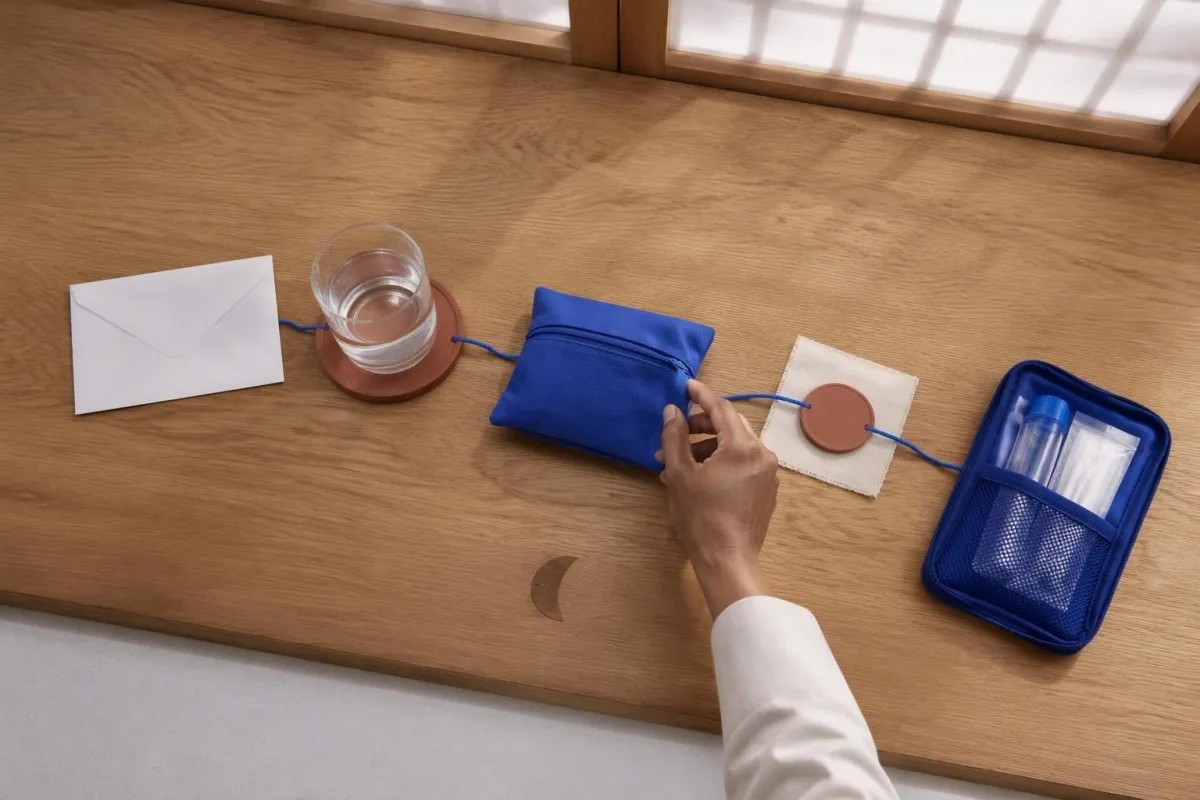
A test name matters more than the phrase routine blood work: a complete blood count, fasting glucose and tacrolimus level have different preparation needs. Ask 3 questions before the appointment: which tests need fasting, how long it should last, and whether any dose timing needs a clinician-approved adjustment.
Written instructions prevent avoidable confusion when several tests share one appointment. Record the collection time, your last calorie-containing food or drink, and the names and doses of medicines taken that morning; a photograph of your current medicine packaging can be more reliable than memory, especially with 5 or more prescriptions.
Kantesti is an AI blood test analyzer that helps explain completed reports; preparation still follows your laboratory's instructions. Our first-draw preparation guide explains why recording a baseline under reproducible conditions helps distinguish a genuine health change from a different testing situation.
Plan the practical details too: bring the request form, identification if required, a medication list, and a snack for after a fasting appointment. Arrive about 15 minutes early so a rushed walk, stairs or anxiety does not become the immediate backdrop to a resting sample; do not delay urgent testing to achieve ideal preparation.
Which blood tests require fasting, and for how long?
Fasting plasma glucose requires at least 8 hours without caloric intake; HbA1c and a complete blood count do not inherently require fasting. Other panels depend on the tests included and the laboratory's protocol, so a blanket 12-hour fast is not appropriate for every appointment.
The American Diabetes Association defines fasting as no caloric intake for at least 8 hours when measuring fasting plasma glucose (ADA Professional Practice Committee, 2024). Plain water is ordinarily allowed, but juice, milk and sweetened drinks are not; ask whether chewing gum, nicotine products or anything else is restricted under your laboratory's protocol.
A basic or comprehensive metabolic panel does not automatically require fasting, although its glucose result changes meaning after a meal. For a hypothetical glucose result of 110 mg/dL, the distinction between an 8-hour fast and breakfast 90 minutes earlier changes the clinical question; neither result should be labelled without knowing the collection conditions.
Fasting plasma glucose of 126 mg/dL or higher is a diabetes diagnostic threshold, usually requiring confirmation when unequivocal hyperglycaemia is absent (ADA Professional Practice Committee, 2024). Preparation establishes whether that threshold applies; it cannot transform a single borderline number into a diagnosis, and HbA1c offers a different, longer-term perspective.
Longer is not necessarily cleaner: an 18-hour fast can create a different metabolic state from the requested overnight interval. People practising time-restricted eating should agree on standard conditions before repeat testing rather than extending the fast; our intermittent fasting laboratory guide explains why matching the interval improves comparisons.
Do cholesterol and triglyceride tests need an overnight fast?
A routine lipid profile can often be measured without fasting. Fasting becomes more useful when triglycerides are substantially elevated, a previous sample was difficult to analyse, or the clinician needs a specifically fasting comparison rather than a general cardiovascular risk assessment.
The joint European Atherosclerosis Society and European Federation of Clinical Chemistry consensus supports routine nonfasting lipid testing (Nordestgaard et al., 2016). Across the evidence reviewed, the maximal mean triglyceride increase after habitual meals was approximately 26 mg/dL, or 0.3 mmol/L; this average does not predict every person's response to an unusually large meal.
The same consensus suggests considering a fasting sample when nonfasting triglycerides exceed 440 mg/dL, equivalent to 5 mmol/L (Nordestgaard et al., 2016). That recommendation addresses interpretability, not a universal emergency boundary; clinicians also consider symptoms, previous levels, diabetes control and whether calculated LDL cholesterol remains dependable.
For example, a hypothetical triglyceride result of 210 mg/dL after lunch should not simply be dismissed as food-related. A clinician may compare earlier results, assess cardiovascular risk and request a standardised repeat; our triglyceride retesting guide explains why an overnight fasting result and a nonfasting result answer overlapping but different questions.
Keep your usual diet before a planned lipid profile unless instructed otherwise; 3 days of unusually restrictive eating can make a result less representative of daily life. Report a very fatty meal, recent illness or substantial alcohol intake rather than trying to correct the number yourself, and follow the laboratory's exact fasting interval if a repeat is ordered.
How should you prepare for iron, vitamin and mineral tests?
Iron, vitamin and mineral tests do not share one universal fasting rule. Serum iron and transferrin saturation are more sensitive to recent intake than ferritin alone, while some trace-element laboratories request morning fasting collection to reduce variability and contamination.
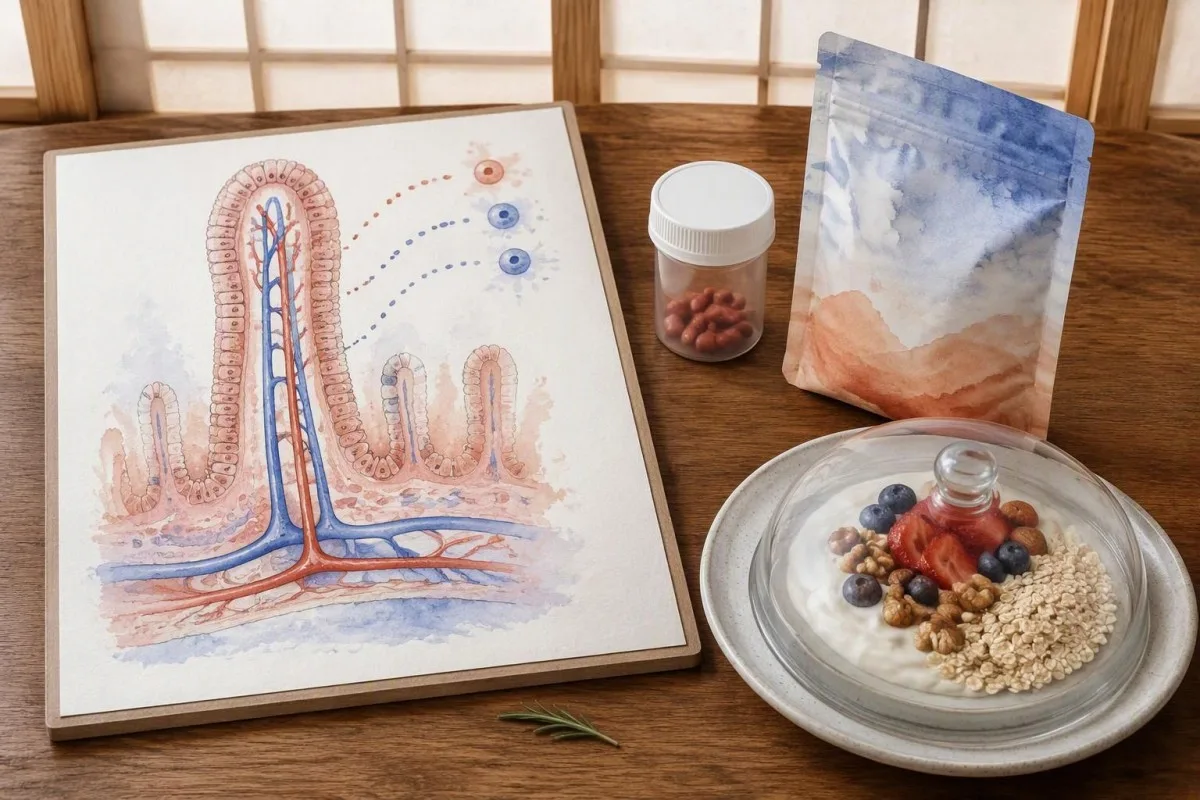
Ferritin measures an iron-storage protein and usually does not require fasting on its own. An iron panel containing serum iron and transferrin saturation may come with an 8–12-hour fasting request; our iron panel preparation instructions explain why the panel's most sensitive component, rather than ferritin alone, can determine the appointment instructions.
An oral iron dose shortly before collection can raise serum iron without proving that iron stores have recovered. Record the product, elemental iron dose in mg and the time taken; if the laboratory wants a particular interval after a dose, obtain that plan from the ordering clinician rather than skipping prescribed iron independently.
Transferrin saturation is calculated as serum iron divided by total iron-binding capacity, multiplied by 100, when compatible units are used. A temporary rise in serum iron therefore changes the percentage even if binding capacity is unchanged; our complete iron studies explanation helps readers distinguish circulating iron from storage and transport measures.
Vitamin B12 measured soon after an injection or supplement can document treatment exposure rather than an untreated baseline. Record the date of the last injection and any daily dose in micrograms; for vitamin D or trace elements, ask whether the clinician wants current treatment monitoring or a baseline assessment, because those are 2 different purposes.
Can you drink water before a blood test?
Plain water is usually allowed during fasting for routine blood tests, and normal hydration can make collection easier. Do not deliberately dehydrate yourself, but do not force extra fluid if you have a prescribed restriction or are undergoing a specialised water-balance test.
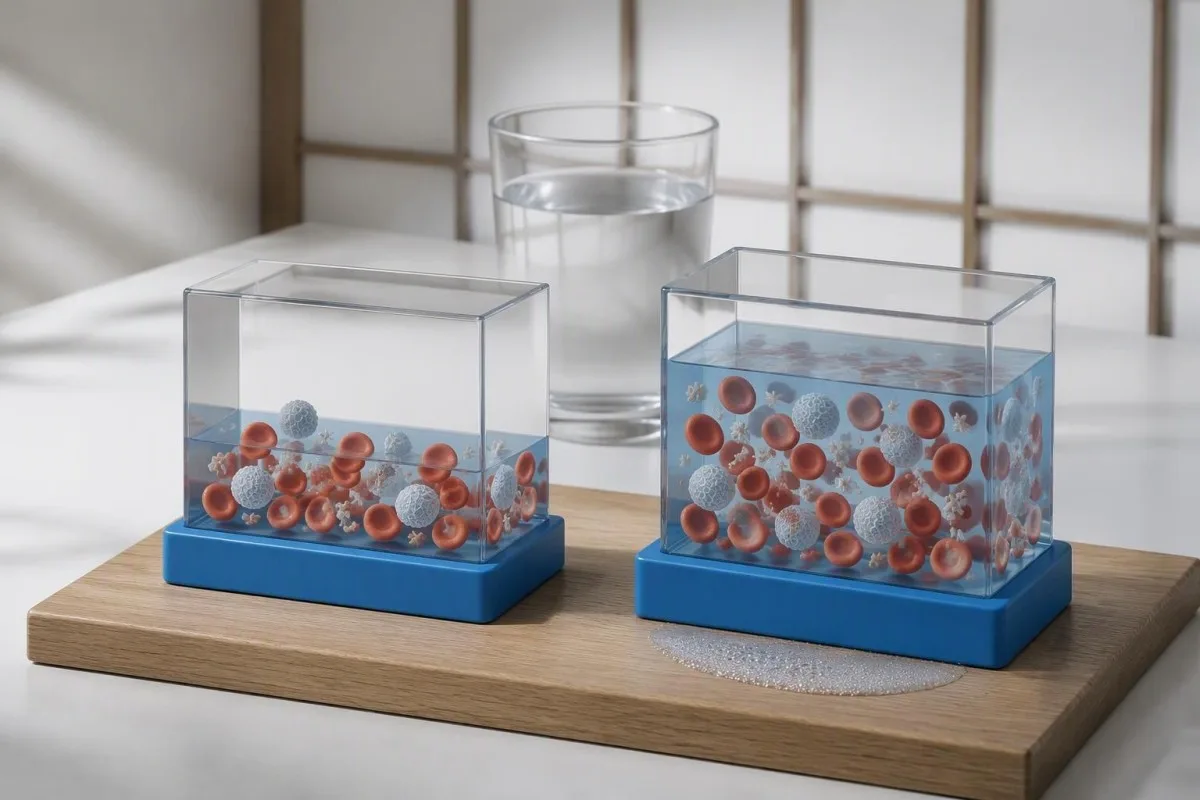
Dehydration can increase measured haemoglobin, haematocrit and total protein through haemoconcentration rather than increased production. A hypothetical haemoglobin of 17.2 g/dL after prolonged sweating needs different context from the same value under usual conditions; our dehydration and RBC explanation describes why persistent elevation still requires assessment.
A usual glass of water, approximately 200–300 mL, may be practical before leaving home if your instructions allow it; this is an example, not a medically required dose. There is no universal evidence-based water volume that guarantees a better sample, and drinking several litres rapidly can be unsafe rather than helpful.
Kidney markers can change with fluid loss, illness and muscle-related factors, so one low eGFR does not automatically establish chronic kidney disease. A 48-hour vomiting illness is different from a stable outpatient baseline; our kidney testing after dehydration guide explains when repeat assessment and clinical examination may be needed.
Kantesti cannot determine hydration status from a laboratory report alone, even when haemoglobin, albumin and creatinine rise together. Tell your clinician about diarrhoea, fever, heavy sweating or a fluid restriction; if your daily allowance is 1.5 L, for example, do not add preparation water beyond that plan without asking the team managing it.
How long should you avoid exercise before blood collection?
Avoiding unusually strenuous exercise for 24–48 hours before routine testing can improve consistency, but no single interval suits every test or workout. Ordinary walking is usually acceptable; recent heavy lifting, endurance events or significant muscle soreness should be disclosed.
Creatine kinase, AST and sometimes ALT can rise after muscle exertion, even without a primary liver problem. Following unaccustomed heavy resistance exercise, some markers may remain elevated for 7 days or longer; a 24-hour rest therefore cannot guarantee a return to baseline, particularly when soreness is substantial.
For a hypothetical runner with AST of 89 U/L after a marathon, the next question is not automatically liver disease. CK, ALT, bilirubin, symptoms and the collection interval help distinguish possible muscle contribution from other causes; normal bilirubin does not prove the liver is unaffected, and a markedly abnormal pattern still needs clinical evaluation.
Ferritin can rise as part of an acute-phase response after strenuous endurance exercise, potentially masking depleted iron stores. A ferritin value of 45 ng/mL after a race may not mean the same thing as 45 ng/mL during recovery; our athlete ferritin interpretation guide explains why inflammation markers and training history help.
Tell the laboratory when the last hard session ended, what activity it involved and whether muscle pain is unusual for you. Severe muscle pain with dark urine or reduced urine output warrants prompt assessment, not a 48-hour wait for cleaner results; preparation rules are designed for planned testing, not for postponing possible emergencies.
Can coffee, alcohol, smoking or poor sleep affect results?
Coffee, alcohol, nicotine and disrupted sleep can influence selected blood results, but their effects differ by test and timing. During a requested fast, use plain water unless the laboratory explicitly allows something else; report unusual intake or sleep loss rather than assuming it invalidates every result.
Black coffee contains few calories, but that does not make it interchangeable with water under a laboratory fasting protocol. Caffeine can influence sympathetic activity and selected metabolic measurements; if you drank coffee 2 hours before a fasting appointment, tell the team so they can decide whether the requested test remains suitable.
Recent alcohol intake can affect triglycerides, glucose and other measurements, while chronic exposure can have longer-lasting effects. Some laboratories request avoidance for 24 hours or longer before selected tests, but the interval is test-specific; anyone physically dependent on alcohol should seek medical advice rather than abruptly stopping because of a routine appointment.
PEth testing measures a marker of alcohol exposure over a substantially longer period than an overnight fast, often spanning weeks. Drinking water or avoiding alcohol for 12 hours does not reliably remove that exposure signal; our PEth timing and interpretation guide explains why timing, transfusion history and the actual result matter.
Nicotine and a short night can affect stress-related physiology, while a rushed commute may further alter the immediate testing conditions. After only 4 hours of sleep, record that fact if cortisol, glucose or related measurements are being assessed; do not cancel urgent testing, and aim to reproduce ordinary sleep conditions for an elective follow-up.
Which medicines and supplements should you disclose?
Disclose every prescription, nonprescription medicine and supplement, including dose and last use; do not stop prescribed medicines independently. A substance may change the body's biology, interfere with the laboratory method, or both—and those mechanisms require different responses.
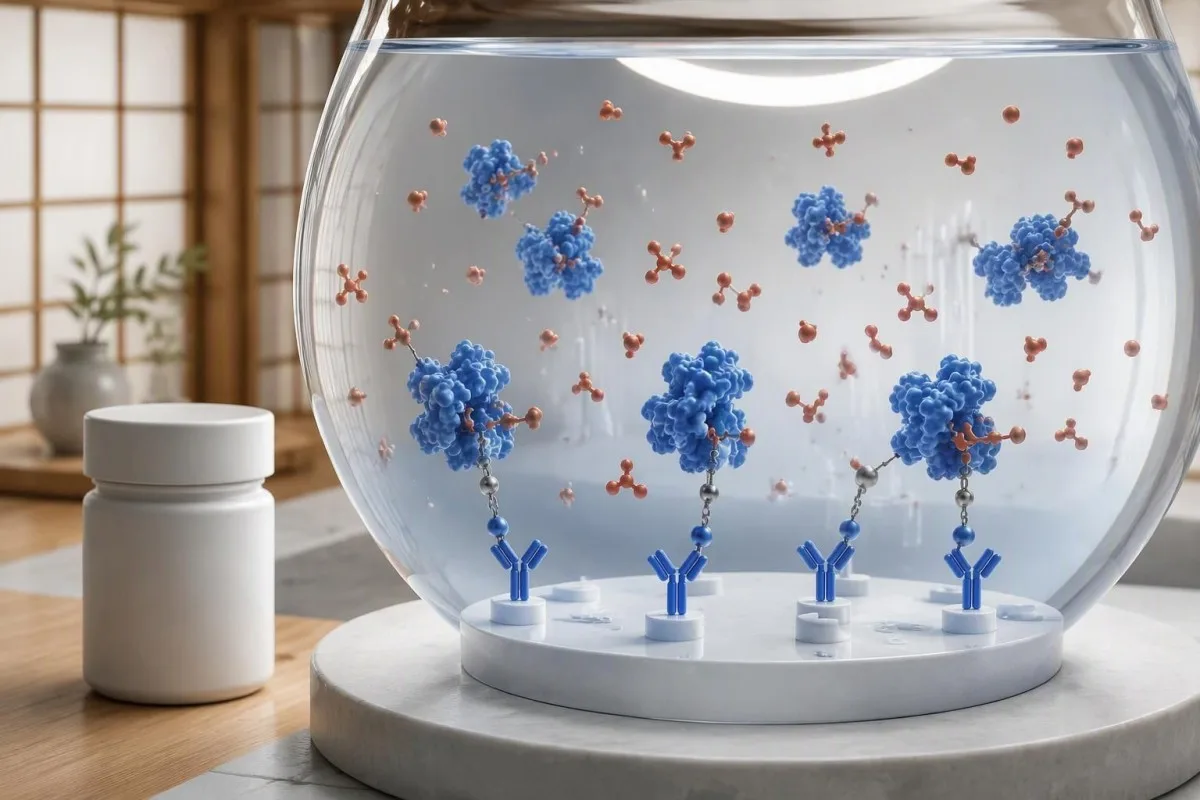
Biotin at 5 mg equals 5,000 micrograms, far above the adult adequate intake of 30 micrograms per day. Beauty supplements commonly contain milligram doses, and some biotin-based assays can produce falsely high or low results; the direction depends on the assay design, so a plausible-looking thyroid result can still be misleading.
The AACC guidance describes at least an 8-hour interval after 5–10 mg biotin for some assays, with up to 72 hours needed for assays with lower interference thresholds (Li et al., 2020). These are laboratory-management intervals, not permission to interrupt treatment: ask the ordering team for instructions, especially with prescribed high-dose biotin or impaired kidney function.
Kantesti is an AI biomarker interpretation platform that can explain thyroid patterns, but supplement disclosure is still needed to investigate assay interference. A hypothetical low TSH with high free T4 after a 10 mg biotin supplement should trigger a method-and-timing check rather than automatic treatment; symptoms, earlier results and the laboratory's assay are part of that assessment.
Medicines also cause genuine biological changes: glucocorticoids can raise glucose, diuretics can alter electrolytes, and thyroid replacement affects thyroid measurements. Give the dose in mg or micrograms and the last administration time; our supplement effects on fasting tests separates recent exposure from problems that preparation alone cannot correct.
Why does the timing of a medicine dose matter?
Therapeutic drug monitoring often requires a sample at a defined interval after the last dose, not simply a fasting sample. Confirm the collection plan with the prescribing team, and never improvise by withholding a dose or changing a schedule yourself.
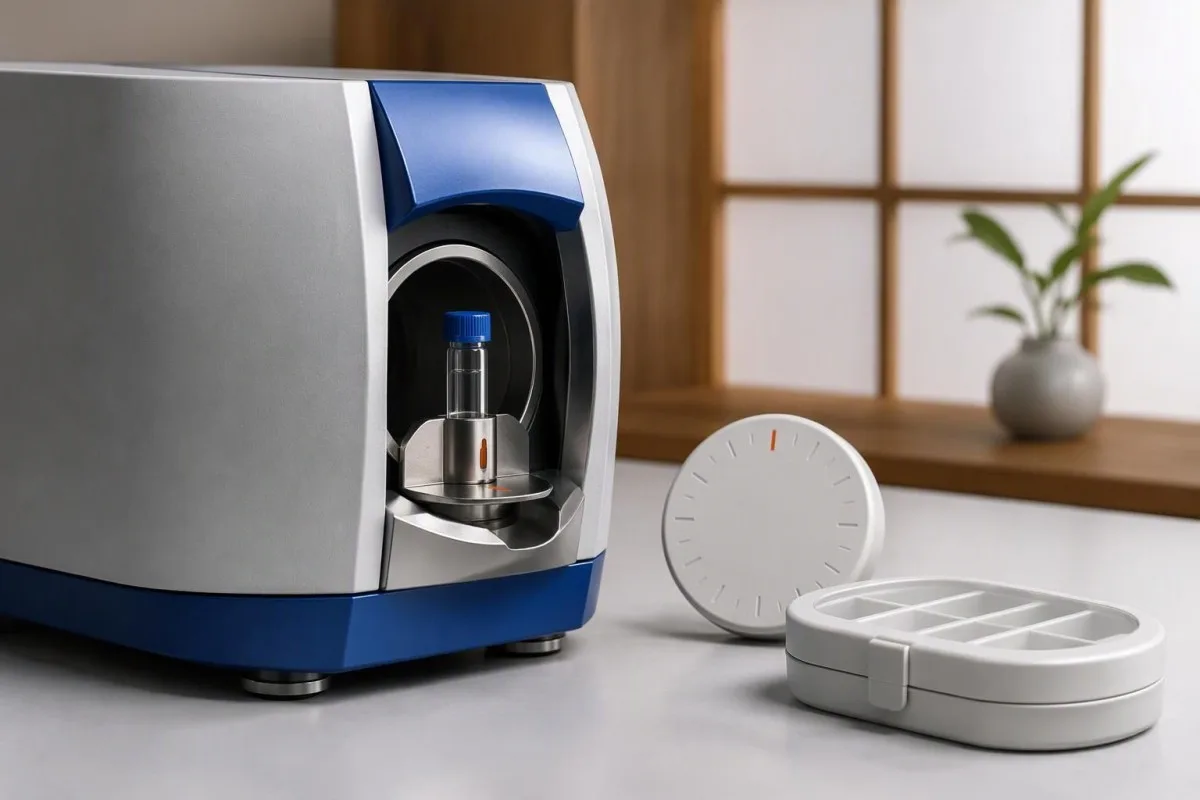
Tacrolimus trough sampling is usually scheduled immediately before the next dose: commonly about 12 hours after an immediate-release dose or 24 hours after a once-daily dose. The exact formulation matters; our tacrolimus trough timing guide explains why a post-dose sample should not be compared directly with a trough target.
Digoxin samples generally need to be collected at least 6–8 hours after a dose so early distribution does not exaggerate the apparent concentration. Timing does not eliminate toxicity risk, however; our digoxin sampling and safety guide explains why symptoms, kidney function, potassium and the treatment indication remain necessary context.
Lithium monitoring commonly uses a sample approximately 12 hours after the last dose, according to the person's agreed monitoring protocol. If the dose was taken at 22:00 and collection occurred at 08:00, the interval is 10 hours—not 12; record the real times rather than changing them to match the requested schedule.
Kantesti AI cannot reliably compare a drug result with its monitoring target when the report lacks dose timing and formulation. Ask the prescribing team for an explicit plan covering the evening dose, collection appointment and following dose; this avoids an accidental missed treatment while still allowing an interpretable 12-hour, 24-hour or otherwise specified sample.
Which blood tests depend on the time of day?
Cortisol, testosterone and several specialised tests require attention to collection time, posture or sample handling. Morning is not automatically best for every biomarker, and shift work can make clock time a poor substitute for the person's actual sleep–wake schedule.
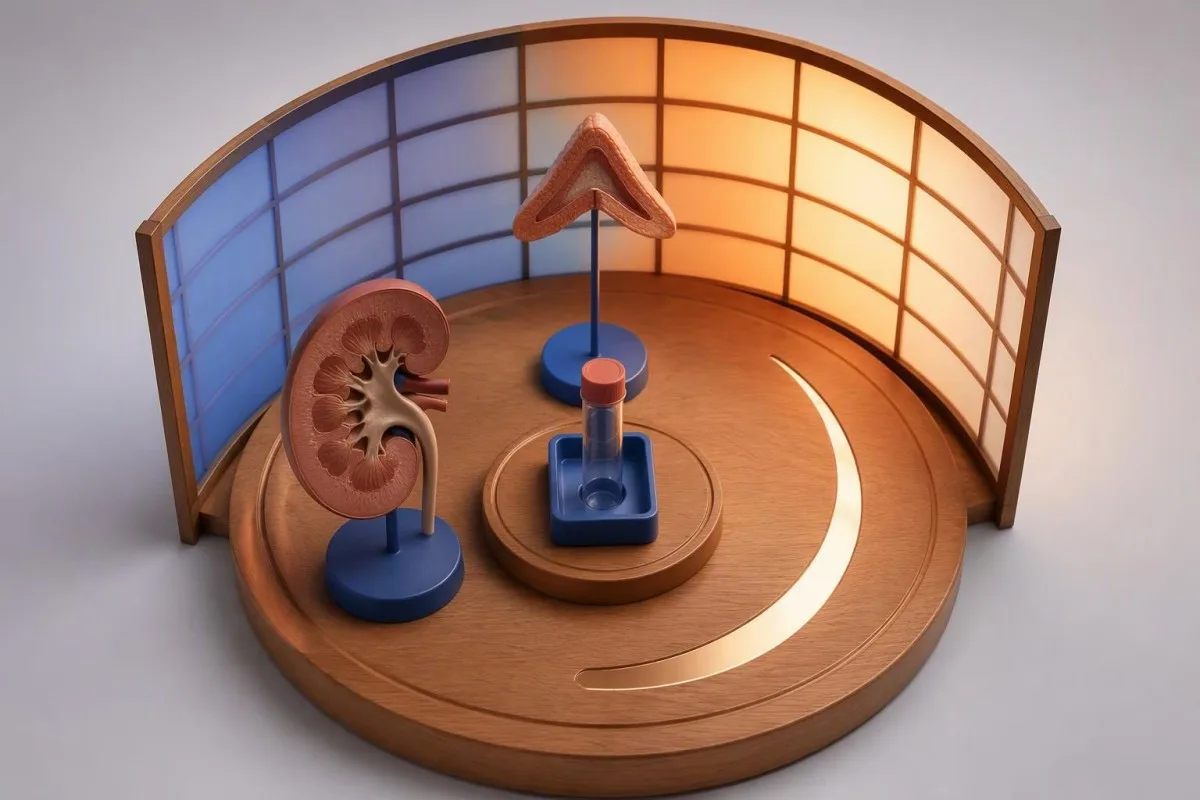
Morning serum cortisol is commonly collected around 08:00–09:00, but interpretation depends on the laboratory method and clinical question. A random cortisol at 16:00 is not directly comparable with a morning reference interval; dynamic endocrine testing has its own protocol and may require instructions about medicines that only the supervising team should provide.
Testosterone assessment commonly uses morning sampling, often between 07:00 and 10:00, with confirmation of a low result on a separate day when appropriate. For shift workers, collection soon after the main sleep period may be more informative than an arbitrary morning appointment; our morning hormone sampling guide explains why timing and SHBG affect interpretation.
Plasma metanephrine testing may require approximately 20–30 minutes of supine rest under a specialist laboratory protocol, which differs from ordinary seated collection. ACTH may need rapid processing and temperature-controlled handling; these requirements cannot be replaced by an 8-hour fast, so confirm that the collection location can follow the requested procedure.
Zinc varies with meals, time of day and sample quality, and some laboratories request morning collection after an overnight fast. Follow the specific 8–12-hour instruction if supplied, and report supplements; our zinc collection accuracy guide explains why trace-element collection equipment and contamination control also matter.
What should you do immediately before and during collection?
Rest quietly before routine collection, disclose preparation deviations, and follow the collector's instructions rather than repeatedly pumping your fist. Sample handling problems can alter results even when fasting, hydration and medicine disclosure were otherwise correct.
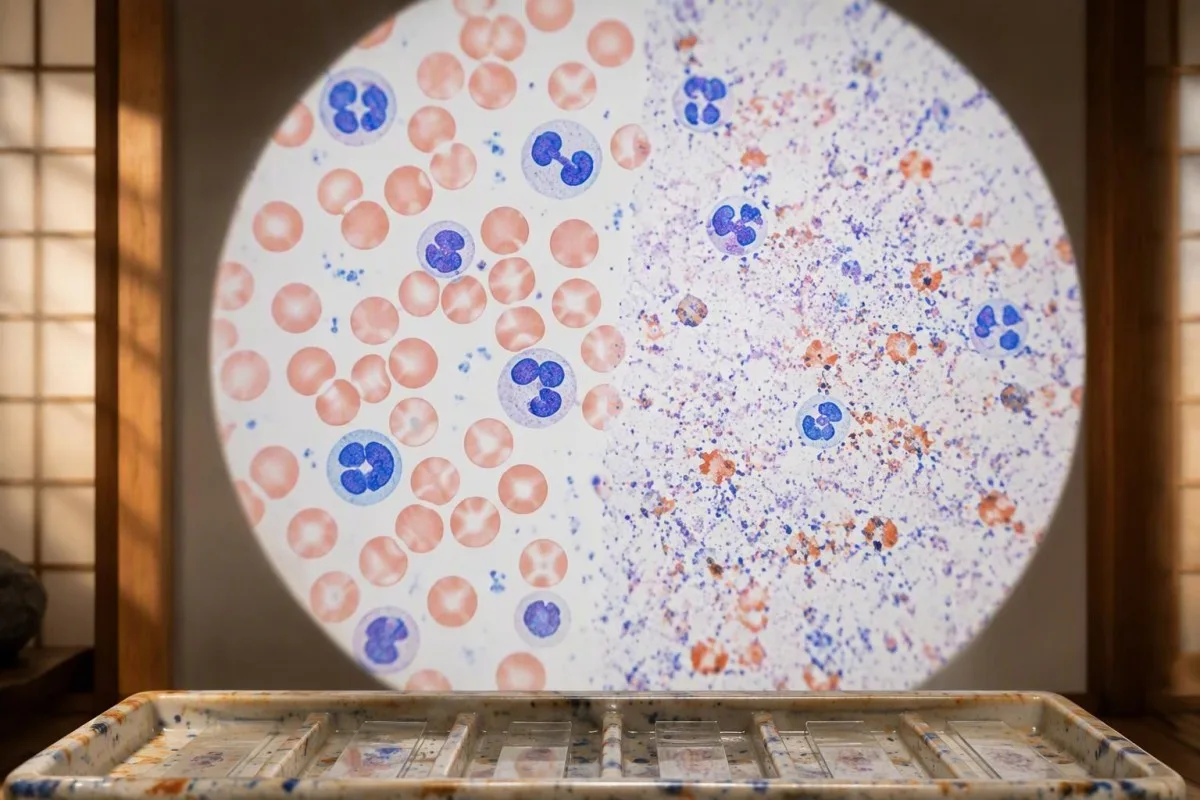
About 15 minutes of seated rest helps standardise routine collection after walking or climbing stairs. Posture changes plasma volume, so standing immediately before one appointment and resting before another can create differences unrelated to disease; for specialised posture-dependent testing, follow the laboratory's longer or differently positioned rest protocol.
Repeated fist pumping can raise local potassium, while prolonged tourniquet application can promote haemoconcentration. Collectors generally aim to keep tourniquet time under 1 minute where feasible; your practical role is to relax the hand when asked and avoid repeatedly squeezing unless the collector specifically instructs you to do so.
Haemolysis can falsely increase potassium, LDH and AST, among other effects, because intracellular material enters the sample fluid. A hypothetical potassium of 6.1 mmol/L with a haemolysis warning needs prompt clinical review rather than automatic dismissal; our haemolysis and misleading results guide explains why a real abnormality and a collection problem can coexist.
Tell the collector about previous fainting, a difficult collection history, anticoagulants or a relevant arm restriction before the procedure begins. Afterwards, apply pressure for the period advised—often several minutes, sometimes longer with anticoagulants—and seek help if swelling or persistent fluid leakage develops; preparation includes a safe appointment, not just an interpretable number.
Who needs an individual preparation plan?
People using glucose-lowering medicines, pregnant patients, children and anyone acutely unwell may need an individual fasting plan. A routine preparation checklist must never override hypoglycaemia treatment, pregnancy-specific instructions or the need for urgent medical assessment.
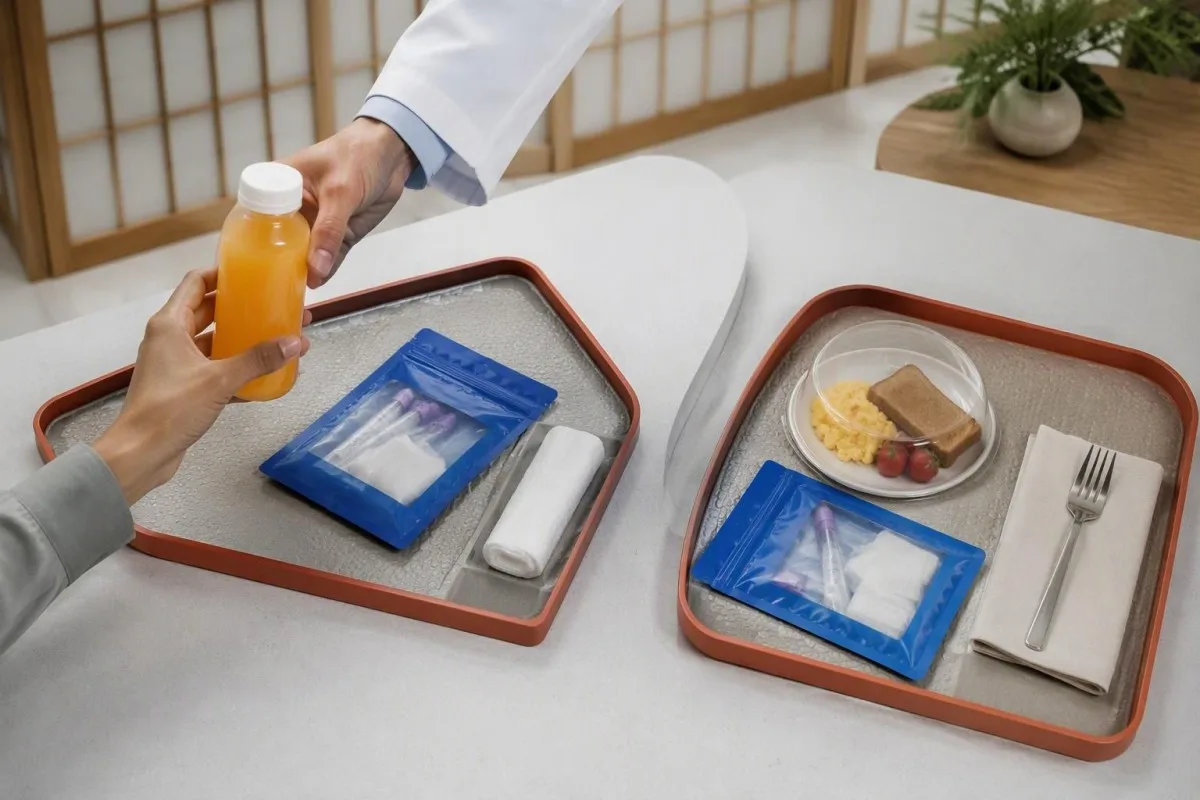
Insulin and sulfonylureas can cause hypoglycaemia when food intake is delayed, so ask the diabetes team how to manage a fasting appointment. A glucose below 70 mg/dL, or 3.9 mmol/L, should trigger the person's hypoglycaemia plan; do not preserve the fast at the expense of safety, and tell the laboratory what treatment was taken.
For many conscious adults, an established hypoglycaemia plan uses 15 g of fast-acting carbohydrate followed by a glucose check after 15 minutes, but individual instructions can differ. Confusion, inability to swallow, seizure or unconsciousness requires emergency assistance; urgent symptoms take priority over whether a scheduled sample will remain fasting.
Pregnancy glucose protocols differ internationally: a 50 g, 1-hour screening challenge often does not require fasting, while a 75 g, 2-hour or 100 g, 3-hour diagnostic test usually does. Follow the maternity team's instructions on meals, activity and the interval before testing; a generic adult fasting rule can be wrong for the exact procedure ordered.
Children should not be given an adult 12-hour fasting instruction unless their clinical team requests it, and age-specific reference intervals also matter. Our children's result interpretation guidance explains the limits of automated interpretation; fever, repeated vomiting, severe weakness or concerning symptoms should prompt assessment rather than waiting for ideal preparation.
Where does AI blood test analysis help after collection?
AI can help organise and explain a completed laboratory report, but it cannot fix an unsuitable sample or replace clinical assessment. Preparation history should accompany interpretation, particularly when fasting status, exercise, supplements or dose timing could change the meaning of a result.

Kantesti is an AI blood test interpretation platform that explains uploaded PDF or photo reports, usually in about 60 seconds rather than shortening the laboratory's processing time. Collection, transport, analysis and laboratory authorisation still happen first; an interpretation response is not the same thing as a laboratory producing validated results in 15–20 seconds.
A single accuracy percentage does not establish reliable diagnosis across all tests, ages and clinical settings. Technical benchmarks, synthetic cases and real-world clinical outcomes measure different things; our validation and clinical oversight information explains why performance claims need a defined task, reference standard and limitations rather than a universal promise.
Kantesti supports explanation in 100+ languages and offers API-based workflows, but translation and automation do not remove the need to verify source data. A glucose of 5.6 mmol/L must not be read as 5.6 mg/dL; our AI technology explanation describes the workflow, while clinical users should preserve units, reference intervals and collection metadata.
Rapid explanation can help readers identify follow-up questions and notice patterns across earlier results, but it cannot guarantee early disease detection or eliminate repeat testing. For example, a change from creatinine 90 to 110 µmol/L may need preparation context, medication review and clinical assessment; urgent laboratory alerts or serious symptoms require professional care, not an upload queue.
Final checklist, follow-up and supporting research
Before leaving for collection, confirm fasting duration, permitted water, medicine instructions and any special timing requirements. Afterward, keep a short preparation record with the report so your clinician can decide whether an abnormal result needs treatment, further investigation or a standardised repeat.
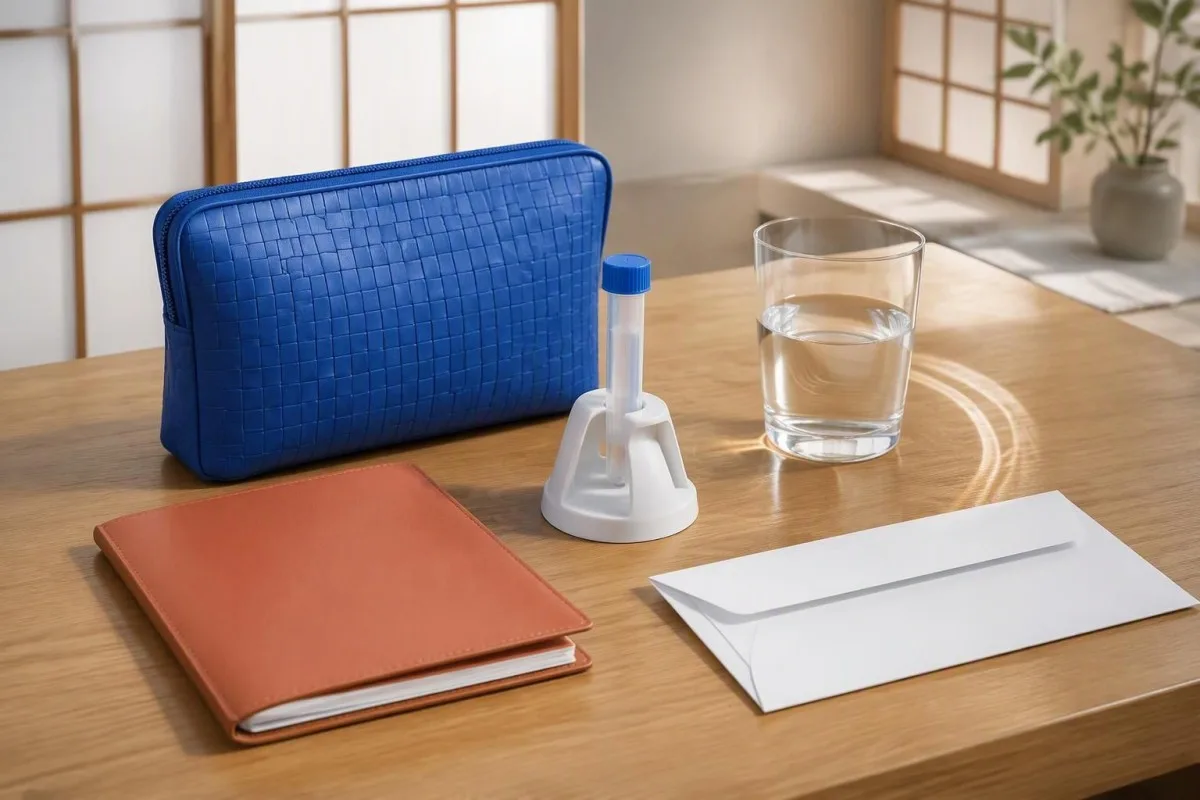
A useful final check takes about 2 minutes: confirm the appointment time, last meal, usual fluid allowance, last hard workout and last medicine doses. If something differs from the instructions, call the collection service rather than assuming the appointment is wasted; some tests can proceed while others may need a separate sample.
Keep the same practical conditions for follow-up wherever feasible: similar collection time, the requested fasting interval and a comparable exercise pattern. A hypothetical triglyceride change from 180 to 230 mg/dL is easier to assess when both samples share documented conditions; apparent improvement or deterioration should not be attributed to treatment before checking those differences.
Kantesti LTD develops interpretation tools rather than providing your laboratory's individual preparation orders; our company information explains the organisation behind the service. For questions about report uploads, available workflows or API integration, contact our team; medicine instructions and urgent clinical decisions belong with your prescribing or treating professionals.
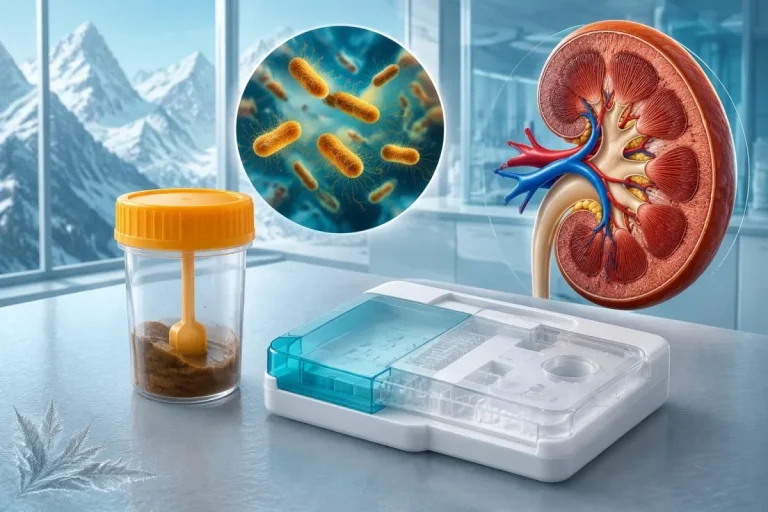
The 2 Zenodo publications listed below provide related educational background on iron studies and urinalysis, not clinical trials proving a preparation protocol. Our urinalysis collection background is useful when urine and blood tests share an appointment, because urine timing and collection instructions can differ; the external medical references support the specific glucose, lipid and biotin statements above.
Frequently asked questions
How many hours should I fast before a blood test?
Fast only when the ordering clinician or laboratory requests it, usually for 8–12 hours depending on the test. Fasting plasma glucose requires at least 8 hours without calories, while HbA1c and a complete blood count do not inherently require fasting. Plain water is usually allowed, but other drinks may break the protocol even when they contain few calories. Do not extend the fast or change prescribed medicines without an individual plan.
Can I drink water or black coffee before a fasting blood test?
Plain water is usually permitted before routine fasting blood tests, but black coffee should not be assumed acceptable under the laboratory's instructions. Maintaining your normal hydration is sensible; a usual 200–300 mL glass of water is an example, not a required preparation dose. Follow any prescribed fluid restriction and any special instructions for water-balance testing. If you drank coffee, tell the collector what you drank and when rather than automatically cancelling the appointment.
Should I stop taking medicines before a blood test?
Do not stop, omit or delay prescribed medicines independently before a blood test. Ask the ordering team for a specific plan if fasting conflicts with a medicine that needs food or if a drug level requires timed collection. Tacrolimus trough sampling commonly occurs about 12 or 24 hours after the preceding dose, depending on formulation, but the prescribing team must coordinate the schedule. Bring the names, doses and actual last-dose times of prescriptions, nonprescription products and supplements.
Can exercise the day before a blood test affect results?
Unusually strenuous exercise can affect CK, AST, ALT and other measurements, so avoiding it for 24–48 hours before routine testing can improve comparability. Heavy unaccustomed resistance exercise may influence some markers for 7 days or longer, meaning a short rest does not guarantee baseline results. Ordinary walking is usually acceptable unless a specialised test says otherwise. Severe muscle pain, dark urine or reduced urine output needs prompt medical assessment rather than waiting for an exercise-free appointment.
Does biotin affect blood test results?
Biotin can interfere with some laboratory immunoassays and cause falsely high or low results without changing the underlying hormone or biomarker. A 5 mg supplement contains 5,000 micrograms, so beauty supplements can provide doses large enough to matter. AACC guidance describes intervals ranging from at least 8 hours to as much as 72 hours for certain assays after 5–10 mg doses, but the correct plan depends on the assay, dose and individual circumstances. Tell the clinician and laboratory about biotin, and do not independently interrupt prescribed treatment.
What happens if I accidentally eat before a fasting blood test?
Tell the laboratory what you ate or drank and how long before collection; an accidental meal does not invalidate every blood test. A complete blood count or HbA1c may still be suitable, while fasting glucose or a specifically fasting lipid comparison may need another appointment. For example, breakfast 2 hours earlier means the sample should not be labelled as an 8-hour fasting glucose. If you ate to treat hypoglycaemia, safety takes priority and the collection team should be told.
Get your blood test results explained
Upload your lab report and Kantesti's AI explains each biomarker in plain language within seconds. Used by more than 2 million people worldwide.
References
- Klein, T., Mitchell, S., & Weber, H. (2024). Urobilinogen in Urine Test: Complete Urinalysis Guide 2026. Kantesti AI Medical Research. DOI
- Klein, T., Mitchell, S., & Weber, H. (2024). Iron Studies Guide: TIBC, Iron Saturation & Binding Capacity. Kantesti AI Medical Research. DOI
- American Diabetes Association Professional Practice Committee (2024). 2. Diagnosis and Classification of Diabetes: Standards of Care in Diabetes—2024. Diabetes Care. DOI
- Nordestgaard BG et al. (2016). Fasting is not routinely required for determination of a lipid profile: clinical and laboratory implications including flagging at desirable concentration cut-points—a joint consensus statement from the European Atherosclerosis Society and European Federation of Clinical Chemistry and Laboratory Medicine. European Heart Journal. DOI
- Li D et al. (2020). AACC Guidance Document on Biotin Interference in Laboratory Tests. The Journal of Applied Laboratory Medicine. DOI
- 2M+Tests analysed
- 127+Countries
- 100+Languages
About the medical team


E-E-A-T Trust Signals
Experience
Physician-led clinical review of lab interpretation workflows.
Expertise
Laboratory medicine focus on how biomarkers behave in clinical context.
Authoritativeness
Medically reviewed by Dr. Thomas Klein, with contributions from Dr. Sarah Mitchell and Prof. Dr. Hans Weber.
Trustworthiness
Evidence-based interpretation with clear follow-up pathways to reduce alarm.


Medical disclaimer
This article is for educational purposes only and does not constitute medical advice. Always consult a qualified healthcare provider for diagnosis and treatment decisions.
Published · Updated · Contact the editorial team
Published by Kantesti Ltd, registered in England & Wales, company no. 17090423, London, United Kingdom.
