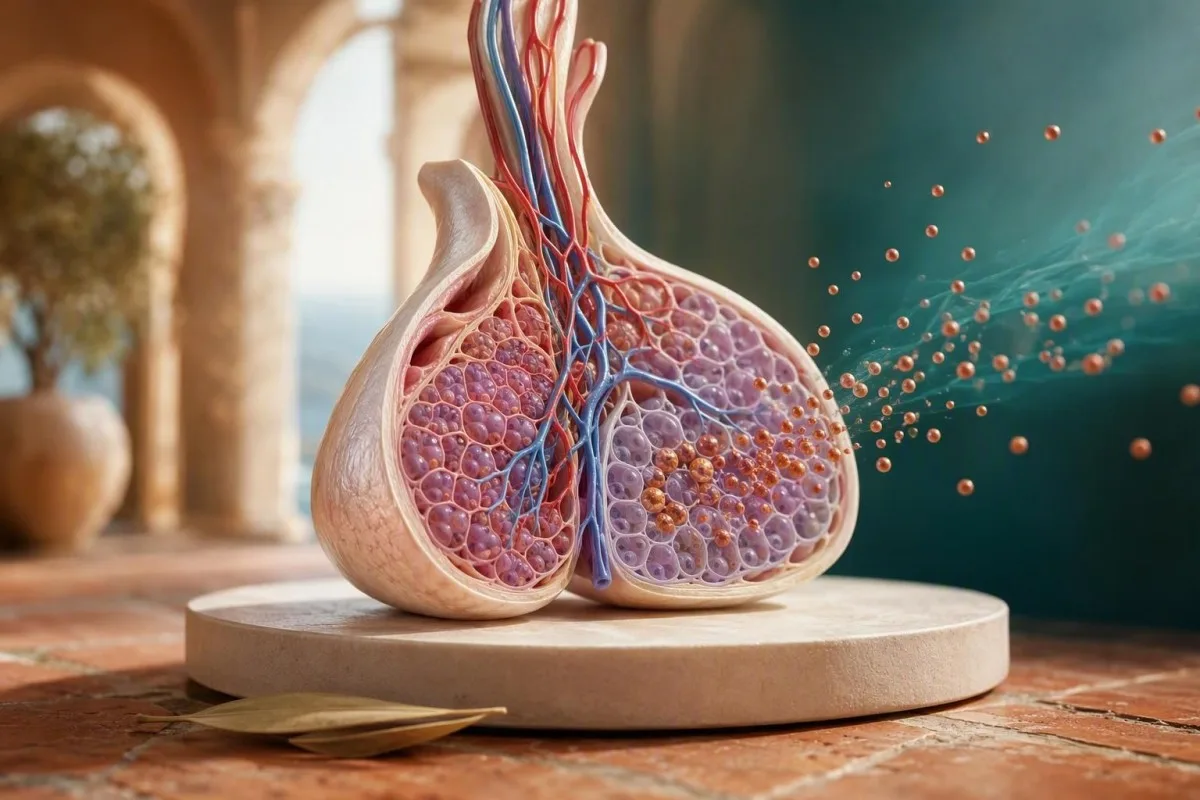
Ένα οριακό αποτέλεσμα προλακτίνης είναι συχνά παροδικό, αλλά οι συνθήκες της επαναληπτικής εξέτασης και το μοτίβο των συμπτωμάτων καθορίζουν εάν μπορεί να παρακολουθηθεί με ασφάλεια ή εάν απαιτείται ενδοκρινολογική αξιολόγηση.


- Ήπια αύξηση συνήθως σημαίνει ένα αποτέλεσμα προλακτίνης λίγο πάνω από το ανώτατο όριο αναφοράς του εργαστηρίου, συχνά κάτω από 50 ng/mL (περίπου 1.060 mIU/L).
- Επαναλάβετε πρώτα όταν η προλακτίνη είναι 20-50 ng/mL και δεν υπάρχουν οπτικά συμπτώματα, σοβαρός πονοκέφαλος ή σοβαρές αλλαγές στην έμμηνο ρύση ή τη σεξουαλική λειτουργία.
- Η ξεκούραση έχει σημασία επειδή το άγχος της φλεβοπαρακέντησης, ο κακός ύπνος, η άσκηση, η διέγερση των μαστών και μια οξεία ασθένεια μπορούν να αυξήσουν παροδικά την προλακτίνη.
- Έλεγχος φαρμάκων είναι απαραίτητη επειδή τα αντιψυχωσικά, η μετοκλοπραμίδη, η δομπεριδόνη, τα οπιοειδή, ορισμένα αντικαταθλιπτικά και η βεραπαμίλη μπορούν να αυξήσουν την προλακτίνη.
- Δοκιμές για μακροπρολακτίνη είναι ιδιαίτερα χρήσιμο για επίμονη αύξηση με λίγα ή καθόλου τυπικά συμπτώματα. προσδιορίζει βιολογικά λιγότερο ενεργά συμπλέγματα προλακτίνης.
- Επίπεδα άνω των 100 ng/mL δικαιολογούν ταχύτερη ενδοκρινολογική αξιολόγηση, αν και τα φάρμακα μπορούν περιστασιακά να παράγουν τιμές σε αυτό το εύρος.
- Επείγουσα επανεξέταση είναι απαραίτητη για νέο σοβαρό πονοκέφαλο, μειωμένη περιφερική όραση, εγκυμοσύνη με οπτικά συμπτώματα ή αιφνίδια νευρολογική αλλαγή.
- Το πλαίσιο υπερτερεί ενός αριθμού: η κατάσταση εγκυμοσύνης, η θυρεοειδική λειτουργία, η νεφρική λειτουργία, η χρονική στιγμή της φαρμακευτικής αγωγής και οι προηγούμενες τιμές αλλοιώνουν την ερμηνεία.
Τι σημαίνει συνήθως ένα οριακό αποτέλεσμα προλακτίνης
Ελαφρώς αυξημένη προλακτίνη σημασία είναι συνήθως ένα προσωρινό σήμα παρά απόδειξη μιας υπόφυσης πάθησης: ένα αποτέλεσμα κάτω από 50 ng/mL (περίπου κάτω από 1.060 mIU/L) συνήθως δικαιολογεί μια προσεκτικά προετοιμασμένη επαναληπτική εξέταση. Είμαι ο Δρ. Thomas Klein, και στην κλινική ανασκόπηση, ο συνδυασμός της ακριβούς τιμής, των συμπτωμάτων, των φαρμάκων, της πιθανότητας εγκυμοσύνης και των συνθηκών δειγματοληψίας έχει πολύ μεγαλύτερη σημασία από μια μεμονωμένη κόκκινη εργαστηριακή σημαία.
Τα περισσότερα εργαστήρια αναφέρουν ένα διάστημα αναφοράς για ενήλικες που δεν είναι έγκυες, περίπου 4-23 ng/mL σε γυναίκες και 3-15 ng/mL σε άνδρες, αλλά οι μέθοδοι διαφέρουν. Μια τιμή 27 ng/mL σε μια γυναίκα της οποίας το εργαστηριακό ανώτατο όριο είναι 23 ng/mL είναι ένα οριακό αποτέλεσμα προλακτίνης, όχι διάγνωση. οι μονάδες μπορούν να μετατραπούν περίπου ως 1 ng/mL = 21,2 mIU/L.
Οι κλινικοί γιατροί ανησυχούν περισσότερο όταν η αύξηση είναι επίμονη, αυξανόμενη ή συνοδεύεται από απουσία περιόδων, γαλακτόρροια, στειρότητα, χαμηλή λίμπιντο, δυσκολία στύσης, πονοκέφαλο ή αλλαγή στην περιφερική όραση. Μια τιμή πάνω από 200 ng/mL είναι πιο ενδεικτική ενός αδενώματος της υπόφυσης που εκκρίνει προλακτίνη παρά μια τιμή 28 ng/mL, αν και κανένα όριο δεν αντικαθιστά την κλινική αξιολόγηση.
Το Καντέστι είναι ένα Αναλυτής εξέτασης αίματος AI που τοποθετεί ένα αποτέλεσμα προλακτίνης δίπλα σε ενδείξεις θυρεοειδούς, νεφρών, ήπατος, εγκυμοσύνης και ορμονών του φύλου, αντί να αντιμετωπίζει μια μεμονωμένη σημαία ως διάγνωση. Οι αναγνώστες που δεν είναι σίγουροι για τις εργαστηριακές σημαίες μπορούν επίσης να ανατρέξουν στον οδηγό μας για αποτελέσματα εκτός ορίων.
Γιατί διαφωνούν τα εργαστήρια
Οι ανοσοδοκιμές προλακτίνης δεν είναι εναλλάξιμες: δύο εργαστήρια μπορεί να αναφέρουν ελαφρώς διαφορετικούς αριθμούς από το ίδιο άτομο την ίδια ημέρα. Χρησιμοποιήστε το διάστημα αναφοράς που αναγράφεται δίπλα στο δικό σας αποτέλεσμα και, όταν παρακολουθείτε μια τάση, προσπαθήστε να χρησιμοποιείτε το ίδιο εργαστήριο· αυτός είναι επίσης ο λόγος που η σύγκριση αποτελεσμάτων μεταξύ επισκέψεων απαιτεί μεγαλύτερη προσοχή από ό,τι αναμένουν οι άνθρωποι.
Παροδικές αιτίες που μπορούν να αυξήσουν ελαφρώς την προλακτίνη
Το στρες, η διαταραχή του ύπνου, η άσκηση, η διέγερση των θηλών, η σεξουαλική δραστηριότητα και η οξεία νόσος μπορούν να προκαλέσουν παροδική αύξηση της προλακτίνης. Μια ήπια υψηλή τιμή μετά από μια δύσκολη μετακίνηση ή μια άυπνη νύχτα μπορεί να ομαλοποιηθεί χωρίς θεραπεία.
Η προλακτίνη απελευθερώνεται σε παλμούς και αυξάνεται κατά τη διάρκεια του ύπνου, με κορύφωση συχνά τις πρώτες πρωινές ώρες. Ένα δείγμα που λαμβάνεται αμέσως μετά την αφύπνηση, μετά από νυχτερινή βάρδια ή κατά τη διάρκεια επώδυνης διαδικασίας μπορεί επομένως να είναι λιγότερο αντιπροσωπευτικό από ένα ξεκούραστο δείγμα στο μέσο της πρωινής ώρας.
Κατά την εμπειρία μου, ένας αγχωμένος 31χρονος ασθενής με προλακτίνη 34 ng/mL μετά από τρεις ώρες ύπνου έχει συχνά ένα φυσιολογικό επαναληπτικό αποτέλεσμα στις 10 π.μ. μετά από ήρεμη καθιστή θέση. Μια ανάπαυση 15-30 λεπτών καθιστή πριν από τη συλλογή μειώνει την επίδραση του οξέος στρες της διαδικασίας, και η αποφυγή έντονης άσκησης για 24 ώρες είναι λογική.
Ένας πρόσφατος πυρετός, επιληπτική κρίση, τραυματισμός του θωρακικού τοιχώματος ή ακόμα και επίμονη διέγερση του μαστού ή του θώρακα μπορούν να αυξήσουν την προλακτίνη. Εάν η εξέτασή σας ακολούθησε ασθένεια, συγκρίνετέ την με τις αρχές χρονισμού που αναφέρονται στο δικό μας οδηγός χρονικού πλαισίου για τις εξετάσεις αίματος, αντί να υποθέσετε ότι ο αριθμός αντικατοπτρίζει τη μακροχρόνια βασική σας γραμμή.
Πώς να επαναλάβετε σωστά μια εξέταση προλακτίνης
Επαναλάβετε την προλακτίνη ένα ήρεμο πρωί, ιδανικά 2-3 ώρες μετά την αφύπνηση και μετά από 20-30 λεπτά ήρεμης καθιστή θέσης. Η νηστεία δεν απαιτείται καθολικά, αλλά μια νυχτερινή νηστεία μπορεί να διευκολύνει την ερμηνεία ενός επαναληπτικού πάνελ όταν μετρώνται επίσης γλυκόζη ή λιπίδια.
Για μια επαναληπτική εξέταση, αποφύγετε την έντονη άσκηση, τη σεξουαλική επαφή, τη διέγερση των μαστών και τη μη απαραίτητη εξέταση του θώρακα για 24 ώρες εκ των προτέρων. Μην διακόπτετε τη συνταγογραφούμενη φαρμακευτική αγωγή μόνοι σας· αντίθετα, καταγράψτε το όνομα του φαρμάκου, τη δόση, την ώρα της τελευταίας δόσης και τον λόγο για τον οποίο συνταγογραφήθηκε.
Ένα πρακτικό αίτημα προς τον κλινικό σας ιατρό είναι: επαναλάβετε ορού προλακτίνης, τεστ εγκυμοσύνης εάν είναι σχετικό, TSH και ελεύθερη T4, και κρεατινίνη ή eGFR όταν η αιτία είναι ασαφής. Η εξέταση θυρεοειδούς έχει σημασία επειδή ο πρωτοπαθής υποθυρεοειδισμός μπορεί να αυξήσει την ορμόνη απελευθέρωσης θυρεοτροπίνης και δευτεροπαθώς να αυξήσει την προλακτίνη· ανατρέξτε στο δικό μας πρόγραμμα επανεξέτασης θυρεοειδούς.
Ο χρόνος επανάληψης είναι συνήθως 1-4 εβδομάδες για ένα μέτριο απροσδόκητο αποτέλεσμα όταν αισθάνεστε καλά, αντί για την επόμενη μέρα. Μια τάση μπορεί να καταγραφεί καθαρά με διαχρονικό εργαστηριακό έλεγχο, ειδικά αν κρατάτε σημειώσεις για τον ύπνο, την ημέρα του κύκλου, την ασθένεια και τη φαρμακευτική αγωγή.
Φάρμακα που προκαλούν συχνά ήπια αυξημένη προλακτίνη
Τα φάρμακα που μπλοκάρουν την ντοπαμίνη είναι από τις συχνότερες αιτίες επίμονης ήπιας έως μέτριας αύξησης της προλακτίνης. Οι κύριοι υπεύθυνοι είναι τα αντιψυχωσικά και τα αντιναυτικά φάρμακα όπως η μετοκλοπραμίδη και η δομπεριδόνη.
Η ντοπαμίνη κανονικά καταστέλλει την απελευθέρωση προλακτίνης από τον υποφύση, έτσι τα φάρμακα που μπλοκάρουν τους υποδοχείς ντοπαμίνης D2 μπορούν να αυξήσουν σημαντικά τα επίπεδα. Η ριπεριδόνη, η αμισουλπρίδη, η αλοπεριδόλη, η μετοκλοπραμίδη και η δομπεριδόνη είναι συχνά παραδείγματα· τα οπιοειδή, η βεραπαμίλη και ορισμένα SSRI μπορεί να συμβάλλουν πιο μέτρια.
Τα επίπεδα που σχετίζονται με φάρμακα ποικίλλουν ευρέως: η ριπεριδόνη μπορεί να προκαλέσει προλακτίνη πάνω από 100 ng/mL, ενώ μια αύξηση που σχετίζεται με SSRI μπορεί να είναι μόνο 25-40 ng/mL. Ο λόγος που δεν διακόπτουμε απλώς ένα φάρμακο είναι ότι η υποτροπή ψύχωσης, η σοβαρή ναυτία, ο πόνος ή η κατάθλιψη μπορεί να αποτελούν πολύ μεγαλύτερο άμεσο κίνδυνο.
Το Kantesti AI είναι ένα υπηρεσία ερμηνείας δοκιμών AI που ζητά το πλαίσιο της φαρμακευτικής αγωγής όταν ένα αποτέλεσμα ορμόνης επισημαίνεται, αλλά η ερμηνεία του δεν μπορεί να αντικαταστήσει τον συνταγογράφο που γνωρίζει γιατί ξεκίνησε το φάρμακο. Εάν υπάρχουν συμπτώματα που σχετίζονται με ορμόνες, η οδηγός πάνελ ορμονών μας εξηγεί ποια συνοδά αποτελέσματα ελέγχουν συνήθως οι κλινικοί ιατροί.
Εγκυμοσύνη, θηλασμός και φυσιολογικές φυσιολογικές αυξήσεις
Η εγκυμοσύνη και ο θηλασμός μπορούν να αυξήσουν την προλακτίνη πολύ πάνω από τα μη έγκυα φυσιολογικά όρια και δεν ερμηνεύονται χρησιμοποιώντας το συνηθισμένο διάστημα 3-23 ng/mL. Ένα τεστ εγκυμοσύνης είναι, επομένως, ένα πρώιμο και ουσιαστικό βήμα σε ανεξήγητη αύξηση για οποιαδήποτε γυναίκα που μπορεί να είναι έγκυος.
Κατά τη διάρκεια της εγκυμοσύνης, η προλακτίνη συνήθως αυξάνεται προοδευτικά στα 100-300 ng/mL εύρος προς το τέλος της κύησης, και ο θηλασμός διατηρεί διαλείπουσες αυξήσεις. Η ακριβής τιμή δεν μετρά αξιόπιστα την παραγωγή γάλακτος, οπότε η επιδίωξη ενός αριθμού σε μια θηλάζουσα γυναίκα είναι σπάνια χρήσιμη.
Η φαρμακευτική αγωγή που περιέχει οιστρογόνα και ο φυσιολογικός εμμηνορροϊκός κύκλος μπορούν να συμβάλουν σε μικρό βαθμό, αλλά σπάνια εξηγούν από μόνοι τους μια μεγάλη επίμονη αύξηση. Ο χρονισμός του κύκλου μπορεί επίσης να περιπλέξει σχετιζόμενες ορμόνες όπως η οιστραδιόλη και η προγεστερόνη· η εξήγησή μας για τη μεταβλητότητα της οιστραδιόλης στην εμμηνόπαυση δείχνει γιατί ένα αποτέλεσμα ορμόνης φύλου σπάνια απαντά σε όλα.
Σε μια γυναίκα που προσπαθεί να συλλάβει, η επίμονη υπερπρολακτιναιμία μπορεί να επηρεάσει την ωορρηξία καταστέλλοντας την ορμόνη που απελευθερώνει τη γοναδοτροπίνη. Αυτό είναι κλινικά σχετικό ακόμη και όταν ο αριθμός είναι μόνο 35-60 ng/mL, ιδιαίτερα όταν οι περίοδοι έχουν γίνει αραιές.
Αιτίες σχετιζόμενες με τον θυρεοειδή, τα νεφρά, το ήπαρ και τον θώρακα
Η πρωτοπαθής υποθυρεοειδισμός, η μειωμένη νεφρική κάθαρση, η χρόνια ηπατική νόσος και η διέγερση του τοιχώματος του θώρακα μπορούν όλα να αυξήσουν την προλακτίνη χωρίς όγκο στην υπόφυση. Αυτές οι αιτίες συνήθως ανιχνεύονται μέσω του ιστορικού και ενός μικρού συνόλου στοχευμένων εργαστηριακών εξετάσεων πριν από τη διερεύνηση απεικόνισης του εγκεφάλου.
Ο εμφανής πρωτοπαθής υποθυρεοειδισμός συχνά παρουσιάζει υψηλό TSH με χαμηλή ελεύθερη T4, και η διόρθωση με λεβοθυροξίνη μπορεί να ομαλοποιήσει την προλακτίνη σε εβδομάδες έως μήνες. Ο κεντρικός υποθυρεοειδισμός έχει διαφορετικό μοτίβο, οπότε ένα φυσιολογικό TSH δεν επιλύει πάντα το ερώτημα όταν η ελεύθερη T4 είναι χαμηλή· διαβάστε τον οδηγό μας για χαμηλή ελεύθερη Τ4 με φυσιολογικό TSH.
Η χρόνια νεφρική νόσος μπορεί να αυξήσει την προλακτίνη μέσω μειωμένης κάθαρσης και αλλοιωμένης ρύθμισης ντοπαμίνης· ένα eGFR κάτω από 60 mL/min/1,73 m² καθιστά αυτήν την εξήγηση πιο πιθανή. Η ηπατική νόσος είναι μια λιγότερο συχνή μεμονωμένη εξήγηση, αλλά η συνθετική δυσλειτουργία και οι αλλαγές στις ορμόνες φύλου μπορούν να συμβάλουν.
Ο έρπης ζωστήρας στο θώρακα, η χειρουργική επέμβαση στο θώρακα, τα εγκαύματα και η επίμονη μηχανική ερεθισμός έχουν συνδεθεί με την αύξηση της προλακτίνης επειδή η αισθητηριακή νευρική εισροή μπορεί να διεγείρει την αντανακλαστική οδό. Αυτός είναι ένας λόγος για τον οποίο ένας κλινικός ρωτά για ένα εξάνθημα ή μια επέμβαση που φαίνεται άσχετη με ένα αποτέλεσμα ορμόνης.
Πότε η εξέταση για μακροπρολακτίνη είναι το λογικό επόμενο βήμα
Ο έλεγχος μακροπρολακτίνης είναι πιο χρήσιμος όταν η προλακτίνη παραμένει αυξημένη αλλά τα συμπτώματα απουσιάζουν ή είναι δυσανάλογα προς το αποτέλεσμα. Η μακροπρολακτίνη είναι συνήθως προλακτίνη δεσμευμένη σε ανοσοσφαιρίνη και έχει λιγότερη βιολογική δραστηριότητα επειδή φτάνει στα ρεσεπτορς με δυσκολία.
Πολλές ρουτινιάρικες αναλύσεις μετρούν τη μακροπρολακτίνη ως προλακτίνη, δημιουργώντας ένα φαινομενικά υψηλό αποτέλεσμα σε κάποιον με κανονικές περιόδους, χωρίς γαλακτόρροια και χωρίς συμπτώματα γονιμότητας ή σεξουαλικά συμπτώματα. Τα εργαστήρια συνήθως κάνουν έλεγχο με καθίζηση πολυαιθυλενικής γλυκόλης· χαμηλή ανάκτηση μονομερικής προλακτίνης υποστηρίζει τη μακροπρολακτιναιμία.
Η κατευθυντήρια γραμμή της Endocrine Society συνιστά τον έλεγχο μακροπρολακτίνης σε ασυμπτωματική υπερπρολακτιναιμία, επειδή μπορεί να αποτρέψει περιττή απεικόνιση και θεραπεία (Melmed et al., 2011). Οι δημοσιευμένες εκτιμήσεις επικράτησης ποικίλλουν σημαντικά ανάλογα με την ανάλυση και τον πληθυσμό αναφοράς, αλλά η μακροπρολακτίνη εμφανίζεται περίπου 10-25% των ατόμων που αξιολογήθηκαν για αυξημένη προλακτίνη.
Η μακροπρολακτίνη δεν αποτελεί λόγο για να αγνοηθούν συμπτώματα που είναι πραγματικά παρόντα· ένα άτομο μπορεί να έχει μακροπρολακτίνη και άλλο ενδοκρινικό πρόβλημα. Για ευρύτερες παγίδες ανάλυσης, το άρθρο μας σχετικά με ποιοτικούς έναντι ποσοτικών ελέγχων είναι μια χρήσιμη συμπληρωματική πηγή.
Τι ελέγχουν οι κλινικοί ιατροί όταν η αύξηση επιμένει
Η επίμονη αύξηση της προλακτίνης πρέπει να επιβεβαιώνεται και να αξιολογείται με έλεγχο εγκυμοσύνης όταν είναι σχετικός, ανασκόπηση φαρμακευτικής αγωγής, TSH/ελεύθερη Τ4, νεφρική λειτουργία και μακροπρολακτίνη πριν από την υπόθεση διαταραχής της υπόφυσης. Ένα επαναλαμβανόμενο αποτέλεσμα στην ίδια κλίμακα είναι πιο ενημερωτικό από ένα μεμονωμένο απομονωμένο αποτέλεσμα.
Μια εστιασμένη λήψη ιστορικού περιλαμβάνει ερωτήσεις σχετικά με τη χρονική στιγμή της περιόδου, την έκκριση γάλακτος, τη λίμπιντο, τη στύση, τη στειρότητα, τις οπτικές αλλαγές, τους πονοκεφάλους, τις επιληπτικές κρίσεις, τα συμπτώματα στο στήθος και κάθε συνταγογραφούμενο, μη συνταγογραφούμενο και ψυχαγωγικό ουσία. Στα 15 χρόνια κλινικής μου πρακτικής, η λίστα φαρμάκων είναι συχνά το χαμένο στοιχείο - ειδικά όταν η παραγγελία εργαστηρίου έγινε από κλινικό ιατρό που δεν είναι εξοικειωμένος με μια ψυχιατρική ή γαστρεντερική συνταγή.
Προλακτίνη 50-100 ng/mL με φυσιολογική θυρεοειδική και νεφρική λειτουργία, χωρίς φαρμακευτική εξήγηση και χωρίς μακροπρολακτίνη, συνήθως δικαιολογεί τη συμβολή ενδοκρινολόγου. Η κλινική ανασκόπηση της διαχείρισης από τους Serri και συνεργάτες τονίζει την αναγνώριση των φυσιολογικών και φαρμακολογικών αιτιών πριν από την απεικόνιση (Serri et al., 2003).
Καντέστις πρότυπα ιατρικής επικύρωσης υποστηρίζουν την ερμηνεία βάσει προτύπων, αλλά τα παθολογικά αποτελέσματα πρέπει να επιβεβαιώνονται μέσω κλινικού ιατρού και του εργαστηρίου που αναφέρει. Η προσκόμιση μιας συνοπτικής χρονολογίας αποτελεσμάτων είναι συχνά πιο χρήσιμη από την επανάληψη ενός μεγάλου, μη στοχευμένου ορμονικού πίνακα.
Πότε να ανησυχείτε για την προλακτίνη και να ζητήσετε επείγουσα αξιολόγηση
Νέα οπτικά συμπτώματα, σοβαρός ή ταχέως επιδεινούμενος πονοκέφαλος, νευρολογική αλλαγή ή έντονη επίμονη αύξηση της προλακτίνης απαιτούν άμεση ιατρική αξιολόγηση. Η μαγνητική τομογραφία (MRI) γενικά εξετάζεται αφού αποκλειστούν κοινές αναστρέψιμες αιτίες ή όταν τα συμπτώματα υποδηλώνουν πίεση κοντά στις οπτικές οδούς.
Δεν απαιτείται αυτόματα μαγνητική τομογραφία της υπόφυσης για μια μεμονωμένη τιμή 29 ng/mL μετά από στρες. Είναι πιο λογικό με ανεξήγητη επίμονη αύξηση, προλακτίνη πάνω από 100 ng/mL, αμηνόρροια ή υπογοναδισμό, ή συμπτώματα μάζας της υπόφυσης· τιμές άνω των 200 ng/mL καθιστώντας πιο πιθανό ένα προλακτίνωμα.
Ζητήστε ιατρική συμβουλή την ίδια ημέρα για ξαφνικό έντονο πονοκέφαλο με διαταραχή της όρασης, εμετό, σύγχυση, αδυναμία ή λιποθυμία. Αυτά τα χαρακτηριστικά είναι ασυνήθιστα στην συνηθισμένη ήπια υπερπρολακτιναιμία, αλλά έχουν σημασία επειδή η αποπληξία της υπόφυσης και άλλες νευρολογικές ασθένειες χρειάζονται επείγουσα αποκλεισμό.
Η απώλεια περιφερικής όρασης συχνά ξεκινά διακριτικά, έτσι οι άνθρωποι περιγράφουν συγκρούσεις με τα πλαίσια των πορτών αντί για εμφανή τύφλωση. Η λεπτομερής ανασκόπησή μας για τα συμπτώματα υψηλής προλακτίνης εξηγεί ποιοι συνδυασμοί συμπτωμάτων δεν πρέπει να περιμένουν για μια ρουτίνας επανεξέταση.
Περίοδος, γονιμότητα και υγεία των οστών: γιατί τα συμπτώματα αλλάζουν το σχέδιο
Η ελαφρώς αυξημένη προλακτίνη έχει μεγαλύτερη σημασία όταν διαταράσσει τις περιόδους, την ωορρηξία, τη γονιμότητα ή την έκθεση σε οιστρογόνα. Η ορμόνη μπορεί να καταστείλει τη σηματοδότηση για την αναπαραγωγή που απαιτείται για την τακτική ωορρηξία, ακόμη και όταν δεν υπάρχει δραματική έκκριση γάλακτος.
Η ολιγομηνόρροια σημαίνει κύκλους μεγαλύτερους από 35 ημέρες, ενώ η αμηνόρροια σημαίνει απουσία εμμηνορροϊκής αιμορραγίας για 3 μήνες σε άτομο που ήταν προηγουμένως τακτικό· και οι δύο περιπτώσεις απαιτούν κλινική αξιολόγηση εάν η προλακτίνη είναι αυξημένη. Ένας έλεγχος εγκυμοσύνης προηγείται, επειδή η πρώιμη εγκυμοσύνη είναι πολύ πιο συχνή από μια διαταραχή της υπόφυσης.
Η χαμηλή έκθεση σε οιστρογόνα για πολλούς μήνες μπορεί να μειώσει την οστική πυκνότητα, ιδιαίτερα όταν η υπερπρολακτιναιμία προκαλεί αμηνόρροια. Η άμεση εργασία δεν είναι να ξεκινήσετε συμπληρώματα τυφλά, αλλά να προσδιορίσετε την αιτία και να αποκαταστήσετε την κατάλληλη ορμονική λειτουργία· οι γυναίκες που εξετάζουν θεραπεία μπορούν να αναθεωρήσουν προ-θεραπείας ορμονικής υποκατάστασης αρχικές εξετάσεις.
Γαλακτόρροια είναι έκκριση σαν γάλα που δεν σχετίζεται με εγκυμοσύνη ή θηλασμό, αλλά ούτε είναι απαραίτητη ούτε επαρκής για υψηλή προλακτίνη. Μια φυσιολογική τιμή προλακτίνης δεν αποκλείει μια τοπική αιτία στο στήθος, και μια αυξημένη τιμή δεν καθιστά την έκκριση αυτόματα επικίνδυνη.
Ήπια αυξημένη προλακτίνη σε άνδρες: οι παραβλεπόμενες ενδείξεις
Σε άνδρες, η επίμονη υψηλή προλακτίνη μπορεί να μειώσει τη λίμπιντο, να επηρεάσει τη στύση, να μειώσει την τεστοστερόνη και περιστασιακά να επηρεάσει τη γονιμότητα. Ένα αποτέλεσμα πρέπει να ερμηνεύεται σε συνδυασμό με ένα σωστά χρονομετρημένο πρωινό πάνελ τεστοστερόνης, όχι μόνο με την προλακτίνη.
Για άνδρες με σεξουαλικά συμπτώματα, οι κλινικοί γιατροί συχνά μετρούν τη συνολική τεστοστερόνη μεταξύ 7 και 11 π.μ., με SHBG και υπολογιζόμενη ελεύθερη τεστοστερόνη όταν χρειάζεται. Η προλακτίνη μπορεί να καταστείλει τις γοναδοτροπίνες, παράγοντας χαμηλή ή ακατάλληλα φυσιολογική LH και FSH παράλληλα με χαμηλή τεστοστερόνη.
Ένας 42χρονος άνδρας με προλακτίνη 31 ng/mL και οριακά χαμηλή τεστοστερόνη μπορεί να έχει κακό ύπνο, παχυσαρκία, φαρμακευτική επίδραση ή δυσλειτουργία υπόφυσης—δεν υπάρχει μια ενιαία συντόμευση. Η εξήγησή μας για χαμηλή ελεύθερη τεστοστερόνη δείχνει γιατί η SHBG μπορεί να αλλάξει ριζικά την ερμηνεία μιας συνολικής τιμής.
Το Καντέστι είναι ένα Πλατφόρμα ερμηνείας βιοδεικτών AI που μπορεί να συγκρίνει την προλακτίνη με την τεστοστερόνη, LH, FSH, TSH και προηγούμενα αποτελέσματα, αλλά δεν πρέπει ποτέ να χρησιμοποιείται για τη διάγνωση βλάβης της υπόφυσης. Τα επίμονα συμπτώματα απαιτούν συζήτηση με τον γιατρό πρωτοβάθμιας περίθαλψης ή ενδοκρινολόγο, ακόμη και όταν η αύξηση της προλακτίνης είναι μέτρια.
Προβλήματα προσδιορισμού: βιοτίνη, φαινόμενο άγκιστρου και παραπλανητικό αποτέλεσμα
Η εργαστηριακή παρεμβολή είναι σπάνια, αλλά θα πρέπει να λαμβάνεται υπόψη όταν ο αριθμός της προλακτίνης έρχεται σε έντονη αντίθεση με τα συμπτώματα ή τα ευρήματα της μαγνητικής τομογραφίας. Η βιοτίνη συνήθως παρεμβαίνει περισσότερο σε ορισμένες άλλες ενδοκρινικές ανοσοδοκιμασίες παρά στην προλακτίνη, ωστόσο κάθε συμπλήρωμα ανήκει στο ιστορικό του αιτήματος του εργαστηρίου.
Το φαινόμενο hook υψηλής δόσης μπορεί να προκαλέσει λανθασμένα χαμηλή τιμή προλακτίνης όταν ένα πολύ μεγάλο προλακτίνωμα παράγει εξαιρετικά υψηλές συγκεντρώσεις ορμόνης που υπερφορτώνουν μια δοκιμασία δύο θέσεων. Εάν η μαγνητική τομογραφία δείχνει μια μεγάλη μάζα στην υπόφυση, αλλά η προλακτίνη είναι μόνο ελαφρώς αυξημένη, το εργαστήριο μπορεί να αραιώσει το δείγμα και να επαναλάβει τη δοκιμασία.
Δόσεις βιοτίνης 5-10 mg ημερησίως—κοινά σε προϊόντα μαλλιών και νυχιών—μπορεί να παρεμβληθεί σε επιλεγμένες δοκιμασίες streptavidin-biotin. Ενημερώστε τον κλινικό γιατρό και το εργαστήριο για τα συμπληρώματα και ακολουθήστε τις οδηγίες του τοπικού εργαστηρίου σχετικά με τη διακοπή τους· ο οδηγός μας για συμπληρώματα πριν από τις εξετάσεις αίματος εξηγεί γιατί αυτός δεν είναι ένας κανόνας που ταιριάζει σε όλους.
Τα ετερόφιλα αντισώματα είναι μια άλλη σπάνια πηγή παραπλανητικών αποτελεσμάτων ανοσοδοκιμασίας, ιδιαίτερα όταν οι τιμές είναι ασύμφωνες με την κλινική εικόνα. Η επανάληψη σε άλλο εργαστήριο ή η χρήση εναλλακτικής μεθόδου δοκιμασίας μπορεί να επιλύσει την αβεβαιότητα χωρίς να υποβάλει έναν ασθενή σε περιττές απεικονίσεις.
Ειδικές καταστάσεις: έφηβοι, εμμηνόπαυση και αντιψυχωσική θεραπεία
Η ηλικία, η εμμηνοπαυσιακή κατάσταση και ο λόγος για λήψη φαρμάκου που μπλοκάρει την ντοπαμίνη αλλάζουν το όριο για δράση. Η ίδια τιμή προλακτίνης μπορεί να σημαίνει κάτι διαφορετικό σε ένα 16χρονο με καθυστερημένη εφηβεία, έναν θηλάζοντα γονέα και έναν 62χρονο που λαμβάνει αντιψυχωσική θεραπεία.
Οι έφηβοι χρειάζονται παιδιατρική ή εφηβική ενδοκρινολογική ερμηνεία επειδή η εφηβεία, η εγκαθίδρυση της εμμήνου ρύσεως και η ανάπτυξη αλλάζουν το κλινικό πλαίσιο. Η μέτρηση προλακτίνης σε παιδιά σπάνια είναι μια συνήθης εξέταση ελέγχου και θα πρέπει να συνδέεται με ένα συγκεκριμένο σύμπτωμα ή φαρμακευτικό ερώτημα.
Μετά την εμμηνόπαυση, μια αύξηση της προλακτίνης δεν εξηγείται από τη φυσιολογική κυκλική διακύμανση, οπότε οι επίμονες τιμές απαιτούν προσεκτική φαρμακευτική και ενδοκρινολογική ανασκόπηση. Τα εμμηνοπαυσιακά συμπτώματα μπορούν να επικαλύπτονται με τα συμπτώματα του θυρεοειδούς και της προλακτίνης· ο οδηγός μας για FSH μετά την εμμηνόπαυση βοηθά στον διαχωρισμό των αναμενόμενων αλλαγών από τα απροσδόκητα μοτίβα.
Για την υπερπρολακτιναιμία που σχετίζεται με αντιψυχωσικά, η διαχείριση πρέπει να γίνεται από κοινού με τον γιατρό ψυχικής υγείας που συνταγογράφησε. Οι επιλογές μπορεί να περιλαμβάνουν παρακολούθηση, προσαρμογή δόσης ή αλλαγή φαρμάκων, αλλά οι αγωνιστές ντοπαμίνης όπως η καβεργολίνη μπορεί να επιδεινώσουν τα ψυχιατρικά συμπτώματα σε ευάλωτα άτομα και δεν είναι τυχαίες προσθήκες.
Πώς να καταγράψετε μια τάση προλακτίνης που μπορεί να χρησιμοποιήσει ο κλινικός σας ιατρός
Μια χρήσιμη τάση προλακτίνης καταγράφει το αποτέλεσμα, το εργαστηριακό εύρος, τον χρόνο συλλογής, την κατάσταση ύπνου, κύκλου ή εγκυμοσύνης, την ασθένεια και τα φάρμακα. Τρεις τιμές που συλλέγονται υπό διαφορετικές συνθήκες μπορεί να είναι λιγότερο χρήσιμες από δύο τιμές που συλλέγονται με συνέπεια.
Σημειώστε τις ακριβείς μονάδες επειδή ng/mL και mIU/L δεν είναι άμεσα συγκρίσιμα χωρίς μετατροπή, και διατηρήστε το διάστημα αναφοράς του εργαστηρίου. Σημειώστε εάν είχατε ασκηθεί, νηστέψει, θηλάσει, είχατε σεξ, πάρει φαρμακευτική αγωγή ή κοιμηθεί άσχημα τις προηγούμενες 24 ώρες.
Kantesti AI, μια Εργαλείο ανάλυσης αιματολογικών εξετάσεων με AI-powered, μπορεί να οργανώσει ιστορικές αναφορές και να τονίσει τα μεταβαλλόμενα αποτελέσματα σε εργαστηριακές ομάδες σε περίπου 60 δευτερόλεπτα, ωστόσο το αρχικό PDF και το εργαστηριακό εύρος παραμένουν η πηγή καταγραφής. Η δική μας checklist παρακολούθησης αποτελεσμάτων εργαστηρίου μας παραθέτει τις πρακτικές λεπτομέρειες που αποτρέπουν ψευδείς συναγερμούς τάσης.
Εάν μοιράζεστε αποτελέσματα με μέλος της οικογένειας ή κλινικό, διατηρήστε τον έλεγχο της συναίνεσης και της πρόσβασης. Τα άτομα που διαχειρίζονται οικιακές εγγραφές μπορούν να χρησιμοποιήσουν τις συμβουλές μας σχετικά με ασφαλή κοινή χρήση αποτελεσμάτων οικογένειας χωρίς να μετατρέψουν ένα αποτέλεσμα ορμόνης σε οικογενειακή διάγνωση.
Μια πρακτική πορεία το 2026 μετά από ένα ήπιο αποτέλεσμα προλακτίνης
Από τις 28 Αυγούστου 2026, μια πρακτική προσέγγιση είναι να επιβεβαιωθεί ένα ήπιο απροσδόκητο αποτέλεσμα μία φορά υπό τυπικές συνθήκες, να ελεγχθούν αναστρέψιμες αιτίες, να ζητηθεί μακροπρολακτίνη όταν η αύξηση επιμένει χωρίς συμπτώματα και να παραπεμφθεί όταν τα επίπεδα ή τα συμπτώματα το δικαιολογούν. Αυτή η προσέγγιση αποφεύγει τόσο τις περιττές μαγνητικές τομογραφίες όσο και τις χαμένες ενδοκρινολογικές ασθένειες.
Για προλακτίνη κάτω από 50 ng/mL, χωρίς συμπτώματα συναγερμού, και προφανή παροδική αιτία, επαναλάβετε σε 1-4 εβδομάδες μετά την ομαλοποίηση του ύπνου και της ξεκούρασης. Για εμμένουσα 50-100 ng/mL, επανεξετάστε φάρμακα, κατάσταση εγκυμοσύνης, TSH/ελεύθερη T4, eGFR και μακροπρολακτίνη· για τιμές άνω των 100 ng/mL ή ανησυχητικά συμπτώματα, κανονίστε πιο έγκαιρη ενδοκρινολογική εκτίμηση.
Ο πρακτικός κανόνας του Δρ. Thomas Klein είναι απλός: μην προσπαθείτε να μειώσετε την προλακτίνη με συμπληρώματα πριν μάθετε γιατί έχει αυξηθεί. Οι κλινικοί μας και οι αναθεωρητές εργάζονται εντός των προτύπων που περιγράφονται από το Ιατρική Συμβουλευτική Επιτροπή, και οι αναγνώστες μπορούν να δουν πώς λειτουργεί η ερμηνεία προτύπων στη δική μας οδηγός τεχνολογίας AI.
Για αναγνώστες που εξερευνούν σχετική εργαστηριακή μεθοδολογία, οι δημοσιεύσεις του Kantesti περιλαμβάνουν Οδηγός Μελετών Σιδήρου: TIBC, Κορεσμός Σιδήρου & Ικανότητα Σύνδεσης και Φυσιολογικό εύρος aPTT: Οδηγός πήξης αίματος D-Dimer, πρωτεΐνης C; · αυτές δεν είναι οδηγίες για την προλακτίνη, αλλά περιγράφουν την ίδια αρχή ερμηνείας μιας εργαστηριακής τιμής στο πλαίσιο της εξέτασής της. Οι σύνδεσμοι των επίσημων δημοσιεύσεων διατηρούνται παρακάτω για διαφάνεια.
Συχνές Ερωτήσεις
Τι σημαίνει ένα οριακό επίπεδο προλακτίνης;
Ένα οριακό επίπεδο προλακτίνης συνήθως σημαίνει ότι το αποτέλεσμα είναι ελαφρώς πάνω από το ανώτατο όριο αναφοράς του εργαστηρίου σας, συχνά γύρω στα 25-50 ng/mL. Το στρες, η πρόσφατη άσκηση, ο κακός ύπνος, ο ερεθισμός των μαστών, η οξεία ασθένεια και τα φάρμακα μπορούν να προκαλέσουν αυτόν τον βαθμό ανύψωσης. Οι περισσότεροι άνθρωποι με ένα απροσδόκητο οριακό αποτέλεσμα και χωρίς συμπτώματα "κόκκινης σημαίας" θα πρέπει να επαναλάβουν την εξέταση υπό ηρεμότερες πρωινές συνθήκες πριν εξεταστεί η απεικόνιση ή η θεραπεία. Το εύρος του εργαστηρίου και οι μονάδες, συνήθως ng/mL ή mIU/L, πρέπει να ελέγχονται με την ακριβή τιμή.
Πρέπει να ανησυχώ αν η προλακτίνη μου είναι 30 ng/mL;
Η τιμή προλακτίνης 30 ng/mL είναι ελαφρώς αυξημένη στα περισσότερα εργαστηριακά εύρη για ενήλικες που δεν είναι έγκυες και συνήθως δεν αποτελεί από μόνη της επείγουσα κατάσταση. Ένας κλινικός ιατρός θα λάβει υπόψη την εγκυμοσύνη, τα φάρμακα, τον ύπνο, το στρες, τη λειτουργία του θυρεοειδούς, τη νεφρική λειτουργία, τα συμπτώματα και εάν το δείγμα συλλέχθηκε μετά από ανάπαυση. Η επανάληψη του αποτελέσματος σε 1-4 εβδομάδες είναι συνήθως κατάλληλη εάν δεν υπάρχει σοβαρός πονοκέφαλος, οπτική αλλαγή ή σημαντική διαταραχή της εμμήνου ρύσεως ή της σεξουαλικής λειτουργίας. Η επίμονη αύξηση μπορεί να δικαιολογήσει έλεγχο για μακροπρολακτίνη και ενδοκρινολογική αξιολόγηση.
Μπορεί το άγχος να αυξήσει την προλακτίνη σε μια αιματολογική εξέταση;
Ναι, το άγχος γύρω από τη λήψη δείγματος μπορεί παροδικά να αυξήσει την προλακτίνη, επειδή η προλακτίνη ανταποκρίνεται στο σωματικό και συναισθηματικό στρες. Η ήρεμη καθιστή στάση για 20-30 λεπτά πριν τη λήψη και ο έλεγχος 2-3 ώρες μετά την αφύπνιση καθιστούν ένα επαναληπτικό αποτέλεσμα πιο αντιπροσωπευτικό. Η αποφυγή έντονης άσκησης, σεξ και διέγερσης του μαστού για 24 ώρες μειώνει περαιτέρω την αποφεύξιμη μεταβλητότητα. Το άγχος από μόνο του δεν πρέπει να θεωρηθεί ότι εξηγεί ένα αποτέλεσμα που παραμένει αυξημένο σε σωστά συλλεγμένα επαναληπτικά δείγματα.
Πότε πρέπει να ελέγχεται η μακροπρολακτίνη;
Η μακροπρολακτίνη θα πρέπει να λαμβάνεται υπόψη όταν η προλακτίνη παραμένει αυξημένη σε επαναληπτικές εξετάσεις, αλλά τα τυπικά συμπτώματα απουσιάζουν ή είναι ήπια. Η μακροπρολακτίνη αποτελείται από προλακτίνη συνδεδεμένη με ανοσοσφαιρίνη, και οι συνήθεις αναλύσεις ενδέχεται να την καταμετρούν παρά τη χαμηλότερη βιολογική της δραστηριότητα. Τα εργαστήρια συχνά χρησιμοποιούν καθίζηση με πολυαιθυλενογλυκόλη για την εκτίμηση του ενεργού μονομερούς κλάσματος. Η εξέταση μπορεί να αποτρέψει την περιττή μαγνητική τομογραφία της υπόφυσης ή τη θεραπεία, ιδιαίτερα με εμμένουσες τιμές στο εύρος των 25-100 ng/mL.
Ποιο επίπεδο προλακτίνης υποδηλώνει όγκο της υπόφυσης;
Κανένα μεμονωμένο επίπεδο προλακτίνης δεν διαγιγνώσκει όγκο της υπόφυσης, αλλά επίμονα επίπεδα άνω των 100 ng/mL αυξάνουν την ανάγκη για ενδοκρινολογική αξιολόγηση, αφού ελεγχθούν φάρμακα και άλλες αιτίες. Επίπεδα άνω των 200 ng/mL είναι πιο ενδεικτικά για ένα προλακτινοεκκριτικό αδένωμα της υπόφυσης, αν και τα φάρμακα που μπλοκάρουν την ντοπαμίνη μπορούν μερικές φορές να προκαλέσουν σημαντικές αυξήσεις. Οι αποφάσεις για μαγνητική τομογραφία εξαρτώνται επίσης από πονοκέφαλο, οπτικά συμπτώματα, διαταραχές περιόδου ή σεξουαλική δυσλειτουργία, και τα αποτελέσματα εξετάσεων θυρεοειδούς, εγκυμοσύνης, νεφρών και μακροπρολακτίνης. Ένα επίπεδο 25-40 ng/mL από μόνο του είναι πολύ συχνότερα παροδικό ή δευτεροπαθές παρά ένας μεγάλος όγκος της υπόφυσης.
Μπορώ να μειώσω ελαφρώς τα υψηλά επίπεδα προλακτίνης φυσικά;
Δεν πρέπει να προσπαθήσετε να αντιμετωπίσετε την ήπια αυξημένη προλακτίνη με συμπληρώματα πριν επιβεβαιώσετε το αποτέλεσμα και προσδιορίσετε την αιτία. Η βελτίωση του ύπνου, η αποφυγή έντονης άσκησης πριν από τη λήψη επαναληπτικού δείγματος και η μείωση του αποφεύξιμου στρες μπορούν να βοηθήσουν στην αποτροπή προσωρινής αύξησης που θα αλλοιώσει την εξέταση, αλλά δεν αντιμετωπίζουν την εμμένουσα υπερπρολακτιναιμία που σχετίζεται με φάρμακα, θυρεοειδή, νεφρά ή υπόφυση. Μην διακόπτετε αντιψυχωσικά, φάρμακα κατά της ναυτίας, οπιοειδή ή αντικαταθλιπτικά χωρίς τη συμβουλή του θεράποντος ιατρού. Το ασφαλέστερο επόμενο βήμα είναι μια σωστά προετοιμασμένη επαναληπτική εξέταση και στοχευμένη κλινική αξιολόγηση.
Λάβετε σήμερα ανάλυση εξετάσεων αίματος με AI
Εγγραφείτε σε πάνω από 2 εκατομμύρια χρήστες παγκοσμίως που εμπιστεύονται το Kantesti για άμεση, ακριβή ανάλυση εργαστηριακών εξετάσεων. Ανεβάστε τα αποτελέσματα εξετάσεων αίματος και λάβετε ολοκληρωμένη ερμηνεία βιοδεικτών του 15,000+ μέσα σε δευτερόλεπτα.
📚 Παραπομπές σε δημοσιεύσεις έρευνας
Klein, T., Mitchell, S., & Weber, H. (2026). Οδηγός Μελετών Σιδήρου: TIBC, Κορεσμός Σιδήρου & Ικανότητα Σύνδεσης. Ιατρική έρευνα του Kantesti με AI.
Klein, T., Mitchell, S., & Weber, H. (2026). Φυσιολογικό εύρος aPTT: Οδηγός πήξης αίματος D-Dimer, πρωτεΐνης C. Ιατρική έρευνα του Kantesti με AI.
📖 Εξωτερικές ιατρικές αναφορές
Serri O et al. (2003). Διάγνωση και διαχείριση υπερπρολακτιναιμίας. CMAJ.
Gibney J et al. (2005). Ο αντίκτυπος στον κλινικό κλάδο του τακτικού ελέγχου για μακροπρολακτίνη. Journal of Clinical Endocrinology & Metabolism.
⚕️ Ιατρική αποποίηση ευθύνης
Αυτό το άρθρο προορίζεται μόνο για εκπαιδευτικούς σκοπούς και δεν αποτελεί ιατρική συμβουλή. Συμβουλεύεστε πάντα έναν κατάλληλο επαγγελματία υγείας για αποφάσεις σχετικά με τη διάγνωση και τη θεραπεία.
Σήματα εμπιστοσύνης E-E-A-T
Εμπειρία
Κλινική ανασκόπηση από ιατρό για τις ροές εργασίας ερμηνείας εργαστηριακών αποτελεσμάτων.
Πραγματογνωμοσύνη
Εστίαση στην εργαστηριακή ιατρική στο πώς συμπεριφέρονται οι βιοδείκτες στο κλινικό πλαίσιο.
Αυθεντικότητα
Γραμμένο από τον Δρ. Thomas Klein με ανασκόπηση από την Δρ. Sarah Mitchell και τον Καθ. Dr. Hans Weber.
Αξιοπιστία
Ερμηνεία βασισμένη σε τεκμηριωμένα δεδομένα με σαφείς οδούς παρακολούθησης για τη μείωση του συναγερμού.