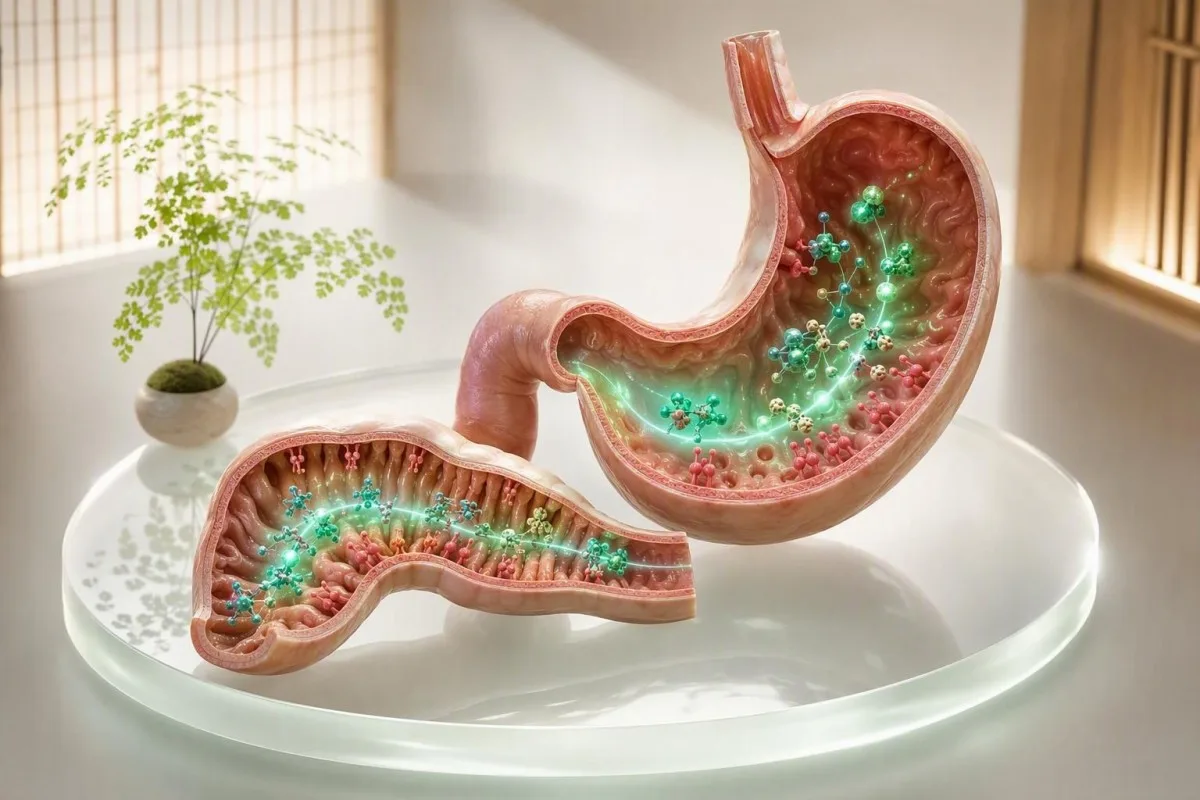
Spolehlivý vitamin B12 pochází ze živočišných potravin nebo speciálně obohacených produktů; výživná strava nemůže překonat každý problém s absorpcí. Zde je návod, jak pomáhám pacientům sladit výběr potravin, příznaky, léky a laboratorní výsledky.


- Denní potřeba B12 je 2,4 mcg pro většinu dospělých, 2,6 mcg v těhotenství a 2,8 mcg během kojení.
- Nejlepší zdroje potravy zahrnují mušle, játra, ryby, maso, mléčné výrobky, vejce a potraviny obohacené o B12; neobohacené rostlinné potraviny nejsou spolehlivými zdroji.
- Hovězí játra poskytuje asi 70 mcg B12 na 85 g vařené porce, zatímco 250 ml mléka poskytuje asi 1,3 mcg.
- Strop absorpce znamená, že vnitřní faktor obvykle absorbuje pouze asi 1,5-2 mcg z jídla; zhruba 1% velké perorální dávky může stále vstoupit pasivně.
- Sérové B12 pod 200 pg/ml (148 pmol/L) běžně podporuje deficit, zatímco 200-300 pg/mL často vyžaduje kontext kyseliny methylmalonové nebo aktivního B12.
- Metformin a léky potlačující kyselost může časem snížit hladinu B12, zejména pokud se používá po několik let.
- Neurologické příznaky jako je necitlivost, změny chůze, problémy s pamětí nebo ztráta čití vibrací vyžadují lékařské posouzení, i když je přítomna anémie.
- Samotná strava nemusí korigovat nedostatek způsobený perniciózní anémií, žaludeční operací, těžkou malabsorpcí nebo významnými neurologickými příznaky.
Které potraviny poskytují nejspolehlivější vitamin B12?
Potraviny s vysokým obsahem B12 jsou téměř výhradně živočišné potraviny a potraviny záměrně obohacené o kobalamin. Mušle, játra, ryby, maso, mléko, jogurt, sýr, vejce, obohacené snídaňové cereálie a obohacené rostlinné nápoje jsou spolehlivou volbou, pokud etiketa potvrzuje obsah B12.
Vařené mušle mohou poskytnout zhruba 84 mcg na 85 g, a vařená hovězí játra asi 70 mcg na 85 g; obojí mnohonásobně převyšuje dospělou denní dávku. Stále doporučuji rozmanitost spíše než časté spoléhání na játra, protože játra jsou také výjimečně bohatá na předformovaný vitamín A a nejsou v těhotenství běžnou denní potravinou.
Ryby jsou praktickým kompromisem: vařený pstruh poskytuje asi 5,4 mcg na 85 g, losos asi 2,6 mcg, a konzervovaný tuňák zhruba 2,5 mcg. Pacient, který nemá rád mořské plody, si obvykle může pokrýt potřeby stravy dvěma porcemi ryb týdně plus mléčnými výrobky, vejci nebo obohacenými potravinami; naše průvodci B12 vs folát vysvětluje, proč folát nemůže nahradit kobalamin.
Kantesti je Analyzátor krevních testů AI která umísťuje výsledek B12 vedle středního objemu krvinek, hemoglobinu, folátu, funkce ledvin a kontextu medikace. To je důležité, protože osoba, která jí ryby dvakrát týdně, může stále mít nedostatek, pokud je problém vnitřní faktor spíše než příjem.
Kolik B12 je v běžných potravinách?
Jedna porce ryb, masa nebo mléčných výrobků může poskytnout část nebo celou cílovou dávku 2,4 mcg pro dospělé, ale množství se ostře liší podle potraviny a porce. Etikety a tabulky složení potravin jsou odhady, nikoli zárukou toho, co se dostane do oběhu.
250 mL šálek kravského mléka dodává asi 1,3 mcg, 170 g bílého jogurtu přibližně 1,0 mcg, jedno velké vejce přibližně 0,5 mcg, a 85 g vařeného libového hovězího masa přibližně 2,4 mcg. Mléčné výrobky tak mohou smysluplně podpořit příjem, ačkoli dvě vejce k snídani obvykle nepokrývají potřebu na celý den.
Často vidím zavádějící vzorec u lidí, kteří se popisují jako 'většinou vegetariáni': občasná vejce a sýr mohou zabránit vážnému vyčerpání, přesto jejich příjem po celé měsíce stále kolísá pod cílovou hodnotou. To je jeden z důvodů, proč únava vyžaduje širší pohled, který zahrnuje výběr potravin bohatých na železo a nejen multivitamin.
Thomas Klein, MD, radí pacientům, aby si po dobu 7 dnů zaznamenali skutečné porce, než se rozhodnou, že jejich strava je adekvátní. Potravinový deník odhalující pouze 0,5–1,0 mcg denně je klinicky užitečnější než vágní tvrzení 'Jím zdravě'.'
Jsou potraviny obohacené o B12 dostatečné pro vegany?
Potraviny obohacené B12 mohou pokrýt potřeby veganů při konzistentní konzumaci v odměřených množstvích, ale neobohacené rostlinné potraviny to spolehlivě nedokážou. Mořské řasy, houby, fermentované potraviny a lahůdkové droždí bez přidané etikety B12 nejsou spolehlivými náhradami.
Mnoho obohacených rostlinných nápojů poskytuje 0,4–1,0 mcg na 250 ml, zatímco porce obohacených cereálií může dodat 1,0–6,0 mcg. Vždy si přečtěte místní etiketu: produkty se liší podle země, receptury a velikosti porce a 'obsahuje vitamíny' automaticky neznamená, že obsahuje B12.
Kyanokobalamin je nejběžnější fortifikant, protože zůstává stabilní během skladování a vaření. Revize O'Learyho a Sammana z roku 2010 v časopise Nutrients popisuje, proč analogy nalezené v některých řasách mohou chemicky připomínat B12, ale nespolehlivě podporují stav B12 u lidí (O'Leary & Samman, 2010).
Kantesti je platforma pro rozbor krevních výsledků AI používané k tomu, aby čtenáři mohli zhodnotit stravovací návyky, B12 a související markery v jednom pohledu. Lidé, kteří dodržují rostlinnou stravu, by měli také zvážit naplánovaný krevní test na mezeru v živinách , místo aby čekali na brnění nebo vyčerpání.
Jaké jsou denní požadavky na B12 podle věku a životní etapy?
Většina dospělých potřebuje 2,4 mcg vitaminu B12 denně, zatímco těhotenství vyžaduje 2,6 mcg a kojení vyžaduje 2,8 mcg. Tyto cíle zabraňují nedostatku u lidí s běžným vstřebáváním; nejsou to dávky pro léčbu již existujícího nedostatku.
Doporučená denní dávka ve Spojených státech je 0,4 mcg od narození do 6 měsíců, 0,9 mcg ve věku 1–3 let, 1,2 mcg ve věku 4–8 let, 1,8 mcg ve věku 9–13 leta 2,4 mcg od 14 let. Britský referenční příjem živin pro dospělé je nižší, a to 1,5 mcg denně, takže mezinárodní nutriční aplikace mohou zobrazovat různé cíle, aniž by jedna z nich byla chybou.
Starší dospělí často potřebují stejné množství stravy, ale mají vyšší šanci na malabsorpci B12 vázaného na potravu kvůli snížené žaludeční kyselosti, gastritidě nebo lékům. Normální chuť k jídlu toto nevylučuje; naše průvodce hladinami B12 u dětí také ukazuje, proč je věkově specifický kontext důležitý.
B12 se ukládá v játrech, obvykle v množství 2-5 mg, což je důvod, proč nedostatečný příjem může trvat 2-5 let, než se projeví. Toto zpoždění je klinicky nepohodlné: příznaky se mohou objevit dlouho poté, co začala restriktivní dieta.
Jak funguje absorpce B12 po jeho konzumaci?
Absorpce B12 vyžaduje žaludeční kyselinu, pankreatické enzymy a vnitřní faktor ze žaludečních buněk před vstřebáním v konečném ileu. Problém v kterémkoli z těchto kroků může způsobit, že strava s vysokým obsahem B12 bude nedostatečná.
B12 vázaný na potravu se uvolňuje z bílkovin v žaludku, nejprve se váže na haptocorrin, poté se přenáší na vnitřní faktor v tenkém střevě. Komplex vnitřního faktoru a B12 se vstřebává v terminálním ileu prostřednictvím procesu zprostředkovaného receptory; proto má onemocnění nebo odstranění tohoto segmentu střeva následky.
Vstřebávání vnitřního faktoru se saturuje při zhruba 1,5-2 mcg na jídlo, zatímco asi 1% velkých perorálních dávek může proniknout pasivní difúzí. Tato malá pasivní cesta vysvětluje, proč lékaři někdy používají 1 000-2 000 mcg perorálních léčebných dávek, nikoli proto, že by někdo potřeboval 1 000krát vyšší dávku než doporučený denní příjem.
U lidí s chronickým průjmem, nevysvětlitelným úbytkem hmotnosti nebo podezřením na celiakii nestačí výpočet příjmu. Diskuse o správném načasování zátěžového testu na lepek před vyšetřením může zabránit falešně uklidňujícím výsledkům.
Co blokuje absorpci B12 i při dobré stravě?
Perniciózní anémie, operace žaludku nebo střev, celiakie, Crohnova choroba, dlouhodobé užívání metforminu a potlačení kyselosti mohou snížit vstřebávání B12. V těchto případech může zvýšení příjmu ryb nebo obohacených cereálií zpomalit pokles, ale nemusí korigovat nedostatek.
Autoimunitní gastritida může zničit buňky produkující vnitřní faktor v žaludku a způsobit perniciózní anémie, což je porucha vstřebávání spíše než dietní selhání. Pokyny NICE NG239, zveřejněné v roce 2024, doporučují zvážit testování protilátek proti vnitřnímu faktoru při podezření na autoimunitní gastritidu, ačkoli negativní výsledek jej zcela nevylučuje.
Nízký B12 spojený s metforminem je skutečný, ale variabilní. Ve studii Diabetes Prevention Program Outcomes Study byl nízký nebo hraničně nízký B12 po 5 letech častější u metforminu než u placeba a riziko se zvyšovalo s delší expozicí (Aroda et al., 2016); proto vyšetření krve po metforminu by se nemělo zaměřovat pouze na glukózu.
63letá pacientka, kterou jsem vyšetřoval, jedla lososa týdně a denně pila mléko, přesto měla hladinu B12 156 pg/mL s necitlivými prsty na nohou po letech užívání metforminu a omeprazolu. Potrava nebyla tím chybějícím článkem – vstřebávání bylo.
Které krevní testy objasňují možný nedostatek B12?
Hladina B12 v séru pod 200 pg/mL, neboli 148 pmol/L, obvykle svědčí pro nedostatek, zatímco 200-300 pg/mL je neurčitá zóna, která vyžaduje potvrzující kontext. Kyselina methylmalonová, homocystein, aktivní B12, kompletní krevní obraz a folát mohou nejistotu rozptýlit.
Kyselina methylmalonová se obvykle zvyšuje při nedostatečné buněčné B12; MMA nad 0,40 mikromol/l je často považována za zvýšenou, ačkoli laboratorní prahové hodnoty se liší. Poškození ledvin může zvýšit MMA nezávisle, takže eGFR 35 mL/min/1,73 m² mění význam stejného výsledku.
Makrocytóza je vodítkem, nikoli požadavkem. MCV nad 100 fL se může objevit při nedostatku B12, ale časný nedostatek může mít normální MCV a nedostatek železa může částečně maskovat zvětšení buněk; porovnejte výsledek s naším průvodcem pro sledování vysokého MCV.
Kantesti je Nástroj pro analýzu krevních testů poháněný AI který čte B12 s MMA, MCV, RDW, kreatininem a dlouhodobými změnami, spíše než aplikuje jednu prahovou hodnotu. Diagnostický rámec v Devalia et al. (2014) podobně podporuje použití klinických rysů a testů druhé linie, když sérové B12 nevyřeší otázku.
Může nedostatek B12 způsobit příznaky bez anémie?
Ano, nedostatek B12 může způsobit nervové a kognitivní příznaky dříve, než klesne hemoglobin nebo se zvýší MCV. Brnění, pálení nohou, snížená rovnováha, ztráta vibračního čití, špatná nálada a mozková mlha si zaslouží posouzení, když přetrvávají.
Hemoglobin 13,2 g/dl a MCV 92 fL nevylučují funkční nedostatek B12 u osoby s progresivní parestezií. Neurologická obnova je méně předvídatelná, když příznaky trvají mnoho měsíců, proto nedoporučuji čekat na zjevnou anémii.
Folát může normalizovat vzhled krevního obrazu, zatímco poškození nervů související s B12 pokračuje. Toto je klinický problém za varováním o vysokých dávkách kyseliny listové; viz naše vysvětlení vysokého folátu maskujícího B12 pro praktické detaily.
Naléhavé posouzení ve stejný den je rozumné při rychle se zhoršující obtížnosti chůze, nové zmatenosti, výrazné slabosti nebo změnách funkce střev a močového měchýře. Tyto příznaky mají několik příčin, ale B12 by měl být součástí rychlé diferenciální diagnostiky, nikoli experimentu s doplňky stravy.
Kdy může strava napravit nízké B12 a kdy je léčba nutná?
Strava může napravit hraničně nízký příjem u osoby s neporušeným vstřebáváním, ale potvrzený nedostatek způsobený malabsorpcí často vyžaduje perorální léčbu vysokými dávkami nebo injekce. Volba závisí na příčině, závažnosti, dodržování léčby a neurologických nálezech – nikoli pouze na sérové hodnotě.
Při nedostatečném příjmu stravy bez závažných příznaků mohou lékaři použít perorální kyanokobalamin nebo methylkobalamin v dávkách, jako je 50-150 mcg denně pro udržení, s vyššími dávkami při korekci nedostatku. Přesné režimy se liší podle zemí a měly by se řídit protokolem ošetřujícího lékaře.
Perniciózní anémie, úplná gastrektomie, závažné onemocnění ilea nebo významné neurologické příznaky obvykle mění přístup. Naše podrobné srovnání injekcí a tablet B12 vysvětluje, proč vysokodávkované tablety mohou stále fungovat prostřednictvím pasivní absorpce, zatímco injekce mohou být preferovány, když záleží na jistotě nebo rychlosti.
Podle mých zkušeností je plán „nejprve strava“ vynikající prevencí, ale špatnou záchrannou terapií pro symptomatickou malabsorpci. Načasování opakovaného vyšetření by mělo zahrnovat příznaky a funkční markery, nejen výsledek B12, který se po injekci rychle zvýší.
Je methylovaný B12 lepší než kyanokobalamin?
Methylkobalamin i kyanokobalamin mohou oba korigovat nedostatek B12, pokud jsou dávka a vstřebávání adekvátní; důkazy neukazují, že by methylovaný B12 byl univerzálně nadřazený. Kyanokobalamin je stabilní, široce studovaný a běžně používaný ve fortifikovaných potravinách.
Tělo přeměňuje kobalamin na aktivní koenzymové formy používané methioninsyntázou a methylmalonyl-CoA mutázou. Marketingový jazyk kolem 'methylovaných' produktů často předbíhá srovnávací klinické důkazy; vstřebávání, dávka, cena a konzistence jsou obvykle rozhodujícími faktory.
Hydroxokobalamin je běžně používán injekčně v několika zdravotnických systémech, protože v těle zůstává déle než kyanokobalamin. Lidé s chronickým onemocněním ledvin nebo neobvyklými metabolickými poruchami potřebují individuální radu, protože MMA a výběr léčby se mohou stát složitějšími.
Pro praktické srovnání chemie produktů, logiky dávkování a laboratorního sledování si přečtěte methylovaný B12 versus kyanokobalamin. Nepřestávejte užívat předepsané injekce jen proto, že etiketa doplňku slibuje 'přírodnější' formu.
Jak vypadá praktický den stravování bohatého na B12?
Smíšená strava může s běžnými jídly dosáhnout 2,4 mcg B12, zatímco veganský jídelníček vyžaduje záměrné plánování fortifikovaných potravin nebo doplněk stravy. Nejspolehlivější plán je ten, který můžete opakovat během cestování, náročných týdnů a změn chuti k jídlu.
Jedním všežravým příkladem je jogurt k snídani (1,0 mcg), vejce k obědu (0,5 mcg) a 85 g lososa k večeři (2,6 mcg). To poskytuje zhruba 4,1 mcg před zohledněním variability mezi jídly, přičemž rozložení příjmu během jídel je pro většinu lidí pohodlné.
Obohacený veganský příklad by mohl použít rostlinný nápoj poskytující 1,0 mcg, cereálie poskytující 1,5 mcg, a obohacené lahůdkové droždí poskytující 1,0 mcg. Háček je v konzistenci: změna značek může živinu náhle odstranit, proto si uchovejte fotografii etikety ve svých zdravotních poznámkách.
B12 zapadá do širšího vzorce ve vodě rozpustných živin, bílkovin, železa a příjmu energie. Naše průvodce vitamíny rozpustnými ve vodě pomáhá předcházet běžné chybě, kdy se jedna vitamínová nedostatečnost bere jako jediné vysvětlení únavy.
Kdo by měl být obzvláště ostražitý ohledně nízkého B12?
Vegani, starší dospělí, lidé užívající metformín nebo dlouhodobé potlačovače kyselosti, pacienti po operaci žaludku nebo ilea a lidé s chronickým zánětlivým onemocněním střev mají vyšší riziko nedostatku B12. Riziko se zvyšuje, když je přítomno více než jeden faktor.
Dlouhodobé užívání inhibitorů protonové pumpy může snížit uvolňování B12 z potravinových bílkovin snížením žaludeční kyselosti. Tato souvislost není důvodem k náhlému ukončení předepsaného léku, ale je důvodem k dotazu, zda je vhodný monitoring po 2 letech nebo více nepřetržitého užívání.
Lidé ve věku nad 60 lety se mohou i přes pestrou stravu vyvinout malabsorpci kobalaminu spojenou s potravou, někdy spolu s atrofickou gastritidou. Nižší hladina B12 u této skupiny není automaticky 'jen věkem'; může to být signál k prozkoumání příznaků, léků a anamnézy autoimunitních onemocnění.
Náš příručka pro dlouhodobé sledování PPI nastiňuje související laboratorní diskuse, včetně hořčíku a železa. Kombinace nízké hladiny B12 s nevysvětlitelným nedostatkem železa může lékaře nasměrovat spíše k žaludeční příčině než ke dvěma nesouvisejícím dietním nedostatkům.
Kdy by měly být hladiny B12 znovu testovány po změně stravy nebo léčby?
Opakované testování se často provádí 8–12 týdnů po změně stravy nebo perorální léčbě, zatímco závažnost příznaků a způsob léčby mohou ospravedlnit dřívější klinické posouzení. Hladina B12 v séru může po suplementaci rychle stoupnout a sama o sobě nemusí dokazovat obnovu tkání.
Kompletní krevní obraz může ukázat retikulocytární odpověď během přibližně 1 týden po účinné léčbě megaloblastické anémie, zatímco hemoglobin se obvykle zlepší během několika týdnů. Nervové příznaky se obvykle zotavují pomaleji a někdy neúplně, zejména po dlouhodobém nedostatku.
Přerušovaná suplementace může způsobit, že hladina B12 v séru bude v den testování vypadat normálně, zatímco MMA, příznaky nebo makrocytóza zůstanou znepokojivé. To je jeden z důvodů, proč sdělit lékaři přesně, co jste užívali, dávku a datum poslední dávky před interpretací výsledků.
Kantesti AI může porovnat B12, MCV, hemoglobin, RDW, folát a kreatinin napříč několika zprávami, aby zjistil, zda je změna klinicky významná. Pro čtenáře, kteří se tuto dovednost učí, naše průvodce analýzou trendů krevních testů vysvětluje, proč je jeden izolovaný výsledek zřídka celým příběhem.
Jaké mýty o B12 mohou zpozdit správnou péči?
Největší mýtus o B12 je, že konzumace více živočišných potravin vyřeší každý nízký výsledek. Strava pomáhá při příjmu, ale nemůže obnovit vnitřní faktor, zvrátit onemocnění střev ani bezpečně nahradit hodnocení neurologických symptomů.
Dalším mýtem je, že vysoký sérový výsledek B12 vždy znamená vynikající stav. Výsledek nad 900 pg/ml často odráží doplňky stravy nebo injekce, ale přetrvávající nevysvětlené zvýšení se může vyskytnout také u onemocnění jater, onemocnění ledvin nebo některých hematologických stavů; kontext je důležitější než panika.
Od 1. září 2026 bych také varoval před používáním zlepšení energie po jedné tabletě jako diagnostického důkazu. Placebo efekt, spánek, stav železa, onemocnění štítné žlázy, deprese a změny hladiny glukózy mohou ovlivnit energii během 1-4 týdnů bez potvrzení nedostatku B12.
Klinický obsah Kantesti je revidován s podporou našeho Lékařská poradní rada, ale interpretace AI nikdy nenahradí vyšetření progresivních neurologických symptomů. Čtenáři si mohou prohlédnout naše přístup k klinické validaci , aby pochopili, jak formulujeme následné výzvy, spíše než abychom stanovili diagnózu.
Jaké jsou nejbezpečnější další kroky, pokud máte podezření na nízké B12?
Pokud máte přetrvávající necitlivost, problémy s rovnováhou, kognitivní změny, nevysvětlenou makrocytózu nebo výsledek B12 pod 200 pg/mL, vyhledejte lékařské vyšetření, namísto spoléhání se pouze na stravu. Včasná léčba je zvláště relevantní, pokud jsou postiženy nervy.
Přineste seznam léků, doplňků stravy, stravovacích návyků, zažívacích diagnóz, operací, konzumace alkoholu a předchozích laboratorních zpráv. Lékař se pak může rozhodnout, zda zopakovat B12, objednat MMA nebo homocystein, zkontrolovat folát a kompletní krevní obraz, nebo vyšetřit perniciózní anemii a malabsorpci.
Thomas Klein, MD, doporučuje vyhnout se vysokým dávkám kyseliny listové jako samotné léčbě nevysvětlené makrocytózy, dokud nebude B12 přiměřeně hodnoceno. Pokud nemáte žádné varovné příznaky a příjem stravy je zjevně nízký, je často rozumný plán s upravenou stravou nebo doplňky s opakovaným výsledkem za 8–12 týdnů .
Kantesti spojuje trendy laboratorních výsledků srozumitelnými otázkami pro vaši návštěvu, přičemž konečné diagnostické rozhodnutí zůstává na vašem lékaři. Prohlédněte si naše referenční příručka k biomarkerům pro laboratorní termíny, které se pravděpodobně objeví spolu s výsledkem B12.
Často kladené otázky
Která potravina má nejvyšší obsah vitaminu B12?
Vany a hovězská játra patří mezi potraviny s nejvyšším obsahem vitaminu B12. Vařená 85g porce vanů může poskytnout asi 84 mcg B12, zatímco stejná porce hovězských jater poskytne asi 70 mcg; obojí výrazně převyšuje denní cíl 2,4 mcg pro dospělé. Játra by neměla být v těhotenství konzumována každý den kvůli velmi vysokému obsahu preformovaného vitaminu A. Pro běžná jídla jsou praktičtějšími zdroji ryby, maso, mléčné výrobky, vejce a označené fortifikované potraviny.
Mohou vegané získat dostatek B12 pouze z potravy?
Vegani mohou pokrýt potřebu vitamínu B12 z potravy pouze tehdy, pokud pravidelně konzumují potraviny obohacené o B12 v odměřených množstvích. Neobohacené zelenina, houby, mořské řasy, tempeh a lahůdkové droždí nejsou spolehlivými zdroji B12, protože jejich obsah kobalaminu je nepřítomný, nekonzistentní nebo může zahrnovat neaktivní analogy. Mnoho obohacených rostlinných nápojů poskytuje 0,4–1,0 mcg na 250 ml, ale složení se liší podle země a značky. Doplněk stravy B12 je pro veganskou stravu často jednodušší a spolehlivější ochranou.
Kolik B12 by měl dospělý denně přijmout?
Většina dospělých potřebuje podle doporučeného denního příjmu Spojených států 2,4 mcg vitaminu B12 denně. Těhotenství zvyšuje cíl na 2,6 mcg denně a kojení na 2,8 mcg denně. Referenční příjem živin pro dospělé ve Velké Británii je 1,5 mcg denně, takže nutriční štítky specifické pro danou zemi se mohou lišit. Tyto hodnoty jsou cíle prevence pro normální vstřebávání a jsou mnohem nižší než léčebné dávky používané pro diagnostikovaný nedostatek.
Mohu si doplnit nedostatek vitamínu B12 stravou s vyšším obsahem masa a vajec?
Zvýšení příjmu masa, ryb, mléčných výrobků, vajec nebo obohacených potravin může napravit nedostatek B12 způsobený pouze nízkým dietním příjmem, ale nemusí fungovat při narušeném vstřebávání. Perniciózní anémie, celiakie, Crohnova choroba, žaludeční operace, resekce ilea, metformin a dlouhodobá léčba potlačující kyselost mohou snížit vstřebávání i přes stravu bohatou na B12. Hladina B12 v séru pod 200 pg/mL nebo 148 pmol/L obecně vyžaduje klinické posouzení příčiny. Neurologické příznaky, jako je necitlivost, špatná rovnováha nebo kognitivní změny, by neměly být řešeny pouze stravou.
Co pomáhá vstřebávání B12?
Vstřebávání vitaminu B12 závisí na adekvátním zpracování v žaludku, pankreatických enzymech, vnitřním faktoru a funkčním terminálním ileu. Vnitřní faktor aktivně vstřebává pouze asi 1,5–2 mcg B12 z jídla, zatímco zhruba 1 % velké perorální dávky může proniknout pasivní difúzí. Konzumace B12 s jídlem je rozumná, ale žádná specifická kombinace potravin nemůže kompenzovat chybějící vnitřní faktor nebo závažné onemocnění ilea. V případě narušeného vstřebávání může být nutné podávat perorálně vysoké dávky B12 nebo injekce.
Jaká hladina B12 je považována za nízkou?
Sérová hladina vitaminu B12 pod 200 pg/mL, což odpovídá přibližně 148 pmol/L, obvykle podporuje deficit B12, ačkoli laboratoře používají různé rozsahy vyšetření. Nálezy od 200-300 pg/mL jsou často považovány za hraniční nebo nejasné a mohou vyžadovat vyšetření kyseliny methylmalonové, homocysteinu, aktivního B12, kompletního krevního obrazu, folátu, funkce ledvin a kontextu symptomů. Kyselina methylmalonová nad přibližně 0,40 mikromol/L podporuje buněčný deficit B12, ale může se také zvýšit při snížené funkci ledvin. Normální hemoglobin nebo MCV spolehlivě nevylučují časné nervové příznaky související s B12.
Získejte analýzu krevních testů poháněnou AI ještě dnes
Přidejte se k více než 2 milionům uživatelů po celém světě, kteří důvěřují Kantesti pro okamžitou a přesnou analýzu laboratorních testů. Nahrajte své výsledky krevních testů a během několika sekund získejte komplexní interpretaci biomarkerů 15,000+.
📚 Odkazované publikace výzkumu
Klein, T., Mitchell, S., & Weber, H. (2026). Urobilinogen v testu moči: Kompletní průvodce vyšetřením moči 2026. Kantesti AI Medical Research.
Klein, T., Mitchell, S., & Weber, H. (2026). Průvodce studiem železa: TIBC, saturace železem a vazebná kapacita. Kantesti AI Medical Research.
📖 Externí lékařské reference
⚕️ Lékařské prohlášení
Tento článek je pouze pro vzdělávací účely a nepředstavuje lékařské poradenství. Pro rozhodnutí o diagnóze a léčbě se vždy poraďte s kvalifikovaným poskytovatelem zdravotních služeb.
Signály důvěry E-E-A-T
Zažít
Lékařem vedená klinická revize pracovních postupů pro interpretaci laboratorních výsledků.
Odbornost
Zaměření laboratorní medicíny na to, jak se biomarkery chovají v klinickém kontextu.
Autoritativnost
Napsal Dr. Thomas Klein, recenze: Dr. Sarah Mitchell a Prof. Dr. Hans Weber.
Důvěryhodnost
Interpretace založená na důkazech s jasnými následnými kroky pro snížení poplachu.