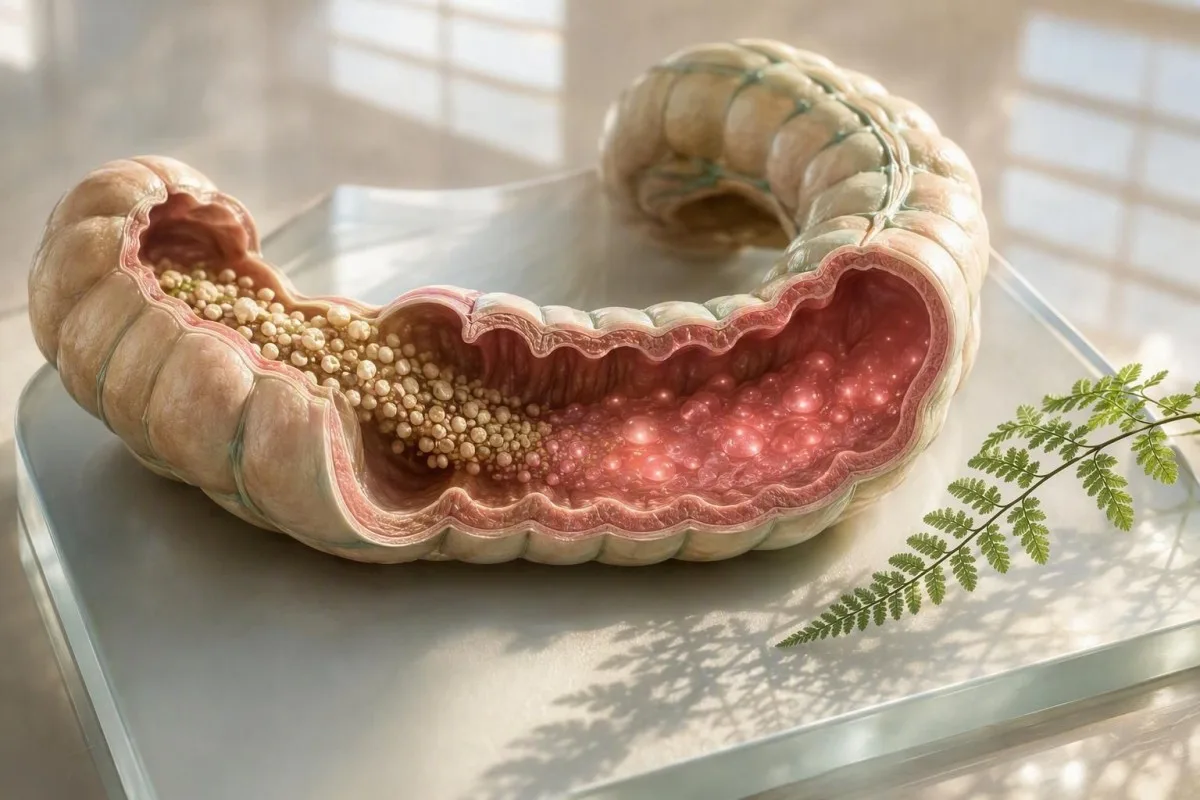
يمكن أن يعكس البراز الحمضي تخمير السكريات غير الممتصة، ولكنه مجرد مؤشر - وليس تشخيصًا لعدم تحمل اللاكتوز أو عدم تحمل طعام آخر.


- درجة حموضة البراز المنخفضة يعني عادةً درجة حموضة أقل من 5.5, ، مما يشير إلى تخمير قولوني للكربوهيدرات غير الممتصة في عينة إسهال حديثة.
- المواد المختزلة يمكن أن تدعم سوء امتصاص الكربوهيدرات، لكن الاختبار يكشف عن عدة سكريات ولا يحدد المحفز الغذائي.
- إسهال الأطفال الصغار يحدث غالبًا بين 6 أشهر و 5 سنوات لدى الأطفال الذين ينمون بشكل طبيعي ويستهلكون كميات كبيرة من العصير، أو السوربيتول، أو الفركتوز.
- عدم تحمل اللاكتوز لا يتم تشخيصه عن طريق حموضة البراز وحدها؛ التاريخ الغذائي، ومراجعة النمو، وأحيانًا اختبار التنفس بالهيدروجين تكون أكثر فائدة.
- المناولة الطازجة مهمة لأن البكتيريا تستمر في إنتاج الحمض بعد التجميع، مما قد يجعل العينة المتأخرة تبدو أكثر حموضة.
- علامات الخطر تشمل دمًا في البراز، فقدان الوزن، القيء المستمر، الحمى، الجفاف، الإسهال الليلي، أو ضعف النمو الخطي.
- نقص اللاكتاز المؤقت يمكن أن يتبع التهاب المعدة والأمعاء الفيروسي وغالبًا ما يتحسن خلال أيام إلى أسابيع مع تعافي بطانة الأمعاء.
- تحاليل الدم قد تقيم الجفاف، فقر الدم، الالتهاب، الداء الزلاقي، أو الآثار الغذائية عندما تكون الأعراض مستمرة أو يتأثر النمو.
ماذا يعني فحص البراز الحمضي في الواقع
معنى انخفاض درجة حموضة البراز: درجة حموضة البراز الطازج أقل من حوالي 5.5 يمكن أن تشير إلى أن السكريات غير الممتصة وصلت إلى القولون وتم تخميرها إلى أحماض عضوية. إنها مجرد دليل فسيولوجي، وليست دليلاً على أن الطفل لديه عدم تحمل اللاكتوز، أو حساسية الحليب، أو اضطراب هضمي دائم.
من الناحية العملية، عادة ما تصل الكربوهيدرات التي يتم امتصاصها في الأمعاء الدقيقة إلى القولون، حيث تقوم البكتيريا المقيمة بتحويلها إلى أحماض دهنية قصيرة السلسلة، وهيدروجين، وثاني أكسيد الكربون، وأحيانًا ميثان. الحمض الناتج يخفض درجة الحموضة ويمكن أن يسحب الماء إلى الأمعاء؛ هذا المزيج يفسر البراز المائي، الفقاعي، ذو الرائحة الحامضة اللاذعة أحيانًا. درجة حموضة البراز 6.0 إلى 7.5 غالبًا ما توصف بأنها متوقعة بشكل عام، على الرغم من أن العمر، وحليب الأم، والنظام الغذائي، وطريقة المختبر تجعل نطاقًا واحدًا عالميًا غير واقعي.
السؤال الأكثر فائدة ليس “ما مدى انخفاض الرقم؟” بل “ماذا كان يحدث عندما تم جمعه؟” طفل يبلغ من العمر 20 شهرًا يعاني من براز رخو بعد مرض شبيه بفيروس النورو ودرجة حموضة 5.0 لديه ملف احتمالية مختلف جدًا عن طفل يبلغ من العمر 3 سنوات بصحة جيدة مع عينة حمضية واحدة بعد يوم من عصير التفاح. نمط البراز بريستول وسجل الطعام والأعراض لمدة ثلاثة أيام غالبًا ما يضيفان قيمة تشخيصية أكثر من تكرار قياس درجة الحموضة وحده.
بصفتي توماس كلاين، MD، أشرح هذه النتيجة كإشارة مرور بدلاً من ملصق: فهي تخبرنا أن ننظر بعناية إلى التعرض للكربوهيدرات، ومدة البراز، والترطيب، والنمو. Kantesti هو محلل اختبارات دم بالذكاء الاصطناعي يضع علامات الدم ذات الصلة - مثل البيكربونات، والجلوكوز، والألبومين، ومؤشرات الحديد، وفحص الداء الزلاقي - في سياق سريري بدلاً من التعامل مع نتيجة البراز كحكم نهائي.
لماذا يصبح البراز حمضيًا
ينتج التخمير حمض اللاكتيك والأحماض الدهنية قصيرة السلسلة بعد وصول السكريات إلى القولون. يمكن للبراز الحمضي أيضًا أن يهيج الجلد حول الشرج، لذلك قد يصاب الرضيع أو الطفل الصغير بالاحمرار بعد الإسهال الحمضي المتكرر حتى في حالة عدم وجود حساسية أو عدوى.
كيف يتم إجراء اختبار درجة حموضة البراز - ولماذا يغيره التوقيت
A اختبار درجة حموضة البراز يقيس تركيز أيونات الهيدروجين في عينة براز، عادةً باستخدام ورق الأس الهيدروجيني أو قطب كهربائي. قيمة أقل من 5.5 يُعتبر تقليديًا متوافقًا مع سوء امتصاص الكربوهيدرات، ولكن المختبرات لا تستخدم بروتوكولًا موحدًا بالكامل للجمع أو الإبلاغ.
يجب أن تكون العينة طازجة ويتم تسليمها على الفور، خاصة إذا كانت مائية. تستمر البكتيريا في استقلاب الكربوهيدرات بعد مرورها، لذلك قد تصبح العينة التي تبقى دافئة لعدة ساعات أكثر حمضية مما كانت عليه في الأمعاء. كما يمكن لمواد الحفاضات، وتلوث البول، وعدم كفاية البراز السائل أن تجعل الاختبار أقل موثوقية.
لقد رأيت آباءً قلقين بشكل مفهوم بسبب درجة حموضة 4.8 في عينة تم جمعها في الليلة السابقة. قبل استبعاد الأطعمة، سأسأل عما إذا كانت العينة قد تم تبريدها، وكم استغرقت عملية النقل، وما إذا كانت المضادات الحيوية قد غيرت مؤخرًا فلورا الأمعاء، وما إذا كان الإسهال لا يزال نشطًا. يمكن أن يكون جودة الاختبار هي الفرق بين دليل مفيد ومسار خاطئ.
لا تميز نتيجة درجة الحموضة المخبرية بين اضطرابات نقل اللاكتوز أو الفركتوز أو السكروز أو الجلوكوز والجالاكتوز، أو العبور السريع بعد العدوى. ينطبق نفس المبدأ على جميع أنواع الاختبارات: يمكن للتفاصيل التحليلية المسبقة أن تغير التفسير، كما يوضح دليلنا لتغييرات المختبر أثناء المرض لنتائج الدم.
ما لا يمكن أن تخبرك به شريحة درجة الحموضة
لا يمكن لشريحة درجة الحموضة قياس كمية الكربوهيدرات التي تم سوء امتصاصها، أو تسمية الكربوهيدرات المعنية، أو تحديد ما إذا كانت الأعراض تأتي من نقص إنزيمي، أو عدوى، أو نمط غذائي، أو إسهال وظيفي. كما لا يمكنها تشخيص حساسية الطعام، والتي تنتج عن آليات مناعية بدلاً من حموضة البراز.
كيف يتناسب وجود مواد مختزلة مع البراز الحمضي
المواد المخفضة الإيجابية في البراز بالإضافة إلى درجة حموضة أقل من 5.5 يمكن أن تدعم سوء امتصاص الكربوهيدرات، خاصة عند طفل يعاني من إسهال مائي. يظل الاقتران غير محدد لأن اختبارات المواد المخفضة تكتشف خصائص السكر الكيميائية، وليس عدم تحمل محدد.
يتفاعل فحص اختزال النحاس الكلاسيكي مع السكريات المخفضة مثل الجلوكوز والجالاكتوز واللاكتوز والفركتوز. السكروز ليس سكرًا مخفضًا ما لم يتم تقسيمه أولاً عن طريق التحلل المائي, ، لذلك لا يستبعد الاختبار السلبي الأعراض المتعلقة بالسكروز أو نقص إنزيم السكراز-إيزومالتيز. غالبًا ما يتم الإبلاغ عن النتائج من سلبي إلى آثار،, 1+, 2+, 3+، و 4+, ، ولكن هذه الدرجات ليست قابلة للتبديل بين المختبرات.
درجة الحموضة الحمضية مع وجود مواد مخفضة إيجابية تكون أكثر إقناعًا عندما تظهر أثناء الإسهال النشط وعالي الحجم وتتحسن مع استقرار الأعراض. شرح مراجعتنا التفصيلية ل المواد المخفضة الإيجابية في البراز سبب كون نتيجة الأثر في البراز المتشكل تحمل وزنًا أقل بكثير من نتيجة إيجابية قوية في البراز السائل الطازج.
Kantesti هي خدمة تفسير اختبارات معملية تعمل بالذكاء الاصطناعي يمكن أن تساعد العائلات في تنظيم نتائج الدم ذات الصلة، ولكن لا يمكن لتحليلنا ولا نتيجة المواد المخفضة أن تحل محل التقييم الباطني لنمو الطفل وترطيبه ونظامه الغذائي الفعلي. إذا تم استخدام الاختبار لتبرير قيد كبير، فيجب أن يكون التشخيص السريري سليمًا أولاً.
اعتقاد خاطئ شائع حول الحليب
لا يثبت الاختبار الإيجابي للمواد المخفضة أن الحليب هو السبب. قد يكون اللاكتوز موجودًا في البراز بعد انخفاض مؤقت في إنزيم اللاكتاز بعد العدوى، ومع ذلك يمكن للمشروبات الغنية بالفركتوز والأدوية التي تحتوي على السوربيتول والعبور السريع أن تخلق نمطًا كيميائيًا حيويًا مشابهًا.
لماذا يسبب سوء امتصاص الكربوهيدرات الإسهال
يسبب سوء امتصاص الكربوهيدرات الإسهال عن طريق الخاصية الأسموزية والتخمير: يجذب السكر المتبقي الماء إلى لمعة الأمعاء، ثم تحوله بكتيريا القولون إلى أحماض وغاز. قد يكون البراز لذلك رخوًا وحمضيًا، مصحوبًا بانتفاخ أو تهيج الحفاض.
يستخدم الأمعاء الدقيقة عادةً الإنزيمات والناقلات لتكسير الكربوهيدرات وامتصاصها. اللاكتاز يجلس على حافة الفرشاة ويقسم اللاكتوز إلى جلوكوز وجالاكتوز؛ عندما يؤدي تلف الغشاء المخاطي إلى تقليل اللاكتاز مؤقتًا، يبقى اللاكتوز في اللمعة. للتو 12 إلى 18 جرامًا من اللاكتوز - الكمية الموجودة في حوالي كوب واحد من الحليب - يمكن أن تسبب أعراضًا لدى طفل أكبر سنًا معرضًا للإصابة، على الرغم من أن التحمل الفردي يختلف بشكل كبير.
غالبًا ما يتحسن الإسهال الأسموزي عندما يتم إزالة الكربوهيدرات ضعيفة الامتصاص وقد يتفاقم بعد تناول وجبة عالية السكر. ومع ذلك، يمكن أن يكون لدى الطفل المصاب بالإسهال الفيروسي درجة حموضة منخفضة لأن الغشاء المخاطي المصاب والانتقال السريع يتواجدان معًا؛ قد يوحي تسمية هذا بـ “عدم تحمل” حالة مدى الحياة عندما تكون البيولوجيا مؤقتة عادةً. مراجعة تفسير مزرعة البراز عندما تثير الحمى أو السفر أو الأوبئة أو الأعراض المطولة احتمالية سبب معدي.
القضية هي أن التخمير عملية بيولوجية طبيعية في القولون. الخلل ليس في وجود إنتاج حمض بكتيري، بل في مزيج من الركيزة الزائدة والأعراض والعواقب السريرية مثل الجفاف أو ضعف النمو أو نقص التغذية.
الغاز لا يساوي سوء الامتصاص
يمكن أن تسبب الهيدروجين وثاني أكسيد الكربون تقلصات وانتفاخًا، ولكن الغاز وحده شائع في الأطفال الأصحاء. الأعراض التي تتبع جرعة معينة من الكربوهيدرات بشكل موثوق أكثر فائدة من رائحة البراز أو الفقاعات أو قيمة مختبرية واحدة.
لماذا لا تشخص درجة حموضة البراز المنخفضة عدم تحمل اللاكتوز أو حساسية الحليب
لا يمكن لدرجة حموضة البراز المنخفضة التشخيص عدم تحمّل اللاكتوز, ، ولا تملك القدرة على التشخيص حساسية بروتين حليب البقر. عدم تحمل اللاكتوز يعكس هضمًا محدودًا للكربوهيدرات؛ حساسية الحليب استجابة مناعية وقد تسبب القيء أو الشرى أو الإكزيما أو الدم أو المخاط في البراز، أو ضعف النمو.
عدم استمرارية اللاكتاز الأولي نادر كمسألة مسببة للأعراض في الرضع ويختلف بشدة حسب الأصل العرقي والعمر. نقص اللاكتاز الثانوي أكثر احتمالًا بعد التهاب المعدة والأمعاء الحاد، أو الداء الزلاقي غير المعالج، أو التهاب الأمعاء. تلاحظ الأكاديمية الأمريكية لطب الأطفال أنه يجب تقييم عدم تحمل اللاكتوز من خلال التاريخ والفحوصات المناسبة بدلاً من افتراضه من أعراض الجهاز الهضمي غير المحددة (Heyman et al., 2006).
قد يكون تقليل اللاكتوز القصير والمراقب معقولًا بعد الإسهال إذا حسّن الأعراض بوضوح، ولكن تجنب الحليب الواسع له عواقب سلبية. يحتاج العديد من الأطفال إلى مصادر بديلة عملية للكالسيوم وفيتامين د والبروتين والطاقة؛ يمكن أن يكون التقييد المطول بدون دعم غذائي له نتائج عكسية. للحصول على سياق حول علامات التغذية عند الأطفال، انظر مستويات الكالسيوم عند الأطفال.
رأى توماس كلاين، MD، الأخطاء المعاكسة في العيادة: العائلات التي تستمر في تناول اللاكتوز على الرغم من أعراض ما بعد العدوى الواضحة، والعائلات التي تزيل جميع منتجات الألبان لعدة أشهر بعد براز حمضي واحد. غالبًا ما يكون التجربة محدودة زمنيًا مع إعادة الإدخال المخطط لها أكثر أمانًا من نظام غذائي استبعادي غير محدد، ما لم يشتبه الطبيب في وجود حساسية أو مرض آخر.
عندما تحتاج الحساسية إلى مراجعة فورية
الطفح الجلدي الفوري، الأزيز، تورم الوجه، القيء المتكرر، الخمول، أو أعراض الدورة الدموية بعد الحليب تتطلب تقييمًا طبيًا عاجلاً. الدم في البراز، الإكزيما المستمرة مع صعوبة في الرضاعة، أو ضعف النمو يستحق مراجعة طبيب الأطفال بدلاً من الاختبار المنزلي.
إسهال الأطفال الصغار: السياق الغذائي الشائع
إسهال الأطفال الصغار, ، والذي يسمى أيضًا الإسهال المزمن غير المحدد، يؤثر عادةً على الأطفال الذين تتراوح أعمارهم بين 6 أشهر و 5 سنوات الذين يعانون من براز نهاري رخو متكرر ولكن لديهم طاقة وفحص ونمو طبيعي. يمكن أن يساهم الإفراط في تناول العصائر، أو الفركتوز، أو السوربيتول، أو كميات كبيرة من السوائل، أو قلة الدهون الغذائية في البراز الحمضي.
التفاح والكمثرى وبعض مشروبات الفاكهة المختلطة يمكن أن تحتوي على الفركتوز الحر والسوربيتول بكميات كبيرة، والتي يتم امتصاصها بشكل متفاوت. طفل يشرب 500 إلى 700 مل من العصير أو المشروبات المحلاة يومياً قد يعاني من براز رخو على الرغم من أنه يبدو بصحة جيدة؛ تقليل العصير إلى الكميات المناسبة للعمر يمكن أن يكون أكثر فائدة من اختبار كل طعام. يضع إطار عمل روما الرابع لعام 2016 هذا النمط ضمن اضطرابات الجهاز الهضمي الوظيفية عند غياب علامات التحذير (Rhoads et al.، 2016).
نمط البراز له دلالة: عدة براز رخو خلال اليوم، جزيئات طعام مرئية، قليل أو لا براز أثناء الليل، واستمرار زيادة الوزن يدعم إسهال الأطفال الصغار. على النقيض من ذلك، فإن التبرز الليلي، أو طفل يستيقظ من النوم بألم، أو انخفاض في منحنيات الوزن ليس نمطيًا ويغير طريقة العمل. دليل أعراض الجهاز الهضمي يناقش الأهمية العملية للتوقيت.
Kantesti هو أداة لتحليل الدم تعمل بالذكاء الاصطناعي لتفسير العلامات الدموية الغذائية والأيضية عندما يطلبها الطبيب لوجود أعراض هضمية مستمرة. في طفل صغير مزدهر لديه محفزات غذائية كلاسيكية، ومع ذلك، قد تضيف الاختبارات المعملية القليل؛ تاريخ غذائي مستهدف هو عادة الخطوة الأولى ذات العائد الأعلى.
تنسيق مفيد لمذكرات الطعام
سجل المشروبات بالملليلتر، وليس مجرد “أكواب”، بالإضافة إلى توقيت البراز لـ 72 ساعة. قم بتضمين الحلويات الخالية من السكر والفيتامينات القابلة للمضغ ومستحضرات السعال ومنتجات الإلكتروليت لأن السوربيتول والفركتوز يمكن أن يختبئوا في منتجات لا تعتقد العائلات أنها طعام.
أسباب أخرى يمكن أن تجعل الطفل يعاني من براز حمضي
أن معنى براز حمضي أوسع من عدم تحمل الكربوهيدرات: التهاب المعدة والأمعاء الفيروسي الحاد، العبور المعوي السريع، السكريات الغذائية المفرطة، تغير الميكروبيوم المرتبط بالمضادات الحيوية، واضطرابات خلقية نادرة يمكن أن تخفض درجة حموضة البراز. عمر الطفل ومساره يحددان الأسباب التي تستحق الاختبار.
بعد التهاب المعدة والأمعاء، قد يحتاج حافة الفرشاة المعوية الدقيقة إلى من 1 إلى 3 أسابيع لاستعادة نشاط اللاكتاز الكامل، خاصة عند الرضع والأطفال الصغار. خلال تلك الفترة، قد يعاني الطفل من إسهال حمضي بعد التعرض اللاكتوز دون أن يكون لديه عدم تحمل اللاكتوز دائم. هذا هو السبب في أن العديد من الأطباء يعيدون تقييم التحمل بعد الشفاء بدلاً من تغيير النظام الغذائي بشكل دائم.
يمكن أن يسبب مرض الاضطرابات الهضمية سوء امتصاص الكربوهيدرات الثانوي، ولكن انخفاض درجة حموضة البراز ليس اختبارًا للكشف عنه. الإسهال المستمر مع انتفاخ البطن، وفقر الدم، وبطء النمو، أو التاريخ العائلي قد يبرر اختبار الأجسام المضادة لـ tissue-transglutaminase IgA بالإضافة إلى IgA الكلي، لأن نقص IgA يمكن أن يخلق نتيجة فحص سلبي خاطئ لمرض الاضطرابات الهضمية؛ انظر عيوب اختبار IgA وداء الاضطرابات الهضمية.
تستحق الاضطرابات النادرة الذكر دون التسبب في خوف غير ضروري. غالبًا ما يظهر نقص السكريز-إيزومالتاز الخلقي عند دخول النشا والسكروز إلى النظام الغذائي، بينما يؤدي سوء امتصاص الجلوكوز والجالاكتوز عادةً إلى إسهال مائي شديد حديثي الولادة وجفاف. يتم دفع هذه التشخيصات بواسطة أنماط سريرية دراماتيكية واختبارات متخصصة - وليس بواسطة درجة الحموضة وحدها.
عندما يكون الالتهاب أكثر احتمالًا
الدم المستمر، الحمى، فقدان الوزن، فقر الدم، أو ارتفاع علامات الالتهاب ينقل أمراض الأمعاء الالتهابية والعدوى إلى أعلى القائمة. في هذه الحالة، نتيجة كالبروتكتين في البراز يمكن أن تكون أكثر فائدة سريريًا من تكرار درجة حموضة البراز.
ما هي الاختبارات التي توضح السبب عند استمرار الأعراض
الإسهال المستمر يحتاج اختبار مستهدف, ، وليس لوحة براز واسعة غير تمييزية. يختار الأطباء الاختبارات بناءً على العمر، المدة، الترطيب، النمو، تاريخ التعرض، وما إذا كان النمط يشير إلى سوء امتصاص السكر، أو الالتهاب، أو أمراض البنكرياس، أو العدوى، أو داء الاضطرابات الهضمية.
يمكن لاختبار التنفس بالهيدروجين تقييم سوء امتصاص اللاكتوز أو الفركتوز عندما يكون التاريخ غير واضح، على الرغم من أن الإعداد والتفسير مهمان. ارتفاع الهيدروجين في التنفس 20 جزءًا في المليون فوق خط الأساس يستخدم بشكل شائع في البروتوكولات، ولكن تحدث نتائج إيجابية خاطئة بسبب سرعة العبور ونتائج سلبية خاطئة لدى المنتجين المنخفضين للهيدروجين. الأعراض أثناء الاختبار مهمة بقدر أهمية منحنى الغاز.
للإسهال الذي يستمر لأكثر من 14 يومًا, ، قد يفكر الأطباء في اختبار مسببات الأمراض في البراز، واختبارات الالتهاب السيلياكي المصلي، وتحليل الدم الشامل، والكهارل، والألبومين، وعلامات الالتهاب اعتمادًا على العرض. تنصح ESPGHAN و ESPID بعدم التدخلات الروتينية غير الضرورية في التهاب المعدة والأمعاء الحاد لدى الأطفال، مع التركيز بدلاً من ذلك على تقييم الجفاف السريري وإعادة الترطيب المناسب (Guarino et al., 2014).
إذا كانت البراز ممتلئة، زيتية، صعبة الشطف، أو مصحوبة بضعف في زيادة الوزن، يتحول السؤال من التعامل مع الكربوهيدرات إلى هضم الدهون. اختبار دهون البراز وتقييم البنكرياس يجيبان على سؤال سريري مختلف عن شريط الأس الهيدروجيني، لذلك لا يمكن أن يحل أحدهما محل الآخر.
يجب أن تجيب الاختبارات على سؤال محدد
يكون الاختبار الأكثر فائدة عندما يؤدي نتيجة إيجابية وسلبية إلى خطوات تالية مختلفة. تكرار درجة حموضة البراز لدى طفل بصحة جيدة تختفي أعراضه بعد تقليل عصير العصير نادرًا ما يغير الرعاية؛ قد يساعد اختبار التنفس المنظم عندما تظل قصة النظام الغذائي متناقضة.
النمو والترطيب أهم من رقم الحموضة
الطفل ذو البراز الحمضي الذي يشرب، يتبول، متيقظ، ويتبع منحنى نموه المعتاد يكون عادةً أقل خطورة من الطفل ذي درجة الحموضة الطبيعية والجفاف أو فقدان الوزن. الوضع السريري له الأسبقية على درجة حموضة البراز عند تحديد ما إذا كان التقييم العاجل مطلوبًا.
تشمل علامات الجفاف المقلقة انخفاضًا ملحوظًا في التبول، وجفاف الفم، وغياب الدموع، والنعاس غير الطبيعي، وبرودة الأطراف، والقيء المستمر. عند الرضع، أقل من 3 حفاضات مبللة في 24 ساعة أو اليافوخ المنخفض بشكل واضح يستدعي نصيحة طبية عاجلة؛ تحتاج الحدود إلى سياق، ولكن غالبًا ما يلاحظ الآباء التغيير قبل أي اختبار.
عندما يكون الإسهال مطولًا أو شديدًا، قد تظهر فحوصات الدم انخفاضًا في البيكربونات بسبب فقدان البيكربونات في البراز، وتغير الصوديوم أو البوتاسيوم، وارتفاع اليوريا بسبب الجفاف، أو نقص الحديد بسبب اعتلال الأمعاء الأساسي. يوضح دليل لوحة الشوارد لماذا تعتبر الأعراض والعديد من القيم معًا أكثر أمانًا للتفسير من رقم واحد خارج النطاق.
يمكن للذكاء الاصطناعي تنظيم قيم الدم الطولية والإبلاغ عن التغييرات للمناقشة، ولكنه لا يشخص سبب الإسهال لدى الأطفال. يمكن أن تؤدي العينة المأخوذة بعد ضعف المدخول إلى تركيز مؤقت للألبومين والهيموجلوبين، مما يمكن أن يخفي المخاوف الغذائية ما لم يؤخذ في الاعتبار حالة الترطيب.
بيانات النمو لإحضارها إلى الزيارة
أحضر سجلات الوزن والطول من 6 حتى 12 شهراً, السابق، وليس فقط رقم اليوم. النسبة المئوية المستقرة مطمئنة؛ الانخفاض المستمر عبر قناتين رئيسيتين من النسب المئوية هو سبب للتحقيق بعناية أكبر.
العلامات الحمراء التي تحتاج إلى مراجعة طبية بدلاً من التجارب الغذائية
اطلب مراجعة طبية فورية للإسهال مع دم, ، براز أسود، قيء صفراوي، ألم شديد في البطن، حمى عند الرضع، جفاف، فقدان الوزن، أو انخفاض اليقظة. لا يعد انخفاض درجة حموضة البراز سببًا أبدًا لتأخير الرعاية عند وجود هذه العلامات.
يمكن أن يحدث الدم أو المخاط مع العدوى، التهاب القولون المرتبط بالحساسية، الشقوق، وأمراض الأمعاء الالتهابية؛ وجوده لا يفسره سوء امتصاص اللاكتوز البسيط. قد يحتاج الطفل المصاب بالدم في البراز والحمى إلى اختبارات وفحص لمسببات الأمراض في البراز، بينما يحتاج الطفل المصاب بالدم المتكرر وسوء النمو إلى مسار أوسع. اقرأ دليلنا العملي لـ علامات التحذير من المخاط والدم حول ما يسأل عنه الأطباء أولاً.
الإسهال المستمر لأكثر من أسبوعين, ، نوبات متكررة على مدى عدة أشهر، أو أعراض تعطل النوم تستدعي مراجعة دقيقة حتى عندما يبدو الطفل بصحة جيدة بشكل متقطع. تشمل علامات التحذير الأخرى انتفاخ البطن المستمر، تقرحات الفم، أعراض المفاصل، تاريخ عائلي لمرض الداء الزلاقي أو أمراض الأمعاء الالتهابية، وفقر الدم غير المبرر.
من واقع خبرتي، يشعر الآباء أحيانًا بالارتياح بسبب “مشكلة بسيطة في الكربوهيدرات” ويؤجلون المراجعة عندما يفقد الطفل الوزن. هذا هو الاتجاه الخاطئ: سبب قلقنا بشأن الإسهال المصحوب بنمو ضعيف هو أنهما معًا يشيران إلى ضعف الامتصاص، سوء الامتصاص، أو مرض معوي، بينما غالبًا ما يكون البراز الرخو وحده حميدًا.
ما يجب فعله اليوم
استمر في تناول السوائل المعتادة واستخدم محلول معالجة الجفاف عن طريق الفم عند التوصية به؛ تجنب إجبار الطفل الرضيع على شرب الماء العادي وحده مع فقدان كبير للسوائل. احتفظ بسجل مكتوب خالٍ من الصور لتكرار البراز، إخراج البول، درجة الحرارة، المشروبات، والوزن إن وجد.
كيف تجري تغييرات غذائية دون تقييد الطفل بشكل مفرط
تجربة غذائية آمنة هي قصيرة، محددة، وقابلة للعكس: غيّر مصدر كربوهيدرات واحد مرجح لـ 7 إلى 14 يومًا, ، تتبع تكرار البراز والراحة، ثم أعد تقديمه إذا تحسنت الأعراض. يؤدي استبعاد منتجات الألبان، الفواكه، الغلوتين، ومجموعات غذائية متعددة مرة واحدة إلى جعل النتيجة مستحيلة التفسير.
بالنسبة للإسهال المشتبه به لدى الأطفال الصغار، ابدأ بالمشروبات: توقف عن العصير والمشروبات المحلاة، قلل من الاستهلاك المفرط للسوائل، وقدم وجبات متوازنة مع دهون غذائية كافية للعمر. الهدف ليس نظامًا غذائيًا قليل الكربوهيدرات. يحتاج الأطفال إلى الكربوهيدرات للطاقة، واستبدالها بمنتجات “أمعاء” مقيدة يمكن أن يقلل السعرات الحرارية دون حل النمط الأساسي.
بالنسبة لسوء امتصاص اللاكتوز المحتمل بعد العدوى، يتحمل العديد من الأطفال الزبادي أو الجبن الصلب بشكل أفضل من الحليب لأن الثقافات البكتيرية والمعالجة تقلل من اللاكتوز. يمكن لأخصائي التغذية المساعدة في ضمان تناول الكالسيوم؛ تختلف بدائل الألبان على نطاق واسع، والمنتجات المدعمة فقط توفر بديلاً ذا مغزى. انظر نظرتنا الشاملة المستندة إلى الأدلة لـ الأطعمة التي تؤثر على اختبارات البراز قبل إجراء تغييرات واسعة النطاق.
تدعم Kantesti محادثات التغذية من خلال إظهار علامات الدم المرتبة بمرور الوقت، وليس عن طريق وصف نظام غذائي إقصائي من نتيجة البراز. Kantesti هي منصة لتفسير المؤشرات الحيوية بالذكاء الاصطناعي تحدد الأنماط في بيانات المختبر التي يطلبها الطبيب، بينما تظل تحديات الطعام والقرارات الطبية للأطفال فردية.
تجنب فخ اختبار شائع
لا تقدم بروبيوتيك جديد، مسحوق ألياف، تركيبة خالية من اللاكتوز، وتقييد العصير في نفس اليوم. إذا بدأت الأربعة معًا، فلا يمكن عزو التحسن في اليوم 10 إلى أي تدخل واحد.
ما يمكن وما لا يمكن أن تفسره ميكروبات الأمعاء والبروبيوتيك
تولد بكتيريا الأمعاء أحماضًا من الكربوهيدرات، لذا فإن الميكروبيوم يؤثر على درجة حموضة البراز؛ ومع ذلك، فإن درجة الحموضة المنخفضة لا تحدد خللاً بكتيريًا ضارًا أو تثبت أن البروبيوتيك ضروري. حموضة البراز هي إشارة نهائية خام للنظام الغذائي، العبور، التمثيل الغذائي الميكروبي، وظروف الجمع.
الأحماض الدهنية قصيرة السلسلة هي بشكل عام نواتج طبيعية لتخمر القولون ويمكن أن تدعم عملية الأيض للطاقة في خلايا القولون. تنشأ المشكلة السريرية عندما يتبقى ما يكفي من الكربوهيدرات التي لا يتم امتصاصها جيدًا لزيادة الماء في الأمعاء والأعراض. هذا التمييز مهم لأن محاولات “تغيير قلوية” البراز ليست علاجًا قياسيًا وقد تشتت الانتباه عن المحفزات المائية أو الغذائية.
الدليل على البروبيوتيك في الإسهال الحاد خاص بالسلالة وخاص بالمنتج؛ لا يمكن استنتاج الآثار من قيمة درجة الحموضة (pH) في البراز. بالنسبة للأطفال الأصحاء بخلاف ذلك، أوصي بمناقشة السلالة والجرعة والمدة والحالة المناعية مع طبيب بدلاً من اختيار منتج بناءً على ادعاءات التسويق. دليل سلامة البروبيوتيك الخاص بنا يغطي تلك الحدود العملية.
يمكن للمضادات الحيوية تغيير أنماط التخمر، ولكن الإسهال الجديد أثناء أو بعد المضادات الحيوية يثير أيضًا القلق بشأن آثار الدواء، وفي الإعدادات السريرية المناسبة، اختبار المسببات المرضية. لا تخبرنا درجة الحموضة (pH) المنخفضة بعد المضادات الحيوية ما إذا كانت المضادات الحيوية قد ساعدت أو أضرت أو تزامنت ببساطة مع مرض فيروسي متداخل.
الرائحة ليست اختبارًا معمليًا
قد تصاحب رائحة البراز الحامضة أو النفاذة بشكل غير عادي تخمر الكربوهيدرات، ولكن الرائحة لها دقة تشخيصية ضعيفة. ملاحظات الوالدين مفيدة عندما تقترن بالتوقيت والتعرض للأطعمة والطفح الجلدي والحمى والترطيب - وليس كبديل للاختبار.
كيف تستعد لموعد طبي مفيد للأطفال
يبدأ أفضل استشارة طب الأطفال بجدول زمني موجز: تكرار البراز، الاتساق، أعراض الليل، المشروبات بالملل مل, ، الوجبات، المرض الحديث، الأدوية، السفر، التاريخ العائلي، وسجلات النمو. غالبًا ما يضيق هذا المعلومات نطاق التشخيص التفريقي قبل طلب اختبار آخر.
أحضر الصياغة المختبرية الدقيقة، بما في ذلك قيمة درجة الحموضة (pH)، ودرجة المواد المختزلة، وتاريخ العينة، وما إذا كانت العينة قد تم تبريدها. درجة الحموضة (pH) 5.2 من عينة سائلة تم تحليلها في غضون ساعة تعني أكثر من “اختبار براز غير طبيعي” تم نسخه إلى بوابة. من المفيد أيضًا ذكر ما أكله الطفل في الـ 24 ساعة السابقة وما إذا كان الإسهال قد تبع مرضًا فيروسيًا.
اطرح أربعة أسئلة مباشرة: ما هو التشخيص الأكثر احتمالاً؟ ما هو الاكتشاف الذي سيجعلك قلقًا بشأن سبب آخر؟ هل تجربة غذائية قصيرة معقولة؟ متى يجب إعادة تقييم النمو؟ تمنع هذه الأسئلة الانجراف الشائع نحو تكرار الاختبارات دون نقطة قرار واضحة. قائمة مرجعية موجزة لفحص الدم يمكن أن يساعد العائلات في جمع النتائج ذات الصلة بكفاءة.
إذا طلب طبيب فحص دم، فاستخدم سجلًا آمنًا بدلاً من الاعتماد على الذاكرة أو لقطات الشاشة المنتشرة عبر الأجهزة. دليل تقنية Kantesti الخاص بنا الذي يركز على الخصوصية يشرح كيف تقوم تقنية الذكاء الاصطناعي الصحية متعددة اللغات لدينا بمعالجة تقارير المختبر المحملة مع الحفاظ على التفسير منفصلاً عن التشخيص.
ما لا يجب إحضاره
لا تشعر بالالتزام بإحضار كل براز من أسبوع من الأعراض ما لم يطلب الفريق السريري ذلك. عادة ما يكون السجل الواضح والعينة الطازجة التي تم جمعها بشكل صحيح والمطلوبة لفحص محدد أكثر فائدة من العينات المتعددة غير المخطط لها.
أين توجد حدود واضحة للذكاء الاصطناعي وتفسير المختبر
يمكن للذكاء الاصطناعي تنظيم معلومات المختبر وتحديد الأسئلة لطبيب، ولكن لا يمكن لأي نظام ذكاء اصطناعي تشخيص عدم تحمل الكربوهيدرات من درجة الحموضة (pH) في البراز وحدها. يعتمد التشخيص على توقيت الأعراض والنظام الغذائي والفحص والنمو، وأحيانًا اختبارات التنفس أو الوراثة أو التنظير أو العدوى الرسمية.
Kantesti AI كايحلل تقارير الدم اللي كتحط وكيوري تركيبة بحال نقصان في الفيريتين ونقصان في الألبومين أو تغيرات في الشوارد بعد الإسهال اللي داز بزاف. هاد الوظيفة مزيانة باش توجد راسك وتكون على بالك بالتطورات، ولكنها ما كتعوضش طبيب الأطفال اللي كيقدر يفحص الطفل، ويرسم النمو ديالو، ويقرر واش نتيجة تحليل البراز محتاجة لتدخل. 60 ثانية و يمكنها تخرج تركيبات بحال نقص الفيريتين مع نقص الألبومين أو تغيرات الشوارد بعد إسهال مطول. هذ الوظيفة مفيدة للتحضير والوعي بالاتجاهات، لكنها لا تحل محل طبيب الأطفال الذي يمكنه فحص الطفل، ورسم النمو، وتحديد ما إذا كانت نتيجة البراز قابلة للتنفيذ.
المحتوى الطبي ديالنا كيتراجع على حساب المعايير السريرية حيت الدقة كتضمن المعرفة وقتاش ما تزيدش بزاف. يمكن ليك تقرا على المنهجية ديالنا والإشراف السريري في سجل التحقق الطبي, ، وتعرف على الأطباء اللي كيوجدو هاد العمل عبر المجلس الاستشاري الطبي.
اعتبارًا من 26 أغسطس 2026, ، خلاصة القول ديالي بسيطة: انخفاض درجة الحموضة في البراز يمكن أن يتناسب مع سوء امتصاص الكربوهيدرات، خاصةً إلى جانب وجود مواد مختزلة إيجابية وإسهال مائي، لكنه لا يمكنه تحديد نوع أو مدة أو سبب عدم التحمل. إذا كانت هناك علامات حمراء، فاطلب الرعاية على الفور؛ إذا كان الطفل ينمو بشكل جيد، فاعمل مع طبيب لوضع خطة غذائية ومتابعة مدروسة بدلاً من الخوف من نتيجة حمضية واحدة.
خطوة منطقية تالية
احتفظ بالتقرير الأصلي، وسجل ظروف جمع العينة، وشارك القصة الكاملة مع طبيب الطفل. إذا تم طلب فحوصات الدم،, دليل المؤشرات الحيوية لـ Kantesti يمكن أن تساعدك في فهم المصطلحات قبل الموعد دون تحويلها إلى تشخيص ذاتي.
الأسئلة الشائعة
ماذا يعني انخفاض درجة حموضة البراز عند الطفل؟
درجة حموضة البراز أقل من حوالي 5.5 يمكن أن تعني أن الكربوهيدرات غير الممتصة وصلت إلى القولون وتم تخميرها بواسطة البكتيريا إلى أحماض. يمكن أن يحدث هذا النمط مع نقص اللاكتاز المؤقت بعد التهاب المعدة والأمعاء، أو تناول كميات عالية من الفركتوز أو السوربيتول، أو أسباب أخرى للعبور السريع. لا يشخص عدم تحمل اللاكتوز بحد ذاته لأن تأخير الجمع، والنظام الغذائي، والعدوى يمكن أن تؤثر أيضًا على درجة الحموضة. يجب على طبيب الأطفال تفسير النتيجة جنبًا إلى جنب مع نمط البراز، والنمو، والترطيب، والأعراض.
هل يعني براز حمضي عدم تحمل اللاكتوز؟
لا، البراز الحمضي لا يعني بحد ذاته عدم تحمل اللاكتوز. سوء امتصاص اللاكتوز هو أحد الأسباب المحتملة لدرجة حموضة البراز أقل من 5.5, ، لكن الفركتوز، والسوربيتول، والعبور السريع بعد العدوى، والسكريات الأخرى غير الممتصة يمكن أن تنتج نفس النتيجة. عدم تحمل اللاكتوز يكون أكثر مصداقية عندما تتكرر الأعراض بعد التعرض للاكتوز وتتحسن أثناء فترة قصيرة من التخفيض الخاضع للإشراف مع إعادة الإدخال لاحقًا. حساسية الحليب هي حالة مناعية مختلفة ولا يمكن تشخيصها عن طريق درجة حموضة البراز.
ما هي المواد المختزلة في اختبار البراز؟
المواد المختزلة هي سكريات تتفاعل في اختبار كيميائي للبراز، بما في ذلك الجلوكوز، والجلاكتوز، واللاكتوز، والفركتوز. نتيجة إيجابية مع براز مائي حمضي يمكن أن تدعم سوء امتصاص الكربوهيدرات، لكنها لا تستطيع تحديد السكر المسؤول أو شدة المشكلة. قد يتم تفويت السكروز لأنه ليس سكرًا مختزلًا ما لم يقوم المختبر بتحليله أولاً. يجب دائمًا قراءة النتائج المبلغ عنها كأثر،, 1+, ، أو أعلى باستخدام طريقة المختبر وتاريخ الطفل السريري.
هل يمكن أن يسبب الإسهال لدى الأطفال الصغار انخفاض درجة حموضة البراز؟
نعم، إسهال الأطفال الصغار يمكن أن ينتج عنه درجة حموضة منخفضة في البراز عندما تصل كميات زائدة من العصير، أو الفركتوز الحر، أو السوربيتول، أو كميات كبيرة من المشروبات الحلوة إلى القولون. يحدث هذا النمط الوظيفي الشائع عادةً بين 6 أشهر و 5 سنوات وغالبًا ما يكون مصحوبًا بنمو طبيعي، ونشاط طبيعي، وبراز رخو أثناء النهار بدون دم. يوميات لمدة 72 ساعة تسجل المشروبات بالملليلتر وتوقيت البراز غالبًا ما تكون أكثر فائدة من اختبار درجة الحموضة بشكل متكرر. الإسهال الليلي، وفقدان الوزن، والحمى، أو الدم ليست نموذجية وتحتاج إلى مراجعة طبية.
ما هي المدة التي يمكن أن يبقى فيها البراز حمضيًا بعد الإصابة بفيروس في المعدة؟
يمكن أن يظل البراز حمضيًا لمدة تقريبًا من 1 إلى 3 أسابيع بعد التهاب المعدة والأمعاء الفيروسي لأن حافة الفرشاة في الأمعاء الدقيقة قد تنتج اللاكتاز بشكل مؤقت وقد يظل العبور سريعًا. يتعافى العديد من الأطفال دون قيود غذائية طويلة الأمد، خاصةً مع عودة الشهية واتساق البراز إلى طبيعته. قد يستخدم أحيانًا تخفيض قصير للاكتوز تحت إشراف طبي، يليه إعادة إدخال مخطط له. الأعراض المستمرة بعد أسبوعين, ، أو ضعف الشهية، أو الجفاف، أو ضعف النمو يجب أن تؤدي إلى إعادة تقييم.
متى يكون انخفاض درجة حموضة البراز لدى الطفل حالة ملحة؟
انخفاض درجة حموضة البراز بحد ذاته ليس حالة طارئة، ولكن التقييم العاجل مطلوب إذا حدث الإسهال مع الجفاف، أو براز دموي أو أسود، أو قيء صفراوي، أو ألم شديد في البطن، أو نعاس غير عادي، أو انخفاض في التبول. عند الرضع الصغار، فإن أقل من 3 حفاضات مبللة في 24 ساعة يعتبر تغييرًا مقلقًا في الترطيب ويستحق نصيحة طبية عاجلة. الإسهال الذي يستمر لأكثر من 14 يومًا أو يرتبط بفقدان الوزن يحتاج أيضًا إلى مراجعة طبية للأطفال. مظهر الطفل، وترطيبه، ونموه هي مؤشرات أكثر إلحاحًا من رقم درجة الحموضة.
احصل على تحليل الدم بالذكاء الاصطناعي اليوم
انضم إلى أكثر من 2 مليون مستخدم عالمي يثقون في Kantesti لتحليل فوري ودقيق لنتائج التحاليل المخبرية. ارفع نتائج تحليل الدم الخاصة بك واحصل على تفسير شامل لـ 15,000+ للـ biomarkers في ثوانٍ.
📚 أبحاث منشورة مُشار إليها
Klein, T., Mitchell, S., & Weber, H. (2026). Kantesti LTD. (2026). C3 C4 Complement Blood Test & ANA Titer Guide. Zenodo. https://doi.org/10.5281/zenodo.18353989. Kantesti بحث طبي بالذكاء الاصطناعي.
Klein, T., Mitchell, S., & Weber, H. (2026). Kantesti LTD. (2026). دليل اختبار فيروس نيباه فـ الدم: الكشف المبكر والتشخيص 2026. Zenodo. https://doi.org/10.5281/zenodo.18487418. Kantesti بحث طبي بالذكاء الاصطناعي.
📖 مراجع طبية خارجية
⚕️ إخلاء مسؤولية طبية
هذه المقالة لأغراض تعليمية فقط ولا تشكل نصيحة طبية. استشر دائمًا مقدم رعاية صحية مؤهلًا لاتخاذ قرارات التشخيص والعلاج.
إشارات الثقة E-E-A-T
خبرة
مراجعة سريرية يقودها الأطباء لسير عمل تفسير التحاليل.
خبرة
تركيز طب المختبر على كيفية سلوك الـ biomarkers في السياق السريري.
السلطة
مكتوب من طرف الدكتور Thomas Klein مع مراجعة من طرف الدكتورة Sarah Mitchell والأستاذ الدكتور Hans Weber.
الجدارة بالثقة
تفسير قائم على الأدلة مع مسارات متابعة واضحة لتقليل الإنذار.