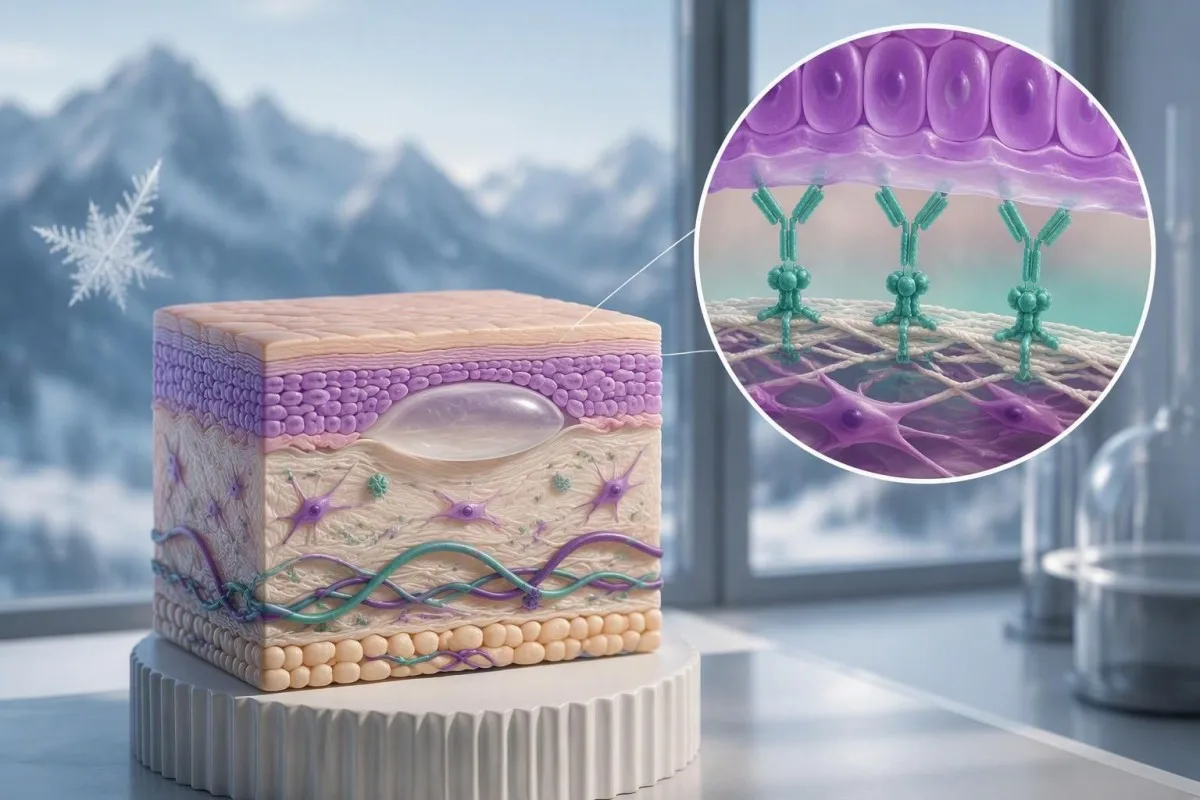
نتيجة BP180 إيجابية كتدعم وجود اضطراب مناعي ذاتي فالجلد، ولكن الرقم بوحدو ما كيأكدش التشخيص. الأعراض، والفحص المستعمل، والعينات الجلدية اللي تجمعات بطريقة صحيحة هما اللي كيحددو شنو غادي يوقع من بعد.

أهم الخلاصات
- الأجسام المضادة لـ BP180 إيجابية كتعني أن الفحص كشف أجساماً مضادة كتستهدف BP180؛ ولكن هاد الشي بوحدو ما كيأكدش الفقاعاني الفقاعي.
- العتبات المخبرية كتختلف: بعض فحوصات BP180 كتستعمل تقريباً 9 U/mL، بينما أخرى كتستعمل تقريباً 20 U/mL. قرا المجال المرجعي ديال المختبر ديالك.
- النتائج الإيجابية الضعيفة بلا حكة ولا طفح جلدي ولا فقاعات، ممكن يكون هاد الشي كشفاً عرضياً عن الأجسام المضادة أو نتيجة فحص إيجابية كاذبة—ماشي مرض جلدي مؤكد.
- الفقاعاني غير الفقاعي يقدر يسبب حكة مستمرة بلا فقاعات؛ 74 من أصل 343 حالة فقاعاني فدراسة تشخيصية متخصصة كانت غير فقاعية.
- الأجسام المضادة لـ BP230 كتقدم أدلة مكمّلة، ولكن غياب الأجسام المضادة لـ BP230 ما كينفيش الفقاعاني الفقاعي.
- التألق المناعي المباشر كيقيس ترسّبات الأجسام المضادة فالجلد؛ وجود IgG و/أو C3 بشكل خطّي على طول الغشاء القاعدي كيدعم تشخيص اضطراب من مجموعة الفقاعيات.
- جوج عينات من الجلد غالباً كيتجمعو: عينة من المنطقة المصابة للفحص المجهري الروتيني، وعينة من منطقة قريبة مختارة بالطريقة المناسبة للتألق المناعي المباشر.
- أعراض عاجلة كيشملو ألم العين، تغيّرات فالنظر، صعوبة فالبلع، سخانة مع تغيّرات جلدية واسعة، أو ظهور الفقاعات وانتشارها بسرعة؛ ما تسناش نتيجة أخرى ديال الأجسام المضادة.
واش نتيجة BP180 إيجابية كتأكد الفقاعاني الفقاعي؟
لا—النتيجة الإيجابية للأجسام المضادة BP180 بوحدها ما كتأكدش الفقاع الفقاعي. كتدعم التشخيص إلا كانت الأعراض والعلامات الجلدية متوافقة، ولكن النتيجة الإيجابية الضعيفة بلا فقاعات ممكن تكون صدفة؛ غالباً أطباء الجلد كيحتاجو خزعة من الجلد مع التألق المناعي المباشر، وأحياناً تحاليل إضافية للأجسام المضادة، باش يحددو السبب.
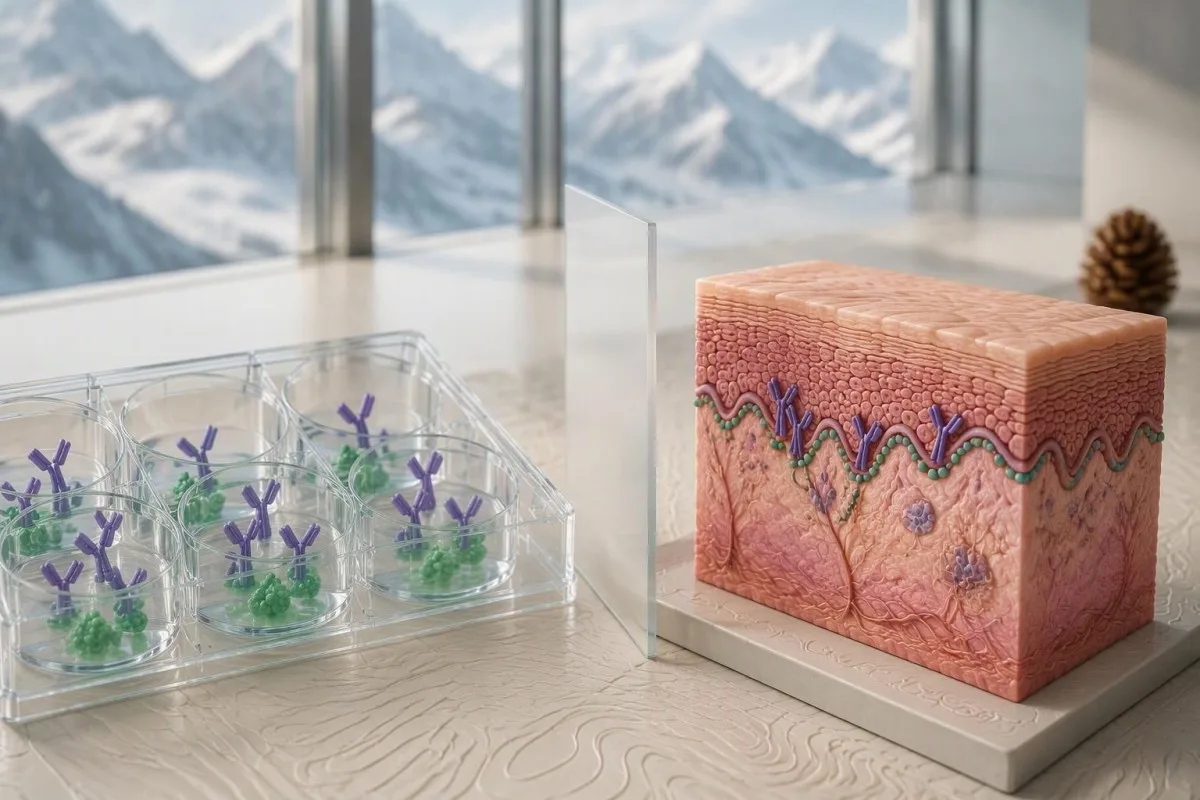
تشخيص الفقاع الفقاعي كيتطلب توافق سريري ومناعي مرضي, ، ماشي غير نتيجة مخبرية وحدة معلّمة. كيوصف دليل EADV ديال 2022 التشخيص بالاعتماد على الصورة السريرية والفحوص المناسبة للأنسجة والأجسام المضادة الدائرة فالدم (Borradori et al., 2022)؛ والسؤال العملي هو واش الأجسام المضادة المكتشفة كتفسّر الحالة الجلدية ديال الشخص.
النتيجة الإيجابية لتحليل الأجسام المضادة ووجود مرض مناعي ذاتي نشط هما جوج نتائج مختلفين. مثلاً، نتيجة افتراضية ديال 12 وحدة/مل ممكن تكون إيجابية فواحد المختبر، ولكن الشخص اللي ما عندوش أعراض وعندو هاد النتيجة عندو احتمال تشخيصي مختلف على شخص عندو فقاعات مشدودة ومثيرة للحكة فمناطق واسعة وبنفس التركيز.
Kantesti هو محلّل لتحاليل الدم بالذكاء الاصطناعي كيساعد يشرح نتائج BP180 مع مراعاة الحدّ الفاصل اللي كيستعملو المختبر والمعلومات اللي كتقدم. الشرح ديالنا ما كيقدرش يفحص الجلد ديالك ولا يدير التألق المناعي المباشر؛ وديالنا خلفية الشركة كيعرف بالجهة اللي كتوفر هاد الدعم التثقيفي.
اعتبر النتيجة سبب باش تطرح سؤال أكثر تحديداً، ماشي تسمية دائمة لمرض. الدليل ديالنا حول نتائج الأجسام المضادة الإيجابية كيفسّر علاش الكشف عن الأجسام المضادة، ونشاط المرض، وتأكيد التشخيص مفاهيم منفصلة على بعضها.
آش كيقيس فعلياً فحص الأجسام المضادة لـ BP180؟
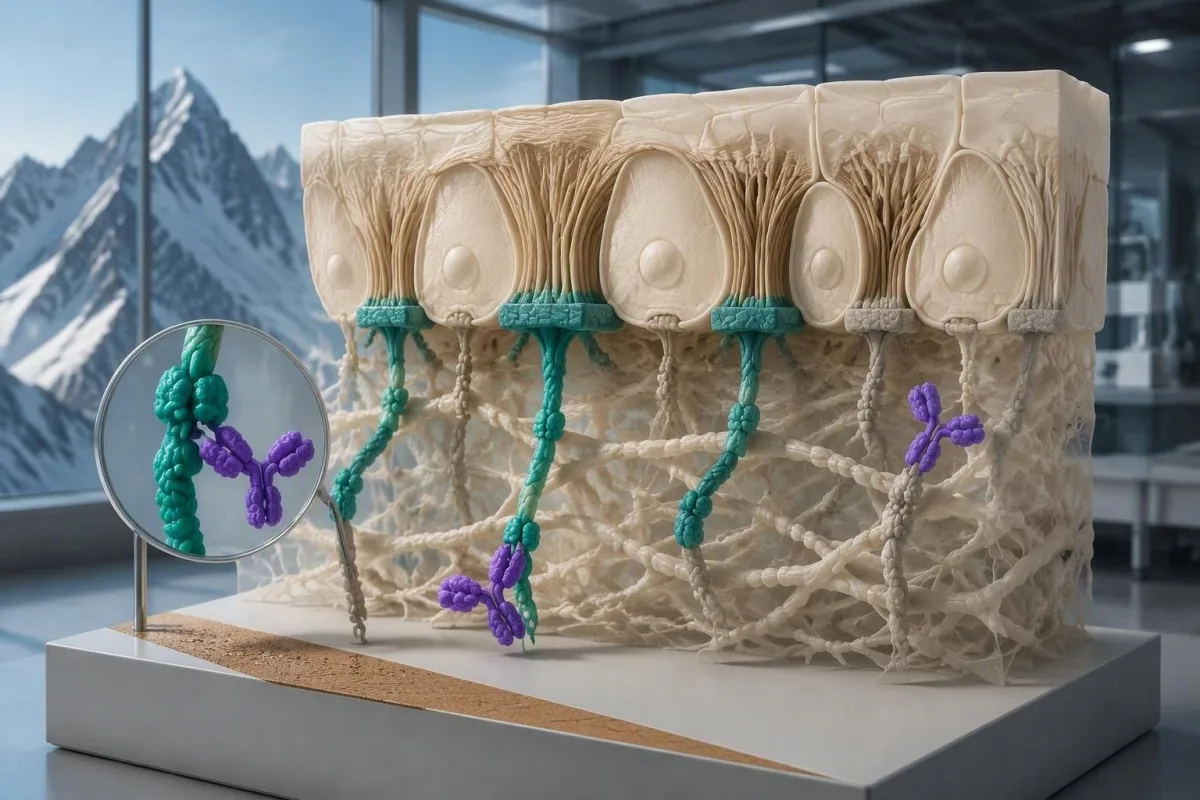
تحليل الأجسام المضادة BP180 كيقيس غالباً IgG فالمصل الموجّه ضد جزء من BP180، اللي كيتسمى حتى كولاجين النوع XVII. BP180 هو بروتين كيوصل لحوالي 180-kDa وكيعاون يثبت البشرة فالنسيج اللي تحت منها؛ بزاف ديال التحاليل الروتينية كيقيسو منطقة NC16A ديالو، ماشي البروتين كامل.
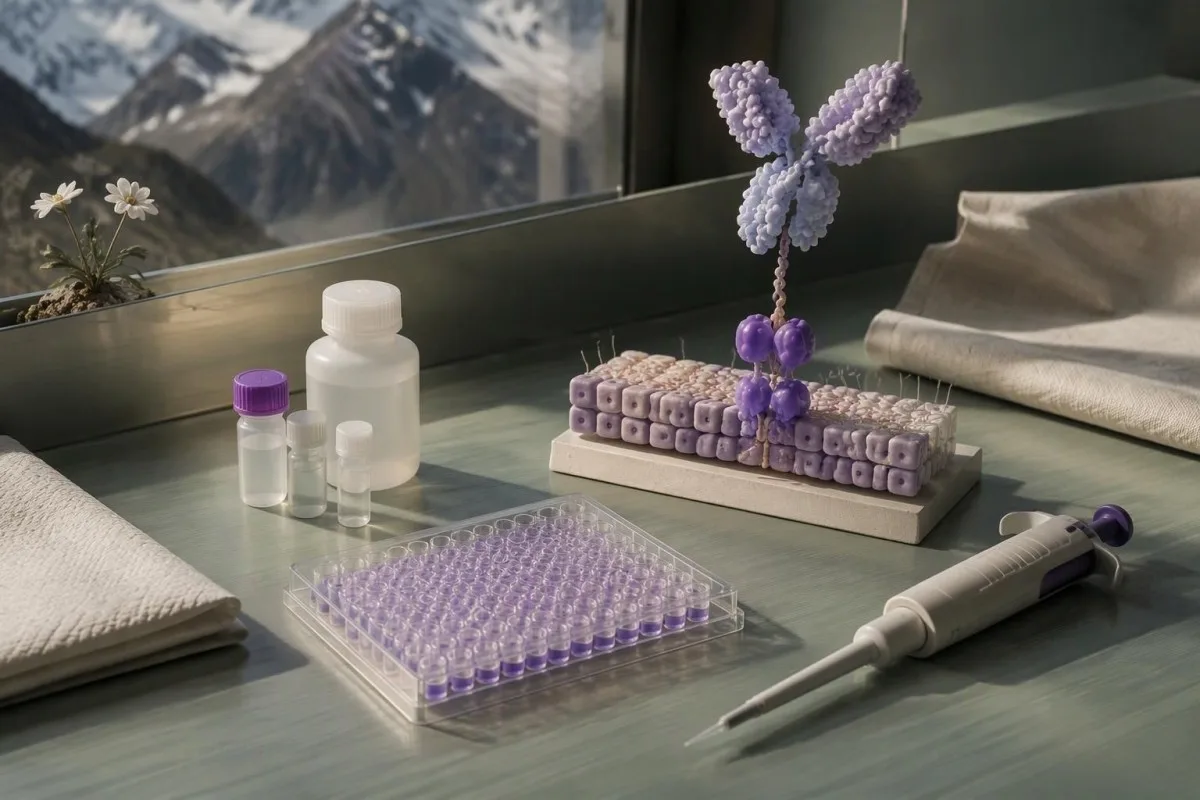
BP180 بروتين بنيوي فالجلد، ماشي مادة كيتقاس تركيزها فالدم. التقرير كيوصف الأجسام المضادة الموجّهة ضد داك البروتين، وكيستعمل غالباً اختبار الممتز المناعي المرتبط بالإنزيم، أو ELISA؛ قيمة 30 U/mL إذن ما كتعنيش أن 30 وحدة من بروتين الجلد كدور فالدم.
ال مجال NC16A كاين قريب من غشاء الخلية فالجزء الخارجي ديال BP180، وكيتستهدفو بزاف الأجسام المضادة فالفُقاع الفقاعي الكلاسيكي.
تركيز رقمي ديال الأجسام المضادة ماشي هو نفسو عيار التألق المناعي. نتيجة مكتوبة على شكل 1:40 كتوصف التفاعل عند تخفيف معيّن، بينما 40 U/mL كتوصف تركيز محسوب بمعايرة الاختبار؛ والشرح ديالنا على الاختبارات الكمية مقابل النوعية كيساعد على التمييز بين هاد الصيغ ديال عرض النتائج.
شوف واش التقرير كايقول BP180 NC16A IgG, ، ولا اختبار آخر ديال BP180، ولا لوحة أوسع ديال الفُقاع. هاد الاختبارات ماشي بالضرورة متكافئة، ونتيجة سلبية فـ ELISA ديال IgG ما كتجاوبش على جميع الأسئلة المتعلقة بأصناف أخرى ديال الأجسام المضادة ولا بأهداف أخرى فالغشاء القاعدي.
شنو كيتحسب نتيجة منخفضة الإيجابية للأجسام المضادة لـ BP180؟
نتيجة منخفضة الإيجابية ديال BP180 هي قيمة كاتكون غير فوق الحد الفاصل ديال الاختبار المستعمل. ما كاينش مجال موحّد ديال النتائج المنخفضة الإيجابية: شي مختبرات كتعتمد عتبة قريبة من 9 U/mL, وشي مختبرات أخرى عتبة قريبة من 20 U/mL, ، بمعايرات وفئات مختلفة لعرض النتائج.
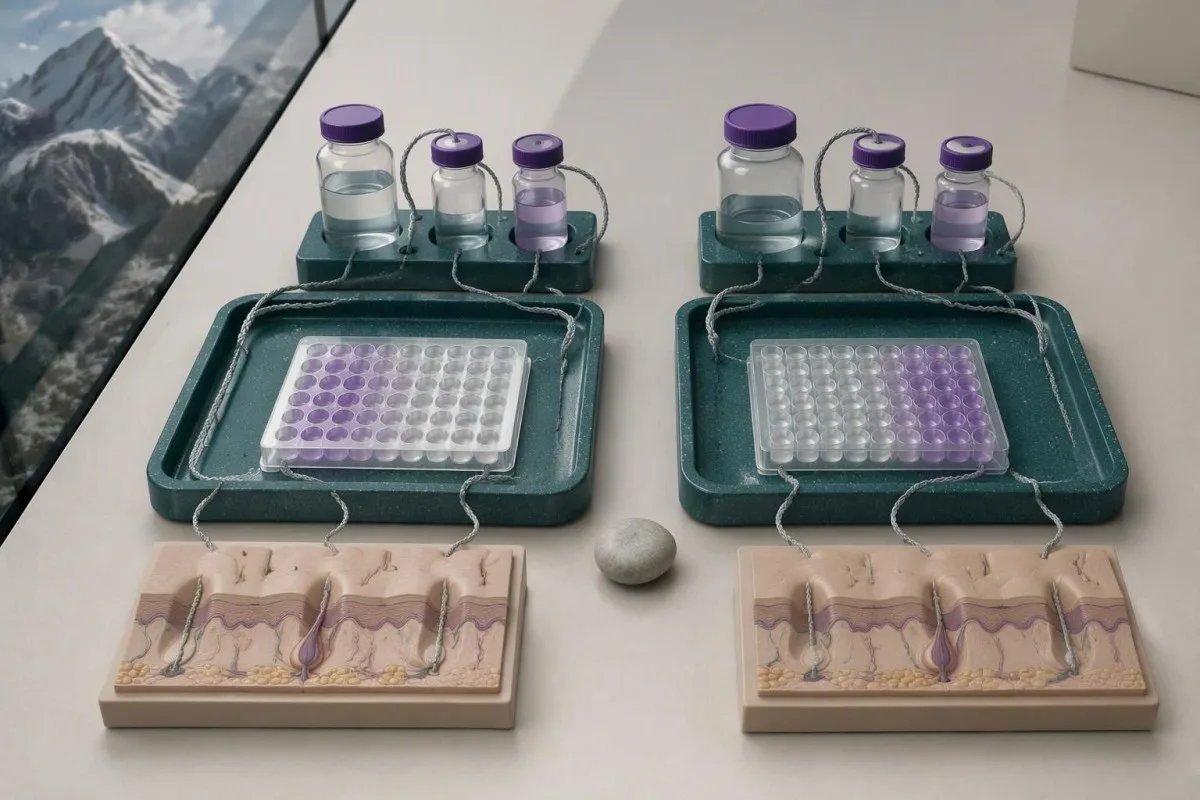
وحدات اختبار BP180 ماشي موحّدة عالمياً بين المختبرات. نتيجة 15 U/mL تقدر تكون إيجابية حسب معيار 9 U/mL وسلبية حسب معيار 20 U/mL، ولكن هادشي ما كيثبتش أن الاختبار الثاني ما كشفش المرض؛ الطرق والمعايرات تقدر تختلف.
الحدود الفاصلة كتوازن بين الحساسية والنوعية عند الفئات السكانية اللي تقيّم فيها الاختبار. تخفيض العتبة يقدر يكشف على عدد أكبر من الناس اللي عندهم المرض، ولكن يقدر حتى يحدّد عدد أكبر من الناس اللي ما عندهمش المرض؛ العتبة هي حدّ كايقررو المختبر، ماشي نقطة بيولوجية كيبدا فيها الجلد يخرج الفقاعات فجأة.
يقدر Kantesti AI يعاون فمقارنة قيمة BP180 المذكورة مع المجال المرجعي المرفق بها, ، ولكن صورة مقصوصة كاتبيّن غير 18 U/mL كاتخلي معلومات أساسية ناقصة. ضمّن اسم الاختبار، والوحدات، وفئات تفسير النتائج، وملاحظات المختبر؛ وما يقدرش وسم خارج المجال عام يعوّض هاد التفاصيل.
الأمثلة اللي جاية كاتوضح جوج سياسات ممكنة للتقرير، ماشي مقياس عام للشدة. تركيز الأجسام المضادة BP180 بوحدو ما كيحددش حالة طبية مستعجلة; ؛ مدى انتشار إصابة الجلد، والجفاف، والمرض الجهازي، وأعراض العينين أو مجرى التنفس هي اللي كتحدد درجة الاستعجال.
| المستوى | النطاق | شنو كتعني |
|---|---|---|
| مثال على الفحص A: أقل من الحد الفاصل | <9 U/mL | النتيجة سلبية حسب هاد السياسة المختبرية التوضيحية؛ وما كتستبعدش المرض إلا بقات الشبهة السريرية قوية. |
| مثال على الفحص A: عند الحد الفاصل أو فوق منو | ≥9 U/mL | النتيجة إيجابية حسب هاد السياسة؛ والقرب من الحد الفاصل والمعطيات السريرية كيأثرو على تفسيرها. |
| مثال على الفحص B: أقل من الحد الفاصل | <20 U/mL | النتيجة سلبية حسب سياسة توضيحية مختلفة؛ ما تديرش تحويل مباشر بين أنظمة الفحوصات. |
| مثال على الفحص B: عند الحد الفاصل أو فوق منو | ≥20 U/mL | النتيجة إيجابية حسب هاد السياسة؛ والرقم بوحدو ما كيثبتش التشخيص ولا الشدة. |
علاش نتيجة BP180 إيجابية تقدر تكون مضللة؟
النتيجة الإيجابية ديال BP180 كتكون أقل إقناعاً إلا كان احتمال الإصابة بالفقاع الفقاعي ضعيف سريرياً قبل الفحص. حتى الفحص اللي دقيق بشكل معقول كيقدر يعطي نتائج إيجابية كاذبة، وداكشي علاش معنى النتيجة كيتبدل بين مجموعة ديال أشخاص ما عندهم حتى أعراض وكيخضعو للفحص، وعيادة متخصصة كتقيّم فقاعات جلدية مميزة.
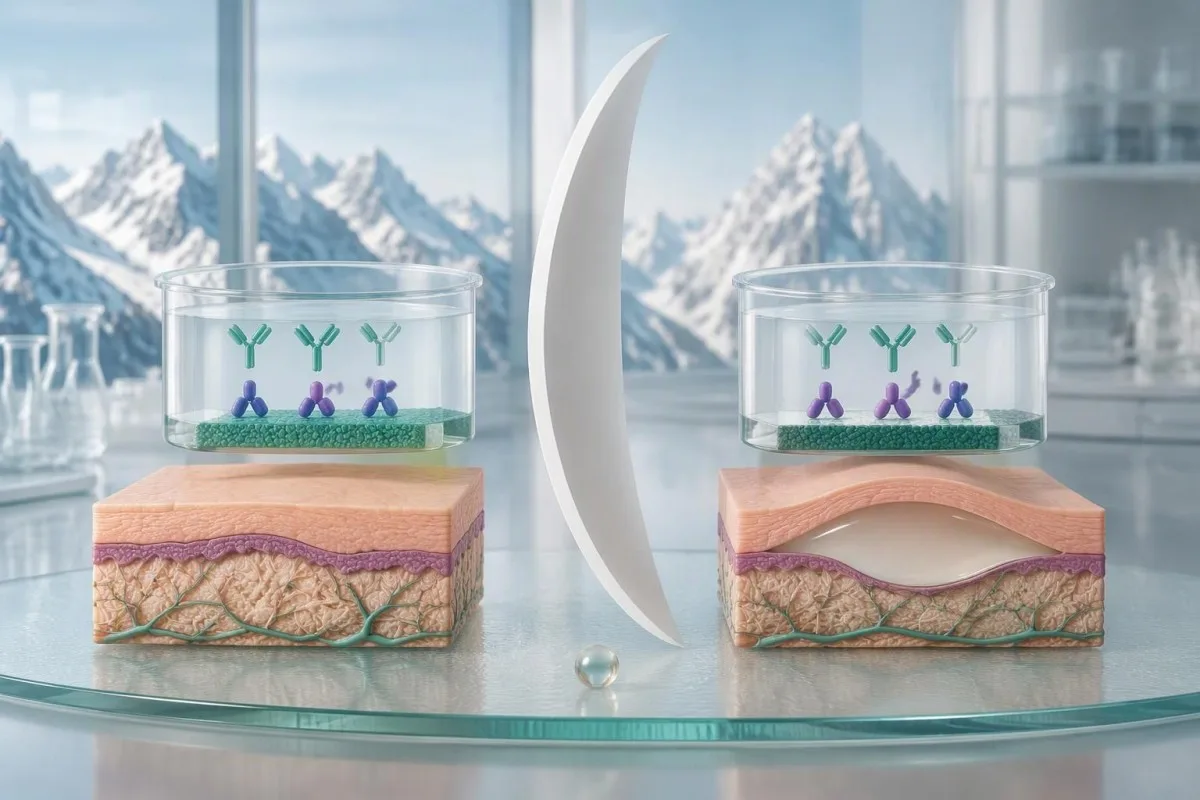
الحساسية والنوعية ما كيعنيوش احتمال أنك نتا شخصياً مصاب بالمرض من بعد نتيجة إيجابية. هاد الاحتمال كيعتمد حتى هو على مدى شيوع الحالة فالمجموعة اللي تدار ليها الفحص؛ وهاد الفرق كيبان بالخصوص ملي كتطلب لوحة ديال الأجسام المضادة على نطاق واسع، ماشي للتحري على نمط جلدي محدد.
خذ بعين الاعتبار فحصاً افتراضياً بوضوح عندو حساسية 90% ونوعية 95%, ، وتستعملو مع 1,000 شخص احتمال إصابتهم بالمرض هو 1%. غادي يحدد تقريباً 9 نتائج إيجابية حقيقية و50 نتيجة إيجابية كاذبة, ، وهادشي كيخلي القيمة التنبؤية الإيجابية تقريباً 15%؛ هادو غير افتراضات تعليمية، وماشي ادعاءات على أداء فحص BP180 ديالك.
استعمل نفس الفحص الافتراضي ملي يكون احتمال الإصابة بالمرض هو 20%, and approximately 180 true positives and 40 false positives would occur per 1,000 tests. The positive predictive value becomes about 82%—a large change caused by clinical context, not by a different laboratory method.
These examples explain why a dermatologist may request tissue testing despite a positive result, or take characteristic symptoms seriously despite a negative one. Our discussion of تفسير الأجسام المضادة لـ MOG illustrates the same probability principle in another autoimmune condition, although its diagnostic criteria cannot be transferred to pemphigoid.
آش إلا كانت نتيجة BP180 إيجابية ولكن ما عندكش الفقاعات؟
A low-positive BP180 result without blisters does not establish bullous pemphigoid or reliably predict future blistering. The next distinction is whether you have no skin symptoms at all, or persistent itching and an unexplained rash that could represent a nonbullous pemphigoid presentation.
Incidental BP180 antibody detection can occur without clinically established pemphigoid. Possible explanations include low-level autoreactivity and assay-related false positivity; there is no validated conversion rule that turns an isolated result of 11 U/mL into a percentage risk of developing blisters later.
A hypothetical person with 11 U/mL, no itching, no rash, and no mucosal symptoms usually needs a contextual review rather than automatic immunosuppressive treatment. The clinician should check why the assay was ordered, whether the result was unexpected, and whether a skin examination reveals findings the person had not recognized.
Persistent dryness and itching still deserve assessment because common explanations remain common. Eczema, medication effects, thyroid disease, and other causes may be more likely than pemphigoid; our dry skin testing guide explains why additional blood tests should follow symptoms rather than a blanket panel.
لا يوجد no universal repeat-testing interval for an asymptomatic low-positive BP180 result. A clinician may choose observation, a repeat using the same method, or specialist review depending on the history; new persistent itching, urticarial plaques, or blisters should change that plan rather than waiting for a scheduled repeat.
واش يقدر الفقاعاني الفقاعي يبدا غير بالحكة؟
Pemphigoid can present with persistent itching, eczema-like patches, urticarial plaques, or scratch-related changes without visible blisters. In a specialist diagnostic study, 74 of 343 pemphigoid cases—21.6%—were nonbullous, showing that the absence of blisters cannot independently exclude the disorder (Meijer et al., 2019).
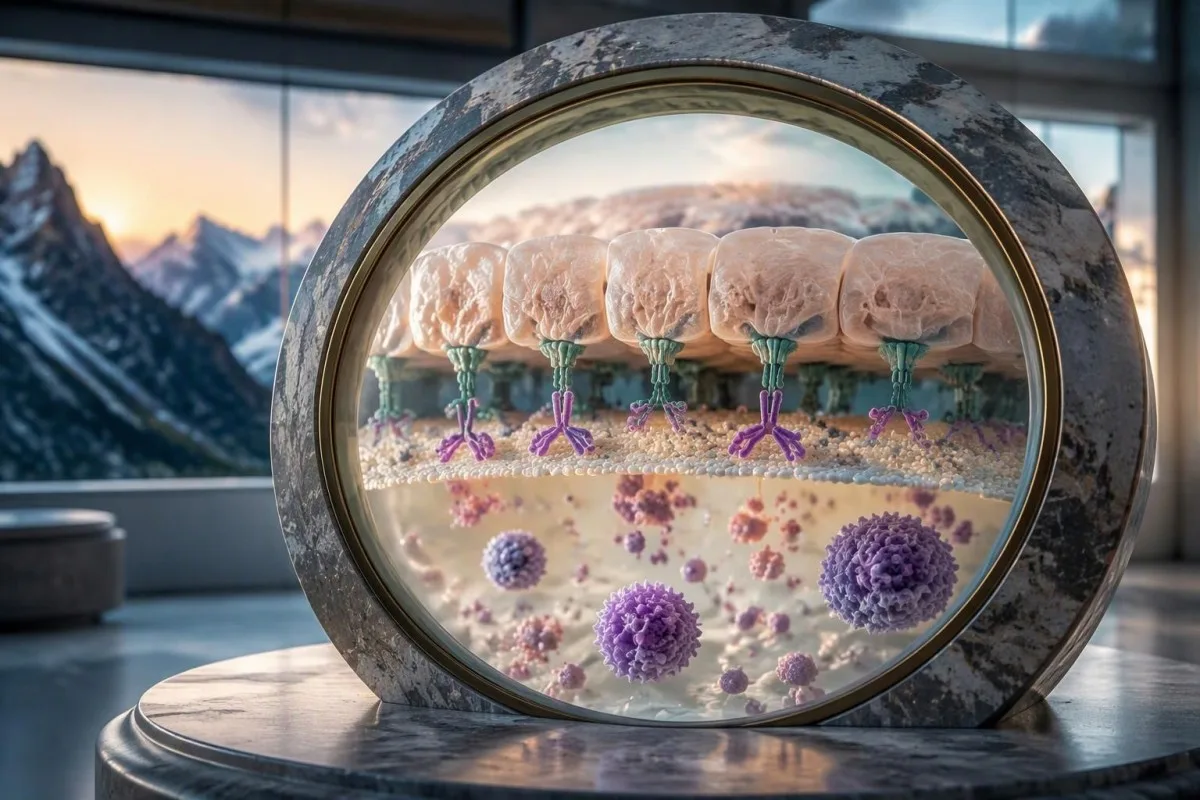
Nonbullous pemphigoid is not simply every itchy rash with a positive BP180 result. Diagnosis still needs compatible symptoms and appropriate immunopathological evidence; the 21.6% study figure came from a referred population and should not be interpreted as the probability that any person with itching has pemphigoid.
The symptom pattern often matters more than whether one small blister has appeared. Persistent, widespread itching in an older adult, especially with recurrent raised plaques or poor response to ordinary eczema care, warrants a dermatological assessment; our itchy skin laboratory guide separates skin-directed testing from tests for systemic causes.
Eosinophilia can accompany bullous pemphigoid, but it is neither required nor diagnostic. An absolute eosinophil count above approximately 0.5 × 10^9/L is often flagged in adults, yet allergy, medications, and parasites can produce the same finding; our guide to الأعداد المرتفعة للحمضات explains those alternatives.
A dermatologist does not always need to wait for a blister before collecting a useful sample for direct immunofluorescence. In nonbullous disease, sample selection is tailored to the available rash and laboratory protocol; document the distribution and duration of itching, because a disappearing rash can make later assessment harder.
كيفاش كتكمّل الأجسام المضادة لـ BP230 فحوصات BP180؟
BP230 antibodies provide complementary evidence for pemphigoid but cannot confirm or exclude bullous pemphigoid alone. BP230 is an approximately 230-kDa intracellular anchoring protein, whereas BP180 crosses the cell membrane; their different locations and antibody targets help explain why the two results can disagree.
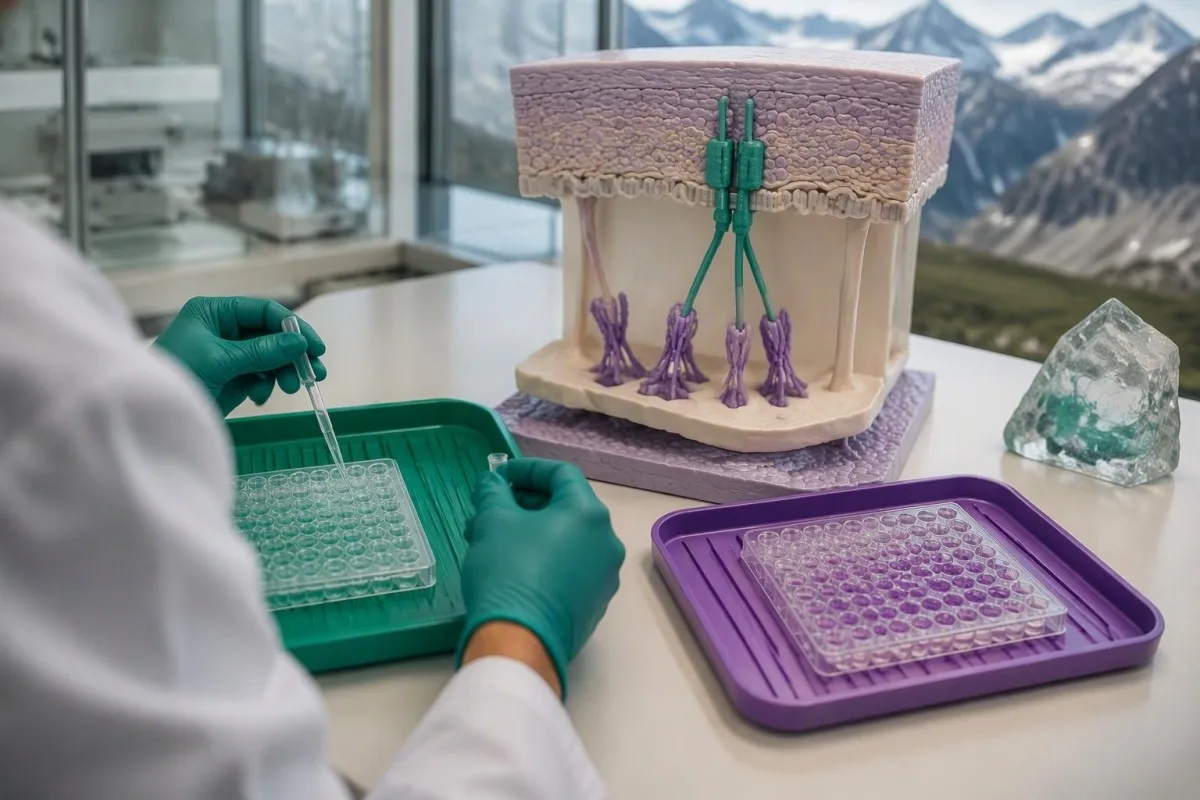
A negative BP230 antibody result does not cancel a positive BP180 result. Some people with confirmed pemphigoid have antibodies detectable against only one tested antigen, and each assay has its own sensitivity; interpreting the pair as a two-test pass-or-fail rule creates avoidable diagnostic errors.
حالة افتراضية ديال شي واحد BP180 result of 45 U/mL with negative BP230 antibodies still warrants assessment if tense blisters and severe itching are present. Conversely, isolated low-positive BP230 antibodies without compatible findings are not enough to diagnose pemphigoid; a second positive marker strengthens a pattern only when the overall evidence fits.
Kantesti is an AI biomarker interpretation platform that can explain BP180 and BP230 antibodies as complementary findings rather than interchangeable scores. This is similar to the reasoning used for antibody panels in connective disease, but skin-specific tissue findings remain central to pemphigoid assessment.
Do not add BP180 and BP230 concentrations together, even if both are expressed in U/mL. They represent different antigen-specific measurements with different calibration systems; BP180 levels generally have a better-established relationship with disease activity than BP230 levels, but neither replaces examination.
علاش ممكن تحتاج خزعة جلدية مع التألق المناعي المباشر؟
Skin biopsy with direct immunofluorescence can show whether antibodies or complement are deposited at the skin's basement membrane. Dermatologists often collect two separate specimens because routine microscopy and direct immunofluorescence answer different questions and require different sample handling.
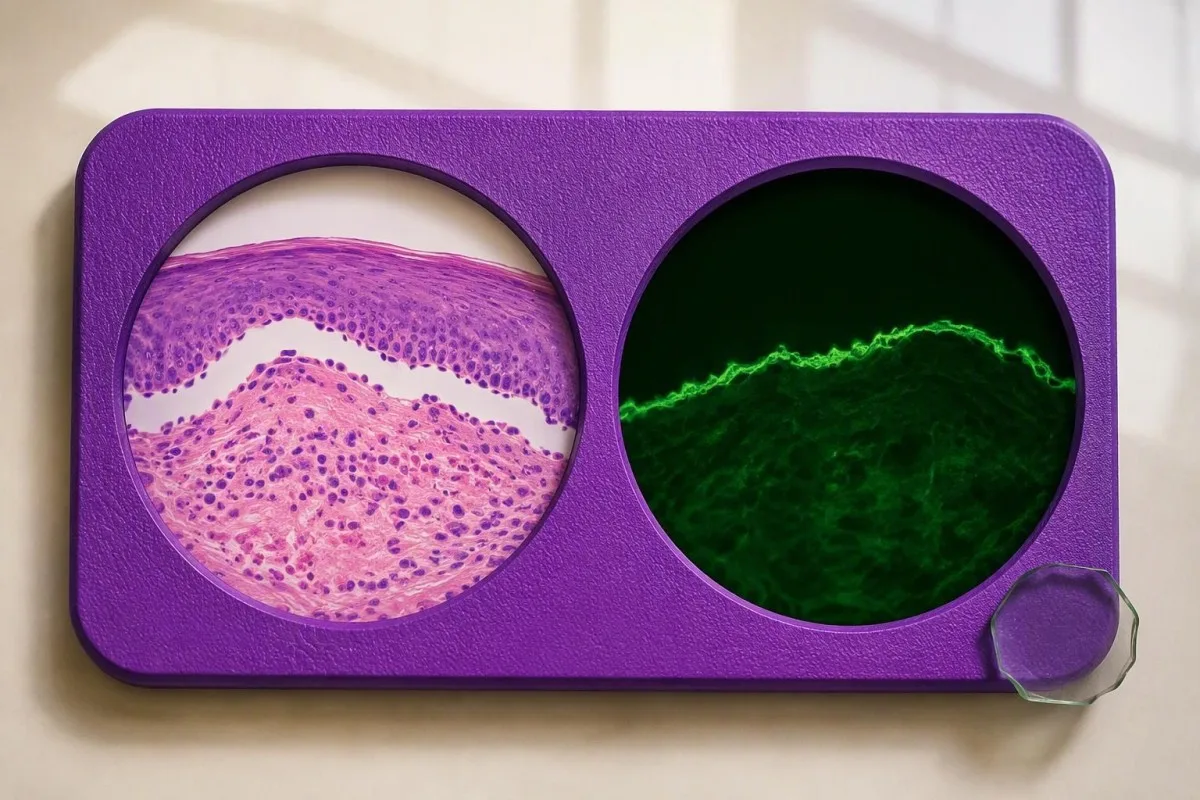
Routine histology examines tissue structure and inflammatory cells. A sample from a fresh blister or suitable affected area may show separation beneath the epidermis and eosinophils, but these features are not unique to bullous pemphigoid; the second sample looks for the immune-deposit pattern that helps classify the disorder.
For classic blistering presentations, the direct-immunofluorescence sample is commonly taken from appropriately selected skin near a fresh blister rather than its eroded center. A small 3–4-mm punch is often used, although technique and location depend on the case; sampling heavily damaged tissue can remove the structures the laboratory needs to examine.
The specimen for direct immunofluorescence must not be routinely placed in formalin. Laboratories generally require a dedicated transport medium or another explicitly agreed handling method, while the routine histology specimen commonly goes into formalin; ask whether the two containers have been prepared for their separate purposes.
In Meijer et al.'s 2019 diagnostic cohort, direct immunofluorescence had a sensitivity of 88.3%, so even this valuable test was not infallible. Kantesti's informazzjoni ta’ validazzjoni klinika ta’ Kantesti concerns our interpretation methodology—not a claim that AI can reproduce skin immunofluorescence or establish its findings.
شنو كتعني نتائج التألق المناعي الإيجابية واختبارات فصل الملح؟
Linear IgG and/or C3 along the basement membrane on direct immunofluorescence supports a pemphigoid-spectrum disorder, but the pattern is not unique to bullous pemphigoid. Indirect immunofluorescence on salt-split skin can add evidence by showing where circulating antibodies bind relative to an experimentally created tissue separation.
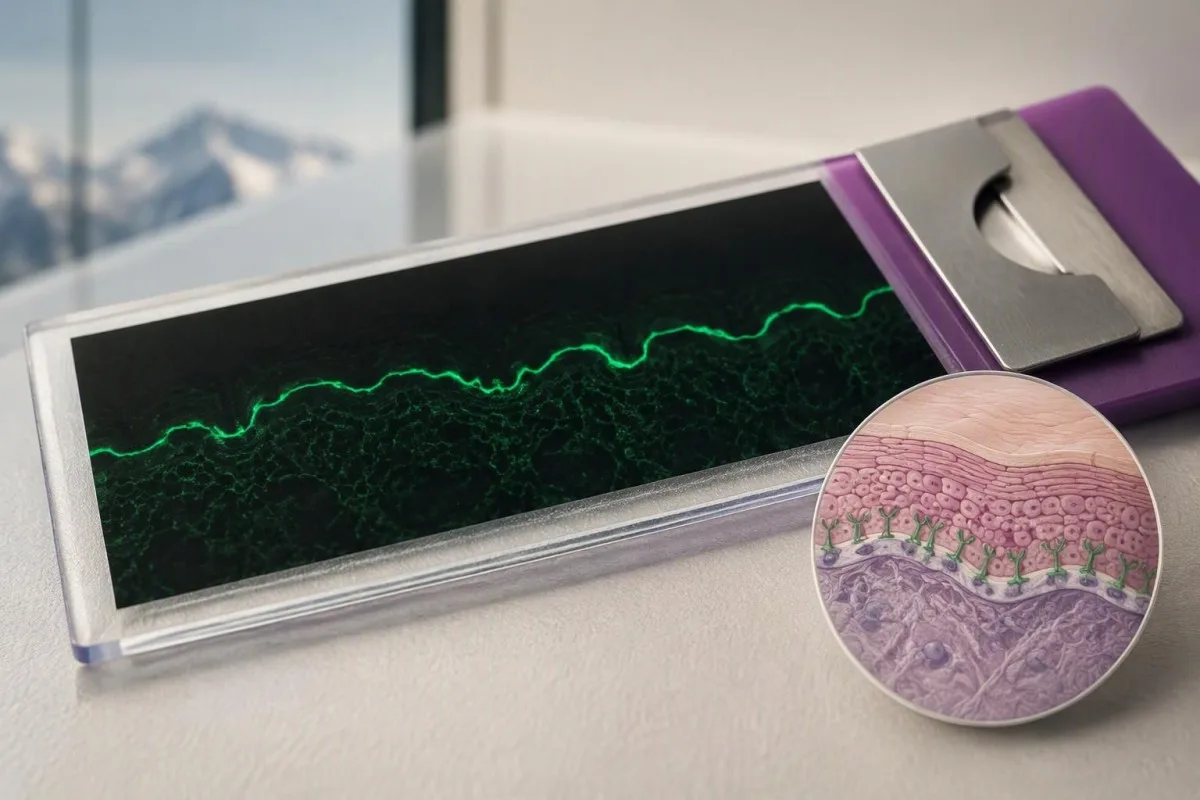
Direct and indirect immunofluorescence use different materials. Direct testing examines deposits already present in the person's skin, while indirect testing applies the person's serum to a laboratory substrate; a positive result in one test and a negative result in the other is therefore possible without a reporting error.
On salt-split skin, bullous pemphigoid antibodies commonly bind the epidermal side, often called the roof. Antibodies binding the dermal side, or floor, raise consideration of other disorders such as epidermolysis bullosa acquisita or anti-p200 pemphigoid, but binding location alone does not fully classify every case.
Meijer et al. reported 99.9% specificity for indirect immunofluorescence on salt-split skin in their 2019 diagnostic cohort. That high figure applies to that study and testing pathway; a negative result still cannot exclude pemphigoid because specificity describes false positives, not how many cases the test misses.
C3 detected in skin is not the same measurement as a serum C3 concentration. A normal circulating complement result does not negate local deposits at the basement membrane; our complement testing explanation helps prevent this common cross-test misunderstanding.
آش إلا كانت نتائج BP180 وخزعة الجلد والأعراض ما متوافقاش؟
Discordant BP180 and skin-test results require a review of the clinical picture, assay target, sampling site, and specimen handling. A positive ELISA with negative direct immunofluorescence can reflect incidental antibodies or an uninformative skin sample; a negative NC16A ELISA can miss disease directed against other targets.
A negative direct-immunofluorescence result is less reassuring if the sample was poorly selected or incorrectly transported. Treatment before sampling may also influence findings, so clinicians need to know which creams or systemic medicines were used and where; never stop prescribed treatment solely to make a test more likely to turn positive.
A hypothetical person with characteristic new blisters, BP180 of 80 U/mL, and a negative direct-immunofluorescence specimen from an old eroded site may need repeat sampling. The same antibody result with no compatible skin findings demands a different investigation; the discrepancy does not have one automatic explanation.
A negative BP180 NC16A result does not exclude every form of pemphigoid. Further testing may include BP230 antibodies, indirect immunofluorescence, or specialized assays for other antigens; our guide to negative myasthenia antibody tests illustrates why a limited antigen panel cannot exclude an entire autoimmune disease category.
Repeat testing should address a specific uncertainty rather than create an endless sequence of panels. Ask whether the next investigation is checking the same antigen by another method, examining an additional antigen, or correcting a tissue-sampling problem; each strategy answers a different diagnostic question.
شنو الحالات الأخرى اللي تقدر تشبه الفقاعاني الإيجابي لـ BP180؟
BP180 antibodies can occur in other pemphigoid-spectrum conditions, including mucous membrane pemphigoid and pemphigoid gestationis. Eczema, scabies, and drug-related eruptions can resemble early bullous pemphigoid clinically, while pemphigus involves different adhesion proteins and usually a different level of skin separation.
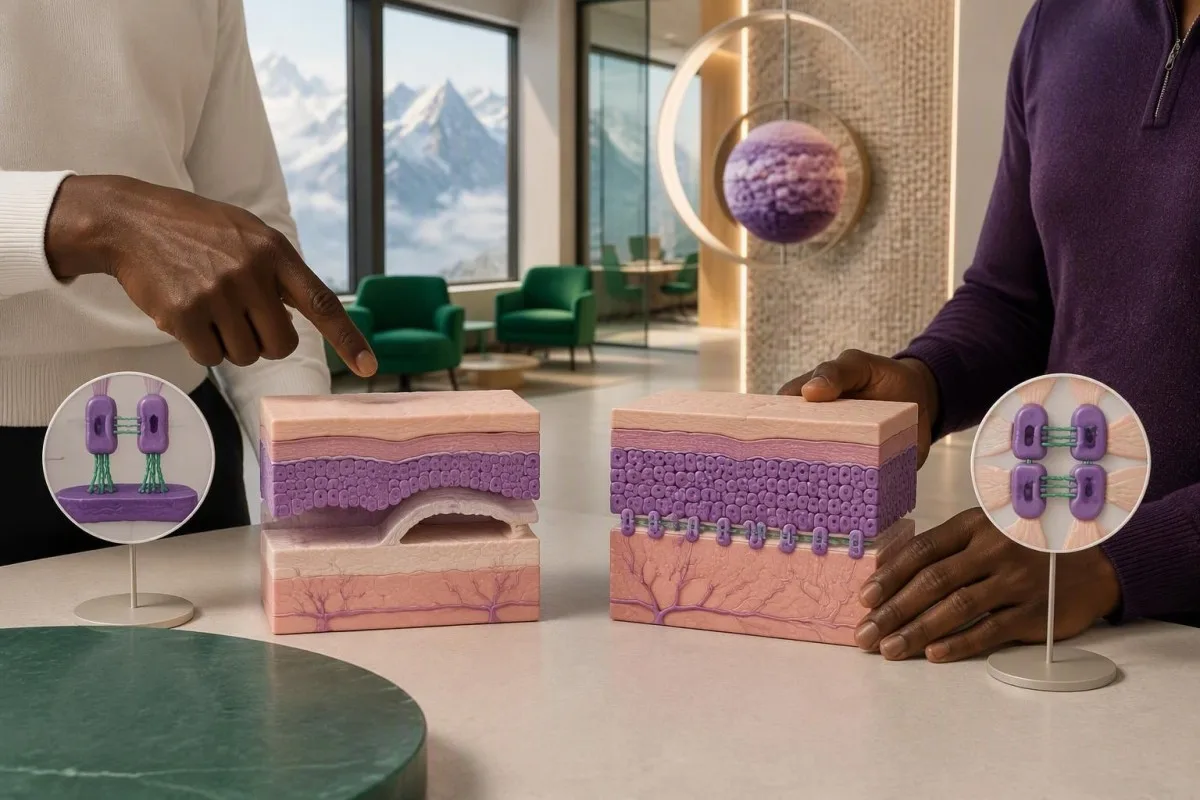
Bullous pemphigoid typically causes tense blisters because separation occurs beneath the epidermis. Pemphigus often produces more fragile blisters or erosions through loss of adhesion within the epidermis; our desmoglein antibody guide explains why BP180 testing cannot substitute for a pemphigus evaluation.
Predominantly mouth, eye, genital, or other mucosal involvement raises concern for mucous membrane pemphigoid, especially when scarring occurs. Eye pain, light sensitivity, or vision changes require urgent assessment because waiting for a repeat antibody concentration can delay treatment of a sight-threatening process.
Pemphigoid gestationis is associated with pregnancy and can produce BP180 antibodies. Pregnancy or recent childbirth therefore changes the interpretation of the same laboratory result; the distinction requires obstetric and dermatological coordination rather than assuming that every BP180-positive blistering disorder is classic older-adult bullous pemphigoid.
Scabies can cause intense itching and may coexist with an unrelated positive antibody result. Household itching, characteristic distribution, and burrows alter the differential; our scabies symptom guide is useful for that comparison, but neither household exposure nor BP180 positivity independently settles the diagnosis.
واش الأدوية كتبدل تفسير نتائج BP180 ولا قرارات العلاج؟
Medication history can change the likelihood and presentation of bullous pemphigoid, but a positive BP180 result alone is not a reason to stop a medicine. DPP-4 inhibitors used for diabetes and immune checkpoint inhibitors are recognized associations; treatment decisions depend on confirmed disease, severity, and the person's other health risks.
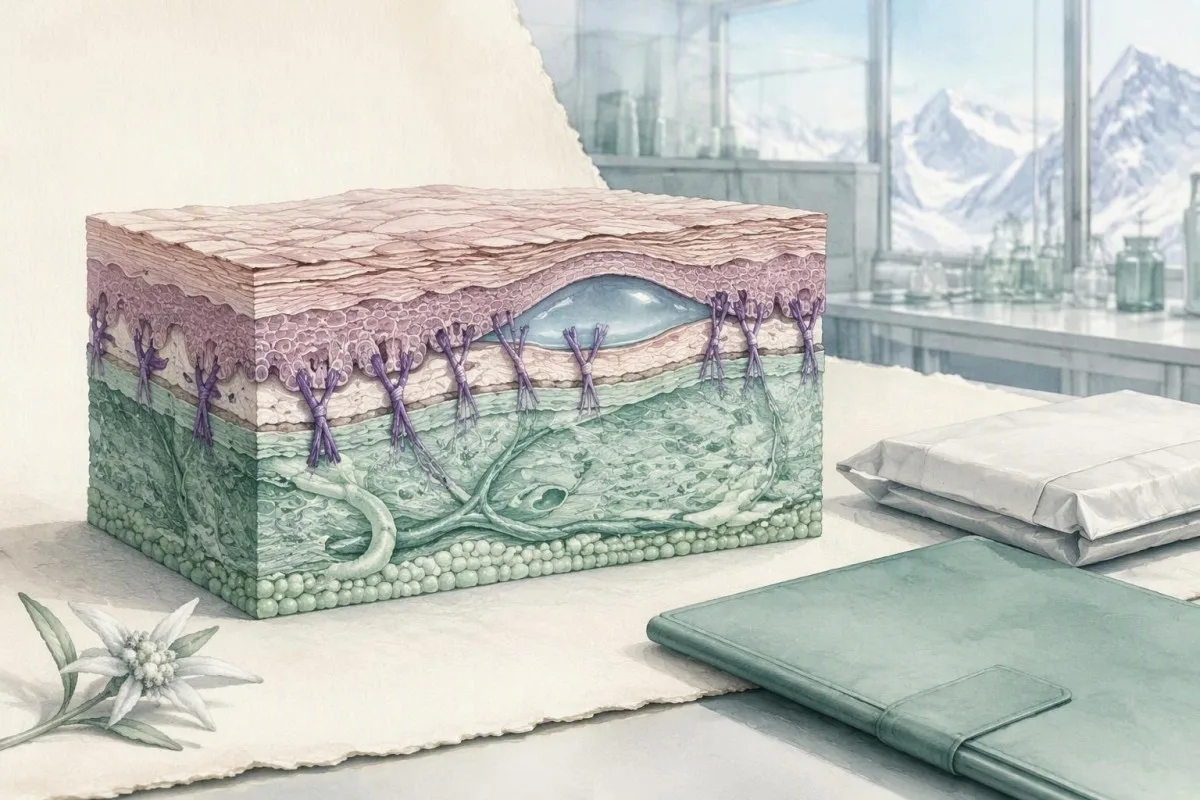
DPP-4 inhibitor-associated pemphigoid can have a less typical inflammatory presentation and may show limited NC16A reactivity. This is not universal, and exposure does not prove causation; bring a complete medicine list, including start dates, to a review using our senior medication effects guide as a preparation aid.
ال 2022 EADV guideline recommends potent topical corticosteroids as a mainstay when feasible and discusses oral prednisone at approximately 0.5 mg/kg/day as an alternative in suitable circumstances (Borradori et al., 2022). These are clinician-directed treatment options for disease, not instructions to treat an isolated antibody result or begin steroids without assessment.
Systemic corticosteroids can create additional risks that are unrelated to the BP180 concentration. People with relevant residence or travel exposure may need assessment for Strongyloides before significant immunosuppression; our Strongyloides antibody explanation describes why an apparently unrelated parasite history can become a treatment-safety issue.
Kidney function, glucose, infection risk, and the ability to apply topical treatment may influence the choice of therapy more than whether BP180 is 40 or 80 U/mL. ملكنا دليل تفسير وظائف الكلى covers supportive laboratory assessment, but renal markers do not confirm pemphigoid.
واش مستويات BP180 تقدر تراقب نشاط المرض والتعافي؟
BP180 antibody levels can support monitoring in confirmed bullous pemphigoid, but they do not replace examination or determine treatment alone. Concentrations often track disease activity at a group level; individual patients can remain antibody-positive while their skin is controlled or experience symptoms without a proportionate rise.
A falling BP180 concentration is most useful when it agrees with fewer new blisters and less itching. A hypothetical decline from 120 to 35 U/mL on the same assay supports an improving pattern, but it does not independently establish remission or justify stopping treatment.
An increase from 12 to 14 U/mL near a cutoff may reflect analytical or biological variation rather than a meaningful change in disease. There is no universal percentage increase that proves relapse across all BP180 assays; the method, timing, symptoms, and previous response need to be considered together.
Kantesti is an AI blood test interpretation platform that can organize serial BP180 results without treating a laboratory trend as a diagnosis. ملكنا شرح تقنية الذكاء الاصطناعي describes the interpretation workflow; preserving each report's assay name and reference interval matters when comparing two or more measurements.
Changing laboratories can create an apparent rise or fall that is partly methodological. Our سلامة الأدوية على المدى الطويل explains why dates, doses, and laboratory context belong beside the numbers; photograph new skin findings and record new-blister counts when your dermatologist requests them.
شنو خاصك تجيب معاك للمتابعة، وشنو الأدلة اللي كتنطبق؟
Bring the full BP180 report, any BP230 result, symptom photographs, and your complete medication list to follow-up. These four information groups help a clinician decide whether you need observation, additional serum testing, properly handled skin samples, or urgent assessment rather than another isolated antibody measurement.
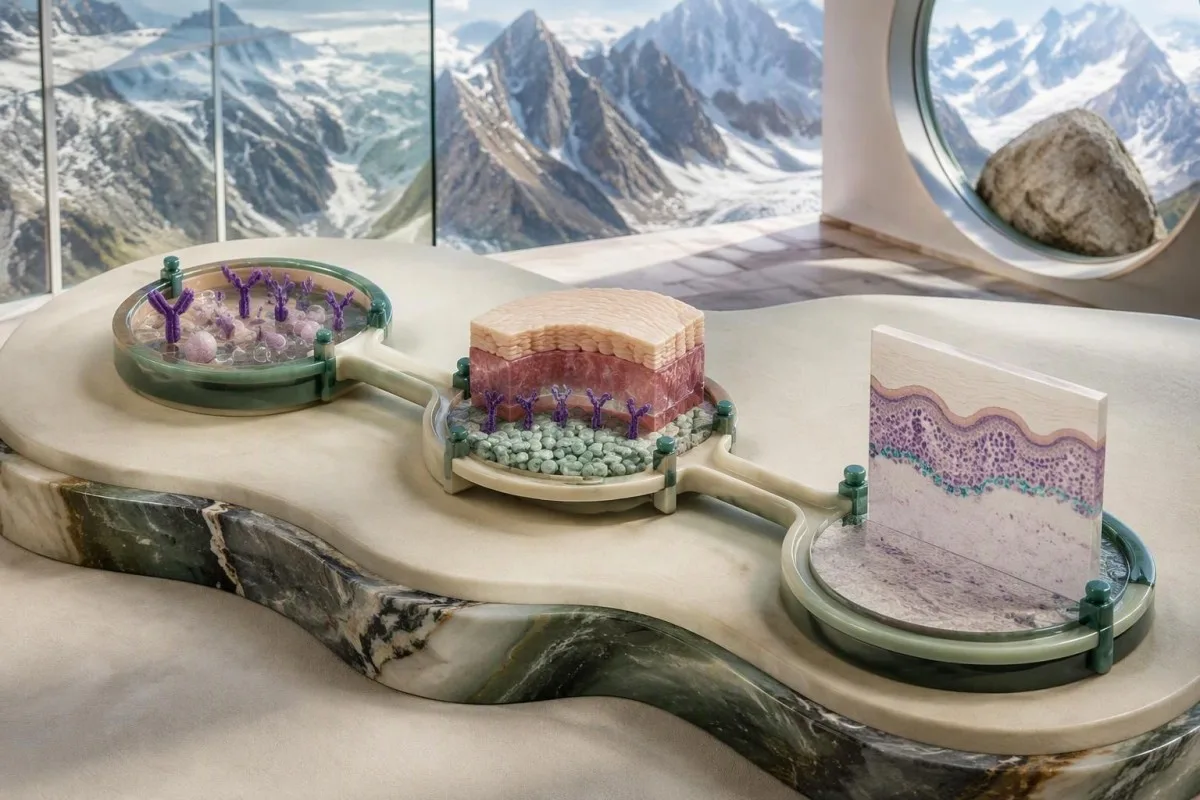
A useful report includes the exact assay name, numerical value, units, cutoff, and collection date. If a hypothetical BP180 result reads 16 U/mL, the missing cutoff may reverse whether it is considered positive; also request the actual histology and direct-immunofluorescence reports rather than relying on the phrase 'skin biopsy normal.'
New eye symptoms, swallowing difficulty, extensive rapidly spreading blisters, fever, or inability to maintain fluids need prompt clinical attention. Do not wait for a scheduled second test when those symptoms appear; supportive urinalysis can answer separate medical questions, as explained in our لتفسير تحليل البول, but it cannot establish a pemphigoid diagnosis.
Kantesti helps explain the distinctions between a flagged antibody result, a probable diagnosis, and confirmed disease. ملكنا مبادئ الذكاء الاصطناعي المسؤول describe the boundaries of educational interpretation; only a clinician with access to your examination and appropriate investigations can decide whether a الأجسام المضادة لـ BP180 إيجابية result represents active pemphigoid.
The directly relevant evidence here comes from the 2022 EADV guideline and the 2019 JAMA Dermatology diagnostic study. The two Zenodo publications listed below concern kidney-function and urinalysis interpretation and are included as background educational publications, not evidence that BP180 confirms bullous pemphigoid or that our AI has validated diagnostic accuracy for this condition.
أسئلة متكررة
واش النتيجة الإيجابية لتحليل الأجسام المضادة BP180 كتعني بالضرورة أن عندي الفقاعاني الفقاعي؟
النتيجة الإيجابية ديال تحليل الأجسام المضادة BP180 ما كتعنيش بالضرورة أن عندك الفقاعاني الفقاعي. بعض المختبرات كيعتمدو حدًّا فاصلاً قريب لـ9 U/mL، ومختبرات أخرى قريب لـ20 U/mL، لذلك كاين فرق حسب التحليل المرجعي والمجال المرجعي. الحكة أو الفقاعات اللي كيتوافقو مع الحالة كيزيدو من أهمية النتيجة، بينما نتيجة إيجابية ضعيفة ومعزولة ممكن تكون عرضية أو إيجابية كاذبة. ممكن تكون ضرورية خزعة من الجلد مع التألق المناعي المباشر واختبارات إضافية للأجسام المضادة باش يتأكد التشخيص.
شنو كتعني نتيجة منخفضة وإيجابية لـ BP180 إلا ما كانوش عندي الفقاعات؟
نتيجة إيجابية ضعيفة لـ BP180 بلا فقاعات تقدر تعكس الكشف عن أجسام مضادة بالصدفة، أو نتيجة إيجابية كاذبة مرتبطة بالاختبار، أو الفقاعاني اللي كيبان بلا فقاعات. مثلاً، 12 U/mL كتعتبر إيجابية إلا كان الحد الفاصل هو 9 U/mL، ولكن ما كتقدرش تتنبأ واش غادي يمرض شخص ما عندوش أعراض. الحكة المستمرة أو الطفح الجلدي اللي ما معروفش السبب ديالو كيتطلب تقييم عند طبيب الجلد حتى بلا فقاعات. ما كايناش مدة موحّدة لإعادة الاختبار ولا توصية بالعلاج اعتماداً غير على نتيجة إيجابية ضعيفة ومعزولة.
واش ممكن يكون عندي الفقاعاني الفقاعي مع أجسام مضادة لـBP180 سلبية؟
0 الفقاعاني الفقاعي يقدر يوقع حتى إلا كانت الأجسام المضادة لـBP180 سلبية فاختبار NC16A الروتيني. هاد الاختبار كيكشف على منطقة معيّنة من البروتين اللي كتوصل كتلتو لحوالي 180 كيلودالتون، وممكن ما يكتاشفش الأجسام المضادة اللي كتستهدف بالأساس مناطق أخرى. اختبار BP230، والتألق المناعي المباشر، والتألق المناعي غير المباشر يقدرو يعطيو أدلة إضافية. ما خاصش نتيجة تحليل الدم السلبية توقف التقييم إلا كانت العلامات الجلدية كتشير بقوة للفقاعاني.
0 واش الأجسام المضادة BP230 السلبية كتنفي الفقاعاني الفقاعي؟
الأجسام المضادة لـ BP230 السلبية ما كتنفيش الفقاعاني الفقاعي. BP230 بروتين داخلي ديال تثبيت الخلايا، الكتلة ديالو تقريباً 230 kDa، وكاينين ناس عندهم المرض مؤكّد وما كيبانوش عندهم أجسام مضادة ضدّو. النتيجة الإيجابية ديال BP180 مع أجسام مضادة سلبية لـ BP230 تقدر تبقى متوافقة مع التشخيص إلا كانت النتائج السريرية وديال الأنسجة كيتوافقو. ما خاصش يتجمعو تركيزات الجسمين المضادين ولا يتعاملو معاهم بحال قاعدة تأكيد بجوج اختبارات.
0 علاش كيتطلبو جوج ديال الخزعات الجلدية أحياناً فحالة الفقاعاني؟
0 جوج خزعات من الجلد كيكونو غالباً ضروريين، حيث الفحص النسيجي الروتيني والتألق المناعي المباشر كيجاوبو على أسئلة تشخيصية مختلفة. غالباً كتستعمل خزعة دائرية صغيرة بقطر 3–4-mm، رغم أن طبيب الجلد كايختار التقنية والمكان حسب الحالة ديال كل مريض. عينة كتفحص بنية النسيج، بينما العينة الأخرى كاتقلب على ترسّبات مناعية على طول الغشاء القاعدي. عينة التألق المناعي المباشر كتحتاج طريقة نقل خاصة ومتفق عليها، وما خاصهاش تتحط عادةً فالفورمالين.
واش المستوى العالي ديال BP180 كيعني أن الفقاعاني ديالي خطير؟
A high BP180 level does not independently determine how severe pemphigoid is or whether it is an emergency. A result of 100 U/mL must be interpreted using that assay's cutoff and alongside the extent of skin involvement, itching, new blisters, and general health. Antibody levels often relate to disease activity, but individual results and symptoms can disagree. Eye pain, vision changes, difficulty swallowing, or rapidly spreading extensive blistering require prompt assessment regardless of the antibody concentration.
0 واش خاص الأجسام المضادة BP180 تولّي سلبية قبل ما يتحبس العلاج؟
الأجسام المضادة BP180 ماشي ضروري ديما تولّي سلبية قبل ما يفكّر الطبيب ينقص ولا يوقف علاج الفقاع. هبوط افتراضي من 120 لـ35 U/mL يقدر يشير للتحسّن، ولكن الأعراض، وظهور فقاعات جداد، والفحص، والتاريخ ديال الانتكاسات هما اللي كيوجّهو القرار. يقدرو الأجسام المضادة يبقاو باينين فالتحاليل ملي تكون البشرة تحت السيطرة، وما كاينش حدّ موحّد للإيقاف كينطبق على جميع الاختبارات. ما تبدّلش العلاج الموصوف غير اعتماداً على تغيّر مستوى الأجسام المضادة.
خذ شرح لنتائج تحليل الدم ديالك
حمّل تقرير التحاليل ديالك، وكيشرح AI ديال Kantesti كل مؤشر حيوي بلغة بسيطة فثواني. كايستعملوه أكثر من 2 مليون شخص فالعالم.
مراجع
- كلاين، ت.، ميتشل، س.، و ويبر، هـ. (2026). شرح نسبة BUN/كرياتينين: دليل اختبار وظائف الكلى. الأبحاث الطبية ديال Kantesti AI. DOI
- كلاين، ت.، ميتشل، س.، و ويبر، هـ. (2026). اختبار أوبوريلينوجين في البول: دليل تحليل البول الكامل 2026. الأبحاث الطبية ديال Kantesti AI. DOI
- Borradori L et al. (2022). Updated S2 K guidelines for the management of bullous pemphigoid initiated by the European Academy of Dermatology and Venereology (EADV). Journal of the European Academy of Dermatology and Venereology. DOI
- Meijer JM et al. (2019). Assessment of Diagnostic Strategy for Early Recognition of Bullous and Nonbullous Variants of Pemphigoid. JAMA Dermatology. DOI
- 2 مليون+الاختبارات المُحلَّلة
- 127+بلدان
- 100+اللغات
نبذة عن الفريق الطبي


إشارات الثقة E-E-A-T
خبرة
مراجعة سريرية يقودها الأطباء لسير عمل تفسير التحاليل.
خبرة
تركيز طب المختبر على كيفية سلوك الـ biomarkers في السياق السريري.
السلطة
راجعها طبياً الدكتور Thomas Klein، بمساهمات من الدكتورة Sarah Mitchell والأستاذ الدكتور Hans Weber.
الجدارة بالثقة
تفسير قائم على الأدلة مع مسارات متابعة واضحة لتقليل الإنذار.
إخلاء المسؤولية الطبية
هذه المقالة لأغراض تعليمية فقط ولا تشكل نصيحة طبية. استشر دائمًا مقدم رعاية صحية مؤهلًا لاتخاذ قرارات التشخيص والعلاج.
نُشر · تواصل مع فريق التحرير
منشور من طرف Kantesti Ltd، مسجل في إنجلترا وويلز، رقم الشركة. 17090423, ، لندن، المملكة المتحدة.
