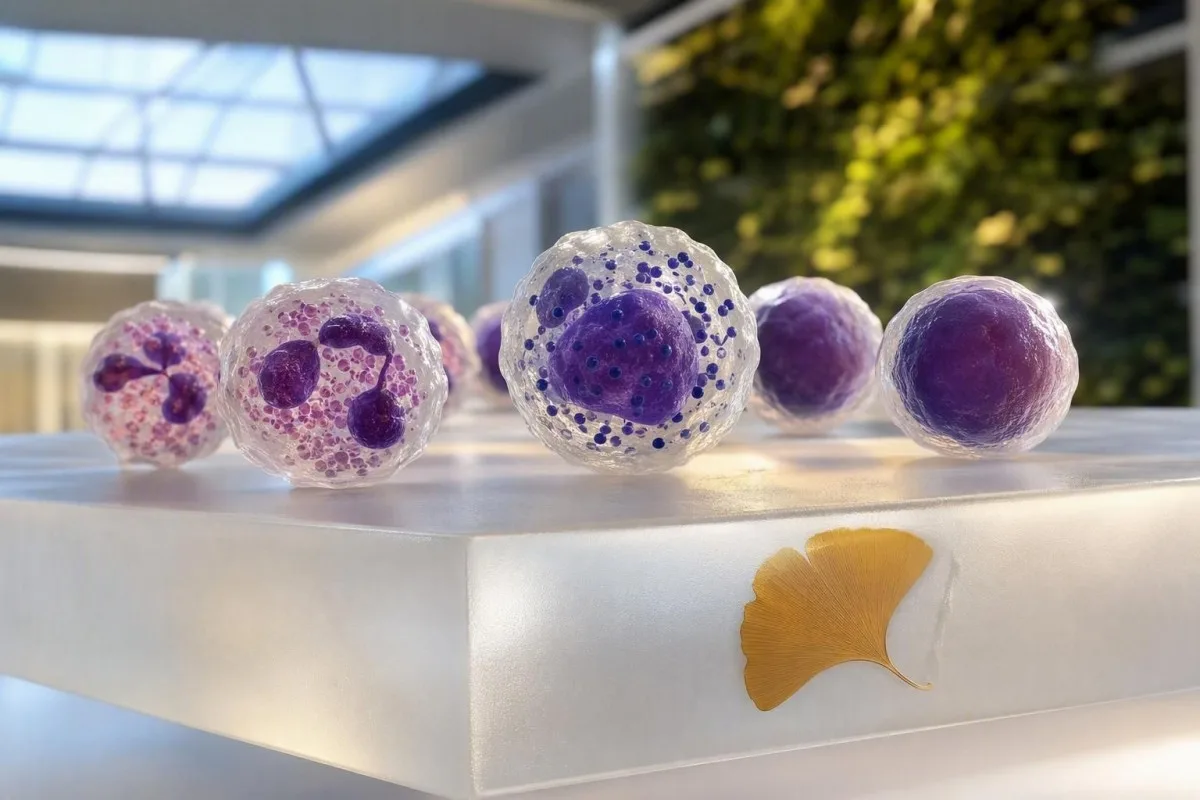
لدى معظم البالغين عدد مطلق للخلايا القاعدية يتراوح بين 0.00–0.10 × 10⁹/لتر (0–100/ميكرولتر)، بينما تكون النسبة المئوية عادةً 0–11%. تعكس النسبة المئوية غير العادية بشكل طفيف غالبًا التغيرات في خلايا الدم البيضاء الأخرى؛ وعدد الخلايا القاعدية المطلق هو النتيجة التي توجه المتابعة عادةً.


- الخلايا القاعدية بالعدد المطلق عادة ما تكون 0.00–0.10 × 10⁹/لتر (0–100/ميكرولتر) لدى البالغين وهي أكثر فائدة سريريًا من النسبة المئوية وحدها.
- نسبة الخلايا القاعدية عادة ما تكون 0–11% من خلايا الدم البيضاء، ولكنها يمكن أن ترتفع عندما تنخفض العدلات أو الخلايا الليمفاوية حتى لو كان العدد المطلق طبيعيًا.
- الأطفال غالبًا ما تستخدم الحد الأقصى العملي المعتاد البالغ 0.10 × 10⁹/لتر بعد الرضاعة، ولكن فترة العمر المحددة للمختبر لها الأولوية.
- CBC متكرر في غضون 2-8 أسابيع يعتبر معقولاً لكثرة الخلايا القاعدية المنعزلة والمعتدلة بعد حساسية أو عدوى أو تغيير في الدواء.
- كثرة الخلايا القاعدية المستمرة التي تزيد عن 0.20 × 10⁹/لتر تستدعي مراجعة الطبيب، خاصة مع ارتفاع خلايا الدم البيضاء، أو فقر الدم، أو تضخم الطحال، أو الأعراض الدستورية.
- مراجعة عاجلة ضرورية في حالات كثرة الكريات البيض الملحوظة، وفقدان الوزن غير المبرر، والتعرق الليلي الغزير، والحمى، أو الشعور بالامتلاء المبكر تحت الضلوع اليسرى.
- صفر خلايا قاعدية أمر شائع على عداد تفريقي آلي وغالباً لا يحمل أهمية سريرية.
- كانتستي أيه آي يقرأ الخلايا القاعدية جنباً إلى جنب مع إجمالي خلايا الدم البيضاء، والخلايا الحمضية، وعدد الصفائح الدموية، والهيموجلوبين، والنتائج السابقة بدلاً من اعتبار نتيجة واحدة تشخيصاً.
عدد الخلايا القاعدية المطلق مقابل النسبة المئوية للخلايا القاعدية
الخلايا القاعدية المطلقة التي تتراوح من 0.00–0.10 × 10⁹/لتر تعتبر طبيعية بشكل عام لدى البالغين, ، في حين أن نسبة الخلايا القاعدية من 0-1% هي مجرد جزء من إجمالي عدد خلايا الدم البيضاء. عندما يختلف الاثنان، يعطي الأطباء عادة وزناً أكبر للنتيجة المطلقة.
يمكن أن تبدو النسبة المئوية مرتفعة ببساطة لأن نوعاً آخر من خلايا الدم البيضاء منخفض. على سبيل المثال، 1.5% من الخلايا القاعدية مع عدد خلايا الدم البيضاء 3.0 × 10⁹/لتر ينتج عنه عدد مطلق قدره 0.045 × 10⁹/لتر فقط — وهو ضمن العديد من المعدلات لدى البالغين. لهذا السبب، نادراً ما تخبرك علامة النسبة المئوية وحدها بالقصة كاملة.
الحساب بسيط: إجمالي خلايا الدم البيضاء × نسبة الخلايا القاعدية ÷ 100. عدد خلايا الدم البيضاء 12.0 × 10⁹/لتر وخلايا قاعدية 2% يعطي 0.24 × 10⁹/لتر، وهو ارتفاع حقيقي. للسياق الأوسع، راجع دليلنا الخاص بـ ما الذي يتضمنه CBC.
كانتيستي هو محلل تحليل الدم بالذكاء الاصطناعي الذي يحول النسب المئوية إلى أعداد مطلقة قابلة للمقارنة سريرياً عندما يقدم التقرير المصدر عدّاً تفريقياً. حسب خبرتي، فإن هذا التحويل الواحد يمنع قدراً كبيراً من الإنذار غير الضروري بعد الفحص الصحي الروتيني.
لماذا العدد المطلق أكثر ثباتاً
تحسب المحللات الآلية آلاف الأحداث الخلوية، ولكن الخلايا القاعدية نادرة عادةً — غالباً أقل من 1 من كل 100 خلية بيضاء. لذلك، يمكن أن تؤدي التحولات التحليلية والبيولوجية الصغيرة إلى تحريك النسبة المئوية بشكل ملحوظ أكثر من العدد المطلق.
فترات المرجع العملية للخلايا القاعدية حسب العمر
تستخدم معظم المختبرات معدلاً مرجعياً للخلايا القاعدية المطلقة يتراوح من 0.00–0.10 × 10⁹/لتر من مرحلة الطفولة حتى البلوغ, ، ولكن نطاقات حديثي الولادة قد تكون أوسع. استخدم المعدل المطبوع بجانب نتيجتك الخاصة، لأن الحدود المرجعية تعتمد على طريقة التحليل والسكان الأصحاء المحليين للمختبر.
بالنسبة للرضع في الأسابيع الأولى من الحياة، تقبل بعض مختبرات طب الأطفال الخلايا القاعدية المطلقة حتى حوالي 0.20–0.40 × 10⁹/لتر. يتكيف الجهاز المناعي لحديثي الولادة بسرعة، لذلك لا ينبغي فرض الحدود القصوى للبالغين على نتيجة حديثي الولادة دون استشارة طب الأطفال.
من عمر سنة واحدة تقريباً فصاعداً، تطبق العديد من الخدمات حداً أقصى عملياً يقارب 0.10 × 10⁹/لتر، أو 100/ميكرولتر. نتيجة 0.11 × 10⁹/لتر لدى طفل ينمو بشكل طبيعي مع عدد خلايا دم بيضاء طبيعي هي عادةً سؤال للمتابعة والسياق، وليست حالة طوارئ.
يشرح CLSI EP28-A3c لماذا تنشئ المختبرات معدلاتها المرجعية الخاصة أو تتحقق منها بدلاً من اقتباس نطاق عالمي (CLSI، 2010). دليلنا الخاص بـ نطاقات العمر للخلايا المتعادلة يوضح نفس المبدأ لعد تفريقي آخر.
فهم وحدات الخلايا القاعدية في التقارير البريطانية والأمريكية والدولية
عدد الخلايا القاعدية 0.10 × 10⁹/لتر يعادل 100/ميكرولتر, ، لذا يمكن للتقارير التي تستخدم وحدات مختلفة أن تصف نفس النتيجة. غالبًا ما تبلغ فحوصات الدم الكاملة في المملكة المتحدة عن ×10⁹/لتر، بينما تستخدم المختبرات الأمريكية بشكل شائع خلايا/ميكرولتر أو K/ميكرولتر.
للتحويل من ×10⁹/لتر إلى خلايا/ميكرولتر، اضرب في 1000. وبالتالي فإن 0.05 × 10⁹/لتر يعادل 50/ميكرولتر؛ 0.25 × 10⁹/لتر يعادل 250/ميكرولتر. قد يتم تقريب تقرير يظهر 0.0 إلى منزلة عشرية واحدة بدلاً من إثبات عدم وجود خلايا قاعدية حرفيًا.
القيمة المذكورة كـ 0.2 K/ميكرولتر تعادل 0.20 × 10⁹/لتر. هذا الفرق مهم لأن 0.2% و 0.2 K/ميكرولتر قياسان مختلفان تمامًا. يخلط المرضى بانتظام بينهما عند مقارنة التقارير من بلدين.
إذا كان تقريرك يذكر FBC بدلاً من CBC، فإن المكونات متماثلة إلى حد كبير؛ شرح فحص الدم الكامل في المملكة المتحدة يترجم المصطلحات الشائعة.
لماذا ترتفع أو تنخفض أعداد الخلايا القاعدية
غالبًا ما يصاحب كثرة الخلايا القاعدية المعتدلة الحساسية، أو الالتهاب المزمن، أو التعافي من عدوى، أو تحول مناعي متعلق بالأدوية. عادةً ما يكون انخفاض العدد أو عدم وجود خلايا قاعدية غير ذي معنى لأن هذه الخلايا تدور بأعداد صغيرة جدًا.
تحمل الخلايا القاعدية مستقبلات لـ IgE ويمكنها إطلاق الهيستامين ووسطاء آخرين بعد التعرض لمسببات الحساسية. يمكن أن يتزامن التهاب الأنف التحسسي الموسمي، والشرى المزمن، والربو، وبعض اضطرابات الجلد مع ارتفاع طفيف، على الرغم من أن العدد الطبيعي لا يستبعد أيًا منها.
قد يرتبط قصور الغدة الدرقية، وأمراض الأمعاء الالتهابية، واضطرابات الروماتيزم، وبعض الالتهابات المزمنة أيضًا بكثرة الخلايا القاعدية. السؤال المفيد ليس “ما هو المرض الذي يسبب هذا؟” بل “ما هي الإشارات الأخرى الموجودة؟” - CRP، الحمضات، الأعراض، تاريخ الأدوية، والمسار جميعها مهمة.
يمكن أن يدعم ارتفاع IgE وعدد الحمضات نمطًا تحسسيًا، بينما قد يحتاج الحكة المعزولة إلى مراجعة أوسع؛ مقالتنا حول اختبارات الدم للجلد المسبب للحكة توضح الحدود العملية لاختبار CBC.
متى يجب تكرار CBC للخلايا القاعدية؟
كرر فحص CBC في غضون 2-8 أسابيع لارتفاع طفيف ومعزول في الخلايا القاعدية بعد محفز مؤقت، بشرط أن تشعر بالتحسن وأن بقية العد مطمئن. كرر في وقت أقرب، عادة في غضون أيام إلى أسبوعين، عندما يرتفع إجمالي خلايا الدم البيضاء أو توجد خطوط خلوية متعددة غير طبيعية.
بالنسبة لعدد الخلايا القاعدية المطلق البالغ 0.11-0.20 × 10⁹/لتر بعد نزلة برد، أو نوبة حمى القش، أو تطعيم، أو دورة قصيرة من الستيرويد، غالبًا ما أفضل تكرارًا هادئًا واحدًا بدلاً من سلسلة من الاختبارات. حاول استخدام نفس المختبر، وسجل المرض الحديث، والأدوية الجديدة، وتغييرات التدخين، والتعرض للستيرويد.
لا تحاول “تحسين” العد قبل إعادة الاختبار. الترطيب معقول، ولكن المكملات الغذائية ومضادات الهيستامين والكورتيكوستيرويدات وتمارين التحمل الشديدة يمكن أن تغير التفريق الأوسع. دليل توقيت اختبارات الدم تفاصيل الآثار الشائعة للتوقيت.
كانتيستي هو منصة تفسير تحليل الدم الخاصة بالذكاء الاصطناعي الذي يقارن التفريق الحالي مع فحوصات CBC السابقة ويشير إلى ارتفاع ثابت بشكل مختلف عن إشارة لمرة واحدة. الاتجاه على مدى 3-6 أشهر غالبًا ما يكون أكثر إفادة من نقطة عشرية واحدة.
كيفية التحضير لإعادة اختبار موثوق للخلايا القاعدية
عادةً لا يتطلب اختبار الخلايا القاعدية الصيام، ولكن إعادة فحص CBC يكون أكثر قابلية للتفسير عندما لا تكون مريضًا بشكل حاد وتكون ظروف الجمع متشابهة. استهدف السوائل العادية والوجبات العادية ويومًا روتينيًا بدلاً من التغييرات الشديدة.
تجنب جدولة إعادة اختبار غير عاجلة أثناء الحمى، أو تفاقم الحساسية الشديد، أو اليوم التالي لحدث تحمل مرهق بشكل غير عادي إذا كان الهدف هو تحديد خط الأساس. يمكن أن تؤدي هرمونات الإجهاد الحادة وتغيرات السوائل إلى تحريك العديد من المجموعات الفرعية لخلايا الدم البيضاء لساعات إلى أيام.
أخبر الطبيب المعالج أو أخصائي سحب الدم عن الكورتيكوستيرويدات الجهازية والليثيوم والعلاجات التي تحتوي على الإبينفرين والعلاج البيولوجي الحديث وأي مكمل جديد. غالبًا ما تقلل الستيرويدات من عدد الخلايا القاعدية والحمضية المنتشرة، لذا فإن النتيجة “الطبيعية” أثناء تناولها قد لا تمثل خط الأساس غير المعالج لديك.
لا تزال جودة العينة مهمة. يمكن أن تجعل عينات EDTA المتجلطة والتحليل المتأخر التفريق الآلي أقل موثوقية؛ إذا بدت عدة قيم CBC غريبة معًا، قم بمراجعة عند الحاجة إلى إعادة سحب.
أنماط CBC التي تجعل ارتفاع الخلايا القاعدية أكثر أهمية
يكون كثرة الخلايا القاعدية أكثر إثارة للقلق عندما تتجاوز الخلايا القاعدية المطلقة 0.20 × 10⁹/لتر وتحدث مع خلايا الدم البيضاء المستمرة فوق 11.0 × 10⁹/لتر، أو فقر الدم، أو تغيرات الصفائح الدموية، أو الخلايا غير الناضجة. المزيج - وليس الخلايا القاعدية وحدها - يحدد مدى سرعة تحقيقات الأطباء.
كان لدى رجل يبلغ من العمر 44 عامًا قمت بمراجعته خلايا قاعدية تبلغ 0.28 × 10⁹/لتر، وخلايا بيضاء تبلغ 16.4 × 10⁹/لتر، وصفائح دموية تبلغ 610 × 10⁹/لتر، وشبع مبكر. هذا النمط استدعى مسار أمراض الدم في نفس الأسبوع؛ لم تكن نتيجة الخلايا القاعدية الفردية كافية للتشخيص، لكنها كانت دليلًا مهمًا.
يمكن أن تحدث كثرة الخلايا القاعدية جنبًا إلى جنب مع كثرة العدلات وأعراض الطحال في أورام التكاثر النقوي، بما في ذلك ابيضاض الدم النقوي المزمن. تنصح شبكة ابيضاض الدم الأوروبية بالاختبار الجزيئي والتقييم المتخصص عندما يثير نمط الحالة السريرية وعدد الدم هذا الاحتمال (Hochhaus et al.، 2020).
يمكن لطاخة الدم المحيطية التمييز بين التغيرات التفريقية الحقيقية وعدم يقين المحلل وقد تظهر تحولًا أيسر أو خلايا غير نمطية. اقرأ المزيد عن مسارات CBC لسرطان الدم دون افتراض أن العد غير الطبيعي يعني السرطان.
الأعراض والنتائج التي تتطلب عناية طبية فورية
اطلب تقييمًا طبيًا عاجلاً لكثرة الخلايا القاعدية المصحوبة بحمى، أو تعرق ليلي غزير، أو فقدان وزن غير مبرر، أو كدمات جديدة، أو ضيق في التنفس، أو إرهاق شديد، أو امتلاء في الجزء العلوي الأيسر من البطن. هذه الأعراض لا تنتج عن نتيجة مرتفعة بشكل طفيف للخلايا القاعدية بحد ذاتها؛ إنها تشير إلى أن الصورة السريرية الأوسع تحتاج إلى تقييم.
يجب مناقشة العدد الإجمالي لخلايا الدم البيضاء فوق 30 × 10⁹/لتر، أو القيم المتزايدة بسرعة، أو الخلايا المحببة غير الناضجة المرئية في التقرير مع الطبيب الذي طلب الفحص على وجه السرعة. الصداع الشديد، أو تغير الرؤية، أو ألم الصدر، أو الأعراض العصبية تتطلب تقييمًا طارئًا بغض النظر عن عدد الخلايا القاعدية.
معظم الأشخاص الذين لديهم 0.11-0.20 × 10⁹/لتر من الخلايا القاعدية ولا يعانون من أعراض لا يحتاجون إلى رعاية طارئة. ومع ذلك، هذا هو أحد المجالات التي يكون فيها السياق أهم من الرقم، خاصة إذا كانت النتائج السابقة 0.02 × 10⁹/لتر والعدد الجديد يتزايد.
إذا كنت تعاني أيضًا من ضيق في التنفس أو شحوب، فقد تكون قيم الهيموغلوبين والصفائح الدموية المصاحبة أكثر أهمية على الفور؛ انظر دليل فحص الدم لضيق التنفس.
ماذا يعني انخفاض الخلايا القاعدية أو نتيجة الصفر
عادةً ما تكون نتيجة الخلايا القاعدية 0.00 × 10⁹/لتر طبيعية ونادرًا ما تحتاج إلى تكرار بمفردها. قد تكون الخلايا القاعدية أقل من الحد الأدنى لتقرير المحلل لأنها نادرة بطبيعتها في الدورة الدموية.
يمكن أن يؤدي الإجهاد الحاد، والعدوى، والحمل، وفرط نشاط الغدة الدرقية، وعلاج الكورتيكوستيرويدات إلى تقليل الخلايا القاعدية المنتشرة مؤقتًا. ومع ذلك، لا يوجد متلازمة أعراض معروفة ناجمة عن انخفاض الخلايا القاعدية المعزولة، على عكس قلة العدلات ذات الأهمية السريرية.
من السهل تفويت المشكلة التحليلية: إذا تم حساب عدد قليل فقط من الخلايا القاعدية، يمكن لتقلبات أخذ العينات الروتينية تحويل 0.01 × 10⁹/لتر إلى 0.00 × 10⁹/لتر في سحب لاحق. وهذا ليس بالضرورة تغييراً بيولوجياً.
نصيحة الدكتور توماس كلاين العملية هي تجاهل علامة انخفاض الخلايا القاعدية عندما تكون بقية CBC سليمة ولا توجد أعراض ذات صلة. دليلنا المتخصص يشرح الخلايا القاعدية عند الصفر.
الخلايا القاعدية أثناء الحمل وفي مراحل الحياة اللاحقة
لا يوجد حد فاصل خاص بالخلايا القاعدية للحمل والشيخوخة؛ تظل فترة المختبر المبلغ والنمط الكامل لخلايا الدم البيضاء أفضل مرجع. غالبًا ما يزيد الحمل من إجمالي خلايا الدم البيضاء عن طريق العدلات، مما قد يجعل نسبة الخلايا القاعدية تبدو أقل دون انخفاض حقيقي في الخلايا القاعدية.
أثناء الحمل، يمكن أن يكون العدد الإجمالي لخلايا الدم البيضاء البالغ 12-15 × 10⁹/لتر فسيولوجيًا، خاصة في وقت لاحق من الحمل، لذلك يصبح تفسير النسب المئوية أقل موثوقية. يظل العدد المطلق للخلايا القاعدية مفضلاً، لكن الأعراض المقلقة لا تزال تلغي نطاق المرجع.
لدى كبار السن، يستحق عدد الخلايا القاعدية المستمر حديثًا فوق 0.20 × 10⁹/لتر اهتمامًا لأن عبء الأدوية واضطرابات نخاع العظام تصبح أكثر شيوعًا مع التقدم في العمر. هذا لا يجعله تشخيصيًا؛ بل يخفض ببساطة الحد الأدنى للنظر في اتجاه CBC وفحص الدم.
لمشاكل تفسير أخرى خاصة بالحمل، راجع علاماتنا التحذيرية في فحص دم الحمل.
الأدوية والحساسية وتقلبات الخلايا القاعدية
يمكن أن تتزامن أعراض الحساسية مع ارتفاع طفيف في الخلايا القاعدية، بينما غالباً ما تقللها الكورتيكوستيرويدات الجهازية في غضون أيام. لا يؤكد أي من النمطين تشخيص الحساسية أو يثبت أن الدواء مسؤول.
مضادات الهيستامين تمنع مستقبلات الهيستامين بشكل أساسي؛ فهي لا تقوم بتطبيع عدد الخلايا القاعدية بشكل موثوق. يمكن أن تعيد بريدنيزولون الفموي والجلوكوكورتيكويدات الجهازية الأخرى توزيع خلايا الدم البيضاء، مما يقلل غالبًا من الحمضات والخلايا القاعدية مع زيادة العدلات المنتشرة.
الليثيوم هو دليل دوائي أقل شيوعًا ولكنه مفيد لأنه يمكن أن يزيد من إنتاج خلايا الدم البيضاء. لا ينبغي أبدًا إيقاف الأدوية البيولوجية والعلاج الكيميائي والعلاجات المعدلة للمناعة بسبب نتيجة CBC واحدة - اسأل فريق الوصف عن كيفية ملاءمة النتيجة لخطة المراقبة الخاصة بهم.
يجب التعامل مع زيادة عدد الخلايا القاعدية المصحوبة بالأزيز، أو الشرى، أو تورم الوجه، أو الضعف كمسألة أعراض، وليس كاللغز في المختبر. دليل IgE المرتفع يشرح متى تساعد علامات الحساسية ومتى تضلل.
ما الذي يتحقق منه الأطباء بعد كثرة الخلايا القاعدية المستمرة
عادةً ما يؤدي ارتفاع الخلايا القاعدية المطلقة المستمر إلى تكرار CBC، ومراجعة لطاخة الدم اليدوية، ومراجعة الأدوية والأعراض، ثم اختبار مستهدف إذا كان إجمالي عدد خلايا الدم البيضاء أو خطوط الخلايا الأخرى غير طبيعي. لوحات السرطان واسعة النطاق ليست الخطوة الأولى المعتادة لزيادة طفيفة معزولة.
نقطة التفرع الأولى هي ما إذا كانت النتيجة معزولة. يدعم الهيموجلوبين المستقر، والصفائح الدموية، وعدد خلايا الدم البيضاء، وفحص الدم الطبيعي بقوة خطة محافظة؛ فقر الدم، أو كثرة الصفيحات، أو كثرة الكريات البيض، أو تضخم الطحال تدفع التقييم في اتجاه مختلف.
عندما يكون اضطراب تكاثري نقوي معقولاً، قد يطلب الأطباء اختبار BCR::ABL1، واختبار JAK2، نازعة هيدروجين اللاكتات، اليورات، ومراجعة متخصصة. يصف فالنت وآخرون ارتفاع الخلايا القاعدية المستمر بأنه نتيجة مهمة في تصنيف الأورام النقوية القاعدية والنخاعية (فالنت وآخرون، 2022).
لا تحدد الشبكة العصبية لـ Kantesti سلوك لوكيميا من CBC، بل تحدد مجموعات تستحق المراجعة. نهج التحقق الطبي لدينا يشرح سبب ضرورة الاحتفاظ بالإشراف السريري على تفسير المختبر.
كيفية تتبع الخلايا القاعدية دون مبالغة
يشير اتجاه الخلايا القاعدية الهادف إلى تغيير اتجاهي مستمر عبر فحوصات CBC القابلة للمقارنة، وليس حركة واحدة من 0.04 إلى 0.08 × 10⁹/لتر. مع حد مرجعي للبالغين يبلغ 0.10 × 10⁹/لتر، تظل القيمتان ضمن النطاق على الرغم من اختلافهما العددي.
احتفظ بالعدد المطلق، والنسبة المئوية، وعدد خلايا الدم البيضاء الإجمالي، وخلايا العدلات، وخلايا الحمضات، والهيموجلوبين، والصفائح الدموية، والتاريخ، والمرض الأخير، والأدوية بعد كل سحب. يوفر هذا السجل الصغير لطبيبك معلومات أكثر فائدة من لقطات الشاشة للعلامات الحمراء المعزولة.
كانتيستي هو أداة تحليل فحوصات الدم المدعومة بالذكاء الاصطناعي المستخدمة في 30 دولة لمقارنة نتائج CBC بشكل طولي مع الحفاظ على النطاق المحدد للمختبر المصدر. يوصي الدكتور توماس كلاين بمراجعة نتيجتين قابلتين للمقارنة على الأقل قبل إعطاء معنى لتغيير حدودي في التفريق.
قاعدة مفيدة: إذا ظل العدد المطلق أقل من 0.10 × 10⁹/لتر، فإن عدد خلايا الدم البيضاء الإجمالي مستقر، وتشعر بأنك بخير، فإن المتابعة الروتينية في موعد اختبار الدم المخطط التالي تكون كافية عادةً. استخدم لاختلاف تحليل الدم للحكم على ما إذا كان التغيير من المحتمل أن يكون حقيقيًا.
أسئلة لطرحها في موعد المتابعة
أفضل سؤال للمتابعة هو: “ما هو عدد الخلايا القاعدية المطلق لدي، وما الذي تغير آخر في CBC؟” يوجه هذا الصياغة المحادثة نحو المتغيرات التي تغير الخطر السريري فعليًا.
اسأل عما إذا كان العدد جديدًا، أو مستمرًا، أو آخذًا في الارتفاع، أو تفاعليًا على الأرجح؛ وما إذا كانت مراجعة الشريحة ضرورية؛ ومتى يجب إجراء فحص CBC التالي. أحضر قائمة بالالتهابات الأخيرة، وأعراض الحساسية، والأدوية، والمكملات الغذائية، والسفر، والتاريخ العائلي لاضطرابات الدم.
إذا كان لديك عدد مطلق أعلى من 0.20 × 10⁹/لتر بالإضافة إلى ارتفاع في عدد خلايا الدم البيضاء الإجمالي، فاسأل عما إذا كان استشارة أمراض الدم مناسبة. إذا كان العدد أعلى بقليل من النطاق ومعزولًا، فاسأل عن التغيير الذي سيؤدي إلى إجراء اختبار مبكر بدلًا من افتراض الأسوأ.
يتم الإشراف على معايير التعليم التي راجعها الأطباء في Kantesti من خلال المجلس الاستشاري الطبي. اعتبارًا من 30 أغسطس 2026، يظل النهج الأكثر أمانًا بسيطًا: تفسير العدد المطلق، وتأكيد الاستمرارية، والتصرف بشكل أسرع فقط عندما يبرر النمط الأوسع ذلك.
الأسئلة الشائعة
ما هو العدد الطبيعي للخلايا القاعدية لدى البالغين؟
النطاق المرجعي الشائع للبالغين لعدد الخلايا القاعدية المطلقة هو 0.00-0.10 × 10⁹/لتر، وهو ما يعادل 0-100 خلية/ميكرولتر. معظم المختبرات تقدم تقارير بنسبة الخلايا القاعدية تتراوح بين 0-11٪، على الرغم من أن النسبة المئوية يمكن أن تكون مضللة عندما يتغير العدد الإجمالي لخلايا الدم البيضاء. النطاق المرجعي الذي يقدمه مختبرك الخاص له الأسبقية لأن الطرق والسكان المرجعيين المحليين يختلفون. عادةً ما يتطلب نتيجة منفصلة تبلغ 0.11 × 10⁹/لتر سياقًا أو تكرارًا مخططًا له بدلاً من الرعاية العاجلة.
هل عدد الخلايا القاعدية 2% مرتفع؟
نسبة الخلايا القاعدية البالغة 2% أعلى من العديد من فترات النسب المختبرية، ولكنها لا تكفي للحكم على المخاطر دون العدد الإجمالي لخلايا الدم البيضاء. مع خلايا بيضاء تبلغ 4.0 × 10⁹/لتر، فإن 2% تعادل عددًا مطلقًا للخلايا القاعدية يبلغ 0.08 × 10⁹/لتر، وهو غالبًا طبيعي. مع خلايا بيضاء تبلغ 15.0 × 10⁹/لتر، فإن نفس 2% تعادل 0.30 × 10⁹/لتر وتستدعي مراجعة سريرية. حدد دائمًا العدد المطلق للخلايا القاعدية قبل تفسير النسبة المئوية.
متى يجب أن أكرر فحص CBC لخلايا الحمضات المرتفعة؟
يعتبر تكرار CBC بعد 2-8 أسابيع أمراً معقولاً بشكل شائع للحالات المعتدلة من زيادة الخلايا القاعدية المعزولة والتي تبلغ حوالي 0.11-0.20 × 10⁹/لتر بعد مرض أو تفاقم حساسية أو تغيير في الدواء. كرر الفحص في وقت أقرب عندما يكون العدد الإجمالي لخلايا الدم البيضاء في ازدياد، أو عندما يتجاوز عدد الخلايا القاعدية 0.20 × 10⁹/لتر، أو عندما تكون الهيموغلوبين والصفائح الدموية غير طبيعية أيضًا. استخدم نفس المختبر قدر الإمكان لأن طرق التحليل وفواصل المرجع تختلف. الحمى، وفقدان الوزن، والتعرق الليلي، والكدمات، أو الشعور بالامتلاء في الجزء العلوي الأيسر من البطن تستدعي مراجعة طبية فورية بدلاً من انتظار إعادة الاختبار الروتينية.
هل الخلايا القاعدية الصفرية خطيرة؟
يعتبر عدد الخلايا القاعدية 0.00 × 10⁹/لتر عادةً غير خطير ولا يتطلب متابعة عامة إذا كان بقية فحوصات CBC طبيعية. الخلايا القاعدية خلايا نادرة، لذلك قد يبلغ التفريق الآلي الروتيني عن صفر لأن العدد المكتشف يقع أقل من دقة التقريب أو الإبلاغ. يمكن أن تقلل الكورتيكوستيرويدات، والإجهاد الحاد، والحمل، والالتهابات من عدد الخلايا القاعدية المتداولة مؤقتًا. لا يشخص الأطباء نقص المناعة بناءً على انخفاض الخلايا القاعدية المعزول.
هل يمكن أن تسبب الحساسية ارتفاعًا في الخلايا القاعدية؟
يمكن أن تتزامن الحالات التحسسية مع ارتفاع طفيف في عدد الخلايا القاعدية لأن الخلايا القاعدية تشارك في الاستجابات المناعية المرتبطة بالجلوبيولين المناعي E (IgE) وتطلق وسائط مثل الهيستامين. لا يثبت ارتفاع عدد الخلايا القاعدية أن الحساسية هي السبب، والعديد من الأشخاص الذين يعانون من أعراض حساسية شديدة لديهم أعداد طبيعية من الخلايا القاعدية. يجب مراجعة الأعداد التي تزيد عن 0.20 × 10⁹/L والتي تستمر بعد زوال أعراض الحساسية مع كامل تعداد الدم الكامل (CBC). قد توفر الحمضات (Eosinophils)، والجلوبيولين المناعي E الكلي (total IgE)، وأعراض الجلد، والتعرض للأدوية سياقًا أكثر فائدة.
ما هو عدد الخلايا القاعدية الذي يشير إلى ابيضاض الدم؟
لا تشخص قلة العدلات الوحيدة الابيضاض (اللوكيميا) بمفردها، ولكن استمرار ارتفاع العدلات المطلقة فوق 0.20 × 10⁹/لتر مع كثرة الكريات البيض، أو فقر الدم، أو تشوهات الصفائح الدموية، أو الخلايا المحببة غير الناضجة، أو أعراض الطحال يجب أن يحفز التقييم الطبي. يمكن أن تحدث كثرة العدلات في ابيضاض الدم النقوي المزمن (CML) والأورام التكاثرية النقوية الأخرى، إلا أن الأسباب التفاعلية تظل أكثر شيوعًا للارتفاعات الطفيفة المعزولة. قد يطلب الأطباء فحص لطاخة واختبارات جزيئية موجهة مثل BCR::ABL1 فقط عندما يدعم النمط الأوسع ذلك. يعد العدد الإجمالي الطبيعي لكريات الدم البيض و CBC المستقرة تغييرًا كبيرًا في مستوى القلق.
احصل على تحليل الدم بالذكاء الاصطناعي اليوم
انضم إلى أكثر من 2 مليون مستخدم حول العالم يثقون في Kantesti لتحليل فوري ودقيق لفحوصات المختبر. ارفع نتائج تحليل الدم واحصل على تفسير شامل لمؤشرات 15,000+ الحيوية خلال ثوانٍ.
📚 منشورات بحثية مُشار إليها
كلاين، تي.، ميتشل، إس.، & ويبر، إتش. (2026). دليل فصيلة الدم B السالبة، تحليل LDH، وعدّ الخلايا الشبكية. Kantesti أبحاث طبية بالذكاء الاصطناعي.
كلاين، تي.، ميتشل، إس.، & ويبر، إتش. (2026). الإسهال بعد الصيام، ووجود بقع سوداء في البراز، ودليل الجهاز الهضمي 2026. Kantesti أبحاث طبية بالذكاء الاصطناعي.
📖 مراجع طبية خارجية
المعهد الأمريكي للمعايير السريرية والمخبرية (2010). تعريف وتأسيس والتحقق من صحة النطاقات المرجعية في المختبر السريري. CLSI EP28-A3c.
⚕️ إخلاء مسؤولية طبية
هذه المقالة لأغراض تعليمية فقط ولا تشكل نصيحة طبية. استشر دائمًا مقدم رعاية صحية مؤهلًا لاتخاذ قرارات التشخيص والعلاج.
إشارات الثقة E-E-A-T
خبرة
مراجعة سريرية تقودها طبيبة/طبيب لخطوات تفسير نتائج المختبر.
خبرة
تركيز طب المختبر على كيفية سلوك المؤشرات الحيوية في السياق السريري.
السلطة
تمّت الكتابة بواسطة الدكتور توماس كلاين مع مراجعة من الدكتور سارة ميتشل والأستاذ الدكتور هانس فيبر.
الجدارة بالثقة
تفسير قائم على الأدلة مع مسارات متابعة واضحة لتقليل حالة الإنذار.