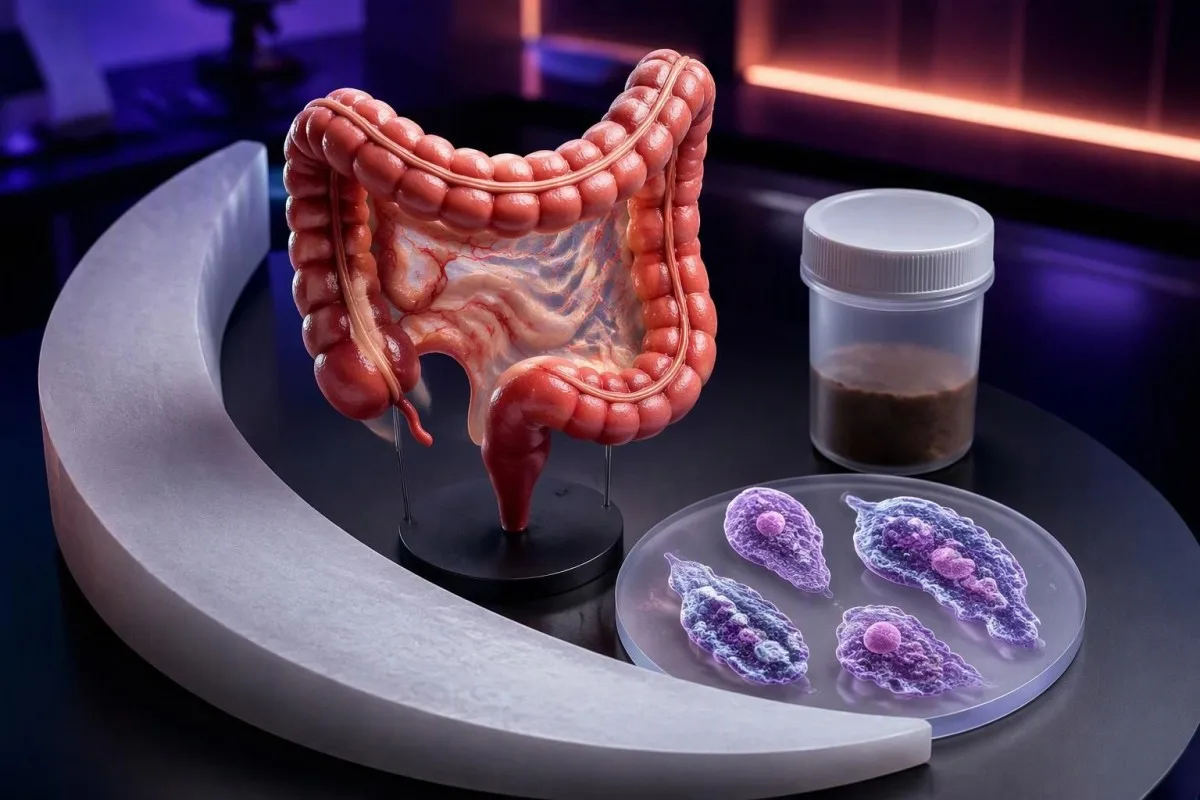
மல PCR பரிசோதனை நேர்மறையாக இருப்பது, உங்களுக்கு மருந்து தேவை என்பதைத் தானாகவே குறிக்காது. சிகிச்சை முடிவுகள், அறிகுறிகள் தொடர்ந்து இருப்பது, மாற்று விளக்கங்கள், மற்றும் நுண்ணுயிரை ஒழிப்பதற்கும் உடல்நிலை மேம்படுவதற்கும் இடையிலான நிச்சயமற்ற தொடர்பு ஆகியவற்றைப் பொறுத்தது.

முக்கிய குறிப்புகள்
- நேர்மறை PCR Dientamoeba fragilis-இன் மரபணுப் பொருளைக் கண்டறிகிறது; 1 நேர்மறை முடிவு, அந்த நுண்ணுயிரே உங்கள் செரிமான அறிகுறிகளை ஏற்படுத்தியது என்பதை நிரூபிக்காது.
- அறிகுறிகள் இல்லை பொதுவாக சிகிச்சை தேவையில்லை என்பதைக் குறிக்கிறது; மலப் பரிசோதனையில் Dientamoeba fragilis கண்டறியப்பட்டாலும் கூட.
- தொடர்ந்து நீடிக்கும் வயிற்றுப்போக்கு 14 நாட்கள் அல்லது அதற்கு மேல் நீடித்தால் மறுமதிப்பீடு செய்ய வேண்டும்; ஆனால் நீடிக்கும் காலம் மட்டுமே Dientamoeba fragilis தான் காரணம் என்பதை நிரூபிக்காது.
- சிகிச்சை குறித்த சான்றுகள் 96 குழந்தைகளைக் கொண்ட சீர்முறை மருத்துவப் பரிசோதனையும் இதில் அடங்கும்; அதில் மெட்ரோனிடசோல், மருந்துப்போலியைவிட மருத்துவ விளைவுகளை மேம்படுத்தவில்லை.
- பாரோமோமைசின் மருத்துவர் தேர்ந்தெடுக்கும் ஒரு சிகிச்சை விருப்பம்; CDC-யின் வயது வந்தோருக்கான வழிகாட்டுதலில், 7 நாட்களுக்கு, நாளொன்றுக்கு 25–35 mg/kg-ஐ 3 பிரிக்கப்பட்ட அளவுகளாக வழங்குவது குறிப்பிடப்பட்டுள்ளது.
- கால்ப்ரோடெக்டின் 50 µg/g-க்குக் குறைவானது, பொதுவான வயது வந்தோருக்கான ஆய்வகக் குறிப்பு வரம்பாகும்; அறிகுறியுள்ள Dientamoeba fragilis-ஐ உறுதிப்படுத்தவோ விலக்கவோ செய்யும் பரிசோதனை அல்ல.
- எச்சரிக்கை அறிகுறிகள் மலத்தில் இரத்தம், கடுமையான வயிற்று வலி, நீரிழப்பு அல்லது தன்னிச்சையற்ற எடை இழப்பு போன்றவை, நேர்மறையான PCR முடிவைத் தாண்டிய மதிப்பீடு தேவைப்படுவதைக் குறிக்கின்றன.
- பின்தொடர்வு அறிகுறிகளையும் பரிசோதனை முடிவுகளையும் மதிப்பிட வேண்டும்; உயிரினம் நீங்குவதும் அறிகுறிகள் குணமடைவதும் 2 வெவ்வேறு விளைவுகள்.
Dientamoeba fragilis நேர்மறை முடிவுக்குச் சிகிச்சை தேவையா?
மல PCR-இல் dientamoeba fragilis நேர்மறையாக இருப்பதால் தானாகவே சிகிச்சை தேவைப்படுவதில்லை. அறிகுறிகள் இல்லாதவர்களுக்கு பொதுவாக மருந்து தேவையில்லை; செரிமான அறிகுறிகள் தொடர்ந்து நீடிக்கும்போது, அந்த உயிரினத்துக்கு தொடர்பிருக்க வாய்ப்பிருக்கும்போது, மற்ற காரணங்கள் மதிப்பிடப்பட்டிருக்கும்போது மருத்துவர்கள் சிகிச்சையைப் பரிசீலிக்கலாம்.
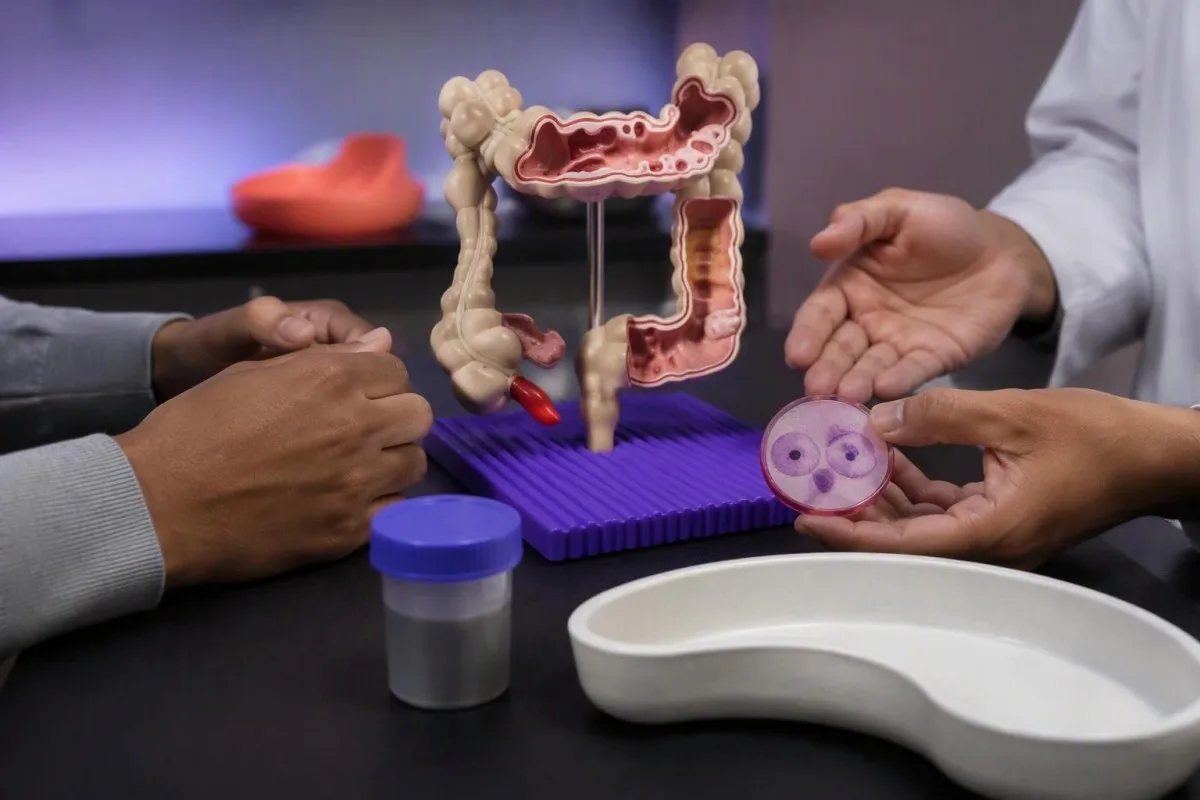
கண்டறிதலும் காரணமாக இருப்பதும் தனித்தனி கேள்விகள். ஒரு மலப் பரிசோதனைத் தொகுப்பு உயிரினத்தைத் துல்லியமாகக் கண்டறியலாம்; ஆனால் ஒருவருக்கு வயிற்று வலி அல்லது வயிற்றுப்போக்கு ஏன் ஏற்படுகிறது என்பதை நிறுவாது. எனவே, 1 நேர்மறை முடிவு என்பது விளக்கிப் புரிந்துகொள்ள வேண்டிய கண்டறிதலே அன்றி, மருந்து பரிந்துரிப்பதற்கான தூண்டுதலல்ல; அந்த உயிரினம் தற்செயலாகக் காணப்பட்டதாகவோ, பங்களிப்பதாகவோ, தற்போதைய நோயுடன் தொடர்பற்றதாகவோ இருக்கலாம்.
தி CDC-யின் மருத்துவப் பராமரிப்பு வழிகாட்டுதல் அறிகுறியில்லாத Dientamoeba fragilis கண்டறிதலுக்குப் பொதுவாகச் சிகிச்சை தேவையில்லை என்றும், அறிகுறியுள்ள சிலருக்கு வேறு எந்த உயிரினமும் கண்டறியப்படாதபோது மருந்து உதவக்கூடும் என்றும் கூறுகிறது (CDC, 2024). 1 உயிரினம் மட்டுமே கண்டறியப்படுவது சாத்தியமான விளக்கத்தை வலுப்படுத்துகிறது; இருப்பினும், அது செலியாக் நோய், மருந்துகளின் விளைவுகள் அல்லது செயல்பாட்டு குடல் கோளாறு ஆகியவற்றை விலக்காது.
எடுத்துக்காட்டாக, வீட்டில் மற்றவர்களுக்கு ஏற்பட்ட வயிற்றுத் தொற்றுக்குப் பிறகு 2 நாட்களாக தளர்வான மலம் கழிக்கும், மலப் பரிசோதனைத் தொகுப்பில் Dientamoeba fragilis கண்டறியப்பட்ட ஒரு கற்பனையான வயது வந்தவரைக் கருதுங்கள். அறிகுறிகள் ஏற்கெனவே குறைந்து கொண்டிருக்கின்றனவும், போதுமான நீர்ச்சத்து உள்ளது எனில், குமட்டல் அல்லது வயிற்றுப்போக்கைத் தானே ஏற்படுத்தக்கூடிய நுண்ணுயிர் எதிர்ப்பு மருந்தை உடனடியாகச் சேர்ப்பதைவிடக் கவனித்துக் காத்திருப்பது பொருத்தமானதாக இருக்கலாம்.
Kantesti என்பது உடன் வரும் ஆய்வகக் கண்டுபிடிப்புகளை விளக்கக்கூடிய AI இரத்தப் பரிசோதனை பகுப்பாய்வி; ஆனால் மல PCR-ஐக் கொண்டு இந்த உயிரினம் உங்கள் அறிகுறிகளை ஏற்படுத்தியதா என்பதை அதனால் தீர்மானிக்க முடியாது. அந்த வரம்பை நாங்கள் விளக்குவது எங்கள் நிறுவனத் தகவலின் மூலம்; மருத்துவ முடிவு என்பது 1 ஆய்வக முடிவை மட்டும் சார்ந்ததல்ல.
Dientamoeba fragilis மலப் பரிசோதனை உண்மையில் எதைக் கண்டறிகிறது?
Dientamoeba fragilis மல PCR, சமர்ப்பிக்கப்பட்ட மாதிரியில் அந்த உயிரினத்தின் மரபணுப் பொருளைக் கண்டறிகிறது. அது உயிரினம் உயிருடன் உள்ளதா, திசுச் சேதம் ஏற்பட்டுள்ளதா அல்லது அறிகுறிகளுக்குக் காரணம் அதுதானா என்பதை நேரடியாக நிறுவாது; மேலும், சிகிச்சை தேவையா என்பதைத் தீர்மானிக்கும் வகையில் சரிபார்க்கப்பட்ட, உலகளாவிய PCR வரம்பு எதுவும் இல்லை.
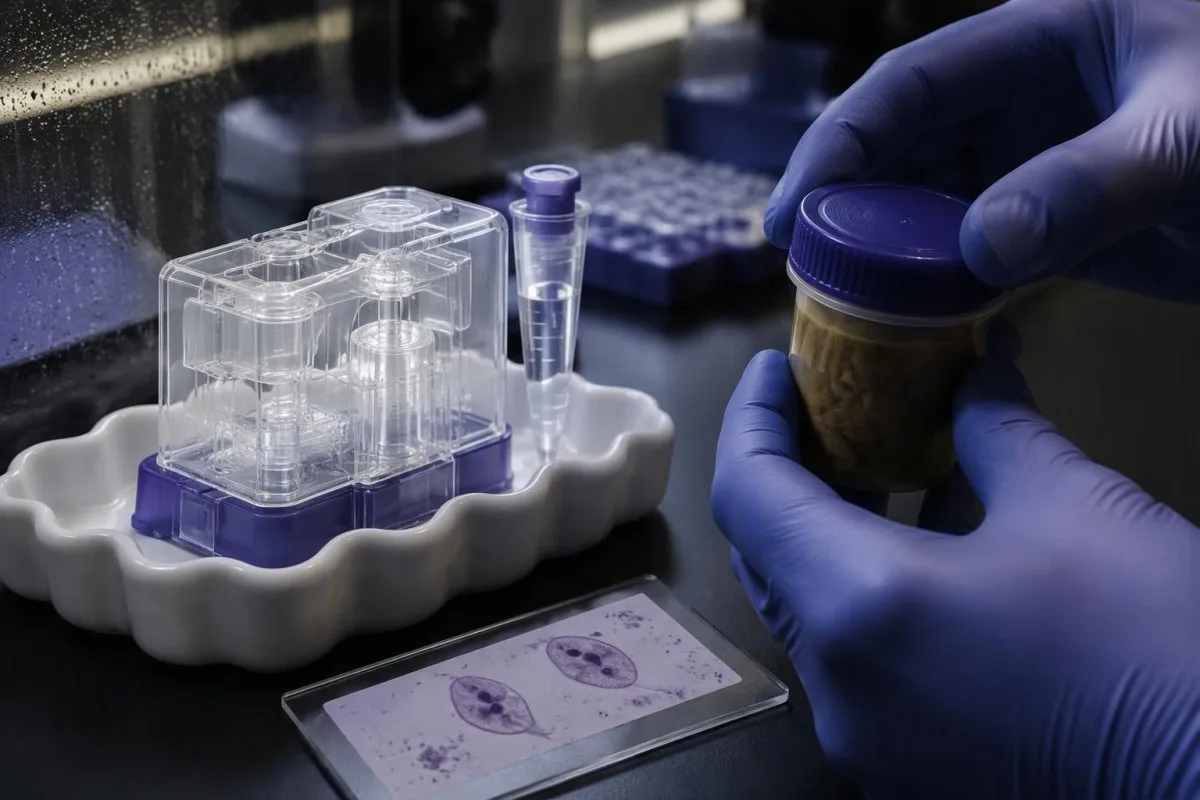
Dientamoeba fragilis என்பது குடலில் வாழும் புரோட்டோசோவா; புழு அல்ல. அதன் பெயர் தவறாக வழிநடத்தக்கூடும்: இது வழக்கமான அமீபாக்களைவிட டிரைக்கோமோனாட்களுடன் தொடர்புடைய குழுவைச் சேர்ந்தது; நுண்ணோக்கியில் காணப்படும் டிரோபோசோயிட்டுகளில் பொதுவாக 1 அல்லது 2 உட்கருக்கள் இருக்கும்; அறிக்கையில் இந்தப் பெயர் இருப்பதால் உடல் முழுவதும் ஊடுருவிப் பரவும் தொற்று உள்ளது என்று பொருளல்ல.
பெரும்பாலான மருத்துவ அறிக்கைகள் பயன்படுத்துவது கண்டறியப்பட்டது/கண்டறியப்படவில்லை, என்பதையே; மருத்துவ ரீதியாகச் சரிபார்க்கப்பட்ட தீவிரத்தன்மை அளவுகோலை அல்ல. ஆய்வகம் சுழற்சி வரம்பை வழங்கினால், குறைந்த மதிப்பு பொதுவாக அந்தப் பரிசோதனை முறையில் இலக்குப் பொருள் அதிகமாக இருப்பதைக் குறிக்கும்; ஆனால் பிரித்தெடுக்கும் முறை, மலத்தின் பதம் மற்றும் தளங்களில் உள்ள வேறுபாடுகள் காரணமாக, எந்த ஓர் எண்ணையும் உலகளாவிய சிகிச்சை வரம்பாகக் கருத முடியாது; எங்கள் தரவுசார் மற்றும் அளவுசார் முடிவுகள் வழிகாட்டி அறிக்கையிடல் வேறுபாட்டை விளக்குகிறது.
PCR-உம் நுண்ணோக்கிப் பரிசோதனையும் ஒன்றுக்கொன்று முரண்படலாம்; அதனால் எந்த முடிவும் பொருளற்றதாகிவிடாது. PCR is generally more sensitive, whereas microscopy depends on preservation, staining, and expertise; traditional parasite microscopy may require specimens collected on 3 separate days because organism shedding and visibility vary, while a validated molecular assay may use a single specimen.
Check the actual panel contents before assuming other infections were excluded. A negative result for 5 listed pathogens says nothing about an organism the panel never tested, and some gastrointestinal panels do not include Dientamoeba fragilis at all; ask whether your result came from a targeted assay or a broader panel.
நேர்மறை PCR முடிவு தற்செயலான நுண்ணுயிர் தாங்குநிலையைக் குறிக்க அதிக வாய்ப்புள்ளது எப்போது?
Incidental carriage is more likely when the person has no symptoms, symptoms have already resolved, or another explanation fits better. A repeated positive result can demonstrate ongoing detection, but 2 positive samples still do not establish that Dientamoeba fragilis is causing illness.
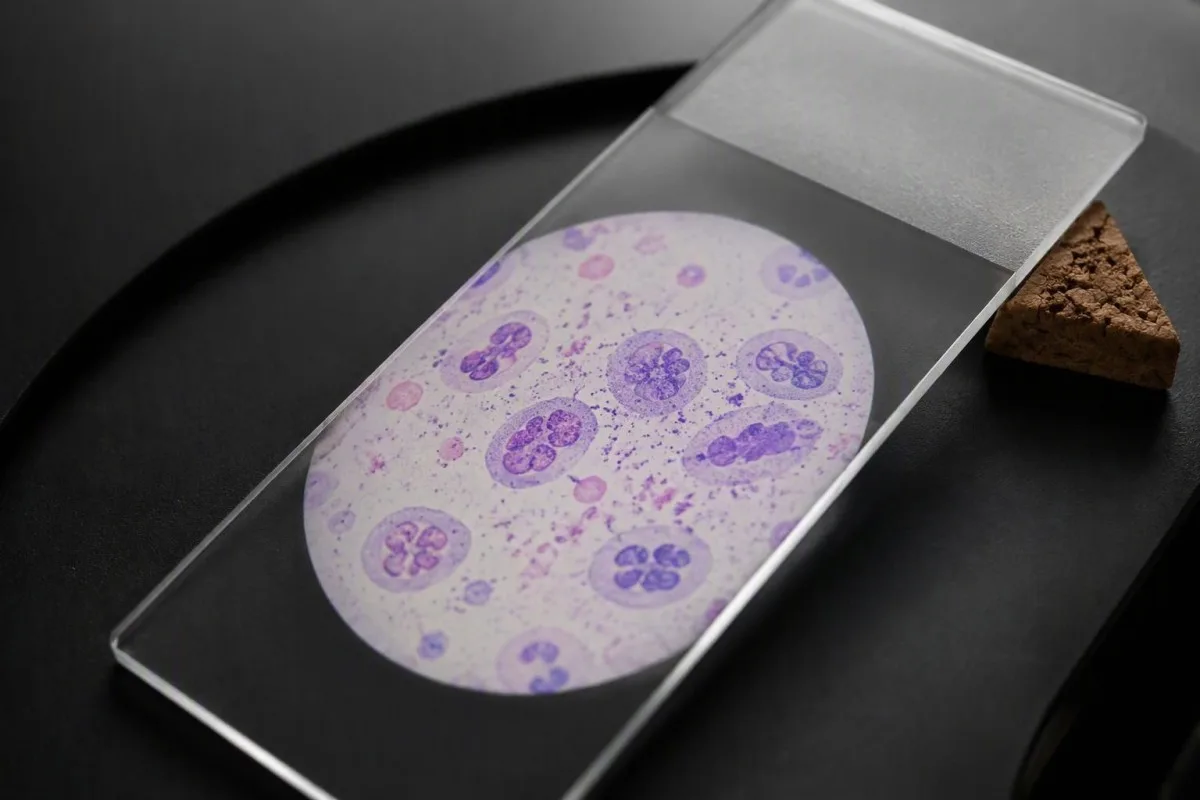
Asymptomatic detection is real, not automatically a laboratory error. Sensitive PCR testing finds organisms that older methods missed, including in people who feel well; because prevalence differs substantially between settings, age groups, and assays, a single percentage from 1 population should not be used to estimate your personal likelihood of illness.
தி timing of symptoms can weaken an apparent association. A hypothetical person with 5 years of alternating constipation and diarrhea who receives a first positive stool PCR has not necessarily acquired a new explanation for those longstanding symptoms; the test cannot date acquisition or show whether the organism was present before symptoms started.
A positive commercial microbiome report is not equivalent to a clinical diagnosis. Relative abundance, proprietary risk scores, and organisms reported outside validated pathogen testing may not have established treatment implications; before acting on 1 highlighted finding, review our discussion of நுண்ணுயிர்த் தொகுதி பரிசோதனையின் வரம்புகள்.
ஒரு asymptomatic household contact is not automatically a treatment candidate. Screening and treating every family member after 1 positive result can create avoidable medication exposure; contact testing is more reasonably discussed when several people have persistent compatible symptoms, or when a specialist or local public-health team identifies a specific reason.
Dientamoeba fragilis-உடன் தொடர்புடையதாக இருக்கக்கூடிய அறிகுறிகள் எவை?
Reported Dientamoeba fragilis symptoms include loose stools, abdominal discomfort, bloating, and sometimes nausea or reduced appetite. None is specific to this organism, so clinicians assess the symptom pattern, duration, and functional impact rather than assuming that 1 positive PCR explains everything.
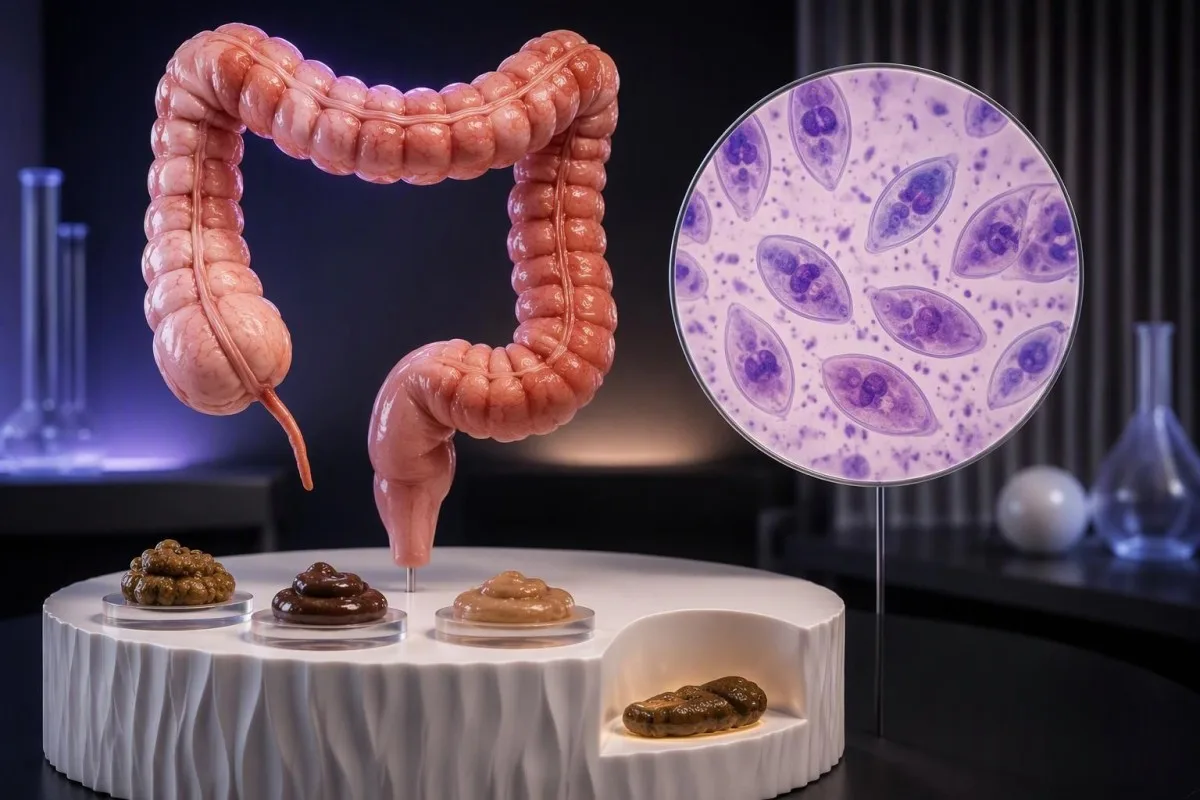
Stool consistency is often more useful than the word diarrhea. On the 7-category Bristol Stool Chart, types 6 and 7 describe mushy and watery stools; recording those types alongside frequency helps distinguish persistent loose stools from frequent but formed bowel movements, as explained in our மலத்தின் இறுக்கத் தன்மைக்கான வழிகாட்டி.
A 7-day symptom diary can clarify whether the illness is continuous or meal-related. Record bowel frequency, stool type, nighttime waking, abdominal discomfort, medicines, and missed activities; a pattern that repeatedly follows a particular food may suggest malabsorption or intolerance, although dietary associations alone do not diagnose either condition.
Stool color does not identify Dientamoeba fragilis. Yellow stools can accompany rapid transit, dietary changes, or fat malabsorption, and 1 unusual bowel movement is not a parasite-specific sign; our explanation of yellow stool causes helps separate color changes from more informative accompanying features.
For example, a hypothetical adult with 4 loose stools daily for 6 weeks, stable weight, and no other pathogen detected has a more plausible treatment discussion than someone whose brief illness has ended. Even then, the assessment should consider medication effects, celiac disease, and inflammatory or functional conditions before assigning causation.
Dientamoeba fragilis காரணமாக இருக்க முடியாத அறிகுறிகள் எவை?
Blood in stool, substantial dehydration, severe or localized abdominal pain, persistent fever, and unintentional weight loss need assessment beyond a positive Dientamoeba fragilis result. These findings can signal another condition, and clinicians should not allow 1 detected organism to delay appropriate investigation.
Seek urgent medical help for severe pain, collapse, confusion, or inability to keep fluids down. A temperature around 38°C or higher combined with significant illness deserves prompt advice, although age, immune status, and other symptoms matter more than a single cutoff; emergency symptoms should not wait for a repeat parasite test.
தெளிவாகத் தெரியும் red blood or black, tarry stool is not a typical finding to dismiss as uncomplicated dientamoebiasis. Iron tablets and some foods can change stool color, but 1 episode accompanied by dizziness, weakness, or significant pain warrants prompt assessment; our மலத்தில் இரத்தம் இருப்பதற்கான எச்சரிக்கை அறிகுறிகள் explain why appearance and accompanying symptoms matter.
Diarrhea that wakes someone from sleep and progressive weight loss broaden the differential diagnosis. Unintentional loss of more than 5% of body weight over 6–12 months is a commonly used clinical warning threshold, but smaller losses can still matter in children, frail adults, or someone losing weight rapidly.
Reduced urine output can indicate நீரிழப்பு காரணமாக அதிகமாகக் குவிக்கப்பட்டிருக்கலாம், especially when accompanied by thirst, dizziness, or dry mouth. Do not wait for a precise number of hours if the person appears unwell; infants, older adults, pregnant people, and those with kidney disease need a lower threshold for clinical advice than a healthy adult with 1 mild loose stool.
மலப் பரிசோதனைப் பலகை மற்றொரு நோய்க்கிருமியையும் கண்டறிந்தால் என்ன செய்வது?
When another pathogen is detected, clinicians compare its established disease pattern with the symptoms before prioritizing Dientamoeba fragilis treatment. A panel with 2 positive targets may reflect coinfection, persistent shedding, or incidental carriage; it does not automatically justify treating both organisms.
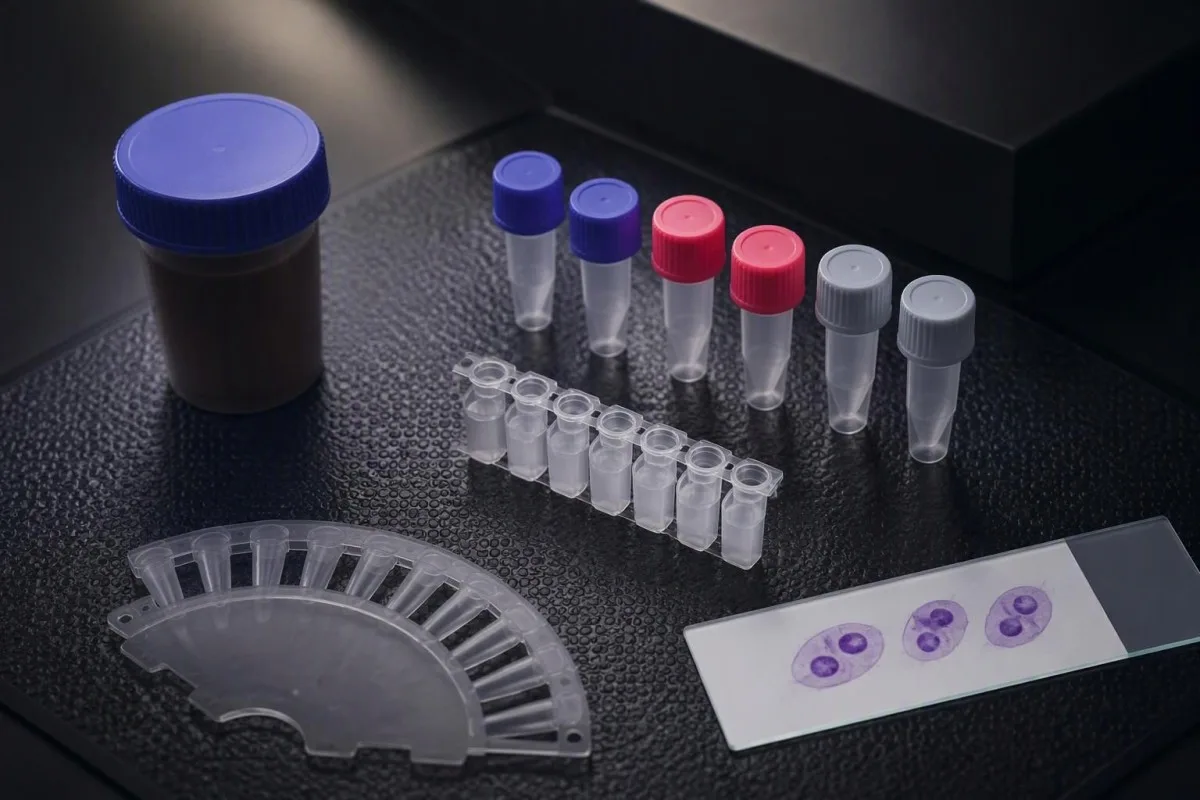
Giardia has a better-established relationship with persistent diarrhea and malabsorption than Dientamoeba fragilis. If both are detected in a hypothetical person with 3 weeks of loose, greasy stools after untreated-water exposure, a clinician may prioritize Giardia-directed care; our Giardia treatment and recovery guide explains the different evidence base.
Campylobacter detection does not automatically require antibiotics either, despite its established role in gastroenteritis. Severity, illness duration, and vulnerability determine the decision, so 2 detected organisms still require 2 separate clinical judgments; compare our discussion of Campylobacter antibiotic decisions rather than assuming all stool positives follow one rule.
சமீபத்திய antibiotic exposure changes the assessment because it raises concern for antibiotic-associated diarrhea and C. difficile. A positive screening assay with a negative toxin result creates another detection-versus-disease problem, particularly when someone does not have at least 3 unformed stools in 24 hours; our ஒத்துப்போகாத C. difficile முடிவுகள் guide describes that distinction.
A negative panel is not a complete gastrointestinal evaluation. Even a panel covering 20 organisms cannot identify bile acid diarrhea, microscopic colitis, celiac disease, or every travel-related infection; the test menu, exposure history, and symptom duration determine whether additional microbiology or a noninfectious workup makes more sense.
Dientamoeba fragilis சிகிச்சை அறிகுறிகளை நம்பகமாக மேம்படுத்துமா?
Dientamoeba fragilis treatment does not reliably produce symptom improvement, and the evidence is mixed. A randomized, placebo-controlled trial involving 96 children found that metronidazole did not improve clinical outcomes more than placebo, even though treatment initially increased organism eradication.
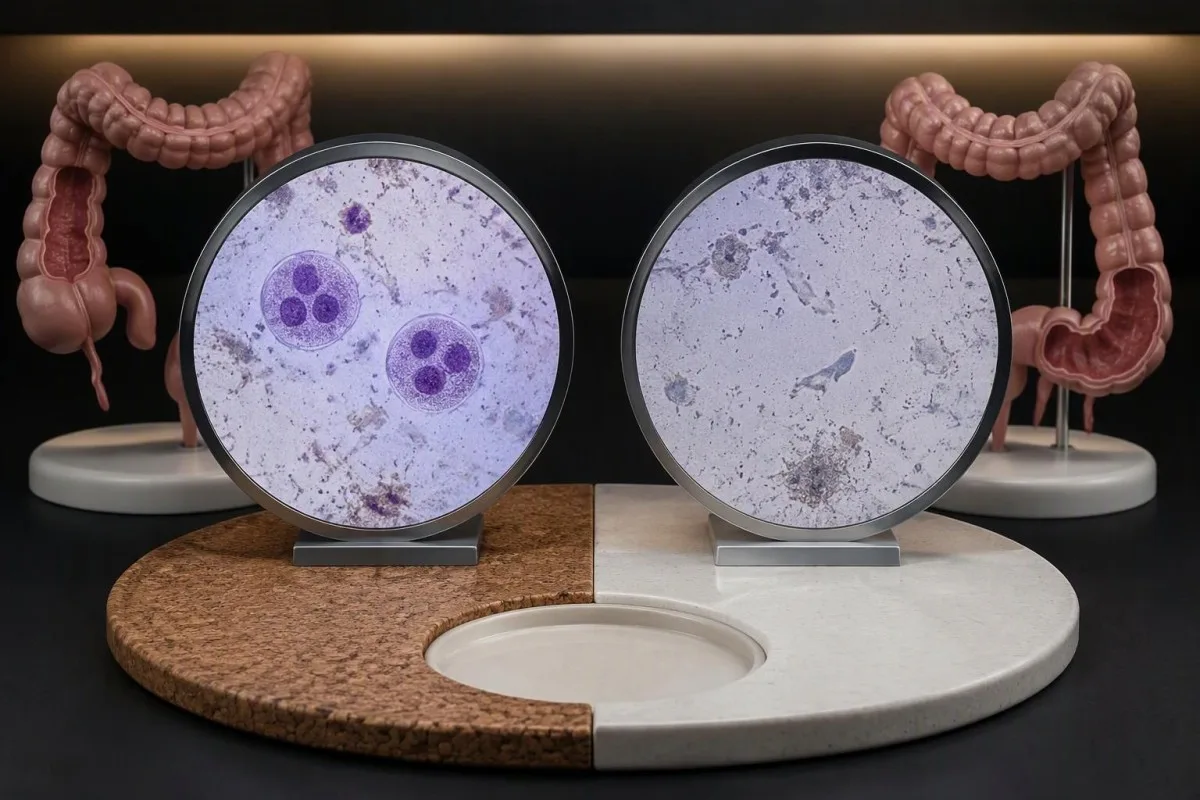
Röser et al. reported the trial in Clinical Infectious Diseases in 2014. Children aged 3–12 years received a 10-day course of metronidazole or placebo, and the study did not establish a clinical benefit from metronidazole; that result argues against routine treatment of every symptomatic child with a positive test.
The trial does not prove that all treatments are ineffective in every patient. It evaluated 1 medication in a particular pediatric population, so its findings cannot automatically be extended to paromomycin, every adult presentation, or unusual clinical circumstances; uncertainty should narrow claims rather than be converted into either universal treatment or universal dismissal.
Before-and-after improvement is weaker evidence than a randomized comparison. Over a 2-week period, symptoms may improve naturally, fluctuate, or respond to changes in diet and other medicines; an uncontrolled report of feeling better after treatment cannot reliably separate those explanations from a specific effect on Dientamoeba fragilis.
மணிக்கு கான்டெஸ்டி, we distinguish organism eradication, symptom recovery, and study design as 3 separate issues when explaining this uncertainty. Our digestive symptom research guide provides broader context, but it is not direct evidence that antimicrobial treatment improves outcomes in Dientamoeba-positive patients.
மருத்துவர்கள் எந்த மருந்துகளைப் பயன்படுத்தலாம், அவற்றின் வரம்புகள் என்ன?
Clinicians may use paromomycin or metronidazole for selected symptomatic patients, but medication choice does not resolve uncertainty about causation. CDC adult guidance lists paromomycin at 25–35 mg/kg/day in 3 divided doses for 7 days; this is prescribing information, not an instruction to self-treat.
Paromomycin mainly acts within the intestinal lumen. A retrospective adult study by van Hellemond et al. in 2012 found better eradication with paromomycin than some alternatives, but the nonrandomized design cannot establish superior symptom relief; its findings support a medication discussion, not a guaranteed cure for abdominal discomfort.
தி CDC adult metronidazole regimen is 500–750 mg orally 3 times daily for 10 days (CDC, 2024). Nausea, altered taste, medication interactions, and occasional neurologic adverse effects matter; pediatric dosing differs, and pregnancy, breastfeeding, liver disease, or other medical conditions require a prescriber to assess the specific choice.
Medication reconciliation should happen before prescribing. Metronidazole can increase warfarin's anticoagulant effect, so a person taking warfarin may need an individualized INR monitoring plan rather than merely a routine 10-day prescription; our guide to యాంటీబయాటిక్స్ మరియు INR మార్పులు explains the mechanism and monitoring considerations.
A penicillin allergy label does not automatically prohibit either of these medicines because they are not penicillins. However, any previous reaction to the proposed drug itself needs review, and 1 vague historical allergy label should not substitute for a full medication history; our allergy label reassessment guide explains that separate issue.
மருந்துகளைப் பரிந்துரைப்பதற்கு முன் மருத்துவர்கள் பிற காரணங்களை எப்போது ஆராய்வார்கள்?
Clinicians often investigate other causes before prescribing when symptoms are longstanding, atypical, associated with warning signs, or poorly explained by the stool result. Diarrhea lasting 4 weeks or longer is commonly classified as chronic, making a structured noninfectious assessment particularly useful.
Medication effects are a high-yield starting point. Metformin, magnesium-containing products, laxatives, and some antibiotics can cause loose stools; if a hypothetical person develops diarrhea 1 week after a dose increase, that timeline may be more informative than incidental parasite detection, although prescribed medicines should not be stopped without advice.
A fecal calprotectin below 50 µg/g is a common adult laboratory reference threshold, while values above roughly 250 µg/g may strengthen concern for intestinal inflammation in an appropriate clinical pathway. These are not universal diagnostic boundaries: age, infection, NSAID use, and laboratory methods affect interpretation, as discussed in our borderline calprotectin follow-up வழிகாட்டி.
Celiac screening commonly combines tissue transglutaminase IgA with total IgA. Reducing gluten before testing can make results falsely reassuring, and IgA deficiency changes which antibody tests are appropriate; if gluten has already been removed for several weeks, our gluten challenge planning guide explains why clinicians individualize the next step.
A normal initial workup does not make every alternative disappear. In someone with 6 months of watery diarrhea, clinicians may consider bile acid diarrhea or microscopic colitis; the latter can require colon examination with tissue sampling even when the bowel looks normal, while an IBS diagnosis depends on a compatible pattern and appropriate exclusion of warning features.
Dientamoeba fragilis நோயை ஏற்படுத்துகிறதா என்பதை இரத்தப் பரிசோதனைகள் காட்டுமா?
Routine blood tests cannot establish that Dientamoeba fragilis caused digestive symptoms. They can identify consequences or competing explanations, such as dehydration, anemia, inflammation, or nutrient deficiency; no validated CBC, CRP, or eosinophil cutoff confirms symptomatic disease from this organism.

CBC and ferritin can reveal an alternative reason for fatigue. In otherwise healthy adults, ferritin below 15 µg/L strongly supports depleted iron stores, although inflammation can raise ferritin and obscure deficiency; fatigue with low iron should not automatically be attributed to 1 stool finding, as our குறைந்த ஃபெரிடின் அறிகுறி வழிகாட்டி அதைப் விளக்குகிறது.
For example, imagine an adult with ferritin 9 µg/L and hemoglobin 108 g/L alongside a positive stool PCR. Those hypothetical results warrant investigation of iron deficiency and its cause, not an assumption that treating the protozoan will correct the anemia; our இரும்பு ஆய்வுகள் விளக்க வழிகாட்டி shows why multiple markers matter.
Eosinophilia is not a reliable marker of Dientamoeba fragilis disease. An eosinophil count above 0.5 × 10^9/L is commonly considered elevated, but allergies, medicines, and some helminth infections are more typical explanations; a positive Dientamoeba test should not stop clinicians from investigating substantial or persistent eosinophilia separately.
Kantesti is an AI blood test interpretation platform that explains CBC, ferritin, CRP, and kidney-function results without treating them as proof of parasite causation. A CRP of 3 mg/L may fall within a laboratory's standard reference interval, yet normal inflammatory markers do not exclude celiac disease, microscopic colitis, or other explanations for persistent diarrhea.
குழந்தைகள் மற்றும் பாதிப்புக்குள்ளாகக்கூடிய பெரியவர்களுக்கான சிகிச்சை முடிவுகள் எவ்வாறு மாறுபடுகின்றன?
Children, pregnant people, frail adults, and immunocompromised patients need individualized assessment rather than an automatic response to positive PCR. In children, growth, hydration, and symptom severity matter especially; the randomized metronidazole trial in 96 children supports caution about routine prescribing.

Growth faltering should prompt a broader pediatric evaluation. A hypothetical child with 6 weeks of loose stools and a falling growth trajectory needs assessment of intake, celiac disease, inflammation, and other causes; Dientamoeba fragilis detection may be relevant, but it should not become the only explanation considered.
Children can become dehydrated more quickly than healthy adults, particularly when vomiting accompanies diarrhea. Oral rehydration solution prepared exactly as directed is preferable to guessing electrolyte amounts, and 1 clearly unwell child with reduced urine, unusual drowsiness, or inability to drink needs prompt advice rather than waiting for a medication trial.
Pregnancy changes medication selection, not the meaning of PCR. A positive result still does not establish causation, while gestational stage, symptom burden, and drug-specific safety information influence prescribing; a person who is 10 weeks pregnant should discuss treatment with the maternity or prescribing team rather than using another household member's medication.
Immunosuppression lowers the threshold for evaluating other opportunistic causes, but it does not make this organism automatically responsible. Kantesti AI does not replace pediatric or specialist assessment; our discussion of AI குழந்தைகளுக்கான விளக்கம் explains why adult reference ranges and 1 abnormal result can be misleading.
சிகிச்சைக்குப் பிறகு மலப் பரிசோதனையை மீண்டும் செய்ய வேண்டுமா?
Repeat testing is not automatically necessary after symptoms resolve, and a test-of-cure plan should be agreed with the treating clinician. Persistent symptoms require reassessment; 1 repeat positive PCR does not by itself justify another course, and a negative result does not explain ongoing symptoms.
Testing immediately after treatment can be difficult to interpret. PCR detects genetic material rather than directly measuring living organisms, and there is no universal Dientamoeba-specific interval that makes every result definitive; instead of choosing an arbitrary day 3 test, ask what question the repeat test is intended to answer.
A positive repeat result may reflect persistence, reacquisition, or assay-related timing considerations. Those possibilities have different implications, so before prescribing course 2 a clinician should review adherence, the original symptom pattern, household exposures, and whether the first course changed anything that mattered to the patient.
A negative PCR with ongoing bloating shifts attention toward other explanations rather than proving treatment failure. Selected patients with risk factors may warrant a breath-test discussion, but bloating alone should not trigger indiscriminate SIBO testing; our breath test preparation guide explains why protocol and pretest probability matter.
Define success before treatment starts. For a hypothetical adult, improvement from 5 watery stools per day to 1–2 formed stools is a meaningful outcome, whereas an unchanged symptom diary with a negative PCR is laboratory clearance without demonstrated symptom benefit; documenting both prevents repeated medication from becoming the default response.
வீட்டில் உள்ள அனைவருக்கும் தேவையற்ற சிகிச்சை அளிக்காமல், எந்த நடைமுறை நடவடிக்கைகள் உதவும்?
Handwashing, careful bathroom hygiene, safe food handling, and clear follow-up records are reasonable steps after a positive result. The exact transmission routes of Dientamoeba fragilis remain incompletely resolved, so 1 positive household test does not justify promises that a particular cleaning routine will prevent recurrence.

Wash hands with soap and water after toilet use and before preparing food. Scrubbing for about 20 seconds is a standard general hygiene recommendation, not a Dientamoeba-specific eradication method; gloves do not replace handwashing, and bathrooms should be cleaned using ordinary product instructions rather than improvised chemical mixtures.
The proposed connection with pinworm transmission is not settled. Nighttime anal itching may justify a separate assessment, sometimes involving a morning tape test on 3 occasions, but a positive Dientamoeba PCR alone is not a reason to give everyone a deworming medicine or assume pinworms are present.
Kantesti is an AI-powered blood test analysis tool that can help explain accompanying laboratory results while stool-management decisions remain with the clinician. Keep the symptom diary, medicine list, and test dates together as 3 distinct records; our உதாரண விளக்க (interpretation) பணிச்சூழல்களை (workflows) பார்க்கலாம் describe educational workflows rather than evidence that our service treats intestinal parasites.
A shared household record should respect consent and minimize unnecessary identifiers. If 2 family members have symptoms, each person's clinical assessment and treatment decision remain separate; our தனியுரிமை மற்றும் தரவுக் கையாளல் நடைமுறைகள் explain how we approach information handling, but your clinician's secure communication channel should be used for prescribing and urgent advice.
உங்கள் மருத்துவரிடம் என்ன கேட்க வேண்டும், இந்த முடிவை ஆதரிக்கும் ஆய்வுகள் எவை?
Ask whether Dientamoeba fragilis plausibly explains your symptoms, which alternatives need checking, and what benefit would justify treatment. The most useful evidence separates symptom outcomes from organism eradication; a 10-day treatment course and a negative follow-up test are not, by themselves, proof of clinical benefit.

Bring 4 items to the appointment: the full stool report, a medication list, a symptom timeline, and any relevant accompanying laboratory results. Ask what would change the decision—another pathogen, celiac antibodies, a concerning calprotectin result, or spontaneous improvement—and agree on when to return if symptoms persist or warning signs develop.
A 7-day diary can make observation an active plan rather than doing nothing. Maintain fluids and tolerated foods; oral rehydration solution can help replace diarrheal losses, but restrictive diets, herbal parasite cleanses, and supplements have no established role in eradicating Dientamoeba fragilis and should not delay investigation of persistent symptoms.
தி 3 external sources below have different evidentiary roles: CDC provides clinical prescribing guidance, Röser et al. provide randomized pediatric symptom-outcome evidence, and van Hellemond et al. provide retrospective adult eradication data. கான்டெஸ்டி applies மருத்துவ உள்ளடக்கத் தரநிலைகள் that distinguish these study designs instead of presenting them as equally strong proof.
தி 2 Figshare publications listed below are general educational resources, not trials of Dientamoeba fragilis treatment; the women's health guide does not provide direct evidence for this decision. A DOI establishes a persistent identifier, not clinical validation, and our technical and clinical methodology should likewise not be mistaken for proof that AI can establish the cause of digestive symptoms.
அடிக்கடி கேட்கப்படும் கேள்விகள்
Dientamoeba fragilis PCR பரிசோதனையில் தொற்று இருப்பது உறுதியானால், எனக்கு நுண்ணுயிர் எதிர்ப்பிகள் தேவையா?
Dientamoeba fragilis PCR நேர்மறையாக இருப்பது, உங்களுக்கு நுண்ணுயிர் எதிர்ப்பு சிகிச்சை தேவை என்று தானாகவே அர்த்தமல்ல. அறிகுறிகள் இல்லாதவர்களுக்கு பொதுவாக மருந்து தேவையில்லை; மேலும், மலப் பரிசோதனையில் ஒருமுறை நேர்மறை முடிவு வந்தது என்பதால் செரிமான அறிகுறிகள் ஏன் ஏற்பட்டன என்பதை உறுதிப்படுத்த முடியாது. அறிகுறிகள் நீடித்தால், பிற காரணங்கள் மதிப்பீடு செய்யப்பட்டிருந்தால், மேலும் இந்த உயிரினம் அறிகுறிகளுடன் தொடர்புடையதாகத் தோன்றினால், மருத்துவர்கள் சிகிச்சையைப் பரிசீலிக்கலாம். கடுமையான வலி, நீரிழப்பு அல்லது மலத்தில் இரத்தம் இருப்பின், PCR முடிவைத் தாண்டிய மதிப்பீடு தேவை.
Dientamoeba fragilis சிகிச்சையின்றி குணமாகிவிடுமா?
Dientamoeba fragilis தொற்று சிகிச்சையின்றியே கண்டறிய முடியாத நிலைக்கு மாறலாம்; மேலும், நுண்ணுயிரி நீங்குவதிலிருந்து சுயாதீனமாகச் செரிமான அறிகுறிகளும் குணமாகலாம். கண்காணிப்பது பொருத்தமானதாக இருக்கும்போது, 7 நாட்களுக்கான அறிகுறிப் பதிவேடு முன்னேற்றத்தை ஆவணப்படுத்த உதவும். தன்னிச்சையாகக் குணமாதலோ அல்லது பின்னர் PCR முடிவு எதிர்மறையாக இருப்பதோ, அந்த நுண்ணுயிரிதான் தொடக்க நோயை ஏற்படுத்தியது என்பதை நிரூபிக்காது. அறிகுறிகள் நீடித்தாலோ மோசமடைந்தாலோ, காலவரையின்றி காத்திருப்பதற்குப் பதிலாக மறுமதிப்பீடு செய்ய வேண்டும்.
Dientamoeba fragilis-க்கு சிறந்த சிகிச்சை எது?
Dientamoeba fragilis-க்கு நேர்மறையாக உள்ள ஒவ்வொரு நோயாளியிலும் அறிகுறிகளுக்கு நிவாரணம் அளிப்பதற்கான சிறந்த சிகிச்சை என்று உலகளவில் நிறுவப்பட்ட ஒன்று இல்லை. CDC-யின் வயது வந்தோருக்கான வழிகாட்டுதலில், 7 நாட்களுக்கு 3 பிரிக்கப்பட்ட அளவுகளில் நாளொன்றுக்கு 25–35 mg/kg என்ற அளவில் paromomycin குறிப்பிடப்பட்டுள்ளது; metronidazole மற்றொரு விருப்பமாகும். பின்னோக்குத் தரவுகள் உயிரினத்தை ஒழிப்பதில் paromomycin-க்கு ஆதரவாக உள்ளன; ஆனால் உயிரினத்தை ஒழிப்பது அறிகுறிகள் மேம்படுவதற்கு சமமல்ல. வயது, கர்ப்பம், மருத்துவ நிலைகள் மற்றும் மருந்து இடைவினைகளைக் கருத்தில் கொண்டு பரிந்துரைப்பவர் சிகிச்சைத் தேர்வைத் தனிப்பயனாக்க வேண்டும்.
Dientamoeba fragilis சிகிச்சைக்குப் பிறகும் எனக்கு ஏன் அறிகுறிகள் நீடிக்கின்றன?
Dientamoeba fragilis சிகிச்சைக்குப் பிறகும் அறிகுறிகள் தொடர்ந்து நீடிப்பது, அந்த நுண்ணுயிரி முக்கியக் காரணமாக இல்லாமல் இருக்கலாம், வேறு ஒரு நிலை இருக்கலாம், அல்லது சிகிச்சைக்குப் பிறகும் அது கண்டறியப்படாமல் போகவில்லை என்பதைக் குறிக்கலாம். PCR முடிவு எதிர்மறையாக இருப்பது, செலியாக் நோய், மருந்து தொடர்பான வயிற்றுப்போக்கு, நுண்ணோக்கிப் பெருங்குடல் அழற்சி அல்லது செயல்பாட்டுக் குடல் கோளாறு ஆகியவற்றை விலக்காது. 4 வாரங்கள் அல்லது அதற்கு மேல் நீடிக்கும் வயிற்றுப்போக்குக்கு, பொதுவாக நீடித்த வயிற்றுப்போக்குக்கான கட்டமைக்கப்பட்ட மதிப்பீடு தேவைப்படும். அறிகுறிகள் தொடர்ந்து இருப்பதற்காக மட்டுமே மற்றொரு மருந்துப் போக்கை வழங்காமல், மறுமதிப்பீட்டுக்குப் பிறகே அதைத் தொடர வேண்டும்.
Dientamoeba fragilis தொற்று உள்ள குழந்தைகளுக்கு சிகிச்சை அளிக்க வேண்டுமா?
Dientamoeba fragilis தொற்று உள்ள குழந்தைகளுக்கு, மல PCR பரிசோதனையில் தொற்று இருப்பது உறுதியானதன் அடிப்படையில் தானாகவே சிகிச்சை அளிக்கக் கூடாது. 3–12 வயதுடைய 96 குழந்தைகளைப் பங்கேற்கச் செய்த சீர்முறைப்படுத்தப்பட்ட ஆய்வில், மருந்துப்போலியுடன் ஒப்பிடுகையில் 10 நாள் மெட்ரோனிடசோல் சிகிச்சையால் மருத்துவ ரீதியான விளைவுகள் சிறப்பாக அமையவில்லை. குழந்தைகளுக்கான சிகிச்சை முடிவுகளில், தொடர்ந்து நீடிக்கும் அறிகுறிகள், நீரேற்ற நிலை, வளர்ச்சி, மாற்று நோயறிதல்கள் மற்றும் குறிப்பிட்ட மருந்தின் பாதுகாப்பு ஆகியவற்றைக் கருத்தில் கொள்ள வேண்டும். வளர்ச்சி குன்றுதல் அல்லது தெளிவாக உடல்நலம் குன்றியிருக்கும் குழந்தைக்கு, ஒட்டுண்ணி பரிசோதனை முடிவு எதுவாக இருந்தாலும் மருத்துவ மதிப்பீடு தேவை.
0 என் பரிசோதனை முடிவு நேர்மறையாக இருந்தால், என் குடும்பத்தினர் பரிசோதனை செய்துகொள்ள வேண்டுமா அல்லது சிகிச்சை பெற வேண்டுமா?
Dientamoeba fragilis தொற்று உறுதிசெய்யப்பட்ட ஒரே குடும்ப உறுப்பினர் இருப்பதால், தொடர்பில் இருந்த அனைவரையும் பரிசோதிக்கவோ சிகிச்சையளிக்கவோ வேண்டிய அவசியம் தானாகவே ஏற்படாது. அறிகுறிகள் இல்லாத நிலையில் தொற்று கண்டறியப்பட்டால் பொதுவாக சிகிச்சை தேவையில்லை; அதேபோன்ற அறிகுறிகள் தொடர்ந்து நீடிக்கும் 2 அல்லது அதற்கு மேற்பட்டவர்களுக்கு, மருத்துவருடன் குடும்பமாக ஆலோசிப்பது பொருத்தமாக இருக்கலாம். சுமார் 20 விநாடிகள் சோப்பும் தண்ணீரும் கொண்டு கைகளைக் கழுவுவது பொதுவான சுகாதார நடைமுறையாகப் பொருத்தமானது; ஆனால் Dientamoeba மீண்டும் தொற்றுவதைத் தடுக்கும் என்று நிரூபிக்கப்பட்ட உத்தரவாதம் அல்ல. Pinworm-ஐ மதிப்பிடுவது தனியான முடிவு; PCR நேர்மறையாக இருப்பதன் தானியங்கியான விளைவு அல்ல.
உங்கள் இரத்த பரிசோதனை முடிவுகளை புரிந்துகொள்ளுங்கள்
உங்கள் ஆய்வக அறிக்கையைப் பதிவேற்றுங்கள்; Kantesti-இன் AI ஒவ்வொரு உயிர்குறியீட்டையும் சில நொடிகளில் எளிய மொழியில் விளக்குகிறது. உலகம் முழுவதும் 2 மில்லியனுக்கும் அதிகமானோர் பயன்படுத்துகின்றனர்.
குறிப்புகள்
- Klein, T., Mitchell, S., & Weber, H. (2026). Diarrhea After Fasting, Black Specks in Stool & GI Guide 2026. Kantesti AI மருத்துவ ஆராய்ச்சி. டி.ஓ.ஐ.
- Klein, T., Mitchell, S., & Weber, H. (2026). பெண்கள் நல வழிகாட்டி: அண்டவிடுப்புச் சுழற்சி, மாதவிடாய் நிறுத்தம் மற்றும் ஹார்மோன் அறிகுறிகள். Kantesti AI மருத்துவ ஆராய்ச்சி. டி.ஓ.ஐ.
- நோய் கட்டுப்பாடு மற்றும் தடுப்பு மையங்கள் (2024). Clinical Care of Dientamoeba fragilis. CDC Clinical Guidance.
- Röser D et al. (2014). Metronidazole Therapy for Treating Dientamoebiasis in Children Is Not Associated With Better Clinical Outcomes: A Randomized, Double-Blinded and Placebo-Controlled Clinical Trial. Clinical Infectious Diseases. டி.ஓ.ஐ.
- van Hellemond JJ et al. (2012). Is paromomycin the drug of choice for eradication of Dientamoeba fragilis in adults? International Journal for Parasitology: Drugs and Drug Resistance.
- 2மி+பகுப்பாய்வு செய்யப்பட்ட பரிசோதனைகள்
- 127+நாடுகள்
- 100+மொழிகள்
மருத்துவக் குழுவைப் பற்றி


E-E-A-T நம்பிக்கை சிக்னல்கள்
அனுபவம்
ஆய்வக விளக்க (lab interpretation) பணிச்சூழல்களின் மீது மருத்துவர் வழிநடத்தும் மருத்துவ மதிப்பாய்வு.
நிபுணத்துவம்
மருத்துவ சூழலில் உயிர்க்குறிகள் (biomarkers) எவ்வாறு நடக்கின்றன என்பதில் ஆய்வக மருத்துவத்தின் கவனம்.
அதிகாரம்
டாக்டர் தாமஸ் க்ளைனால் மருத்துவ ரீதியாக மதிப்பாய்வு செய்யப்பட்டது; டாக்டர் சாரா மிட்செல் மற்றும் பேராசிரியர் டாக்டர் ஹான்ஸ் வெபர் ஆகியோரின் பங்களிப்புகளுடன்.
நம்பகத்தன்மை
எச்சரிக்கையை குறைக்க தெளிவான பின்தொடர்பு பாதைகளுடன் ஆதார அடிப்படையிலான விளக்கம்.





மருத்துவ மறுப்பு அறிவிப்பு
இந்த கட்டுரை கல்வி நோக்கங்களுக்காக மட்டுமே; இது மருத்துவ ஆலோசனையாகாது. நோயறிதல் மற்றும் சிகிச்சை முடிவுகளுக்காக எப்போதும் தகுதியான சுகாதார வழங்குநரை அணுகுங்கள்.
வெளியிடப்பட்டது · ஆசிரியர் குழுவைத் தொடர்புகொள்ளவும்
Kantesti Ltd ஆல் வெளியிடப்பட்டது; இங்கிலாந்து மற்றும் வேல்ஸில் பதிவு செய்யப்பட்டது; நிறுவன எண். 17090423, லண்டன், ஐக்கிய இராச்சியம்.
